




Abstract
This study investigates the relationship between EU Cohesion Policy-funded tourism investments and the attractiveness of Italian municipalities. Utilizing data from OpenCoesione, the research classifies tourism projects to differentiate between various investment types and estimates their association with alternative tourism outcomes through spatial panel models. The findings reveal that Cohesion Policy funds are generally linked to higher tourism attractiveness, although the relationship varies depending on the type of investment. Investments for businesses demonstrate synergies with investments for transportation, while all categories show non-linear dynamics, with diminishing marginal returns at higher expenditure levels. These results underscore the intricate nature of tourism funding, providing valuable insights for policymakers aiming to optimize investment strategies.
Keywords
Introduction
Tourism is widely recognized as a key driver of economic growth (Alcalá-Ordóñez and Segarra, 2025; Enilov and Wang, 2022; Khoshnevis et al., 2017; Liu and Wu, 2019), contributing to local development both directly and indirectly. Direct effects stem from tourist expenditures on accommodation, dining, transportation, and cultural and recreational activities, generating immediate revenue for local businesses and creating employment opportunities. Indirect effects, on the other hand, extend to related industries such as food production and local crafts, while investments in tourism infrastructure enhance accessibility and may benefit other sectors as well.
In Italy, the tourism sector is particularly relevant. It accounts for approximately 13% of GDP, with over 134 million arrivals and 451 million overnight stays recorded in 2023 (Italian National Institute of Statistics, 2024). In 2022, this industry employed about 1.4 million individuals across 33,000 hotels and 183,000 non-hotel accommodations. According to the latest Eurostat data (Eurostat, 2024), Italy ranked as the second most popular destination in Europe for international and total overnight stays in 2023 and fifth worldwide for international tourist arrivals (UNWTO, 2023). The country’s tourism spending from abroad reached €51.6 billion in 2023. Furthermore, in 2024, Italy boasts the highest number (60) of UNESCO World Heritage sites globally (UNESCO, 2024). Before the Covid-19 outbreak, Italy’s tourism sector enjoyed steady growth, with arrivals and stays increasing annually. Between 2014 and 2019, tourist stays rose by 15.3% in Italy. This growth was even more pronounced in specific cities: Verona experienced a 63% increase in stays, Bologna 47%, and Rome 30%. Following the pandemic, this upward trajectory has resumed with arrivals increasing by an average of 7.1%, according to the Alloggiati Web platform of the Ministry of the Interior (Ministry of the Interior, 2026). However, this recovery is characterized by an intensifying polarisation of tourist flows and its associated negative impacts (Bergantino et al., 2025).
Tourism is, inherently a local phenomenon and plays a crucial role in maintaining high living standards, particularly in mountainous areas where it serves as a key source of income (Sociometrica, 2023). Within the same region, municipalities can exhibit significant differences in tourism potential, infrastructure, economic development, and socio-demographic characteristics (Hernández-Martín, 2016). An analysis at the regional or provincial level may overlook this heterogeneity, whereas a municipal-level approach allows researchers to capture local variations and better understand tourism dynamics and granularity of policy implementation. Additionally, since tourism support programs and funding mechanisms are often designed and implemented at the local level, studying the outcomes associated with tourism investments at the municipal scale can provide a more precise and policy-relevant perspective, addressing an important gap in the literature.
The Italian government promotes tourism competitiveness through a variety of funding channels, including national budgets, regional development funds, and EU Cohesion Funds. The European Union Cohesion Policy (CP) is a comprehensive regulatory mechanism to support economic and social development and mitigate regional disparities within the Union’s territories (Bachtler et al., 2017). This Policy allocated €11.9 billion to the thematic objective “Culture and Tourism” in Italy during the 2017–2013 and 2014–2020 programming cycles, including a wide variety of projects, from the renovation of cultural heritage to digital innovation in hotels, as well as the organization of events. Municipalities aiming to invest in tourism can access CP funds by applying for specific projects, through competitive calls for proposals managed by national or regional authorities. Private entities can also apply directly for these funds or partner with municipalities on joint projects.
This study aims to examine the interplay between tourism investments funded by the CP at the municipal level, offering a comprehensive analysis of both short- and medium-term relationships. Notably, prior research has typically overlooked such granular analysis, often focusing on broader provincial, regional, or national scales (Arbolino and Boffardi, 2017; Crescenzi and Giua, 2020; Fratesi and Perucca, 2019). In contrast, this research examines 2033 municipalities, allowing for a detailed exploration of how these investments relate to tourism dynamics and revealing variations that may be overlooked in more aggregated studies.
Based on the application of a rich set of spatial panel models, our findings indicate that funds from the CP are generally associated with improved tourism attractiveness; however, the relationships vary depending on the type of investment. Significantly, these associations are usually confined to the municipalities where the investments occur and do not extend to neighboring areas. Furthermore, the patterns display non-linear characteristics, suggesting that once a certain investment threshold is achieved, the marginal return on additional funding may diminish and could even correlate negatively with further growth in tourism indicators.
Following this introduction, the paper reviews the literature on CP and its impact on regional growth, specifically within tourism. Subsequent sections detail the data, descriptive statistics, and the empirical strategy adopted for the study. After discussing the results and providing robustness checks, the paper concludes with policy recommendations and directions for future research,
Literature review
Cohesion Policy has been widely explored by academic literature, with particular attention given to their socio-economic impacts, e.g. effects on employment, regional investment, per-capita income growth, and the number of plants (Bachtler et al., 2017). Most studies indicate a positive impact, although heterogeneous and conditioned to absorptive capacity, institutional quality, human capital and territorial assets (Albanese et al., 2021; Arbolino and Boffardi, 2017; Crescenzi and Giua, 2020; Cristofoletti et al., 2024; Di Caro and Fratesi, 2021; Fratesi and Perucca, 2019; Gagliardi and Percoco, 2016; Giua, 2017). A few studies do not find significant effect (Dall'Erba and Le Gallo, 2008) or even a negative impact on regional growth (Breidenbach, 2019; Eggert et al., 2007). These variations in outcomes may be attributed to the differing methodologies, variables, and datasets used, as well as the distinct time periods examined in the analyses (Pieńkowski and Berkowitz, 2016).
Despite this attention given to CP socio-economic impact, only a few studies investigate how CP funds specifically influence the tourism sector and often address the issue in a mainly descriptive manner. Smarandake (2018 and 2020) posits that EU Structural Funds may be linked to tourism development in Romania, as evidenced by a rise in both visitor arrivals and accommodation facilities from 2007 to 2017. Valente and Medeiros (2022) employ a combination of qualitative methods (including interviews and a literature review) and quantitative data to assess the impact of CP funds on sustainable tourism in the Algarve. They conclude that the available funding was insufficient for fostering a systemic shift in the region toward a sustainable tourism model, although they did identify some positive effects.
To the best of our knowledge, only a limited number of studies employ econometric techniques to explore the effects of CP on the tourism sector. Brandano and Crociata (2023) utilize a Synthetic Control Method to analyze the effects of CP over the programming period from 2007 to 2013 at the NUTS2 level. In detail, they measure tourism through the number of overnight stays during the low season and assess cultural involvement via ticket sales for theatrical and musical entertainment, focusing their analysis on the ‘Convergence' regions (Campania, Apulia, Calabria, and Sicily). Their results indicate a positive association between CP expenditures and the cultural sector; however, they find these expenditures have been largely ineffective on the tourism sector in most regions. In contrast, Colaizzo et al. (2018) examine the impacts of CP on tourist attractiveness within the Apulia region using a Generalized Propensity Score method at the municipality level for the period 2007-2015. Their findings reveal an overall positive causal relationship between per-capita investments and tourist arrivals. Bachtler et al. (2017) highlights the importance of conducting disaggregated analyses of the CP to gain a deeper understanding of its nuanced effects across different sectors; nevertheless, the specific effects of tourism-related investments, particularly at the municipal level, remain an underexplored area in existing literature. This research tackles this gap by exploring the outcomes associated with tourism investments funded by the CP at the municipal level, providing policymakers and stakeholders with substantial evidence on these dynamics at a specific geographical level and within a targeted sector.
Data
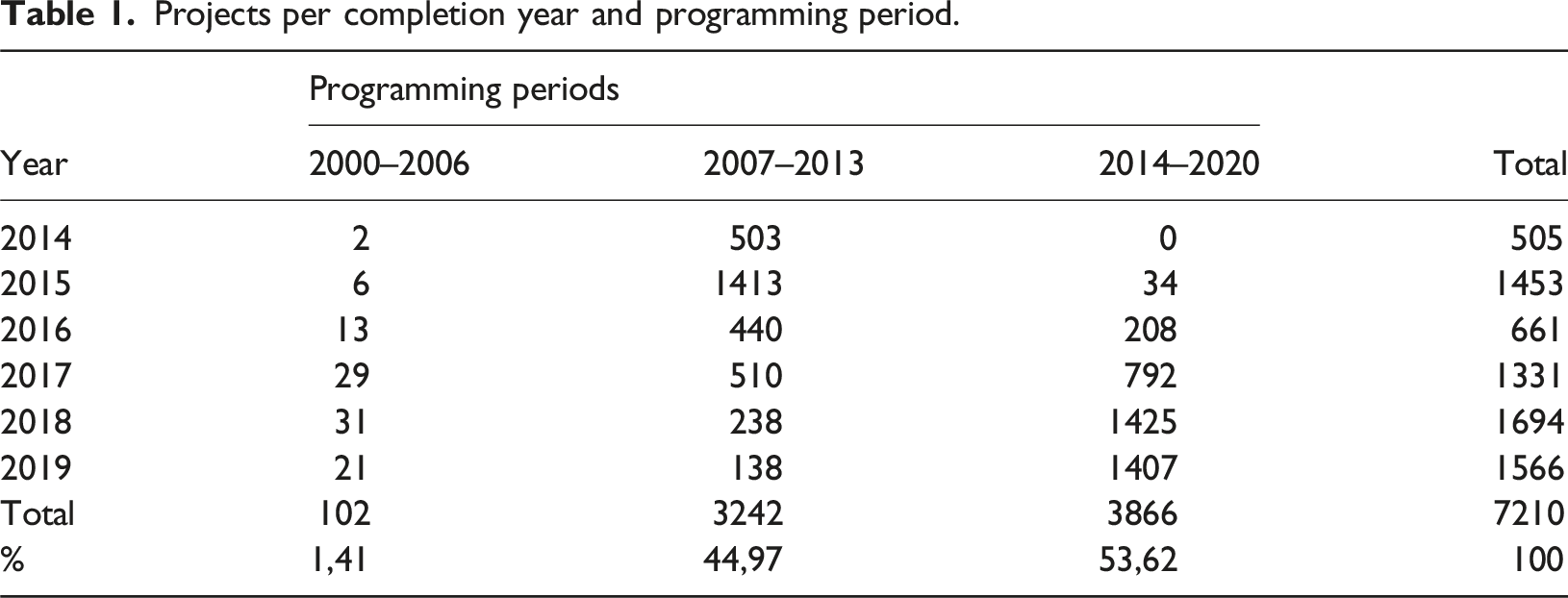
The analysis was carried out on the “Tourism Attractiveness” policy-focused dataset available on OpenCoesione—the national Cohesion Open Data Platform. This database includes more projects than the database for Thematic Objective 6 “Culture and Tourism” 1 , and it covers various incentive measures within the sector—such as enterprise competitiveness, mobility, and environmental initiatives—that could significantly influence tourism development.
Projects per completion year and programming period.
Descriptive statistics
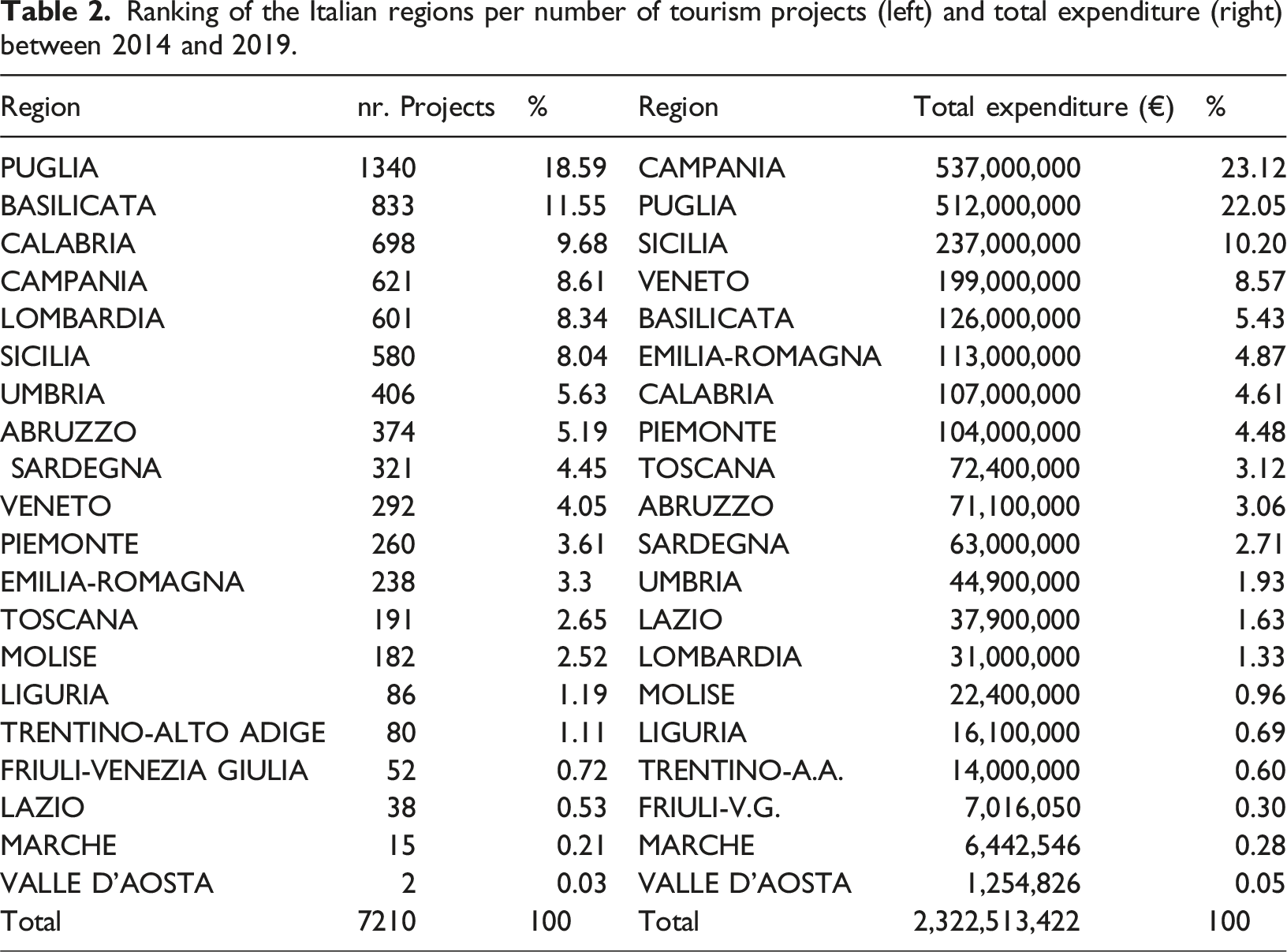
Ranking of the Italian regions per number of tourism projects (left) and total expenditure (right) between 2014 and 2019.
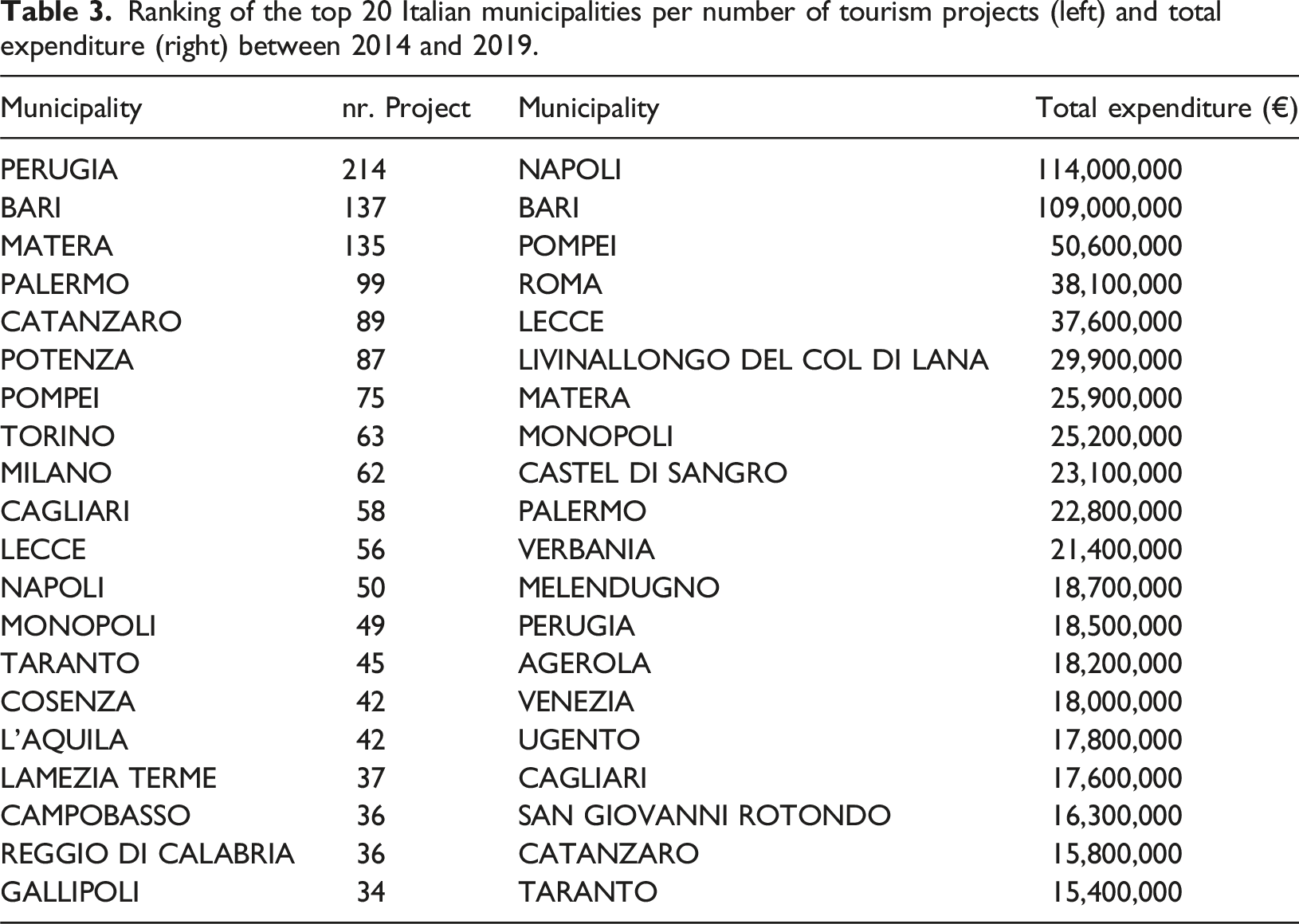
Ranking of the top 20 Italian municipalities per number of tourism projects (left) and total expenditure (right) between 2014 and 2019.
Although the database already classifies projects based on different variables, the available classification system is not aligned to the objectives of this study. First, projects are classified by the nature of expenditure rather than their functional purpose or sector of application. Furthermore, the administrative categories are highly heterogeneous and suffer from a significant number of missing values, complicating the identification of specific investment types. Given that different tourism interventions—such as infrastructure versus marketing—may have varying relationships with a municipality’s attractiveness (Nguyen, 2021), a precise distinction is crucial for the analysis.
To address this limitation, we developed a robust, multi-layered classification algorithm based on dictionary-based text mining and administrative data triangulation. This approach integrates information from three distinct fields in the database: the project title and summary, the official administrative category, and the beneficiary’s NACE economic activity code.
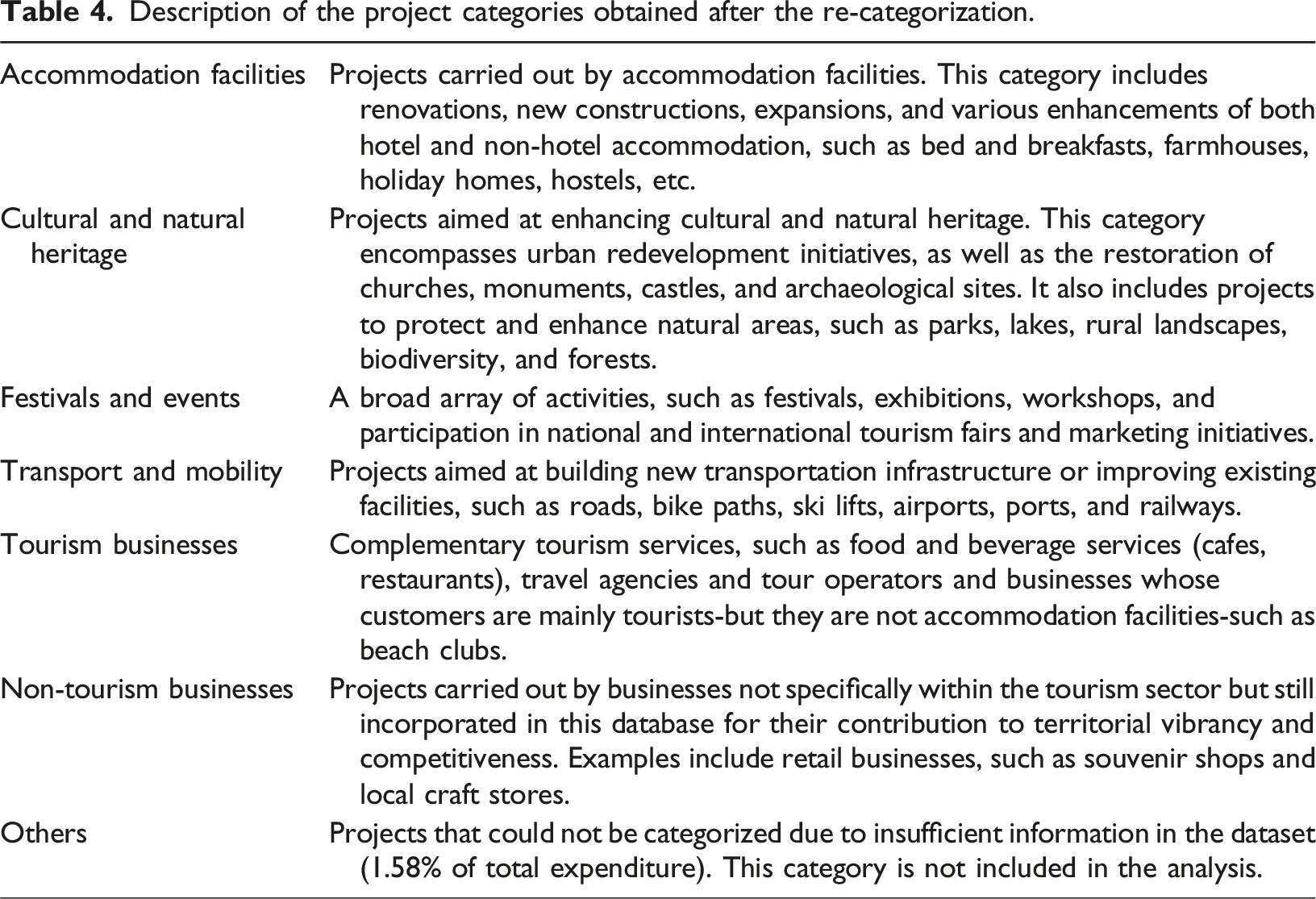
The re-categorization followed a hierarchical stepwise procedure designed to maximize accuracy. First, projects were assigned based on unambiguous NACE codes (e.g., I-55.1 for Hotels), which offer the highest reliability for business-related investments. Second, we reallocated projects with specific administrative labels (e.g., “summary theme”, “category description”, “type of expenditure”) into our target categories when the administrative intent was explicit. Third, we performed a semantic analysis of project titles and summaries using a comprehensive dictionary of over 100 keywords. In cases of ambiguity, priority was given to the semantic content of the project title, as it typically describes the specific output of the investment more accurately than broad administrative labels.
Description of the project categories obtained after the re-categorization.
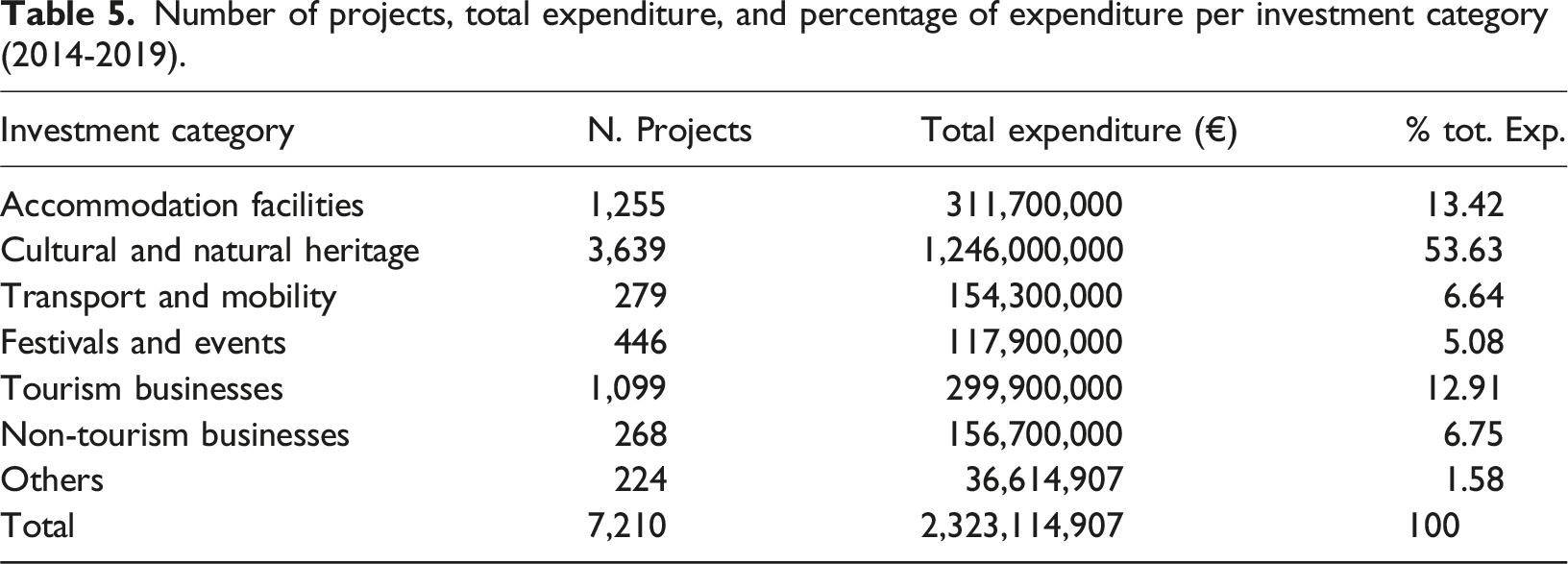
Number of projects, total expenditure, and percentage of expenditure per investment category (2014-2019).
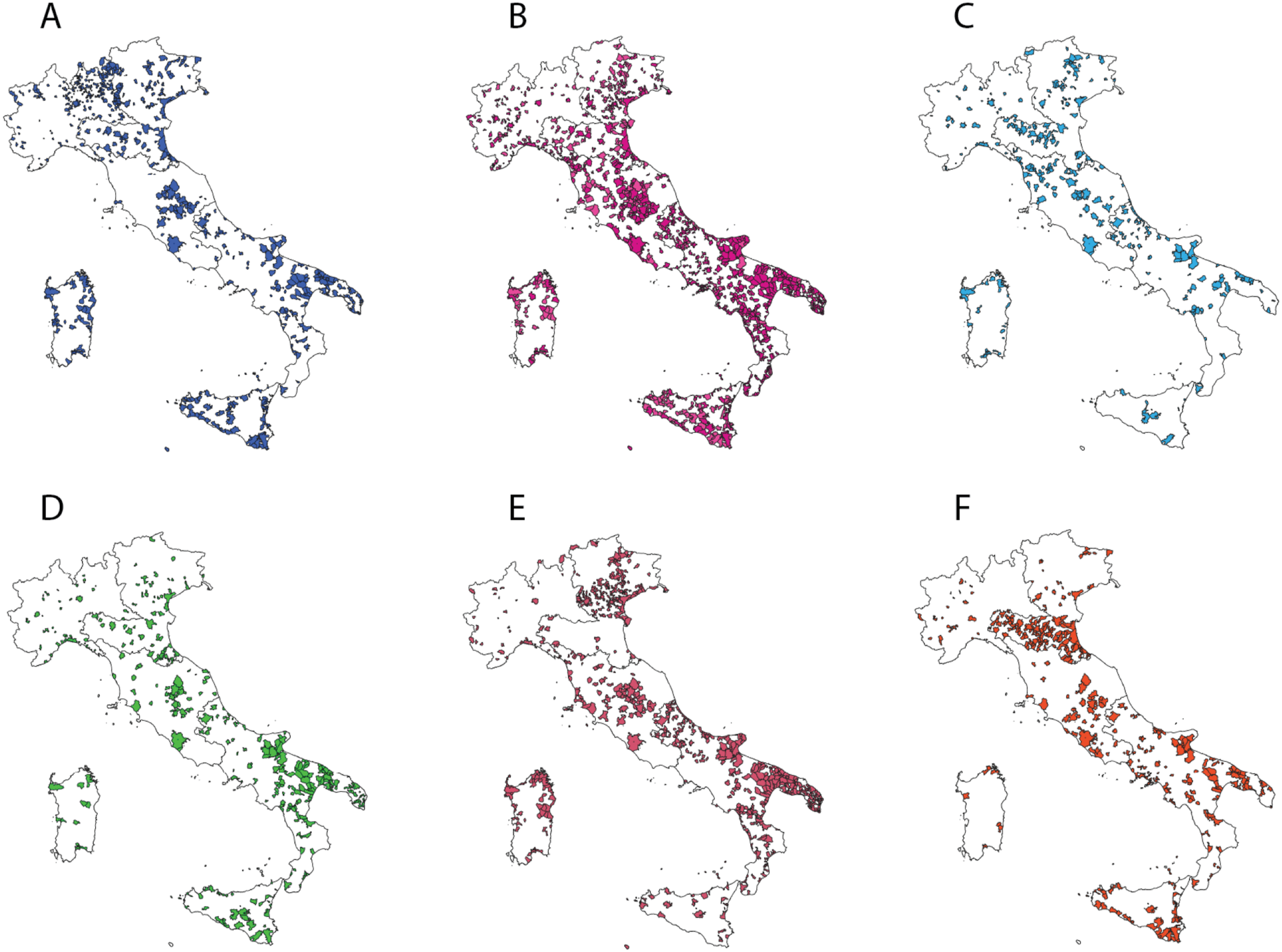
Distribution of municipalities where at least one project was funded for each category (2014-2019). (a) Accommodation facilities (b) Cultural and Natural Heritage (c) Transport and Mobility (d) Festival and Events (e) Tourism businesses (f) Non-tourism businesses.
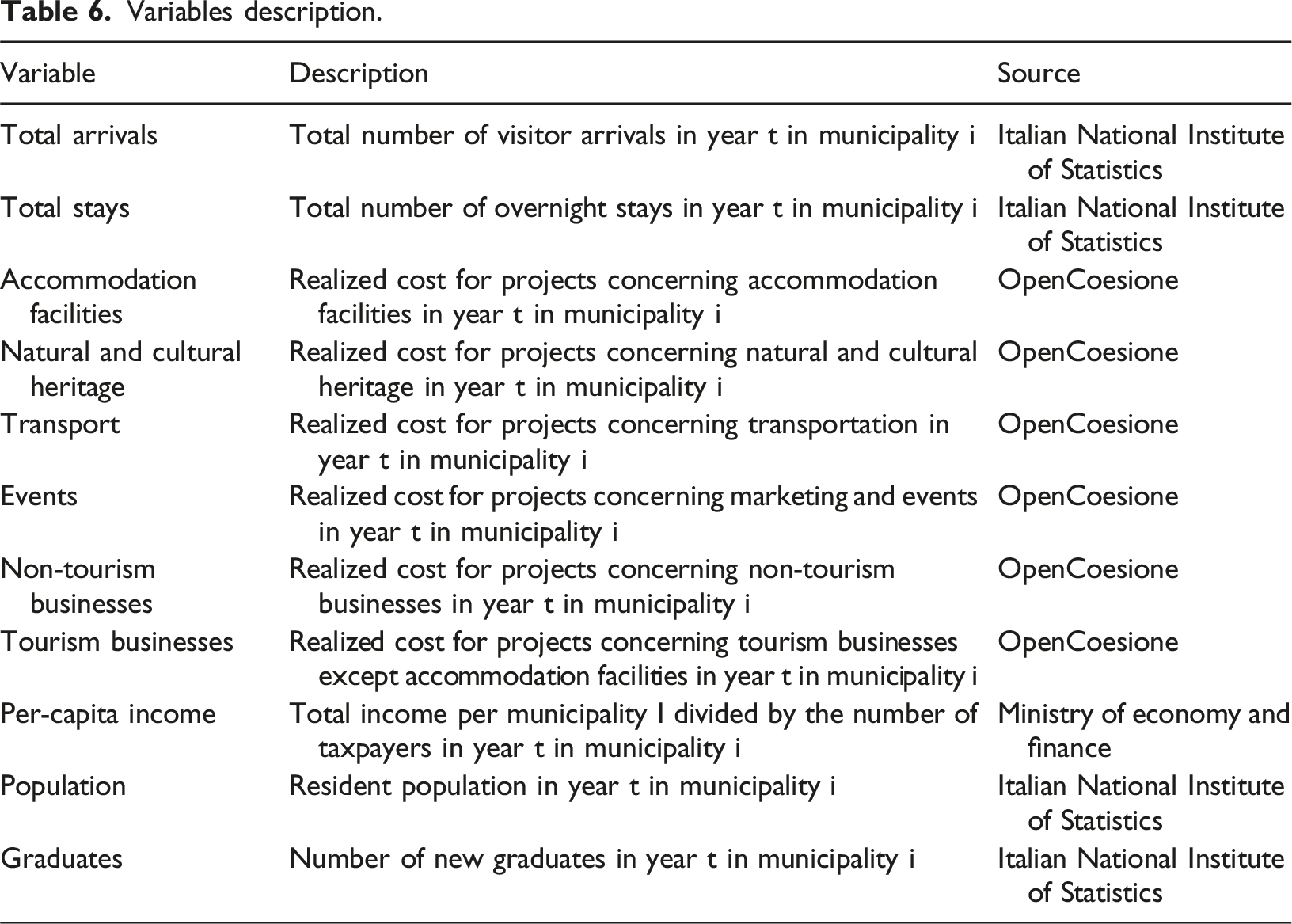
Variables description.
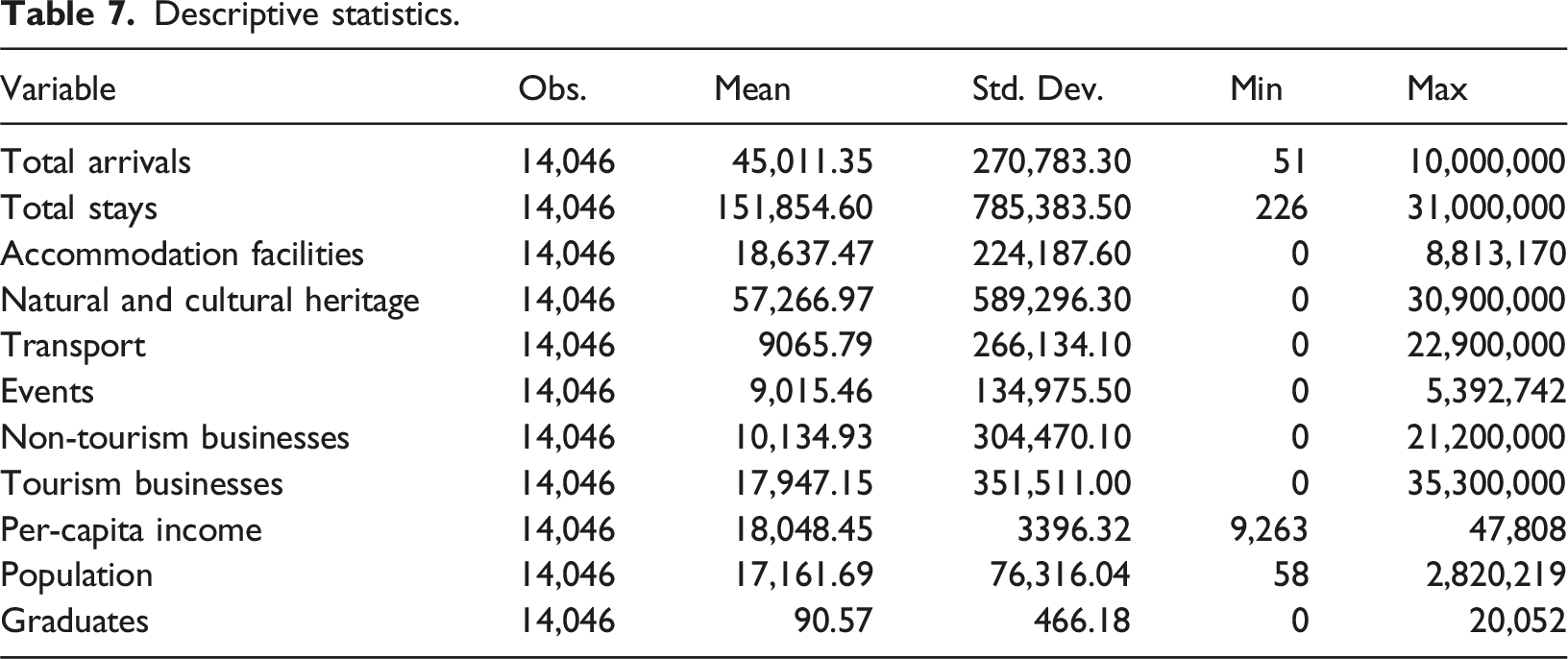
Descriptive statistics.
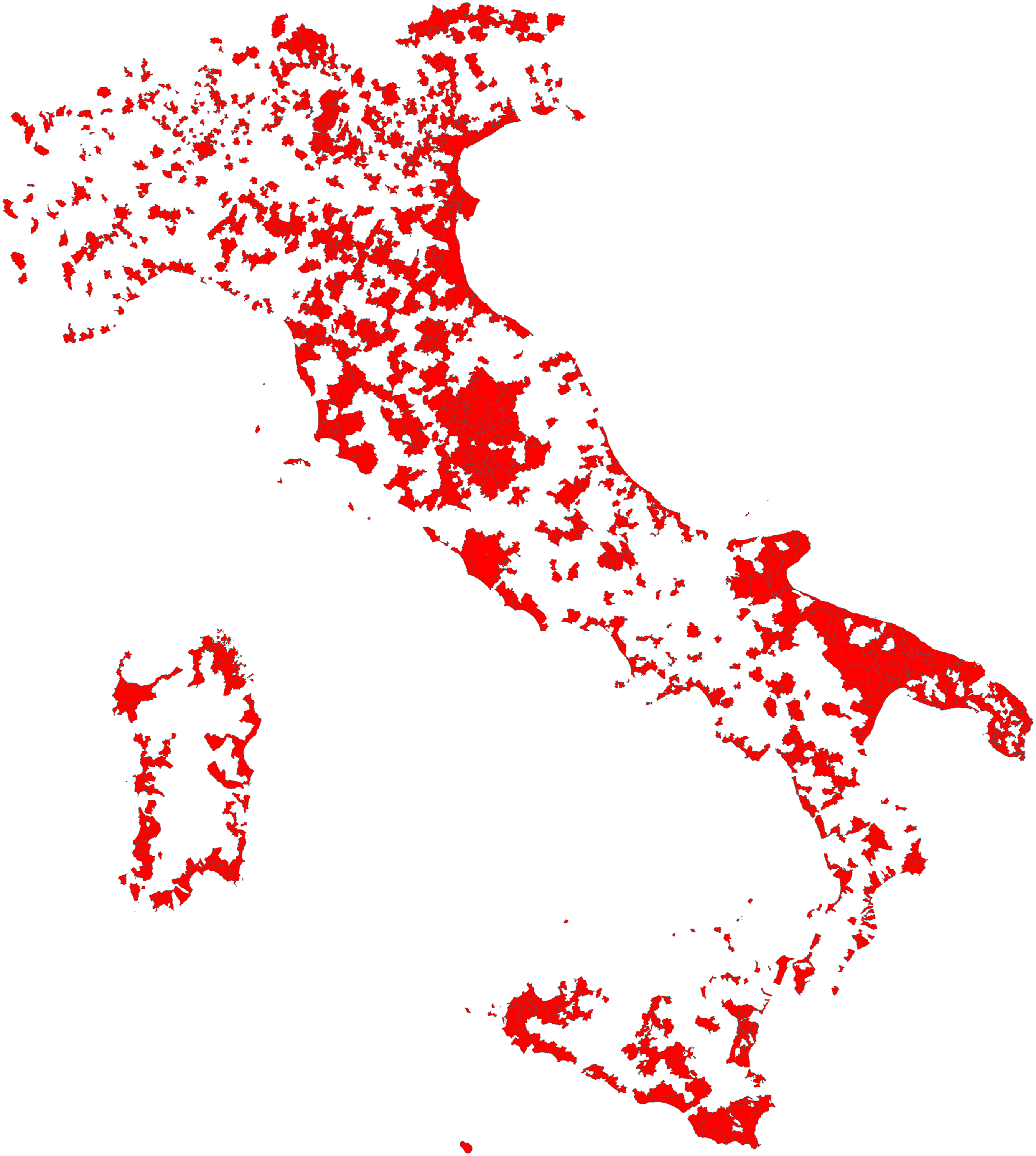
Italian municipalities included in the analysis.
The realized cost 2 for each investment category has been selected as independent variable. We do not use fund commitment to avoid potential measurement errors since commitments may not always be fully executed. The total realized cost is entirely allocated to the completion year of each project, except for those associated with events. While the outcome of structural and infrastructural projects, such as renovations, can only be evaluated upon completion, the potential influence of festivals or structured events that span multiple years is assessed throughout the entire duration, from the project’s start date to its end date.
Following established literature, population, per capita income, and educational level are used as control variables. Larger municipalities are generally linked with better infrastructure and services, which can attract more tourists (Khadaroo and Seetanah, 2008; Pompili et al., 2019). Per capita income is included to account for living standards, drawing from Paci and Marrocu (2014); Patuelli et al. (2014); Romão and Nijkamp (2018); Zamparini et al. (2017), among others. Lastly, the number of graduates serves as an indicator of human capital, as higher education levels may indicate a skilled workforce capable of enhancing tourism services and products (Dettori et al., 2012). Additional factors influencing tourism demand include crime rates and environmental conditions, although data limitations prevent their inclusion in this analysis. To address these issues, municipality and time-fixed effects are employed to control for unobserved characteristics that vary across municipalities and over time.
Empirical strategy
Compared to literature, our methodology presents some innovative elements that are partly determined by the availability and specificity of the data. Crescenzi and Giua (2016) classify methodologies into two approaches: (1) contextualization, which investigates the factors that influence policy effects through techniques such as fixed-effects panel models and spatial interaction effects (Sala-i-Martin, 1996; Boldrin and Canova, 2001; Coppola et al., 2018; Dall'Erba and Le Gallo, 2008; Destefanis and Di Giacinto, 2024; Fiaschi et al., 2018; Scotti et al., 2022), and (2) identification, which utilizes counterfactual methods like Propensity Score Matching, Difference-in-Differences (Accetturo and De Blasio, 2012; Andini and De Blasio, 2016), and the Synthetic Control Method (Brandano and Crociata, 2023).
However, identification methodologies are not suitable for this study for several reasons. First, to establish a reliable control group, it is essential to distinguish between ineligible entities, those eligible entities that do not apply (due to issues such as limited administrative capacity or lack of awareness), and those that applied but were unsuccessful (due to factors like project quality or misalignment with policy objectives). Unfortunately, this information is unavailable in the dataset, which introduces endogeneity issues and selection bias. Additionally, municipalities that are not treated in the current programming period may have received funding in previous cycles, thus skewing the effect estimates. Furthermore, municipalities that heavily depend on tourism are more inclined to apply for funding, complicating the attribution of increased tourism appeal solely to the funding (leading to concerns about reverse causality). Lastly, counterfactual methods rely on the Stable Unit Treatment Value Assumption, which assumes that funding to one spatial unit does not influence the outcomes of neighboring units. This assumption is often unrealistic in real-world scenarios, particularly at the municipal level where spillover effects are prevalent, and when analyzing tourism projects, since tourists typically explore the surrounding areas.
Moran’s I statistics.
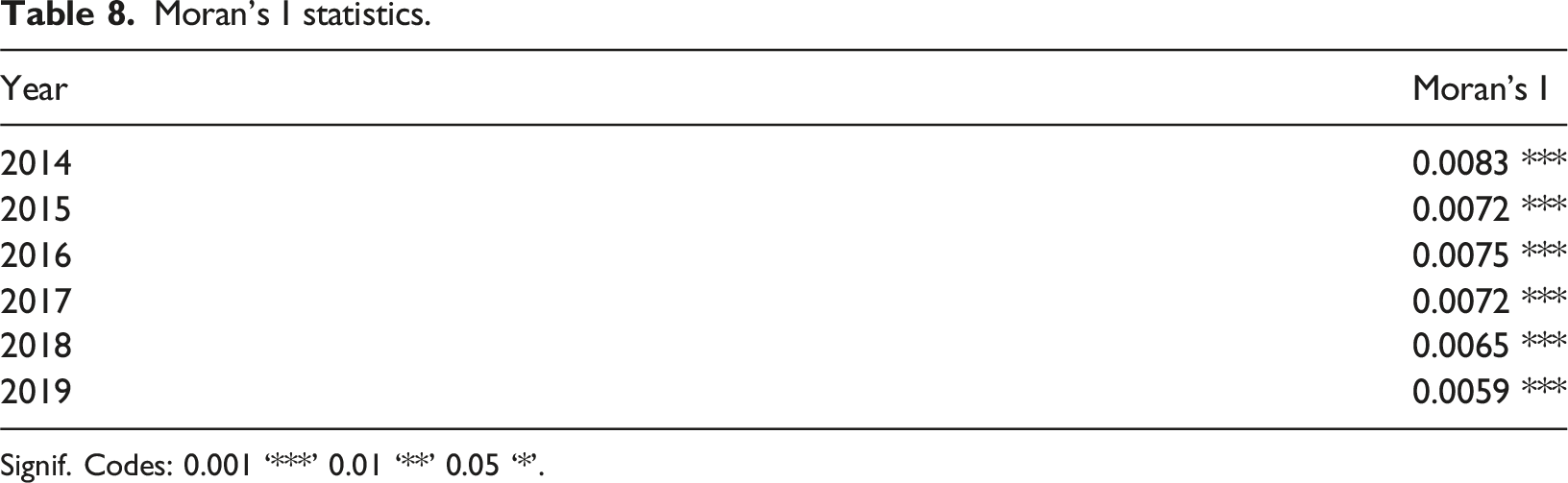
Signif. Codes: 0.001 ‘***’ 0.01 ‘**’ 0.05 ‘*’.
Using data from 2014 to 2019, a Spatial Durbin Model (SDM) with two-way fixed effects is employed to account for spatial correlation. A comparison was made among the SDM, the Spatial Autoregressive model (SAR), and the Spatial Error model (SEM) across various specifications. According to the Akaike and Bayesian Information Criteria (AIC, BIC), the SDM emerged as the best-fitting model. The SDM introduces spatial lags of the independent variables in addition to the dependent variable, which allows us to capture both direct associations (within a municipality) and indirect
3
spatial spillovers (from neighboring municipalities). The model specification is as follows: - - ρ is the spatial autoregressive coefficient. It captures the spatial dependence of tourism attractiveness in municipality i on tourism attractiveness in neighboring municipalities. - The term - - - The term - - - - 
Due to data constraints 4 , the long-term association of these investments cannot be assessed. Nevertheless, it is possible to account for a delayed or gradual link over time using a lagged SDM that incorporates lagged independent variables. This allows for assessing the relationship one and 2 years after project completion. The implementation of different projects within the same area may enhance their overall synergy. For instance, the positive connection between a new transportation initiative and attractiveness could be amplified if it coincides with the introduction of a new cultural attraction within the same municipality. Interaction terms are incorporated into the model to capture these combined dynamics in situations where different project categories are completed simultaneously within the same municipality. Given the original six categories, including all possible pairwise and three-way interactions would result in an overly complex model. To address this, the categories were regrouped into three broader groups: (1) Businesses, including accommodation facilities, non-accommodation tourist businesses, and non-tourist businesses; (2) Heritage, both tangible and intangible, includes projects related to natural and cultural heritage as well as events; and (3) Transportation, kept separate to reflect its distinct relationship. This approach allows us to manage interaction terms while still capturing key synergies across different investment types.
Findings and discussion
Main results
Results of the panel fixed effects Spatial Durbin Model for tourist stays.
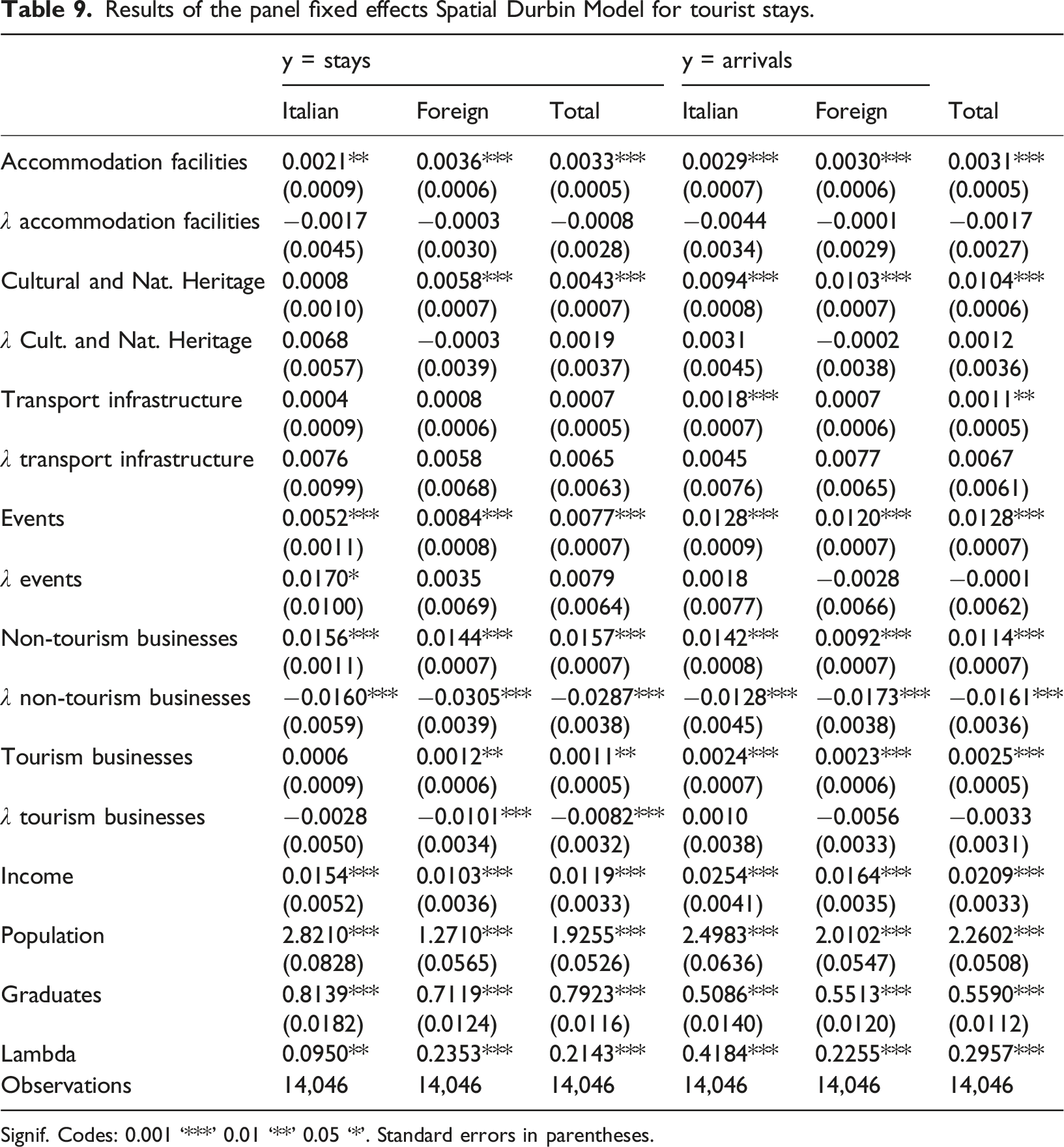
Signif. Codes: 0.001 ‘***’ 0.01 ‘**’ 0.05 ‘*’. Standard errors in parentheses.
Consistent with the theoretical framework (Crouch and Ritchie, 1999), investments in accommodation facilities exhibit a positive and highly significant direct association across all specifications. By financing the renovation, expansion, or creation of structures, these funds effectively relax local capacity constraints, enabling destinations to absorb greater tourist flows. Quantitatively, a one standard deviation increase in accommodation investment is linked to a 0.002–0.004 standard deviation increase in stays and arrivals. However, the spatial lag for accommodation facilities is not statistically significant, indicating that the benefits of expanding capacity are confined to the municipality where the investment occurs. This result aligns with the theoretical characterization of accommodation as a site-specific asset: as noted by Marrocu and Paci (2013), an upgrade in hotel capacity in one municipality enhances its own attractiveness without necessarily generating spillover benefits for neighboring towns, as the consumption of the service is strictly tied to the location of the facility.
Investments in cultural and natural heritage show a positive and significant relationship across all specifications, particularly for foreign arrivals. This confirms the theoretical view that heritage assets act as primary “pull factor” in a destination’s attribute bundle (Brida et al., 2013; Cerisola and Panzera, 2025; Papatheodorou, 2001) that not only attract visitors (arrivals) but, by increasing the volume of available activities, may also encourage longer durations of visit (stays). However, the spatial lags for these investments are not statistically significant. This finding should be interpreted with caution, as it likely reflects structural limitations in the data rather than a true absence of economic externalities. First, arrivals and stays are recorded solely based on the location of the accommodation, providing no insight into the municipalities tourists actually visit during their stay. Consequently, if a tourist sleeps in municipality i but travels to municipality j to visit a funded heritage site, the model fails to capture this interaction. Second, valid economic spillovers may remain undetected because official statistics do not account for flows from the shadow hospitality sector, such as Airbnb. If heritage investments stimulate demand that is absorbed by short-term rentals rather than traditional hotels, the spatial coefficients will be biased downward. Together, these data limitations suggest that the true cross-municipal impact of cultural investments is likely underestimated.
Theoretically, investments in transport infrastructure are linked to reduced travel costs and increased accessibility (Khadaroo and Seetanah, 2008), leading to an expectation that they will primarily drive tourist arrivals rather than duration of stay. Our empirical results strongly support this hypothesis: while transport investments exhibit a positive and significant relationship with both Italian and total arrivals, they show no significant association with stays in any specification. This contrast suggests that while improved accessibility facilitates the decision to travel to a destination, it does not necessarily incentivize a longer duration of visit. These findings align with recent work by Scotti et al. (2024), who argue that transportation facilities increase the attractiveness of municipalities for same-day visits and arrivals, whereas overnight stays are driven by the availability of accommodation and cultural resources. Furthermore, the lack of a “stay” effect may also reflect the complexity of travel networks; as noted by Bergantino et al. (2023), enhancing a single type of infrastructure does not guarantee overall accessibility, as tourists rely on multimodal transport chains. Consequently, while these investments successfully lower the barrier to entry (arrivals), they do not independently generate the utility required to extend the stay.
Event-related investments, such as festivals, marketing actions, and tourist information projects, exhibit a positive and significant association with both stays and arrivals across all specifications. This confirms that “animating” a destination through festivals and promotional activities is effective in attracting a broad spectrum of both domestic and foreign tourists. These findings align with Getz (2008), who argues that event portfolios are essential for competitiveness and overcoming seasonality. Notably, the spatial lag for event investments is marginally significant for Italian stays. This suggests that domestic visitors may spill over into neighboring municipalities for accommodation, likely due to capacity constraints in the host municipality during peak event periods.
From a theoretical perspective, investments in both tourism and non-tourism businesses—such as restaurants, cafés, souvenir shops, and other complementary services—are expected to enhance the quality and efficiency of destination services, contributing to the overall visitor experience and, ultimately, to destination attractiveness (De Souza et al., 2020). Our empirical results strongly support this theoretical framework: investments in non-tourism businesses are positively associated with both stays and arrivals across all model specifications, while investments in tourism businesses other than accommodation facilities exhibit positive and statistically significant relationships with tourism performance in most specifications, with the exception of Italian stays. However, a distinct pattern emerges regarding spatial interactions: both tourism- and non-tourism businesses exhibit negative and statistically significant spatial lags. This indicates a potential competitive dynamic, which aligns theoretically with the “substitution effect” in spatial competition (Papatheodorou, 2001). When neighboring municipalities offer similar commercial amenities (e.g., restaurants, retail, or leisure services), they compete for the same pool of visitors. Consequently, an improvement in the business environment of one municipality increases its relative utility, functioning as a substitute for, rather than a complement to, neighboring areas. This suggests that while business-related investments are linked to higher local attractiveness, they may also generate a “market stealing” effect in the short term by diverting demand from surrounding municipalities.
Analysis with temporal lags
Estimates of the lagged Spatial panel fixed effects model for total arrivals.
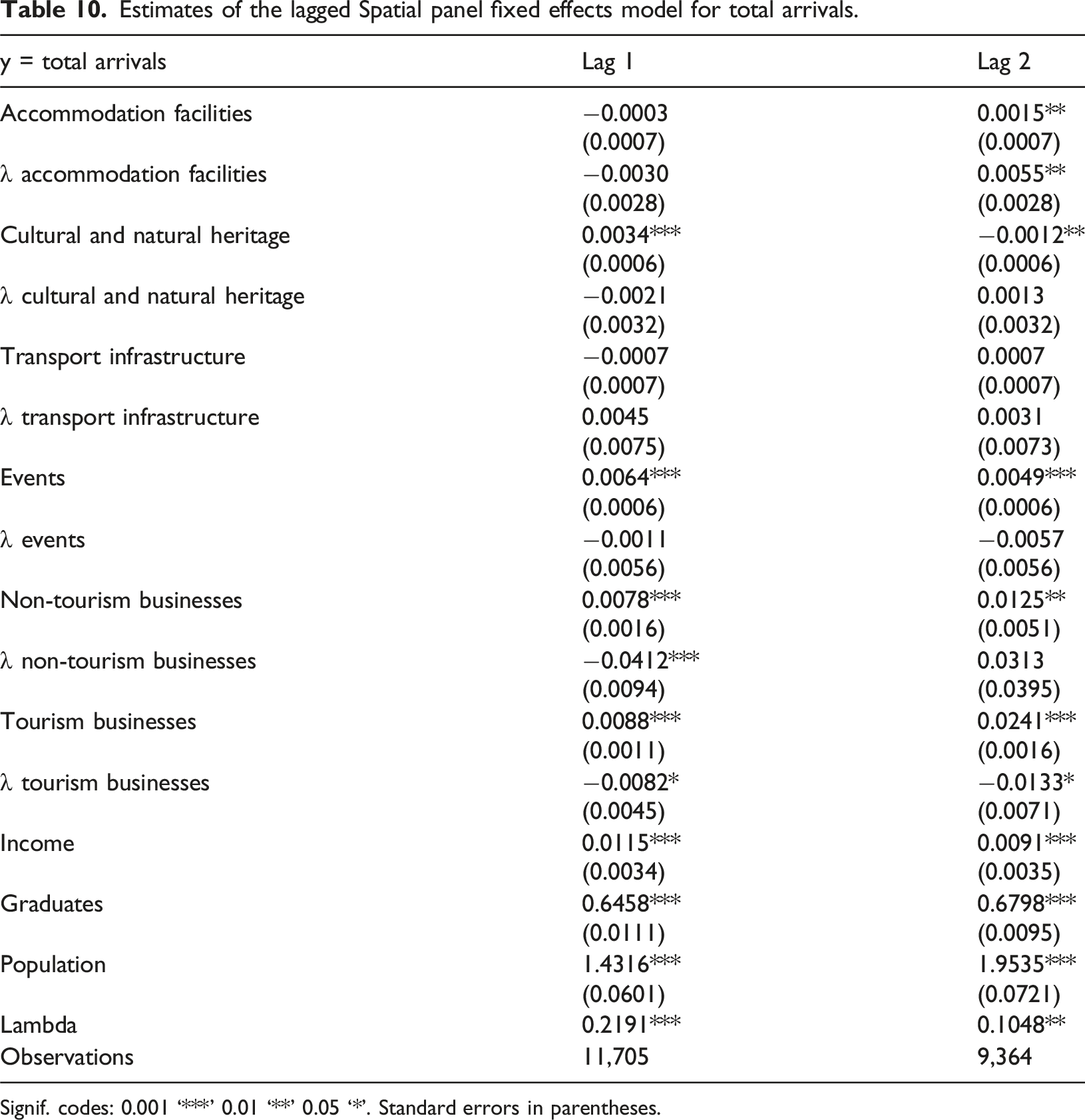
Signif. codes: 0.001 ‘***’ 0.01 ‘**’ 0.05 ‘*’. Standard errors in parentheses.
Non-linear relationships
Results of the Spatial Autoregressive model to capture non-linear effects.
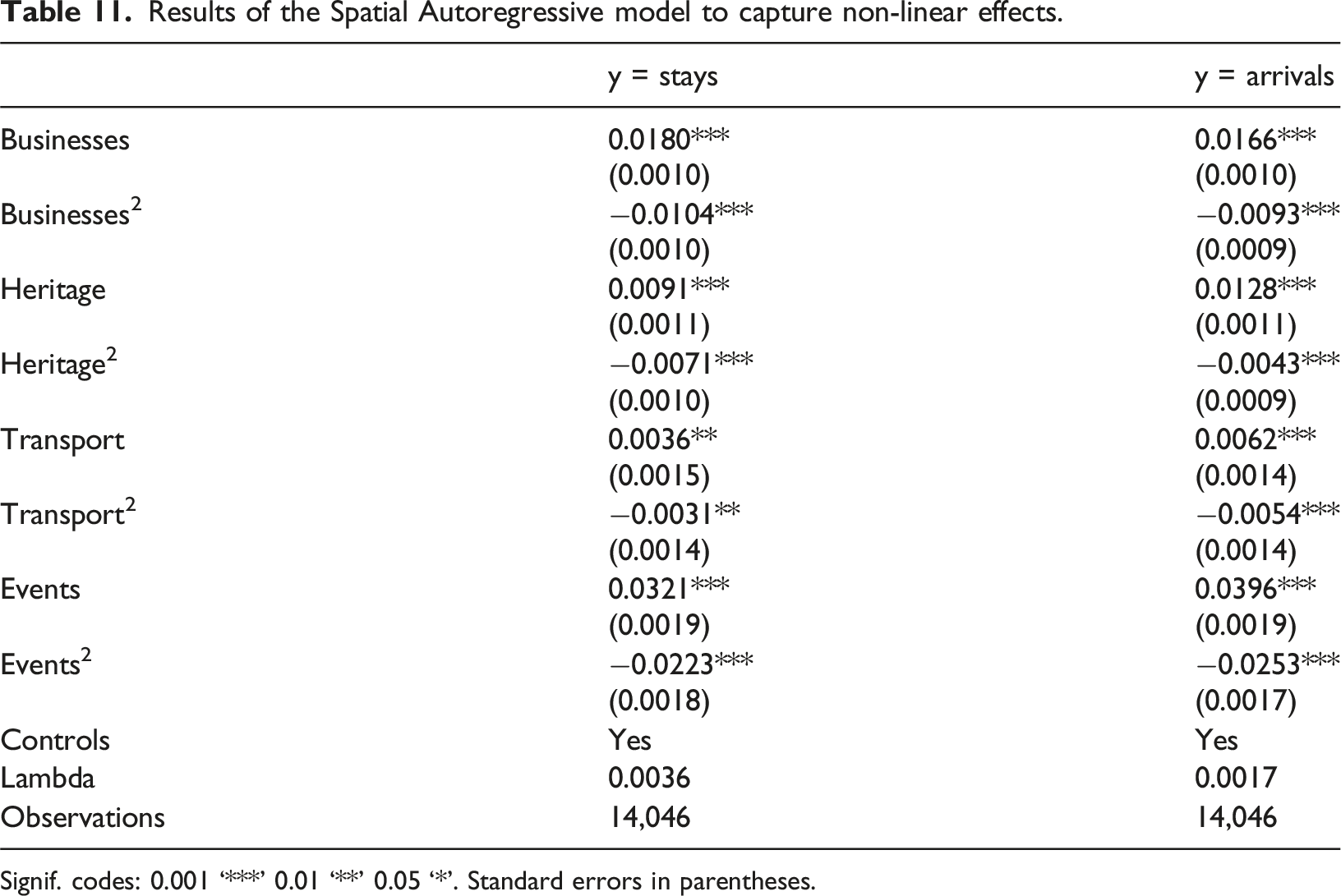
Signif. codes: 0.001 ‘***’ 0.01 ‘**’ 0.05 ‘*’. Standard errors in parentheses.
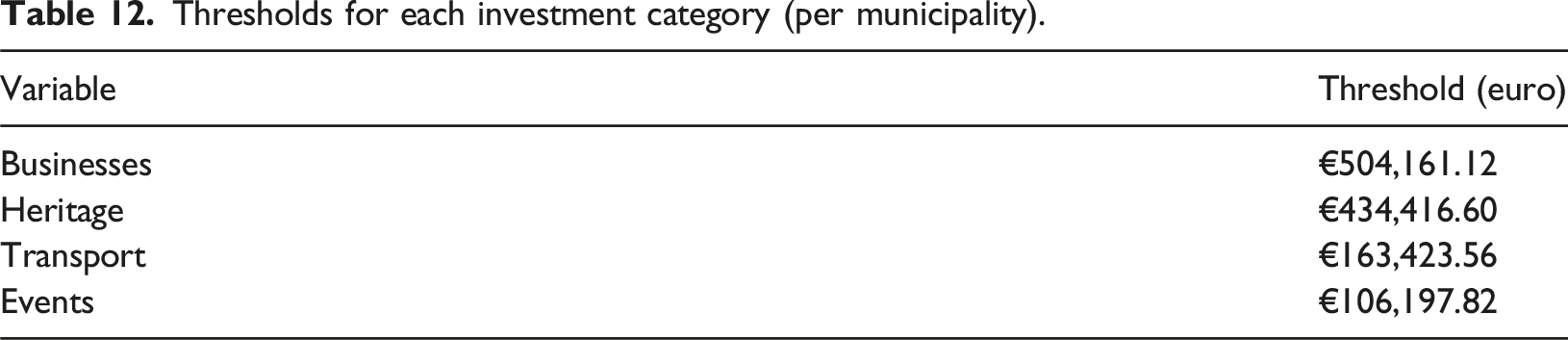
From an economic perspective, this implies that initial capital outlays effectively target critical bottlenecks, such as essential infrastructure upgrades or heritage restoration, thereby generating high marginal utility. However, once a certain investment threshold is surpassed, marginal returns decline as funds are diverted to lower-priority projects. This trajectory aligns with established literature on the non-linear dynamics of regional funding and points to absorption capacity constraints. As suggested by previous studies (Adedoyin et al., 2022; Becker et al., 2012; Cerqua and Pellegrini, 2018; Colaizzo et al., 2018; Cristofoletti et al., 2024), local administrations often face fixed technical and human capital endowments that make it difficult to manage large capital inflows efficiently. Consequently, excessive investment can trigger administrative congestion and delays, resulting in the observed decreasing marginal utility.
Thresholds for each investment category (per municipality).
Synergistic relationships
Results of the Spatial Durbin Model models including interaction terms.
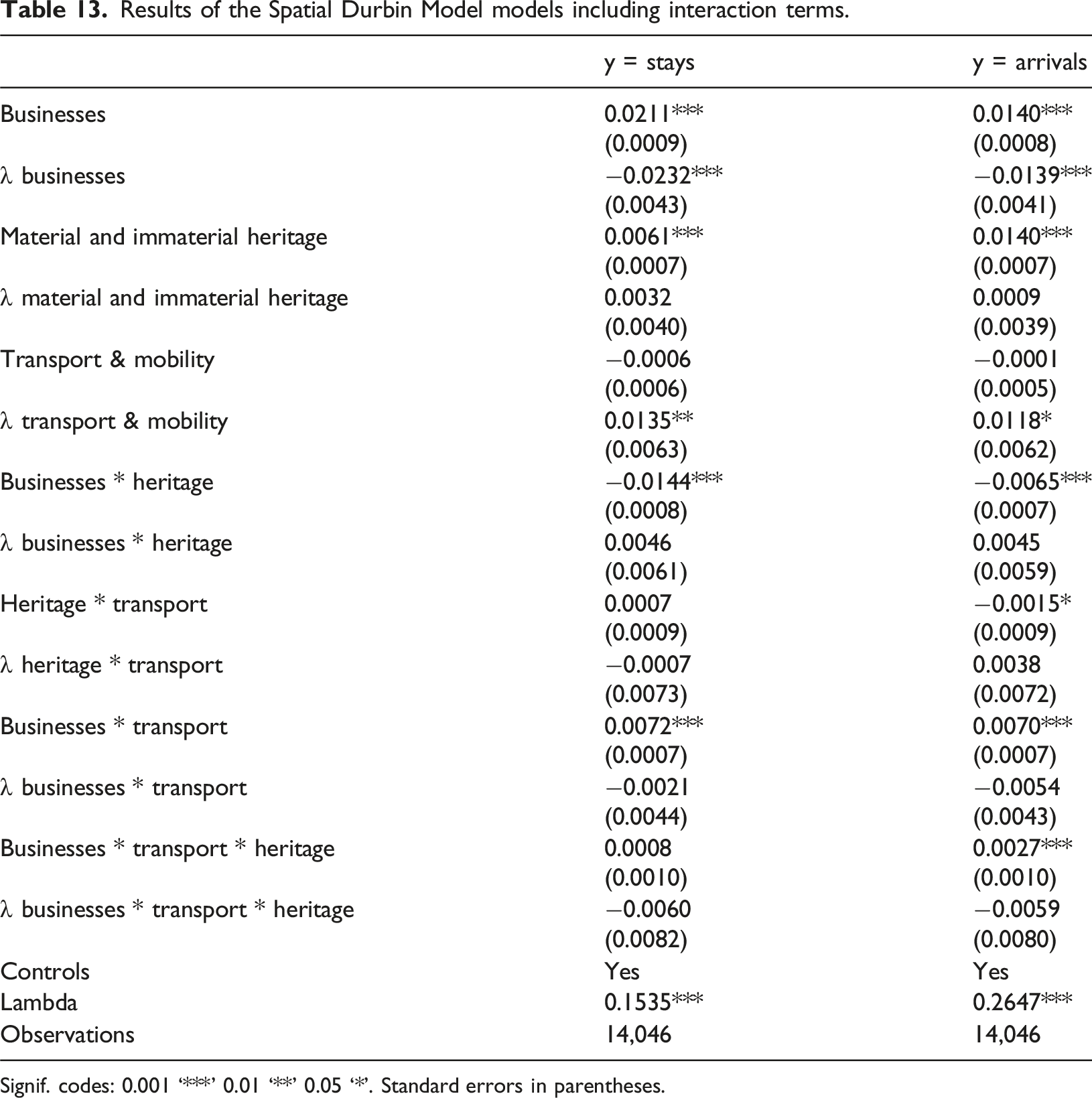
Signif. codes: 0.001 ‘***’ 0.01 ‘**’ 0.05 ‘*’. Standard errors in parentheses.
Robustness checks
Sensitivity analysis with different spatial weight matrices.
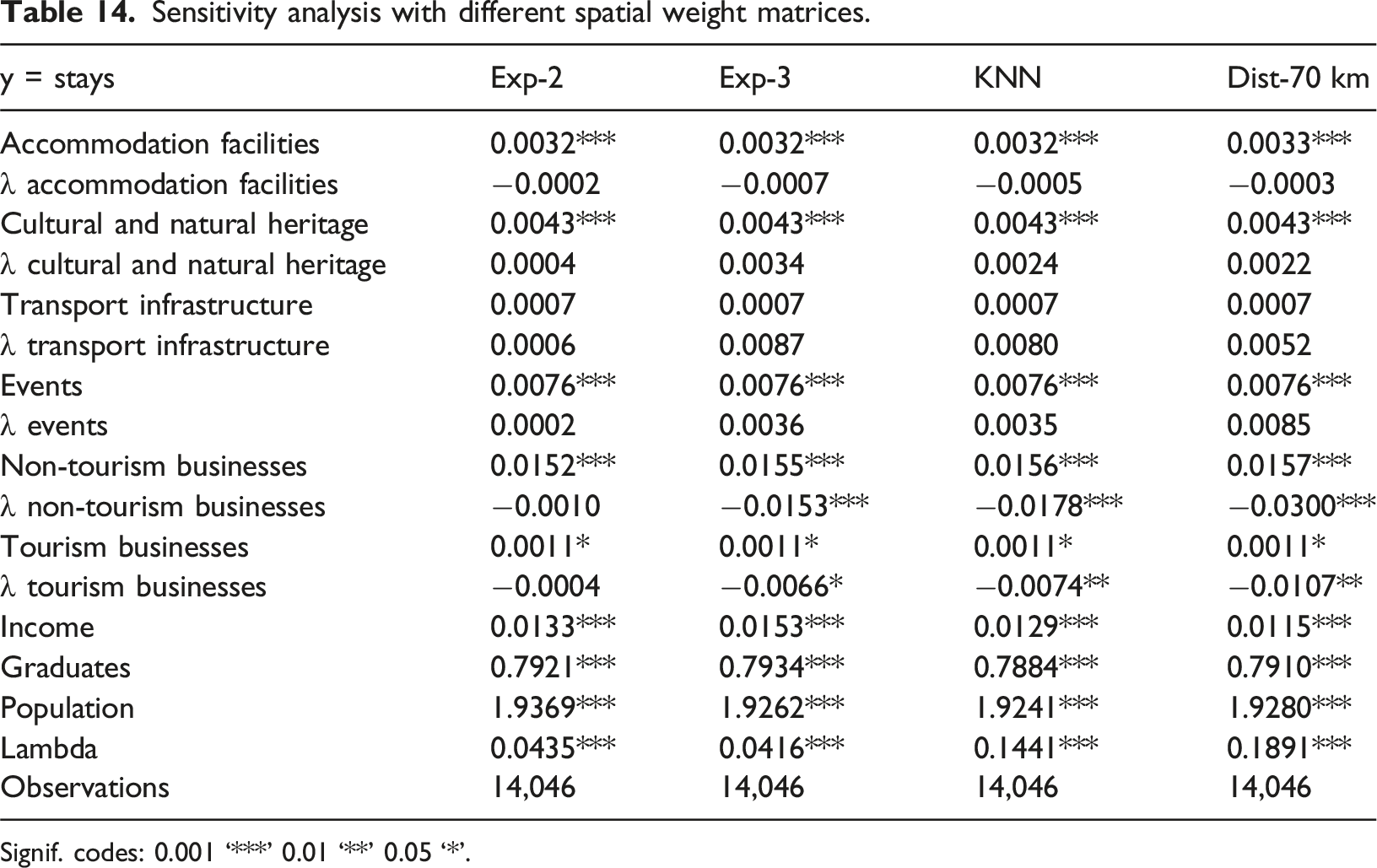
Signif. codes: 0.001 ‘***’ 0.01 ‘**’ 0.05 ‘*’.
Sensitivity analysis with distances matrices at different cut-offs.
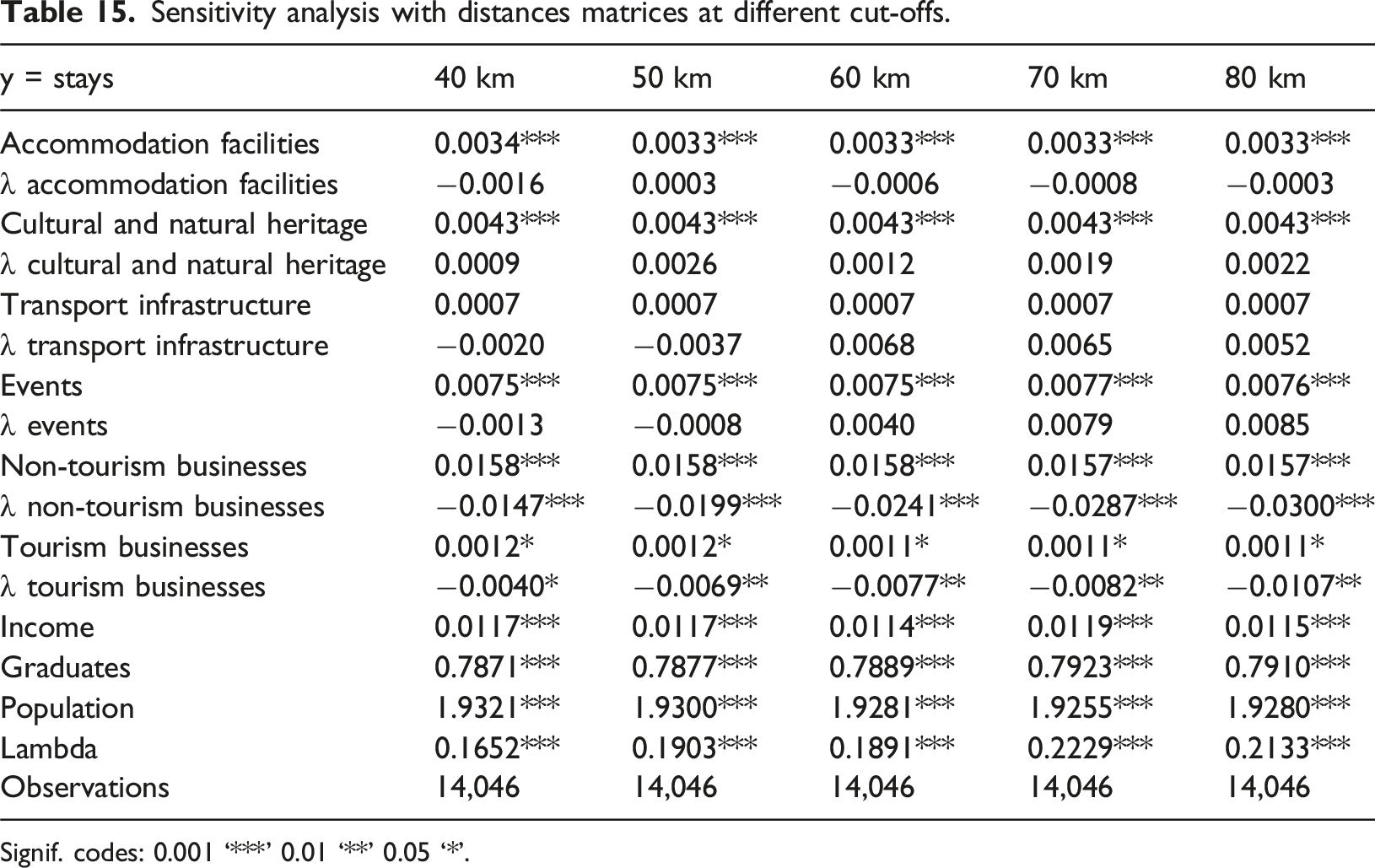
Signif. codes: 0.001 ‘***’ 0.01 ‘**’ 0.05 ‘*’.
Conclusions and policy implications
This research fills a critical gap in the literature by analyzing the interplay between Cohesion Policy and tourism attractiveness at the municipal level across Italy. Despite the increasing global reach of the tourism industry, driven by the rise of major online booking and travel platforms, tourism remains inherently local, as visitors primarily consume goods and services in the places they visit. This underscores the need for a more granular, municipality-level analysis to better understand the sector’s development. Moreover, analyzing tourism at the municipal level allows for a more precise assessment of local dynamics, as regional-level analyses may overlook critical differences between municipalities in terms of tourism attractiveness. Additionally, previous studies tend to overlook the diversity of investment types funded through CP, often focusing solely on total expenditure rather than examining how different types of investments influence tourism outcomes. This research addresses this limitation by systematically reclassifying projects into six distinct investment categories, moving beyond the broad and imprecise classifications of the OpenCoesione database.
Based on our findings, several policy implications arise for policymakers and local stakeholders seeking to improve public fund allocation and optimize investment strategies. First, the overall positive interplay between the CP and tourism attractiveness underscores the need for its sustained support. Policymakers should ensure that these funds remain a central component of regional development strategies, given their consistent positive association with tourism indicators across multiple investment categories. Second, this study reveals that different types of CP-funded investments exhibit distinct relationships with tourism attractiveness, highlighting the limitations of a one-size-fits-all approach and the need for targeted investment strategies. Based on our results, policymakers could prioritize investment categories that are most robustly linked to tourism attractiveness, such as projects that preserve cultural and natural heritage, support event promotion and organization, and strengthen tourism businesses. In addition, they could focus on those investments that are more coherent with the tourism strategy defined at the local level. For example, while investments in transport infrastructure are primarily associated with higher tourist arrivals, their relationship with the length of stays is less pronounced. In contrast, investments in cultural and natural heritage show a particularly strong correlation with foreign visitors. Therefore, these results give policymakers an instrument to support the alignment of investment strategies with local development objectives, whether the goal is to increase visitor numbers or improve the overall quality of the tourism experience.
Furthermore, considering the high granularity of this study, another valuable insight reveals that the positive outcomes associated with investment are largely confined to the municipalities where funds are allocated, indicating that these localized dynamics do not naturally ripple out to neighboring areas. This general absence of spatial spillovers is a significant policy finding in itself, as it indicates administrative fragmentation and a lack of inter-municipal coordination. It suggests that municipalities often operate as “islands”, competing rather than cooperating to create integrated territorial destinations. Consequently, the potential for agglomeration economies remains largely untapped due to a failure in designing cohesive territorial strategies.
The observed synergy between investments in business development and transport suggests that coordinated investment strategies can significantly enhance both tourist arrivals and stays. To maximize the potential utility of public funding on tourism attractiveness, policymakers and stakeholders should prioritize integrated projects that leverage these complementarities, ensuring a more efficient and sustainable use of resources. Finally, the non-linear relationship between investment levels and tourism outcomes, with diminishing marginal returns at higher spending levels, likely indicates the presence of absorption capacity constraints. This suggests that local administrations may face difficulties in efficiently managing and deploying funds beyond a certain threshold. Therefore, monitoring marginal benefits and prioritizing administrative efficiency, rather than increasing expenditure indefinitely, is crucial for ensuring the cost-effective use of public resources.
While this study provides valuable insights, it is not without its limitations. The available data on stays and arrivals at the municipal level begins only in 2014 and is restricted to tourism-oriented areas as classified by the Italian National Institute of Statistics, excluding emerging destinations that may also be involved in CP initiatives. Additionally, official statistics fail to account for arrivals and stays from short-term rentals, such as those listed on Airbnb. This omission represents a significant constraint, as the sharing economy has become a structural component of Italian tourism. This data gap has two major implications for the interpretation of our results. First, it leads to an underestimation of the total volume of tourism demand generated by the investments. Second, it may bias the detection of spatial spillovers, since tourists attracted by an investment in one municipality might choose to stay in neighboring areas using peer-to-peer accommodation.
From the methodological perspective, we acknowledge a potential endogeneity issue arising from the self-selection of municipalities into CP projects. We posit that this likely results in an upward bias in our estimates. Municipalities with higher administrative capacity or a more established tourism sector—factors inherently correlated with positive tourism outcomes—are generally more successful in applying for competitive funds. Consequently, our estimates may capture not only the benefits of the investment but also the unobserved quality of the local administration. In light of this, our results should be interpreted as robust structural associations describing the positive link between investment intensity and tourism flows, rather than as causal effects isolated from local institutional characteristics. Unfortunately, this issue cannot be fully addressed because data on the criteria or processes guiding municipalities’ participation decisions are not available, preventing the implementation of quasi-experimental methods.
Future research could integrate novel data sources to enrich the measurement of tourism flows. Specifically, the use of Big Data such as mobile positioning data, credit card transaction logs, or social media footprints could solve the limitation of official statistics, which record only the “place of stay” (accommodation) but not the “place of visitation”. Tracking the actual mobility of visitors across municipal borders would provide a much more accurate picture of spatial interactions and allow researchers to better identify the spillover effects that traditional metrics fail to capture. Furthermore, future research could consider alternative indicators, such as web-scraped data on short-term rentals (e.g., AirDNA or InsideAirbnb). Incorporating this “shadow” supply would offer a more comprehensive understanding of how CP funds influence the total tourism capacity and attractiveness of a territory, correcting for the potential substitution effects between traditional and platform-based accommodation.
Finally, the study does not consider certain local contextual factors, such as administrative capacity and the quality of municipal governance, due to the lack of granular data at the municipal level. Beyond implying a potential upward bias driven by administrative competence, this factor provides a compelling explanation for the lack of spatial spillovers: institutional fragmentation likely prevents municipalities from coordinating to generate positive externalities. Future research should unpack this heterogeneity using governance proxies, such as the European Quality of Government Index (EQI). Ultimately, our findings suggest that Cohesion Policy must couple financial transfers with targeted capacity building to foster the inter-municipal cooperation required for sustainable tourism development.
Supplemental material
Suppplemental Material - Exploring the link between Cohesion Funds and tourism attractiveness: Evidence from Italian municipalities
Suppplemental Material for Exploring the link between Cohesion Funds and tourism attractiveness: Evidence from Italian municipalities by Marika Arena, Angela Stefania Bergantino, Alessandro Buongiorno, Maria Grazia Cito, Mario Intini, Francesco Scotti in Tourism Economics
Footnotes
Acknowledgements
M.A., A.S.B., A.B., M.G.C., M.I., F.S. acknowledge that this study was carried out within the GRINS—Growing Resilient, INclusive and Sustainable project and received funding from the European Union Next-Generation EU (NATIONAL RECOVERY AND RESILIENCE PLAN (NRRP), MISSION 4, COMPONENT 2, INVESTMENT 1.3—D.D. 1558 11/10/2022, PE00000018, CUP: H93C22000650001, Spoke 7 Territorial sustainability). The manuscript reflects only the authors’ views and opinions, neither the European Union nor the European Commission can be considered responsible for them.
ORCID iDs

Funding
The authors received no financial support for the research, authorship, and/or publication of this article.
Declaration of conflicting interests
The authors declare that they have no known competing financial interests or personal relationships that could have appeared to influence the work reported in this paper.
Supplemental material
Supplemental material for this article is available online.
Notes
Author biographies
References
Supplementary Material
Please find the following supplemental material available below.
For Open Access articles published under a Creative Commons License, all supplemental material carries the same license as the article it is associated with.
For non-Open Access articles published, all supplemental material carries a non-exclusive license, and permission requests for re-use of supplemental material or any part of supplemental material shall be sent directly to the copyright owner as specified in the copyright notice associated with the article.
