




Abstract
No previous studies have provided insights into inter-organizational spillover in hotel market exit behaviors amidst great uncertainty. This study investigates the impact of local pandemic severity on hotel survival rates and identifies inter-organizational imitation moderating this effect. We conduct survival analysis on a sample of 3841 hotel properties in the U.S. state of Texas. Results confirm the detrimental roles of pandemic severity on hotel survival rates. We observe a negative spillover stemming from inter-organizational imitation based on the market exits of same-class hotel peers. Results further unveil that hotels operated by third-party management companies and high-end hotels are less likely to exhibit inter-organizational imitation in their closure responses to the pandemic.
Keywords
Introduction
The COVID-19 pandemic provides a fitting research context for investigating hotel market exit behaviors amidst great uncertainty. The tourism and hospitality industries are highly vulnerable to this crisis (Kocak et al., 2023; Ntounis et al., 2022; Singh and Corsun, 2023). Travel restrictions, border controls, and quarantine policies have stifled travel demand, especially internationally (Uğur and Akbıyık, 2020; Yang et al., 2021). On the supply side, many tourism businesses have faced obstacles such as understaffing and heightened operating costs. Although various government policies and other strategies have been proposed to assist tourism businesses, particularly small and medium-sized ones, unprecedented economic losses persisted (Zhang and Yang, 2022). Within the hospitality industry, Ozdemir et al. (2021) found that the U.S. hotel sector witnessed an 86% decline in daily revenue per available room at the peak of COVID-19.
As the world approaches the end of this pandemic, it is an ideal time for experts to reflect on lessons learned. Tourism demand is seasonal, perishable, and inseparable. Industry firms are, therefore, susceptible to disasters (Le and Phi, 2021). Extensive research has addressed the pandemic’s economic impacts on tourism businesses. A number of empirical studies have specifically leveraged stock market data to evaluate how pandemic severity and anti-pandemic policies influence corporate performance (Chen et al., 2020; Sharma and Nicolau, 2020). However, as the tourism industry is dominated by small and medium-sized businesses, corporate-based analysis cannot provide comprehensive findings in this regard. Some scholars have applied country- or region-aggregated data to scrutinize businesses’ economic consequences (Ozdemir et al., 2021; Yang et al., 2022). Yet a concern with aggregated information is that it often masks individual firms’ heterogeneity, precluding generalizability at the individual level.
Another gap in the literature is the predominant focus on performance data as an outcome (Ozdemir et al., 2021), with less attention given to alternative measures such as business survival. The devastation of this pandemic has left many businesses unable to sustain their operations despite relief policies. Some firms thus opted to close permanently (Yacoub and ElHajjar, 2021). Economic analyses based on individual tourism businesses’ performance hence suffer from “survival bias”: Results only capture effects within surviving samples (Delmar et al., 2022). Market exits and business closures depend on multiple performance metrics. The calibrated impact of pandemics based on performance is usually underestimated, leading to unreliable conclusions. Single performance measures also fail to thoroughly reflect firms’ past and current activities, whereas business survival indicators can depict firms’ overall performance through numerous means (Lin and Kim, 2020).
Further, while extensive research explores the spillover phenomenon in the tourism and hospitality literature, a research gap remains in this area. Prior research primarily focuses on productivity and performance spillover, such as how tourism destinations' or hotels’ performance benefits from the presence of neighboring peers due to labor market pooling, knowledge spillover, and transportation improvements (e.g., Kim et al., 2021; Yang and Mao, 2017; Zhou et al., 2021). However, whether a specific spillover mechanism—inter-organizational imitation—affects the strategic decisions of individual hotels remains unexplored. According to the inter-organizational imitation perspective, firms may consider their peers’ choices as an option to mitigate the risk of erroneous strategic decisions, particularly in an uncertain environment (Gaba and Terlaak, 2013; Haunschild, 1994). With this regard, the pandemic provides a unique context for understanding the role of inter-organizational imitation in strategic decision-making due to the significant uncertainty it has engendered.
To bridge these knowledge gaps, we make an initial attempt to investigate the impact of the COVID-19 pandemic on hotel closures and the heterogeneity in this relationship arising from spillover based on a survival analysis of 3841 hotel properties in the U.S. state of Texas. Specifically, our study aims to address the following research questions: (1) How has the COVID-19 pandemic affected the survival rates of hotels? (2) What role does inter-organizational imitation play in hotel closures during the pandemic? (3) Is there heterogeneity in the inter-organizational imitation behavior in hotel closures?
Our results enrich the hospitality management literature. First, different from empirical analyses exclusively featuring performance measures of “surviving” hotel properties (Ozdemir et al., 2021; Yang et al., 2022), we evaluate the pandemic’s impact via the survival rate, a key metric that has gone overlooked. We, therefore, move beyond the traditional focus on performance within surviving samples to provide a more comprehensive understanding of hotel performance. Second, we advance resilience theory by scrutinizing underexplored moderators of the pandemic’s effects on business survival. In contrast to previous literature predominantly examining the impacts of internal factors (i.e., hotel-specific characteristics) on resilience (e.g., Chen et al., 2007; Ntounis et al., 2022; Sobaih et al., 2021), we shift the focus to the external factor, i.e., the spillover effect on hotel closures stemming from inter-organizational imitation. Third, this study advances our understanding of spillover phenomenon in the hospitality industry by elucidating a specific mechanism of spillover—inter-organizational imitation—within a context characterized by substantial uncertainty. While spillover effects have been well recognized in the tourism and hospitality industry (e.g., Kim et al., 2021; Yang and Mao, 2017). Such a specific mechanism of spillover—inter-organizational imitation—remains underexplored in the extant literature. Lastly, this research extends the application of the inter-organizational imitation perspective. While inter-organizational imitation is a well-documented phenomenon in strategic management research (Haunschild and Miner, 1997; Lieberman and Asaba, 2006; Ozmel et al., 2017), there is still limited understanding of how this behavior varies among firms with different knowledge bases and resource endowments. We contribute to this line of literature by elucidating the differentiation in such imitation behaviors among hotels with varying resource and knowledge pools.
Literature review and hypotheses
COVID-19 pandemic and tourism business resilience
Like other types of crises, the COVID-19 pandemic has markedly influenced the global tourism and hospitality industries. Stark heterogeneity has been observed across business forms, with resilience theories being used to clarify discrepancies. Industry resilience has been described in the tourism and hospitality context as “the capacity of the industry to deal effectively with disasters and self-inflicted crises in order to maintain stability whilst also ensuring the flexibility and diversity necessary for innovation and further development” (Buultjens et al., 2017). Ntounis et al. (2022) outlined several dimensions of business resilience in tourism and hospitality. The authors then developed a business resilience composite score, including variables such as business size, situation, government assistance eligibility, and financial resources, to benchmark firms’ resilience in terms of crisis management.
Empirical analyses have largely confirmed the pandemic’s repercussions on business performance. Multiple factors appear to moderate these consequences, providing insight into resilience. Lin and Chen (2022) discovered that hotels with greater product diversification and higher star ratings suffered more from the pandemic. Hotels in scenic areas and international chains recorded smaller performance losses. Singh and Corsun (2023) recognized the critical role of pricing in the hospitality sector. They found that despite the negative impact of the pandemic on RevPAR performance, hotels that increased their rates exhibited greater resilience.
Financial status also partly explains business resilience during the COVID-19 era. Early in the pandemic, Chen et al. (2020) determined that tourism corporations with higher cash reserves were more resilient than other firms. Wieczorek-Kosmala (2022) identified financial slack and cash holdings as crucial to tourism companies’ resilience. Poretti and Heo (2022) analyzed international data from tourism firms and noted that companies with greater profitability and productivity enjoyed stronger recovery from the COVID-19 crisis.
Location plays a significant part in business resilience as well. Jang and Kim (2022) uncovered spatial heterogeneity in COVID-19 disruptions on Airbnb performance across Florida counties. This effect was smaller in rural counties that specialized in leisure and hospitality businesses. Sainaghi and Chica-Olmo (2022) compared the impacts of location on the performance of Airbnb listings before and during the pandemic, revealing that with a substantial increase in the spatial spillover effect during the pandemic, the locational advantage of city centers diminished, and the disadvantages of being located in peripheral areas also decreased.
Other contributing factors to business resilience include innovation, human capital, and CSR strategies. Sharma et al. (2021) underlined the importance of COVID-19 innovations in U.S. hotel corporations’ performance. Product and process innovation had larger impacts than other innovation types. From a human capital development perspective, Prayag and Dassanayake (2022) showed that employee resilience and adaptive resilience could boost tourism organizations’ financial performance, while the effect of planned resilience was not significant. Yeon et al. (2021) documented that CSR implementation somewhat relieved the pandemic’s negative impacts on hospitality firms’ performance. This moderating effect was not significant for casinos and hotels but was significant for restaurants.
Tourism business survival
Hotel survival analysis attracts growing attention from scholars worldwide. Many determinants help to elucidate such survival. Even so, no empirical study has directly examined the relationship between the COVID-19 pandemic and hotel survival or the heterogeneity in this nexus. Hotel-specific characteristics, such as size (Gémar et al., 2016), class (Lado-Sestayo et al., 2016), and age (Türkcan and Erkuş-Öztürk, 2020), are typically highlighted as core factors: larger, lower-end, and older hotels are more apt to survive. Lado-Sestayo et al. (2016) conducted a survival analysis of Spanish hotels during the financial and economic crisis; the local competition level was found to heighten hotels’ survival. Likewise, Gémar et al. (2016) showed that Spanish hotel survival depends on the distance to the nearest airport.
Financial status has also been acknowledged as a determinant of hotels’ business survival. Vivel-Búa et al. (2019) found profitability, cash flow, and asset turnover to be positively associated with survival rate. However, Gémar et al. (2016) demonstrated that hotel survival is not contingent upon hotels’ financial structure. The local experience network also matters—Brouder and Eriksson (2013) pointed out that residents’ related experience in the industry and management significantly lowered the failure rate. Furthermore, diversification strategies are noteworthy. Lin and Kim (2020) revealed that owners’ brand and geographic expansion raised the failure rate of individual company-operated hotel properties.
While prior literature acknowledges the impact of the above internal factors on hotel survival, there is no study known to the researchers that has explored how inter-organizational imitation affects hotel market exit decisions. Inter-organizational imitation is well recognized in the management literature, referring to behaviors whereby firms emulate their peers by replicating their strategic actions (Henisz and Delios, 2001; Lieberman and Asaba, 2006). Hotels are likely participants in this phenomenon. Due to the volatility of their demand and the perishability of their products (Ampountolas, 2018; Hung et al., 2010), hotels operate under great uncertainty. Consequently, hotels may struggle to gather timely and sufficient information to organize and manage operations, potentially using external peers’ actions as a reference. Yet, existing research on inter-organizational imitation primarily analyzes the manufacturing industry; the implications on hotel survival have not been investigated. Prior studies have identified industry-specific heterogeneity (Ordanini et al., 2008), underscoring the importance of investigating inter-organizational imitation within specific industries, such as the tourism and hospitality sector, as this study endeavors to do.
Hypothesis development
We proposed a conceptual framework (see Figure 1) to comprehensively understand the relationship between the COVID-19 pandemic and hotel survival. This framework considers the direct impact of pandemic severity on hotel survival (H1) as our baseline hypothesis. In addition, it accounts for the spillover effect stemming from inter-organizational imitation by incorporating the moderating effect of the market exits of same-class hotel peers (H2). Further, it explores the heterogeneity in this spillover effect by including second-level moderators: third-party management contracts (H3) and high-end hotels (H4). By incorporating these factors, our framework provides a robust foundation for examining the nuanced dynamics of the pandemic-survival relationship, with a focus on spillover stemming from inter-organizational imitation, which deepens our understanding of this critical phenomenon in the hospitality industry. Conceptual framework.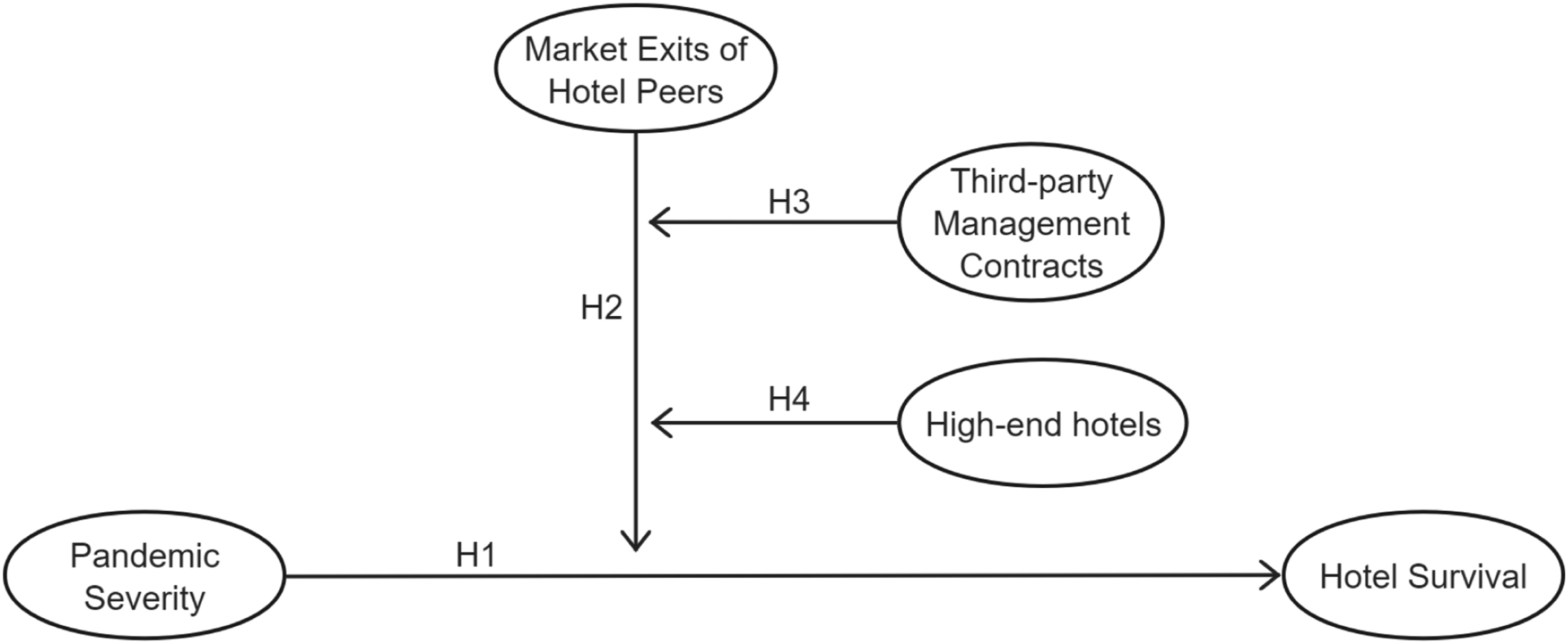
Direct impact of COVID-19 pandemic
The tourism and hospitality industries were two of the hardest hit by the pandemic (Boto-García and Mayor, 2022; Li et al., 2021; Sobaih et al., 2021). Tourism and hospitality are heavily reliant on human mobility (Yang et al., 2022), which COVID-19 drastically restricted (Chang et al., 2021). Governments worldwide have adopted numerous tactics to contain this crisis; common initiatives have included stay-at-home orders and quarantine requirements (Hale et al., 2021). Hale et al. (2021) found that a rising stringency index measuring the intensity of containment and closure policies led to a significant drop in human mobility. The pandemic has also stoked fear (Chua et al., 2021) and altered people’s behavior (Van Bavel et al., 2020). One pronounced behavioral shift is a rise in virtual activities coupled with a decline in real-life activities. Anxiety about in-person interaction caused some people to become more active on social media during the pandemic (Liu et al., 2022). Additionally, as health concerns increased, people began shopping online more often (Eger et al., 2021). Tourism activities featuring human mobility and interaction were widely discouraged.
As an essential component of tourism and hospitality, hotels are no stranger to pandemic disruption. Several studies mapped the consequences of public health crises such as the SARS outbreak on hotel revenue, occupancy rates, and stock returns (e.g., Chen et al., 2007; Chien and Law, 2003; Kim et al., 2005; Wu et al., 2010). With respect to COVID-19, Shapoval et al. (2021) interviewed a pool of participants holding formal leadership positions in hospitality. Their inductive qualitative analysis confirmed devastating effects at the organizational and industry levels. Using a global dataset, Yang et al. (2022) indicated that pandemic severity significantly negatively affected hotels’ revenue per available room, average daily rate, and occupancy rate.
In addition to these demand-side impacts, hotel operations have encountered noticeable supply-side challenges. Understaffing is particularly problematic. Hotel employees could suddenly become infected with COVID-19 or be prevented from commuting due to quarantine policies. These circumstances lead to staff shortages, which hinder a hotel’s ability to provide guests with expected products and services. Hotel staff have also grappled with severe work stress while offering face-to-face services amid the pandemic (Wong et al., 2021). Dampened productivity has exacerbated the mismatch between human resource demand and supply. Meanwhile, supply chain disruptions and ballooning inflation have led the cost of business operations to skyrocket (Cavallo and Kryvtsov, 2021). Some hotels have sought to cut costs by eliminating certain value-adding services, although doing so can detract from guests’ experiences. Pandemic-induced economic uncertainty (Altig et al., 2020; Baker et al., 2020) has further compromised hotel managers’ operating plans; both short- and long-term productivity are thus likely to suffer. These conditions create difficulties across the hotel sector’s supply side. The far-reaching effects of the COVID-19 pandemic on hotel supply and demand are presumed to jeopardize hotels’ survival as postulated below:
A positive relationship exists between local pandemic severity and individual hotels’ failure rate.
Spillover effects: inter-organizational imitation
Spillover effects are well-recognized among hospitality scholars (Yang and Mao, 2017). A critical yet insufficiently examined mechanism of spillover is inter-organizational imitation (Lieberman and Asaba, 2006; Ordanini et al., 2008). It suggests that hotel peers’ closure decisions can guide a focal hotel’s choice to cease operations (Lieberman and Asaba, 2006; Ordanini et al., 2008). Environmental uncertainty represents a crucial driver of inter-organizational imitation, as firms in such a setting face challenges in evaluating current decision-making scenarios and predicting the outcomes of their actions, which prompts them to consider their peers’ choices as a means to mitigate the risk of erroneous decisions (Gaba and Terlaak, 2013; Haunschild, 1994). In addition, by resorting to imitation, firms can externalize exploration activities involving substantial expenditures in uncertain environments, thereby reducing their costs and risks when testing novel strategies (Lieberman and Asaba, 2006; Ordanini et al., 2008). In the context of this study, the pandemic has induced remarkable uncertainty (Altig et al., 2020; Baker et al., 2020), potentially leading hotels to rely on their peers’ strategies and practices as benchmarks.
The trend of increasing market exits could potentially exacerbate the adverse effect of the pandemic on hotel survival as it serves as a negative signal to the industry. When top management observes an increasing number of hotel peers exiting the market during the pandemic, they become more pessimistic about their prospects of surviving. The amplified pessimism will impel top management to synchronize their strategic choices with the closure trend during the pandemic to reduce the risks of making strategic mistakes, thereby more seriously considering cessation as a strategic alternative.
The escalating trend of market exits may also amplify the negative effects of the pandemic on hotel survival by providing certain legitimacies for the decisions to close hotels. It is widely recognized that conforming to the behaviors of industry peers can act as a source of legitimacy, particularly in uncertain environments (Henisz and Delios, 2001; Ozmel et al., 2017). Given that hotel closure is a significant decision for shareholders, top management must provide sufficient rationales to convince them that it is appropriate and defensible. The widespread industry adoption of market exits can help top management to frame the closure less as a failure and more as a proper adaptation to the unprecedented pandemic, thereby providing a convincing rationale to mitigate shareholders’ concerns and gain their approval.
In sum, we propose that hotels imitate their peers in response to the pandemic because of the pessimism for survival and legitimacy for closure brought about by the industry closure waves. While hotels might also benefit from market opportunities arising from diminished competition due to their peers’ closures, we contend that such market opportunities do not outweigh the inter-organizational imitation mechanism during the pandemic. Due to the unprecedented disruption in hotel demand and operations caused by the pandemic (Cavallo and Kryvtsov, 2021; Kocak et al., 2023; Singh and Corsun, 2023), hotels are more likely to perceive the wave of widespread closures as a signal of threats from the external environment rather than as market opportunities. In such uncertain times, hotels often interpret these closures as a result of systemic challenges within the industry, including diminished consumer confidence, supply chain disruptions, and economic downturns, which they lack confidence in addressing independently. As such, the primary concern for hotels is the risks associated with deviating from industry norms rather than seizing market expansion opportunities. Given that nearby hotel peers within the same class share specific characteristics, they serve as an appropriate reference for a focal hotel. We put forward the following hypothesis based on the inter-organizational imitation argument:
The market exits of same-class hotel peers positively moderate the impact of local pandemic severity, such that the effect is larger when more nearby hotel peers exit the market. While hotels generally reference their peers’ strategic actions to respond to the pandemic, there may be heterogeneity in this practice. Third-party management companies may exhibit greater confidence in formulating independent strategic decisions for their particular hotels rather than relying on the actions of their hotel peers due to their managerial expertise. These companies often represent a higher level of professional knowledge than their counterparts (Dencker et al., 2009). They can also create collective knowledge, exchange managerial insight, and share advanced technologies among hotel properties under their purview (Yang and Mao, 2017). Such knowledge resources enable hotels managed under third-party contracts to devise and adopt novel strategies to survive the pandemic. With these advantages, these hotels are better positioned to withstand the prevailing pessimism under the wave of widespread hotel closures in the industry during the pandemic. In addition, third-party companies are less likely to use hotel peers’ market exits as a source of legitimacy for their own closure decisions. Since third-party management companies are hired and paid by hotel owners for their managerial experience and knowledge (Bader and Lababedi, 2007), they face pressure to demonstrate their capability to make strategic decisions tailored to the specific needs of the hotels in which they operate. Otherwise, they may lose the trust of hotel owners. In this regard, they may be unwilling to justify their closure decisions based on the actions of peer hotels, as this could signal to hotel owners that they are merely following trends rather than exhibiting leadership and independent decision-making. Taken together, third-party management companies not only possess professional knowledge but also face pressure to reduce their reliance on external references to make closure responses to the pandemic. This suggests that third-party management companies are less likely to be affected by the closure waves when deciding to close the hotel property during the pandemic. We put forward the following hypothesis:
Hotels operated by third-party management companies are less likely to be affected by the market exits of same-class hotel peers in their closure responses to the pandemic. High-end hotels can be less susceptible to the wave of closure during the pandemic owing to certain advantages over low-end hotels. These hotels are typically equipped with advanced technologies and high-quality facilities (Ryu et al., 2018; Yang and Mao, 2017). Such resources empower these hotels to address guests’ pandemic-related needs. For instance, they can use self-service technologies such as service robots and artificial intelligence-based chatbots to minimize direct staff–guest interaction, which helps reduce health risks during the pandemic (Shin and Kang, 2020). Additionally, high-end hotels, often under prestigious brands, probably cultivate a sense of belonging and pride among employees (Punjaisri and Wilson, 2011; Xie et al., 2016). This fosters a heightened employee commitment, which is essential for hotels’ perseverance during the pandemic. These advantages bolster the confidence of top management of high-end hotels in their ability to outperform their peers during the pandemic, which helps counteract the prevalent pessimism amid the wave of widespread hotel closures in the industry. In addition, high-end hotels exhibit significant heterogeneity, which diminishes the practicability of referencing their peers’ responses to the pandemic. On the operational side, these hotels follow distinct strategic orientations, management schemes, revenue models, etc., which diverges from the more homogeneous operational models prevalent among low-end hotels (O’Neill et al., 2023; Walheer et al., 2020). On the demand side, high-end hotels typically nurture their distinct customer bases (Lee and Kim, 2020; Liu et al., 2015). This necessitates a nuanced understanding of their specific customer preferences to forecast the future demand of their hotels. Consequently, the top management of high-end hotels is more likely to concentrate on analyzing their specific circumstances and pay less attention to the responses of their industry peers. Taken together, high-end hotels not only possess the confidence to outperform their peers but also tend to make autonomous strategic decisions due to their distinct characteristics. Consequently, high-end hotels are less likely to be affected by the closure waves when considering the decision to close hotel properties during the pandemic. We put forward the following hypothesis:
High-end hotels are less likely to be affected by the market exits of same-class hotel peers in their closure responses to the pandemic.
Research methods
Econometric model and core variables
We employed the Cox proportional hazards model (Cox, 1972; Cox and Oakes, 1984) to test how the COVID-19 pandemic has shaped hotel survival. This model is a popular survival analysis technique that accounts for focal events and their duration (Allison, 2014). The model can also produce high-quality estimates even when information is censored (Allison, 2014), as is common in survival data (Cleves et al., 2008). Given its semi-parametric nature, the Cox proportional hazards model does not require a parametric assumption in the form of a baseline hazard function (Cleves et al., 2008). The baseline model is specified as follows:

Unobservable regional factors can influence hotel survival. We therefore stratified by county (i.e., via a stratified Cox regression technique) to relax the assumption that hotels in different counties face the same baseline closure hazard. Explanatory variables were time-lagged by 1 month to avoid potential simultaneity. This time window is appropriate in our context because pandemic situations changed relatively quickly, which rendered older information about the pandemic less suitable as a reference for decision-making regarding hotel closures. We employed a winsorizing procedure (at 1%) to address possible outlier issues.
Our variable of interest is the severity of the COVID-19 pandemic. We took the log number of confirmed COVID-19 cases in the focal hotel’s county as an independent variable (i.e., LnCovid). This measure is a typical proxy for pandemic severity (e.g., Farzanegan et al., 2021; Yang et al., 2022).
Control and moderating variables
We controlled for pandemic duration, measured as the number of months since a county’s first reported COVID-19 case (i.e., Covid_duration). We also considered several hotel attributes that may affect survival probability. LnRevenue indicates a hotel’s monthly revenue (in log form), reflecting hotel performance. We controlled for this aspect because it is necessary to address when making closure decisions (Lin and Kim, 2020). Hotel age (age) was incorporated because hotel closure hazards vary across the hotel life cycle (Agarwal and Gort, 2002). LnRoom is a hotel’s log number of rooms, indicating hotel size; firm size is likely to influence survival probability (Geroski et al., 2009; Vivel-Búa et al., 2019). We also included D_midscale and D_highend, a pair of dummy variables indicating whether a hotel is mid-scale or high-end, respectively (Yang and Mao, 2020). STR’s hotel census database classifies hotels into six categories: economy, mid-scale, upper mid-scale, upscale, upper upscale, and luxury (Lin and Kim, 2020). High-end hotels include those in the upscale, upper upscale, and luxury classes. Mid-scale hotels are labeled either mid-scale or upper mid-scale. We took economy hotels as the benchmark for these two controls. We also controlled for hotel operation type as per STR’s hotel census database. Independent hotels usually perform differently from their franchised and chain-operated peers (Yang and Mao, 2020). Specifically, D_franchised and D_chain are dummies showing whether a hotel is franchised or chain-operated, respectively. D_Mgmt is a dummy variable denoting whether a hotel is operated by a third-party management company (Yang and Mao, 2017).
We controlled market structure as a determinant of hotel survival rate (Leoni, 2020; Pe’er et al., 2016). Following Lin and Kim (2020) and Yang and Mao (2020), we used the number of hotels in nearby regions as a proxy of market structure: Zip_economy, Zip_midscale, and Zip_highend respectively denote the number of neighboring economy, mid-scale, and high-end hotel peers of a focal hotel in the same zip code. Further, given potential spillover from branded hotels (Yang and Mao, 2017), we included the number of neighboring chain-operated and franchised hotel peers of a given hotel in the same zip code (i.e., Zip_chain and Zip_franchised, respectively).
Online reputation was included as another control variable. The Internet serves as a major information source and thus influences booking intention (Sparks and Browning, 2011), which may affect hotel survival. The variable Online_rating reflects a hotel’s average rating on TripAdvisor, ranging from 1 to 5. Green_leader, which denotes whether a hotel holds a green certificate, reflects a hotel’s sustainability/CSR activities (Yang et al., 2022).
We introduced Closed_peers, the past 3-months rolling average of same-class hotel peers exiting the market, as a moderator to test H2. This measure aligns with established practices in prior literature that incorporate past behaviors of industry peers into the model to examine inter-organizational imitation effects (e.g., Oehme and Bort, 2015; Ozmel et al., 2017). The remaining hypotheses were tested via a set of moderating variables that had previously acted as controls.
Data source and description
We focused on hotels in Texas between April 2020 and December 2021 because high-quality data are available on this state’s hotels. April 2020 was chosen as the starting month because Texas’s first COVID-19 case was confirmed in March 2020, and we assumed that the pandemic’s effects would be lagged. Data on confirmed COVID-19 cases were acquired from the Texas Department of State Health Services website. We obtained a comprehensive public hotel tax file from the Texas Comptroller’s Office, which includes information on hotel taxers’ names and addresses along with hotels’ names, capacity, monthly revenue, and tax obligation period. We gathered information on the age, operation type, and class of hotels from STR’s hotel census database. Hotel closure was determined using data from hotels’ tax files and the STR database. The hotel census database indicates whether a property has closed and when. We cross-referenced this information with the hotel tax file to determine whether the same taxpayer had discontinued their lodging tax payments. TripAdvisor data, including hotels’ average ratings and whether they were GreenLeader certified, were collected from the TripAdvisor website. Our resultant monthly hotel dataset contained 71,132 observations for survival analysis.
Figure 2 compares the ratio of confirmed COVID-19 cases to the population of Texas and the entire U.S. over time. The line chart demonstrates that Texas mirrors the U.S. closely in both the severity and temporal trend of the pandemic. This result suggests that Texas is representative of the broader pandemic status in the U.S., highlighting the appropriateness of using Texas as our research context. Comparison of COVID-19 Confirmed Cases between Texas and the U.S. Note: t1 represents April 2020, t2 represents May 2020, and so on.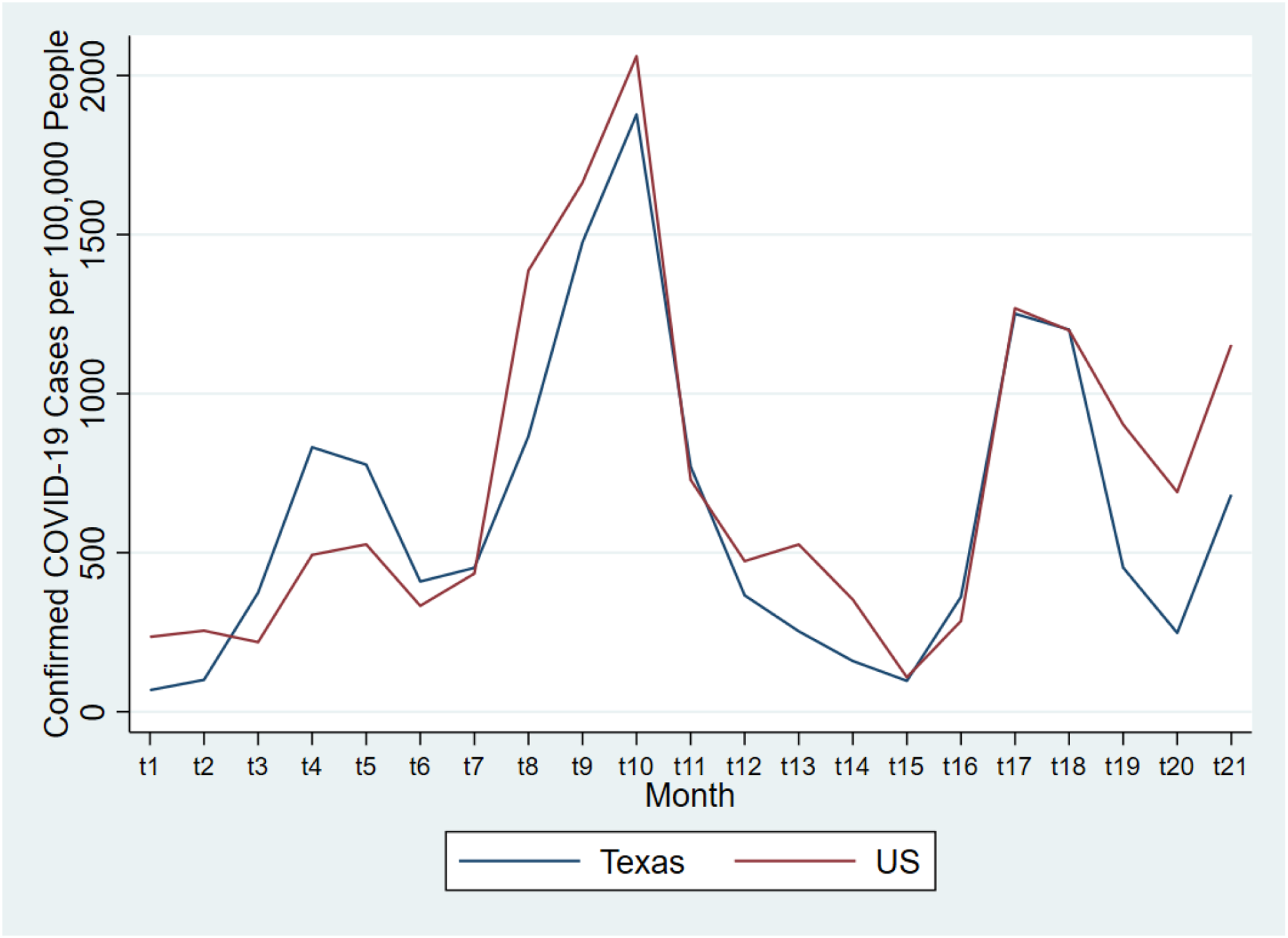
Figure 3 displays our selected hotels’ locations. Most hotels were clustered within three parts of Texas: the Dallas–Fort Worth region, the San Antonio–Austin region, and the Houston region. Table 1 lists descriptive statistics for all variables, and Table 2 presents the correlation matrix of continuous variables. All correlation coefficients were lower than 0.85, suggesting the absence of severe collinearity. Map of sample hotel properties. Descriptive statistics of variables. Correlation matrix of continuous variables.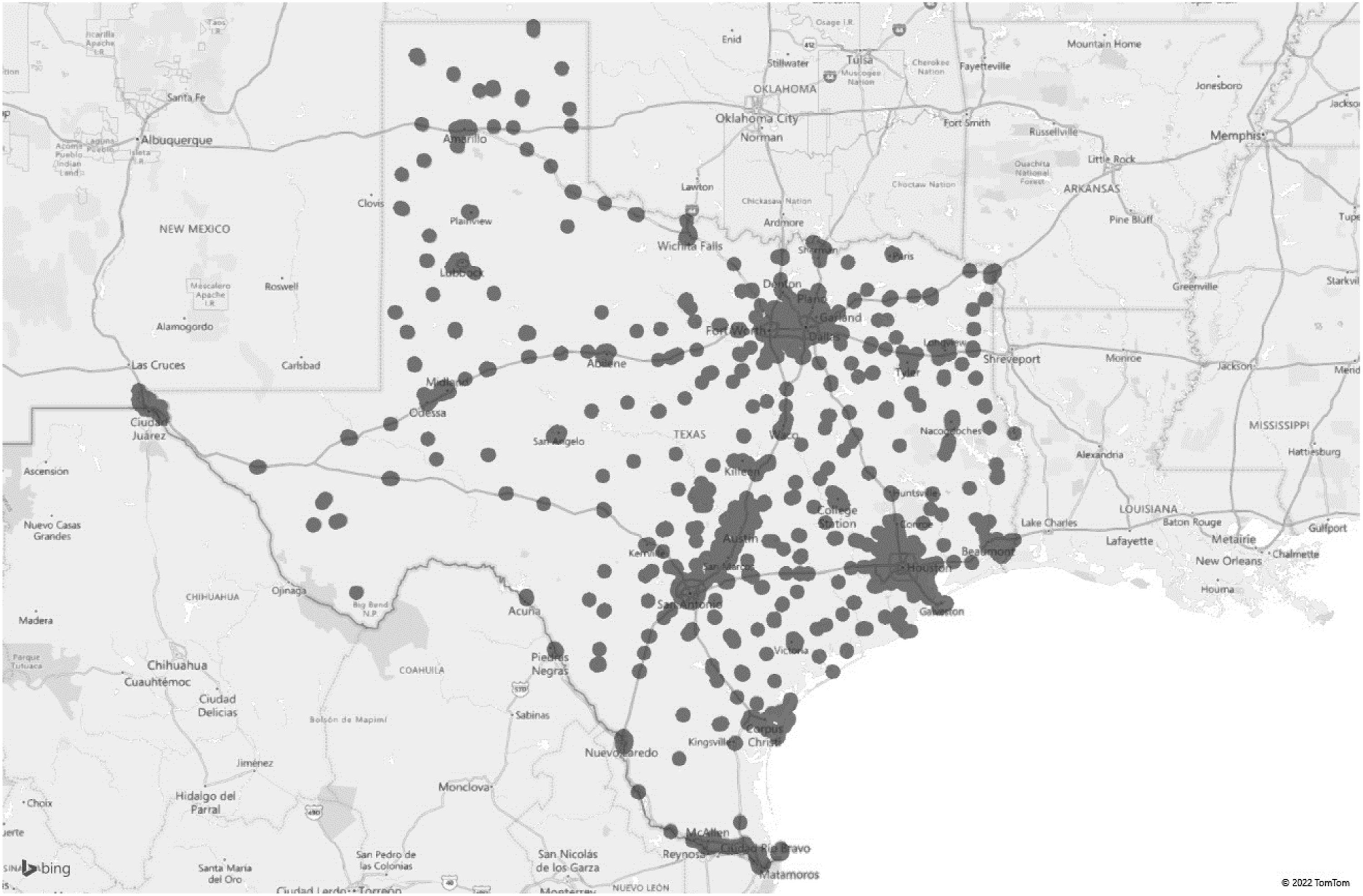
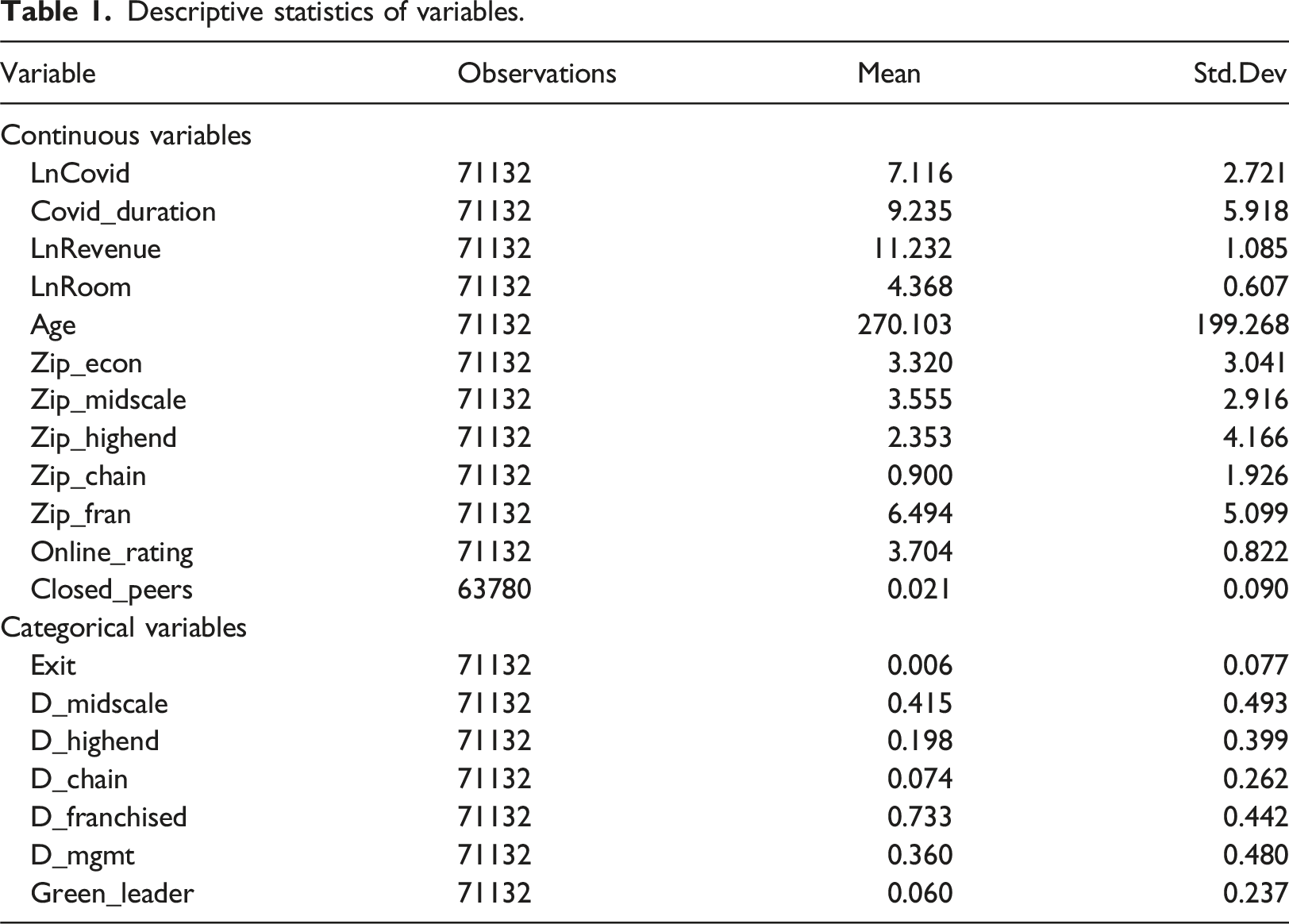
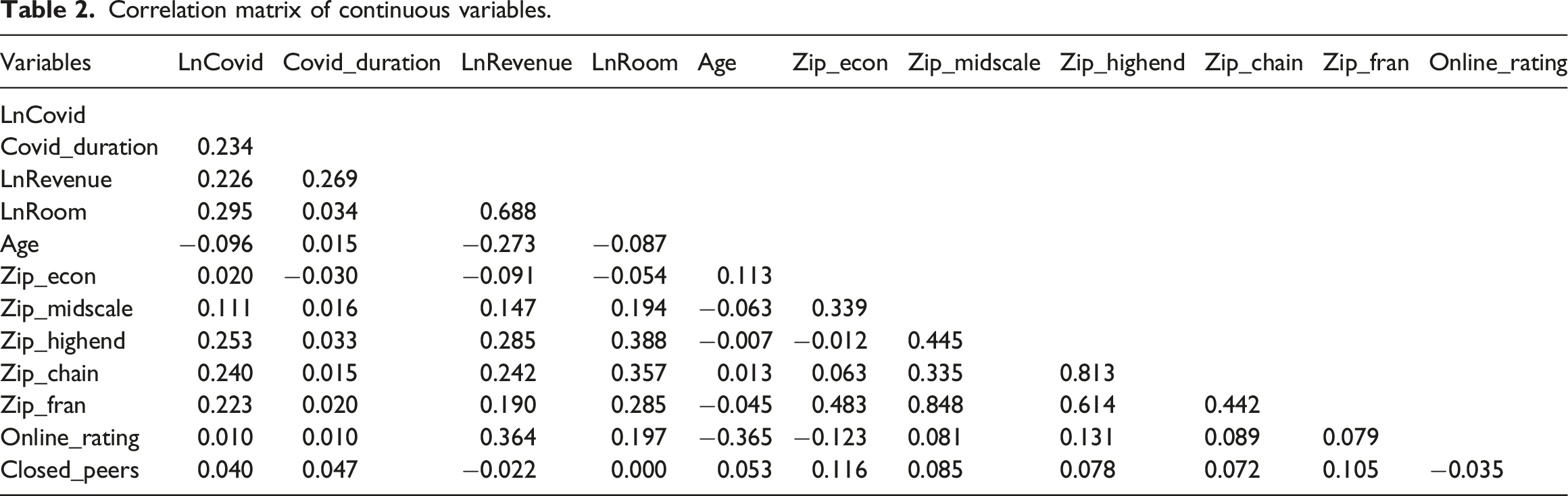
Figure 4 plots the nonparametric Kaplan-Meier estimators of the low-level and high-level pandemic group, illustrating the probability of hotels remaining in the market over survival time. The median of confirmed COVID-19 cases served as the threshold for grouping observations. According to Figure 4, the Kaplan-Meier curve for the low-level pandemic group is consistently higher than that for the high-level pandemic group. This result suggests that hotels with a low local pandemic severity enjoyed a higher survival rate than their counterparts with a high level severity. Kaplan-Meier survival estimates. Note: Group 1 and 2 indicates a low level and a high level of local pandemic severity, respectively.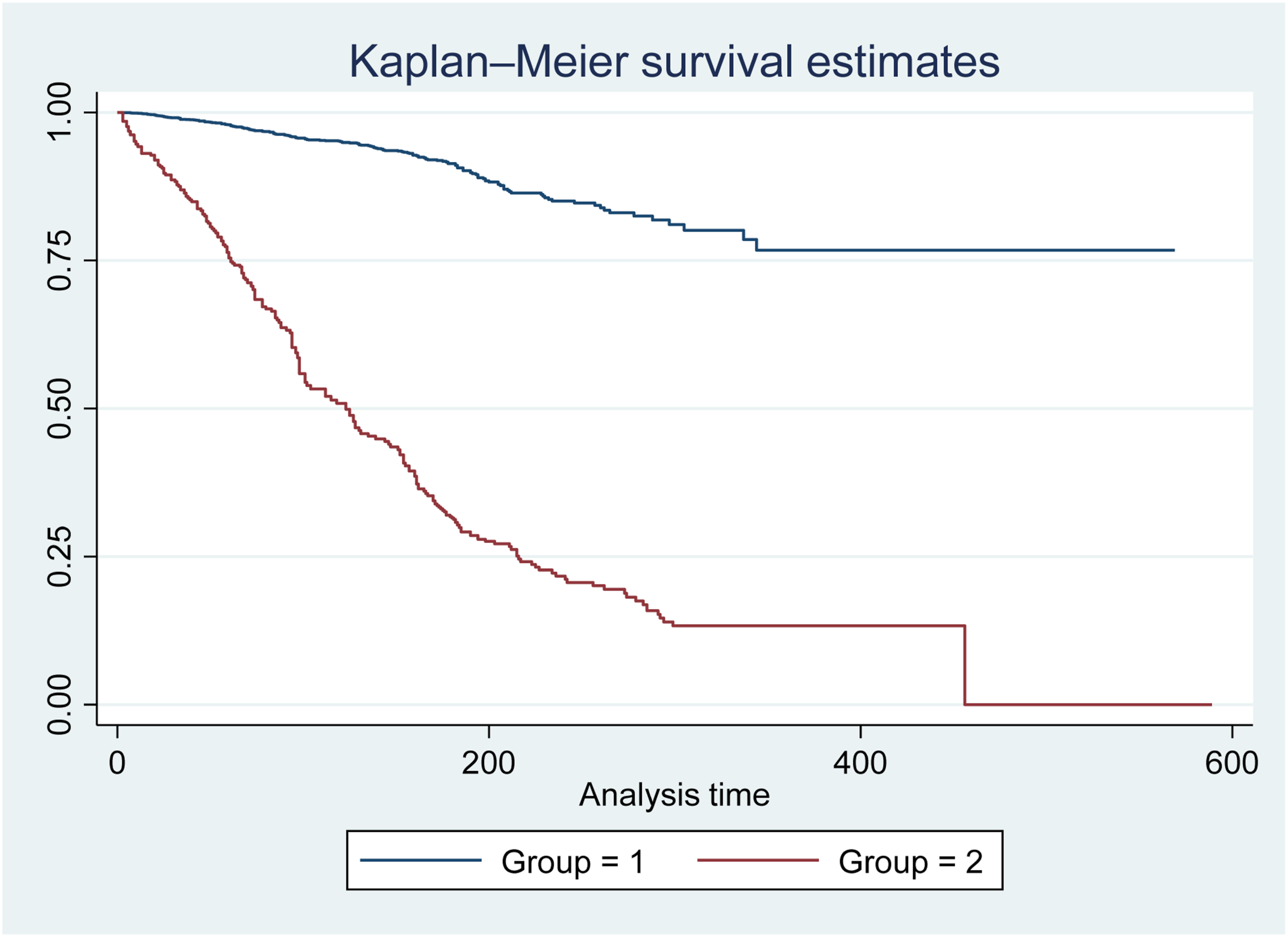
Estimation results
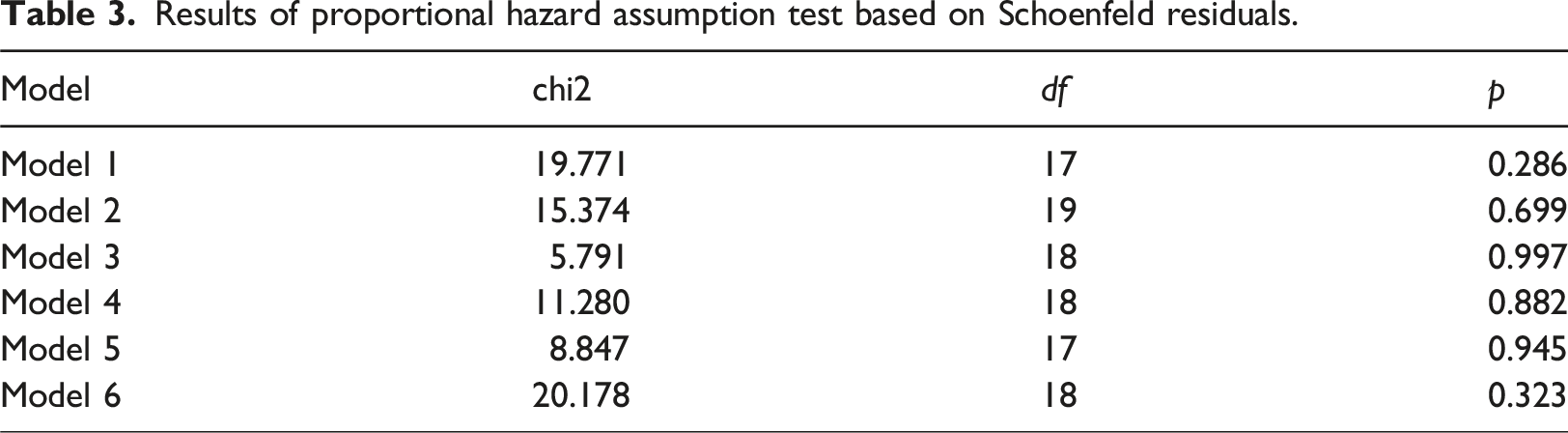
Results of proportional hazard assumption test based on Schoenfeld residuals.
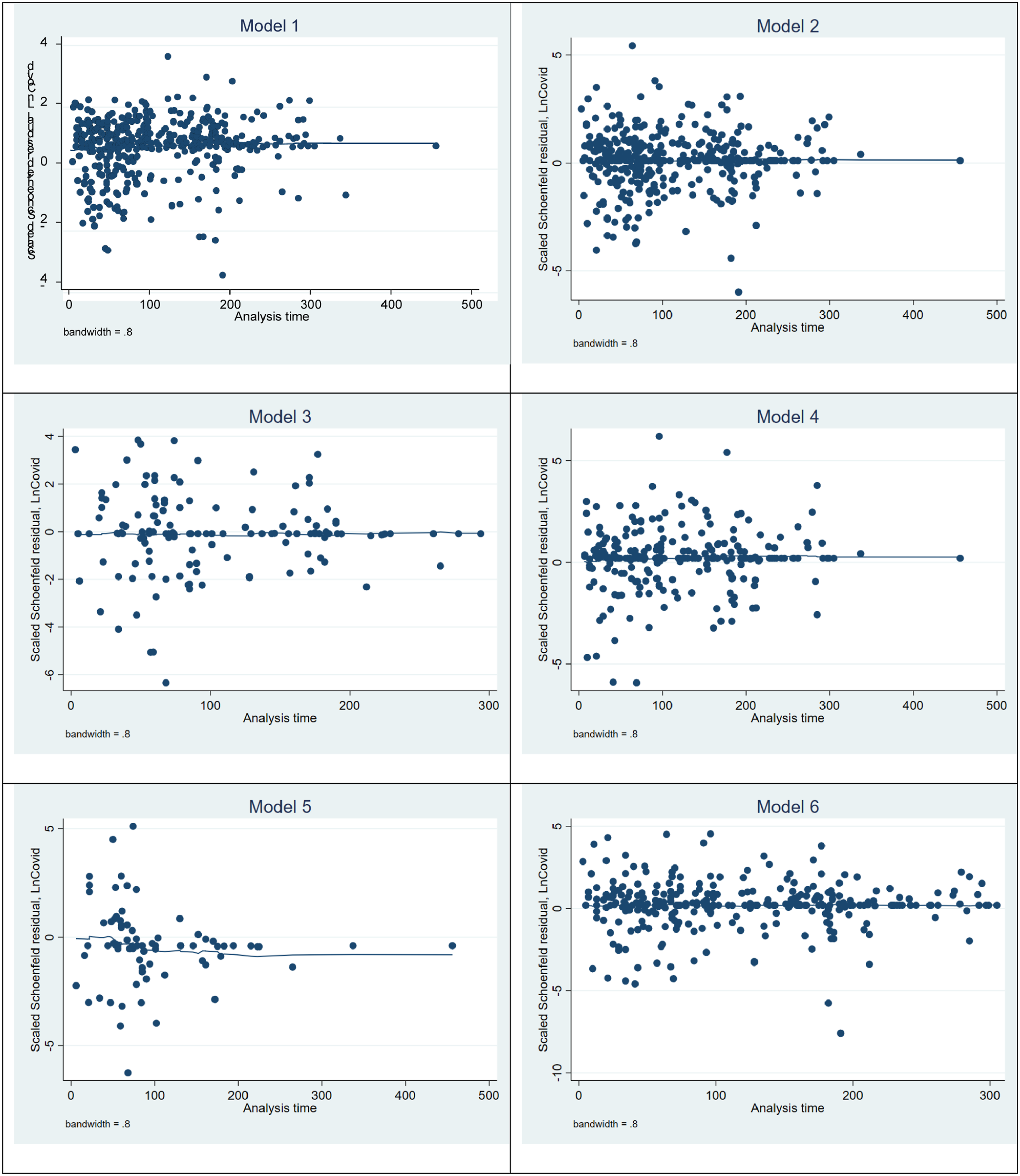
Scaled Schoenfeld residuals for pandemic severity (LnCovid).
Direct impact of COVID-19 pandemic
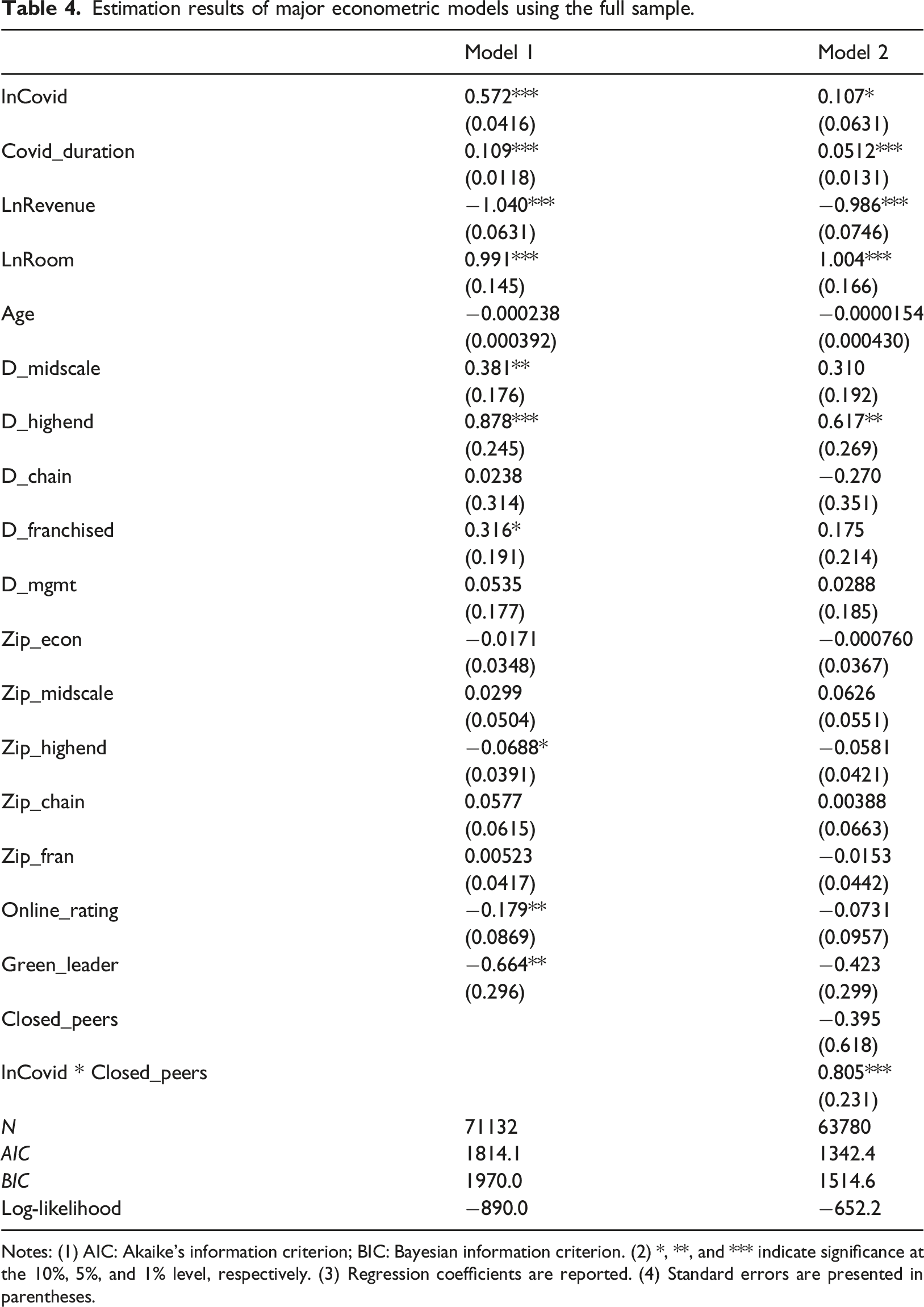
Estimation results of major econometric models using the full sample.
Notes: (1) AIC: Akaike’s information criterion; BIC: Bayesian information criterion. (2) *, **, and *** indicate significance at the 10%, 5%, and 1% level, respectively. (3) Regression coefficients are reported. (4) Standard errors are presented in parentheses.
Spillover effects: inter-organizational imitation
We added an interaction term, LnCovid * Closed_Peers, into Model 2 in Table 4 to examine the inter-organizational imitation hypothesis (H2). The coefficient of this term was significantly positive at the 1% level. This implies that as the number of closed hotel peers increased, a focal hotel became more likely to exit the market in response to the pandemic. This circumstance suggests the existence of an inter-organizational imitation effect, lending support to H2.
In Figure 6, we present the hotel survival rates over time in four scenarios: (A) high-level pandemic severity & high-level peer closure; (B) high-level pandemic severity & low-level peer closure; (C) low-level pandemic severity & high-level peer closure; and (D) low-level pandemic severity & low-level peer closure, with all control variables maintained at their average levels. The figure illustrates that Line A consistently remains below the other three lines, indicating that hotels experiencing high-level pandemic severity and high-level peer closures are more likely to exit the market. Survival curves for hotels experiencing varying levels of pandemic severity and peer closures. Note: (1) Line A: High-level pandemic severity & high-level peer closure; Line B: High-level pandemic severity & low-level peer closure; Line C: Low-level pandemic severity & high-level peer closure; Line D: Low-level pandemic severity & low-level peer closure. (2) A high level indicates the mean plus one standard deviation; A low level indicates the mean minus one standard deviation. (3) All control variables are maintained at their average levels.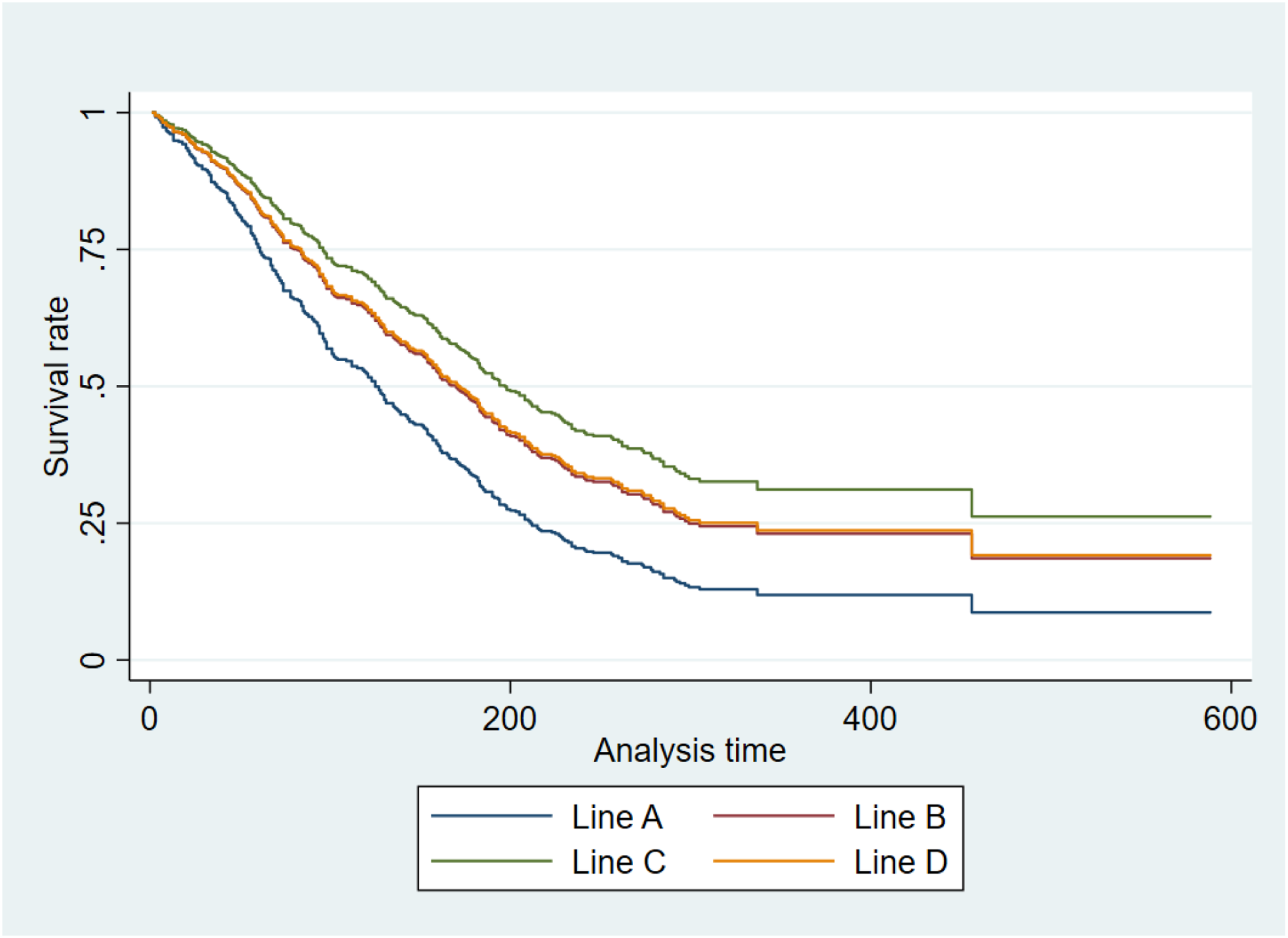
Estimation results of econometric models for subgroup analysis.
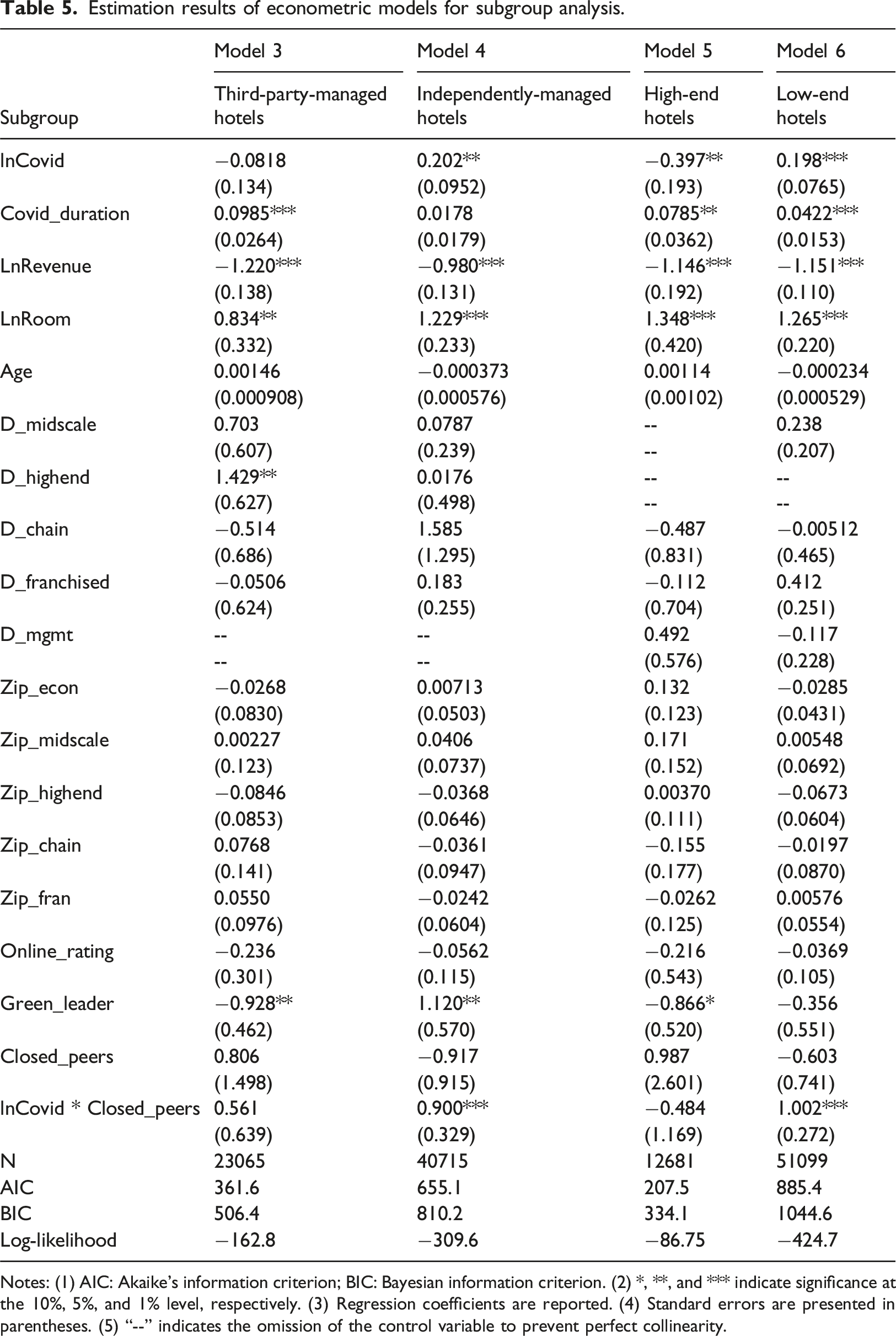
Notes: (1) AIC: Akaike’s information criterion; BIC: Bayesian information criterion. (2) *, **, and *** indicate significance at the 10%, 5%, and 1% level, respectively. (3) Regression coefficients are reported. (4) Standard errors are presented in parentheses. (5) “--” indicates the omission of the control variable to prevent perfect collinearity.
Robustness check
Estimation results of robustness checks for major econometric models using the full sample.
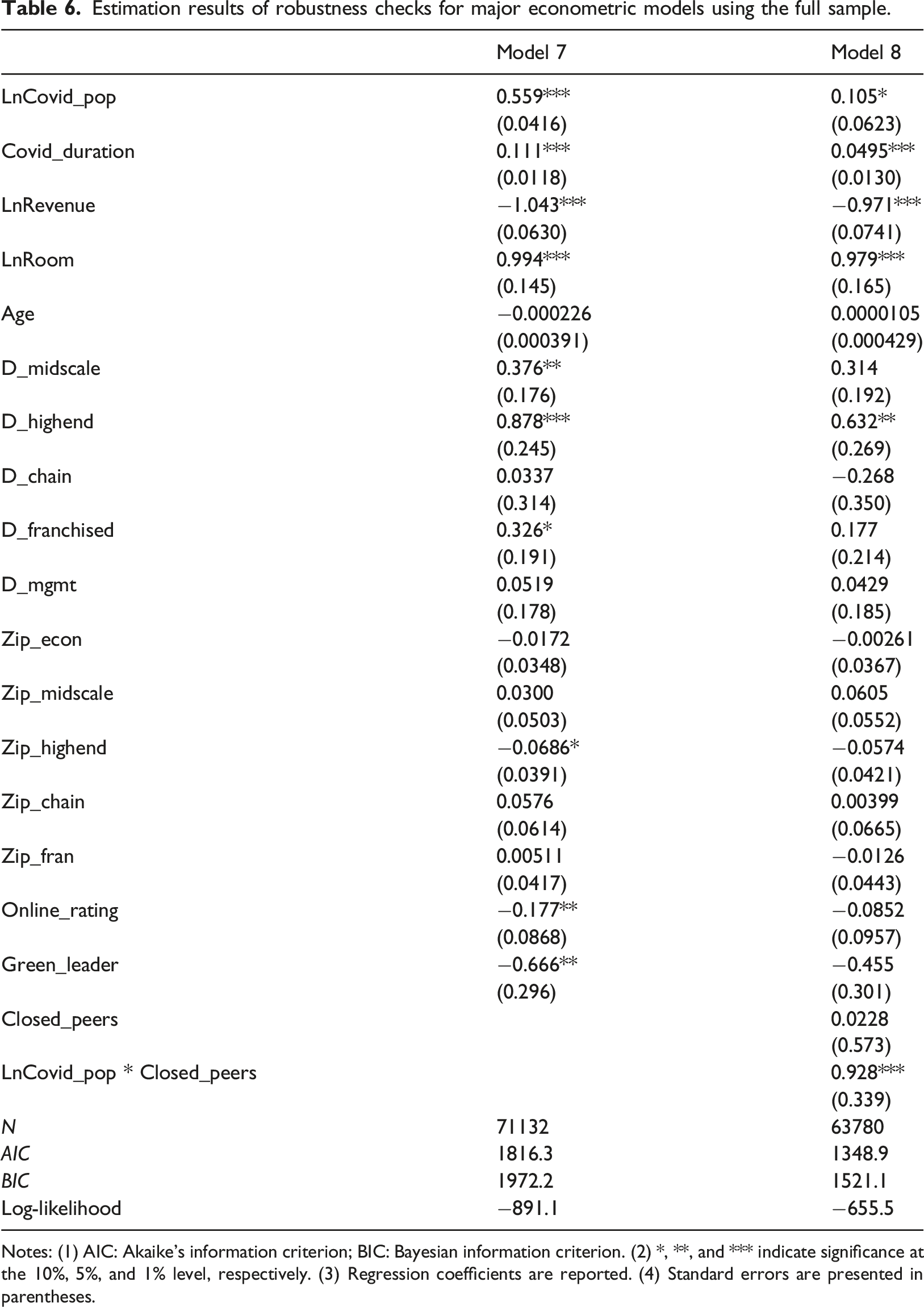
Notes: (1) AIC: Akaike’s information criterion; BIC: Bayesian information criterion. (2) *, **, and *** indicate significance at the 10%, 5%, and 1% level, respectively. (3) Regression coefficients are reported. (4) Standard errors are presented in parentheses.
Estimation results of robustness checks for subgroup analysis.
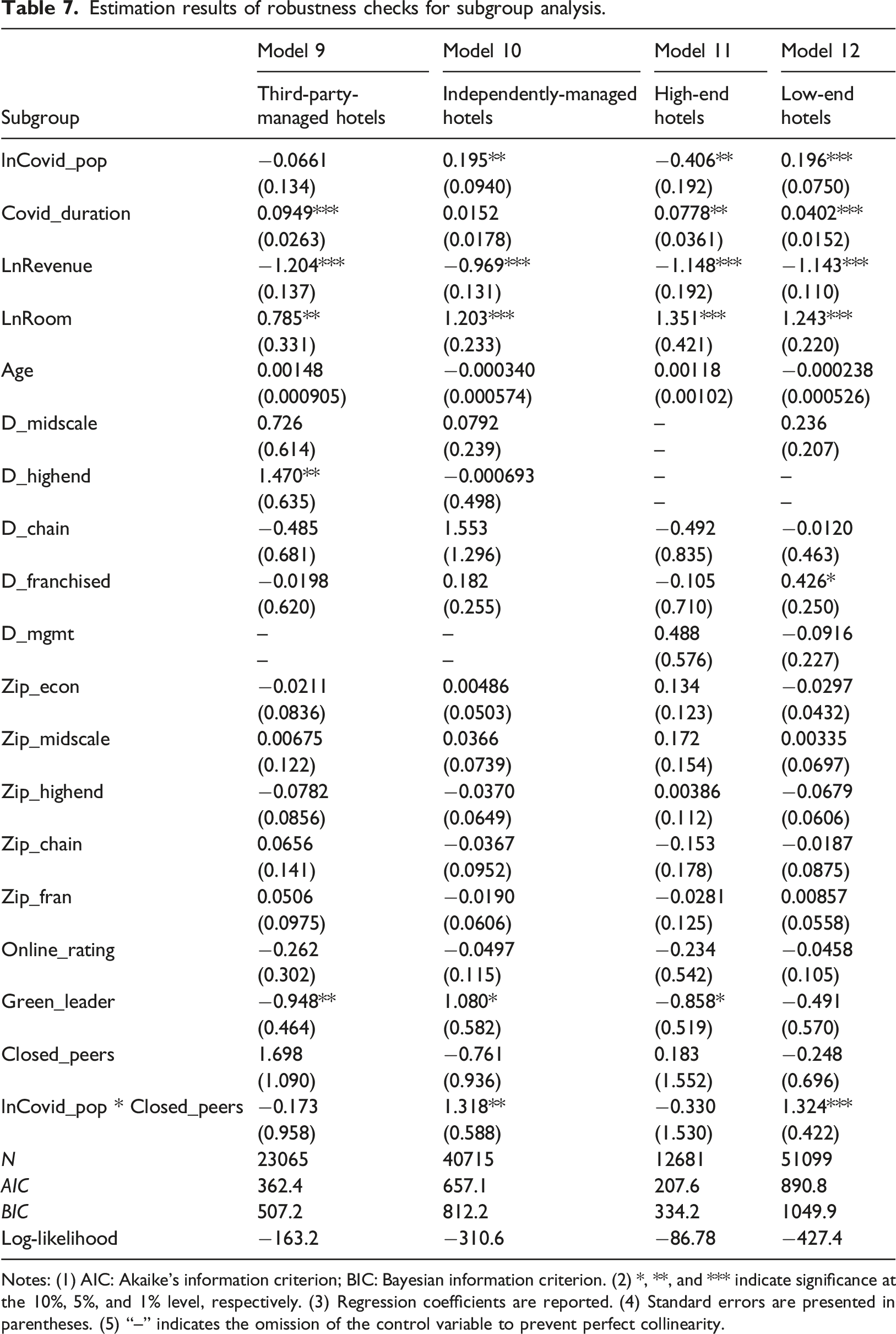
Notes: (1) AIC: Akaike’s information criterion; BIC: Bayesian information criterion. (2) *, **, and *** indicate significance at the 10%, 5%, and 1% level, respectively. (3) Regression coefficients are reported. (4) Standard errors are presented in parentheses. (5) “--” indicates the omission of the control variable to prevent perfect collinearity.
Conclusion and discussion
Conclusion
We have examined how pandemic severity affected hotel survival in Texas during the COVID-19 pandemic. A Cox regression model indicated that a 1% rise in confirmed COVID-19 cases led to a 0.572% increase in the hotel failure rate. We further observed spillover stemming from inter-organizational imitation: market exits of nearby hotel peers heightened the pandemic’s impact on a focal hotel’s closure rate. Lastly, we identified heterogeneity in such inter-organizational imitation behaviors, that is, hotels operated by third-party management companies and high-end hotels are less susceptible to the influence of peer market exits.
Theoretical implications
This study enriches the hospitality literature. Moving beyond traditional empirical analyses exclusively featuring performance measures of “surviving” hotel properties, we evaluate the pandemic’s impact via the survival rate. Studies have highlighted several factors involved in hotel survival, such as size (Gémar et al., 2016), class (Lado-Sestayo et al., 2016), and age (Türkcan and Erkuş-Öztürk, 2020), but how external spillover influences hotel survival during crises remains underexplored. This study not only scrutinizes the pandemic-survival relationship but also reveals the heterogeneity in this nexus. Our work, therefore, advances the understanding of hotel resilience during crises.
This paper also contributes to the hospitality literature by investigating the role of spillover amid a crisis. Spillover effects have been well established in tourism and hospitality (e.g., Kim et al., 2021; Yang and Mao, 2017). This stream of literature has predominantly built on the framework of Marshallian externalities (Marshall, 2009), which recognizes that the geographical concentration of economies generates spillover effects on performance through labor pooling, specialization, knowledge transfer, and shared demand in specific regions (e.g., Yang and Wong, 2012; Zhou et al., 2021, 2022). However, another specific mechanism of spillover—inter-organizational imitation—remains insufficiently explored in the extant literature. Taking the COVID-19 pandemic as a research setting, we found that industry peers’ closure decisions could amplify adverse effects of the COVID-19 pandemic. This trend implies that hotels use imitation as a strategy when making closure decisions during an unpredictable time. Our findings reveal that spillover can influence strategic decisions through inter-organizational imitation, thereby expanding the understanding of the spillover phenomenon in the hospitality industry. This insight into inter-organizational imitation represents a novel perspective to the literature, complementing traditional analyses focused on the performance implications of neighboring peer presences.
This study also contributes to strategic management literature. While inter-organizational imitation is well recognized in strategic management research (Haunschild and Miner, 1997; Lieberman and Asaba, 2006; Ozmel et al., 2017), the variations in this behavior among firms with diverse knowledge pools and resource endowments remain largely unexplored. In addition to confirming the existence of inter-organizational imitation in hotel closure decisions during crises, this paper delves deeper into the heterogeneity in this behavior by examining how hotels operated by third-party management companies and high-end hotels differ from their counterparts. The findings provide deeper insights into how different organizational contexts influence inter-organizational imitation behaviors. By revealing these nuances, our study advances strategic management literature, offering a more comprehensive understanding of inter-organizational dynamics in imitation behaviors and their implications for organizational adaptation and survival.
Practical implications
Our empirical results generate several practical implications. First, the identified moderators of the pandemic–survival relationship offer a strong understanding of individual properties’ resilience. While prior research has drawn from conceptual resilience frameworks, we described comparatively more concrete measures to help hospitality businesses survive during a crisis. When hoteliers and investors open a hotel, these factors should be considered to improve the property’s resilience to external shocks within a particular budget. Our findings can guide the government and other organizations in pinpointing properties that are particularly vulnerable to the pandemic. Specific resources can then be allocated for support purposes. Individual vulnerability assessment will enhance remediation policies’ effectiveness along with overall social welfare.
Additionally, our findings on spillover stemming from inter-organizational behaviors underscore the critical need to mitigate the spread of closure waves during crises. Local industry associations and destination management organizations are recommended to forge professional connections among hotels through various means, such as organizing networking events and developing collaborative platforms. Such efforts can encourage active mutual learning and collaboration, as opposed to passive observation, thereby equipping hotels with more effective tools for crisis management. Moreover, governments should provide survival guides to assist in combating the spread of closure waves. Best practices from hotels with better resource pools should be leveraged and widely disseminated to bolster the industry’s resilience against crises.
Limitations
Some limitations may temper the generalizability of our findings. First, due to unavailable data, we could not control every anti-pandemic tactic that hotel properties deployed. Second, we referred exclusively to data from Texas; results may not apply elsewhere given this state’s unique industrial, cultural, and political landscape. Third, some intriguing financial data (e.g., cash flow and profitability) were not available, precluding further investigation of how financial status affected hotels’ survival. Future studies should feature richer hotel information (e.g., financial data) and strategy/policy data (e.g., government remediation policies) to more fully demonstrate how various factors contribute to hotels’ survival.
Footnotes
Declaration of conflicting interests
The author(s) declared no potential conflicts of interest with respect to the research, authorship, and/or publication of this article.
Funding
The author(s) received no financial support for the research, authorship, and/or publication of this article.
