



Abstract
Self-efficacy is a key factor in performance success, yet little is known about how music educators nurture students’ self-belief within studio and class music lessons. This study explored teachers’ perceptions of pedagogical priorities in the development of self-efficacy. The goal was to understand how teachers intuitively nurture students’ performance self-efficacy and determine the optimal means by which positive self-perceptions and subsequent musical achievement could be most effectively fostered within music environments. Australian music educators (n = 304) responded to a questionnaire asking them to share their strategies for helping students cope with common performance scenarios (exam, first concert, negative experience, and sub-par performance) and key performance issues such as music performance anxiety and confidence. Qualitative analyses coded to the four self-efficacy sources revealed that teachers preferred to focus on mastery experiences and employ verbal persuasion. The development of vicarious experience or the psychological performance skills that would benefit physiological and affective states were given substantially lower priority. There were also some significant between-group findings in the way that studio and school classroom teachers employed verbal persuasion which may be a reflection of the different teaching environments. Efforts to enhance performance self-efficacy could focus on the less-utilized sources. Further recommendations and implications for music pedagogy are outlined.
Self-efficacy reflects an individual’s assessment of competence to perform a particular task and achieve a certain outcome in that specific moment (Bandura, 1997). Identified as a primary determinant of human behavior, it mediates cognitions, emotional reactions, motivation, and ultimately the success people experience in specific endeavors such as a musical performance (Bandura, 1997). Minimal research has been conducted into how performance self-efficacy is nurtured or could be enhanced within music settings despite clear benefits of strengthening performers’ beliefs in their ability (McPherson & McCormick, 2006). As teachers come from a diverse range of educational, performing, and pedagogical experience, it would be beneficial to determine the types of strategies they use to help their students become efficacious performers. This knowledge could then inform the development of resources to empower music educators to further nurture music performance self-efficacy.
Self-efficacy and music
Within music, a distinction has been made between self-efficacy for learning (e.g., learning repertoire and developing instrumental skills) and self-efficacy for performing (SEP; and the focus of this study) which relates to peoples’ beliefs in their ability to implement their skills in a performance situation (Ritchie & Williamon, 2010). This self-belief has been found to be the strongest predictor of achievement in assessed music exams for young students (McCormick & McPherson, 2003; McPherson & McCormick, 2006) and has also predicted self- and independent-ratings of performance quality in adult musicians, including temporal and technical accuracy and artistic expression (Ritchie & Williamon, 2010; Yoshie et al., 2009).
Self-efficacy is reported to be influenced by four main sources of information: mastery experiences, verbal persuasion, vicarious experience, and physiological and affective states (Bandura, 1997). Mastery experiences refer to past performing accomplishments and an individual’s perception of success or failure. Vicarious experience involves learning through observation and comparing oneself with others. Verbal persuasion relates to feedback and encouragement from others, while physiological and affective states involve the quality and degree of arousal associated with the task (Bandura, 1997; Pajares, 1997). Although these four sources are believed to be means to strengthening SEP, there is a paucity of information within music contexts on how they are naturally fostered within music environments.
Pedagogical development of self-efficacy
Music educators can play an important role in helping students become efficacious performers (Hendricks, 2016). Although teachers’ motivational strategies, instructions, encouragement, and expectations may influence the development of this self-belief, there is inadequate knowledge of the types of strategies teachers employ and how they utilize the four sources of self-efficacy. As music instruction relies heavily on verbal persuasion, it would be expected that feedback, instructions, encouragement, and praise are a natural part of lessons (Short & Ross-Stewart, 2009), while demonstration, listening to recordings, and observing other students’ efforts would contribute to vicarious experiences. Teachers may help their pupils to develop mastery experiences by encouraging participation in school and studio concerts, exams, and competitions. These, however, may be difficult to acquire due to infrequent performance opportunities, and students’ subjective perceptions of their effort which can be undermined by inaccurate or negative self-evaluation or music performance anxiety (MPA). In this regard, the development of psychological performance skills that would affect physiological and affective states (such as the ability to manage anxiety, regulate cognitions and self-talk, employ mental imagery, and focus attention) may be a source that is under-utilized as teachers prioritize the development of music skills, relying on good preparation and instrumental mastery to ensure successful outcomes (Kenny, 2011; Nagel, 2009; Patston & Loughlan, 2014; Petrovich, 2004; Robson & Kenny, 2017). Around these broad assumptions there is limited understanding of how performance self-efficacy is fostered within music environments from a pedagogical perspective.
Developing a greater understanding of how teachers utilize the four sources of efficacy information and foster psychological performance skills in class and individual lessons could inform pedagogical practices aimed at nurturing students’ self-beliefs and enhancing musical outcomes.
Aims of the study
This study explored teachers’ perceptions of pedagogical priorities in the development of pupil SEP and psychological performance skills in adolescent class and individual music lessons in Australia. The aim was to understand how music educators foster SEP (via the four sources) and enable students to manage the psychological and physiological arousal that accompanies performance situations.
Method
Materials
A qualitative content analytical approach was adopted utilizing survey data, as there is a limited understanding of how teachers intuitively foster performance self-efficacy within music educational settings.
Two questionnaires were developed: one for studio teachers conducting individual instrumental lessons, the other for school music educators teaching classroom or group lessons. There were five open-ended and three forced-choice questions common to both questionnaires asking teachers to complete demographic details, indicate the frequency of student performance observations, identify factors that prevent students from performing their best, and share their strategies for helping students cope with key performance issues such as developing confidence, dealing with MPA, and having a poised and confident start.
As studio teachers have greater opportunity to provide more instrument-specific and detailed musical instruction than school music educators, they also completed two additional questions about their performance preparation expectations (Appendix 1) and provided open-ended responses to four vignettes depicting common student performing scenarios (Appendix 2). Two of these depicted students who were already experiencing problems (Sub-Par Performances and Negative Experience) to understand how teachers might deal with performance issues once they arise. The others (Exam and First Concert) described students facing performance situations that have the potential to trigger MPA and self-doubt which could result in an aversive performing experience. Participants were not able to skip questions as they were required to provide a response to each question before they were directed to a subsequent question.
Participants
Studio music teachers (n = 176) and school classroom music educators (n = 128) were recruited through Australian state music teaching associations, and other music organizations such as AMUSE (Association of Music Educators [Vic]), ASME (Australian Society for Music Education), and AUSTA (Australian Strings Association). Information regarding this study was also sent to the music departments of the top 100 secondary schools in every Australian state (as identified by various school directory and education information websites) to distribute to their staff. Participants were required to have at least 3 years of music teaching experience with secondary-school aged students (12–18 years) and be at least 18 years of age. The purpose of the former criterion was to ensure that participants were not novice teachers and had adequate teaching experience to inform their methodology.
Contextual information concerning the studio teachers and school music educators who participated in this study is presented in Table 1.
Demographic Profile of Studio Teachers and School Classroom Music Educators.
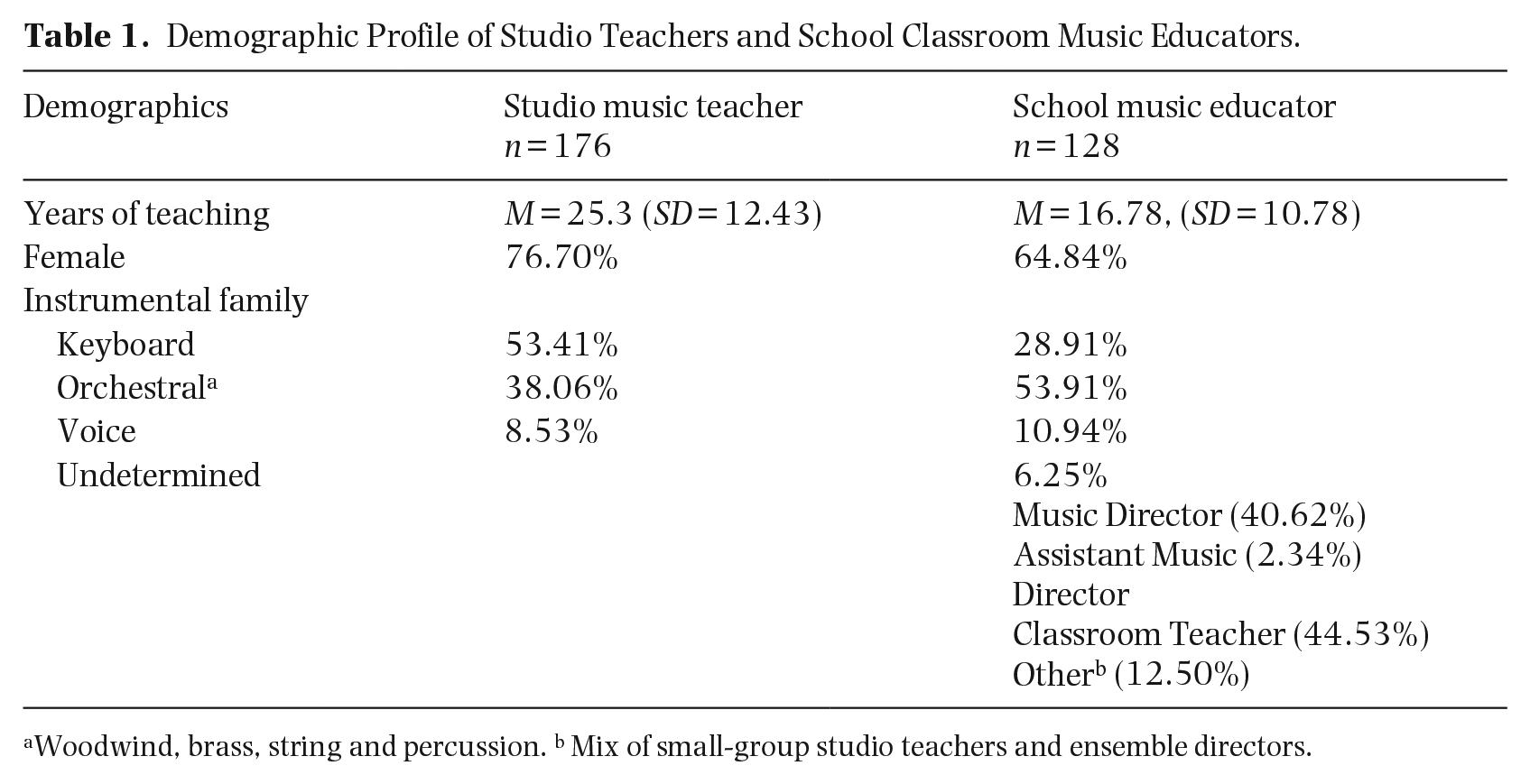
Woodwind, brass, string and percussion. b Mix of small-group studio teachers and ensemble directors.
Table 1 shows that a large proportion of the respondents were female. Although this could indicate a gender response bias, it is consistent with data from the Australian Bureau of Statistics (2011) that indicates that around two-thirds of studio music teachers in Australia are female.
Procedure
Data were collected anonymously using SurveyMonkey, an online survey software provider. Prior to completing the survey participants were directed to a statement explaining the purpose of the study and stating that it had been approved by the university’s Human Ethics Research Committee. All participants provided online consent by selecting the appropriate box before being directed into the survey.
Coding protocol
The thematic analytical approach for the open-ended responses (vignettes and performance issues) was both theory-driven and data-driven (Braun & Clark, 2006). Self-efficacy theory provided the theoretical framework for the initial coding of the data resulting in four source themes: mastery experiences, verbal persuasion, vicarious experience, and physiological and affective states (Bandura, 1977, 1997). A further main theme of preparation was also identified (Table 2). Each open-ended response was coded into these main themes with sub-themes identified using both inductive and deductive processes from the data and extant literature. A total of 10% of responses were also coded by the second author for thematic verification. Disagreements were resolved by consensus and applied to subsequent data.
Coding Protocol for Themes and Sub-Themes.
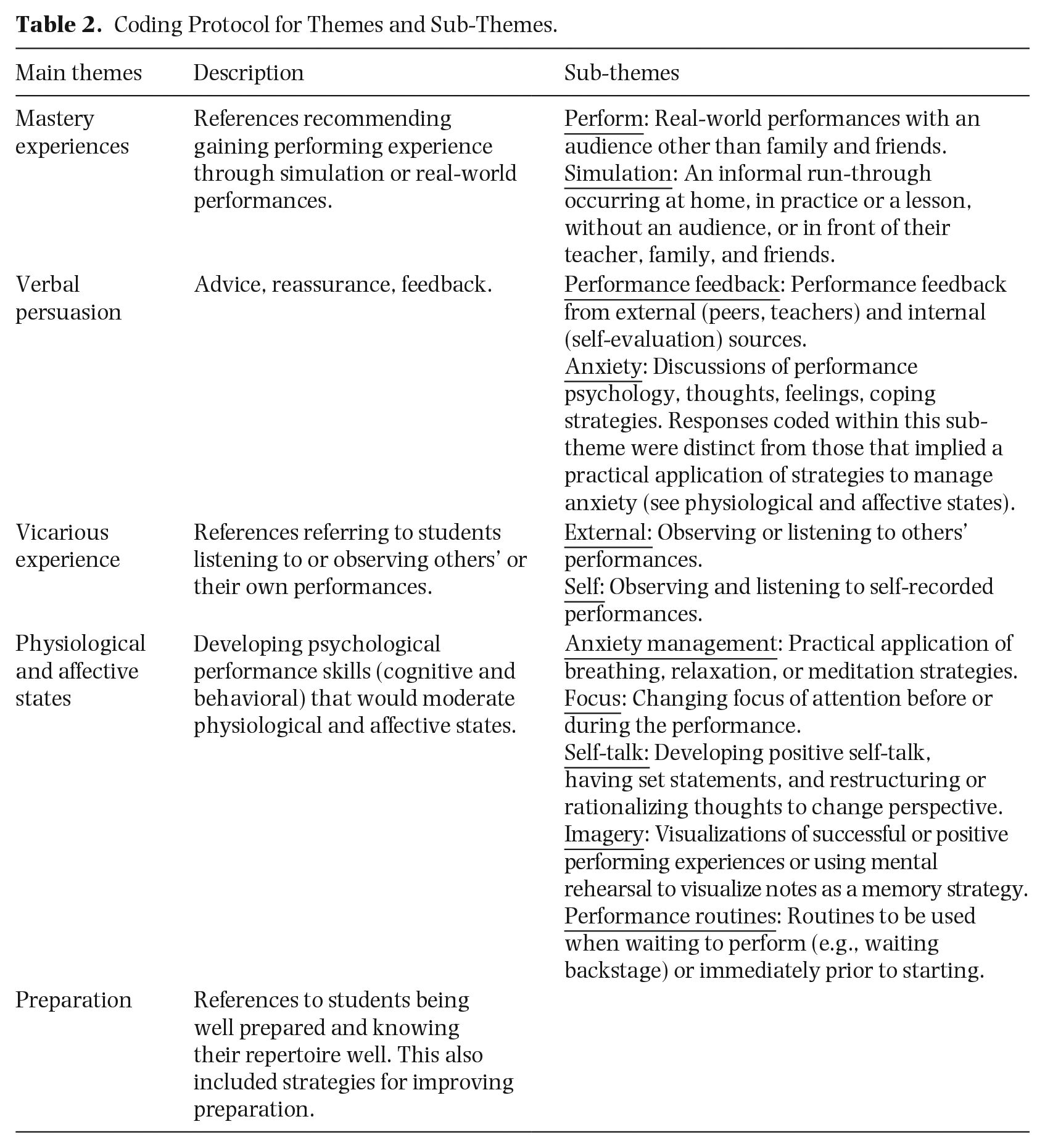
Ambiguous responses (such as “as above” or “as previously explained”) were not coded and the respondent was removed from the data set for that question resulting in a slightly different sample size for each vignette and performance issue. The number of ambiguous responses was less than five for all vignettes and performance issues except for Confidence (with 11 ambiguous responses).
The coding protocol for each of the main themes is outlined in Table 2.
Results
Questionnaire completion
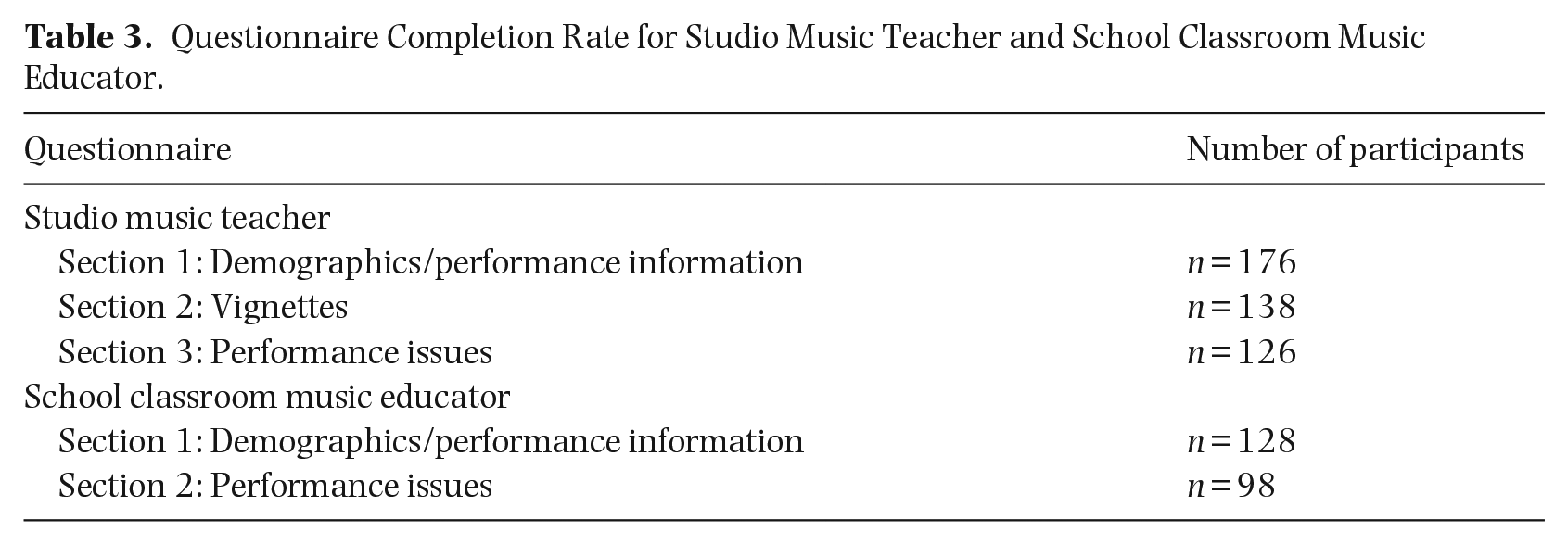
Table 3 presents the questionnaire completion rate for studio teachers and school music educators.
Questionnaire Completion Rate for Studio Music Teacher and School Classroom Music Educator.
Teachers’ performance observations and expectations
Studio teachers’ performance practice expectations
On average, studio teachers expected students to conduct six practice performances (dress rehearsal, cold run through, or simulation) leading up to the main event. Around half (55%) recommended four or less trials, and it was uncommon for teachers (14%) to indicate 10 or more (Figure 1).
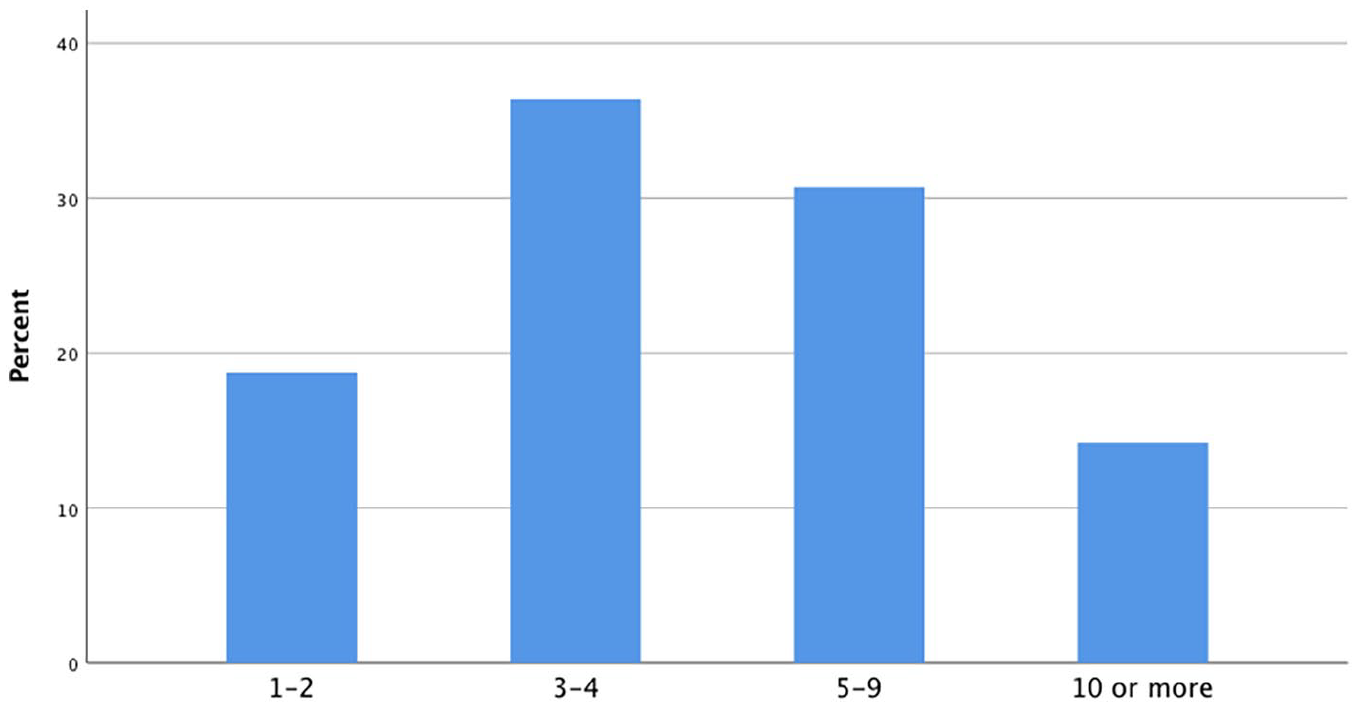
Number of Performance Simulations Recommended by Studio Music Teachers.
Simulated performance observations
Approximately 58% of school music educators and 41% of studio teachers indicated that they were observing students in a practice performance on a regular basis (at least once a month). Around one-third of teachers (school 23%, studio 33%) viewed simulated performances infrequently (four or fewer times a year). This provides an understanding of the frequency of students’ simulated performance practice that occurred outside of their home environment with the opportunity to gain teacher feedback.
Live performance observations
Opportunities to view students in a real-world performance were infrequent. Most studio teachers (82%) and around half of the school music educators (56%) reported that they observed their students perform, at most, four times a year (range = 0–4).
Vignettes and performance issues
The vignette and performance issue results are presented in Figures 2 and 3. Self-efficacy source percentages are based on the proportion of teachers whose responses were coded within each issue or vignette. Data tables for the main themes and sub-themes can be found in the supplementary materials. Chi-square independence tests evaluated the effect of teaching condition on the employment of self-efficacy techniques within the performance issues. There were no significant between-group differences for the mastery, vicarious experience, or physiological and affective state main themes.
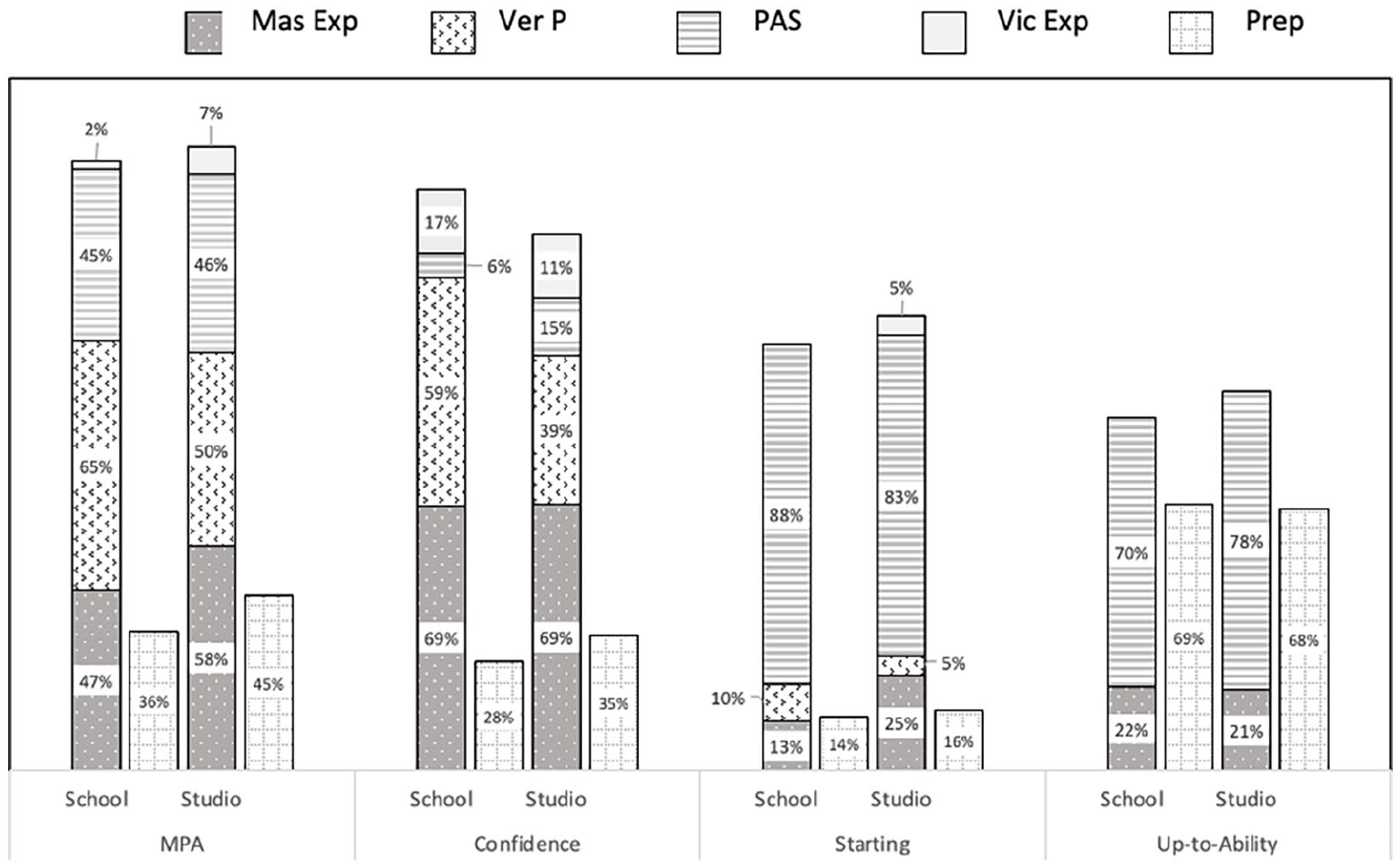
Teachers’ Responses to Performance Issues Coded to Self-Efficacy Sources and Preparation.
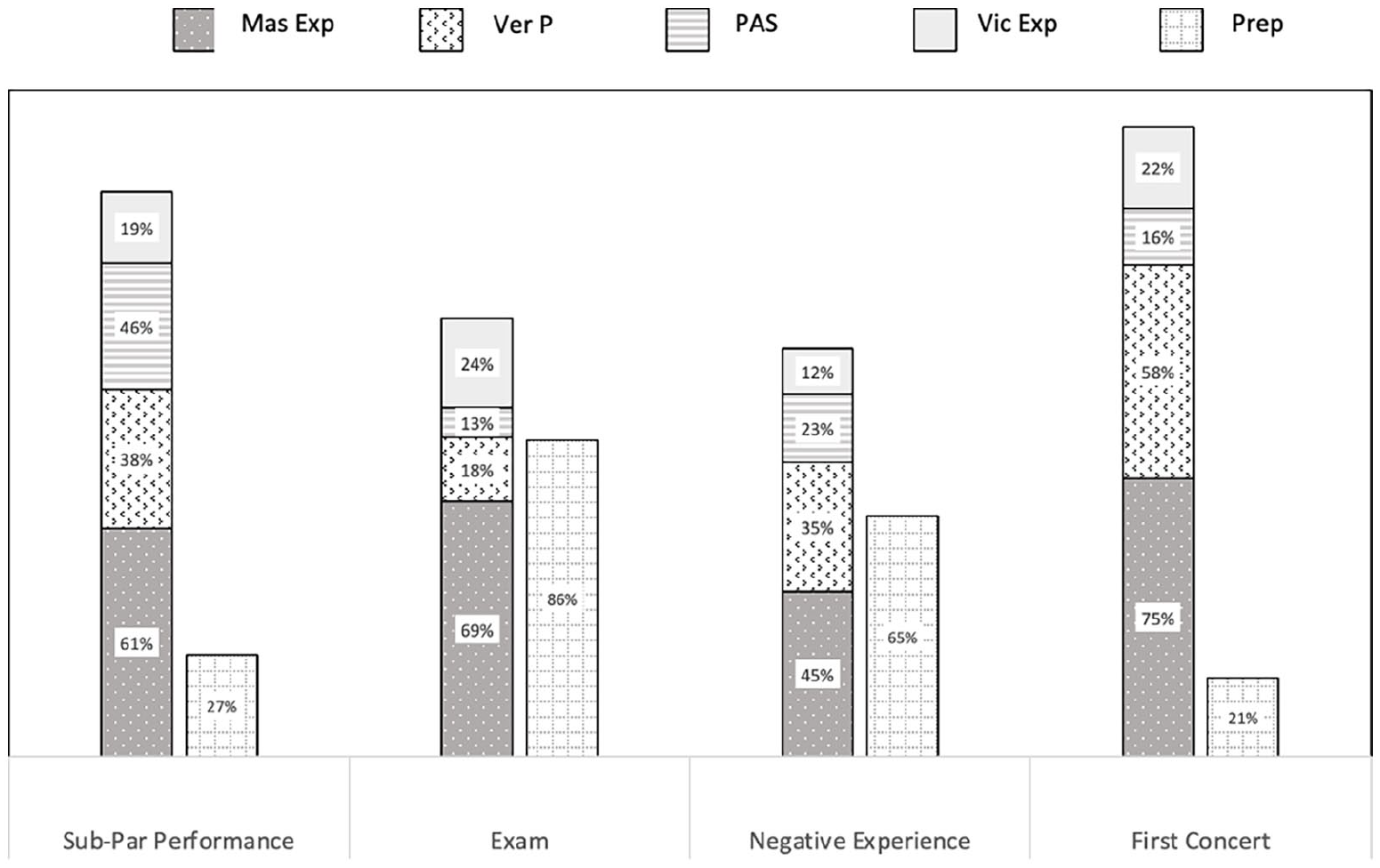
Studio Teachers’ Responses to Vignettes Coded to Self-Efficacy Sources and Preparation.
In the vignettes, Sub-Par Performances referred to a well-prepared and conscientious but under-performing student, whereas Exam reflected teachers’ thoughts on what students should focus on in the 6 weeks prior to this event. Negative Experience represented an anxious student who is confronted with an upcoming performance, and First Concert related to a student’s first performing experience. In the performance issues, Starting related to strategies for poised and confident starts, and up-to-ability (UTA) represented elements that prevent students from playing up to their ability.
In summary, these figures show that teachers preferred to focus on mastery experiences and use verbal persuasion to develop SEP. They were less likely to utilize vicarious experience and the development of psychological performance skills that could influence physiological and affective states, although they were more inclined to consider this latter source when contemplating MPA and Starting.
Within the UTA issue, teachers nominated factors that prevent students from playing their best (Table 4). As such, the high percentage for physiological and affective states does not represent teachers’ use of psychological performance skills but rather an indication of the importance of developing these competencies, as these are elements that would be benefit from training in this area. Studio teachers and school classroom educators were most likely to nominate anxiety as an impediment to performance. Self-consciousness was identified as the main cognitive problem followed by self-belief (studio teachers) and worries about being judged (school educators).
Teacher Identified Cognitive and Emotional Impediments to Performing Up-to-Ability.
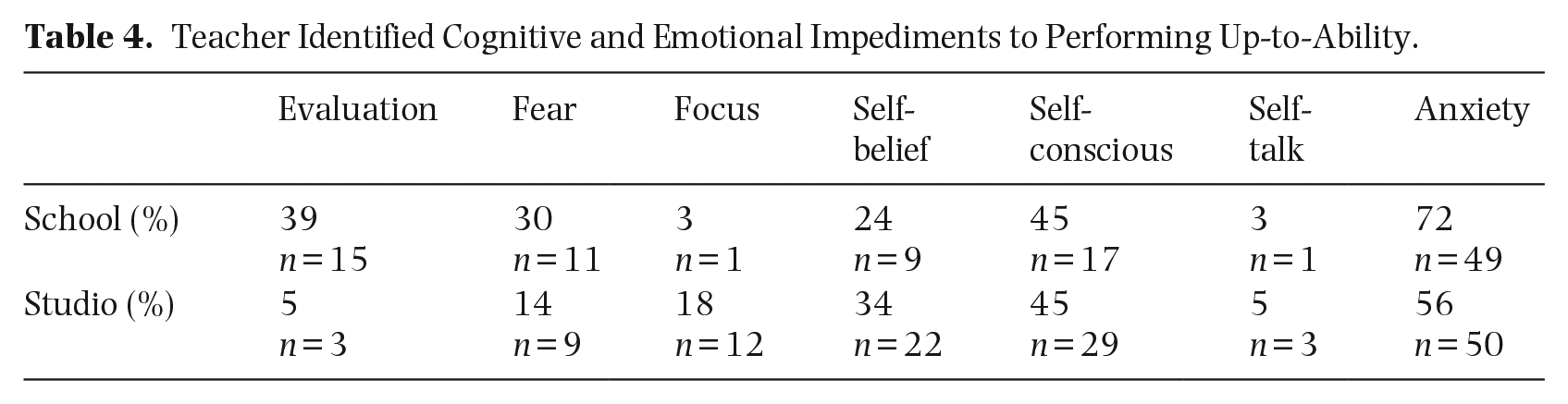
Independent chi-square tests revealed that school educators were significantly more likely to identify anxiety, χ2(1, N = 165) = 7.01, p = .008, φ = .21, and concerns about being evaluated, χ2(1, N = 165) = 14.80, p < .001, φ = .30, as contributing to sub-par performances than studio teachers.
Self-efficacy sources
Mastery experiences
Although all teachers favored “real” world performing experience to combat MPA and build Confidence, studio music teachers were more inclined to recommend simulation when considering the scenarios depicted in the vignettes (Supplementary Tables S1 and S2).
Teachers intuitively recognized the convenience and potential benefits of performance practice, encouraging pupils to play in familiar situations (e.g., at home for family and friends, or in lessons) or participate in collaborative efforts such as duets and ensemble performances: “I would build up her confidence by suggesting she performs for family and friends regularly” (Studio Teacher [ST] 42. They were also concerned with ensuring that these experiences were positive and successful, referencing non-threatening, informal, low-stress, or low-pressure performances contexts: “Sarah should have some low-anxiety performance experiences prior to this, whether it be sitting family down to hear, or participating in a studio concert, which is a non-threatening and known environment” (ST 170).
Performance practice expectations were mostly framed around playing through repertoire at home: “If it is a case of nerves, then perhaps practicing with a home audience might help” (ST 7). Approximately 25% to 50% of teachers recommending simulation suggested augmenting these experiences by recreating distracting and unfamiliar conditions imposed by live performances (performance issues: school 22%–25%, studio 20%–30%; vignettes, 33%–53%): “I would create role play situations where we would simulate the forthcoming performance situation, right down to walking in at the start and bowing at the end. The intention is to create some nerves” (ST 123).
Verbal persuasion
Teachers employed more verbal persuasion when dealing with performance issues such as MPA, building Confidence, and preparing students for their first concert (Supplementary Tables S3 and S4). School music educators were significantly more likely to utilize this source for confidence, χ2(1, N = 210) = 9.01, p = .003, φ = .21, and MPA, χ2(1, N = 215) = 4.52, p = .03, φ = .15, than studio teachers, although this association was quite small. Teachers’ persuasive efforts consisted of reassuring comments, performance advice, and encouragement. For example, “reminding them that anxiety can turn into excitement and that adrenaline actually assists us in performance” (School Classroom Music Educator [SCME] 8). Although coping advice was often general there were instances where a more comprehensive approach was recommended: “Talking about strategies such as relaxation techniques, breathing, muscle exercises, being aware of temperature, positive thinking, mental focus” (SCME 69). Persuading students to explore a wide range of strategies as in the latter example could empower them to develop realistic and beneficial coping skills to deal with the performance situation and experience success.
Teachers were also concerned with addressing common negative cognitions that can undermine students’ self-belief when performing. Their comments emphasized developing rational thought processes and putting things into perspective with a focus on accepting mistakes, understanding the audience is there to enjoy the music, and not overestimating the importance of the performance: “Lots of conversations with the students (individually) to replace negative circular thoughts with positive ones” (SCME 39). Although teachers were aware of the importance of internal forms of verbal persuasion, the extent to which they actively monitored student’s cognitions or self-talk to ascertain whether they were misinterpreting or inwardly negating verbal encouragement was unclear.
Anxiety
It was not common for studio teachers to directly discuss anxiety. Although anxiety could be inferred as a contributing factor to all the scenarios presented in the vignettes, only a small proportion of studio teachers (8%–19%) openly discussed this issue. Even when sharing their strategies for managing MPA, studio teachers (26%) seemed reluctant to focus their verbal persuasion efforts on anxiety: All the usual things but don’t focus on anxiety at all. If it happens then, listening to recording of concert and see where they went off the track . . . usually at a trouble spot so it has more to do with not knowing the work properly. (ST 175)
This may indicate that musicians are not particularly comfortable talking about anxiety or related performance issues. As one vocal teacher noted: “In the singing world there is an unhelpful culture of silence around performance anxiety and related issues” (ST 31).
School music educators (46%) appeared more comfortable to address this topic directly and were significantly more likely than studio music teachers to discuss anxiety when dealing with MPA, χ2(1, N = 122) = 5.12, p = .02, φ = .21, encouraging peer or class discussions: By normalising it. Every performer feels it to some degree. If you don’t, you are not normal and there is something wrong! Performance anxiety means your body is working correctly and is flooding you with energy. Harness this energy and put it to use positively rather than fighting it. (SCME 123)
There was also an underlying sense that students would benefit from open discussions of shared experiences that would help them to understand that issues such as anxiety are a normal and inevitable reaction to performance situations: “Open discussions so that it does not become a concept that is a sense of failure, but something that all people experience” (SCME 86).
Performance feedback
Overall, the number of teachers employing this type of verbal persuasion was quite low. Teachers preferred to use performance feedback to prepare for an Exam (49%), address Sub-Par Performances (58%), and to help build confidence (school 68%; studio 34%). School music educators were significantly more likely to use performance feedback to build Confidence than studio music teachers, χ2(1, N = 101) = 10.57, p = .001, φ = .32, often taking advantage of the group situation to encourage peer feedback.
Self-evaluation
Although rarely employed, self-evaluative feedback of simulated or live performances was more likely to be encouraged by studio music teachers, particularly in the vignettes. Some teachers described how they would actively and systematically guide this process: In both the lessons and at home, record simulated performances and teach student how to analyse each performance in relation to accuracy, musicality, stylistic interpretation plus overall feeling with the view to both improve and to eventually set students mind at ease particularly with the quality of the performance. (ST 62)
Most responses referred to a general unguided evaluation process: “Watching video play back so she can investigate her own methods of improvement” (ST 176).
Vicarious experience
The use of vicarious experience was quite low (performance issues: school 25%–17%, studio 7%–11%; vignettes: 12%–24%). Within this source teachers were more likely to favor self- over external-modeling for most of the student scenarios and performance issues (Supplementary Tables S5 and S6). Students were encouraged to view and evaluate self-recorded performances, noting progress and areas for improvement: “Video yourself and watch it back noting the things that have already improved and then what to work on next” (SCME 109).
When music teachers did employ external models, they were used to demonstrate mastery, help students learn about style, interpretation, and musical artistry, and provide motivation: “Listen to performances on YouTube to gain any extra ideas for interpretation, extra stylistic nuances to give that extra kick” (ST 75). Some teachers highlighted the importance of peer modeling, particularly when it came to preparing students for their first concert and dealing with MPA: “Hold informal concerts where they hear others of their age and stage perform. I may show her a DVD of a previous student concert” (ST 84).
Vicarious experience was also employed by a few teachers to help students learn how to deal with mistakes, a form of coping modeling: “Mistake recovery can be difficult. I would demonstrate by playing the piece myself, deliberately playing with errors but endeavouring to cover them, not highlight them” (ST 86). Music educators, however, were unlikely to use coping modeling for MPA.
Physiological and affective states
Overall, teachers preferred to use psychological performance skills when dealing with MPA (school 45%, studio 46%) or when implementing a pre-performance routine (Starting: school 83%, studio 88%), and rarely considered these strategies as a means of building Confidence (school 6%, studio 15%; Figure 2, Table S7). Although a large proportion of teachers (studio 56%, school 72%) identified anxiety as an impediment to performance (Table 4), it is notable that fewer than half of them were recommending psychological performance strategies to help cope with MPA.
Within the vignettes (Figure 3, Table S8), studio music teachers were more likely to employ psychological performance skills when a student was already experiencing difficulty (Negative Experience) or when problems could not be attributed to preparation issues (Sub-Par Performance). They were less inclined to implement these strategies to prevent potentially aversive performing experiences (Exam and First Concert).
A similar response pattern was also observed in the Negative Experience vignette. Only a small proportion of teachers (23%) recommended practical coping strategies (Figure 3), even though the student in this scenario was having adverse experiences (mistakes, memory lapses, restarting, and freezing) and was obviously anxious about an upcoming performance. Most focussed on preparation.
The low priority afforded to psychological performance skills seems to be at odds with the fact that overall, most teachers (school 70%; studio 78%) were identifying at least one cognitive or emotional factor as contributing to performance impairment (Figure 2).
Types of strategies employed
Overall, teachers favored the use of anxiety management techniques, increasing their focus on these when MPA or related performance difficulties were indicated (Supplementary Tables S7 and S8). Studio teachers consistently favored imagery and focus strategies when compared with self-talk and pre-performance routines across the vignettes and performance issues. Although school music educators were more inclined to focus on self-talk when dealing with MPA, they also favored imagery and focus techniques for Starting.
Choice and application of strategies
Studio and school teachers’ application of techniques suggests a rather general approach to dealing with physiological and affective states. Some of the strategies recommended within the vignettes (Sub-Par Performance, Negative Experience, Exam) and the MPA and Confidence performance issues did not deal directly with performance situation or could not be used during the performance (e.g., ensure good sleeping or exercise habits). Others were nonspecific or too general, making it difficult to ascertain a particular approach or recommended strategy (e.g., be mentally prepared).
When teachers proposed more targeted coping techniques such as focus, breathing, visualization, and relaxation strategies it was unclear whether these skills were taught and applied in a concrete and specific manner during lessons and practice or whether they were just offered as a form of advice or verbal persuasion. Suggestions such as “breathe comfortably or deeply” or “focus on the music” could be helpful if followed by a specific explanation of how to breathe optimally or focus and then a step-by-step procedure outlining how to practice and apply these techniques. Teachers rarely outlined a specific pedagogical process as evidenced by the following comments: “At the instrument, deep breathing and recall of pleasant experience for total relaxation” (ST 137).
Preparation
Teachers understandably placed a large focus on preparation. Around two-thirds of teachers (school 69%; studio 68%) identified inadequate preparation as being a factor that prevented students from performing their best (Figure 2). In addition, teachers felt that better preparation or practice habits would build Confidence (school 28%, studio 25%) and help students cope with MPA (school 36%, studio 45%: Figure 2). “The main problem which causes anxiety is lack of confidence in knowledge of the piece. If you know it well, you don’t usually experience too much in the way of nerves” (ST 80).
When asked how many weeks prior to the main event they expected their students to have learned their performance piece, 21% of studio teachers indicated 1 to 2 weeks with a further 45% indicating 3 to 4 (Figure 4).
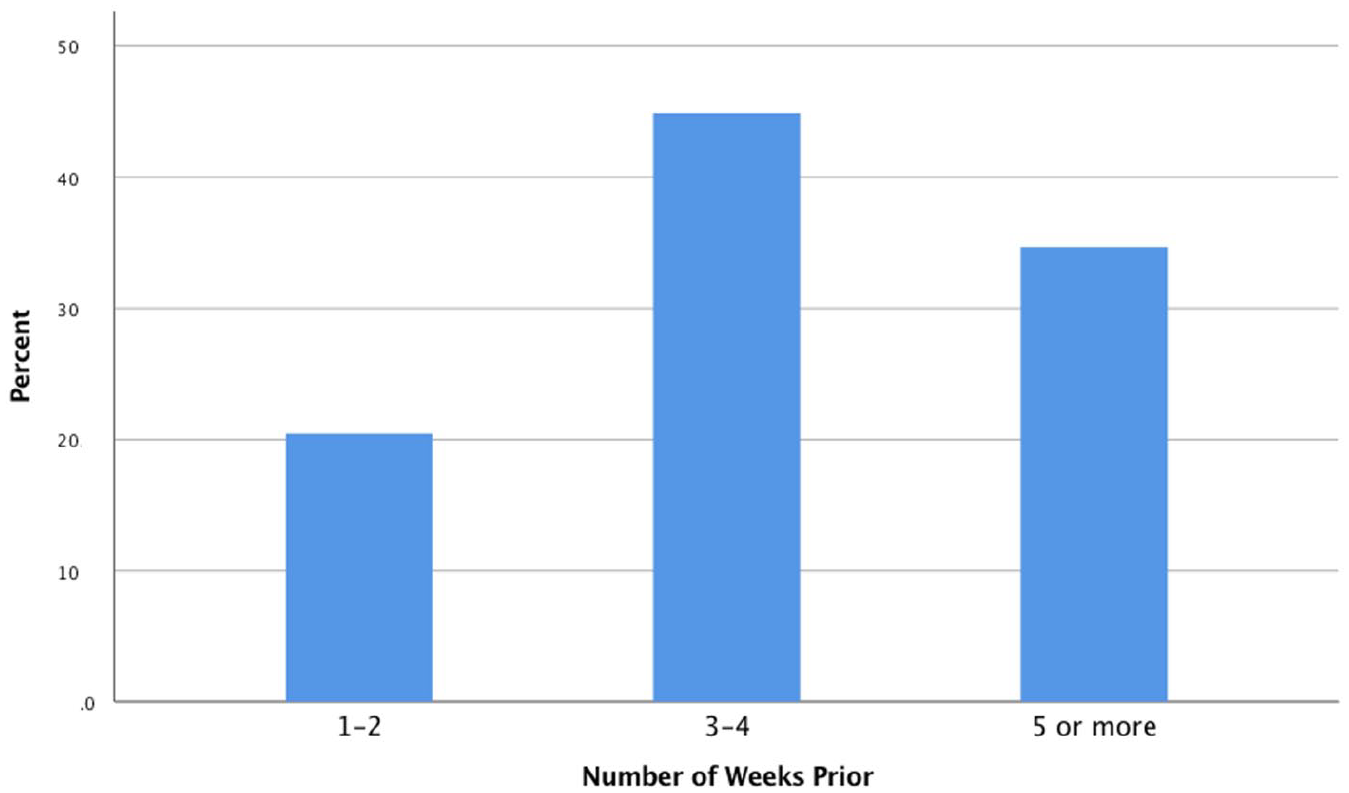
Studio Teachers’ Performance-Readiness Expectations.
Discussion
This study investigated teachers’ perceptions of pedagogical priorities in the development of self-efficacy and psychological performance skills within classroom and studio music lessons. Results indicated that teachers were most likely to consider mastery experiences and use verbal persuasion to deal with common student scenarios and performance issues, and less likely to develop vicarious experience or the psychological performance skills that would benefit physiological and affective states.
Mastery
Teachers clearly recognized the benefits of mastery experiences, as gaining further performing experience was one of their most common recommendations. Although real-world performing was favored as a means of building Confidence or combatting MPA, studio teachers indicated a preference for simulation when considering the scenarios presented in the vignettes.
It can be challenging for teachers to ensure that pupils have regular opportunities to perform (Mills & Smith, 2003). As it is difficult to organize frequent real-world performances, relying on live experience will limit mastery experiences and the potential to build self-efficacy. Acknowledging the practical difficulties of gaining real-world experience, many teachers also encouraged simulation. Simulation can compensate for infrequent performance exposure, enabling students to experiment with and develop confidence in their performing skills in a risk-free situation and become familiar with the performance environment across an unlimited number of trials (Williamon et al., 2014).
Overall, the expectations of many studio teachers for performance practice prior to the actual event were quite low. Around half recommended one to four simulation trials and it was uncommon for teachers to recommend more than 10. While school music educators were more likely than studio music teachers to provide regular opportunities for performance practice within their classes, approximately 20% to 30% of all teachers were viewing simulated performances infrequently, at most four times a year. This suggests that some pupils rarely rehearse performing in their lessons or classes and could be missing valuable opportunities to develop performance skills and build mastery experiences.
Although there is no established protocol for what constitutes the right amount of simulation trials to build self-efficacy, students would ideally experience favorable outcomes (particularly self-evaluated success) more often than failure or dissatisfaction across multiple sessions before they are exposed to a public performance. A low number of simulations may not allow for enough positive experiences to boost SEP. If students can go into an actual performance with a number of positively self-evaluated, simulated mastery experiences they may be more likely to feel more confident and well prepared (Beattie et al., 2015; Hewitt, 2004). This of course assumes that students are performance-ready far enough in advance to allow time for this to occur. Toward this end studio teachers might consider increasing their expectations of students’ performance readiness. The 1- to 2-week margin suggested by around 20% of teachers may not allow sufficient time to conduct an optimal number of simulated trials.
Performance practice will be most effective and more likely to transfer to the authentic event when the virtual environment mirrors that of real-world conditions (Aufegger et al., 2016; Bissonnette et al., 2015; Orman, 2004; Rothbaum et al., 1997). In addition, prior mastery experiences are more likely to contribute to SEP for an upcoming performance if the situational contexts are similar (Hewitt, 2004). Some teachers discussed augmenting the simulation experience by encouraging students to recreate performance conditions such as distracting noises, equipment setup, different lighting, playing on an unfamiliar instrument, and symptoms of anxiety. This is important as it is easy to be distracted during a live performance by novel or unexpected external and internal stimuli (Matlin, 2005; Orlick & Partington, 1988). A large proportion of teachers (performance issues: school 75%–78%, studio 70%–80% [Table S1]; vignettes 50%–67% [Table S2]) who recommended simulation did not reference recreating performance conditions, indicating that this may be an under-utilized performance preparation technique. If students can learn to successfully perform under a variety of adverse conditions that recreate the pressure and various distractions of an actual performance, then this is more likely to provide them with realistic mastery experiences and enhance self-efficacy.
Teachers might also consider how their pupils could practice performing without an audience. Much of the performance practice advice referred to playing to friends and family, but students may lose valuable learning opportunities if they are relying on the presence of others during their rehearsals. Simulation training can still be conducted when practicing alone, by, for example, mirroring the performance conditions and developing proficiency with psychological performance skills.
Verbal persuasion
Verbal persuasion was favored by teachers, which is unsurprising given that it is the main source employed in educational contexts (Feltz et al., 2008; Short & Ross-Stewart, 2009 ; Weinberg & Jackson, 1990). The results of this analysis indicated that teachers’ persuasive efforts were supportive, reassuring, and encouraging. They offered performance advice, shared past experiences, recommended general coping strategies, and recognized the importance of developing rational thought processes. Although school music educators were more likely to discuss anxiety than studio teachers, there was an underlying sense that many teachers were reluctant to confront this issue.
MPA
When dealing with MPA school music educators were more open to discussing anxiety, perhaps reflecting their higher preponderance to view anxiety as harmful to performance and an organizational focus on health and wellbeing within school environments. However, around 50% of school music educators and 75% of studio teachers did not directly address anxiety. The low preference given to this issue in general supports the view that musicians are not particularly comfortable talking openly about anxiety or related performance issues (Mesagno et al., 2016; Patston & Loughlan, 2014). This may be due to the stigma surrounding MPA. Musicians may avoid the topic out of concern that it will highlight a weakness, affecting their career, reputation, and employment opportunities (Ingles, 2013; Mesagno et al., 2016). Anecdotal evidence also suggests that this culture of silence is also driven by an underlying belief that MPA is contagious (Kenny, 2011). Anxiety, however, is a normal and inevitable reaction to performance situations and students would benefit from discussions that directly deal with this issue. “It is a powerful experience for a musician to discover that he is not alone with his fears and that many peers, and even teachers, are struggling, or have struggles with the same anxieties” (Petrovich, 2004, p. 27). Avoiding the topic means that there is a real risk that students will not fully understand their pre-performance emotions, believe that they should not be feeling the way they are, and think that it is something to fear (Esplen & Hodentt, 1999; Kaleńska-Rodzaj, 2020).
Internal verbal persuasion
Mastery experiences that are so important for SEP are performances that are self-perceived to be a success. But “anxious students can internally interpret almost any kind of feedback as negative without their teachers’ awareness” (Petrovich, 2004, p. 26). Thus, playing well or achieving a good outcome does not automatically equate with positive feelings about the event. Teachers were aware of the importance of internal forms of verbal persuasion, directing some of their persuasive efforts toward counteracting cognitive distortion and irrational thinking. Few, however, identified self-talk as an impediment to performance (Table 4) and it appears that it is not common practice to actively monitor students’ internal dialogue or thought processes during lessons to ascertain if they are misinterpreting or inwardly negating verbal encouragement.
Positive self-talk, cognitive restructuring, and rationalization processes are key psychological strategies used by performers to promote control over anxiety symptoms, create facilitative interpretations of symptoms, and enhance self-efficacy (Hanton & Jones, 1999; Mellalieu et al., 2008; Thomas et al., 2009). Ensuring that students are developing helpful and rational self-talk habits would optimize the benefits of this source of efficacy information.
Feedback
Although providing feedback is typically a natural part of teaching, the regular provision of specific performance feedback was not a common persuasive tactic among teachers. More use of this form of verbal persuasion by school educators may be a strategy they employ to combat students’ fear of being judged, a factor which they were more likely to identify as an impediment to performance than studio teachers. Class environments also naturally lend themselves to peer feedback.
The low utilization of performance feedback in general may in part reflect the difficulty in providing students with regular performance opportunities that would enable this to occur, and, for studio teachers, a limited capacity to encourage peer feedback. Nevertheless, performance feedback has a direct impact on students’ mastery perceptions. Genuine positive appraisal post-performance can enhance self-efficacy judgments while constructive advice helps clarify the performance task providing students with a clear understanding of how they can improve (Beattie et al., 2015; Hewitt, 2004). Insufficient feedback makes it difficult for students to accurately estimate their capabilities, determine whether they need to improve, and what sorts of corrective adjustments they may be required to make. This can result in poor preparation, reduced effort, maladaptive anxiety, and a decrease in self-efficacy (Feltz et al., 2008).
Feedback can also be received internally through self-monitoring and self-evaluation. Consistent, objective self-evaluation helps students to constructively evaluate their progress and abilities, and highlight performance gains, increasing motivation and strengthening self-efficacy. However, these internal assessments may be inaccurate, particularly if performers experience high levels of MPA (basing their judgments on how they felt as opposed to how they actually performed), have mediocre self-evaluation skills, or if there is an absence of moderating objective external feedback (Baker-Jordan, 1999; Petrovich, 2004). In fact, music students are generally poor at evaluating their own performances and often underestimate their achievements, thus undermining SEP (Bergee, 1993, 1997; Byo & Brooks, 1994; Hewitt, 2002, 2005, 2015).
Two key factors that influence self-evaluative ability are formal instruction and consistent practice (Aitchison, 1995; Bergee & Cecconi-Roberts, 2002; Burrack, 2002; Sparks, 1990). Encouraging students to conduct regular simulated performance at home would provide frequent opportunities for self-assessment, while increasing the amount of performance practice during lessons would enable teachers to provide objective performance feedback and guide students toward more accurate self-evaluation. Music educators could also use these opportunities to gain insights into pupils’ self-perceptions, monitor their internal dialogue, and help them to identify successes to foster self-efficacy.
Vicarious experience
Although the use of vicarious experience was low overall, teachers favored self-modeling. This form of modeling is believed to be particularly effective for enhancing self-efficacy and achievement as it maximizes model-observer similarity (Bandura, 1986, 1997). This is often accomplished by viewing highlight videos or successful performances, but, as indicated by teachers in this study, students can also gain from viewing and evaluating their progress or improvement across a number of recorded performance trials (Dorwick & Dove, 1980; Feltz, 2007).
Students are more likely to believe that they can achieve success if they observe other students, perceived as similar to themselves, overcoming their difficulties or achieving their goals (Bandura, 1997; George et al., 1992; Hendricks, 2014; Weiss et al., 1998). Peer and coping models may be particularly important for pupils who have low self-efficacy as they can be more sensitive to vicarious experiences, benefiting from watching other students struggle through similar problems (Hendricks, 2014). Although some teachers recognized the importance of using peer and coping modeling for learning, motivation, understanding the performance context, and dealing with mistakes, ensuring that students were exposed to these types of vicarious experience was not a preferred strategy employed by music educators in general. This may be due to limited opportunities (particularly within a studio lesson context) to observe peers. In addition, finding appropriate external models who could demonstrate performance enhancement techniques and coping strategies might be difficult as the results of this study suggest these are not a standard component of music curricula. School and studio teachers may consider fostering vicarious experience by encouraging their pupils to demonstrate mock or real coping scenarios (e.g., playing through mistakes or dealing with anxiety) in a small group context and finding relatable real-world examples (e.g., YouTube videos) of performers with whom they can identify.
Physiological and affective states
The routine performance skills employed in psychological or mental skills training programs will provide efficacy information across all sources. Most will influence physiological and affective states. The results from this investigation indicated that these competencies are not a main area of focus in music classes or lessons. However, teachers were more likely develop these skills if a student was already experiencing problems such as MPA or under-performing despite being well prepared. They were unlikely to consider them to build confidence or prevent potentially aversive performance experiences. This suggests that teachers favor a short-term (reactive) rather than long-term (proactive) approach to the development of these skills. As most comments described general techniques, it was not possible to discern if these skills were actively taught in an applied manner or whether they were just offered as coping advice (i.e., verbal persuasion).
The capacity to manage physiological and affective states plays an important role in SEP. When music students feel that they can change or modify their anxiety they are more efficacious and interpret their symptoms in a more favorable light (Bandura, 1991; Clark & Williamon, 2011; Hanton et al., 2003). Conversely, insufficient coping strategies leave the performer vulnerable to the negative effects of MPA, leading to self-doubt and undermining SEP. As there are several core psychological and behavioral skills implicated in performing success, adopting a multi-modal approach that systematically develops a broad range of coping skills over the long term is recommended for reducing MPA and increasing SEP (Hanton & Connaughton, 2002; Kenny & Halls, 2017; Mellalieu et al., 2008). As teachers appear to favor specific techniques (anxiety management, imagery, or focus) for different contexts, rather than a combination of skills, encouraging them to broaden their approach and develop a wider variety of competencies to be employed simultaneously could potentially have a substantial impact on students’ MPA, efficacy, and performing experiences.
MPA is a pervasive problem impairing performance and affecting the psychological health and wellbeing of a large proportion of musicians of all ages, so it is not surprising that teachers were more likely to consider psychological performance skills when confronted with this issue (Esplen & Hodentt, 1999; Fishbein et al., 1988; Wesner et al., 1990). Nevertheless, there was still a large proportion of teachers who did not recommend any kind of coping skills and the overall development of these competencies was quite low. This could be due to uncertainty surrounding effective anxiety management methods, the perception that psychological issues are best addressed by specialized therapists, lesson time constraints and/or a belief that other factors, linked to preparation, are the underlying cause (Atkins, 2013; Chmurzynska, 2009; Zelenak, 2015).
There are several other factors that may impede proactive development of psychological performance skills. As indicated in this study, music educators have infrequent opportunities to view their pupils perform, and their knowledge and assessment of each student’s ability and response to performing will be gained primarily through observations made when they are playing in a low-stress, familiar studio or school environment. Thus, they may be unaware of how their pupils respond in unfamiliar conditions or when exposed to more challenging situations such as exams and auditions, making it difficult to anticipate future problems (Purser, 2005). Moreover, it is not always easy to discern if students are experiencing MPA or distress, particularly if they are achieving successful outcomes. Even great performances can be an aversive experience from the performer’s perspective (Kenny, 2011). Teachers may underestimate the intensity of their pupils’ arousal in part because the visible signs of anxiety are not always obvious to an audience, even when the performer is experiencing high levels of MPA (Braden et al., 2015; Kubzansky & Stewart, 1999; Miller & Chesky, 2004). In addition, students may not readily admit to experiencing problems. This highlights the importance of finding ways to tap into students’ self-perceptions. Adopting a proactive and applied approach that equips students with appropriate strategies to manage performance situations outside of their teacher’s studio or during critical periods such as adolescence could help minimize the risk of adverse consequences from evaluative performance contexts and increase the potential for mastery experiences.
Implications for music pedagogy
It seems that current pedagogical practices promote the development of SEP largely through mastery experiences and verbal persuasion. As mastery experiences have been highlighted as the most powerful self-efficacy source, it is recommended that efforts to alter self-belief and achievement should ultimately be directed toward ensuring the accumulation of positive and successful performing experiences (Bandura, 1986; Pajares, 1997).
Teachers recognize the need for their students to be gaining more performing experience, but have limited options to provide them with real-world opportunities. Simulation enables students to gain mastery experiences and build SEP across a limitless number of trials. They can therefore benefit from regular performance practice in lessons and at home, with and without an audience, that incorporates a range of unfamiliar elements to reflect public performance. This will be most effective if they have their pieces ready far enough in advance to complete enough self-perceived, successful rehearsals.
The quality and quantity of past performing experiences can have a significant impact on students’ SEP, which will largely depend on self-perceptions that may or may not accurately reflect the actual musical outcomes. Linking teacher feedback, guided self-evaluations, and performance debriefs with simulations and real-world performances would help students accurately appraise their efforts in line with verbal persuasion. It would also increase teachers’ awareness of students’ self-perceptions of their efforts.
Directly addressing anxiety and other performance problems could also be encouraged as a means of strengthening verbal persuasion. Teachers might share their own experiences, facilitate peer discussions, and inform novice performers that performing will feel different to practice. This will help to reassure students that it is normal to experience what they are feeling and reduce the stigma surrounding this issue.
As students often find it difficult to translate knowledge into action or embed new strategies into their playing without specific guidance (Hatfield & Lemyre, 2016; Ingles, 2013; Koopman et al., 2007), teachers might also consider strengthening the influence of this source by ensuring that discussions focussed on coping with and managing the performance situation are reinforced by the practical application and development of relevant skills in lessons and practice (Petrovich, 2004).
Music educators also seem to rely on good preparation and instrumental mastery to counteract any problems and ensure successful outcomes. While it is self-evident that good preparation and practice are essential for optimal performance, these factors do not automatically equip performers with the necessary coping skills to deal with high arousal or prevent them from worrying about mistakes and negative evaluation (Petrovich, 2004; Robson & Kenny, 2017).
The lower priority afforded to the development of psychological competencies could be due to a belief that it is too difficult to adequately address psychological issues within a lesson context, without specialist intervention or knowledge. Teachers may feel that they do not have sufficient knowledge of performance psychology, effective management methods, and practical ways to incorporate these strategies into their own pedagogical practice as these have not traditionally been a part of musical training or education. Given that students are most likely to seek help from their teacher if they do encounter difficulties, however, music educators can play an important role in developing these coping capacities by shaping both the musical and general development of their pupils (Dews & Willimans, 1989; Kaspersen & Goetestam, 2002). Thus, music pedagogy may benefit from resources that promote or guide a proactive, systematic, practical application of a broad range of performance enhancement skills.
The benefits of vicarious experience, particularly via peer and coping modeling for less efficacious students, could also be highlighted to teachers. Finding suitable external models may be difficult, particularly in a studio lesson context. Creating a reference bank of relatable real-world videos that portray performers or peers dealing with challenges or using coping techniques may be one way of boosting this source without affecting lesson time or creating organizational challenges (e.g., finding appropriate models or scheduling extra group sessions). Students would also benefit from regular self-modeling that involves viewing successful performances and observing progress and improvements across several simulated performance trials.
Limitations
It should be noted that in the present study there was a low ratio of vocal to orchestral and keyboard teachers, and male to female teachers which may have influenced these results. The gender imbalance, however, was representative of the greater Australian teaching population. The credibility of participants’ answers may also have been affected by socially desirable responding (Mick, 1996; Paulhus, 1984). This refers to a tendency to present oneself in a favorable light or unconsciously respond inaccurately to maintain positive self-perceptions when answering self-report surveys (Paulhus, 2002). The risk of socially desirable responding is believed to be minimized when participants respond anonymously to self-administered surveys (Krumpal, 2011), as was the case in the current study.
Conclusion
Self-efficacy has been described as one of the most influential psychological constructs to affect motivation, behavior, and achievement (Bandura, 1986; Feltz, 1988; Usher & Pajares, 2008). Thus, music pedagogy can benefit from striving to achieve a greater understanding of the factors that will nurture this self-belief within lessons and practice, and how this might be best achieved within different teaching environments. This study has provided insights into how positive perceptions and coping skills are currently developed and might be further enhanced within music environments. Teachers relied on verbal persuasion, mastery experiences and preparation to build performance self-efficacy, while vicarious experience and physiological and affective states were afforded lower priority. The between-group differences observed within verbal persuasion may provide insights into ways in which SEP can be further enhanced; for example, by maximizing the advantages afforded by class or group environments. Targeting the under-utilized sources might also be one strategic pathway to boosting students’ SEP. As teachers tend to direct their efforts toward areas in which they feel confident in their ability to effect change and promote student learning, future efforts could be directed toward developing a resource that maps pedagogical strategies to each self-efficacy source and outlines a practical methodology to enable the development of psychological competencies within the standard music curriculum.
Supplemental Material
sj-docx-1-rsm-10.1177_1321103X221123234 – Supplemental material for Sources of self-efficacy in class and studio music lessons
Supplemental material, sj-docx-1-rsm-10.1177_1321103X221123234 for Sources of self-efficacy in class and studio music lessons by Anneliese Gill, Margaret Osborne and Gary McPherson in Research Studies in Music Education
Footnotes
Appendix 1
Appendix 2
Declaration of conflicting interests
The author(s) declared no potential conflicts of interest with respect to the research, authorship, and/or publication of this article.
Funding
The author(s) disclosed receipt of the following financial support for the research, authorship, and/or publication of this article: Anneliese Gill was supported by an Australian Government Research Training Program Scholarship.

Supplemental material
Supplemental material for this article is available online.
Author biographies
References
Supplementary Material
Please find the following supplemental material available below.
For Open Access articles published under a Creative Commons License, all supplemental material carries the same license as the article it is associated with.
For non-Open Access articles published, all supplemental material carries a non-exclusive license, and permission requests for re-use of supplemental material or any part of supplemental material shall be sent directly to the copyright owner as specified in the copyright notice associated with the article.
