



Abstract
The increasing focus on sustainable and environmentally friendly solutions has led to the exploration of various wastewater treatment technologies. Among these, oxidation ponds (OPs) have gained significant attention due to their low operational costs and minimal energy requirements. However, the performance of OPs can be shaped by multiple climatic parameters, incorporating sunlight, temperature, wind, precipitation, evaporation and seasonal variation. The circular economy concept emphasizes the recovery and reuse of resources, promoting sustainability and reducing waste generation. OPs offer opportunities for resource recovery, including the generation of algae biomass, that could be utilized as a feedstock for biofuels, fertilizers, or animal feed. The climatic factors affecting OP performance can also impact the productivity and composition of the algae, thereby influencing the potential applications of these resources within the circular economy framework. This review examines the existing literature on the impact of sunlight, temperature, wind, precipitation, evaporation and seasonal variation on OP performance, highlighting their effects on treatment efficiency, microbial dynamics, and resource recovery potential. The findings underscore the importance of considering climatic factors in the design and operation of OPs to optimize their performance and maximize their contribution to the circular economy. Future research directions are suggested to further explore the synergistic relationship between climatic factors, OP performance, and circular economy linkages, with the aim of developing sustainable and resilient wastewater treatment systems.
Introduction
Water reuse presents significant opportunities to alleviate water stress and enhance the availability of water resources for various purposes, including agricultural, industrial processes, and potable reuse. Wastewater treatment is slowly emerging to be an essential component of the circular sustainability movement, integrating energy generation and resource recovery with the production of clean water (Nielsen, 2017). Sustainable treatment methods with simple, efficient, and affordable process are essential at this time (Mahapatra et al., 2022; WWAP, 2017).
Oxidation Ponds (OPs) or High-Rate Algal Ponds (HRAP) or Waste Stabilization Pond (WSP) are one such sustainable treatment method that can be designed to treat various industrial and domestic wastewater. The above pond based system differ in their design, operation, and the primary mechanisms through which they treat wastewater. Table 1 represents the removal efficiencies of wastewater contaminants by various pond-based treatment systems. Oxidation ponds, also known as facultative ponds or lagoons, are wastewater treatment systems that use natural processes to treat organic pollutants in water. They are shallow, man-made basins designed to mimic the processes that occur in natural bodies of water, such as lakes or wetlands. Wastewater is directed into these ponds, where it undergoes a series of biological and chemical processes. In oxidation ponds, wastewater is treated through a combination of physical, biological, and chemical mechanisms. The shallow depth of the ponds allows sunlight to penetrate, promoting the algae proliferation and other photosynthetic organisms, which also help in the treatment process by absorbing nutrients and producing oxygen (Ali et al., 2020; Ghazy et al., 2008; Samal et al., 2017). High-rate algal ponds (HRAPs) are a type of wastewater treatment system that utilize microalgae to remove pollutants from wastewater. They are designed to maximize the growth and productivity of algae through the optimization of various factors such as light exposure, nutrient availability, and mixing. In HRAPs, wastewater is directed into shallow, open ponds or channels, similar to oxidation ponds. However, the primary focus in HRAPs is on algal growth and biomass generation (Bolton et al., 2010; Reinoso et al., 2011; Sutherland et al., 2020). Waste stabilization pond (WSP), also known as a maturation pond or a polishing pond, is a type of wastewater treatment system that uses natural processes to further reduce the concentration of pathogens and organic pollutants in wastewater. These ponds are typically the final treatment stage in a wastewater treatment plant and are designed to provide a suitable environment for the natural processes of disinfection and sedimentation. WSP are usually large, shallow basins with multiple interconnected cells. The wastewater flows through these cells in a sequential manner, allowing for gradual treatment (Curtis et al., 1992; Dahmani et al., 2016; Samal et al., 2022).
Removal Efficiencies of Wastewater Contaminants by Various Pond-Based Treatment Systems.

Note. WSP = waste stabilization pond; HRAP = high rate algal ponds.
Nations around the globe are currently switching to a circular economic model in all forms of waste elimination to promote United Nations sustainable development goals such as SDG3 (Good Health and Well-Being), SDG13 (Climate Action), and SDG15 (Life on the Land) (UNFCCC, 2022; UNGA, 2024). A circular economy involves a system that is inherently restorative or regenerative in its design and purpose. Biological treatment methods, such as OPs almost fulfill the needs of a sustainable circular economy (Abd-Elmaksoud et al., 2021). OPs don’t only assist in wastewater treatment but also benefit in the production of different renewable biofuels, animal feed, vegetable oil, and nutrient supplement (for agricultural purposes) with the help of different algal biomass. These artificial lagoons or basins treat wastewater to produce a high-quality effluent in terms of organics, nutrients, and pathogens which are suitable for reuse (Oberlin, 2018). Intensive studies are taking place on the productivity and applicability of renewable biofuel due to rise in petroleum fuel costs and reduction of its availability and also increase in CO2 level. This makes the production of biofuel from OPs an area of high interest among researchers (Doma et al., 2021; Ji et al., 2013). The reuse of effluent water released by OPs for agriculture, land watering, gardening, car washing, etc. also adds to the concept of the circular economy.
Algal growth and treatment efficiency in a pond based system depend upon various factors like sunlight, temperature, wind, pH, dissolved oxygen (DO), hydraulic retention time (HRT), pond depth, etc. (Halim et al., 2012; Pearson et al., 1987; Figure 1). Consideration of climatic factors such as sunlight, temperature, and wind are important for designing an OP as these are not controllable by humans. Based on all these factors other parameters are designed and the pond is constructed and operated. The primary goal of this review is to identify the climatic factors affecting the effectiveness of OP with respect to disposal of organics, nutrients, and pathogens, and circular economy through biofuel production and water reuse. Table 2 summarizes effluent standards for various contaminants (BOD, TSS, Fecal Coliforms, and Nutrients) in oxidation ponds across different countries.

Factors affecting algal growth and performance inside a OP.
Effluent Standards for Various Contaminants (BOD, TSS, Fecal Coliforms, and Nutrients) in Oxidation Ponds Across Different Countries.
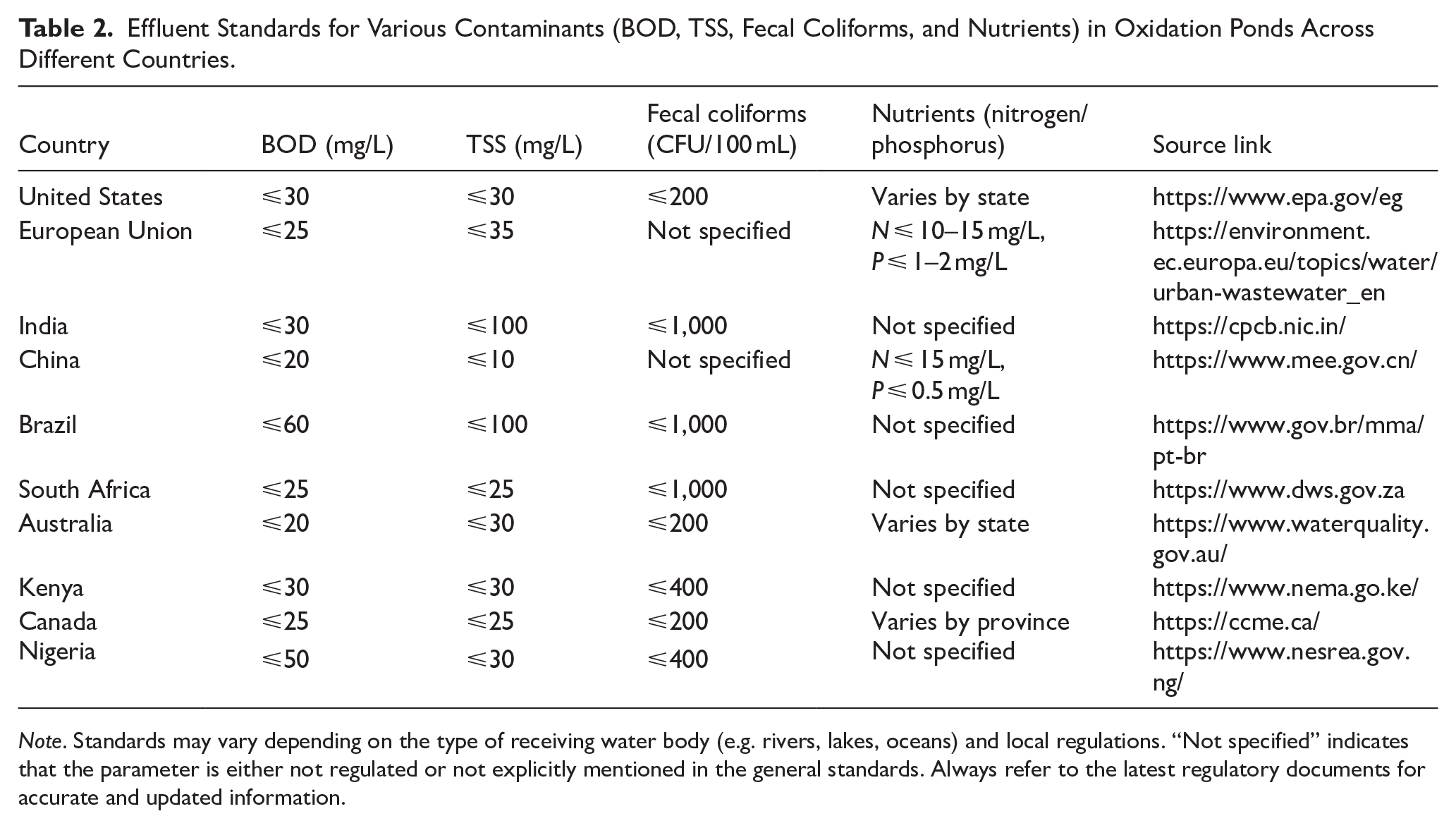
Note. Standards may vary depending on the type of receiving water body (e.g. rivers, lakes, oceans) and local regulations. “Not specified” indicates that the parameter is either not regulated or not explicitly mentioned in the general standards. Always refer to the latest regulatory documents for accurate and updated information.
Algal Growth in OP
Micro and macroalgae are garnering a lot of attention because of their potential in the treatment and generation processes of wastewater and production of energy (Park et al., 2018; Roberts et al., 2013). According to an estimation by Mata et al. (2010), micro-algae could generate biodiesel of 58,700 L/ha/year and 136,900 L/ha/year if lipid content is 30% and 70%, respectively. Algal biomass also helps in the production of many valuable bio-compounds such as amino acids, fatty acids, pigments, carbohydrates, polysaccharides, vitamins, and antioxidants. These bio-compounds may be utilized to make biofuel, cosmetics, bioplastic, farm and aquaculture feed, medications, functional foods, and food additives (Craggs et al., 1996; Pulz & Gross, 2004; Samal et al., 2020; Vílchez et al., 1997). The algal growth and algal photosynthesis affect the overall efficiency of wastewater treatment and biofuel production. Therefore, understanding algal physiology and factors affecting algal growth in the OP are considered essential to improve productivity and wastewater treatment process. There are several factors like sunlight (radiation and temperature), nutrient loading, carbon availability, wind re-circulation, depth, and pH, which affect the algal growth and overall treatment efficiency (De Godos et al., 2009; Griffiths & Harrison, 2009; Grobbelaar, 2000; Wilhelm & Jakob, 2011). Several factors are controllable by humans through different techniques, so the focus should be laid on selecting a site based on optimum natural conditions for maximum performance.
Settling and distribution of microalgae in OP is an important factor in treatment process. Uniform distribution of microalgae in OP enhance the wastewater treatment efficiency and settling process is directly related to pond depth which is explained below. Shallow ponds allows greater light penetration into deeper layers of the water, providing optimal conditions for microalgae growth throughout the water column. In deeper ponds, light penetration may be limited to the upper layers, leading to variations in microalgae distribution and growth (Banda et al., 2006). In shallow ponds, wind and water currents can create more turbulence, causing the water to mix and disperse microalgae throughout the water column. This turbulence can prevent settling and result in a more evenly distributed microalgae population. In deeper ponds, there may be less turbulence, allowing microalgae to settle more easily (Verbyla, 2012). In shallow ponds, the settling rate of microalgae can be slower because of the increased turbulence and mixing. The microalgae may remain suspended in the water for longer periods, reducing the sedimentation rate. In deeper ponds with reduced turbulence, the settling rate can be higher, as the microalgae have less opportunity to remain suspended and are more likely to settle to the pond bottom (Achag et al., 2021). The depth of a pond can impact the availability of nutrients for microalgae growth. In shallow ponds, nutrient concentrations may be higher due to the accumulation of organic matter, sediments, and runoff. This can promote increased microalgae growth and reduce settling. In deeper ponds, nutrients may be more evenly distributed, and sedimentation can help concentrate nutrients at the pond bottom, potentially affecting microalgae settling patterns (Alves et al., 2020; Vagheei, 2021).
It’s important to note that the specific characteristics of the microalgae species, pond design, and environmental factors can also influence settling. Different microalgae species may have varying settling behaviors and requirements. Additionally, elements like temperature, pH, nutrient ratios, along with the existence of other organisms can interact with pond depth to affect microalgae settling patterns (Mayo, 1997; Samal et al., 2022; Schnurr et al., 2015). Overall, pond depth contribute to the settling of microalgae by influencing light availability, turbulence, sedimentation rates, and nutrient dynamics. These factors interact in complex ways, and understanding them can be important for managing and optimizing microalgae cultivation and wastewater treatment in OP.
Sunlight Radiation and Light Availability
The availability and penetration of light are the main controllers of algal production, photosynthetic process and performance within a pond system (Beardall & Raven, 2013; Larsdotter, 2006). Algae, through its light-absorbing pigment, absorb light energy from the sun and stores it as adenosine triphosphate (ATP) and nicotinamide adenine dinucleotide phosphate. This energy is later utilized for the generation of biomass during the dark cycle (Gatamaneni et al., 2018). The light that passes through the water column decreases exponentially with depth as the algae absorb or scatter the light (Sutherland et al., 2015).
Light-dark cycle refers to the alternating periods of light and darkness that occur over a 24-hour period. It has important implications for algal growth, photosynthetic activity, and the regulation of various physiological processes in algae. Photosynthesis is the process through which algae transform light energy into chemical energy, producing glucose and other organic compounds. In this process, algae use chlorophyll and other pigments to absorb light energy and transform carbon dioxide and water into glucose and oxygen (Gatamaneni et al., 2018; Samal & Trivedi, 2020). The light period is crucial for algal photosynthesis because it provides the energy necessary for the synthesis of glucose and other essential molecules. The intensity, duration, and quality of light are important factors that affect algal photosynthesis. The dark period, on the other hand, is a period of rest for algae, where photosynthetic activity is minimal or absent. During this time, algae primarily rely on stored energy reserves, such as starch, for their metabolic needs. The dark period allows algae to conserve energy and carry out other essential cellular processes, such as cell division, repair, and growth (Kirk, 1994; Ras et al., 2013; Sarker et al., 2020). The duration of the light-dark cycle can vary depending on environmental factors and the specific requirements of the algal species. In natural environments, the light-dark cycle is typically governed by the day-night cycle, with light periods during the day and dark periods during the night. In laboratory settings or controlled environments, the light-dark cycle can be manipulated to optimize algal growth and productivity. Understanding and optimizing the light-dark cycle is important for the cultivation and productivity of algae in various applications, including biofuel production, wastewater treatment, and bioremediation (Ras et al., 2013; Schnurr et al., 2015).
According to research conducted by Schulze et al. (2014), algae flourishes either in the presence of blue (420–470 nm) or red (660 nm) light. Additionally, it was noted that the growth of algal cells accelerated with the effect of red to far-red light. Sutherland et al. (2020) reported that in summer the micro-algae biomass was found to be 191 g/m3 which was reduced to 120 g/m3 in spring and consequently to 114 g/m3 in winter. Algae’s growth, C:N and C:P value are influenced by the quantity, quality, and duration of sunlight it receives (Aziz et al., 2019; Sarker & Salam, 2020). Schnurr and Allen (2015), reported that thick algal biofilms have relatively thin photosynthetically active zones close to the light source but relatively thick photosynthetically inactive portions on the other side of the light source. Higher light intensity enhances the photon penetration rate, so the photosynthetically active zones expanded and the algal biomass increases. The concept of light profiles through an algal biofilm is shown in Figure 2. Due to increased photon penetration and a resulting decrease in antenna size and number, the photosynthetically active zone expands with increasing light intensity (B) and (C). The efficiency of light absorption by an algal cell depends on its size and the concentration of pigments within the cell (Kirk, 1994). Light-harvesting pigments in algae, which capture light, are arranged in light-harvesting antenna complexes (LHC) that are linked to the photosystem reaction centers (Kirk, 1994). The pigments absorb light energy, which is then transferred to a reaction center complex where photochemistry occurs, ultimately enhancing productivity. Jain and Dhupper (2021) found COD, BOD, and TSS removal efficiency of 84.84%, 91.01%, and 86.66%, respectively with mean solar radiation of 6.5 kWh/m2/day in an OP integrated with UASB. Table 3 shows the effect of sunlight and temperature in pond-based treatment system.

Schematic of light profiles through an algae biofilm at various light intensities.
The Effect of Sunlight and Temperature on Efficiency of Pond-Based Treatment Systems.

Note. FP = facultative pond; MP = maturation pond.
Temperature
Temperature plays a crucial role in algal growth and its treatment efficiency in pond based systems. Temperature inside a pond fluctuates on both daily and seasonal scales, which affects both algal photosynthesis and respiration rates (Sutherland et al., 2015). The photosynthetic activity of algae is affected by temperature as the algal species under the effect of temperature undergoes cellular division (Samal et al., 2021). In summer algal growth and waste removal efficiency are considerably higher than winter. Locas et al. (2010) observed that in a temperature range of 5ºC to 25ºC the male-specific coliphages and somatic coliphages removal efficiency were found to be 80% to 99.98% and 0% to 99.84%, respectively. As per Arrhenius equation, the growth rate doubles for every 10ºC increase in temperature up until the optimum temperature, at which point the growth rate decreases (Gatamaneni et al., 2018). Maximum algal species have an optimum temperature ranging between 15ºC and 25ºC and the biomass yields are adversely impacted at any temperature below or above this range (Sutherland et al., 2015). After reaching an optimal temperature, algae undergo heat stress, which causes proteins to become denaturated and photosynthesis-related enzymes to become inactive, thereby slowing the growth rate of the algae (Mayo, 1997; Ras et al., 2013).
Temperature can have a significant impact on various aspects of algal cultivation and the associated processes. Here are the effects of temperature on different factors related to algal biomass productivity, metabolite accumulation, hydraulic retention time, water evaporation rate, and change in salinity due to water evaporation. Algae exhibit optimal growth rates within specific temperature ranges, which can vary depending on the algal species. Most frequently grown algae prefer temperatures between 15°C and 25°C, although some extremophile species can tolerate higher or lower temperatures. High temperatures can accelerate metabolic processes, leading to increased photosynthetic activity and biomass production. However, excessively high temperatures can also cause stress and damage to the algae, leading to reduced productivity. The productivity of algal biomass can be influenced by seasonal variations in temperature, sunlight intensity, and photoperiod (Bolton et al., 2010). In general, higher light levels and longer days during spring and summer can promote algal growth and biomass productivity. These seasons provide favorable conditions for photosynthesis and metabolic activity. During autumn and winter, lower light levels and colder temperatures may lead to decreased rate of growth and biomass production (Champagne et al., 2017). Temperature can influence the synthesis and accumulation of various algal metabolites, such as lipids, proteins, pigments, and secondary metabolites. Different metabolites have different temperature optima for their biosynthesis. For example, higher temperatures can promote lipid accumulation in certain algal strains, which is desirable for biofuel production. However, other metabolites, such as certain pigments or antioxidants, may be negatively affected by high temperatures (Halim et al., 2012). Thus, the desired metabolite profile of the algae should be considered when determining the optimal temperature for cultivation. Hydraulic retention time refers to the length of time water or culture media stays in a particular system or reactor. Temperature can affect the hydraulic retention time indirectly by influencing algal growth rates and biomass productivity. Higher temperatures (during spring and summer) can accelerate algal growth, reducing the necessary retention time to accomplish a desired biomass concentration (Dahmani et al., 2016). Conversely, lower temperatures (during autumn and winter) can slow down algal growth, necessitating longer retention times to achieve the desired biomass productivity. Higher temperatures generally result in increased evaporation rates. This can lead to higher water loss in algal cultivation systems, necessitating additional water replenishment. Proper management of water resources and implementation of water-saving strategies, such as covering the cultivation systems or using water recycling techniques, can help mitigate the effects of increased evaporation (Vílchez et al., 1997). Water evaporation can cause an increase in salinity in algal cultivation systems if the dissolved salts are not replenished along with the water. As water evaporates, the dissolved salts become more concentrated in the remaining water. This can potentially affect algal growth and productivity, as some algal species have specific salinity requirements (Grobbelaar, 2000). Monitoring and managing the salinity levels by adjusting water replenishment or implementing desalination techniques are important to maintain optimal conditions for algal cultivation.
It is important to note that the effects of temperature on the factors mentioned above can vary depending on the specific algal species, strain, and the overall cultivation system. Therefore, understanding the temperature requirements and limitations of the target algae is crucial for optimizing biomass productivity, metabolite accumulation, and other relevant parameters in algal cultivation.
Wind
The impact of wind on the growth of algal species is still a wide area to be researched upon. The wind is observed to positively influence performance of algal species and ponds. Wind-induced aeration and mixing help to improve the performance of the overall pond system (Ukpong, 2013). To prevent anaerobic conditions, the recirculating wind is necessary to mix top hot water layers with bottom cooler layers (Ali et al., 2020; Marais, 1966). The water in the pond is circulated and mixed, which promotes the movement of various algal species, particularly green algae, and aids in the dispersal of microorganisms (Ali et al., 2020). Brissaud et al. (2003) and Lloyd et al. (2003) informed that wind may promote short circuiting, resulting in a adverse effect which is due to variation of wind speed and direction. The flow pattern of an OP depends on the wind force or the inlet momentum, whichever dominates (Li et al., 2018). The power input due to inlet and the power input due to wind should be theoretically analyzed before estimating the impact of wind on pond performance. Wind can potentially encourage short-circuiting in an oxidation pond through a phenomenon known as wind-induced circulation. Short-circuiting occurs when water in the pond bypasses the desired flow path and takes a direct path from the inlet to the outlet, without undergoing sufficient treatment. Wind can exacerbate this issue by creating localized currents or eddies that disrupt the natural flow patterns within the pond.
Strong winds blowing across the surface of the pond can induce horizontal water movements. This can create surface currents that divert water away from the intended flow path, leading to short-circuiting (Ukpong, 2013). Wind-generated waves can cause water to slosh back and forth within the pond. These wave-induced movements can disrupt the vertical stratification of the water column, where different layers of water have varying levels of treatment. This disturbance can lead to the mixing of untreated water with partially treated water, reducing overall treatment efficiency (Lloyd et al., 2003). When wind encounters obstacles such as trees, buildings, or berms near the pond, it can create areas of low wind speed, known as wind shadows. In these wind shadows, water movement becomes restricted, and stagnant zones can form. These stagnant zones may impede proper flow within the pond, allowing untreated or poorly treated water to bypass treatment areas and contribute to short-circuiting (Banda et al., 2006).
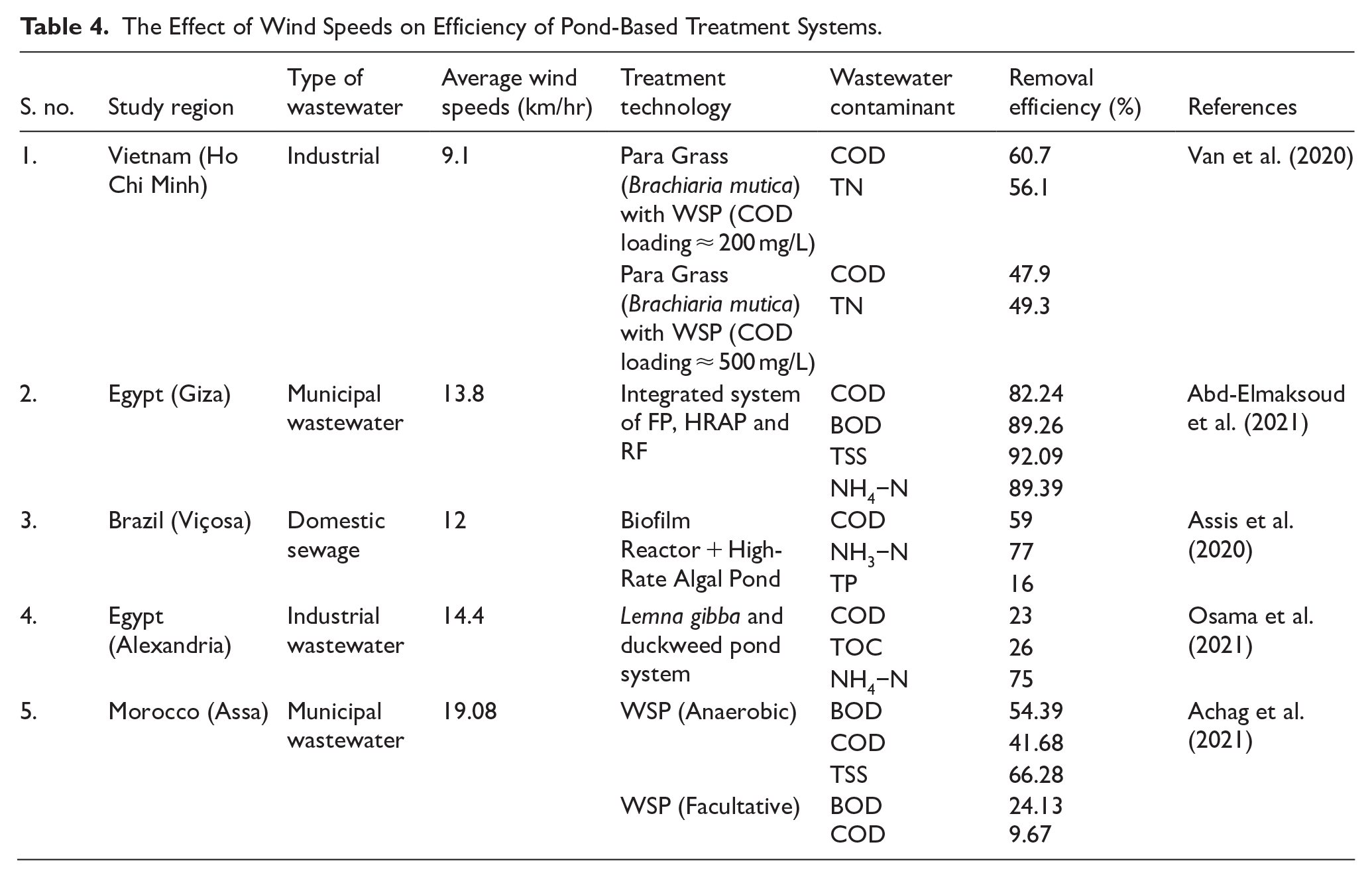
Overall, careful consideration of pond design, implementation of appropriate measures, and regular monitoring can help mitigate the risk of wind-induced short-circuiting in oxidation ponds, ensuring optimal wastewater treatment performance. Table 4 shows the impact of wind speeds on the efficiency of pond-based treatment systems.
The Effect of Wind Speeds on Efficiency of Pond-Based Treatment Systems.
Evaporation
Evaporation plays a significant role in influencing algal growth in OPs by reducing the water volume and concentrating nutrients, particularly nitrogen and phosphorus, which are essential for algal growth. As evaporation progresses, the increased nutrient concentration can stimulate excessive algal blooms, especially if sunlight and temperature are also favorable. The reduced water depth caused by evaporation allows more sunlight to penetrate throughout the water column, further promoting algal photosynthesis (Ghazy et al., 2008; Zhang et al., 2015). However, excessive algal growth triggered by evaporation can lead to oxygen depletion at night due to algal respiration, and large die-offs of algae can contribute to the accumulation of organic matter, which can shift parts of the pond to anaerobic conditions. Additionally, high evaporation rates can increase pond salinity, which may inhibit the growth of certain algal species and alter the overall algal community composition (De Godos et al., 2009). Overall, evaporation enhances algal productivity by increasing nutrient availability and light penetration, but it can also lead to unstable algal populations and oxygen imbalances if nutrient levels become excessive or if evaporation-induced salinity reaches inhibitory levels.
Precipitation
Precipitation has a direct impact on algal growth in oxidation ponds by influencing nutrient concentrations, light availability, and hydraulic conditions. During periods of heavy rainfall, the incoming rainwater can dilute the pond’s nutrient concentrations, reducing the availability of nitrogen and phosphorus, which are essential for algal growth (Sudarshan et al., 2019). Additionally, heavy rain can increase turbidity by introducing suspended solids and sediment runoff from the surrounding area, which can block sunlight penetration into the water column, further limiting photosynthesis and slowing algal growth. Excessive precipitation can also increase water depth, reducing the amount of light reaching the lower portions of the pond, which can further suppress algal productivity (Alves et al., 2020). On the other hand, during light rainfall or intermittent storms, some runoff may introduce additional nutrients into the pond, potentially stimulating algal blooms if nutrient levels rise without excessive turbidity (Oberlin, 2018). Overall, frequent heavy rainfall tends to inhibit algal growth through dilution, turbidity, and reduced sunlight penetration, while moderate rainfall in nutrient-rich areas may promote temporary algal blooms. Effective pond design and management are important to balance these effects and maintain healthy algal populations for optimal treatment performance.
Seasonal Variation
Seasonal variation has a profound effect on algal growth in oxidation ponds due to changes in temperature, sunlight availability, and nutrient dynamics throughout the year. During warm seasons, higher temperatures and longer daylight hours create ideal conditions for algal photosynthesis and reproduction, often leading to increased algal biomass (Faskol & Racovit΄eanu, 2019). The combination of sunlight and nutrient availability particularly nitrogen and phosphorus promotes rapid algal growth, which enhances oxygen production and supports aerobic treatment processes. However, excessive algal blooms in summer can also lead to oxygen depletion at night due to algal respiration, and mass die-offs can contribute to organic loading and anaerobic conditions in deeper zones (Ganiyu et al., 2018). During colder seasons, lower temperatures and shorter daylight hours reduce algal growth rates, limiting their contribution to oxygen production and nutrient uptake (Barzily & Kott, 1991). Additionally, seasonal rainfall patterns can either dilute nutrients, inhibiting algal growth, or introduce new nutrient loads through runoff, temporarily stimulating algal blooms.
Removal of Pathogens in OP
The known varieties of aquatic human pathogens number is about 60 and assessment of each pathogen in the effluent is a costly and time-consuming task (Brissaud et al., 2000; Wu et al., 2016). For routine assessment of pathogen in water, measurement of indicator organisms, that is, E. coli, FC, or TC are done regularly (Liu et al., 2018; Rose, 2005). Biological methods such as OP is proven to be well-established treatment system for the removal of pathogen from wastewater. Factors like sunlight, pH, DO, depth and nutrient load are vital for the effective removal of pathogen. There still lies some gaps in knowledge regarding the factors affecting the removal of the pathogens in a pond based system. Therefore, it is crucial to select an ideal site based on the knowledge of these factors for effective removal of pathogen (Mosteo et al., 2013; Reinoso et al., 2011). Microbial reductions of 90% is obtained in an eco-engineered OP system (Liu et al., 2018). Verbyla (2012) observed a removal efficiency of 100% and 99% for Ascaris spp. and Taenia spp., respectively in a pond based system. Taherkhani et al. (2018) reported the removal efficiencies for Listeria spp., L. monocytogenes, L. innocua and L. seeligeri for 98.1%, 97.8%, 97.3%, and 96.7%, respectively. Studies conducted by various researchers across the globe suggest OPs can remove up to 7 log units of bacteria, 5 log units of viruses, and nearly 100% of helminth ova in an OP system (Liu et al., 2018; Reinoso et al., 2011). The climatic factors affecting pathogen removal in the OP are described below.
Sunlight and Ultraviolet (UV) Light
UV light from the sun can cause direct damage to the RNA, DNA, and other cell components of microorganisms through the process of photoinactivation (Bolton et al., 2010; Samal et al., 2021). The rate of die-off of coliform bacteria is reported to be directly related to the intensity of sunlight (Champagne et al., 2017; Curtis et al., 1992; Kadir & Nelson, 2014). Together UV-A (320–400 nm), UV-B (280–320 nm), and photosynthetically active radiation (PAR) inactivate pathogenic microbes in wastewater, but the mechanism of inactivation is different for all three depending on their wavelengths. UV spectrum (280–400 nm) and PAR spectrum (400–700 nm) add different ways to the disinfection of wastewater (Liu et al., 2018). UV-A, UV-B, and PAR wavelengths are observed to cause indirect exogenous damage (in solution) in pond systems whereas the UV-B wavelength causes direct damage to DNA and indirect endogenous damage (part of the virion) in pond systems (Davies-Colley et al., 1999; Kadir & Nelson, 2014). Indirect inactivation and damage of pathogens by UV light and PAR occurs through the process of photo-oxidation. Highly reactive oxygen species (ROS) are formed during the photooxidation process, which reacts with the membranes of pathogens and inactivates or damages them (Bolton et al., 2010). As per the number of investigations, it was found that indirect endogenous and exogenous photooxidation play more crucial in the sunlight-mediated inactivation of pathogens (Liu et al., 2018). The removal efficiency with the help of sunlight also depends on the depth of the pond. Shorter wavelengths such as UV-B, may only be effective on the surfaces of the pond, which results in a limited effect of UV-B thereby indirectly damaging DNA (Curtis et al., 1992; Kadir & Nelson, 2014). According to Kadir and Nelson (2014), the potential effect of the PAR spectrum is more important in disinfection, as this spectrum has a longer wavelength that can reach much greater depths in the water column.
Temperature
Bacteria can survive at temperature that are outside of their normal range, although the optimal rates are restricted to small temperature ranges (Liu et al., 2018). According to the reports by Metcalf and Eddy (2003), with every 10ºC rise in temperature, there is a doubling of bacterial growth rate until optimal growth is reached. Rate of removal efficiency of FC, TC and other pathogenic microbes increases with an increase in temperatures (Barzily & Kott, 1991; Champagne et al., 2017; Ouali et al., 2014; Pearson et al., 1987; Polprasert et al., 1983). Mezrioui et al. (1995) noted a greater reduction in faecal coliforms (98.95%) than cooler seasons (94.91%) in an oxidation pond in Morocco. In the same study, the removal rate of E. coli was also found to be increased when the temperature was raised from 8°C to 23°C. The effect of temperature on pathogen removal in OP is still a wide area to be explored. There is still much to learn about the impact of temperature on the elimination of viral, protozoan, and helminth infection.
Wind
Wind is found to have a positive effect on the removal of pathogens from wastewater and the efficiency of removal is observed to depend on wind speed and direction (Brissaud et al., 2003; Lloyd et al., 2003). Banda et al. (2006), reported that when the wind direction was same as the direction of wastewater flow in a facultative pond at a speed of 6 m/s, the removal efficiency of E. coli was 13% more as compared with no wind. It is crucial to consider wind speed and direction. The flow pattern of a OP depends on the stronger of the wind force or the inlet momentum (Li et al., 2018). The power input due to the inlet and the power input due to wind should be theoretically analyzed before estimating the effect of wind on pond performance.
Evaporation
Evaporation plays an important role in influencing pathogen removal in oxidation ponds by reducing the water volume and increasing the concentration of pathogens in the remaining water. However, the effects of evaporation on pathogen removal are complex and depend on other environmental factors such as temperature, sunlight, and retention time (Bolton et al., 2010). In regions with high evaporation rates, the resulting increase in temperature and higher sunlight exposure on the pond surface can enhance pathogen die-off, particularly through UV radiation, desiccation, and elevated water temperatures, all of which stress and inactivate many microorganisms, including bacteria, viruses, and protozoa (Li et al., 2015). Evaporation also increases pH as carbon dioxide levels decrease, which can create conditions unfavorable for certain pathogens, further aiding in their removal. On the other hand, if evaporation concentrates pathogens faster than they are removed, particularly under poor mixing conditions, it could lead to localized areas with high pathogen loads, reducing overall treatment performance (Voulvoulis, 2018). Therefore, while evaporation can accelerate pathogen inactivation through heat, UV exposure, and chemical changes, it can also challenge pathogen removal efficiency if retention time is insufficient or if the pond becomes overloaded with concentrated wastewater. Proper design and operational control are essential to balance these effects and optimize pathogen removal in oxidation ponds.
Precipitation
Precipitation, particularly heavy rainfall, can significantly affect pathogen removal in oxidation ponds by altering hydraulic conditions, diluting wastewater, and shortening retention times. When large volumes of rainwater enter the pond, pathogens become diluted, which may initially seem beneficial, but the reduced pathogen concentration also lowers the effectiveness of natural die-off mechanisms, such as competition with other microorganisms and exposure to sunlight (Gupta et al., 2021). Additionally, heavy rainfall can increase flow rates, cause short-circuiting, and reduce the overall retention time, meaning pathogens have less time to undergo natural inactivation processes like UV exposure, predation, and sedimentation. In some cases, runoff from surrounding land may introduce additional pathogens into the pond, further complicating removal processes (Dey et al., 2021). During dry periods, when precipitation is low, retention times are longer, allowing more effective pathogen die-off through extended sunlight exposure, predation by protozoa, and natural decay. Thus, precipitation directly influences the hydraulic dynamics and pathogen removal efficiency in oxidation ponds, with heavy rains often reducing effectiveness unless the pond is properly designed to handle stormwater inflows.
Seasonal Variations
Seasonal variations have a significant influence on pathogen removal in oxidation ponds, primarily due to changes in temperature, sunlight intensity, and rainfall patterns throughout the year. During warmer months, higher temperatures enhance pathogen die-off, as many bacteria, viruses, and protozoa are sensitive to heat and environmental stress (Tadesse et al., 2004). Increased solar radiation in summer also promotes UV exposure, which further contributes to pathogen inactivation. Additionally, longer retention times during dry seasons allow for more prolonged exposure to these inactivating factors, including predation by protozoa and natural die-off processes (Curtis et al., 1992). In contrast, during colder seasons, lower temperatures slow down biological activity and pathogen die-off rates, allowing pathogens to survive longer in the pond environment. Seasonal rainfall variations also affect pathogen removal, as heavy rains during the wet season can cause dilution, hydraulic short-circuiting, and reduced retention times, all of which lower the overall pathogen removal efficiency (Wu et al., 2016). Furthermore, surface runoff during rainy seasons may introduce additional pathogens from surrounding areas, further challenging the treatment process. As a result, pathogen removal tends to be more efficient during warm, dry seasons and less efficient during cold, rainy seasons, highlighting the importance of designing oxidation ponds to account for seasonal changes in climate and hydraulic loading.
Organics and Nutrients Removal in OP
OP is a feasible and effective technique for eliminating organics and nutrients from domestic and industrial wastewater. Curtis et al. (1992) defined OPs are passive treatment systems that are strongly influenced by ambient climate compare to other conventional methods. There are multiple climatic factors that influence the performance of OP and are described below. Table 5 shows equations related to the factors affecting algal growth and performance inside a pond system.
Equations Related to the Factors Affecting Algal Growth and Performance Inside a Pond System.

Light
Sunlight penetration is immensely necessary for the function of OP which affect the algal productivity and organics removal (Bolton et al., 2010). The sunny conditions speed up the photosynthesis of algae and the growth of purple and green non-Sulphur bacteria. It also provides the amount and strength of UV radiations required for the disinfection action and areas with more UV radiation were observed to provide high-quality effluents (Schnurr et al., 2014). As per the research of Alves et al. (2020), in a system of facultative ponds (FPs) followed by two maturation ponds (MPs), BOD and COD effluent ranges were found to be 118 to 182 g/m3 and 195 to 278 g/m3, respectively. Mohedano et al. (2019) reported removal efficiencies of COD, TN, and TP as 79%, 93%, and 84%, respectively, at a pH of 6.9 in an oxidation pond. Similarly, a pH of 6.8 achieved removal efficiencies of 58%, 17%, and 78% for COD, TP, and NH4+−N, respectively (Assisa et al., 2020). Hasan et al. (2019) treated synthetic domestic wastewater in a simple ceramic filter (SCF) with OP and obtained BOD removal of > 90% and TN removal of 50%. Sunlight can also inactivate the indicator organisms and can also affect the dissolved oxygen concentration. Studies state that there lies an alteration in the absorption of light with respect to pond depth and wavelength. The contents of the OPs, along with the absorptive property of water, also affect the penetration of light. The attenuation of light in ponds is affected by light absorption by humic substances, algae, and turbidity (Curtis et al., 1992; Kadir & Nelson, 2014). Light penetration into an OP system can be easily measured with standard submersible sensors of light (irradiance), such as PAR sensors used in limnological studies. Pond depth affect the range of light penetration to the water and indirectly its self-purification capacity.
Temperature
Water temperature is one controlling factor for the rates of biological growth in aquatic environments. The low-energy OPs are a series of interconnected shallow basins that receive high organic and nutrient loading, making it hyper-eutrophic and leading them to stratify frequently in warm climate countries (Marais, 1966). Temperature influences the biomass composition, nutrient requirement, nature of metabolism, and metabolic reaction rate inside an OP. Regions with temperatures above 10ºC are usually found to be suitable for the treatment process. As per Park et al. (2018) in a mean ambient temperature of 12.6ºC, the BOD, NH4+−N, NO3−N, and P removal rates were found to be 60%, 95%, 77%, and 65%, respectively. In an experiment conducted by Wang et al. (2016), in a mean ambient temperature of 21.1ºC, COD, NH4+−N, TN and TP removal efficiency were found to be 81%, 76%, 82% and 81%, respectively. Mansouri et al. (2011) observed seasonal variations in the treatment efficiency of a series of oxidation ponds in a semi-arid region. The mean seasonal influent COD ranged from 650 mg/L in spring to 600 mg/L in autumn, while the effluent COD varied between 150 mg/L in autumn and 270 mg/L in spring. Similarly, the mean seasonal influent BOD ranged from 360 mg/L in autumn to 390 mg/L in winter, with the effluent BOD recorded between 66 mg/L in summer and 130 mg/L in winter. Kohlheb et al. (2020) designed one high rate algal pond of 3,000 m2 area and 900 m3 volume and observed BOD, COD, TSS removal of 97%, 90%, 96%, respectively while treating municipal wastewater. Temperature varies broadly depending upon the climatic condition and the location of the pond. Thermal stratification is another factor that causes a disturbance in the flow pattern of the pond and it’s a natural phenomenon that is generally ignored while designing a pond. Thermal stratification causes a decrease in the volume of the useful/active zone, which affects the hydraulic retention time (Ukpong, 2013). Forero (1987) analyzed the hydraulic behavior of the OP and reported that the real hydraulic retention time varies from 30% to 80% of the theoretical value. Evaporation also abides to be an important climatic factor that can impact the water content in ponds. OPs situated in locations with extremely hot temperatures and water vapor pressure increase the evaporation rate, which eventually increases the electrical conductivity and total suspended solids in the effluents. The lifespan of the algae is also adversely affected by evaporation. On the other hand, low temperature during winter increases the chance of the pond’s surface freezing, causing a reduction in photosynthesis, hence decreasing the overall efficiency of the pond.
Wind
Wind is another important parameter that should be taken care of during the designing stages of an OP. Wind generates turbulence inside the pond, which ultimately brings uniformity to the inlet sewage and microorganisms inside the pond. It also persuades vertical mixing of the pond contents, which plays an important role in pond behavior. The flow of oxygen from the higher to the lower layers is facilitated by turbulence with a sensible wind speed. Ukpong (2013) states that good vertical mixing promotes the uniform distribution of BOD, DO, coliform bacteria, and algae which overall ensures a better degree of stabilization. Abd-Elmaksoud et al. (2021) designed an integrated system of FP, HRAP and RF and obtained the COD, BOD, TSS, and NH4−N removal rates of 82%, 89%, 92%, and 89%, respectively. Van et al. (2020) found that in a treatment system of Para Grass (Brachiaria mutica) with OPs (COD loading ≈ 200 mg/L), COD and TN removal efficiencies were 60% and 56%, respectively. Wind action not only promotes mixing but also ensures re-aeration within the pond and establishes the magnitude of the turbulence diffusion both in the surface and bottom layer. In the presence of a well-induced wind mixing, the thickness of algae is 20 cm and, in its absence, the algal population thickness reaches 50 cm, which eventually creates a substantial variation in the effluent quality. The flow of strong wind and the re-suspension of stirred bottom sediments increases the turbidity and light attenuation, hence reducing algal productivity (Banda et al., 2006; Lloyd et al., 2003). The energy transmitted from wind to water under decreasing temperature and windy conditions overcomes the stratification process which gradually leads to mixing the warmer and colder layers adjacent to the thermocline cause it to shift downward until a uniform temperature is achieved all over (Marais, 1966).
Evaporation
Evaporation significantly influences the removal of organics and nutrients in oxidation ponds by reducing the water volume and thereby concentrating the organic matter and nutrients present in the wastewater. This concentration effect can increase the organic loading rate per unit volume, which may enhance microbial activity under favorable conditions, particularly in warm climates where microbial processes are more efficient. However, excessive evaporation can also lead to localized overloading, creating conditions where oxygen demand exceeds supply, potentially causing anaerobic zones to form and reducing the efficiency of aerobic organic degradation processes (Butler et al., 2017). For nutrients, particularly nitrogen, evaporation can promote ammonia volatilization, especially if the pH of the pond water increases due to algal activity. This natural stripping of ammonia helps reduce nitrogen levels, contributing to nutrient removal. On the other hand, phosphorus removal can be influenced by the concentration of calcium, iron, or aluminum ions, which may form precipitates under certain conditions (Van et al., 2020). While evaporation can enhance some removal mechanisms, it can also increase the risk of algal blooms due to elevated nutrient concentrations, leading to water quality issues and oxygen depletion when algal biomass decays. Overall, evaporation both enhance and potentially hinder the effectiveness of organics and nutrients removal in oxidation ponds, depending on the balance between biological, chemical, and physical processes.
Precipitation
Precipitation, particularly heavy rainfall, can significantly affect the removal of organics and nutrients in oxidation ponds by diluting the wastewater, thereby reducing the concentration of organic matter and nutrients available for microbial degradation and uptake. This dilution effect can lower the organic loading rate, which may reduce microbial activity and slow down treatment processes that rely on optimal nutrient and organic concentrations to sustain balanced microbial populations (Dey et al., 2021). Additionally, heavy rainfall can cause hydraulic overloading, short-circuiting, or washout of microbial biomass, all of which reduce treatment efficiency by decreasing the retention time needed for effective biological processes to occur. Nutrient removal can also be hindered because dilution lowers the concentrations of nitrogen and phosphorus, reducing the effectiveness of processes like algal uptake, nitrification, and phosphorus precipitation (Gupta et al., 2021). In some cases, stormwater runoff entering the pond can introduce additional contaminants, sediment, or nutrients from surrounding areas, further complicating treatment. Excessive rainfall can disrupt the stable conditions needed for effective organic and nutrient removal, while moderate rainfall events may have minimal impacts, especially if the pond is properly designed with sufficient freeboard and hydraulic buffering capacity.
Seasonal Variations
Seasonal variations have a profound impact on the removal of organics and nutrients in oxidation ponds due to changes in temperature, sunlight, rainfall, and evaporation across different seasons. During summer months, higher temperatures enhance microbial metabolism, leading to faster decomposition of organic matter and increased nitrification, which supports nitrogen removal. Increased sunlight during this period also promotes algal growth, which contributes oxygen to the system, supporting aerobic microbial processes essential for organic degradation and nutrient uptake by algae (Gupta et al., 2021). However, excessive algal growth during warm months can result in eutrophication, especially if nutrient concentrations are high, potentially leading to oxygen depletion when algae die off. In contrast, during winter months, lower temperatures slow down microbial activity, reducing the rates of organic matter breakdown, nitrification, and nutrient assimilation by algae, which decreases overall treatment efficiency. Seasonal rainfall patterns further influence performance heavy rains during monsoon or wet seasons can dilute wastewater, lower organic and nutrient concentrations, and reduce retention time, while dry seasons with high evaporation rates concentrate pollutants, which can either enhance or hinder biological processes depending on oxygen availability and microbial tolerance (Voulvoulis, 2018).
Circular Economy Through OP
An economic model enabling economic growth with less utilization of virgin resources is the concept of a circular economy (Voulvoulis, 2018). Countries around the globe are already initiating the circular economic approach to wastewater treatment. The promotion of sustainable and resource-efficient strategies and practices is essential. A transition to a circular economy will not only help in the proper management of water but also help in creating new robust incentives for innovation, helping to enhance the ability of the economy to reduce the gaps between water supply and availability. Water reuse is an important component to focus on while discussing circular economy through OPs. The system has high organics, nutrients, and pathogen removal efficiencies under suitable conditions, which facilitates the re-usability of effluent water (Liu et al., 2018; Wilhelm & Jakob, 2011). Rapid industrialization has led to an over-usage of fossil fuels.
Along with water scarcity, energy scarcity is another important hindrance to economic development. By the year 2025, the demand for oil around the world is expected to rise by 60% from the oil demand in 2014 (Beardall & Raven, 2013). The extraction and burning of these resources generate huge amounts of greenhouse gases that are destroying the ecosystem through global warming. There is also a heavy reliance on a few individual nations for the extraction and supply of these natural fossil fuels, as the monopoly lies with a few individual countries. These disadvantages can only be solved through the development of innovative techniques to produce fuel from renewable biomass feedstock sources. Biofuel is slowly becoming the new world leader in the development and deployment of renewable energy resources (Priyadarshani & Rath, 2012). OPs through algal biomass have the potential to solve the growing problem of energy shortage and environmental degradation. OPs operate through an algal-bacterial treatment mechanism, thus having the potential of harvesting algae biomass, which can become an important biofuel feedstock (Craggs et al., 1996). Photosynthetic algae comprising both micro and macro algae have the potency to produce several distinct biofuels (Figure 3).
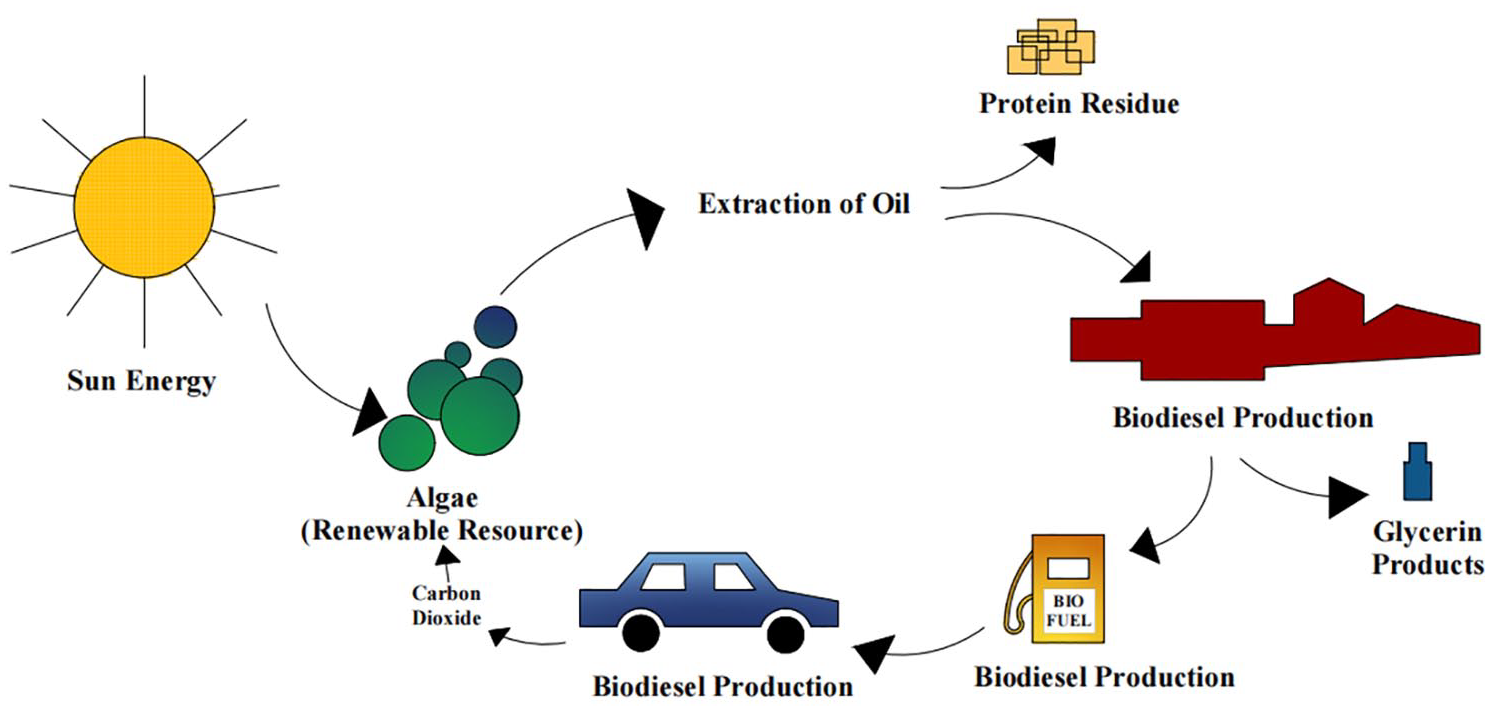
Circular economy through biofuel production.
Water Reuse Through OP
Water reuse is an evolving solution to water scarcity around the globe. The re-usage of high-grade urban domestic and industrial water is much cheaper than the alternatives available. The water scarcity in arid and semi-arid regions, water scarcity has led to the adoption of reuse as an alternative water supply which has gained popularity throughout the world (Voulvoulis, 2018). In locations with lack of water, treated wastewater is an excellent alternate source of water. The demand-supply gap of water in areas of agriculture, industrial uses, portable supply, etc., can be fulfilled by the usage of treated wastewater with adequate quality (IWA, 2015). Many water reuse programs are carried out throughout the world.
OPs are the ideal biological treatment systems that utilize algae, bacteria, and sunlight to treat wastewater with better effluent quality. OPs use natural energy (sunlight) during the treatment of wastewater, which partially helps in the protection of available fossil fuels. Sunlight is captured by algae and use in photosynthesis process. By utilization of clean energy, this system also protects the environment (Roberts et al., 2013; Sutherland et al., 2015). A natural way of treatment helps in achieving the goal of environmental sustainability and a circular economy. The complete cycle of wastewater management is a crucial component of the circular economy, encompassing everything from sourcing, distribution, collection, and treatment to disposal and reuse, including the recovery of water, nutrients, and energy (SIWI, 2017). Reuse of effluent water from OPs helps in the transformation of the linear human water cycle (abstract, treat, distribute, consume, collect, treat, and dispose) into a circular process by closing the loop. This will also lead to decoupling municipal water consumption from the depletion and pollution of water resources.
Biofuel Production from OP
Biofuel is extracted from novel renewable biomass feedstock sources containing over 80% renewable materials. These fuels are produced from living organisms or from metabolic by-products. Based on biomass feedstock, biofuels are classified as follows (Beardall & Raven, 2013; Priyadarshani & Rath, 2012):
First generation biofuels: These are directly derived from biomass like corn and soybeans that are typically consumable.
Second generation biofuels: These biofuels are produced from a diverse range of feedstocks, including lignocellulosic biomass and municipal solid wastes. Examples include wood residues (such as sawdust), construction debris, agricultural residues (like corn stalks and wheat straw), fast-growing grasses, and woody materials.
Third generation biofuels: These are related to algal and cyanobacteria biomass and to a certain extent utilization of CO2 as feedstock.
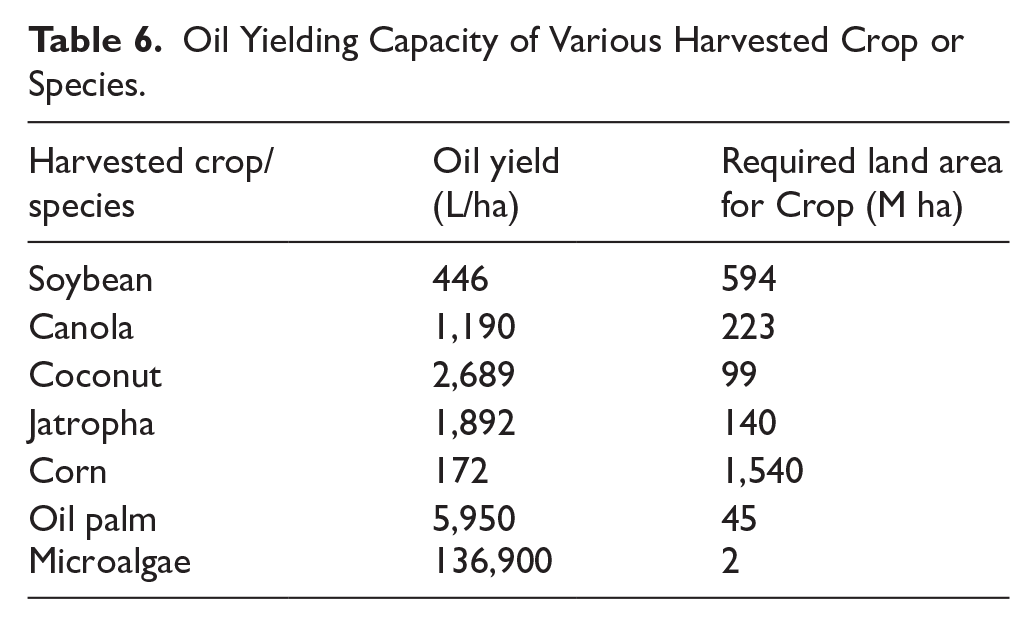
Algae is one of the fastest and most adaptively growing organisms on the planet. It is the highest oil-yielding biomass as compared to other biomass feedstocks (7–31 times more efficient than the next best crop palm oil) with an oil-yielding capacity of 136,900 L/ha (Table 6). Algal biofuels are highly biodegradable and nontoxic in nature, having almost no sulfur content. One of the main advantages of algal-based biofuels is the utilization of CO2 for the growth of algal species, which would help in capturing the CO2 from the atmosphere eventually protecting the environment from degrading (Beardall & Raven, 2013; Ruas et al., 2013).
Oil Yielding Capacity of Various Harvested Crop or Species.
Oswald and Golueke (1960) were the first researchers to propose the mass production of algal species as a biofuel feedstock using stabilization ponds, with the wastewater supplying the necessary water and nutrients. OPs through algal biomass can be used to produce biogas methane, biodiesel, bioethanol, crude bio-oil, etc. (Larsdotter, 2006; Sutherland et al., 2015). For example, macro-algal biomass feedstock like Laminaria sp., Sargassum sp., Macrocystis sp., and Gracilaria sp. were found to be viable sources for methane production. Similarly, Ulva sp., Gelidium sp., and Keppaphycus alvarezii were found to be viable for ethanol production, and Gelidium amansii and Laminaria japonica were found to be viable sources for hydrogen production. Microalgal species alongside macroalgal can also be utilized to produce oil (Halim et al., 2012; Mata et al., 2010; Ras et al., 2013; Rastogi et al., 2017). Figure 4 shows the concentration of oil content in various micro-algal biomass feedstocks. Figure 5 mentions the values of various properties of biodiesel from micro-algal oil. Algae as a biomass feedstock are an economic choice to produce biofuel because of its availability and low cost.
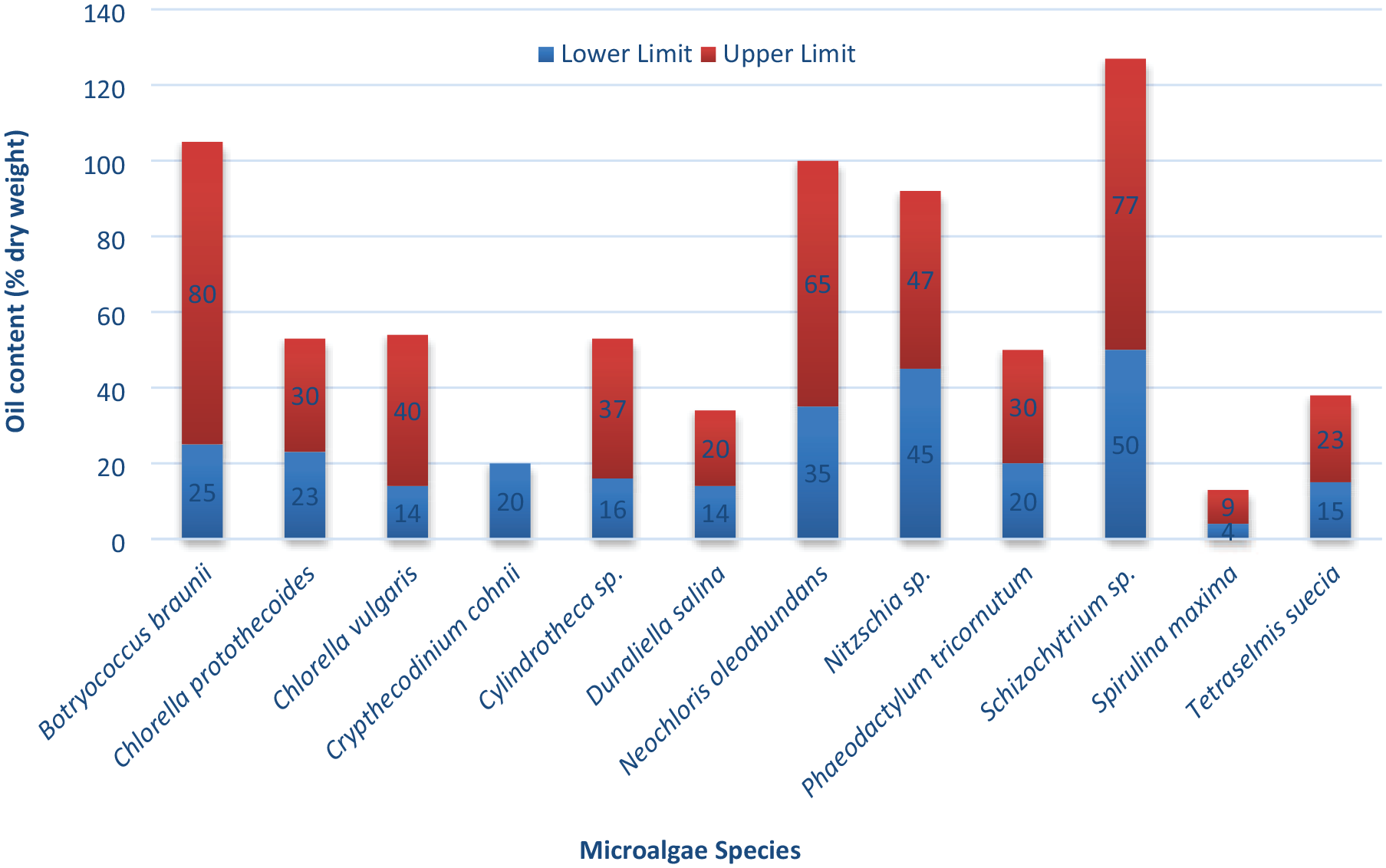
Oil content of various microalgal species.

Properties of biodiesel from microalgae.
Several microalgae species are being explored and utilized for biofuel production. Some of the commonly studied and promising microalgae species with biofuel production potential are Scenedesmus, Chlorella, Botryococcus, Spirulina, etc. (Mata et al., 2010). Chlorella species are widely researched due to their high lipid content and rapid growth rates. They can adapt to different cultivation conditions and have the potential for high lipid productivity. Nannochloropsis is known for its high lipid content and suitability for mass cultivation. It has been extensively studied and shows potential for commercial-scale biofuel production (Pulz et al., 2004). Scenedesmus species are known for their ability to accumulate lipids and grow rapidly. They can thrive in diverse environmental conditions, making them suitable for large-scale cultivation. Although Spirulina is primarily used as a nutritional supplement, it also contains lipids that can be extracted for biofuel production. It has a rapid growth rate and can be cultivated in both open ponds and closed systems (Vílchez et al., 1997). Botryococcus braunii is unique among microalgae as it produces hydrocarbons called botryococcenes. These hydrocarbons can be converted into biofuels like gasoline, diesel, and aviation fuel. Dunaliella salina is a halotolerant microalga that can grow in high-salinity environments, including salt ponds and brackish water. It has the potential for lipid production and can be utilized for biofuel production (Priyadarshani & Rath, 2012; Pulz et al., 2004; Tilman, 1977). It’s important to note that the selection of microalgae species for biofuel production is influenced by several parameters, including lipid content, growth rate, adaptability to cultivation conditions, and the specific requirements of the biofuel production process. Researchers continue to explore and develop new strains and optimize cultivation methods to improve lipid yield and overall efficiency in microalgae-based systems biofuel production (Rastogi et al., 2017).
While oxidation ponds are primarily used for wastewater treatment rather than biofuel production, it’s worth noting that some microalgae-based biofuel production systems can be integrated with oxidation ponds to utilize the nutrient-rich wastewater as a growth medium for microalgae. A summary outlining the key components and processes involved in such a system is given in Table 7.
Key Components and Processes Involved in Microalgae-Based Biofuel Production Systems.

Production of proteins, pigments, and PUFA can vary among different strains within each algal species. The specific cultivation conditions and nutrient availability can also impact the quantity and composition of these components in algal biomass (Halim et al., 2012; Mata et al., 2010). Table 8 summarizes different algal species and their production of proteins, pigments, and polyunsaturated fatty acids (PUFA).
Production of Proteins, Pigments, and Polyunsaturated Fatty Acids (PUFA) in Microalgae.

Perspectives
Extensive research has been conducted regarding the performance of OP as a wastewater treatment system, but the application of these systems still falls behind. Use of these systems in the real-world should be a focus of the future.
Climatic factors like temperature and wind affecting the removal efficiencies of organics, nutrients, and pathogens are still a wide area of research. Investment of time and capital is required to develop an effective pond system.
Algal species growing in different regions of the world depending upon the climatic factors need to be studied. Research on treatment efficiency and biofuel production of these algal species also need to be analyzed.
Integration of OP and algal biofuel extraction plants should be a major focus of the future. Research should be conducted on finding the right kind of algal species that have both the property of wastewater treatment and biofuel production.
Mathematical modelling of climatic factors is necessary for the effective design of OPs. These models need to be researched, developed, and implemented.
The economic feasibility of biofuel usage and water re-usage needs to be analyzed and compared with other alternative solutions.
Conclusion
The escalating demand for vital resources such as water and energy requires a combination of sustainable approaches, including re-usage of treated wastewater and biofuel extraction. An interdisciplinary approach could enhance the implementation of water reuse and biofuel production as components of a unified water and energy management strategy, potentially accelerating the realization of the circular economy concept. Performance of OP in removing contaminants and facilitating algal growth is affected by various climatic parameters like wind, sunlight, and temperature. The nature-based inexpensive treatment system is the right combination of sustainable treatment and circular economy. Treatment systems like OPs operating with CO2 as feedstock can be a viable technique to prevent environmental degradation. Biofuels produced from OPs will not only help in the elimination of harmful greenhouse gases but also solve the problem of a worldwide shortage of fossil fuels. Deep and qualitative research and development on OPs will help in achieving the goal of environmental sustainability.
Footnotes
Acknowledgements
The authors express their gratitude to the School of Civil Engineering KIIT Deemed to be University for supporting this work.

Author Contributions
Kundan Samal: Conceptualization, Analysis, Resources, reviewing and editing, Satya Ranjan Samal: Conceptualization, Methodology, Analysis, Soumyaranjan Senapati: Formal analysis and investigation, Original draft writing, Alok Kumar Panda: Supervision, reviewing and editing, Narala Gangadhara Reddy: Supervision, reviewing and editing.
Funding
The author(s) received no financial support for the research, authorship, and/or publication of this article.
Declaration of Conflicting Interests
The author(s) declared no potential conflicts of interest with respect to the research, authorship, and/or publication of this article.