




Abstract
Social institutions and structures are crucial in shaping individual personalities and facilitating transitions, but systemic barriers can hinder youth’s smooth transition to adulthood and participation in society. When a transition fails, an identity crisis occurs and develops identity confusion as a result they will not have a clear sense of their role in society. No research has been done on the identity problems and transition challenges faced by Scheduled Caste Youth in Tamil Nadu, India. Therefore, a study was conducted to investigate how rural youth in Tamil Nadu are influenced by socio-economic, political and cultural factors in forming their identity. Qualitative research techniques like case studies and focus group discussions were employed to examine the perspectives of youth from Katchipattu and Pattunool Chatram villages in Tamil Nadu. The results of the study highlight the significance of sub-cultural context, caste system and social exclusion in shaping youth attitudes and behaviours.
Keywords
Introduction
The age range for youth, as defined by the United Nations (2013), is between 15 and 24 years. In India, the National Youth Policy (2014) expands the age range to 15–29 years. The youth stage acts as a link between earlier and later stages of development, and it is heavily influenced by various factors including social, economic, political and cultural aspects. The social environments that young individuals are exposed to, such as their families, peers, neighbourhoods, schools and communities, play a crucial role in shaping their social and economic growth, as well as contributing to their personal development. However, when these essential resources are lacking, individuals may face a wide range of challenges that not only impact their own well-being but also have consequences for the wider community. During the transition to adulthood, young people often encounter numerous obstacles that hinder their overall development. It is crucial to recognize that this transition is not solely a physical process, but also a complex social and economic issue, as emphasized by Prakash (2013). Bennell (2007) further highlights that young individuals residing in rural areas of India are expected to contribute to their families’ way of life, yet they encounter various barriers such as limited access to education, lack of skills, financial constraints and limited land ownership (Zaneta, 2022), all of which hinder their entry into the workforce. Moreover, limited options and social discrimination add to their difficulties and affect their well-being. To understand the well-being of young people, it is essential to consider social, political, cultural and historical contexts (Kehily, 2007). Holland (2008), Jones (2009) and Maheshwari (2016) argue that supportive social systems and institutions play a crucial role in shaping an individual’s values, beliefs, norms, and cultural practices. However, the failure of the transition and the breakdown of social structures can lead to criminal activity and dangerous behaviour among young people (Jones, 2009). Van Blerk et al. (2022) found that the circumstances and life experiences faced by young people have a profound impact on their future prospects, resulting in anomie, social and economic disengagement, increased dependency and mental health issues.
The caste system in India, which is based on birth and reincarnation, establishes a hierarchical social structure. Unlike social class (Olcott, 1944), caste membership is determined by heredity and remains fixed (Berreman, 1960). This system is deeply ingrained in Indian society, with the Scheduled Castes, also known as untouchables, historically marginalized and denied civil rights, education and property rights (Thorat, 2004). Additionally, the majority of India’s population consists of rural youth, comprising 68% of the total population (Foundation, 2023).
Regrettably, the youth in India often encounter disadvantages in today’s job market. The caste system, deeply rooted in Indian society for centuries, is one of the main reasons for this discrimination. This system follows a hierarchical structure, with Brahmins (priests) at the top, followed by Kshatriyas (rulers/warriors), Vaishyas (merchants/tradesmen) and Sudras (workers) (Singh & Prasad, 1976). However, the Scheduled Castes, also known as Panchamas or outcastes, are excluded from this hierarchy and are considered the most marginalized and lowest group in the caste system (EduRev Humanities/Arts Question, n.d.). Ambedkar, as cited by Hiwrale (2020), believed that the caste system’s core principle is graded inequality, which perpetuates poverty. Deshpande (2013) has observed that discrimination against the Scheduled Castes is prevalent in rural India due to the caste system. This has resulted in limited social mobility for the Scheduled Castes, leading to discriminatory practices and denial of opportunities in education and employment, as highlighted by Bhoi (2022).
In 2020, a study was conducted among youth from two different caste groups in the Tamil Nadu villages of Katchipattu and Pattunool Chathram. These villages are part of Sriperumbudur Town Panchayat’s Kancheepuram District and are located near the National Highway. Katchipattu village is predominantly inhabited by Scheduled Caste individuals, while Pattunool Chatram village is predominantly inhabited by Backward Caste individuals. Despite being surrounded by businesses, government agencies, institutions of higher learning and a bustling market, the youth of Katchipattu village have expressed feelings of hopelessness, limited access to opportunities and constraints on personal and community growth when compared to the youth of neighbouring Pattunool Chathram village. The researchers conducted field visits and observed that the youth in Katchipattu village and Pattunool Chathram village exhibited different attitudes and behaviours. As a result, the study focused on examining their lifestyle, subculture, identity formation and interactions with social institutions. Additionally, the study explored the factors that contribute to risky behaviours among the youth, with a specific emphasis on Scheduled Caste individuals, highlighting the influence of systematic oppression and social structures on their attitudes and abilities. Emphasizing the importance of evidence-based youth policies, the study advocates for youth development initiatives tailored to engage young individuals in sustainable projects, proposing a framework to enhance youth social capital and promote positive attitudes towards self-improvement and civic engagement.
Review of Literature
Social Institutions and Youth Transition
Social institutions and relationships play a vital role in socialization and personal growth, shaping individuals’ personalities and improving their social functioning (Huijmans et al., 2020). Through social contact, these relationships provide opportunities for individuals to think, act and reflect on their experiences (Perret-Clermont et al., 2004). Family, neighbourhood, school and religious institutions are the key social units that directly influence people’s motivations and behaviours, allowing them to establish values, morals, and norms while reinforcing previously learned behaviours. Understanding the dynamics of social interactions, the complexity of social development, and the intersections of different institutions is crucial for navigating the ambiguous nature of youth transitions and personal lives (Johnson & West, 2022). The academic success and future prospects of young people are influenced by their parents’ education and attitudes (Jones, 2002), as well as their social class and cultural capital (O’Connor, 2004; Trueman, 2015). In India, socio-economic position, caste and class play a significant role in determining the opportunities and outcomes of youth transitions. Completing education, entering the workforce and establishing a household are key factors for a successful transition in India.
Youth Culture, Subculture and Identity
Every society has a mainstream culture that it adheres to, as well as potential specialized, regional and distinct subcultures (Furlong, 2012). The way that young people express their identities and how they vary from mainstream culture is through the youth subculture. Self-upkeep and self-defence are accomplished through it. Delinquent subculture is a product of social disorganization (Elizabeth, 1999) and represents resistance or a defensive response against the prevailing culture, and subculture is a collective response to structural pressure (Clandinin et al., 2013).
The 1920s Chicago School focused on studying deviant behaviour and its connection to social problems within society. In contrast, the Birmingham School expanded on subcultural theory by examining how individuals join subcultures that engage in collective forms of deviance (Grinnell College, 2015). Thompson (2016) argued that deviance is a response to marginalization, with working-class subcultures emerging due to the denial of status (Cohen’s, 1955). Cloward and Ohlin (1995) expanded on this theory, identifying criminal subcultures as offering career opportunities to young criminals and conflict subcultures arising in socially disorganized areas. Retreatist subcultures manifest among lower-class youth who have failed in mainstream society. However, postmodernism challenges the relevance of subcultural theory in explaining crime and deviance, as they are now considered normal in society.
Miller (2015) argued that working-class boys were socialized into specific values referred to as ‘focal concerns’, which contributed to their increased likelihood of engaging in delinquent or deviant behaviour. These values included seeking excitement, toughness, smartness, and trouble, which could lead to physical altercations and non-utilitarian crime. Autonomy could also lead individuals to handle situations independently, while fatalism could result in disregarding the consequences of their actions due to the belief in a predetermined future. However, Anderson’s (1994) perspective on ‘code’ suggests that it is a product of cultural and situational adaptations made by individuals living in violent communities. These adaptations are influenced by the societal circumstances individuals find themselves in, which are structurally constructed (StudyCorgi, 2022).
Subculture arises from generational conflict, marginalization, deviance and social class. According to Furlong and Cartmel (2007), youth is a period of exploration and experimentation, and their styles involve risks that can negatively impact their health. During leisure time, youth engage in social activities such as fashion, drink, drugs, and music, which constitute youth subculture (Feixa & Nofre, 2012; Furlong & Cartmel, 2007). The subculture helps young individuals comprehend the intricate social structure (O’Connor, 2004). Joining a gang during adolescence is a deliberate choice made by young people, either independently or through coercion, and sometimes challenged by risk factors. Queer youth face multiple layers of oppression and hidden resilience embedded in their layered identities (Harvey & Fish, 2015). Personal and environmental factors influence youth choices, and peer groups and social networks can positively or negatively impact their lives. Reasons for youth to join a gang include seeking safety and protection, fun, peer influence, earning respect and money and gaining access to resources and opportunities (Howell, 2010).
In certain situations, family members involved in criminal or gang activities can influence young people to join gangs, especially if they feel excluded from a stable family life. Research suggests that the active involvement of important social institutions like families, schools and communities can help prevent youth from engaging in risky behaviours (Why Youth Join Gangs—the California Crime and Violence Prevention Center Tarrant CAREs, Texas, n.d.). While there are various discussions on youth crime from sociological, criminological and legal perspectives, there has been limited exploration of the lived experiences of young people (Hefner & Holmes, 2007) and their involvement in risky behaviours. This is why we wanted to investigate why the youth from Katchipattu village differ from the typical timetable of Pattunool Chatram. They express their subgroup identities through various means, such as different hairstyles, accessories, clothing and engaging in risky behaviours (Feixa & Nofre, 2012), as a way to confront marginalization. Interestingly, the youth from Katchipattu village sing Gaana Song, praising Dr B.R. Ambedkar, who fought tirelessly for the liberation of the Scheduled Castes in India. Singing about him gives them a sense of hope and an outlet for their oppressive circumstances. Additionally, they also sing songs that emphasize the value of friendship, as they are strongly influenced by their peers.
Social Structure and Inclusion of Youth: Subcultural Perspectives and Approaches for Gaining Positive Identity and Economic Participation of Youth
The structure and processes determine individuals’ social status and their ability to fulfil societal duties. Youth who lack support and opportunities may struggle with transition and engage in risky behaviours, leading to adjustment issues and a lack of motivation for self-improvement. Risk-taking behaviours in young people are influenced by their psycho-social development and social roles in various contexts. These marginalized youths face exclusion from society (Josef, 2013), limiting their access to housing, employment, and healthcare (Jones, 2002). Social exclusion has a detrimental impact on their social networks, activities, and overall well-being (Duchak, 2014). In India, caste and class-based prejudice further marginalize and exclude young people, affecting their living conditions, economic engagement, mental health and physical well-being. This discrimination can perpetuate intergenerational poverty, insecurity, social exclusion and unhealthy lifestyles.
Unemployment has a detrimental impact on young individuals, leaving them more susceptible to engaging in anti-social activities and experiencing psychological distress and low self-esteem (EACEA, 2013). This can lead to an increased likelihood of participating in dangerous behaviours. Prolonged unemployment also heightens the risk of social exclusion throughout one’s lifetime (UN, 2009). Furthermore, long-term absences from work and school further marginalize young people, fostering a sense of powerlessness and dependency (Duchak, 2014). These factors, combined with negative societal responses, heavily influence deviant behaviour. Therefore, it is crucial to overhaul existing social structures in order to effectively address the needs of young individuals (Alissi, 1974). Young people in Katchipattu have been engaging in risky behaviours since childhood, which has led to them facing caste-based stigma and moral panic. This is due to the influence of the outside world over generations. On the other hand, the youth from Pattunool Chathram are widely accepted because they have not encountered any social, cultural, economic or political challenges. In order to promote social inclusion and self-actualization, it is important to involve all stakeholders in society at multiple levels. Therefore, it is crucial to provide the youth from Katchipattu with decent work and productive employment, as the lack of these opportunities makes them dependent and more likely to engage in risky behaviours, while also affecting their self-esteem and participation in society.
Theoretical Framework
Cohen (1955, 1958) views that deviance in working-class subculture is denial of status in society, whereas, Cloward and Ohlin (1995) observed that deviant subcultures emerge due to varying social factors such as criminal, conflict, and retreatist subcultures. However, Miller (2017) was over the view that the lower classes have different sets of values when compared with the higher social strata and have been established over and passed down for many generations. The Chicago School delved into the concept of deviance as a consequence of societal issues, while the Birmingham School identified deviance in collective forms (Grinnell College, 2015). However, we aimed to explore the social context in which the youth of both Katchipattu Village and Pattunool Chathram reside, as well as the factors contributing to the lower aspirations among young people in Katchipattu Village compared to those in Pattunool Chathram. The societal structure places individuals under pressure to meet society’s predetermined objectives. However, when these goals remain unfulfiled due to various challenges like violence, discrimination, and exclusion, and if individuals lack opportunities to escape such circumstances, it can lead to deviant behaviour.
Merton’s (1938) Strain theory supports the idea that deviance arises from the pressures individuals face. Social identity theory, on the other hand, explains social identity as an individual’s understanding of their membership in a social group, including their role and the expectations that come with it (Stets & Burke, 2000). The study also examined the influence of social institutions in Kachipattu village and Pattunool chatram on the formation of young people’s identities, motivations, lifestyles and employment status. Erikson’s (1959) psychological theories of development describe the eight stages of individual development, emphasizing that personality development follows a specific sequence and builds upon each preceding stage. At each level, a person may experience a psychosocial crisis, which can have either positive or negative effects on their personality development (McLeod, 2018). In addition to understanding the character traits, challenges, and needs of young individuals in Kachipattu village and Pattunool chatram, the study also aimed to explore the vulnerability they face. Vulnerability, in this context, refers to the state of being weak and helpless. It specifically pertains to young people who are more susceptible to various risks such as poverty, limited access to food and education, lack of parental care, exploitation, abuse, violence and poor health, including HIV infection (Arora et al., 2015).
Youth vulnerability can be identified through various indicators such as decreased physical development, low self-efficacy, poor well-being, inconsistent behaviour and a lack of skills for employment, social connections, community involvement and citizenship. These vulnerabilities are often influenced by interconnected contextual factors including poverty, inequality, social isolation and unsafe environments (Hardgrove et al., 2014). In this study, the main emphasis was placed on examining the socialization patterns, interactions with social institutions, and involvement in anti-social and risky behaviours among the youth in Kachipattu Village. According to Duchak (2014), marginalization encompasses social exclusion, discrimination, and the disregard for human dignity and rights. However, it is defined by Merriam-Webster (2020), refers to relegating individuals or groups to an unimportant and powerless position within society or a group. This combination of social exclusion and discrimination not only disrespects human dignity and rights but also has significant implications for societal growth, economy and social conditions. It perpetuates social inequality and hinders the development of individuals and specific groups. In the case of the young people from Katchipattu, who belong to the Scheduled Caste or ‘Dalits’, they have long been subjected to marginalization due to the unchanging caste system in India. Consequently, they face limited access to resources and opportunities, becoming victims of institutionalized discrimination and rigid social structures (BBC News, 2016, February 25).
In Tamil Nadu, Scheduled Castes often face violence and humiliation, as mentioned by Pandian (2013). However, the youth from Pattunool Chatram, who belong to the Other Caste, have access to opportunities and resources. On the contrary, the youth from Katchipattu village showed disinterest in community development initiatives and were criticized for engaging in risky behaviours. In order to understand the socio-cultural characteristics of youth from both Pattunool Chatram and Katchipattu, the study aimed to examine the factors that influence them. To analyse the interaction of young people with their environment and their relationships with family, peers and society (Orejudo et al., 2022). Bornfenbrenner’s (1994) ecological system theory was utilized and Cohen’s (1955) theory that delinquency in lower-class youth is a result of the challenges they confront was utilized.
In the case of the youth in Katchipattu Village, it is evident that risky behaviours such as drug use, violence and delinquency are prevalent. However, it is crucial to consider the subcultural context in which these behaviours occur. Katchipattu Village, being a rural village in Tamil Nadu, is deeply influenced by the traditional caste and class systems. These systems significantly shape the beliefs and actions of the youth. For example, if they belong to a lower caste, they may engage in risk-taking behaviours due to a perceived sense of impunity or limited access to resources. Additionally, the village’s patriarchal system may encourage young men to partake in risky behaviours to prove their masculinity. Therefore, it is essential to analyse the risky behaviour of the Katchipattu Village youth from a subcultural perspective, considering the intersection of caste and class dynamics. To effectively address the root causes of their risky behaviour, a comprehensive understanding of the complex social and historical context is necessary. Only then can meaningful solutions be developed to support the youth in leading healthier and more fulfilling lives.
Research Design, Materials and Methods
The youth in Pattunool Chatram come from different castes, mainly from the upper caste, and lead a normal life without societal barriers. They enjoy the privileges and advantages associated with their caste, which helps them navigate through life smoothly. On the other hand, the youth in Katchipattu face a different reality as they belong to the Scheduled Caste, also known as the Dalit Community. This places them at a disadvantage in society, leading to troubles and turmoil in their lives. The intersection of social exclusion and various socio-economic and cultural factors creates challenges for the youth in Katchipattu. They have limited access to education, employment, and essential resources, which forces them to resort to risky behaviours for survival or rebellion. Unfortunately, these behaviours further perpetuate the cycle of exclusion and marginalization, making it difficult for them to escape the hardships they face on a daily basis.
The research study utilized a descriptive research design to provide a comprehensive understanding of the role and functions of social institutions in shaping the identity, motivation, lifestyle, and employment status of young individuals. In order to gain insights into the real-life experiences of the youth, qualitative research methods such as case studies and focus group discussions (FGDs) were employed, employing purposive sampling techniques. In accordance with the National Youth Policy (2014) of India, the study focused on individuals aged between 15 and 29 years, as defined by the policy. The study aimed to investigate risky behaviours among male youth in Katchipattu village compared to those in Pattunool Chatram village, facing challenges in obtaining consent for interviews. Despite difficulties, researchers found that engaging with youth during field visits helped gain consent for case studies and FGDs. Only nine male youth from Katchipattu village agreed to be interviewed, with an equal number selected from Pattunool Chatram village for balanced representation. Data collection included semi-structured interviews with a total of 18 male youth from both villages, aged 19–28 years. Additionally, FGD was held with three male youth from each village, aged 22–27 years. Prior to their participation, informed consent was obtained from all individuals involved in the study, ensuring that ethical considerations were met. Various methods, such as coding, thematic analysis, content analysis and narrative analysis, were utilized to examine the data collected from case studies and FGDs.
The case study involved the use of a semi-structured interview schedule. The semi-structured interview schedule consisted of 27 questions, categorized into four main themes: the socioeconomic profile of the youth, their lifestyle, the role of family in their lives and the reasons behind the youth being labelled as anti-social. While the theme of socioeconomic profile included closed-ended questions, the other themes incorporated open-ended questions to encourage participants to provide detailed and nuanced responses. This approach aimed to capture a comprehensive understanding of the various factors influencing the lives of young individuals and shed light on the challenges they face in society. Content analysis and narrative analysis were employed to analyse data in case studies. The Focus Group Discussion was conducted to understand the perspectives of young individuals by using an interview guide with eight open-ended agenda items. These items covered various aspects of their lives, including childhood, teenage years and adulthood. The discussion also aimed to explore how youth perceive themselves, their self-image, identity, role, and position within their family and society. Additionally, the role of family, peers, and the community in shaping their values, attitudes, and beliefs was examined. The discussion also delved into the impact of power structures on young individuals, reasons for their involvement in idle activities, crimes, and risky behaviours, as well as the challenges and opportunities they face in their daily lives. The data obtained from the FGD was then analysed thematically after being coded.
Results and Discussion
Prior to initiating the data analysis, the results derived from the case studies and the FGD was subjected to a meticulous coding process during the transcription phase. Subsequently, significant themes were identified from the coded data, and these findings were then organized and presented in a comprehensive manner in the section ‘Results of case studies and comparative analysis of lived experiences of youth’, which encompasses the results of the case studies, and the section ‘Thematic analysis of FDG’, which encompasses the outcomes of the FGDs. This systematic approach ensured a thorough examination and clear representation of the research findings.
Results of Case Studies and Comparative Analysis of Lived Experiences of Youth
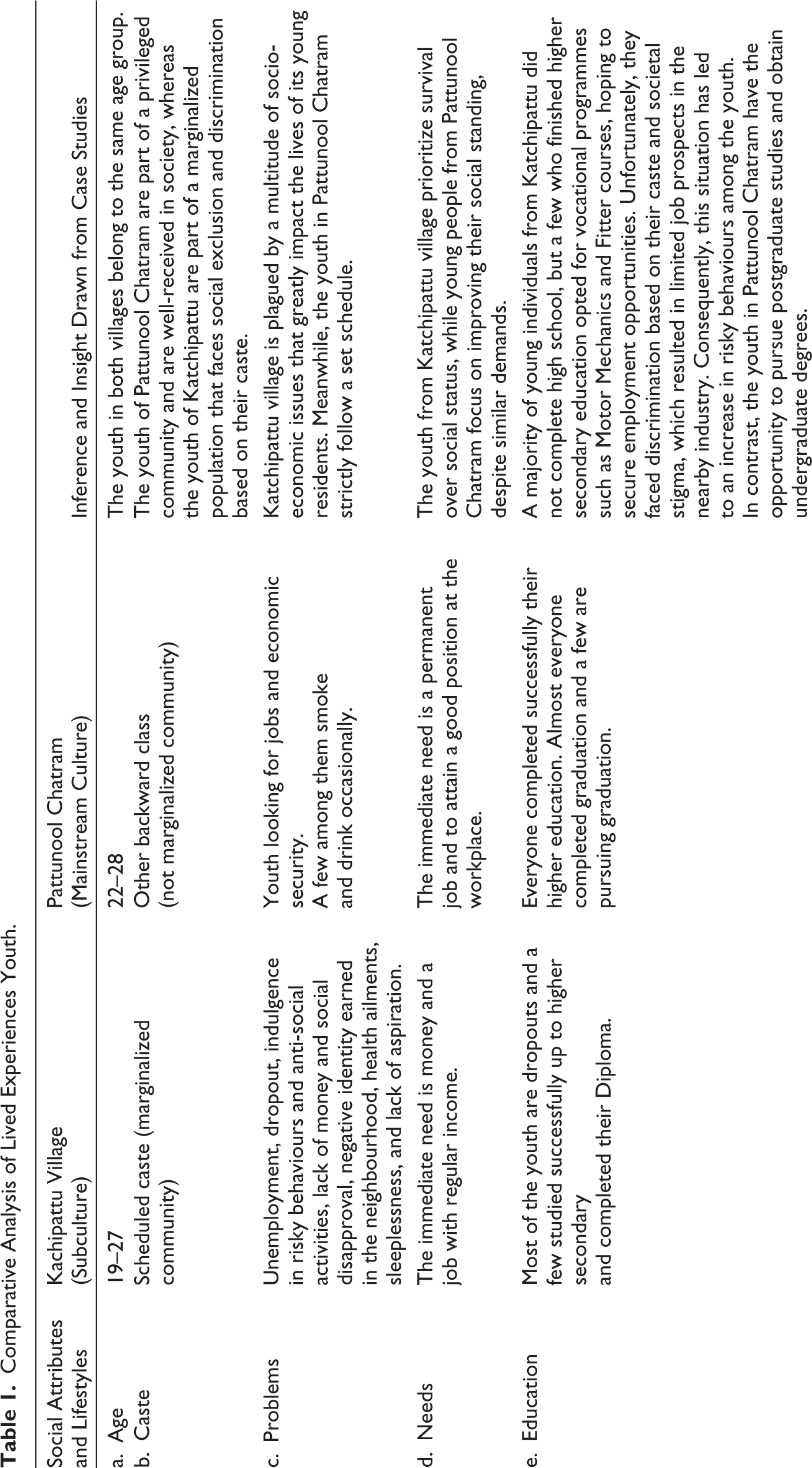
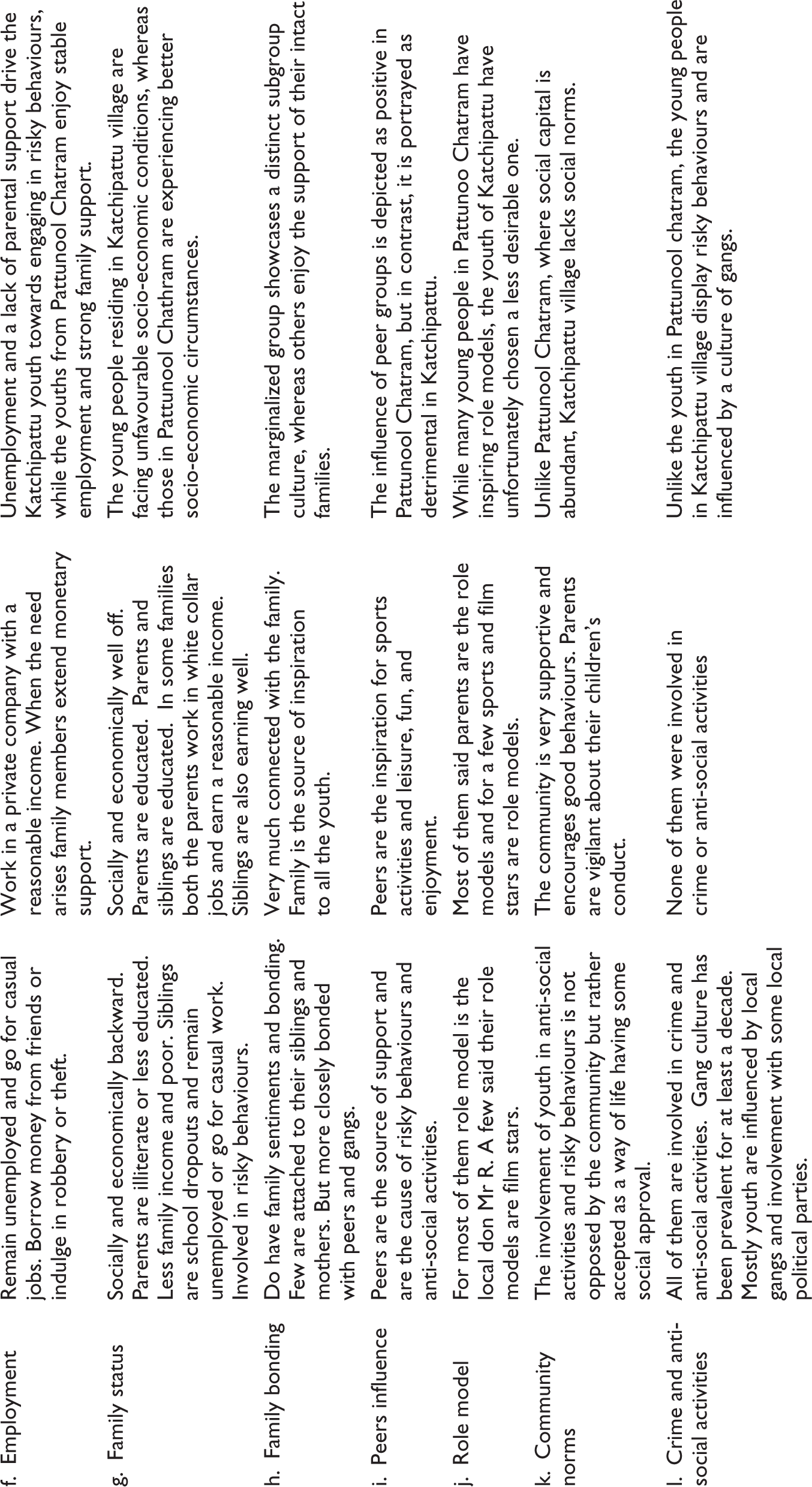
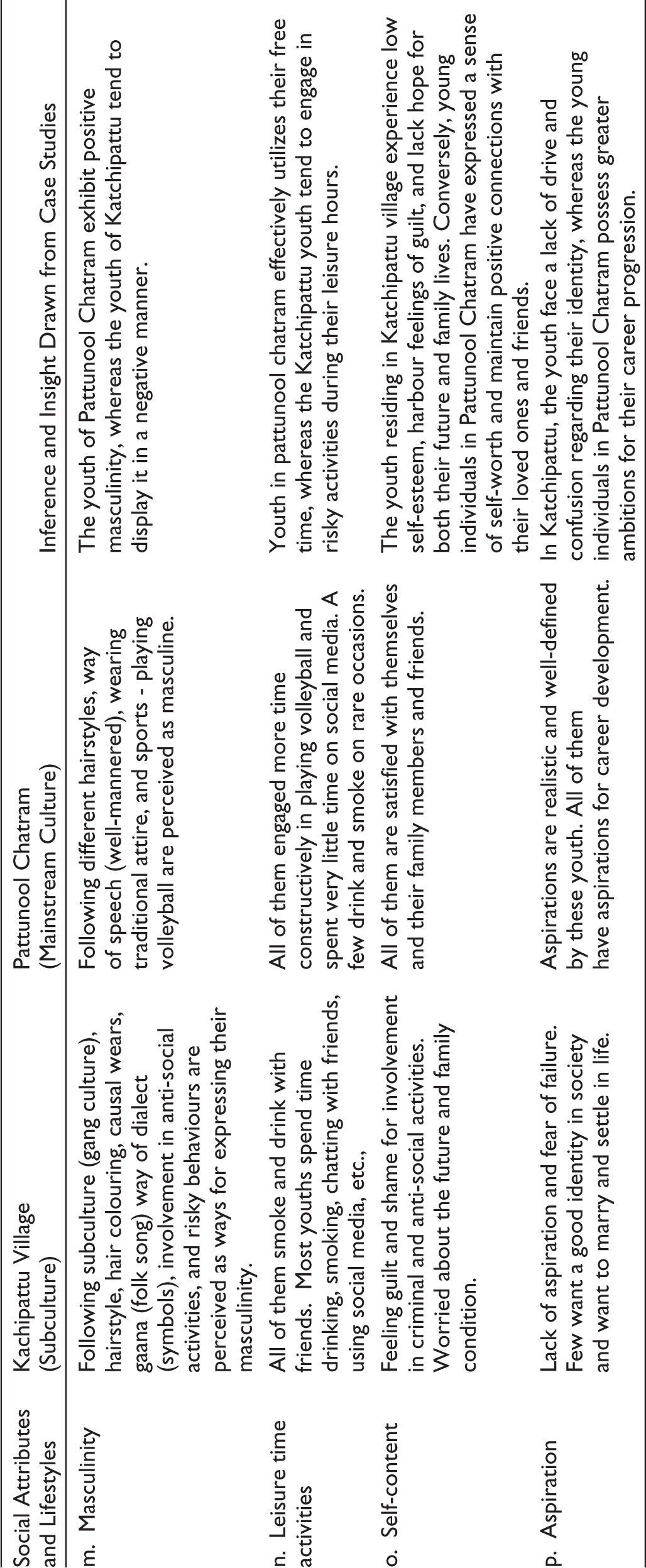
We conducted nine case studies involving young individuals from the villages of Pattunool Chatram and Katchipattu. Table 1 provides a comparison and summary of the experiences of youth from Pattunool Chatram (representing mainstream culture) and Katchpattu Village (representing subculture) who took part in these case studies.
Comparative Analysis of Lived Experiences Youth.
Analysis of Key Themes Identified in the Results of Case Studies and Discussion
Demographic Characteristics of Youth
As per the 2014 National Youth Policy of India, individuals aged between 15 and 29 years are considered youth, and participants from these two villages were selected for the study based on this definition. In terms of education, the majority of youth in Katchipattu village were dropouts, with a few having completed higher secondary education or obtained Diplomas. On the other hand, all youth in Pattunool chatram had successfully completed higher education, with some currently pursuing graduation. The youth from Katchipattu village were mostly unemployed, with some engaging in casual labour or anti-social activities such as robbery or theft. In contrast, the youth from Pattunool chatram were employed in private sectors, earning a reasonable income to support themselves and their families. A significant difference was observed in the marital status of the youth from the two villages. The youth in Katchipattu village tended to marry at a young age, often choosing partners from within the village due to their risky behaviours. This resulted in their parents bearing the financial burden of supporting them after marriage. Conversely, the youth from Pattunool chatram typically married after securing a stable job with a reasonable income, enabling them to support their families financially when needed.
Socio-economic Conditions of the Youth
Understanding human existence requires considering the structural context in which individuals live. A comparison of case studies in different socio-cultural contexts shows how youth from Pattunool Chatram have normative time table (Silberesisen & Lerner, 2007), while those from Katchipattu face social exclusion and structural barriers due to caste-based discrimination. The youth in Katchipattu Village encounter various challenges such as unemployment, poverty, social marginalization, identity crisis, risky behaviour and lack of support, despite completing diploma programmes. These challenges lead to a focus on immediate survival rather than long-term goals for the youth in Katchipattu, who are often overlooked by local industries due to their social identities and negative reputation (Deshpande, 2013). Addressing the structural barriers and social exclusion that contribute to the subculture and lack of opportunities for the youth in Katchipattu is crucial for their well-being and future prospects.
Mr. R said, ‘I accept every work I’m given since I must survive. My friends like me, and I can’t always rely on my parents. So, even if it’s a manual scavenging job, I don’t care. I simply require money’.
The statement made by a young person from Katcihpattu demonstrates the difficulty they have getting by daily. They put their life at risk by performing manual scavenging work that is required of Scheduled Caste in India just for survival and to meet their daily needs.
Lifestyle of Youth
During their teenage years, the youth of Katchipattu faced challenging times. They resorted to risky behaviour and formed subcultures as a means to cope with their identity crisis and confusion. Depending on their interests, individuals would join various gangs that were active within the community.
Mr. A remarked: ‘We belong to the C Gang, one of the many gangs in our village, and we cherish friendship because we can do anything for friends. We use a variety of styles and acts to express our gethu (masculinity/identity)’.
In Katchipattu Village, the youth express their masculinity and identity by adopting a subculture style that includes hair colour, hairstyle, symbols, accessories, song and language. The C gang prefers casual gangster-style clothing and spends their free time socializing with friends, engaging in activities on social media platforms like Facebook, WhatsApp and TikTok, smoking, drinking and chatting. According to Jones (2009), their consumption habits play a significant role in how they define themselves.
Mr. V stated, ‘I know what I do is wrong’, Now what? I am unable to escape that. I am quite concerned about the future.
A young individual from Katchipattu village expressed feelings of guilt and shame for engaging in anti-social behaviours, uncertainty about their future, and fear of failure in life. Consequently, they lacked any aspirations or dreams for themselves.
Role of Family in the Life of Youth
Education plays a crucial role in shaping a child’s development, as stated by Wood (2009). Regrettably, many young individuals’ parents are incapable of meeting their children’s basic needs due to illiteracy and working as daily wage labourers, leading to limited opportunities for higher education. In rural areas, parents often engage in casual or daily wage labour, leaving mothers as primary caretakers while fathers struggle with alcohol dependency, causing children to bond closely with peers facing similar challenges. Nevertheless, due to the lack of support from unproductive fathers dealing with drug addiction, youth tend to develop stronger emotional connections with their mothers.
Reasons for Youth being Labelled as Anti-social
The absence of positive role models in the youth’s lives led them to be greatly influenced by their peers, who played a significant role in encouraging their risky behaviour and involvement in gangs. Additionally, they looked up to adults who exhibited anti-social behaviour, wanting to imitate them since childhood. Consequently, the young individuals in Katchipattu village adopted a gang culture and regularly engaged in illegal activities.
Thematic Analysis of FDG
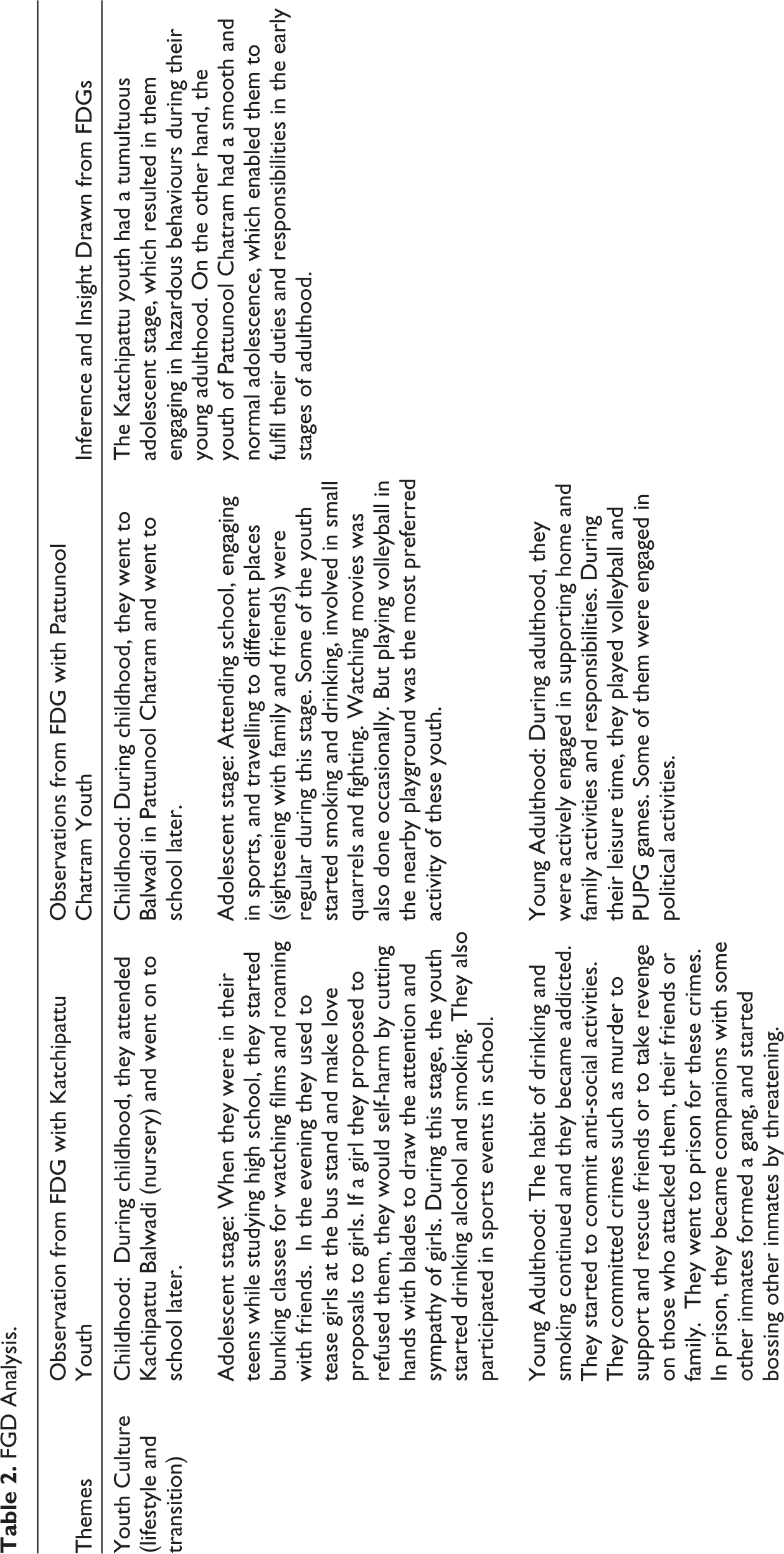
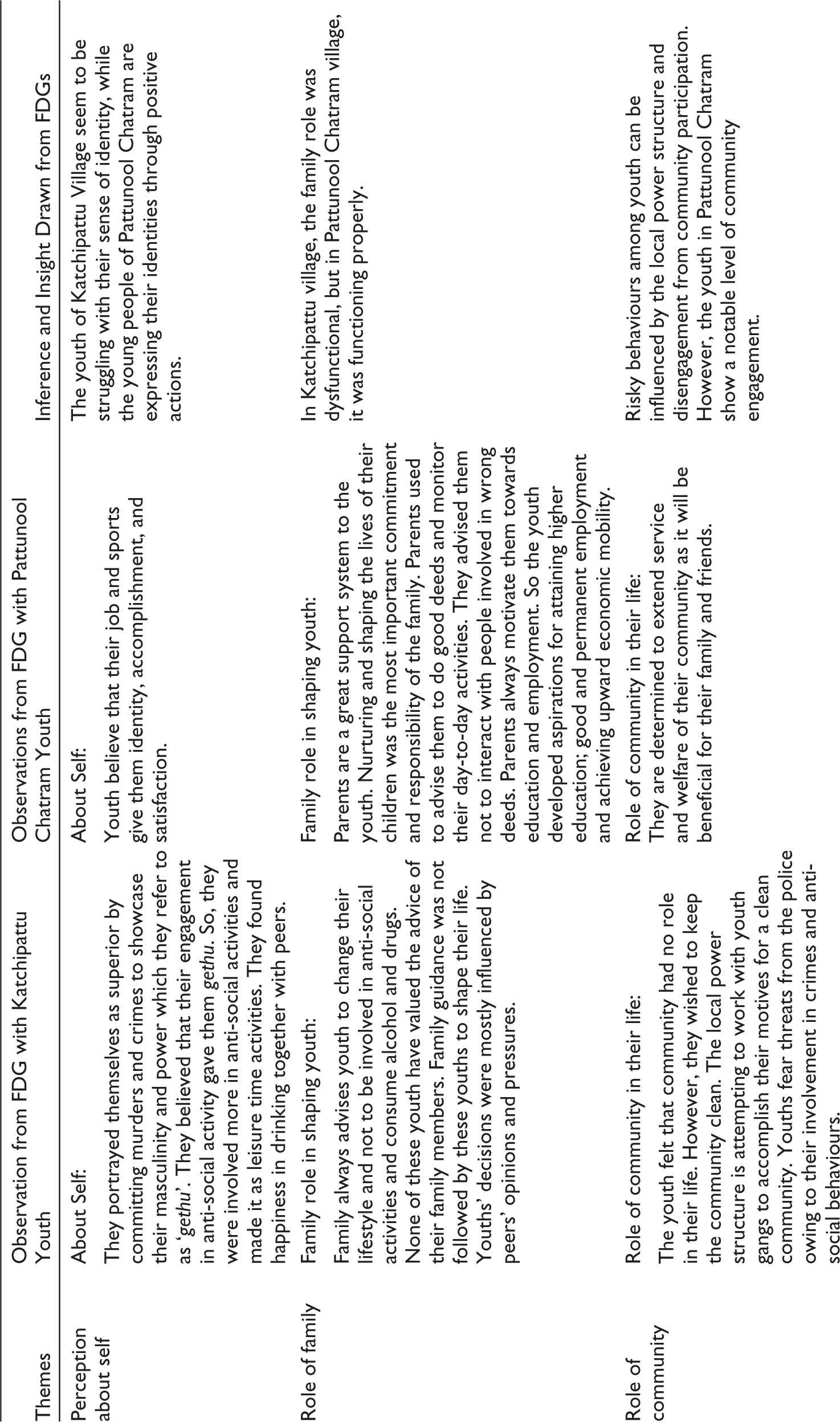
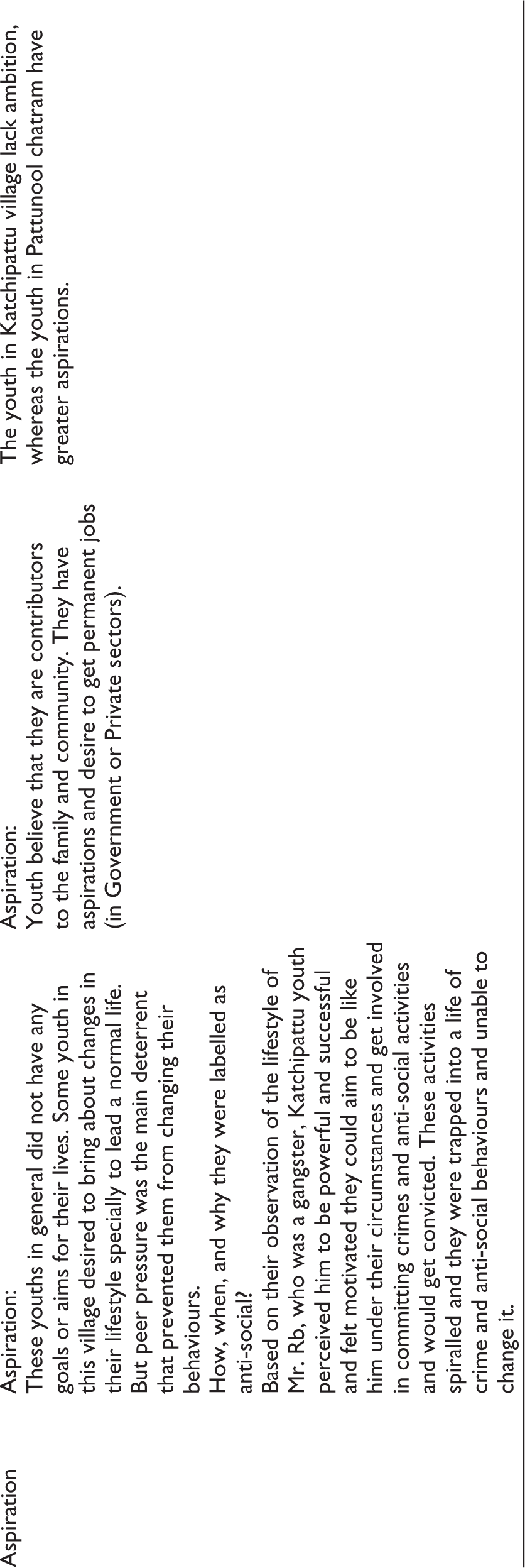
A comprehensive analysis of the youth from Katchipattu and Pattunool Chatram has been conducted, focusing on various themes. The findings of the FGD have been summarized in Table 2. This table provides a detailed description of the analysis, shedding light on the perspectives and opinions of the youth from these two villages. It serves as a valuable resource for understanding the thoughts and experiences of the young population in Katchipattu and Pattunool Chatram.
FGD Analysis.
Thematic Analysis and Discussion
In order to validate the results obtained from the FGDs in a more thorough and analytical way, a thematic analysis was conducted. This analysis aimed to delve deeper into the data collected during the FGDs and provide a critical examination of the themes that emerged from the discussions. By conducting a thematic analysis, researchers were able to gain a more comprehensive understanding of the findings and draw meaningful conclusions based on the data gathered.
Lifestyle and Transition During Childhood, Teenage and Adulthood
FDGs conducted with young individuals from Katchipattu village and Pattunool Chathram shed light on the youth’s transition. The transition period for the young people from Katchipattu was intricate, whereas the young people from Pattunool Chatram followed a more typical pattern. The adolescent phase proved to be highly tumultuous and challenging for the youth from Katchipattu Village.
Perception of Youth about Themselves
The village of Katchipattu required influential figures to motivate the youth towards their aspirations, as per Ghanshyam et al. (2020). The young individuals were struggling with uncertainty and lacked direction in terms of their future plans and career prospects. Moreover, negative stereotypes and emotions such as fear and hopelessness were hindering their ability to lead fulfilling lives.
Role of Family, Peers and Community in Shaping Youth
According to Furlong (2013), young people typically have a strong support system in their families, friends and communities. However, in the case of the youth from Katchipattu village, this support system was unable to prevent them from engaging in risky behaviours and committing crimes due to peer pressure. On the other hand, young people from Pattunool Chathram had an easier time making positive changes because their aspirations were heavily influenced by their families, schools and communities. They looked up to their parents as role models and believed that they were important members of their family and community, which gave them the confidence to set ambitious goals for their future. This perception was shaped by the attainment of the 5Cs—competence, confidence, connection, character and caring—as highlighted by Zarrett and Lerner (2008).
Role of the Power Structure in Youth Life
The development of young people is often hindered by the local power dynamics, as seen in Katchipattu village where the youth are encouraged to engage in anti-social activities for their own survival. Despite being part of the same community, the local power structure has been dishonest in their approach towards the youth, leading them to blindly follow and commit crimes for financial and other needs. This has resulted in the youth being idle and engaging in risky behaviours.
Challenges and Opportunities Faced by Youth in Day-to-Day Life
Wolff and Ferracutti (1967) argue that street youth adopt violence as a means of responding to conflict, while positive young individuals navigate between societal norms and codes. These street youths fluctuate between traditional and non-traditional values depending on the situation. The study’s findings highlight the importance of social institutions in supporting Katchipattu village youths who strive for a normal life by facilitating necessary social connections, particularly at the local level.
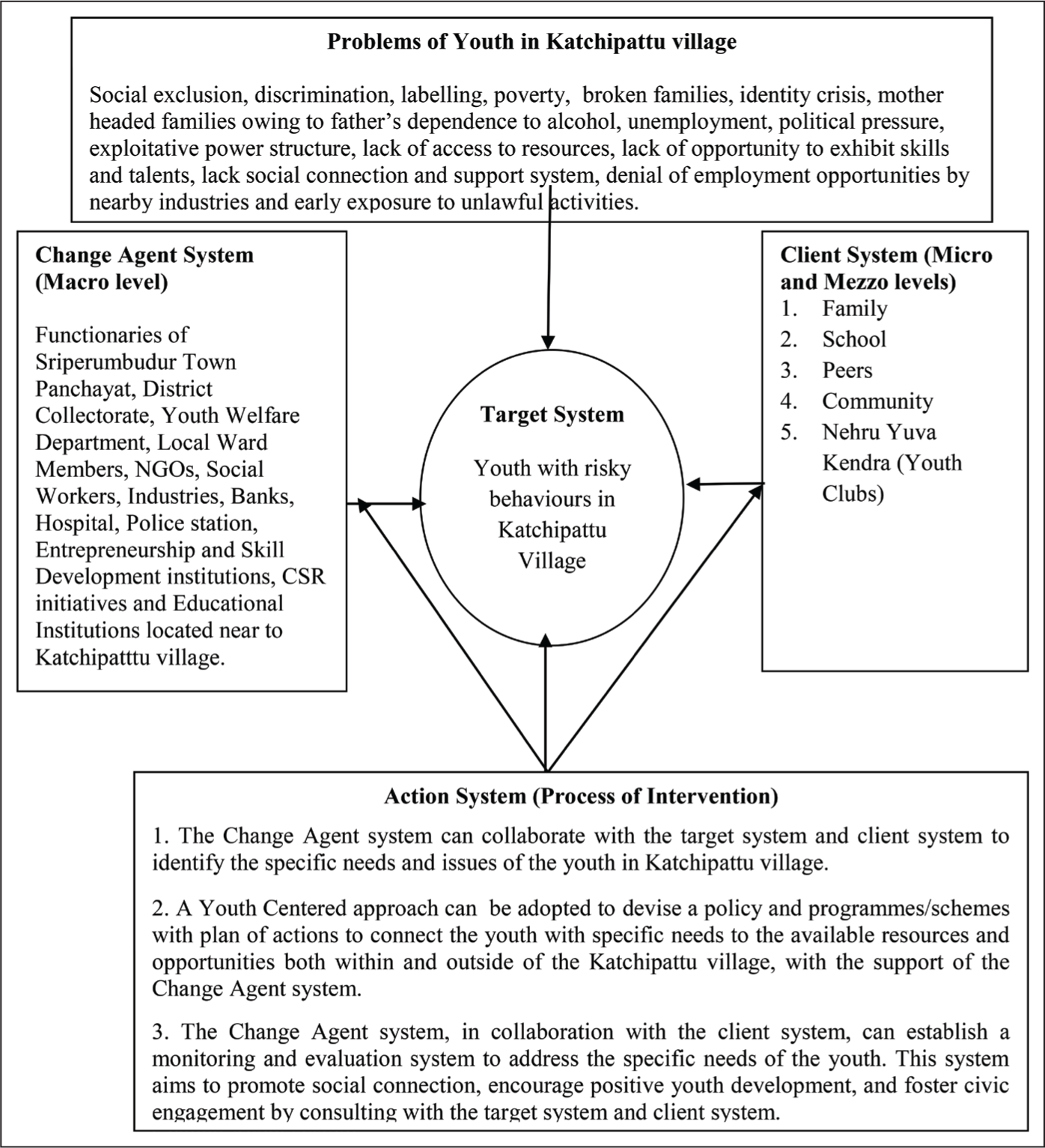
Social work is a profession that empowers individuals, families and communities to navigate challenges and make positive changes. The system approach in social work recognizes human systems as dynamic entities that evolve and respond to internal and external influences, requiring various interventions to facilitate transformation (Forder, 1982). In order to tackle the challenges faced by individuals and improve their ability to cope, it is crucial to connect them with systems that can provide them with necessary resources, services, and opportunities. Social work intervention identifies four key systems for addressing these issues: the Change Agent System, Client System, Target System and Action System (Pincus & Minahan, 1973). By adopting a tailored strategy that is specific to the youth demographic and the particular context in which they live, a deeper understanding of the underlying factors contributing to risky behaviours in young individuals can be achieved. This nuanced approach (see Figure 1) allows for the development of targeted solutions that are more likely to effectively address the root causes of these behaviours, leading to positive outcomes for both the youth and the community as a whole. Specifically, the youth in Katcipattu village require social connections and institutional support. By providing them with access to opportunities and resources, they can develop a positive self-attitude and actively participate in civic activities. Emphasizing the interconnectedness of systems, this framework, based on the social work system theory, aims to bolster the social capital of young individuals. By doing so, it ensures their access to necessary resources, services and opportunities. By adopting this approach, the youth in Katchipattu village will have access to support at the micro, mezzo, and macro levels, enabling them to effectively fulfil their needs.
Limitations of the Study
Identifying and obtaining consent from the youth exhibiting risky behaviours in Katchipattu village posed a significant challenge for the researchers during the study. Consequently, the study had to be conducted with a smaller population size, with whom FGDs and case studies were carried out to gather the necessary data. To delve deeper into the complexities of the lives of Scheduled Caste Youth from Katchipattu Village, a longitudinal study could provide more comprehensive insights. Since risky behaviours were predominantly observed among male youth, the study exclusively included this demographic. However, conducting a comparative analysis of the adversities encountered by Scheduled Caste female rural youth and Scheduled Caste male youth could offer a more nuanced understanding of the unique challenges faced by rural female youth in the community.
Implication
The findings of this study will greatly assist in the creation of youth development strategies that are specific to the context and beneficial. When formulating the National Youth Policy and State Youth Policy, it is crucial for both the Union and State Governments to focus on the unique needs of young people, which are shaped by local goals and opportunities. Welfare projects by the State and Central Governments should have a clear target audience. The UN’s World Young Report emphasizes the importance of strengthening youth development efforts and evidence-based youth policies to actively involve young people in sustainable development initiatives. This study’s evidence-based approach has implications for social institutions and development challenges, as they rely on the social and economic participation of young people in India and other places.
Conclusion
The youth population is influenced by both nature and nurture, as seen in the experiences of youth from Pattunool Chatram Village and Katchipattu Village. While the transition was pleasant for the former, the latter reported a state of disorder. The study reveals that socio-cultural factors contribute to reckless conduct, risky behaviour, and limited participation in community development initiatives among adolescents. Despite the constitutional prohibition of caste-based discrimination, the people of Katchipattu Village still face it. The study also highlights that youth from this village engage in risky behaviours, such as drinking, smoking, and committing crimes, to establish their identities. They adopt specific hairstyles, tattoos, piercings and other bodily changes, as well as sing Gaana Songs, to express their identity. These risky behaviours are exacerbated by social labelling, and the lack of suitable role models leads them to look up to individuals with criminal records for inspiration. Despite their desire to quit these behaviours, institutional barriers prevent them from doing so and make them more vulnerable. A strong support system that includes engagement, consultation, and counselling is essential for the youth in Katchipattu to address their personal issues and contribute to community development. Providing opportunities for youth development is crucial in helping them break away from risky behaviours they may feel compelled to engage in. Implementing positive youth development strategies involving family, community, peer groups, the police, the government, private organizations (Corporate Social Responsibility), and civil society organizations is necessary to help these young individuals develop their skills and positive attitudes. A successful transition and the establishment of a positive identity for the youth in Katchipattu Village will lead to self-actualization, healthy social relationships, and active participation in development programmes.
Footnotes
Acknowledgements
The authors express their sincere thanks to all the youth who have participated in the research.
Declaration of Conflicting Interests
We declare that this work is original and has not been published anywhere or not currently under consideration for publication anywhere.
Funding
The authors received no financial support for the research, authorship and/or publication of this article.