



Abstract
Emerging evidence indicates that the COVID-19 pandemic and government measures put in place in response to this have had a detrimental impact on young people’s mental health. A children’s human rights-based approach was taken to examine the impact of the legislative and policy measures that were implemented in Scotland in response to the pandemic on children’s rights related to their mental health. Key concerns were identified around children’s rights to access mental health services and information, participation in decision-making and non-discrimination of vulnerable groups. Although the analysis focussed on Scotland, recommendations to protect these rights are likely to be relevant to other countries following similar approaches as lockdown restrictions are eased, or in the event that stricter local or national measures are required again to curb rising infection rates or subsequent wave(s).
Keywords
Introduction
The United Nations Convention on the Rights of the Child (UNCRC) is the most ratified human rights treaty in the world, which sets out 54 basic rights of any child aged 0–18 years (UNICEF, 1989). The UN states that children’s rights are not only interdependent but also indivisible, meaning that it is impossible to draw any hierarchy of rights. However, the concept of indivisibility has been challenged by scholars who argue that while no single right is essentially more important than others, there may be times when it is necessary to prioritize certain rights that are at particular risk of not being realized, with a view to the interdependency of all rights (Nasr, 2016). The unprecedented context of the COVID-19 global pandemic has highlighted this argument as governments around the world have enacted emergency policies and legislation to curb the spread of infection and protect the right to life as enshrined in UNCRC Article 6. However, given the interdependency between rights, the impact of these emergency measures on other children’s rights is only just emerging.
UNCRC has been incorporated into Scots law and all new legislation is required to be assessed with regard to its impact on children’s rights. However, the requirement for an immediate response to the COVID-19 pandemic resulted in most of the emergency measures put in place by the Scottish Government to reduce the spread of the virus being implemented within a tight timeframe and without such an assessment. In response to this, and given the significant impact of the pandemic and associated policy and legislative measures upon children in Scotland, Independent Children’s Rights Impact Assessment (ICRIA) was commissioned by the Children and Young Person’s Commissioner for Scotland (Children and Young People’s Commissioner Scotland, 2020a). The assessment was organized around key aspects of children’s lives that have been affected by the pandemic as identified by UNCRC (UN Committee on the Rights of the Child, 2020), one of which was mental health.
Children and young people’s early life experiences can influence their mental health and set the foundations for health in adulthood. Worldwide, 10%–20% of children and young people experience mental disorders (World Health Organization, 2003), with 50% of mental health problems established by age 14 and 75% by age 24 (Kessler et al., 2005). Young people with poor mental health are more likely to have poor educational attainment, lower employment prospects, physical health problems, difficulties with social relationships and substance misuse problems (Department of Health and Social Care, 2013). Mental health is a public health priority for Scotland (Scottish Government, 2018), and the Mental Health Strategy focusses on prevention and early intervention among children and young people (Scottish Government, 2017). Prior to the COVID-19 pandemic, the majority (85%) of young people in Scotland aged 11–15 years reported high life satisfaction; however, 37% were classified as having low mood and 14% were at risk of depression (Inchley et al., 2020). Many factors influence young people’s mental health, including school experiences, relationships with family and peers, the environment young people live in and physical health (Scottish Government, 2020c). The COVID-19 pandemic and government measures put in place in response to this have affected all aspects of young people’s lives, and the impact on their mental health is now becoming evident.
Aims of the Article
Based on analysis conducted to inform ICRIA, this article presents a children’s rights-based approach to examining the impact of the legislative and policy measures that were implemented in Scotland in response to the COVID-19 pandemic upon children’s rights related to mental health. This approach situates children as rights holders and underlines the requirements of duty-bearers, including government, to meet these rights in line with international human rights instruments. A rights-based approach recognizes the basic human dignity of each child and provides a framework to examine the individual, collective and structural reasons that children’s rights might not be met and an imperative to address these issues (Byrne & Lundy, 2019).
Methods
Context
The analysis was conducted between 22 May and 16 June 2020. The first case of COVID-19 was reported in Scotland on 1 March 2020, with cases steadily rising over the following weeks, resulting in the Scottish and UK governments introducing emergency legislation and policies to reduce the spread of the virus. By 20 March, schools across Scotland were closed, and on 23 March, a ‘Stay at Home’ order was announced, resulting in the closure of all non-essential work, limiting movement to stop transmission of the virus and suspension of all non-urgent health and social care services. This was referred to as ‘lockdown’. On 28 May, Scotland entered the first phase of a four-phase ‘route-map’ for easing lockdown restrictions (Scottish Government, 2020b). Key changes during Phase 1 relevant to young people included being able to meet another household outdoors, having unrestricted outdoor exercise, being able to travel short distances for outdoor leisure and exercise, the return of additional school staff and increased access to critical childcare provision, gradual resumption of key support services in the community and the resumption of face-to-face National Health Service (NHS) services including mental health services.
Scope of the Analysis
As noted, this analysis was conducted as part of a wider ICRIA on the response to COVID-19 in Scotland led by the Observatory for Children’s Human Rights Scotland on behalf of the Children and Young People’s Commissioner for Scotland (Children and Young People’s Commissioner Scotland, 2020a). This analysis focusses on the rights of young people aged 10–18 years related to their mental health. The World Health Organization identifies young people as those aged 10–24 years (World Health Organization, 1986); however, UNCRC is applicable to children and young people up to 18 years and so those aged 19–24 years were not a focus of this analysis. The wider analysis focussed on nine different aspects of young people’s lives, framed by recommendations from UN Committee on the Rights of the Child (UNCRC, 2020). Alongside mental health, these included physical health; education; poverty, food and digital access; rest and leisure; children’s protection, children’s hearings and care; domestic abuse; children with additional support needs and disabilities; and children in conflict with the law and children in secure care. Social and economic determinants of mental health clearly fit across all of these aspects of children’s lives but, in line with the framework of the analysis, this article focusses upon those measures that directly impact upon children’s mental health and well-being and upon children’s rights that are related to mental health and well-being, although it is inevitable that whether children have their other rights met or unmet will impact upon their mental health. It is acknowledged that other sections of the wider analysis, in particular measures related to education, have had a significant impact upon children’s mental health during the pandemic, and a holistic review of the impact of the measures across all aspects of young people’s lives is reported in the full ICRIA report and appendices (Children and Young People’s Commissioner Scotland, 2020a).
Measures
In the context of this analysis, measures relate to legislation, policy and guidance enacted in Scotland. Scotland is part of the UK and follows UK-wide policy in many areas. However, the Scottish Government leads on matters that are devolved from Westminster, including the economy, education, health, justice, rural affairs, housing, environment, equal opportunities, consumer advocacy and advice, transport and taxation. As such, while measures imposed in Scotland to curb the spread of the virus were largely consistent with the rest of UK, there were some differences in approach and timelines for the response.
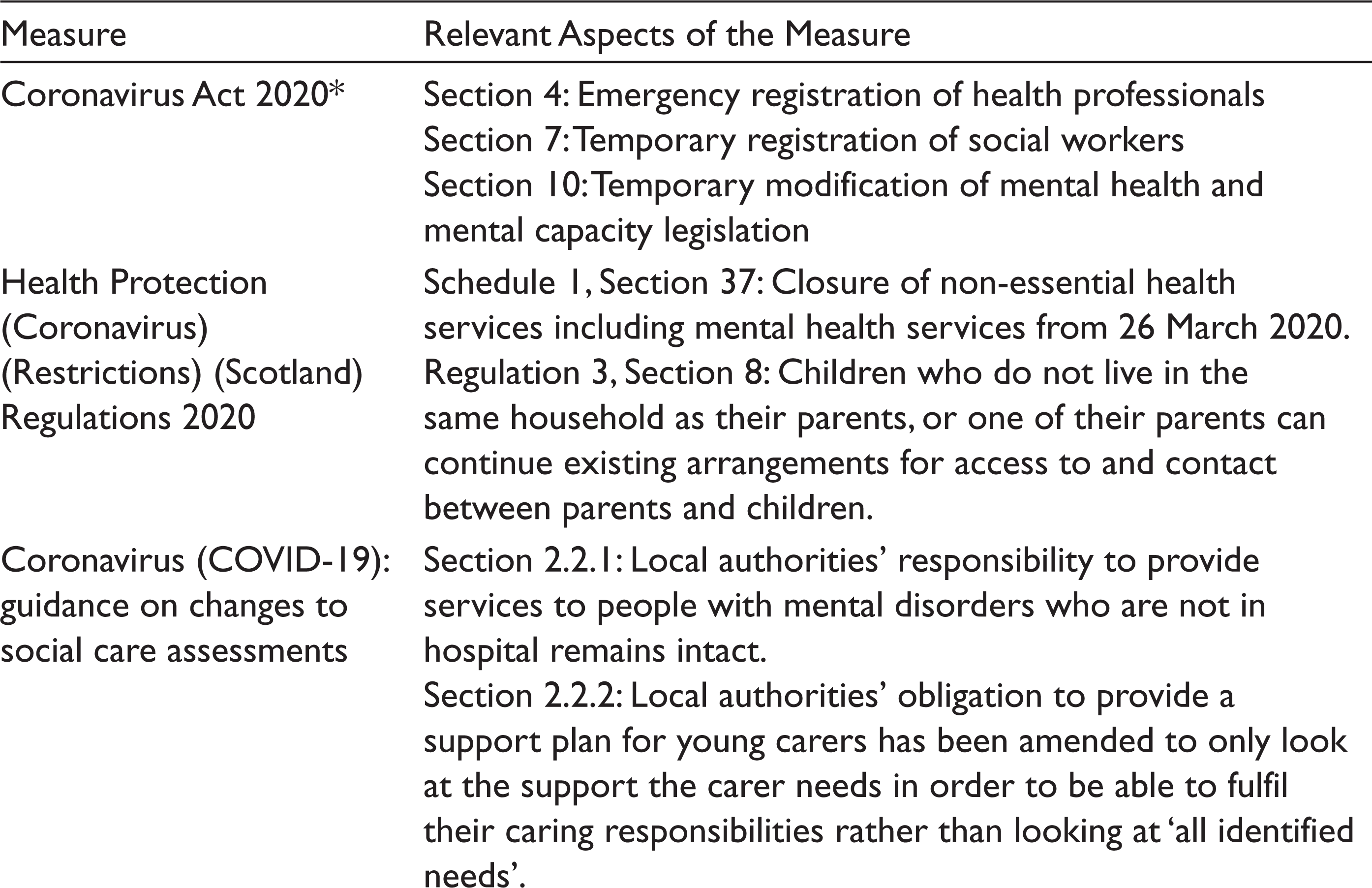
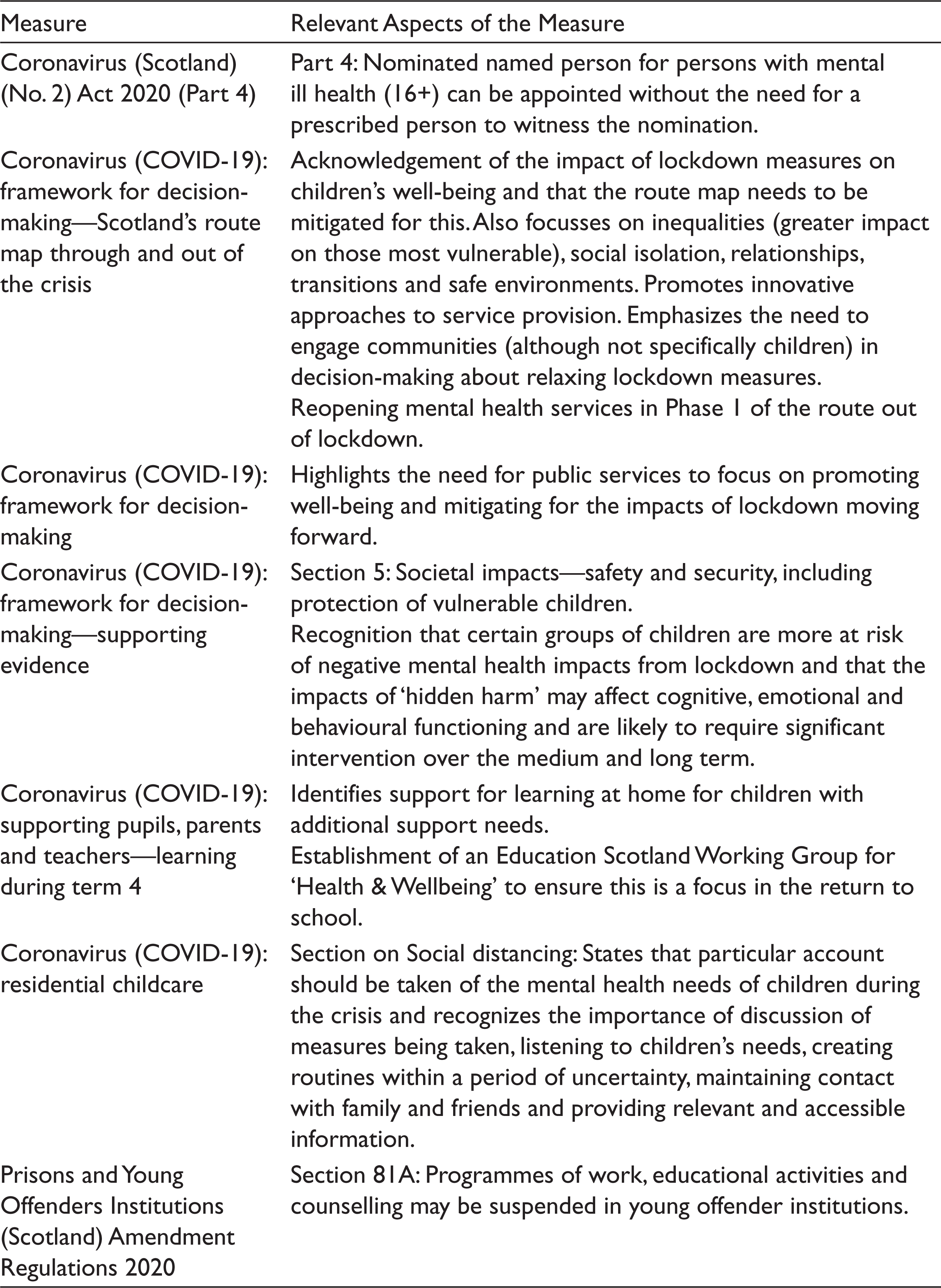
All of the Scottish Government measures published prior to 15 June 2020 in response to the COVID-19 pandemic were reviewed as part of the wider ICRIA. The coordinating team for the assessment identified all measures related to young people, and the authors reviewed these measures for their impact on mental health. Measures were selected if they specifically mentioned links with mental health or were relevant to the provision of health care services or information. The eight measures that were deemed relevant to young people’s mental health are summarized in Table 1. In addition, one UK-wide measure was included (Coronavirus Act, 2020), which covers the emergency registration of health professionals, temporary registration of social workers and temporary modifications of mental health and mental capacity legislation. Measures were reviewed in terms of the content rather than implementation, although evidence of implementation is included where this exists.
List of Measures Included in the Impact Assessment
Children’s Rights Instruments
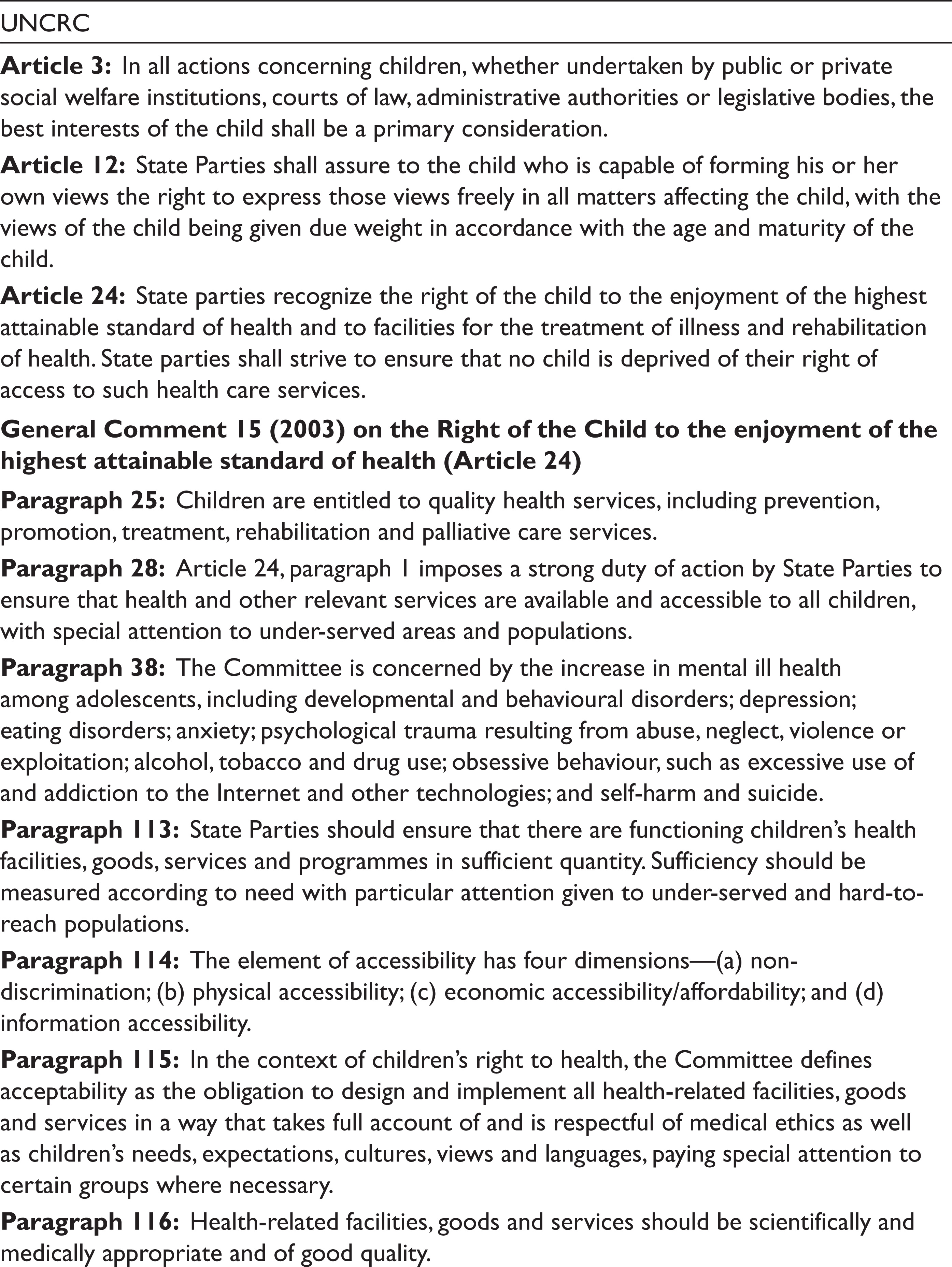
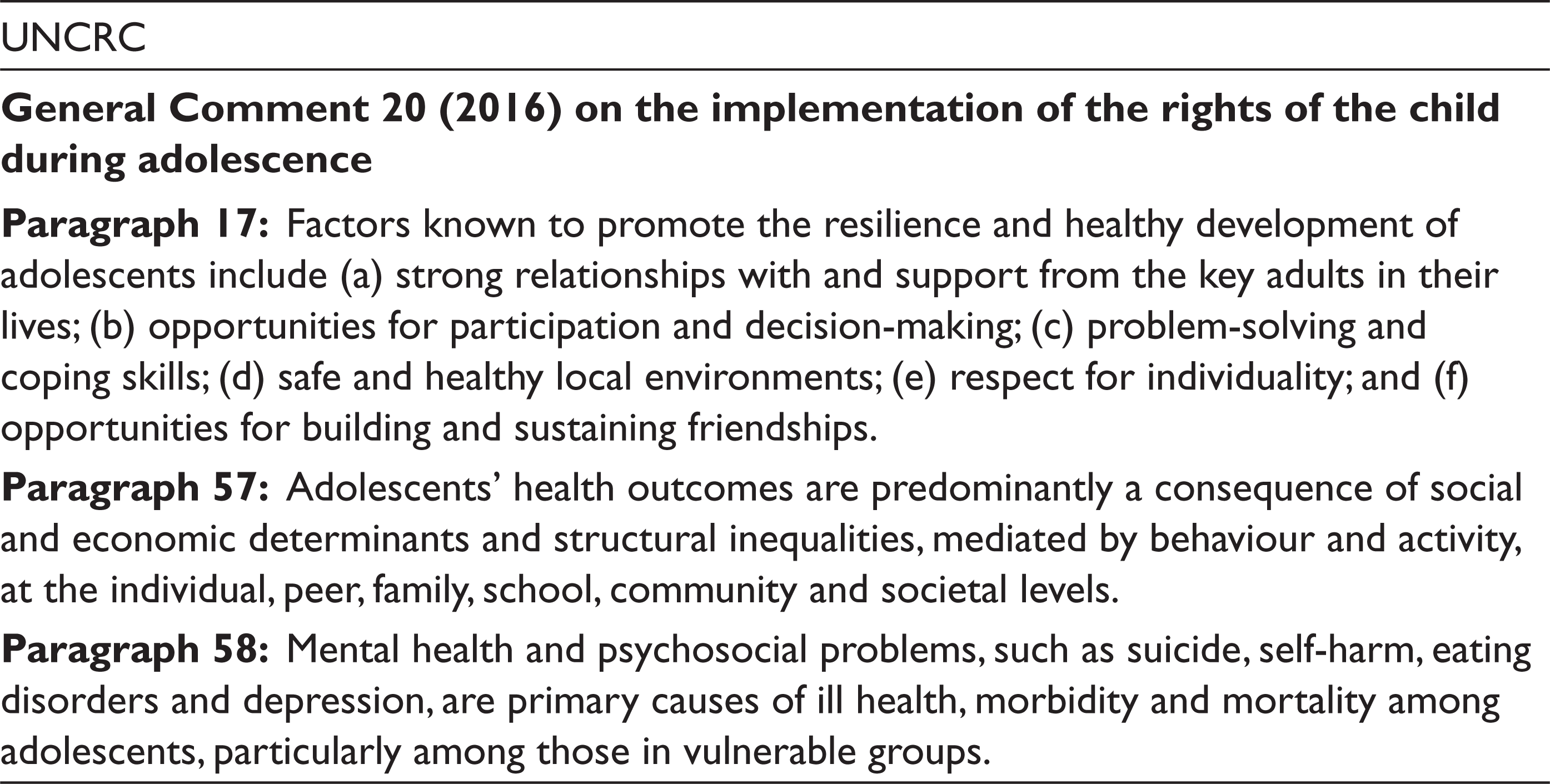
Children’s rights instruments were identified from UNCRC and General Comments to the UNCRC. Young people’s rights of relevance to this analysis are listed in Table 2. Particularly relevant in the context of mental health is Article 24 which states that all children have the right to the highest attainable standard of health and to access to health care services. General Comment 15 on UNCRC Article 24 provides further details on children’s rights around health care provision, and General Comment 20 outlines key factors that promote the resilience and healthy development of young people, highlighting relationships, social and economic determinants and the particular challenges of mental health problems among young people.
Human Rights Instruments and Articles Relevant to Government Measures
The impact of each of the identified measures was reviewed in relation to these rights. Specific measures are referenced where possible. However, while there is a growing body of evidence about the impact of COVID-19 on young people’s mental health, at the time of analysis, there was very little evidence on young people’s experiences of COVID-19 in terms of their rights, and most analyses focussed on the impact of the pandemic and lockdown restrictions as a whole rather than looking at the implications of specific measures on young people.
Evidence
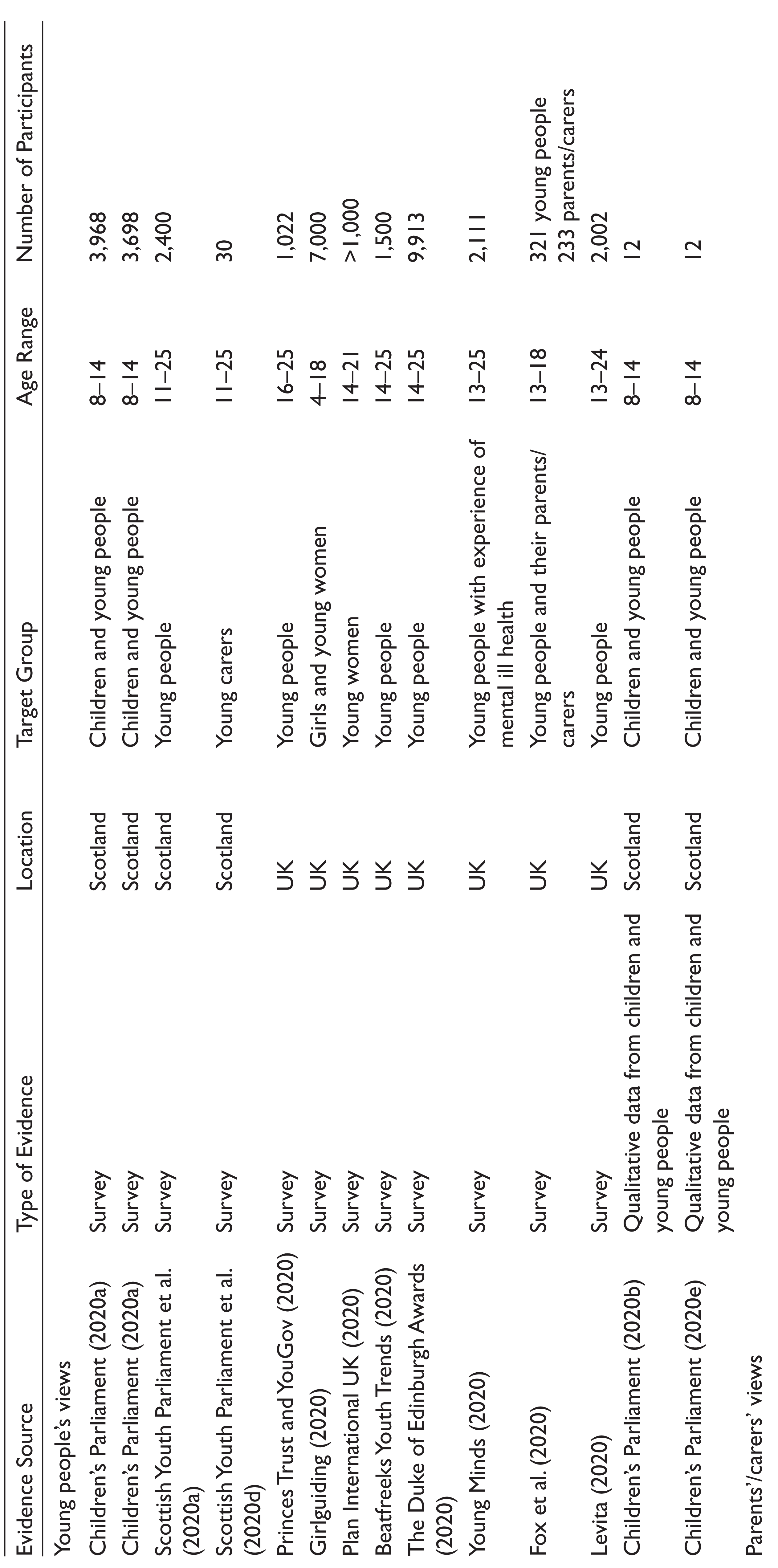
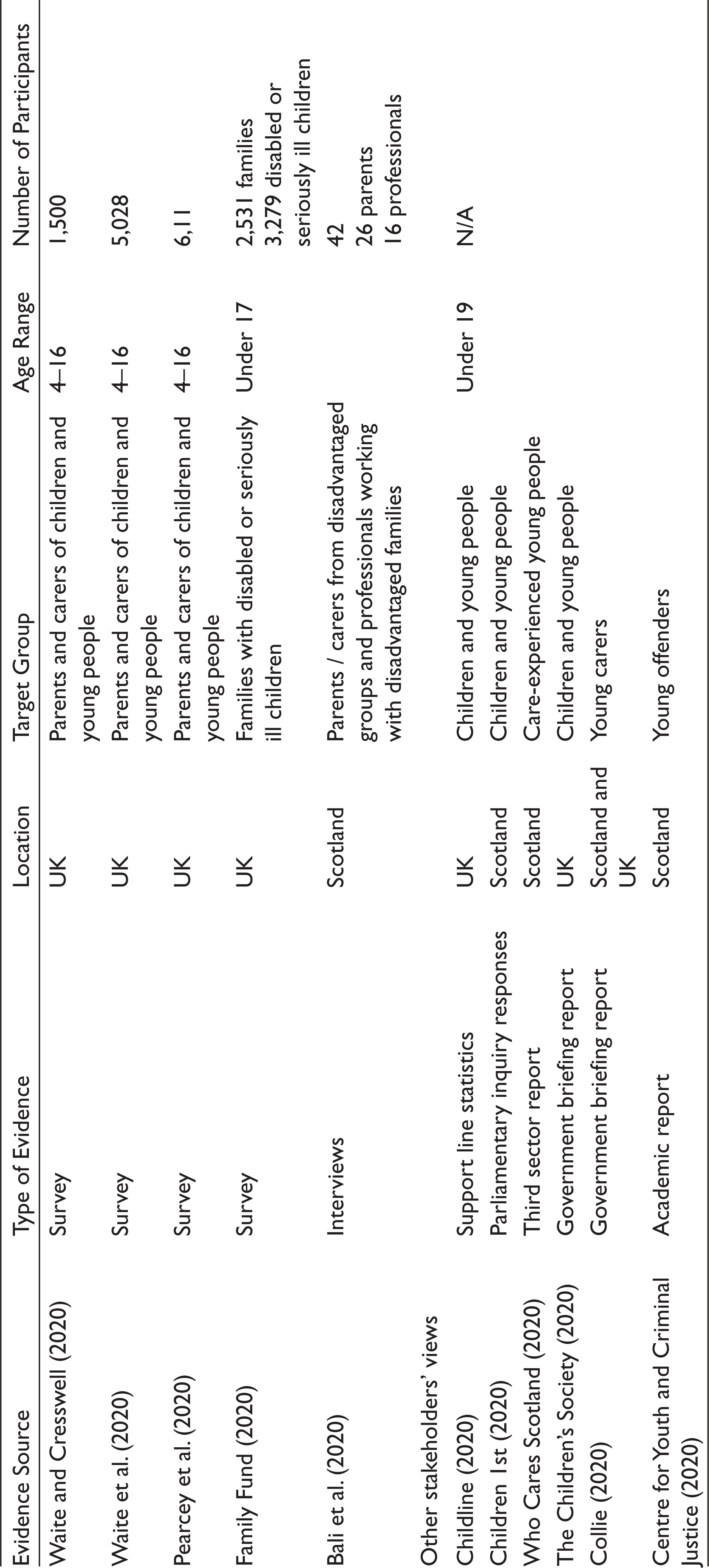
Quantitative and qualitative evidence from Scotland and the UK published up to 15 June 2020 was reviewed to identify the impact or potential impact of each measure on children’s rights. Given the limited evidence at the time of writing, this was not identified through a systematic literature review, but was responsive to newly emerging evidence identified through Internet searches and requests to organizations delivering services, most of which came from public or third sectors. Evidence sources included online surveys, journal articles, official government statistics, parliamentary inquiry responses, government briefings, secondary analyses of service usage, third sector reports and insights and observations from those delivering services (see Table A1).
Analysis
The analysis broadly followed an existing framework for children’s rights impact assessment (Scottish Government, 2020a), which was adapted to cover multiple measures. The framework was developed to assess proposed government measures with the aim of ensuring that new policy or legislation does not contravene children’s rights, and the analysis was conducted from this perspective, rather than as an academic review. The framework template and full details of the methods for analysis have been published (Children and Young People’s Commissioner Scotland, 2020b).
Using the assessment framework, relevant measures, rights instruments and evidence related to young people’s mental health were identified (as described above) and an assessment was made by the authors about the impact or potential impact of each measure on children’s rights in terms of whether this was (or was likely to be) positive, neutral or negative. Gaps in evidence to inform the assessment were identified, and in several cases, only potential impact rather than actual impact was reported. Findings were then cross-checked against other relevant areas of the ICRIA, and the analysis was reviewed by a range of experts from Observatory of Children’s Rights and other experts in children and young people’s mental health. Based on the impact assessment, key recommendations were provided to ensure children’s rights are met with regard to their mental health. The focus of these was to provide decision-makers with recommendations for future policy and measures, and to ensure that if lockdown measures do need to be reinstated in any form that these will better protect the rights of young people in the future.
Findings
Right to Participation
UNCRC Article 12 outlines the fundamental right of young people to express their views freely in all matters that affect them and requires that these views be given due weight in accordance with the age and maturity of the child. It includes children’s right to participate in individual decisions about their own life and also in collective decision-making, for example, about services and policies that affect them. In addition, General Comment 20 states that not only do children have the right to ‘opportunities for participation and decision-making’, but that these opportunities are a protective factor for children’s mental health and development.
Expression of Views: Young People’s Views About the Impact of COVID-19 Pandemic and Lockdown on Their Mental Health
Given the importance of UNCRC Article 12, the review of existing evidence focussed primarily upon young people’s experiences of the pandemic. Available evidence indicated that, in general, the COVID-19 pandemic and measures put in place to reduce the spread of infection have led to a decline in the mental health and well-being of young people in Scotland and the UK during the duration of the lockdown (Children’s Parliament, 2020c; Fox et al., 2020). There is some evidence that certain groups of young people have struggled with their mental health more than others, with girls affected more than boys and negative impacts on mental health increasing with age among young people (Beatfreeks Youth Trends, 2020; Fox et al., 2020; Girlguiding, 2020; Scottish Youth Parliament et al., 2020a). As well as being highlighted as a key area of concern by young people themselves, child well-being was identified as one of the top three things causing parents/carers stress during the lockdown period (Waite & Cresswell, 2020).
According to a survey involving 2,400 young people aged 11–24 years in Scotland, 39% were concerned about their own mental well-being, with key concerns including school, college and university closures (42%); exams and coursework (49%); social relationships (40%); well-being of others (46%); and impact on future plans (61%) (Scottish Youth Parliament et al., 2020a). Another survey by the Children’s Parliament reported that among younger age groups (8–14 years), many young people were struggling with boredom and loneliness (Children’s Parliament, 2020a) and were generally feeling less cheerful and had less energy, as the lockdown continued from April to May (Children’s Parliament, 2020c).
Comments made by young people support these statistics and highlight the impact of the lockdown on young people’s well-being, with boredom and lack of contact with friends as key contributors; for example:
About three times a day I feel bored. There’s nothing to do and then you find something to do and that then gets boring and you have to find something else to do, but there’s nothing else to do. When I’m bored I lie in bed and look at the ceiling. (Creative Songstress, aged 14 years; Children’s Parliament, 2020b) I used to feel quite good most days. Now, some days are better, some days are worse. What’s better is having more time with my family, more time at home, more time paying games. What’s worse is that some days I just have a good day bit some days I just feel sad all day. I just wake up feeling sad. That didn’t really happen before lockdown. I think it’s because I’m not seeing my friends now. (Zoomer, aged 10 years; Children’s Parliament, 2020b) Wish they had a network or place for someone to talk to as isolation has been putting many teens including myself into a tough mental place and have been struggling with their mental health. (Girl, aged 16 years)
A UK-wide survey of 1,022 participants aged 16–24 years found that 32% of young people were feeling overwhelmed by feelings of panic and anxiety on a daily basis (Princes Trust & YouGov, 2020), and another report found that levels of anxiety and depression were increasing over time among young people aged 13–18 years (Fox et al., 2020). During the lockdown period from 23 March to 10 May 2020, Childline (a UK-wide service that provides phoneline support for children and young people on any issue) delivered 30,868 counselling sessions. The five main concerns raised during this period were mental/emotional health (36%); suicidal thoughts and feelings (13%); family relationships (12%); self-harm (6%); and sex/relationships/puberty (4%), and over half of sessions were related to mental health and well-being (Childline, 2020).
Involvement in Decision-making
Few of the measures reviewed in this analysis included any consultation with young people before they were enacted, although a small number did cite existing research that included the views of children and young people. Not only does the lack of consultation mean that young people’s participation rights were not met, but it also means that these measures are less likely to be effective. Policies and services that seek to address the needs of young people but do not take their views into account are likely to be less accessible and acceptable to young people, who have different expertise and insights to adults (MacNaughton et al., 2007).
Additionally, in some cases, specific measures brought in as a result of the pandemic have negatively affected young people’s participation rights in their daily lives. One example of this are the measures around maintaining family relationships, which allow for children to maintain relationships with more than one parent and/or carer living in separate households. However, there is no requirement for children to be involved in decision-making about these arrangements. Therefore, the recommendations below not only emphasize the improvements that can be made to specific measures but also the need to ensure that all changes are made in consultation with young people.
Right to Access to Health Care Services
Article 24 of UNCRC emphasizes every child’s right to the highest attainable level of health care. This article is developed in General Comment 15, which states that children are entitled to quality health services, including prevention, promotion, treatment, rehabilitation and palliative care services. At the primary level, these services must be available in sufficient quantity and quality, functional, within the physical and financial reach of all sections of the child population and acceptable to all. General Comment 15 also states that the highest attainable level of health care requires services that are available, accessible, acceptable and of good quality.
In the context of COVID-19, considerations related to children’s mental health services include both the need to provide ongoing services for children who are already using these services and the potential need for increased service capacity as a result of the pandemic. During the pandemic, the Scottish Government maintained its responsibility for providing services for children experiencing mental ill health either in or out of hospital (Coronavirus [COVID-19]: guidance on changes to social care assessments). However, during lockdown, face-to-face services outside of hospitals were suspended (Health Protection [Coronavirus] [Restrictions] [Scotland] Regulations 2020) and services had to adapt to provide remote support.
There is evidence that the new ways that these services were being provided (e.g., moving to online formats) are less accessible for some children, resulting in them no longer receiving the support that they need. A UK-wide survey of young people aged 13–25 years with existing mental health problems indicated that during this period, 74% of children with existing mental health problems were still able to access some form of mental health support, while 26% were no longer able to access any support (Young Minds, 2020). For many who were unable to access services, this was largely due to difficulties in accessing support at home rather than it not being offered. A separate survey of parents/carers suggested that of the 18.5% of children and young people who had received support before the pandemic (including support for mental health, emotional/behavioural difficulties, social services and education support), 80% had had this stopped or postponed (Pearcey et al., 2020). However, this survey included children and young people aged 4–16 years, and those in the younger age groups may have had more difficulty continuing with remote support. Access to remote support was also highlighted as being problematic for young people with learning difficulties, language barriers and existing mental health problems (Bali et al., 2020). In addition, a survey of 2,531 families with children who are disabled or seriously ill indicated that the pandemic has negatively impacted the mental health of 82% of these children and young people (Family Fund, 2020), with 59% families no longer receiving Child and Adolescent Mental Health Services (CAMHS) support and 63% no longer receiving psychologist/psychiatrist support.
There is also evidence of concern among young people related to potential issues with the capacity of online services as a result of additional demand during lockdown (Young Minds, 2020). However, with the exception of reference to Education Scotland’s Mental Health and Wellbeing Working Group (within Coronavirus [COVID-19]: supporting pupils, parents and teachers—learning during term 4), which has a specific school focus, there were no measures to address the possible increased demand for children’s mental health services specifically. The Coronavirus Act 2020 creates the possibility of additional mental health professionals to be recruited, but the consensus among professionals working in the field is that this measure is focussed upon physical health professionals, and it is unclear whether this will lead to increased capacity within mental health services.
Face-to-face mental health services reopened in the first phase of ‘Scotland’s route map through and out of the crisis’, but for the vast majority of children, the key services that promote positive mental health may be community services that do not have an explicit mental health focus, such as schools, leisure centres and youth clubs. The closure of these services is likely to disproportionately affect the most vulnerable families in society. There is evidence to suggest these young people and their families, who are likely to already face multiple complex issues, are particularly struggling with their mental health due to reduced access to these support services, which, for many, are not as effective online (Bali et al., 2020; Children 1st, 2020). In addition, in normal circumstances, many young people would seek support, or be identified as needing support, through pastoral support systems in schools. However, remote learning provision has reduced young people’s ability to access support in this way.
The limited evidence also suggests that children in care and young carers may be particularly struggling due to the withdrawal of or changes in the format of support services (Collie, 2020; Who Cares Scotland, 2020). Care-experienced young people would normally have regular interactions with a range of support services, which have been withdrawn or moved online during the pandemic, and many are finding it difficult to access these services with limited access to digital technology. Prior to COVID-19, young carers already experienced higher rates of loneliness and isolation than other young people (Bolas et al., 2007), and young carers of single parents have been disproportionately affected by the pandemic (Collie, 2020). Key concerns include the loss of access to their regular support offered by schools and local services, and worries that inpatient, crisis or emergency psychiatric liaison services may become difficult to access if the person they care for becomes unwell (Collie, 2020).
There is very limited consideration given in the measures to young people who are experiencing acute mental illness and requiring hospitalization. There are temporary changes to mental health and mental capacity legislation, which are likely to affect young people with mental health problems and may have particular impact for those aged 16–17 years. This includes changes to powers for detention and compulsory treatment orders (Coronavirus Act, 2020), and for appointing a nominated Named Person (Coronavirus [Scotland] [No. 2] Act 2020 [Part 4]). However, there is limited evidence about how, or if, these measures have been implemented and the impact of these changes on children’s rights.
Right to Appropriate Information About Service Availability
Health care services are of limited use if young people and families do not know that they exist. General Comment 15 states that appropriate information about services, including information that ‘is in a language and format that is accessible and clearly understandable [to parents and children]’, is required for services to be truly accessible.
There is evidence to suggest that young people and their parents/carers want more information about how to support their own or their child’s mental health and about the mental health services available in the context of the pandemic. Despite widespread concern among young people and their parents/carers about mental health and well-being, 40% of 11–24-year-olds are not confident in accessing information about support for mental health and well-being (Scottish Youth Parliament et al., 2020a), and 42% of parents/carers felt that they would benefit from support around managing their children(s) emotions (Waite et al., 2020). Many of the actions young people in Scotland would like to see from decision-makers related to access to information (although not specifically mental health information), with key points including to ensure information if clear, honest and from reliable sources, and that information is adapted to suit the needs of young people (Scottish Youth Parliament et al., 2020a).
In order to maintain young people’s access to information and support services, the Scottish Government has provided additional funding to support increased capacity of online and telephone counselling services, development of additional online resources around mental health and well-being for young people and signposting to additional support services and additional advice for parents about supporting their child’s mental health and well-being (Together, 2020). However, as noted above in relation to services, there is potential for digital exclusion to be an issue as not all young people have the technology available to them to be able to access online services and/or information about services (including information in languages other than English). In addition, further research is required to establish whether these additional resources and services funded by the Scottish Government will effectively meet the needs of young people and their parents/carers.
The Importance of Building Strong Relationships
There is strong evidence of the link between positive relationships and better mental health, while having poor relationships or long-term feelings of isolation are associated with depression, anxiety and suicidal behaviours (Chen & Harris, 2019; Mental Health Foundation, 2016; Roach, 2018). In line with this, General Comment 20 underlines the importance of protective factors including positive relationships between young people and key adults in their lives, opportunities to build strong friendships and positive environments as key to realizing children’s right to the highest attainable standard of health (UNCRC Article 24).
Loneliness and isolation have been reported as a significant challenge for young people during lockdown (Childline, 2020; Scottish Youth Parliament et al., 2020a; Young Minds, 2020), and relationships with family and friends is a concern for many. Among young people in Scotland aged 11–25 years, two-fifths were moderately or somewhat concerned about their relationships with family or friends (Scottish Youth Parliament et al., 2020a). In addition, in a UK-wide survey of 1,500 young people aged 14–25 years, just under a third felt that the pandemic was putting a strain on family relationships (Beatfreeks Youth Trends, 2020). This was particularly seen among young people with large families or smaller homes who may have little personal space, and there is concern that the detrimental impact of the pandemic on some family relationships may perpetuate existing issues (Beatfreeks Youth Trends, 2020).
However, there is also evidence that for some young people, spending more time with family members during lockdown has had a positive impact on family relationships (Beatfreeks Youth Trends, 2020; Children’s Parliament, 2020a; Girlguiding, 2020; Levita, 2020). Among young people aged 12–14 years in Scotland, 87% were enjoying spending time with their families (Children’s Parliament, 2020a), and there is clear evidence that parents and carers are central to their well-being (Children’s Parliament, 2020c). In order to support young people in maintaining family relationships, Health Protection (Coronavirus) (Restrictions) (Scotland) Regulations 2020 makes it possible for children whose parents live in different locations to move between their parents. However, some groups of young people may find this more challenging than others, and a report from Who Cares? Scotland highlighted the specific challenges of maintaining relationships for care-experienced young people whose family circumstances are often complex, and relationships may break down, especially at times of increased stress and worry. There has been no specific guidance on how to manage family contact arrangements for young people in care (Who Cares Scotland, 2020).
Relationships and keeping in touch with friends were also identified as something that made young people feel good (Children’s Parliament, 2020c; Girlguiding, 2020), and 83% of young people in Scotland aged 8–14 years felt supported by their friends (Children’s Parliament, 2020a). Among young people who were feeling a strain in their relationships with friends, this strain was largely due to the gap left by friendships in real life, rather than the overexposure that puts a strain on family relationships (Beatfreeks Youth Trends, 2020).
Lockdown measures resulted in the majority of relationships outside of the immediate household moving online. Digital technology has been important in keeping young people connected with family and friends, with around three-quarters of young people reporting to regularly communicate with friends and family via video chat, and 71% using social media to connect with friends (Waite & Cresswell, 2020). However, there are challenges for those who do not have access to digital technology during lockdown or who find such technology difficult to use due to language or communication barriers. These young people miss the physical proximity with their friends and feel that connecting online is not the same (Young Minds, 2020).
Right to Non-discrimination: Young People at Particularly High Risk
It is widely acknowledged that there are certain groups of children who are more at risk of mental distress and ill health (Campion, 2019; Pitchforth et al., 2019). However, UNCRC Article 2 clearly states that all children’s human rights apply to all children equally without discrimination. Therefore, General Comment 15 requires that State Parties ‘ensure that health and other relevant services are available and accessible to all children, with special attention to under-served areas and populations’.
UNCRC and associated General Comments draw attention to some groups of particularly vulnerable children including care-experienced children, disabled children, young carers, young offenders and children who have experienced domestic abuse. Where there is sufficient evidence of the impact of COVID-19 upon these groups, they were considered in specific appendices of ICRIA (Children and Young People’s Commissioner Scotland, 2020a).
Among young people with existing mental health conditions, evidence suggests that mental health problems have largely been exacerbated by the pandemic. A survey by Young Minds of 2,111 young people aged 13–25 years with existing mental health problems indicated that 83% of respondents agreed that the pandemic had made their existing mental health problem worse (Young Minds, 2020). Like the general population of young people, key issues affecting the mental health of young people with existing conditions included concern about their family’s health, school and university closures, loss of routine and loss of social connection (Young Minds, 2020). Loss of routine and uncertainty were also highlighted as particular concerns of parents/carers of children with pre-existing mental health conditions (Pearcey et al., 2020). However, it is also important to note that 7% of young people with existing mental health conditions agreed that the pandemic, and changes to everyday activities that might usually be perceived as stressful, had improved their mental health (Young Minds, 2020).
While recent evidence suggests that Black, Asian and Minority Ethnic (BAME) children are no longer at higher risk of diagnosed mental disorder (Sadler et al., 2018), patterns of COVID-19 infections, along with associated structural factors, suggest that BAME children may also be at particular risk during the pandemic. A UK-wide survey of 2,002 young people aged 13–24 years including BAME young people suggested that levels of anxiety and depression were higher among BAME respondents than White respondents, despite a higher proportion of BAME young people being less anxious during lockdown than prior to the lockdown (Levita, 2020). However, there is little evidence of the different ways in which racism and discrimination are being experienced by BAME children and families during the pandemic and the impact these experiences have on mental health.
There are also widespread concerns that COVID-19 has exacerbated existing inequalities in society; poverty and financial difficulties were highlighted as being sources of worry and concern among young people, with approximately one in three 11–24-year-olds and one in five 8–14-year-olds in Scotland concerned about their own or their family’s financial situation (Children’s Parliament, 2020a; Scottish Youth Parliament et al., 2020a). In addition, across the UK, 29% of young people aged 16–24 years felt their future career prospects have already been damaged by the coronavirus pandemic, and 49% worried that it will be harder than ever to get a job (Princes Trust & YouGov, 2020). However, a limitation of this analysis is that most of the available evidence about young people’s and parent/carer’s experiences of COVID-19 were, necessarily, collected through online surveys and remote methods. As such, there is limited information available about young people with limited access to digital technology who, as noted above, are most likely to be experiencing inequalities during this time, including difficulties maintaining social connections and access to services.
Finally, there are other groups of children who are mentioned in children’s rights tools as needing specific consideration related to their mental health but who are not considered in the measures. At the time of the analysis, limited evidence was available for these groups, including LGBTQ+ young people, young refugees and asylum seekers and young people with parents with mental health problems.
Recommendations
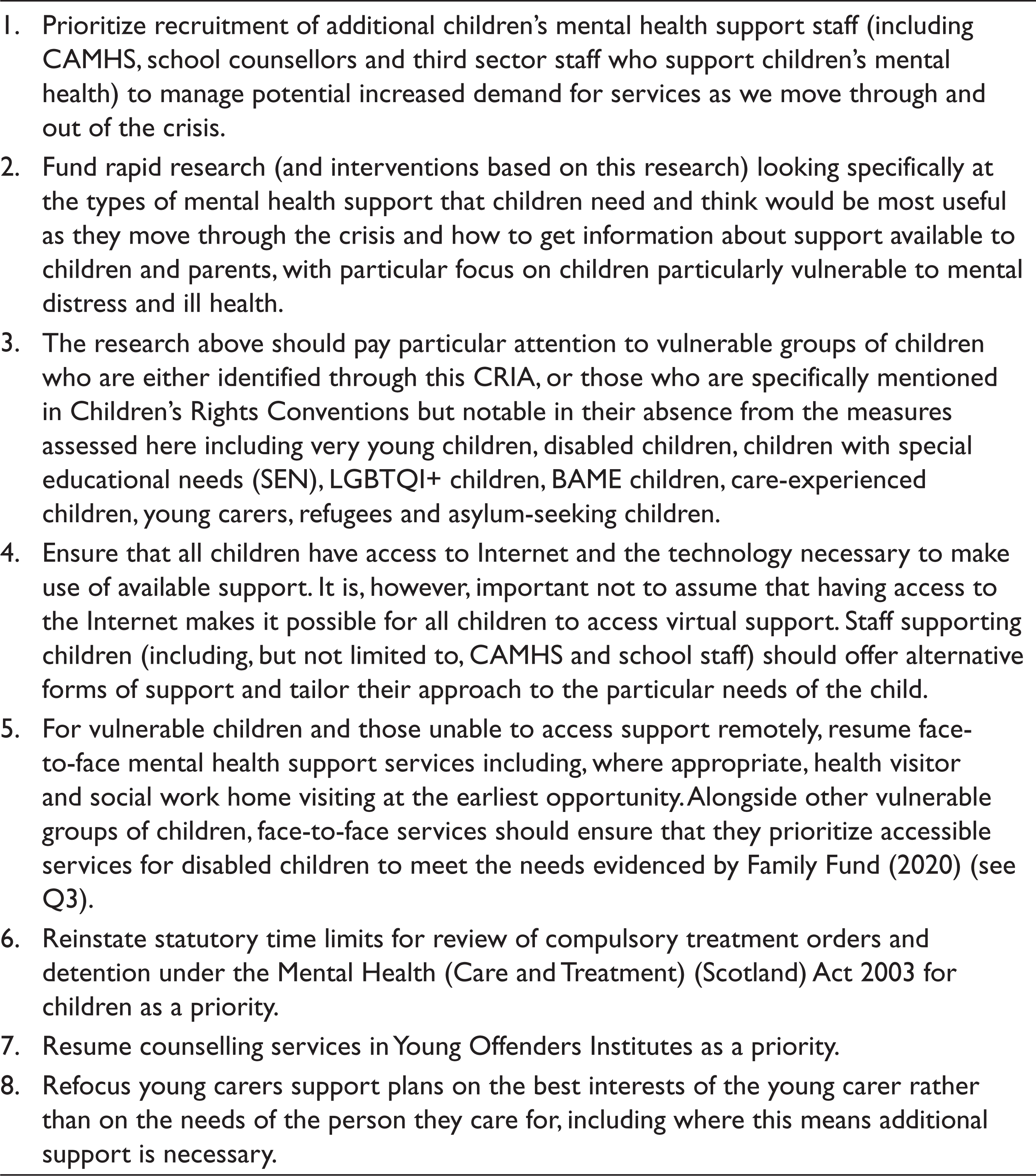
The purpose of ICRIA was to make recommendations to the Scottish Government about how they can meet children’s human rights as Scotland moves through and out of the COVID-19 pandemic. The recommendations presented in Table 3 relate specifically to young people’s mental health and bring together the potential implications upon children’s rights related to mental health of Scottish Government measures and the experiences and needs expressed by young people.
Recommendations to the Scottish Government: How They Can Meet Children’s Human Rights Around Mental Health During COVID-19
An Evolving Pandemic
The recommendations presented here were made while Scotland was in Phase 1 of easing lockdown restrictions based on evidence available at that time (up to June 2020). Since the original analysis for ICRIA, there have been ongoing and evolving challenges for young people’s mental health as Scotland has moved through phases of easing and tightening restrictions at both national and local levels. In July 2020, NHS Digital (2020) published follow-up data to their 2017 survey, showing an increase in children and young people with a probable mental disorder from one in nine to one in six over this period. The survey showed clear correlations (although not causation) between the likelihood of a probable mental health disorder and having a parent with higher level of psychological distress, feelings of loneliness, poor life experiences during lockdown, worry about COVID-19 risks and living in a low-income household. Other studies have also shown associations between loneliness, worries about COVID-19, social distancing behaviours, social support during the pandemic and mental health diagnoses including depression and anxiety, and there is some evidence to suggest increased rates of suicide among young people (although numbers are small and inconclusive at present) (National Child Mortality Database Programme, 2020).
Evidence collected from between June and October 2020 as restrictions were eased and schools reopened indicate that there has been some recovery among young people in terms of emotional well-being, loneliness and relationships with family and friends (Children’s Parliament, 2020d; Scottish Government, 2020d; Scottish Youth Parliament et al., 2020b). However, many young people have more worries than before the pandemic, are still concerned about their mental health and continue to want more information on where to find support for mental health well-being. In addition, the mental health of vulnerable groups of children (including BAME; those with existing mental health conditions, disabilities or special education needs; those living in low-income households; young carers; and care-experienced young people) is still a key concern, reflecting the findings of this analysis (Department for Education, 2020; Scottish Government, 2020d; Scottish Youth Parliament et al., 2020c).
In response to growing evidence about the impact of the pandemic on mental health, in October 2020, the Scottish Government set out a plan for recovery to support mental health and well-being going forward (Scotland’s Mental Health Transition and Recovery Plan) and announced £15 million funding to support children and young people’s mental health (Scottish Government, 2020. A core focus of the recovery plan is on support for children and young people, encompassing community mental health and well-being services and supports, mental health training and learning resources for schools, improved signposting to help and support for families and young people and increased capacity and improved access to CAMHS services. If implemented effectively, these measures have the potential to address some of the concerns raised within ICRIA regarding mental health.
However, the long-term implications of the pandemic on young people’s mental health are still unknown, and gaps in evidence remain. While there are indications of some recovery during the easing of restrictions, the unpredictable nature of the pandemic, including the development of new virus strains, has already resulted in further periods of lockdown, and the cumulative effect of the challenges of multiple lockdowns on young people’s mental health is not yet clear.
Conclusions
ICRIA on the Response to COVID-19 in Scotland is the biggest children’s rights impact assessment conducted on COVID-19 to date and provides a valuable tool to support both the Scottish Government and other decision-makers across the world to develop rights—respecting measures as they adjust to a post-COVID society. The analysis presented here focussed specifically upon mental health and well-being and highlighted key areas for improvement as well as positive impacts of the measures, which should be considered both in Scotland, and in other countries taking similar approaches to control the pandemic. There is now growing evidence of the impact of the pandemic on the mental well-being of young people, particularly vulnerable groups, and concerns of a mental health crisis in the future if this is not addressed.
As Scotland moves through the pandemic and acknowledging that ICRIA provided a snapshot of the measures and evidence at an early time in the crisis with subsequent COVID-19 ‘waves’ and returns to previous measures since then, the analysis has highlighted three key concerns around children’s rights related to mental health that should continue to be at the forefront of ongoing decision-making.
First, in light of reports of increased worries about mental health among young people, there is high potential for increased demand for children’s mental health services at the same time as services continue to face challenges related to staffing, funding and social distancing. Therefore, it is possible that the combination of increased stress related to COVID-19 and lockdown and services that are under pressure are likely to result in reduced availability of quality services for children and young people.
The second concern is that there are some groups of young people who are particularly at risk of not having their mental health-related rights met, and that this inequality of risk is likely to continue into the future. In order to meet young people’s right to mental health services it is necessary to identify, communicate with and support young people who have been particularly affected by the crisis (particularly with reference to increased financial insecurity and inequalities). A key question that it is important to address alongside young people and their families is how we minimize the ongoing effects of the pandemic and prevent the inequality of risk persisting into the future.
This relates to the third concern that there needs to be ongoing engagement with young people around decisions that will affect their lives and their mental health. Participation in decision-making and problem solving are not only intrinsic rights that must be met but also protective factors for young people’s mental health and development. It is vitally important to involve young people in decisions about their mental health both in order to ensure that their rights are met and because future measures and services are likely to be more effective if they are more suited to young people’s expressed needs (Beresford, 2019).
Having their rights respected, protected and fulfilled is a key to good mental health among young people, and in order to protect the mental health of a generation of young people affected by COVID-19, it is crucial that these rights and mental health implications are considered in future decision-making.
Footnotes
Declaration of Conflicting Interests
The authors declared no potential conflicts of interest with respect to the research, authorship, and/or publication of this article.
Funding
The authors disclosed receipt of the following financial support for the research, authorship, and/or publication of this article: Authors time for this work was supported by the TRIUMPH Network, which is funded by the Cross-Disciplinary Mental Health Network Plus initiative supported by UKRI under grant ES/S004351/1. It is also supported by core-funding from the MRC/CSO Social and Public Health Sciences Unit under grants MC_UU_00022/1 and SPHSU14.
Appendix
Summary of Evidence Sources (Published Prior to 15 June 2020)
| Evidence Source | Type of Evidence | Location | Target Group | Age Range | Number of Participants |
| Young people’s views | |||||
| Children’s Parliament (2020a) | Survey | Scotland | Children and young people | 8–14 | 3,968 |
| Children’s Parliament (2020a) | Survey | Scotland | Children and young people | 8–14 | 3,698 |
| Scottish Youth Parliament et al. (2020a) | Survey | Scotland | Young people | 11–25 | 2,400 |
| Scottish Youth Parliament et al. (2020d) | Survey | Scotland | Young carers | 11–25 | 30 |
| Princes Trust and YouGov (2020) | Survey | UK | Young people | 16–25 | 1,022 |
| Girlguiding (2020) | Survey | UK | Girls and young women | 4–18 | 7,000 |
| Plan International UK (2020) | Survey | UK | Young women | 14–21 | >1,000 |
| Beatfreeks Youth Trends (2020) | Survey | UK | Young people | 14–25 | 1,500 |
| The Duke of Edinburgh Awards (2020) | Survey | UK | Young people | 14–25 | 9,913 |
| Young Minds (2020) | Survey | UK | Young people with experience of mental ill health | 13–25 | 2,111 |
| Fox et al. (2020) | Survey | UK | Young people and their parents/carers | 13–18 | 321 young people 233 parents/carers |
| Levita (2020) | Survey | UK | Young people | 13–24 | 2,002 |
| Children’s Parliament (2020b) | Qualitative data from children and young people | Scotland | Children and young people | 8–14 | 12 |
| Children’s Parliament (2020e) | Qualitative data from children and young people | Scotland | Children and young people | 8–14 | 12 |
| Parents’/carers’ views | |||||
| Waite and Cresswell (2020) | Survey | UK | Parents and carers of children and young people | 4–16 | 1,500 |
| Waite et al. (2020) | Survey | UK | Parents and carers of children and young people | 4–16 | 5,028 |
| Pearcey et al. (2020) | Survey | UK | Parents and carers of children and young people | 4–16 | 6,11 |
| Family Fund (2020) | Survey | UK | Families with disabled or seriously ill children | Under 17 | 2,531 families 3,279 disabled or seriously ill children |
| Bali et al. (2020) | Interviews | Scotland | Parents / carers from disadvantaged groups and professionals working with disadvantaged families | 42 26 parents 16 professionals |
|
| Other stakeholders’ views | |||||
| Childline (2020) | Support line statistics | UK | Children and young people | Under 19 | N/A |
| Children 1st (2020) | Parliamentary inquiry responses | Scotland | Children and young people | ||
| Who Cares Scotland (2020) | Third sector report | Scotland | Care-experienced young people | ||
| The Children’s Society (2020) | Government briefing report | UK | Children and young people | ||
| Collie (2020) | Government briefing report | Scotland and UK | Young carers | ||
| Centre for Youth and Criminal Justice (2020) | Academic report | Scotland | Young offenders | ||