




Abstract
This article is an attempt to show the dialectical nature of Guy Debord’s (1967/1994, The Society of the Spectacle, Aldgate Press) concept of the spectacle, showing how its employment as a resistance technique by electronic dance music (EDM) subculturalists would also help shape it into a corporately organized culture industry (Horkheimer & Adorno, 1944/1969). In doing so, we show the overlap between the French Internationalist approach and that of the Frankfurt School, and how the combination of these two concepts provides for a more nuanced conceptualization in which the agency of social actors ultimately resulted in the shaping of the subculture into a culture industry. In other words, we attempt to address the critique that the approaches endorsed by both schools are overly deterministic in their approach. We attempt to overcome this limitation by showing how promoters’ decisions to compromise with law enforcement agencies resulted in changes drastically altering the music subculture.
Keywords
Introduction
Social movement scholars have spent a great deal of time trying to understand the challenge of maintaining resistance within social movements (Zanden, 1959). Similar contentions have been held among those who study youth subcultures (Hall & Jefferson, 1975). As Haenfler (2013) has pointed out, both areas of scholarship are trying to better come to terms with how social groups can maintain resistance strategies (see also Haenfler et al., 2012). This article seeks to deepen the sociological understanding of resistance among contemporary subcultures and social movements through a qualitative case study of the electronic dance music (EDM) subculture. More specifically, this article shows the dialectical nature of resistance and the difficulty in maintaining such efforts in light of co-opting forces. We analyse the resistance strategies employed by members of the EDM subculture and show how members’ implementation of these strategies would later make it attractive to outside forces seeking to refine the EDM subculture into a culture industry in the sense first described by Horkheimer and Adorno (1944/1969).
While the origins of the EDM subculture in the United States differ, most accounts situate it as emerging in the late 1980s as a politically dissident subgroup whose subcultural values were articulated around the concept of peace, love, unity and respect (PLUR). 1 Members of the subculture produced their events in clandestine venues, utilizing technological developments in computing technologies to create new forms of music (Reynolds, 1999). 2 Participants in the EDM subculture, initially at least, focused on anti-consumerism, resistance to authority and social change, making the early EDM culture of the 1990s a counterculture (Anderson, 2009; Haenfler, 2013; Yinger, 1960). Today, however, the EDM subculture, as it exists in the United States, exists as a billion-dollar culture industry which is an integral part of urban economies such as Las Vegas (Matos, 2015; Powell, 2012; Shah, 2015).
Philosophically, the subculture was embedded with futuristic ideas reflected in the music, song names, artist names and even flyers (Reynolds, 1999). Michelangelo Matos cites futurist author Alvin Toffler’s writing as an influence inspiring groups like Cybertron (an early techno band), which Matos describes as a ‘Tofflerian word splice, combining “cyborg” and “cyclotron”’ (Matos, 2015, p. 8). Science fiction which focuses on the role of technology in society has also inspired EDM musicians. Simon Reynolds (1999), one of the first EDM music historians, notes how artists intentionally embedded sci-fi themes throughout their work. Composers of early techno music were reacting to the failing industrial and automotive-producing sectors of Detroit (something occurring widely across the United States), white flight and the modernization of factories displacing workers and producing a sense of anomie among residents (Bredow, 2006). In this way, the artistry of EDM characterized an idealized outcome for the future (see Edelman, 1995) while also offering a critique of the contemporary American urban life exemplified in manufacturing cities like Detroit (Silcott, 1999). However, EDM producers also used the postmodern concepts of irony, pastiche and playfulness (see Denzin, 1994; Dickens, 1994a; Gottschalk, 1993).
As the EDM subculture grew in popularity, in the United States, public officials responded by drafting legislation, due to fears and concerns of rampant drug use. The image painted by public officials and media outlets was one of EDM organizers as facilitators of late-night drug parties. The best example of this is in Joe Biden’s (D-DE) proposal of The Reducing American’s Vulnerability to Ecstasy (RAVE) Act of 2002 effectively criminalizing EDM events by expanding crack house laws which were used to target the promoters and venues themselves. Not only do subcultural mediators such as promoters often link together fans and musicians, as well as help to shape the tastes of their audiences (Weinstein, 2000) but in the context of EDM, they also act as protectors from public officials seeking to criminalize and arrest music enthusiasts. Through the construction of their events, EDM subculture promoters not only provided a space for fans to congregate but would also work to protect members from the law and public scrutiny. In response, many promoters attempted to portray the EDM subculture as legitimate and with the right to enjoy the music they created by adopting the language and practices of small businesses and utilizing licensed music halls. Thus, promoters and organizers of these events were simultaneously music enthusiasts and activists due to the adversarial nature of public officials.
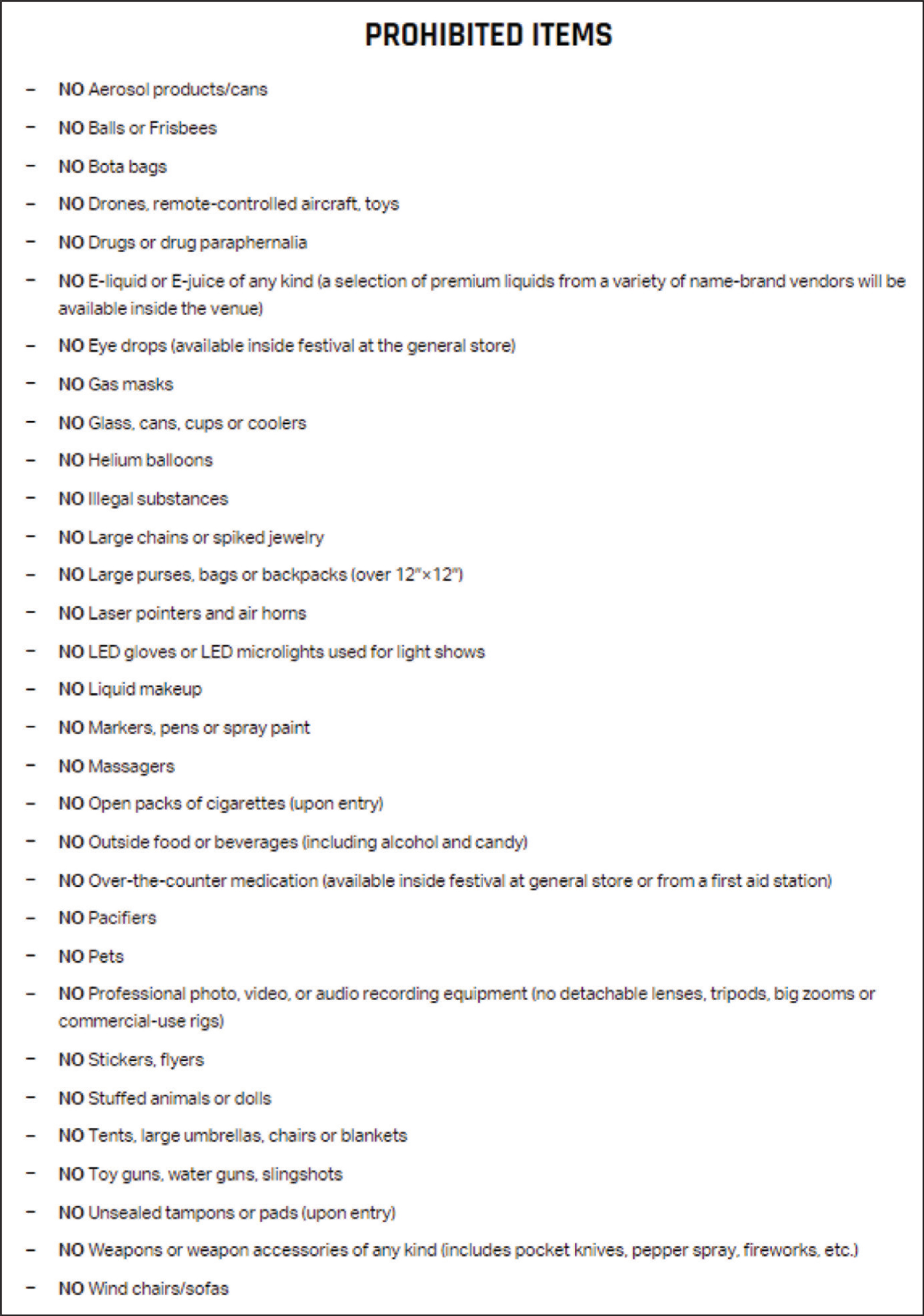
The transition from a small underground subculture, prompted by legislative efforts from public officials, into a more legitimate business enterprise came with several costs. To avoid harassment and law enforcement licensed venues would require promoters to engage in protective practices counterintuitive to EDM culture. Policies enacted included disclosing locations in advance (early on locations were released often only hours before a gathering), ticketing events, collecting taxes and other fees and banning common paraphernalia associated with the EDM subculture (pacifiers, stuffed animals, glow sticks, bright neon and baggy clothing; McCall, 2001; see Figure 1). The by-product of these reformations was not only to strip EDM subculture of some of their aura (see Benjamin, 1936/1969) but the changes in legislation and planning also foreshadow later transformations into a full-blown culture industry in the sense developed by Horkheimer and Adorno (1944/1969). Thus, the politically dissident strategies of resistance, that characterized the early EDM subculture, became their undoing as the liberating aspects of these tools became reconfigured for use by agents of mass marketing.
Literature Review
Perhaps one of the most contested areas within cultural sociology is the field of subcultures—methodologically, theoretically and the use of the term itself (Blackman, 2005). Critics argue the term subculture reifies and marginalizes the status of the group as not normal (like that of ‘deviance’; Kitsuse, 1975; Liazos, 1972). These critics argue that labelling theorists have imputed their own values to the groups they study (Mills, 1943; Thio, 1973). So, while labelling theorists saw their position as humanizing marginalized groups, they may have in fact further perpetuated their deviant identity (Becker, 1963). A second criticism raised against the term subculture is that it lacks analytical usefulness due to overutilization (Fine & Kleinman, 1979; Yinger, 1960). To resolve this concern, some theorists have argued for the development of the term ‘contraculture’ or ‘counterculture’, to differentiate between groups who actively resist the values of the dominant culture and those who do not (Yinger, 1960). The argument here is that the term subculture implies labelling from the outside, whereas contraculture or counterculture implies active resistance on the part of group members themselves.
Despite criticisms surrounding the term, many scholars still advocate for the continued utility of the term subculture (Blackman, 2005; Hodkinson, 2002). As Blackman (2005) notes, much of this more recent scholarship builds upon the symbolic interactionist tradition, citing Howard Becker’s (1963) Outsiders as the basis for their own work. As such, the emphasis is on the importance outsiders play in the creation of subcultures. Contemporary proponents of the term view subcultures as historical ongoing achievements in which the group is maintained by notions of authenticity, identity and resistance. They also borrow notions advanced by the Centre for Contemporary Cultural Studies (CCCS) as to the importance that larger historical forces play in creating culture (see Dickens, 1994b; Hebdige, 1979). As they note styles in dress, music, ritual and argot are all important elements for establishing subcultures (see Cohen, 1972).
New social movement (NSM) theory operates under the assumption that modern social movements focus on identity politics rather than more overt political organizing strategies that were characteristics of social movements up until the 1960s (Melucci, 1980). Youth and post-subcultural theorists have raised similar concerns, wishing to de-emphasize resistance in favour of a cultural populist approach (see McGuigan, 1992). NSM theorists also hold this notion, as both sets of theorists examine how resistance has been problematized due to the role of the state, late-stage capitalism and the joining of cultural, political and economic spheres (Held, 1980). Those who align with critical theories have been in search of new modes of emancipatory politics (Kellner, 1989). Yet while all three bodies of literature focus on changing notions of resistance, their writings remain theoretically based and lack specific examinations into the issue.
The notion of the culture industry, as established by Horkheimer and Adorno (1944/1969) is that standardized and pseudo-individualized culture commodifies autonomous areas of life, particularly in the form of mass production of art, music and culture. While there has always been some degree of commodification of art, the development of a culture industry shaped this commodification into a for-profit model (Horkheimer & Adorno, 1944/1969; Marcuse, 1964, 1937/1968). Similarly, Debord (1967/1994) developed the notion of ‘the spectacle’. Like Horkheimer and Adorno (1944/1969), Debord saw the undermining of critical art via commodification and corporatization. However, Debord also suggested that the spectacle could be subversive, making it a form of resistance by encoding new meanings into media (Debord & Wolman, 1956). 3 This is not purely theoretical. Adbusters, a group that appropriates popular advertising campaigns by altering them to highlight the ironies of consumer culture (Lasn, 1999). 4 Others have tried to conceptualize how to harness technology and public spaces to create a community or cause viewers to be more critical of their surroundings. Thus, these two theories still allow for some agency and resistance and do not see people as merely passive consumers. Moreover, these ideas share, in part, some resonance with the work of the CCCS, and particularly the work of Hebdige (1979), which also emphasizes the role of commodification of culture—especially in how cultural objects change from resistance to a commodified form.
Fox and Krier (2008) note that Debord’s notion of the spectacle and the Frankfurt School’s ideas on the culture are intertwined. Theorization associated with the Frankfurt School is tied to the idea that late-stage capitalism has encroached upon more private areas of life, and this transformation is based on rationalization. However, like Fox and Krier (2008) argue, the complexity of the systems designed to diminish creative thought and resistance also opens them up to new possibilities of resistance and destabilization from subversive groups. This is not unlike interpretations of Benjamin’s (1936/1969) work which saw new emerging modes of production as sowing the seeds of their own destruction. Yet aside from few exceptions (see Gottdiener et al., 1999), these investigations are overwhelmingly theoretical, lacking empirical data to support them (Fox & Krier, 2008).
Both the Frankfurt School’s approach to the culture industry and Debord’s notion of the spectacle have been criticized as being overly deterministic while also lacking a conceptualization that includes the full diversity of contemporary cultural movements. Other critics have also pointed out that the Frankfurt School’s approach is based on an elitist model of culture that deems whatever the theorist dislikes as bad for society (Gans, 1974/1999). But Adorno and Debord’s later work attempted to rectify these problems (see Adorno & Rabinbach, 1967/1975) by searching for a dialectical process between resistance, submission, exchange and commodification, allowing for a more expansive view of the culture industries and the roles individuals can play in them. This is not unlike theoretical ideas advanced by the work of the CCCS (Dickens, 1994b, 1996).
Recent critical theorists place emphasis on how society appropriates subversive groups through inclusion, turning resistance against itself, pointing out that forms of control are far less visible due to operating on a cultural level (Frank, 1997; Marcuse, 1964; Piccone, 1978; Zizek, 1997). Domination, they argue, occurs through indirect cultural colonization masking its true origins making it harder to see (see Habermas, 1987). Marcuse (1964) anticipated these arguments, arguing that while art and culture are significant for social change, they cannot serve as a causal force. Rather, they contain the tools for potential liberation (Kellner, 1989).
EDM culture serves as a prime example of how subcultures become commodified through its history of transformation in response to legislation. Yet studies of EDM have downplayed cultural commodification, choosing to focus on the particularity of member interactions (Bennett, 1999; St. John, 2003), making their approaches overly celebratory of the culture. Tammy Anderson’s (2009) research on the Philadelphia EDM subculture is a fine exception, however, because of the time period in which she conducted her work she was unable to see the billion-dollar enterprise and massive attention that EDM would receive. Soon after she finished her research, the EDM culture went through a reconfiguration from a small cottage industry into a corporate billion-dollar industry, something missed merely by a bit of bad timing.
Methods
This article is part of a larger multi-sited qualitative research study utilizing a multiple methods framework including in-depth interviews with approximately 50 fans, promoters and DJs; participant observation at dozens of EDM events from 2010 to 2015; historically oriented content analysis of 300 documents produced on and about the EDM subculture. By analysing documents and interviews in a historical manner, it is possible to show how accounts of the EDM scene have changed over time. We looked for patterns to show how the EDM subculture had changed over time and looked for themes that illustrated aspects of the culture industry, subcultural resistance strategies and ways in which they used exaggerated features to create a spectacle of either resistance or consumption.
This article attempts to answer the following questions:
Historically, how has the EDM movement utilized its aesthetic features (the spectacle) as a mode of resistance? How does the EDM movement deepen our understanding of resistance for contemporary social movements? How does the EDM scene inform a theoretical understanding of the culture industry and the spectacle?
The first question is answerable through a historical analysis of how members of the EDM scene use aesthetic features (the spectacle) to produce resistance strategies. This shows the problem of maintaining resistance in social movements over long periods of time. The second question allows for a contribution to NSM theories by looking at how the notion of resistance evolves. Combined, these help to answer the third question, showing how the cultural perspectives of the Frankfurt School and French situation international overlap to add more depth to both schools of thought and uncover new ways of thinking about resistance under late capitalism.
Findings
Central to the establishment of the EDM subculture was new developments in computer technologies, enabling musicians to break the conventions associated with more well-established music genres. This radically differs from the findings of theorists at the time, who suggested technological developments would replace art (Edelman, 1995), rather the technological change became the art itself. EDM allowed for aspiring musicians to play original works, predominantly on synthesizers or to remix previous works incorporating new rhythms and sounds. While some EDM artists were employed by venues, the genre remained relatively underground, in part due to a backlash against dance music. This backlash resulted in a demand to find new spaces to showcase music, often leading to a reliance on underground clubs (including gay and African American dance clubs) or appropriating (often illegally) warehouse spaces (Reynolds, 1999).
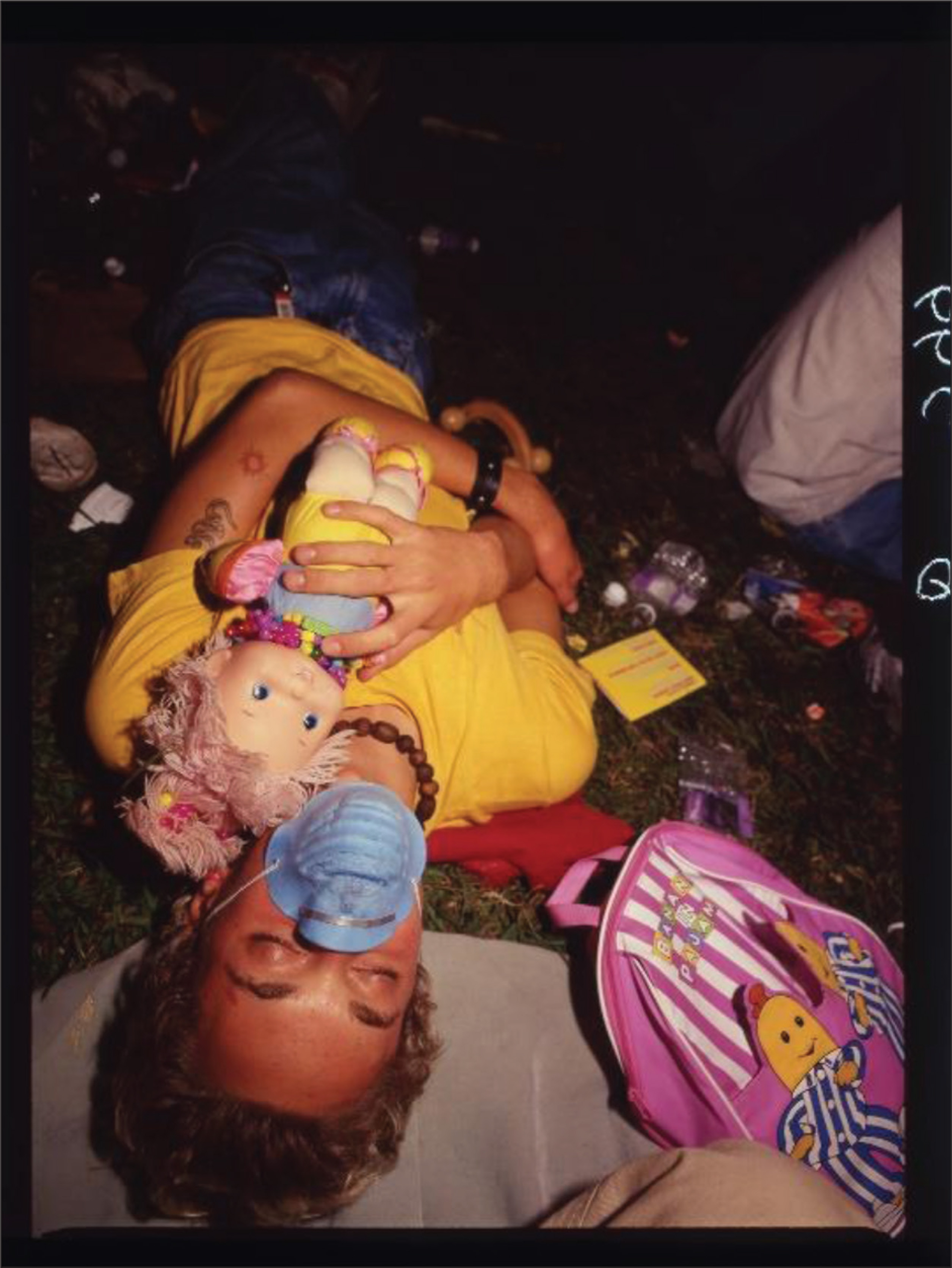
This new way of showcasing performances gave birth to EDM subculture, which incorporated visuals (through the use of new technologies), elaborate stage setups and non-musical performances (i.e., fire dancers, costumed characters, magicians and even a gospel choir). Participants often wore bright coloured clothes, handmade plastic bracelets, stuffed animals and pacifiers. At the time of its emergence in the late 1980s, the United States has begun placing a heavy emphasis on curfew laws, the war on drugs and a focus on success being determined by economic gain. In order to resist this, EDM embraced a culture based in hedonism and excess. By incorporating elements of pastiche, montage and spectacle, the EDM scene could disrupt the dominant social norms. If the dominant society could be characterized as bland, tightly organized and overly formal, then the EDM scene could be characterized as colourful, disorderly and playful—a direct contrast to the world around them, and for these reasons a form of resistance.
EDM’s reliance on unconventional spaces such as abandoned warehouses would influence the unconventional styles associated with EDM (see Figure 2). This style would attract law enforcement’s attention. As one early Midwestern EDM promoter recalled:
Once the law enforcement agencies started getting involved and events were held in clubs and bars You would have to have dance permits. The whole thing was absurd. Would old people be arrested if they did polka in an unlicensed venue? For us, it meant the cops could, and did shut us down. Later on in Chicago, certain venues would be closed if people were found dancing. They tried to do this thing where they had dance hall permits and live music venue police. (45 M, Promoter)
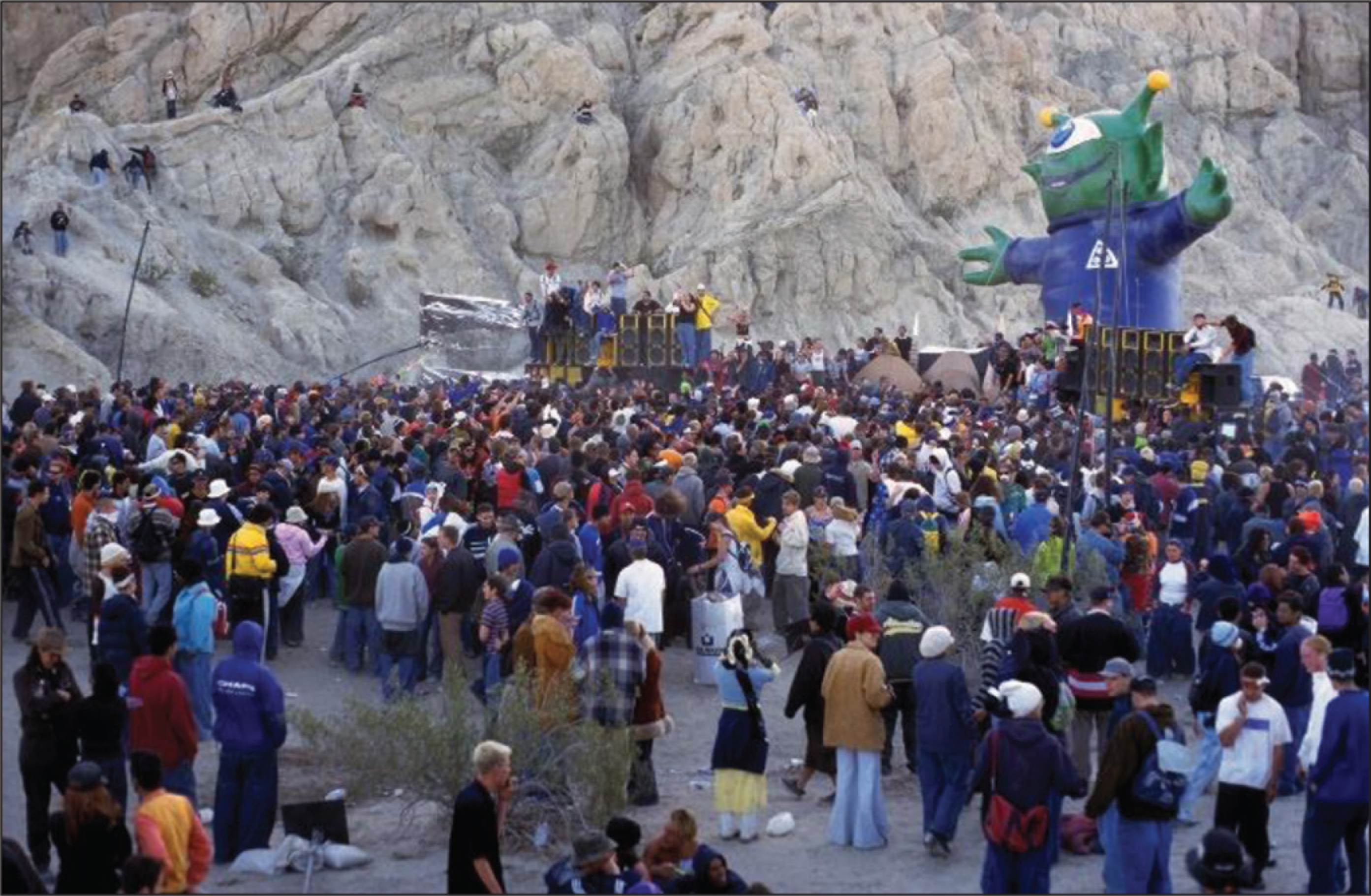
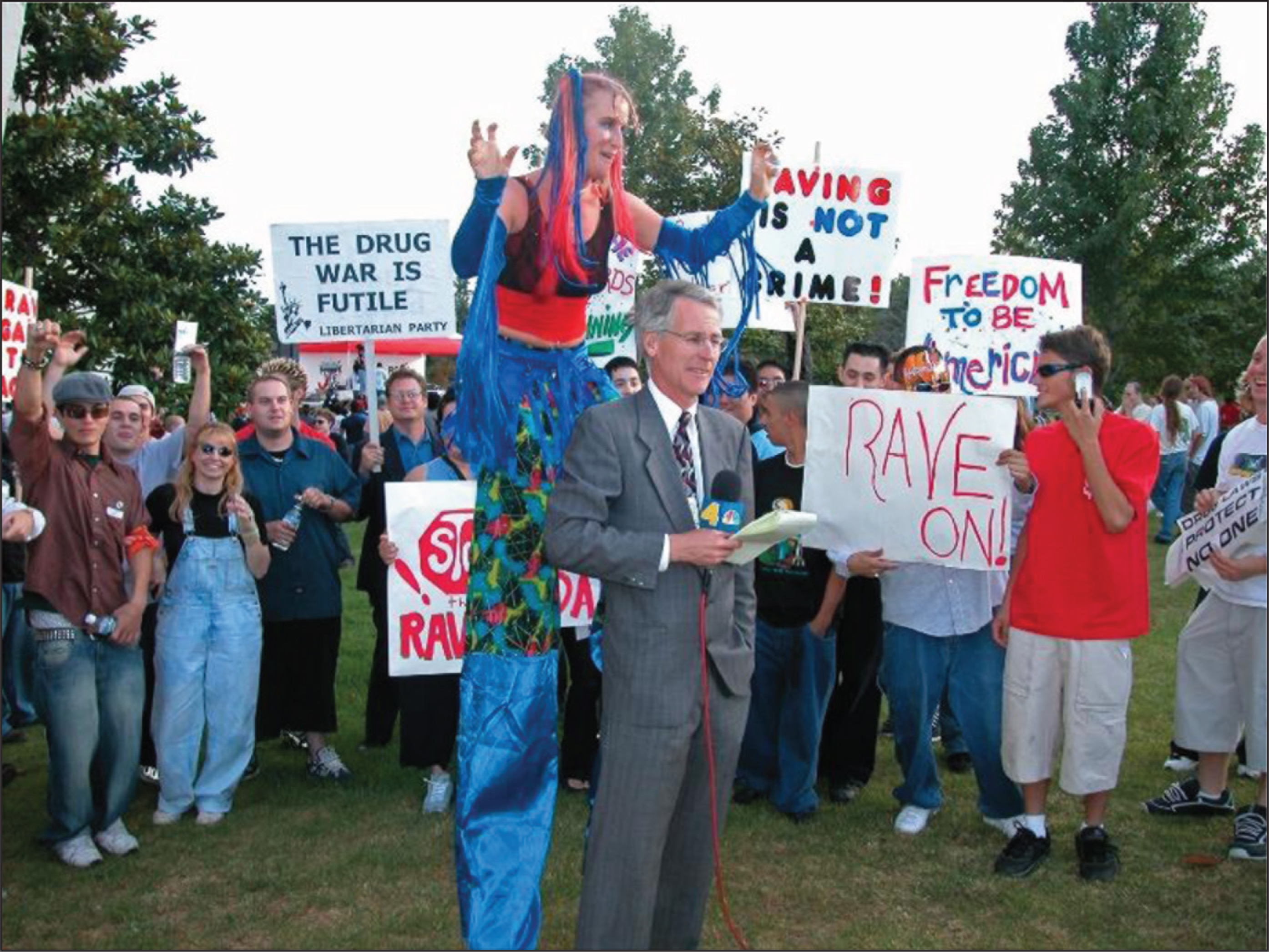
The fact that the promoter pointed out legislation, framing it almost discriminatory, as the key problem shows the impact of attempts by the US government to interfere with the EDM subculture. These frustrations can be tied to the RAVE Act, which slowly evolved into a mythos of EDM subculture retold by many of the participants we interviewed. 5 Adherents to the EDM subculture would eventually organize and respond. With help from the American Civil Liberties Union (ACLU), the EDM subculture created the electronic music defence fund—a fund created to aid promoters who found themselves targets from public officials. As such, EDM fans formed a quasi-national or interlocking protest. While defendants (such as Disco Donnie Estopinal a leading EDM promoter), and fans like those in Figure 3, would challenge the RAVE Act on the basis of freedom of speech, a plea deal was reached between him and the FBI forbade him from allowing the use of iconic paraphernalia at his events (Ahrens, 2013; Anderson, 2014).
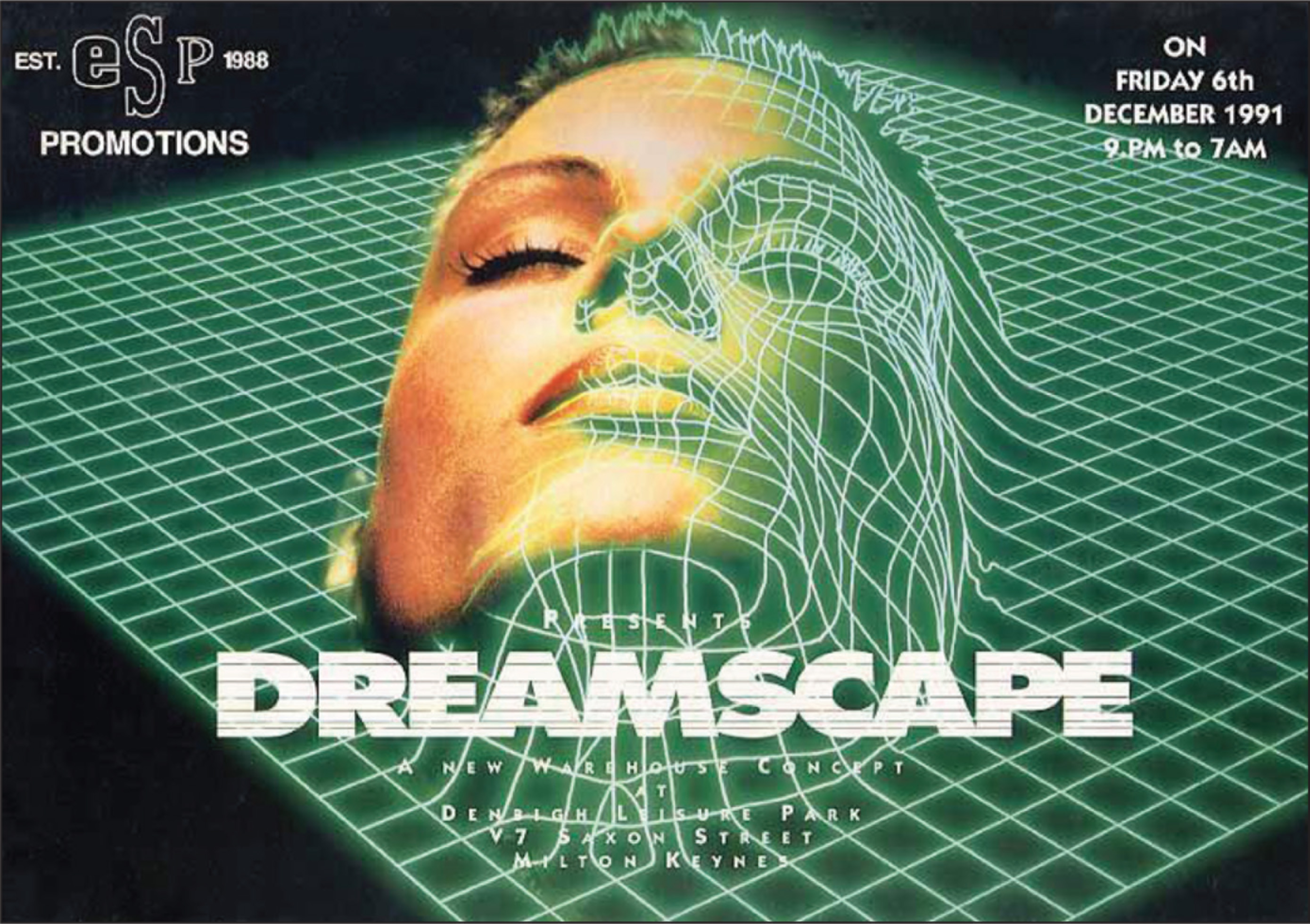
The subcultural values articulated by members as PLUR, also came to be challenged as promoters were forced to comply with these new rules. The values of PLUR, the subcultural symbols of childhood and aspects of techno-futurism (described earlier) blended together. The resulting creation was a music subculture oriented towards the embracing of a futuristic utopia envisioned by its founders (Anderson, 2009; Reynolds, 1999). Some of these ideas and embeddedness are illustrated in advertisements for subcultural events like those in Figures 4 and 5. What the EDM subculture did then was to produce a series of challenges for the established social order. While mainstream culture emphasized hard work, material success and being serious, the rave subculture stressed being playful, emphasized letting go of inhibitions and responsibilities and an appreciation for the sensuous (McCall, 2001; Reynolds, 1999). More specifically, the EDM subculture challenged the system by emphasizing hedonism via dance parties occurring late at night, drinking and drugs, breaking copyright laws through the sampling of others’ music, holding unlicensed parties, holding events in spaces without permission and generally circumventing the normal channels of society. Collectively, these features, which were at the centre of the subculture, led the perception by outsiders that the subculture consisted of deviant members.
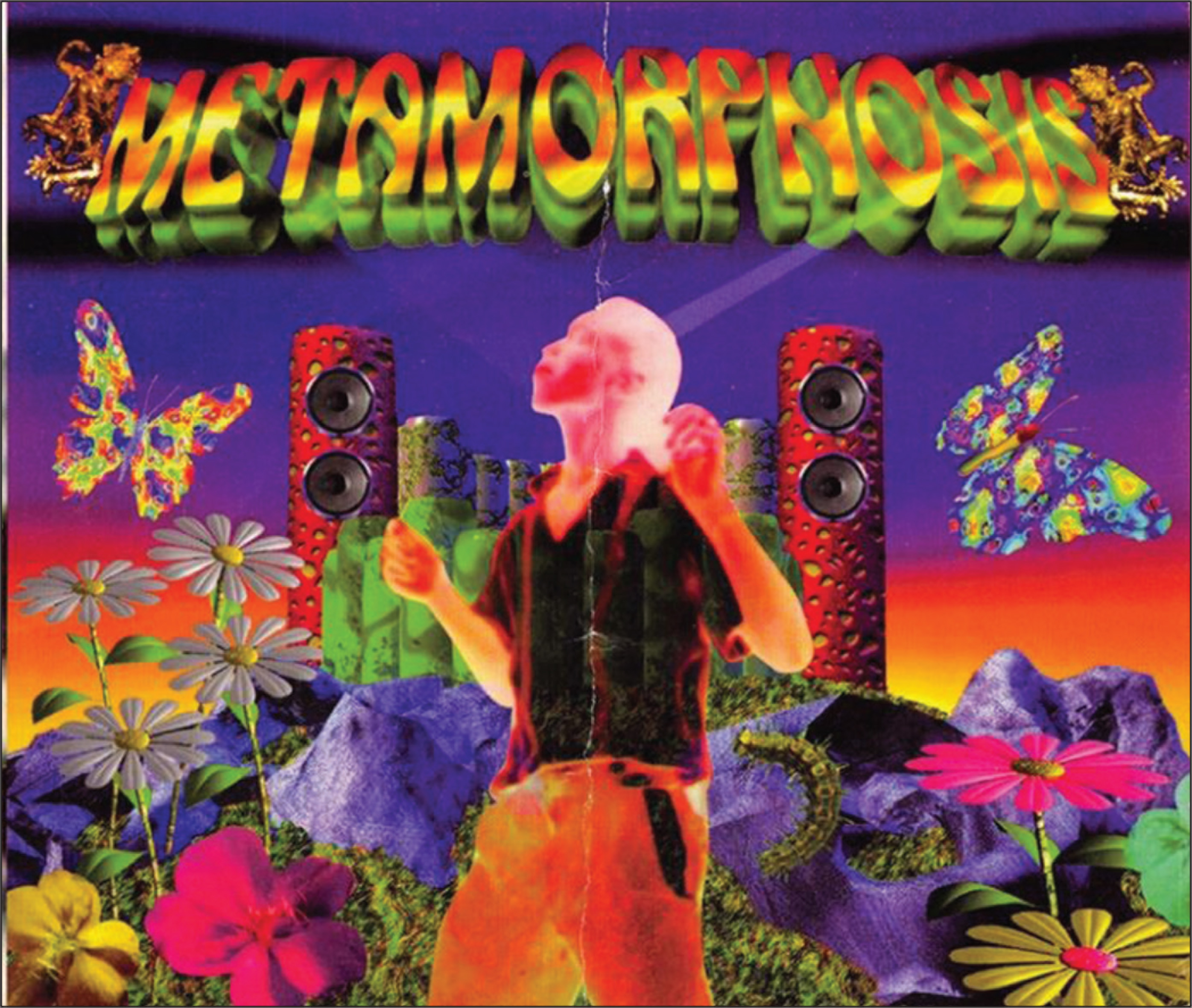
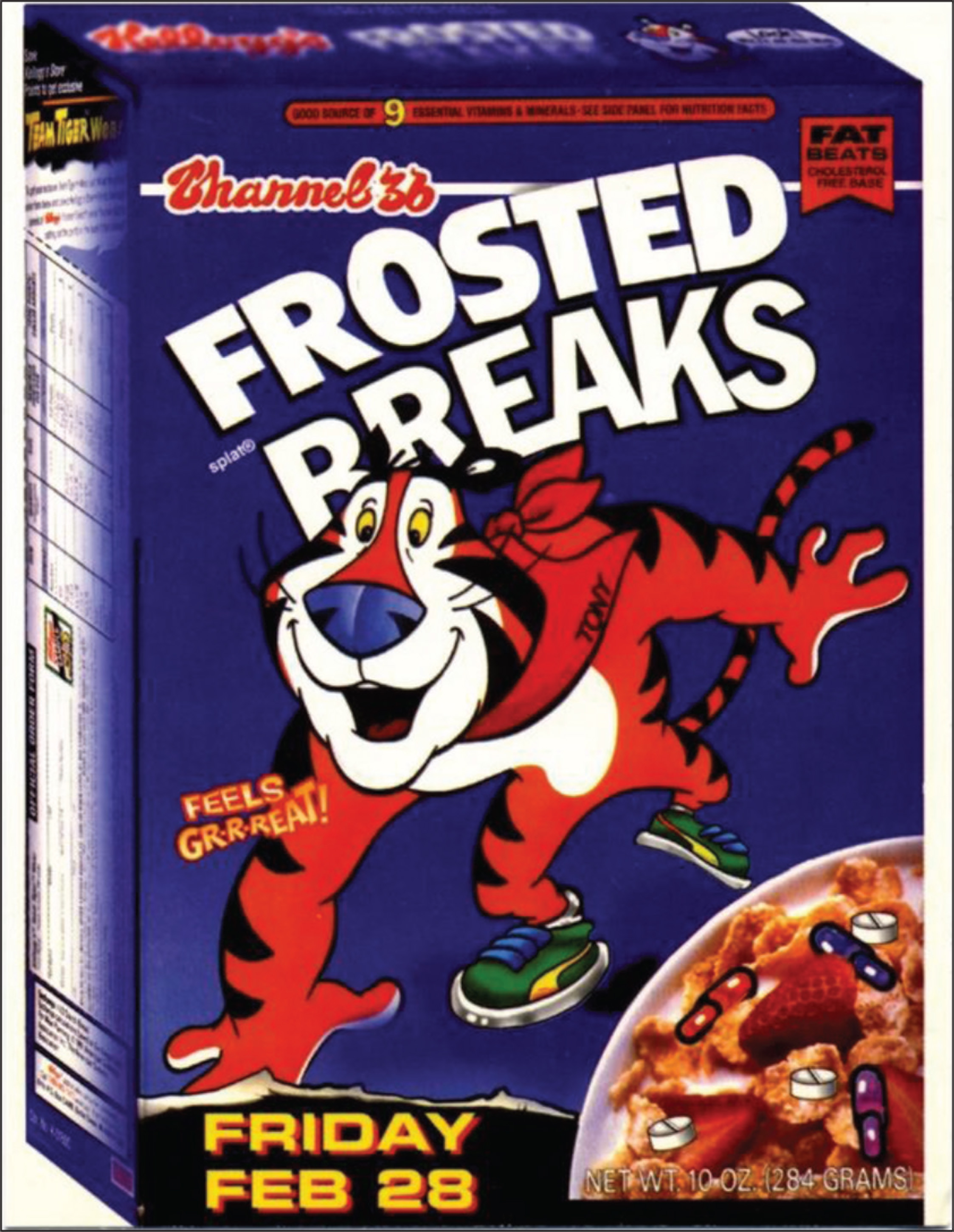
EDM culture also utilized the spectacle through the advertising they produced for their events, many of which emphasized parodying mass culture and subverting the original advertisements. Figure 1 is an EDM event ad showing how promoters would repurpose images from popular culture and put it to their own use. EDM flyers did not always include event locations, relying on promoters provided with ‘info lines’ to tell individuals when and where events were when they received the flyers. This secrecy helped to not only build a more solid community through reliance on word of mouth but also avoid law enforcement who would shut down EDM events (Matos, 2015). Finding EDM events would also regularly involve the use of password and secret locations (Ott & Herman, 2003), making the search for EDM events a journey in itself, akin to Debord’s idea of detournement—a challenge to routinized or ‘acceptable’ ways of doing things and thereby embedding the cultural practice with more meaning (Debord & Wolman, 1956). By producing events this way outsiders were prevented from infringing on subculture spaces—in short, it was a way the subculture marked those who were ‘hip’ and those ‘square’ (see Becker, 1963).
Not only were notions of the spectacle used to mystify the notions of EDM events but they were also used as a tool of resistance, particularly through the lens of television coverage. The notion of a spectacle relies on viewers accepting the images presented to them as truth. The tabloid reports surrounding EDM events and the sensationalized media accounts created moral panics (see Cohen, 1972), disparaging the community but also creating a sense of unification for members. Much of this media coverage focused on drug use, all-night partying and other activities that have regularly been used to negatively stereotype subcultures (Hier, 2002). The participants interviewed in this study who were active in the 1990s noted that this gave them a sense that their activities were political and purposeful—even if only out of teenage angst. At the same time, the sensationalism would also be an asset to the EDM scene, exposing their political messages and attracting more members. Promoters would often invite ‘investigative journalists’ into their events in order to promote the subcultural values in an effort to turn these attacks against their aggressors.
Political spectacles do not only garner attention but also resistance to their endeavours as well. Larger political forces take these aspects of spectacles, treat them as facts and use them to generate new spectacles for the sake of enforcement (Edelman, 1988, 1995). The media coverage of EDM events leads to more active efforts to curtail the scene. Police began attempting to shut down events as legislation was drafted to criminalize them. The RAVE Act was one attempt to legislatively outlaw EDM events, though it was more successful in making fans more devoted to the subculture (Hier, 2002). However, the RAVE Act of 2002 did place pressure on promoters, further forcing them to skirt the law. For promoters such as James D. Estpoinal (known as ‘Disco Donnie’), the message was clear either they become legitimate enterprises or face legal consequences (Diettinger, 2004; Matos, 2015).
Some of the ways EDM promoters explained to me how they achieved this was by partnering with licensed nightclubs and hiring security personnel to enforce payment and prevent substance abuse. While these may seem relatively benign, they were the beginning of the erosion of EDM’s culture (Anderson, 2009, 2014). Moreover, as one Australian promoter discussed with us in an interview:
EDM was really about connecting, getting people to connect, and connecting with other people. You might not be able to hear a word they are saying, but you are connected on a totally different level. Predominantly, people at nightclubs are like ‘hey, that bitch is hot. I want to talk to her’. That is not how people acted at an EDM event. Also, the cops were freaking out because there would be people lined up down the block, and there would be like guys sitting massaging some other dude, another guy sitting and massaging a girl. So, they are all massaging each other. This was not typical partying, so they assumed that there is something illegal going on, but they are not sure what it is. (Male, 45, Promoter)
Moreover, the inclusion and enforcement of rules limited the free expression spirit that characterized early EDM events. Creativity, experimentation and freedom were all values held in high regard within the early EDM scene. However, some promoters used the ignorance of public officials as a way to allow for some preservation of the EDM spirit and allow for some spontaneity to exist and to actively ignore some ‘problematic’ behaviours (see Reynolds, 1999). 6 Because EDM promoters would often serve as the shield between members of the subculture and law enforcement, they held the power to further cultivate the scene in way that would allow it to grow, while also make active attempts to curtail some of its more iconic aspects, a protectionist approach that spearheaded the effort to make EDM a culture industry.
Persuaded by the promise of alcohol sales through bar guarantees7 EDM promoters, of the late 1990s and early 2000s, convinced nightclubs to host their events as opposed to the warehouses of old. In the process, promoters would find financial success through ticket sales, the literal cost of shielding the subculture from police and providing legitimacy. In order to meet the profit goals set by bar guarantees, water would be sold at higher rates than alcohol, something that was doubly exploitative as water was necessary to prevent dehydration from the common use of ecstasy. The move to legitimate spaces also expanded the importance of visual aesthetics. Nightclubs had greater access to video projection technology allowing for events to place more emphasis on DJs than interactions among participants. This too contributed to the creation of a culture industry through a second form of professionalization, the creation of superstar DJs (Brewster & Broughton, 2014). Combined, these two forms of professionalization provide contrasting developments regarding Debord’s spectacle. While alcohol consumption expanded, something which Debord saw as a sign of the success of the spectacle, the individualistic focus on DJs contradicts his key points of emphasis (Ott & Herman, 2003). DJs, once anonymous became the central figures of EDM events, seeking fame as opposed to a commitment to subcultural community development.
During the late 1990s and the early 2000s promoters and artists, we interviewed for this study talked about the introduction of ‘top 40 house’. One of the promoters I talked with said the following:
Respondent: The club I opened was for those in the scene. Back in those days, it was our club versus T street which was playing circuit house and top 40 hours. Interviewer: What do you mean by top 40 house? Respondent: Top 40 house is when you take a song from a well-known artist such as Britney Spears, Madonna, or you know one of those big names and you remix it. They would not even remove most of the vocals. I mean it is basically the same song with just a little influence from the scene to make it seem cool or edgy. It is also when a well-known artist makes a song to just capitalize and sell out. You know play what is popular. Tiesto is a good example of this. (Male, 37, Club Owner)
Or as this DJ said:
When I DJ, I do not want to play the same old stuff. I mean any DJ will tell you they have their tracks that are ‘hot buttons’ meant to get any dancefloor started. But, when I am on the decks I am like ‘fuck that shit motherfucker I am here to play new music and if you do not wanna dance that is your problem’. I mean hell I am pushing 50 and I am ready to see something new. The difference between a good DJ and a bad DJ is one knows how to make you move to anything and the other just plays for the crowd. (Female, 50, DJ)
With EDM rising in popularity, ironically due to the sensationalized media accounts and involvement from public officials, enthusiasts talked about the difficulty in distinguishing between ‘authentically produced’ EDM subculture events and those more corporately organized (see Anderson, 2009). Others we spoke with also talked about the lack of creativity in events or in subversive marketing strategies such as this former representative for a firm contracted with a tobacco manufacturer:
Let me get one thing straight, for the record, I did not work for X Cigarettes [in 2008–2010]. I worked for Rockhead Promotions who was contracted with them to produce events. Looking back on it I mean those were fun days. But, to your question what they hired us to do was produce, subversively, events that would make them look cool. We would do things like pass out tickets and not do any other advertising. The flyer was basically the ticket. But the event had to be branded in a way that made sense. A lot of time the events we produced could not even mention the headliner. This one time we were hired to produce an EDM event and we went round and round on what DJ to book. They settled on Tommie Sunshine because other DJs had names like Starkillers which the tobacco company was trying to distance themselves from ANYTHING negative. I know it seems like a small thing but this is what happens. He gets book then his agent starts jacking up his fees which means the real promoters cannot afford to have him play. More than that let us say they try to book him well now he is overplayed and would not draw worth shit. As a scene promoter, you have a lot on your plate the law, paying the talent, and being authentic to whatever it is you are trying to do. But the biggest problem that this created was it dislocated the purpose of the scene from the events themselves. The cigarette, liquor, and car companies like Scion were all taking out the political foundations of the scene in order to fuse car owners and music enthusiasts into one market that they could profit from. It became so cool that they no longer needed us and we were all let go immediately. (Male, EDM Promoter, 47)
With the diminution of the subversive side of EDM culture kept in check, commercialization gained prominence elsewhere. The logic of scene participation shifted from being a member of the scene to being seen as participating in the subculture. Record labels, both those associated with independent production, and major industrial labels began releasing EDM under the title of ‘electronica’. Venues, not content with liquor sales sold VIP spaces which provided individuals with a more comfortable space in an otherwise crowded venue. Cultural artefacts such as clothing became mass-produced and marketed. These changes are noticeable in EDM flyers which now feature corporate logos prominently as part of the organizers of events. These new advertisements were not a source of moral panic but rather a sign of economic utility celebrated by dominant cultural groups.
These findings suggest that this once deviant subculture exists today, albeit reconfigured thorough formalization, as a culture industry. Whereas promoters were initially forced to go to licensed venues with established rules due to coercion from law enforcement, today promoters freely enact rules like those in Figure 6 in order to make their events more bureaucratically organized. These rules prohibit items, often holding cultural significance, as well as those associated with drug use, erasing the cultural signifiers—like those in Figure 7. These rules have been accompanied by a rise in security forces including law enforcement agencies which are now commonplace for attendees. Moreover, whereas early EDM event performances were arranged for free or no cost, today DJs and other performers enter into lengthy contracts ensuring a standardized and efficiently organized exchange of services. Indeed, many of the booking agents we interviewed discussed with us the nuisance of having promoters ask for exceptions to the highly detailed contracts they send out.
Discussion
We argue that the EDM subculture problematizes the concept of resistance in capitalist societies, showing how said resistance is regulated and subjected to the forces of the culture industry. This advances NSM theorists’ observations about how resistance can become co-opted using culture and identity politics (see Buechler, 2000). Yet this study shows that not only culture and identity but also style, particularly in the forms of subversive features, is controllable by outsiders to negate their initial intentions. This study also applies to other marginalized groups showing how their cultural identities can be hijacked through semiotic guerrilla warfare (see Hebdige, 1979). Chasin (2000), for example, recounts gay and lesbian movements undergoing a similar process in the fight for equal rights, with rights won through leaders’ arguing for their important role as a consumer market. Similarly, as EDM became commodified and provided economic benefits, it became less alien to dominant cultures.
A later point made by Adorno and Rabinbach (1975) was that culture industries rarely create their own products and colonize earlier forms of art for mass audiences instead. As EDM subculture moved toward becoming a culture industry the minor semblances of resistance that made it once attractive became what Horkheimer and Adorno (1944/1969) referred to as pseudo-individualization—which are the superficial features that provide consumers with an ‘authentic’ experience. EDM promoters did this by claiming their events are continuations of an earlier, more autonomous culture based on the similarities in music style and event aesthetics, retaining some capacity for resistance but to a much less prominent degree.
Part of the reason that the concepts of the culture industry and the spectacle complement each other so well is that they situate modern culture and point to similar developments that make culture more easily transmittable and producible. While critics portray both concepts as overly deterministic, this is overexaggerated. It is possible to conceptualize both theories as social processes filled with nuance rather than as static structural occurrences. By utilizing a process-based conceptualization, we can better understand the role that individuals play in Debord’s theoretical framework and that employed by the Frankfurt School. Both Debord and Adorno saw some resistance preserved in both the spectacle and the culture industry. However, as we have shown here, with the EDM subculture, individuals must continue to increase the degree to which they resist the co-opting forces of outsiders as they grow.
Conclusion
This article shows how the complexities of resistance, showing how the EDM subculture became noticeable to outsiders who wished to condemn them or profit from their innovations. This is similar to how the notions of ‘hip’ and ‘cool’ of the 1960s, or the style of punk (see Hebdige, 1979), have been colonized (see Frank, 1997; Habermas, 1987), as their meanings became ways to make corporate products more marketable. Similarly, we add to this by showing how the concepts of the spectacle and the culture industry are fluid social processes rather than static ones, thereby answering some of the critiques advanced by others. In order to enact change, resistance must be continuously and consciously enacted. Playfulness, as a resistance strategy, like any other technique, has its limits and requires those directing it to do so with purpose. This study of the EDM scene shows how irony, playfulness and other ‘flashy’ resistance tactics lose their ability to be critical when their political purpose is downplayed.
Moreover, we have tried to highlight the role of human agency by showing the role that ‘powerful’ actors played in this process of change. In the case of EDM, promoters facing pressure from law enforcement and other public officials were forced to restrict politically dissident symbols of resistance at EDM gatherings. Faced with a difficult decision, they became part of the process which has undermined the core values of the subculture. It would seem as though EDM promoters have been fully encapsulated into ‘the society of the spectacle’ as agents of ‘the culture industry’ whose initial goal to preserve the EDM subculture has resulted in the realignment of their values.
While most of the individuals we interviewed noted that notions of authenticity had shifted away from the values of PLUR, others attempted to maintain these notions in small personal ways through the practice of identity politics. However, we did see smaller grassroots initiatives emerging which helped draw minimal attention to the environmental footprint left by EDM festivals. But these initiatives were minimal in both their participation and effect. Future research should examine some of these grassroots organized initiatives and monitor them for their successfulness. Additionally, such studies may find an effective starting point to be the changes in style, cultural memory and practices that may differ today as compared to when the scene first emerged. Even still, as Marcuse (1937/1968) has pointed out elsewhere, art can only preserve elements of resistance but it is only rough direct action that change is possible (Kellner, 1989; Morozov, 2014). By way of immanent critique (see Antonio, 1981), resistance may lie in the participants of the EDM subculture pointing out the ironic fate that has befallen the subculture in order to restore it to a more politically dissident subculture.
Footnotes
Acknowledgements
Both authors would like to thank Michael Tullberg for allowing us to use his photos for this project. They can be found in the book Dancefloor Thunderstorm (Tullberg, 2014).
Declaration of Conflicting Interests
The authors declared no potential conflicts of interest with respect to the research, authorship and/or publication of this article.
Funding
The authors received no financial support for the research, authorship and/or publication of this article.