




Abstract
Practical relevance:
Since first being reported in the late 1970s, there has been a dramatic increase in the prevalence of hyperthyroidism in cats. It is now recognized worldwide as the most common feline endocrine disorder.
Patient group:
Hyperthyroidism is an important cause of morbidity in cats older than 10 years of age. It is estimated that over 10% of all senior cats will develop the disorder.
Clinical challenges:
Despite its frequency, the underlying cause(s) of this common disease is/are not known, and no one has suggested a means to prevent the disorder. Because of the multiple risk factors that have been described for feline hyperthyroidism, it is likely that more than one factor is involved in its pathogenesis. Continuous, lifelong exposure to environmental thyroid disruptor chemicals or goitrogens in food or water, acting together in an additive or synergistic manner, may first lead to euthyroid goiter and then to autonomous adenomatous hyperplasia, thyroid adenoma and hyperthyroidism.
Evidence base:
This review draws on published research studies to summarize the available evidence about the risk factors for feline hyperthyroidism. Based on the known goitrogens that may be present in the cat’s food, drinking water or environment, it proposes measures that cat owners can implement that might prevent, or reduce the prevalence of, thyroid tumors and hyperthyroidism in their cats.
Feline hyperthyroidism – a relative newcomer
Hyperthyroidism is a multisystemic disorder resulting from excessive circulating concentrations of thyroxine (T4) and triiodothyronine (T3).1–5 It develops in middle- to old-aged cats (Figure 1), with no obvious breed or sex predilection found in most epidemiologic studies.
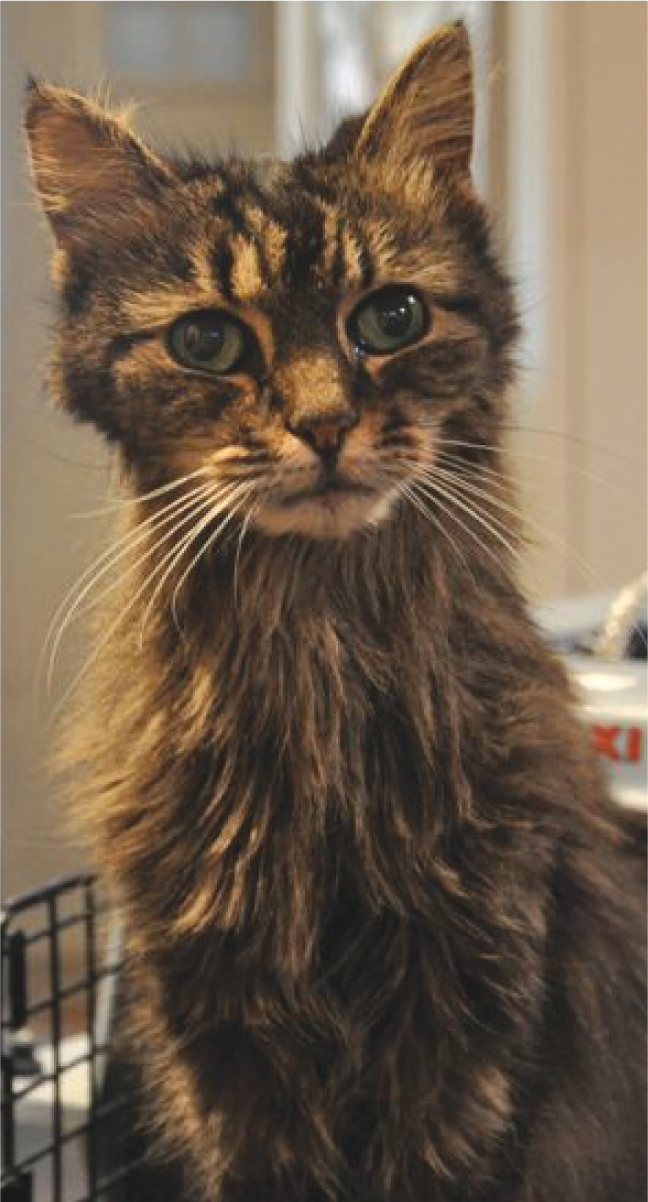
Over the past 30 years, the hyperthyroid cat has become a familiar sight in veterinary clinics around the world
Feline hyperthyroidism appears to be a relatively ‘new’ disorder, first being described in 1979. 6 Before that time, enlargement of the thyroid gland had been found at necropsy in a few cats and nodules were observed histopathologically, but these abnormalities were relatively rare and were not associated with clinical signs relating to hyperthyroidism.7,8
Since first being described in 1979, the prevalence of hyperthyroidism has steadily, but dramatically, increased.
Over the past 33 years, the prevalence of thyroidal pathologic abnormalities has steadily, but dramatically, increased. The associated state of hyperthyroidism is now accepted as being the most common feline endocrine disorder and an important cause of morbidity in middle-aged cats in the United States, Canada, United Kingdom, Continental Europe, Australia, New Zealand and Japan.4,5 Despite its frequency, the underlying cause(s) of this disorder is/are not known, so it is not clear how to prevent it.
Epidemiology of this common worldwide disorder
There is little detailed epidemiologic data concerning the true prevalence of hyperthyroidism in cats. Different studies have used different measures of disease rates, but it does appear that the prevalence shows some geographical variation.
In one 2005 study, an annualized incidence rate of 11.92% was recognized in cats older than 9 years of age at a UK primary accession practice, compared with 1.53% in Spanish practices. 9 The hospital prevalence among cats over 8 years of age in an urban population in Germany was noted as 11.4% in 2006. 10 In Japan, in 2002, a prevalence of 8.9% was reported in cats older than 9 years 11 and, in Hong Kong, in 2009, a prevalence of 3.93% was recorded in cats over 10 years of age. 12
Despite these high disease rates, hyperthyroidism was first described as recently as 1979 in New York and 1980 in Boston.6,13 Since these initial descriptions, several studies have documented marked increases in prevalence in the cat population across the world with time; for example, from 0.3% in 1979 to 4.5% in 1985 in North America; 14 from 0.1% in 1978–1982 to 2% in 1993–1997, also in North America; 15 and from 0.2% in 1987–1994 to 2.6% in 1998 in Germany. 16
Thyroid pathologic changes
Until the late 1970s, few references pertaining to pathologic abnormalities of the feline thyroid gland existed.7,8 In my own review of approximately 7000 cats that had necropsies performed at The Animal Medical Center during the 14-year period from 1970 to 1984, 17 an average of only 1.9 cats per year were found to have gross evidence of thyroid enlargement (caused by adenomatous hyperplasia, adenoma or carcinoma) in the period before 1977, when we diagnosed the first cat with hyperthyroidism. 6 Based on these pathologic studies, it does seem that feline hyperthyroidism, if it did exist at all in cats before 1970, was extremely rare.
Despite the fact that the underlying cause(s) of feline hyperthyroidism have not been clearly elucidated, the thyroid pathologic findings associated with hyperthyroidism have been well characterized. Functional thyroid adenomatous hyperplasia (or adenoma) involving one or both thyroid lobes (Figure 2) is the most common pathologic abnormality associated with hyperthyroidism in cats.7–9 Over 95% of cats have benign, adenomatous changes of the thyroid gland at the time of diagnosis. In approximately 70% of hyperthyroid cats, both thyroid lobes are enlarged, with the remaining cats having involvement of only one lobe.1,3–5 On histologic examination, these enlarged thyroid lobes contain one or more well-discernible foci of hyperplastic tissue, sometimes forming nodules ranging in diameter from <1 mm to 3 cm.2,18,19

Palpation of the thryoid to reveal a thyroid nodule in a cat with suspected hyperthyroidism
Thyroid carcinoma is a less common cause of hyperthyroidism in cats, with a prevalence of less than 5%.20–23 Recently, investigators have reported that some hyperthyroid cats may have areas of adenoma adjacent to areas of carcinoma within the same thyroid lobe on biopsy. 21 In addition, my own studies have shown that the prevalence of thyroid carcinoma in hyperthyroid cats receiving long-term methimazole treatment increases considerably over time, 22 rising to approximately 20% in cats treated for over 4 years.23,24 This suggests that, at least in some cats with long-standing hyperthyroidism, there may be transformation of thyroid adenomatous hyperplasia/adenoma to thyroid carcinoma. 21 If that is the case, the pathogenesis of thyroid adenoma and thyroid carcinoma may be identical in nature, rather than these representing two separate tumor processes.
The feline thyroid gland normally contains a subpopulation of follicular cells that have a high growth potential.18,19,25 In the thyroid gland eventually destined to develop adenomatous changes, this subpopulation of thyrocytes starts to replicate in an autonomous fashion. Once these rapidly dividing cells are present in sufficient numbers, they continue to grow in the absence of extrathyroidal stimulation (eg, from thyroid-stimulating hormone, TSH). Therefore, these thyroid adenomatous/hyperplastic cells show autonomy of thyroid growth as well as the ability to function and secrete thyroid hormone autonomously.18,19,25
Once overt hyperthyroidism develops, the adenomatous hyperplastic thyroid tissue or nodules found in these cats function and secrete thyroid hormone in an autonomous fashion. In other words, these are true thyroid neoplasms, which exhibit growth and function similar to other hyperfunctional endocrine tumors.3,8,19,25
Why do feline thyroid tumors develop in the first place?
Several epidemiologic studies have attempted to identify potential risk factors for feline hyperthyroidism, but a single dominant factor has not yet been isolated. The most likely candidate risk factors fall into two broad categories:
Nutritional deficiencies or excesses in cat food, leading to metabolic thyroid dysfunction;
Thyroid-disrupting compounds present in the environment, drinking water or diet that interfere with thyroid hormone control pathways and lead to thyroid gland pathology and dysfunction.
Nutritional deficiencies or excesses
The feeding of commercially prepared cat foods is one leading candidate as a major risk factor for development of thyroid pathology and hyperthyroidism in cats.
In support of this statement, all epidemiologic studies reported to date have identified that feeding an increased proportion of canned cat food in the diet is a risk factor for developing hyperthyroidism.14,15,26–31 One of these studies suggested that particular flavors of canned food (fish, liver and giblets) may be involved, 27 and another incriminated cans with plastic linings in easy-open (pop-top) lids, 15 which may contain the thyroid disruptor chemical bisphenol A (BPA, see later). Soy isoflavones, well-known goitrogens, are also present in most dry cat foods.32,33 Finally, iodine excess or deficiency certainly may play a role in the increased risk associated with eating more commercially prepared cat food.3,28,34
Soy isoflavones
Polyphenolic soy isoflavones, namely genistein and daidzein, are commonly used as dietary supplements and as a low-cost source of protein, despite the negative effects of soy isoflavones on the pituitary–thyroid axis having been well described in both human subjects and experimental animals. Studies in rats revealed a clear cause–effect relationship between soy consumption and goitrogenesis.35,36 Hypothyroidism and goiter have also been well characterized in infants fed non-iodized soy-based formula.37–39
Experimental evidence for goiter formation in cats fed high amounts of soy isoflavones has not been reported. However, soy isoflavones, in particular genistein and daidzein, were identified in 60–75% of the cat foods tested in two studies.32,33 Virtually all dry and semi-moist foods containing soy protein have high isoflavone content, adequate to interfere with thyroid function and decrease the synthesis of thyroid hormones. Although a higher percentage of dry diets contain measurable isoflavones, these compounds are also found in about 60% of moist cat diets. 33

There are at least two different levels at which soy isoflavones can interact with the thyroid hormone system to lead to goiter and hypothyroidism.39–41 Firstly, soy isoflavones inhibit the activity of thyroid peroxidase,40–42 a key enzyme in the synthesis of thyroid hormones, which liberates iodine for addition onto thyroglobulin for production of T4 and T3 (Figure 3 and Table 1). They also inhibit 5’-deiodinase activity, the enzyme that converts total T4 into the biologically active T3. 42 By blocking the production of thyroid hormones, pituitary TSH secretion would be increased, leading to thyroid hyperplasia and possibly goiter (Figure 4). With increased numbers of hyperplastic cells, serum T4 and T3 concentrations may normalize.

Thyroid hormone regulation, action and metabolism
Effects and mechanism of action of iodine deficiency and thyroid hormone disruptors
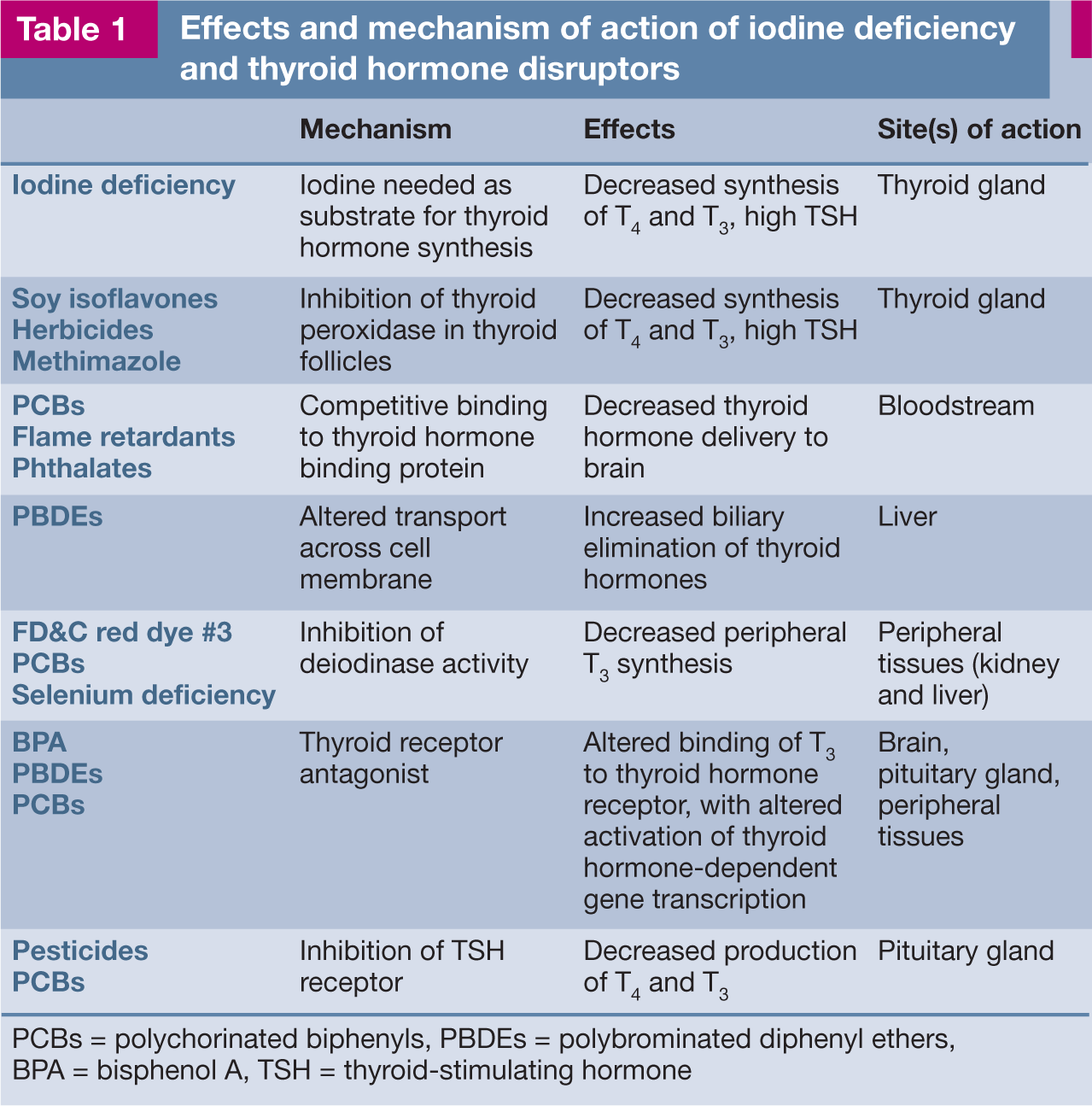
PCBs = polychorinated biphenyls, PBDEs = polybrominated diphenyl ethers, BPA = bisphenol A, TSH = thyroid-stimulating hormone
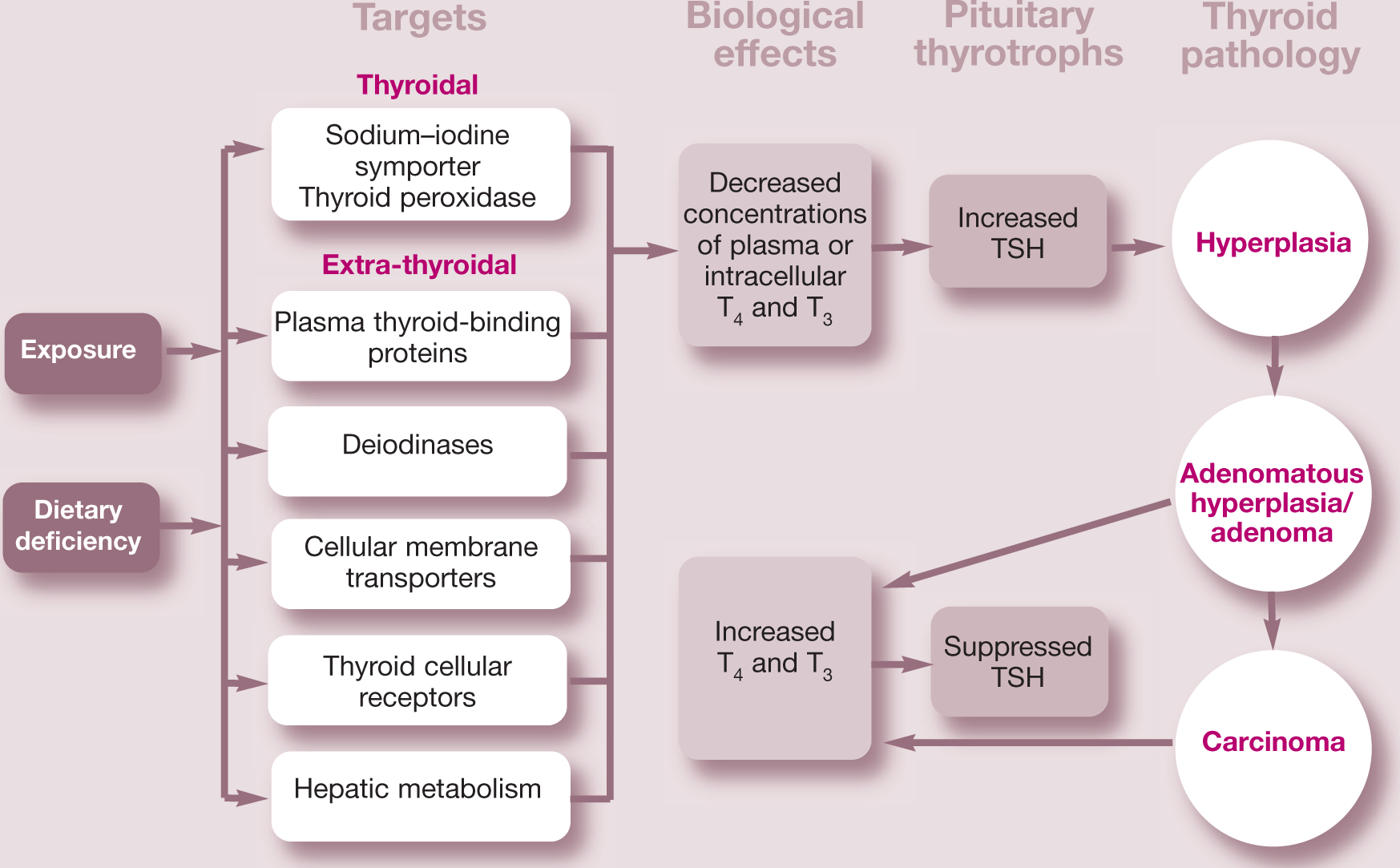
Target sites for iodine deficiency and thyroid chemical disruption
Only a single short-term feeding study has evaluated the effects of dietary soy intake on thyroid function in the cat. 43 In that study, young, clinically normal cats were randomly assigned to receive either a soy or soy-free diet for 3 months each in a crossover design. Compared with the cats eating the soy-free diet, cats fed the soy diet had slightly (but significantly) higher serum T4 and free T4 concentrations. Serum T3 values were unchanged, but the T3/free T4 ratio was significantly lower in cats that received the soy diet. These results indicate that short-term feeding of soy to normal cats has a measurable, although modest, effect on thyroid hormone homeostasis in cats. An increase in T4 concentration relative to T3 concentration may result from inhibition of 5’-deiodinase, as described above. Despite maintaining these normal thyroid hormone values, detectable urinary concentrations of the isoflavone, genistein, were found in 10/18 cats in the study, suggesting that cats may have clinically significant body burdens of this goitrogen. 43

So do cats handle soy isoflavones differently than humans or rats? Obviously, further long-term feeding studies with soy need to be undertaken, especially in older cats prone to developing hyperthyroidism. Of interest are studies in rats that demonstrate that feeding large amounts of soy isoflavones has little demonstrable effect on thyroid function, despite significant inactivation of the thyroid peroxidase enzyme. However, in the presence of iodine deficiency, feeding soy will readily inhibit thyroid hormone secretion and induce goiter and even thyroid carcinomatous changes.35,36,41,44 In other words, iodine deficiency greatly increases soy’s antithyroid effects, whereas iodine supplementation is protective. Stated another way, soy can cause goiter, but only in animals or humans consuming diets that are only relatively deficient in iodine, or in those who are otherwise predisposed to developing goiter because of exposure to other goitrogenic agents.
This suggests that cats, like man and rats, certainly might develop goiter and hypothyroidism on high amounts of soy when concurrently being fed a low iodine diet or being exposed to other goitrogens through their food, water or environment. Given the trend to lower iodine levels in cat food over the past two decades (see later), 34 could marginal iodine deficiency combined with the feeding of soy isoflavones be contributing to the rising trend in hyperthyroid cases that we have been seeing?
Dietary iodine
Iodine is a trace element that is naturally present in some foods, added to others, and available as a dietary supplement. 45 Iodine is an essential component of the thyroid hormones; T4 contains four iodine atoms per molecule, whereas T3 contains three. Iodine may perform other physiologic functions in the body as well. For example, iodine has antioxidant and anti-inflammatory properties and can enhance immune function (ie, shows antibacterial, antiviral and antifungal effects) in humans.45,46 Iodine may also help prevent some cancers (especially breast, gastric and thyroid cancer) and supplementation might have a beneficial effect in human patients suffering from mammary dysplasia and fibrocystic breast disease.45,47
Because of the clear association between diet and hyperthyroidism, several studies have attempted to implicate iodine in the cause or progression of feline hyperthyroidism. The iodine content of cat food is extremely variable, both among cat food manufacturers as well as among cat foods produced by the same manufacturer. However, a tendency towards lower amounts of added iodine has occurred over the past 30 years, as the recommended dietary iodine requirements in cats have changed (see box). 34
Could iodine deficiency be contributing?
Iodine deficiency is a known cause of thyroid hyperplasia and goiter in man and animals, including cats.46,47,55–58 Iodine is a key element in the synthesis of thyroid hormones.46,57 As a consequence, inadequate iodine intake leads to low circulating thyroid hormone concentrations, which spurs the pituitary gland to increase its secretion of TSH (Figure 3). Persistently high circulating TSH concentrations will lead to thyroid hyperplasia and possibly goiter (Figure 4).55,56 It is possible that, with enough time and continued stimulation, the hyperplastic thyrocytes become autonomous, leading to adenomatous hyperplasia and then to thyroid adenoma. As these tumors continue to grow and function independently of TSH control, hyperthyroidism would ensue, leading to suppression of pituitary TSH secretion (Figure 4). In some cats, transformation of adenomatous hyperplasia/adenoma to thyroid carcinoma may occur.21,24

So, based on the trend towards lower iodine levels in cat food over the past two decades, could iodine deficiency be contributing to the surge in hyperthyroid cases that we are seeing? In support of that reasoning, a recent case control study reported that cats consuming commercial foods which were relatively deficient in iodine were more than four times as likely to develop hyperthyroidism compared with cats that ate iodine-supplemented foods. 28
In another study supporting the possible role of iodine deficiency in the pathogenesis of this disease, hyperthyroid cats showed a subnormal urinary iodine excretion. Following successful treatment for hyperthyroidism, urinary iodine excretion in these cats increased into the normal range. 59 If the low urinary iodine concentrations in these hyperthyroid cats reflected low iodine intake while the disease was developing, inadequate iodine intake may be a risk factor for hyperthyroidism.
What about potential combined effects?
It is difficult to envisage how deficiency, excess or wide fluctuations in iodine intake would be solely responsible for the thyroid adenomatous changes and the development of hyperthyroidism in cats. However, most, if not all, hyperthyroid cats are also exposed to other goitrogens (eg, soy isoflavones) or thyroid disruptors in the water, diet or environment (eg, BPA) throughout their lifetime. In addition, concurrent deficiencies of other micronutrients such as iron, selenium, vitamin A and zinc can exacerbate the goitrogenic effects of mild iodine deficiency.60,61
Thus, iodine deficiency may act together with these other nutrient deficiencies or goitrogens (or both) in a synergistic or cooperative manner to affect multiple sites of thyroid hormone metabolism or action (Figures 3 and 4). Over many months to years, this could lead to the adenomatous thyroid changes characteristic of hyperthyroidism.
Dietary selenium
Selenium is an essential trace mineral that is incorporated into proteins to make selenoproteins, which are important antioxidant enzymes and play a role in immune and thyroid function. 62 Like iodine, the content of selenium in foods depends on the mineral content of the soil where plants are grown or animals are raised. Animals that eat grains or plants that were grown in selenium-rich soil have higher levels of selenium in their muscle.
Like iodine, selenium plays an important role in the regulation of thyroid metabolism in many species, including the cat. Selenium is incorporated as selenocysteine in thyroid deiodinase, the enzyme that converts T4 to T3 peripherally.62,63 Hence, a deficiency of selenium may impair thyroid function and promote hypothyroidism. In accord with that, humans living in countries where the soil is poor in selenium show an increased prevalence of both hypothyroidism and thyroid nodule formation. 64
In cats fed a low selenium diet, plasma total T4 concentrations increased significantly, whereas total T3 decreased. 65 These results suggest that the type I deiodinase enzyme in cats is a selenoprotein, similar to the situation in humans. 65
In another study, 66 whole blood and plasma selenium concentrations in cats living in regions with a high incidence of hyperthyroidism as well as regions in which the disease is less commonly reported were analyzed. The investigators found no difference in selenium concentrations among the cats in the differing regions. However, all cats had plasma concentrations of selenium that were approximately five times higher than values reported in either rats or humans. 66 The reason for the high levels of selenium in these cats is unclear, but it is known that most cat foods contain relatively high amounts of selenium, which may contribute to the high circulating levels in this species.48,67
Like iodine, however, selenium status alone does not correlate with the development of hyperthyroidism in cats, but it may again play an additive and/or synergistic role in the development of this disease, especially in cats that are deficient in this trace mineral. Additional studies need to be undertaken to better define the role of selenium in the development of hyperthyroidism in cats.
Thyroid-disrupting compounds in the environment, drinking water or diet
Thyroid disruptors can target many of the sites of thyroid hormone regulation or metabolism (Figures 3 and 4).68–70 The complex system of iodine uptake and thyroid hormone production, as well as plasma thyroid hormone transport, T4 to T3 conversion, cellular thyroid hormone uptake, cell receptor activation or hormone degradation can all be affected by thyroid disruptors (Table 1).
Bisphenol A
BPA is a key building block of the epoxy resins commonly used for lining the interior of metal cans.71–73 This thin epoxy coating helps prevent corrosion of the can and makes it possible for food products to maintain their quality and taste, while extending shelf life. BPA is also commonly added to hard polycarbonate plastics (eg, baby bottles, water bottles and food storage containers) in order to give shape and durability (impact resistance). Annually, billions of pounds of BPA are produced and over 100 tons are released into the atmosphere worldwide. 73 BPA has been found in food, drinks, indoor and outdoor air, floor dust and soil.71,72
BPA is a chemical of concern because it is an endocrine disruptor and has been associated with various adverse health effects, including thyroid dysfunction.68–70,74 Some of the toxic effects of BPA on thyroid function may derive from its structural similarity to thyroid hormones (Figure 5).

Chemical structure of bisphenol A (BPA), thyroxine (T
Exposure to BPA is thought to occur primarily through ingestion. 71 It is well established that residual BPA monomer migrates into can contents during processing and storage,75,76 and evidence of BPA contamination of canned foods for human use has been widely reported.72,75–77 Similarly, in two studies evaluating pet foods, most of the dog and cat foods were found to contain measurable levels of BPA;77,78 in one of the studies, it was confirmed that the BPA in the food had originated from the can coating. 78
One large study of control and hyperthyroid cats demonstrated an association between hyperthyroidism and cats fed food from ‘pop-top’ cans. 29 Results of that study suggested that, overall, consumption of pop-top canned food at various times throughout a cat’s life was associated with greater risk of developing hyperthyroidism. In female cats, increased risk was associated with consumption of food packaged in pop-top cans or in combinations of pop-top and non-pop-top cans. In male cats, increased risk was associated with consumption of food packaged in pop-top cans alone. Although these investigators suggested that the lids of pop-top cans are more likely to be lined with BPA-containing epoxy resins, it appears that most cans (even those requiring a can opener) are coated with BPA.72,75–78 Taken together, it would seem that feeding canned cat food may pose a greater risk than feeding food from pouches or sachets.
Blood or tissue levels of BPA have not yet been measured in cats, but lifelong, daily exposure to even the relatively low levels of this chemical found in commercial canned cat foods could result in potentially harmful effects.79,80 There is ample evidence in both experimental animal models and humans that low-dose exposure to BPA has negative health consequences (eg, diabetes mellitus, heart disease, liver toxicity, thyroid dysfunction, infertility and other reproductive problems).71,81–84
In rats, ingested BPA is eliminated primarily via hepatic glucuronidation, 85 a process that is known to be greatly reduced in cats as compared with other species.86,87 The domestic cat is exquisitely sensitive to the adverse effects of many drugs and toxins that require glucuronidation before elimination.86,87 If ingested BPA is eliminated via glucuronidation, as in other species, the slower clearance rate could lead to higher-than-expected blood and tissue levels of BPA in cats. 15
Chronic exposure to BPA may affect thyroid signaling through a number of potential mechanisms.73,80,88,89 BPA has been shown to directly bind to the thyroid hormone receptor as well as acting to disrupt thyroid hormone action within cells by competitively displacing T3 from the receptor, thus suppressing activation of transcription of thyroid hormone-regulated genes. By acting as a thyroid hormone receptor antagonist, BPA might work at the pituitary level to increase circulating TSH concentrations (Figure 3 and Table 1). Again, this could lead to thyroid hyperplasia and goiter formation in susceptible cats (Figure 4). In addition, like other goitrogenic agents, the effects of BPA may be potentiated by the presence of concurrent iodine deficiency.
Polybrominated diphenyl ethers
Polybrominated diphenyl ethers (PBDEs) are synthetic brominated compounds that are used as flame retardants in a variety of consumer products such as electronics, furniture and textiles, as well as construction materials.68–70,90,91 The chemical structure and properties of PBDEs are similar to those of polychlorinated biphenyls (PCBs), which were banned in the United States in the late 1970s.90,91
Like PCBs in the past, PBDEs have become ubiquitous persistent organic pollutants; they bioaccumulate in the environment, biomagnify up the food chain, and have been detected in significant amounts in animals as well as humans.90–94 Over the past 30 years, PBDEs have become major global contaminants, and have been detected in human adipose tissue, serum and breast milk samples collected in Asia, Europe, North America, Oceania and the Arctic.90–94 Exposure occurs principally through the diet (PBDEs are present in food, milk and water) and the indoor environment (in particular dust). 95
Like PCBs, some of the toxic effects of PBDEs may derive from their structural similarity to thyroid hormones (Figure 6).90,91 In both man and experimental animals, PBDEs clearly disrupt thyroid hormone metabolism. Studies performed in rats and mice report that exposure to PBDEs lowers free and total T4 concentrations in a dose-dependent manner; PBDE exposure generally did not affect circulating TSH concentrations in these animals.96–98 In contrast, epidemiologic studies in humans suggest that higher exposure to PBDEs reduces serum TSH values and may increase serum T4 concentrations.95,99–101
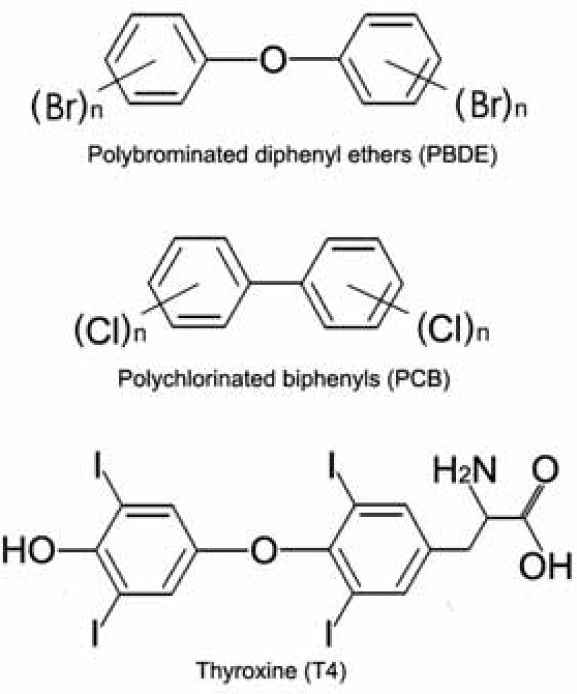
Chemical structure of PBDEs, PCBs and thyroxine (T
Given, therefore, that PBDEs are known thyroid disruptors, these chemicals may play a role in the pathogenesis of thyroid tumors and hyperthyroidism in cats. In support of this hypothesis is the fact that major PBDE production began just before hyperthyroidism was first reported in 1979.6,90,91 In one US study designed to determine whether body burdens of PBDEs in hyperthyroid cats were greater than those of non-hyperthyroid cats, serum samples were collected from 11 hyperthyroid and 12 euthyroid house cats for PBDE measurement. 102 A spectrum of PBDE congeners was detected in all cats, with overall PBDE levels in cats being 20- to 100-fold greater than median levels in US adults. However, due to high variability within each group, no association was detected between hyperthyroid cats and serum PBDE levels. 102
In a follow-up study, 103 investigators measured PBDEs, PCBs and organochlorinated pesticides (OCPs) in serum samples from 26 California household cats (16 hyperthyroid and 10 euthyroid cats). Results indicated that both groups of cats had extremely high serum PBDE levels, with values that were approximately 50 times higher than levels in human residents living in California. PBDE congener patterns in these cats resembled patterns found in house dust, similar to findings in human patients.95,103 These results suggested that house dust, rather than diet, is the most likely route of exposure to PBDEs in the cats.
In a study of 138 pet cats in Sweden, investigators found that both euthyroid and hyperthyroid cats had high serum PBDEs, at concentrations about 50 times higher than in the general Swedish human population. 104 Like the US cats, no association between PBDE levels and hyperthyroid status of the Swedish cats was found. The overall distribution of PBDEs in cat serum was again similar to the patterns found in dust samples. However, Swedish and American cats did have slightly different PBDE congener patterns, probably due to the fact that some of the frequently identified PBDEs in the US cats had been banned by the EU in 2004. 104
In a second Swedish study of 30 hyperthyroid cats, which was designed to identify the most prominent PBDE metabolites in cat serum, investigators found that cats appear to metabolize PBDEs differently to other species thus far studied. 105 In humans and rats, transformation of PBDEs to hydroxylated metabolites (OH-PBDEs) is a major route of elimination; in contrast, hyperthyroid cats had low serum levels of hydroxylated PBDE metabolites, suggesting that cats metabolize PBDEs much slower and/or differently.
In a very recent study from the University of Illinois, investigators measured serum PBDE in 62 client-owned cats (21 euthyroid and 41 hyperthyroid house cats), as well as 10 feral cats. 106 Although no difference in serum PBDE concentrations was detected between the two groups of house cats, serum PBDE concentrations in the feral cats were significantly lower than in either of the groups of client-owned cats, suggesting that the home environment was the source of their exposure. 106
The same investigators next evaluated dust samples for PBDE and found significantly higher PBDEs in dust from homes of hyperthyroid cats, compared with homes of euthyroid cats. A significant correlation was also found between dust PBDE levels and serum total T4 concentration in the cats. 106 Estimates of PBDE exposure calculated from canned cat food and dust data strongly suggest that domestic cats are primarily exposed through ingestion of household dust, 100 similar to previous findings.102,103
Overall, these studies show that cats can be highly exposed to PBDEs, presumably through ingestion of household dust during their normal grooming behavior.102–104,106 These findings also provide compelling evidence for the possible role of PBDEs in the development of thyroid tumors and hyperthyroidism in cats.
Additional investigation into the role of PBDEs in the development of hyperthyroidism in cats is certainly warranted. If PBDEs play a role in hyperplasia leading to thyroid autonomy, they apparently do not do so by markedly increasing TSH. 106 However, as PBDEs have been demonstrated to bind to thyroid hormone receptors,91,107 it is plausible that they may act on the pituitary thyroid nuclear receptors and/or at an earlier, potentially developmental, time point (Figure 3 and Table 1).
Environmental pesticides or herbicides
Exposure to environmental chemicals (eg, pesticides, herbicides) is known to induce thyroid abnormalities in other species (Table 1),68–70 and chemicals applied directly to a cat (topical flea control products) or to the cat’s environment have been associated with increased risk of developing hyperthyroidism.3,14,25,26 None of these studies, however, was able to identify a specific flea product or component associated with the risk.
Other goitrogens or thyroid disruptors
In addition to the above, there are many other goitrogenic materials (eg, perchlorates, PCBs, resorcinol, dioxins, fluoride, FD&C red dye #3) that cats may be exposed to through their diet, drinking water or the environment that could contribute to the development of thyroid adenomatous hyperplasia and hyperthyroidism.68–70,108,109 In support of this, endocrine disruptors such as heavy metals (eg, mercury) and chlorinated hydrocarbons (eg, polyvinyl chloride, PVC) have been reported as contaminants in commercial canned cat foods.48,110–112
Such agents generally cause goiter by acting directly on the thyroid gland to reduce thyroid hormone synthesis; the resultant low circulating T4 concentrations lead to increased pituitary TSH secretion, which, in turn, leads to thyroidal enlargement (Figure 4).68–70,108,109 Other goitrogens, however, act indirectly to alter the regulatory mechanisms of the thyroid gland or the peripheral metabolism and excretion of thyroid hormones.

What can be done in terms of prevention?
With the numerous nutritional and environmental factors likely involved in the pathogenesis of hyperthyroidism in cats, is there anything that can be done to help prevent the development of this disease in older cats?
Based on the goitrogens that we know may be present in the cat’s food, drinking water or environment, we can certainly suggest some measures that may minimize the risk; these are summarized in the box on page 813 and discussed below. Even if these measures do not prevent the development of hyperthyroidism, they are unlikely to be detrimental and may even improve the cat’s health.
Diet fed to the cat
Firstly, since all epidemiologic studies reported to date have identified commercial cat foods as a risk factor for feline hyperthyroidism, the diet fed should be evaluated for the presence of goitrogens (Figure 7).14,15,25–31 Avoiding cat food products containing soy isoflavones, a well-known goitrogen,39–42 seems reasonable inasmuch as cats have no requirement for this ingredient and would be highly unlikely ever to ingest soy in the wild. 113 Limiting the amount of fish-flavored foods fed could also be important, as fish can contain high levels of iodine and may be contaminated with PCBs, PBDEs, dioxins and DDT (dichlorodiphenyltrichloroethane), as well as mercury and other heavy metals.114,115

With regard to the cat’s diet, it is not only the food itself, but also the means of storage and the type of food bowl used that need to be considered
If canned cat food is fed, selecting commercial foods that do not incorporate an epoxy coating containing BPA within the can is ideal, although these are likely to be the exception.77,78,116 For those pet food companies that do limit their use of BPA, the smaller cans (3 oz; 85 g) appear to be less likely to be lined with BPA than larger cans (5.5 oz; 156 g). 116 It also appears that the vast majority, if not all, of the largest cat food cans (13 oz; 369 g) do contain a BPA lining. The reason for the continued need for BPA in larger-sized cans may be related to the fact that smaller cans do not need to be as ‘flexible’ as larger sizes for the pop-top lid to easily open.
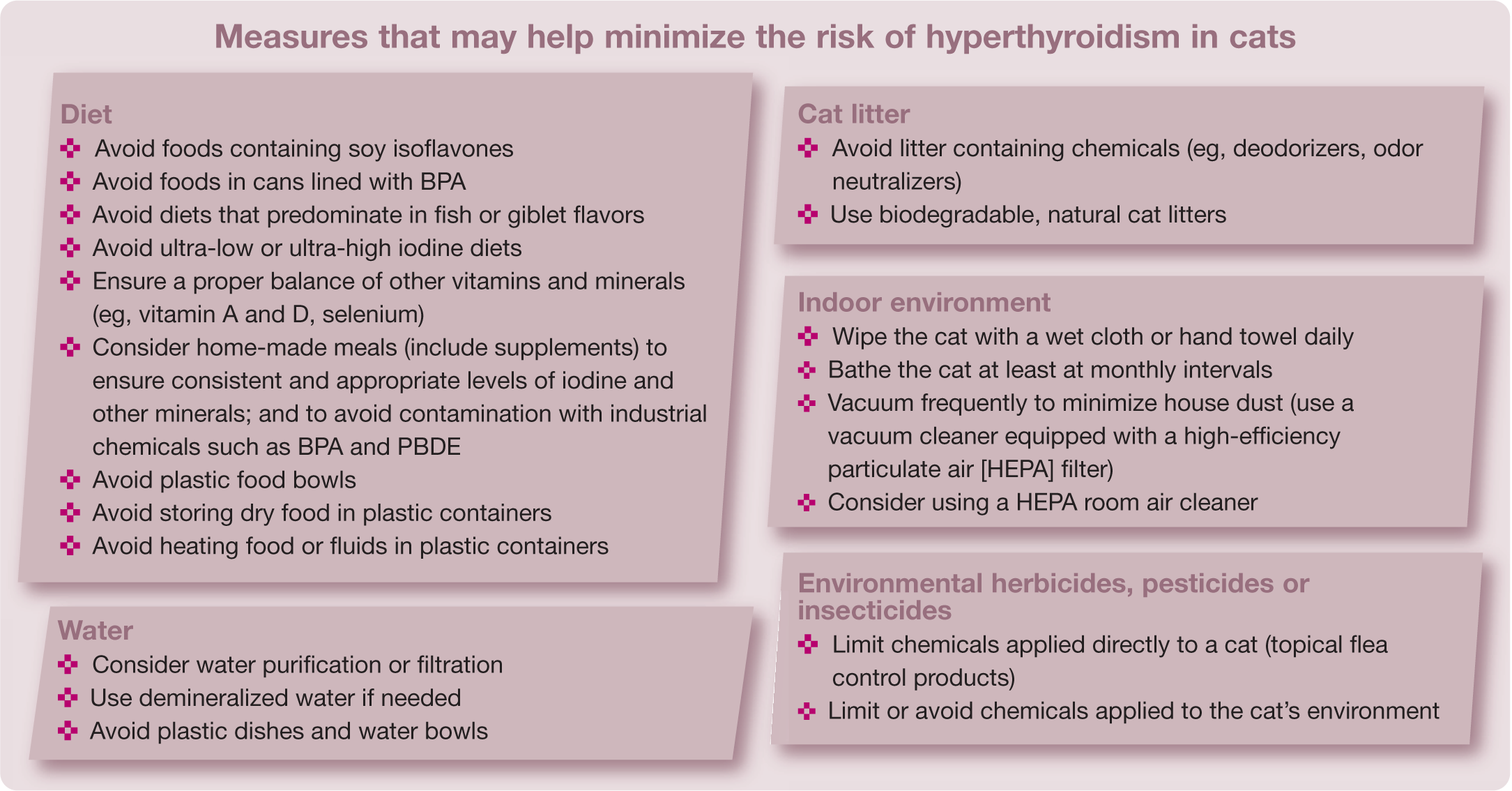
Given that the issue of BPA lining of cat food cans may vary from product to product, even within the same pet food company, and is subject to change at any time, the owner or veterinarian will need to contact the individual pet food manufacturer to inquire specifically if their cans (and what size) are BPA-free. Alternatively, wet foods for cats supplied in foil pouch form by some manufacturers may be selected in preference over canned foods lined with BPA. 77
As iodine excess or deficiency certainly might contribute to an increased risk of hyperthyroidism, diets that contain low or high amounts of iodine should be avoided.34,54,55 Large fluctuations in the amounts of daily iodine fed to cats are also not recommended, as these could potentially contribute to the development of hyperthyroidism.52–54 My recommendation is to feed a diet containing between 0.50 and 2.0 ppm I (on a mg/kg of diet dry matter basis), which would provide the average-sized cat (eg, 4.5 kg) with an iodine intake of 25–100 ?g per day. This ensures that the minimum iodine requirement is met, based on the latest recommendations from the Association of American Feed Control Officials (0.35 ppm I), 117 as well as recent research on iodine requirements in normal cats (0.46 ppm I). 118 The recommendation also ensures that the daily iodine intake remains well below levels suggested to produce toxic or adverse effects in the cat (ie, 5.8–9.2 ppm I). 118
Home cooking for the cat is another option which some owners might prefer to ensure consistent and appropriate levels of iodine and other minerals and avoid contamination with industrial chemicals such as BPA and PBDE. If this option is chosen, consultation with a veterinary nutritionist is strongly recommended to avoid nutritional deficiencies or imbalances.119,120
Irrespective of the diet fed, heating (microwaving) food in plastic containers, or storing fatty foods in plastic containers or plastic wrap, should be avoided. Food should be only reheated in ceramic or glass to reduce exposure to endocrine-disrupting chemicals (eg, BPA) that may leach from plastic containers into food.71,75
Water safety measures
Source water samples can be analyzed to determine the overall general water quality characteristics and to check for the presence of microbial contaminants, inorganic or organic chemical contaminants (eg, PCBs, dioxins, BPA and other phthalates, isoflavenoids), herbicides and other pesticides (eg, atrazine), and chemical disinfection byproducts (eg, volatile organic compounds, haloacetic acid). Based on the findings of the analysis, water purification can be used to remove undesirable chemicals, biological contaminants and gases from contaminated water.121,122
Use of a high quality water filter for the home tap or use of well water can decrease exposure to numerous known or suspected carcinogens and endocrine-disrupting chemicals. Unless the home water source is known to be contaminated, it is preferable to use filtered tap water instead of commercially bottled water. Although bottled water is typically from a spring or has gone through reverse osmosis before it is bottled, some brands are simply bottled tap water that may or may not have gone through any additional filtering.

Cat litter
Use of cat litter has been reported as a risk factor for hyperthyroidism,3,26 but a direct cause–effect relationship has not been established. This epidemiologic finding may simply relate to the fact that cats that use more litter spend much or all of their time indoors, whereas cats that do not use litter are primarily outdoor cats. When cats are left outside unsupervised, their freedom to roam comes at a cost because they have an increased risk of being injured, becoming ill, or even dying.123–125 Therefore, because indoor cats generally live longer than outdoor cats, they would be more likely to develop hyperthyroidism as they grow older to reach middle- to old age.
There are several different types of cat litter, some of which contain chemicals (eg, deodorizers) that could theoretically increase the risk of developing hyperthyroidism. The most commonly used litters include the clay-based and the silica gel types, although plant-derived biodegradable litters are becoming more popular. 126
Clay litters are composed of a combination of aluminum silicates and minerals, and these litters are frequently blended with sodium bentonite, a swelling clay which is an extremely effective clumping agent. 126 A dust-controlling agent is then added to the ground clay to help prevent the silica dust in the litter from becoming airborne. If the clay litter is dusty, the cats and other members of the household may inhale the silica dust, which may result in respiratory problems.126–128 Cats, additionally, may be further exposed through their fastidious cleaning habits, which would generally remove any traces of litter or dust that may be on their coat. 129

Silica gel litter, often referred to as crystal litter, is a porous granular form of sodium silicate.126,128 The silica gel used to make these crystals is chemically similar to that used in desiccants. The crystals themselves are dotted with tiny pores, allowing them to absorb cat urine, then slowly allowing the water to evaporate off. Although this type of litter appears to be relatively safe, ingestion of the silica gel by cats, dogs or infants may be harmful.
Biodegradable plant-derived or organic litters can be made from corn, wheat, wood pulp and recycled newspaper,126,128 and are less likely to contain chemicals than clay and silica gel litters. Some brands of biodegradable cat litter can be safely flushed down the toilet, unlike normal cat litter.
Even if a change to a biodegradable cat litter does not prevent or delay the onset of hyperthyroidism, use of these more natural litters should be better for the cats and humans in the household (eg, less dust and associated respiratory problems). In addition, natural litters are better for the environment. The components of clay-based litters must be strip-mined, creating a huge environmental impact. Once used, clay litter essentially never biodegrades, so its disposal too has a sizeable environmental impact by contributing to landfill.126,128
Environmental control
Because PBDEs are in wide use as fire retardants, these toxic chemicals are likely to be present in dozens of products in the homes of most cats. They are most commonly found in polyurethane foam products and electronics. The box above suggests some steps that can be taken to lessen contact with PBDE-containing items in the home.
Footnotes
Key Points
Funding
The author received no specific grant from any funding agency in the public, commercial or not-for-profit sectors for the preparation of this article.
Conflict of interest
The author does not have any potential conflicts of interest to declare.