



Abstract
Influencers have emerged as influential figures un bridging the gap between brands and consumers, establishing this practice as a viable profession in advertising. Among the diverse spectrum of influencers, micro-influencers, characterized by their follower count of less than 100,000, excel in fostering engagement due to their perceived authenticity and credibility. This study surveyed 290 micro-influencers regarding their educational needs and aspirations. The findings reveal that, despite possessing university degrees, micro-influencers often lack specialized training in digital content creation. Many express a strong desire to receive formal education at the university level to enhance their professionalism, with degrees in marketing or advertising being deemed particularly relevant. However, they encounter significant obstacles, primarily related to financial constraints and time availability. Consequently, universities face the imperative challenge of contributing to the professionalization of micro-influencers, a role that has traditionally been assumed by the industry.
Introduction
In recent years, there has been growing body of research dedicated to the examination of influencer marketing (Arora et al., 2019; Childers et al., 2019; De Veirman et al., 2017; Kay et al., 2020). Of particular significance is the remarkable increase in the number of professionals dedicated to this field, known as influencers (Trehan et al., 2022). Notably, Spain leads Europe in the prevalence of digital influencers, constituting 15% of the 10.5 million active influencers on platforms like Instagram, TikTok, and YouTube (IAB Spain, 2022).
This surge in influencers has transformed them into pivotal figures capable of bridging the gap between brands and consumers. It has evolved into a full-fledged profession and a promising career path, especially for students pursuing studies in advertising (Establés et al., 2019; Vizcaíno-Verdú, de-Casas-Moreno & Aguaded, 2019; Fernández-Gómez & Feijoo, 2022). However, an essential aspect yet to be explored is the prior training and education received by individuals entering this role.
Recent data indicates a significant rise in the aspirations of children and adolescents to become influencers in adulthood. In Spain, one-third of teenagers express a desire to pursue careers related to online content creation (Gómez-Miguel & Calderón-Gómez, 2022). In the United States, a report based on a survey of 2,000 respondents highlights that 54% of young individuals aged 13 to 38 aspire to become influencers (Morning Consult, 2019). A study conducted by the multinational company Lego, involving 3,000 children aged 8 to 12 in China, the United Kingdom, and the United States, reveals that today’s children are three times more likely to aspire to become YouTubers (29%) than astronauts (11%) (The Lego Group, 2019).
Therefore, universities must be prepared to educate students in emerging digital professions. Academic institutions need to adapt to market demands, particularly within the advertising industry, which requires professionals skilled in crafting compelling social media posts (Álvarez-Flores, Núñez-Gómez & Olivares-Santamarina, 2018).
Within academia, enhancing increasing the employability of graduates remains a key goal for universities. To achieve this objective, it is imperative to understand the skills demanded by the labor market (Pizarro-Lucas et al., 2021). Consequently, research efforts have been devoted to identifying the professional competencies required in various digital professions, such as search engine optimizers (Escandell-Poveda et al., 2023a or Escandell-Poveda et al., 2023b) and community managers (Clemente-Mediavilla & Antolín-Prieto, 2019). Surprisingly, this focus has not extended to the realm influencer marketing, a field closely related to advertising studies. While advertising students are encouraged to acquire knowledge of social networks, the specific role of influencers often remains overlooked.
As a result, the curricula of the Bachelor’s Degrees in advertising or marketing among others, have incorporated courses on virtual community management or digital marketing to adapt to the demands of the labor market. However, influencer marketing as such is not a course that is part of the training of these future professionals. And it is an aspect that is studied within other digital courses.
Furthermore, micro-influencers, defined as with fewer than 100,000 followers, have emerged as a distinctive category within this landscape. They excel in fostering engagement by establishing intimate connections with their audiences, often perceived as more authentic and credible (Conde & Casais, 2023). Peres and Silva (2021) shed light on this subgroup, revealing that many micro-influencers are women with graduate degrees who juggle other professions and operate independently of influencer agencies. This underscores the lack of formal professionalization within their field.
This research seeks to unravel the concerns and training aspirations of micro-influencers, a rapidly growing profession. It delves into their inclination to seek formal education for professionalization, offering valuable insights for educational institutions. These insights will enable these institutions to align their training programs with the evolving landscape shaped by the widespread use of social networks and the burgeoning influencer profession.
Literature Review
Influencer Marketing as a Profession and the Case of Micro-Influencers
Influencer marketing amalgamates social networks as advertising platforms with users, including opinion leaders or celebrities, known as influencers, through whom brands communicate to reach a broader audience. Brands often emphasize the advantage of generating authentic content related to their products or services (De Veirman et al., 2017).
Social media influencers are typically categorized into three groups based on their follower count: mega-influencers (>1,000,000 followers), macro-influencers (100,000–1,000,000 followers), and micro-influencers (1,000–100,000 followers). Each category exhibits distinct characteristics, advantages, and drawbacks (Tarifa & Cárdaba, 2022). Notably, advertisers are increasingly recognizing the value of micro-influencers, who are ordinary individuals with a significant influence within specific communities. Micro-influencers possess dedicated followers characterized by higher levels of trust and engagement (Conde & Casais, 2023).
Indeed, there is a growing discourse regarding the significance of influencers with smaller audiences. The Top Digital Trends for 2023 (IAB Spain and Adventia, 2023) report identifies micro-communities as a trend in brand communication. It underscores the importance of engaging with smaller, more diverse audiences across various age groups and genders, where interactions with individuals who share common interests take precedence, fostering a strong sense of belonging.
However, limited research has been conducted on the profiles of micro-influencers. The debate on the value of influencers with smaller audiences began only a few years ago, and scientific production on micro-influencers is still incipient (Casaló et al., 2020). Peres and Silva (2021) emphasize that unpaid content creators in the lifestyle and fashion sector, primarily young women, remain largely unknown in terms of their education, even though brands actively collaborate with them to reach consumers. Alongside such data, certain studies underscore the challenges of sustaining a career as a micro-influencer (Villegas-Simón et al., 2022). Advertisers and advertising agencies often perceive micro-influencers as amateurs, leading to collaborative arrangements that downplay the existence of a commercial relationship. Consequently, compensation for micro-influencers is typically minimal, often consisting of products or coupons (Arriagada, 2021).
On the contrary, some contend that being an influencer can indeed evolve into a sustainable profession (Sanders, 2022), contingent upon proper training and mentoring (Meneses, 2022). Several studies affirm that accomplished digital content creators can monetize their endeavors and even transform them into full-fledged careers (Leung et al., 2022; Stoldt et al., 2019; Suciu, 2020). Consequently, digital content development is trending toward heightened professionalism, thereby enhancing the quality of information presented, as well as refining marketing and communication strategies (Van Driel & Dumitrica, 2021).
However, despite the professionalization of influencer careers for some, consumers often perceive them as relatively unskilled (Bratu, 2019; Cooley & Parks-Yancy, 2019) due to the absence of formal education.
The Role of Advertising Education and the Luck of Academic Studies in the Influencer Field
Some studies emphasize the increasing significance of influencers in shaping digital communication campaigns for brands (Belanche, Casaló, Flavián & Ibáñez-Sánchez, 2021; Jiménez-Castillo & Sánchez-Fernández, 2019; Lim et al., 2017; Liu, 2021; Trivedi & Sama, 2020). They also explore the impact of such campaigns on consumers (Bu et al., 2022; Kim & Kim, 2022; Mundel et al., 2023).
In Spain, academics have recognized the need for alignment between advertising studies and the industry (Fernández-Gómez & Feijoo, 2022; Álvarez-Flores et al., 2018) and have explored program offerings for advertising graduates (Clemente-Mediavilla & Antolín-Prieto, 2019). However, little is known about the training concerns of micro-influencers and whether universities can adequately prepare them for their roles. Hence the need, just as previous studies have addressed how to train students in digital skills such as SEO or Community Manager, among others, to address the need to prepare them to be influencers.
The industry has highlighted a lack of professionalization among influencers, who often lack knowledge of industry practices (Icmedia, 2021). To professionalize the sector, there is a need to instill professional skills in influencers, enabling them to execute more rigorous campaigns.
While scientific production in this field has shed light on the strategies employed by both macro and micro-influencers and the platforms and social networks they utilize (Alassani & Göretz, 2019; Jayasinghe, 2021), there is a compelling case for offering training in areas identified as crucial by research. This includes creating authentic content that allows influencers to strategically engage with their followers while attracting potential advertiser brands (Zniva et al., 2023).
Research on influencer training is essential, despite the fact that various university degrees in Spain, mostly related to communication (RTVE, 2021), and courses such as the one offered by the Autonomous University of Madrid in 2018 (Salas, 2018), attempt to address this need. Nevertheless, there remains room for improvement in formal training. While advertising studies have begun to recognize influencer roles as potential career outlets (UNIR Revista, 2022), the academic exploration of this aspect remains incomplete.
In other words, in addition to the fact that no specific courses have been incorporated to train in influencer marketing, there are no specific training courses either. The case of the Irish university, South East Technological University (SETU), which has announced the incorporation of a degree in Content Creation and Social Media, a career to become a professional influencer, stands out (Reason Why, 2023).
The evolving landscape demands new competencies—professional, academic, and specific—which necessitate educational transformations (Childers, 2022; Neill & Schauster, 2015; Tejedor & Cervi, 2017). However, current curricula often lag behind the demands of the professional digital advertising sector (González-Oñate et al., 2021). In fact, the inclusion of new digital profiles remains limited, with content creation specialists featured in only 7 out of 35 Spanish universities offering degrees in advertising (Fernández-Gómez & Feijoo, 2022). Academic courses specializing in social media strategy, analytics, and campaigns are crucial to adequately prepare students for future employment (Childers, 2022; Fang, Wei, Huang & 2019; Mishra & Mishra, 2020).
There is a noticeable gap in knowledge concerning the path to becoming a professional in this field, particularly regarding the most appropriate type of training.
Research Questions
The primary objective of this study is to examine the training of micro-influencers in the fields of advertising and marketing in Spain, as well as to gauge their interest in specializing in these professional domains.
To achieve this objective, we have formulated the following research questions:
What training have micro-influencers undergone to perform their role as content creators?
What training would micro-influencers pursue to enrich their role as content creators?
Do sociodemographic characteristics (gender, age, and educational level), thematic specialty or motivations for being a micro-influencer have a significant impact on the concerns of micro-influencers?
Does the training that micro-influencers have received as content creators imply differences in their comprehension of: a. How an advertising agency works? b. How a communication department works?
Does their intention to train as content creators imply differences in their comprehension of: a. How an advertising agency works? b. How a communication department works? These research questions will guide our investigation into the training and educational aspirations of micro-influencers in the realms of advertising and marketing.
Method
A survey was distributed to users of a Spanish platform that connects influencers and brands and automates the advertising campaign management process (https://fuelyourbrands.com/). The questionnaire received responses from 290 micro-influencers between December 2022 and February 2023, ensuring a confidence level of 95% with a margin of error of 6%. Ethical suitability for the survey was positively assessed by the Research Ethics Committee of Universidad Internacional de La Rioja (UNIR).
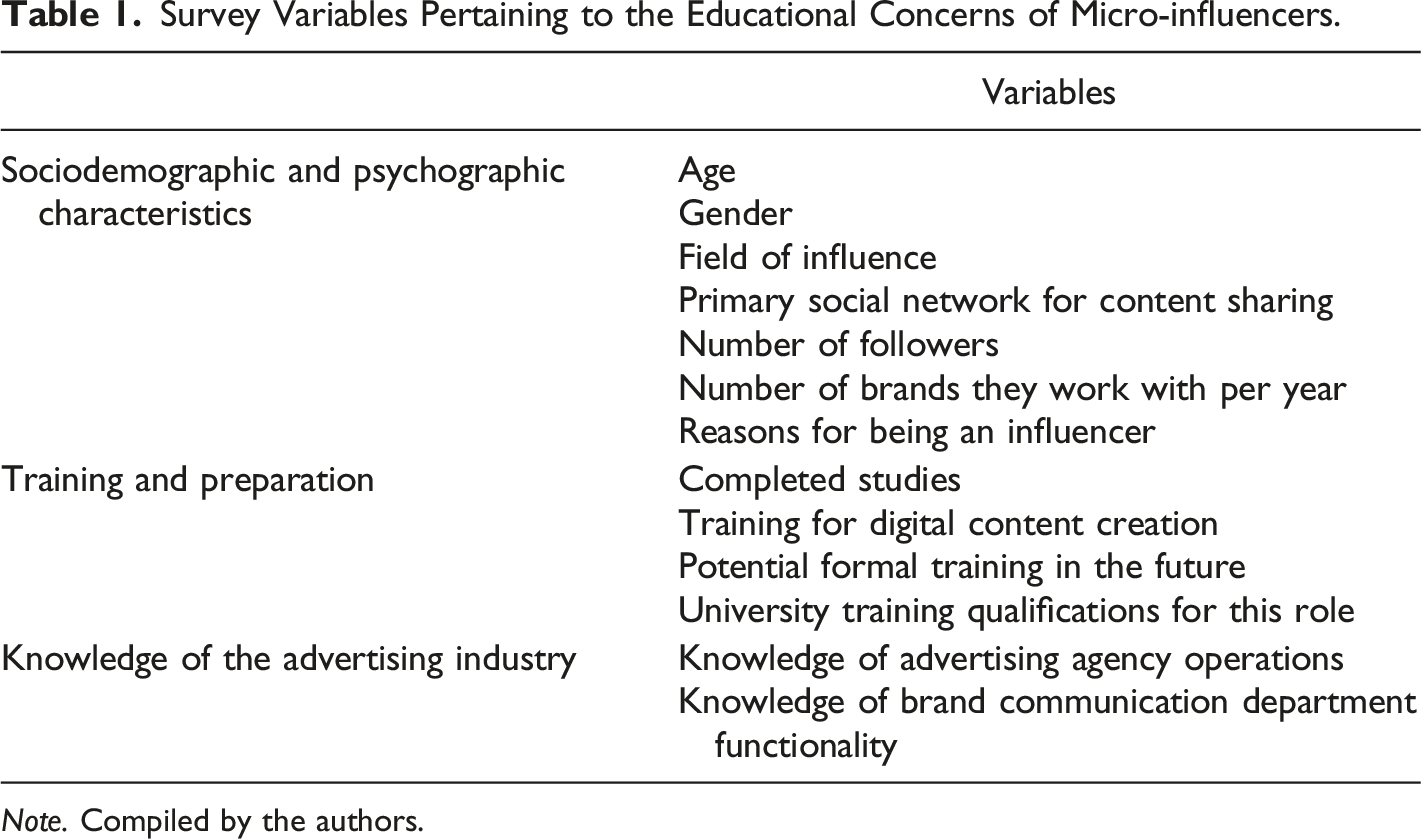
Survey Variables Pertaining to the Educational Concerns of Micro-influencers.
Note. Compiled by the authors.
The second section of the survey delved into the influencers’ training and preparation for their role. Questions in this section covered their highest level of completed studies, whether they received training as content creators, their interest in pursuing a university degree related to this field, and which degrees they believed would provide suitable preparation. This section included a mix of open-ended, multiple-choice, and Likert-type scale questions.
The third section aimed to determine whether influencers were familiar with how advertising agencies and brand communication departments, central figures in influencer marketing, operate. These questions were dichotomous (1 = Yes; 2 = No).
As outlined in the theoretical framework, prior research primarily examined the relationship between influencers, brands, and consumers from a reception perspective. This led to studies analyzing content on social networks or conducting consumer interviews. While there have been investigations into advertising agencies, there’s a need for deeper insights into influencers as message emitters. For this questionnaire, some variables from a study on micro-influencers by Peres and Silva (2021) were adapted. This study involved qualitative interviews with 16 micro-influencers and quantitative surveys with 166 consumers in the hotel industry. Industry studies, such as research on agencies in the United States by Childers et al. (2019), studies by Sanz-Marcos et al. (2019), or Smolak and López's (2020) work on Spanish agencies, served as additional references. The White Paper on Responsible Influence, a project co-financed by the European Union, initiated by Icmedia (2021), was also consulted. This project involved 40 in-depth interviews with various stakeholders in the influencer ecosystem.
Statistical analysis employed SPSS software version 25.0. To address research questions PI3 and PI4, chi-square tests assessed the relationship between micro-influencers’ educational concerns and their knowledge of advertising agencies and brand communication departments. To determine differences based on respondents’ age, gender, and education level (PI2), the chi-squared test was used. The Kruskal–Wallis non-parametric test was employed to identify variations in educational concerns based on motivations for being an influencer.
Participants
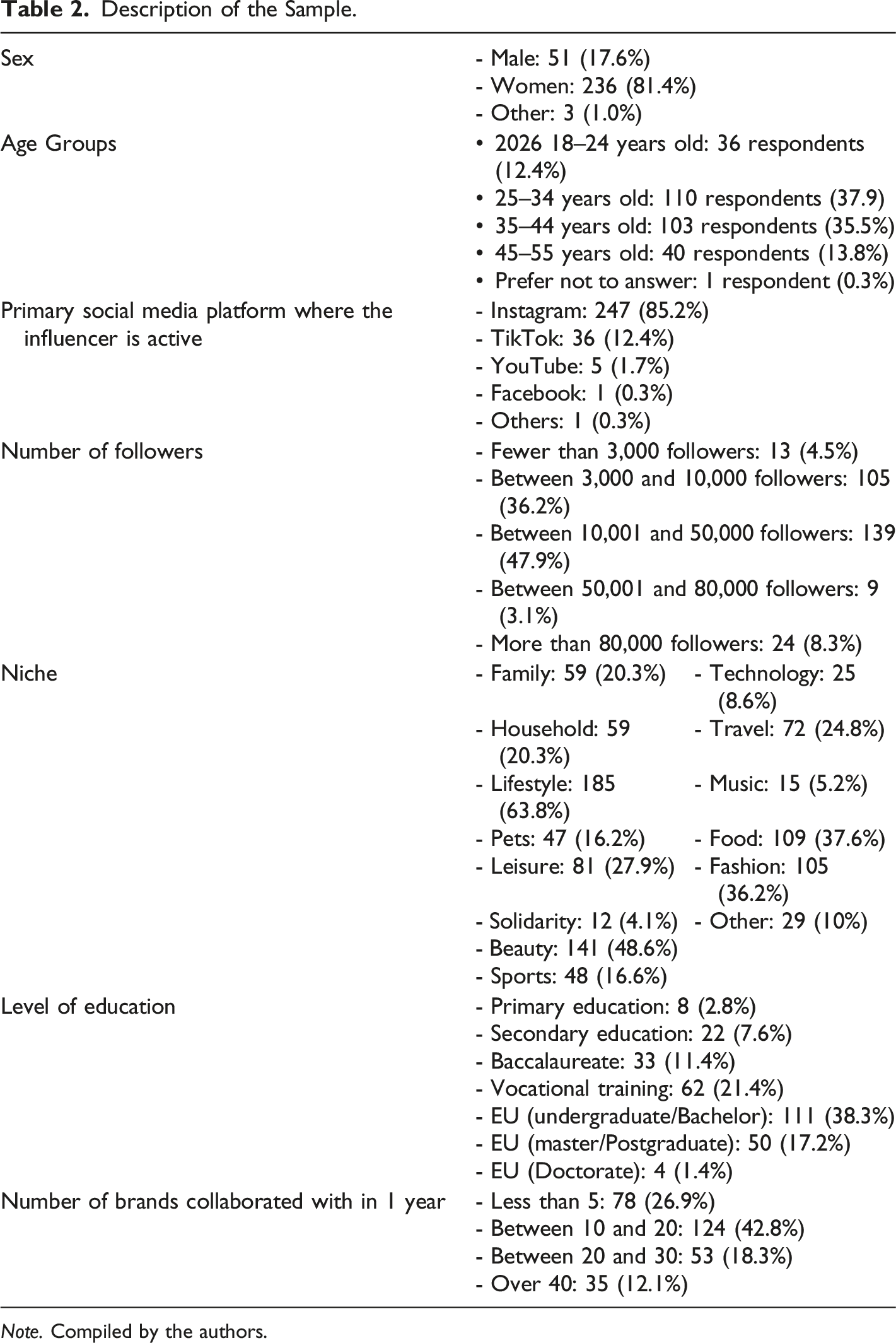
Description of the Sample.
Note. Compiled by the authors.
Instagram was the primary platform for these influencers (85.2%), with nearly half having between 10,000 and 50,000 followers (47.9%). Profiles with 3,000 to 10,000 followers were also significant, while those with over 50,000 followers were less common (11.4%).
Their content creation was mainly focused on lifestyle (63.8%) and beauty (48.6%), followed by food (37.6%) and fashion (36.2%).
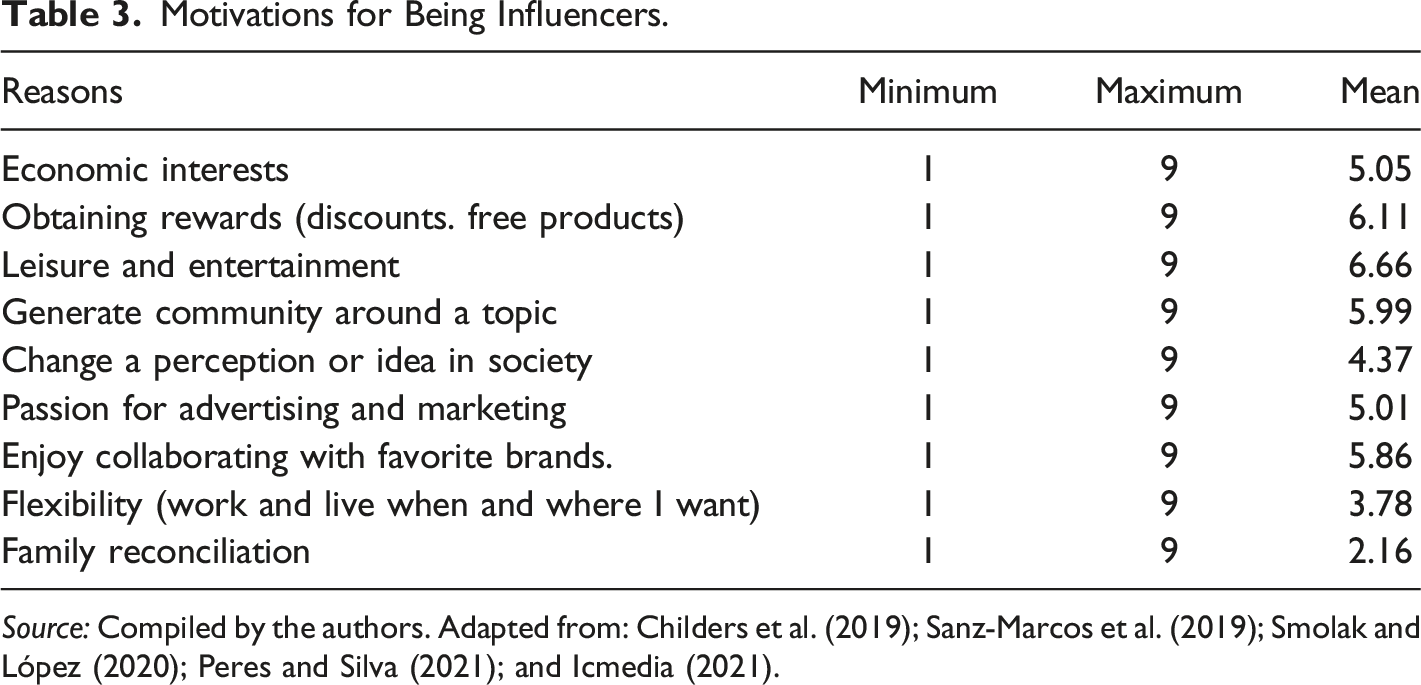
Motivations for Being Influencers.
Source: Compiled by the authors. Adapted from: Childers et al. (2019); Sanz-Marcos et al. (2019); Smolak and López (2020); Peres and Silva (2021); and Icmedia (2021).
Findings
In this section, we present the results categorized into two sections to address the research questions. First, we outline the key findings related to the educational background of micro-influencers and their intentions regarding further education. Second, we examine how their educational levels correlate with their knowledge of the communication and advertising sectors.
Training and Educational Aspirations of Micro-influencers
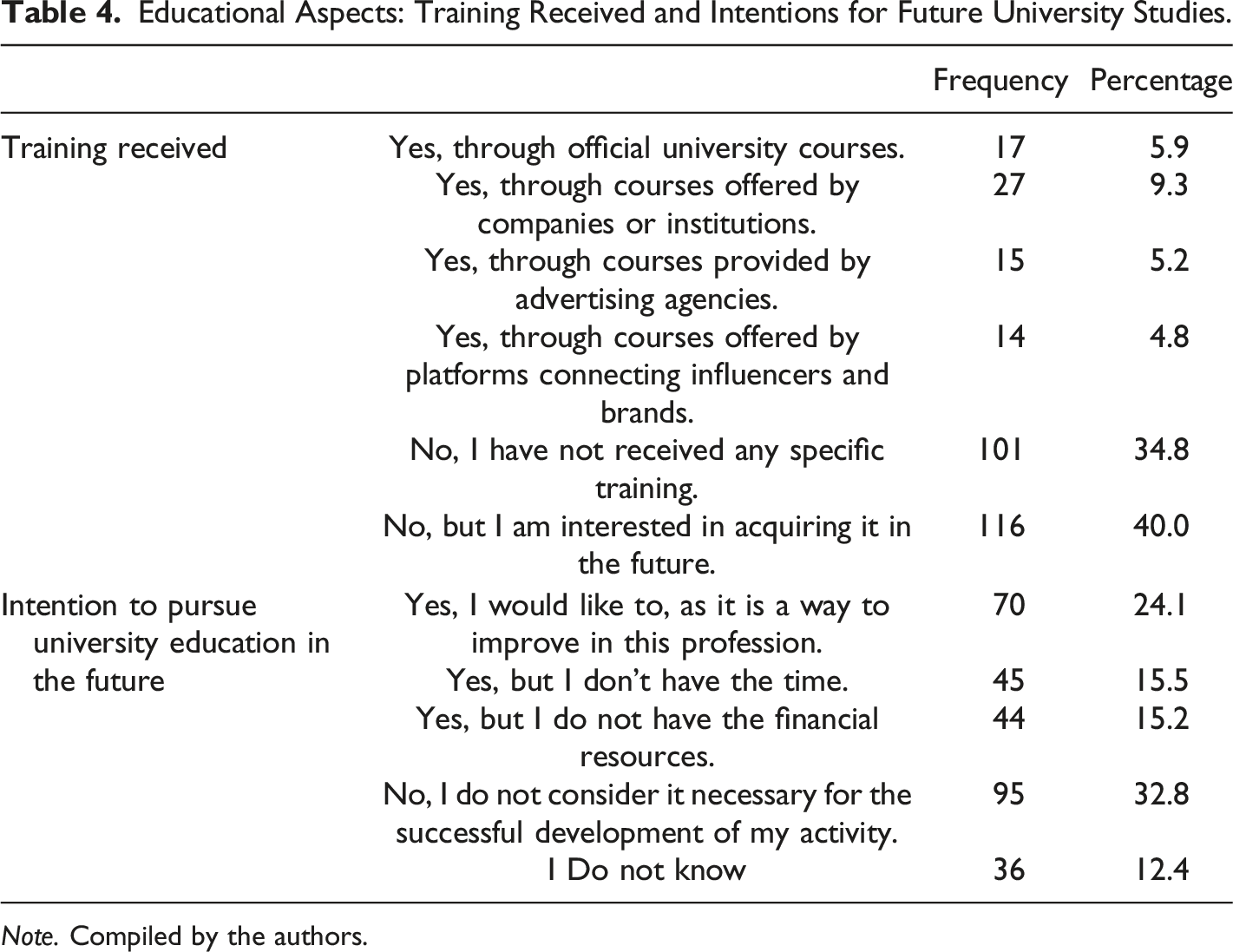
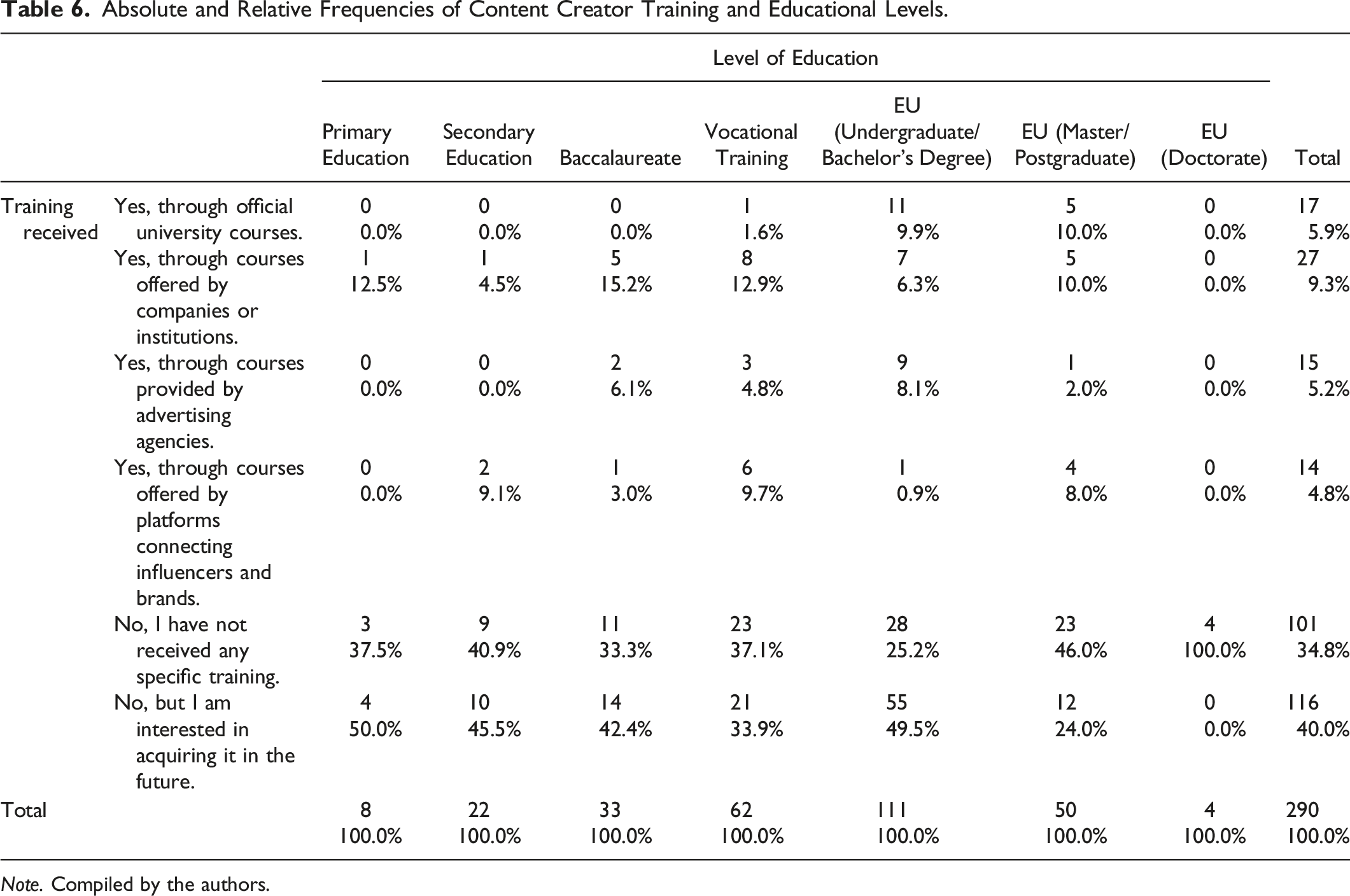
When micro-influencers were asked about their training for their role, it was discovered that nearly 75% of the respondents had not received any formal training. However, 40% expressed a desire to receive training in the future. Among those who had pursued some form of education, the most common sources were courses offered by companies and institutions (9.3%), followed by official courses provided by universities (5.9%).
Educational Aspects: Training Received and Intentions for Future University Studies.
Note. Compiled by the authors.
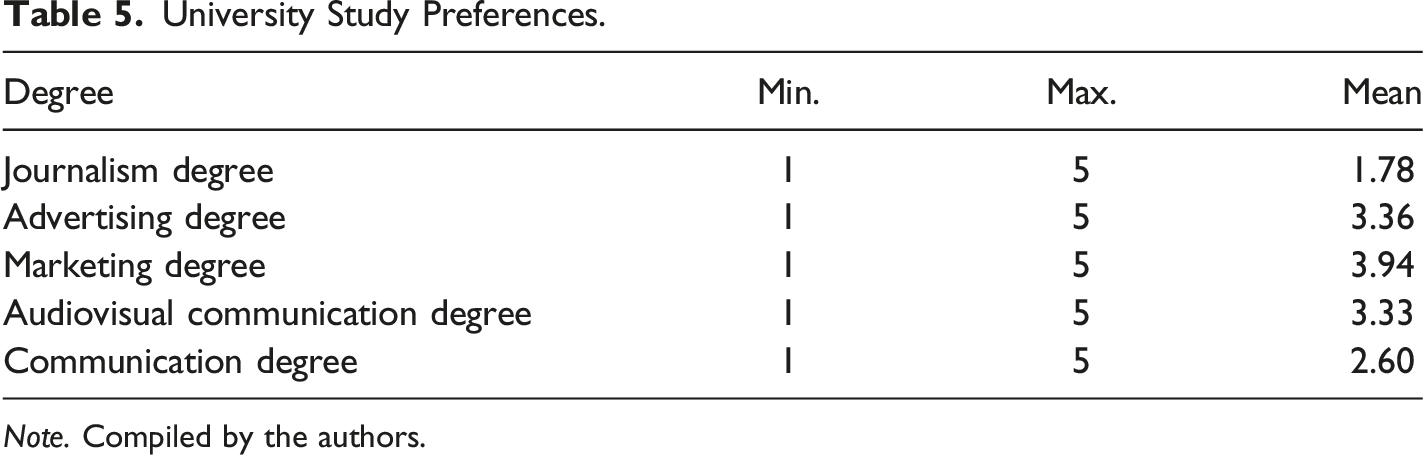
University Study Preferences.
Note. Compiled by the authors.
Regarding the academic backgrounds that micro-influencers find most relevant for their roles, it was found that a degree in marketing was perceived as the most aligned with their professional interests, followed by degrees in advertising and audiovisual communication. 1 In contrast, Bachelor’s Degrees in communication and journalism were seen as less relevant to the influencer domain.
Sociodemographic variables such as gender, age, and educational level did not significantly impact the educational aspirations of micro-influencers. However, a significant relationship was observed between the level of education and the training they had received (χ2 (30, N = 290) = 46.745, p < .05).
Absolute and Relative Frequencies of Content Creator Training and Educational Levels.
Note. Compiled by the authors.
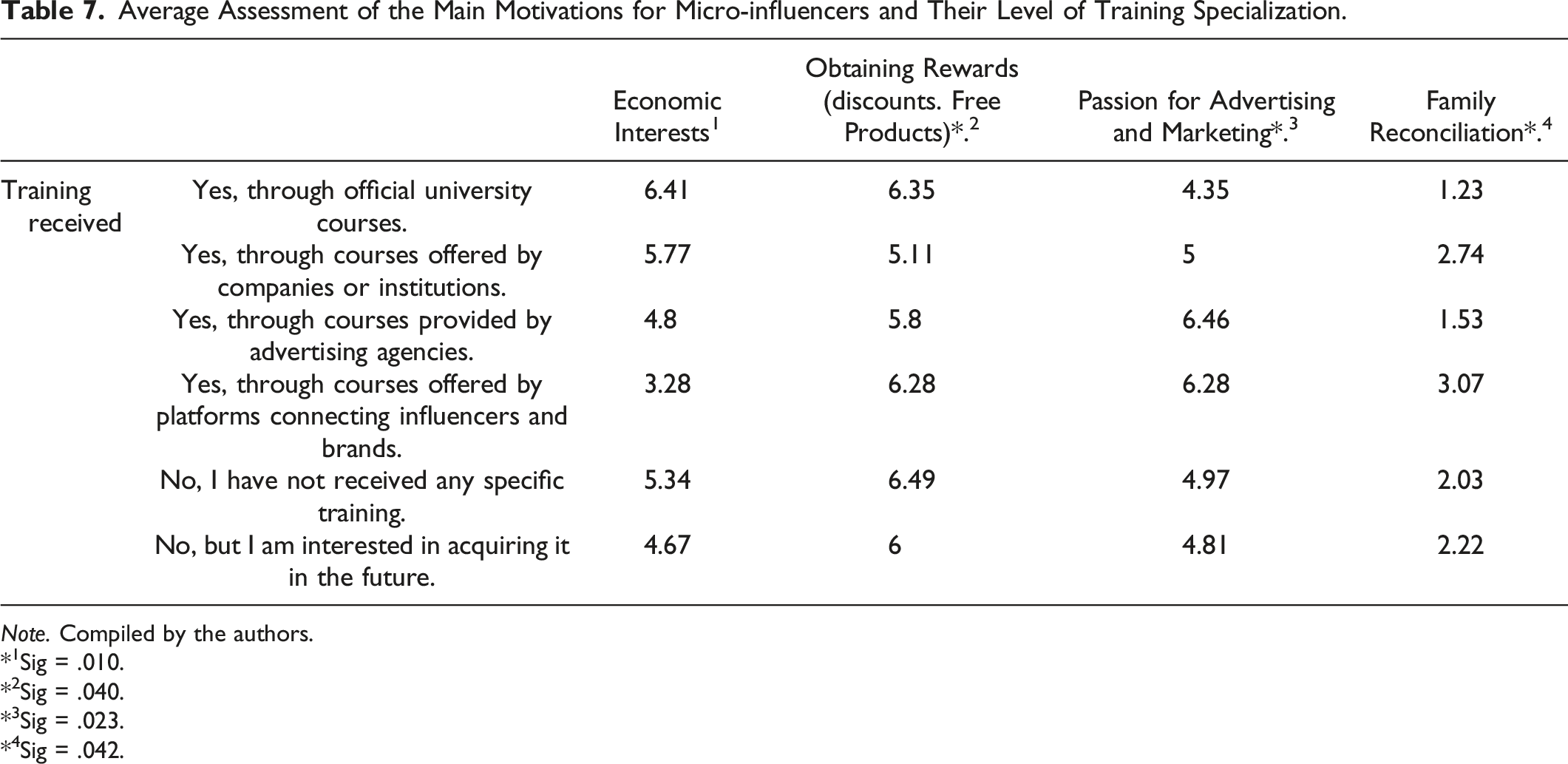
Average Assessment of the Main Motivations for Micro-influencers and Their Level of Training Specialization.
Note. Compiled by the authors.
*1Sig = .010.
*2Sig = .040.
*3Sig = .023.
*4Sig = .042.
It was revealed that those primarily motivated by financial gain tended to take official courses at universities to train as a digital content creator or through companies and institutions. Individuals more focused on obtaining rewards demonstrated a need for specific training or university studies. Additionally, micro-influencers with a strong interest in advertising and marketing as their primary motivation tended to receive training from the professional sector, including advertising agencies, intermediary platforms, and companies.
Training Levels of Micro-Influencers and Their Knowledge of the Advertising Industry
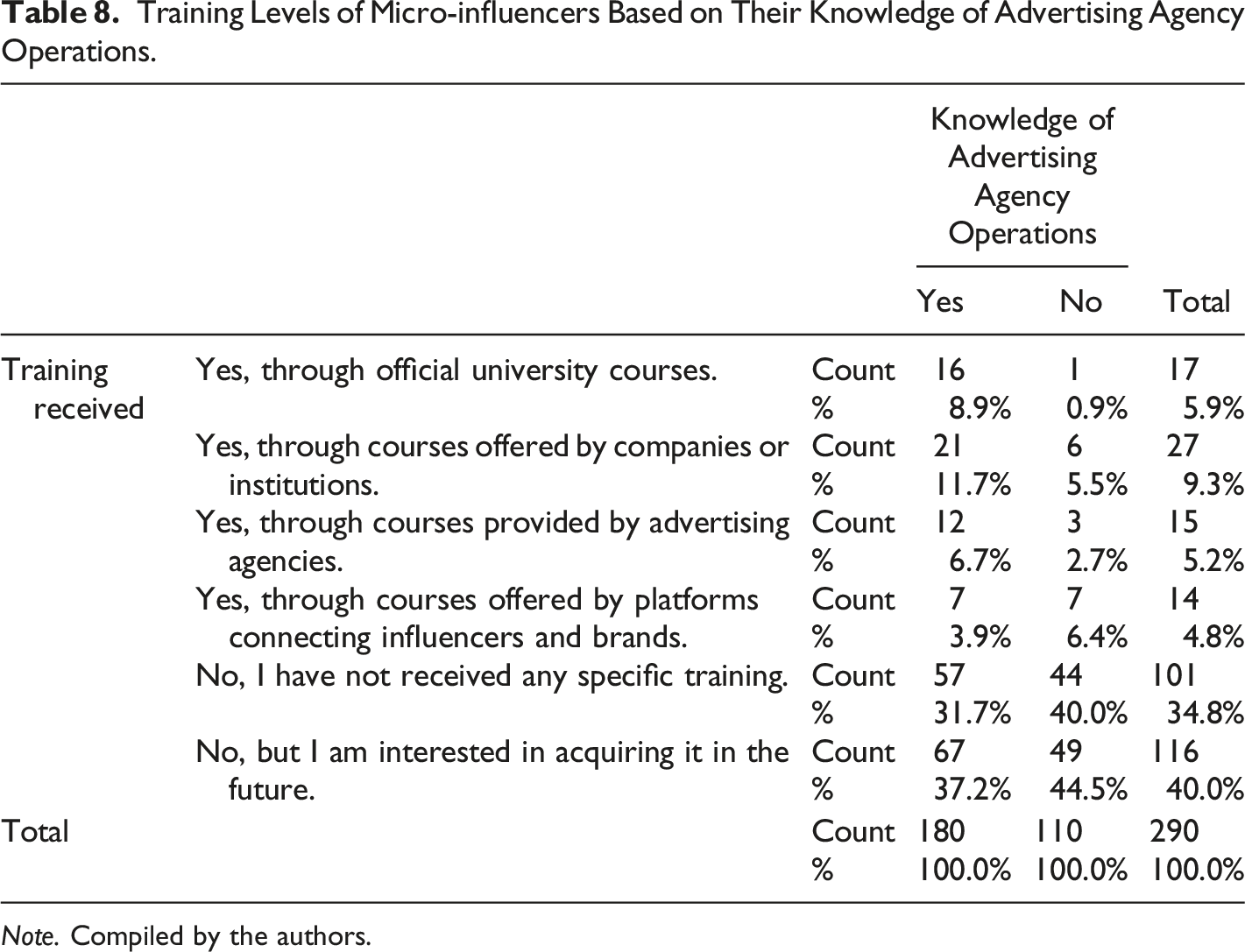
Training Levels of Micro-influencers Based on Their Knowledge of Advertising Agency Operations.
Note. Compiled by the authors.
When we conducted the chi-square test to analyze the relationship between training received and knowledge of advertising agency operations, a significant association was identified (χ2 (5, N = 290) = 15.438, p < .05).
Interestingly, 84.5% of respondents who lacked knowledge of advertising agency operations had not received training for content creation. In contrast, although almost 70% of those who understood how advertising agencies function had not undergone formal training, most of the respondents who had completed courses from universities, companies, or advertising agencies possessed knowledge about advertising operations.
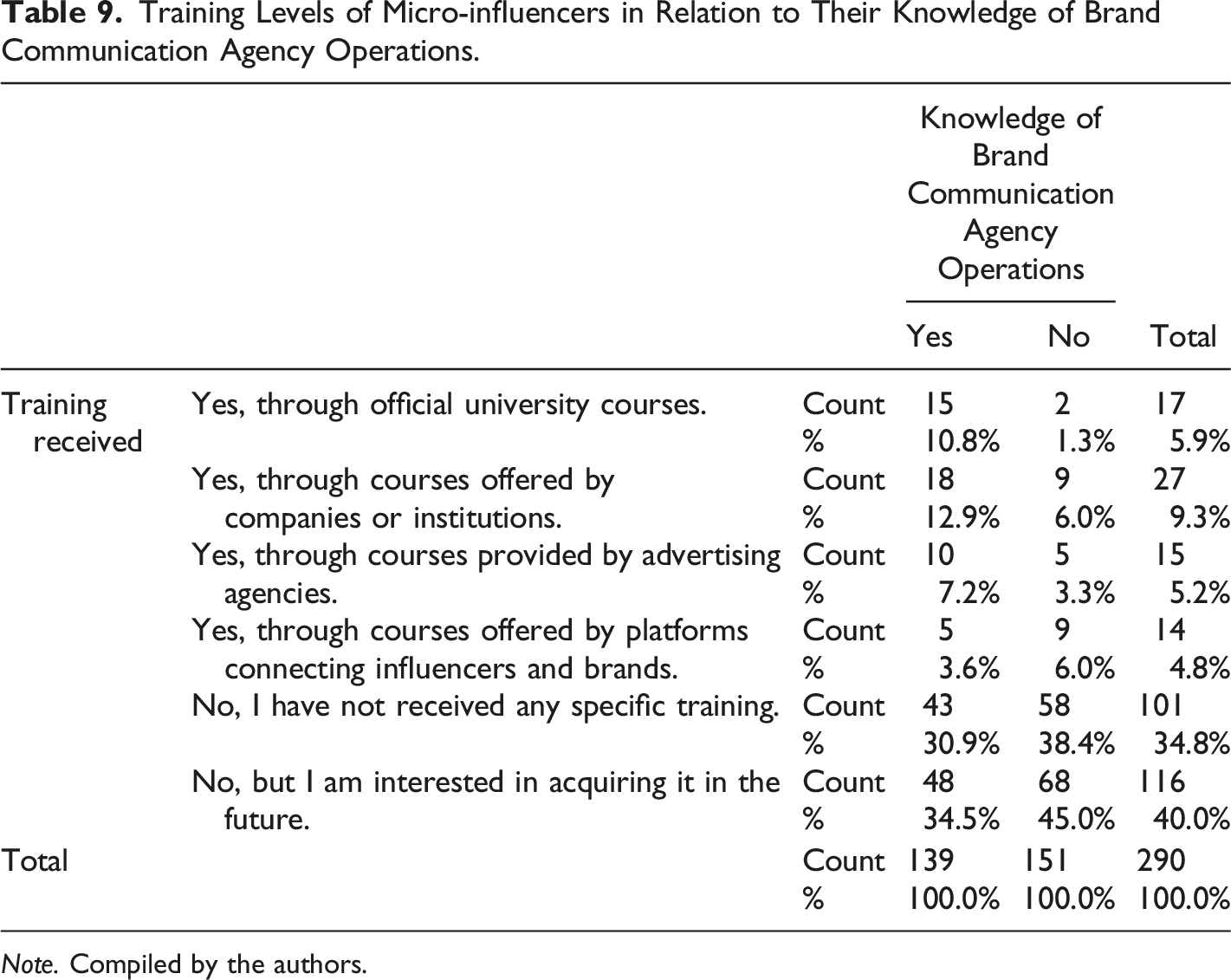
Training Levels of Micro-influencers in Relation to Their Knowledge of Brand Communication Agency Operations.
Note. Compiled by the authors.
As expected, individuals who had received some form of training, especially those who had completed official university courses, demonstrated greater knowledge of communication department operations.
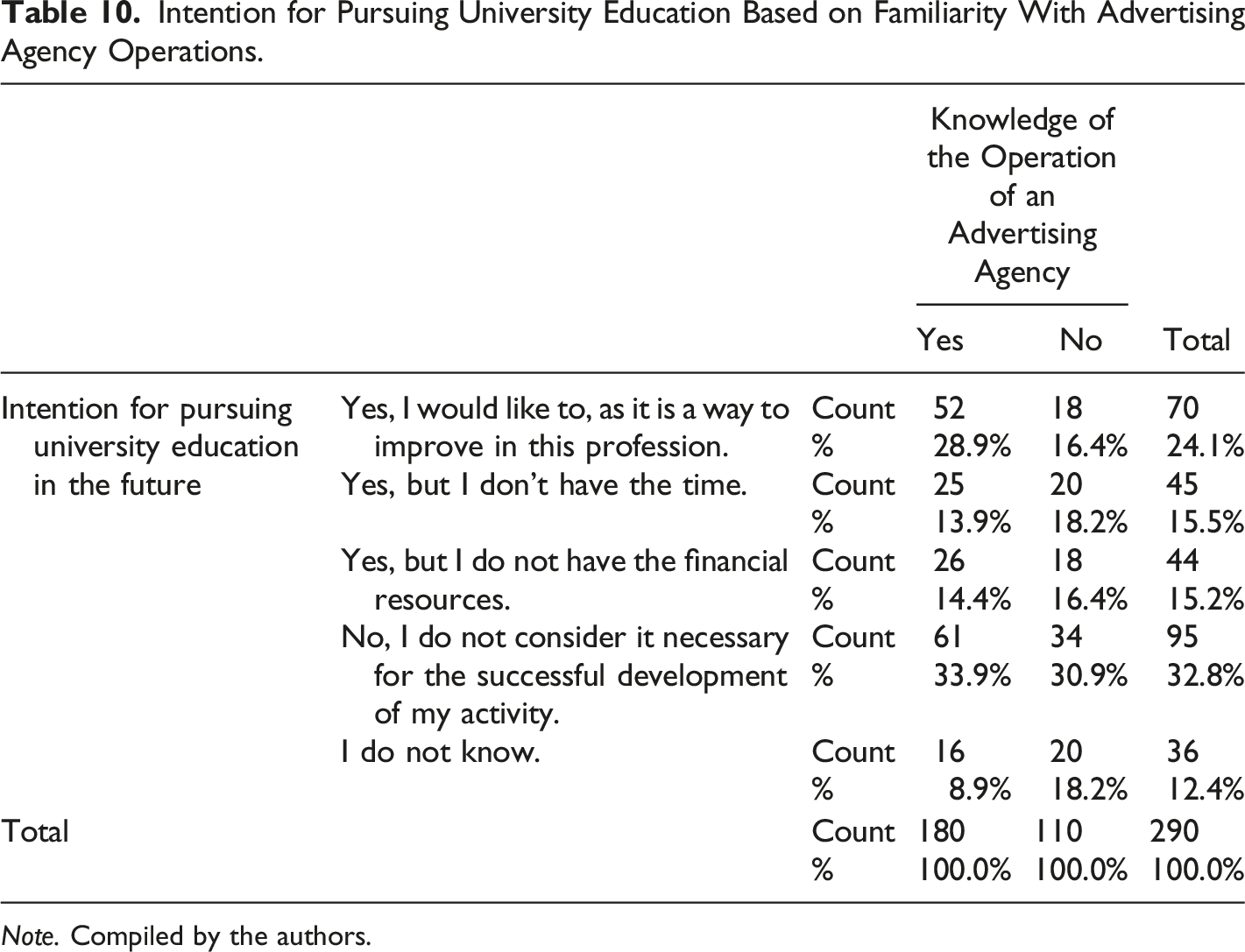
Intention for Pursuing University Education Based on Familiarity With Advertising Agency Operations.
Note. Compiled by the authors.
Conversely, 29% of those with knowledge of agency operations expressed a desire to continue their university education. Additionally, 28.3% of micro-influencers familiar with advertising agency dynamics also expressed interest in further education but cited time or financial constraints.
Discussion and Conclusions
Despite the social and academic prominence of influencers, especially those with fewer than 100,000 followers, this profile remains relatively understudied. Previous research has characterized micro-influencers as women with graduate education who engage in this activity as a hobby primarily on the Instagram social network (Peres & Silva, 2021). This study aligns with this profile, featuring respondents who are predominantly female, aged between 25 and 44, and possess undergraduate and graduate degrees. It suggests that even though they pursue this activity for leisure and entertainment, this generation has a desire to professionalize their work through specialized training in digital content creation.
We explored the training micro-influencers have received for their roles and found that nearly 75% of them have yet to undergo any formal training. This is a concerning statistic, particularly considering that influencer marketing in Spain accounts for an annual advertising investment of 63.9 million euros (Infoadex, 2023), being the second fastest growing media behind only esports and with the prospect of constant growth. Among those who have received training, it primarily consists of courses offered by companies or institutions. However, it’s noteworthy that 55% of respondents express interest in pursuing a university degree, with marketing and advertising degrees being highlighted as the most valuable for their professional development.
In terms of the relationship between the training they’ve received and their knowledge of the sector, it is unsurprising that individuals with higher levels of education exhibit a better understanding of the workings of advertising agencies and the communication departments of advertisers. However, the connection between educational intentions and sector knowledge requires further clarification. Nearly 31% of those unfamiliar with how agencies operate consider further university education unnecessary. This presents a challenge to higher education institutions in attracting this emerging role in the industry to contribute to its professionalization. The data reveals that 40% of the sample lacks knowledge of agency work, and 52% are unfamiliar with the client’s communication department—two pivotal components of the sector that should be studied within advertising degree programs (Fernández-Gómez & Feijoo, 2022).
On a positive note, among those familiar with the sector who express interest in further education at the university level, financial constraints (14.4%) and time limitations (13.9%) emerge as significant barriers. Financial constraints may arise because this activity often revolves around obtaining prizes and rewards, with remuneration less common for micro-influencers compared to those with larger followings (Conde & Casais, 2023). Pursuing education becomes a motivation for those seeking professional growth in this field. Considering that micro-influencers typically engage in various activities and operate in the digital realm, online education emerges as a viable option due to its flexibility. Currently, only four universities in Spain offer online advertising degree programs (Fernández-Gómez & Feijoo, 2022; Carpenter et al., 2019; Hernández et al., 2010; Karamustafic et al., 2020; Leparoux et al., 2019).
Additionally, an analysis of the relationship between sociodemographic variables and educational concerns reveals that micro-influencers who express a strong interest in advertising and marketing as their primary motivation have received training from the professional sector (advertising agencies, intermediary platforms, and companies). This underscores the opportunity for university education in advertising to contribute significantly to the professionalization of this emerging role within the sector.
In conclusion, it is essential to recognize that this study has exploratory limitations. To gain a more comprehensive understanding of the educational concerns of micro-influencers and how universities can better cater to the sector’s needs, future research should incorporate in-depth interviews to complement the information presented here. These interviews can shed light on the urgent need for universities to adapt their curricula to align with the evolving demands of the industry.
Footnotes
Acknowledgments
This research was part of the project “The professionalization of the [micro]influencer. Analysis of their performance in the advertising industry and challenges for society in their role as content creator”, fruit of the collaboration agreement between FuelYourBrands and the Universidad International de La Rioja (UNIR).
Declaration of Conflicting Interests
The author(s) declared no potential conflicts of interest with respect to the research, authorship, and/or publication of this article.
Funding
The author(s) disclosed receipt of the following financial support for the research, authorship, and/or publication of this article.
