




Abstract
This study provides a market segmentation analysis of the prospective solo travel market based on perceived travel constraints. The data were collected from 1,017 Australian consumers. Using the Fuzzy C-Mean method, the study identified three segments: highly constrained, soloist, and socializer. The segments were distinctive in terms of perceived constraints and solo travel attitudes and intentions. The differences among the segments were investigated further using the concept of self-construal, measured by the level of autonomy and relatedness. Significant differences in sociodemographic characteristics were observed, especially regarding gender, age, and solo dwelling status. Practical recommendations are provided to inform strategies intended to offset travel constraints and create tourism experiences that cater to the needs of different prospective solo travel segments.
Highlights
This study identifies prospective solo travel market segments based on constraints.
The segments differ in terms of gender, marital status, and household size.
Those in the soloist segment are most likely to be male, single and solo dwellers.
The soloists also present an autonomous-separate self-construal.
Introduction
Solo travel is one of the fastest-growing segments of the tourism market (Bianchi, 2016), precipitated by changing attitudes toward marriage and family, and increasingly individualized lifestyles (Klinenberg, 2012). Reports from different sectors of the tourism industry, including travel (TripAdvisor, 2015), accommodation (Booking.com, 2019), and cruise (Cruise Lines International Association, 2019), have consistently highlighted the growing popularity of solo travel. In particular, the 2015 Visa Global Travel Intentions Study found that 24% of people traveled alone on their last oversea trip for leisure purposes (Rosenbloom, 2015). A global survey conducted by Klook indicated that 76% of the respondents were interested in solo travel (Klook, 2019). In response to the increasing significance of the solo travel market, some travel companies have tailored their products to solo travelers, creating and marketing tours and services targeted specifically to solo travelers (e.g., Intrepid Travel and Airbnb) and introducing solo cabins on cruise ships (e.g., Norwegian Cruise Line). The interest in solo travel has withstood the impact of the COVID-19 pandemic (Booking.com, 2021; Huang et al., 2021; Johnson, 2020), evidenced by the growth in solo travel bookings for 2021 (Yue, 2020). Recent scholarly research has also observed a growing interest in individual holidays post-pandemic (Sánchez-Pérez et al., 2021) and less sensitivity to pandemic-related travel risks and constraints among solo travelers (Shin et al., 2022; Sung et al., 2021). These studies suggest that the solo travel trend is expected to continue.
Prior solo travel research has contributed important insights into solo travel motivations (Bianchi, 2021; Yang, 2021). The extant literature has also underlined the persisting social stigma around solitary leisure consumption (Goodwin & Lockshin, 1992; Yang et al., 2019) and barriers to solo travel participation (Chung et al., 2017; Yang & Tung, 2018; Yang et al., 2022). Nevertheless, we still have limited knowledge of the underlying factors that shape solo travel constraints and the interplay between social perceptions, perceived constraints, and solo travel attitudes and intentions. Furthermore, existing studies tend to use an over-simplistic demographic segmentation to explain the variations among solo travelers (Chiang & Jogaratnam, 2006; Laesser et al., 2009) and they have focused predominantly on solo female travelers (e.g., Karagöz et al., 2021; Osman et al., 2020; Wilson & Little, 2005; Yang et al., 2019), overlooking the complexity of the solo travel market.
Considering the tremendous social changes that have occurred over the past 10 years, with a growing solo dwelling rate and increased popularity of solo travel, an updated study on the solo travel market is warranted. The purpose of this study is to identify prospective solo travel market segments based on perceived travel constraints and self-construal. Specifically, this study aims to achieve the following research objectives: (1) to segment the prospective solo travel market by perceived travel constraints; (2) to profile the classified segments in terms of the respondents’ socio-demographics and their solo travel attitudes and intentions; and (3) to explore differences among the segments with respect to self-construal. The concept of self-construal captures the individual’s construction of the self in relation to others and their level of agency in response to social norms (Kagitcibasi, 2005). Self-construal has been identified as an important driver of solo travel intentions (Yang et al., 2021). When applied in conjunction with travel constraints, this concept is expected to deepen the current understanding of different solo travel market segments.
This study focuses on the Australian market, where a quarter of Australian households are single-person (Australian Bureau of Statistics, 2022). There have been mixed findings about the Australian solo travel market. An industry survey reported that seven in 10 Australians are interested in solo travel (Skyscanner, 2017), but a recent qualitative study identified a strong emphasis on social connectedness, or “mateship,” in the Australian culture, which could hinder Australian travelers from undertaking solo holidays (Yang, 2021). This study addresses a knowledge gap pertaining to the growing, yet under-researched solo travel market by identifying prospective market segments based on perceived constraints and self-construal. The outcomes of the study will inform the tourism industry so it can effectively channel resources to remove some of the barriers to solo travel, thereby tapping into the latent market of this growing phenomenon.
Literature Review
Solo Travel
Solo travelers in this study are defined as individuals who travel alone without the companionship of people they know (Bianchi, 2016; Yang, 2021). While solo travel has prevailed in pilgrimages (Genoni, 2011), expeditions (Laing & Crouch, 2009), and backpacking (Wantono & McKercher, 2020), it has only recently emerged as a popular form of travel for both adventure and institutionalized tourists. More recently, solo travel has been regarded as an emancipatory undertaking for women, as reflected in the growing body of literature investigating various aspects of solo female travelers, from motivation (Osman et al., 2020), to constraint (Ngwira et al., 2020; Wilson & Little, 2005) and risk (Hosseini et al., 2021; Karagöz et al., 2021; Yang et al., 2018), to transformative experience (Nikjoo et al., 2021; Sengupta, 2022). However, there are limited studies on solo travel that extend beyond the gender lens.
Among the non-gender-focused studies, solo travel motivation is a widely researched topic. Yang (2021) broadly categorizes solo travelers into those who travel alone by choice and those who do so due to circumstances. Using the push–pull theory, Bianchi (2016) found that, for solo travelers, push factors such as freedom, independence, self-discovery, and meeting new people, are more salient than pull factors or destination attributes. A recent study by the same author discovered that previous solo travel experiences, including satisfaction, pleasure, and self-development, are important antecedents of repeat solo travel intention (Bianchi, 2021). Existing research also suggests that solo travelers are different from other tourists in terms of accommodation, transportation, and tour choices (Radojevic et al., 2015; Steffen et al., 2020; Sung et al., 2021; Wang et al., 2020). Solo travelers pay more attention to price and convenience (Radojevic et al., 2015; Wang et al., 2020), and are more likely to choose full-board tours where meals are provided (Steffen et al., 2020); the latter could be attributed to the discomfort associated with dining alone while traveling (Brown et al., 2020).
The extant literature has consistently underscored the social stigma and negative connotations associated with solo leisure activities (Goodwin & Lockshin, 1992; Heimtun, 2010), including solo dining (Brown et al., 2020) and solo travel (Yang et al., 2019). The social stigma associated with solo travel could be explained by the prevailing social norms of heteronormativity, which normalize social companionship and stigmatize the lack of it, especially in public spaces (Osman et al., 2020; Yang et al., 2019). Leisure travel is conventionally associated with social connectedness, such as spending time with family and friends (Heimtun, 2010). Discrimination against solo travelers is evident in the holiday space. For instance, Heimtun and Abelsen (2013) found that certain holiday spaces, such as beach resorts where one’s solo status could be conspicuous, are undesirable for solo travelers. Likewise, underpinned by heteronormative social norms, the conventional accommodation sector generally assumes double occupancy as the default unit of consumption (Goodwin & Lockshin, 1992; Yang et al., 2019). This has resulted in the use of the single supplement, whereby solo travelers are penalized for being on their own by having to pay extra (Yang, 2021). The social stigma associated with being alone in the holiday space could constrain solo travel participation and the experience of traveling alone.
Travel Constraints
Constraints refer to the limiting factors that affect individuals’ preferences and participation in an activity (Crawford & Godbey, 1987). Understanding the factors that hinder solo travel is fundamental to unlocking the growing solo travel market. Crawford and Godbey (1987) categorize leisure constraints into intrapersonal, interpersonal, and structural constraints. A later study by Crawford et al. (1991) proposes a hierarchical model of leisure constraints. The model suggests that leisure preferences are shaped by intrapersonal constraints related to individual psychological states, attitudes, and perceptions. A leisure preference is formed when intrapersonal constraints are overcome or absent. The individual will subsequently be confronted by interpersonal constraints resulting from interpersonal relations and interactions. Once interpersonal compatibility is achieved, the individual will finally encounter structural constraints around time, cost, and family commitments, which determine the decision to participate in leisure activities.
The theory of leisure constraints (Crawford & Godbey, 1987; Crawford et al., 1991) has been applied widely in the tourism scholarship, investigating a broad range of travel experiences (e.g., Hung & Petrick, 2012; Ngwira et al., 2020; Xie & Ritchie, 2019). Nevertheless, prior research suggests that constraints to solo travel might be different compared with general travel activities, and therefore warrant an investigation of their own. The solo status of travelers amplifies travel constraints about safety (Karagöz et al., 2021; Su & Wu, 2020), social stigma (Osman et al., 2020), loneliness (Seow & Brown, 2018; Zelia et al., 2020), and cost (Yang, 2021). In general, safety concerns and social stigma could be categorized as intrapersonal constraints (Walker et al., 2007), loneliness as an interpersonal constraint (Hung & Petrick, 2012), and cost as a structural constraint (Yang & Tung, 2018), with the recognition that there has been inconsistency in the classification and interpretation of constraints. Furthermore, Crawford et al. (1991) consider the inability to find a suitable partner to participate in a leisure activity as an interpersonal constraint, which is regarded as less relevant to solitary leisure activities. Recent studies on solo travel discovered the opposite, with an available travel partner acting as an interpersonal constraint, hindering individuals who are interested in solo travel from undertaking it (Yang, 2021), given that interpersonal constraint is an important predictor of solo travel intention (Yang et al., 2022). Likewise, existing solo travel research presents contradicting views on the constraint of cost (Radojevic et al., 2015; Yang, 2021; Yang et al., 2022).
While constraints have been explored in past studies of solo travel, most of this research consists of small-scale qualitative studies. Yang and Tung’s (2018) study is one of the few exceptions. They have investigated solo travel constraints, focusing on the influence of family in Chinese society through the cultural lens of Confucianism. Also in an Asian context, Chung et al. (2017) examined the constraint negotiation of solo travel and identified perceived behavioral control as a mediator between motivation and constraint-negotiation efforts. Yang et al. (2021) introduced the concept of self-construal to solo travel constraint research, but the study investigated the effect of self-construal on solo travel intention rather than on the constraints themselves. While these studies have expanded the theory of constraints and constraint negotiation, gaps remain regarding the antecedents of solo travel constraints. More importantly, the existing literature has not considered variations in perceived constraints among solo travelers or between existing and prospective solo travelers, and the profiles of these different groups of travelers remain largely unknown.
Constraint-Based Market Segmentation
The existing tourism literature has predominantly utilized psychographic segmentation to divide the travel market into smaller segments based on motivations (Khoo-Lattimore et al., 2018) and lifestyles (Iversen et al., 2016). Psychographic segmentation is instrumental in reflecting the underlying factors of travel behavior, but the effectiveness of the approach relies on the reliability and validity of the measures (Dolnicar et al., 2018). Behavioral segmentation is another widely used approach that segments travelers based on their actual or stated behavior, including activities undertaken (Song, 2017) and expenditure patterns (Mortazavi & Lundberg, 2019). While the validity of the measures is less of an issue in behavioral segmentation (Dolnicar et al., 2018), the approach has limitations in segmenting prospective travelers.
Prior research has underscored the importance of constraints in market segmentation (Cho et al., 2017; Gu & Huang, 2019; Kattiyapornpong & Miller, 2009; Kim et al., 2021). By knowing how constraints impact different market segments, the travel industry can better respond to and alleviate the barriers to travel participation for the constrained segments. Despite its apparent value, constraint has not been widely used as a market segmentation approach in the existing tourism literature. A handful of studies have adopted a constraints-based approach to market segmentation in the Chinese travel market, investigating various forms of travel such as wine tourism (Gu & Huang, 2019), outbound travel (Li et al., 2011), and independent travel (Kim et al., 2021). For instance, Li et al. (2011) discerned different segments among Chinese outbound tourists based on the perceived level of structural, cultural, information, and knowledge constraints. Using a slightly different approach, Kattiyapornpong and Miller (2009) conceptualized socio-demographic characteristics, including life stage, income, and age, as constraints to explain variations in Australians’ travel behaviors and preference. These studies have established the feasibility of constraints in identifying viable segments, with marketing implications to mitigate constraints and thereby encourage travel participation.
Within the solo travel literature, Laesser et al. (2009) adopted a conceptual framework from transportation research to divide solo travelers into four predetermined categories based on departure status (i.e., household size) and arrival status (i.e., travel party size). Nevertheless, the framework is over-simplistic, as it overlooks the multidimensional nature of solo travel. Furthermore, the segmentation framework assumes that singles who travel alone have similar travel profiles and do not consider the barriers to solo travel participation. In other words, the framework fails to address the question of why some singles travel solo while others travel in groups. Focusing on women, Chiang and Jogaratnam (2006) divided solo travelers according to their travel motivations and profiled the clusters based on demographic and trip characteristics. While an increasing number of scholarly publications on solo travel have been published over the past few years, scant knowledge exists about the different segments within the existing and potential solo travel market, and even less is available from the constraint-based market segmentation perspective.
Self-Construal
Prior research suggests that the perception of constraint can be influenced by how individuals construe the concept of self in relation to others (Hudson et al., 2013) and in responding to social norms (Godbey et al., 2010). This is especially relevant in the solo travel context, where social stigma around solitary leisure consumption persists. Self-construal, a concept originating from cultural psychology, offers a theoretical lens to examine how the way an individual makes sense of the self affects their cognition, emotion, motivation, and behavior (Cross et al., 2010). Applied to the solo travel context, self-construal provides a framework to deepen our understanding of solo travel (non)participation, which until now has largely ceased at the over-simplistic sociodemographic explanation.
Since Markus and Kitayama (1991) introduced the notion of self-construal, different models and measurement scales have been developed. There are multiple representations of self, with independence and interdependence being the two most widely researched dimensions, often conceptualized as two opposing ends of the self-construal continuum (Wei et al., 2012). While independence signifies agency, interdependence is not equivalent to a lack of it (Kagitcibasi, 2005). In response to the confounding conceptualization, Kagitcibasi (2005) proposes a two-dimensional self-construal matrix based on the degree of agency and interpersonal distance. The model has been applied and tested in communal and solitary recreational settings (Merdin-Uygur & Hesapci, 2018) and solo travel research (Yang et al., 2021).
Agency refers to a person’s need for autonomy (Cross et al., 2010). An autonomous individual has a higher level of efficacy and control over their behavior while withstanding social pressure, while a heteronomous person is more likely to adjust their needs and behavior in order to be accepted by others. Prior research suggests that agency is more salient among individuals from Western cultures compared with those from collectivist cultures (Cross et al., 2010). Interpersonal distance refers to self–other relations (Merdin-Uygur & Hesapci, 2018). Individuals with high relatedness have a stronger need to connect with others, juxtaposing those with high separateness and a clear self-boundary. Notably, women are more likely to score higher in relatedness (Cross et al., 2010). The matrix suggests that individuals can have a strong need for agency and connection with others concomitantly.
Yang and colleagues’ (2021) study is the only research that has applied the theory of self-construal to the solo travel context. The study found that autonomy positively influences the intention to travel solo, while relatedness has a negative effect on solo travel intention. The study did not, however, consider the intersection between agency and interpersonal distance (e.g., solo travelers who score high in both autonomy and relatedness). This study posits that individuals with an autonomous-related self-perception are likely to have greater control over making solo travel decisions without being affected by what other people think about those decisions. These individuals are likely to be interested in social activities in order to meet people during their solo holiday. By the same token, solo travelers with an autonomous-separate self-construal may prefer solitary activities. In contrast, the travel decisions of individuals with heteronomous-related self-construal are likely to be influenced by other people, and they are more inclined to take part in activities that foster social connection. Individuals with heteronomous-separate self-construal lack agency in making travel decisions and have weak social attachments.
Self-construal has been applied in tourism, leisure, and hospitality research, although with some distinctions in the conceptualization and application of the concept. Past studies have established the effectiveness of self-construal in explaining solo travel intention (Yang et al., 2021), travel motivation and behavior (Huang et al., 2016; Lankford et al., 2005), leisure constraints (Hudson et al., 2013), complaint behavior (Wei et al., 2012), and satisfaction with self-service technology (Fan et al., 2020). Apart from being a causal construct, self-construal is also an instrumental interpretive tool for describing behavioral patterns (Cross et al., 2010; Kashima, 2009), implicating the potential of self-construal as a descriptor variable in market segmentation research. This study will expand this stream of literature by using constraint as a market segmentation variable and self-construal as a descriptor variable to identify different sub-groups of solo travelers.
Methodology
Data Collection and Measurements
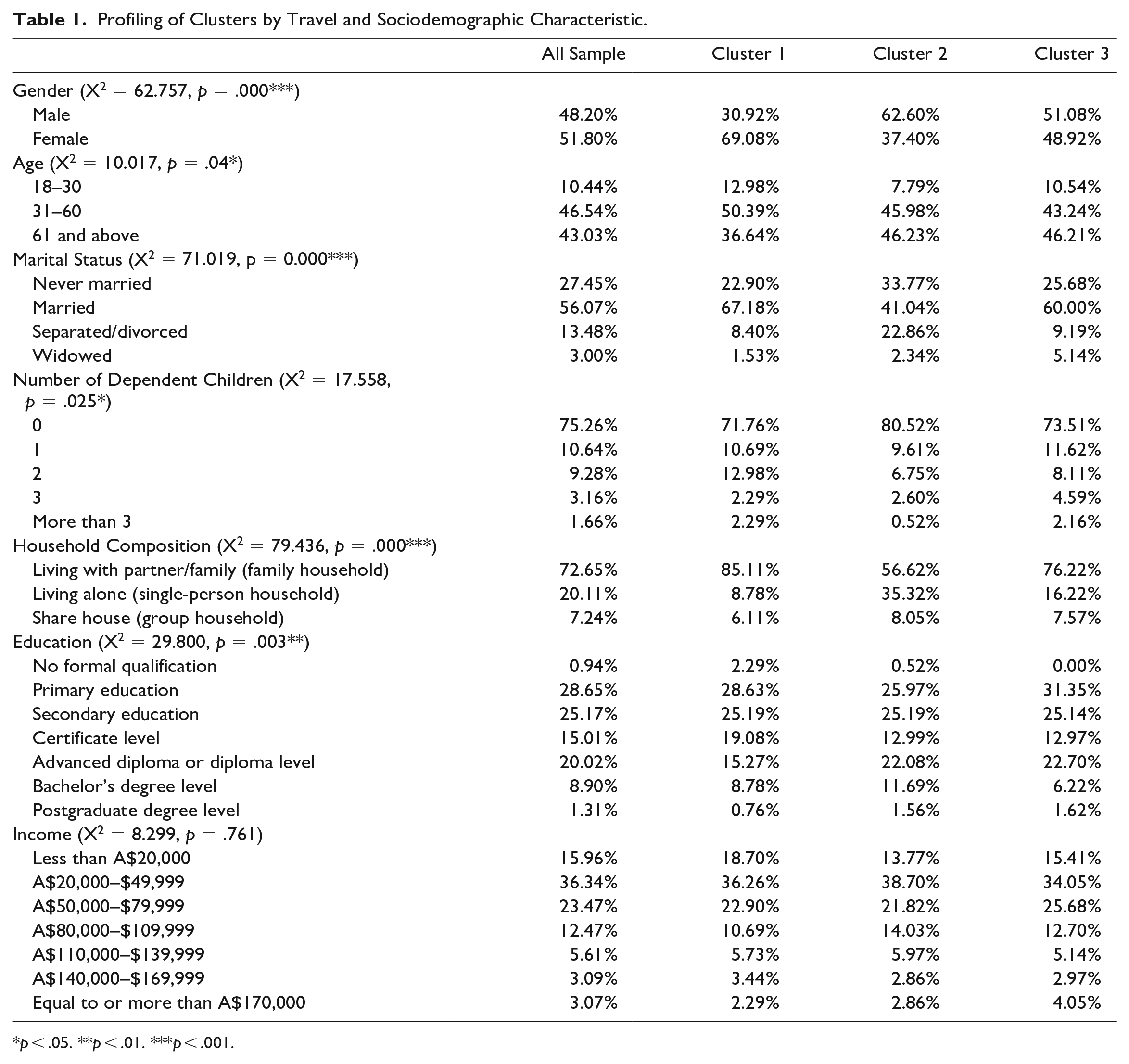
A quantitative survey method was employed in this market segmentation study. The data for the study were collected in November 2019 using online convenience sampling, with the survey distributed to an online panel via Qualtrics, a global market research company. Past tourism studies have employed online samples from panel providers (Mathis et al., 2016; Nimri et al., 2020). In particular, prior research has established the credibility of Qualtrics in providing a representative sample (Boas et al., 2020), including tourism and hospitality research conducted in Australia (Nimri et al., 2020). In this study, Qualtrics enabled us to distribute the survey across Australia, reaching respondents from a wide range of socio-demographic profiles. The targeted sample was not limited to individuals with solo travel experience: any Australian above 18 years old was eligible to participate in this research. Attention-checking questions were embedded within the survey to ensure the reliability of the data (Wen et al., 2018), which resulted in 18 cases being removed from the dataset due to unengaged responses. The final data set comprised 1,017 cases and the sample profile is summarized in Table 1 in the Findings section. The sample in this study generally reflected the Australian population. The respondents were divided almost equally between both genders. About 44.4% of the respondents were not in a marital relationship, and a majority did not have dependent children (75.26%). The sample’s gender and household composition closely aligned with the findings of Australia’s 2021 census (Australian Bureau of Statistics, 2022). One-fifth of the sample lived alone, which was also consistent with the 2021 census data (22.8%). While the sample was distributed across different age groups, it skewed toward the older generation, aged 50 and above, especially the 61–70 years age category (sample: 23%; population: 11%). In terms of education and income, one-third of the sample had a qualification beyond secondary education, and 75.77% of the sample had an annual income below $79,999.
Profiling of Clusters by Travel and Sociodemographic Characteristic.
*p < .05. **p < .01. ***p < .001.
The survey consisted of four main sections, investigating constraints (11 items), self-construal (12 items), solo travel attitude (four items), and solo travel intention (three items). Basic socio-demographic information was also collected. Measurements of solo travel constraints were adapted from the literature (Chung et al., 2017; Hung & Petrick, 2012; Nyaupane & Andereck, 2008; White, 2008; Xie & Ritchie, 2019; Yang, 2021). Self-construal was measured using items from the scale developed by Merdin-Uygur and Hesapci (2018). Measurement items for solo travel attitude and intention were adapted from Nimri et al. (2020) and So et al. (2018). A total of 30 items (see supplementary file) were measured on a metric response option through a visual analog or slider scale, where respondents indicated their response on a continuous line with 0 and 100 as the two endpoints. Prior research has expounded on the merit of metric data over ordinary data generated using a Likert scale in the measurement of distance (Choi et al., 2020; Dolnicar et al., 2018), which is especially important in data-driven segmentation analysis.
Data Analysis
The existing tourism literature has predominantly utilized a two-stage factor-cluster analysis to segment tourists (Chen & Lin, 2012; Kim & Ritchie, 2010; Lee et al., 2021). However, cluster analysis may be affected by a variety of uncertain factors, including the inaccuracy and ambiguity of the characteristic function (Coppi et al., 2012) and subjectivity in individual evaluation of linguistic terms (Benítez et al., 2007; D’Urso et al., 2013). These uncertain factors have rendered it difficult for traditional cluster analysis to manage uncertain and vague data (Chou et al., 2008).
Zadeh (1999) proposed the fuzzy set theory to solve uncertainty problems with the content of fuzzy concepts through quantitative methods. There are different types of fuzzy cluster analysis (D’Urso et al., 2013; Sohrabi et al., 2012), among which Fuzzy C-Mean (FCM) is the best known (Bezdek, 2013). Compared with traditional K-mean, FCM has predominant advantages in being less affected by the local optimum value and having higher computational efficiency (Coppi et al., 2012). Several tourism scholars have applied FCM to segment tourists. D’Urso et al. (2016) have demonstrated FCM as a realistic approach to segmenting multidimensional tourist experiences. FCM has also been applied to distinguish the girlfriend getaway market (Khoo-Lattimore et al., 2018) and the mobility patterns of tourists (Senefonte et al., 2022). These studies have lent support to the efficiency of fuzzy cluster analysis in dividing individuals into homogeneous groups.
The FCM algorithm subdivides a multivariate data set into C classes so the within-class variance is minimized based on Euclidean distances (Bezdek, 2013). The function of the FCM is defined by the following:

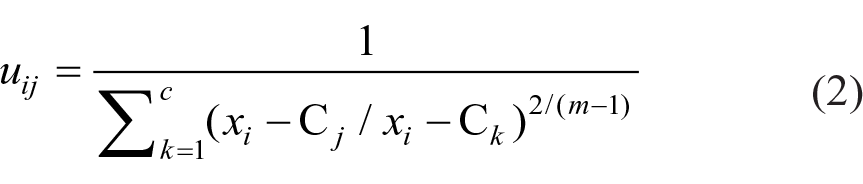
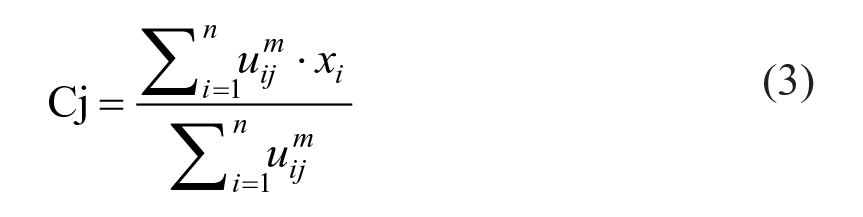
where Jm is the objective function, n is the number of objects in the database, c indicates the number of clusters, m is the fuzzy exponent, uij denotes the degree of membership of object xi in cluster j, and cj is the d-dimension center of the cluster. Detailed information about the FCM can be found in Sánchez-Franco et al. (2021). The package “ppclust” was used for clustering in R (Version 3.5.1).
This study utilized the elbow method to calculate the most suitable number of clusters (i.e., choice of the fuzzifier; Kodinariya & Makwana, 2013). The concept is based on the sum of the squared errors (SSE) as an indicator to calculate the distance between every point in each cluster and the cluster center distance (Thorndike, 1953). Based on the K and SSE plots, the point that declines from rapidly to moderately in SSE can be observed. This point is generally called the inflection point, which is selected as K. This point can ensure a cluster benefit when the K value is gradually increased. Therefore, it is suitable and regarded as a clustering criterion. This study confirmed three clusters as the optimal number. Subsequently, the most widely used fuzzy C-mean is used to divide the data into the most suitable three groups based on perceived constraints. An ANOVA was used to evaluate the differences in socio-demographic characteristics and solo travel attitudes and intentions among these clusters, while a MANOVA was used to explore whether there were differences in the self-construal of travelers in different clusters.
Findings
Classification of Solo Travel Constraint Segments
The three constraint dimensions—intrapersonal, interpersonal, and structural—were used as the classification variables to divide the 1,017 respondents into three segments (see supplementary file in the online materials). The descriptive statistics of each segment are shown in Table 2.
Cluster Analysis Results and Descriptive Statistics.
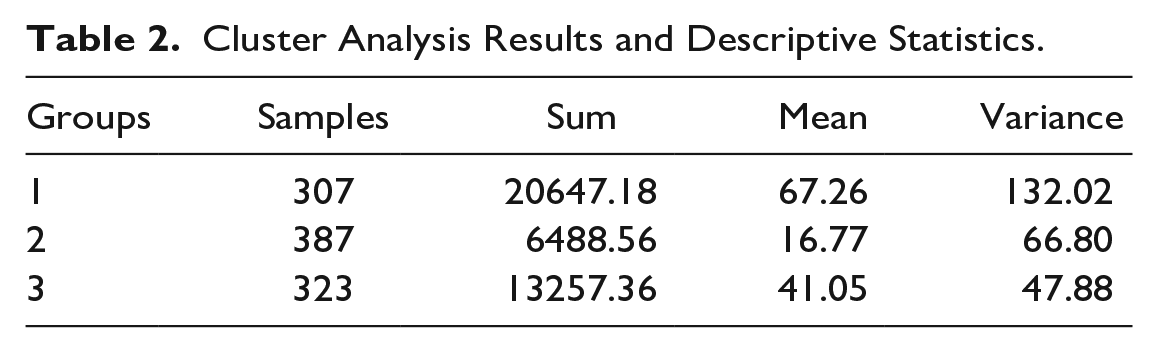
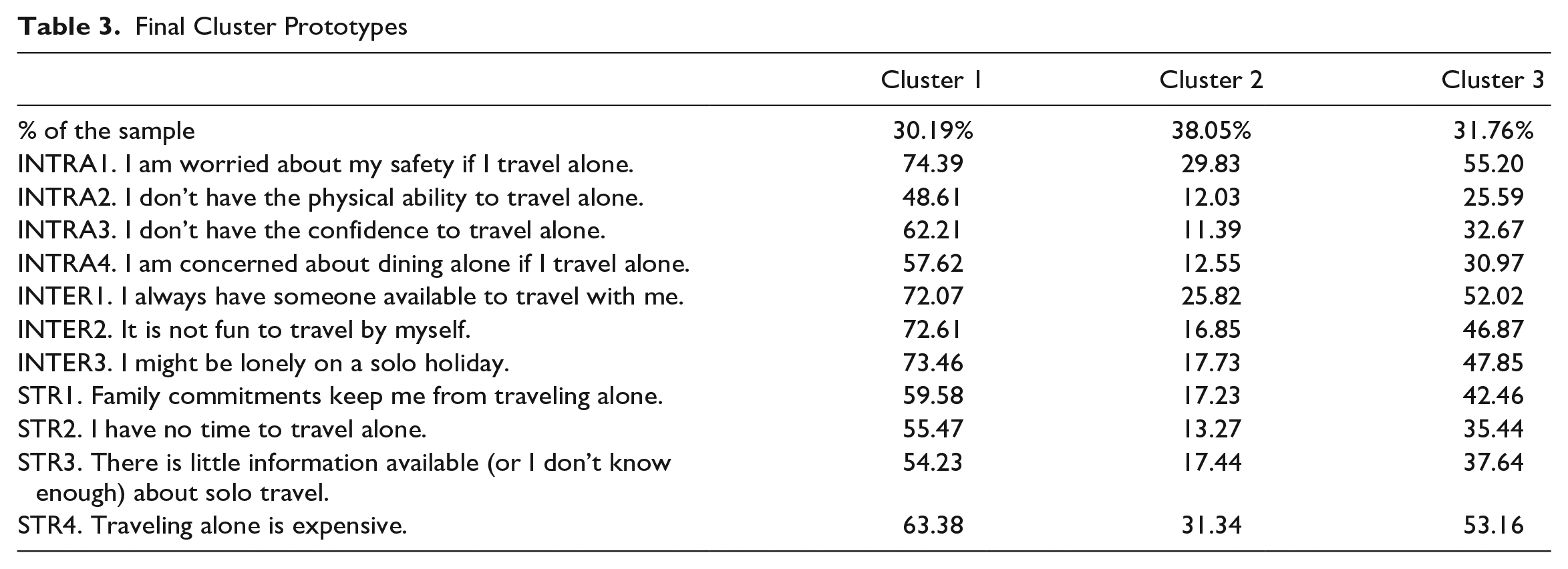
Table 3 shows the cluster percentage and mean score of the items for each constraint cluster. Cluster 1, which accounted for 30.19% of the sample, showed the highly constrained segment, in which the respondents had the highest scores across all constraint items, especially for safety (INTRA 1: 74.39) and lack of confidence (INTRA 3: 62.21) in intrapersonal constraints and interpersonal constraints in general. While this group scored relatively lower in structural constraints compared with the other two constraint dimensions, the scores for structural constraints were still higher than for the other two segments. Cluster 2, which was labeled as the soloist segment, showed that 38.05% of the sample had the lowest scores across all constraint items. The members of this group were quite confident about traveling alone; their main solo travel constraints were related to cost (STR4: 31.34), safety (INTRA1: 29.83), and always having someone available to travel with them (INTER1: 25.82). Cluster 3 (31.76% of the sample) consisted of respondents who perceived a moderate level of constraints for solo travel. Apart from their concerns about safety (INTRA 1: 55.20) and cost (STR4: 53.16), these respondents also attached relatively high importance to interpersonal constraints. As such, Cluster 3 was named the socializer segment.
Final Cluster Prototypes
Characteristics of the Three Solo Travel Cluster Segments
Results of the chi-square test indicated significant differences in sociodemographic characteristics, including gender (p = .000***), marital status (p = .000***), household composition (p = .000***), number of dependent children (p = .025*), age (p = .04*), and education (p = .003**). Cluster 1, the highly constrained segment, was overrepresented by females (69.08%), while Cluster 2, the soloist segment, was overrepresented by males (62.6%). Half the people in Cluster 1 fell within the 31 to 60 years age group, and they were more likely to be married (67.18%). The lowest percentage of solo living (8.78%) was also identified in Cluster 1. There were significantly more people living alone (35.32%), never married (33.77%), with no dependent children (80.52%), and with higher qualifications (35.33% had an advanced diploma or diploma and above) in Cluster 2 than in the other two groups. Those in Cluster 3 were divided equally by gender, and a majority were married and lived with partner/family (76.22%).
Cluster Segment Attitudes and Intentions to Travel Solo
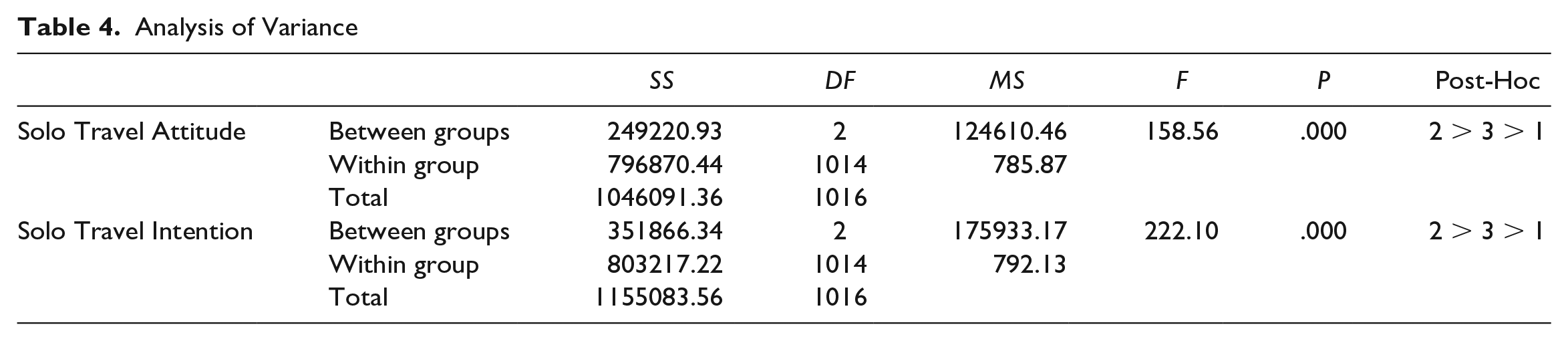
The results of the ANOVA test indicated significant differences in solo travel attitudes and intentions across the three clusters (Table 4). A post-comparison test showed that Cluster 2 (soloist segment) had highly positive attitudes and strong intentions for solo travel. Those in Cluster 2 viewed solo travel as good (mean = 76.61) and enjoyable (70.23) and were willing (90.32) and planned (78.55) to travel alone. Those in Cluster 3 (socializer segment) appeared to have ambivalent attitudes toward solo travel, but their willingness to travel alone (68.66) was still above the mid-point. Those in Cluster 1 (highly constrained segment) were the opposite, as they had negative attitudes toward solo travel in general and had no plans to travel alone (30.14). The mean score of the soloist segment for solo travel intention was higher than 70, while the highly constrained segment was lower than 40. The full results of solo travel attitudes and intentions are included in the supplementary file (see the online supplemental materials). The results confirmed that members in different clusters had different attitudes and intentions toward solo travel.
Analysis of Variance
Cluster Segment Self-Construal
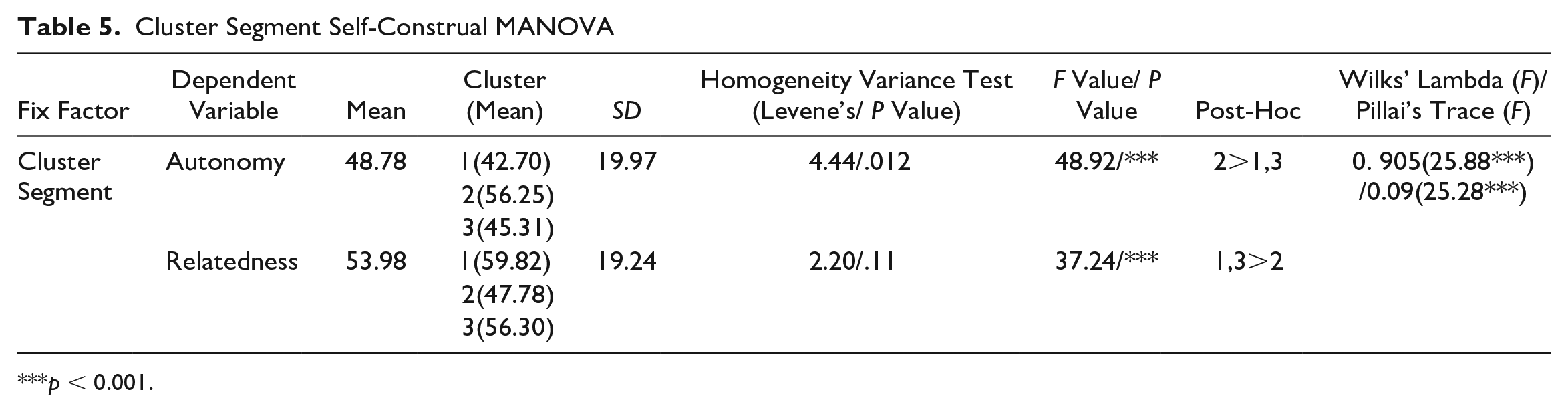
This study explored the differences in self-construal among members of different cluster segments by analyzing the mean scores of autonomy and relatedness. A multivariate homogeneity test was performed with Box’s M to test whether the population variance between dependent variables was similar. The Box’s test in this study violated the basic assumption of homogeneity of variance (Box’s M = 14.82, F = 2.464, p < .05); however, due to the small difference in the number of samples in each group, it can be observed that the Pillai’s trace value (F > 25, p < .001) is significant (Table 5) to perform a MANOVA. The results of the MANOVA test identified significant differences in each variable of self-construal, and further comparisons of autonomy and relatedness among the clusters were made using Scheffe’s method. The results revealed that the mean score of autonomy in Cluster 2 (the soloist segment) is significantly higher than in the other two clusters, while the score of relatedness of this cluster is significantly lower (Table 5). There was no significant difference between Cluster 1 (the highly constrained segment) and Cluster 3 (the socializer segment) in both variables, although Cluster 3 scored slightly higher in autonomy and slightly lower in relatedness compared with Cluster 1.
Cluster Segment Self-Construal MANOVA
p < 0.001.
Discussion
Discussion of Findings
In response to the growing trend toward solo travel (Johnson, 2020; Solo Female Travelers, 2022) and the critical need for an updated solo travel market segmentation study, this study set out to segment the prospective solo travel market based on perceived constraints. Three distinctive clusters were identified: highly constrained, soloist, and socializer. The variations in solo travel attitudes and intentions were examined across the three segments. The differences among the segments were further investigated using the concept of self-construal. Overall, those in the highly constrained segment saw the highest level of constraints, exhibited negative attitudes toward solo travel, and were least likely to undertake a solo holiday. Notably, members of this segment were predominantly women aged between 31 and 60 years, and they were least likely to live alone. In contrast, those in the soloist segment, which had a higher proportion of males, perceived the lowest level of constraints and were most likely to be single, solo dwellers, and highly educated. Located in the middle was the socializer segment, which perceived a moderate level of constraints but was relatively more constrained by interpersonal factors, as most respondents in this cluster were married and lived in a family household.
Aligned with the existing literature (Karagöz et al., 2021; Su & Wu, 2020), the results confirmed safety (intrapersonal constraint) as a critical constraint on solo travel. Prior research has presented varying views regarding cost as a concern for solo travelers (Radojevic et al., 2015; Yang, 2021; Yang et al., 2022). This study confirms the findings of Yang (2021) that cost is another key constraint affecting all three segments, particularly the soloist segment. This study goes beyond the simple identification of constraints by revealing the different constraint hierarchies among the three segments. Specifically, the soloist segment attributed more importance to structural constraints than to intrapersonal and interpersonal constraints, while the socializer segment was more constrained by interpersonal constraints. This finding suggests that even if the soloists overcome the preceding intrapersonal and interpersonal constraints and hold a positive attitude toward solo travel, a structural constraint such as cost remains a significant barrier to solo travel participation. The geographical distance and the subsequent implications for the costs of Australian travelers to travel domestically (Australia is a vast country) or internationally (Australia is a long way from other international destinations), and not having someone to share the cost, are likely to augment the constraint.
Apart from validating the impact of hierarchical constraints on solo travel intention, the study also shows how self-construal shapes perception of constraints. Specifically, the soloist segment demonstrated significantly stronger autonomy and weaker relatedness compared with the other two segments. According to Kagitcibasi’s (2005) self-construal model, members of the soloist segment presented an autonomous-separate self-construal while members of the socializer and highly constrained segments showed a heteronomous-related self-construal. The theory of self-construal suggests that individuals with higher autonomy and lower relatedness (i.e., the soloist segment) are more individualistic and independent (Kagitcibasi, 2005; Markus & Kitayama, 1991), and therefore more likely to embrace solo travel. In contrast, individuals with lower autonomy and higher relatedness (i.e., the socializer and highly constrained segments) are more inclined toward social-oriented activities, as evidenced in the concerns for interpersonal constraints (e.g., loneliness) and relatively weak solo travel intention among members of the other two segments. While no significant differences were identified between the socializer and highly constrained segments, the socializers who had a slightly stronger autonomy and slightly weaker relatedness than those who were highly constrained indicated a greater willingness to travel solo, making them a viable solo travel segment. However, further research is required to substantiate this finding. It will also be fruitful to examine the solo travel intentions and preferences of individuals with high autonomy and high relatedness, a subgroup that has not been identified in the current study.
The socio-demographic characteristics of the classified clusters shed light on the profiles of potential solo travelers and those who are more constrained and less likely to travel solo. Resonating with the extant solo travel literature that is skewed toward women and their perceived constraints (Ngwira et al., 2020; Wilson & Little, 2005), this study found that 70% of the respondents in the highly constrained segment were female. However, the study also revealed the need for further research on solo travelers beyond the gender focus to broaden the theoretical development in this area. For instance, this study found that the soloist segment comprised a large proportion of male solo travelers, but their experience has received relatively scant scholarly attention. In a similar vein, the existing research has alluded to the rise of solo dwellings as a plausible antecedent to solo travel (Klinenberg, 2012). This study confirms that the soloist segment has a higher proportion of people living alone; however, further research is required to validate the relationship between solo living and solo traveling. Combining both gender and household characteristics, the findings of this study that suggest soloists are more likely to be male and to live alone are inconsistent with the results of Laesser and colleagues’ (2009) study to some extent; this warrants further investigation using different segmentation frameworks.
This study utilized fuzzy set theory—which accounts for multidimensional tourist behaviors and characteristics (D’Urso et al., 2016)—rather than traditional cluster analysis to segment prospective solo travelers. It contributes to recent tourism market segmentation literature (Han et al., 2020; Khoo-Lattimore et al., 2018) by substantiating the effectiveness of a fuzzy clustering method in evaluating the cognition of different types of tourists within the solo travel context. Prior research has also highlighted the importance of investigating potential tourist groups (Park & Lee, 2019). By extending the research sample to potential solo travelers (i.e., not limiting the research to people with solo travel experience only) and investigating the constraints that inhibit people from traveling solo, this study provides invaluable insights for the tourism industry, which will be detailed in the Practical Implications section.
The theoretical contributions of this study fall into two main areas. First, the study substantiates the use of constraint as a valuable segmentation variable (Cho et al., 2017; Gu & Huang, 2019; Kattiyapornpong & Miller, 2009; Kim et al., 2021). By doing so, it extends the existing tourism market segmentation research, which has given precedence to psychographic segmentation (Iversen et al., 2016; Khoo-Lattimore et al., 2018). Specifically, the differentiation of prospective solo travel market segments based on constraints lays down important groundwork for the further theorization of solo travel decision-making. Second, this study contributes to the theoretical advancement of solo travel research by presenting the efficacy of the theory of self-construal (Kagitcibasi, 2005; Markus & Kitayama, 1991) in explaining solo travel intention. Originating from the field of cultural psychology, the concept of self-construal is especially relevant in solo travel as this form of travel has been subject to longstanding social stigma underpinned by heteronormative social norms that prevail in the contemporary holiday space, where social companionship is normalized. This is the first study to use self-construal as a descriptor variable to distinguish the various prospective solo travel market segments. The findings reveal an intersecting effect of agency and interpersonal distance, and how such an effect could explain the range of perceived constraints, attitudes, and solo travel intentions of different segments.
Practical Implications
The results of this study provide implications for tourism service providers to achieve differentiation in a competitive environment by designing and delivering tourism experiences catering to the needs of different prospective solo travel segments. Specifically, tourism businesses and destinations targeting the soloist segment should focus on eliminating cost and safety concerns. Making solo travel affordable is imperative in order to remove barriers to participation. At present, the default unit of consumption in the accommodation sector assumes double occupancy. Solo travelers therefore often have to pay a higher price for accommodation or a single supplement fee when joining tours (Yang, 2021). Having more solo rooms could be a sensible solution, given the rise of the solo travel market. Safety has also emerged as one of the key constraints affecting all three segments, as the solo status renders travelers more vulnerable to crime. While safety is often regarded as a wider social problem beyond the control of individual tourism and hospitality businesses, service providers have a duty of care to ensure the safety of their customers. Some strategies to mitigate this concern include providing accurate information or local knowledge about the destination; covering customary practices, acceptable tourist behavior, and emergency contacts; and offering support and care to travelers in the event of negative incidents. The safety concerns also indicate an opportunity for travel insurance companies to formulate products specific to the needs of solo travelers.
Tourism businesses targeting the socializer segment should consider providing fun and social experiences in addition to removing safety and cost barriers. The results of this study showed that interpersonal constraints, including concerns with fun and loneliness, were some of the critical inhibitors for members of this segment when it came to traveling solo. Tour operators and marketers are therefore advised to design and promote social tours that highlight fun experiences and opportunities to meet people. Flexible single- or multiple-day tours will satisfy socializers’ social needs and provide them with the confidence to explore an unfamiliar destination but, at the same time, allow space for freedom and solitude. Given the weak intention to travel alone, the highly constrained segment may not be a lucrative segment on which to focus. However, by removing safety barriers and providing tourism experiences that help build travelers’ confidence and create a fun, social, and positive environment, the tourism industry could potentially change the solo travel attitudes and intentions of those in this segment.
Conclusion
Fueled by the changing social structure, solo travelers comprise an increasingly numerically significant group that merits the attention of tourism researchers and practitioners alike before and beyond the COVID-19 pandemic. This study has provided a market segmentation analysis of the prospective solo travel market based on perceived travel constraints. Given the persistent social stigma associated with solo leisure consumption, this study has also investigated the differences in self-construal among the subgroups. It has therefore deepened existing knowledge about solo travel from the perspective of the need for autonomy and social relatedness among potential solo travelers. The respective sociodemographic profiles, solo travel attitudes, and intentions of three potential solo travel segments have also been identified. By addressing constraints and designing tourism products that cater to the needs of different potential solo travel segments, the tourism industry could potentially influence perceptions and attitudes and encourage more people to travel alone, including travelers who fall into the highly constrained segment.
The results of this study are limited to the Australian market. Future research is encouraged to replicate this study in other countries and geographical regions. A cross-cultural comparison of perceived travel constraints and the self-construal of prospective solo travelers would be another fruitful research avenue. While the gender breakdown and household composition—including the proportion of people living solo—reflected the Australian population, the sample skewed toward older age groups. Although our findings reveal statistically significant age differences among the three clusters, future study with an equally distributed sample in terms of age is required to yield insightful outcomes. Further, the study has revealed significant gender differences in prospective solo travel segments. As existing research has focused on women’s solo travel experience, more research is required to investigate the experience of existing and potential male solo travelers, who made up a large proportion of the solo segment, and to compare gender differences in solo travel intention and behavior. This study investigated solo travel intention and covered a broad representation of sample, including individuals with and without solo travel experience. The study did not differentiate the segments based on solo travel experience. Further research is required to compare the differences between existing and potential solo travelers. Methodologically, we converted the types of individual tourists into fuzzy numbers to overcome the conceptual ambiguity associated with subjective evaluations. It should be noted that the robustness and stability of the results obtained from fuzzy data analysis are still debatable and need to be validated by future research. Lastly, the data of this study were collected before the onset of the COVID-19 pandemic. A comparison study of solo travel intention in the pre- and post-COVID eras is warranted. Further research is also required to investigate the effect of the pandemic—including vaccination status, social distancing measures, and health-related constraints—on solo travel intentions and attitudes of different market segments.
Supplemental Material
sj-docx-1-jht-10.1177_10963480231163517 – Supplemental material for A Market Segmentation Study of Solo Travel Intentions and Constraints
Supplemental material, sj-docx-1-jht-10.1177_10963480231163517 for A Market Segmentation Study of Solo Travel Intentions and Constraints by Elaine Chiao Ling Yang, Austin Rong Da Liang and Jie Heng Lin in Journal of Hospitality & Tourism Research
Footnotes
Declaration of Conflicting Interests
The authors declared no potential conflicts of interest with respect to the research, authorship, and/or publication of this article.
Funding
The authors disclosed receipt of the following financial support for the research, authorship, and/or publication of this article: This work was supported by Griffith University under the 2019 New Researcher Grant Scheme and Griffith Institute for Tourism. Full ethical clearance was obtained from Griffith University (GU ref no: 2019/089).

Supplemental Material
Supplemental material for this article is available online.
Author Biographies
References
Supplementary Material
Please find the following supplemental material available below.
For Open Access articles published under a Creative Commons License, all supplemental material carries the same license as the article it is associated with.
For non-Open Access articles published, all supplemental material carries a non-exclusive license, and permission requests for re-use of supplemental material or any part of supplemental material shall be sent directly to the copyright owner as specified in the copyright notice associated with the article.
