




Abstract

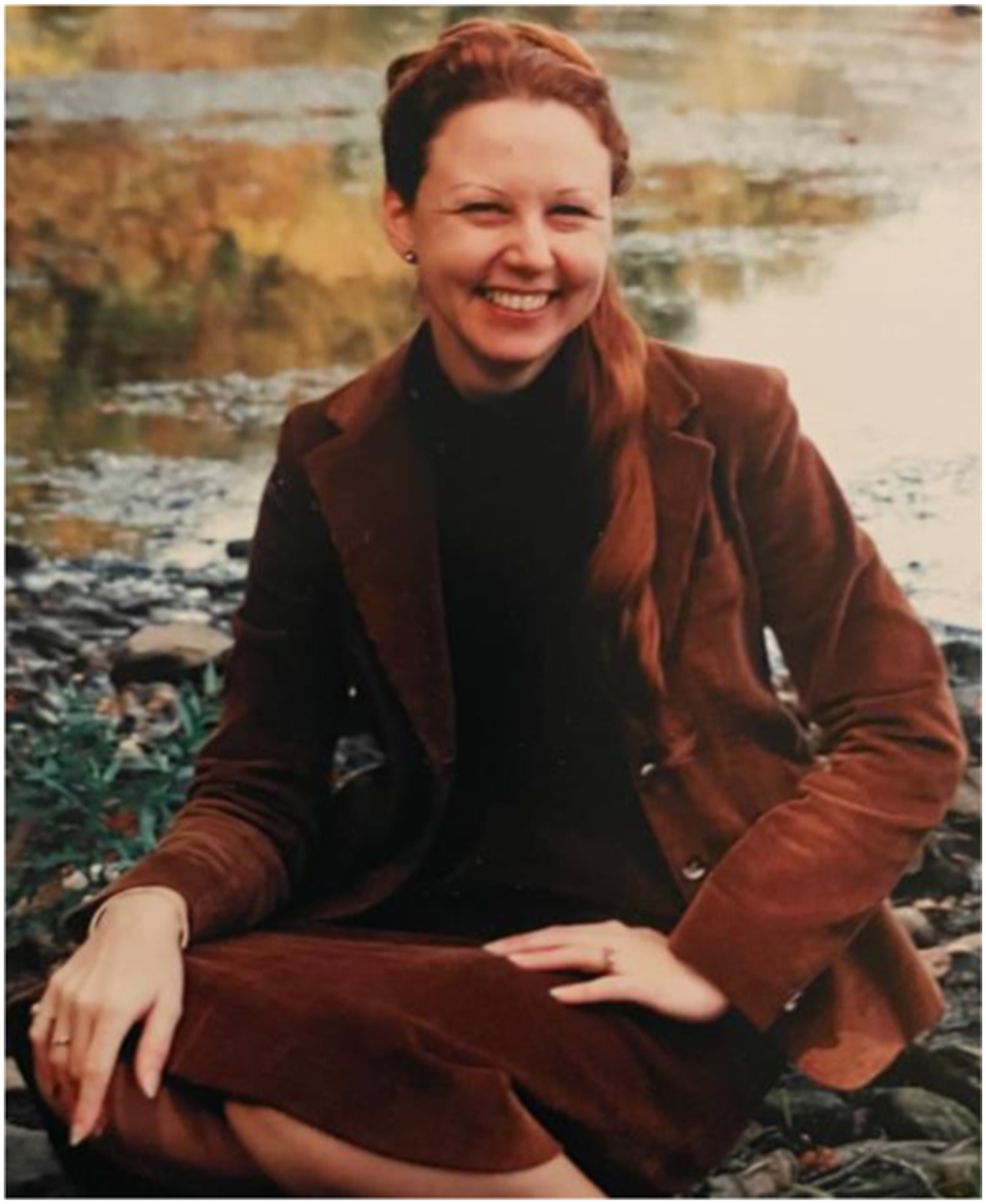
While this Editor’s Note may not seem to focus much on International Journal of Toxicology, I feel that I can easily justify the space to reflect on some well-known, and not-so-well-known, women in science and medicine in light of the fact that this journal’s founding Editor-in-Chief was Dr. Mildred (Millie) Christian (see photo, courtesy of Dr. Alan Hoberman). First published as the Journal of the American College of Toxicology in 1982, the journal’s early history can be appreciated from Millie’s perspective in an article that she published in 2004. 1 Upon her passing in 2009, the Editor-in-Chief of Drug and Chemical Toxicology provided a brief summary of her productive and impactful career. 2
My motivation for this reflection was prompted as I flipped my wall calendar from February to March and learned that March is National Women’s History Month. This realization caused me to reflect on a number of interesting women in science about whom I have read and learned lately. The year 2024 began with my reading The Secret of Life, 3 a story about the very difficult relationship among Rosalind Franklin and her colleagues in the quest to solve the structure of DNA. This book provided information about which I was previously unaware, including the very bitter personality conflicts that she endured, in part because she was a smart, opinionated, and focused woman. Her sister, Jenifer Glynn, an accomplished author herself, proved to be an integral part of telling her sister’s story.
We have all recently learned about the fascinating life and career of Dr. Katalin Karikó, in light of her contributions to the development of mRNA vaccines and her recognition as a co-winner of the 2023 Nobel Prize in Physiology or Medicine. I have recently obtained her recent memoir, entitled “Breaking Through: My Life in Science” 4 and am beginning to learn more about her challenges and efforts en route to the Prize. A notable moment (and there were many!) in Dr. Karikó career occurred when she learned that she was being kicked out of her laboratory space at the University of Pennsylvania due to a lack of research funding. Her response, upon finding her belongings in the hallway, and assay trays being tossed into the trash was “That lab is going to be a museum one day.” Touché, Katalin! Ironically, the book went to press prior to the announcement of her Nobel Prize, so that milestone is missing from this memoir.
About this time each year, I give a Developmental Toxicology lecture in my Survey of Toxicology course, and each year, I take the opportunity to sing the praises of Dr. Frances Kelsey. Dr. Kelsey advised, and ultimately convinced, many of her US Food and Drug Administration colleagues that the available data at the time did not support the safety of thalidomide as a treatment for morning sickness. While thalidomide was marketed in other countries and led to the birth of thousands of children with phocomelia, that health crisis was largely averted in the United States, thanks to her dogged determination. To read about Dr. Kelsey’s commendation for this wisdom and determination by President John F. Kennedy, and to read vignettes about other amazing women in science in medicine, take a few moments and check out the “Changing the Face of Medicine” website 5 (Dr. Kelsey’s story is #182).
Finally, I most recently learned about the amazing life and contributions to many household and medical items of Sara Little Turnbull. According to a Scientific American “Lost Women of Science” blog 6 and a 2015 article in the New York Times, 7 Ms. Turnbull worked as a consultant to multiple large US companies, including Corning Glass and 3M. For Corning Glass, she developed tableware patterns designed to complement Corning cookware. In a pivot from home improvements to health care, perhaps her most impactful contribution led to the development of the N95 mask. According to these sources, Ms. Turnbull was coming off a successful project that yielded the molded bra cup. Apparently with this in the back of her mind, when visiting sick family members, she observed medical personnel wearing strips of cloth over their faces and wondered whether the “template” for the molded bra cup could be tweaked to make better masks for medical personnel. While they may be a bit difficult to breathe through, let’s take a step back and think about how many lives the N95 mask may have saved in recent years!
The world of science, medicine, and toxicology is indebted to these amazing women and countless others!
Respectfully submitted,