



Abstract
The Expert Panel for Cosmetic Ingredient Safety (Panel) reviewed the safety of 28 soy-derived ingredients as used in cosmetic products. These ingredients are reported to primarily function as antioxidants, skin protectants, skin-conditioning agents, and hair-conditioning agents. The Panel considered the available data relating to the safety of these ingredients in cosmetic formulations, and concluded that 24 of the 28 soy-derived ingredients are safe in cosmetics in the present practices of use and concentration described in this safety assessment. The Panel also concluded that the available data are insufficient to make a determination that Glycine Max (Soybean) Callus Culture, Glycine Max (Soybean) Callus Culture Extract, Glycine Max (Soybean) Callus Extract, and Glycine Max (Soybean) Phytoplacenta Conditioned Media are safe under the intended conditions of use in cosmetic formulations.
Keywords
Introduction
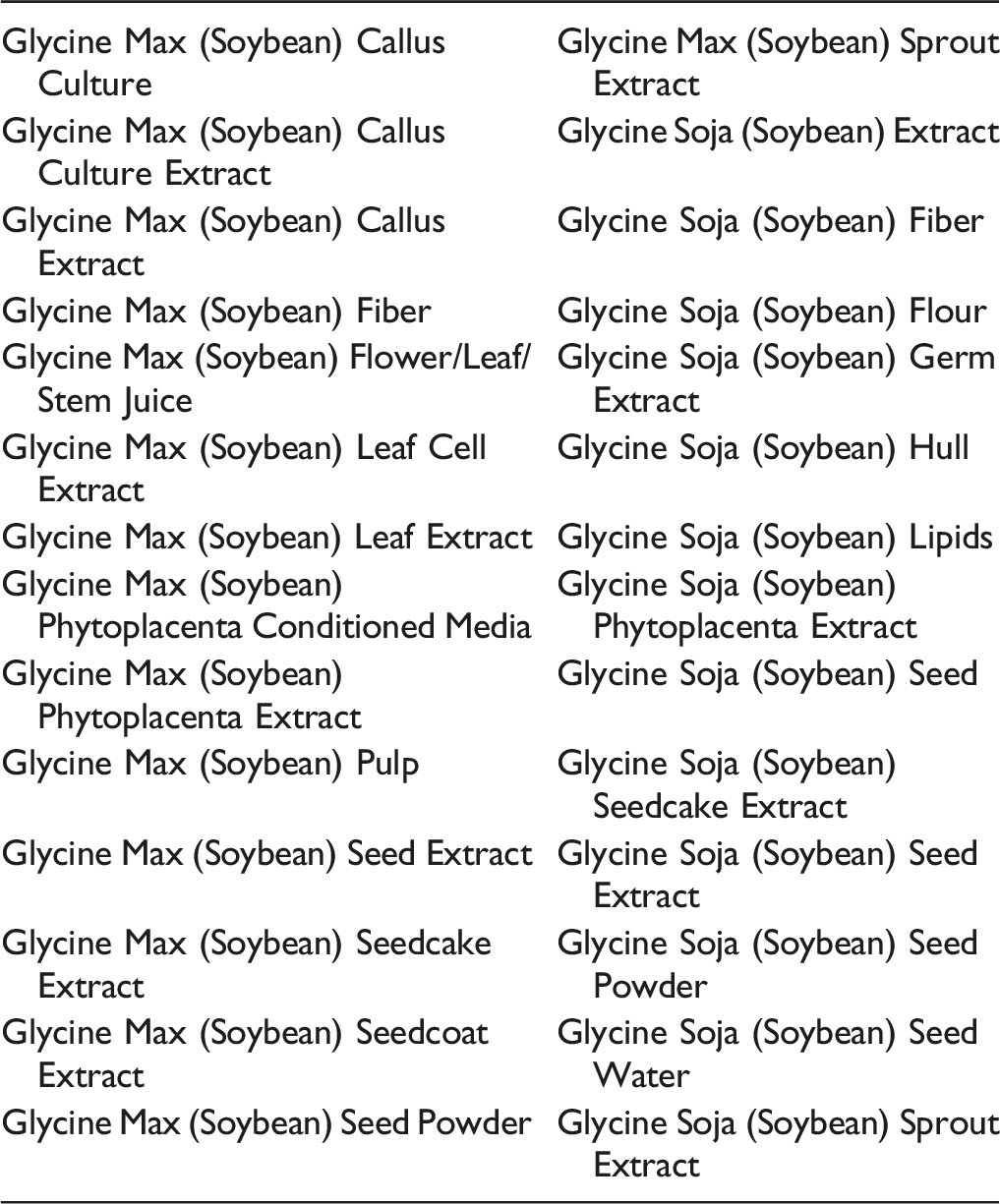
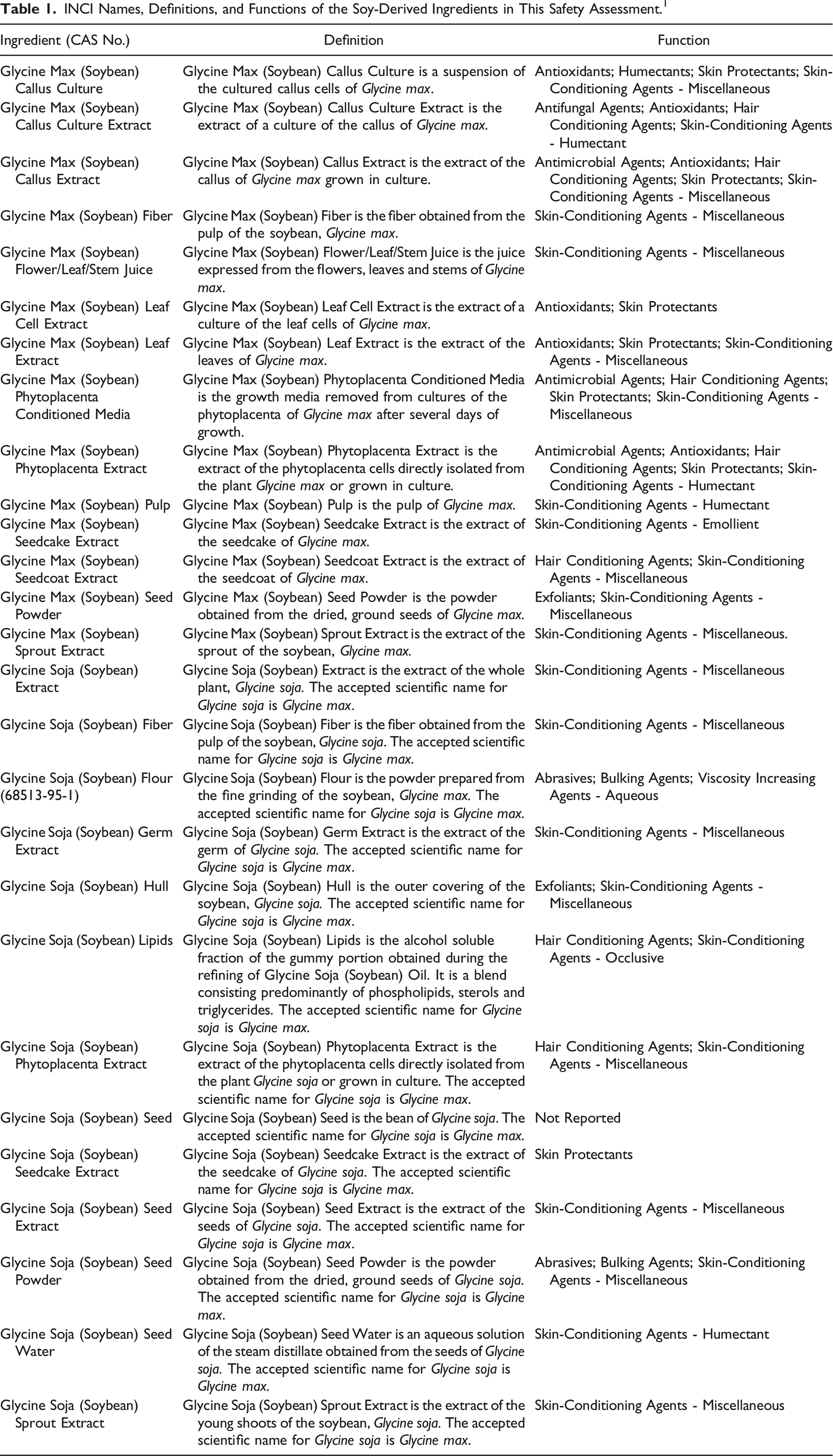
INCI Names, Definitions, and Functions of the Soy-Derived Ingredients in This Safety Assessment. 1
Several soy-derived ingredients such as Glycine Soja (Soybean) Oil, Glycine Soja (Soybean) Sterols, Glycine Soja (Soybean) Peptide, Glycine Soja (Soybean) Polypeptide, and Glycine Soja (Soybean) Protein, have been reviewed by the Panel, and were considered safe as used in cosmetics in the present practices of use and concentration described in the safety assessment.2–4 The full reports on these ingredients can be accessed on the Cosmetic Ingredient Review (CIR) website (https://www.cir-safety.org/ingredients).
Some of the ingredients reviewed in this safety assessment may be consumed as food, and daily exposure from food would result in much larger systemic exposures than from use in cosmetic products. Although oral studies are included herein, the primary focus of this safety assessment is on the potential for effects from topical exposure to these ingredients as used in cosmetics.
This safety assessment includes relevant published and unpublished data for each endpoint that is evaluated. Published data are identified by conducting an exhaustive search of the world’s literature. A list of the typical search engines and websites used, sources explored, and endpoints that the Panel evaluates, is available on the CIR website (https://www.cir-safety.org/supplementaldoc/preliminary-search-engines-and-websites; https://www.cir-safety.org/supplementaldoc/cir-report-format-outline). Unpublished data are provided by the cosmetics industry, as well as by other interested parties.
Botanicals, such as soy-derived ingredients, may contain hundreds of constituents. However, in this assessment, the Panel is reviewing the potential toxicity of each botanical ingredient as a whole, complex mixture.
It is often not known how the substance being tested in a study compares to the cosmetic ingredient. In the report text, if it is known that the material being tested is a cosmetic ingredient, the International Nomenclature Cosmetic Ingredient (INCI) naming convention will be used (i.e., the names of cosmetic ingredients are capitalized, without italics (e.g., Glycine Max (Soybean) Leaf Extract)). If it is not known that the test substance is the same as the cosmetic ingredient, the taxonomic naming conventions (i.e., with genus and species name italicized (e.g., a Glycine max leaf extract)) or generic terminology (e.g., soybean extract) will be used.
Chemistry
Definition and Plant Identification
All ingredients reviewed in this report are derived from the soybean plant (Glycine max). Glycine max is the domesticated version of its wild progenitor Glycine soja. 5 According to the Dictionary, Glycine max is the accepted scientific name for Glycine soja. The definitions of the soy-derived ingredients included in this review are provided in Table 1. 1
Soybeans (Glycine max and Glycine soja) are a species of legume native to East Asia, from where they have spread to Europe and the Americas. 6 Soybean plant height varies greatly, ranging from 0.2 to 2 m. The leaves of the plant are trifoliate, and fall before seeds mature. The fruit is a hairy pod containing 2–4 seeds. Soybeans of both subgenera (Glycine max and Glycine soja) are found in various colors. Typical soybeans are different shades of yellow, brown, green, or black. 7 Compositions of soybeans may vary depending on the seed coat color. Details regarding this variation in composition dependent on color, are described in the Composition section of this report.
According to one study, differences in plant morphological characteristics are attributed between the two subgenera Glycine max and Glycine soja. 8 The wild soybean, Glycine soja, grows in the form of creepers with many lateral branches. These plants flower later than the cultivated soybean and produce small black seeds. Glycine max (cultivated soybean) produces large yellow seeds, with a fragile pod. In addition, differences at the genomic level between Glycine max and Glycine soja have been reported. However, such delineation between these species names is far from ubiquitous and these differences are not expected to affect their role in cosmetics; therefore, the generic terms “soy” and “soybean” are used throughout much of this report.
Method of Manufacture
The majority of the methods below are general to the processing of soy products, and it is unknown if they apply to cosmetic ingredient manufacture.
Glycine Max (Soybean) Leaf Extract
The production of a soy leaf extract involved leaf washing, grinding, freeze-drying, and extraction using a 30-fold volume of 80% ethanol for 4 h at room temperature. 9 The extracted solution was collected, and a vacuum evaporator was used to remove the ethanol solvent in the supernatant. The amount of extract yielded was 22.3 ± 1.3% on a dry weight basis.
Glycine Max (Soybean) Pulp
To produce a black soybean pulp, black soybeans were soaked in water in a 3:1 ratio for 8 h. 10 Pulp was obtained after grinding and removing the milk with a muslin cloth, and then freeze-dried.
Glycine Max (Soybean) Seedcoat Extract
In order to make a black soybean seedcoat extract, the black soybean seedcoat was extracted with acidic water and ethanol, purified using absorbent resin, and powdered by spray-drying. 10
Glycine Max (Soybean) Seed Extract
To obtain a soybean powder, soybean seeds were washed with water and then dried. 11 The dried samples were ground to obtain the powdered form. To produce methanolic and hydroalcoholic extracts of seed powder, samples were extracted separately with methanol (100% and 50% aqueous, respectively) by cold maceration. Methanolic samples were extracted three times with 280 mL methanol for 3 h in an electrical shaker at 40°C. The extracts were then filtered and evaporated. Hydroalcoholic extracts were produced in a similar manner, using alcohol and water as the extraction agents.
Another method to produce seed powder extract involves successive extraction with solvents in increasing order of their polarity (hexane, chloroform, ethyl acetate, ethanol, and water). 11 First, powder materials are passed through a sieve. The sieved powder is then separated via a Soxhlet extractor for 16 h. The extract is then evaporated to dryness in a rotary vacuum evaporator at 40°C. In order to prepare an ethanolic extract of the black soybean, black bean seeds were dried and ground. 12 The resulting powder was placed into an Erlenmeyer flask and suspended in 500 mL of 99% ethanol. The extract was then filtered and dried using a rotary evaporator.
An n-hexane soybean extract was produced by extracting soybeans (25 g) twice at room temperature by shaking for 48 hours with 500 mL n-hexane. 13 The combined n-hexane extracts were then dried in a vacuum desiccator under reduced pressure and concentrated using a rotavapor at 40°C. According to the same study, similar procedures are used in order to prepare ethyl acetate and ethanol soybean extracts.
Glycine Max (Soybean) Sprout Extract
According to one study, the production of black soybean sprout extract begins with soaking of the beans in deionized water. 14 The beans are then germinated, harvested, dried, crushed, sonicated, filtered, and centrifuged to separate the components and collect the supernatant.
Glycine Max (Soybean) Flour
Soybean flour has been reported to be produced by mechanically removing the hull of the soybean, followed by extraction of the oil with hexane. 15 The residual hexane is either removed by indirect heating followed by steam sparging in a desolventizer toaster or by direct contact with superheated hexane in a flash desolventizer. The desolventized soy is then heat-processed, ground, and isolated to the desired particle-size distribution according to product specifications.
Glycine Soja (Soybean) Phytoplacenta Extract
Glycine Soja (Soybean) Phytoplacenta Extract manufacturing information was provided by a cosmetic ingredient manufacturer. 16 The extract was prepared by processing (mechanical grinding/milling) the soybeans, filtration, aqueous extraction, addition of phenoxyethanol, methylparaben, and tetrasodium EDTA, and refiltration. Quality control is performed during the process.
Composition
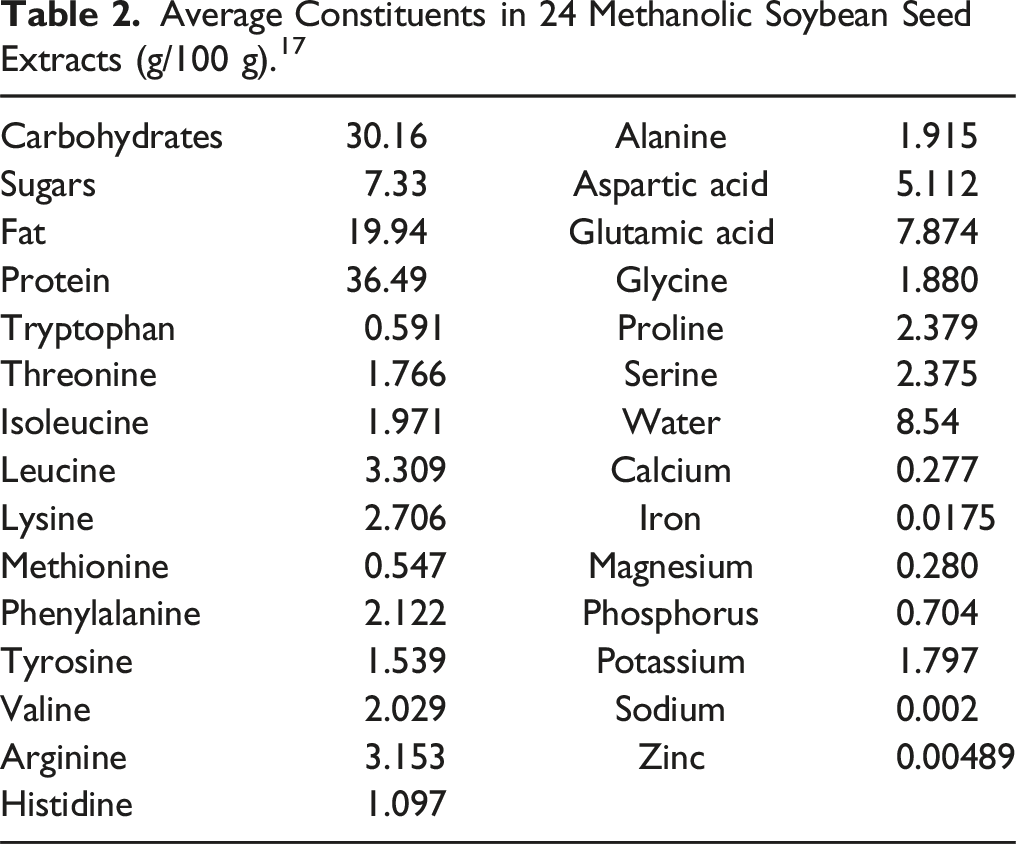
No composition information regarding the specific cosmetic ingredients reviewed in this report was found in publicly available literature or submitted as unpublished data. However, information regarding general soybean-derived ingredients was found in the publicly available literature, and is summarized below.
Powder Extract
Average Constituents in 24 Methanolic Soybean Seed Extracts (g/100 g). 17
Germ Extract
The isoflavone content of dry soybean germ extracts, extracted from ethanol (60–70%), methanol (80%), or ethanol (60%), were evaluated. 18 The total isoflavone content of the 60–70% ethanolic and 80% methanolic extracts were reported to be 40 and 26% respectively. The total amount of isoflavone glucosides in the 60% ethanolic extract was reported to be 30%.
Soybean Extract
The composition of a black soybean ethanolic extract was studied using thin layer chromatography (TLC). 12 Flavanoids, alkaloids, saponins, tannins, triterpenoids, and glycosides were found. In a different study, the anthocyanins, saponins, and isoflavones of a black soybean extract were examined. 19 The soybean extract contained approximately 0.0013% anthocyanins (as tannins). Isoflavones were found in the following amounts: daidzin (0.025%), daidzein (0.092%), genistin (0.022%), genistein (0.051%), and glycitin (0.016%). In soybeans, isoflavones are strongly associated with proteins. 20 These isoflavones can be dissociated from soy-proteins using alcohol extraction which significantly diminishes the amount of bound-isoflavones.
According to high-performance liquid chromatography (HPLC), an n-hexane soy extract contained a total isoflavone concentration of 0.11%. 13 Among these isoflavones were 40% daidzin, 56% genistin, 2% daidzein, and 2% genistein. An ethyl acetate soy extract and ethanolic soy extract contained total isoflavone concentrations of 0.19% and 0.21%, respectively. In a different study, a black soybean extract contained 3.25% gallic acid, 5.7% protein, 80.4% glucose, and 5.1% lipids. 21 The total phenolic acid content was 0.665%, including gallic acid, protocatechuic acid, caffeic acid, chlorogenic acid, m-coumaric acid, ferulic acid, and sinapic acid. The total phytochemical content was 1.18% including daidzein, genistein, glycitein, daidzin, genistin, glycitin, acetyldaidzin, acetylgenistin, acetylglycitin, malonyldaidzin, malonylgenistin, and malonylglycitin. Flavanols included epigallocatechin (0.3%), epicatechin (0.064%), and epicatechin gallate (0.074%), and anthocyanins included cyanidin-3-O-glucoside (0.092%), peonidin-3-O-glucoside (0.011%), dephinidin-3-O-glucoside (0.005%), petunidin-3-O-glucoside (0.004%), and pelargonidin-3-O-glucoside (0.004%).
Seedcoat (Hull)
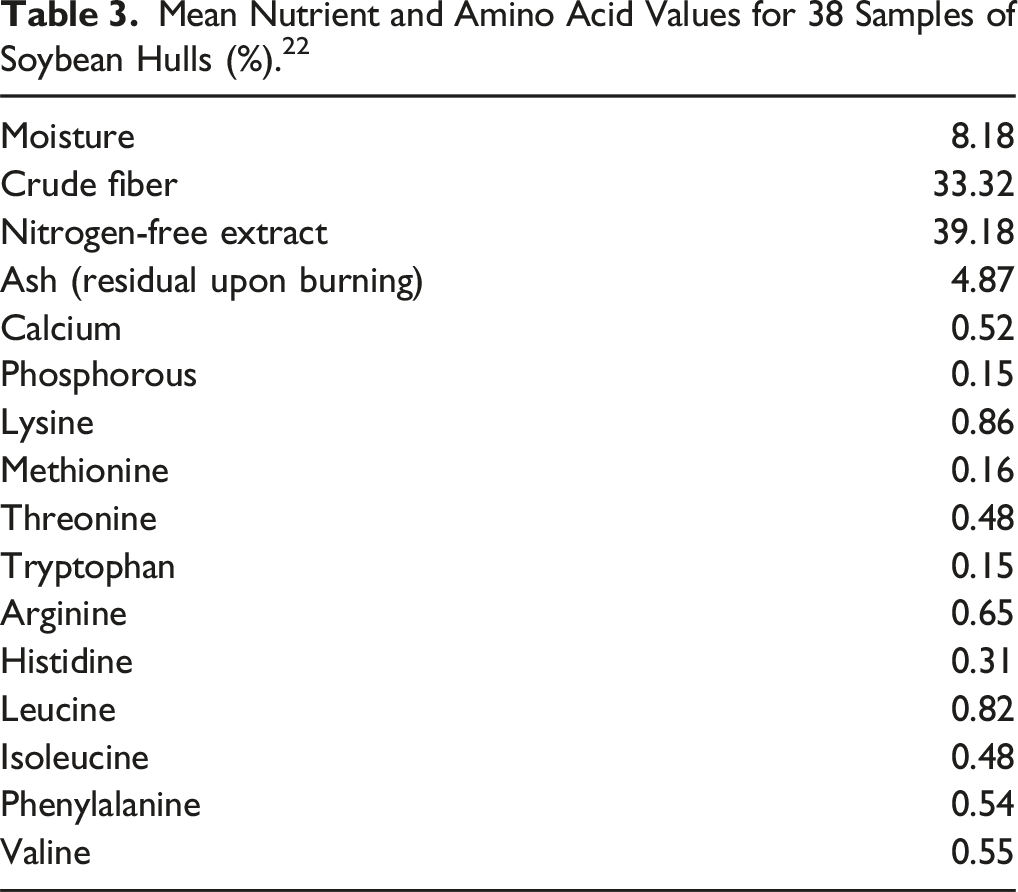
Mean Nutrient and Amino Acid Values for 38 Samples of Soybean Hulls (%). 22
Soybean Flour
A comparison of the composition of soybeans differing in seed coat color was examined. 7 Soybeans of a light yellow, dark yellow, brown, and black color were ground to a flour and analyzed for isoflavone content and other chemical composition. Flours were defatted using n-hexane as a solvent for lipid extraction. Lipid, protein, ash, crude fiber, and carbohydrate content were similar among all tested samples. The average amount of lipids, protein, ash, crude fiber, and carbohydrates were 0.019%, 0.0378%, 0.004%, 0.006%, and 0.025%, respectively. Isoflavone content was determined by HPLC. Soybean flour extracted from soybeans with a light-yellow seed coat showed the highest isoflavone content (0.416%), while soybean flour extracted from soybeans with a dark yellow seed coat showed the lowest isoflavone content (0.221). All samples showed significantly different levels of isoflavone glycosides. Malonyl genistin, for example, was discovered in amounts of 0.075%, 0.095%, 0.139, and 0.116%, in dark yellow, brown, light yellow, and black soybean samples, respectively.
Pulp
HPLC was used to determine the isoflavone content of a black soybean pulp. 10 The amounts of daidzin, daidzein, genistin, and genistein in the black soybean pulp were determined to be 0.0030%, 0.00027%, 0.0019%, and 0.00051%, respectively.
Sprout
The variation of isoflavone content in 17 different types of yellow and green soybean sprouts was studied using HPLC. 25 Yellow soybean sprouts were produced in a dark room. For green soybeans sprouts, seeds were germinated in the dark and then transferred to a box under a yellow light source. Sprouts were separated into cotyledons, hypocotyls, and roots. The average isoflavone concentration in the cotyledon, hypocotyl, and root of the green sprouts was 0.217%, 0.117%, and 0.240%, respectively. The average isoflavone concentration in the cotyledon, hypocotyl, and root of the yellow sprouts was 0.254%, 0.113%, and 0.285%, respectively.
Leaf Extract/Seed Extract
The phytochemical content of ethanolic leaf and seed extracts were evaluated.
26
The total phenol, flavonoid, beta carotene, and lycopene content in the ethanolic leaf extract was 1.09%, 0.877%, 0.04%, and 0.00069%, respectively. The total phenol, flavonoid, beta carotene, lycopene, and ascorbic acid content in the ethanolic seed extract was 0.938%, 0.274%, 0.011%, 0.010%, and 0.0013%, respectively. In a different study, the phytochemical content of a methanolic soybean leaf extract was studied via various chromatographic procedures.
27
Among the 16 phytochemicals found were 6 isoflavones (4,5,7-trihydroxyisoflavone-7-O-β-
Impurities
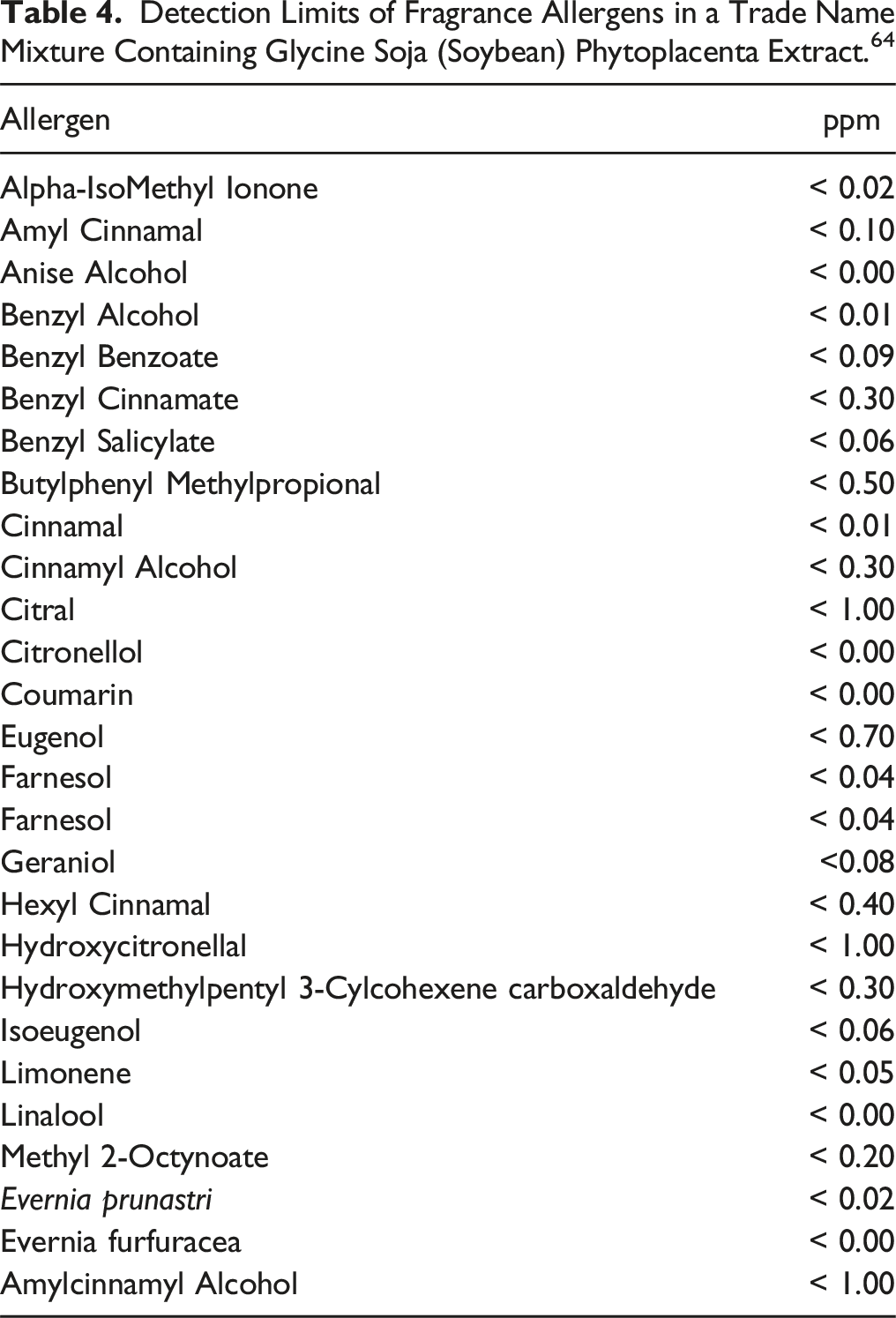
Glycine Soja (Soybean) Phytoplacenta Extract
Detection Limits of Fragrance Allergens in a Trade Name Mixture Containing Glycine Soja (Soybean) Phytoplacenta Extract. 64
USE
Cosmetic
The safety of the cosmetic ingredients addressed in this assessment is evaluated based on data received from the US Food and Drug Administration (FDA) and the cosmetics industry on the expected use of these ingredients in cosmetics. Use frequencies of individual ingredients in cosmetics are collected from manufacturers and reported by cosmetic product category in the FDA Voluntary Cosmetic Registration Program (VCRP) database. Use concentration data are submitted by the cosmetic industry in response to a survey, conducted by the Personal Care Products Council (Council), of maximum reported use concentrations by product category.
In some cases, VCRP data were submitted under a non-INCI name. For example, Glycine Soja (Soybean) Flour is an INCI name, but Glycine max (soybean) flour, is not. VCRP data were available for Glycine max (soybean) flour, but not for Glycine Soja (Soybean) Flour; therefore, these data are reported for Glycine Soja (Soybean) Flour, as these names are believed to be synonymous because, according to the Dictionary, the accepted scientific name for Glycine soja is Glycine max.
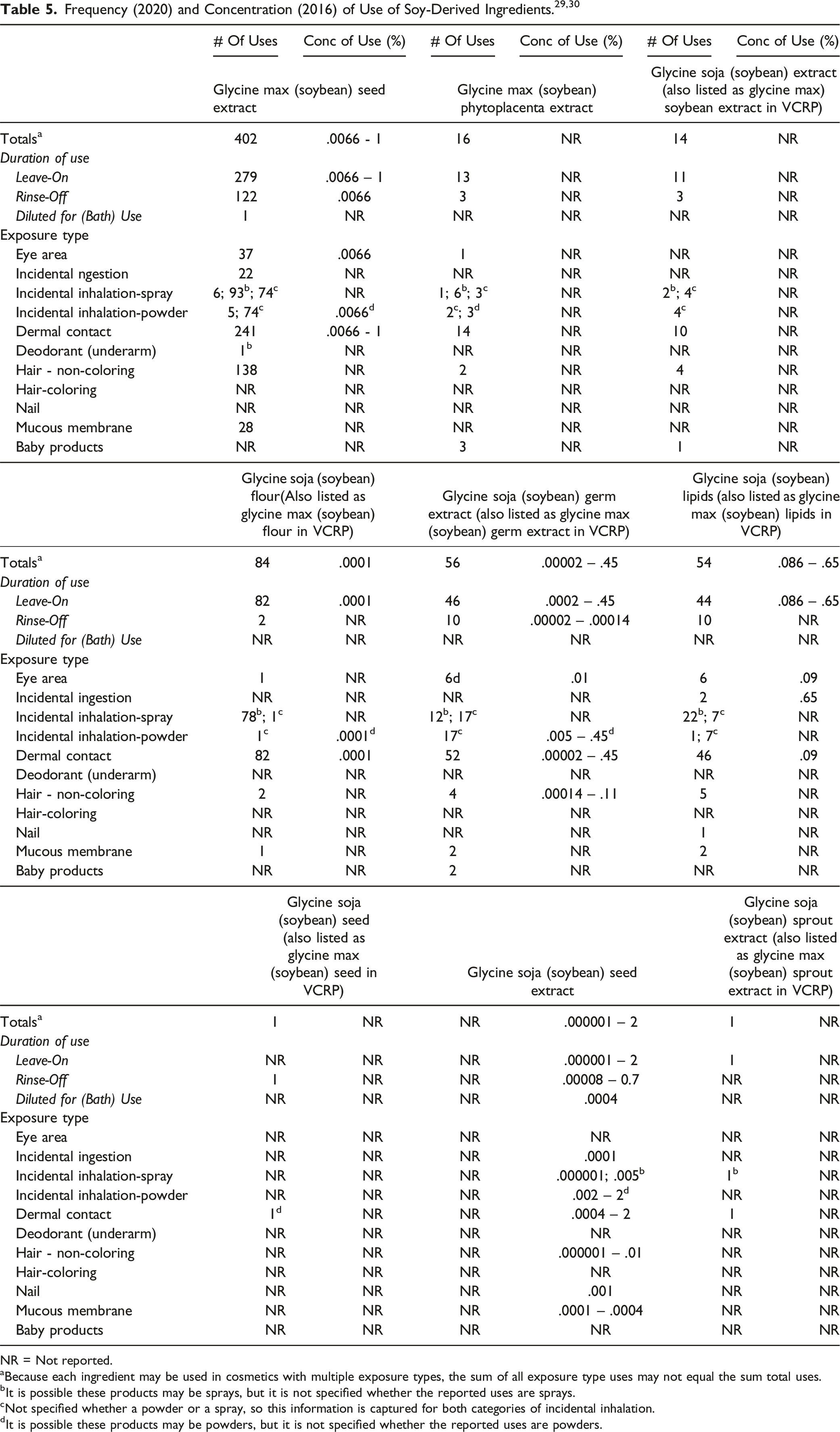
NR = Not reported.
aBecause each ingredient may be used in cosmetics with multiple exposure types, the sum of all exposure type uses may not equal the sum total uses.
bIt is possible these products may be sprays, but it is not specified whether the reported uses are sprays.
cNot specified whether a powder or a spray, so this information is captured for both categories of incidental inhalation.
dIt is possible these products may be powders, but it is not specified whether the reported uses are powders.
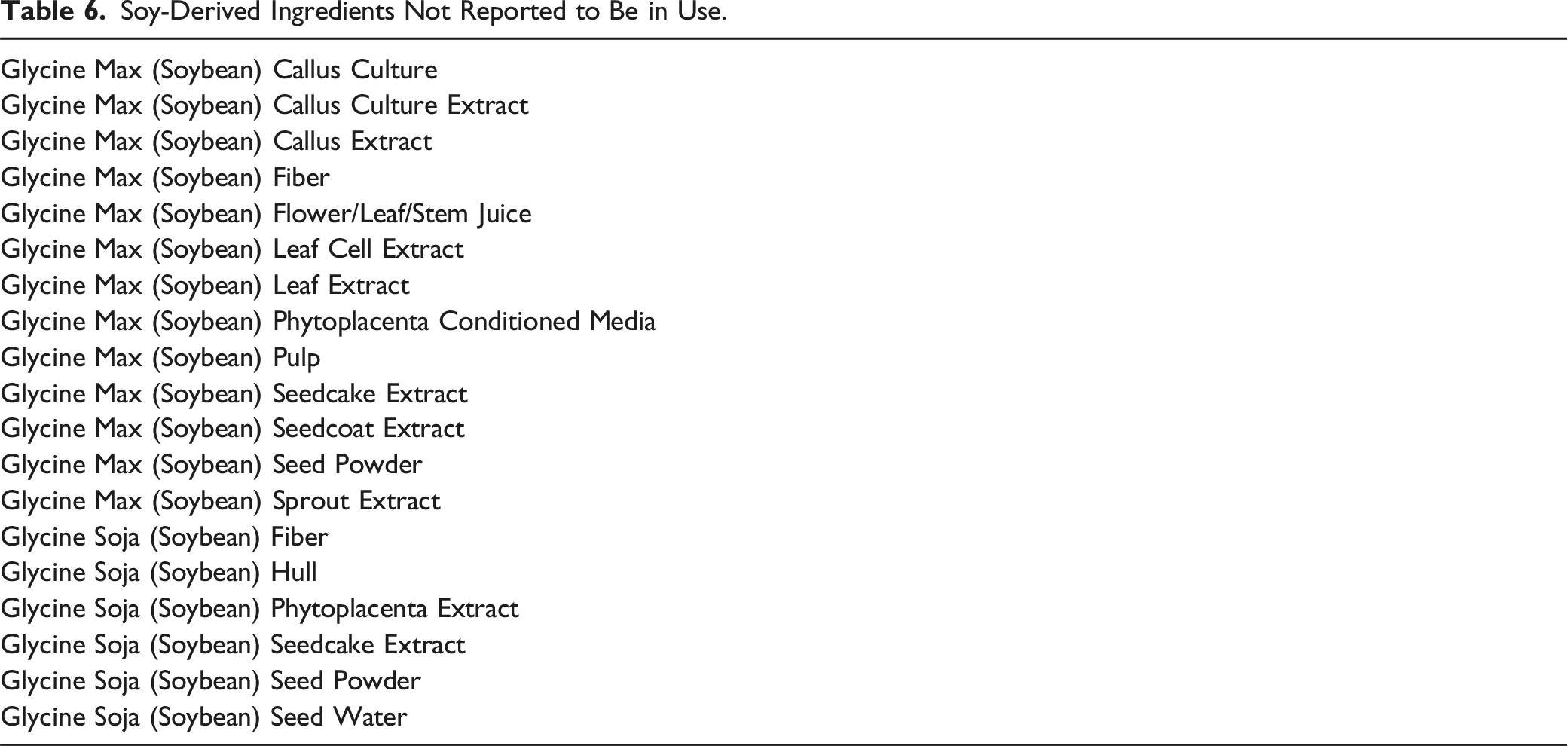
Soy-Derived Ingredients Not Reported to Be in Use.
Incidental ingestion of these soy-derived ingredients is possible as Glycine Soja (Soybean) Lipids is used in lipstick formulations at up to 0.65%. Glycine Max (Soybean) Seed Extract and Glycine Soja (Soybean) Seed Extract are also reported to be used in lipstick formulations, however the concentration at which they are used is unknown. In addition, some soy-derived ingredients are used in products applied near the eye (eg, in eyeshadows at a maximum concentration of up to 0.09% Glycine Soja (Soybean) Lipids).
Additionally, some of the soy-derived ingredients are used in cosmetic sprays and could possibly be inhaled; for example, Glycine Soja (Soybean) Seed Extract is reported to be used at a concentration of 0.000001% in hair spray formulations. In practice, 95% to 99% of the droplets/particles released from cosmetic sprays have aerodynamic equivalent diameters >10 μm, with propellant sprays yielding a greater fraction of droplets/particles <10 μm compared with pump sprays.31,32 Therefore, most droplets/particles incidentally inhaled from cosmetic sprays would be deposited in the nasopharyngeal and thoracic regions of the respiratory tract and would not be respirable (i.e., they would not enter the lungs) to any appreciable amount.33,34 In addition, Glycine Max (Soybean) Seed Extract and Glycine Max (Soybean) Lipids are reported to be used in face powders, and could possibly be inhaled; concentration of use data were not reported for these uses. Conservative estimates of inhalation exposures to respirable particles during the use of loose powder cosmetic products are 400-fold to 1000-fold less than protective regulatory and guidance limits for inert airborne respirable particles in the workplace.35-37
The soy-derived ingredients are not restricted from use in any way under the rules governing cosmetic products in the European Union. 38
Non-Cosmetic
Food
Soy has been a common staple in Asian diets for thousands of years, and is also a part of modern Western diets. Soybeans can be processed to be used in or as food products such as soy milk, soy sauce, soy curds, tofu, miso, cheese, candies, ice cream, baked goods, and oil. 39 In addition, soy can be found in infant formulas. Soybeans and soybean constituents are commonly used as food fortifiers as their protein content is high. Soybean hulls are commonly used in poultry and swine feeding. 22 The US FDA requires allergen labeling when major allergens are included in food; these allergens include soybeans. 40 According to the US FDA, foods, such as soybeans, that have been ingested as food and food products prior to January 1, 1958, are considered GRAS (generally recognized as safe) through experience based on common use in food [21 CFR §170.30].
Industrial
Soybean meal and soybean proteins are used in the manufacture of synthetic fiber, adhesives, varnishes, paints, and pesticides.17,39 In addition, soybeans are used for biodiesel fuel, upholstery, candles, ink, crayons, lubricants, and hydraulic fluid. 41 Soybean hulls are used in the treatment of wastewater. 24
Medicine
Soybean germ extract has been reported to be used in herbal medication for the treatment of menopausal symptoms. 18 Soy products are also taken as supplements to alleviate high blood pressure/cholesterol, and to increase bone health. 42 None of the ingredients included in this report are used as active ingredients in US FDA-approved medical preparations; however, soybean oil is used in an FDA-approved, intravenous medication, used to provide a source of calories and essential fatty acids for patients requiring parenteral nutrition when oral or enteral nutrition is not possible or insufficient. 43
Toxicokinetic Studies
When rats were given a single oral dose of a soybean extract containing 74 μmol genistein and 77 μmol daidzein/kg as conjugates, the urinary excretion of daidzein and genistein was 17.9% and 11.9%, respectively, over a 48-h post-dose period. 18 No other details regarding this study were provided. In a human study, 11 German post-menopausal women were given a bolus dose of a commercial soy extract. 44 Sulfoglucuronides were the major metabolites of daidzein and genistein in the plasma, and 7-O-glucuronides were the predominant metabolites in the urine.
Toxicological Studies
Acute Toxicity Studies
No acute oral, dermal, or inhalation toxicity studies were discovered in the published literature regarding these soy-derived ingredients, and no unpublished data were submitted. However, a study regarding the oral toxicity of a soybean hull extract was found and is summarized below.
Oral
Glycine Max (Soybean) Seedcoat Extract
Sprague-Dawley rats (n = 6), as well as C57BL/6 mice (n = 6) were given a single oral dose of black soybean hull extract (2.5 g/kg bw) via gavage. 23 Control animals were given purified water (n = 3). Rats were observed for 14 days, and mice were observed for 15 days for signs of morbidity or mortality. No deaths, significant decreases in body weight, or gross pathological abnormalities were observed in either species. The LD50 was reported to be greater than 2.5 g/kg bw in rats and mice.
Short-Term Toxicity Studies
Oral
Glycine Soja (Soybean) Extract
The potential toxicity of a hot water extract of black soybeans was studied. 19 Sprague-Dawley IGS rats (6/sex/group) were given 0, 0.5, 1.5, or 5% black soybean extract in the diet for 28 days. No deaths or abnormalities regarding the general conditions of the animals were reported throughout the study. At week 4, a statistically significant increase in urinary potassium values were found in females receiving 5% black soybean extract compared to controls. No treatment-related hematological adverse effects were observed. Platelet count levels were significantly lower in all dosed males; however, changes were minimal and values were within historical control data. Significant elevation of mean corpuscular volumes and reticulocytes levels were noted in the highest dosed males, however, these changes were also minimal and values were within historical control data. A statistically significant increase in alkaline phosphatase enzymes was found in male rats given 1.5% black soybean extract; however, these changes were not dose-dependent. A statistically significant lowering of relative epididymis weights was found in all extract-dosed males. In addition, a statistically significant but non-dose-dependent elevation of relative heart weight was found in females given 0.5% black soybean extract.
Subchronic Toxicity Studies
Oral
Glycine Soja (Soybean) Extract
The systemic toxicity a soybean extract was studied in F344 rats (40 rats/sex). 45 The ground extract was mixed into the diet for 13 weeks at concentrations of 0, 1.25, 2.5, and 5% (equivalent to doses of 707.2, 1449.1, and 2830.4 mg/kg/day, respectively, in males and 751.8, 1498.6, and 3028.1 mg/kg/day, respectively, in females). The composition of the extract was 94% saponins and 6% isoflavones (3.78 daidzein, 1.6% glycitein, 0.6% genistein). Neither mortality nor deterioration in general conditions were observed during the course of the study. Results given in this study did not specify which solvent was used when stating extract-induced effects. Statistically significant body weight reductions were noted in males treated with 5% soybean extract, and in all treated females. Statistically significant decreases in red blood cell count, hematocrit levels, and an increase in mean corpuscular volume were detected in males given 5% extract. This effect was not seen in females. Statistically significant, but minimal increases in total protein, albumin, calcium, and aspartate aminotransferase were found in males treated with 2.5% or higher. In females, significant increases of potassium and decreases in chloride were observed in the 5% group. Males in the 5% group displayed a decrease in absolute heart and spleen weights. Dose-dependent decreases in absolute brain weights were observed in male rats dosed with 2.5% and higher. A statistically significant increase in absolute liver weight was observed, in a dose-dependent manner, in all treated animals. Relative kidney weights were also increased in the highest dosed groups of both sexes. Females in the high-dose group displayed a statistically significant decrease in absolute lung weight. Dose-dependent decreases in the absolute weights of the heart and spleen were observed in females at 2.5% and 5%. Soybean-extract related effects were noted in the prostate, vagina, and ovaries. Male rats in the 5% group displayed epithelial atrophy in the ventral prostate, accompanied by cytoplasmic vacuolation and decreases of the luminal secretory fluid. In female rats treated with 2.5% and above, increased incidences of mucification and atrophy of the vaginal epithelium, as well as increased atretic follicles, were observed.
Glycine Soja (Soybean) Fiber
Soluble soybean fiber (SSF) was given in the diet to Sprague-Dawley CD rats (20/sex/group) at concentrations of 2, 3, and 4%, for 3 months. 46 A separate group was given an untreated diet, and served as the control. The SSF was extracted from the fibrous residue in the production process of soy protein. The estimated amount of fiber in the SSF was approximately 72–77%. There were no test article-related deaths during the study. In both sexes, weight gain in all dose groups during weeks 2–7 was low compared to the controls; however, this effect was not dose-related. By the end of the period, weight gain differences were minimal in dosed groups vs control animals. Decreased food consumption was noted in males (weeks 2–5; all dose levels) and in females (weeks 2–4; all dose levels). This was followed by a period of increased food intake in both males (weeks 8–10; all dose levels) and females (weeks 8–11; all dose levels). In all treated males, an increased erythrocyte and decreased reticulocyte count was noted, however, these effects were not dose-dependent. In females, there was a slight, but dose-related increase in the hematocrit and erythrocyte counts of animals of the 3 and 4% dose groups. A reduction in spleen weight was noted in all dosed animals, however this effect was not dose-dependent, and no other histopathological adverse effects were found relating to this matter.
Chronic Toxicity Studies
Oral
Glycine Max (Soybean) Seedcoat Extract
C57BL/6 mice (11 males and 12 females/group) were fed a diet supplemented with 0, 2, or 5% of a black soybean hull extract (acidic water and ethanol used as the extraction agent) for 26 weeks. 23 The mean intake of the extract in males and females was 1468.9 and 2621 mg/kg bw/day, respectively, in the 2% treated group, and 5074.1 and 7619.9 mg/kg bw/day, respectively, in the 5% treated group. A significant reduction in body weights was noted in 5% extract-exposed males compared to 2% extract-exposed males and control males. At week 26, the abdominal fat of 5% extract-exposed males was 40% lower than that of controls. This effect was not seen in females. The white blood cell count in 5% extract-exposed males and red blood cell count, hemoglobin, and hematocrit levels in 5% extract-exposed females were significantly increased compared to control animals. Triglyceride and chloride levels in males treated with 5% extract were significantly decreased. In female animals, triglyceride and blood urea nitrogen levels were decreased in the 5% extract-exposed group. In males treated with 5% extract, an increase in the relative weights of the kidney, spleen, and brain was apparent. In the same dosing group, a decrease in the relative weight of the spleen was noted. In females treated with 5% extract, absolute weights of the heart, liver, and kidney were decreased. No significant changes in final body weights were noted in any dosed females. In animals dosed with both 2% and 5% soybean seedcoat extract, in the duodenum, slight pigment accumulation in histiocytes of the lamina propria was found. Slight accumulation of pigment in Kupffer cells of the liver was apparent in 5% extract-exposed males and females. The study authors identified the 5% dietary concentration (5074.1 mg/kg bw/day males; 7617.9 mg/kg bw/day females) as the no-observed adverse-effect-level (NOAEL) for mice.
Glycine Soja (Soybean) Flour
Groups of 20 male Wistar rats were given diets containing 19.1, 42.1, or 79.7% raw soy flour. 47 Each of the three groups was subdivided into two groups, one of which was fed ad libitum, and the other a single 4-h meal per day. Two weeks after the start of the experiment, 5 rats per group were subjected to an injection of azaserine (0.5 mg/100 g bw), dissolved in 0.5 mL sterile saline, to induce pancreatic nodules. Injections were given once a week for 20 weeks. Rats were given their respective diets for up to 12 months. Azaserine injections had no effect on food intake or body weight. A significant decrease in food intake and body weight was noted in animals receiving increased levels of raw soy flour in the diet (P < 0.01). Animals fed one meal per day containing 19.1% raw soy flour reached 85% of the body weight of their ad libitum-fed counterparts. Animals fed diets containing 42.1% and 79.7% raw soy flour reached 76 and 62% of the body weight of the ad libitum-fed rats, respectively. Pancreas weights increased as the level of raw soy flour in the diet increased in all treated rats. Approximately 45% of all animals used in the experiment died prior to study termination. In rats fed 19.1% raw soy flour, 25% of rats fed ad libitum were alive at the end of the experiment, while 75% of rats fed only once per day survived until study termination. In rats fed 42.1% raw soy flour, 80% of the meal-fed animals survived vs 62.5% in the ad libitum group. (Carcinogenic effects observed in this study can be found in the Tumor Promotion section of this report.)
Seventy-two male albino mice/group were fed diets of either raw soy flour, heated soy flour, or casein for up to 18 months.
48
The soy flour diet consisted of soy flour (42.1%), glucose (15%), non-nutritive fiber (5%), corn oil (5.5%), lard (2.5%),
Developmental and Reproductive Toxicity (DART) Studies
No DART studies were discovered in the published literature regarding these soy-derived ingredients, and no unpublished data were submitted. However, a study analyzing the reproductive effects of orally ingested soybean was found and is included below.
The potential reproductive toxicity of the soybean was tested in a study involving 5 male albino rats/group. 49 Male rats were treated with processed soybean meal in the diet at 0, 100, 200, and 300 mg/kg bw for 65 days. Each treated male rat was mated with 3 untreated female rats. No statistically significant effect of soybean meal on the weight of the testes and epididymis was observed. Sperm viability and sperm count were significantly reduced in a dose-dependent manner. In addition, sperm head abnormality was significantly increased in a dose-dependent manner. Rats in the control group displayed seminiferous tubules at various stages of development. Rats in the 100 mg/kg bw group had testicular tissues with compacted interstitial spaces, mild hemorrhaging along the Sertoli cells, and slight degeneration of the spermatids. Rats treated with 200 mg/kg bw displayed similar effects, and rats treated with 300 mg/kg bw displayed adverse effects such as testicular tissues with inflammation of interstitial cells, severe hemorrhaging along the Sertoli cells, and excessive degeneration of spermatids, and necrosis. The conception rate of female rats mated with treated males was reduced in a dose-dependent manner when compared to controls.
Genotoxicity
No genotoxicity studies were discovered in the published literature, and no unpublished data were submitted.
Carcinogenicity Studies
No carcinogenicity studies were discovered in the published literature, and no unpublished data were submitted.
Tumor-Promotion Studies
Glycine Soja (Soybean) Flour
Twenty male Wistar rats/group were given diets containing 19.1, 42.1, or 79.7% raw soy flour. 47 Each of the three groups was subdivided into two groups, one of which was fed ad libitum, and the other one 4-h meal per day. Two weeks after the start of the experiment, 5 rats per group were subjected to an injection of azaserine (0.5 mg/100 g bw), dissolved in 0.5 mL sterile saline. Injections were given once a week for 20 weeks. Rats were given their respective diets for up to 12 months. Twenty-seven rats died prior to the end of the study. Among these animals, pancreatic nodules were observed in 1/11, 3/7, and 6/9 rats given 19.1, 42.1, 79.7% raw soy flour, respectively. In rats that were sacrificed after 10–12 months, in the absence of azaserine injections, the incidence of nodules was low and unaffected by the feeding regime. Animals that received azaserine injections had a much higher incidence of nodules, which increased with the level of raw soy flour in the diet. No nodules were found in any other organ examined. (Other toxic effects observed during this study can be seen in the Chronic Toxicity Studies section of this report.)
Anti-Tumorigenicity Studies
Glycine Soja (Soybean) Flour
In a 15-month study, male Syrian Golden hamsters were divided into four groups and given raw soy flour (15 animals/group), heated soy flour (12 animals/group), raw soy flour/co-administered injection with N-nitrosobis(2-oxopropyl) amine (BOP; 15 animals/group), or heated soy flour/injected with BOP (13 animals/group). 48 BOP injections were given at a level of 10 mg/kg bw on days 7 and 14. Animals not given a BOP injection received an injection of 0.9% sodium chloride. Animals fed raw soy flour displayed a slower growth rate (P < 0.01) than those fed heated soy flour. At 7–8 months, animals injected with BOP lost weight at a significantly (P < 0.05) faster rate than animals injected with saline. No significant difference was found in the weights of the pancreas in any of the groups by the end of the study. In groups that did not receive BOP, tumor incidence was quite low; however, in groups that did receive BOP, tumor incidence was increased. Seven out of 8 surviving animals that were given heated soy flour and BOP injections had pancreatic adenomas, and 5 had pancreatic adenocarcinomas. One out of 11 surviving BOP-injected animals given raw soy flour had a pancreatic adenoma, and no adenocarcinomas.
Other Relevant Studies
Effect on Cancer Cell Proliferation
Glycine Soja (Soybean) Extract
The potential anti-proliferative effect of an ethanolic extract of the black soybean on A549 lung cancer cells was studied. 12 The black soy ethanol extract was dissolved in 10% dimethyl sulfoxide (DMSO) at a concentration of 10 mg/mL. The extract was used to prepare final diluted concentrations of 6.25, 12.5, 50, 100, 200, 400, and 800 μg/mL. Cancer cells were cultured for 1 week before exposure to the test substance. The cells were then subjected to 100 μL of each dilution of the test substance as stated above. Each experiment was performed three times, and results were averaged. After incubation for 48 h, cell viability was measured using a 3-(4,5-dimethylthiazol-2-yl)-2,5-diphenyltetrazolium bromide (MTT) assay. The extract exhibited cytotoxic activity in a concentration-dependent manner in A549 cells. Percent inhibition of A549 lung cancer cells by the soy ethanol extract was 5.2, 4.4, 20.6, 37, 52.8, 60.8, 68.7, and 83.8% when tested at concentrations of 0, 6.25, 12.5, 50, 100, 200, 400, and 800 μg/mL, respectively.
The effect of black soybean extract on the suppression of the proliferation of human gastric cancer (AGS) cells was studied. 21 For this study, the soybean extract was obtained by extracting black soybean with acidified aqueous acetone. AGS cells were plated at a density of 5 × 10³ cells/well in 96-well plates. The effect of the extract on the growth of AGS cells was investigated using an MTT assay. After incubation (24 hours), the extract was added to the plates in concentrations of 1–5 mg/mL, and incubated for another 48 hours. The extract inhibited growth of AGS cells in a dose-dependent manner. When a concentration of 3 mg/mL extract was used on the AGS cells, cell viability was significantly decreased compared to control cells (P < 0.05). Approximately 65.7, 38.8, and 22.5% cells survived after treatment with 3, 4, and 5 mg/mL of black soybean extract. The same procedure was performed on normal rat fibroblast cells. No cytotoxicity was observed when black soybean extract was used on these cells.
Glycine Max (Soybean) Leaf Extract
The anti-proliferative effects of an ethanolic extract of soybean leaves (SLE) were studied in both human colon cancer cells (HCT116) and human lung cancer cells (H1299). 9 The treatment of the HCT116 cells with SLE at concentrations of 125, 250, and 500 μg/mL for 72 h resulted in a significant inhibition of growth (by 34–89%). When HCT116 cells were treated with the same concentrations of SLE for 96 h, growth inhibition increased (by 62–87%). Treatment of H129 cells with SLE (125, 250, and 500 μg/mL) inhibited growth by 45–85%. In both types of cancer cells, the growth inhibitory effects of SLE increased with increasing concentrations of SLE, showing a significant dose-response relationship. In addition to inhibition of growth, the effect of SLE on adhesion and migration of the human cancer cells was also studied. When H1299 cells were treated with SLE at 500 μg/mL, a significant inhibition of migration was noted. Treatment of HCT116 and H1299 cells with SLE also inhibited cell adhesion to fibronectin by 21–31% (at 125–500 μg/mL) and 14% (at 500 μg/mL), respectively.
Epidermal Hyperplasia Inhibition
Glycine Soja (Soybean) Extract
The possible inhibition of retinoid-induced epidermal hyperplasia was studied in 7 human skin cultures. 50 Cultures of human skin were incubated with 1 μg/mL of 14-all trans retinoic acid (14-all trans RA) for 8 days. A soy extract was prepared by mixing 250 mg of soy powder in 2 mL of a basal medium. A DMSO extract was also prepared by dissolving 250 mg of soy powder in 1 mL of solvent. All of the soy dissolved in the DMSO, and this solution was used as a control. Hyperplasia-induced organ cultures were treated with soy extracts at 4, 20, or 40 μg/mL. In the presence of 40 μg/mL soy extract, retinoid-induced hyperplasia was reduced by 41% relative to the retinoid response in the absence of soy. Sixteen percent inhibition was observed at 4 μg/mL, and 32% inhibition was observed at 20 μg/mL.
Effects on Pigmentation
Glycine Soja (Soybean) Sprout Extract
An aqueous extract of black soybean sprouts was examined for skin whitening capacity. 14 Whitening capacity was measured via the measurement of tyrosinase-inhibition. Tyrosinase inhibition capacity of the extract, when used at 40 mg/mL, reached 98%. Inhibition capacity reached 60–95% after treatment with 4 mg/mL of the extract, and 40% after treatment with 2 mg/mL of the extract.
Estrogenic Activity
Methanol extracts were prepared from soybeans and analyzed by measuring the MCF-7 (breast cancer cell line) cell proliferation in response to various concentrations of the extract (0.1–100 μg/mL). 51 Soybean extract (0.1 μg/mL) caused an increase in proliferation to approximately 35% of what would be expected from 0.1 nM estradiol; while at 100 μg/mL, proliferation was increased to 90%. In order to determine whether the induced cell proliferation was mediated via an estrogen receptor (ER)-dependent mechanism, the soybean extract (100 μg/mL) was tested in combination with the pure estrogen antagonist, fulvestrant. Testing of the soybean extract in combination with fulvestrant resulted in decreased activity. A reporter gene assay was also performed using human embryonic kidney cells (HEK 293 cells) in order to determine whether the effects of the extracts were mediated via ERα and/or ERβ. Preferential agonist activity toward ERβ was observed. For ERβ transcriptional activation, the maximal value obtained at 100 μg/mL was 79.7%, compared to 53.2% for ERα transcriptional activation.
A study was performed to analyze the effects of orally administered soybean extracts, obtained using different extraction methods, on the skin of 64 Sprague-Dawley female rats (8/group). 13 The specific soy extracts were administered via gavage each day for one month. Animals in group A were untreated, and animals in group B received carboxymethyl cellulose (0.5%); this solution was also used to dilute the extracts for administration to the experimental animals. Group C received an n-hexane soy extract at a dose of 100 mg/kg and group D received the same extract at a dose of 200 mg/kg. Groups E and F received ethyl acetate soy extracts at doses of 100 and 200 mg/kg, respectively, and groups G and H received an ethanolic soy extract at 100 and 200 mg/kg, respectively. (Details about the preparation of these extracts can be seen in the Method of Manufacturing section of this report.) A statistically significant reduction in the number of ER-positive cells (per 10 high-power fields) and an increase in the collagen layer thickness were observed (P < 0.05%) in all groups treated with a soy extract. The thickness of the collagen layer of the rats in group F (1154.93 μM) was significantly higher than that of the rats in group A (864.32 μM). The number of ER-positive cells in group D (2.37) was significantly reduced compared to that of group A (6.87), B (8.25), and C (4.75). The number ERs in all soy extract–treated groups were decreased compared to that of the controls.
Cytotoxicity
Glycine Max (Soybean) Callus Culture
An aqueous trade name mixture containing Glycine Max (Soybean) Callus Culture (13–18%), citric acid (1.5%), sodium benzoate (0.2%), and potassium sorbate (0.1%), was tested for cytotoxicity. 52 The product showed a half maximal inhibitory concentration (IC50) greater than 5 μL/mL on human keratinocytes with an MTT assay. No other details regarding this study were provided.
Glycine Soja (Soybean) Phytoplacenta Extract
The cytotoxic potential of a trade name mixture consisting of water (78.93%), Glycine Soja (Soybean) Phytoplacenta Extract (20%), phenoxyethanol (0.90%), methylparaben (0.15%), and tetrasodium EDTA (0.02%) was studied. 53 Human dermal fibroblasts were treated with this trade name mixture at concentrations of 0.01, 0.1, and 1% and incubated for 24 h. The test substance did not appear to have an effect on cellular viability.
Immunotoxicity
BALB/c mice were dorsally shaved and epicutaneously exposed to a crude soybean extract (50 mg/mL) containing .5% sodium dodecyl sulfate in distilled water (n = 9) or distilled water alone (n = 8). 54 Each week, the skin of the animals was shaved and stripped 10 times using adhesive tape. Mice were also intraperitoneally injected with a mixture of midazolam, butorphanol, and medetomidine to control pain. Three times a week for 5 weeks, 50 μL samples were applied epidermally. Various specific immunoglobulin E (IgE) secreted in response to 7S globulin (Gly m 5), 11S globulin (Gly m 6), profilin (Gly m 3), and PR-10 starvation-associated message 22 (Gly m 4) were measured using enzyme-linked immunosorbent assays or immunoblots. Percutaneous exposure to the soybean extract caused a systemic secretion of soybean-specific IgE. Of the soy proteins, both 7S and 11S globulins were allergenic in 67% of tested mice. Of the 3 subunits of 7S globulin, it was determined that the β subunit is especially prone to eliciting secretion of soybean-specific IgE following percutaneous exposure.
Dermal Irritation and Sensitization
Dermal Irritation and Sensitization.
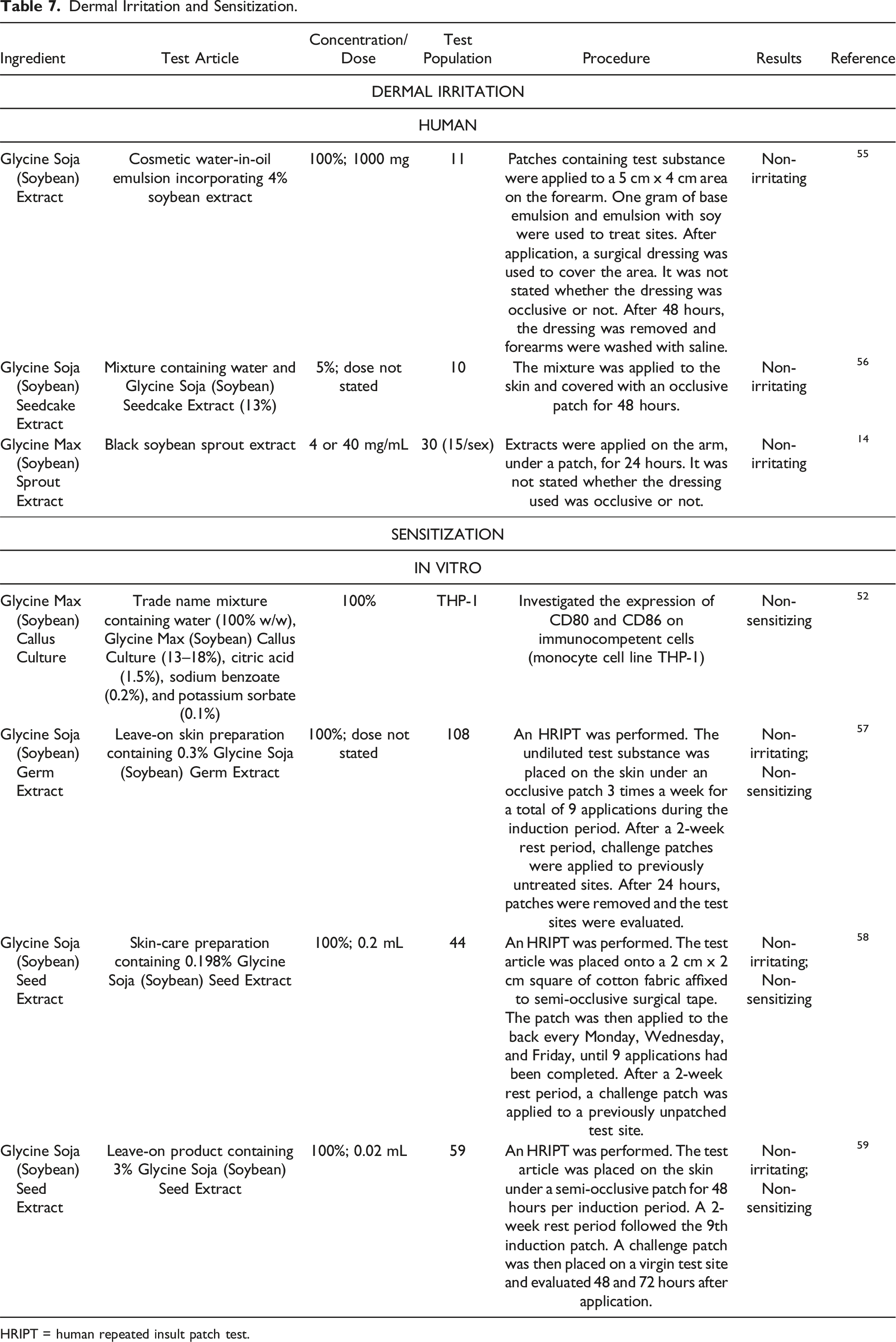
HRIPT = human repeated insult patch test.
Irritation
The irritation potential of a cosmetic water-in-oil emulsion incorporating 4% soybean extract was studied in 11 subjects. 55 One gram of base emulsion and emulsion with soy was used to treat sites, and covered with a surgical dressing for 48 h. It was not stated whether or not the dressing used was occlusive. No irritation was observed. The irritation potential of a mixture containing water and Glycine Soja (Soybean) Seedcake Extract (13%) was studied in 10 subjects. 56 The test material was applied to the skin at a concentration of 5% and covered with an occlusive patch for 48 h. The test substance was considered to be non-irritating. The irritation potential of a black soybean sprout extract (4 or 40 mg/mL) was studied in 30 subjects (15/sex). 14 Extracts were applied on the arm, under a patch, for 24 h. It was not stated whether or not the dressing used was occlusive. No other details regarding this study were provided. No signs of irritation were observed in any subject.
Sensitization
In Vitro/In Chemico
The sensitizing potential of an aqueous trade name mixture containing water Glycine Max (Soybean) Callus Culture (13%–18%), citric acid (1.5%), sodium benzoate (0.2%), and potassium sorbate (0.1%), was tested. 52 In this assay, the expression of CD80 and CD86 were evaluated in a monocyte cell line. The test substance was predicted to be non-sensitizing.
Human
A human repeat insult patch test (HRIPT) was performed on 108 subjects using a leave-on skin care preparation containing 0.3% Glycine Soja (Soybean) Germ Extract under occlusive conditions. 57 The test substance was considered to be non-irritating and non-sensitizing. No irritation or sensitization was observed in a different HRIPT performed on 44 subjects using a skin care preparation containing 0.198% Glycine Soja (Soybean) Seed Extract. 58 In addition, no irritation or sensitization was observed in an HRIPT performed on 59 subjects using a leave-on product containing 3% Glycine Soja (Soybean) Seed Extract. 59
Ocular Irritation Studies
In Vitro
Glycine Max (Soybean) Sprout Extract
The ocular irritation potential of black soybean sprout extract (4 mg/mL and 40 mg/mL) was studied using a hen’s egg test chorioallantoic membrane (HET-CAM) assay. 14 Sodium dodecyl sulfate (0.4% and 4%) was used as a positive control, and 0.9% saline was used as a negative control. Similar results were observed in both the negative control group and groups treated with the soybean sprout extract. The test substance was considered to be non-irritating. No other details regarding this study were provided.
Glycine Soja (Soybean) Seedcake Extract
A neutral red release assay was performed to evaluate the ocular irritation potential of a mixture containing water and Glycine Soja (Soybean) Seedcake Extract (13%). 56 Rabbit cornea fibroblasts were exposed to the test substance at concentrations of 5–50%. The IC50 (i.e., the concentration causing 50% mortality) was greater than 50%. (The percent mortality observed at the dilution of 50% was less than 20%). Thus, the cytotoxicity of the test substance was considered to be negligible, and the mixture non-irritating to the eye.
Clinical Studies
Case Reports
A 55-year-old woman with a 5-month history of reacting to a facial cosmetic cream developed erythema and swelling of the face after using a night cream containing soybean extract. 60 Patch tests were performed using different dilutions of soybean extract, the night cream itself, components of the night cream, and standard cosmetic/facial ingredients. The following allergens were tested: p-phenylenediamine (1% in petrolatum (pet.)), fragrance mix (8% pet.), cocamidopropyl betaine (1% pet.), night cream, ceramide 3 and soybean extract (2% pet.), ceramide 3 (5%), ceramide 3 (2%), and three different dilutions of soybean extract (1, 10, and 20%). When the soybean extract dilutions were applied under occlusive patches to the forearm and read at 30 min, slight erythema was observed at the 20% dilution. Palpable erythema was observed after 36 h at the 10 and 20% dilution. Patch tests using both concentrations of ceramide 3 were negative, however, the patch test using ceramide 3 and soybean extract (2%), yielded positive results. Positive results were obtained for all dilutions of the soybean extract on days 2 and 7. Cocamidopropyl betaine and p-phenylenediamine resulted in positive results on day 4, and the fragrance mix yielded positive results on day 2 and 4. The patient reported previous consumption of soybeans without adverse reactions and was subjected to an allergen-specific IgE test to soybean, which was negative.
A 30-year-old female esthetician with atopic dermatitis and severe hand eczema developed anaphylactic symptoms (systemic urticaria, dyspnea, and hypotension) after consuming soy products. 61 Prior to working as an esthetician, she did not experience hand eczema or soy food allergies. Beginning at the age of 23, she began to touch cosmetic lotions frequently at the workplace. Several months later, she noticed eczema on her fingers. At 28 years old, she experienced severe symptoms such as systemic urticaria and dyspnea after consumption of soy products. Examinations revealed the following: a total serum immunoglobulin (IgE) level of 3280 international units (IU)/mL, thymus and activation-regulated chemokine level of 715 pg/mL, and lactase dehydrogenase levels of 274 units (U)/L. Specific IgE antibodies were detected for soy (19.3 UA universal arbitrary units (UA)/mL), Japanese cedar (4.72 UA/mL) and Japanese white birch (1.24 UA/mL). Skin prick tests were performed using soy extract (10 mg/mL), the cosmetic lotion containing soy extract used by the patient, and commercially available soy milk. All tests yielded positive results. Skin prick tests performed on three healthy volunteers using the same cosmetic lotion yielded negative results.
Occupational Exposure
The allergenicity to soybean hull in subjects exposed to different levels of soybean dust inhalation (SDI) in Argentina was studied. 62 Exposure to SDI was defined as follows: (1) direct = occupational, (2) indirect = proximity to soybean fields or grain elevators, and (3) urban = urbanized areas without a known source of SDI. Two different types of groups were studied. Group 1 consisted of 365 patients who were clinically diagnosed with asthma or allergic rhinitis. Group 2 consisted of 50 healthy subjects. All participants were given a standard questionnaire, and were subjected to a prick skin test (ST) with common allergens and a soybean hull extract. In addition, specific IgE and immunoglobin G4p (IgG4) secreted in response to soybean hulls were measured in the sera of 51 patients from group 1 with a positive ST to soybean hull, and in all subjects from group 2. From group 1, 15.3% of subjects had a positive ST to soybean hulls. No subjects from group 2 had a positive ST. Of those with a positive ST to soybean hulls, 38.7, 20.3, and 8.2% of the affected subjects were associated with direct, indirect, and urban exposures, respectively. The percentage of positive soybean hull-specific IgE secretion in groups 1 and 2 were 39.2% and 10%, respectively, and for IgG4 were 27.4% and 12%, in groups 1 and 2, respectively. IgG4 levels in group 1 were significantly higher in subjects with direct exposure compared to subjects with indirect or urban exposure.
In a different study, effects in workers from three soybean-processing plants in South Africa were evaluated using a respiratory questionnaire and estimation of atopy. 63 A total of 144 employees completed the questionnaire, and 136 gave blood samples for analysis of specific IgE levels. The processes in all three worksites were based on similar milling techniques. Soybeans arrived at the processing mill, were off-loaded, and stored. The beans were then de-hulled, subjected to cooking, milled, and bagged. According to the questionnaire, 38 individuals reported either an upper or lower work-related respiratory symptom. Among these individuals, eight employees reported upper respiratory symptoms in the absence of any lower respiratory symptoms. Twenty-two employees reported lower-respiratory symptoms only (cough, wheezing, or chest tightness). The remaining eight employees reported both upper and lower respiratory symptoms. Cough and chest tightness were the most commonly reported symptoms, followed by nasal irritation and wheezing. Altogether, 33.1% (45/136) of workers were atopic, and 14% (19/136) of workers exhibited sensitization to soybean allergens.
Summary
The safety of 28 soy-derived ingredients as used in cosmetics is reviewed in this safety assessment. All ingredients reviewed in this report are derived from the soybean plant (Glycine max or Glycine soja). According to the Dictionary, most of these ingredients are reported to function as antioxidants, skin protectants, skin-conditioning agents – miscellaneous, and hair-conditioning agents; however, other functions are also reported. Soybeans and ingredients made from soybeans are commonly used in foods. Because daily exposure via ingestion would result in much greater systemic exposure than what is expected from cosmetic use, potential for effects from topical exposure is the focus of this report.
Soybeans contain many phytochemicals, such as phenolic acids, flavonoids, isoflavones, saponins, phytosterols, and sphingolipids. These phytochemicals vary based on geographic location, specific plant parts, and color of the bean/plant.
According to 2020 VCRP survey data, Glycine Soja (Soybean) Seed Extract is reported to be used in 402 formulations, 279 of which are leave-on formulations, and Glycine Soja (Soybean) Flour is reported to be used in 84 formulations. The results of the concentration of use survey conducted by the Council in 2016 indicate Glycine Soja (Soybean) Seed Extract has the highest concentration of use; it is used at up to 2% in face and neck products. Additionally, inhalation of Glycine Soja (Soybean) Seed Extract is possible, as it was reported to be used at 0.000001% in hair sprays.
When rats were given a single oral dose of a soybean extract containing 74 μmol genistein and 77 μmol daidzein/kg as conjugates, the urinary excretion of daidzein and genistein was 17.9% and 11.9%, respectively, over a 48-hour post-dose period. When humans were given a bolus dose of a commercial soy extract, sulfoglucuronides were the major metabolites of daidzein and genistein in the plasma, and 7-O-glucuronides were the predominant metabolites in the urine.
Six Sprague-Dawley rats and 6 C57BL/6 mice were given a single oral dose of black soybean hull extract (2.5 g/kg/bw) via gavage; the LD50 was reported to be greater than 2.5 g/kg bw in both species. In a different study, Sprague-Dawley IGS rats (6/sex/group) were given up to 5% black soybean extract in the diet for 28 days. No deaths were reported throughout the study, however a statistically significant increase in alkaline phosphatase enzymes was found in male rats given 1.5% black soybean extract. In addition, a statistically significant but non-dose-dependent elevation of relative heart weight was found in females given 0.5% black soybean extract. In a different study, SSF was given to Sprague-Dawley CD rats (20/sex/group) at concentrations up to 4% for 3 months. A slight, but dose-related increase in the hematocrit and erythrocyte count at the 3 and 4% level was noted. In a 13-week toxicity study, the systemic toxicity of aqueous and ethanolic soybean extracts (up to 5%) was studied in F344 rats (40 rats/sex). Statistically significant body weight reductions were noted in males treated with 5% soybean extract, and in all treated females. Statistically significant, but minimal increases in total protein, albumin, calcium, and aspartate aminotransferase were found in males treated with 2.5% or higher. Dose-dependent, statistically significant changes in organ weights compared to control animals were also noted. In a study in which 33 male and 35 female C57BL/6 mice were given up to 5% black soybean hull extract in the diet for 26 weeks, significant body weight reduction was noted in high-dosed males and significant reductions in triglyceride, hemoglobin, and hematocrit levels were noted in high-dosed females. Relative weights of the kidney, spleen, and brain were increased in high-dosed males. In animals dosed with either 2% or 5% soybean hull extract, in the duodenum, slight pigment accumulation in histiocytes of the lamina propria was found. Slight accumulation of pigment in Kupffer cells of the liver was apparent in 5%-dosed males and females.
A chronic toxicity study was performed on 60 male Wistar rats given up to 79.7% raw soy flour, ad libitum or as a single meal per day. Azaserine injections were also given to select animals. Approximately 45% of all animals died prior to the termination of the experiment. Pancreas weights increased as the level of raw soy flour in the diet increased in all treated rats. In a different study, 72 male albino mice/group were given either raw soy flour, heated soy flour, or casein for up to 18 months. Growth of mice was significantly lower (P < 0.01) in mice given raw soy flour compared to mice given heated soy flour or casein.
The reproductive toxicity of soybeans was tested in 5 male albino rats/group. Rats were given processed soybean meal at up to 300 mg/kg bw for 65 days. Rats in the 100 mg/kg/bw group had testicular tissues with compacted interstitial spaces, mild hemorrhaging along the Sertoli cells, and slight degeneration of the spermatids. Rats treated with 200 mg/kg/bw displayed similar effects, and rats treated with 300 mg/kg/bw displayed adverse effects such as testicular tissues with inflammation of interstitial cells, severe hemorrhaging along the Sertoli cells, and excessive degeneration of spermatids, and necrosis. Each treated rat was mated with 3 untreated female rats. The conception rate of female rats sired by males in treated groups were reduced in a dose-dependent manner compared to controls.
Twenty male Wistar rats/group were given up to 79.7% raw soy flour in the diet in a tumor-promotion study. Injections of azaserine were also given to select rats. Animals that received azaserine injections had a much higher incidence of pancreatic nodules, which increased with the level of raw soy flour in the diet. In a study involving male albino mice, mice fed raw soy flour (42.1%) in comparison to heated soy flour or casein displayed a significant decrease in growth. In a 15-month study, male Syrian Golden hamsters were divided into four groups and given raw soy flour (15 animals/group), heated soy flour (12 animals/group), raw soy flour/co-administered injection with N-nitrosobis (2-oxopropyl) amine (BOP; 15 animals/group), or heated soy flour/injected with BOP (13 animals/group). Groups that did not receive BOP had a low tumor incidence. All but one animal displayed either pancreatic adenomas or adenocarcinomas when given heated soy flour and a BOP injection, while only one out of 11 animals given BOP injections and raw soy flour displayed a pancreatic adenoma.
Studies were performed in order to analyze the effects of soy-derived extracts on cancer cell proliferation. An ethanolic soybean extract inhibited cytotoxic activity in A549 cells in a concentration-dependent manner. The potential of a soybean extract to inhibit the proliferation of cancer cells was also studied on AGS cells. Approximately 65.7, 38.8, and 22.5% cells survived after treatment with 3, 4, and 5 mg/mL of black soybean extract. The same procedure was performed on normal rat fibroblast cells. No cytotoxicity was observed when black soybean extract was used on these cells. In a different assay, HCT116 and H1299 cells were exposed to an ethanolic extract of soybean leaves. In both types of cancer cells, the growth inhibitory effects of SLE increased with increasing concentrations of SLE, showing a significant dose-response relationship. In addition to inhibition of growth, the effect of SLE on adhesion and migration of the human cancer cells was also studied. When H1299 cells were treated with SLE at 500 μg/mL, a significant inhibition of migration was noted. Treatment of HCT116 and H1299 cells with SLE also inhibited cell adhesion to fibronectin by 21–31% (at 125–500 μg/mL) and 14% (at 500 μg/mL), respectively.
The possible inhibition of retinoid-induced epidermal hyperplasia was studied in 7 human skin cultures. In the presence of a 40 μg/mL soy extract, retinoid-induced hyperplasia was reduced by 41% relative to the retinoid response in the absence of soy.
An aqueous extract of black soybean sprouts was examined for whitening capacity via the measurement of tyrosinase-inhibition. Tyrosinase inhibition capacity of the extract, when used at 40 mg/mL, reached 98%.
A methanolic soybean extract (0.1 μg/mL) caused an increase of cell proliferation to approximately 35%, while at 100 μg/mL, proliferation was increased to 90%. Testing of the soybean extract in combination with fulvestrant resulted in decreased proliferation (below 0%). A reporter gene assay was also performed using human embryonic kidney cells (HEK 293 cells) in order to determine whether the effects of the extracts were mediated via ERα and/or ERβ. Preferential agonist activity toward ERβ was observed. For ERβ transcriptional activation, the maximal value obtained at 100 μg/mL was 79.7%, compared to 53.2% for ERα transcriptional activation. A study was performed to analyze the effects of orally administrated soybean extract obtained using different extraction methods on the skin of 64 Sprague-Dawley female rats (8/group). The number of estrogen receptors in all soy extract–treated groups were decreased compared to that of the controls.
A percutaneous immunotoxicity study was performed on BALB/c mice. Mice were dermally exposed (after tape stripping 10x) to crude soybean extract (50 mg/mL, 3 times a week). Exposure to the soybean extract resulted in an increase of circulatory soybean-specific IgEs. Of the soy proteins, both 7S and 11S globulins were allergens in 67% of tested mice.
A trade name mixture containing water (q.b. to 100% w/w), Glycine Max (Soybean) Callus Culture (13–18%), citric acid (1.5%), sodium benzoate (0.2%), and potassium sorbate (0.1%) and a trade name mixture consisting of water (78.93%), Glycine Soja (Soybean) Phytoplacenta Extract (20%), phenoxyethanol (0.90%), methylparaben (0.15%), and Tetrasodium EDTA (0.02%) displayed no cytotoxic potential in cytotoxicity assays performed on human keratinocytes and human dermal fibroblasts.
A 48-h patch test was performed on 11 subjects using a cosmetic formulation containing 4% soybean extract. No irritation was observed. No irritation was observed when a 48-h patch test was performed in 10 subjects using a mixture containing water and Glycine Soja (Soybean) Seedcake Extract (13%) at a concentration of 5%. A 24-h patch test performed on 30 subjects using 4 or 40 mg/mL black soybean sprout extract yielded negative results. No sensitizing potential was predicted by an expression test of CD80 and CD86 evaluated in a monocyte cell line (further test details not provided) with an aqueous trade name mixture comprising Glycine Max (Soybean) Callus Culture (13–18%), citric acid (1.5%), sodium benzoate (0.2%), and potassium sorbate (0.1%). No sensitization or irritation was observed when an HRIPT was completed with 108 subjects using a leave-on formulation containing 0.3% Glycine (Soja) Soybean Germ Extract. A skin care preparation containing 0.198% Glycine Soja (Soybean) Seed Extract did not cause irritation or sensitization in an HRIPT performed on 44 subjects. No irritation or sensitization was observed in an HRIPT performed on 59 subjects using a test substance consisting of 3% Glycine Soja (Soybean) Seed Extract.
A HET-CAM assay performed using a soybean sprout extract revealed no potential ocular irritation. In a different study, a mixture consisting of water and Glycine Soja (Soybean) Seedcake Extract was predicted to be non-irritating to the eye in a neutral red release assay.
According to a case study, a 55-year-old woman with a 5-month history of reacting to a facial cosmetic cream developed erythema and swelling of the face after using a night cream containing soybean extract. Patch tests were performed using different dilutions of soybean extract, the night cream itself, components of the night cream, and standard cosmetic/facial ingredients. Positive results were obtained for all dilutions of the soybean extract on days 2 and 7. In a different case study, a 30-year-old female esthetician with atopic dermatitis and severe hand eczema developed anaphylactic symptoms after consuming soy products. Skin prick tests were performed using soy extract (10 mg/mL), the cosmetic lotion containing soy extract used by the patient, and commercially available soy milk. All tests yielded positive results.
Allergenicity to soybean hull was studied in an occupational exposure study. Positive skin prick tests to soybean hull were reported for 38.7, 20.3, and 8.2% in subjects with direct (occupational), indirect (proximity to soybean fields or grain elevators), or urban (no known source of soy dust inhalation) exposures, respectively. Another occupational study was performed, assessing soybean-processing plant workers in South Africa. In 38/144 individuals that reported either an upper or lower work-related respiratory symptom, eight employees reported upper respiratory symptoms in the absence of any lower respiratory symptoms, 22 reported lower-respiratory symptoms only (cough, wheezing, or chest tightness), and the remaining eight employees reported both upper and lower respiratory symptoms.
Discussion
The ingredient group reviewed in this safety assessment (Glycine max and Glycine soja-derived ingredients) was formed based on the supposition that ingredients from a given genus and species, and on a closely related species (i.e., max and soja), would have constituents in common (indeed, the Dictionary states that these two names refer to the exact same species). These ingredients have been safely ingested as food and food products for many years. As exposure via oral ingestion would be much higher than exposure from cosmetics, concerns regarding systemic toxicity have been mitigated. In addition, the Panel noted the lack of genotoxicity and carcinogenicity data, but considered those data to be unnecessary to assess safety due to the long-term use of these ingredients as food.
Potential reproductive effects following oral ingestion of soybean and soybean extract were noted by the Panel; however, these effects were likely attributed to ingestion of the isoflavone and phytoestrogen content of the soybean. The concern for these reproductive effects were mitigated considering the total isoflavone and phytoestrogen content would be relatively low in cosmetics, and dermal exposure to these ingredients would be far lower than oral exposure.
In addition, the Panel noted the occupational exposure study in which workers displayed asthmatic symptoms after inhaled exposure to soy. The Panel attributed the respiratory symptoms to the prolonged duration of exposure, which would not be a relevant issue in cosmetic use.
Tyrosinase inhibition was reported in a study involving Glycine Soja (Soybean) Sprout Extract. However, the Panel decided that this study did not cause concern for the potential of skin depigmentation as this was an in vitro study, and the doses used in this study were much higher than what would be used in cosmetics.
The Panel noted the immunotoxicity study regarding IgE-mediated allergy to ingested soy proteins. The Panel has previously reviewed the safety of soy proteins and peptides, and in that safety assessment noted that soy proteins are known food allergens that can elicit Type I immediate hypersensitivity reactions when ingested by sensitized individuals. The Panel was not concerned that such reactions would be induced by dermal exposure because these soy proteins are water soluble, would not penetrate the skin, and have molecular weights that are well below that which would cause IgE-cross-linking. Additionally, the Panel noted there were no reported cases of Type I immediate hypersensitivity reactions from cosmetic use of soy protein or peptide ingredients.
The Panel expressed concern regarding pesticide residues, heavy metals, and other plant species that may be present in botanical ingredients. They stressed that the cosmetics industry should continue to use current good manufacturing practices (cGMPs) to limit these impurities.
The Panel discussed the issue of incidental inhalation exposure from powders and hair sprays. The Council survey results indicate that Glycine Soja (Soybean) Seed Extract is being used in hair sprays at concentrations up to 0.000001%. Also, Glycine Max (Soybean) Seed Extract and Glycine Max (Soybean) Lipids are used in face powders; concentration of use data were not reported for these uses. The Panel noted that in aerosol products, 95–99% of droplets/particles would not be respirable to any appreciable amount. Furthermore, droplets/particles deposited in the nasopharyngeal or bronchial regions of the respiratory tract present no toxicological concerns based on the composition of these ingredients. Coupled with the small actual exposure in the breathing zone and the concentrations at which the ingredients are used, the available information indicates that incidental inhalation would not be a significant route of exposure that might lead to local respiratory or systemic effects. A detailed discussion and summary of the Panel’s approach to evaluating incidental inhalation exposures to ingredients in cosmetic products is available at https://www.cir-safety.org/cir-findings.
The Panel determined that there are insufficient data to evaluate the safety of Glycine Max (Soybean) Callus Culture, Glycine Max (Soybean) Callus Culture Extract, Glycine Max (Soybean) Callus Extract, and Glycine Max (Soybean) Phytoplacenta Conditioned Media. In order to make a determination of safety for these ingredients, the Panel has requested composition, impurities, method of manufacture, 28-day dermal toxicity, and sensitization and irritation data.
Conclusion
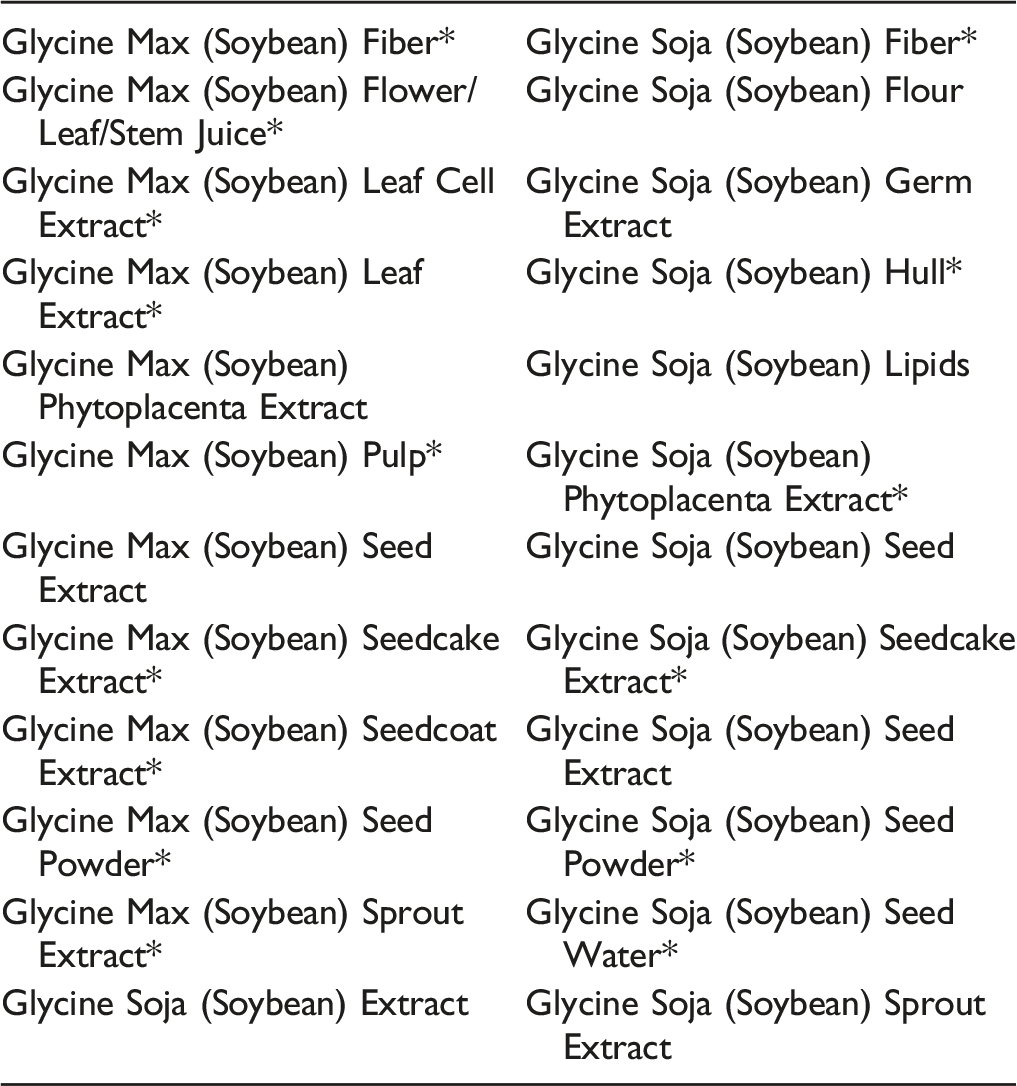
*Not reported to be in current use. Were ingredients in this group not in current use to be used in the future, the expectation is that they would be used in product categories and at concentrations comparable to others in this group.
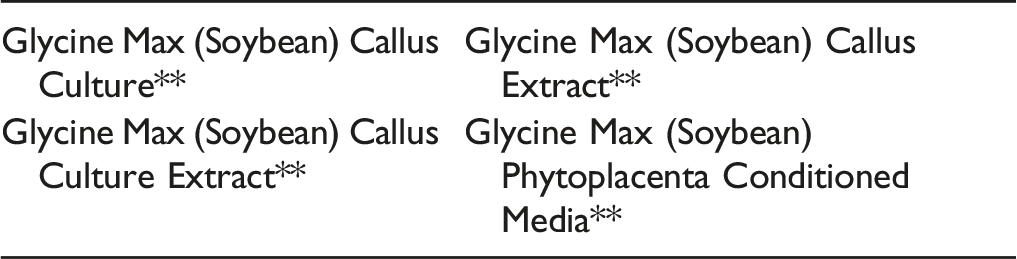
** There are currently no uses reported for these ingredients.
Footnotes
Author Contributions
The articles in this supplement were sponsored by the Cosmetic Ingredient Review.
Author’s Note
Unpublished sources cited in this report are available from the Director, Cosmetic Ingredient Review, 555 13th Street, NW, Suite 300W, Washington, DC 20004, USA.
Declaration of Conflicting Interests
The author(s) declared the following potential conflicts of interest with respect to the research, authorship, and/or publication of this article: The articles in this supplement were sponsored by the Cosmetic Ingredient Review.
Funding
The author(s) disclosed receipt of the following financial support for the research, authorship, and/or publication of this article: The articles in this supplement were sponsored by the Cosmetic Ingredient Review. The Cosmetic Ingredient Review is financially supported by the Personal Care Products Council.