




Abstract
The Expert Panel for Cosmetic Ingredient Safety (Panel) assessed the safety of 274 polyglyceryl fatty acid esters. Each of the esters in this group is a polyether comprising 2 to 20 glyceryl residues, end-capped by esterification with simple carboxylic acids, such as fatty acids. Most of these ingredients are reported to function in cosmetics as skin-conditioning agents and/or surfactants. The Panel reviewed the available data and considered conclusions from their relevant previous reports, and determined that these ingredients are safe in cosmetics in the present practices of use and concentration described in this safety assessment when formulated to be non-irritating.
Introduction
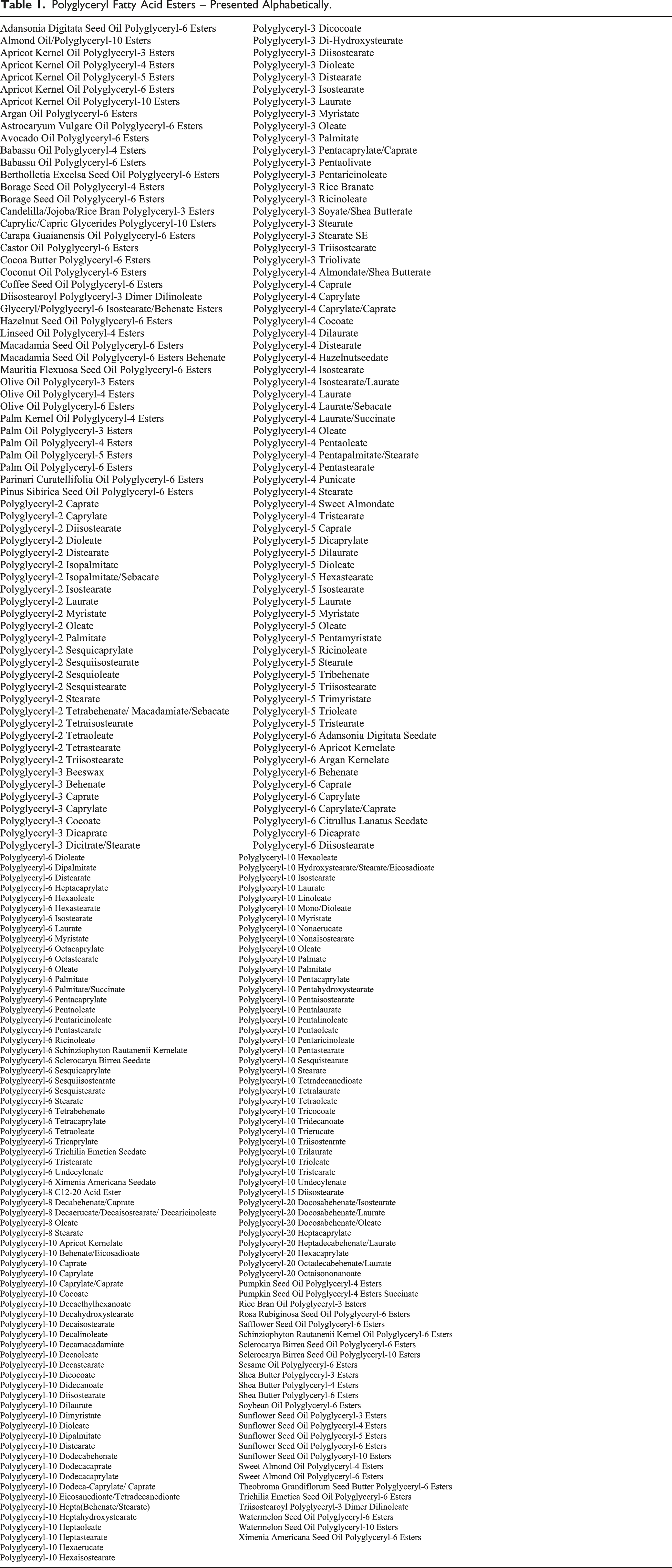
Polyglyceryl Fatty Acid Esters – Presented Alphabetically.
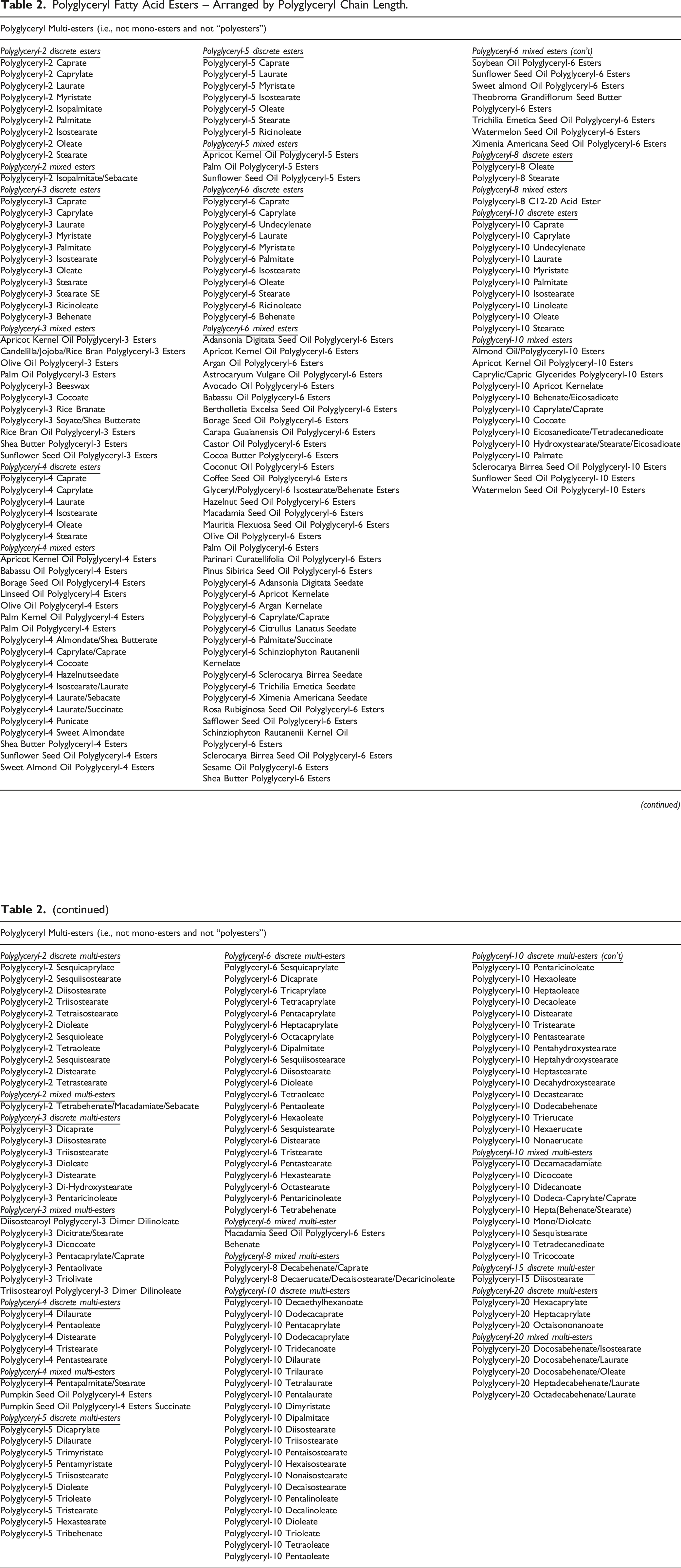
Polyglyceryl Fatty Acid Esters – Arranged by Polyglyceryl Chain Length.
Definitions, Idealized Structures, and Reported Functions1,CIR Staff.
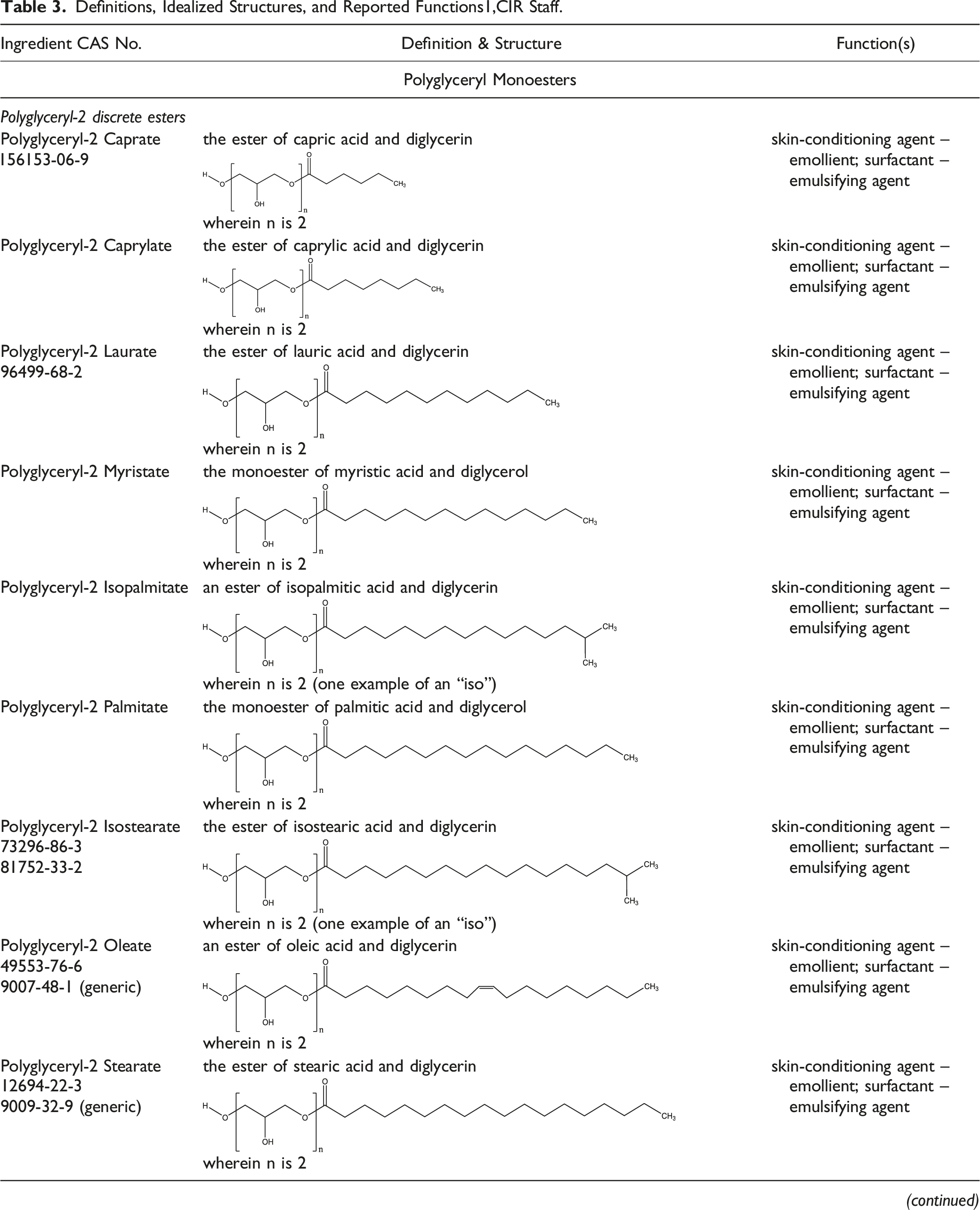
According to the International Cosmetic Ingredient Dictionary and Handbook (Dictionary), most of these ingredients are reported to function in cosmetics as skin-conditioning agents and/or surfactants 1 (Table 3). Additional functions have also been reported.
In 2011, the Panel published a safety assessment of a family of ingredients that included Polyglyceryl-20 Octaisononanoate; the Panel concluded that all of the ingredients named in that report are safe in the present practices of use and concentration identified in that assessment. 2 Because Polyglyceryl-20 Octaisononanoate is a polyglyceryl fatty acid ester and is structurally related to the ingredients in this report, it is being included in this safety assessment.
The Panel has recently reviewed the safety of monoglyceryl monoesters, and concluded that the monoglyceryl monoesters are safe in cosmetics in the present practices of use and concentration described in that safety assessment. 3 Monoglyceryl monoesters and the polyglyceryl fatty acid esters both consist of the same starting materials, and they have the same potential metabolites. The difference between these two families of ingredients is that monoglyceryl monoesters are structurally constituted of the esterification products of only one equivalent of glycerin and one equivalent of a carboxylic acid, as opposed to the varying number of equivalents of glycerin and fatty acids in the polyglyceryl esters.
Previously Reviewed Components and Related Ingredients.
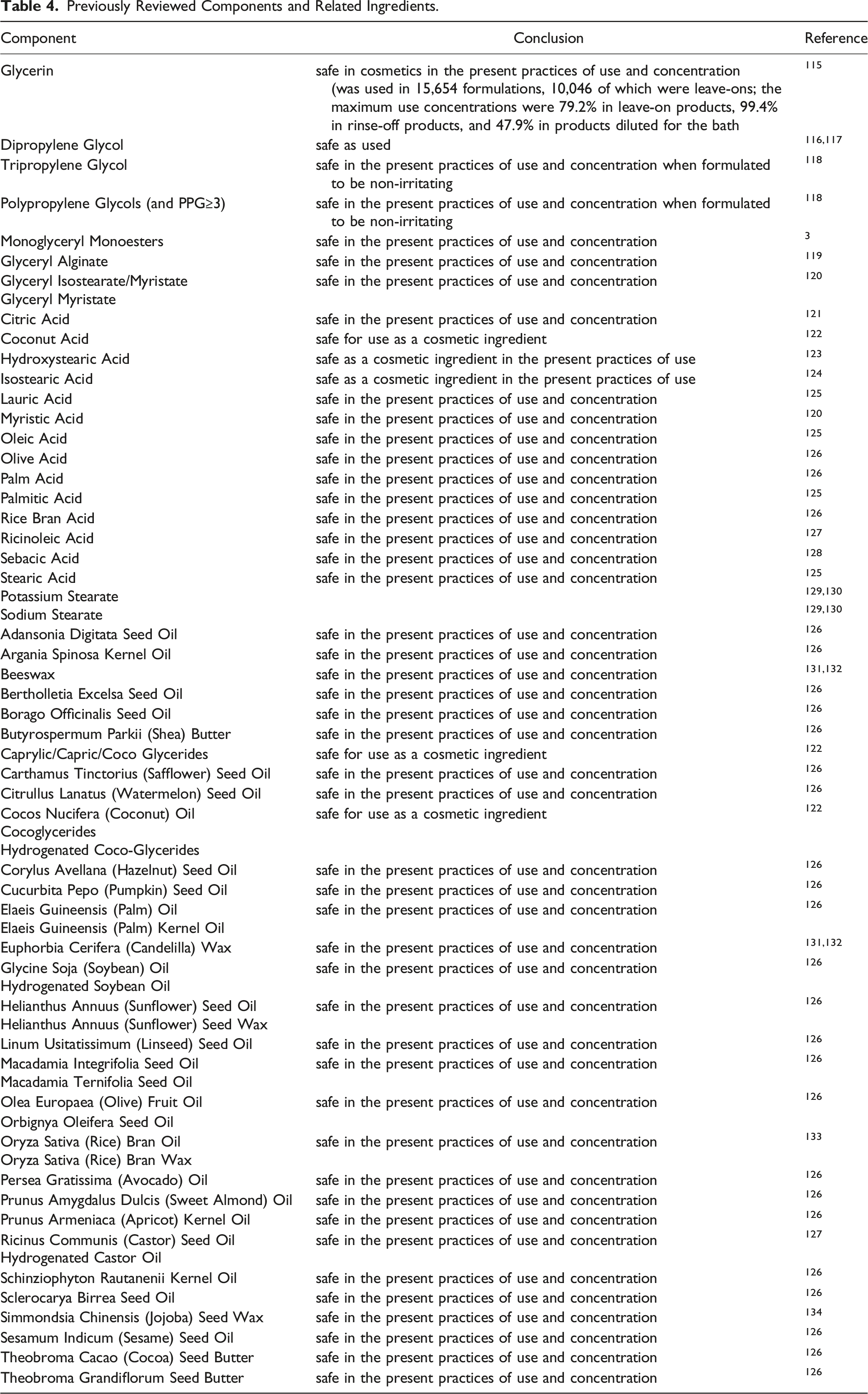
Much of the toxicity data included in this safety assessment were found on the European Chemicals Agency (ECHA) website. 4 The ECHA website provides summaries of information generated by industry, and it is the summary data that are reported in this safety assessment when ECHA is cited. Also, when deemed appropriate, read-across data from ECHA are included in this report. In some ECHA dossiers, such as in 1,2,3-propanetriol, homopolymer, diisooctadecanoate, the number of polyglyceryl chains is not defined. Because the number of polyglyceryl chains is not defined, and it therefore is unclear what specific ingredient is being studied, the data are presented as potential read-across data.
Several studies that are summarized in this safety assessment examined the toxicity of a “polyglyceryl ester.” The exact composition of the test material was not identified in many of the studies and, generally, very few details were provided. However, this information is included in this safety assessment for completeness.
Chemistry
Definition and Structure
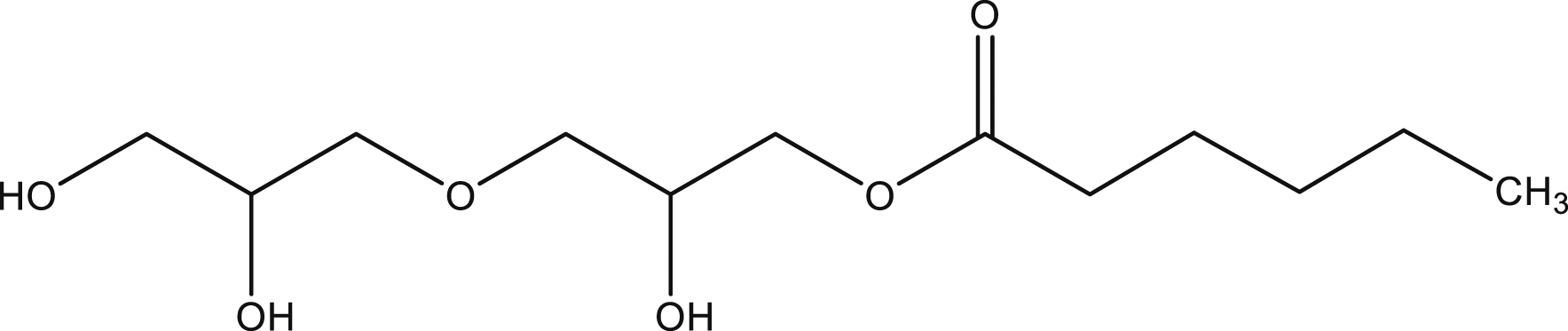
The ingredients in this report are each structurally constituted of the esterification products of polyglycerin chains and fatty acids. These ingredients vary in the number of equivalents of glycerin and fatty acids, and the length of those fatty acids (Figures 1 and 2). The definitions and idealized structures of the polyglyceryl fatty acid esters are provided in Table 3. Generic structure of polyglyceryl esters, wherein R represents hydrogen or the residue of certain fatty acids, and n varies from 2 to 20. Polyglyceryl-2 caprate (wherein R, in the general structure in Figure 1, is hydrogen in 3 instances and caprate in 1 instance; and n is 2).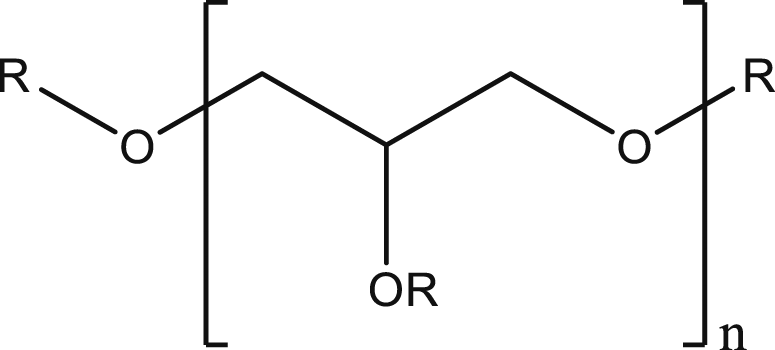
The polymerization process used to produce polyglycerol yields a distribution of different oligomers that have a primarily linear structure. 5 In addition to the linear configuration, a significant part of the polyglycerol is of the branched types, e.g., originating from 1,2- and 2,2-O-ether linkages.
Polyglyceryl esters of fatty acids have a hydrophilic polyglycerol group that consists of a finite number of hydroxyethers of glycerol and a hydrophobic fatty acid chain within the same compound. 6 These ingredients are non-ionic compounds, and a range of polarities is possible because of the variation of the degree of polymerization and number of fatty acids per headgroup.
Physical and Chemical Properties
The physical properties and appearance of polyglyceryl esters of fatty acids mainly depends on their molecular structure. Typically, the physical form of those with a higher degree of polymerization and shorter or unsaturated fatty acid chains ranges from viscous liquids to plastic pastes, and the polyglyceryl esters with a lower degree of polymerization and longer, saturated fatty acid chains are generally powders, flakes or small beads. 6 The color of the esters is dependent on the source of the fatty acids, but the polyglycerol will contribute to the color. 5 The solubility of polyglyceryl esters in organic solvents depends on the nature of the solvent and the polarity of the ester but, generally, the esters will show best solubility in protic and polar aprotic solvents, such as lower alcohols and dimethyl sulfoxide (DMSO).
Polyglyceryl esters of fatty acids are polar or amphiphilic lipids, and the amphiphilic properties in water exhibit mesomorphic activities forming lyotropic liquid crystals. 6 The polyglyceryl ester as a polar emulsifier will form aggregated bodies, such as micelles, at low concentrations in water. Polyglyceryl esters of fatty acids become unstable with water and high temperatures, and the instability is enhanced in the presence of alkaline substances. The presence of an alkali or acid results in the partial hydrolysis of fatty acids and the formation of free polyglycerol.
Polyglyceryl esters are comparable to monoglycerides with respect to hydrolysis. In enzymatic systems, lipases will hydrolyze the polyglyceryl ester, as seen in the case of other glycerides. 5
Average Fatty Acid Composition of Polyglyceryl Fatty Acid Esters (%).
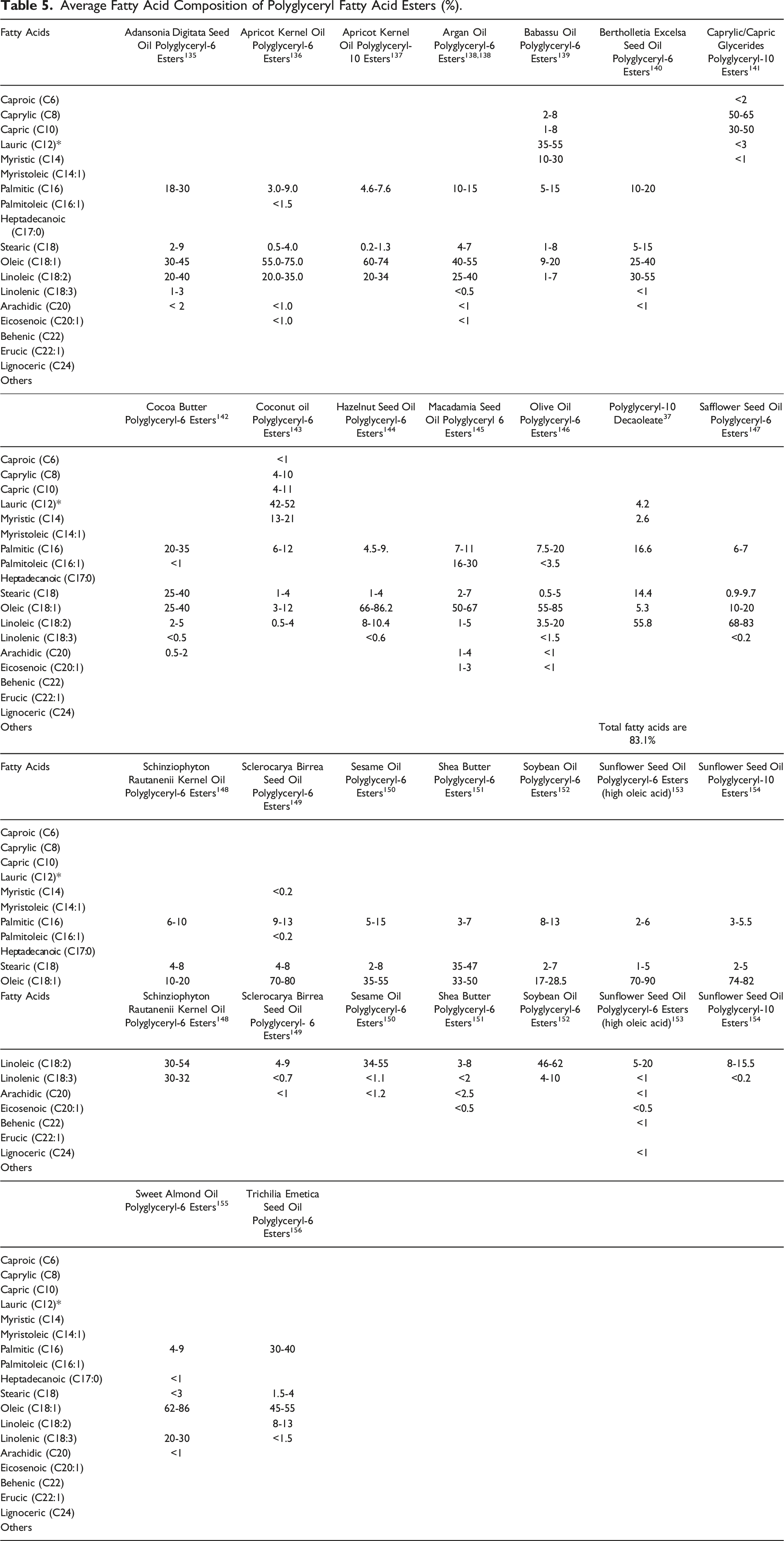
Physical and Chemical Properties.

Method of Manufacture
The synthesis of polyglyceryl esters of fatty acids is achieved by the polymerization of a hydrophilic headgroup, and then esterification of the headgroup with the hydrophobic tails.
6
Polyglycerols are generally prepared from an alkaline condensation of glycerol molecules at elevated temperature, with the removal of water. Because one glycerol molecule possesses 3 reactive sites (1 secondary alcohol (center position) and 2 primary alcohols (terminal positions)), several kinds of diglycerol molecules can be formed. If the polymerization proceeds to tri-, tetra-, or higher glycerols, then the number of possible linear or branched isomers increases exponentially. Moreover, once a dimer is formed, cyclic products can result from intra-molecular ring-closure reactions (Figure 3). Polymerization of glycerol.
7
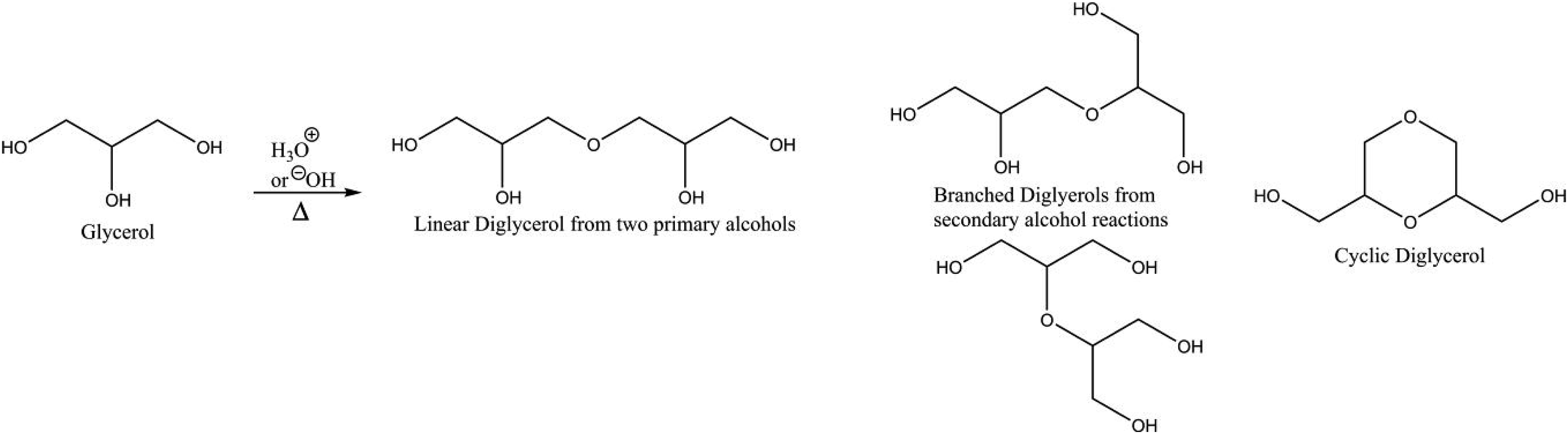
Polyglycerols can be used as produced, or they may be stripped of excess glycerol and cyclic glycerols by steam distillation at reduced pressure. 7 Alternatively, stripping processes have been developed using mesoporous and zeolite catalysts under milder conditions.
Other possible processes for production of a polyglycerol use reactive petrochemical substances such as epichlorohydrin (1-chloro-2,3-dihydroxypropane), which is allowed to react with glycerol in an etherification process. However, epichlorohydrin is a hazardous material, and the purification of the polyglycerol complicates the process. 5 Glycidol is also used for the production of polyglycerol, and the oxirane group easily reacts with glycerol or epichlorohydrin, depending on the conditions of the reaction and the type of polyglycerol required. However, these processes use chemicals that make the process non-competitive in relation to a glycerol-based process.
According to the World Health Organization (WHO) Food and Agriculture Organization (FAO), polyglyceryl esters of fatty acids (as used in foods) are formed by reacting polymerized glycerols with edible fats, oils (edible fats and oils are primarily triglycerides), or fatty acids. 8 The degree of polymerization varies, and is specified by a number (such as tri-) that is related to the average number of glycerol residues per polyglycerol molecule.
Polyglyceryl esters of fatty acids also can be prepared by direct esterification between polyolethers and fatty acids at elevated temperatures (T > 200°C) with the removal of water.5,6 The esterification is normally carried out under alkaline conditions and can be stopped by simply adding an acid and lowering the reaction temperature. To obtain a large amount of mono- and diesters, the synthesis is generally carried out with an excess of polyglycerol. Some unreacted polyglycerol can be removed by simple gravimetric settling, and the remaining fraction by extraction with water combined with salts in a charge-wise separation process. Alternatively, polyglyceryl esters can be prepared by an inter-esterification (or transesterification) between polyglycerols and triglycerides; this is a reaction carried out at a high temperature and under conditions similar to direct esterification, but the degree of polymerization is not as high as obtained with direct esterification. Transesterification between polyglycerol and alcohol esters of fatty acids is another possible method of synthesis; using this process, methanol is continuously removed from the reactor, and the process includes a second step to reduce the remaining unreacted oxirane oxygen.
Composition and Impurities
Joint FAO/WHO Expert Committee on Food Additives (JECFA) specifications for polyglyceryl esters of fatty acids used in foods state “the polyglycerol moiety shall be composed of not less than 70% of di-, tri-, and tetraglycerols and shall contain not more than 10% of polyglycerols equal to or higher than heptaglycerol”; that acids other than fatty acids shall not be detectable; and that not more than 2 mg/kg lead is detectable. 8 Minor amounts of mono-, di-, and triglycerides, free glycerol and polyglycerols, free fatty acids, and sodium salts of fatty acids may be present.
Specifications, Impurities, and/or Constituents.
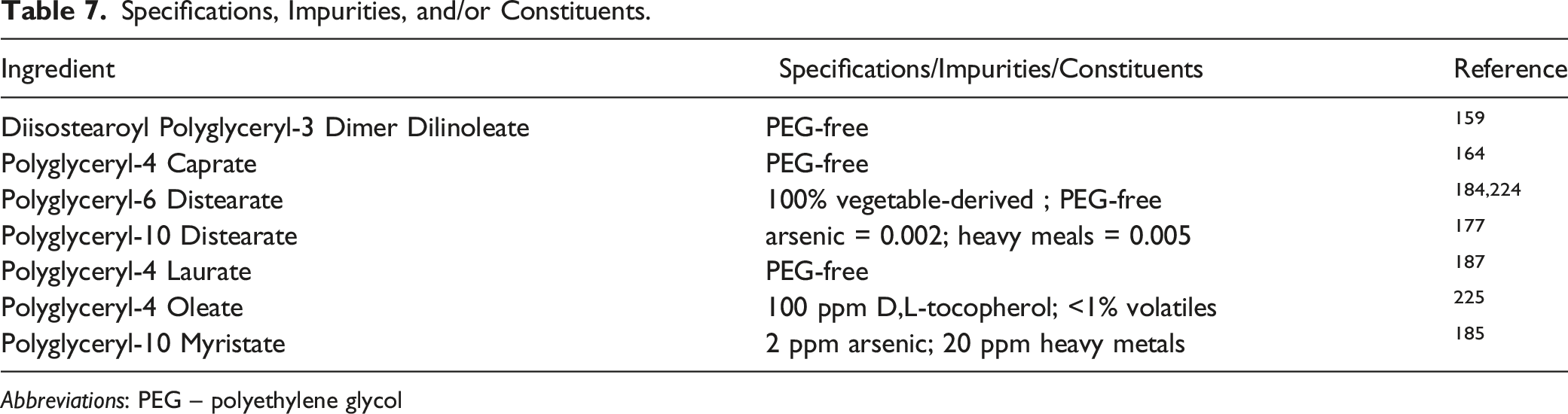
Abbreviations: PEG – polyethylene glycol
Use
Cosmetic
The safety of the cosmetic ingredients included in this safety assessment is evaluated based on data received from the US Food and Drug Administration (FDA) and the cosmetics industry on the expected use of these ingredients in cosmetics. Use frequencies of individual ingredients in cosmetics are collected from manufacturers and reported by cosmetic product category in FDA’s Voluntary Cosmetic Registration Program (VCRP) database. Use concentration data are submitted by Industry in response to surveys, conducted by the Personal Care Products Council (Council), of maximum reported use concentrations by product category.
Frequency and Concentration of Use According to Duration and Type Of Exposure.

Because each ingredient may be used in cosmetics with multiple exposure types, the sum of all exposure types may not equal the sum of total uses.
aIncludes products that can be sprays, but it is not known whether the reported uses are sprays.
bNot specified whether this product is a spray or a powder or neither, but it is possible it may be a spray or a powder, so this information is captured for both categories of incidental inhalation.
cIncludes products that can be powders, but it is not known whether the reported uses are powders.
NR – not reported.
Supplier Recommended Use Levels.
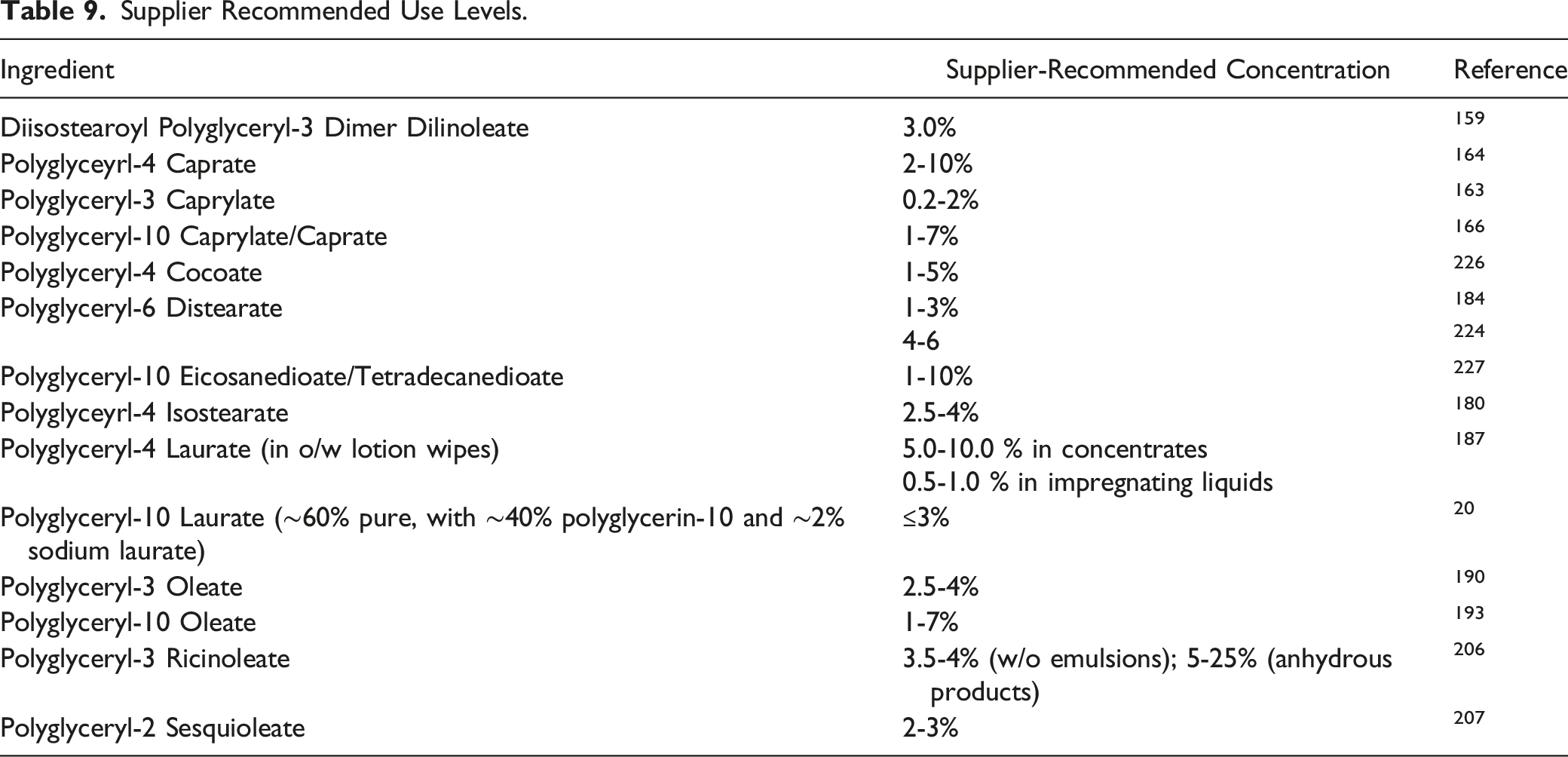
Of the polyglyceryl fatty acid esters used in cosmetic formulations, many are used in products applied to the eye area, that can result in incidental ingestion, or that come into contact with mucous membranes. The highest reported concentrations of use for these types of exposures are 24.1% Polyglyceryl-4 Isostearate in “other” eye make-up preparations and 40% Polyglyceryl-2 Triisostearate in lipstick formulations (resulting in incidental ingestion and mucous membrane exposure). 11 A few of the polyglyceryl fatty acid esters are reported to be used in baby products; Polyglyceryl-3 Diisostearate has the highest reported use in a baby product, i.e., 2% in baby lotions, oils, and creams.
Additionally, some of the polyglyceryl fatty acid esters are used in cosmetic sprays and could possibly be inhaled; for example, Polyglyceryl-3 Distearate is reported to be used at 3% in spray body and hand creams. In practice, most droplets/particles released from cosmetic sprays have aerodynamic equivalent diameters > 10 µm, with propellant sprays yielding a greater fraction of droplets/particles < 10 µm compared with pump sprays.15,16 Therefore, most droplets/particles incidentally inhaled from cosmetic sprays would be deposited in the nasopharyngeal and thoracic regions of the respiratory tract and would not be respirable (i.e., they would not enter the lungs) to any appreciable amount.17,18
All of the polyglyceryl fatty acids named in this report are listed in the European Union inventory of cosmetic ingredients, and none of the listed ingredients are restricted from use in any way under the rules governing cosmetic products in the European Union. 19 In Australia, according to a National Industrial Chemicals Notification and Assessment Scheme (NICNAS), Polyglyceryl-10 Laurate (∼60% pure, with ∼40% polyglycerin-10 and ∼2% sodium laurate) is not considered to pose an unreasonable risk to public health when used in the proposed manner (i.e., ≤3% in skin lotions), and cannot be classified according to the Globally Harmonised System for the Classification and Labelling of Chemicals or the Approved Criteria for Classifying Hazardous Substances. 20
Non-Cosmetic
Polyglyceryl esters of fatty acids, up to and including the decaglycerol esters, are permitted as multipurpose direct food additives when (1) they are prepared from corn oil, cottonseed oil, lard, palm oil from fruit, peanut oil, safflower oil, sesame oil, soybean oil, and tallow and the fatty acids derived from these substances (hydrogenated and non-hydrogenated) and/or oleic acid derived from tall oil fatty acids; (2) they are used as emulsifiers in food, in amounts not greater than that required to produce the intended physical or technical effect; (3) polyglyceryl esters of a mixture of stearic, oleic, and coconut fatty acids are used as a cloud inhibitor in vegetable and salad oils when use is not precluded by standards of identity, and oleic acid derived from tall oil fatty acids may be used as a substitute for, or together with, the oleic acid; and (4) polyglyceryl esters of butter oil fatty acids are used as emulsifiers in combination with other approved emulsifiers in dry, whipped topping base, when used at a level not in excess of the amount required to perform their emulsifying effect. [21CFR172.854]
JECFA established an acceptable daily intake (ADI) of 0-25 mg/kg bw for polyglyceryl esters of fatty acids having an average chain length of up to 3 glycerol units, 21 and an ADI of 0-7.5 mg/kg bw for polyglyceryl esters of interesterified ricinoleic acid. 22 In the EU, the esters are listed as food additives at concentrations between 5000 and 10,000 mg/kg in certain foods, and up to 7% free glycerol/polyglycerol is allowed (i.e., 700 mg/kg). 23 Polyglyceryl-10 Caprylate/Caprate 24 and Polyglyceryl-10 Oleate 25 are polysorbate replacers, dispersing agents, and emulsifiers in foods.
Several polyglyceryl oleates are allowed for use as inactive ingredients in approved drug products. 26 Polyglyceryl-3 Oleate is approved as an inactive ingredient in topical, oral, and vaginal drug products. In oral products, maximum potency is 0.87 mg in gelatin-coated capsules, 330.7 mg in soft gelatin capsules, and 310 mg/ml in oral solutions; in vaginal products maximum potency is 2.7% in regular and sustained-release emulsions and creams. Approved dermal use is in topical sustained release creams; a maximum potency was not specified. Polyglyceryl-4 Oleate is approved as an inactive ingredient in vaginal emulsions and creams at a maximum potency of 2.71%. Polyglyceryl-10 Oleate is approved for use in oral soft gelatin capsules and in oral solutions; maximum potency is 199.9 mg and 190 mg/ml, respectively.
Polyglyceryl-10 Oleate is used as an internal lubricant for polyvinyl chloride (PVC) sheet and film and as an anti-fog agent in plasticized PVC film formulations. 25
Toxicokinetics
Penetration Enhancement
Polyglyceryl-3 Diisostearate
Polyglyceryl-3 Diisostearate was not a penetration enhancer in a study that evaluated the skin penetration enhancing effects of several excipients on the hydrophilic drug 5-fluorouracil (Figure 4).
27
5-Fluorouracil.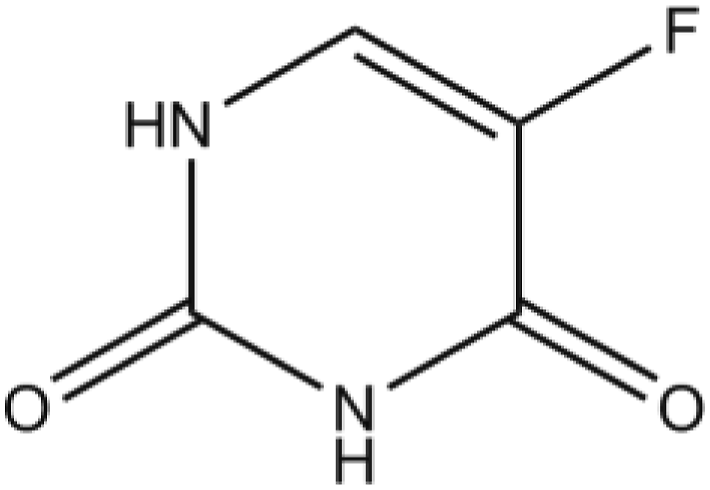
The ability to enhance skin penetration was determined in vitro by measuring skin permeability coefficients for human abdominal skin samples.
Polyglyceryl-3 Dioleate
Polyglyceryl-3 Dioleate is reported to be a water-in-oil surfactant/solubilizer associated with enhanced drug penetration. 28
Polyglyceryl-4 Laurate and Polyglyceryl-4 Oleate
The effect of 2 microemulsions on the rate and extent of release and penetration of ceramide AP (Figure 5) was evaluated using an in vitro, multi-layer, membrane model with 4 layers of circular 40-mm membrane films arranged one over the other.
29
Ceramide AP (wherein m has a value ranging from 13 to 27 and n has a value ranging from 12 to 20).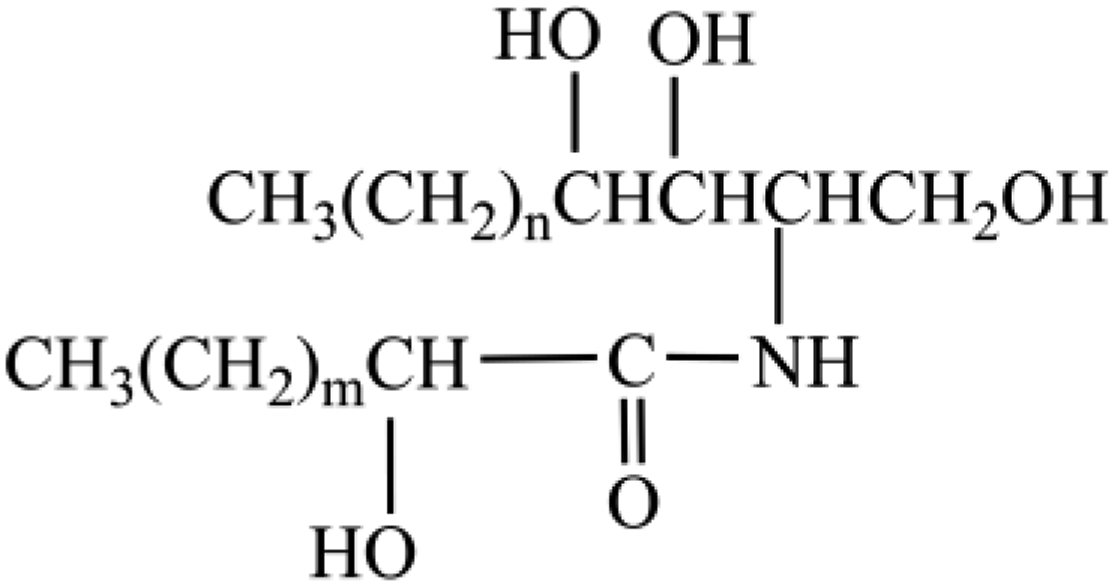
One test microemulsion, an o/w emulsion, contained 15% Polyglyceryl-4 Laurate, 15% Polyglyceryl-4 Oleate, and 60% water-1,2 pentanediol (1:9); the other, a w/o emulsion, contained 30% Polyglyceryl-4 Laurate, 15% isopropyl palmitate/linoleic acid (5:2), and 55% water-1,2 pentanediol (1.5-8.5). Both test formulations contained 0.4% ceramide AP. A non-ionic hydrophilic cream containing 0.5% ceramide AP was used as a reference formulation. Each test substance, in an amount that contained 50 µg ceramide AP, was spread evenly over a 4 cm2 area. The formulation was left in place for 15-180 min; the unabsorbed test material was then removed and the ceramide was extracted from the membranes. When compared to the reference cream, the microemulsions increased the rate and extent of penetration of ceramide AP. Within 15 min, a higher percentage of ceramide AP was released from the microemulsions and penetrated into the deeper membrane layers; ceramide AP was not detected in the 3rd and 4th layers when the reference cream was used. Also, the amount that penetrated into each layer at each time point was greater with the microemulsions than with the cream. The total percent ceramide AP released and penetrated was 93.4% with the microemulsion containing 15% Polyglyceryl-4 Laurate and 15% Polyglyceryl-4 Oleate, 84.2% for the second test formulation, and 73.3% with the reference formulation.
The effect of similar microemulsions and microemulsion gels on the permeation of ceramide NP was evaluated in human thigh skin samples using Franz diffusion cells. 30 Several microemulsions were evaluated; the formulations were composed of 30 or 35% Polyglyceryl-4 Laurate/Polyglyceryl-4 Oleate (1:1), 10-15% isopropyl palmitate/linoleic acid (9:12), 50-60% water/1,2 pentanediol (1.5:8.5), 0.2% ceramide AP, and 0.1% deuterated ceramide NP. The gels were prepared by dispersing 2.5% Carbopol® 940 into the microemulsion. Some of the formulations were o/w, and some were bicontinuous. A hydrophilic cream containing 0.2% deuterated ceramide NP was used as a reference formulation. Twenty mg of each formulation was applied to the skin surface (3.1416 cm2) and allowed to permeate for 300 min. After 300 min, the skin surface was wiped and the stratum corneum layer was removed with 10 tape strips over a 2.016 cm2 area. Subsequently, 3 skin punches were taken and the epidermal layer was removed. Permeation was deeper from the microemulsions, as compared to the cream and the microemulsion gels; additionally, penetration was deeper with the o/w formulations compared to the bicontinuous formulations. Deuterated ceramide NP in the cream did not permeate into the deeper layers of the stratum corneum and other skin layers. Permeation from the gel was shallow due to its high viscosity.
Polyglyceryl-10 Trioleate
The effect of Polyglyceryl-10 Trioleate on the permeation of tenoxicam (a non-steroidal anti-inflammatory drug; Figure 6) in a propylene glycol solution was examined in vitro using dorsal skin from male Hartley strain guinea pigs.
31
Tenoxicam.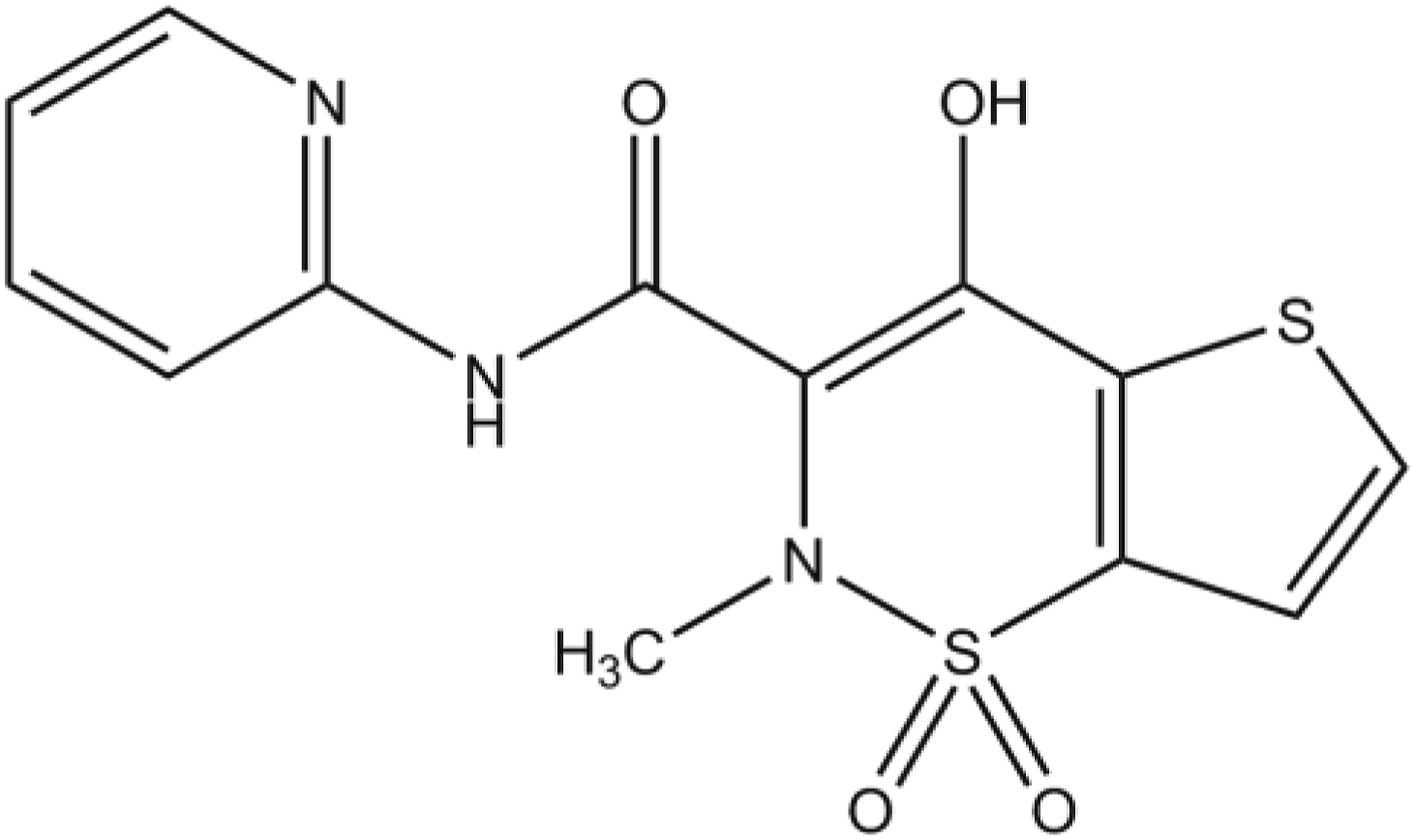
The test solution was prepared by suspending 0.3 g tenoxicam in a mixed solution of 3.0 g propylene glycol and 1.5 g Polyglyceryl-10 Trioleate, and the suspension was adjusted to a pH of 6.0. Using a Franz-type diffusion chamber, 1 g of the resulting suspension, which contained 1% tenoxicam, 10% propylene glycol, and 5% Polyglyceryl-10 Trioleate, was applied to the donor skin, and 1.0 ml of the receptor solution was sampled every 3 h for 48 h. The flux of tenoxicam was statistically significantly enhanced by the inclusion of Polyglyceryl-10 Trioleate, from 8.11 x 10⁻⁵ µg/s·cm2 to 28.48 µg/s·cm2.
Absorption, Distribution, Metabolism, and Excretion (ADME)
Oral
Metabolic studies of polyglyceryl esters indicated that these esters are hydrolyzed in the gastrointestinal (GI) tract, and utilization and digestibility studies supported the assumption that the fatty acid moiety is metabolized in the normal manner. 32 Analytical studies have produced no evidence of accumulation of the polyglycerol moiety in body tissues.
Albino Wistar rats were fed a diet containing 5% or 10% polyglyceryl ester; the exact composition of the ester was not provided, but it was stated that the ester was mostly prepared with stearic and oleic acids. 33 Control animals were given untreated feed. The number of animals per group and duration of dosing also was not specified, however some animals were fed the test diet for up to 14 mos, and some were maintained through 3 generations. Feed consumption was determined for 2 males and 2 females per group, and feces were collected for these animals for 24 days. Fecal lipids were increased in the test groups when compared to the controls; however, the researchers stated that at least 95-98% of the polyglyceryl esters were digested.
Similarly, groups of Wistar rats were fed a diet containing 5% polyglyceryl ester prepared with oleic acid or with linseed oil, and feed consumption was measured and feces collected for 2 males and 2 females per group for 24 days. 33 The polyglyceryl esters were almost completely utilized.
Groups of 8 male Sherman rats were fed a restricted diet consisting of 1 g of a polyglyceryl ester in 5 g basic diet/day for 3 wks, followed by 8 wks feeding, ad libitum, of a diet containing 8% of the test material. 34 The esters used in the study ranged in size from 2 to 30 glyceryl radicals, with hydrogenated cottonseed oil or peanut oil. Fecal fat excretion, calculated as total lipid extract, absorption, and digestibility values, were determined during the restricted and ad libitum feeding periods. The fecal lipids from rats fed the polyglyceryl hydrogenated cottonseed oil esters were higher in palmitic, stearic, and oleic acids, and lower in linoleic acid, than those the fed the polyglyceryl peanut oil esters. Gas-liquid chromatography (GLC) analysis of the fatty acids of the extracted lipids from the epididymal fat pads determined that only triglycerides were present and no appreciable amounts of polyglycerols were deposited.
A study was conducted in which rats were fed a polyglyceryl ester with a high melting point for 8 mos. 35 No residues were detected in depot fat, or in fat of muscle, liver, kidney or spleen. (Details were not provided.)
Polyglyceryl Oleates and Decaoleate
The metabolism of Polyglyceryl-3 Oleate, Polyglyceryl-10 Oleate, and Polyglyceryl-10 Decaoleate was investigated in male Sprague-Dawley rats. 36 Groups of 4 rats were dosed with 1% Polyglyceryl-3 [14C]Oleate, Polyglyceryl-10 [14C]Oleate, [14C]Polyglyceryl-10 Oleate, Polyglyceryl-10 [14C]Decaoleate, and [14C]Polyglyceryl-10 Decaoleate by stomach tube in a liquid diet; the diet contained 7-14 µCi of 14C. The study also included 2 polyglyceryl esters that are not cosmetic ingredients, but are similar to ingredients reviewed in this report: triglycerol [14C]tetraoleate and polyglycerin-10 [14C]monoeicosanoate. Catabolism studies were conducted by administering the test diet, collecting expired CO2, feces, and urine with the use of metabolism chambers, and collecting GI tract contents and examining the carcass of each animal after 51 h. In additional groups of 4 animals, simultaneous catabolism-absorption studies were conducted by inserting a thoracic duct cannula in each animal, dosing the animals, and then using a metabolism chamber for the collection of lymph, respiratory CO2, feces, and urine (each as a single fraction) for 51 h. Lipids were extracted from the lymph of animals dosed with fatty-acid labelled esters, and the distribution of radioactivity among the various lipid constituents of lymph was obtained to determine whether any intact polyglyceryl esters were present in the lymph lipids. The metabolism of the esters was also compared to glycerol-1,3-[14C], [14C]polyglycerin-3, and [14C]polyglycerin-10.
Disposition of Radioactivity in Rats After a Single Oral Dose (51 h After Feeding).
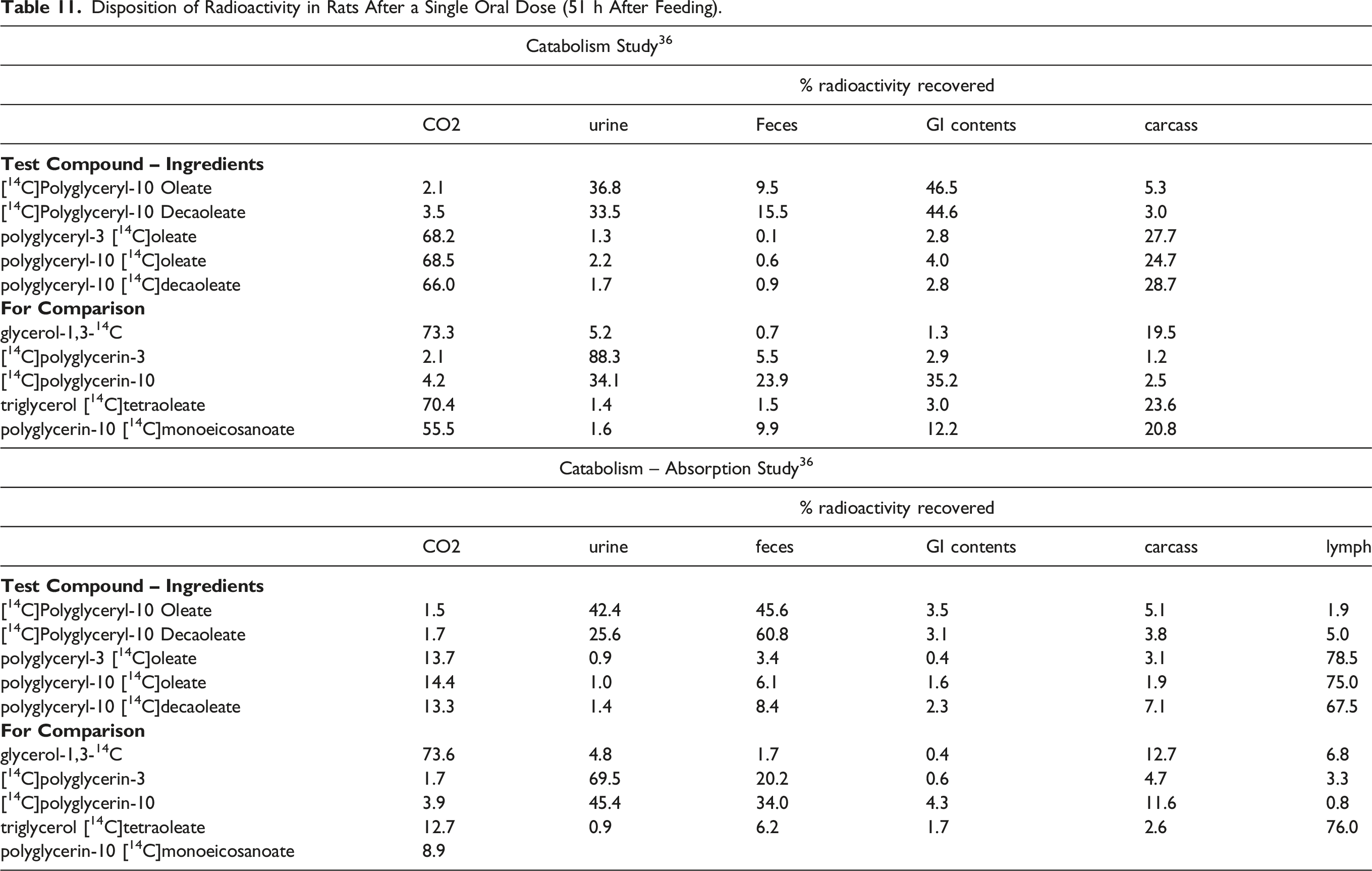
In the catabolism-absorption studies, 83-102% of the radioactivity was recovered. No more than 5% of the radioactivity from glycerol-labeled esters was absorbed via the lymphatic system; however, ∼67.5-78.5% of the radioactivity from the oleic acid-labeled polyglyceryl esters was recovered in the lymph, and ∼54% was recovered in the lymph of animals given the eicosanoate-labeled polyglyceryl ester. Lipids from the oleate- (and eicosanoate-) labeled compounds contained 97-99% of the total lymph radioactivity.
In vitro hydrolysis studies confirmed that the oleic acid ester bond in the polyglyceryl-3 and polyglyceryl-10 esters was readily cleaved. Additionally, it was shown that the eicosanoate bond was cleaved more slowly than the oleate bond. The researchers concluded that the polyglycerols were not catabolized, the ether linkages are inert to normal enzymatic hydrolysis, and the polyglycerols were absorbed and rapidly excreted in the urine without being catabolized.
Groups of 10 male and 10 female Sprague-Dawley rats were fed a diet containing 2.5, 5.0, or 10.0% Polyglyceryl-10 Decaoleate for 90 days, and the control group was fed a diet containing soybean oil as the dietary fat. 37 The percentage of dietary fatty acids absorbed decreased as the levels of Polyglyceryl-10 Decaoleate in the diet increased. Fat absorption by males and females of the 5 and 10% test groups was statistically significantly less than controls at wk 4 and 10, and was statistically significantly decreased in females of the 2.5% group at wk 4 and males of the 2.5% group at wk 10. GLC analysis of fecal fatty acids revealed excretion of oleic acid increased in a dose-related manner; the increased excretion of fatty acids in general, and oleic acid in particular, indicated that the absorption of dietary Polyglyceryl-10 Decaoleate was not complete. The researchers stated that fecal oleic acid may have resulted from excretion of intact Polyglyceryl-10 Decaoleate or from hydrolyzed or partially hydrolyzed but unabsorbed material.
In Vitro
Polyglyceryl-2 Diisostearate
The metabolism of Polyglyceryl-2 Diisostearate was evaluated using a lipase assay; olive oil was used as a reference substance. 38 Both Polyglyceryl-Diisostearate and olive oil increased the fatty acid concentration in all reaction vials in a time dependent manner, and the speed of fatty acid formation was comparable for both substrates. The in vitro experimental results support the hypothesis that accumulation of Polyglyceryl-2 Diisostearate in the gut is unlikely.
Toxicological Studies
Acute Toxicity
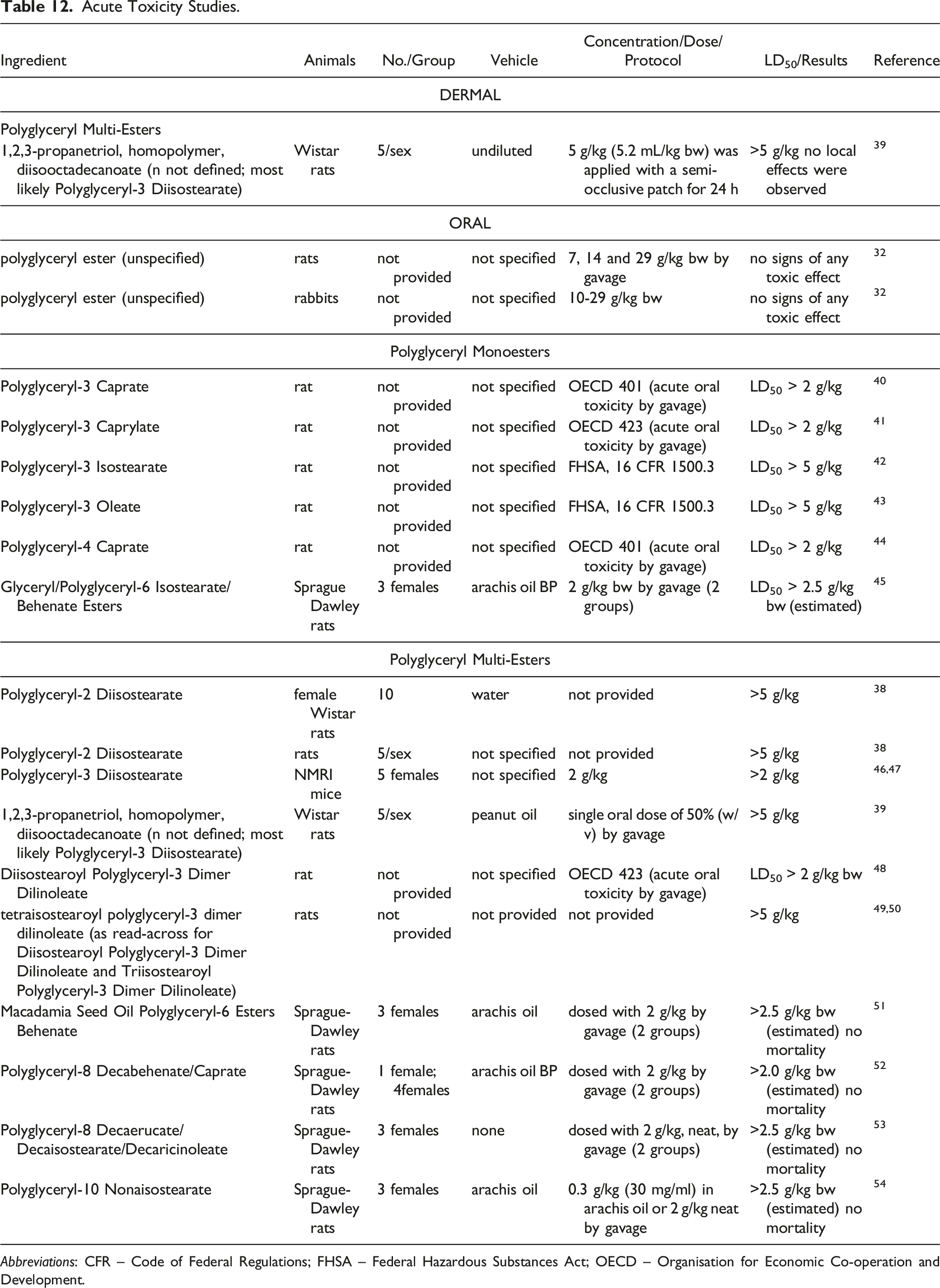
Abbreviations: CFR – Code of Federal Regulations; FHSA – Federal Hazardous Substances Act; OECD – Organisation for Economic Co-operation and Development.
In an acute dermal toxicity study in rats, the LD50 of 1,2,3-propanetriol, homopolymer, diisooctadecanoate was > 5 g/kg. Low toxicity was reported in acute oral studies. In rats, the LD50 > 2 g/kg for Polyglyceryl-3 Caprate, Polyglyceryl-3 Caprylate, Polyglyceryl-4 Caprate, Diisostearoyl Polyglyceryl-3 Dimer Dilinoleate, and Polyglyceryl-8 Decabehenate/Caprate, the LD50 was estimated to be > 2.5 g/kg for Glyceryl/Polyglyceryl-6 Isostearate/Behenate Esters, Macadamia Seed Oil Polyglyceryl-6 Esters Behenate, Polyglyceryl-8 Decaerucate/Decaisostearate/Decaricinoleate, and Polyglyceryl-10 Nonaisostearate, and the LD50 was > 5 g/kg for Polyglyceryl-3 Isostearate, Polyglyceryl-3 Oleate, Polyglyceryl-2 Diisostearate and Polyglyceryl-3 Diisostearate.
Short-Term Toxicity
Animal
Oral
Polyglyceryl Esters – general
In rats, repeated oral dosing with 10 g/kg bw polyglyceryl ester daily over 5 days caused no deaths. 32 No further details were provided.
The feeding of a restricted diet consisting of 1 g of a polyglyceryl ester in 5 g basic diet/day for 3 wk to Sherman rats, followed by 8 wk feeding, ad libitum, of a diet containing 8% of the test material (8 males/group; study described in the ADME section) did not result in any microscopic abnormalities in the liver, kidneys, or ileum. 34
Polyglyceryl Stearate
Two groups of 4 male albino rats were administered a suspension of 1 g/kg bw/day of polyglyceryl stearate (glyceryl chain length not stated) in an aqueous solution of 0.5% carboxymethylcellulose (CMC) and 0.1% Tween 80 for 10 wk; one group was fed a basic diet, and the other a diet supplemented with 5% hydrogenated fat. 55 Two untreated control groups, one fed a basal diet and one the fat-supplemented diet, were used. Polyglyceryl stearate was not toxic, and it did not have an effect on red blood cell count, white blood cell count, or hemoglobin values.
Polyglyceryl-2 Diisostearate
In a dietary study, 5 male and 5 female rats per group were given feed containing 0, 0.012, 0.12, or 1.2% Polyglyceryl-2 Diisostearate (for a targeted dose of 0, 10, 100, or 1000 mg/kg/day, respectively) for 28 days, and a control group was given untreated feed. 38 There were no mortalities, clinical signs of toxicity, effects on body weight, clinical pathology, or gross or histopathology alterations that were considered related to the dietary administration of the test substance and/or considered to be of toxicological significance. The no observed adverse effect level (NOAEL) was 845 mg/kg/day in males and 922 mg/kg/day in females, corresponding to the highest dietary concentration tested.
Human
Oral
Polyglyceryl Esters – general
For 3 wk, 37 subjects were fed 2-20 g/day polyglyceryl ester in their diet. 32 No abnormalities were detected in the hematology or clinical chemistry values or urinary or fecal parameters that were examined.
Subchronic Toxicity Studies
Animal
Oral
Polyglyceryl-10 Decaoleate
Groups of 10 male and 10 female Sprague-Dawley rats were fed a diet containing 2.5, 5.0, or 10.0% Polyglyceryl-10 Decaoleate for 90 days, and the control group was fed a diet containing soybean oil as the dietary fat. 37 Urine was collected from each group during wk 3 and 9, total fatty acid absorption was determined in feces collected during wk 4 and 10, and hematological studies were conducted during wk 5 and 11, and at study termination. No test article-related signs of toxicity were observed. Gross and microscopic examination of the testes and ovaries and other organs did not reveal any evidence of toxicity, and relative and absolute organ weights were unremarkable.
Chronic Toxicity Studies
Animal
Oral
Polyglyceryl Esters – general
Groups of 25 male and 25 female mice were fed a diet with 5% polyglyceryl ester for 80 wk. 32 No adverse effects on body weight, feed consumption, hematology values, or survival rate were noted. Carcass fat of the test group showed no polyglycerol residues. The levels of free fatty acids, unsaponifiable material, and the fatty acid composition of carcass fat were the same for the test group compared to a control group fed 5% ground nut oil in the diet. The only differences noted in organ weights were for the liver and kidneys of female mice, which were significantly higher. Microscopic examination of all major organs showed nothing remarkable.
In a 2-yr study, 28 male and 28 female rats were fed 5% polyglyceryl ester in the diet. 32 No adverse effects on body weight, feed consumption, hematology values, or survival rate were noted. Organ weights were similar in control and test groups. Liver function tests and renal function tests performed at 59 and 104 wk of the study were comparable between the test group and a control group fed 5% ground nut oil. The carcass fat contained no polyglycerol, and the levels of free fatty acid, unsaponifiable residue and fatty acid composition of carcass fat were not different from the controls. A complete histological examination of major organs showed nothing remarkable.
In the ADME study described previously, in which Wistar rats (number of animals per group not specified) were fed a diet containing 5 or 10% polyglyceryl ester (prepared mostly with stearic and oleic acid; duration of dosing not specified, however some animals were fed the test diet for up to 14 mo, and some were maintained through 3 generations), no abnormalities were observed upon microscopic examination of tissues (details not provided). 33
Developmental and Reproductive Toxicity Studies
Oral
Polyglyceryl Esters – general
A test group of 22 rats was fed a diet containing 1.5% polyglyceryl ester for 3 generations. 32 A group of 28 rats was used as a control. The animals were kept for over 1 year without significant variation in fertility or reproductive performance. Gross and microscopic examination of the third generation revealed no consistent abnormality attributable to the test substance. No details were provided.
Polyglyceryl-3 Diisostearate
A combined repeated dose oral toxicity study with a reproduction/developmental toxicity screening test (OECD Guideline 422) was conducted in Wistar rats. 39 The animals were dosed once daily by gavage with 0, 100, 300, or 1000 mg/kg bw/day 1,2,3-propanetriol, homopolymer, diisooctadecanoate (n not defined; this substance is most likely Polyglyceryl-3 Diisostearate) in corn oil. Initially, the groups consisted of 12 males and 12 females. However, because a disturbance of the light/dark cycle was believed to cause a reduction in mating rate of the females of the first delivery, additional male and female rats were added in a second delivery for breeding to meet guideline requirements for the number of gravid females per group. All (1st and 2nd delivery) animals were subjected to the same conditions of the study, with the exception that the males of the second delivery were necropsied on day 24 after mating, not on day 16 of mating. Therefore, Polyglyceryl-3 Diisostearate was administered to male rats for up to 28 days (first delivery) and up to 41 days (second delivery) and to female rats for 14 days prior to mating, through the mating and gestation periods, and until the F1 generation reached day 4 post-partum.
Because an impact caused by the light/dark cycle disturbance could not be excluded (i.e., a prolonged duration of gestation and an increased post-implantation loss at the high dose), the study was repeated with a third delivery with control and high-dose groups under proper light conditions. The test article was administered to12 male rats/group for 33 days and to12 female rats/group for 14 days prior to mating, through mating and gestation, and until day 4 post-partum.
Five males and 5 females/group killed at the end of the study were selected for hematology and clinical chemistry examinations, and some additional organs were weighed. The NOEL and NOAEL for systemic effects were ≥300 mg/kg bw/day and ≥1000 mg/kg bw/day 1,2,3-propanetriol, homopolymer, diisooctadecanoate, respectively, in both males and females. No adverse effects on body weights and body weight gains, feed consumption, hematology, clinical chemistry, neurobehavior, or gross or microscopic lesions were observed. Statistically significant increases in absolute and relative liver and kidney weights in males and females of the 1000 mg/kg bw/day were not considered to be adverse effects because there was no evidence for an impairment of organ function by clinical pathology and histopathology. Additionally, increases in the absolute and relative heart weights in high-dose females were without histopathological correlation and considered to be incidental.
Genotoxicity Studies
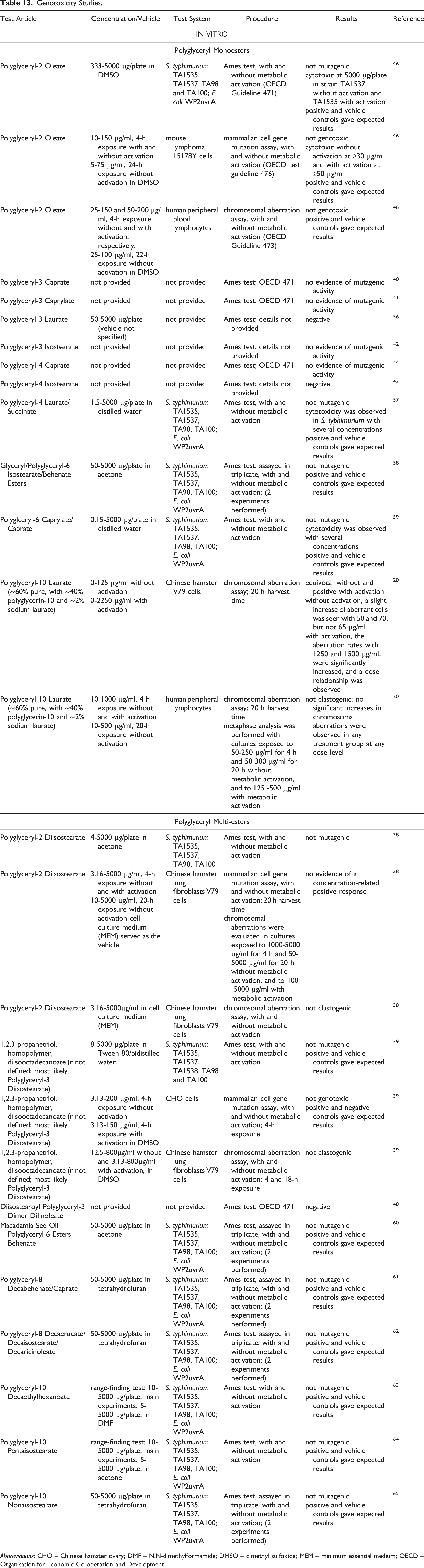
Abbreviations: CHO – Chinese hamster ovary; DMF – N,N-dimethylformamide; DMSO – dimethyl sulfoxide; MEM – minimum essential medium; OECD – Organisation for Economic Co-operation and Development.
Generally, negative results were obtained in genotoxicity tests. Polyglyceryl-2 Oleate, Polyglyceryl-2 Diisostearate, and 1,2,3-propanetriol, homopolymer, diisooctadecanoate were not genotoxic in the Ames test, mammalian cell gene mutation assay, or chromosomal aberration assay, with or without metabolic activation. Polyglyceryl-3 Caprate, Polyglyceryl-3 Caprylate, Polyglyceryl-3 Laurate, Polyglyceryl-3 Isostearate, Polyglyceryl-4 Caprate, Polyglyceryl-4 Isostearate, Polyglyceryl-4 Laurate/Succinate, Glyceryl/Polyglyceryl-6 Isostearate/Behenate Esters, Diisostearoyl Polyglyceryl-3 Dimer Dilinoleate, Macadamia Seed Oil Polyglyceryl-6 Esters Behenate, Polyglyceryl-8 Decabehenate/Caprate, Polyglyceryl-8 Decaerucate/Decaisostearate/Decaricinoleate, Polyglyceryl-6 Decaethylhexanoate, Polyglyceryl-10 Pentaisostearate, and Polyglyceryl-10 Nonaisostearate were negative in the Ames test. Polyglyceryl-6 Caprylate/CapratePolyglyceryl-10 Laurate (∼60% pure) gave equivocal results in the absence and positive results in the presence of metabolic activation when tested at concentrations up to 125 and 2250 µg/ml, respectively, in a chromosomal aberration assay using Chinese hamster V79 cells, but was not clastogenic in a chromosomal aberration assay in human peripheral lymphocytes, with or without activation.
According to the European Food Safety Authority (EFSA) Panel, the impurities of polyglyceryl fatty acid esters, i.e. free fatty acids and their esters, have no structural alerts for genotoxicity. 23
Carcinogenicity Studies
Oral
In a 2-yr study (summarized previously in “Chronic Toxicity”), 28 male and 28 female rats were fed 5% polyglyceryl ester in the diet. 32 Tumor incidence and tumor distribution were similar in control and test groups.
Dermal Irritation and Sensitization Studies
Dermal Irritation and Sensitization.

Abbreviations: CFR – Code of Federal Regulations; CPSC – Consumer Product Safety Commission; FCA – Freund’s Complete Adjuvant; FHSA Federal Hazardous Substances Act; GPMT – guinea pig maximization test; HET-CAM – hen’s egg test chorioallantoic membrane; HRIPT – human repeated insult patch test; 3HTdR – 3H-methyl thymidine; LLNA – local lymph node assay; ME – microemulsion; MW – molecular weight; OECD – Organisation for Economic Co-operation and Development; SDS – sodium dodecyl sulfate; SLS – sodium lauryl sulfate; TG – test guideline; WII – weakly irritation indices.
Apricot Kernel Oil Polyglyceryl-4 Esters and Palm Oil Polyglyceryl-4 Esters were classified as non-irritant in the SkinEthicTM irritation test, Polyglyceryl-4 Laurate/Sebacate, Polyglyceryl-4 Laurate/Succinate, and Polyglyceryl-6 Caprylate/Caprate were considered to be non-irritant in the EpiSkinTM model for skin irritation, and Polyglyceryl-10 Decaethylhexanoate. Polyglyceryl-10 Pentaisostearate were considered non-irritating using the EpiDermTM model for skin irritation.
In rabbits, Polyglyceryl-3 Caprate, a polyglyceryl mono/diester of capric acid (read-across for Polyglyceryl-3 Caprylate), Polyglyceryl-4 Caprate, Polyglyceryl-3 Diisostearate, 1,2,3-propanetriol, homopolymer, diisooctadecanoate, Macadamia Seed Oil Polyglyceryl-6 Esters Behenate, Polyglyceryl-8 Decabehenate/Caprate, and Polyglyceryl-8 Decaerucate/Decaisostearate/Decaricinoleate were not irritating to the skin. Polyglyceryl-2 Isostearate, Glyceryl/Polyglyceryl-6 Isostearate, and Polyglyceryl-10 Nonaisostearate were mildly irritating, Polyglyceryl-2 Diisostearate was slightly irritating, and Polyglyceryl-3 Isostearate and Polyglyceryl-3 Oleate were moderate irritants in rabbit skin. Polyglyceryl-3 Caprate, Polyglyceryl-3 Caprylate, Polyglyceryl-3 Isostearate, Polyglyceryl-4 Caprate, Polyglyceryl-4 Isostearate, Glyceryl/Polyglyceryl-6 Isostearate/Behenate Esters, Polyglyceryl-2 Diisostearate, Polyglyceryl-4 Diisostearate/Polyhydroxystearate/Sebacate (read-across for Diisostearoyl Polyglyceryl-3 Dimer Dilinoleate), Macadamia Seed Oil Polyglyceryl-6 Esters Behenate, Polyglyceryl-8 Decabehenate/Caprate, and Polyglyceryl-8 Decaerucate/Decaisostearate/Decaricinoleate were not sensitizers in guinea pig studies; Polyglyceryl-10 Nonaisostearate was not a sensitizer in a local lymph node assay. Polyglyceryl-3 Diisostearate was not a sensitizer in guinea pigs in one sensitization study (50% at induction and challenge; 25% at rechallenge), but results were inconclusive in a guinea pig maximization test (0.1% or 0.2% at intradermal induction; 40% at epicutaneous induction; 10 and 15% at challenge; 8 and 4% at rechallenge).
Ocular Irritation Studies.
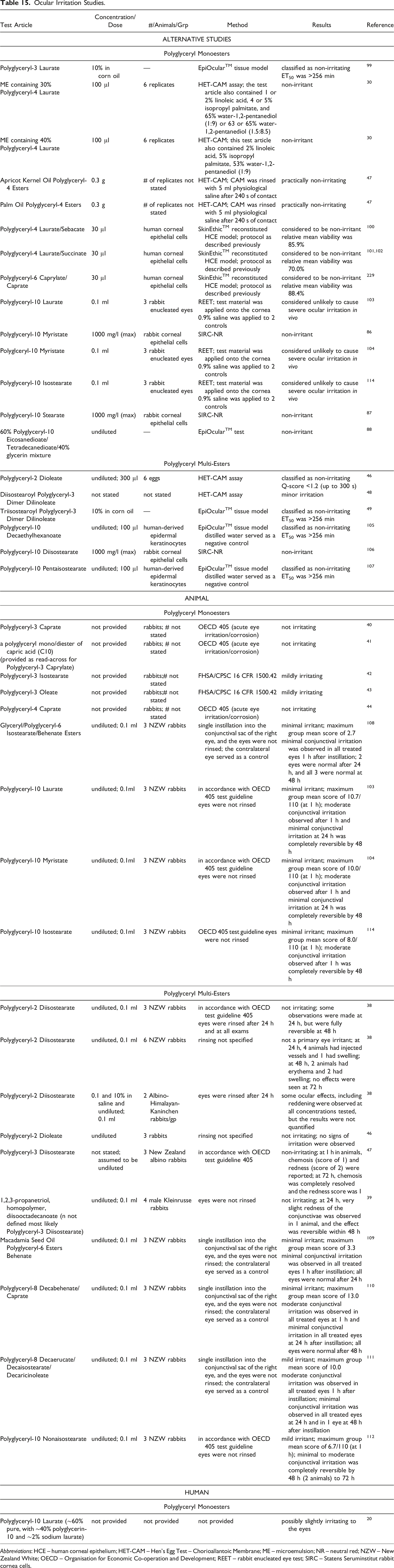
Abbreviations: HCE – human corneal epithelium; HET-CAM – Hen's Egg Test – Chorioallantoic Membrane; ME – microemulsion; NR – neutral red; NZW – New Zealand White; OECD – Organisation for Economic Co-operation and Development; REET – rabbit enucleated eye test; SIRC – Statens Seruminstitut rabbit cornea cells.
Photosensitization/Phototoxicity
Animal
Polyglyceryl-10 Nonaisostearate
The phototoxicity and photosensitization potential of Polyglyceryl-10 Nonaisostearate were evaluated in female albino Dunkin-Hartley guinea pigs. In the phototoxicity study, 0.5 ml undiluted Polyglyceryl-10 Nonaisostearate was39,47 applied to the right flank of 10 guinea pigs. 82 The animals were exposed to the maximal non-erythematous dose of ultraviolet (UV) radiation, and exposure was first to 150 mJ/cm2 UVB and then to 7000 mJ/cm2 UVA (source: Biotronic, Vilbert Lourmat). A non-irradiated test site served as a negative control, and 8-methoxypsoralen was used as the positive control. Reactions were scored 24 and 48 h after irradiation. No cutaneous reactions were observed; Polyglyceryl-10 Nonaisostearate was not phototoxic in guinea pigs.
In the photosensitization study, 3 induction applications were made, with 2 day intervals between applications, of 0.5 ml undiluted Polyglyceryl-10 Nonaisostearate (determined to be the maximal non-irritant concentration in a preliminary test) to a 25 cm2 area of interscapular skin of 11 animals, and the test sites were exposed to 7000 mJ/cm2 UVA irradiation 30 min after application. 98 Prior to application, 2 pair of intradermal injections were made with 50% Freund’s Complete Adjuvant/physiological saline solution. Six control animals were treated in a similar manner using liquid paraffin. After a 16-day non-treatment period, the challenge was performed by applying 0.5 ml of undiluted Polyglyceryl-10 Nonaisostearate to a 50 cm2 area on one flank of the test and control animals; 30 min after application, the treated site and an untreated site on the opposite flank were exposed to 7 J/cm2 UVA irradiation. Cutaneous reactions were evaluated 24 and 48 h after challenge. No cutaneous reactions were observed during induction or challenge. Polyglyceryl-10 Nonaisostearate was not a photosensitizer.
Ocular Irritation Studies
Ocular irritation studies are summarized in Table 15.20,30,38-44,47,86,99-112
Polyglyceryl-3 Laurate, a mixture containing 60% Polyglyceryl-10 Eicosanedioate/Tetradecanedioate, Triisostearoyl Polyglyceryl-3 Dimer Dilinoleate (10% in corn oil), undiluted Polyglyceryl-10 Decaethylhexanoate, and undiluted Polyglyceryl-10 Pentaisostearate were classified as non-irritating using an EpiOcularTM tissue model. In the hen’s egg test chorioallantoic membrane (HET-CAM) assay, microemulsions containing 30% or 40% Polyglyceryl-4 Laurate, Apricot Kernel Oil Polyglyceryl-4 Esters, Palm Oil Polyglyceryl-4 Esters, and Polyglyceryl-2 Dioleate were classified as non-irritant, and Diisostearoyl Polyglyceryl-3 Dimer Dilinoleate produced minor irritation. Polyglyceryl-4 Laurate/Sebacate, Polyglyceryl-4 Laurate/Succinate, and Polyglyceryl-6 Caprylate/Caprate were considered non-irritant in the SkinEthicTM reconstituted human corneal epithelium model, and Polyglyceryl-10 Laurate, Polyglyceryl-10 Myristate, and Polyglyceryl-10 Isostearate were considered unlikely to cause irritation when evaluated in the rabbit enucleated eye test (REET). Polyglyceryl-10 Myristate, Polyglyceryl-10 Stearate, and Polyglyceryl-10 Diisostearate were non-irritating using the SIRC-neutral red (NR) method.
In rabbit eyes, Polyglyceryl-3 Caprate, a polyglyceryl mono/diester of capric acid (read-across for Polyglyceryl-3 Caprylate), Polyglyceryl-4 Caprate, Polyglyceryl-2 Diisostearate, Polyglyceryl-2 Dioleate, Polyglyceryl-3 Diisostearate, and 1,2,3-propanetriol, homopolymer, diisooctadecanoate were not irritating, and Polyglyceryl-3 Isostearate and Polyglyceryl-3 Oleate were slightly irritating. Glyceryl/Polyglyceryl-6 Isostearate/Behenate Esters, Polyglyceryl-10 Laurate, Polyglyceryl-10 Myristate, Polyglyceryl-10 Isostearate, Macadamia See Oil Polyglyceryl-6 Esters Behenate, and Polyglyceryl-8 Decabehenate Caprate caused minimal irritation in rabbit eyes, and Polyglyceryl-8 Decaerucate/Decaisostearate/Decaricinoleate and Polyglyceryl-10 Nonaisostearate were mild irritants. Polyglyceryl-10 Laurate (∼60% pure) was possibly slightly irritating to the eyes of humans.
Clinical Reports
Case Reports
A case report described the incidence of recurring pruritic erythema over a 3-mo period in an 80-year-old female. 113 A 48-h closed patch test with the subject’s cosmetics was positive (++). Subsequent testing with the individual ingredients was positive (+) with 0.5% aqueous (aq.) Polyglyceryl-10 Laurate, and the positive reaction caused by this substance was still present in this patient 7 days after exposure. Positive reactions (+) were reported at all concentrations with additional testing of 0.05-1% aq. Polyglyceryl-10 Laurate. After 6 mo, patch tests with 0.1-1% Polyglyceryl-10 Laurate (obtained from several suppliers), and 0.5-1% Polyglyceryl-4 Laurate and Polyglyceryl-6 Laurate, were positive. No reactions were reported with 0.1-1% aq. Polyglyceryl-10 Myristate, Polyglyceryl-10 Isostearate, Polyglyceryl-10 Stearate, and Polyglyceryl-10 Oleate, or with the control test materials.
Summary
This assessment reviews the safety of 274 polyglyceryl fatty acid esters as used in cosmetics. Each of the esters in this group is a polyether comprising 2 to 20 glyceryl residues, end-capped by esterification with simple carboxylic acids, such as fatty acids. Most of these ingredients are reported to function in cosmetics as skin-conditioning agents and/or surfactants.
Seventy-seven of the 274 ingredients included in this report are reported to be in use. Polyglyceryl-3 Diisostearate has the most reported uses (371, 216 of which are in lipsticks), and Polyglyceryl-4 Isostearate has the second highest number of reported uses (280). Polyglyceryl-2 Triisostearate and Polyglyceryl-3 Diisostearate have the highest concentration of use in a leave-on formulation; these ingredients are used at 40% and 39%, respectively. Many of these polyglyceryl fatty acid esters are used in products applied to the eye area, products that can result in incidental ingestion, or products that come into contact with mucous membranes, and a few of the polyglyceryl fatty acid esters are reported to be used in baby products. Additionally, some of the polyglyceryl fatty acid esters are used in cosmetic sprays and could possibly be inhaled.
Polyglyceryl esters of fatty acids, up to and including the decaglycerol esters, are permitted as multipurpose direct food additives. JECFA established an ADI of 0-25 mg/kg bw for polyglyceryl esters of fatty acids having an average chain length of up to 3 glycerol units, and an ADI of 0-7.5 mg/kg bw for polyglyceryl esters of interesterified ricinoleic acid. In the EU, the esters are listed as food additives at levels between 5000 and 10,000 mg/kg in certain foods, and up to 7% free glycerol/polyglycerol is allowed (i.e., 700 mg/kg).
Polyglyceryl esters are hydrolyzed in the GI tract, and the fatty acid moiety is metabolized in a normal manner. Analytical studies have produced no evidence of accumulation of the polyglycerol moiety in body tissues.
The ability to enhance skin penetration was examined for several of the polyglyceryl fatty acid esters. Polyglyceryl-3 Dioleate is reported to be a water-in-oil surfactant/solubilizer associated with enhanced drug penetration. Polyglyceryl-10 Trioleate enhanced the flux of tenoxicam in an in vitro study. Microemulsions containing Polyglyceryl-4 Laurate and Polyglyceryl-4 Oleate increased ceramide permeation into skin.
In an acute dermal toxicity study in rats, the LD50 of 1,2,3-propanetriol, homopolymer, diisooctadecanoate was>5 g/kg. Low toxicity was reported in acute oral studies. In rats, the LD50 >2 g/kg for Polyglyceryl-3 Caprate, Polyglyceryl-3 Caprylate, Polyglyceryl-4 Caprate, Diisostearoyl Polyglyceryl-3 Dimer Dilinoleate, and Polyglyceryl-8 Decabehenate/Caprate, the LD50 was estimated to be >2.5 g/kg for Glyceryl/Polyglyceryl-6 Isostearate/Behenate Esters, Macadamia Seed Oil Polyglyceryl-6 Esters Behenate, Polyglyceryl-8 Decaerucate/Decaisostearate/Decaricinoleate, and Polyglyceryl-10 Nonaisostearate, and the LD50 was >5 g/kg for Polyglyceryl-3 Isostearate, Polyglyceryl-3 Oleate, Polyglyceryl-2 Diisostearate and Polyglyceryl-3 Diisostearate.
Dietary studies with polyglyceryl ester, polyglyceryl stearate, Polyglyceryl-2 Diisostearate, and Polyglyceryl-10 Decaoleate did not produce any remarkable effects. No test-article related adverse effects were observed in multi-generational studies with polyglyceryl esters or 1,2,3-propanetriol, homopolymer, diisooctadecanoate.
Generally, negative results were obtained in genotoxicity tests. Polyglyceryl-2 Oleate, Polyglyceryl-2 Diisostearate, and 1,2,3-propanetriol, homopolymer, diisooctadecanoate were not genotoxic in the Ames test, mammalian cell gene mutation assay, or chromosomal aberration assay, with or without metabolic activation. Polyglyceryl-3 Caprate, Polyglyceryl-3 Caprylate, Polyglyceryl-3 Laurate, Polyglyceryl-3 Isostearate, Polyglyceryl-4 Caprate, Polyglyceryl-4 Isostearate, Polyglyceryl-4 Laurate/Succinate, Glyceryl/Polyglyceryl-6 Isostearate/Behenate Esters, Diisostearoyl Polyglyceryl-3 Dimer Dilinoleate, Macadamia Seed Oil Polyglyceryl-6 Esters Behenate, Polyglyceryl-8 Decabehenate/Caprate, Polyglyceryl-8 Decaerucate/Decaisostearate/Decaricinoleate, Polyglyceryl-6 Decaethylhexanoate, Polyglyceryl-10 Pentaisostearate, and Polyglyceryl-10 Nonaisostearate were negative in the Ames test. Polyglyceryl-6 Caprylate/Caprate and Polyglyceryl-10 Laurate (∼60% pure) gave equivocal results in the absence and positive results in the presence of metabolic activation when tested at concentrations up to 125 and 2250 µg/ml, respectively, in a chromosomal aberration assay using Chinese hamster V79 cells, but were not clastogenic in a chromosomal aberration assay in human peripheral lymphocytes, with or without activation. The impurities of polyglyceryl fatty acid esters, i.e. free fatty acids and their esters, have no structural alerts for genotoxicity.
In a 2-yr dietary study in rats, 5% polyglyceryl ester was not carcinogenic and did not produce any adverse effects.
Apricot Kernel Oil Polyglyceryl-4 Esters and Palm Oil Polyglyceryl-4 Esters were classified as non-irritant in the SkinEthicTM irritation test, Polyglyceryl-4 Laurate/Sebacate, Polyglyceryl-4 Laurate/Succinate, and Polyglyceryl-6 Caprylate/Caprate were considered to be non-irritant in the EpiSkinTM model for skin irritation, and Polyglyceryl-10 Decaethylhexanoate. Polyglyceryl-10 Pentaisostearate was considered non-irritating using the EpiDermTM model for skin irritation.
In rabbits, Polyglyceryl-3 Caprate, a polyglyceryl mono/diester of capric acid (read-across for Polyglyceryl-3 Caprylate), Polyglyceryl-4 Caprate, Polyglyceryl-3 Diisostearate, 1,2,3-propanetriol, homopolymer, diisooctadecanoate, Macadamia Seed Oil Polyglyceryl-6 Esters Behenate, Polyglyceryl-8 Decabehenate/Caprate, and Polyglyceryl-8 Decaerucate/Decaisostearate/Decaricinoleate were not irritating to the skin. Polyglyceryl-2 Isostearate, Glyceryl/Polyglyceryl-6 Isostearate, and Polyglyceryl-10 Nonaisostearate were mildly irritating, Polyglyceryl-2 Diisostearate was slightly irritating, and Polyglyceryl-3 Isostearate and Polyglyceryl-3 Oleate were moderate irritants in rabbit skin. Polyglyceryl-3 Caprate, Polyglyceryl-3 Caprylate, Polyglyceryl-3 Isostearate, Polyglyceryl-4 Caprate, Polyglyceryl-4 Isostearate, Glyceryl/Polyglyceryl-6 Isostearate/Behenate Esters, Polyglyceryl-2 Diisostearate, Polyglyceryl-4 Diisostearate/Polyhydroxystearate/Sebacate (read-across for Diisostearoyl Polyglyceryl-3 Dimer Dilinoleate), Macadamia Seed Oil Polyglyceryl-6 Esters Behenate, Polyglyceryl-8 Decabehenate/Caprate, and Polyglyceryl-8 Decaerucate/Decaisostearate/Decaricinoleate were not sensitizers in guinea pig studies; Polyglyceryl-10 Nonaisostearate was not a sensitizer in a local lymph node assay. Polyglyceryl-3 Diisostearate was not a sensitizer in guinea pigs in one sensitization study (50% at induction and challenge; 25% at rechallenge), but results were inconclusive in a guinea pig maximization test (0.1% or 0.2% at intradermal induction; 40% at epicutaneous induction; 10 and 15% at challenge; 8 and 4% at rechallenge).
In clinical studies, 7% Polyglyceryl-2 Isostearate elicited slight irritation, and erythema was observed in 24-h occlusive patches tests of undiluted Polyglyceryl-10 Decaethylhexanoate (3/43 subjects and 3 controls) and Polyglyceryl-10 Pentaisostearate (1/43 subjects). Undiluted Glyceryl/Polyglyceryl-6 Isostearate/Behenate Esters, 5% Polyglyceryl-10 Laurate, 10% Polyglyceryl-10 Myristate, 5% Polyglyceryl-10 Isostearate, 5% Polyglyceryl-10 Oleate, 10% Polyglyceryl-10 Stearate, a mixture containing 60% Polyglyceryl-10 Eicosanedioate/Tetradecanedioate/40% glycerin, undiluted Polyglyceryl-2 Sesquiisostearate, 20% active 1,2,3-propanetriol, homopolymer, diisooctadecanoate, undiluted Macadamia See Oil Polyglyceryl-6 Esters Behenate, undiluted Polyglyceryl-8 Decabehenate/Caprate, 5% Polyglyceryl-10 Diisostearate, 50% Polyglyceryl-10 Pentaisostearate, and Polyglyceryl-10 Decaoleate (concentration not given) were not skin irritants. Undiluted Polyglyceryl-3 Laurate, Triisostearoyl Polyglyceryl-3 Dimer Dilinoleate, Polyglyceryl-10 Decaethylhexanoate, and Polyglyceryl-10 Pentaisostearate were not irritants or sensitizers.
Undiluted Polyglyceryl-10 Nonaisostearate was not phototoxic or a photosensitizer in guinea pigs.
Polyglyceryl-3 Laurate, a mixture containing 60% Polyglyceryl-10 Eicosanedioate/Tetradecanedioate, Triisostearoyl Polyglyceryl-3 Dimer Dilinoleate (10% in corn oil), undiluted Polyglyceryl-10 Decaethylhexanoate, and undiluted Polyglyceryl-10 Pentaisostearate were classified as non-irritating using an EpiOcularTM tissue model. In the HET-CAM assay, microemulsions containing 30% or 40% Polyglyceryl-4 Laurate, Apricot Kernel Oil Polyglyceryl-4 Esters, Palm Oil Polyglyceryl-4 Esters, and Polyglyceryl-2 Dioleate were classified as non-irritant, and Diisostearoyl Polyglyceryl-3 Dimer Dilinoleate produced minor irritation. Polyglyceryl-4 Laurate/Sebacate, Polyglyceryl-4 Laurate/Succinate, and Polyglyceryl-6 Caprylate/Caprate were considered non-irritant in the SkinEthicTM reconstituted human corneal epithelium model, and Polyglyceryl-10 Laurate, Polyglyceryl-10 Myristate, and Polyglyceryl-10 Isostearate were considered unlikely to cause irritation when evaluated in the REET. Polyglyceryl-10 Myristate, Polyglyceryl-10 Stearate, and Polyglyceryl-10 Diisostearate were non-irritating using the SIRC-NR method.
In rabbit eyes, Polyglyceryl-3 Caprate, a polyglyceryl mono/diester of capric acid (read-across for Polyglyceryl-3 Caprylate), Polyglyceryl-4 Caprate, Polyglyceryl-2 Diisostearate, Polyglyceryl-2 Dioleate, Polyglyceryl-3 Diisostearate, and 1,2,3-propanetriol, homopolymer, diisooctadecanoate were not irritating, and Polyglyceryl-3 Isostearate and Polyglyceryl-3 Oleate were slightly irritating. Glyceryl/Polyglyceryl-6 Isostearate/Behenate Esters, Polyglyceryl-10 Laurate, Polyglyceryl-10 Myristate, Polyglyceryl-10 Isostearate, Macadamia See Oil Polyglyceryl-6 Esters Behenate, and Polyglyceryl-8 Decabehenate Caprate caused minimal irritation in rabbit eyes, and Polyglyceryl-8 Decaerucate/Decaisostearate/Decaricinoleate and Polyglyceryl-10 Nonaisostearate were mild irritants.
Polyglyceryl-10 Laurate (∼60% pure) was possibly slightly irritating to the eyes of humans.
Discussion
The ingredients in this report are esterification products of polyglycerin chains and fatty acids that vary in numbers of glycerin and fatty-acid equivalents and lengths of the fatty acids. The polymerization process used to produce polyglycerol yields a distribution of oligomers with primarily linear structures. In addition to linear configurations, branched polyglycerol configurations, originating from 1,2- and 2,2-O-ether linkages, are also possible.
The Panel acknowledged this is a very large group of ingredients; however, these ingredients are extensively metabolized to common nutrients and physiologic intermediates, therefore the Panel was satisfied that the data included in the report could be used to assess the safety of all the ingredients as used in cosmetics. Furthermore, the Panel has reviewed previously the safety of numerous ingredients that serve as starting materials for the synthesis of polyglyceryl fatty acid esters. These previously-reviewed ingredients, which can be residual impurities in the polyglyceryl esters products or potential metabolites (e.g., glycerin and free fatty acids released by the action of esterases in the skin), were found safe as used (or safe when formulated to be non-irritating) in cosmetic formulations.
Some of the polyglyceryl fatty acid esters can potentially enhance the penetration of other ingredients through the skin. The Panel cautioned that care should be taken in formulating cosmetic products that may contain these ingredients in combination with any ingredients whose safety was based on their lack of dermal absorption data, or when dermal absorption was a concern.
It was noted that some of these ingredients are derived from plants. The Panel expressed concern about pesticide residues and heavy metals that may be present in botanical ingredients, and stressed that the cosmetics industry should continue to use the necessary procedures to limit these impurities in the ingredient before blending into cosmetic formulations.
The Panel was concerned that the potential exists for dermal irritation with the use of products formulated using some of the polyglyceryl fatty acid esters. The Panel specified that products containing these ingredients must be formulated to be non-irritating.
Additionally, the Panel discussed the issue of incidental inhalation exposure, as some of the polyglyceryl fatty acid esters are used in cosmetic sprays and could possibly be inhaled. For example, Polyglyceryl-3 Distearate is reported to be used at 3% in spray body and hand creams. The Panel noted that droplets/particles from spray cosmetic products would not be respirable to any appreciable amount. Furthermore, droplets/particles deposited in the nasopharyngeal or bronchial regions of the respiratory tract present no toxicological concerns based on the chemical and biological properties of these ingredients. Coupled with the small actual exposure in the breathing zone and the concentrations at which the ingredients are used, the available information indicates that incidental inhalation would not be a significant route of exposure that might lead to local respiratory or systemic effects. A detailed discussion and summary of the Panel’s approach to evaluating incidental inhalation exposures to ingredients in cosmetic products is available at http://www.cir-safety.org/cir-findings.
Conclusion
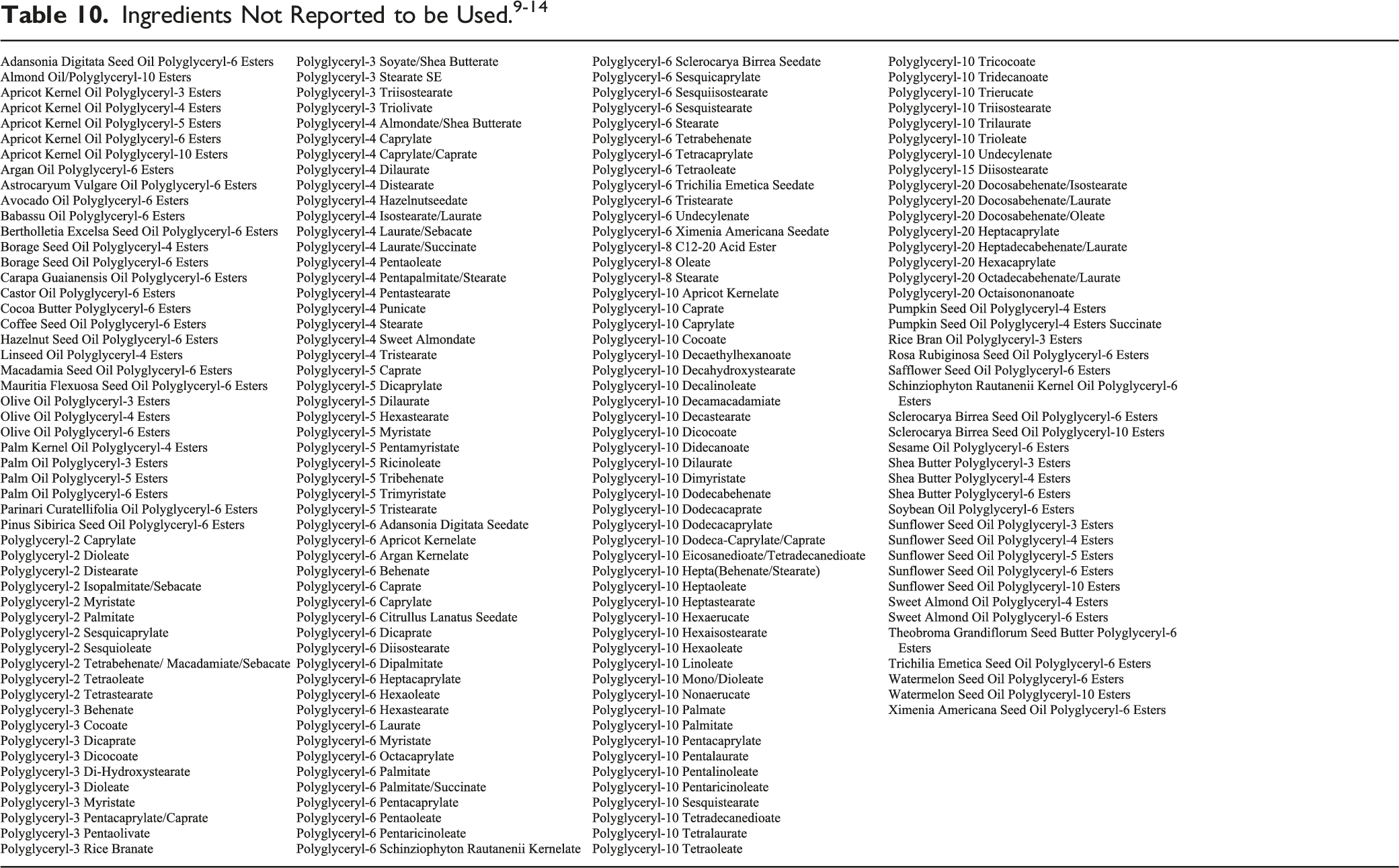
The Expert Panel for Cosmetic Ingredient Safety concluded that the 274 polyglyceryl fatty acid esters listed below are safe in cosmetics in the present practices of use and concentration described in this safety assessment when formulated to be non-irritating: Adansonia Digitata Seed Oil Polyglyceryl-6 Esters* Almond Oil/Polyglyceryl-10 Esters* Apricot Kernel Oil Polyglyceryl-3 Esters* Apricot Kernel Oil Polyglyceryl-4 Esters* Apricot Kernel Oil Polyglyceryl-5 Esters* Apricot Kernel Oil Polyglyceryl-6 Esters* Apricot Kernel Oil Polyglyceryl-10 Esters* Argan Oil Polyglyceryl-6 Esters* Astrocaryum Vulgare Oil Polyglyceryl-6 Esters* Avocado Oil Polyglyceryl-6 Esters* Babassu Oil Polyglyceryl-4 Esters Babassu Oil Polyglyceryl-6 Esters Bertholletia Excelsa Seed Oil Polyglyceryl-6 Esters* Borage Seed Oil Polyglyceryl-4 Esters* Borage Seed Oil Polyglyceryl-6 Esters* Candelilla/Jojoba/Rice Bran Polyglyceryl-3 Esters Caprylic/Capric Glycerides Polyglyceryl-10 Esters Carapa Guaianensis Oil Polyglyceryl-6 Esters* Castor Oil Polyglyceryl-6 Esters* Cocoa Butter Polyglyceryl-6 Esters* Coconut Oil Polyglyceryl-6 Esters Coffee Seed Oil Polyglyceryl-6 Esters* Diisostearoyl Polyglyceryl-3 Dimer Dilinoleate Glyceryl/Polyglyceryl-6 Isostearate/Behenate Esters Hazelnut Seed Oil Polyglyceryl-6 Esters* Linseed Oil Polyglyceryl-4 Esters* Macadamia Seed Oil Polyglyceryl 6 Esters* Macadamia Seed Oil Polyglyceryl 6 Esters Behenate Mauritia Flexuosa Seed Oil Polyglyceryl-6 Esters* Olive Oil Polyglyceryl-3 Esters* Olive Oil Polyglyceryl-4 Esters* Olive Oil Polyglyceryl-6 Esters* Palm Kernel Oil Polyglyceryl-4 Esters* Palm Oil Polyglyceryl-3 Esters* Palm Oil Polyglyceryl-4 Esters Palm Oil Polyglyceryl-5 Esters* Palm Oil Polyglyceryl-6 Esters* Parinari Curatellifolia Oil Polyglyceryl-6 Esters* Pinus Sibirica Seed Oil Polyglyceryl-6 Esters* Polyglyceryl-2 Caprate Polyglyceryl-2 Caprylate* Polyglyceryl-2 Diisostearate Polyglyceryl-2 Dioleate* Polyglyceryl-2 Distearate* Polyglyceryl-2 Isopalmitate Polyglyceryl-2 Isopalmitate/Sebacate* Polyglyceryl-2 Isostearate Polyglyceryl-2 Laurate Polyglyceryl-2 Myristate* Polyglyceryl-2 Oleate Polyglyceryl-2 Palmitate* Polyglyceryl-2 Sesquicaprylate* Polyglyceryl-2 Sesquiisostearate Polyglyceryl-2 Sesquioleate* Polyglyceryl-2 Sesquistearate Polyglyceryl-2 Stearate Polyglyceryl-2 Tetrabehenate/Macadamiate/Sebacate* Polyglyceryl-2 Tetraisostearate Polyglyceryl-2 Tetraoleate* Polyglyceryl-2 Tetrastearate* Polyglyceryl-2 Triisostearate Polyglyceryl-3 Beeswax Polyglyceryl-3 Behenate* Polyglyceryl-3 Caprate Polyglyceryl-3 Caprylate Polyglyceryl-3 Cocoate* Polyglyceryl-3 Dicaprate* Polyglyceryl-3 Dicitrate/Stearate Polyglyceryl-3 Dicocoate* Polyglyceryl-3 Di Hydroxystearate* Polyglyceryl-3 Diisostearate Polyglyceryl-3 Dioleate* Polyglyceryl-3 Distearate Polyglyceryl-3 Isostearate Polyglyceryl-3 Laurate Polyglyceryl-3 Myristate* Polyglyceryl-3 Oleate Polyglyceryl-3 Palmitate Polyglyceryl-3 Pentacaprylate/Caprate* Polyglyceryl-3 Pentaolivate* Polyglyceryl-3 Pentaricinoleate Polyglyceryl-3 Rice Branate* Polyglyceryl-3 Ricinoleate Polyglyceryl-3 Soyate/Shea Butterate* Polyglyceryl-3 Stearate Polyglyceryl-3 Stearate SE* Polyglyceryl-3 Triisostearate* Polyglyceryl-3 Triolivate* Polyglyceryl-4 Almondate/Shea Butterate* Polyglyceryl-4 Caprate Polyglyceryl-4 Caprylate* Polyglyceryl-4 Caprylate/Caprate* Polyglyceryl-4 Cocoate Polyglyceryl-4 Dilaurate* Polyglyceryl-4 Distearate* Polyglyceryl-4 Hazelnutseedate* Polyglyceryl-4 Isostearate Polyglyceryl-4 Isostearate/Laurate* Polyglyceryl-4 Laurate Polyglyceryl-4 Laurate/Sebacate* Polyglyceryl-4 Laurate/Succinate* Polyglyceryl-4 Oleate Polyglyceryl-4 Pentaoleate* Polyglyceryl-4 Pentapalmitate/Stearate* Polyglyceryl-4 Pentastearate* Polyglyceryl-4 Punicate* Polyglyceryl-4 Stearate* Polyglyceryl-4 Sweet Almondate* Polyglyceryl-4 Tristearate* Polyglyceryl-5 Caprate* Polyglyceryl-5 Dicaprylate* Polyglyceryl-5 Dilaurate* Polyglyceryl-5 Dioleate Polyglyceryl-5 Hexastearate* Polyglyceryl-5 Isostearate Polyglyceryl-5 Laurate Polyglyceryl-5 Myristate* Polyglyceryl-5 Oleate Polyglyceryl-5 Pentamyristate* Polyglyceryl-5 Ricinoleate* Polyglyceryl-5 Stearate Polyglyceryl-5 Tribehenate* Polyglyceryl-5 Triisostearate Polyglyceryl-5 Trimyristate* Polyglyceryl-5 Trioleate Polyglyceryl-5 Tristearate* Polyglyceryl-6 Adansonia Digitata Seedate* Polyglyceryl-6 Apricot Kernelate* Polyglyceryl-6 Argan Kernelate* Polyglyceryl-6 Behenate* Polyglyceryl-6 Caprate* Polyglyceryl-6 Caprylate* Polyglyceryl-6 Caprylate/Caprate Polyglyceryl-6 Citrullus Lanatus Seedate* Polyglyceryl-6 Dicaprate* Polyglyceryl-6 Diisostearate* Polyglyceryl-6 Dioleate Polyglyceryl-6 Dipalmitate* Polyglyceryl-6 Distearate Polyglyceryl-6 Heptacaprylate* Polyglyceryl-6 Hexaoleate* Polyglyceryl-6 Hexastearate* Polyglyceryl-6 Isostearate Polyglyceryl-6 Laurate* Polyglyceryl-6 Myristate* Polyglyceryl-6 Octacaprylate* Polyglyceryl-6 Octastearate Polyglyceryl-6 Oleate Polyglyceryl-6 Palmitate* Polyglyceryl-6 Palmitate/Succinate* Polyglyceryl-6 Pentacaprylate* Polyglyceryl-6 Pentaoleate* Polyglyceryl-6 Pentaricinoleate* Polyglyceryl-6 Pentastearate Polyglyceryl-6 Ricinoleate Polyglyceryl-6 Schinziophyton Rautanenii Kernelate* Polyglyceryl-6 Sclerocarya Birrea Seedate* Polyglyceryl-6 Sesquicaprylate* Polyglyceryl-6 Sesquiisostearate* Polyglyceryl-6 Sesquistearate* Polyglyceryl-6 Stearate* Polyglyceryl-6 Tetrabehenate* Polyglyceryl-6 Tetracaprylate* Polyglyceryl-6 Tetraoleate* Polyglyceryl-6 Tricaprylate Polyglyceryl-6 Trichilia Emetica Seedate* Polyglyceryl-6 Tristearate* Polyglyceryl-6 Undecylenate* Polyglyceryl-6 Ximenia Americana Seedate* Polyglyceryl-8 C12-20 Acid Ester* Polyglyceryl-8 Decabehenate/Caprate Polyglyceryl-8Decaerucate/Decaisostearate/Decaricinoleate Polyglyceryl-8 Oleate* Polyglyceryl-8 Stearate* Polyglyceryl-10 Apricot Kernelate* Polyglyceryl-10 Behenate/Eicosadioate Polyglyceryl-10 Caprate* Polyglyceryl-10 Caprylate* Polyglyceryl-10 Caprylate/Caprate Polyglyceryl-10 Cocoate* Polyglyceryl-10 Decaethylhexanoate* Polyglyceryl-10 Decahydroxystearate* Polyglyceryl-10 Decaisostearate Polyglyceryl-10 Decalinoleate* Polyglyceryl-10 Decamacadamiate* Polyglyceryl-10 Decaoleate Polyglyceryl-10 Decastearate* Polyglyceryl-10 Dicocoate* Polyglyceryl-10 Didecanoate* Polyglyceryl-10 Diisostearate Polyglyceryl-10 Dilaurate* Polyglyceryl-10 Dimyristate* Polyglyceryl-10 Dioleate Polyglyceryl-10 Dipalmitate Polyglyceryl-10 Distearate Polyglyceryl-10 Dodecabehenate* Polyglyceryl-10 Dodecacaprate* Polyglyceryl-10 Dodecacaprylate* Polyglyceryl-10 Dodeca-Caprylate/Caprate* Polyglyceryl-10 Eicosanedioate/Tetradecanedioate* Polyglyceryl-10 Hepta(Behenate/Stearate)* Polyglyceryl-10 Heptahydroxystearate Polyglyceryl-10 Heptaoleate* Polyglyceryl-10 Heptastearate* Polyglyceryl-10 Hexaerucate* Polyglyceryl-10 Hexaisostearate* Polyglyceryl-10 Hexaoleate* Polyglyceryl-10 Hydroxystearate/Stearate/Eicosadioate Polyglyceryl-10 Isostearate Polyglyceryl-10 Laurate Polyglyceryl-10 Linoleate* Polyglyceryl-10 Mono/Dioleate* Polyglyceryl-10 Myristate Polyglyceryl-10 Nonaerucate* Polyglyceryl-10 Nonaisostearate Polyglyceryl-10 Oleate Polyglyceryl-10 Palmate* Polyglyceryl-10 Palmitate* Polyglyceryl-10 Pentacaprylate* Polyglyceryl-10 Pentahydroxystearate Polyglyceryl-10 Pentaisostearate Polyglyceryl-10 Pentalaurate* Polyglyceryl-10 Pentalinoleate* Polyglyceryl-10 Pentaoleate Polyglyceryl-10 Pentaricinoleate* Polyglyceryl-10 Pentastearate Polyglyceryl-10 Sesquistearate* Polyglyceryl-10 Stearate Polyglyceryl-10 Tetradecanedioate* Polyglyceryl-10 Tetralaurate* Polyglyceryl-10 Tetraoleate* Polyglyceryl-10 Tricocoate* Polyglyceryl-10 Tridecanoate* Polyglyceryl-10 Trierucate* Polyglyceryl-10 Triisostearate* Polyglyceryl-10 Trilaurate* Polyglyceryl-10 Trioleate* Polyglyceryl-10 Tristearate Polyglyceryl-10 Undecylenate* Polyglyceryl-15 Diisostearate* Polyglyceryl-20 Docosabehenate/Isostearate* Polyglyceryl-20 Docosabehenate/Laurate* Polyglyceryl-20 Docosabehenate/Oleate* Polyglyceryl-20 Heptacaprylate* Polyglyceryl-20 Heptadecabehenate/Laurate* Polyglyceryl-20 Hexacaprylate* Polyglyceryl-20 Octadecabehenate/Laurate* Polyglyceryl-20 Octaisononanoate* Pumpkin Seed Oil Polyglyceryl-4 Esters* Pumpkin Seed Oil Polyglyceryl-4 Esters Succinate* Rice Bran Oil Polyglyceryl-3 Esters* Rosa Rubiginosa Seed Oil Polyglyceryl-6 Esters* Safflower Seed Oil Polyglyceryl-6 Esters* Schinziophyton Rautanenii Kernel Oil Polyglyceryl-6 Esters* Sclerocarya Birrea Seed Oil Polyglyceryl-6 Esters* Sclerocarya Birrea Seed Oil Polyglyceryl-10 Esters* Sesame Oil Polyglyceryl-6 Esters* Shea Butter Polyglyceryl-3 Esters* Shea Butter Polyglyceryl-4 Esters* Shea Butter Polyglyceryl-6 Esters* Soybean Oil Polyglyceryl-6 Esters* Sunflower Seed Oil Polyglyceryl 3 Esters* Sunflower Seed Oil Polyglyceryl-4 Esters* Sunflower Seed Oil Polyglyceryl-5 Esters* Sunflower Seed Oil Polyglyceryl 6 Esters* Sunflower Seed Oil Polyglyceryl 10 Esters* Sweet Almond Oil Polyglyceryl-4 Esters* Sweet Almond Oil Polyglyceryl-6 Esters* Theobroma Grandiflorum Seed Butter Polyglyceryl-6 Esters* Trichilia Emetica Seed Oil Polyglyceryl-6 Esters* Triisostearoyl Polyglyceryl-3 Dimer Dilinoleate Watermelon Seed Oil Polyglyceryl-6 Esters * Watermelon Seed Oil Polyglyceryl-10 Esters* Ximenia Americana Seed Oil Polyglyceryl-6 Esters*
*Not reported to be in current use. Were ingredients in this group not in current use to be used in the future, the expectation is that they would be used in product categories and at concentrations comparable to others in this group.
Footnotes
Author Contributions
Ghodsiyeh Joveini, Armin Zareiyan, and Laleh Lajevardi conceived the original idea. Afsoon Hasani Mehraban and Mitra Khalafbeigi helped to develop the theory. Afsoon Hasani Mehraban, Laleh Lajevardi, and Armin Zareiyan verified the analytical methods. Armin Zareiyan performed the analytic calculations. All authors discussed the results and contributed to the final manuscript. Laleh Lajevardi supervised the project.
Declaration of Conflicting Interest
The author(s) declared the following potential conflicts of interest with respect to the research, authorship, and/or publication of this article: The articles in this supplement were sponsored by the Cosmetic Ingredient Review.
Funding
The articles in this supplement were sponsored by the Cosmetic Ingredient Review. The Cosmetic Ingredient Review is financially supported by the Personal Care Products Council.
Author’s Note
Unpublished sources cited in this report are available from the Director, Cosmetic Ingredient Review, 1620 L Street, NW, Suite 1200, Washington, DC 20036, USA.