




Abstract

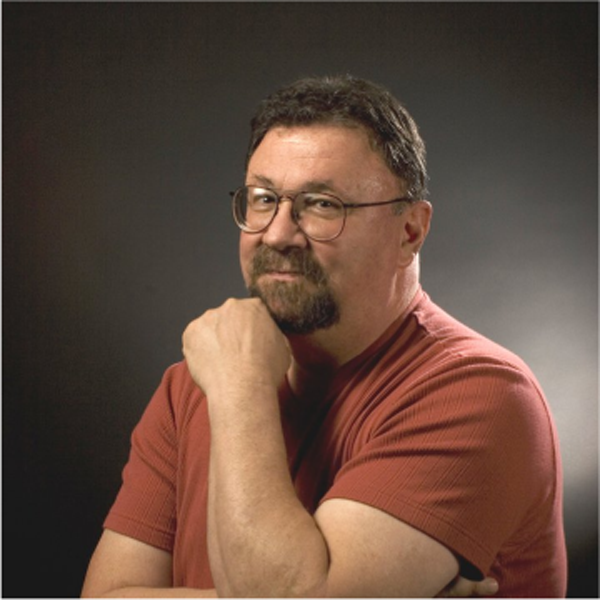
Benedict J. Marafino, Jr, PhD, DABT, passed away suddenly on December 31, 2011. He was born in 1947 in White Plains, New York, and was raised in San Leandro, California. He received his BS degree in chemistry from the California State University, Hayward (now California State University, East Bay), and his PhD in pharmacology and environmental toxicology from the University of California, Davis, in 1981. He was board certified in toxicology in 1985 and enjoyed a long and productive career in toxicology with several biotechnology companies in the San Francisco Bay Area and also as an independent consultant focusing on nonclinical pharmaceutical development projects with small- to mid-sized biotech companies.
In 2008, Ben served as Vice President of Preclinical Development at Tobira Therapeutics, a start-up located in Princeton, New Jersey, which focused on the discovery and development of novel acquired immunodeficiency syndrome therapies. Prior to that time, he was employed at InterMune in Brisbane, California, for over 3 years (2005-2008), first as Director of Toxicology and then as Senior Director of Preclinical R&D. He directed a department investigating nonclinical discovery and R&D of both protein and small molecule therapeutics against pulmonary and hepatic diseases.
Ben’s 30-plus-year biotech career also included work at Tularik/Amgen (2003-2004), XOMA (2001-2003), independent consultant (1993-2001), the Arthur D. Little management consulting firm (1991-1993), Cetus (1985-1991), and Genentech (1981-1985). Over that time, he worked on over 1400 efficacy, PKDM, and toxicology studies on more than 115 proteins and small molecules, including 9 monoclonal antibodies and their derivatives. He authored/coauthored numerous publications, especially in the area of recombinant cytokines, served as a key contributor to 5 patent applications, 48 investigational new drug applications or their equivalents, and supported marketing approval for 9 products in the United States and overseas. He was a sought-after speaker in the Bay Area on the topic of biopharmaceutical drug development.
Ben began his career in biotechnology at the very birth of the industry. In 1981, clinical trials for the first recombinant human protein developed by a biotechnology company, Genentech’s Protropin human growth hormone, had not yet begun. Biotechnology products were being developed almost exclusively by entrepreneurial start-up enterprises with strong academic ties rather than by pharmaceutical companies. Product development decisions were made by small research teams that lacked translational drug development experience. These project teams were generally headed by the member of the team with the most history on the project, which usually meant a molecular biologist or protein chemist. A commonly voiced opinion was that since these products were exact copies of endogenous human proteins, toxicology testing should be either unnecessary or at least very minimal. It soon became evident that issues such as developing better methods of endotoxin detection and immunogenicity testing and evaluation would require a multidisciplinary team approach to problem solving. Ben’s broad knowledge base, his engaging personality, his excellent communication skills, and even his wry and often edgy sense of humor were ideally suited for this environment. A couple of Ben’s more notable quotes, “In the land of the blind, the one-eyed man is king” and “It seems like everything we make is immunogenic … except the vaccines” are indicative of his ability to keep serious issues in perspective through his sense of humor.
In the earliest days of biotechnology, Ben played a key role in establishing animal models for efficacy and safety of biosynthetic proteins including growth hormones, cytokines, tissue plasminogen activator, and vaccines. This work involved extensive collaboration with scientists in the industry, academia, and at Food and Drug Administration to define how issues like immunogenicity would be approached, what assays would be developed, and how results would be interpreted. As the industry grew and matured, Ben’s contributions broadened to include organizing and running an annual biotechnology symposium, originally in conjunction with good friend and colleague, the late Dr Gene Fuller of Sierra Biomedical, and subsequently through other sponsors. These symposia continue today and provide an excellent environment for the open and informal exchange of ideas from various disciplines and organizations that continues to be a critical element in the biotechnology industry. His challenging questions and engaging presence at these scientific sessions will be missed.
Those who knew Ben remember him as one of the quickest wits in the industry. He had a great sense of humor and a special fondness for corny jokes and terrible puns (if you know what we mean and we think you do). “Dr Ben Dover,” as he often referred to himself (and would then mention his sister “Eileen”), had the ability to make everyone feel special; he believed in taking his work, and not himself, seriously. He was a loyal and generous friend and a mentor to many in the industry.
Ben was a member of the American College of Toxicology’s “Jazzicology” band and last performed with the group at the ACT 30th Anniversary Party in Palm Springs in 2009. He was an incredible member of the group and led the guests in a rousing rendition of the ACT “song.” Ben loved singing with the Jazzicology group and as a vocalist brought an expansion of the group’s repertoire. Ben was also a member of the Berkeley Broadway Singers, where, as a baritone he indulged in his life-long passion for music. He also had a true flair for the stage and appeared in a wide variety of theatrical productions, most recently, “The King and I” at the Douglas Morrison Theater in Hayward.
He is survived by his wife, Carol, son Ben III, brother Paul, and sisters Mary Colburn and Theresa Louys. Ben was a devoted husband, father, brother, son, uncle, and friend. He will be remembered for his big heart, his personal charm, and his love of life.