




Abstract

Advanced Cell Diagnostics (ACD)
Automated RNAscope XT ISH Reagent Kits
According to ACD, this new fully automated RNA in situ hybridization assay is capable of robust detection and visualization of virtually any expressed gene in routine clinical specimens at single-molecule sensitivity. ACD and Ventana Medical Systems have partnered to automate this assay on the VENTANA DISCOVERY XT and DISCOVERY ULTRA slide staining platforms.
More: www.acdbio.com
American Type Culture Collection (ATCC)
Human Wharton’s Jelly–Derived Mesenchymal Stem Cell Growth Solutions
According to ATCC, it now offers a complete solution to successfully grow normal human primary mesenchymal stem cells derived from human umbilical cord matrices (Wharton’s jelly). Its human Wharton’s jelly–derived stem cells are a noncontroversial source of mesenchymal stem cells with high proliferation rates and tumor-homing properties.
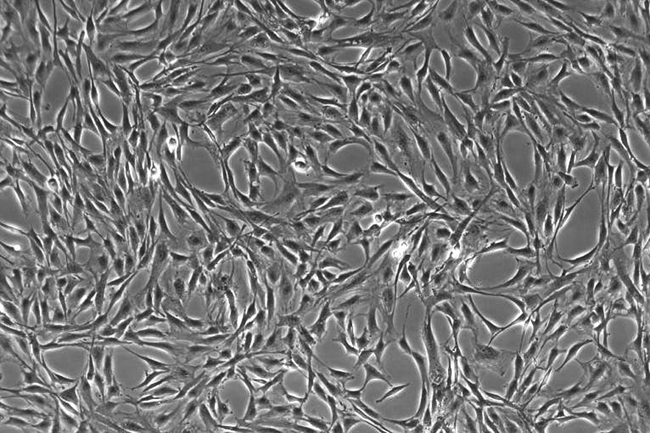
Each lot of ATCC normal human primary umbilical cord–derived mesenchymal stem cells is cryopreserved in the second passage to ensure the highest viability and plating efficiency and thoroughly tested for sample purity. They are performance tested together with media, growth supplements, and reagents to guarantee reliability as part of ATCC Primary Cell Solutions, a system of matched components designed to maximize growth, maximize functionality, and maintain normal morphology for specific cell types.
More: www.atcc.org/PCS_MSC
AMSBIO
The AMSBIO Heparin/GAG Binding Plate and Arrays
According to AMSBIO, products for investigating the protein-binding properties of heparin, heparan sulfate (HS), and other glycosaminoglycans (GAGs) have traditionally been constrained by the need for chemical modification prior to attachment to inert or derivatized surfaces. The new AMSBIO Heparin/GAG Binding Plate offers a solution to this problem. The specially prepared plate surface adsorbs GAGs without modification while maintaining their protein-binding characteristics. Applications include elucidation of optimum GAG sequences and sulfation patterns for binding to proteins of interest, analyses of sulfotransferases and endosulfatases, and detection of inhibitors or enhancers of protein-GAG recognition. The new plate also can be used for studying receptor binding to growth factors or chemokines bound to surface-immobilized GAGs. The enzyme-linked immunosorbent assay (ELISA)–type format of the Heparin/GAG Binding Plate uses protein reagents economically and is compatible with automated laboratory systems.
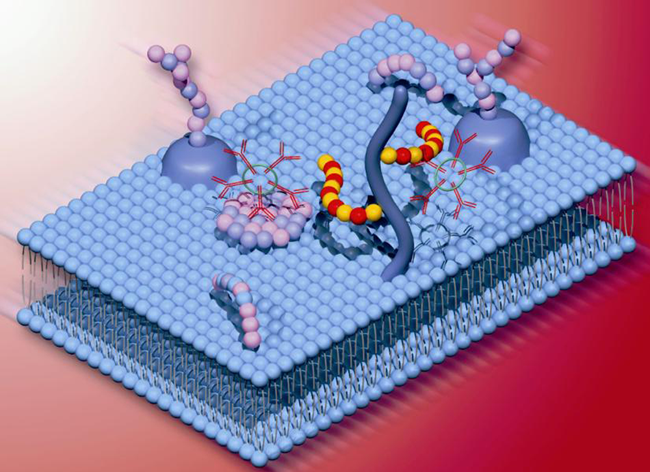
AMSBIO also has introduced new high-performance arrays designed for use with the Heparin/GAG Binding Plate. AMSBIO GAG Arrays can be used to gain information on the importance of the heparin and dermatan backbone structure and the position and density of sulfate groups for protein binding. The Heparin Oligosaccharide Array can determine the length of oligosaccharide required for optimum binding to a protein of interest. The Heparin/HS Array can find which of AMSBIO’s naturally occurring heparins and heparan sulfates is most effective at binding proteins of interest. AMSBIO’s K5 Polysaccharide Arrays offer a set of GAGs that contain novel sulfation motifs on N-acetylated or N-sulfated backbones.
More: www.amsbio.com
Synthetic Modified mRNA for Reprogramming of Human Cells
AMSBIO now offers highly modified synthetic 5′ capped mRNA products for reprogramming of human cells. According to AMSBIO, these new, ready-to-use products provide a simple, safe, nonintegrating methodology for reprogramming cell fate based on the administration of synthetic modified mRNA that greatly increases efficiency while reducing the innate antiviral response of viral protocols.
AMSBIO can provide ready-to-use highly modified mRNAs, including Kfl4, c-Myc, Oct4, Sox2, LIN28 mRNA, and eGFP control, in customized formats. These synthetic adaptations of 5′, 3′, and internal mRNA structures enable reprogramming of multiple human cell types to pluripotency with conversion efficiencies that greatly surpass established methods. Furthermore, this same technology can be used to efficiently direct the differentiation of mRNA-induced pluripotent stem cells into terminally differentiated cells and can be employed as an alternative to DNA-based gene therapy. AMSBIO considers this technology to be a safe, nonmutagenic, and efficient strategy for somatic cell reprogramming and directing cell fate that has broad applicability for basic research, disease modeling, tissue engineering, and regenerative medicine.
More: www.amsbio.com/synthetic-mRNA-directed-stem-cell-differentiation.aspx
Online Videos and Technical Papers: 3D Cell Culture Technology
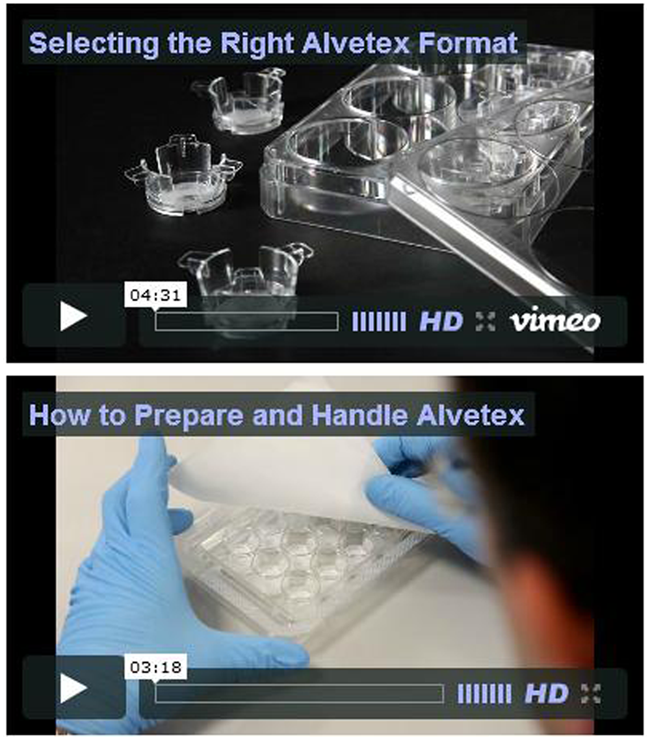
AMSBIO has added a new suite of video presentations and a bibliography of downloadable technical papers that demonstrate the utility of alvetex, a synthetic scaffold that enables routine 3D cell culture. Alvetex is a highly porous polystyrene scaffold engineered into a 200-µm-thick membrane that provides a 3D space into which cells can invade, proliferate, and grow. The vertical axis of the third dimension enables additional layers of cells to form complex 3D interactions with adjacent cells simulating the structure of a tissue. According to AMSBIO, alvetex is easier to use, has an infinite shelf life, and is less expensive than existing 3D culture products.
Cellular Dynamics
Human iCell Neurons
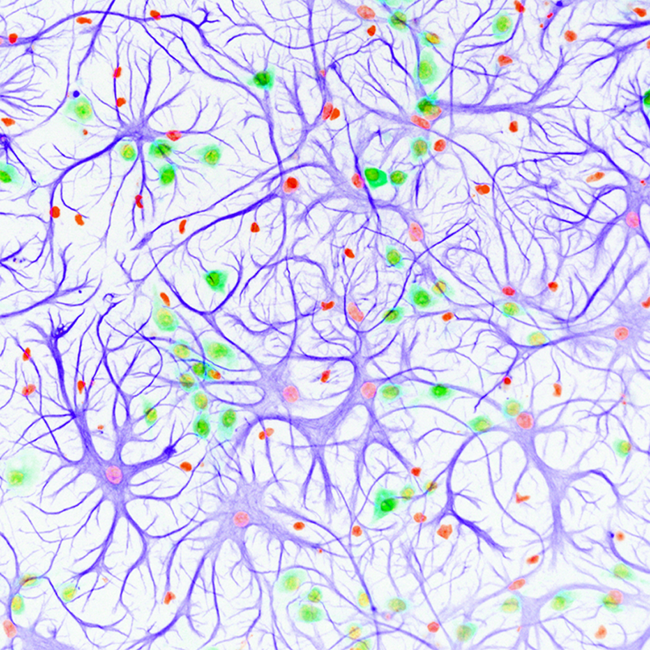
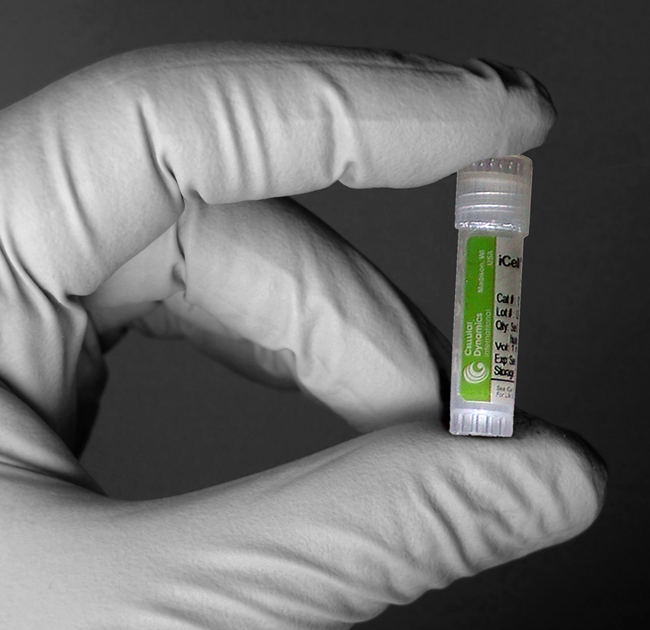
Human iCell Neurons for use in neuroscience drug discovery, neurotoxicity screens, and other health research are now available from Cellular Dynamics. These human neurons, or brain cells, are created from induced pluripotent stem (iPS) cells. iCell Neurons exhibit the typical physiological characteristics and responses of the neurons with which humans are born. They quickly form connective neuronal networks that are electrophysiologically active, making them useful in a variety of applications commonly used in neuroscience research, including cell viability, adenosine triphosphate (ATP) production, oxidative stress, neurite outgrowth, electrophysiology, and synaptic neurotransmission assays. CDI’s proprietary manufacturing capabilities enable the production of iCell Neurons in industrial quantities with greater than 95% purity.
More: www.cellulardynamics.com
Fluidigm
New Assays and Target-Specific Primers
DELTAgene Assays for gene expression, SNPtype Assays for SNP genotyping, and Access Array Target-specific Primers for target enrichment for next-generation sequencing are now available and optimized for Fluidigm’s integrated fluidic circuit technology. According to Fluidigm, these new products are designed to deliver lower costs than standard solutions, at volumes appropriate for microfluidics, and flexible chemistries for the easy creation of highly multiplexed panels using off-the-shelf and custom content focused on particular research area. Fluidigm provides assay primer locus sequences with every order.

More: www.fluidigm.com
GE Healthcare
His Capture Kit and NTA Reagent Kit
GE Healthcare has launched the His Capture Kit and NTA Reagent Kit for capture of histidine-tagged ligands using Biacore systems. The new His Capture Kit comprises an optimized protocol and the required reagents for capture by an antihistidine antibody. Requiring minimum assay development, the kit works in conjunction with a carboxyl-derivatized sensor chip (CM5, CM4, CM3, or CM1), Amine Coupling Kit, and running buffers.
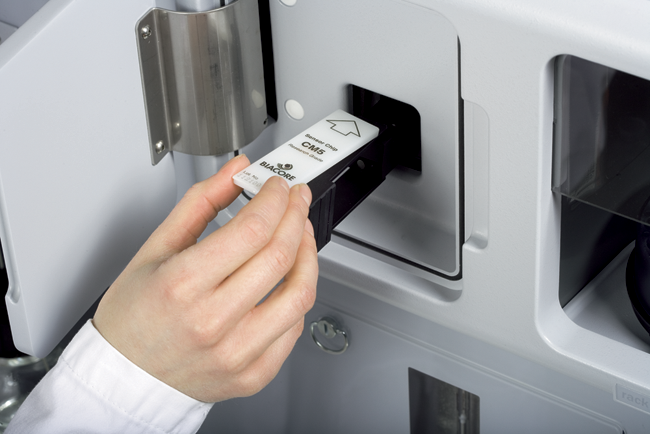
The new NTA Reagent Kit is designed for use with the Sensor Chip NTA, which mediates capture of histidine-tagged proteins on nickel-chelated nitrilotriacetic (NTA) groups. The kit provides ready-to-use nickel ion and regeneration solutions for approximately 1200 injections.
More: www.biacore.com
Integrated DNA Technologies (IDT)
Mutagenesis Applications Guide
A new, free-to-download guide from IDT provides protocols and an extensive troubleshooting section for mutagenesis applications. Everything—from primer design, reaction setup, ligation, and transformation efficiency to specific reaction components and PCR parameters—is covered. The guide provides a useful reference tool for performing site-directed or random mutagenesis. The guide also describes IDT’s range of Ultramer Oligonucleotides.
Porvair Filtration Group
Chromatrap ChIP Kits
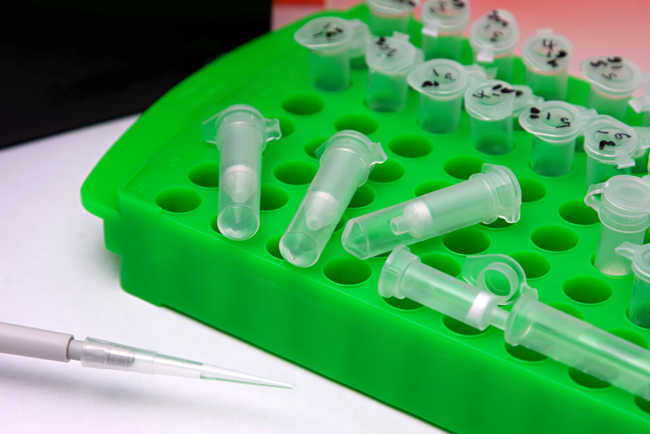
Porvair’s new ChIP kit contains 24 assays based on its Chromatrap Pro-A Chromatin ImmunoPrecipitation (ChIP) technology. The new kits use Chromatrap Pro-A spin columns that contain disks of an inert, porous polymer to which protein A has been covalently attached. During an assay, the chromatin/antibody complex is retained by the disk. Flushing with three buffers and an elution step are all that is required to obtain the DNA fragments of interest. In independent testing, Chromatrap demonstrated levels of DNA pull-down up to 25 times higher than with traditional bead-based procedures, excellent DNA enrichment with signal-to-noise ratios typically two to three times better than competing procedures, and top performance even with samples with as few as 15 000 cells per assay.
More: www.chromatrap.com
Signal Genetics
MyPRS Plus
In addition to effectively stratifying multiple myeloma patients between those at high versus low risk for relapse and overall survival, the new second-generation MyPRS Plus provides insights into the genetic characteristics of each individual patient and identifies the molecular subgroup to which each patient belongs. This classification is considered the most granular predictor of relapse and survival available for patients with myeloma.
More: www.signalgenetics.com
About the JBS Product Focus Column
E-mail news releases for consideration to