Abstract

A2 Technologies
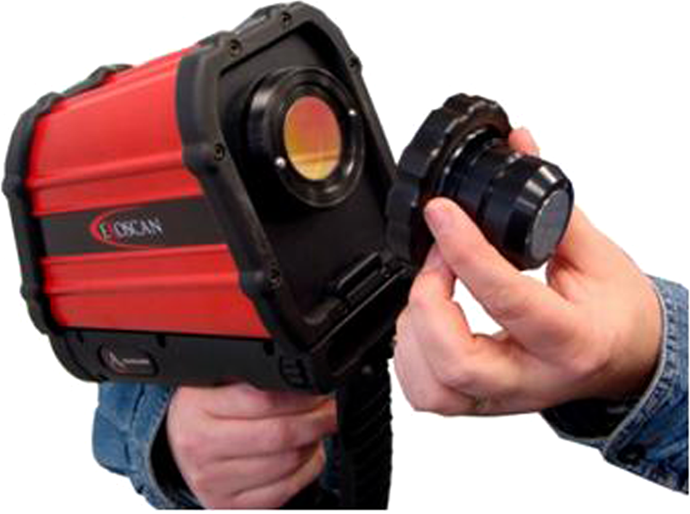
Exoscan Handheld FTIR System
A new spherical ATR sampling interface enables the Exoscan to analyze a range of materials typically encountered in the QA/QC lab, including powders and granules as well as large samples such as polymer, composite, and plastic sheets. The new design minimizes the need for pressure devices to achieve high-quality reproducible spectra. Two versions are available. The Diamond ATR is suggested as a universal interface for a broad range of solid materials, whereas the Germanium ATR is suggested for the analysis of carbon black-filled rubber or samples for which measurement of thin layers on the surface is critical.
More: www.a2technologies.com
Biotage
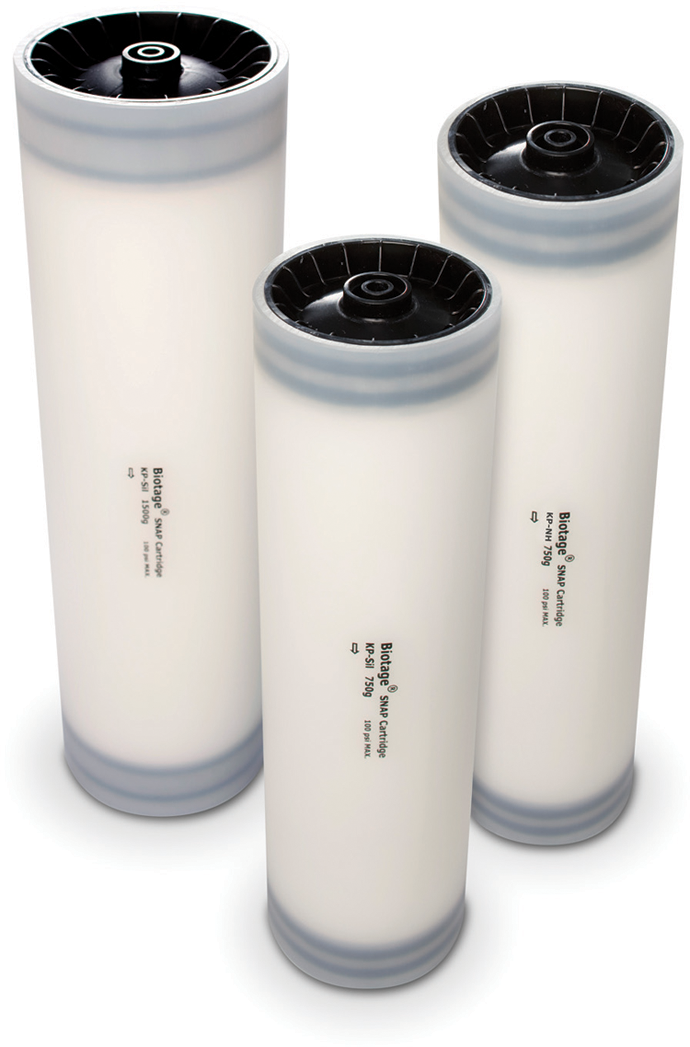
SNAP XL Purification Cartridges
Released in both 750-g and 1500-g sizes, two new cartridges offer solutions for reverse-phase chromatography (KP-C18-HS) and also optimized silica for the separation of amines (KP-NH).
The new cartridge sizes address a growing need for 100-g+ scale purifications with increased efficiency and reduced costs. According to Biotage, the application of reverse-phase flash chromatography and the separation of amines are considered growing trends in pharmaceutical drug development, and these new cartridges offer solutions for practically every scale-up situation.
More: www.biotage.com
Pressure+
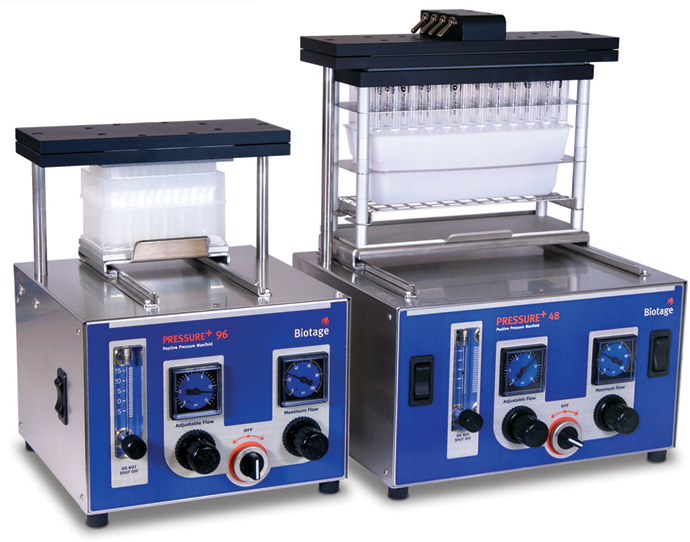
Biotage now offers two new instruments that use positive pressure for solid-phase extraction (SPE) of analytes in a wide variety of applications. The Biotage PRESSURE+ processes 96-well SPE plates, and the Biotage PRESSURE+ 48 processes up to 48 SPE columns simultaneously.
The Biotage PRESSURE+ uses a consistent, uniform flow of positive pressure that effectively displaces both low viscosity and highly viscous samples. Individual wells operate independently, increasing the overall reproducibility of analyte recoveries. The PRESSURE+ manifolds are ideally suited for Biotage ISOLUTE SLE+ Supported Liquid Extraction plates and columns. SLE+ in conjunction with PRESSURE+ manifolds offers an alternative to traditional liquid-liquid extraction (LLE) for bioanalytical sample preparation, extracting aqueous samples up to 10 mL. ISOLUTE SLE+ provides high analyte recoveries, eliminates emulsion formation, and reduces sample preparation time by up to 50%.
Initiator+ Microwave Synthesizer
According to Biotage, this new system has simple and intuitive software, an integrated computer control system, and the largest touch screen interface available. It allows users to drive reactions to as high as 300 °C and up to 30 bar pressure and offers an option for the use of a fiber-optic temperature measurement device for in situ reaction monitoring. The expanded pressure range of up to 30 bars allows for increased flexibility in the choice of solvents. Low boiling point solvents can be used at higher temperatures and reactions performed at maximum speed to achieve best possible yield with higher pressure. The Initiator+ can connect the SP Wave peptide synthesis module and the Robot Eight kit to perform microwave-assisted peptide synthesis with vortex mixing.
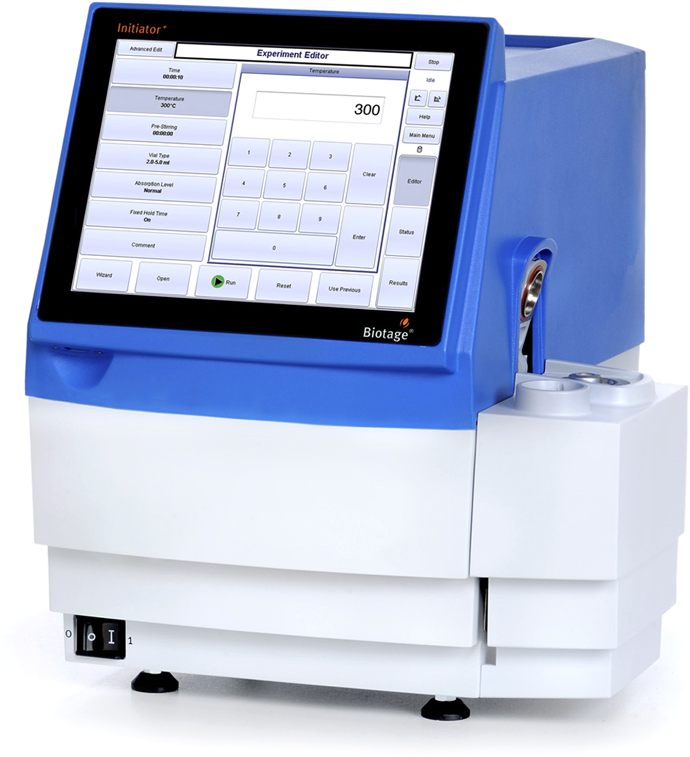
More: www.biotage.com
Initiator+ SP Wave
The Initiator+ SP Wave is a semi-automated, programmable synthesis system. It includes a large 10-in. touch screen, intuitive software, pre- or self-defined methods, inert gas capability, and vortex and magnetic stirring. It can be used as a standalone peptide synthesizer or converted to a high-specification MAOS system. According to Biotage, it is considered an ideal development tool for synthesizing peptides, peptidomimetics, and small molecules using single-step or multistep procedures. It also is considered well suited for the small-scale synthesis of peptides and peptidomimetics, including PNA, using microwave irradiation, from a scale as low as 5 µmol. The semi-automated operation can reduce the consumption and waste of reagents.
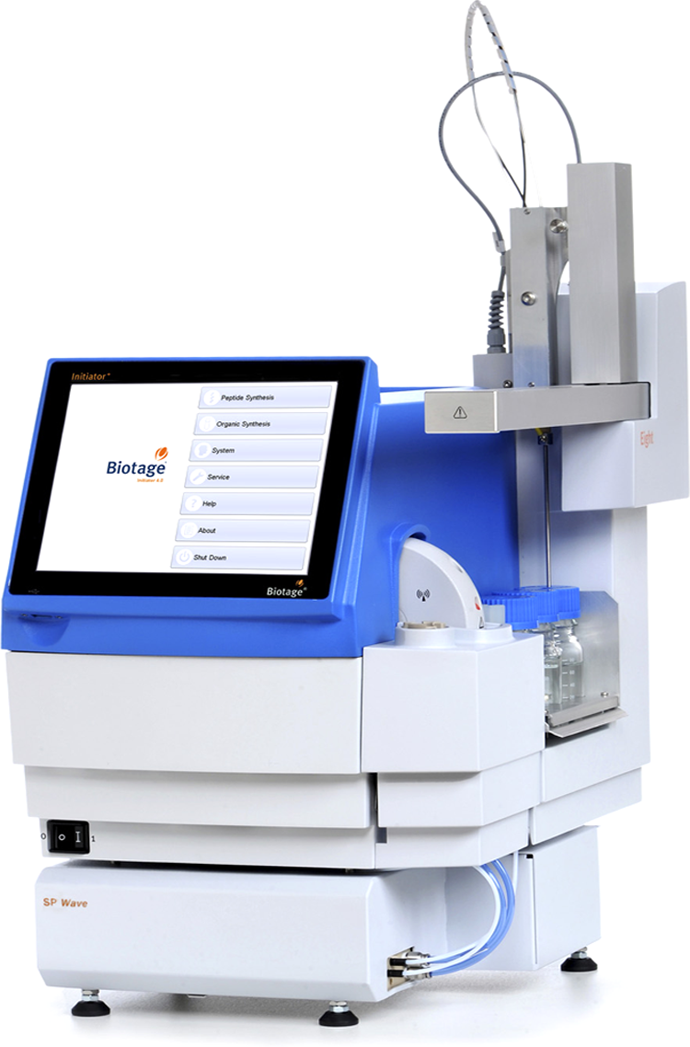
More: www.biotage.com/peptides
Exeter Analytical
White Paper: CHN Microanalysis as a Key Technique for Sample Characterization
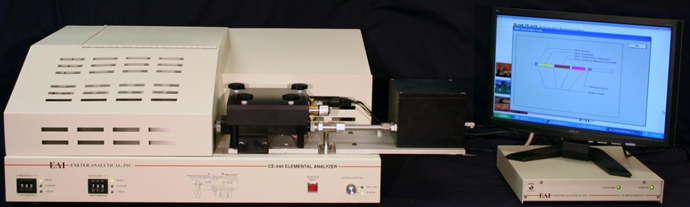
This new paper discusses how analysis of the percentages of carbon, hydrogen, and nitrogen in an organic sample (CHN microanalysis) can complement techniques such as mass spectrometry (MS) and nuclear magnetic resonance (NMR) spectrometry to enhance reliability of analytical results. Data are provided showing how CHN analysis can help determine low levels of impurities and how CHN microanalysis can be used to determine the presence of residual solvent in samples at levels that have little or no effect on the mass or NMR spectra.
Thermo Fisher Scientific
POPs Screening and Confirmation Kits
These two new regulatory compliant gas chromatography (GC) application kits for screening and confirming the presence of persistent organic pollutants (POPs) provide a simple, ready-to-use package for GC/MS analysis with all necessary consumables and methods, enabling laboratories to more efficiently, cost-effectively, and accurately meet EU directives on POP levels and detection sensitivity, which is considered especially important for the screening of food or environmental samples.
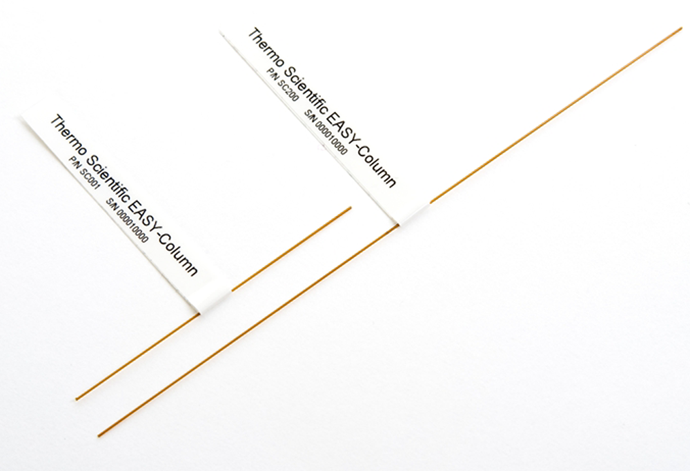
EASY-Column for Nanoscale HPLC Applications
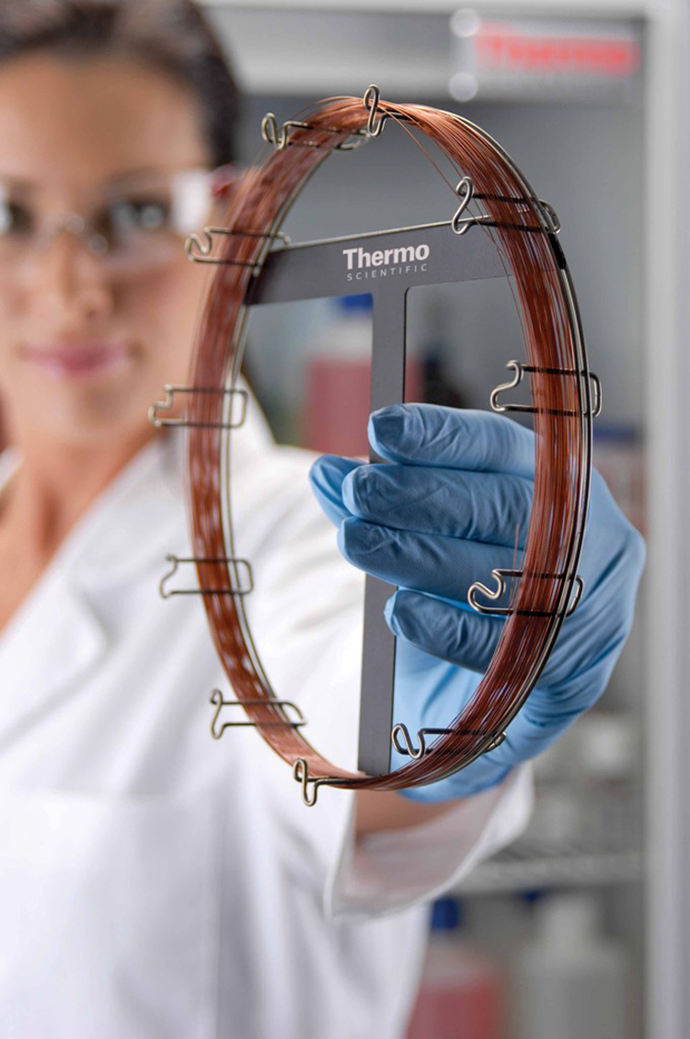
According to Thermo, nanoscale high-performance liquid chromatography is primarily used in combination with high-performance mass spectrometry for the analysis of complex biological samples, such as applications in proteomics and disease biomarker discovery. The EASY-Column operates effectively on any nano liquid chromatography (LC) system, including the Thermo Scientific EASY-nLC, and is optimized for online LC/MS. The EASY-Column uses metal-free fused silica capillaries to ensure full biocompatibility and has been designed to optimize peak resolution and method sensitivity for these separations.
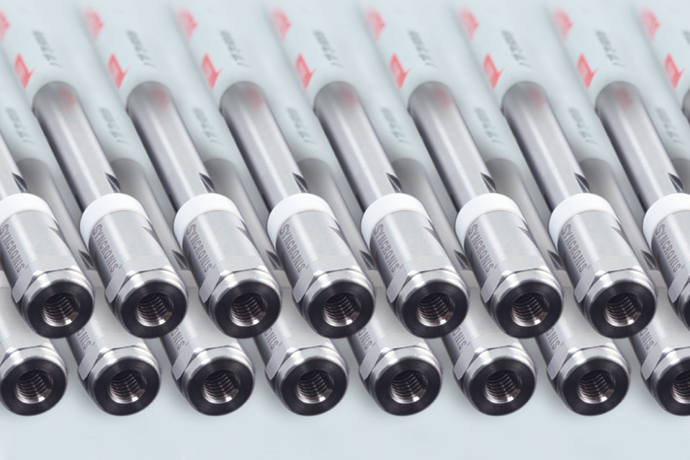
Syncronis HPLC Columns
According to Thermo, this new range delivers consistent, predictable separations, from run to run and column to column, and delivers exceptional reproducibility by providing highly pure, high surface-area silica, dense bonding, and double endcapping, all controlled and characterized through rigorous testing.
Uniqsis
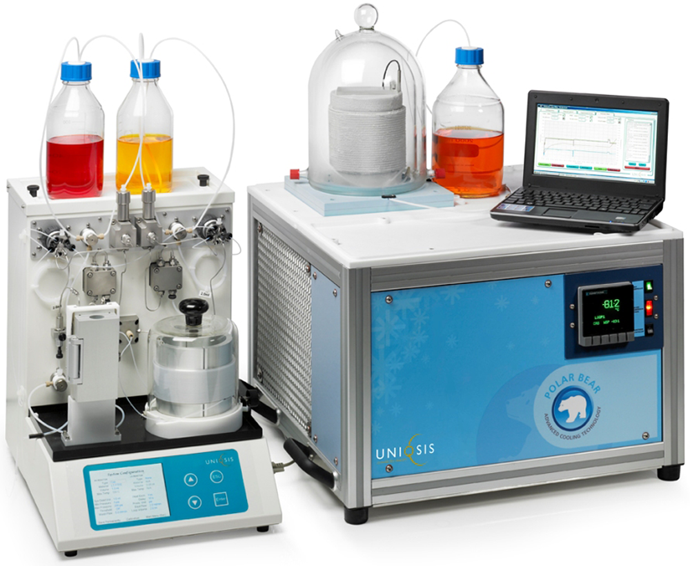
FlowSyn MAXI
According to Uniqsis, its new FlowSyn MAXI is the first instrument for multi-kilogram flow chemistry. It allows users to safely perform larger scale flow reactions at up to 100 mL/min between −90 °C and 260 °C, and at pressures up to 1400 psi by using high flow rate pumps and large-scale coil reactors up to 40 mL, with temperature-controlled static mixers.
The FlowSyn MAXI offers a choice of flowpath, including Teflon, stainless, and Hastelloy. For low-temperature exothermic chemistry, FlowSyn MAXI can be coupled with the FlowSyn Polar Bear cooling module, which has no circulator fluid or insulated tubing but has fast cooling rates that allow it to reach −90 °C from room temperature in less than an hour.
More: www.uniqsis.com
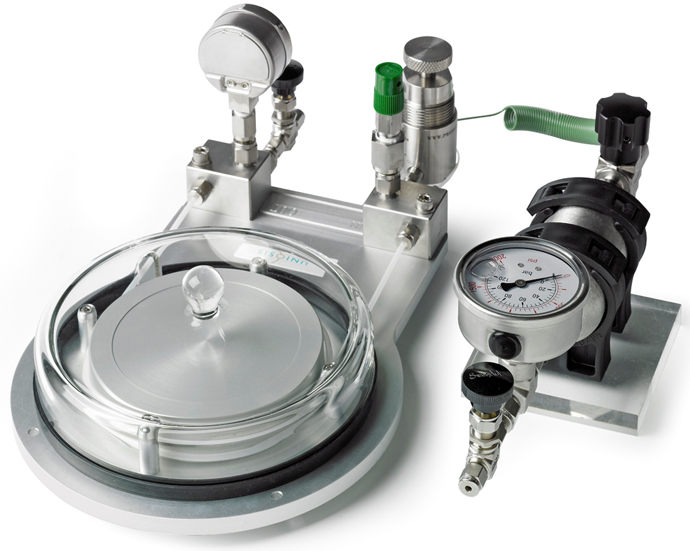
Gas Addition Module for FlowSyn
According to Uniqsis, this new module enables fast, controllable presaturation of liquid reagents with a wide range of gases and so promotes efficient gas-dependent reactions in flow, such as hydrogenation, ozonolysis, carbonylation, and direct synthesis of carboxylic acids. The pressurized tube-in-tube design of the Gas Addition Module overcomes the problem of undissolved gas bubbles by ensuring continuous interaction between the gas and liquid at every point along its length. The tube-in-tube design is based on semi-permeable membrane technology, whereby the semi-permeable inner tube containing the liquid (typically a solvent) is bathed by a stream of pressurized gas that is enclosed within a thick-walled impermeable outer tube. The pressurized gas is able to cross the semi-permeable membrane of the inner tube and dissolve into the liquid carried within. However, because of the semi-permeable nature of the inner tube material, the liquid is unable to cross in the opposite direction. The Gas Addition Module is compatible with the Uniqsis FlowSyn and other continuous flow reactors. It can also be used as a reactor in its own right.
More: www.uniqsis.com
Warwick Analytical Service
Micro Determination of Fluorine
Operating in an ISO 17025 and GMP accredited environment, Warwick Analytical Service (WAS) now offers proprietary analytical procedures to enable accurate and precise data to be produced for all types of samples, including organic samples with trace levels of fluorine. From extensive method validation, typical results are within the ±0.3% absolute limits considered acceptable for microchemical analysis. The WAS method can detect 0.01 ppm fluoride, which is equivalent to 0.02% in a 10-mg sample. WAS has developed special procedures to remove interferences from samples containing boron, calcium, or sulfur.
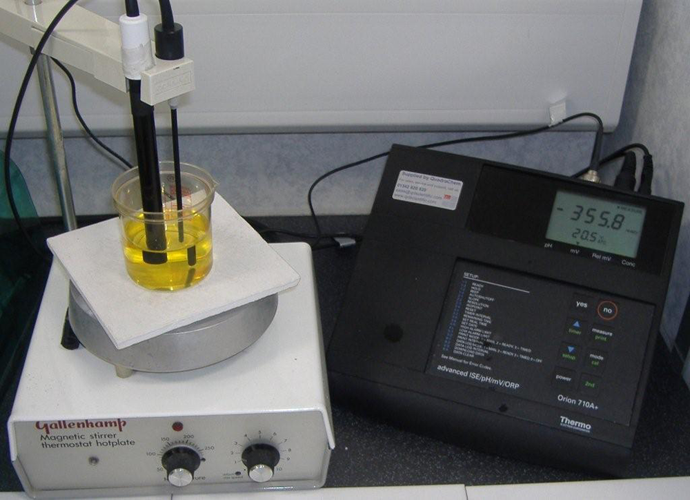
Analysis of fluorine is carried out by combustion of an accurately weighed sample in a silica oxygen flask over an accurately measured volume of water and TISAB buffer solution. A fluoride ion selective electrode is used to directly measure the potential of a range of fluoride solutions. The potential of the combusted samples is measured under the same conditions. The concentrations of the sample solutions are calculated from the derived calibration curve. Sets of work typically include certified reference materials or organic analytical standards. Results from these standards and the electrode response are monitored to detect trends in the method.
More: www.warwickanalytical.co.uk