Abstract
Despite the widespread public concern regarding abduction, research on this type of crime is scarce. This lack of research is even more pronounced when looking at cases that end with the death of the victim. In fact, all of the research looking at lethal outcomes in cases of abductions has focused exclusively on child victims and has failed to consider the interactions at the multivariate level between the factors related to the death of the victim. Therefore, the aim of the study is to identify offender and crime characteristics – as well as their interactions – associated with a lethal outcome in sexually-motivated abductions using a combination of logistic regression and neural network analyses on a sample of 281 cases (81 cases ending with a lethal outcome, random sample of 200 comparison cases). Findings show that sexually-motivated abductions ending with a lethal outcome are more likely to be characterized by an offender who is a loner, forensically aware, and who who uses a weapon and restraints, and who sexually penetrates and beats a known victim. The neural network analysis show that three different pathways lead to a lethal outcome in sexually-motivated abductions. Such findings are important for correctional practices.
Introduction
Not many crimes generate widespread public concern and garner headlines and dominate the news as much as the crime of abduction (Heide et al., 2009; Neuilly & Zgoba, 2006). A stereotypical case of abduction is usually perpetrated by a stranger who transported the victim – often a child – to a different location for a considerable length of time (Finkelhor et al., 1992). However, Finkelhor et al. (1992) stated that according to the legal definition, abductions should not be limited to stranger perpetrators, nor is it a requirement that a child victim be transported or even confined for a lengthy period. More recently, abduction was defined as the “unlawful seizure, transportation, and/or detention of a person against his/her will or of a minor without the consent of his/her custodial parent(s) or legal guardian” (Tillyer et al., 2015, p. 384).
Absent from these various definitions is the fact that the crime of abduction is rarely committed on its own, without an ulterior motive or purpose. Thus, the study by Asdigian et al. (1995) in the US found that the act of abduction was not random or negligible, but instead was adopted to facilitate the commission of a more serious crime (e.g., sexual assault, homicide). For instance, Fitzgerald and People (2006) identified three main motivations for abduction in Australia: robbery (i.e., victim was robbed, an attempt was made or victim was threatened of being robbed), retribution (i.e., acted out of rage with an intent to enact revenge against the victim), and sexual desire (i.e., sexual assault on the victim or threatening comments of a sexual nature made to the victim). Their findings also showed differences in the crime-commission process related to the motivation for the abduction (e.g., injuries, use of a weapon).
In the study by Tillyer et al. (2015) using data from the National Incident Base Reporting System in the US, they found that when the crime was perpetrated by older, multiple, male (as well as male and female) offenders, and with the use of a knife, abductions were more likely to include the sexual assault of the victims. The study by Beauregard and Chopin (2023) compared cases of sexually-motivated abductions to non-sexually-motivated abductions and non-abduction sexual assaults in France. One of their main findings showed that sexually-motivated abduction represented a specific crime script (see Cornish, 1994). Focusing on both target selection and crime characteristics, results showed that individuals committing sexually-motivated abductions were more likely to use a con approach while targeting stranger victims who were single, under the influence of alcohol, with the victim either in a car, a parking lot, or commuting. Moreover, these individuals were more likely to use a weapon and restraints, inflict serious injuries, and vaginally penetrate the victim either in their residence or their car. Crime characteristics involved in sexually-motivated abductions clearly showed that these individuals made decisions in line with their main objective – obtaining sexual gratification – which was different from other types of abductions. Nonetheless, the crime of abduction has been associated with a greater risk to be later convicted of homicide, suggesting that it constitutes a risk for escalation in violence (Liu et al., 2008). Therefore, the aim of the current study is to examine offender and crime characteristics – as well as their interactions – associated with a lethal outcome in sexually-motivated abductions.
Lethal Outcomes in Sexual Crime
Felson and Messner (1996) were the first to suggest two perspectives explaining the lethal outcome in sexually violent crimes. The first perspective stated that homicide and other criminal violence were representative of the same type of behavior and involved the same processes, differing only in the outcome (e.g., Doerner & Speir, 1986; Harries, 1990). Accordingly, one would expect no distinct patterns of behavior when examining sexual assaults that result in either physical injury or the death of the victim. This is line with the findings from Mieczkowski and Beauregard (Mieczkowski & Beauregard, 2010), who found that the likelihood of a sexual assault escalating to sexual homicide was influenced by a complex combination of victim, situational, and crime scene characteristics. For instance, the most lethal combination of event characteristics identified were when the offender used a weapon during the crime, did not commit intrusive sexual acts on the victim, but spent more than 30 minutes with the victim. Similarly, Healey et al. (2016) found evidence for two groups of sexually violent offenders whose lethality appeared to be influenced by contextual factors rather than qualitative or typological differences. For instance, they found little evidence that the angry offender had any of the typological factors associated with sexual homicide (e.g., sexual sadism, premeditation, selection of specific victim characteristics) nor was there evidence that situational factors were important in determining the lethality of the assault (e.g., access to lethal weapons, victim resistance, alcohol/drugs). Instead, their findings suggested that the intent of the angry offender was to sexually assault his victim, but due to his high level of anger experienced during the event, he may have accidentally killed his victim.
The other perspective mentioned that there were distinct factors differentiating those who kill and those who do not. Consistent with this perspective, some individuals who commit homicide were motivated and had the intention to kill the victim, which differentiates them from other individuals who sexually assaulted the victim. Hence, the lethal outcome was not incidental nor was it due to situational factors (Felson & Messner, 1996). Two systematic reviews have compared the crime-commission process involved in sexual assaults where the victim survived with sexual assaults ending with a lethal outcome. Stefanska et al. (2016) analyzed 10 studies and found that sexual assaults where the victim survived were more likely to be characterized by vaginal penetration, premeditation, and humiliation of the victim. Chan and Heide (2016) examined 17 studies and found that sexual assaults ending with a lethal outcome were less likely to be characterized by the selection of the victim based on his/her attractiveness. Instead, offenders were more likely to have selected a victim who lived alone, and with whom they had no prior contact. Moreover, sexual assaults ending with the death of the victim were more likely to present non-controlled violence, as well as the infliction of multiple wounds and mutilations on the victim. It is noteworthy that most of the studies reviewed here failed to consider the actual level of violence in the nonhomicidal sexual assaults (see Beauregard et al., 2020 for a list of methodological issues). Nonetheless, a series of studies by Beauregard and colleagues did look at the level of violence and observed significant differences in the crime-commission process with and without a lethal outcome (e.g., Beauregard et al., 2018; DeLisi & Beauregard, 2018).
Abduction Ending with a Lethal Outcome
Most of the studies looking into the lethal outcome in sexual crimes have been conducted on cases of sexual homicide – that is a criminal event characterized by a sexual assault committed prior to, during, or following a homicide. However, a handful of studies have specifically examined cases of abduction ending with the death of a child. Although these studies have all focused on child abduction murders in a broader perspective (Boudreaux et al., 2001), most of them included a majority of sexually-motivated abduction cases. Results from the “Deceased Child Project” (Rodreguez et al., 1998) – which examined 210 cases of children abducted and found dead in the US – showed that when the child killed was between the ages of 5 and 12, the suspect was more likely to be a male, a close friend or a stranger, to be sexually motivated, and to kill using physical means such as strangling the victim. Moreover, if the child was between the ages of 13 and 17, the suspect was more likely to be a close friend or a stranger, to be sexually motivated, and to kill with weapons, such as guns or knives in the case of boys, or by physical means in the case of girls (Rodreguez et al., 1998).
Hanfland et al. (1997) collected detailed information about these offenders and their crime characteristics from 621 child abduction cases ending with the death of the victim across the United States. Results showed that offenders were described as geographically mobile, changing address very often (3 or more times) during a five-year period, and presented a variety of personal problems: sexual (42%), alcohol (30%), drug (27%), and psychiatric (23%). Such a profile was congruent with their criminal career, as 45% of them possessed prior convictions for rape (31%), murder or attempted murder (28%), and kidnapping (19%). As to the crime characteristics, the majority of these cases involved a stranger offender (53%) or a friend/acquaintance of the victim (39%), and most of these child abduction murders were sexually-motivated (69%). Congruent with a routine activity approach, offenders selected a victim of opportunity (57%) and only a minority of them selected a victim for specific characteristics (14%) or motivation (13%). In most cases, control of the victim was achieved through direct physical assault (62%), whereas others preyed on the victim’s vulnerability (16%) and the use of deception (19%). Some offenders used bindings (25%), which in 67% of the cases were brought to the crime scene by the offender. Death was caused by strangulation (33%), stabbing (24%), blunt force trauma (21%), and firearms (11%). After the murder, the body was either concealed to prevent discovery (52%) or the offender was unconcerned about it (39%) (Hanfland et al., 1997).
A subsequent study conducted by the Canadian Centre for Child Protection (2016) examined a sample of 147 incidents of child abduction and murder. Interestingly, more than three quarters of these events were sexually-motivated and the great majority (84%) of victims were female. Over half (55%) of the perpetrators had prior convictions, more specifically for sexual crimes against a child (29%), other forms of violent crimes (45%), as well as property crimes (45%). As to the abductions, almost all victims (96%) were in transit at the time of the crime (e.g., walking, biking on their way home), and a little over a third of them were taken to a location close to the abduction site (i.e., walking distance), sometimes to the perpetrator’s residence (25%).
In their study, Warren et al. (2021) looked at the lethality of 565 non-familial child abductions in the US (48.3% found alive, 51.7% found dead or presumed dead). Interestingly, they were the first to our knowledge to examine some interactions between offender and crime characteristics and the outcome of the crime. Among their results, they found a significant relationship between a sexually-motivated abduction and the death of the victim. Furthermore, Warren et al. (2021) indicated an interaction between the victim-offender relationship and the lethality of the incident, as abductions committed by relatives, acquaintances, and strangers were more likely to end with the death of the victim. There was also a significant interaction between the duration of the abduction and the outcome for the crime, with the victims presenting a greater risk of death when it was a long-term abduction. Surprisingly, the interaction between prior criminal history and the lethality of the crime was not significant. Finally, in cases where the cause of death was known, asphyxiation was the most common followed by blunt force trauma and cutting/stabbing (Warren et al., 2021).
Despite the widespread public concern regarding the crime of abduction, criminological research on this type of crime has been scarce. Moreover, most of the existing research has neglected to consider the actual motivation for the abduction, treating them as a homogeneous phenomenon. The lack of research on abduction is even more pronounced when looking at those cases that end with the death of the victim. In fact, all of the research looking at lethal outcome in cases of abductions has focused on child victims, almost suggesting that the crime of abduction is exclusively committed on children. Finally, studies looking at the lethality of abduction cases have failed to consider the possible interactions at the multivariate level between the factors related to the death of the victim. 1 Therefore, the aim of the current study is to identify offender and crime characteristics – as well as their interactions – associated with a lethal outcome in sexually-motivated abductions.
Methods
Sample
The sample used in this study consists of 281 sexually-motivated abduction cases (81 ending with a lethal outcome and 200 with no lethal outcome) that occurred in France between 1990 and 2018. Due to the relatively small number of sexually-motivated abductions ending with a lethal outcome, we had to randomly select 200 cases of sexually-motivated abductions without a lethal outcome from the 1,288 available in the original sample. The choice of 200 cases was made on the basis of needing a sufficient base rate for analysis while also having a large enough sample for some of our analyses
Research Subjects
Victims included in the sample were mostly women (92.5%), who were an average of 22.2 years old (standard deviation (SD) = 12.4), and were in majority in a relationship at the time of the offense (76.9%). Almost a third of the victims (29.2%) were children. Few victims were intoxicated with alcohol (22.4%) and with drugs (8.5%) at the time of the offense. Most victims (95%) did not have an active social life (i.e. partying, participating in social situations and attending events where other people, including acquaintances and strangers, gather), while few of them (10.3%) avoided social contact with others (i.e. victims have a loner lifestyle with few social interactions).
Offenders were all men, who were an average 33.5 years old (SD = 10.8). They were mostly single at the time of the assault (61.2%). Few of them (12.8%) were intoxicated with alcohol, while 3.2% were intoxicated with drugs at the time of the offense. Most offenders did not have an active social life (13.5%), and a few had previous criminal convictions (.7%).
Procedure
All of these data were taken from a large national database including cases of extrafamilial (i.e., excluding violence occurring in a domestic context) violent and/or sexual assaults. This database includes information on offender, victim, and crime characteristics and data are derived from various sources of information. To avoid missing data, information is compiled by a team of crime analysts on violent crimes. Although it is still possible to have missing values as the information may not always be known, this was not the case with the variables examined in the current study. For each case, the information was taken from investigative reports, interview reports (i.e., with victims and offenders), medical/autopsy reports provided by pathologists, psychological reports provided by a team of forensic psychologists, and crime scene forensic reports. Instead of using only police reports or interviews with offenders, the current study used data complied by the team of crime analysts responsible to code each violent crime recorded in the France territory. These crime analysts have been trained on how to code each variable of the database. Although no inter-reliability tests are possible (i.e., given this is a database used for operational purposes), the training of the crime analysts constitutes a safeguard for the quality of the information entered in the database (unlike using only police reports). Moreover, using all the available sources of information available for each criminal event (e.g., police report, victim statement, offender interview) allows the crime analysists to conduct triangulation of information, again adding to the quality of information used in the study. Ethics approval was obtained from the IRB of the first author’s institution to conduct the current study. No financial support was received to conduct the research. No financial interests are involved in the current study.
Measure
The dependent variable examined in the current study is whether the sexually-motivated abduction ended with a lethal outcome or not (0 = no lethal outcome; 1 = lethal outcome). The sample included 81 cases of sexually-motivated abduction ending with a lethal outcome and 200 cases with no lethal outcome following the sexually-motivated abduction. As to the independent variables, the selection process was guided by previous empirical work that focused on abductions or kidnappings (Douglas et al., 2013; Koeppel et al., 2019; Schlesinger et al., 2010), as well as on the lethal outcome in sexual crimes (see e.g., Cale et al., 2021; Chopin & Beauregard, 2020). These variables have shown that they had an impact on the overall crime-commission process involved in these crimes as well as the risk of a lethal outcome in sexual crimes. A total of 14 dichotomous variables were examined, divided between offender and crime characteristics.
Offender Characteristics
A total of four variables described offender characteristics: 1) sexual sadism (as measured by the SeSaS – see Nitschke et al., 2009), 2) loner, 3) involved in criminal activities, and 4) forensically aware. Forensic awareness may be defined as the taking of additional steps and adapting the modus operandi used in a crime to hide evidence in order to ultimately avoid apprehension (Davies, 1992). In the current study, an individual was deemed forensically aware if he had taken specific precautions to hide or destroy evidence.
Crime Characteristics
A total of 10 variables described the characteristics of the criminal event (Beauregard & Chopin, 2023; Warren et al., 2021): 1) victim is female, 2) victim is a child, 3) daytime attack, 4) stranger attack (i.e., describes situations where offenders and victims were totally unknown to each other), 5) con approach (e.g., befriended the victim, posed as an authority figure, offered assistance, etc.), 6) victim resistance, 7) use of restraints, 8) use of weapon (i.e., offender had a weapon during the crime but did not necessarily use it), 9) victim was beaten, and 10) vaginal/anal penetration. Appendix I includes the variables definitions as well as the sources of information used to code them.
Analytical Strategy
The analytical strategy used in the current study followed a multi-stage process. The first step was to assess at the bivariate level (i.e., chi-square test) the differences between sexually-motivated abduction cases with and without lethal outcomes as to the offender and crime characteristics. The second stage involved further analyzing these differences at the multivariate level. Using only the significant variables (p ≤ .05) from the bivariate analyses (Hosmer & Lemeshow, 2013), we first computed a binary logistic regression model followed by a neural network analysis (NNA) based on the multilayer perceptron algorithm to predict lethal outcome in sexually-motivated abductions. One of the main objectives of NNA is to identify complex patterns and relationships between several inputs that cannot be identified by the human brain (Bigi et al., 2005). Given the complexity of predicting human behavior (Liu et al., 2011), this technique is particularly useful and presents several advantages compared to methods such as logistic regression or classification and regression trees. For instance, although logistic regression analysis is a robust method, it fails to account for the possibility that different variables predict the same outcome for different subgroups of individuals (see Steadman et al., 2000), whereas classification and regression trees provide a better representation of the different possibilities of predicting the same outcome for different groups, but suffer from a lack of stability and present a risk of overfitting (Colombet et al., 2000; Dillard et al., 2007). NNA becomes particularly effective when the primary goal is outcome prediction and important interactions or complex nonlinearity exist in a data set (Liu et al., 2011; Tu, 1996). The multilayer perceptron neural network algorithm is the most commonly used network architecture using inputs (i.e., independent variables), hidden layers (i.e., nodes), and output layers (dependent variable). These different layers are connected, and the force of the association is identified through the synaptic weights (i.e., the closer to zero, the lower is the relationship; the farther from zero, the stronger is the relationship). Quality of the predictive model is assessed by the multilayer perceptron neural network algorithm, which consists of training and testing processes (Price et al., 2000). The percentage of incorrect predictions, as well as the area under the curve (AUC) value from the receiver–operating characteristics analysis, allows assessment of the model quality (Liu et al., 2011). The input layer consisted of the significant independent variables (p ≤ .05) from the bivariate analyses and the output layer contained two units for the two categories (nonlethal = 0; lethal = 1) in the dependent variable. To create the neural network model, 72.2% of cases (n = 203) were random sampling, while 27.8% of the cases (n = 78) were used to test the model. A test for multicollinearity was conducted for the variables included in the multivariate analyses, and results show that the variance inflation factor static did not exceed the 1.55 threshold and the tolerance was above .64. All analyses were calculated using the Statistical Package for the Social Sciences 28.0.1.0 software package.
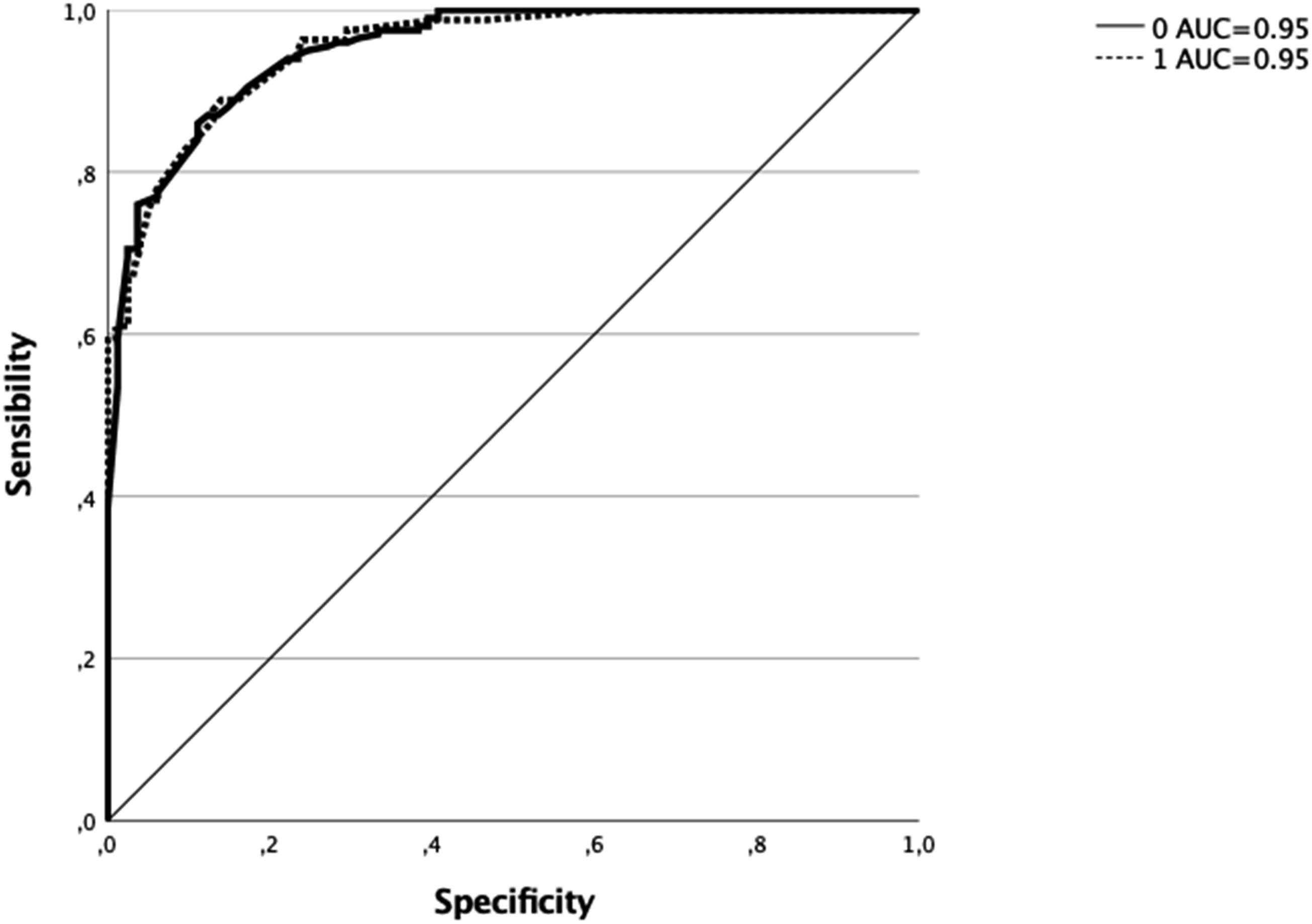
One of the major criticisms of using NNA lies in the complexity of the computation processes involved in this approach (Dayhoff & DeLeo, 2001; Zhang et al., 2018). Several research utilizing this technique merely presented the outcomes of analyses (i.e., the list of predictors) without delving into the details of the analyses or the relationships derived among the variables. This led to the development of what is known as the “black box,” signifying the opacity of the computation processes that yield the final result. However, several studies demonstrate that despite its complexity, the calculation process is entirely comprehensible and explicable (see e.g., Benítez et al., 1997). In summary, at the heart of the computational process of neural networks, intricately interconnected architectures are present, designed to learn complex relationships within input data and to execute tasks such as classification, regression, generation, and more (Goodfellow et al., 2016). These networks consist of layers of neurons, each being a processing unit that receives input signals, performs a weighted linear combination of the inputs, adds a bias, and then applies a non-linear activation function to this weighted sum. This function introduces crucial non-linearity, enabling the network to learn intricate relationships and model arbitrary functions (Charu, 2018). The process of training these networks relies on iterative optimization techniques such as gradient descent. During training, the network adjusts the weights and biases of neurons to minimize a loss function that measures the discrepancy between the network’s predicted outputs and actual target values. This optimization aims to update the weights in a way that the network can generalize to new data (Goodfellow et al., 2016). The complexity of the NNA calculation process stems from several aspects. First, neural networks can possess millions of interconnected weights, making manual analysis of each connection challenging. Second, the non-linear relationships between neurons and weights mean that the individual effects of weight changes are not always easily interpretable. This can give rise to an inherent opacity, hence the term “black box” (Molnar, 2020). In this study, several measures have been used to mitigate the “black box” effect of the computed model. First, the weight analysis consists to examine the weights of connections between neurons to identify the patterns learned by the network. This gives insight into how NNA makes decisions. Second, the visualizations allow to illustrate how information flows through the different layers of the network. This technique provides a more concrete view of the “processing” process. Finally, prior to conducting Neural Network Analysis (NNA), we perform conventional regression analysis, allowing us to verify that the predictors from both models are substantially similar. Nevertheless, the ROC curve analysis enables us to demonstrate that the NNA approach significantly enhances information processing and predictive capability compared to conventional multivariate analysis.
Results
Comparisons Between Sexually-Motivated Abductions With and Without a Lethal Outcome (N = 281).
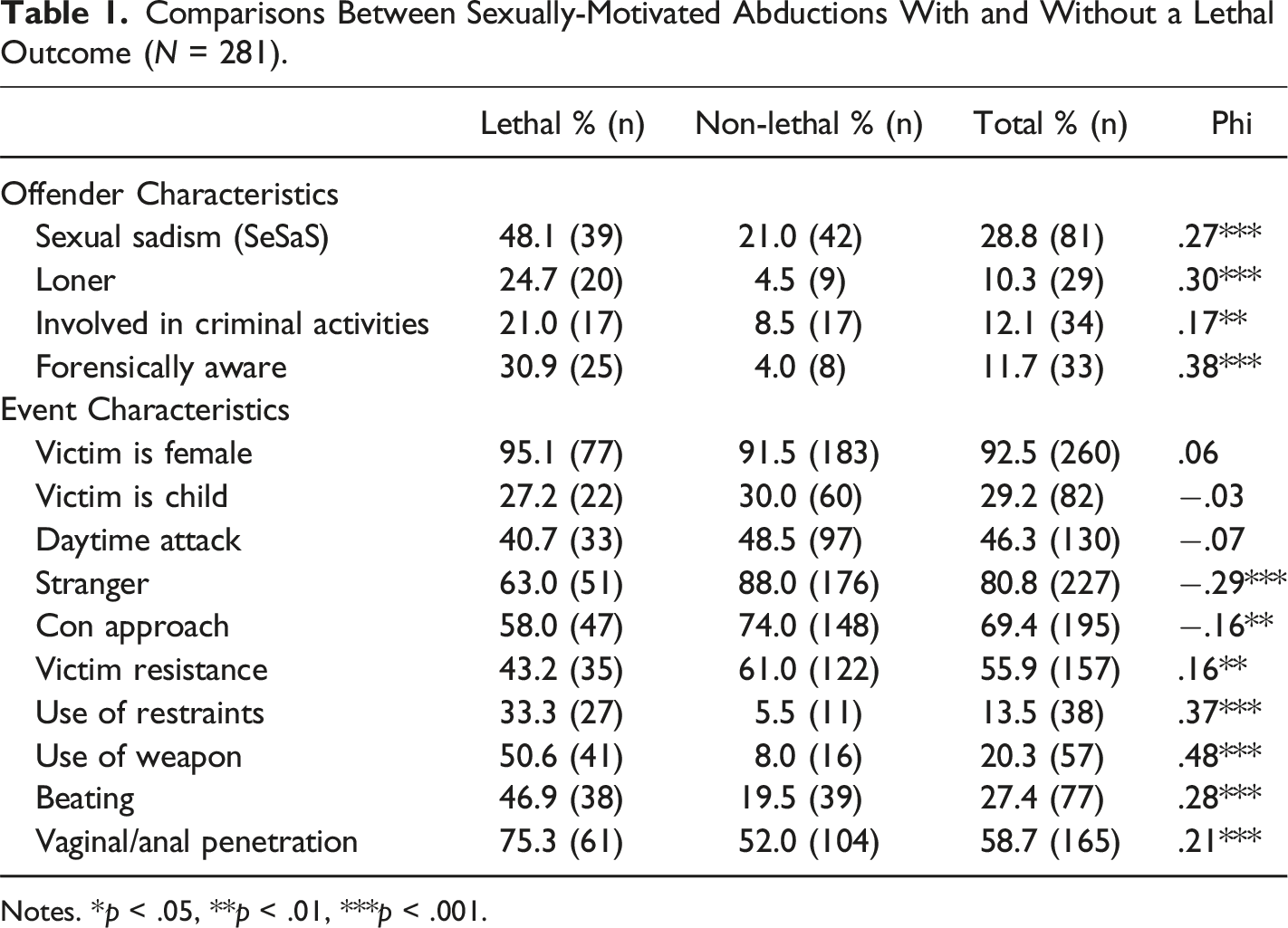
Notes. *p < .05, **p < .01, ***p < .001.
Sequential Binomial Regression of Factors Predicting Sexually-Motivated Abductions With a Lethal Outcome (N = 281).
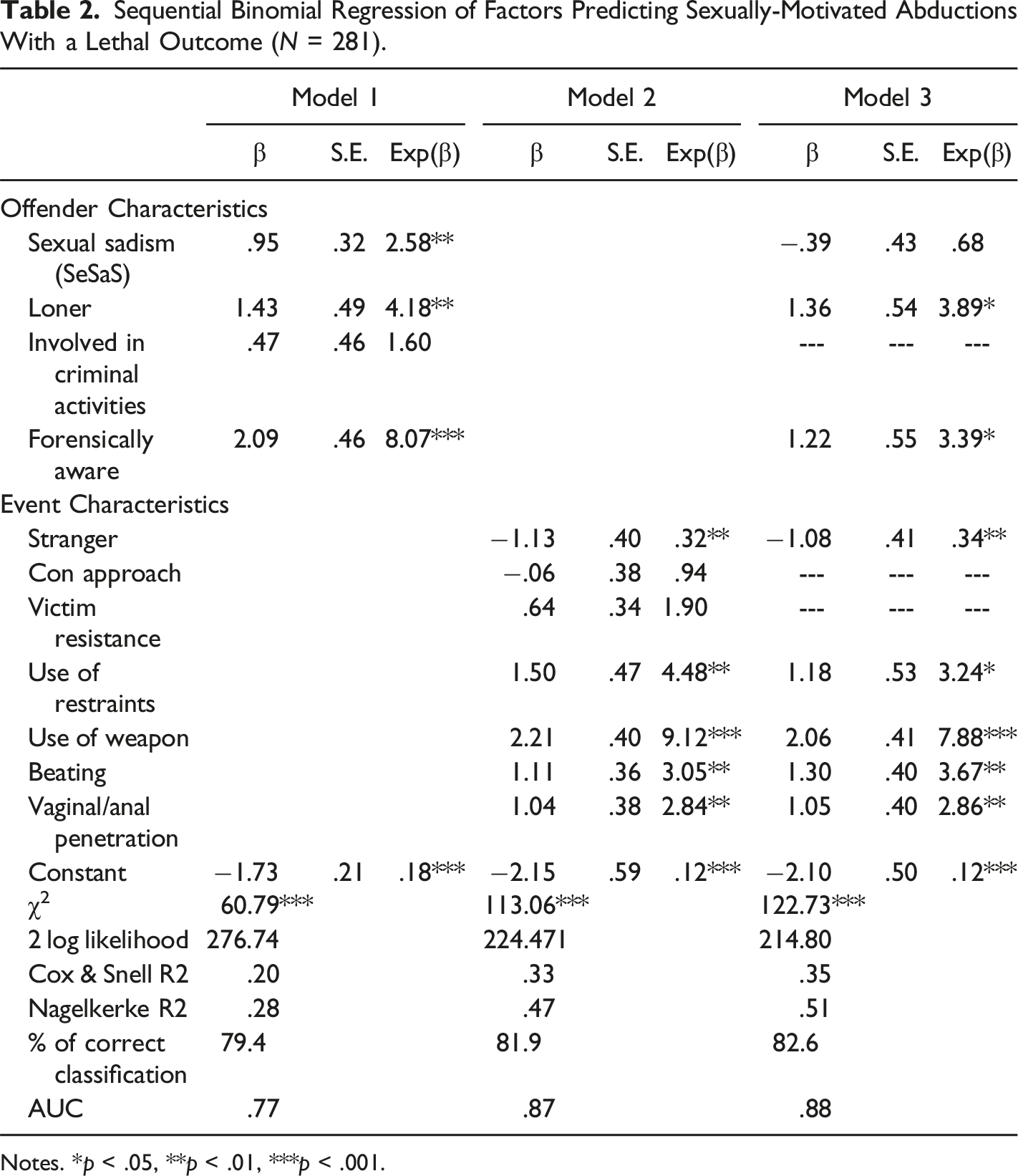
Notes. *p < .05, **p < .01, ***p < .001.
NNA of Factors Predicting a Lethal Outcome in Sexually-Motivated Abduction (N = 281).
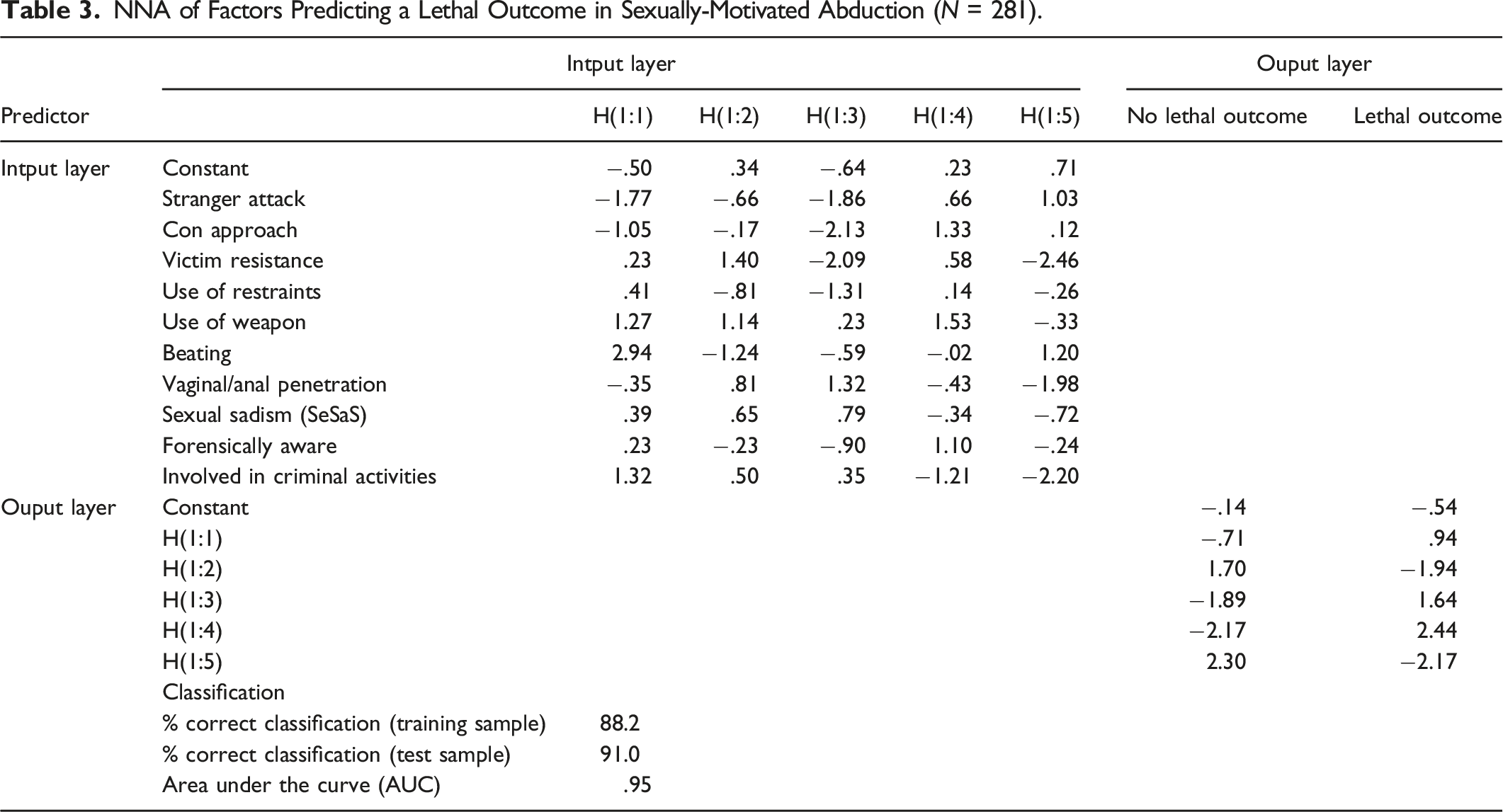
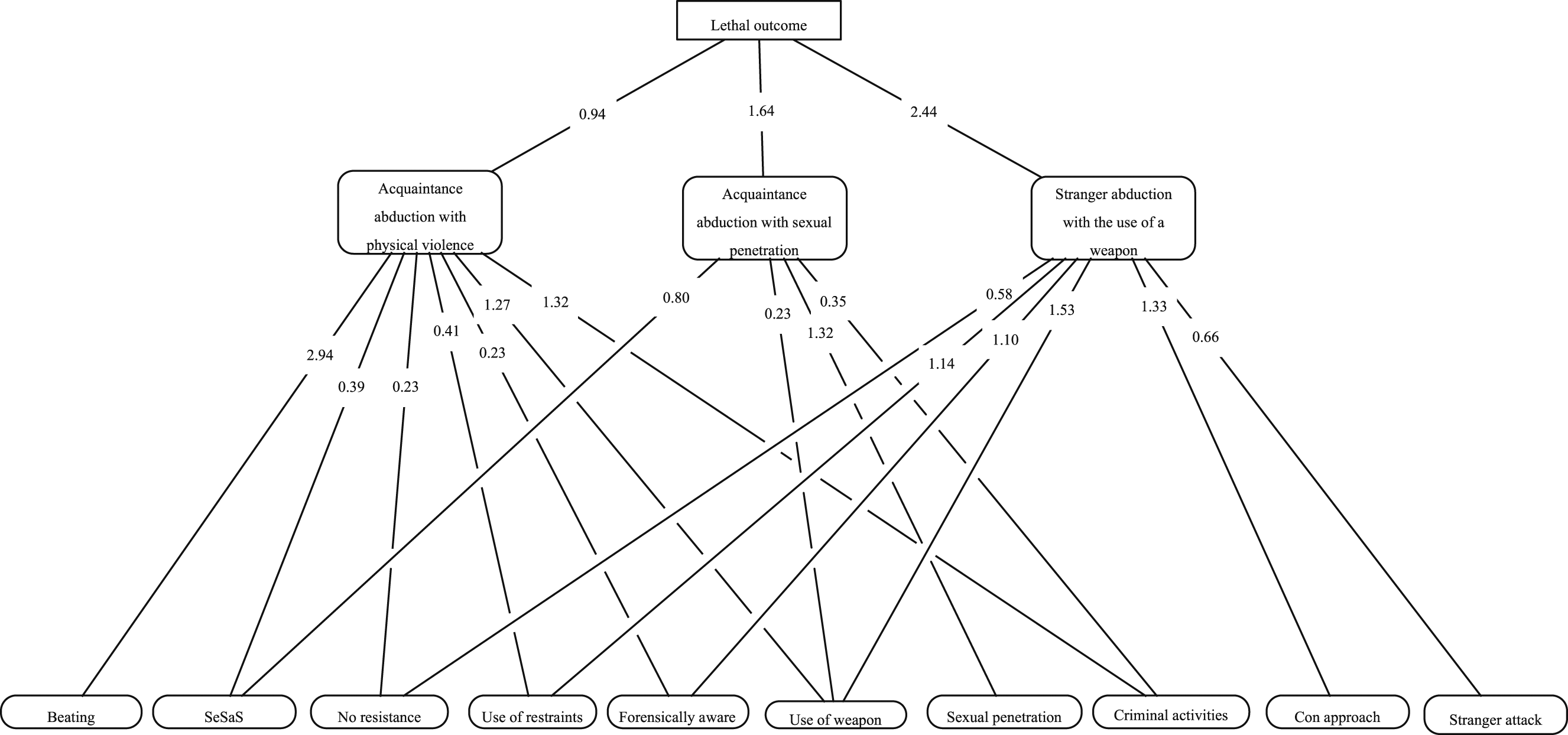
NNA model of factors predicting the lethal outcome (N = 281).
Discussion
Our study has shown that in order to better understand the lethality of sexually-motivated abductions, it was important to look at offender and crime characteristics. Four main findings should be highlighted. First, findings from both the bivariate and multivariate analyses show that contrary to what previous literature has suggested, sex and age of the victim (i.e., child versus adult) are not related to a lethal outcome. Despite the main body of research on abductions as well as the specific research on lethal outcome in cases of abductions focusing on child victims, our findings show that in fact children are not more likely to be killed following an abduction. Such a finding is congruent with what Beauregard and Chopin (2023) found, with age of the victim being far less relevant to understanding perpetrator or crime commission characteristics in abduction cases than whether the act is sexually-motivated or not. Furthermore, it is possible that when it comes to the decision to abduct a victim, it may be based on the circumstances and context of the criminal event and less on the victim themselves (Horan & Beauregard, 2016). Thus, certain types of victims find themselves in particular situations which will require the use of specific strategies (i.e., abduction) for individuals to procure the victim. Also, the need to abduct a victim may be related to the goal pursued by the offender, rather than the actual age (Beauregard & Chopin, 2023). Hence, some offenders may abduct the victim for sexual purposes but with a clear intent to kill her in order to eliminate a potential witness, especially in cases where the offender and victim know each other. This is congruent with findings from Tillyer et al. (2015), who showed that cases of abduction involving people who know each other (i.e., non-family acquaintances) are more likely to involve physical violence and result in serious injuries. As shown in other studies on sexual violence, there could be a direct connection between the victim-offender relationship and the level of resistance from the victim, as well as the intensity of the offender’s reaction to this resistance (Balemba & Beauregard, 2019; Chopin & Beauregard, 2023; Wong & Balemba, 2018).
Second, the risk of lethal outcome in sexually-motivated abductions seems to be directly connected to particular behaviors adopted by the offender when committing his crime, which in turn could be connected with his overall intent. Our findings show that sexually-motivated abductions involving the use of restraints, a weapon, the beating of the victim, and intrusive sexual acts (i.e., penetration) are more likely to end with the death of the victim. For instance, the use of a weapon in sexual crimes has been found to increase the risk of death for the victim during the crime (e.g., Mieczkowski & Beauregard, 2010). This could be attributed to the escalation hypothesis or to a situational explanation. However, when considering all the other significant criminal behaviors, this seems more congruent with the second perspective suggested by (Felson & Messner, 1996) to explain lethal outcome. They propose that it is not incidental nor is it due to situational factors as there are distinct factors differentiating those who kill and those who do not. As shown in previous studies on the lethal outcome in sexual crimes, which took into account the level of violence, significant differences exist in the crime-commission process with and without a lethal outcome (Beauregard & DeLisi, 2021; Beauregard et al., 2018; DeLisi & Beauregard, 2018). The case of penetration is a good example of the complexity of some of these findings. For instance, Stefanska et al. (2016) found that sexual penetration was related to a greater likelihood of the victim surviving during a sexual assault, whereas Mieczkowski and Beauregard (2010), showed the opposite, the absence of intrusive sexual acts during a sexual assault leading to a greater risk of a lethal outcome. The fact that sexual penetration in sexually-motivated abductions increased the risk of lethal outcome could be due to the other acts involved in this particular type of crime and that may increase the overall level of violence (e.g., use of a weapon, beating the victim) as well as the main motivation for committing the crime, as suggested by Felson and Messner (1996).
Third, our findings show that offender characteristics are important to understand why some individuals involved in sexually-motivated abductions will end up killing their victims. Surprisingly though, sadism was no longer significant once we included the event characteristics. It was expected to see sadism remaining significant even after including the crime characteristics, considering that the act of abduction is one of the hallmarks of sadism (see Nitschke et al., 2009). However, the study by Chopin et al. (2022) showed that despite its close association with sadism, abduction was not related to a greater risk of lethal outcome. Although sadism was no longer significant, two other offender characteristics remained important in the prediction of a lethal outcome in sexually-motivated abductions: being a loner and being forensically aware. Being a loner is a characteristic that has often been associated with a schizoid personality, which in turn has been linked to sexual homicide. As explained by Beauregard and DeLisi (2021), although some individuals with schizoid personality disorder abstain from sexual behavior – which is consistent with the isolated and solitary nature of their behavior in other domains – others engage in masturbation and have an extensive fantasy life. This rich fantasy life could serve as the basis for planning the crime of abduction as well as rehearsing the sexual acts to be committed on the victim. This extensive planning and rehearsal could also explain why those who are more likely to kill their victims are also those who are forensically aware. Forensic awareness – defined as the decisions taken by offenders to hide evidence in order to ultimately avoid apprehension (Davies, 1992) – has been associated with sadism (Reale et al., 2017, 2020) as well as acts of sexual penetration. This forensic awareness could also be related to the decision to kill the victim in a sexually-motivated abduction. Considering that these individuals are aware of the possible consequences associated with letting the victim get away after the crime, killing the victim becomes a rational decision not to leave the most important evidence behind.
Finally, our findings from the NNA show how some of the offender and crime characteristics can interact with each other to predict the likelihood of a sexually-motivated abduction ending with the death of the victim. Results show three different pathways leading to a lethal outcome. Node 1 was labelled acquaintance abduction with physical violence and included individuals characterized with sexual sadism, forensic awareness, and prior criminal activities. These offenders are more likely to use physical restraints, a weapon, and to beat a victim who resisted during the attack. Despite sadism being present in these individuals, it is clear that sexual gratification through sexual penetration is not the main objective here. It is possible that these offenders obtain their sexual pleasure from the pain inflicted to the victim during the crime. As to Node 3, labelled acquaintance abduction with sexual penetration, the goal of the offender seems slightly different. These individuals also present sexual sadism as well as previous criminal activities, but will mainly use a weapon and sexually penetrate the victim. Node 4, labelled stranger abduction with the use of a weapon includes individuals who are mainly forensically aware. They do not present with sexual sadism and prior criminal activities as with the other two pathways. The crime is characterized by the use of a con approach (i.e., manipulation, ruse), restraints, as well as a weapon. What these three pathways are showing is that, as mentioned already, the victim-offender relationship remains crucial to understand the likelihood of a sexually-motivated abduction to end with a lethal outcome. However, contrary to what has been shown in our logistic regression results, it is a mistake to simply state that abductions involving acquaintances are more likely to end with the death of the victim. Instead, our NNA findings clearly show that some individuals can adopt a pathway that will involve stranger victims as well. Similarly, although sexual sadism became non-significant in our best logistic regression model, NNA results demonstrate that such an offender characteristic is still important to identify the individuals more at risk of killing their victim, especially when they know the victim.
Conclusion
The current study represents not only a contribution to the topic of abduction but also to the complex dynamics associated with lethal outcome in crime. We have identified several implications of the current findings. At a theoretical level, our findings clearly show the importance of taking into consideration – one way or another – possible interactions between the factors under investigation. This was particularly illustrated in our study by sexual sadism. Although sexual sadism was no longer significant in our logistic regression best model, it was an important factor for two of the three pathways explaining death in sexually-motivated abductions in the NNA. This is suggesting that sexual sadism, if combined with certain other factors, is still important to explain why some individuals will end up killing the victim following a sexually-motivated abduction. Also, the findings show that cases of abductions do not represent a homogeneous phenomenon. Previous studies had already identified various motivations (e.g., sexual) but the current findings have demonstrated that even within a single motivation for abduction, it was possible to identify different pathways that could lead to a lethal outcome. As mentioned earlier, this is important because various combinations of offender and crime characteristics may lead to the same outcome. Nonetheless, the results are reinforcing the need to look at cases of abductions according to their main motivation as these crimes present important heterogeneity. Another theoretical implication of the findings has to do with the victim-offender relationship. As mentioned already, this almost exclusive focus on children when examining abductions is not justified. Instead, our findings show that adult victims are also victim of abduction, and that this particular behavior may represent an indicator of future violence.
As to the practical level, we believe that the act of abduction should be included in the risk assessment of individuals convicted of a sexual crime as a potential “red flag” indicating a risk of serious violence. Similar to how using a weapon is important in the evaluation of risk, knowing whether an offender who sexually assaulted a victim abducted her to procure the victim could add another piece of information in the overall assessment, especially considering that studies indicate that the act of abduction is associated with a risk of homicide (Liu et al., 2008). This becomes even more important with the current findings, which show that some factors are highly associated with the death of the victim. In order to do that, it is of the utmost importance for people working in corrections to examine in great detail the complete crime-commission process to identify the presence or not of abduction, something that is often overlooked with adult victims. Paying attention to the specific behavior of abduction – as well as the offender and crime features associated with a risk of lethal outcome – could be useful when establishing the complete offense chain (e.g., Proulx et al., 2014) of these individuals, which is often useful in risk assessment and treatment. Doing so would allow a more effective risk screening by adding another potential indicator for a higher risk of violence and even death. As an example, individuals who have used a car during their sexual assault should be specifically flagged for a risk of increased violence, as the car could be used and/or facilitate the abduction of the victim. Practitioners should spend time detailing the offense chain of the individuals who have committed sexual assaults to identify all the behaviors potentially associated to the act of abduction. An individual who like driving aimlessly at night in his car could then be taught that such behavior may constitute an apparently irrelevant decision, leading to a decision to later commit a sexual assault (as originally identified in the relapse prevention model, Pithers et al., 1988). By eliminating or at least reducing some of these behaviors associated to the act of abduction, practitioners could be successful in decreasing the risk of lethal outcome in a sexual assault recidivism and preventing the death of the victim. Similarly, such knowledge should be incorporated into sexual assault prevention programs so that potential victims are aware of the increased risk of violence when individuals attempt to abduct the victim during the commission of the crime. Our findings also present implications for the investigation of these crimes. Considering the three different pathways associated with the sexually-motivated abductions, the specific characteristics of the crime-commission process could be used by investigators to better identify the main motivation of the abduction case they are facing – that is killing the victim or not. Such information would not only help refining their working hypotheses as well as guiding their investigation, but also could help narrowing down the number of suspects. Considering that time is crucial in cases of abduction (Park & Cho, 2019), being able to identify early whether the victim is at risk of being killed during the event could prove important in the amount of resources to be allocated to each case.
Despite these interesting findings and implications, our study suffers from certain limitations. The study is based on police data, which depends largely on the crimes being reported and the information provided by the victims during the investigation. It is therefore possible that the current findings are not generalizable to all sexually-motivated abductions and that some cases of abduction were never identified as such. For instance, as we decided to restrict the study and focus only on extrafamilial cases, we are aware that these findings should not be generalized to family-based abduction cases. Moreover, considering that we have also looked at abductions ending with the death of the victim, it is probable that in some cases, details were missed due to the victim no longer being available to provide such details to the investigators or that the crime reconstruction failed to identify them. Also, the lack of information about the individuals committing these crimes may have limited the reach of our findings, as we had limited information/details regarding the criminal career of these individuals as well as the socio-psychological issues that may act as catalyst in these sexually-motivated abductions (e.g., psychopathy). Another limitation concerns the decision to select 200 comparison cases. Such decision was based on a combination of factors, aiming to strike a balance between having a sufficiently large base rate for analysis, especially with 81 lethal cases, while also ensuring that our sample size was not too small for various statistical analyses – which could limit the robustness of our findings. While we acknowledge that our choice may leave room for interpretation, it’s important to note that we carefully considered the trade-offs involved. Selecting a larger number of cases might have increased statistical power, but it could have been challenging to maintain an adequate base rate for lethal outcomes. Conversely, choosing a smaller number of cases might have allowed for more powerful analyses but at the cost of generalizability. Finally, while the use of NNA models is appropriate with small sample sizes (Cui et al., 2004; Kim, 2008), studies found that the ‘factor 10’ rule-of-thumb we followed in this study could be insufficient and recommend applying a ‘factor 50’ rule of thumb (Alwosheel et al., 2018). Regarding these analytical issues, we believe that the results should be understood in terms of trends (i.e., positive or negative) rather than the exact values of the statistical weight of each factor.
Future studies should attempt to replicate these findings using a different sample. Also, it would be important for future studies to look more closely at offender and victim characteristics to see how these may interact with crime characteristics, as well as with each other, to increase or decrease the risk of a lethal outcome in these sexually-motivated abductions. Looking at a greater variety of victim characteristics would be needed to better understand the dynamics involved in these crimes. For instance, it would be important to examine victim vulnerabilities and test how these may influence the crime-commission process of sexually-motivated abductions ending with a lethal outcome. One area that has been neglected thus far is looking into the decision-making process of individuals involved in sexually-motivated abduction cases, especially those ending with the death of the victim. Future studies should use a qualitative approach to examine this decision making and provide a better understanding of the various factors at play when individuals decide to use lethal violence in these situations. Finally, it will be important in future studies to examine how these cases compare with family-based abduction cases.
Footnotes
Acknowledgments
The authors would like to thank the Ministry of Interior in France for providing access to the data.
Declaration of Conflicting Interests
The author(s) declared no potential conflicts of interest with respect to the research, authorship, and/or publication of this article.
Funding
The author(s) received no financial support for the research, authorship, and/or publication of this article.

Note
Appendix
ROC curve analysis of the sequential binary logistic regression predicting the lethal outcome.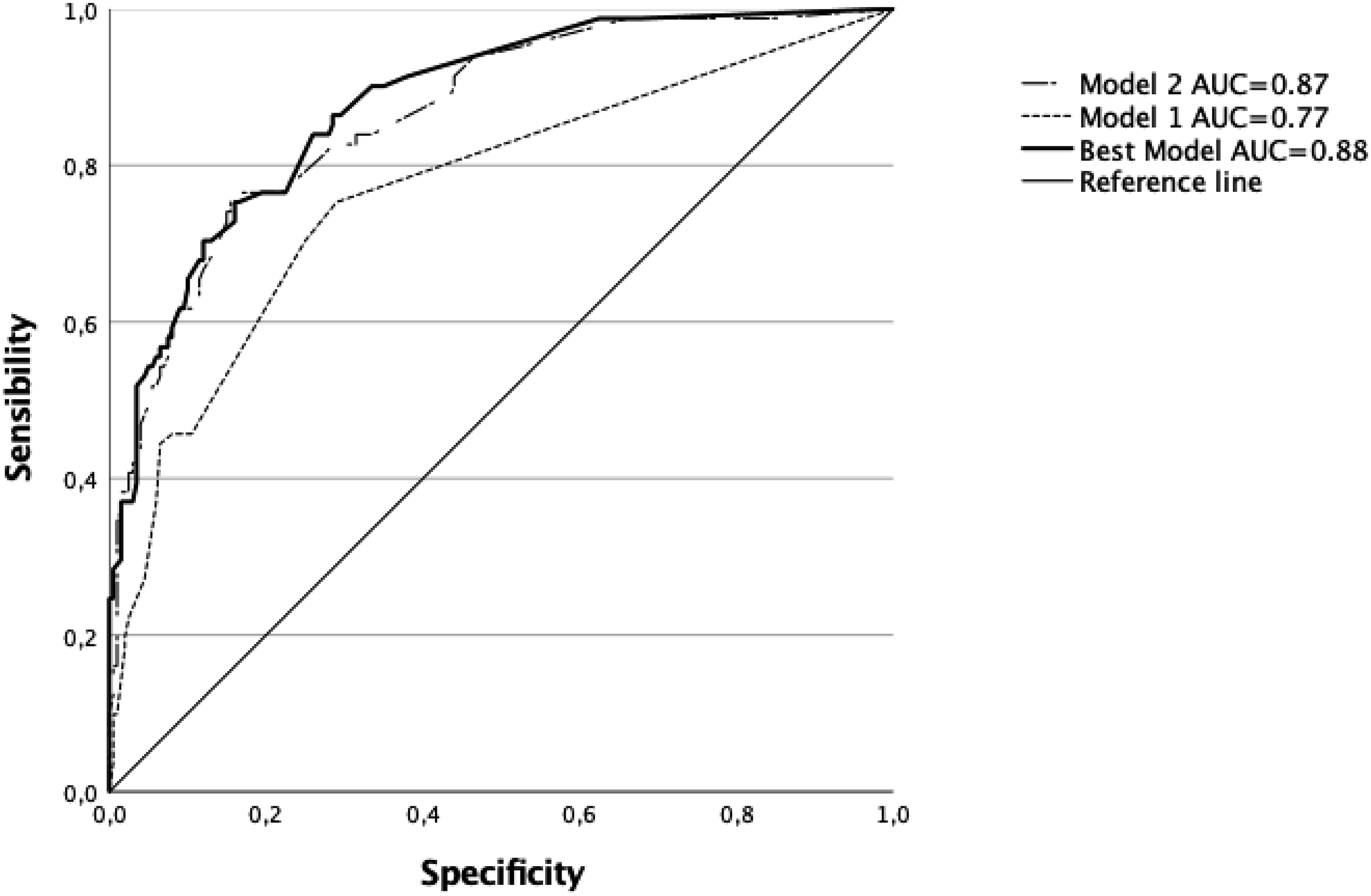
ROC curve analysis of the neural network analysis predicting the lethal outcome.