




Abstract
This research aims to shed light on the unique perspectives of Turkish immigrant women in London regarding access to domestic abuse services. Employing a qualitative photovoice study with eight Turkish women, the research uncovers barriers and facilitators to accessing and engaging with such services. Organizational obstacles, cultural influences, individual and practical challenges emerged as barriers, while state-provided facilities, community support, resilience, and faith were identified as facilitators. Thematic analysis revealed the emotional impact of domestic violence and migration. This study advocates for culturally sensitive support services to promote empowerment and improve access to necessary help.
Keywords
Introduction
Domestic violence (DV) continues to be a significant public health issue and human rights violation globally (World Health Organisation, 2021). According to the Crime Survey for England and Wales, one in 20 adults in the United Kingdom experienced DV in a year (Office for National Statistics, 2022). The U.K. Government defines DV as any instance, or series of instances, of abusive, violent, or coercive behavior between people 16 years of age or older who are or have been intimate partners or family members, of gender and sexual orientation. This includes, but is not limited to, emotional, financial, physical, and sexual abuse (Domestic Abuse Act, 2021). While DV affects both men and women, its impact is disproportionately higher for women, who are more likely to experience repeated victimization, sustain physical injuries, face sexual violence, and, tragically, be killed (National Coalition Against Domestic Violence [NCDV], 2020). This study exclusively focuses on female DV victims, with a specific emphasis on immigrant women, given the significant underutilization of DV support services by this population (Colucci et al., 2013).
DV in Turkiye
DV is an unquestionably pressing issue in Turkiye, affecting countless women across the country. According to Ince Yenilmez and Demir (2016), in Turkiye, violence against women takes various forms, including beatings of wives and partners, rape or sexual abuse, honor murders caused by moral rules and norms, and violence used as torture. Some people in society do not view this violence as a problem, with some arguing against classifying certain forms of violence against women as crimes (idem). This acceptance of violence is attributed to the reflection of traditional society and family structures that normalize violence against women (Karacan, 2021).
Moreover, the withdrawal of Turkiye from the Istanbul Convention on July 1, 2021 is deeply troubling. Turkiye is the first and only nation to withdraw from this agreement, which aims to prevent and combat domestic abuse against women and was initially signed by 34 Council of Europe members (Amnesty International, 2021). This withdrawal is particularly concerning as femicides have been on the rise since 2010, except for the year 2011, which was the time Istanbul Convention was signed (Kadin Cinayetlerini Durduracagiz Platformu [KCPD], 2022).
DV Among Immigrant Women
DV is a worldwide phenomenon that knows no bounds of social class, ethnicity, age, or religious affiliation (Pereira et al., 2020). Despite this universality, immigrant women face unique risks in the face of such violence. McIlwaine et al. (2019) shed light on the diverse forms of oppression that immigrant women endure, including state violence, constant surveillance, and discrimination. Racism and discrimination compound the challenges faced by immigrant women (Khelaifat, 2018). Ghafournia and Easteal (2021) highlight biases present in service providers and policymakers, perpetuating the harmful assumptions that Muslim men are inherently violent and Muslim women are naturally submissive and passive.
In the United Kingdom, Black, Asian, ethnic minority, and immigrant women have greater rates of domestic homicide and 3 times the rate of suicide as other women (Sisters for Change, 2019). It is widely recognized that Black, ethnic minority, and immigrant women in the United Kingdom are disproportionately affected by violence against women and girls (Anitha, 2008; IMKAAN, 2017; Loya, 2014; McIlwaine & Carlisle, 2011). This has to do with how the risk factors that lead to gender-based violence became more severe, as well as how women encountered more obstacles to safe disclosure and reporting (McIlwaine et al., 2019). The threat of homelessness, imprisonment, or deportation looms large over immigrant women in the United Kingdom, particularly when their immigration status is uncertain, when they have No Recourse to Public Funds, or when they are unable to access any state support (McIlwaine et al., 2019). In a recent study that involved surveys and in-depth interviews with immigrant women in London, researchers observed that more than 80% of them had experienced gender-based violence; however, more than half of them had kept it a secret out of fear of being deported, lack of knowledge, shame, or the belief that nothing would be done about it (McIlwaine & Evans, 2018).
This underutilization of support services is influenced by multiple overlapping barriers. Recent scholarship continues to highlight how immigrant women's experiences of DV are shaped by complex intersections of migration processes, immigration status, sociocultural and religious norms, and institutional contexts across both their country of origin and destination. For example, Anitha et al. (2025) explored Polish women's experiences of DV in the United Kingdom, showing how factors like migration journeys, insecure immigration status, and limited access to welfare support can create conditions that make violence more likely. Their study underscores the importance of adopting an intersectional and transnational lens to fully understand the barriers immigrant women face in recognizing, reporting, and escaping DV. Similarly, Sloane (2025) argues that U.K. immigration laws embed structural inequalities that increase migrant women's risk of violence and exploitation. These laws often reinforce values and institutional hierarchies that legitimise gendered marginalization at both individual and systemic levels. Both studies stress the need to move beyond cultural explanations of vulnerability and instead recognize how structural inequalities shape migrant women's experiences of abuse and hinder their access to protection and support.
Immigrant Women's Access to DV Services
Immigrant women encounter various factors influencing their vulnerability to DV, with both facilitating and hindering factors impacting their access to services. Linguistic challenges stand out as a significant barrier, as research by Hulley et al. (2023) reveals that perpetrators actively impede women from learning the local language. The absence of bilingual support in formal services becomes an exploitable advantage for perpetrators, hindering women's efforts to seek necessary support. According to Heron and Eisma (2021), immigrant women fear potential repercussions such as child removal, retaliation from their partners, or even deportation. This pervasive fear of judgment from healthcare providers amplifies the reluctance to disclose abuse. Issues of credibility emerge, with victims fearing they would not be believed, and a lack of privacy during healthcare visits compounds these concerns. Additionally, depending on their immigration status, immigrant women may be hesitant to seek assistance from government organizations, such as the legal and justice systems, health care, children's services, and shelters for battered women (Barrett & St Pierre, 2011; Oxman-Martinez et al., 2005; Shirwadkar, 2004), owing to worries about the impact on their immigration status (Alaggia et al., 2009; Park et al., 2021).
On the positive side, various factors facilitate the process of accessing services for immigrant women. Sultana et al. (2023) found that strong support from families, friends, and society; education of women; availability of language and legal aid support; and assistance from cultural organizations and counseling were key facilitators for minority ethnic South Asian women accessing services in high-income countries.
Unfortunately, there is a scarcity of research on the domestic or gender-based violence experiences of Turkish women residing in London and the United Kingdom in general. Mahmutoglu's (2020) research on first- and second-generation Turkish women in North London revealed the persistence of patriarchal values brought from their country of origin. Language barriers further hindered their integration into local society. Some participants in Mahmutoglu's study had experienced psychological and physical violence by their husbands but felt compelled to remain in the marriage due to family and community pressure. The cultural perception of divorce as incompatible with Turkish norms further limited their options.
Utilizing Photovoice to Explore the Issue of DV
Moletsane (2023) effectively utilized photovoice in her study to examine participants’ perspectives on the complex and sensitive issue of sexual and gender-based violence. DV, similarly, is a sensitive and culturally nuanced topic (Allen-Leap et al., 2022). Photovoice, as described by Wang (1999), empowers individuals to capture, represent, and improve their communities through photography. This approach is particularly well-suited for exploring the perspectives of Turkish immigrant women on DV services for several key reasons. First, photovoice provides participants with cameras to capture images that reflect their perceptions of topics related to health and well-being. Second, it fosters critical dialog and knowledge exchange by engaging participants in group discussions about the photographs, promoting a deeper understanding of shared challenges and strengths. Finally, photovoice has the potential to influence policymakers by presenting participants’ perspectives in a compelling and accessible format (Wang, 1999).
In this study, photovoice was utilized to provide Turkish immigrant women a platform to articulate their views on the barriers and facilitators to accessing and engaging with DV services. The visual and participatory nature of photovoice fosters a sense of agency and empowerment, aligning with the study's aim to amplify women's voices and advocate for culturally sensitive interventions. By highlighting women's perspectives, this participatory method may help strengthen their voices and create valuable opportunities to inform service provision and policy development.
Research Questions
This study addressed the following questions:
What are the perspectives of Turkish immigrant women in London about the barriers and facilitators to accessing and engaging with DV services? What elements influence immigrant women's readiness or unwillingness to seek assistance for DV?
This study contributes to filling a critical knowledge gap by exploring the perspectives of Turkish immigrant women on the barriers and facilitators to accessing DV services in London. By examining both obstacles and enabling factors, the research aims to provide actionable insights for improving service delivery and accessibility in line with the participatory action research (PAR) foundations of the photovoice methodology (le Roux & Palm, 2024).
Methodology
This study, approved by the Middlesex University London Psychology Research Ethics Committee (Project No. 25154), adopted a qualitative approach to explore the perspectives of Turkish women, incorporating both visual data collection through photovoice and nonvisual data collection through focus group discussions. Photovoice, as a PAR method, aims to support social change, empower marginalized individuals, and address social injustices (Wang & Burris, 1997). It allows participants to document their own lives, communicate their concerns to policymakers, and actively engage in social action. By utilizing the photovoice technique, this study sought to shed light on Turkish women's perspectives regarding accessing DV services and contribute to improving support systems for this population. Previous research using photovoice has focused on marginalized groups such as homeless individuals, young people, and marginalized women (Strack et al., 2004). Utilizing the photovoice method, participants actively represent their lived experiences by selecting and capturing images that encapsulate their realities (Wang & Burris, 1997).
This method is particularly adept at facilitating discussions around sensitive and taboo subjects (Harrietha et al., 2023). Building on this, the decision to use photovoice in this study was guided by its effectiveness in facilitating expression around socially complex issues such as DV. As Sahdan (2023) highlights, photovoice is particularly valuable in eliciting deeper insights into community attitudes and social narratives that are often left unspoken due to shame or cultural silence. The method allows participants to visually and narratively capture their interpretations of social realities, making it well-suited for engaging with topics that are typically difficult to discuss openly. Grounded in feminist and participatory research frameworks, photovoice shifts power toward participants by recognizing their knowledge and encouraging them to articulate perspectives that may inform more culturally responsive service design (Sahdan, 2023; Wang, 1999).
In addition to the photovoice method, focus group discussions were used to explore participants’ views through discussions centered around the photos as prompts, following an activity-oriented and creative approach (Colucci, 2007). Focus groups involve bringing together individuals with shared characteristics or criteria to engage in discussions around the research topic (Krueger & Casey, 2015). When combined with photovoice, focus groups can facilitate the communication of participants’ perspectives to policymakers and, in some instances, inform policy conversations and actions within the community (Hannay et al., 2013).
Participants
Wang (1999) suggests that an optimal number of photovoice participants for engaging in in-depth discussions is between seven and 10. In line with this recommendation, eight participants, aged between 22 and 49 and residing in London, were purposefully recruited for this study. The criteria for participation included being older than 18 years and identifying as a Turkish immigrant woman living in London. For this study, “Turkish immigrant women” were defined as women who were either born in Turkiye and later migrated to the United Kingdom, or women born in the United Kingdom to Turkish parents. No specific time limit was set for their duration of stay in the United Kingdom. Four of the participants were working, while the remaining were university students. Two participants were born in the United Kingdom, while the rest had relocated from Turkiye later in life. Additionally, three of the participants were married. Recruitment was conducted through convenience sampling, using a flyer distributed via various organizations in London, including Turkish, Kurdish, and Turkish-Cypriot community organizations, women's organizations, DV organizations supporting Black, ethnic, and minority women, as well as through social media. Participants were not required to disclose personal experiences of DV as the study focused on their perspectives.
Procedure
The study involved two focus groups conducted online via Zoom, each lasting approximately 60 min and audio recorded with participants’ permission. Prior to the focus groups, participants received information sheets and consent forms via email, with opportunities to ask questions and sufficient time to decide on participation. During the first focus group, the researcher explained the study agenda, the photovoice method, ethical considerations around photography, and basic photography techniques. Later, a group discussion was conducted around the facilitative questions posed by the researcher (see Supplemental Material). Participants were given the prompt to take three photographs representing barriers Turkish women face in accessing DV services and three photographs representing facilitators in accessing such services. Participants sent their photographs via text message or email before the second focus group, numbering each photo to facilitate captioning. A total of 34 photos with captions were collected.
In the second focus group, participants were sent Photo Release Forms, which they completed only for the photos they consented to be used in the research and any subsequent presentations or publications. In these forms, participants provided accompanying narratives or descriptions explaining the significance and meaning of their photos and wrote pseudonyms for themselves. Participants then discussed how the photos represented barriers and facilitators for them. Most discussions took place in Turkish, with occasional comments in English, and were later translated into English. Following the focus groups, all sessions were transcribed manually and written verbatim.
Analysis
Thematic analysis (TA) was used for the purpose of analysis. TA is a flexible approach that allows for a wide range of analytic options (Braun & Clarke, 2006). Inductive TA was adapted for this research. Inductive analysis is a data-driven method, and the themes identified are closely related to the data itself (Patton, 1990). Traditional qualitative analysis techniques, such as inductive TA, are frequently used to analyze photovoice data (Latz, 2017).
To strengthen the rigor and validity of the analysis, investigator triangulation was utilized. The first author first transcribed all focus group discussions verbatim and conducted initial coding by closely reading and rereading the transcripts while also reviewing the photo captions submitted by participants. Preliminary codes were generated manually, with attention to recurring patterns and meaningful insights across both verbal and visual data. These codes were then organized into overarching themes using mind maps and visual mapping techniques.
To enhance reliability, a second coder (the coauthor) independently reviewed the emerging themes and subthemes. Both authors engaged in reflective discussions to compare interpretations, resolve discrepancies, and reach consensus on the final thematic structure. This collaborative process helped reduce potential researcher bias and increased the credibility of the findings. Once agreement was reached on the final visual map, a detailed thematic table was constructed for each theme and subtheme, incorporating supporting data extracted from the dataset.
Reflexivity
In recognition of the qualitative nature of this study, the positionalities of the researchers and their potential influence on the research process are acknowledged. The first author, a Turkish immigrant woman, brought cultural and social identities that may have offered insider knowledge of participant experiences while also presenting the possibility of interpretive bias. The coauthor, who does not share the same cultural background, contributed an outsider perspective that supported reflexivity by challenging interpretations and highlighting potential blind spots. Collaborative engagement in reflective discussions enabled both researchers to compare interpretations, resolve discrepancies, and reach consensus to minimize potential individual bias and enhance the credibility and cultural sensitivity of the study's findings.
Findings
Three superordinate themes have emerged from the analysis: the emotional impact of DV and migration, barriers to accessing services, and facilitators to accessing services. The barriers were categorized into three subthemes encompassing: organizational barriers, cultural and familial influences, and individual and practical challenges. The facilitators were also divided into three sub-themes: state-provided facilities, community support, and resilience and faith (see Figure 1).
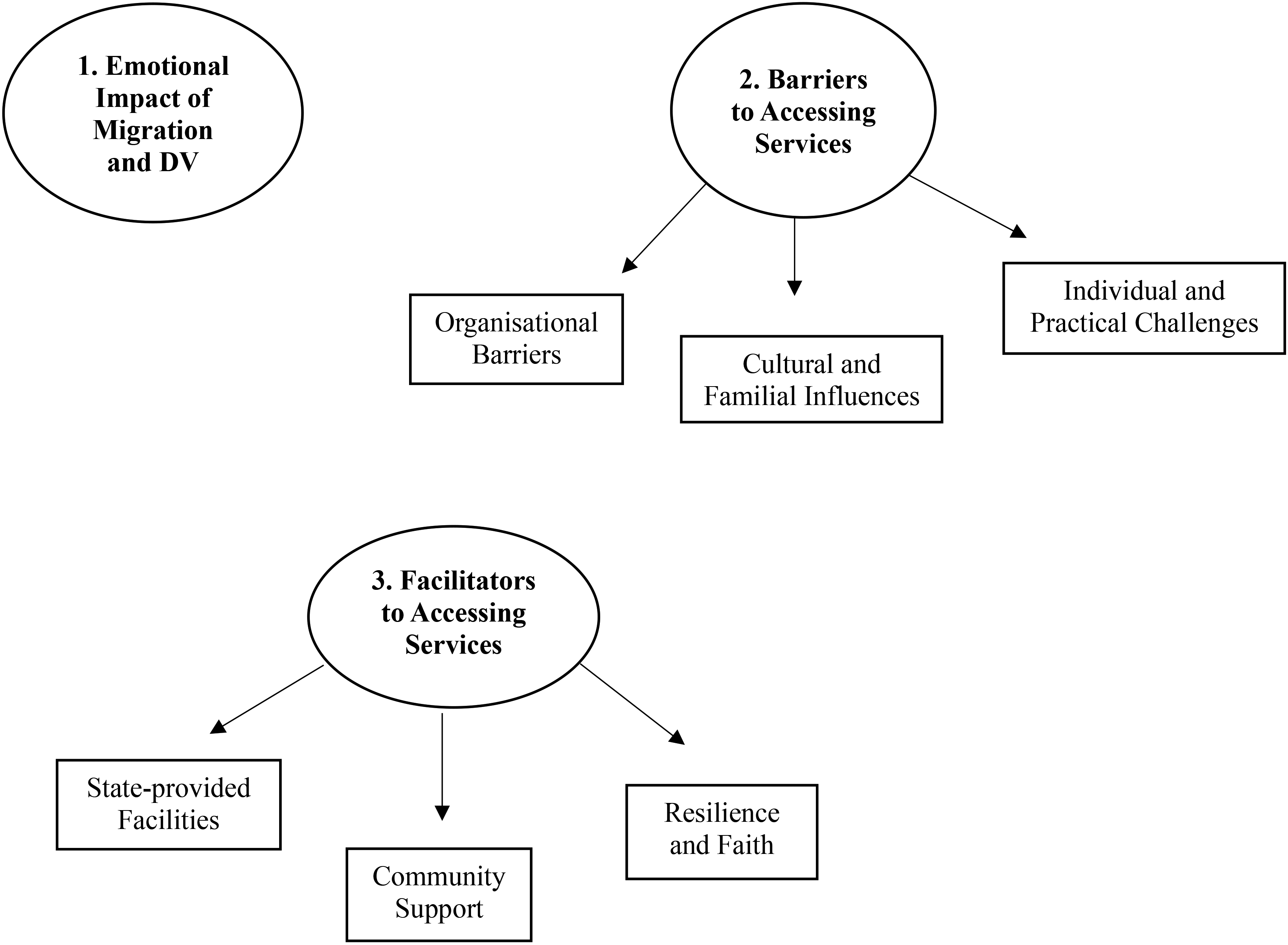
Thematic map showing main themes and their subthemes.
Emotional Impact of Migration and DV
This theme explores the emotional impact of DV on women in the context of migration. According to study participants, in conjunction with the difficulties inherent to immigration, Turkish women may also endure instances of violence, compounding their struggles. Regarding the experiences of being new to a country, Berra shared: “I think the hardest part is getting used to it as well as the economy. Because you come from a different country, you are away from your friends and family. There are new people. You are trying to get used to a new place. Women may be going through an emotionally difficult stage.” Other participants further commented on the psychological challenges caused by DV. With her photo, Aze symbolized the difficulties caused by various thoughts and emotions (see Photo 1):
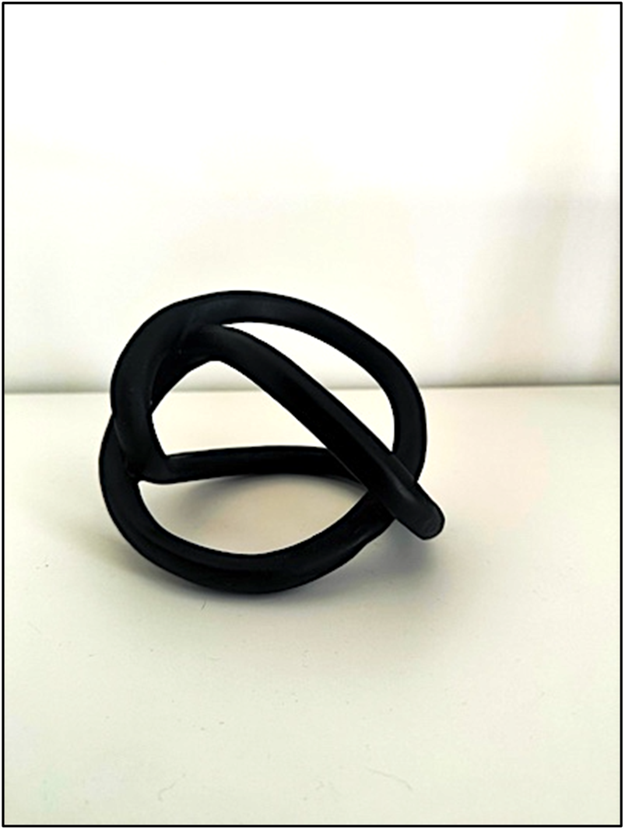
“This object reminded me of a deadlock. Like the person is in an impasse and can’t find a way out. Whichever point you start from; you go through hopelessness and pessimism. Like you are always coming across some barriers and falling back down.”
Yaprak pointed out how experiencing violence can make it challenging to make the right decisions, as illustrated in this Photo 2:

Loop. “This is about women not being able to decide. There are many factors, such as economic problems, there can be kids, or pressure from other family members. She cannot make up her mind. She feels the pressure.”
Numerous factors, including financial constraints, childcare responsibilities, and external familial pressures, may hinder women's ability to make choices and create confusion for them.
Barriers to Accessing DV Services
Organizational barriers
Participants highlighted various organizational barriers that may obstruct women's access to DV services. Several participants stressed the importance of the language barrier which, together with limited access to interpreters, may hinder effective communication between women and service providers, inhibiting their ability to express their needs, as illustrated in Photo 3
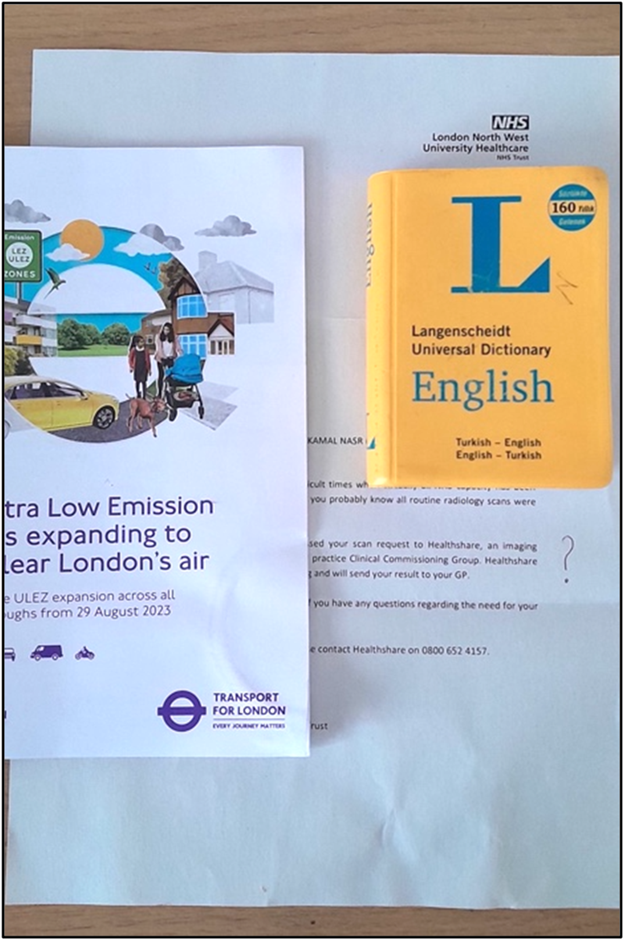
#“I took one photo about the language barrier. In this photo, there is a letter that came to me from the NHS for making an appointment. I put the dictionary on top of it. I also put a ULEZ document on it. If a woman doesn’t understand the language, neither ULEZ nor the NHS letter will make sense for her. I draw a question mark to symbolize this.”
Ironik Zeyna emphasized the importance of language in the context of daily necessities. If women do not know the local language, they are unable to manage their healthcare access or won’t understand important documents. Alara stated (see Photo 4): The main barrier is the language difficulty. Turkish women find it very difficult to speak English. And if they are at risk, for example, when trying to access services, if they don’t understand or know how to speak the language, then it is going to be very difficult for them.
In addition to the language barrier, Alara also mentioned the lack of inclusivity of the services when discussing Photo 5: I was also thinking about women with disabilities. Not just physical. I have taken a photo of a staircase to symbolise this. It could be a mobility issue or any learning disability they might have. There may be women like this experiencing DV, they may not be able to access support, and there are many within the UK.
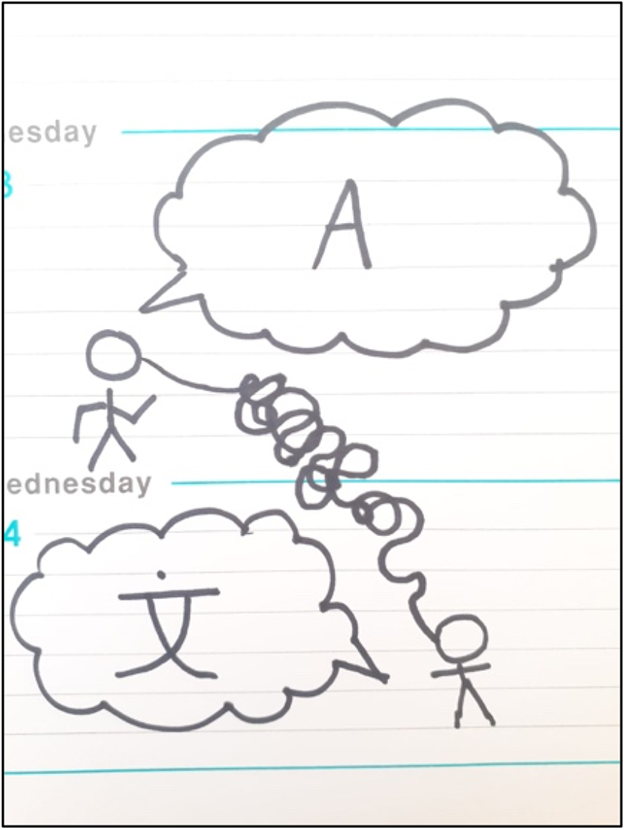
Speech bubbles.
As Alara suggested, any kind of disability or physical barrier may make it harder to find the right service for women. According to participants, even if women manage to reach services, they may face additional difficulties, such as discrimination, which is connected to another organizational barrier: unequal treatment by authorities. Elif mentioned: “Sometimes there is racism; when there is racism, they don’t help a lot.” The police may have stereotypes toward a certain community. Another important organizational barrier participants discussed was women not knowing about their rights and how to access the services. Elif shared: “Sometimes there can be problems for young girls here. This could be women or young people. They don’t know about these kinds of services.”
Cultural and familial influences
Another substantial barrier Turkish women may face when attempting to access services is the weight of cultural and familial influences, which manifest through societal expectations and the pressure exerted by various family members. Alara shared the following regarding societal pressure (see Photo 6): Sometimes they think of what other people might say, if they do go and ask for help. I think one of the barriers in this country would be family and cultural pressure. And I chose to symbolise this by taking a photo of a door lock.
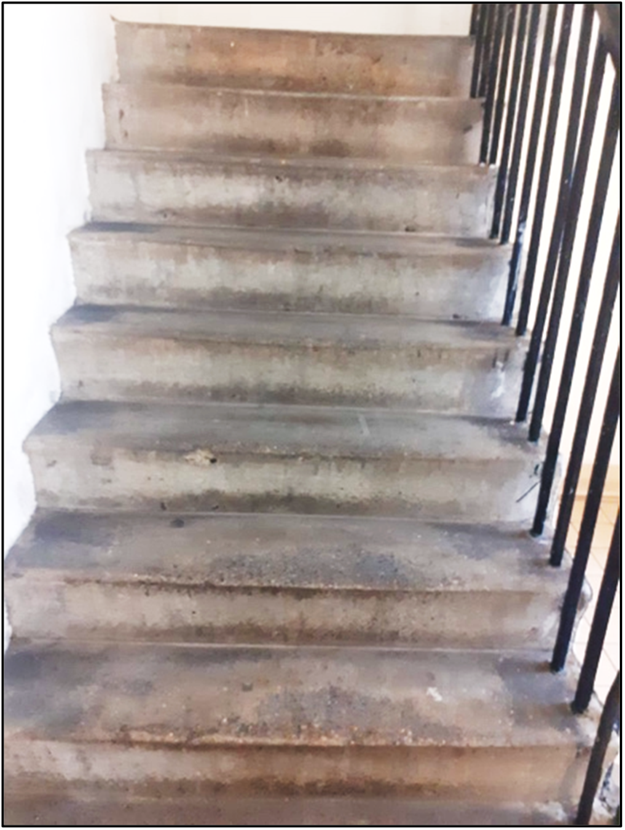
Staircase.
In addition to Alara's comment, Defne also captured a photo (Photo 7) about the pressure from family members: Your spouse tells something, your kids tell something, your parents tell another thing. You could feel restricted or trapped, like it is full of barriers and there is no way out.
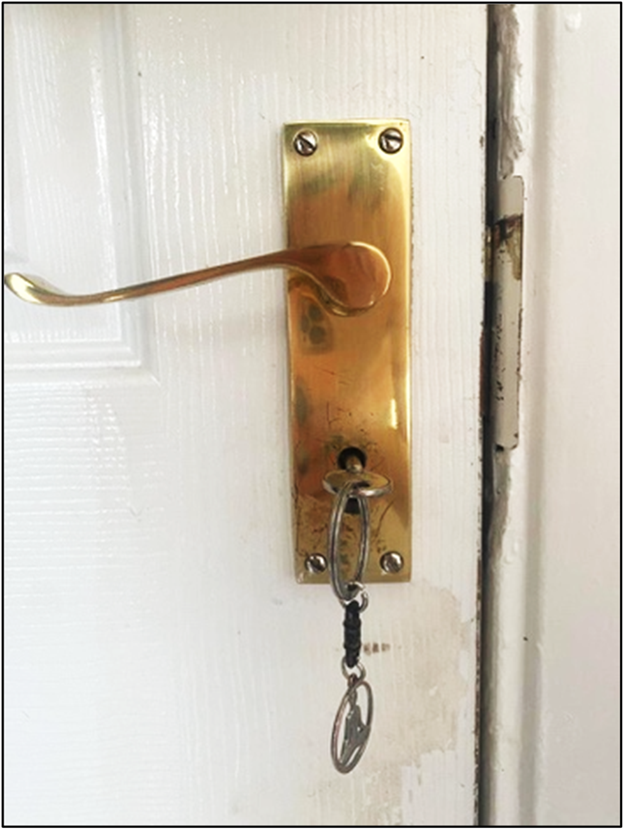
Door lock.
Several participants stressed that women think of what other people might say if they disclose the violence and reach out for help. Yaprak highlighted: “There can be pressure from the other family members.” In addition to the pressures from family members, Yaprak represented other concerns in Photo 8:
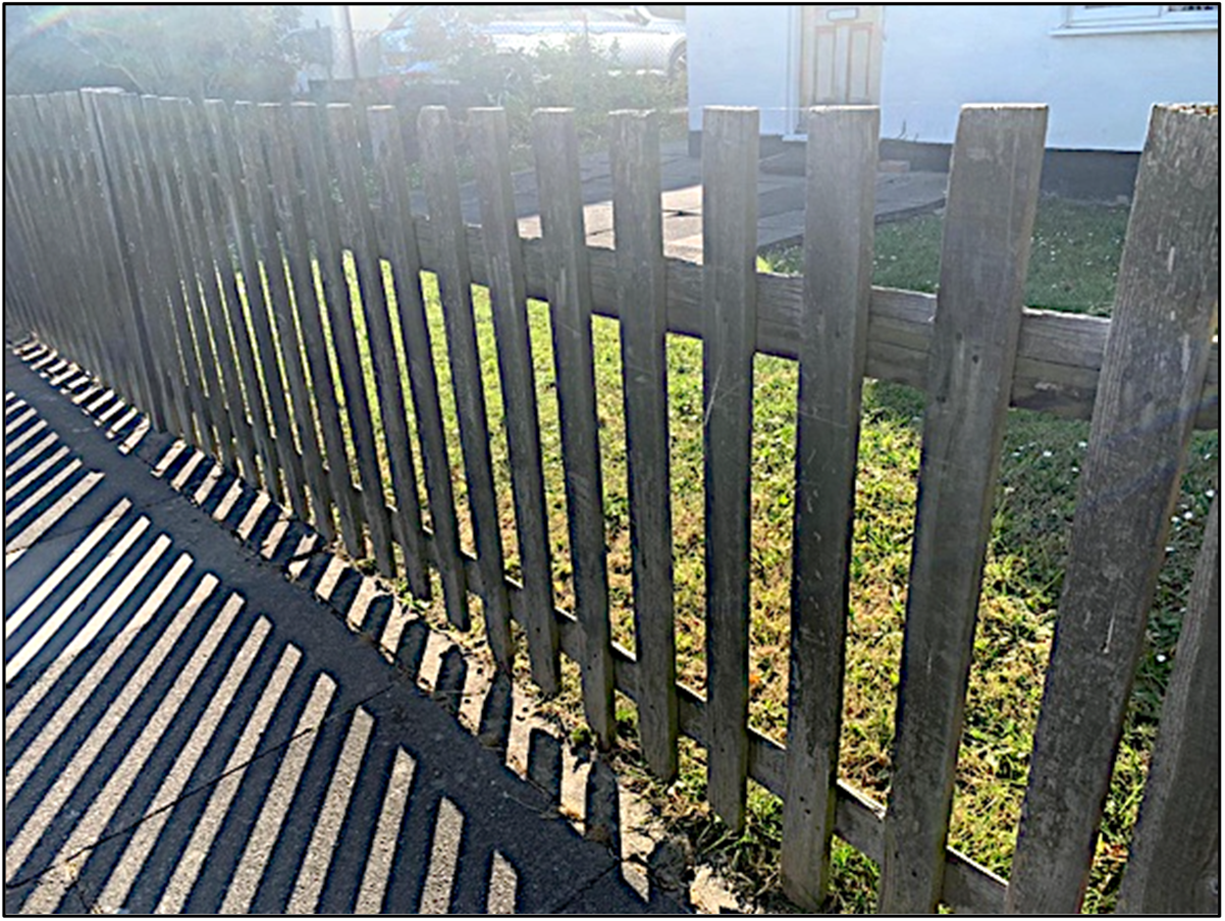
Bound by barriers/the inescapable fence.
According to study participants, women might grapple with feelings of guilt, as their religious beliefs may discourage them from ending a relationship. Societal norms can exploit religious convictions to exert pressure on women, branding their decision to leave their husbands as damaging to the family unit, particularly if children are involved (Gangoli et al., 2020). Another hurdle encountered by women is the absence of support from their husbands. For instance, Aze recalled an interaction with her friend: I met a family here, and with the women I had a talk. She told me that during her process of learning English, every pronunciation she made or when she was trying to speak, her husband would make fun of her. Because of that, she retired into her shell, she cut ties with social life, and even though she has been here for the past 4 years, she couldn’t make any progress.
In addition to not receiving help from the family, another barrier for women may be the risk of further damage from their partner in the case of disclosing the abuse. Alara mentioned: “Women may avoid discussing the abuse because they are afraid their spouse may damage them further in retaliation for disclosing family secrets.” Women may fear the consequences of sharing the violence with anybody. For example, should a woman choose to initiate separation or divorce, her partner might resort to various tactics to impede such actions. Aze commented: “Even with women who are married to foreigners, if the woman decides to separate, the husband doesn’t show the kid, takes the passport or ID of the kid and the woman, and he tries to prevent her from going to Turkiye.”
Individual and Practical Challenges
This subtheme covers the individual and practical challenges women may face when trying to access services. Individual challenges cover the topic of women not being able to adapt to the local culture, while practical challenges refer to issues such as financial dependence on their partner. Berra's photo captures the struggles of adaptation (see Photo 9):
As Berra mentioned, if women do not integrate themselves into society, this might become a barrier for them to realize violence is not normal and therefore to access the services available. Another difficulty for women may be the financial barrier. Several participants mentioned the economic difficulties women may face. For instance, Aze shared: “I think we can also add economic violence. One side can have economic power and leave the other one powerless.” to which Yaprak responded: “Definitely. There are many people like that, even in the UK. They cannot leave because of that.”
Facilitators to Accessing DV Services
A number of facilitating factors were observed by participants, particularly state-provided facilities, community support, and resilience and faith.
State-provided facilities
Several participants highlighted how state-provided facilities and government policies can be helpful to women in the United Kingdom in cases of DV. Dunya compared the state protection systems in the United Kingdom to the one in Turkiye: “I feel like the protection of the state is better here, when they have a case, they intervene faster.” She further added, “There are serious penalties here.” Elif also made a positive comment about the state protection: “In the UK, there are places that women can go, such as accommodations and places women can hide. There are many supports here, from social workers to support officers.” Berra said: “The people here fear the government. So, I think the women here, compared with Turkiye, are braver. If they experience domestic violence, they disclose it more here.” Berra also captured a photograph to represent the state facilities (see Photo 10):
Alara made a similar point about Turkish women in the UK feeling secure, as represented in Photo 11
In addition to having safe spaces, Alara highlighted the importance of having private consultation rooms (Photo 12): “There are private spaces for women, to speak to counsellors, they can be referred to therapists, privately speak without worrying about anyone else being there.”
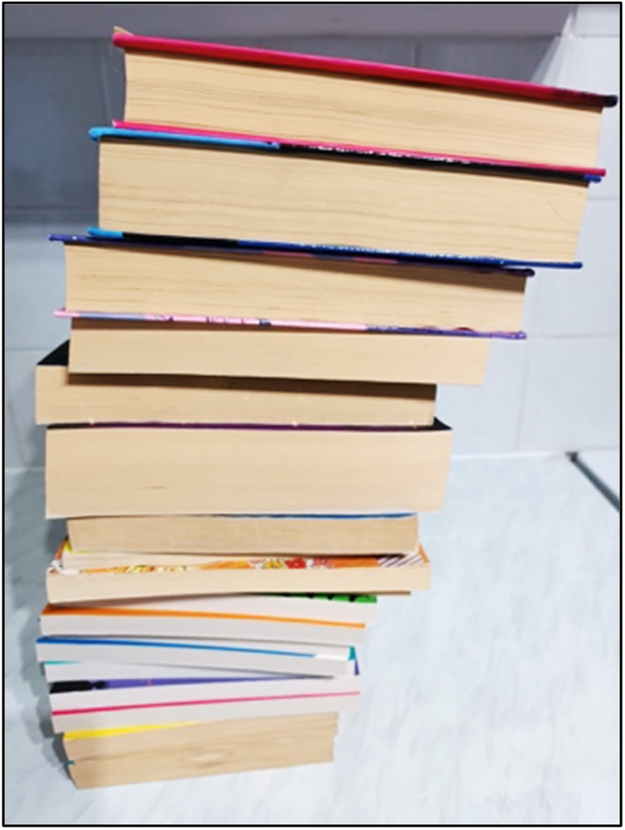
Burden. “These books symbolize the burden put on women, such as the economic problems, religion, and the difficulty of living in this country.”
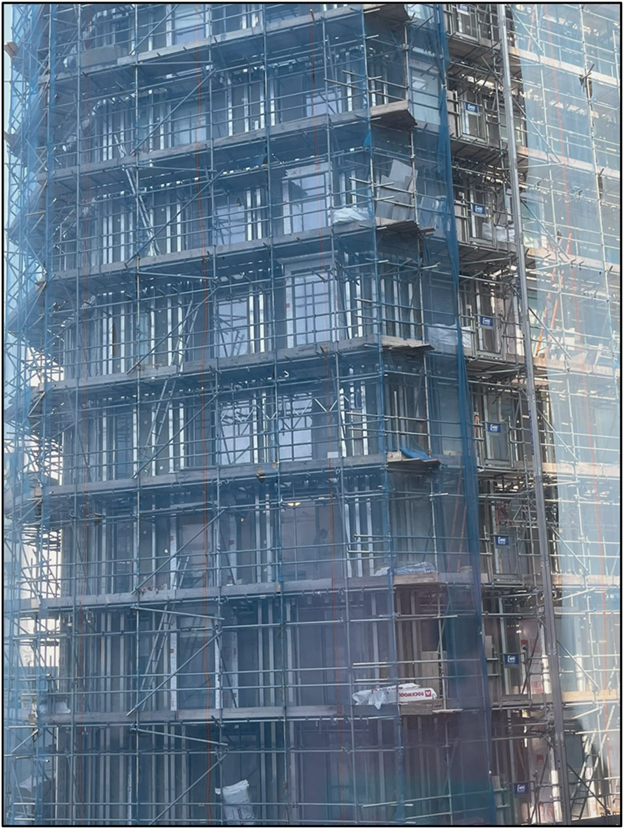
Staring blind. “This building is under construction, and the people who live in it cannot view outside their house. Some of the women who migrate to the UK, they close themselves off from the outside world, cannot keep up with society, they just watch the outside world from inside.”
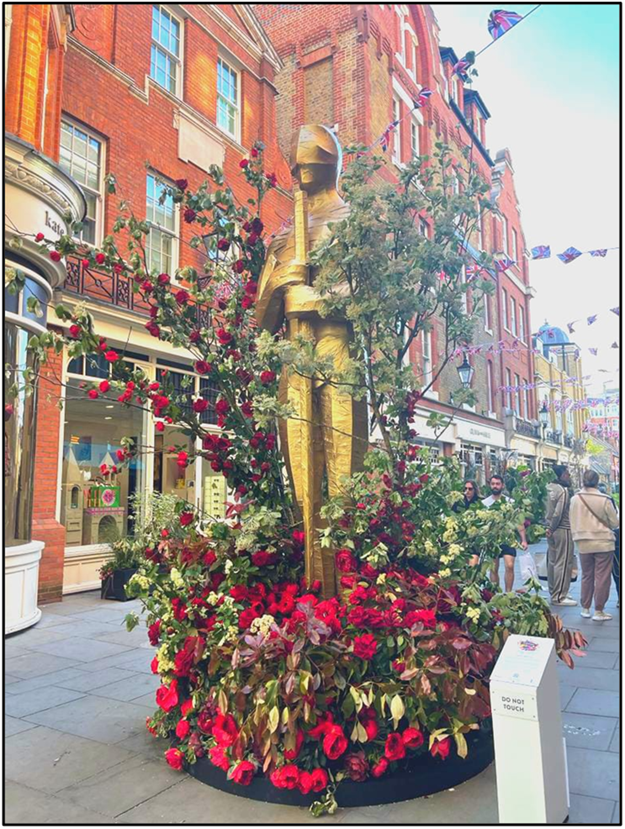
Flowerman. “I likened the British soldier surrounded by flowers to Turkish women in London feeling more secure. Turkish women feel peaceful because of their trust in the British police and government, and therefore bloom like flowers.”
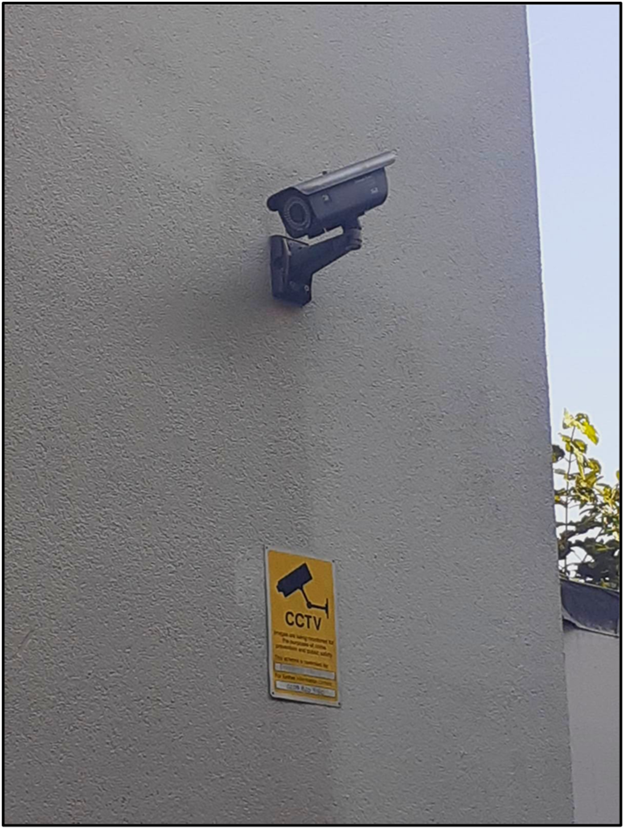
Security camera. “Having security sets a safe environment for Turkish women in the UK and supports them to access services.”
Participants also made comments about women with children and state facilities available to them. Aze stated: “There are social workers for both the family and the kid. Whatever the circumstance is, they bring the people who work with it. Either for kids or women, they come for help from the state.” Additionally, Alara made comments about services for women with children, as captured in Photo 13:
She added: “Women don’t need to worry about the kids being looked after. When they access these services, they know that there will be some kind of thing for children to be playing around with.” As highlighted, the provision of child-friendly spaces, such as play areas or designated waiting zones, may serve as a reassuring factor for women. In relation to the facilities available to women, Yaprak noted the following (see Photo 14): “This is about the state again. I drew this myself. This is a mother and her kid. The state here gives you a house when you are a single mother. They are happy.”
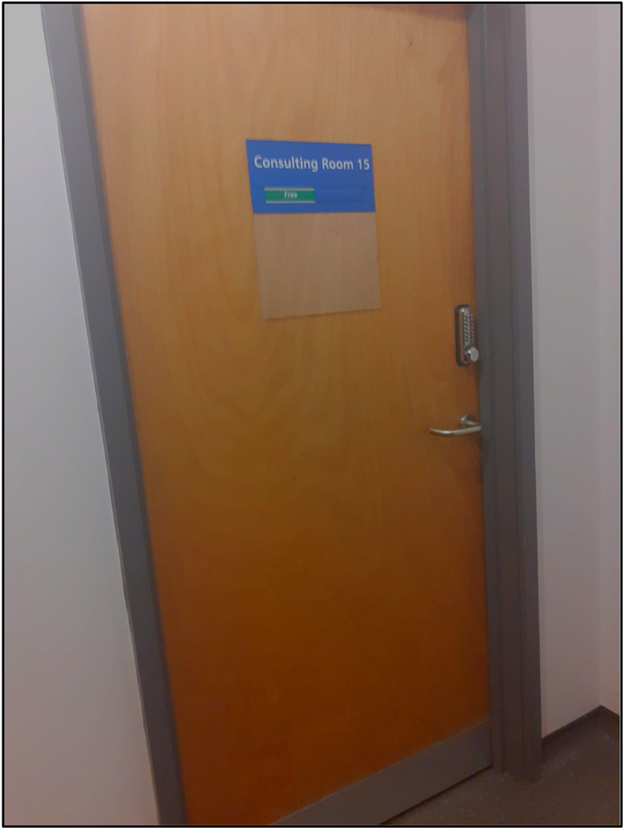
Consultation room door.
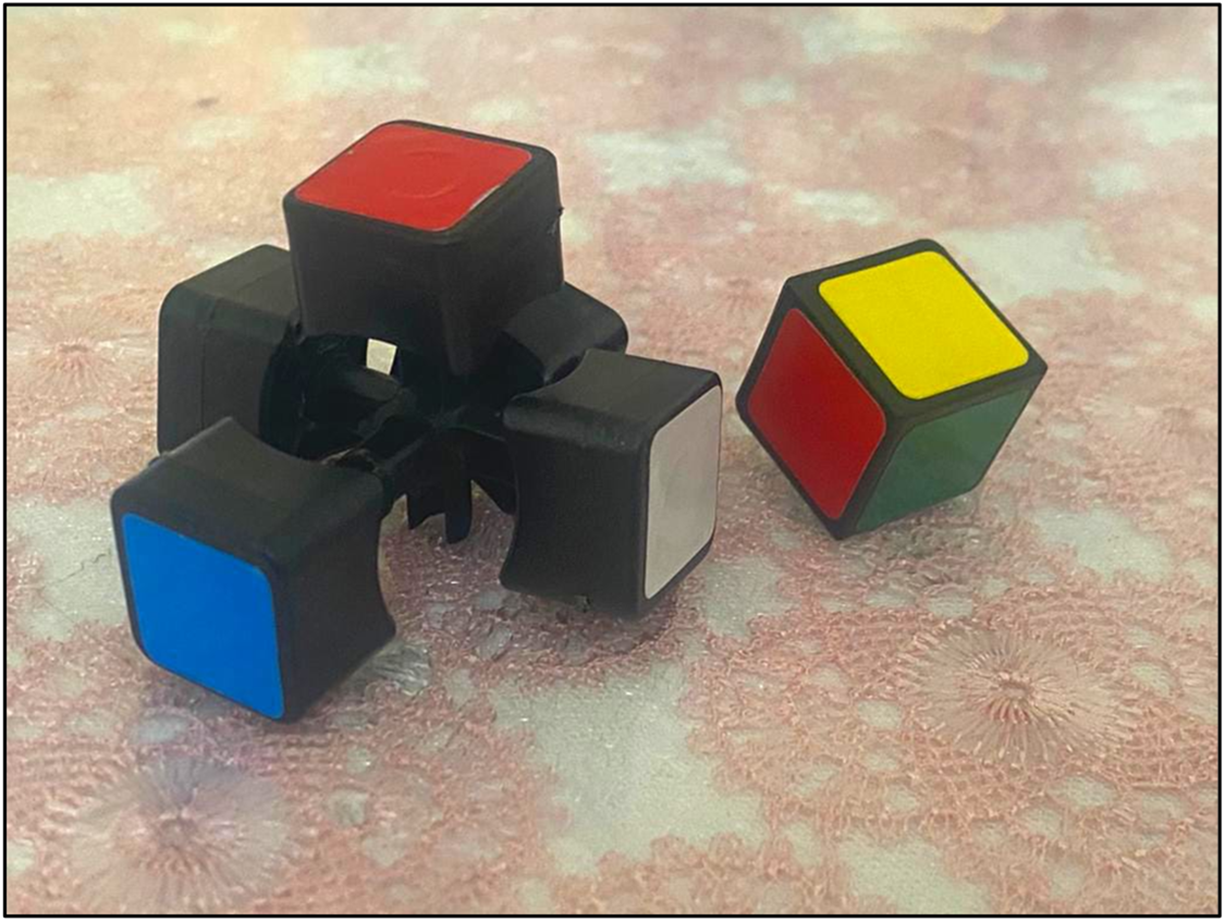
Children's play cubes “This photograph represents the support available for Turkish women with children accessing DV services. Child-friendly areas that are available, such as play areas or child-friendly waiting areas.”
Yaprak also highlighted the facilities available for different nationalities through Photo 15. She commented: When I researched, I came across a lot of associations, such as African women and Asian women associations. These flowers symbolize that. In every association or institution you go to you can find something to support yourself. With this support, women bloom.
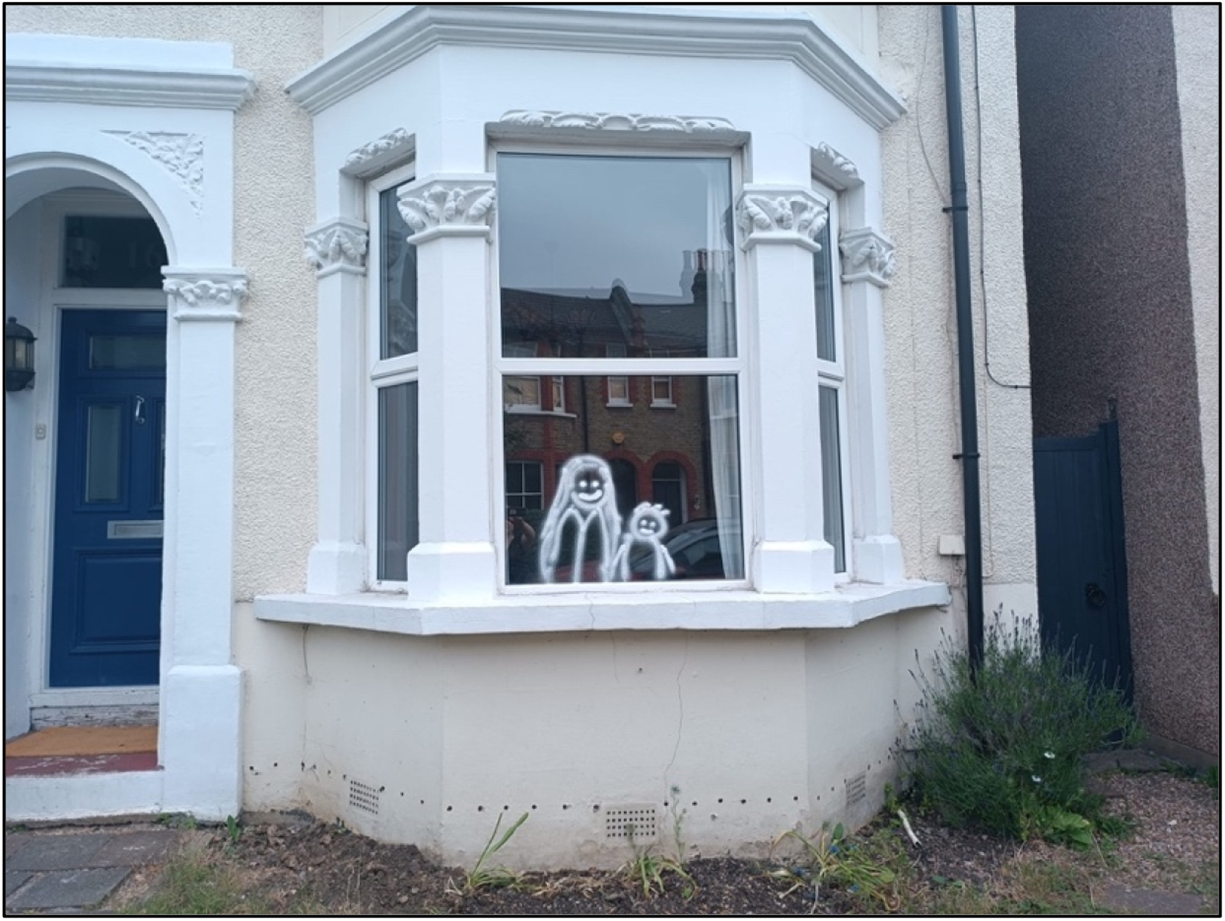
Home (mother and kid). “I know I won't be left out when government help comes. This is a beautiful home for us. My child's eyes, which look without fear, give me hope. This is the greatest happiness.”
Community support
Another facilitating factor for women to access services may be the support from the community and interpersonal relations. Regarding the community support, Ironik Zeyna commented: “Here, when the kid cries too loudly, neighbours tell the police that the kid may be experiencing violence. Same way for the women, if she has bruises on her, if the neighbours see her like that, they tell.” Dunya further added to this: “Not only with neighbours, but also in schools, this system works. For the kids, it happens in schools that their teachers notice these kinds of things.” When it comes to support from others and learning from them, Defne felt that it can be another facilitating factor for women (Photo 16):
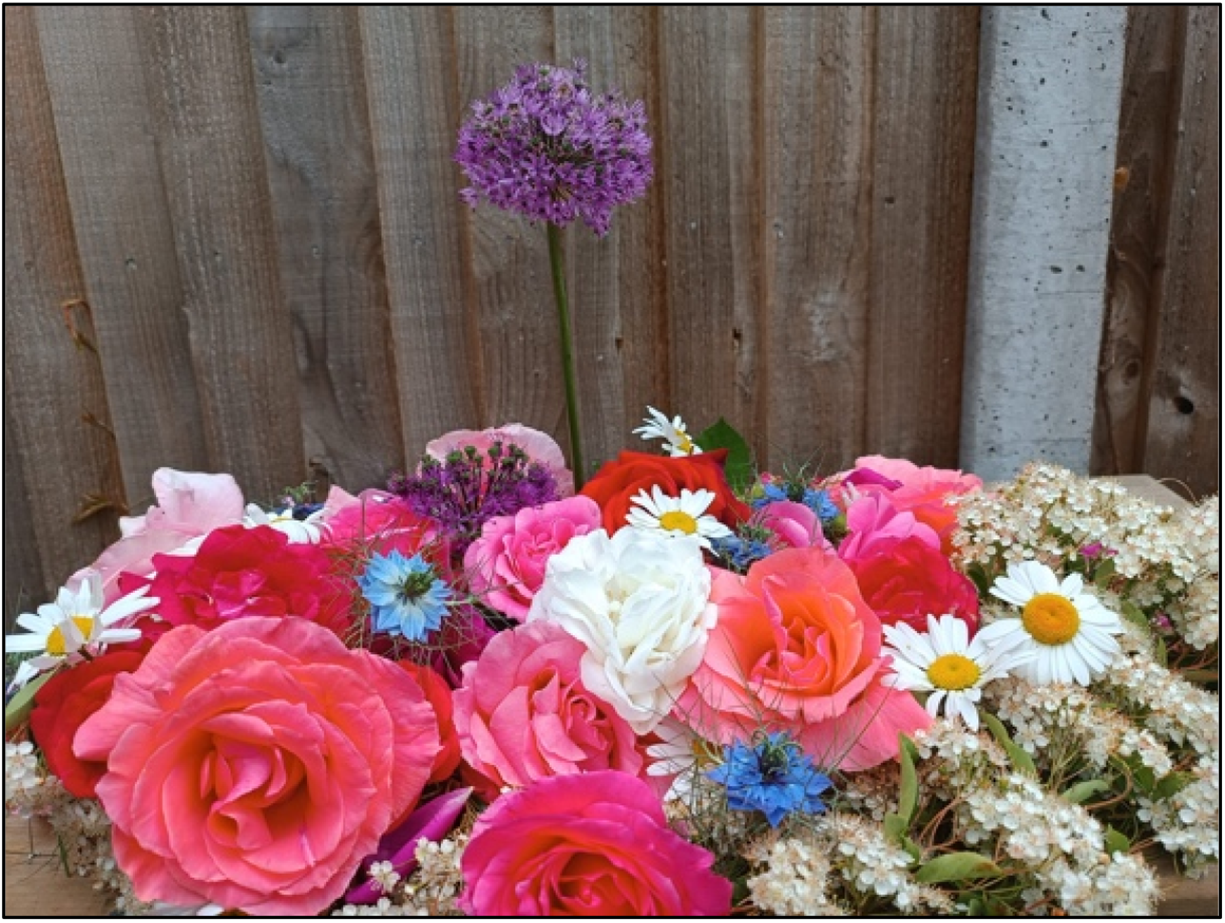
Support (flowers).
Dunya also stressed how important it is to share stories with each other (Photo 17): “The most powerful remedy in the toughest times is reaching out to those we hold dear. Not calling an ambulance or a policeman is one of the greatest chances at such moments.”
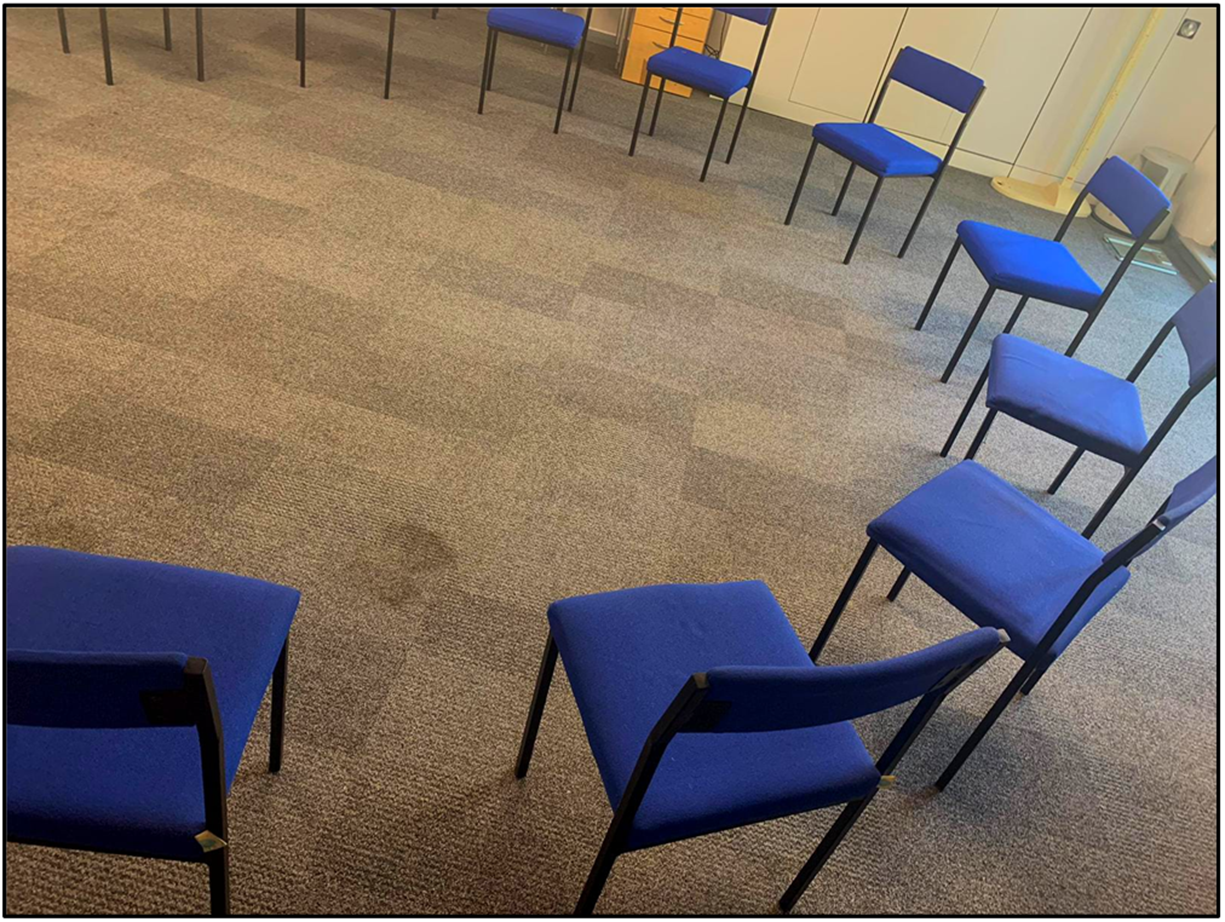
Chairmony of growth. “This photo represents sharing for me. Every chair in this picture represents a person and their individual story. Everybody has different experiences; no experience is the same as another. As you share these experiences, the outcome is something that anybody can take as an example from or something that people can support each other with. For example, something that was helpful or not helpful for a person is shared. It also allows you to try new things. You can feel the support of other people as they share with each other their stories.”
Resilience and faith
Several participants noted the importance of having belief as a facilitating factor in reaching out for support. Dunya captured a photo (Photo 18) regarding the significance of having faith and reflected as follows: The Qur'an here symbolizes faith. The cut tree trunk is the woman. No matter what religion we believe in or which belief system we come from, we can stand against all difficulties thanks to this power within us. The tree cut there symbolizes the lives of women. Every life that begins is wonderfully positive and motivated. This tree was just like that when a sapling started its life. Someone cut it down at some point in its life. Maybe he didn't kill, but he cut off the branches and trunk that she had carefully grown. Like the effects of the various forms of violence experienced by women. That is, the Qur’an where it is broken, that is, everything is possible for people with the belief inside us.

“Telephone; mothers, fathers, brothers, friends, loved ones, warmth, help, telling secrets, sighing, hearing your voice, crying loudly, being with you at the best times, witnessing the hardest moments, putting on a band-aid, ointment for bleeding wounds….”

The Holy Qur'an.
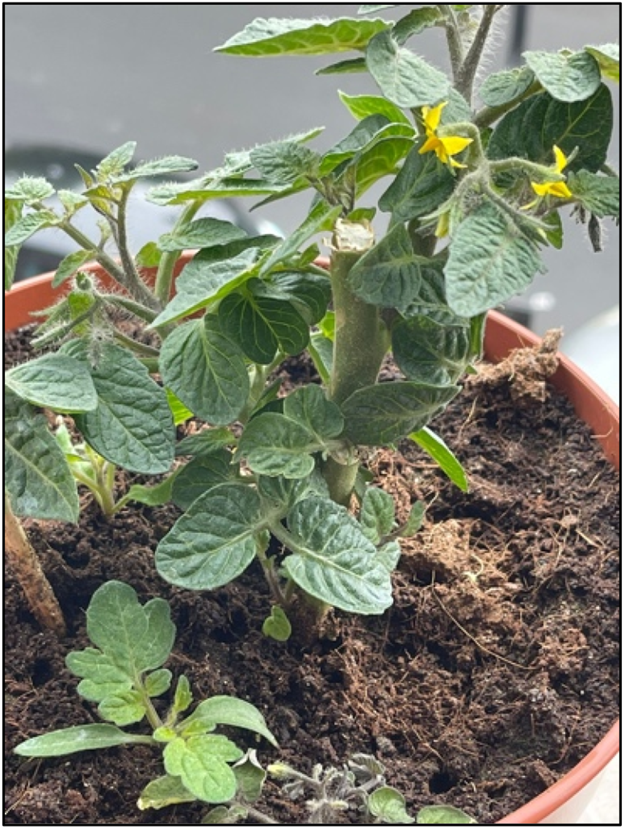
Tomato seedling.
Moreover, Dunya believes that the determination of women will lead to positive outcomes, as illustrated in the photo (Photo 19) below: “That tomato seedling shows the determination and strength of the woman. Because of her nature, a woman creates, produces, and gives birth no matter what the situation is. There are also tiny new seedlings emerging at the bottom. It symbolizes new possibilities and ways that women create for themselves.” According to Dunya, women will be able to continue creating despite challenging circumstances, relying on their internal strength.
Discussion
In this section, we delve into the implications and broader significance of our findings on the perspectives of Turkish women in London, around the barriers and facilitators to accessing and engaging in DV services. Our study highlighted three main themes: “Emotional Impact of DV and Migration,” “Barriers to Accessing Services,” and “Facilitators to Accessing Services.” Among the barriers to accessing services, we found organizational obstacles, cultural and familial influences, as well as individual and practical challenges. In terms of facilitators, participants highlighted state-provided facilities, community support, resilience and faith as key factors that may help women access the services.
Participants highlighted the emotional impact of migration and DV, emphasizing the oppressive emotional toll of abuse compounded by disempowering migration experiences. The despair and hopelessness described critically highlight how intersectional gender and immigrant identities may converge to entrap women in violence. In addition to a higher risk for developing mental health issues (Colucci & Hassan, 2014), for some of these women, suicide may be seen as the only way out (Colucci & Heredia Montesinos, 2013). This phenomenon is also vividly portrayed in a recent visual ethnographic documentary (Colucci, 2025).
The findings unveiled various organizational and systemic obstacles that hinder immigrant women from utilizing essential DV services. According to the study participants, at the forefront of these challenges are language barriers, significantly isolating women and hindering their ability to navigate fundamental aspects of daily life, including healthcare access and comprehension of critical documents. In the harrowing context of DV, these language barriers compound the difficulty for some women to express themselves adequately to professionals in the services. A study by Gangoli et al. (2020) highlights that minority women who are not well-versed with the United Kingdom's legal system often depend on interpreters for communication. However, this reliance on interpreters adds complexity since the translations provided may not accurately convey the true intent and subtleties of the statements made by these women to the authorities. According to our research participants, even when immigrant women manage to articulate themselves accurately to professionals, they may encounter racism, impeding them from being taken seriously or treated on par with native individuals. In a study by Ghafournia and Easteal (2021), they concluded that immigrant women faced significant barriers in seeking help when they experienced racism in refuges, leading to discriminatory consequences.
Participants in the study discussed cultural and familial influences as another barrier to accessing services. Participants noted that there could be pressure from various family members, and that the partners may prevent women from disclosing the violence and reaching out for help. Husbands may use various ways to control women, such as taking away their IDs or passports, or discouraging women to learn the English language. This aligns with Gangoli et al. (2020), who found that some husbands and in-laws employ coercive control and intimidation tactics, such as threatening to send women back to their country of origin, taking their children away from them, or refusing to send their passports to apply for indefinite leave to remain in the United Kingdom. Similar barriers were also identified among Indian immigrant women in Australia using community-based theater, specifically “Forum Theatre” (Colucci et al., 2013; Colucci & O’Connor, 2016; Colucci & Pryor, 2014).
Another important barrier to accessing services is identified as individual and practical challenges. The participants suggested that women may face difficulties adapting to British culture and therefore isolate themselves. Participants suggested that if immigrant women retain their understanding of women's rights from their home country, they may not change their mindset and may continue to perceive violence as normal. Another hurdle involves a lack of economic independence. As noted by Kiamanesh and Hauge (2019), immigrant women, even if highly qualified or professionally accomplished in their home countries, often face obstacles in attaining financial autonomy due to nonrecognition of their qualifications. This circumstance intensifies feelings of powerlessness among some immigrant women.
In addition to the barriers to accessing services, our research participants shared insights into factors that facilitated and encouraged some women to seek help. One of the prominently mentioned facilitators is the provision of facilities by the state. Government policies and resources play a crucial role in supporting women affected by DV, offering secure accommodations, interventions, and legal protections. The sense of security provided by the state acts as an encouragement for women to seek help, knowing that there are legal repercussions for the perpetrators. Other facilitative elements identified are community support and the empowerment derived from resilience and faith. Our participants highlighted that possessing inner strength and belief enables women to surmount any challenge they face. These findings resonate with those reported in Colucci et al. (2013), where empowerment was also fostered through community engagement and participatory methods such as Forum Theater, which created spaces for shared reflection and exploration of responses to DV. In both studies, the importance of culturally competent services was highlighted, with participants indicating that professionals who shared their language and cultural background might be perceived as more approachable and trustworthy. Additionally, access to clear, culturally and linguistically tailored information about legal rights and available services was seen as critical in overcoming misinformation and supporting help-seeking.
Strengths
This study exhibits several notable strengths in its methodological approach and execution. One of its key strengths lies in the combination of visual data collection through photovoice and verbal data via focus group discussions. This dual approach provided rich, multifaceted insights into the thoughts of Turkish immigrant women, capturing both visual and verbal dimensions of their perspectives.
The study's bilingual nature represents another significant strength. Allowing participants to express themselves in their preferred language enabled more nuanced and authentic communication of their views. This methodological choice aligned with the study's findings about language barriers in service access, demonstrating research practice that addressed the very challenges being investigated.
Additionally, the use of an inductive TA approach allowed themes to emerge naturally from the data rather than being predetermined. This methodological choice ensured that the findings genuinely reflected participants’ perspectives rather than being shaped by the researcher assumptions, enhancing the credibility and authenticity of the results.
Finally, the research makes a valuable contribution to addressing a significant knowledge gap, as there is limited existing research on Turkish immigrant women's perspectives on DV services in the U.K. context. The findings provide practical insights that can inform service provision and policy development, making the research not only academically valuable but also practically applicable.
Limitations and Suggestions for Future Research
A significant limitation is that the focus groups were conducted through Zoom. One of the primary reasons for opting for online meetings was the practical consideration of participants’ geographic dispersion. Some participants faced transportation challenges, such as lacking access to personal vehicles or living far from the meeting point. Online meetings provided a convenient and inclusive solution, allowing all participants to join seamlessly without encountering any difficulties. However, it is important to note that conducting the interviews online might have potentially affected the rapport that could have been established in face-to-face interactions and therefore the interview's depth. Furthermore, the participants in the current study lived in Greater London, and it is possible that women living in other parts of the United Kingdom, especially in areas with fewer services, might face additional barriers.
Another limitation is the small sample size, comprising only eight participants. While this aligns with qualitative research standards and allows for in-depth exploration of individual perspectives, it limits the broader applicability of the findings. The perspectives shared in this study do not fully capture the diversity of viewpoints among all Turkish women, particularly those living outside London or in different socioeconomic or cultural contexts. As such, the findings cannot be generalized to the wider population of Turkish women.
In addition to recommending further studies among other Turkish communities in the United Kingdom and with in-depth face-to-face group or individual interviews, an important consideration arising from this study is the challenge posed by the lack of available statistics on DV among Turkish women in London/United Kingdom. One contributing factor to this dearth of data may be the limited options within standard demographic forms for participants to specify their ethnicity. Specifically, these forms often lack a distinct category for Turkish ethnicity, leading many individuals to select broader categories such as “Other White” or simply “Other” when completing demographic information. Future research endeavors could focus on addressing this data gap by advocating for more inclusive ethnicity categories in demographic forms. It would be beneficial to examine whether the underrepresentation of Turkish ethnicity in statistics impacts the allocation of resources and services for this demographic.
Practical Implications
Drawing from the perspectives of the participants, several practical recommendations emerge. First and foremost, it is crucial to increase language support by allocating resources for interpreters in various institutions, from law enforcement to healthcare and social services. Additionally, promoting language learning opportunities for Turkish immigrant women can enhance their independence and integration. Raising awareness through targeted campaigns, in collaboration with community organizations and leaders, including those involved in this study, is essential to inform women about their rights and available services. Furthermore, findings from this research have been shared with the supporting organizations to inform practice and advocate for change. In line with PAR principles, plans are underway to organize a photovoice exhibition within these community spaces, using participants’ contributions to amplify their voices and promote social awareness (le Roux & Palm, 2024). Supporting interpersonal relations among these women, facilitated by community-based organizations, can provide vital spaces for sharing experiences and seeking advice. Lastly, collaborating with other ethnic associations, such as African and Asian women's groups, can expand the network of support, leveraging shared experiences and knowledge.
Conclusion
This study highlights the critical issue of DV among Turkish women in London. The findings reveal multifaceted challenges Turkish women may face in accessing and engaging with DV services, from linguistic and cultural barriers to judgmental attitudes and a lack of awareness. However, sources of support also emerged, including state provisions, community bonds, inner strength, and faith. Ultimately, this research advocates for culturally sensitive and trauma-informed services that address the intersections of gender, culture, language, and migration status. By amplifying these women's voices, the study aims to inspire policies and programs that recognize immigrant survivors’ unique needs.
Supplemental Material
sj-docx-1-vaw-10.1177_10778012251372556 - Supplemental material for Exploring the Perspectives About Barriers and Facilitators to Accessing and Engaging With Domestic Violence Services Among Turkish Immigrant Women: A Photovoice Study
Supplemental material, sj-docx-1-vaw-10.1177_10778012251372556 for Exploring the Perspectives About Barriers and Facilitators to Accessing and Engaging With Domestic Violence Services Among Turkish Immigrant Women: A Photovoice Study by Ozgul Tarakci and Erminia Colucci in Violence Against Women
Footnotes
Acknowledgements
The authors would like to express their sincere gratitude to all participants for contributing their perspectives and permitting the public sharing of their photographs. They also thank Middlesex University for providing institutional support and ethical oversight.

Funding
The authors received no financial support for the research, authorship, and/or publication of this article.
Declaration of Conflicting Interests
The authors declared no potential conflicts of interest with respect to the research, authorship, and/or publication of this article.
Supplemental material
Supplemental material for this article is available online.
Author Biographies
References
Supplementary Material
Please find the following supplemental material available below.
For Open Access articles published under a Creative Commons License, all supplemental material carries the same license as the article it is associated with.
For non-Open Access articles published, all supplemental material carries a non-exclusive license, and permission requests for re-use of supplemental material or any part of supplemental material shall be sent directly to the copyright owner as specified in the copyright notice associated with the article.
