




Abstract
The idea of doing a self-guided series of prompts for a largescale project in the midst of a global pandemic emerged as a solution to the twin problems of distance and distraction. The goal of a “21-day autoethnography challenge” set of self-guided prompts was to build embodied sensibilities toward the material we study, practice autoethnographic forms of writing and analysis, and transform personal experiences through this COVID-19 moment into critical understanding of scale, sensemaking, and relationality of humans, nonhumans, and the planet. This article showcases the prompts to illustrate the method and flexible adaptation required for the project.
Keywords
Has COVID-19 changed how we do social research? Yes and no. While those of us in internet and digital culture studies have faced the challenges—and opportunities—of research in distributed, networked, online, virtual, or otherwise-named non-proximal contexts since the early 1990s, there are some unique qualities to our present circumstances that present challenges for largescale collaborative research.
In this article, we sketch the decision behind using a self-guided “21-day challenge” format and list all the prompts we used for fostering engagement around “Massive and Microscopic Sensemaking in times of COVID-19” project (hereafter, Massive/Micro) between May 18 and June 7, 2020. We do this partly to specify the backdrop against which the authors of this special issue of Qualitative Inquiry were engaging with the topic of the COVID virus as this intersected with the Black Lives Matter protests. In addition, we provide the details of this tool, as well as its iterative design, in case it is useful for other practitioners of arts-based interventions, participatory action research models, design research, or critical pedagogy.
Massive/Micro did not begin as a largescale project, but it was always intended to be collaborative and process- versus outcomes-oriented. When we brainstormed a call for participation, we agreed we did not want to just receive papers, but rather sought to work collaboratively with a group or people, to provide an environment where we could all develop our ideas from start to finish together. That is, we could explore how many of us were probably already doing autoethnography; just not calling it this. We had seen and experienced this for some weeks in the early days of lockdowns in our respective countries, Denmark and Australia. We watched our social media feeds as people shared images, recordings, and texts from their everyday sense making around this pandemic. Many were building naturally toward arguments or statements about larger global issues.
The immediate and overwhelming level of interest was a powerful indicator of how much people really wanted to connect with others to try and make sense of this strange time of global trauma. We received over 150 expressions of interest, from people all over the world, all of whom had unique and poignant stories and vital reasons to conduct this research of their own lived experience. We found ourselves in a position where we could not narrow this group to a select group of 10 or 20 or even 50. The ethic of the moment compelled us to invite all of them to participate.
The idea of doing a self-guided series of prompts emerged as a solution to the twin problems of distance and distraction. While we could have devised many small group collaboration sessions, it was impossible to find times that would work for even small groupings of people. Even our own efforts to meet during this time were hampered by distractions of dealing with setting up logistics for remote work, learning new routines, continuing to meet the demands of our “day jobs,” not to mention the constant hammering impact of globally felt grief and shock. We knew our participant-authors would be feeling the same, if not more impact. So even if we could figure out some groupings for videoconference meetings within time zones, how could we expect people to be able to attend these sessions? These challenges required a creative approach to building a possibility of collective, if not collaborative engagement and participation.
The use of prompts, either at a distance or in physical proximity, has a long history in anthropology and more recently, design fields such as human and computer interaction (HCI). Classically, as a part of interviewing, ethnographers might offer an object or image to elicit comment, spark a memory, encourage people to talk, check that the ethnographer has correctly understood, or get people to elaborate on answers or ideas (for textbook treatment of these techniques in ethnographic interviewing, c.f., Gobo, 2008; Spradley, 1979). Photo elicitation, photo voice method, autophotography, and walking probes (e.g., walk-along or think-along) are all part of this larger tradition, each providing variations on intent and technique. 1 Some practices are simply baked into practices that accompany the ethnographic encounter. Others are more deliberate or conscious, such as Light et al.’s (2018) “walkthrough” method, which is a specific sort of guided tour to help researchers gain granular detail about how people interact with and think about their digital interfaces. In design research, the term “cultural probe” has become the term of choice for a range of related practices. Gaver et al. (1999) proposed this term without reference to the long legacy of visual elicitation frameworks, but with inspiration from the situationist art movement. Their showcase of “packages” for cultural probes helped spark new energy toward creative forms and practices for giving participants in studies some sort of materials that will elicit reflection, thought, and a response for researchers.
Our development of prompts aligns with these legacies but draws on common forms of promoting or sparking engagement in arts-based creative practices such as curating exhibitions in museums, building provocations in theaters, engaging with communities through performative theater of the oppressed, raising public awareness and engagement through arts-based interventions, or designing critical pedagogy.
The “21-day challenge” also riffs off many other types of yoga, meditation, and diet challenges. We decided to send out one prompt daily via social media or email to activate participants in each 24-hr period. The participants used the prompts as provocations to make sense of a range of experiences during COVID-19. The prompts focused on how the pandemic situation could be framed simultaneously or iteratively as “macro” and “micro.” Or, as we repeated in the prompts every day like a mantra: The goal is to build our embodied sensibilities toward the material we study, practice autoethnographic forms of writing and analysis, and transform our personal experiences through this COVID-19 moment into critical understanding of scale, sensemaking, and relationality of humans, nonhumans, and the planet.
The idea was to help ourselves and other participants build a daily habit and also push past existing limits by offering different forms of activities. Each activity might ask the viewer to follow along (like a fitness workout), try something new, accomplish a task, or revisit a previous response with a different prompt. We knew that these prompts would, like any form of routine around method, help researchers:
Stretch unused (or perhaps new) ways of seeing, moving, and knowing, and build our “autoethnographic” muscles.
Focus energy on producing material that is evocative, vivid, and personalized yet at the same time not simply a diary entry.
Practice forms of writing, imaging, or moving that connect and remark on the connections and divergences between the granular and global, massive and micro, everyday and cultural, biological and social, technological and relational.
Engage in activities that help us get into the mind-set of the bricoleur: how writing is not just a reflection of what we already know but a way of coming to know something, how the process of making is the process of sensemaking, or how we are continuously generating layers of data to analyze in how we focus our attention in various ways, in micro moments of everyday life, as well as everyday actions of fieldwork.
Initially, in the spirit of open-ended and nonlinear inquiry practices, we created the prompts as a self-select list, like a menu card, or more precisely in our layout, a bingo card (see Figure 1). People could then pick and choose which prompts they wanted to follow, not restricted to the linear flow we might choose as facilitators. This was not without extensive discussion and deliberation. We brought to this project long and varied experiences in critical pedagogy and performative public engagements. With this experience, we recognized that we would be conceptually and pragmatically trying to accommodate competing demands. On one hand, we wanted to promote a feeling of openness to different forms and processes of knowing. Yet on the other hand, we both had pedagogical models in mind as we built the sequence. And in general, we wanted to be as transparent as possible and make it easy to participate.
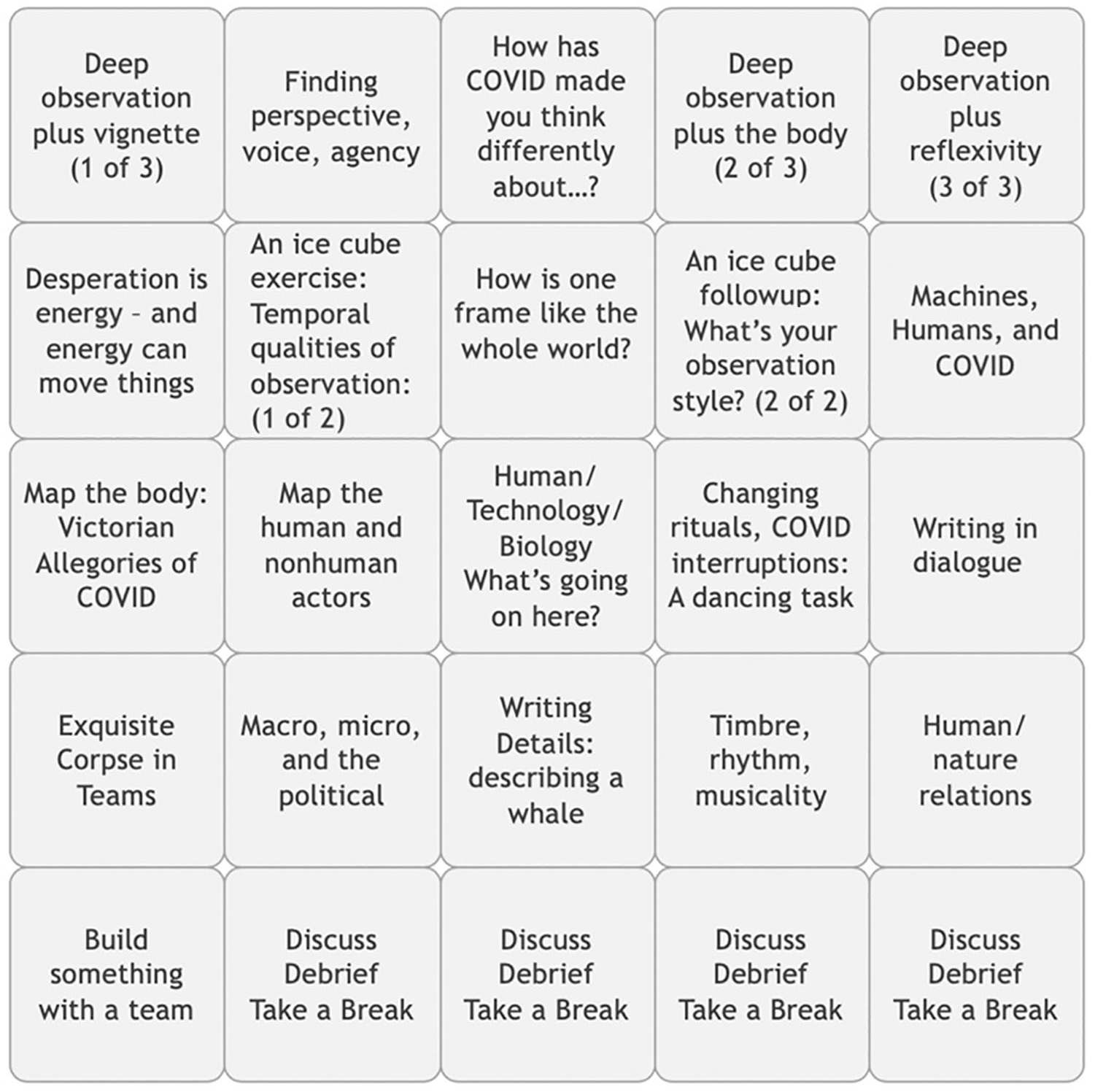
Using a “bingo card” grid format for prompts.
For a time, we took a middle ground stance: We would provide both a sequence and the bingo grid for those who wanted to see all the prompts at once. That way, we could be transparent about the whole thing but still articulate our preferred sequence and build in such things as moving from easier topics to more difficult over time, revisiting earlier prompts to practice iterative sensemaking cycles, and promoting a sense of surprise each day.
On the evening before we launched, we (fortunately) ran into a glitch that caused us to reject the self-select bingo grid: The glitch was that we suddenly felt like we needed to change the first day’s prompt. This jolted us into realizing that we needed to build in the ability to be flexible and adapt to changing circumstances. In retrospect, it seems an obvious choice. But it also emphasizes how being swept along by a planned procedure can create a methodological trajectory that gets in the way of maintaining a stance and state of flexible adaptation. By removing the bingo grid, we were able to better meet the changing needs of the inherently messy context in which we were situated.
The overall process was successful in more ways than we could have imagined. People used these prompts as springboards to dive to more analytical depths in their thinking about everyday life, work, and relationships in a pandemic. Whether they were generating insights for themselves or in anticipation of writing scholarly articles or creating more fully developed artworks, they were for the most part engaged, having fun, working intensely, and building.
We end our discussion here. The remainder of this piece comprises the 21 prompts. To give the reader a sense of the way the style or voice changed over the course of the 21 days, we have left these as close to the original formatting as possible and show images when we used them to accompany our posts (Figures 2-12). For more details about the process and outcomes of the experiment, we refer readers to Markham et al. (2020) as well as the 23 pieces published as part of the special issue of Qualitative Inquiry, or the website chronicling this project: https://futuremaking.space/project/massive_micro/
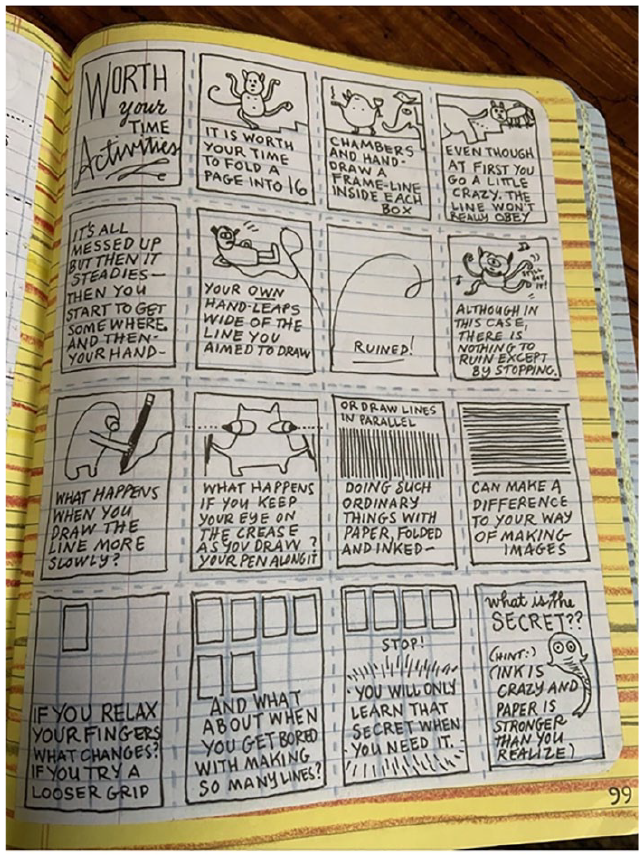
Photograph of a page from Linda Barry’s book, syllabus.
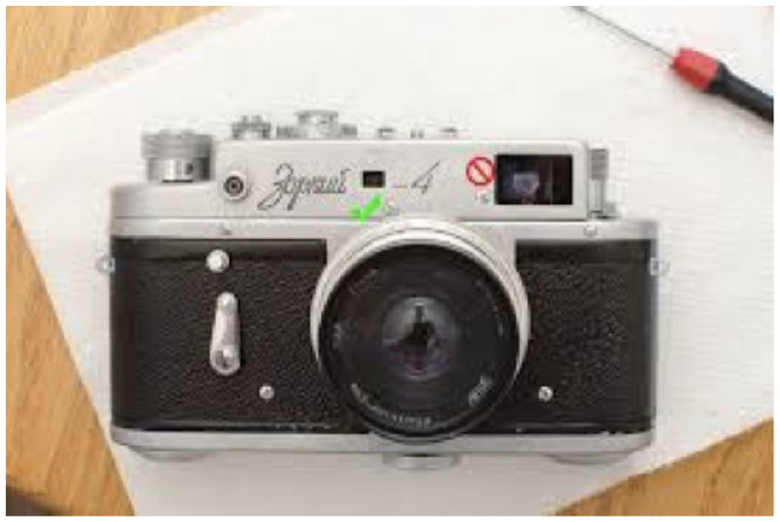
Image of an analog camera.
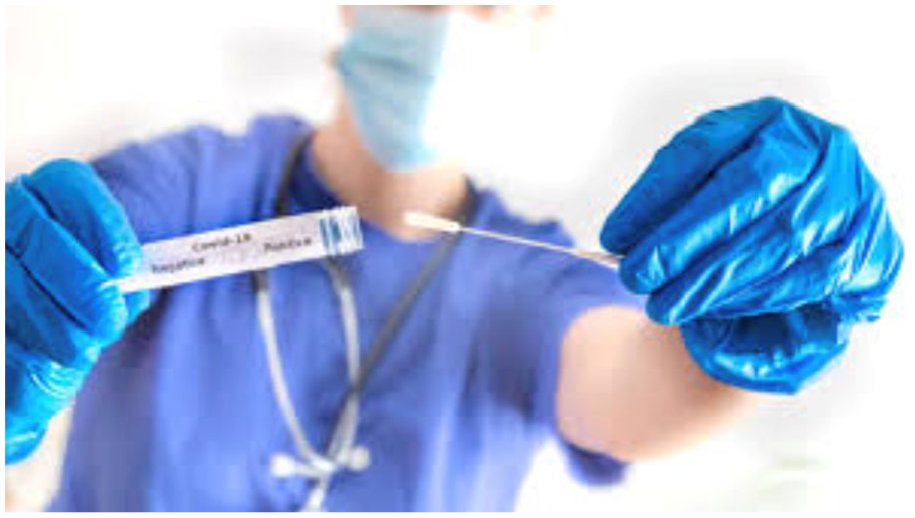
Image of a swab test.
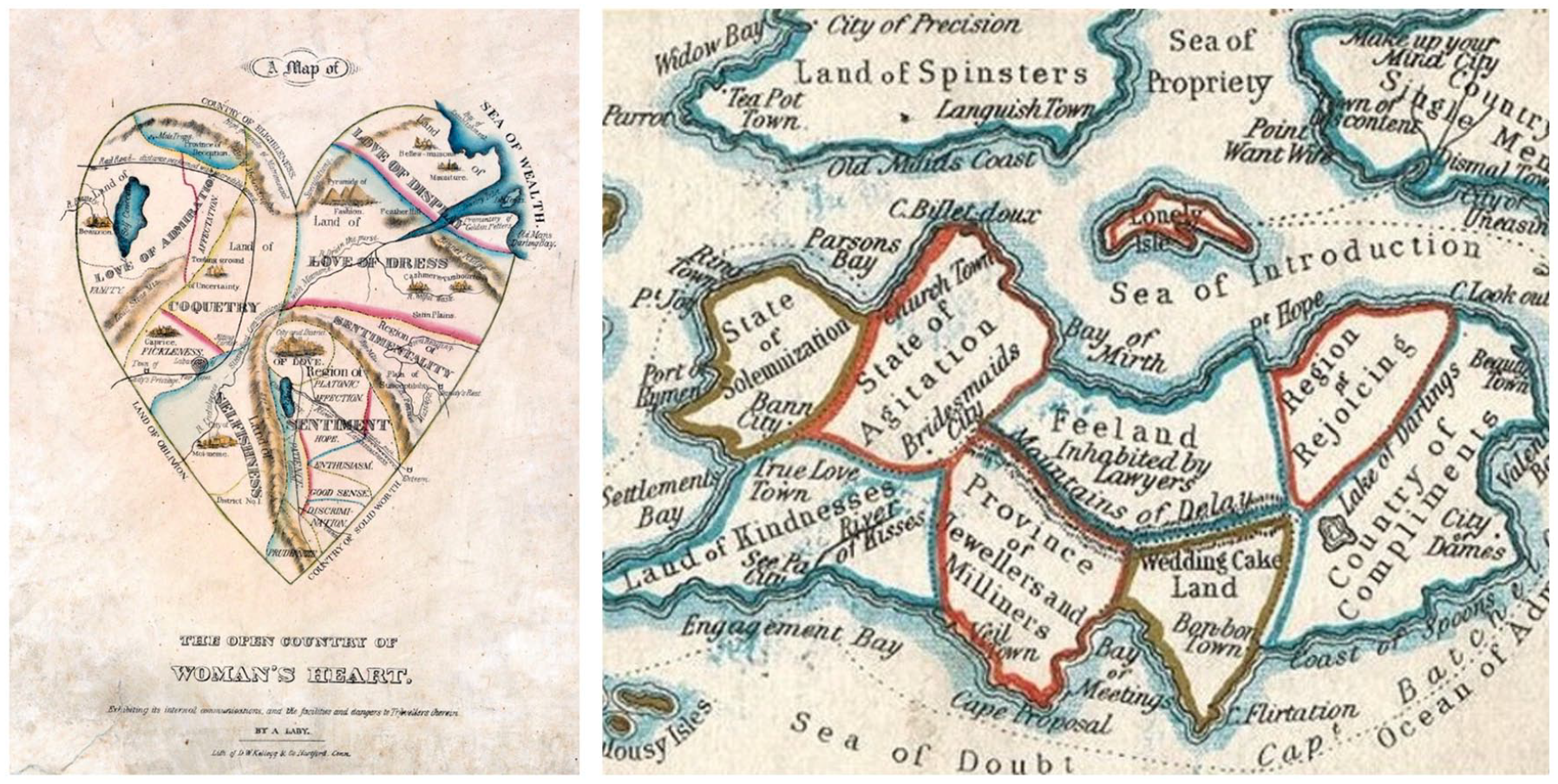
Images of Victorian era allegorical maps.
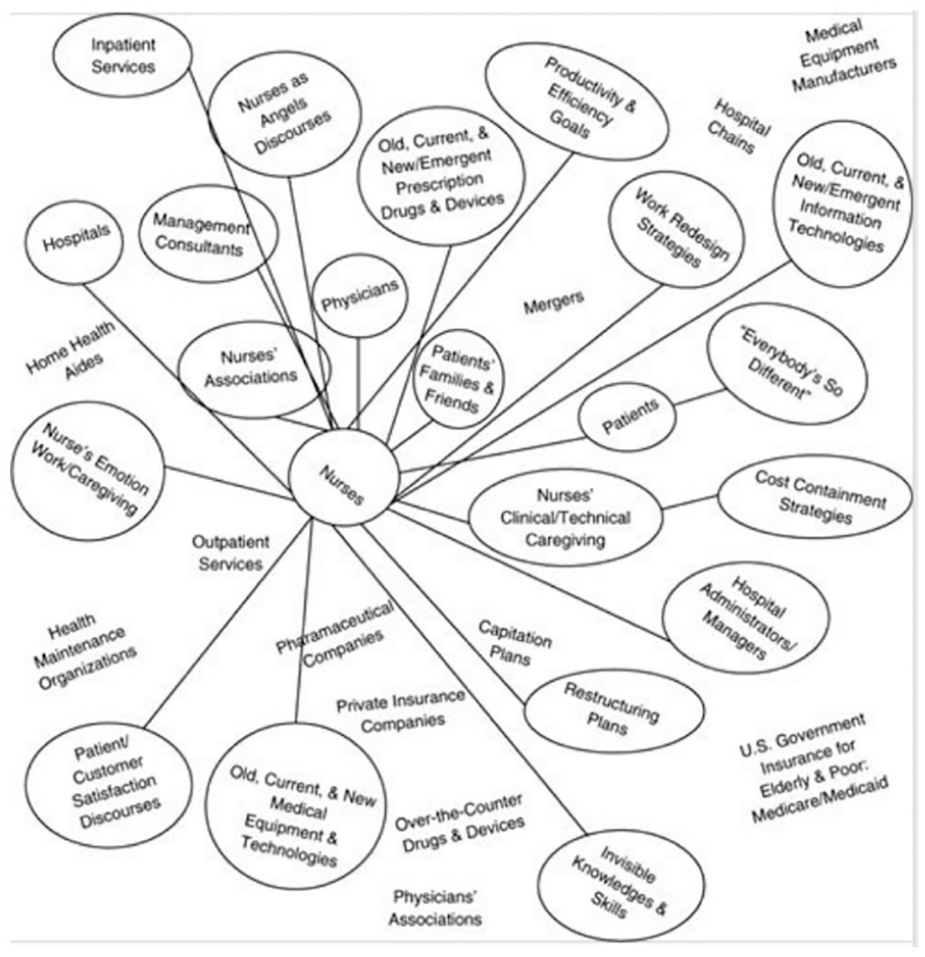
Image of Adele Clarke’s situational maps.
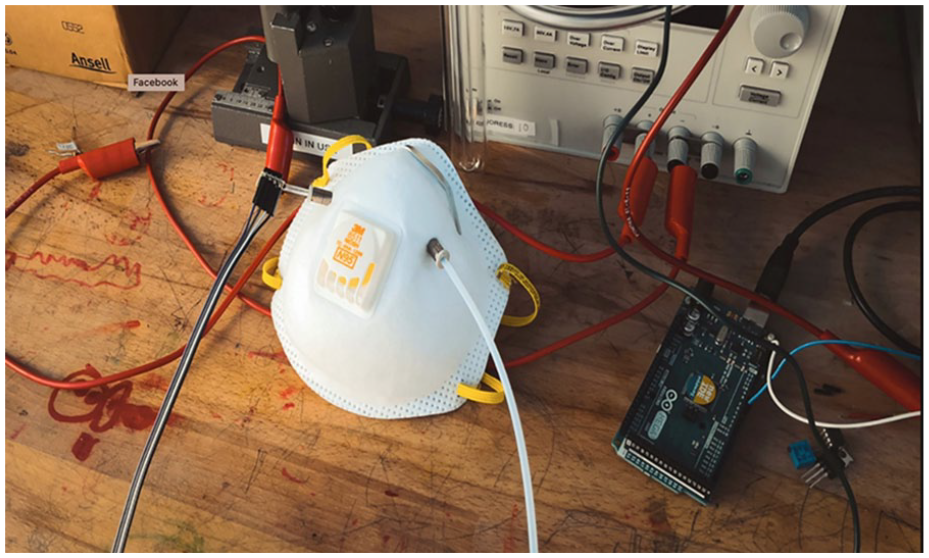
Clipped image of a new mask being developed at Stanford University.
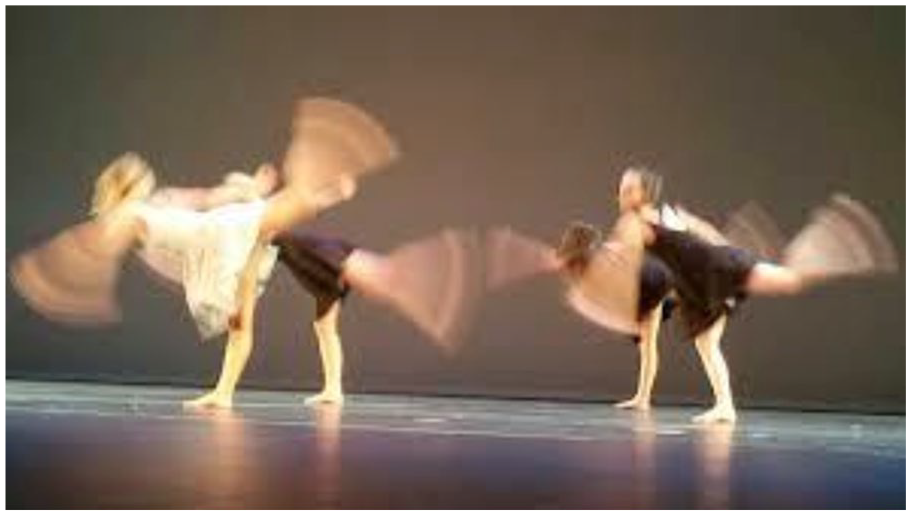
Image of dancers moving on stage.
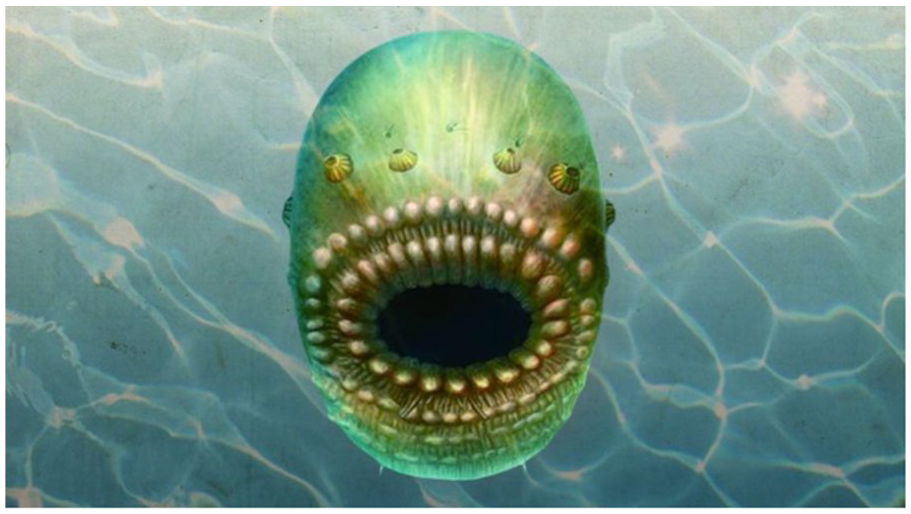
Image of All mouth, no anus (saccorhytus coronarius).
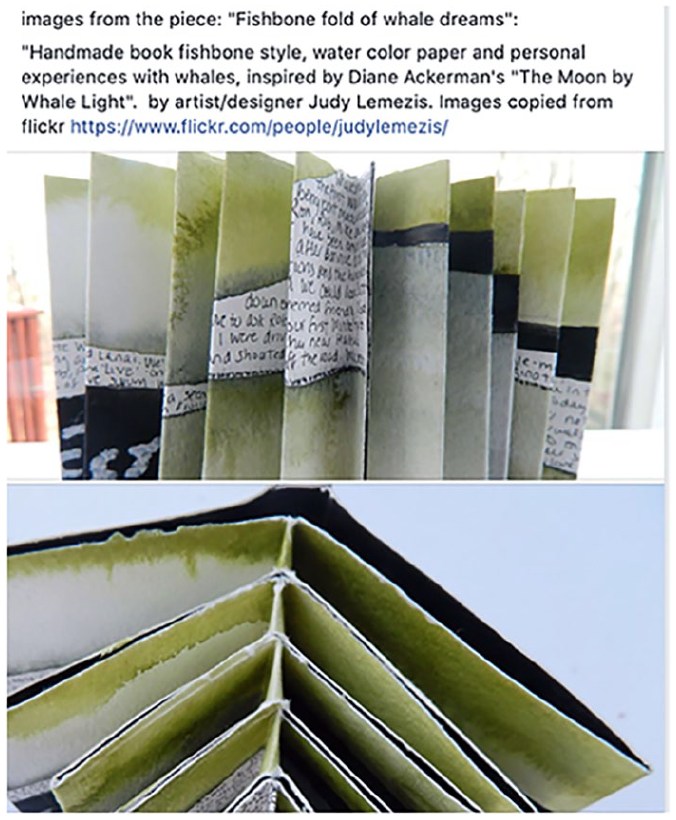
Images from the artwork: Fishbone Fold of Whale Dreams with explanation text.
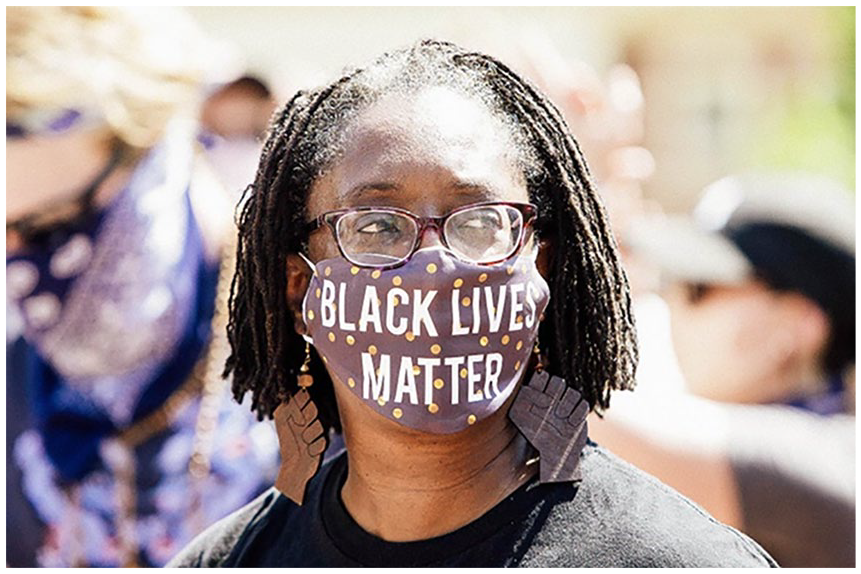
Image of a person wearing a mask with the phrase: Black Lives Matter.
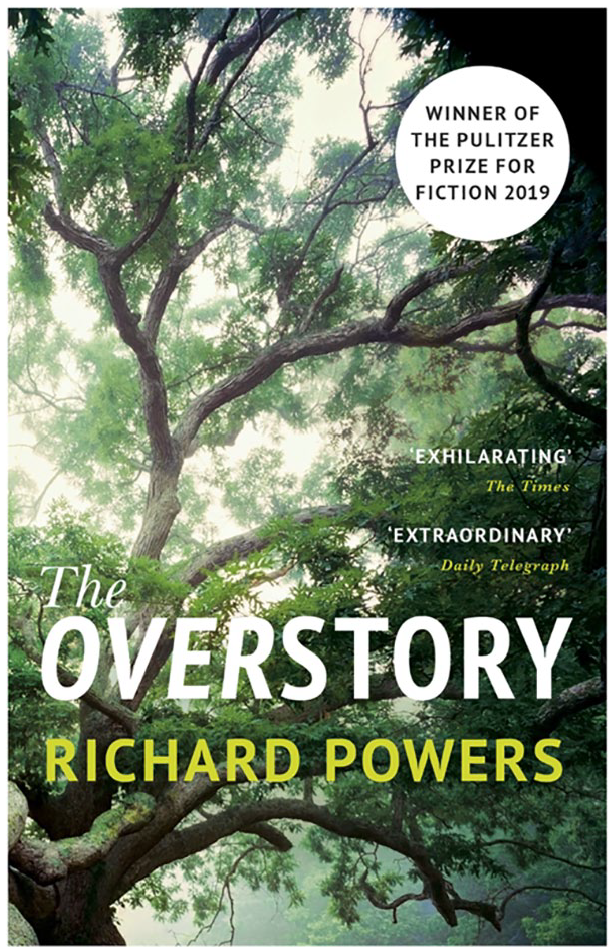
Screenshot of the cover image of the 2018 book The Overstory by Richard Powers.
Welcome to Prompt 1
Welcome to 21 days of autoethnography challenge!
Do you have a dedicated notebook or file/folder for your fieldwork? A special pen?
Are you in a state of readiness? We recommend this easy 11-minute wake up by Yoga w/ Adriene (probably the most popular/promoted in North America even before the pandemic): https://www.youtube.com/watch?v=UEEsdXn8oG8from
Every day, we’ll provide a task or idea for you to consider in relation to the questions we asked in our initial call for participation:
In these times, how are we making sense of the Self, the Other, and the World?
How is COVID-19 helping us think about the relationships between humans, machines, and the planet?
Through this pandemic, how might we understand the relation between massive and microscopic sensibilities and ways of knowing?
You have 24 hr to complete this task. The goal, as we will repeat daily like a mantra, is to build our embodied sensibilities toward the material we study, practice autoethnographic forms of analysis, and transform our personal experiences through this COVID-19 moment into critical understanding of scale, sensemaking, and relationality of humans, nonhumans, and the planet.
***May 18 Prompt***
When is May 18? Where is May 18?
As we begin this 21-day period, how are you situated, temporally as well as physically? Consider the fact that as we write this, countries are opening up. There is an arc to this pandemic, and we’re in the middle of it, trying to explain it.
In Melbourne, where Anne lives, the city is opening up. Two-thirds of the way through this 21-day process, Anne will finally be able to go out and have dinner at a restaurant. In Northern Denmark where Annette writes from, the weather is changing dramatically from winter to spring. At the same time as the windows open, flowers bloom, and days brighten, the lockdown lightens.
Since the original call for the Massive_Micro project came out, things have changed dramatically for all of us. And will continue to change. This strong temporal element is likely working in combination with our physicality, locatedness, and situatedness. This is something to consider on many levels, not least that we are in the middle of a trajectory and that the “sense” we made 3 or 8 weeks ago is not the same “sense” we make today, or will make in other 6 weeks.
Of course, this is always the case. But we suspect that our awareness of this temporality is heightened, whether or not we are thinking directly about it. Our work as a group embarks on a journey that marks a particular temporal moment. And at the same time, these continuing changes in our own daily lives will significantly impact how we have, are, and will respond to the call.
Today, we ask you to consider, by writing in your field journal, how time, as well as our consciousness of it, is influencing our lived experiences and our inquiry processes. In your writing, you might think also about matters of scale and place as these relate to time.
Write at least 750 words but no more than 1200 (approximate, not strict), which is recommended as a good length to get some ideas fleshed out but not too long to burn out.
***End Prompt***
Welcome to Prompt 2
Every day, we’ll provide a task or idea for you to consider in relation to the questions we asked in our initial call for participation:
In these times, how are we making sense of the Self, the Other, and the World?
How is COVID-19 helping us think about the relationships between humans, machines, and the planet?
Through this pandemic, how might we understand the relation between massive and microscopic sensibilities and ways of knowing?
You have 24 hr to complete this task. The goal, as we will repeat daily like a mantra, is to build our embodied sensibilities toward the material we study, practice autoethnographic forms of analysis, and transform our personal experiences through this COVID-19 moment into critical understanding of scale, sensemaking, and relationality of humans, nonhumans, and the planet.
***Today’s Prompt ***
Take photos of the three most intimate/familiar objects in your lockdown. What have you spent the most time with? Write a couple of paragraphs each from the perspective of each object (hint: you do NOT have to be the subject of their attention!). Write in the first person.
***End Prompt***
Welcome to Prompt 3
This project will involve making an exquisite corpse moving image project where four people will work collectively and sequentially to create four videos or image+sound+text works. The project will take approximately a week to complete, so allow yourself enough time to accomplish the work (24 to 48 hr for each stage, depending on time zone differences). Sign up when you’re ready to the list of groups. There, you will find detailed instructions.
The project is a variation on EXC-19, a COVID-19 Exquisite Corpse video project, developed by moving image artist Midi Onodera in March 2020 (and scheduled for completion at the end of May 2020). Please see this video prepared as background: https://play.library.utoronto.ca/a01174072dfac4944c22da97ddee1de3
Readings:
Latimer, Joanna. (2008). Unsettling bodies: Frida Kahlo’s portraits and individuality. Sociological Review, 56(2_suppl), 46–62. https://doi.org/10.1111/j.1467-954X.2009.00815.x
Gotthardt, Alexxa. (2018, August 4). Explaining exquisite corpse: The surrealist drawing game that won’t die. Artsy. https://www.artsy.net/article/artsy-editorial-explaining-exquisite-corpse-surrealist-drawing-game-die
Instructions for making a variation on EXC-19:
After you sign up, and once there are four people in your group, the first person can start by writing down a maximum of 19 words that will become the script for the project you will produce together (suggestions for generating the script are at the bottom of the sign-up list).
The first person sends their words to the second person’s email/name (below them in their group of four on the sign-up list).
The second person on the list shoots some footage or takes some photographs inspired by these words, within 24 hr (which might become 48 hr because of time differences).
When finished, the second person sends the words + footage/images to the third person in their group of four on the sign-up list.
The third person will edit the footage/images together with the words within 24 hr (might become 48 hr). Note: You can use PPT and output it as a timed movie (.mov or .mp4), or any image/video editing software of your choice.
When finished, the third person sends the video they have edited to the fourth person in their group of four.
And this fourth person will create and add a soundtrack or change one final element of the video.
If you all agree, feel free to share the final project among the larger group (we will provide a folder where all the videos can go for viewing).
There’s a suggested process for script writing at the very bottom of the list if you would find this helpful.
Welcome to Day 4
***Today’s Prompt ***
DEEP OBSERVATION: FINDING PERSPECTIVE, VOICE, AGENCY
(1 of 3)
Recall one tiny thing you have done differently (radically differently) since the pandemic started. Write the vignette of that activity, focusing on action, motion, and movement. To get toward the idea of understanding the complexity of the situation around this microscopic element, consider writing the vignette as if for a screenplay for a movie, where your description will be used to guide the director and actors, build the set, and set the scene. (note: additional prompts build on this one)
***End Prompt***
Welcome to Prompt 5
Dear Adventurers,
Thanks for participating in this experience. We hope you feel it unfolding in amazing ways, as we do.
***Friday, May 21, 2020 Prompt # 5 ***
Deep observation plus reflexivity and relevance:
Take some of the ideas, materials, and vignette from Prompt 4. Answer these questions (preferably in writing, no length limit):
So what?
Who cares?
You have 24 hr to complete this task.
(This prompt requires us to make links between the close level observation or descriptions of everyday life and larger concepts, theories, and politics. This is an essential characteristic of most research traditions, but can be a very useful set of questions to ask in autoethnography, since it shifts inquiry to a different register.)
***End Prompt***
Welcome to Prompt 6
Good morning Fellow Travelers! Well you’ve made it to Day 6, and we are so loving being connected in these micro and macro ways. Thank you for engaging in this pando-experiment and opening your minds, hearts, and voices to the daily unknown. We hope you enjoy Prompt 6!
***Today’s Prompt ***
Desperation is Energy and Energy can Move Things
Lorraine Hansberry (1930–1965) was the first African American female (and lesbian) playwright to have a play on Broadway. She died at the age 34 years of pancreatic cancer. Sit for at least 10 min considering this quote from Hansberry, then respond in the first person:
[I am] A fool who believes that death is waste and love is sweet and that the earth turns and men change every day and that rivers run and that people wanna be better than they are and that flowers smell good and that I hurt terribly today, and that hurt is desperation and desperation is—energy and energy can move things . . .
―Lorraine Hansberry, The Sign in Sidney Brusteins’ Window
Write 250 words each on these two related questions: “How has COVID made you or someone you know be better than you were?” and “How has the desperation of COVID 19 become a kind of energy for you that can move things. . .?”
***End Prompt ***
Welcome to Prompt 7 (Sunday, May 24)
***Today’s Prompt ***
Observing, sensing, sensemaking: You’ll need an ice cube
Get an ice cube. If comfortable for you to hold it in your hand, do this, and keep it there until it melts (if not comfortable, it’s fine to place it somewhere it will melt). Don’t look away. When it’s gone, write for 15 min without stopping your typing on a keyboard or lifting the pen from the page.
You have 24 hours to complete this task.
After this, if you want additional prompting, perhaps more related to sonic action/reflection, reflect on what happened (or reflect on this exercise) through this excerpt from Owen Chapman’s 2009 piece. “The Icebreaker: Soundscape Works as Everyday Sound Art.” Organised Sound 14 (1): 83–88.
***End Prompt***
Welcome to Prompt 8 (Monday, May 25)
***Today’s Prompt ***
How can one frame feel like the whole world?
Read this Lynda Barry quote, make a page of comics, and respond to the question/s below:
It is worth your time to fold a page into 16 chambers and hand-draw a frame-line inside each box. Even though at first you go a little crazy. The line won’t really obey. It’s all messed up but then it steadies—then you start to get somewhere. And then your hand, you OWN hand- leaps wide of the line you aimed to draw—ruined!—although in this case, there is nothing to ruin except by stopping. What happens when you draw the line more slowly? What happens if you keep your eye on the crease as you draw? Your pen along it or draw lines in parallel—doing such ordinary things with paper, folded and inked—can make a difference to your way of making images. If you relax your fingers, what changes? If you try a looser grip, and what about when you get bored with making so many lines? Stop! You will only learn that secret when you need it. What is the SECRET? (hint: Ink is crazy and paper is stronger than you realize.
(Lynda Barry, Syllabus 2014, p. 99)
How is one comic frame like the whole world? How can one frozen frame be all of time? How do you live in both at the same time?
***End Prompt ***
Welcome to Prompt 9
Already? We are more than one-third of the way through this experiment!
Every day, we’ll provide a task or idea for you to consider in relation to the questions we asked in our initial call for participation. FEELING PRESSURE?? If you’re feeling pressure to complete these daily prompts, please just skip, pause, ignore, or otherwise make it fun again. We don’t want to add this pressure to your daily life:
***Today’s Prompt ***
Title: The ice cube follow-up: What is your instinctive POV, your observation voice?
This is the second in a 2 part series: the episode with the ice cube (see Prompt 7)
Look at your written notes. Reflect on the following questions and write some fieldnotes in response.
Looking at your notes but also recalling the experience of observing, what moments became notable, marked, worthy of notice? What is your natural writing style: passive or active? first person or third person voice? Scientific, poetic, analytical, descriptive? Do you tend to reflect on what you saw, how the object changed, how it impacted you, how you feel?
***end prompt ***
Welcome to Prompt 10 (May 27)
***Today’s Prompt ***
Thinking about the connections, juxtapositions, relations of machines, humans, COVID.
In your field diary today, think about machines as agentic, technology as relational, automation as mediators.
We provide two starting points, but you may use anything you want for a prompt:
1. “Unknown to us, a little piece of scotch tape had been lodged in the camera gate all day, and when the film came back from the developing laboratory, we saw the imprint of the transparent tape halfway up the lefthand side of the screen throughout the footage” (#14) (Matthew Goulish, 39 Microlectures in proximity of performances, 2000, p. 126).
2. “The test itself is very simple: coat a test tube with a virus “mash” or ideally purified virus components, then add a tiny amount of a very diluted blood sample from the patient and let any antibodies bind to the test tube.”
***End of Prompt ***
Every day, we’ll provide a task or idea for you to consider in relation to the questions we asked in our initial call for participation:
In these times, how are we making sense of the Self, the Other, and the World?
How is COVID-19 helping us think about the relationships between humans, machines, and the planet?
Through this pandemic, how might we understand the relation between massive and microscopic sensibilities and ways of knowing?
You have 24 hr to complete this task. The goal, as we will repeat daily like a mantra, is to build our embodied sensibilities toward the material we study, practice autoethnographic forms of analysis, and transform our personal experiences through this COVID-19 moment into critical understanding of scale, sensemaking, and relationality of humans, nonhumans, and the planet.
Welcome to Prompt 11
***Today’s Prompt ***
Victorian Allegorical maps of COVID
In Victorian times, it was popular to draw maps of the sentiments, or allegorical maps. Here are two examples:
Using this sensibility, draw a map of yourself. Use color, be playful. Over the next few days, build onto this map, or create different variations of this map. You can find many such allegorical maps through google searching.
***end prompt***
For more, read Holman Jones, S. and Harris, A. (2016). “Traveling Skin: A Cartography of the Body” in Liminalities (Special Issue: Cartographies: Skins, Surfaces, and Doings): A Journal of Performance Studies, 12(1), n.p. http://liminalities.net/12-1/
Welcome to Prompt 12 (May 29)
***Today’s Prompt ***
Title: Mapping human and nonhuman actors
This exercise requires paper and pencil to explore human, machinic, and more than human actors in a single COVID-impacted moment. Mapping the situation through techniques like Adele Clarke’s Situational Analysis can help “open up” the situation, finding relevant voices and agency, revealing silences, absences, and other things that lie beyond the boundaries of our observing mind. It is also a good technique for finding complexity by repeatedly mapping elements of situations, without worrying about accuracy or results:
Situational maps lay out the human, nonhuman, discursive, and other elements in the research situation of concern and provoke analyses of relations among them. These maps are intended to capture and discuss the messy complexities of the situation in their dense relations and permutations. They intentionally work against the usual simplifications. . . (Clarke, 2003, p. 559.)
Exercise: Take a single, powerful moment of joy, anger, anxiety, or frustration relevant to your lived experience COVID-19 experience. This could be something you have written about before or used for previous prompts. Create at least three maps using the following instructions:
Map 1: put the name or representation of the moment in the center of a large sheet of paper and circle it. Now, brainstorm (spidergram or concept map fashion) as many human and non human elements you can think of that influenced that moment. No boundary is too far. The reason to use large paper is that if you let your mind be free, you might see that size of text, clustering of words, or distance from one word to another begins to reveal some patterns. (social distancing of words. . .)
Map 2: Take one item randomly from Map 1 and place it in the center of a blank page. Neither losing track of the initial moment nor focusing on the first map too closely, brainstorm again, as with map 1. (the idea is to continue with this, taking different elements but for purposes of thinking about another phase of situational mapping, we move to a different style of map)
Map 3: Center the same thing you did for Map 1. Ask yourself “How did I feel? How do I feel?” Then, on the same map but with a different color of pen/ink, brainstorm “what other feelings or responses (likely) occurred in and around this situation, beyond my own?”
Continue mapping as and if you like, using more of Adele Clarke’s techniques. You might elect to do this now, or later.
**end prompt**
For more of Adele Clarke’s work on situational analysis, start with her
Also see Markham, A., & Lindgren, S. (2014). From object to flow: Network sensibility, symbolic interactionism, and social media. Studies in Symbolic Interaction, 43, 7–41.
https://doi.org/10.1111/10.1108/S0163-239620140000043012 or personal reprint at ResearchGate
For an extremely detailed discussion of the value and practices of concept mapping, see Novak and Cañas https://cmap.ihmc.us/docs/theory-of-concept-maps.php
Welcome to Prompt 13
Title: Biology, technology, human, machine
***Today’s Prompt ***
Look at the following image. It might seem a mundane image in the current flood of imagery around masks. Like any object we might consider as a focus for analytical attention, it can lead us in many directions. Repeating the classic ethnographic question, “What is going on here?” over and over is a good way to dive deeper or reveal more layers of meaning in what we observe, but it is also a useful question for reflecting on how we frame our observations. . . initially, over time, in advance, in retrospect.
Here, we offer a frame to explore the image: Consider it in relation to human/technology/nature relations. At the macro level: what is going on here? At the micro level: what is going on here?
If you want to add context to shift or complexify your reflections, you can read the article where this image was shown: https://engineering.stanford.edu/magazine/article/covid-19-prompts-team-engineers-rethink-humble-face-mask
**end prompt**
Welcome to Prompt 14 (May 31)
***Today’s Prompt ***
Changing rituals, COVID Interruptions: An exercise in Dance:
Dancers are totally governed by ritual. It begins with class from 10:00 A.M. to noon every day, where they stretch and warm up their muscles and put their bodies through the classic dance positions. They do this daily, without fail, because all dancers working in class know that their efforts at strengthening the muscles will armor them against injury in rehearsal or performance. What makes it a ritual is that they do it without questioning the need. (Tharp, Creative Habit, p. 16)
How have your morning rituals/writing rituals changed in the last 2 to three months? What will you do to set up your new rituals from here on in? Take 10 min to dance out your former rituals. Take 10 min to choreograph and then dance your anticipated rituals.
As an aside: this is not about dance, but a nice review of the discussions around the irresolvable challenges of transforming movement to text, or lived bodily experiences and written descriptions about these experiences: Markula, P., & Denison, J. (2000). See spot run: Movement as an object of textual analysis. Qualitative inquiry, 6(3), 406–431.
***End Prompt ***
Welcome to Prompt 15
Hello all,
Today, while parts of the world like the USA seem to be spinning out of control, we thought it might be useful to focus on a prompt that points our thinking toward matters of concern and future-oriented thinking.
***Today’s Prompt ***
Return to prompts 4 (writing the vignette) and 5 (Taking some aspect of the vignette and asking: “So what?” and “Who Cares?”). These two prompts were labeled “Deep observation: Finding perspective, voice, agency.”
As part 3 of this exercise, take another question to heart in your thinking about COVID-19, especially as time passes and lockdowns lift.
“What next?”
Rather than taking this as a straightforward question, consider it through the lens offered by Bruno Latour in 2004 when he insists we rebuild a different sort of critique by moving from “matters of fact” to “matters of concern.”
In thinking about this question of “What next?,” consider: What matters of concern are arising as we live further into this pandemic moment?
As you think about this, look at your responses to Prompts 4 and 5. Consider what concerns were being expressed in your responses? What do your responses indicate or suggest about the immediate or far future? Are these micro concerns or macro concerns? A mix of both? Or an oscillation between the micro and macro?
Reflect on this set of questions, using whatever medium you prefer. You could focus on one matter of concern, or the general trend reflected in your responses to Prompts 4 and 5. If for some reason you don’t want to go back to these, you could return to other material you have produced in the past 2 weeks.
***end prompt***
For Latour’s first mention of “matters of concern,” which has become a common turn of phrase for many scholars since, see:
Latour, B. (2004). Why has critique run out of steam? From matters of fact to matters of concern. Critical Inquiry, 30. Available: http://www.bruno-latour.fr/sites/default/files/89-CRITICAL-INQUIRY-GB.pdf
We hope you are well wherever you are.
Welcome to Prompt 16 (June 2)
Good morning from wintry Melbourne! In the interest of brevity on this 16th day of the experiment, we offer you the following short sharp provocation, care of feminist philosopher Karen Barad:
***Today’s Prompt ***
Perhaps in her most populist flourish, Karen Barad (2012) asks “But what if Nature hirself is a commie, a pervert, or a queer?” (p. 29).
How does this ecological, more-than-human question make you think about nature as having its own agency, or life, in the time of COVID?
Write, dance, sing, or make visual your visceral response to this question.
***End Prompt***
Welcome to Prompt 17 (June 3)
Dear all,
Here we are at Prompt 16. As we make sense of all that is around ous in these times, what are the comparisons and metaphors we draw? Every day, we’ll provide a task or idea for you to consider in relation to the questions we asked in our initial call for participation:
***Today’s Prompt ***
Details: Describing a whale. Three variations
Read the two small excerpts from Diane Ackerman’s book “The moon by whale light.”
Then, think about your own body in the past 6 weeks and try to use Ackerman’s style of comparison or metaphor to build a new descriptive passage or augment any of the existing descriptions you have written in the last 2 weeks.
The vivid and visceral descriptions in autoethnography come from the microscopic attention to particulars. But at the same time, by paying close attention to the bodied self, the boundaries between self and planet can be blurred, questioned. Through this, the relation between the personal and pandemic can perhaps become more clear.
(in the sample, the first two excerpts are from Ackerman (1991), and we provide two other descriptions of marine mammals, a philosopher John Durham Peters, and a classical author: Herman Melville. Just shows different forms of description.)
Be gentle with yourself; these are troubled times.
***End Prompt ***
Welcome to Prompt 18 (June 4)
***Today’s Prompt ***
Micro, macro, and the political
In Melbourne, where Anne lives, there is a Black Lives Matter protest scheduled for Saturday, organized by members of Victoria’s Aboriginal communities in response to the murder of African American George Floyd and the high number of Indigenous deaths in custody here in Australia. The police commissioner’s first comment is that: “it is ‘simply not feasible’ to fine or arrest demonstrators for breaching coronavirus restrictions, particularly given there may be many thousands of people at this protest.” They stressed the importance of the protest remaining “peaceful,” stating “The only form of legitimate protest is a peaceful protest,” he said.
Write 500 words on how the intersection of COVID 19 and the current protests have brought the macro and the micro together in stark and perhaps new ways.
***End Prompt ***
Welcome to Prompt 19
With recognition that these last three prompts may not be the highest priority for you, we continue with the final three.
It’s worth noting that in any 21-day challenge, there is a stronger feeling of fatigue, a loss of energy for these last three prompts. This natural fatigue is exacerbated by current events.
***Today’s Prompt ***
Timbre, rhythm, musicality
Take any moment in the past 8 weeks and consider it through the lens of a musical genre or type of musical instrument. Write a description of this moment in the style of the instrument or genre you selected.
Calling it a “writing” assignment is deliberate. While you might elect to not write, writing forces us to confront the challenges of translating the nonverbal, affective, rhythmic, to the verbal. Using pen/paper for this exercise enables you to use the canvas presented by the page as a way to convey sound, rhythm, timbre, melody, percussives.
On Rhythm: much has been written on rhythm, often invoking and building on Lefebvre’s work on rhythm analysis. If you’re familiar with this concept, you likely have your own favorite resources. If you don’t, you might like this summary/intro of rhythm and microscopic everyday interaction: https://rhuthmos.eu/spip.php?article1813
***End Prompt ***
Welcome to Prompt 20 (June 6)
***Today’s Prompt ***
Title: Agency of more than human entities, forces in this event
Reminder: You can use any genre, format, or medium for this reflection. As you move through your day, consider also this excerpt from the book, “the Overstory”:
Then, in a park above a western city after dusk, the air is raining messages. A woman sits on the ground, leaning against a pine. Its bark presses hard against her back, as hard as life. Its needles scent the air and a force hums in the heart of the wood. Her ears tune down to the lowest frequencies. The tree is saying things, in words before words.
It says: Sun and water are questions endlessly worth answering.
It says: A good answer must be reinvented many times, from scratch.
It says: Every piece of earth needs a new way to grip it. There are more ways to branch than any cedar pencil will ever find. A thing can travel everywhere, just by holding still.
The woman does exactly that. Signals rain down around her like seeds. Talk runs far afield tonight. The bends in the alders speak of long-ago disasters. Spikes of pale chinquapin flowers shake down their pollen; soon they will turn into spiny fruits. Poplars repeat the wind’s gossip. Persimmons and walnuts set out their bribes and rowans their blood-red clusters. Ancient oaks wave prophecies of future weather. The several hundred kinds of hawthorn laugh at the single name they’re forced to share. Laurels insist that even death is nothing to lose sleep over.
Something in the air’s scent commands the woman: Close your eyes and think of willow. The weeping you see will be wrong. Picture an acacia thorn. Nothing in your thought will be sharp enough. What hovers right above you? What floats over your head right now—now?
Trees even farther away join in: All the ways you imagine us—bewitched mangroves up on stilts, a nutmeg’s inverted spade, gnarled baja elephant trunks, the straight-up missile of a sal—are always amputations. Your kind never sees us whole. You miss the half of it, and more. There’s always as much belowground as above.
That’s the trouble with people, their root problem. Life runs alongside them, unseen. Right here, right next. Creating the soil. Cycling water. Trading in nutrients. Making weather. Building atmosphere. Feeding and curing and sheltering more kinds of creatures than people know how to count.
A chorus of living wood sings to the woman: If your mind were only a slightly greener thing, we’d drown you in meaning.
The pine she leans against says: Listen. There’s something you need to hear.”
Powers, Richard. (2018). The Overstory. Norton.
*winner of the Pulitzer Prize for Fiction 2019.
***End Prompt ***
Welcome to Prompt 21
Today, we reach the end of our 21 prompts. This is not the end of our collaboration, by any means, but we wanted to take the opportunity offer our congratulations and gratitude.
Congrats! Seriously, congratulations for making it through, sticking with the experimental nature of this “21-day challenge,” and embracing this project. We are living in a very interesting historical moment, to say the least. And 4 weeks ago, when you committed to these 21 days, the world was different. So if you are here, and completed even a fraction of these prompts, you should consider it a success!
Also, we want to express our deep gratitude to you. Thank you so much! Your energy and contributions have been astonishing, fun, poignant, brilliant—oh, so brilliant!—and more meaningful than we could ever express. We hope you also felt it was meaningful and fruitful.
Early next week, we will send out information about the next steps. There will be another Call for Proposals/Papers for Qualitative Inquiry, and more information about submitting artworks for exhibition. But we will also invite you to participate in timezone-appropriate group chats with small groups of participants to talk about what happened, how your work is shifting or progressing, and to help brainstorm what would be most useful for you, in terms of publications, outlets, collaborations, and so on.
***Today’s Prompt ***
“What’s going on here?”
Find at least two other people in the group to address the question: “What is going on here?”
This is a classic ethnographic question. It is a question that seems simple but relies on immersion and “thick” understanding of the cultural situation to answer. It is a question that asks the researcher to move past simply describing what’s presently happening, to consider what these particularities of the situation mean, at a more abstract, cultural level.
In this activity, you should make a final performance with your group, in whatever way you choose. Post for the whole group on the mailing list. Please use the mailing list for sharing your team’s product(ion), since this is the only place where all the participants have access.
To find others, you can use the abstract list on google
https://docs.google.com/document/d/1vi-wczQdQ1o8ItvqrJ3KVIacdtPLtfsvmczqfgkp8vU/edit?usp=sharing
or make a shout-out on the mailing list. Don’t be shy!!
or explore names from the exquisite corpse list from Prompt 3, here: https://docs.google.com/document/d/12zl5lgb0ogAIBSxlinSCDyvUU3rUoORWuEk3OXxvCkM/edit?usp=sharing
You have 24 hr to find a team. And 48 hr to make a “performance” to share. This need not be long or complicated, but it is intended to help us make another effort to get to know each other and share some thoughts.
***End Prompt ***
Footnotes
Authors’ Note
Annette Markham is currently affiliated with RMIT University, Melbourne, Victoria, Australia.
Declaration of Conflicting Interests
The author(s) declared no potential conflicts of interest with respect to the research, authorship, and/or publication of this article.
Funding
The author(s) received no financial support for the research, authorship, and/or publication of this article.
Notes
Author Biographies
Annette Markham is internationally recognized for developing innovative frameworks for rethinking ethics and research design in the age of digital transformations. Her recent work considers the personal impact of datafication and the influence of algorithms and machine learning on human-machine interactions and relations. Her critical approaches often take the shape of public facing experiments and interventions, such as the Museum of Random Memory arts-based digital literacy series and the annual Skagen Institute, dedicated to exploring the ideas and practices of transgressive methods. She currently holds a Professorship at RMIT University in Melbourne. Learn more at annettemarkham.com
