




Abstract
Child maltreatment poses serious consequences, while sports participation among adolescents offers a potential avenue for mitigating such consequences. This study, based on self-determination theory (SDT), examines the associations among child maltreatment, sports motivation (intrinsic and extrinsic), and satisfaction or frustration of basic psychological needs (BPNs). This study also investigated the mediating role of sports motivation in the relationship between child maltreatment and psychological adaptation. Adolescents engaged in sports were derived from the first wave of a large two-wave study (wave 1: n = 1403; wave 2: n = 618) using data on child maltreatment, intrinsic and extrinsic motivation, and satisfaction and frustration of within the sports context. Subsequently, data on psychological adaptation, including self-esteem and satisfaction with life, were collected during the second wave. Path analyses revealed satisfaction and frustration of BPNs as significant mediators in the relationship between child maltreatment and sports motivation. In addition, intrinsic motivation mediated the relationship between child maltreatment and psychological adaptation after 18 months. Specifically, the results indicated that enhancing intrinsic motivation in adolescents with a history of child maltreatment by improving satisfaction of BPNs could be an innovative intervention target.
Keywords
Introduction
Child maltreatment is a pervasive and pressing social issue that affects nearly 40% of adults worldwide who experienced at least one form of maltreatment before the age of 18 years (WHO, 2019). These early adverse experiences lead to long-term negative health outcomes that can persist into adulthood (Hughes et al., 2017). Although several studies reported these adverse outcomes, an urgent need continues to exist for research to identify and promote factors that can mitigate or prevent them, as well as to improve psychological adaptation in adolescents with a history of maltreatment (Hughes et al., 2017). Among these factors, scholars have proposed sport participation (Easterlin et al., 2019); however, less is known about how it can protect children from adverse outcomes. Therefore, the current study examined if sports motivation and psychological needs mediate the relationship between child maltreatment and psychological adaptation.
The World Health Organization (2022) defines child maltreatment as follows: all forms of physical and/or emotional ill-treatment, sexual abuse, neglect or negligent treatment or commercial or other exploitation, resulting in actual or potential harm to the child’s health, survival, development or dignity in the context of a relationship of responsibility, trust or power.
Individuals who experienced maltreatment during childhood typically face challenges in their social lives such as insecure attachment and relational difficulties (Dion et al., 2019; Handley et al., 2019). Child maltreatment may lead to various and different negative outcomes such as depression, anxiety, personality disturbance, eating disorders, and substance abuse disorders (Afifi et al., 2017; Hughes et al., 2017; Mason et al., 2022; Strathearn et al., 2020). As such, it is considered a general risk factor for short- and long-term issues in psychological adaptation (Gilbert et al., 2009; Maniglio, 2009). Child maltreatment is also negatively associated with two global indicators of psychological adaptation, namely, self-esteem and life satisfaction (Herrenkohl et al., 2012; Zhang et al., 2022). Self-esteem is defined as the overall sense of self-worth or personal value of individuals (Du et al., 2017), while life satisfaction reflects one’s assessment of satisfaction with one’s life (Diener et al., 1985). Nonetheless, children who experienced maltreatment may not exhibit mental health problems; instead, they may positively adapt (Daigneault et al., 2007; Hébert et al., 2014).
Participating in sports, particularly during adolescence, offers a promising avenue for enabling adolescents to adapt better. In a recent meta-analysis, Panza et al. (2020) concluded that a negative relationship exists between sports participation and depressive and anxiety symptoms. In a subsequent study, Carter et al. (2023) was unable to identify an association between sports participation and internalizing symptoms (i.e., depressive, anxious, and somatic symptoms) in youth. However, the subjective perception of competence emerged as a robust predictor of lower levels of internalizing symptoms among girls. Moreover, engagement in sports during adolescence consistently correlated with positive psychological and social outcomes, such as improved mood, enhanced social interactions, and increased well-being, including aspects such as self-esteem and life satisfaction (Eime et al., 2013; Guddal et al., 2019; Super et al., 2018). Alternatively, Easterlin et al. (2019) examined the relationship between team sports participation and the long-term outcomes of mental health among individuals who experienced adverse childhood experiences, including child maltreatment. The findings revealed that team sports participation was associated with a reduced odd of receiving a later diagnosis of depression and anxiety. This result suggests a potential buffering effect of sports participation against negative psychological outcomes in these individuals.
Several studies included motivation as a pivotal factor for investigating study sports participation and its positive and negative impacts. Self-determination theory (SDT) is a well-known theory of motivation that has been utilized within the realm of sports for many years (Standage, 2023). SDT posits a continuum of motivation, which ranges from extrinsic (i.e., driven by external rewards, guilt, or approval from others) to intrinsic (i.e., driven by interest, curiosity, and pleasure). This continuum represents varying levels of motivation regulation (from external control to the achievement of greater autonomy in regulation). Apart from this continuum, SDT includes amotivation, which refers to the lack of motivation and withdrawal from activities and is characterized by the absence of motivation regulation. SDT can provide a valuable theoretical framework for understanding the potential relationship between participation in sports and psychological well-being, which, thereby, reduces the potential negative consequences of child maltreatment. Previous research grounded in SDT consistently demonstrated that high levels of intrinsic motivation in sports are associated with more favorable outcomes, including increased well-being and reduced ill-being, and an increased intention to persevere in sports (Healy et al., 2020; Keshtidar & Behzadnia, 2017; Stenling et al., 2015). Conversely, low levels of intrinsic motivation and high levels of extrinsic motivation in sports were linked to negative outcomes such as negative affect (Mouratidis et al., 2008; Thørgersen-Ntoumani & Ntoumanis, 2006), burnout (De Francisco et al., 2020; Jowett et al., 2013), low levels of self-esteem (Thørgersen-Ntoumani & Ntoumanis, 2006), poor health-related quality of life (Standage et al., 2012), and continued ill-being (Stenling et al., 2017). Taken together, these results in adolescents and adults imply that intrinsic motivation should drive engagement in sports to yield positive benefits later in life.
Within the framework of SDT, basic psychological need (BPN) theory posits that the satisfaction of three universal basic needs—autonomy (sense of independence, integrity, and choice), competence (feeling of effectiveness, mastery, and skillfulness), and relatedness (experience of connecting with others, feeling valued, and receiving care in relationships with others)—is crucial for intrinsic motivation and psychological well-being (Ryan & Deci, 2000). Dissatisfaction or frustration of these BPNs has been associated with negative outcomes in people engaging in sports (i.e., competitively or recreationally), including burnout symptoms, psychological and emotional exhaustion, and more negative affect (Adie et al., 2008; Daniels et al., 2021; Warburton et al., 2020). Furthermore, the level of satisfaction and frustration of these needs is intricately linked with motivation with satisfaction strongly associated with intrinsic motivation, while frustration is associated with extrinsic motivation (Ryan & Deci, 2017). Therefore, previous scholars called for the simultaneous and comprehensive examination of the satisfaction and frustration of BPNs, because they are considered related, yet distinct concepts with diverse outcomes (Bartholomew et al., 2011; Vansteenkiste & Ryan, 2013). In addition, in the context of sports, many studies emphasized the significance of fostering the satisfaction of BPNs to thrive and derive benefits from sports (e.g., Brown et al., 2021; Gaudreau et al., 2009). Social and environmental factors, such as climate, can affect the satisfaction/frustration of BPNs and intrinsic motivation. For example, findings indicate that a climate supportive of autonomy is linked to high levels of intrinsic motivation, BPN satisfaction, and overall well-being, in contrast to a climate characterized by controlling behaviors (for a systematic review, refer to Mossman et al., 2022).
Sports is a context in which children can gain access to caring adults (relatedness), opportunities to improve skills (competence), and opportunities to make choices (autonomy), which can improve psychological needs. However, children with experience of maltreatment may pose different needs or levels of BPNs compared with peers before entering this environment. Childhood maltreatment typically occurs in a suboptimal family or social climate that fails to fulfill the fundamental needs of children (Gonzalez et al., 2023; Wong et al., 2022). Prior research in adolescents in other domains unveiled the negative association between child maltreatment and satisfaction of BPNs (Geng et al., 2022; Gu et al., 2023). When these needs are fulfilled through sports, participants can experience positive outcomes and high levels of intrinsic motivation, which are indicative of protective factors for well-being and psychological adaptation. Conversely, in the absence of these factors, individuals may experience a negative sports environment, which exacerbates risk factors, including those potentially associated with child maltreatment. Previous studies that explored the links between experiences of child maltreatment and SDT-related factors within the context of sports, which simultaneously encompass BPNs and motivation, are lacking.
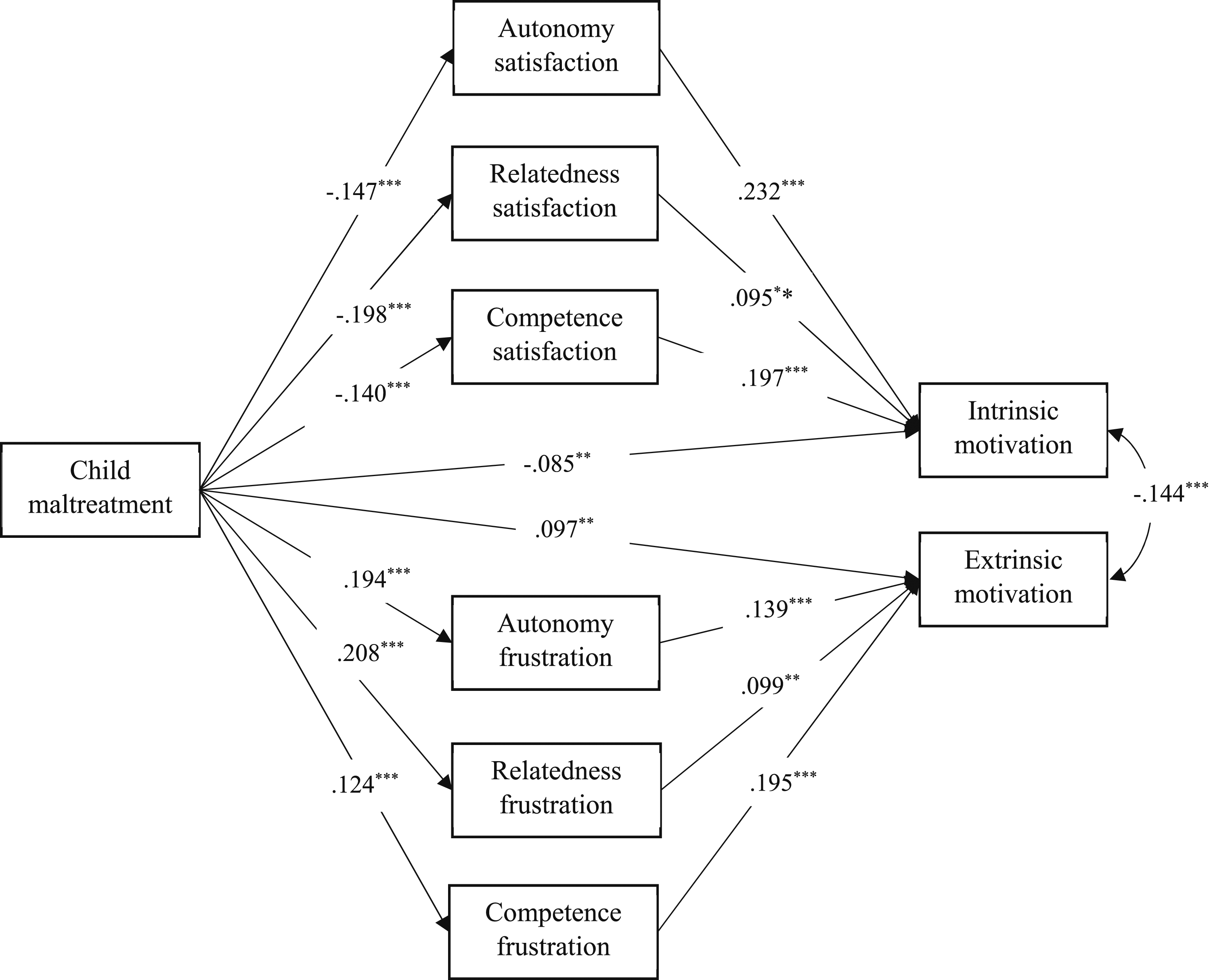
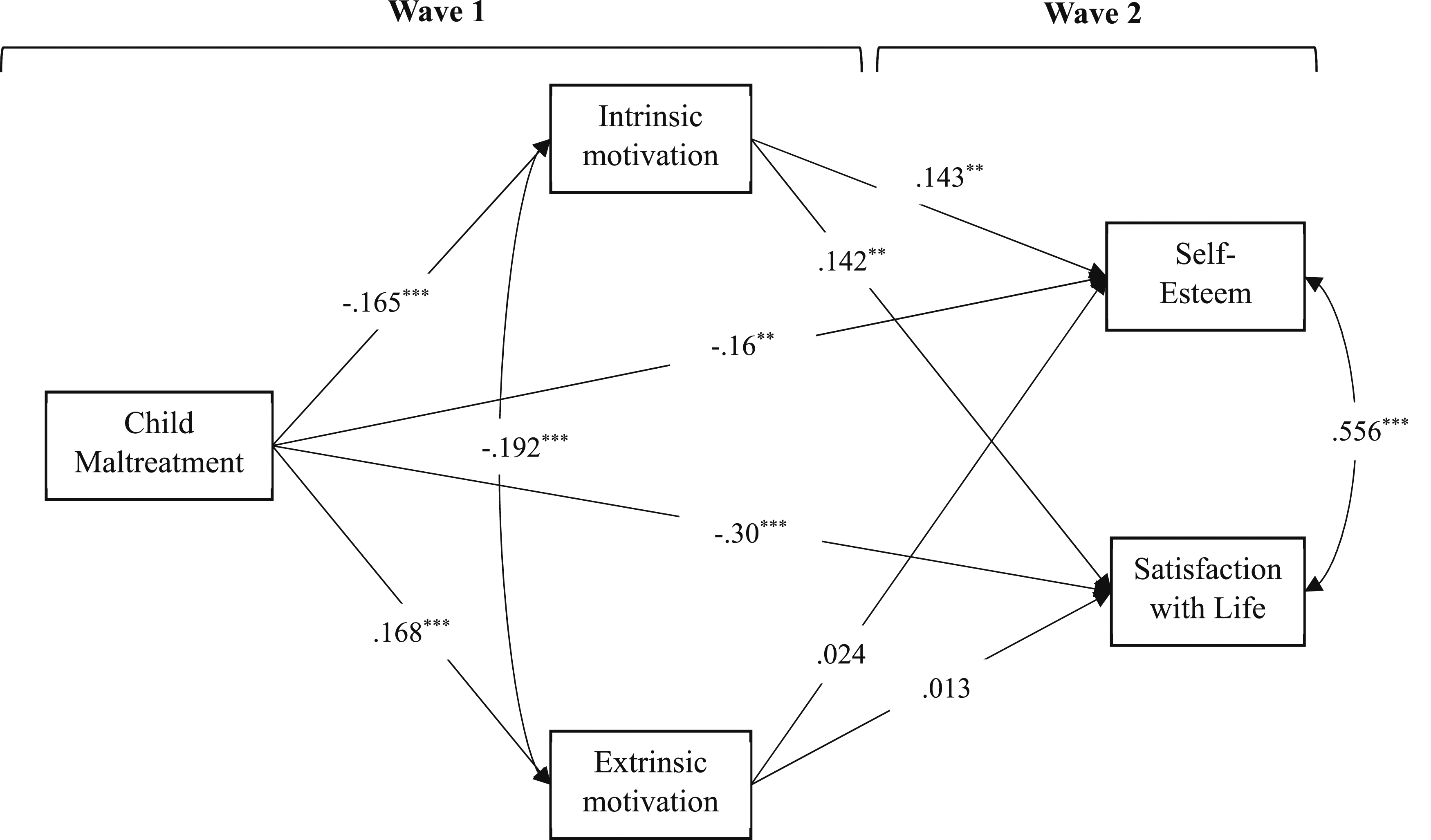
In summary, the notion that individuals with a history of maltreatment are more likely to experience subsequent psychological maladaptation is well-established (e.g., Hughes et al., 2017; Mason et al., 2022; Strathearn et al., 2020), while sports participation is linked to improved psychological adaptation (e.g., Eime et al., 2013; Super et al., 2018). Sports participation can serve as a protective factor by facilitating access to BPNs, including relatedness, autonomy, and competence. When these needs are met, then individuals can subsequently experience high levels of intrinsic motivation and protective outcomes such as enhanced persistence and psychological adaptation or well-being (Standage, 2023). The present study aimed to answer the questions of whether or not adolescents with a history of child maltreatment report different levels of BPNs and sports motivations and whether or not these motivations mediate the association between child maltreatment and psychological adaptation. To answer these questions and provide precise recommendations for the promotion of sports among youth with experience of maltreatment (e.g., implementing trauma-informed practices within the sports context), gaining an in-depth understanding of their typical patterns of engagement in sports, particularly in relation to motivation and psychological needs, is essential. The objectives of the study are as follows: (1) to compare participants with and without history of child maltreatment in terms of SDT factors within the contexts of sports and psychological adaptation; (2) to test a cross-sectional model for determining whether experiences of child maltreatment are linked to patterns of sports motivation (intrinsic and extrinsic) and whether or not the satisfaction and frustration of BPNs mediate this relationship, as posited in SDT (Figure 1); and (3) to prospectively investigate the mediating role of sports motivation (intrinsic and extrinsic) in the relationship between experiences of child maltreatment and outcomes of psychological adaptation 18 months later (Figure 2). Mediational role of basic psychological needs satisfaction and frustration in the relationship between child maltreatment and sports motivations. Note: Standardized regression coefficients are presented. Correlations between all basic psychological needs satisfaction and frustration were included in the model. They were excluded from the figure for the sake of clarity. ***p < .001; **p < .01. Longitudinal pathways between child maltreatment, motivations, and indicators of psychological adaptation. Note: Standardized coefficients are presented. ***p < .001; **p < .01; *p < .05.
Methods
Participants
The sample was retrieved from a longitudinal sample of school-going adolescents that underwent two waves of data collection (wave 1: n = 1802; wave 2: n = 825; between October 2019 and June 2021). Given the objectives, the study recruited only participants who reported engaging in sports during the first wave (i.e., those who answered “yes” to the question: “Do you participate in one or multiple sports?”). Those who responded “no” or omitted an answer were excluded. Thus, the sample for the first wave included 1403 participants aged between 14 and 18 years (M = 14.69; SD = .81) in which 39.7% identify as girls (n = 557), 57.4% as boys (n = 806), 1.2% as nonbinary, gender fluid, two-spirit, or “other” (n = 17), and 2.1% did not answer the question regarding gender (n = 23). The majority of participants identified as Québécois (65.7%), 9.3% as Canadian, and 23.4% identified with other cultures (including American, East and West European, African, Asian, Middle Eastern, Latin/South American, indigenous, or others). The sample from the second wave included 618 adolescents aged between 15 and 19 years (M = 15.81; SD = .71) with 49.4% identifying as girls (n = 305), 48.7% as boys (n = 301), and .7% as nonbinary, gender fluid, two-spirit, or “other” (n = 4). According to cultural identities, the percentages remained similar to those in the first wave. Notably, for the second wave, one of the schools that were initially recruited refused to participate due to the COVID-19 pandemic and related restrictions. This school included 412 participants who completed the first (22.9% of the initial sample) but not the second wave. Although the other schools participated in wave 2, we noted attrition, because an uneven number of participants changed schools, were absent during the day of the data collection for different reasons (ex., sickness, sports tournaments), or we were unable to match them.
Attrition analyses revealed that 45.2% of girls (n = 252), 62.7% of boys (n = 505), and 76.5% of participants with other gender identities (n = 13), did not participate in the second wave. Compared with those who remained in the study, the participants who dropped out after the first wave reported significantly more experiences of childhood maltreatment, higher levels of extrinsic motivation, and lower levels of autonomy satisfaction and satisfaction with life. However, these differences exerted small effect sizes. 1
Procedure
The participants were recruited within six Canadian schools from urban, semi-urban, and rural areas and from various socioeconomic backgrounds, to obtain a diversified sample. We contacted seven school principals from various areas in the Province of Quebec to participate. After giving them a detailed explanation of the research project, six agreed to involve their students. These schools represented various socioeconomic backgrounds: two, one, and three schools were considered low, middle, and high SES, respectively. The participants completed a self-reported survey in French on electronic tablets, using the Qualtrics® Research Suite (version: June 2021; Qualtrics, Provo, UT, USA, https://www.qualtrics.com). The survey was completed during class hours to maximize the participation of the students with the support of school principals and teachers. The average completion time was 40 min, including three attention-testing questions. Research assistants were present in classrooms to provide tablets to participants and clarify survey items if needed. For the second wave, which was administered approximately 18 months after the first wave, we adapted the procedure to comply with safety measures in place against COVID-19 at the time (e.g., use of facial mask for data collection and disinfection of tablets). To link the data from the two waves without requiring their names and contact information, the researchers assigned them with personal identification codes (Ripper et al., 2017) using various stable information over time, including initials, the first letter of the first name of parents and birth city, day and month of birth, and birth order among siblings.
Before both waves, the participants received detailed information (e.g., recruitment procedure, privacy, data management, and advantages and disadvantages) about the study through the school principals to ensure informed consent. In the Province of Quebec, adolescents can give informed consent beginning at the age of 14 years without parental involvement (Ministère de la santé et des services sociaux du Québec, 2023). The participants were compensated with a reusable water bottle and entry into a raffle (50$ gift certificates; one per classroom). The Université du Québec à Chicoutimi Research Ethics Committee approved the research protocol, which was performed according to the principles of the Declaration of Helsinki.
Measures
The participants provided demographic information, including age, gender identity (boy, girl, nonbinary, two-spirit, and gender fluid), and ethnic background. Sports participation was assessed by asking participants Do you practice in one or multiple sports?, which was answered on a dichotomized scale (yes/no). As previously mentioned, only participants who responded “yes” to this item were included in this study given the objectives; those who responded “no” or did not provide an answer were excluded. If they said “yes” to the previous question, then they were also asked to estimate the number of hours per week dedicated to sports.
Predictor Variable
Data from wave 1 were used for child maltreatment, which served as a predictive factor for both statistical models.
Child Maltreatment
The study assessed sexual, emotional, and physical abuse; neglect; and exposure to domestic violence to calculate a global score for child maltreatment. We used the adapted items (Tourigny et al., 2008) of the Early Trauma Inventory Self Report–Short Form (Bremner et al., 2007) to measure sexual abuse (three items; α = .64) and emotional abuse (two items; r = .68). Physical abuse (one item) and parental neglect (two items; r = .66) were assessed using adapted items from the Longitudinal Study of Adolescent Health (Hahm et al., 2010). Additionally, exposure to domestic violence was measured using three items (α = .94) adapted from the Revised Conflict Tactics Scale (Straus, 1996). Each form of child maltreatment was dichotomized (i.e., 0 = no experience of child maltreatment; 1 = one of more experiences of child maltreatment), which was then summed into a global score of child maltreatment (ranging from 0 to 5). Previous studies have employed this approach, which acknowledges variations in measurement across all forms of maltreatment (Girouard et al., 2021) and to determine the prevalence of cumulative experiences of child maltreatment (Afifi et al., 2017; Finkelhor et al., 2014).
Self-Determination Theory in Sports
The study assessed sports motivation and the satisfaction and frustration of BPNs within the sports context during the first wave. In the cross-sectional model (Figure 1), the satisfaction and frustration of BPNs were included as mediators, while intrinsic and extrinsic motivation were included as outcomes. In the longitudinal model (Figure 2), intrinsic and extrinsic motivation were included as mediators.
Intrinsic and Extrinsic Motivation
We assessed extrinsic and intrinsic motivation in the sports context using two subscales of an adapted and shortened version of the second edition of the Behavioural Regulations in Exercise Questionnaire (Markland & Tobin, 2004). The extrinsic and intrinsic motivation subscales each contain three items rated using a five-point Likert-type scale ranging from 0 = Not true for me to 4 = Very true for me. In accordance with a prior research conducted by Scoffier-Mériaux et al., 2021, we adapted this scale by introducing the prompt “Evaluate your motivation to practice sport” and making minor adjustments to wording to certain items to ensure that they were closely aligned with the specific context of sports. For example, the statement “I feel guilty if I don’t exercise” was revised to “I feel guilty if I don’t practice sports.” The study calculated a mean score for both subscales with high scores indicating high levels of intrinsic or extrinsic motivation. The intrinsic and extrinsic subscales displayed acceptable levels of internal consistency (α = .75 and .85, respectively).
Basic Psychological Needs
The study assessed the satisfaction and frustration of BPNs within the context of sports using the Basic Psychological Need Satisfaction and Frustration Scale (Chen et al., 2015; Chevrier & Lannegrand, 2021), which has demonstrated its effectiveness in previous research involving adolescents (Campbell et al., 2018). The current study used a 16-item brief version of this questionnaire, because we wanted to keep the survey battery as brief as possible to ensure that completion is easy for teens ([masked for review]). The scale comprises six subscales for measuring autonomy, relatedness, and competence satisfaction and frustration. The participants rated each item using a five-point Likert-type scale ranging from 0 = Completely false to 4 = Completely true. Three subscales measured the satisfaction of BPNs, while three subscales measured frustration of BPNs. For each subscale, high scores indicate high levels of satisfaction and frustration. In this study, consistent with established practices (Behzadnia et al., 2018; Rodrigues et al., 2019), we instructed the participants to respond to the items in relation to sports participation. In the current sample, the internal consistencies of all subscales were acceptable, ranging from α = .72 to .79. Two subscales (autonomy frustration and relatedness frustration) each consisted of only two items, which exhibited significant, positive correlations (r = .30 and .59 respectively).
Psychological Adaptation
Self-esteem and life satisfaction were evaluated during the second wave of data collection. Both were used as outcomes in the longitudinal statistical model (Figure 2).
Self-esteem
We assessed self-esteem using four questions adapted from the Self-Description Questionnaire (Marsh & O’Neill, 1984), as previously employed by Blais et al. (2014). The participants indicated their feelings about statements such as “Overall, I have a lot to be proud of” using a five-point Likert-type scale ranging from 0 = false to 4 = true. A total score was computed by summing the responses to all items, which resulted in scores ranging from 0 to 16. High scores indicated high levels of self-esteem. In the sample, the internal consistency was good (α = .87).
Satisfaction with life
The study assessed satisfaction with life using the five-item Satisfaction With Life Scale (Bacro et al., 2020; Diener et al., 1985). Items were rated using a seven-point Likert-type scale ranging from 0 = Strongly disagree to 6 = Strongly agree. The total score ranges from 0 to 30; high scores indicated high levels of satisfaction with life. The internal consistency of the scale was good for the present study (α = .86).
Data Analysis
Descriptive statistics and correlation analyses were conducted using SPSS version 28 (IBM Corp., 2021). The study also performed independent sample t-tests to compare between participants with and without history of child maltreatment on study variables using a dichotomous score (without = 0; with = 1 or more). Effect sizes were calculated using Cohen’s d, and the magnitude was interpreted using Cohen’s guidelines (small: d ≤ .20; medium: .20 < d ≤ .5; large: .5 < d ≤ .8; Cohen, 1992).
The study then explored objectives 2 and 3 through path analyses conducted in Mplus, version 8 (Muthén & Muthén, 2017). First, using data collected during wave 1, we conducted simultaneous analyses to explore the mediational role of the satisfaction and frustration of BPNs (i.e., autonomy, relatedness, and competence) in the relationship between child maltreatment (using the global score) and motivation (intrinsic and extrinsic) within the context of sports. Consistent with the literature on SDT, we included satisfaction of BPNs in the sports context as mediators in the relationship with intrinsic motivation; similarly, frustration of BPNs in the sport context was considered a mediator in the relationship with extrinsic motivation (Ryan & Deci, 2017). Additionally, we accounted for correlations between all dimensions of BPN satisfaction and frustration in the model. Second, we tested the mediational role of motivation (intrinsic and extrinsic) in the sports context, which was assessed at wave 1, in the relationship between child maltreatment measured at wave 1 and psychological adaptation outcomes (i.e., self-esteem and satisfaction with life) measured at wave 2. For both objectives, we used the maximum likelihood (ML) estimator using 10,000 bootstraps resampling and the full information maximum likelihood (FIML) estimation method to address missing data (Muthén & Muthén, 2017). FIML is comparable to multiple imputation (Johnson & Young, 2011); however, instead of replacing missing data points, this method uses partially available information from individual cases to adjust parameter estimates with missing data. In this manner, it assigns larger weights to individuals with more repeated assessments (Burchinal et al., 2006). This approach yields stable and efficient parameters and is recommended for addressing missing data (Johnson & Young, 2011; Newman, 2014). The study assessed the fit of first model using various fit indices, including the chi-square (χ2) test of model fit, root mean square error of approximation (RMSEA), standardized root mean square residual (SRMR), comparative fit index (CFI), and the Tucker–Lewis index (TLI). They were assessed using the following guidelines: χ2, p > .05; SRMR <.08; RMSEA <.06; CFI and TLI >.90 (Hu & Bentler, 1999; Kline, 2015). The second model was considered fully saturated, because associations between all variables were included (χ2 = 0; SRMR and RMSEA = .00; CFI and TLI = 1.00). To assess whether or not a mediation effect was significant (indirect and direct effects), the researchers computed for 95% confidence intervals. If the CI excluded zero, then the effect was considered statistically significant (Dearing & Hamilton, 2006; MacKinnon, 2008; Preacher & Hayes, 2008).
Results
Descriptive Statistics, Correlations, and Group Comparisons
Descriptives Statistics and Correlations Between Study Variables.
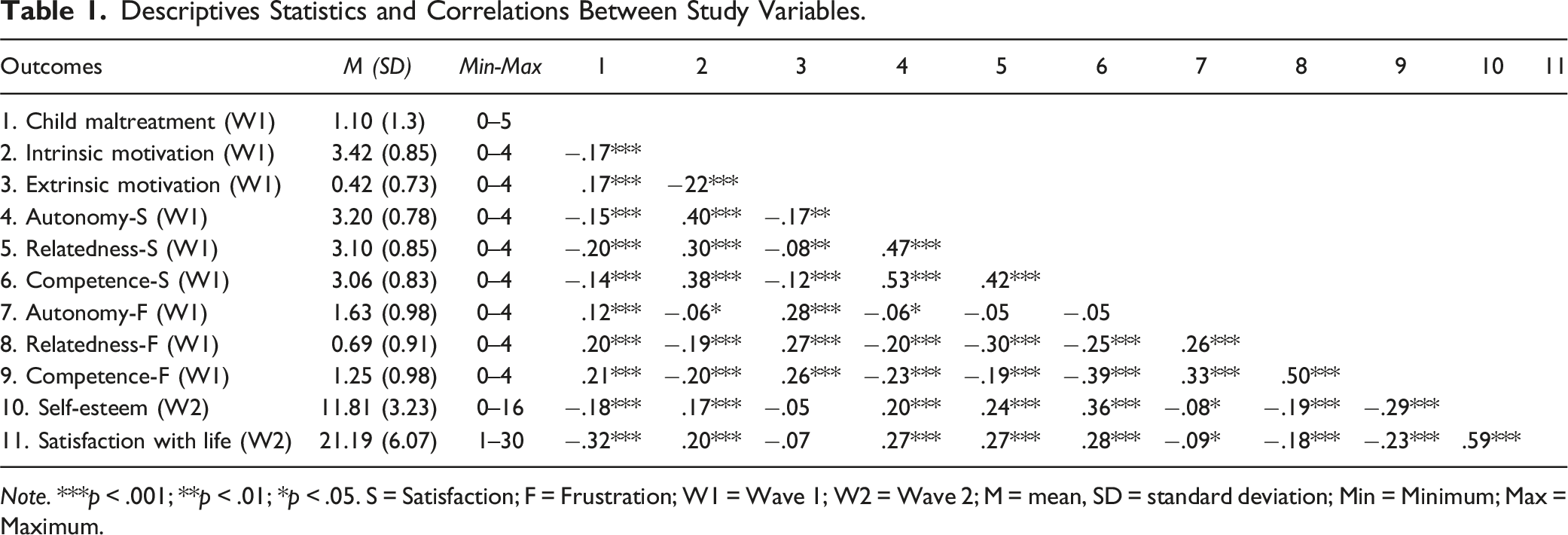
Note. ***p < .001; **p < .01; *p < .05. S = Satisfaction; F = Frustration; W1 = Wave 1; W2 = Wave 2; M = mean, SD = standard deviation; Min = Minimum; Max = Maximum.
Independent Samples t test by Child Maltreatment.
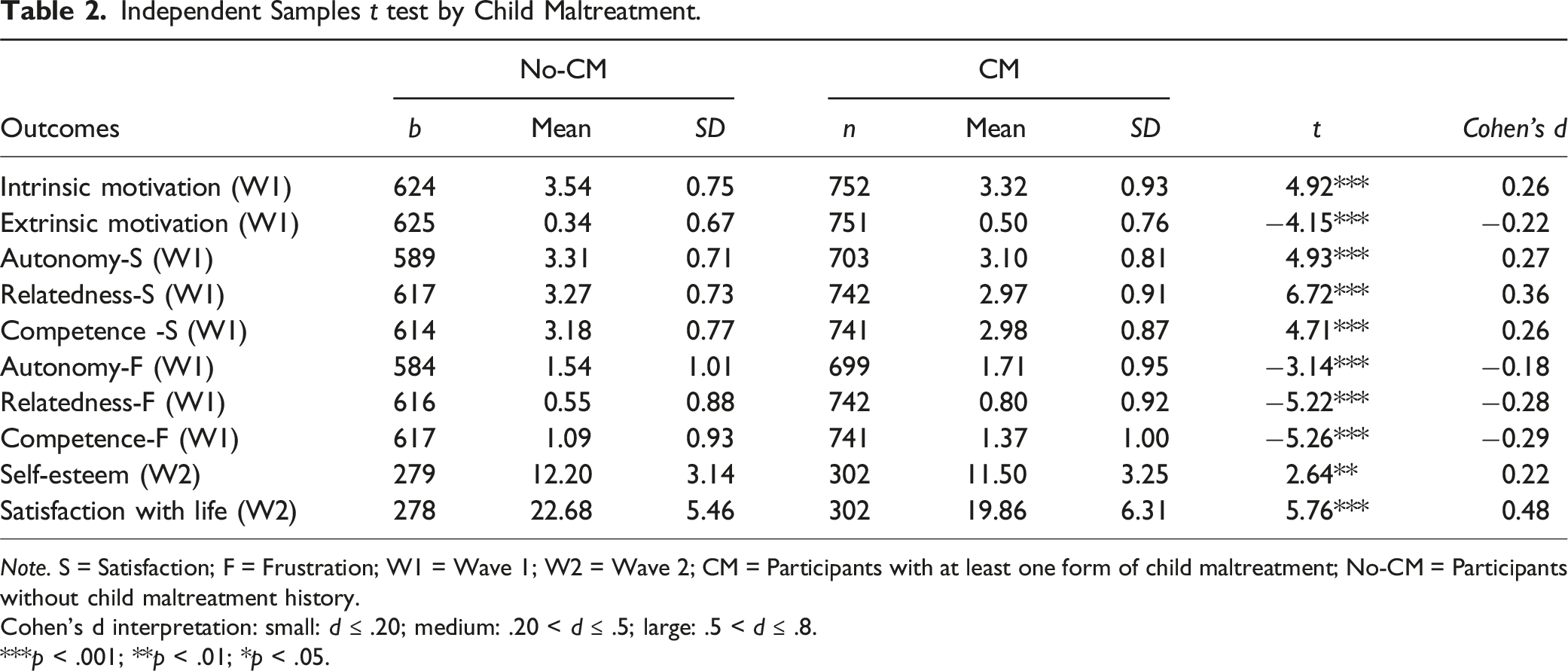
Note. S = Satisfaction; F = Frustration; W1 = Wave 1; W2 = Wave 2; CM = Participants with at least one form of child maltreatment; No-CM = Participants without child maltreatment history.
Cohen’s d interpretation: small: d ≤ .20; medium: .20 < d ≤ .5; large: .5 < d ≤ .8.
***p < .001; **p < .01; *p < .05.
Associations Among Child Maltreatment, BPN, and Motivation
Indirect Effects of Basic Psychological Needs (BPN) in the Association Between Child Maltreatment (CM) and Motivations (Figure 1).
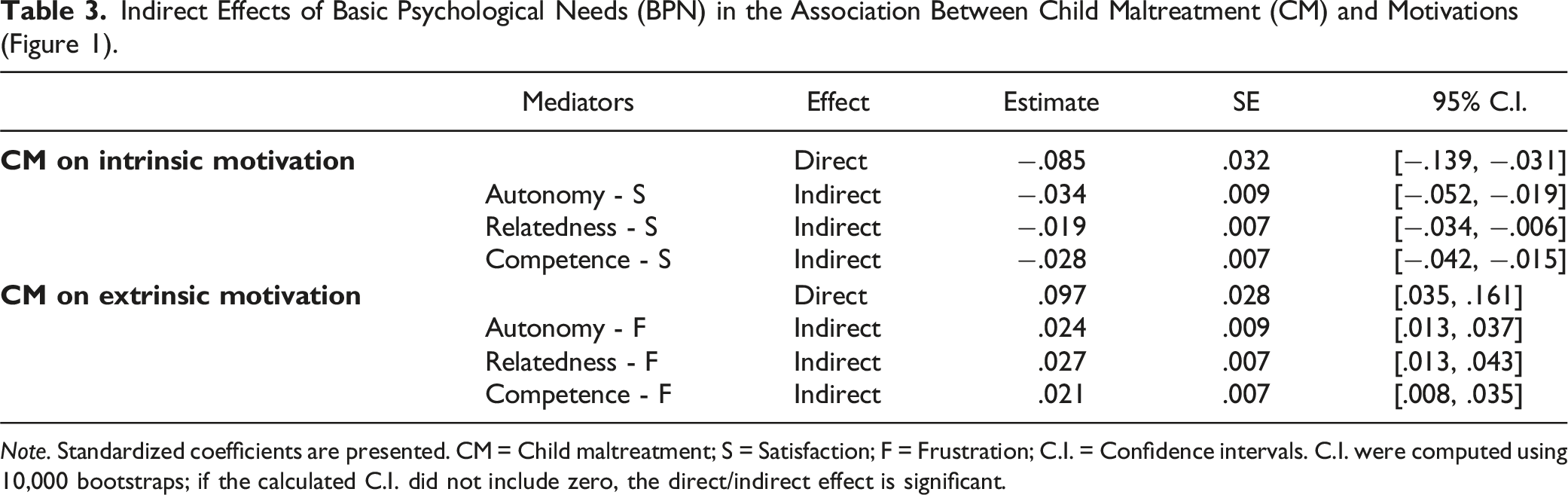
Note. Standardized coefficients are presented. CM = Child maltreatment; S = Satisfaction; F = Frustration; C.I. = Confidence intervals. C.I. were computed using 10,000 bootstraps; if the calculated C.I. did not include zero, the direct/indirect effect is significant.
Child Maltreatment, Motivation, and Psychological Adaptation
Indirect Effects of Motivations in the Associations Between Child Maltreatment (CM) and Psychological Adaptation (Figure 2).
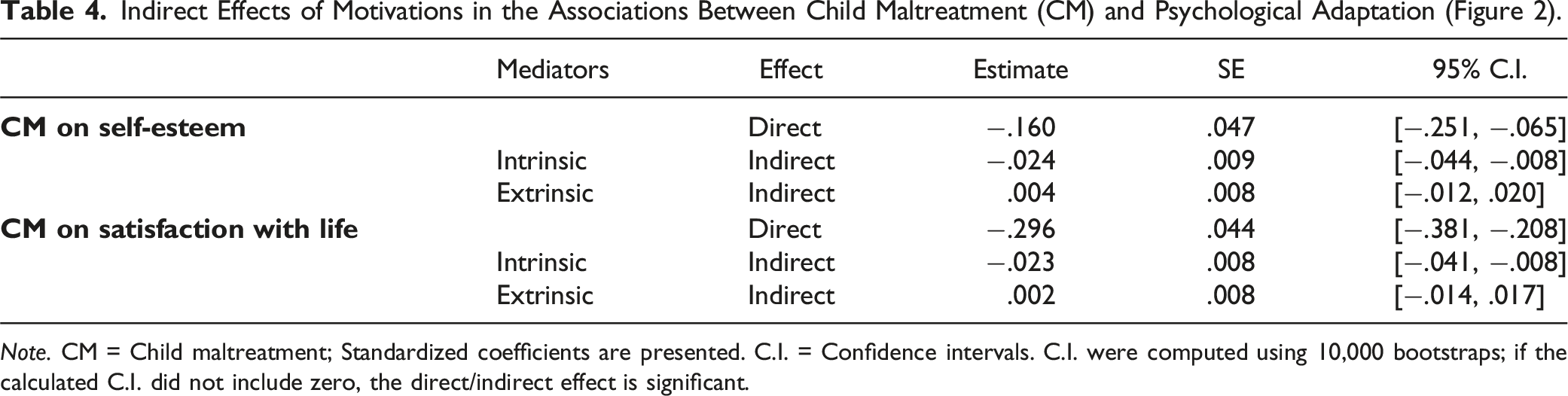
Note. CM = Child maltreatment; Standardized coefficients are presented. C.I. = Confidence intervals. C.I. were computed using 10,000 bootstraps; if the calculated C.I. did not include zero, the direct/indirect effect is significant.
Discussion
Individuals with experiences of child maltreatment typically encounter challenges in meeting their fundamental needs and psychological difficulties as they grow up (Gonzalez et al., 2023; Mason et al., 2022). Given that participation in sports holds the potential to enhance psychological well-being by BPNs (autonomy, relatedness, and competence) and to foster high levels of intrinsic sports motivation, as suggested by SDT, BNP serves as a potential protective factor that may alleviate certain negative effects of childhood maltreatment (Standage, 2023). The present study aimed to (1) compare participants with and without history of maltreatment regarding SDT factors within the sports context and psychological adaptation; (2) investigate the links between experiences of child maltreatment and two forms of sports motivation (extrinsic and intrinsic), while examining the potential mediating roles of BPN satisfaction and frustration (autonomy, competence, and relatedness) in these relationships; and (3) investigate the mediating role of sports motivation (intrinsic and extrinsic) in the association between experience of child maltreatment and subsequent outcomes of psychological adaptation (self-esteem and satisfaction with life) 18 months later.
The results revealed that participants with history of maltreatment reported significantly low levels of intrinsic motivation and satisfaction of BPNs with high levels of extrinsic motivation and frustration of BPNs in the sports context. While this study is the first to explore these relationships in the context of sports, the findings are consistent with prior research that demonstrated a negative and significant relationship between child maltreatment and satisfaction of BPNs when using SDT in other contexts (Geng et al., 2022; Gu et al., 2023). In line with previous studies that examined the adverse consequences of child maltreatment (e.g., Hughes et al., 2017), the current participants also reported significantly low levels of psychological adaptation longitudinally on both outcomes (self-esteem and satisfaction with life). Both groups reported a similar amount of time dedicated to sports. As hypothesized, this result indicates that among a group of adolescents engaged in sports, those who experienced one or multiple forms of maltreatment during childhood may enter the sports environment with varying levels and requirements related to BPNs and levels of intrinsic motivation in sports. Moreover, among them, the low levels observed for the core outcomes of psychological adaptation imply that they may not consistently experience psychological benefits from sports activities. Maltreatment during childhood could impact their initial involvement in these activities and, consequently, their capacity to derive benefits from them in terms of psychological adaptation or well-being.
The first model examined the mediating roles of the satisfaction and frustration of BPNs in the relationship between child maltreatment and the two forms of motivation (intrinsic and extrinsic) within the sport contexts. The findings revealed a significant mediating effect of the satisfaction of BPNs in the associations between CM and intrinsic motivation and between CM and frustration of BPNs on extrinsic motivation. These results further corroborate those of previous studies that build on SDT within the context of sports (Ryan & Deci, 2000; Standage et al., 2019; Sylvester et al., 2018). Specifically, they reinforce the associations between satisfaction/frustration of BPN and the types of motivation in sports, which is a sequence that has been previously demonstrated in multiple instances in the context of youth sports (e.g., De Francisco et al., 2020; Jõesaar et al., 2011). Furthermore, they support our hypothesis, which indicates that child maltreatment is associated with a controlled pattern of motivation in the context of sports (i.e., less intrinsic and more extrinsic). Moreover, satisfaction/frustration of BPNs may help explain these relationships. This model provides an insightful framework, which identifies the satisfaction and frustration of these needs as key factors in the pathway from child maltreatment to motivation in sports. This result aligns with that of the previous literature on SDT, which indicates that a need-thwarting environment, which leads to low levels of satisfaction and high levels of frustration of BPNs, is conductive to the further development of extrinsic motivation in the sports context (e.g., Standage & Ryan, 2020; Thøgersen-Ntoumani et al., 2010). Given that child maltreatment is typically associated with a suboptimal developmental environment, it may contribute to greater frustration of BPNs and more externally controlled means for engaging in various activities, including sports (e.g., to please a parent, be popular, or modify their silhouette; Vansteenkiste & Ryan, 2013). Growing up in a context of maltreatment typically leads to deficiencies on various levels and degrees (e.g., interpersonal challenges and decreased self-esteem; Zhang et al., 2022; Handley et al., 2019), which may create a larger gap between the satisfaction and frustration of BPNs. In turn, it could hinder the fulfillment of needs in various contexts, such as sports, and gradually form a cycle of external motivation and dissatisfaction or frustration of BPNs.
The second model aimed to enhance the current understanding of the long-term relationships between child maltreatment and psychological adaptation (satisfaction with life and self-esteem) in adolescents engaged in sports by examining the mediating role of motivation (intrinsic and extrinsic) within the sports context in this relationship. The findings supported a well-established negative association between child maltreatment and psychological adaptation in adolescents (Ahn et al., 2022; Bödicker et al., 2021; Zhang et al., 2022). The relationship with life satisfaction was the strongest followed by self-esteem, which suggests that child maltreatment among adolescents could exert a more substantial impact on later life satisfaction despite involvement in sports. The results also underscored that high levels of intrinsic motivation in sports are associated with better psychological adaptation over time (Healy et al., 2020; Standage et al., 2012; Thørgersen-Ntoumani & Ntoumanis, 2006; Warburton et al., 2020). Moreover, intrinsic motivation emerged as a significant mediator for both outcomes, which indicates that low levels of intrinsic motivation in sports could partially account for the relationship among child maltreatment, satisfaction with life, and self-esteem. In contrast, the model did not support the mediating role of extrinsic motivation in these relationships. Among adolescents with history of maltreatment engaging in sports, considering the presence of intrinsic motivation may be more crucial compared with the absence of extrinsic motivation. Extrinsic motivation in the sports context is most frequently associated with indicators of ill-being (e.g., depression, anxiety, and burnout; Daniels et al., 2021; Jowett et al., 2013; Mouratidis et al., 2008; Warburton et al., 2020), its limited role in predicting psychological adaptation (as opposed to maladaptation), may also explain the nonsignificant paths from extrinsic motivation in the sports context.
In summary, the findings supported our hypotheses of distinct patterns of motivation and satisfaction and frustration of BPNs in the sports context in adolescents with experience of childhood maltreatment. Specifically, they converged toward a tendency for adolescents to be less intrinsically motivated in sports participation, which could limit the psychological benefits of engagement in sports. A possibility exists that participants with experience of child maltreatment enter the sports environment with different needs and levels of BNPs (i.e., autonomy, competence, and relatedness), which could also influence their motivation to engage in sports and, ultimately, impact their psychological well-being. The satisfaction of BPNs emerges as a promising avenue for enhancing intrinsic motivation in these youths given its significant mediating role in the relationship between child maltreatment and motivation in the sports context. In our effort to develop and promote trauma-informed practices in the context of sports, these findings underscore the critical importance of identifying and fostering the satisfaction of BPNs and intrinsic motivation in youth, particularly those with a history of maltreatment. Individuals working with adolescents in sports, such as teachers and coaches, need to receive enhanced training to cultivate an environment that nurtures autonomy among adolescent athletes. This training should prioritize fostering intrinsic motivation and well-being through BPNs (e.g., Mossman et al., 2022; Raabe et al., 2019), particularly for adolescents with experience of maltreatment. A recent study tested an intervention that aimed to promote an SDT-related motivational climate among at-risk adolescents, as determined by factors, such as household income, lunch status, and minority status, to increase their levels of physical activity. Intrinsic motivation was a predictor of the levels of physical activity at the end of the 16-week intervention (Deng et al., 2023). This finding supports the potential benefits of fostering an SDT-related climate in adolescents with less favorable life contexts. Therefore, governmental policies should acknowledge these specific needs and promote the satisfaction of the BPNs of adolescents. This recommendation is consistent with the conclusions of Lindsey et al. (2023), which emphasizes the necessity of considering diversity in the development of sports policies. According to this review, important gaps occur in studies on sports policies, which frequently prioritize performance and talent development, while overlooking the safety and well-being of adolescents. Indeed, this tendency could contribute to the relationships highlighted in the present study in terms of child maltreatment.
The present study has several limitations that warrant consideration. First and foremost, the data relied on self-reported measures, which inherently introduce various sources of bias such as social desirability, potential difficulties in introspection, and selective recall. Additionally, we used abbreviated measures to accommodate the recruitment context and enhance participant retention. Although this approach enabled a larger sample size, it may have affected the specificity and sensitivity of the results and, consequently, the conclusions. Moreover, we were unable to examine other variables that could have influenced intrinsic motivation in the sports context along with child maltreatment, such as the type and level of sports practiced by adolescents and the actual level of support from organizations, coaches, and peers. Finally, another limitation is the relatively high attrition rate observed between both waves, which was partially attributed to the impact of the COVID-19 pandemic and related restrictions. This attrition may have led to the exclusion of participants with severe profiles of child maltreatment and potentially influence the longitudinal results. Nevertheless, the analyses employed FIML to address missing data, which enables an accurate estimation of coefficients for participants with missing data points (Johnson & Young, 2011); thus, the potential for bias is significantly reduced.
To address these limitations and refine the findings, additional research is warranted. Utilizing more precise measures of sports participation and child maltreatment, while incorporating confounding variables to construct a more comprehensive model would be beneficial for future studies. Additionally, other measurement time points could provide an in-depth understanding of the current findings. Intervention studies that include education on child maltreatment and training to better support autonomy and promote the satisfaction of BPNs in these adolescents would help elucidate the potential value of SDT-related interventions in the context of sports. Such a combination represents an interesting avenue for introducing trauma-informed sports policies.
Conclusion
This study represents the first exploration of the associations between child maltreatment and psychological adaptation among adolescents engaged in sports in which SDT poses as the guiding theoretical framework. The findings underscore the relevance of SDT in elucidating the repercussions of the experiences of child maltreatment. They indicate that the effects of child maltreatment extend into the domain of sports, which manifests as reduced intrinsic motivation and increased extrinsic motivation in sports participation, as well as low levels of satisfaction and high levels of frustration of BPNs. The first model unveiled a significant mediating role of the satisfaction/frustration of BPNs in the relationships between child maltreatment and intrinsic/extrinsic motivations, respectively. Subsequently, we identified the mediating role of intrinsic motivation in the association between child maltreatment and psychological adaptation outcomes 18 months later. To promote positive outcomes for adolescents with a history of maltreatment, fostering intrinsic motivation within sports may be crucial. Therefore, enhancing the fulfillment of BPNs in the context of sports, which encompasses autonomy, relatedness, and competence, emerges as a valuable avenue for improving intrinsic motivation.
Footnotes
Acknowledgments
We would like to thank the school board authorities, as well as the school directors, teachers, and professionals, for their essential contributions to data collection and project management. We also extend our appreciation to the adolescents who participated in this research.
Author Contributions
Christopher Rodrigue conducted the analyses and wrote the paper. Beáta Bőthe assisted with the data analyses and collaborated to the writing and editing of the manuscript. Jacinthe Dion designed and executed this study, assisted with the data analyses, and wrote the paper.
Declaration of Conflicting Interests
The author(s) declared no potential conflicts of interest with respect to the research, authorship, and/or publication of this article.
Funding
The author(s) disclosed receipt of the following financial support for the research, authorship, and/or publication of this article: This research received financial support from the Social Sciences and Humanities Research Council of Canada SSHRCC [grant number 862-2018-0002].
Ethical Statement
Informed Consent
Informed consent was obtained from all individual participants included in the study.

Data Availability Statement
Due to ethical constraints, data cannot be made openly accessible but are available upon request from the last author (JD;