




Abstract
Polymers are ultra-versatile materials that adapt to a myriad of applications, as they can be designed appropriately for specific needs. The realization of new compounds, however, requires the appropriate experimental characterizations, also from the mechanical point of view, which is typically carried out by analyzing the vibrations of beams, but which still have some unclear aspects, with respect to the well-known dynamics of elastic beams. To address this shortcoming, the paper deals with the theoretical modeling of a viscoelastic beam dynamics and pursues the elucidation of underlying how the flexural vibrations may be affected when an axial pre-load, compressive or tensile, is applied. The analytical model presented is able to shed light on a peculiar behavior, which is strongly related to the frequency-dependent damping induced by viscoelasticity. By considering as an example a real polymer, that is, a synthetic rubber, it is disclosed that an axial pre-load, in certain conditions, may enhance or suppress the oscillatory counterpart of a resonance peak of the beam, depending on both the frequency distribution of the complex modulus and the length of the beam. The analytical model is assessed by a finite element model, and it turns out to be an essential tool for understanding the dynamics of viscoelastic beams, typically exploited to experimentally characterize polymeric materials, and which could vary enormously simply through the application of constraints and ensued pre-loads.
1. Introduction
The new forthcoming technology challenges seem to be oriented toward the use of ultralight, extremely resistant, active, and super smart materials, substantially able to face with increasingly innovative shapes (Chaudhary et al., 2021), demands for adaptative features based on operating conditions (Terwagne et al., 2014), more in general with self-healing properties (Wang and Urban, 2020), and eco-sustainable (Ahmed, 2021). Of particular interest, more recently, are all those systems that aim to exploit the properties of soft materials, taking inspiration from biological systems, which offer countless performances, but that are also complex and therefore difficult to replicate. For example, soft actuators (Li et al., 2022) received great attention, since they can improve their performance through appropriate programming, and find applicability in the field of soft robotics (Cianchetti et al., 2018), which seem to show excellent results in terms of durability and reliability in the biomedical applications, and can transit reversibly between different liquids and solids, as they switch between different locomotive modes (Hu et al., 2018). These latest research trends are also part of the recently introduced concept of physical intelligence, which in the near future will allow intelligent machines to be able to move autonomously in various conditions of the real world (Sitti, 2021). As we move toward these scenarios, already widely present in our daily life in a vast range of applications, from the automotive to the medical field, it will no longer be possible to use materials “fixed” in their nominal design conditions, as they will need to be replaced by materials in constant movement and change (Martins, 2021; Rothemund et al., 2021).
1.1. The role of polymers
At the moment, polymers are between the favored materials and best suited to these circumstances, since they can be designed to serve a specific purpose, with properly tuned physical properties (Brinson and Brinson, 2015), such as stiffness and damping. For this reason, they are the subject of intensive study in many engineering fields, especially for what regards their mechanical properties, which are deeply conditioned by viscoelasticity, as recently shown in the field of contact mechanics (Carbone and Pierro, 2012a, 2012b, 2013; Carbone et al., 2011). In Ref. Pierro et al. (2020), it has been highlighted that, in particular, the viscoelastic modulus, which exhibits a complex behavior in the frequency domain, is capable of making the adhesion between two surfaces extremely tough or quite weak, depending on how the imaginary part of the viscoelastic modulus is distributed in frequency. Whether polymers are employed individually or combined with other materials (e.g., in the case of composites), it is of fundamental importance to suitably characterize them from a mechanical point of view (Wang et al., 2017), for all the aforementioned applications. In fact, numerical and theoretical predictions of the dynamics rather than the tribological behavior of structures made of such materials are based on their viscoelastic response to external stresses, which depends on both frequency and temperature, and is governed by the following stress–strain relationship (Christensen, 1982)

1.2. Viscoelastic modulus characterization
It is therefore quite evident that when polymers are employed, it is extremely important to know in detail the viscoelastic modulus and its trend as a function of both time and frequency. For this purpose, there is an awesome quantity of research devoted to the experimental characterization of this quantity, from the widespread dynamic mechanical analysis (DMA) technique (Rasa, 2014), which still presents some problems and uncertainties, to the investigation of the dynamics of beam-like structures (Caracciolo et al., 2004; Cortes and Elejabarrieta, 2007). In the context of this latter experimental approach, some progress has recently been made, as in Ref. Pierro and Carbone (2021), where the vibrational response of a suspended beam impacted with a hammer has been exploited to retrieve the complex modulus, increasing the frequency range of interest by varying the length of the beam. The technique is reliable, accurate, and in good agreement with the DMA. The breakthrough of the proposed technique is related to the analytical model presented, which is able to accurately take into account, in the vibrational response of the beam, the correct frequency trend of the viscoelastic modulus, by varying the number of relaxation times to achieve a good theoretical–experimental fit. However, previous theoretical studies, focused on the dynamics of viscoelastic beam and plates (Garcia-Barruetabeña et al., 2012; Gupta and Khanna, 2007; Inman, 1989), lacked a specific analysis capable of linking the eigenvalues and the significant physical parameters to the analytical response of such continuous systems, as done, for example, in Ref. Adhikari (2005), for a single-degree-of-freedom non-viscously damped oscillator. To address this shortcoming, in Ref. Pierro (2020), some new characteristic maps related to the nature of the eigenvalues of a viscoelastic beam have been presented, with the aim to elucidate the influence of the material properties and of some geometrical characteristics on the overall beam dynamics. Interestingly, from this study, it resulted that by properly selecting the beam length, for a chosen viscoelastic material, it is possible to suppress or enhance one resonance peak or more peaks simultaneously. This outcome is of crucial concern for the experimental characterizations of viscoelastic materials, as the one presented in Pierro and Carbone (2021), since it can help in accurately interpreting the resonances when shifted with different beam lengths.
1.3. Contribute of the presented research
Even if the experimental technique for the viscoelastic modulus characterization based on beams appears to be promising for its simplicity, easy realization, and accuracy, it is necessary to understand how it is possible to increase the frequency range of analysis, still limited in comparison to the one of the DMA. Certainly, the variation of the length of the beam proposed in Pierro and Carbone (2021) already meets this requirement, thanks to the shift in frequency of the response and of the resonance peaks, but it is not yet completely exhaustive. Among the several possibilities to observe a further shift of the response spectrum of the beam in the frequency domain, and therefore to enlarge the frequency range of interest in the experimental characterization of the viscoelastic modulus, one may (i) change the surrounding temperature or (ii) apply an axial compressive/tractive pre-load to the beam. It is known (Cheli and Diana, 2015), indeed, that when an elastic beam is subjected to a static pre-load, its resonances move toward higher or lower frequencies, in case of an applied traction or compression, respectively. Many studies have been also carried out which investigate the effects of some dynamical axial pre-loads on both the flexural (Shih and Yeh, 2005) and the axial (Ebrahimi-Mamaghani et al., 2021) responses of the viscoelastic beams. However, to the author’s knowledge, there are no specific studies in the literature that analyze how the transversal response of the viscoelastic beam changes in frequency because of static axial actions, with particular reference to the possible enhancement or suppression of one or more resonances. Controlling or even suppressing one or more resonance peaks in beam-like structures, indeed, is becoming an increasingly attractive research topic, especially in the very recent context of meta-materials (Hua et al., 2021; Zhang et al., 2022), for which it is still necessary to continue studying several aspects, such as the contribution of the viscoelasticity of the polymeric materials typically employed. Starting from the previously presented theoretical study (Pierro, 2020) on the viscoelastic beams, the main motivation of this paper is therefore to get new insights on the nature of the eigenvalues, and consequently of the resonance peaks, when a tractive and a compressive pre-load are applied. A viscoelastic material with two relaxation times is considered, since it is always possible to divide the frequency spectrum under analysis in several intervals, thus allowing to decrease the number of the predominant relaxation times in such intervals (Figure 8 in Ref. Pierro (2019)). The results presented are validated by means of a finite element model (FEM) analysis and represent a step forward for the in-depth knowledge of polymeric materials, for the purpose of the possible control of their dynamic response, as well as to provide a useful tool to increase the frequency range in the experimental characterizations of the mechanical properties based on beams.
The paper is organized as follows: (i) in section 2, the dynamic response of the viscoelastic beam is obtained, including the presence of an axial static load; (ii) in section 3, the eigenvalues of the beam are calculated, and the dynamic response is written as a function of the eigenvalues; and (iii) in section 4, the results of both the analytical and the numerical models are shown, and a discussion on the impact of these results in the context of polymer research is presented.
2. Flexural vibrations of the tensioned beam
In this section, the analytical formulation to derive the equations which governs the flexural vibrations of an axially pre-loaded viscoelastic beam is presented. For this scope, a homogenous beam with rectangular cross section is considered (Figure 1(a)), where The viscoelastic beam under investigation, of length 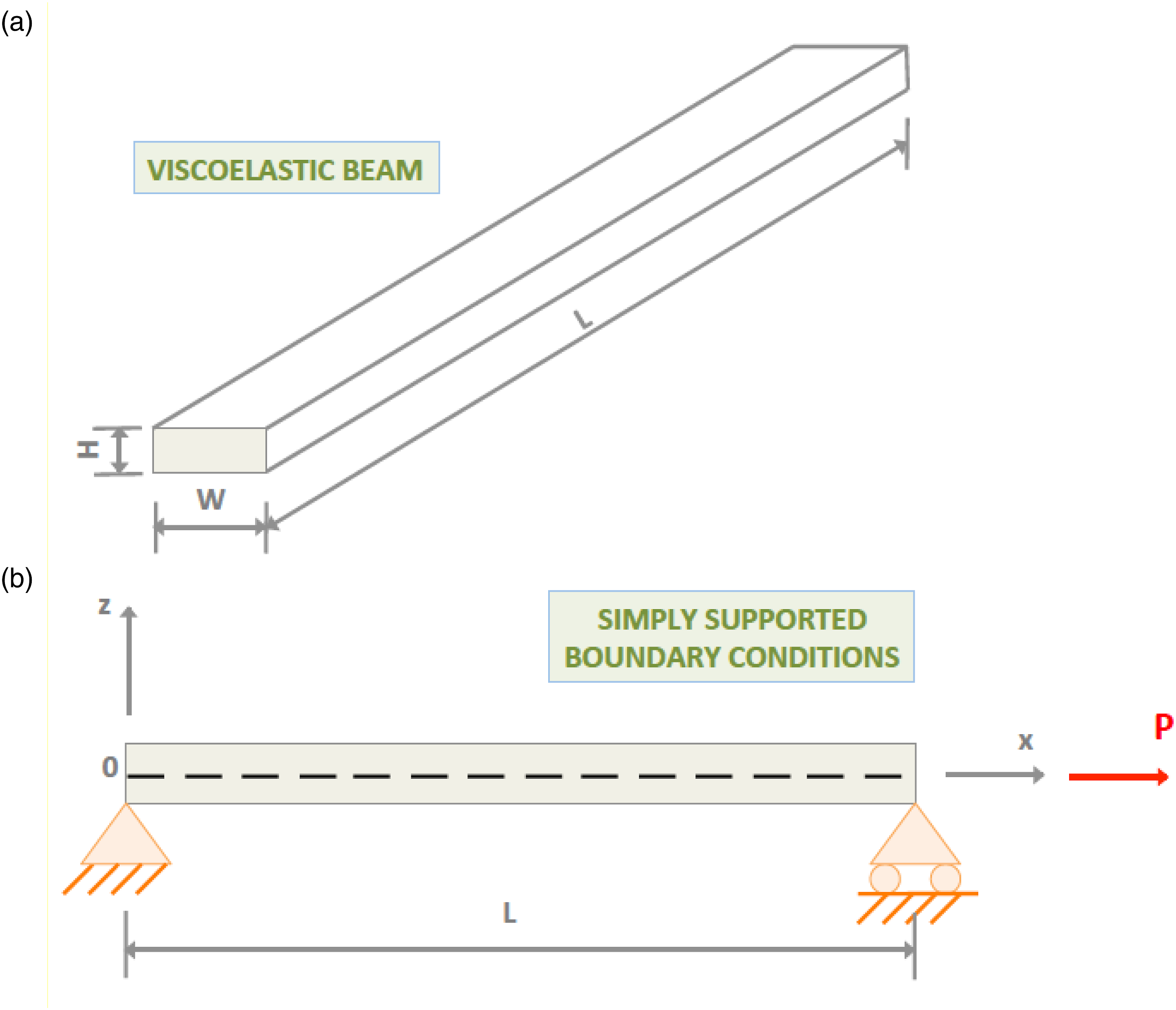
The beam is supposed to be simply supported on both extremities, with an axial pre-load
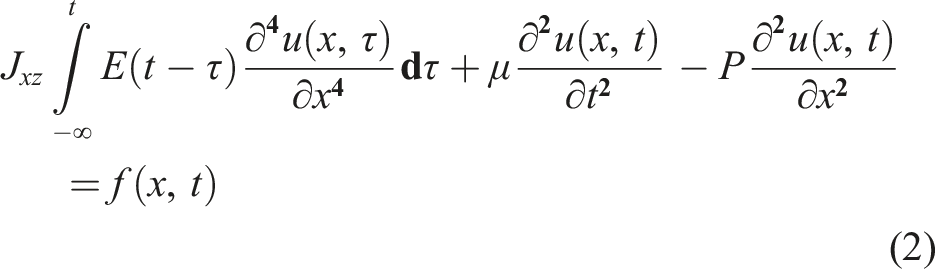
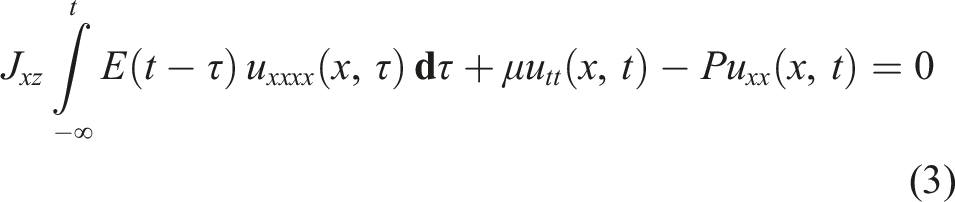
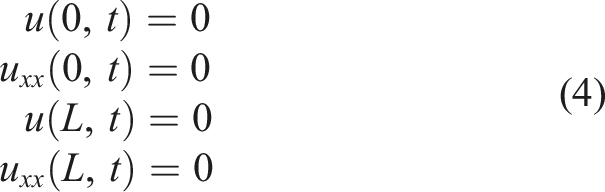

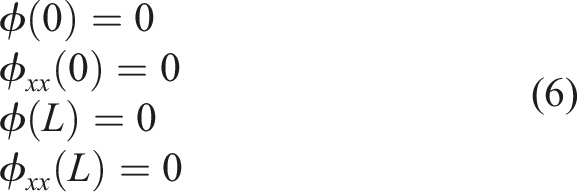


From the characteristic equation associated to equation (5)

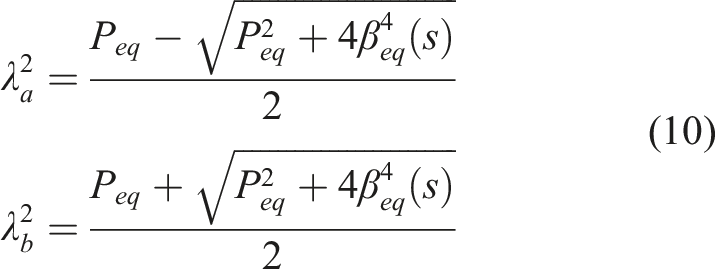
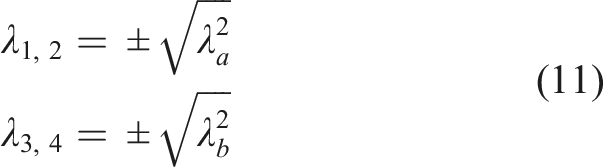
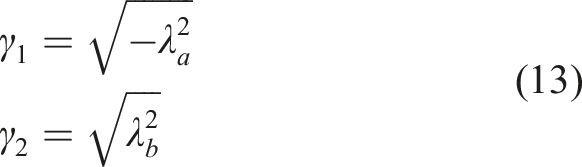
Finally, the solution of equation (5) can be written as

By forcing to zero the determinant of the system matrix obtained from equation (6), one has the equation




By following the same calculations shown in Ref. Pierro (2020), and by observing that

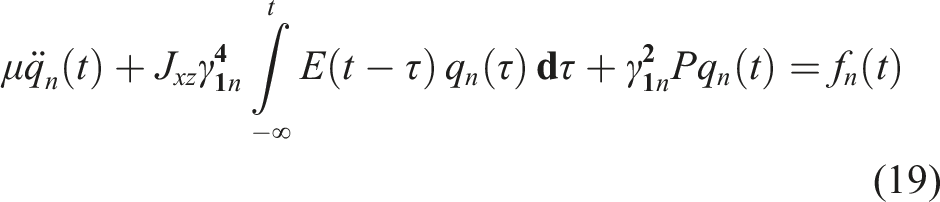

3. Viscoelastic model—system eigenvalues
In order to determine the most important parameters which affect the system dynamics, some non-dimensional quantities will be defined. For this purpose, the general natural frequency of the transverse motions of a narrow, homogenous beam with a bending stiffness

It should be noticed that equation (21) is always valid, regardless of the boundary conditions (Thomson and Dahleh, 1997), whereas the coefficient
Among the several constitutive models available in literature, generally exploited to describe the stress–strain relation in equation (1), in this study, the generalized Maxwell model is utilized, which considers a spring and


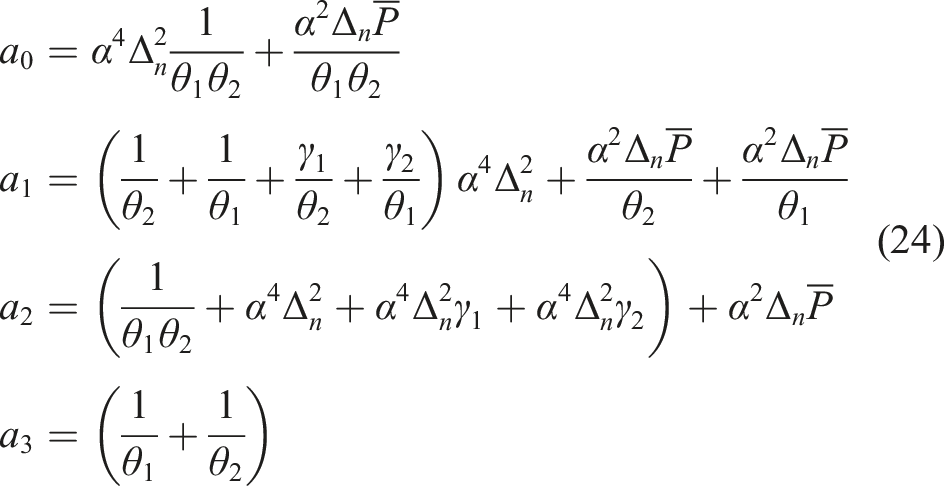

which plays a fundamental role in the general dynamics of the beam, since it influences the nature of the roots of equation (23). Two of the four roots, in particular, are always real and are related to an overdamped motion. The other two roots can be (i) complex conjugate, representing the oscillatory contribute to the
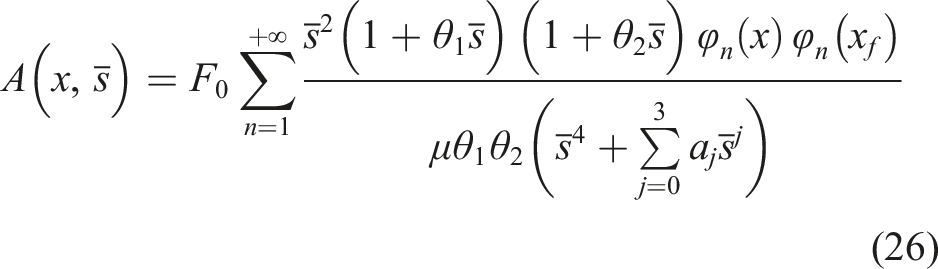
4. Results
Viscoelastic parameters of a self-adhesive rubber (Rouleau et al., 2015), obtained by the fitting procedure shown in Ref. Pierro (2020).
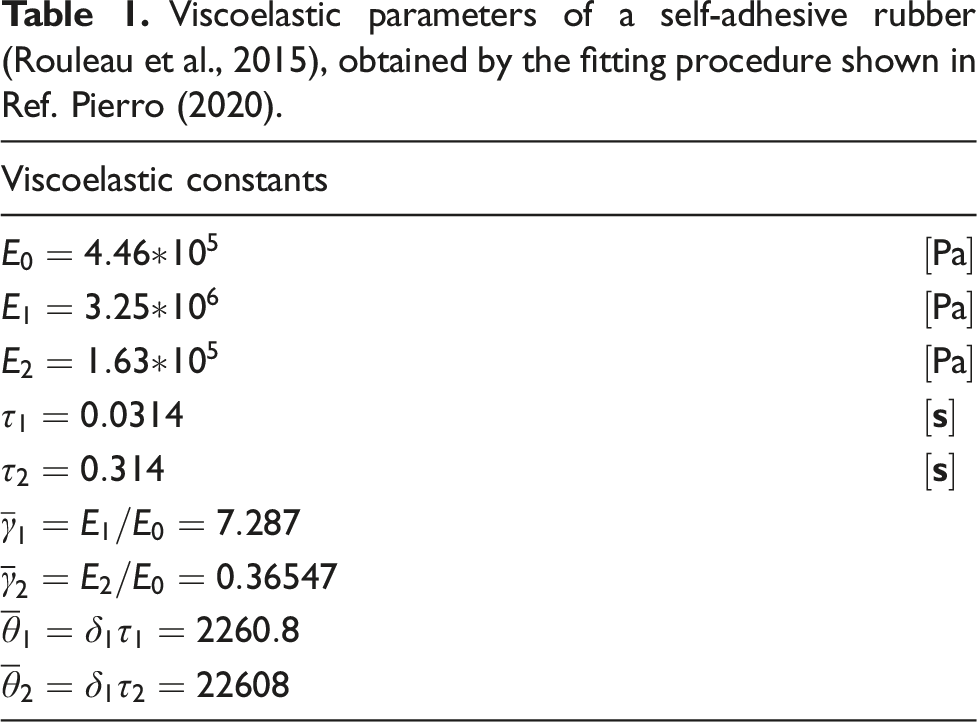
In order to evaluate the effect of an axial pre-load applied to the beam, on the first flexural mode The region map for the first natural frequency 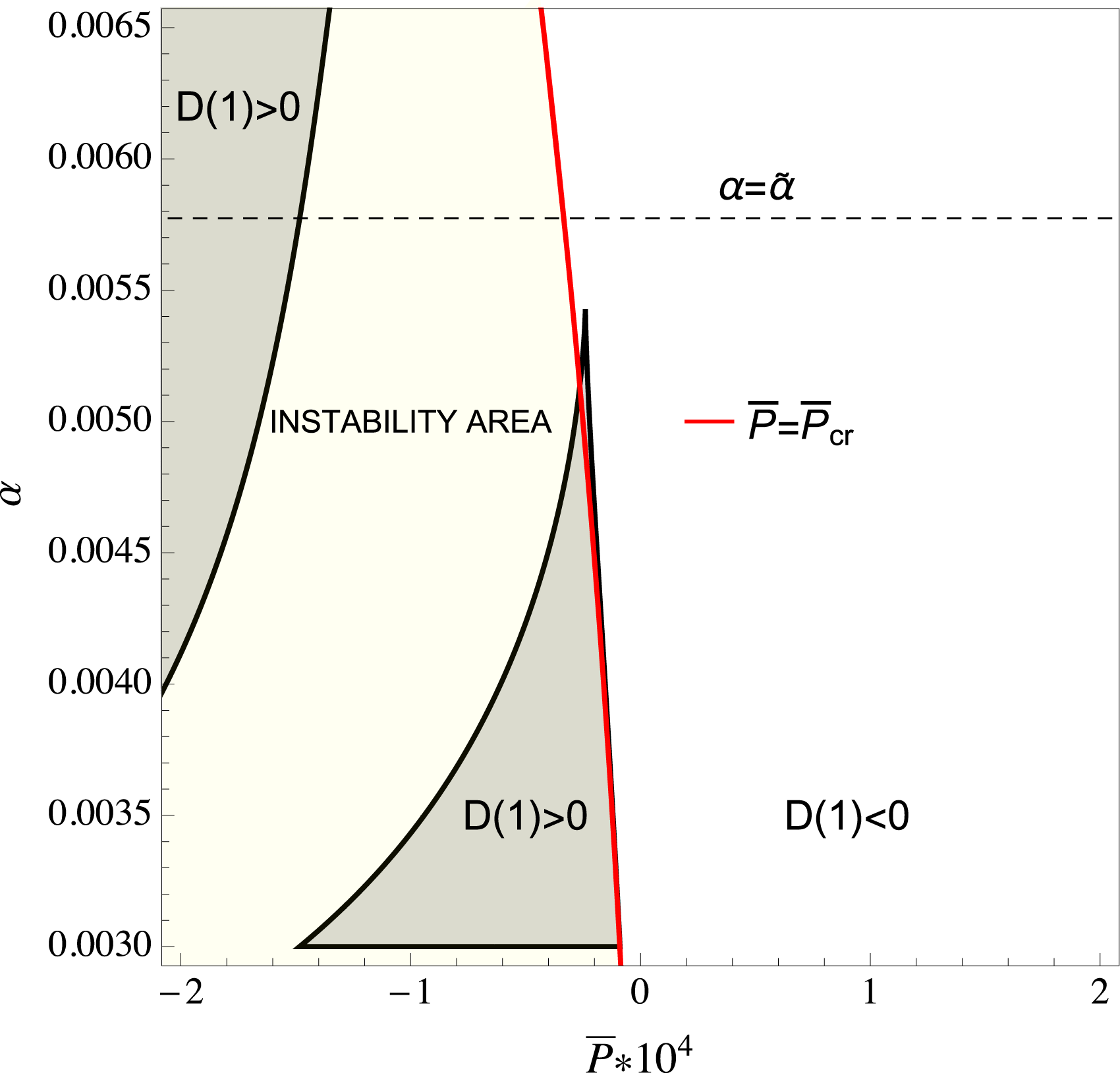
In the areas where
It is now interesting to understand if any variation of the viscoelastic modulus, due to (i) a change in the composition of the internal material compound or (ii) a surrounding temperature variation, with a consequent shift of the complex modulus in the frequency domain, may somehow affect the nature of the roots, for one or more resonance peaks. The first condition is studied by considering, for example, the change of the constant The viscoelastic modulus 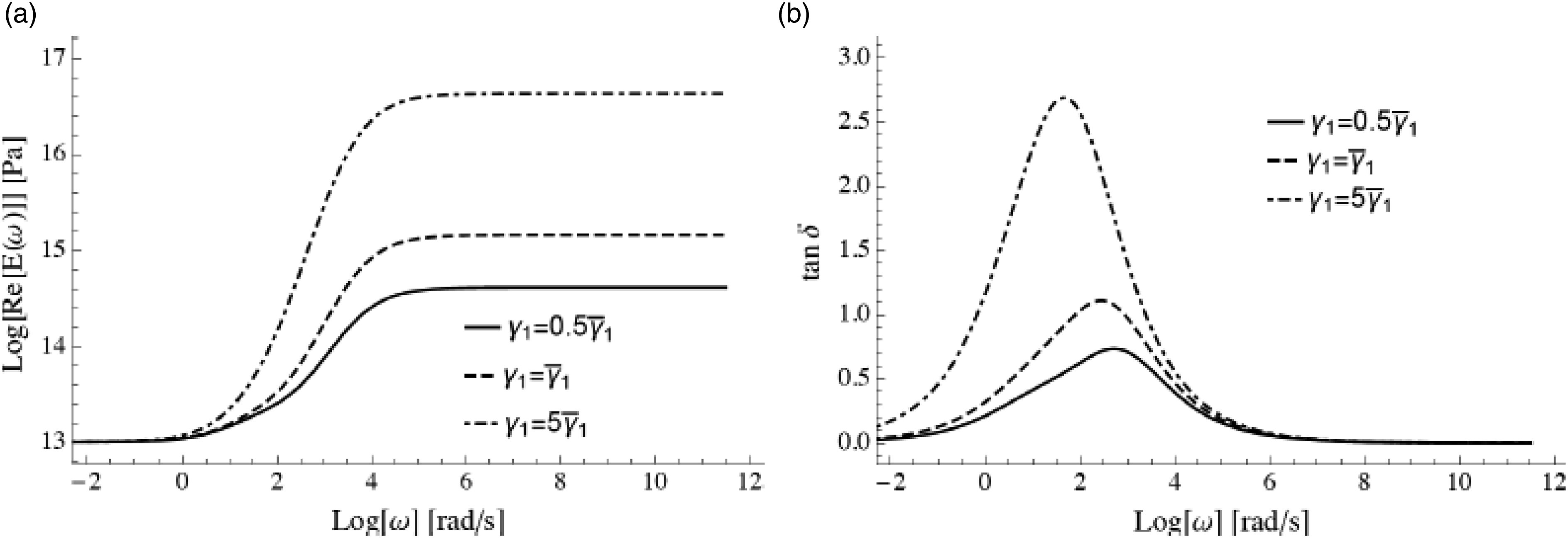
It is possible to observe that by increasing The viscoelastic modulus 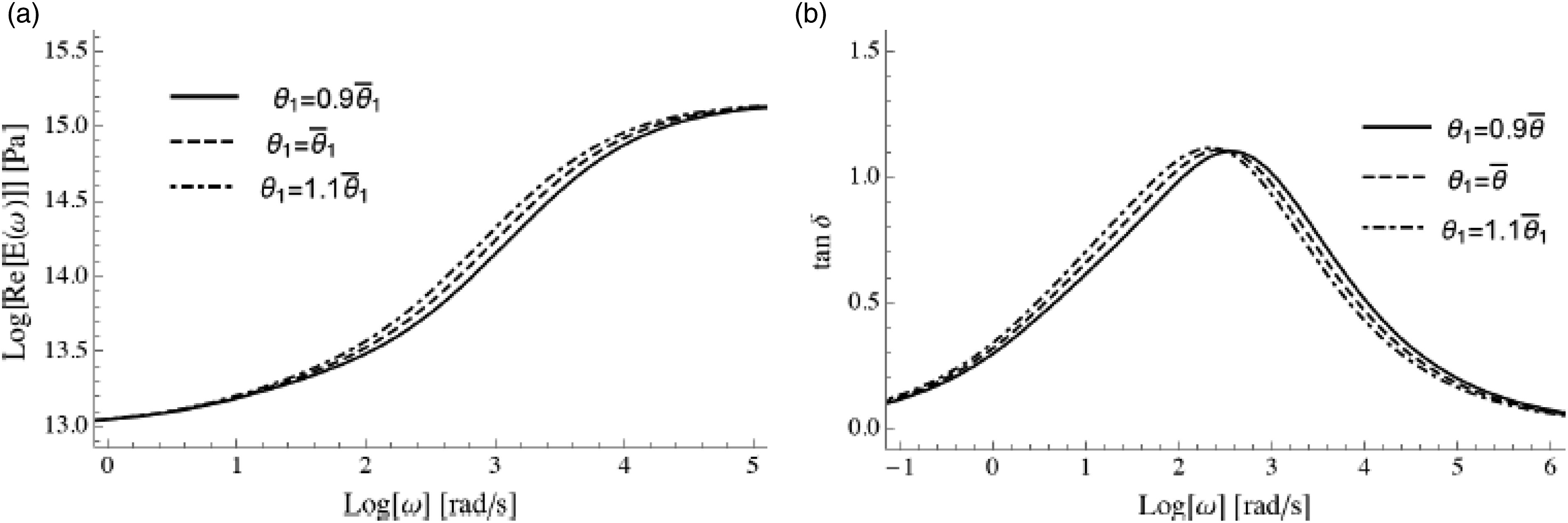
Focusing the attention again on the first flexural mode ( The region map corresponding to the first natural frequency 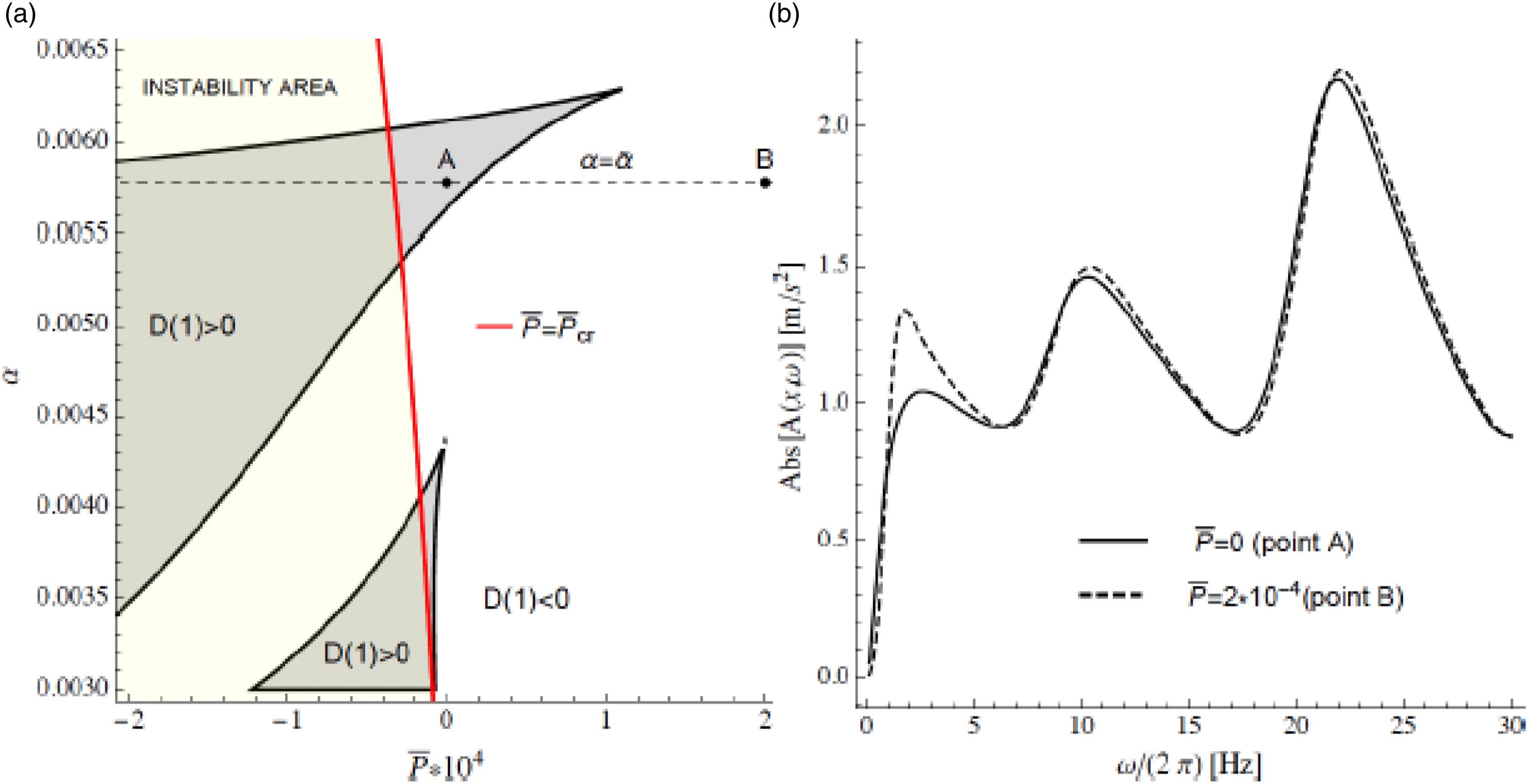
It is clear that in this case, the shaded areas, corresponding to the condition
To better understand the influence of the parameters The discriminant The discriminant 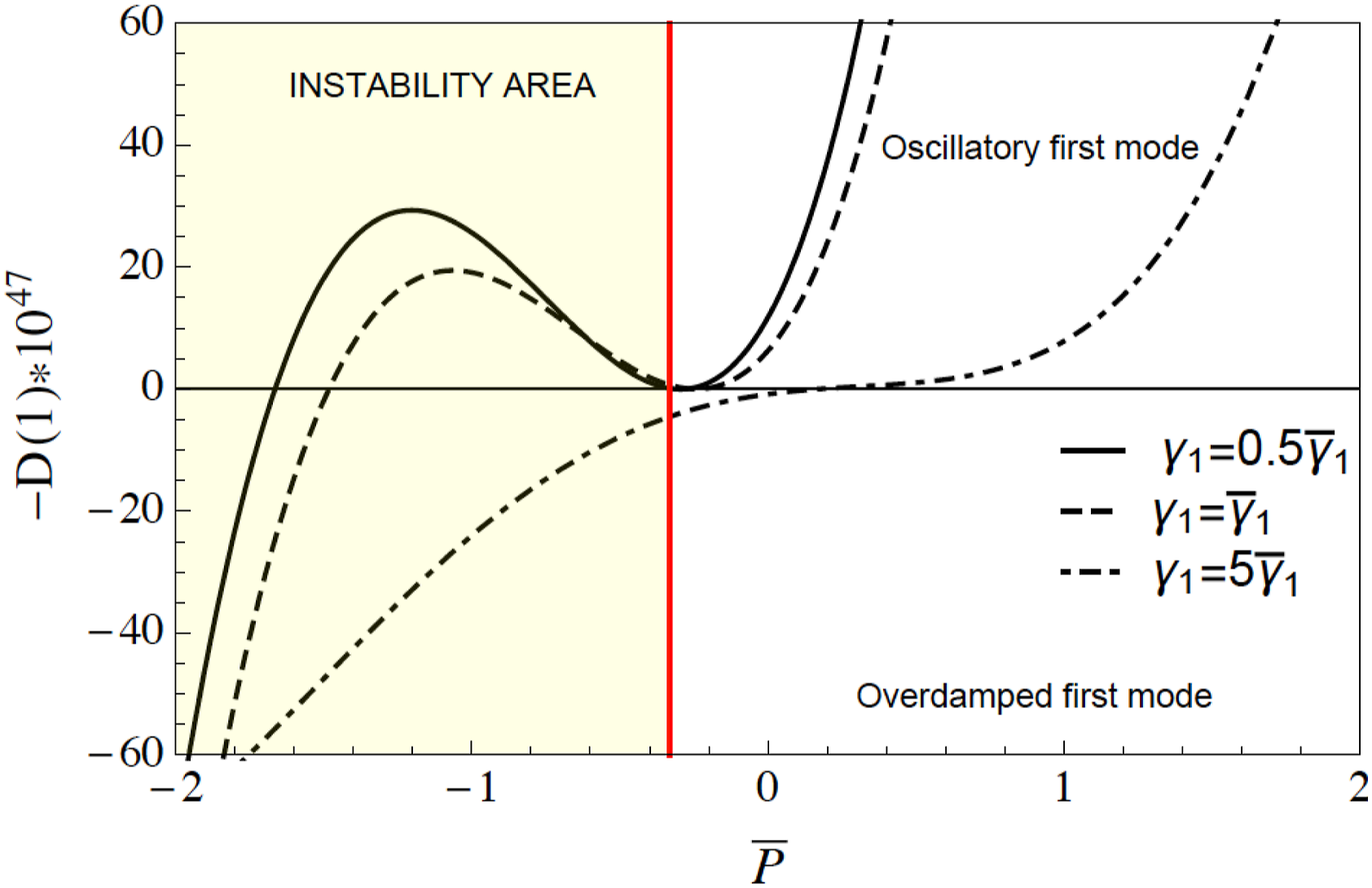
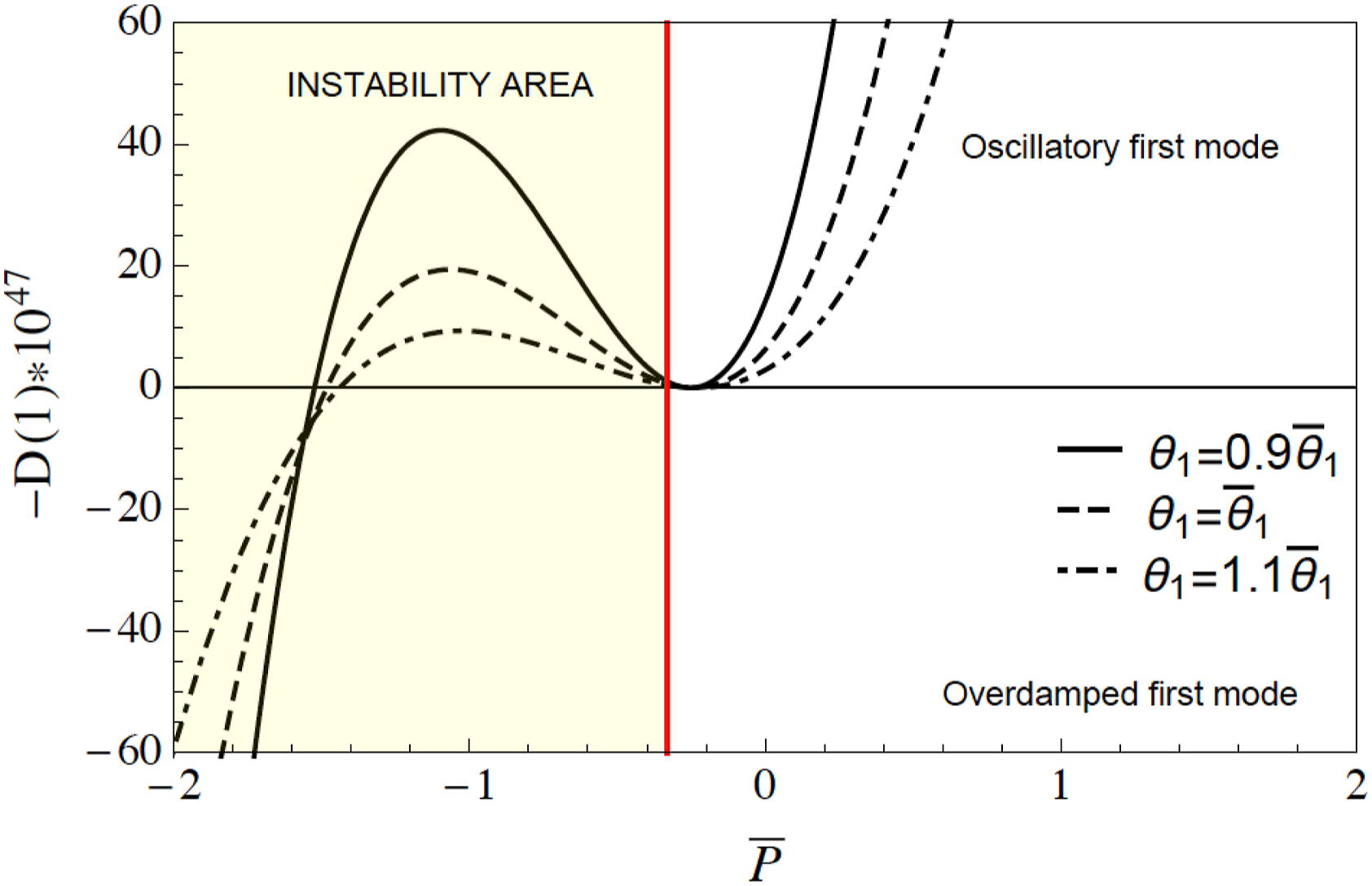
For the particular case considered, in terms of geometrical and material properties, and hence beam length, it is quite evident in Figure 6, again, that an increase of
As a consequence of what is shown in Figures 6 and 7, it is important to understand that a certain viscoelastic system, such as the beam under examination, can undergo a drastic variation in its dynamics, through the simultaneous action of an axial pre-load and a variation of the viscoelastic properties of the material of which the system is made. These variations, in particular, can be related to a change in the working temperature, a very frequent circumstance in all those systems made of polymeric materials, subject to significant thermal excursions during their operational conditions (e.g., wind turbines (Tefera et al., 2022)).
5. Finite element model simulation and final remarks
The beam under investigation, of length The acceleration modulus 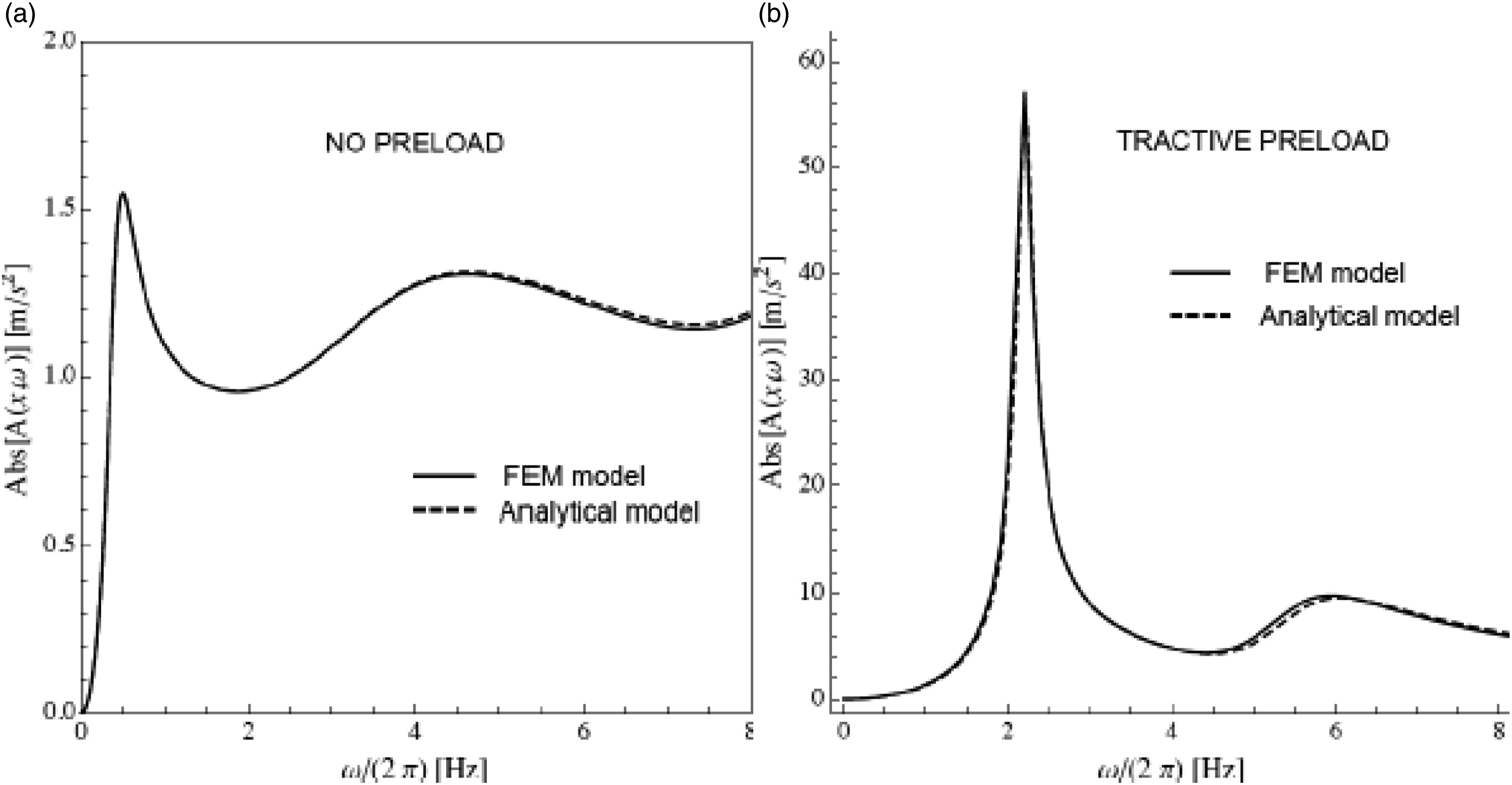
The agreement between the two models is well established, and the considerable increase of the acceleration amplitude due to the application of a tensile load (Figure 8(b)) is quite congruent with the region map shown in Figure 2, which foresees a low peak in the absence of pre-load, because we are close to the area with a positive discriminant The acceleration modulus 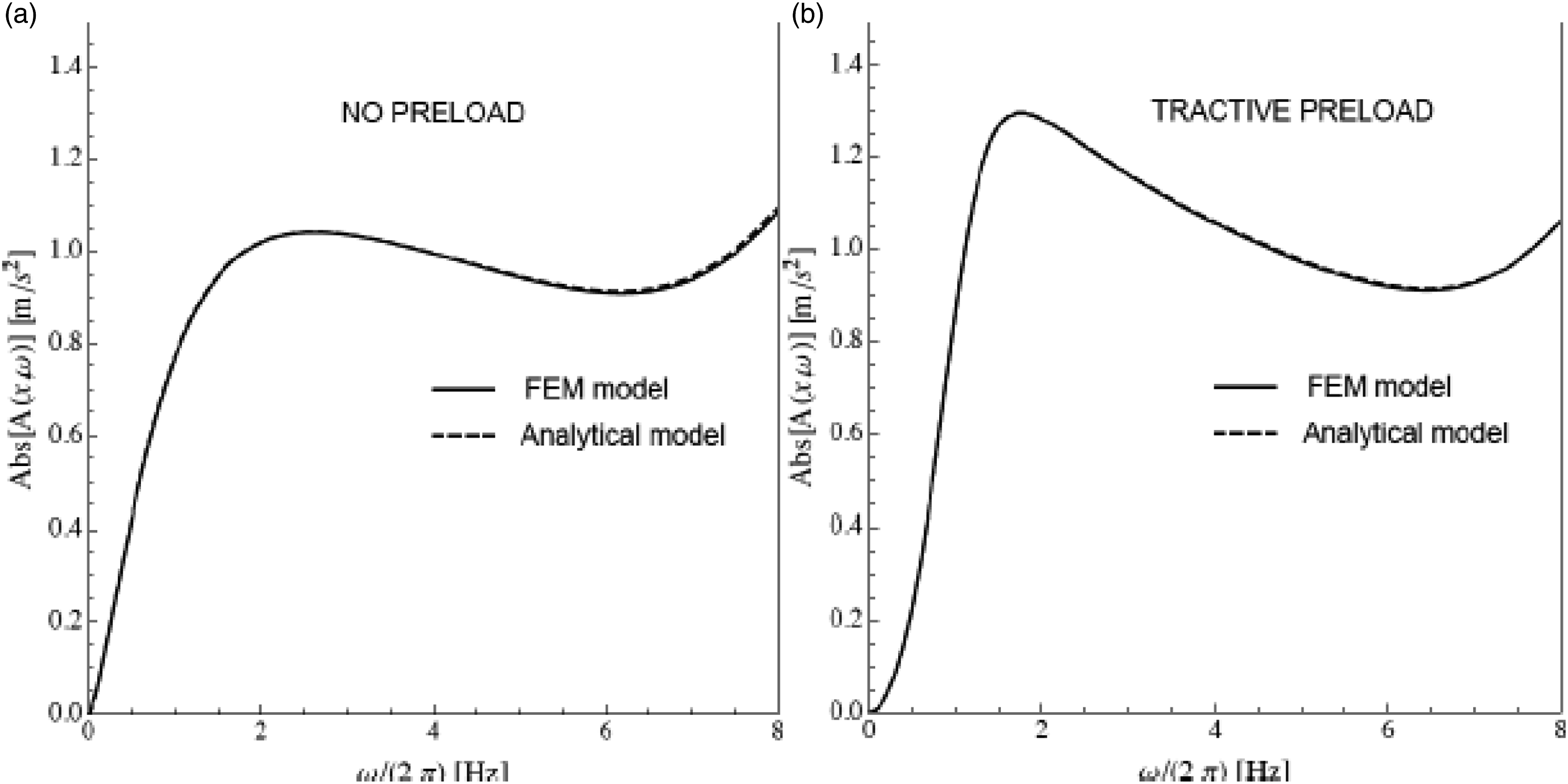
In conclusion, through the proposed analytical model, which now takes into account the presence of a static pre-load acting on the viscoelastic beam, it is possible to fully evaluate the dynamic response of this kind of system, which strongly differs from the case of a perfectly elastic beam, because of viscoelasticity. The enhancement or the suppression of a resonance peak, which occurs only by slightly varying an axial pre-load and that, in particular conditions, can also be involuntary and due to the effective application of the constraints in the experimental activities, is strategic in the context of the characterization of such materials. In the most popular classical techniques, such as the DMA, the accurate positioning of the constraints on the beam can be decisive in order to retrieve the correct viscoelastic constants. Furthermore, in the more recently proposed experimental method (Pierro and Carbone, 2021), where the resonance peaks are moved in the frequency spectrum by changing the beam length, with the aim to increase the range of interest under investigation, the controlled application of an axial pre-load may be strategic to further increase the width of the frequency range. Finally, the study here presented discloses aspects on polymers not highlighted so far, which further position them among the most versatile and tunable materials, crucial for all current and future applications.
6. Conclusions
In this work, an analytical model has been proposed which is able to accurately describe the transversal dynamics of viscoelastic beams, also taking into account the effect of axial pre-loads. The main purpose is to evaluate how these pre-loads determine a variation of the nature of the system’s eigenvalues, and therefore on the type of vibrational motion of the beam at a certain resonance frequency. Because of the viscoelasticity, and the related damping distribution on frequency, the behavior of the beam is not as simple and predictable as in the case of perfectly elastic beams. By applying a tensile or a compressive axial pre-load, one may observe the enhancement or the mitigation of a resonance peak, but this circumstance is incidental to a pivotal geometrical parameter, that is, the beam length. Same observations have been made through an FEM analysis, which has provided results perfectly in agreement with those obtained from the analytical model. This theoretical model has made it possible to get new insights on how the mechanical characteristics of polymers can completely change the dynamic behavior of a beam. On one hand, these findings are essential for all experimental applications that make use of beams to characterize the complex viscoelastic module, and on the other, they further point out the versatility of polymers and how they increasingly reflect the perfect peculiarities that are required by the materials of the future.
Footnotes
Declaration of conflicting interests
The author(s) declared no potential conflicts of interest with respect to the research, authorship, and/or publication of this article.
Funding
The author(s) received no financial support for the research, authorship, and/or publication of this article.
