




Abstract
The present study aims to examine the levels of implementation of the engineering design process across different stages for gifted students, their views and experiences regarding these stages, the level of the products they create at the end of the process according to evaluation criteria and the teacher’s observations on the different stages of the process. A case study, one of the qualitative research methods, was implemented. The study was conducted with 14 middle school students attending the sixth grade. In this context, 14 hours of activities were carried out with the students over 7 weeks. The research results revealed that gifted students mostly achieved the targeted level in using the engineering design process. However, it was found that the groups formed for problem-solving had lower average scores in the prototype-making and testing stages of the engineering design process compared to other stages. This study has demonstrated the effectiveness of activities based on the engineering design process in creating fruitful educational environments for gifted students.
Considering the expectation of countries to meet their need for scientists, it is crucial to provide gifted students with design-oriented educational settings.”
In the contemporary global landscape, various initiatives are being systematically pursued within the engineering domain, with the dual objectives of augmenting the overall quality of life and intensifying competitive dynamics across various industrial sectors. Notably, societies aspiring to synchronize with technology’s rapid evolution and transformation and address global challenges necessitate enhancing their proficiency and understanding in Science, Technology, Engineering, and Mathematics (STEM) disciplines (Caprile et al., 2015). Investments in human capital by nations are strategically perceived as the most lucrative, considering the high returns they generate (Pallathadka et al., 2021). When considering the most accomplished students in a country, the initial individuals that come to mind are gifted students (Vu et al., 2019). The paramount objective in the pedagogy of these gifted learners is to cultivate their future as innovative and productive contributors (Subotnik et al., 2011).
Similar to other students, gifted students grow and develop by being influenced by their social environment (Chandra et al., 2020). Nevertheless, dissimilar to students, gifted students are expected to perform at a high level in specific subjects. Even though these students are gifted, their scientific thinking skills need to be enhanced (Sternberg, 2018). Schools often believe that gifted students already excel in their academic performance or possess a high level of aptitude; they may neglect these students by focusing more on the development of other students (Callahan et al., 2015; Kell et al., 2013; Thomas, 2018). Gifted students need special attention in the schools where they study. Although it is assumed that science courses in schools will develop these skills, these courses cannot develop students sufficiently (Sternberg et al., 2022). It is even thought that standard curriculum applied in schools may limit the development of gifted students’ scientific aspects (Adams et al., 2008). Unfortunately, gifted programs are frequently offered based on school or community demographics instead of focusing on gifted students’ strengths and needs (Peters & Carter, 2022).
Given these challenges, educational programs for gifted students need to be improved (Reis & Renzulli, 2010; VanTassel-Baska & Brown, 2022). Educational environments, particularly those incorporating differentiated teaching programs and targeted guidance strategies, are essential to enable gifted students to excel in specialized domains and fully realize their intellectual and creative potential (Sattler, 2002). Research shows that well-designed learning environments have a significant impact on student academic performance, behavior, and level of engagement (Nainggolan, 2024; Shernoff et al., 2014). In particular, learning environments that allow for hands-on activities, group work, and an emphasis on problem solving and real-world applications are linked to improved cognitive outcomes and skill development (Safitri et al., 2024; Widya & Rahmi, 2019) It is recommended that educators use an enriched curriculum that supports gifted students’ skills (Schroth & Helfer, 2017; Yoon & Mann, 2017). In this context, appropriate teaching environments should be designed to enable the development of these skills by considering the skills of gifted students (Noh & Choi, 2017).
Engineering Design Process
There are various definitions of the concept of engineering in the literature. The Accreditation Board for Engineering and Technology [ABET] (1995) defines engineering as the investigation and inquiry into various ways of utilizing existing natural resources for the benefit of humanity, using the knowledge obtained from mathematics and the natural sciences. According to Petroski (1996), in the engineering profession, solutions to problems are generated based on disciplines such as mathematical analysis. However, these definitions describe engineering as a product of numerical fields. de Figueiredo (2008) classifies engineers into four main categories: scientists, sociologists, designers, and practitioners. Current approaches emphasize that engineering can integrate not only numerical fields but also social and human sciences (Akarsu & Guzey, 2022). In this context, it can be said that engineering involves research, investigation, inquiry, and design processes that use different disciplines, not limited to numerical fields, to solve existing or potential future problems.
Upon reviewing the literature, it is observed that the engineering design process is defined as a process involving similar steps without significant variation in context (Elmas & Gul, 2020). In the process of developing an engineering design process-based activity, Moore et al. (2013)’s engineering design process has been used as the foundation. According to Akarsu et al. (2020), one of the best-represented steps of the engineering design process (EDP) is the one developed by Moore et al. (2013). According to Moore et al. (2013), the engineering design process consists of six stages: ‘‘Problem and Background (POD-PB), Plan and Implement (POD-PI), and Test and Evaluate (POD-TE).’’ Yılmaz-Bilir (2021) added a preparation phase to these stages in their study.
Since the engineering design process requires innovative product development, problem solving, effective communication and collaboration (Dailey, 2017; Kang, 2019; Kang & Nam, 2017; Lim et al., 2012), it provides the opportunity to create teaching environments that support the development of gifted students. In particular, it is thought that using the engineering design process in science education will help increase students’ interest in science and engineering professions (Hirsch et al., 2001; Jung, 2012). The engineering design process-based education is needed for gifted students (Han & Shim, 2019). The engineering design process is a multidisciplinary and applied process that allows students to develop solutions within the context of real-life problems (Moore & Richards, 2012). When effectively implemented in the learning environment, this process can help students reinforce 21st-century skills, such as creative and critical thinking (Widya & Rahmi, 2019).
While the teacher guides the students by correctly applying this process in the classroom, students can develop solutions to engineering problems by using their theoretical knowledge in practice. This interactive process creates an environment that strengthens the connection between science and real-life contexts, supports skills such as communication, collaboration, flexibility, and adaptability, fosters shared spaces for collaboration and peer interaction, and promotes the adoption of a scientific culture (NGSS, 2013). The engineering design process transforms the teaching environment from a system solely based on information transmission into a more dynamic and interactive experience.
There are not many educational programs that support the development of gifted students and enable them to experience the engineering design process. In the literature, the role of the engineering design process in developing scientific thinking skills of gifted students should be further investigated. As a matter of fact, negativities may arise as a result of not complying with the curriculum and standards in the implementation of STEM education (Capraro & Han, 2014).
The aim of this study is to examine the levels of implementation of the engineering design process across different stages for gifted students, their views and experiences regarding these stages, the level of the products they create at the end of the process according to evaluation criteria and the teacher’s observations on the different stages of the process.
Method
The framework used in this study is based on the six-step model proposed by Battisto and Franqui (2013), which draws from case study research design and methods literature, particularly Yin’s (2009) guidelines. This standardized methodology for case study research outlines a systematic process for documenting and analyzing cases, ensuring a structured approach. According to Battisto and Franqui (2013), a case study consists of six stages.
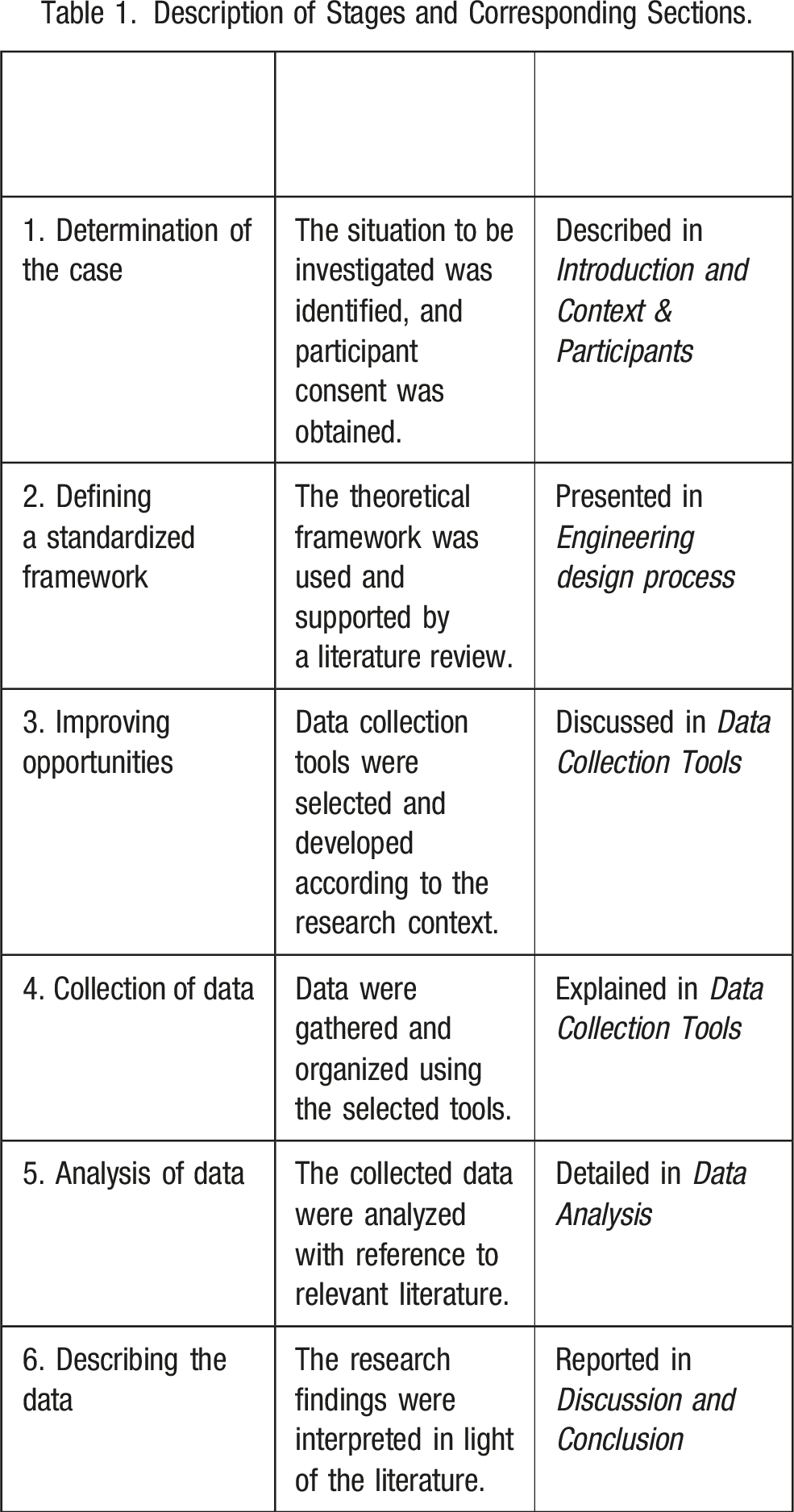
Figure 1 illustrates the stages of a case study, while Table 1 provides a description of each stage and its corresponding section in this study. Stages of the case study. Description of Stages and Corresponding Sections.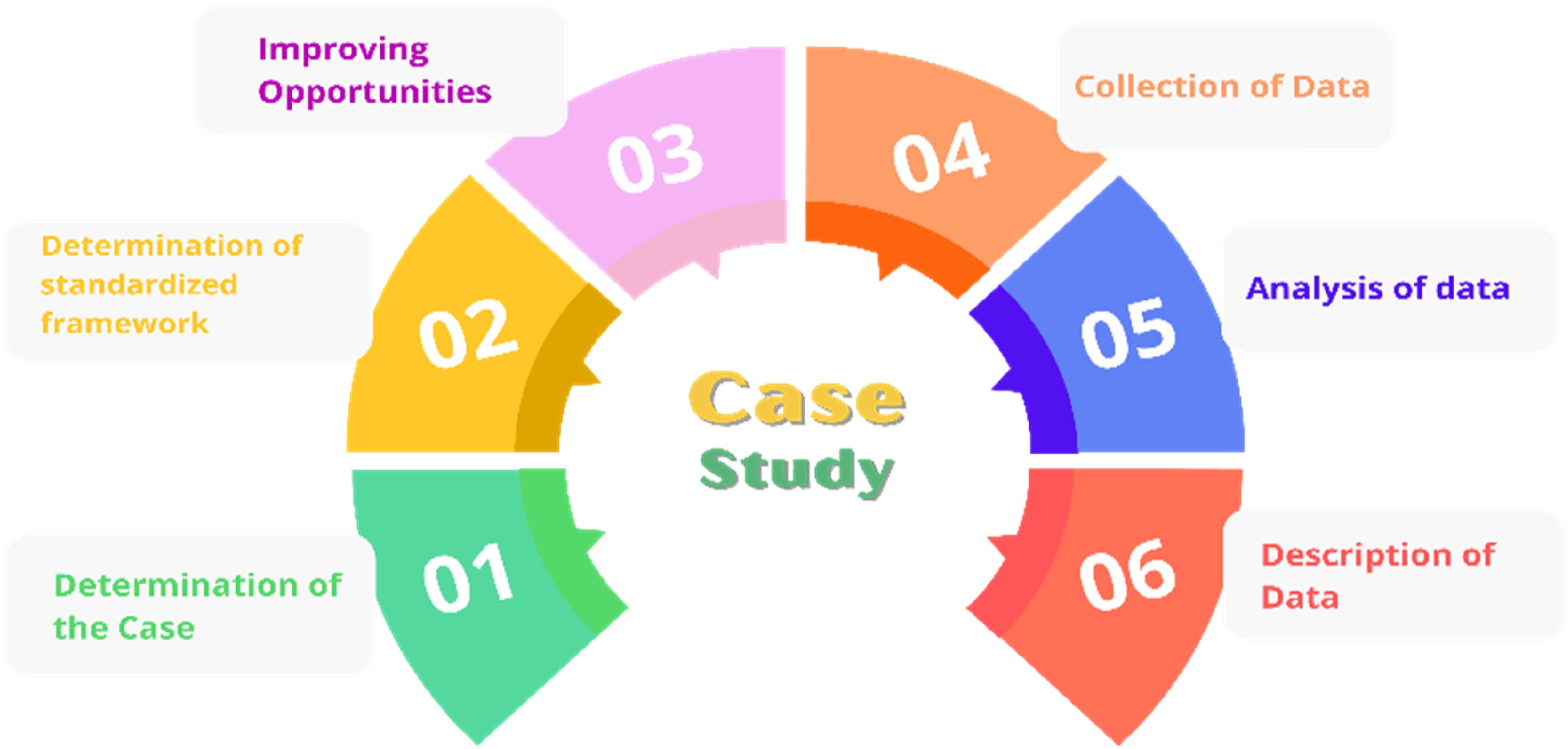
Context and Participants
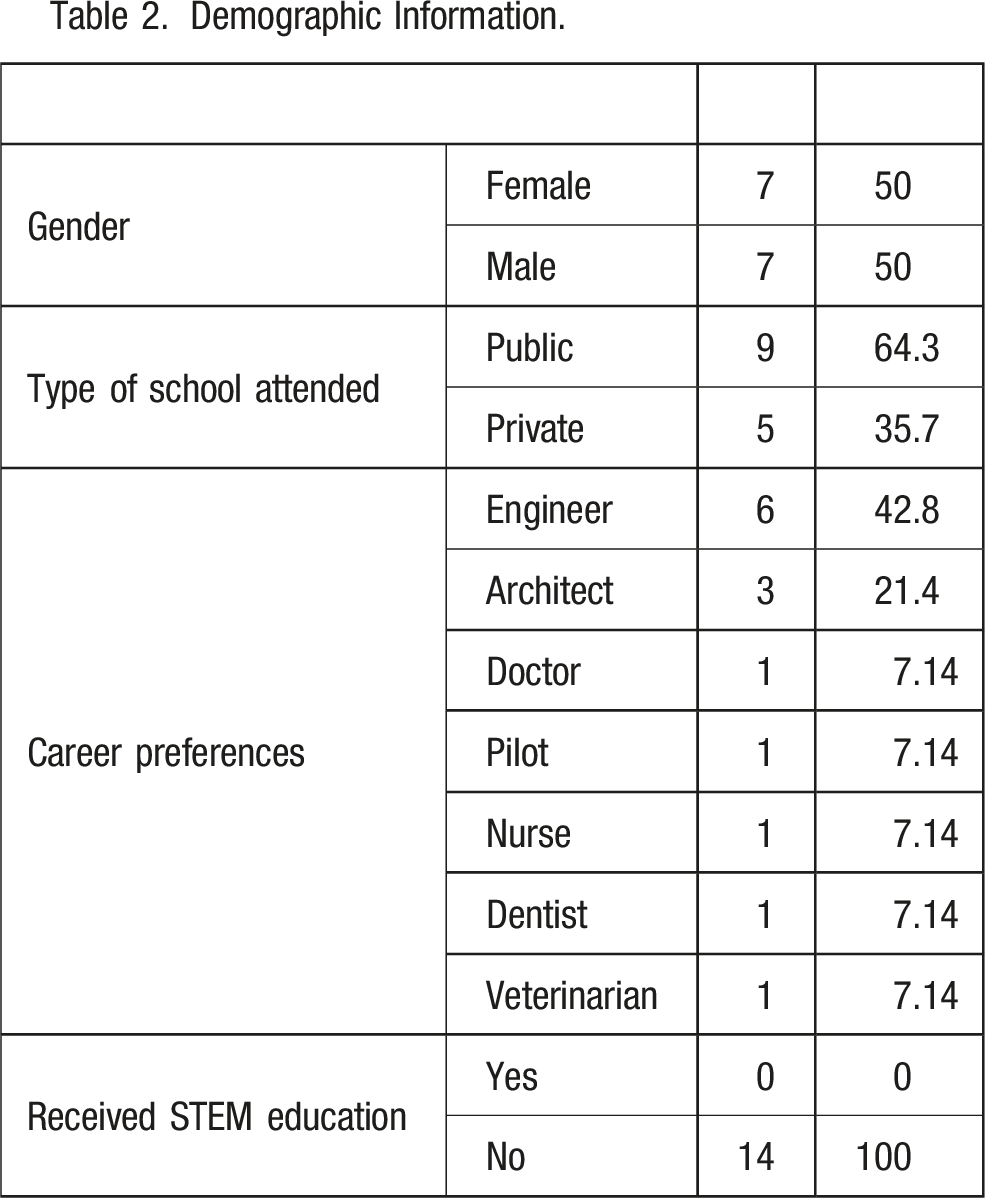
The research was conducted with 14 secondary school students in the sixth grade at a Science and Art Center in the 2022–2023 academic year. These centers, established by the Ministry of National Education, aim to develop the potential of gifted individuals by providing supplementary educational opportunities outside regular school hours. The identification and placement process for students in Science and Art Centers is based on specific criteria. Students are nominated by their class teacher or with the support of their family and peers. A student can be nominated in up to two areas, and nominations are made according to the dates set by the Ministry of National Education. Nominated students take part in the group screening test, which assesses their general intellectual ability, visual arts, and music skills. Each question in the test is worth 10 points, and incorrect answers do not affect the score of correct answers. Students who pass the group screening test move on to the individual assessment stage. In the individual assessment, students are evaluated in the area of general intellectual ability using internationally recognized intelligence scales (such as the Anadolu-Sak Intelligence Scale (ASIS), Wechsler Intelligence Test, Kaufmann Brief Intelligence Test-2). The ASIS scale evaluates various cognitive skills such as General Intelligence Index, Fluent Reasoning Index, Short-Term Memory Capacity, Verbal and Non-Verbal IQ. This scale specifically qualifies individuals with an IQ score (Sak et al., 2019). According to intelligence tests, those with a cut-off score of 130 and above are generally considered gifted.
Demographic Information.
Data Collection Tools
According to Yin (2009), in case studies, data can be collected through participant and direct observation, individual and focus group interviews, lesson plans, books, videos, and photographs. In the research, students’ worksheets and engineering notebooks were used as data collection tools to gather information about the engineering design process. Students' worksheets and engineering notebooks are frequently used to evaluate the engineering design process (Yılmaz Bilir et al., 2022).
In the study, a worksheet was distributed to students within the context of a scenario to determine how gifted students carry out the engineering design process. The worksheet includes questions related to how students approach the engineering design process. The questions on the worksheet were designed to cover the entire process—from problem identification and background research to generating ideas, developing models, testing, evaluating, and sharing solutions. In developing the form, all stages that Moore et al. (2013) described were systematically considered and aligned with corresponding prompts on the worksheet. The engineering design process (EDP) steps developed by Moore et al. (2013) were directly referenced in the creation of the questions. The draft form was reviewed by experts regarding content, purpose, and language to ensure alignment with the EDP stages. Revisions were made based on expert feedback before final use in the study.
In addition, the focus group interview form and teacher observation form (Appendices 4 and 5) developed by Karakaya and Yılmaz (2021) were used to collect information about students’ experiences regarding engineering design processes. These tools were also developed with reference to Moore et al.’s (2013) EDP framework, ensuring that each item corresponded to specific stages of the process. For instance, the teacher observation form includes indicators for identifying students’ behaviors in problem identification, idea development, modeling, testing, and communicating solutions. Likewise, the focus group form contains questions aimed at understanding how students experience and perceive each step of the EDP. Both forms were presented to experts for their opinions in terms of content, purpose, and language. They were revised in line with expert suggestions and finalized before implementation in the research.
The Implementation Process of the Research
In the implementation of this study, Moore et al. (2013) engineering design process was used as the basis, and a revısed version of the eight-stage EDP was implemented.
Preparation Stage
In the first stage of the study, students were introduced to the engineering profession and the engineering notebook, with general information provided about the engineering design process. Real-life examples, as well as examples from the students’ surroundings, were used to explain how engineers solve problems. For instance, designing more efficient irrigation systems in agriculture or developing more environmentally friendly and efficient transportation systems. Students were guided according to the engineering design process steps outlined by Moore et al. (2013). Four heterogeneous groups were formed. The groups were formed with homogeneous distribution between groups and heterogeneous distribution within groups. Students were asked if they wanted to change their groups, and it was explained that they would not be allowed to do so unless absolutely necessary after the research process began. The importance of teamwork in problem-solving was emphasized, highlighting that all group members should listen to each other’s opinions and maintain respectful relationships. Additionally, students were asked to come up with names for their groups. They generated names that felt appropriate to them and decided on their group names. Students were also instructed to create their own group rules. For example, one group named themselves “Logical Engineers,” and established rules such as attending every class, listening to each other when someone is speaking, and never dismissing any idea as unnecessary. The rules they established included ensuring equal responsibility among all group members in task division and maintaining perfect attendance in the classes.
The engineering notebook was presented as a tool for students to record their ideas, drawings, and designs throughout the process, with instructions to use pens that would not allow erasing, ensuring that their work was documented in its original form. Criteria and constraints were discussed in class, and students identified factors to consider in their solutions. The students have determined the following as criteria: not causing harm to other living beings, and that the solution is deemed acceptable by all group members. As constraints, they have specified that safety precautions should be considered, and the cost should not be high. The preparation stage was completed by answering any remaining questions from the students and providing further clarification on the process.
Identification Stage
After completing the preparation phase of the research, the process moved to the Identification Stage, which is the first step of the engineering design process. At the beginning of the Identification Stage, students were instructed to sit according to their groups. Engineering design notebooks were distributed to the students. The steps of the engineering design process were displayed on the interactive whiteboard and projected onto the screen, ensuring they remained visible to the students throughout the class.
Students were told that they should now act like engineers, and each group was given an envelope containing the “EDP-Based Invasive Fish Scenario” (Appendix 3). The scenario summary includes the following: In a freshwater lake in the Mediterranean, fishermen introduced an invasive predatory fish species, pikeperch (Sander lucioperca), into the lake unnaturally in 2010. This species rapidly multiplied, preying on other economically important and endemic fish species, leading to the extinction of two endemic species and putting others at risk.
Each student read the scenario individually. They were asked to note their thoughts on what the problem was in their engineering design notebooks. After individually analyzing the ecological problem in the lake, the students discussed it within their groups. They were asked to clearly define the problem and write their definition on the student worksheet. All students define the problem as an invasive species that disrupts the ecological balance in the lake.
After defining the ecological problem in the lake, students were asked to discuss within their groups the topics and needs that would need to be explored to solve the problem. Students were asked what the criteria and constraints could be for solving the ecological problem in the lake. They were instructed to write their answers in their engineering design notebooks. Students were asked to divide tasks within their groups and reminded of the group rules.
Learning Stage
After the completion of the problem identification stage, the research moved on to the learning phase, which is the second step in the engineering design process. However, learning is an ongoing process that occurs throughout each stage of the engineering design process. Since the learning phase was the one where students experienced the most significant learning, it was specifically named as the “Learning Phase.”
At the beginning of the learning phase, students were asked to sit according to their groups, and engineering design notebooks were distributed to them. The stages of the engineering design process were displayed on the interactive board and projected on the screen, ensuring they remained visible to the students throughout the lesson. During the identification phase, students had already determined the key topics to be explored in relation to solving the problem. In this phase, under the guidance of the instructor, students conducted learning sessions focused on the topics they identified as necessary to address the ecological problem in the lake. The learning sessions were closely linked to the issue of the ecological problem in the lake. During the learning stage, students were encouraged to conduct their own research using various sources such as the Internet, books, and teacher-provided materials. When students encountered gaps in their knowledge, the teacher provided mini-lectures, asked guiding questions, and shared additional resources to support their understanding. Group discussions were encouraged to allow students to revisit their learning needs. After discussing and identifying additional learning needs, students conducted further learning under the guidance of the instructor. In addition to the learning that occurred during this phase, the students’ learning needs were revisited and addressed throughout the following stages of planning, prototyping, testing, and decision-making. This process ensured that additional learning was integrated, and relevant topics were covered continuously as the students moved forward in the design process.
The specific topics related to the learning needs identified by the students were listed and illustrated in the learning phase: • Lake Ecosystem • Invasive Species • Endemic Species • Simple Machines • Oblique Shot • Radar Systems • Machine Learning • Arduino
Additionally, students were reminded to divide responsibilities among group members and to reiterate their group rules. The students were asked to reflect on which stage of the engineering design process they were currently in. A discussion about the importance of the learning phase was held within the class, and any questions related to the process were answered. Finally, the students’ engineering design notebooks were collected.
The learning phase involved not just acquiring information but actively addressing and revisiting the learning needs identified by the students. It was an interactive and dynamic phase where learning was continuously updated to ensure it aligned with the needs of the project. Group discussions and active guidance from the instructor were key in this process.
Planning Stage
Students were asked to apply their engineering, technology, and design skills to develop solutions for the ecological problem in the lake. At the beginning of the phase, students were seated according to their groups, and engineering design notebooks were distributed. The steps of the engineering design process were displayed on the interactive board and were visible to students throughout the lesson. Students were asked to define criteria and constraints for the ecological problem in the lake, and these were discussed within the class. The students then created multiple design plans for potential solutions, and through group discussions, they selected the plan they considered most suitable based on practicability, ecological safety, and alignment with the project goals. While developing their solutions and evaluating the selected plans, students revisited their learning needs and, with guidance from the teacher, filled in any knowledge gaps. The teacher provided aimed support based on the students’ expressed needs. When students identified areas where their understanding was insufficient, such as in the case of radar systems and simple machines, the teacher offered additional explanations and resources to fill in those specific knowledge gaps. Finally, students were asked to create prototype design plans for the chosen solution, explaining the required materials and how they would be used. Students were expected to justify their chosen solution with evidence from science, engineering, technology, and mathematics, and perform cost calculations. Additionally, safety measures were explained and recorded in their engineering design notebooks.
Prototyping Stage
This stage requires students to apply their engineering, technology, and design skills. The students have procured the necessary materials according to the prototype design plan developed in the planning phase. Safety precautions were reminded, and each group began developing their prototype by following their design plan. The instructor visited each group, observing time management, task distribution, and communication within the group. To guide students in completing their prototypes, they were asked open-ended questions such as “How do you imagine this being used in a real-world context?”, “Are there any parts that might be confusing to users?”, and “Whose needs are you trying to meet with this design?”
During the prototype creation phase, students also reviewed their learning needs and carried out new learnings. Through brainstorming and discussions within the group, they completed their prototypes and were instructed to store them safely until the testing phase.
Testing Stage
The prototypes developed by the students during the prototype creation phase were tested in this phase. Initially, the prototypes were checked for compliance with criteria and constraints. Then, it was determined whether they could provide solutions to the problem. For example, students who used the Teachable Machine application trained the system to recognize and capture an invasive fish within a lake, while ensuring that other fish were not detected by the system. To test this functionality, they presented objects that were not part of the trained category to verify that the prototype did not react inappropriately, thereby confirming that the system only responded to the targeted object. Students were asked to record their experiences related to the testing process in their engineering design notebooks.
Based on the testing results, the engineering design process steps were reviewed. If necessary, the relevant step was revisited. In some groups, the prototype was replanned, and a needs analysis was conducted. The revised prototypes were then evaluated for their compliance with the objectives, criteria, and constraints.
Decision-Making Stage
Each group was expected to compare the suitability of their prototypes to the objective, criteria, and constraints, and make a decision. During the decision-making process, the areas of their prototypes that they wanted to change or adjust were reviewed again. The students expressed their individual thoughts within the group. Then, a common decision was made within the group.
Students were asked to make a presentation to explain their decision. The presentation was expected to include the solution methods developed for the problem, the most suitable solution, the factors influencing the choice of this solution, the positive aspects of the prototype, the negative aspects, the data obtained without testing, and the decision-making processes regarding the prototype’s applicability. For instance, students elaborated on the factors influencing the choice of the solution, including the advantages of using the Teachable Machine application, such as its low cost, accessibility, and quick setup. They also addressed the positive and negative aspects of the prototype, and the challenges posed by environmental conditions and misidentification of similar species.
Presentation Stage
During the presentation phase, students presented their group posters and PowerPoint presentations to teachers and peers. The “EDP-Based Invasive Fish Activity” was introduced at the beginning, and the ecological problem in the lake was explained. A representative from each group presented for 15 minutes, followed by 5 minutes for evaluation. For example, a group of students designed a prototype that recognized and captured an invasive species in a lake using the Teachable Machine app. They chose the Teachable Machine app because it was a low-cost and accessible solution, and the model could be trained with visual data, which was a significant advantage in terms of rapid setup. The positive aspects included real-time recognition and the ability to respond quickly, while the negative aspects included accuracy losses due to environmental conditions (light, underwater visibility) and incorrect recognition of similar species. Students discussed their proposed solutions and explained how they applied the engineering design process. They showcased their prototypes, detailing their advantages and disadvantages, and answered questions from teachers and peers. The prototypes were evaluated by three experts using a design evaluation rubric. Afterward, a focus group discussion was conducted with the students.
Additionally, after each phase, students were asked which stage of the engineering design process they were in. A class discussion was held on the importance of each stage. Any questions students had regarding the process were answered.
Data Analysis
The obtained data were assessed by a team of three teachers, one from biology and two from science (physics-chemistry-biology) backgrounds, using the engineering design process evaluation rubric (Appendix 1). Additionally, students’ designs were assessed with the design evaluation rubric (Appendix 2). The rubrics used in the research were developed by Karakaya and Yılmaz (2021), and validity and reliability studies were conducted by the developer. The rubrics were developed based on existing frameworks in engineering design education. Content validity was ensured by having the rubric reviewed and revised by subject matter experts in the fields of engineering design and education. Feedback from experts was used to ensure that the rubric items accurately reflected the key aspects of the engineering design process. The final version of the rubric was consistently used throughout the research to assess students' engineering design processes.
The teacher observation form and focus group interview forms used as data collection tools in the research were analyzed by content analysis method. The determination of codes and themes from the data obtained during the content analysis process of the research was carried out by the joint work of three different field experts. Content analysis stages: (1) (2) (3) (4)
In qualitative research, the terms credibility, transferability, dependability, and confirmability are often used instead of traditional notions of validity and reliability (Lincoln & Guba, 1985). To ensure construct validity, data triangulation was employed, involving the use of multiple data sources including focus group discussions, and classroom observations Data triangulation is considered as cross-examination of data obtained from more than one data collection tool (Akar, 2016). The aim of the research is to ensure harmony between data collection tools by utilizing data diversification. Furthermore, to enhance the internal reliability and validity of the research, direct quotations from students’ opinions were included. In addition, construct validity was ensured by checking the research data by the practitioner teacher. In the analysis of the data, the opinions of three different field experts were taken. In this context, the Miles and Huberman [Reliability: Number of Consensus Number/(Number of Agreement + Number of Disagreements) × 100] formula was used for the consistency of the research. Consistency between researchers was determined as .80. According to Miles et al. (2014), if the consistency between researchers is above .70, the credibility of the data is considered high. Additionally, transferability is important in qualitative research within the scope of external validity of the research. For transferability, purposeful sampling should be used in the research and the research process should be explained in detail (Merriam, 1998). In this research, the study group was determined in line with the research purpose. The entire application process is explained in detail in the research.
Based on the credibility criteria proposed by Lincoln and Guba (1985), the study was carried out in accordance with the principles of credibility. The duration of the research was sufficiently long, and uninterrupted observations were conducted throughout the process. To ensure trustworthiness, data were verified by the data sources, and data triangulation was applied through the use of multiple data collection tools. The hypothesis was tested through analytical expressions, and the findings were reviewed by external experts. Furthermore, the research report was written in sufficient detail to allow for replication. These efforts demonstrate that the study meets the necessary criteria for credibility in qualitative research.
Findings
In the research, students’ worksheets and engineering notebooks were examined using the descriptive analysis method to determine the level of engineering design process realization of gifted students. In this context, the research initially aimed to address RQ1, and the findings corresponding to this question are presented below (Figure 2). Engineering design process.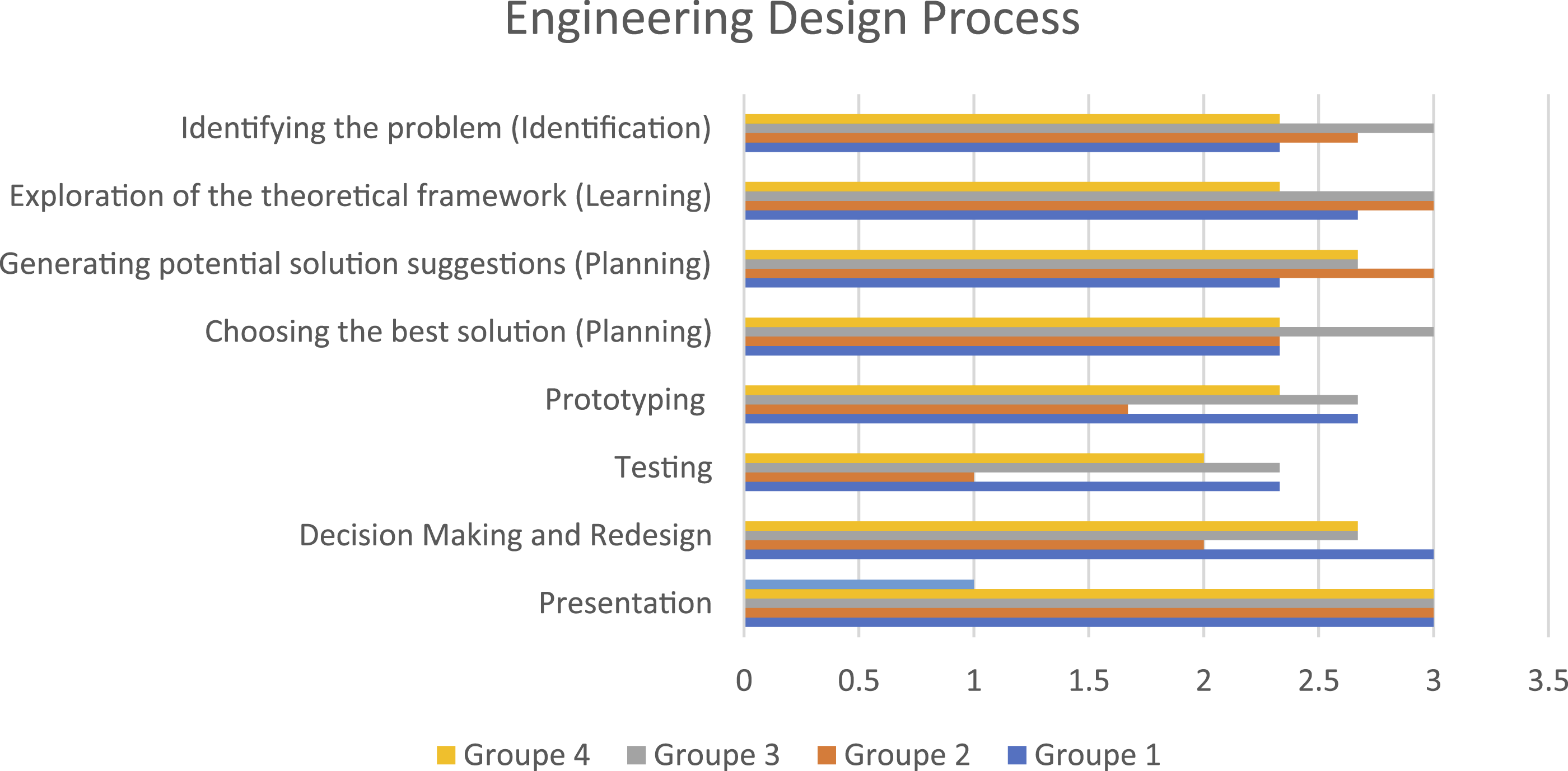
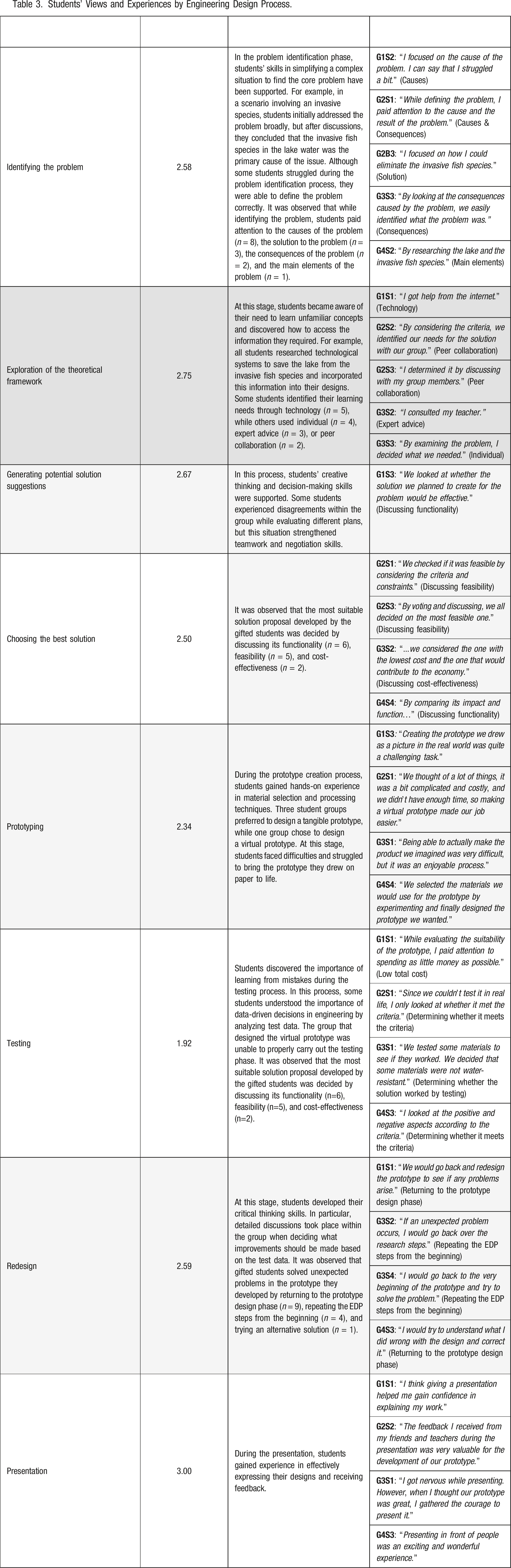
Students’ Views and Experiences by Engineering Design Process.
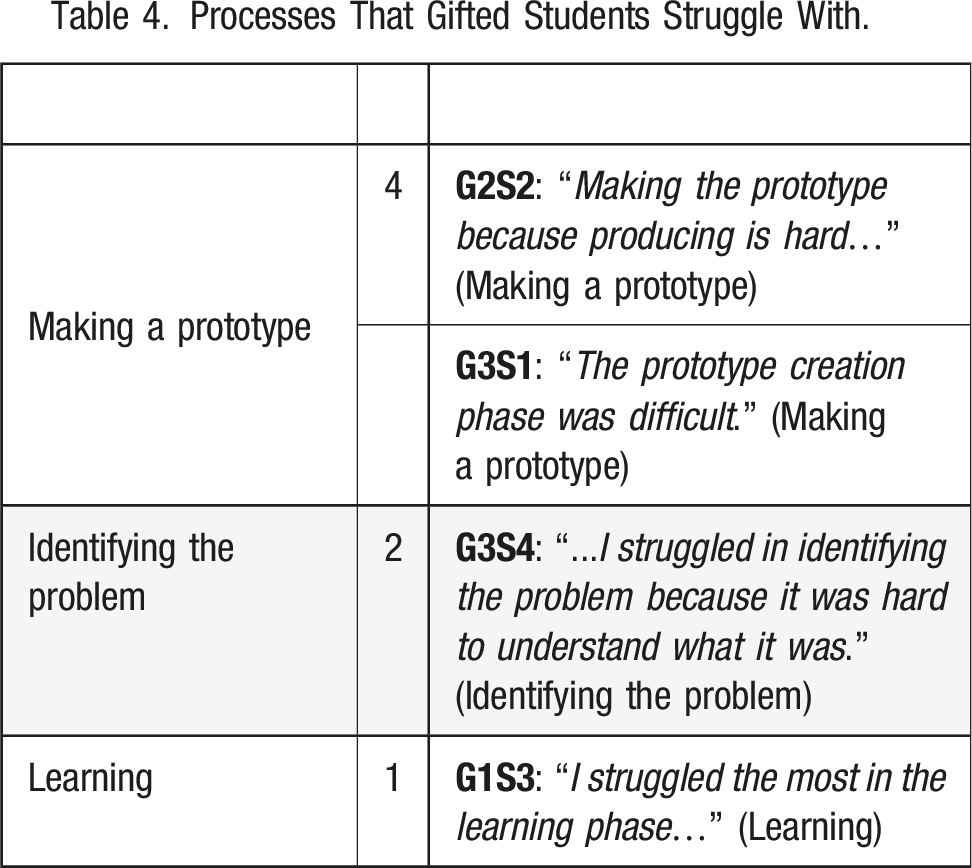
Processes That Gifted Students Struggle With.
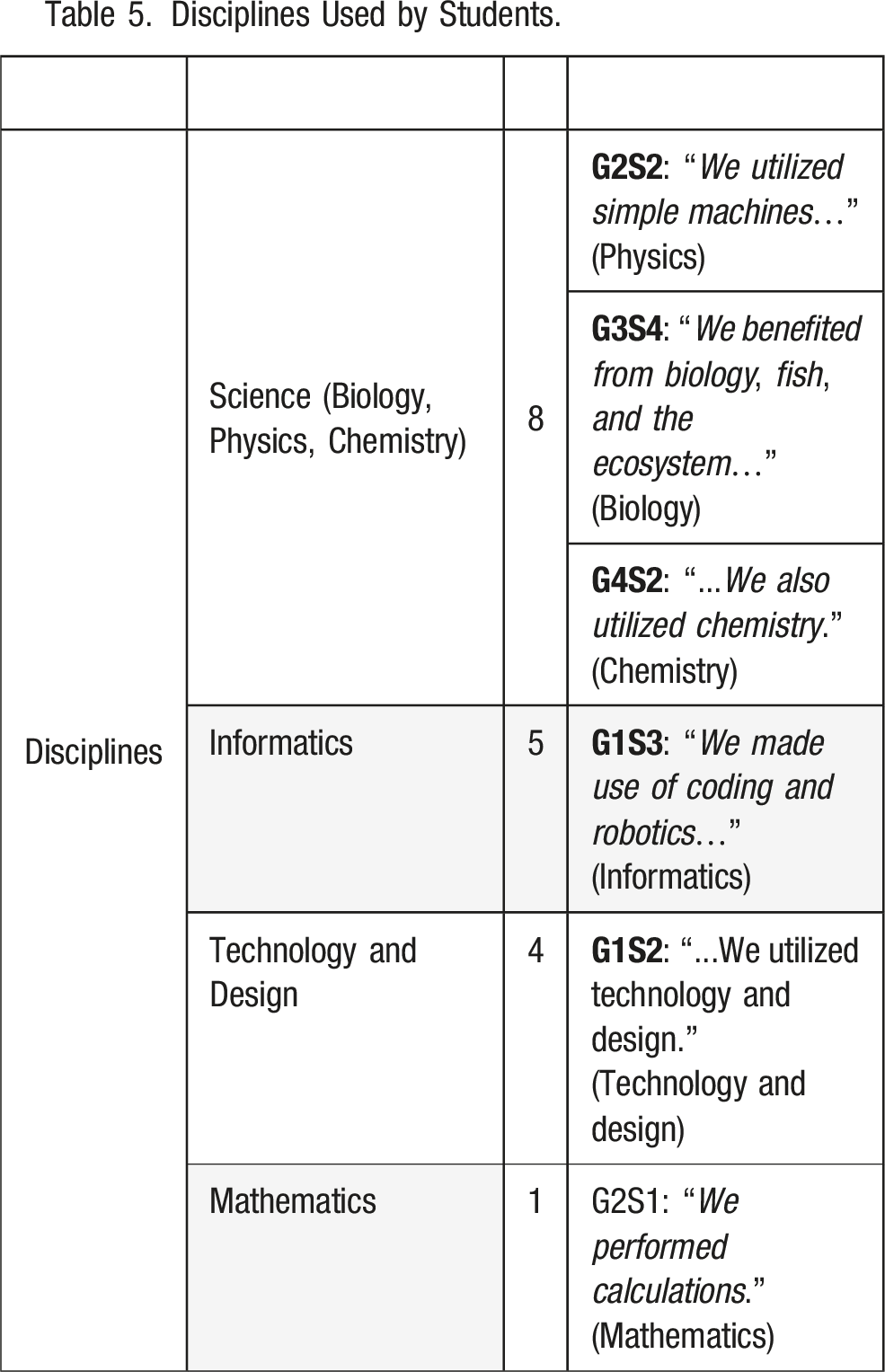
Disciplines Used by Students.
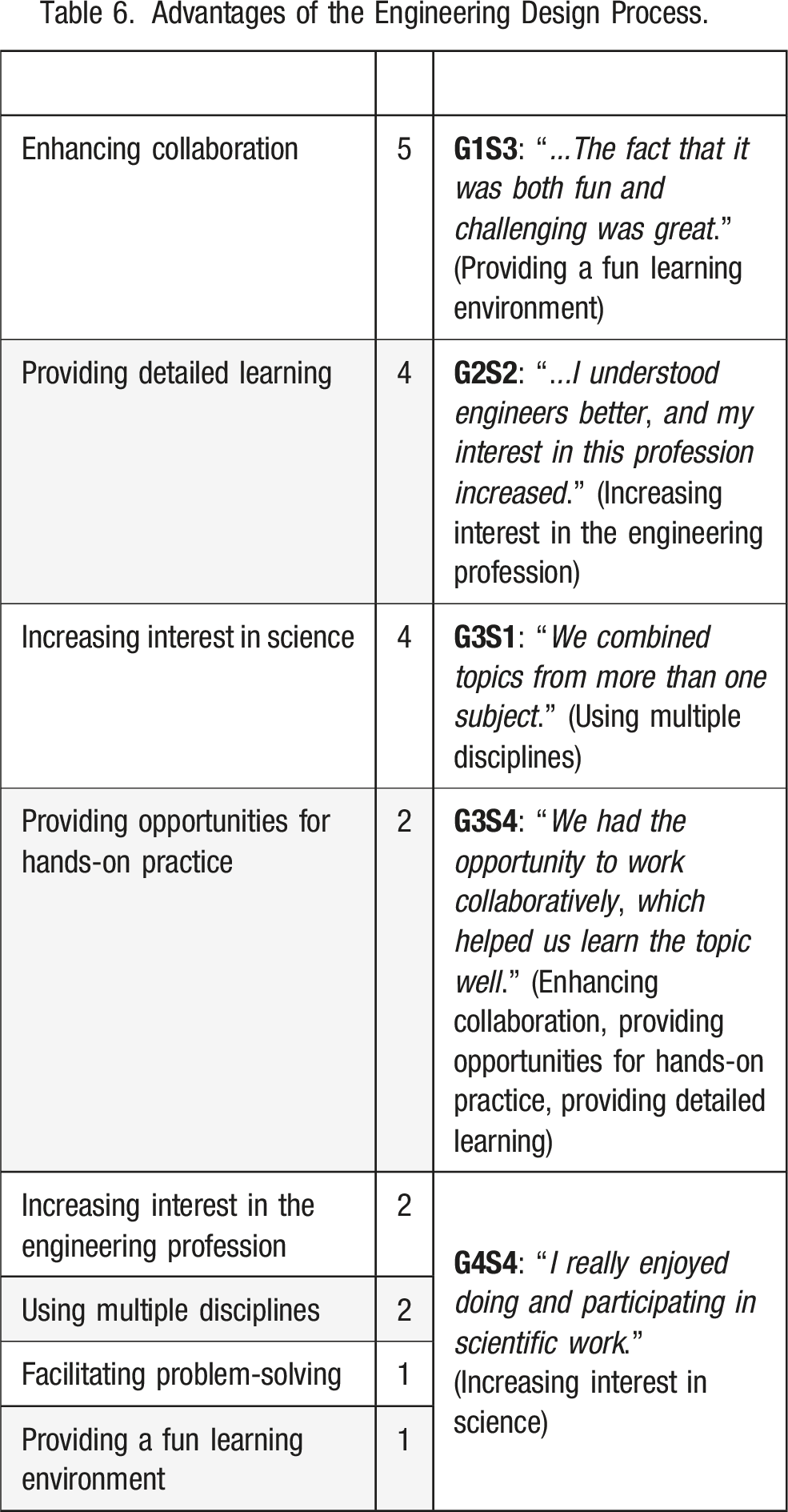
Advantages of the Engineering Design Process.
Disadvantages of the Engineering Design Process.
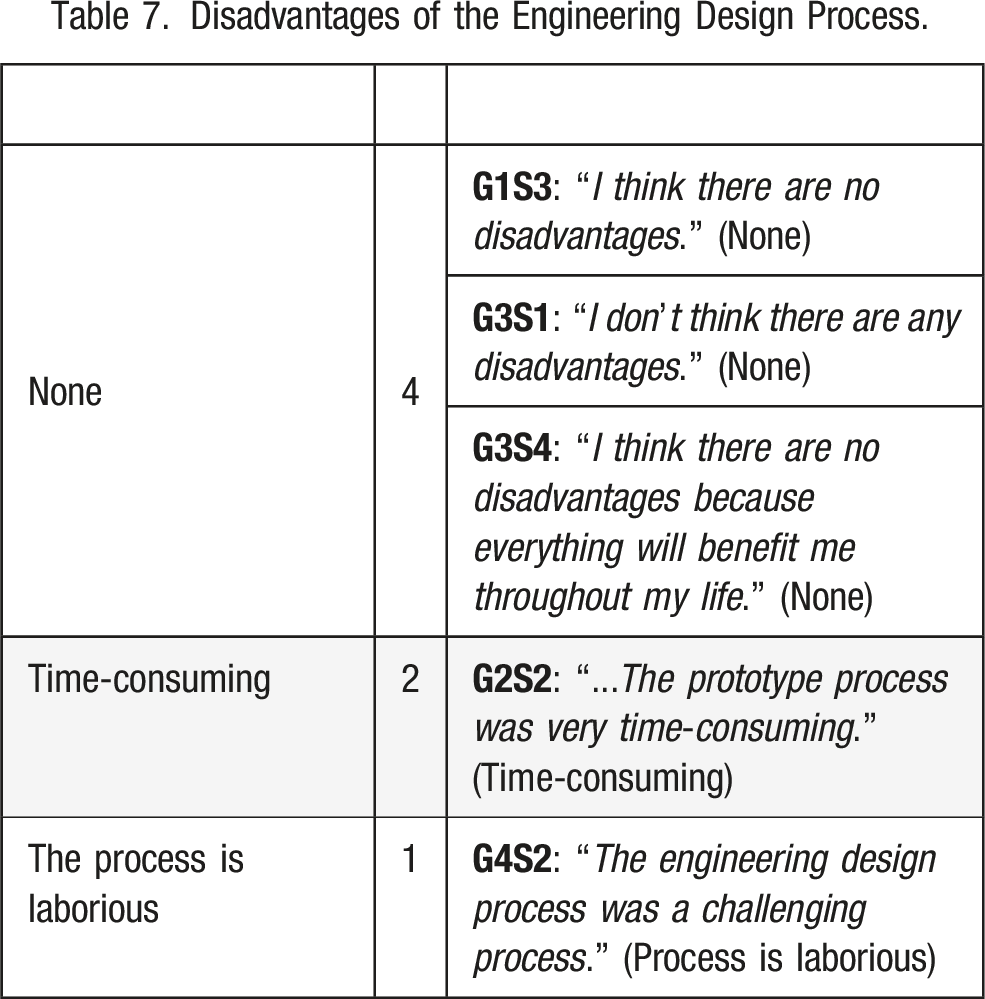
Table 3 highlights the students’ views and experiences during each phase of the engineering design process, reflecting their connection to the expert scores provided. Striking opinions of gifted students regarding the engineering design process are presented in tables (Tables 4, 5, and 7). Table 4 shows processes that gifted students struggle with.
When Table 4 is examined, it is seen that most of the gifted students have the most difficulty in the prototyping step in EDP. The student’s opinions regarding the disciplines used in the engineering design process are presented in Table 5.
When Table 5 is examined, it is seen that the information used by gifted students in the engineering design process belongs to the disciplines of science, informatics, technology, design, and mathematics. Table 6 shows the advantages of the engineering design process for gifted students.
When Table 6 is examined, it is seen that most gifted students responded that the advantages of using EDP in education are that it improves cooperation, provides detailed learning, and increases interest in science. Table 7 shows the disadvantages of the engineering design process for gifted students.
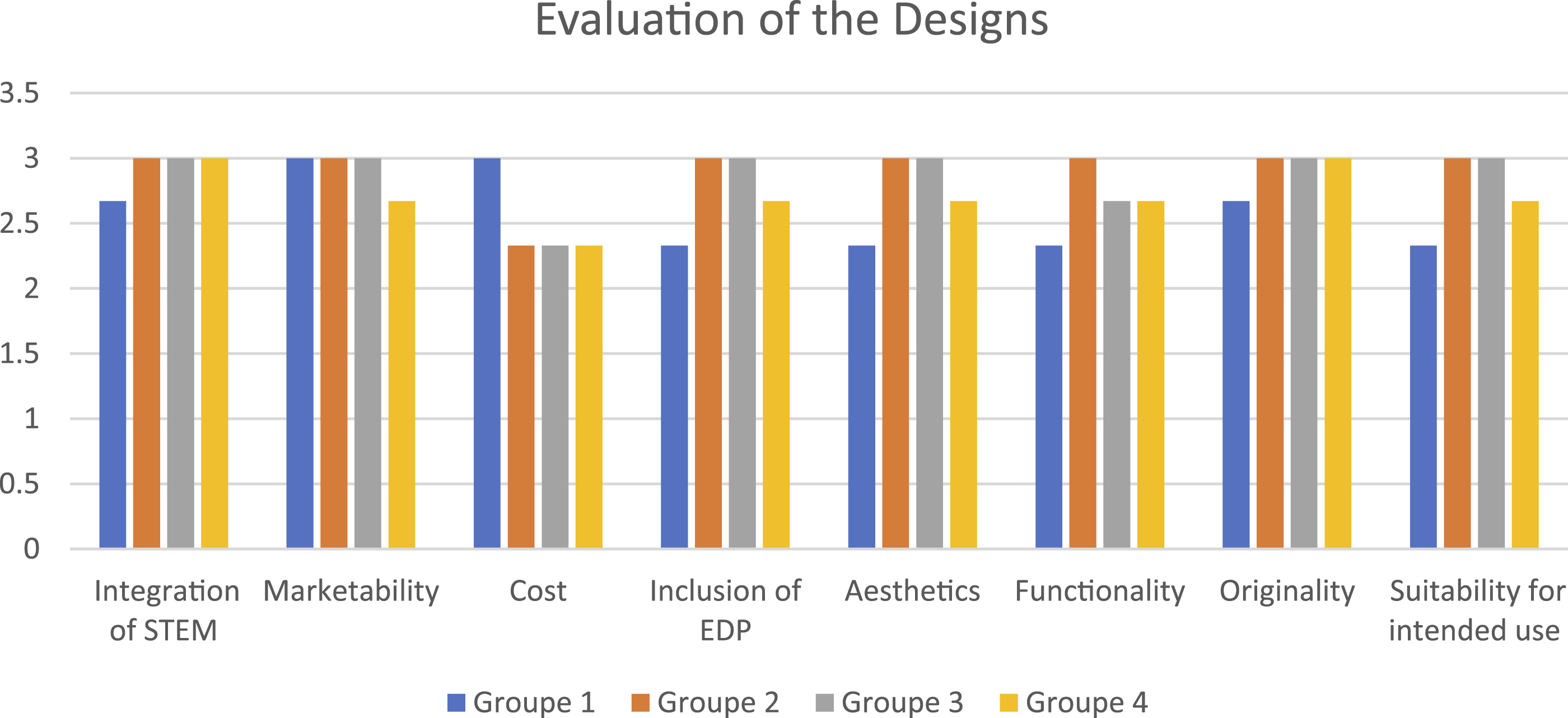
When Table 7 is examined, it is seen that most of the gifted students stated that there are no disadvantages to using EDP in education. The research aimed to address RQ3, and the corresponding findings are presented in Figures 3 and 4, and Table 8. Figure 3 shows that, in general, groups exhibited lower mean scores in the prototyping and testing phases of the engineering design process compared to other phases. Figure 3 shows the visuals of the designs made by the groups. The designs are described in the table below (Table 8). Visuals of the designs. Evaluation of the designs. Description of the Designs.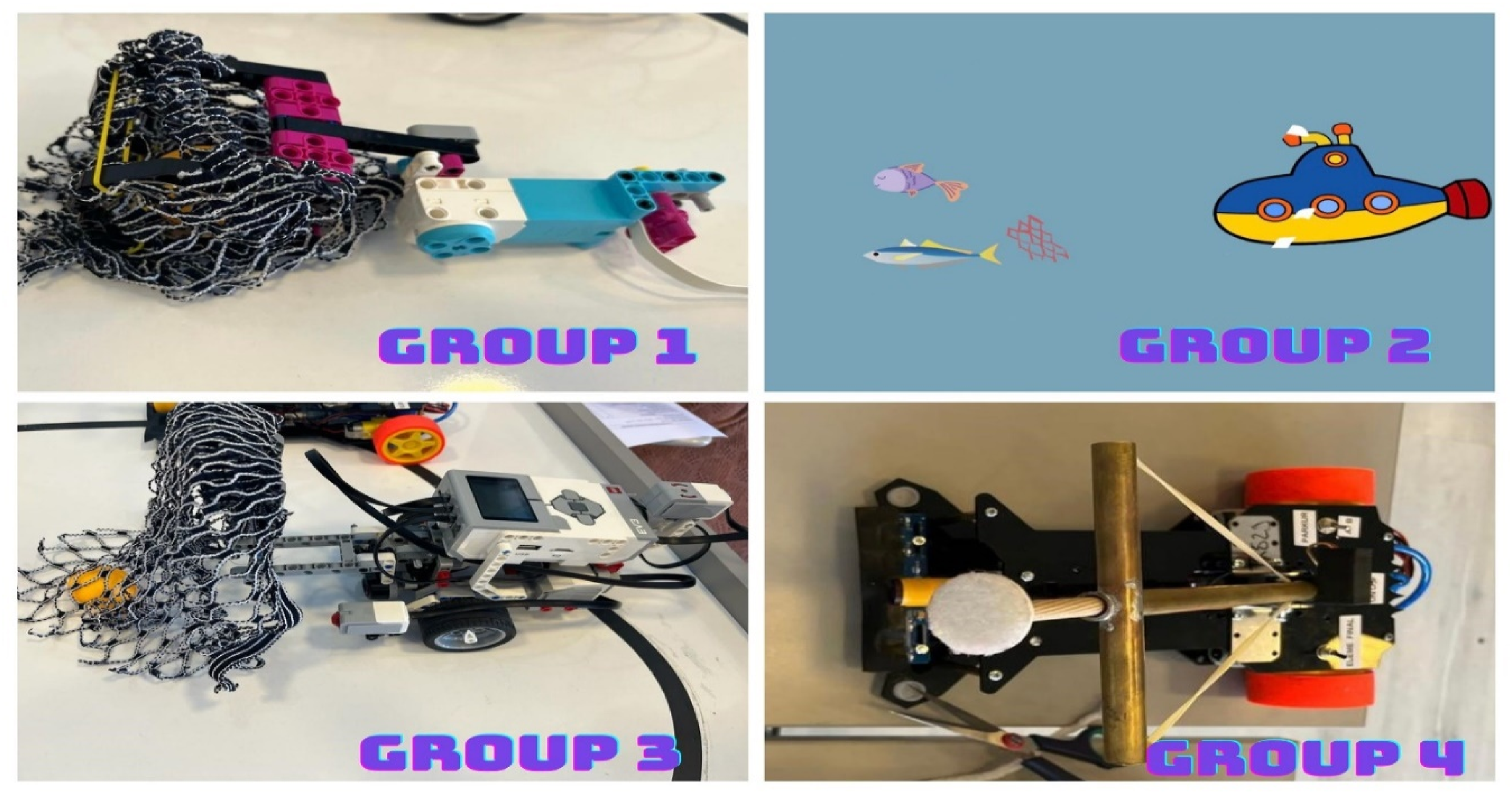
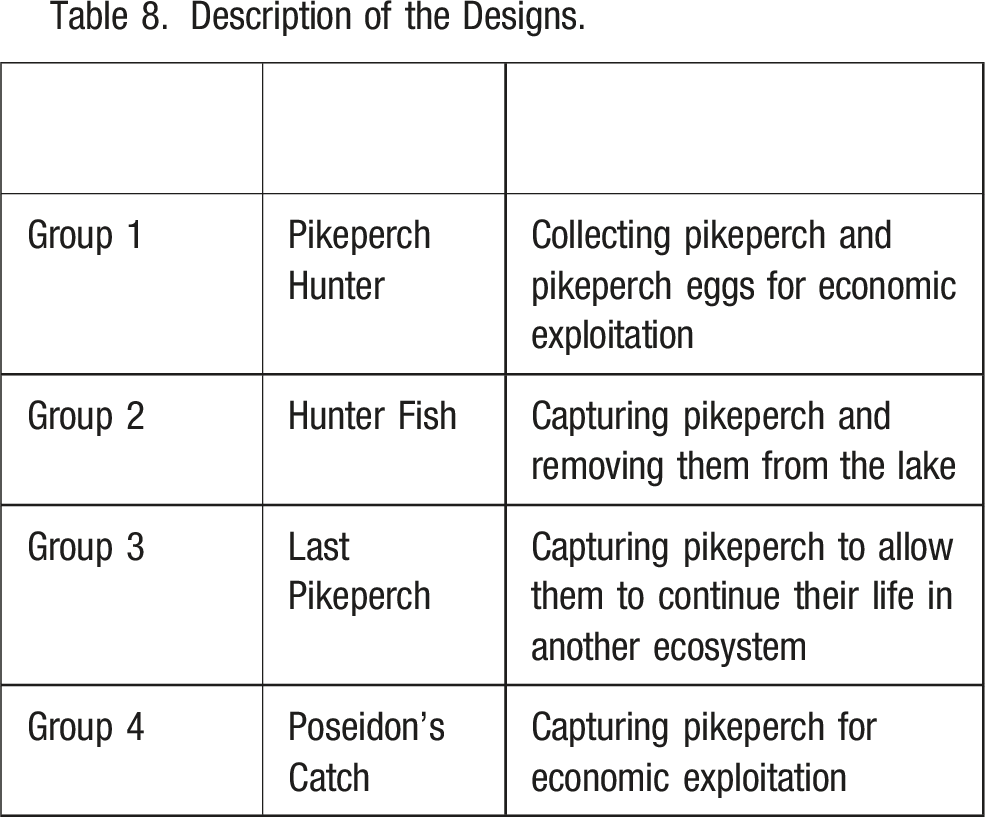
The designs presented by each group show distinct approaches toward the same objective of capturing pikeperch. While some groups focused on economic exploitation, others considered environmental sustainability. For instance, Group 1 (Pikeperch Hunter) and Group 4 (Poseidon’s Catch) both designed their systems to capture pikeperch for economic purposes. However, Group 1 specifically targets both the pikeperch and their eggs for broader economic exploitation. In contrast, Group 2 (Hunter Fish) focuses on removing pikeperch from the lake, without specifying any long-term sustainability concerns. Meanwhile, Group 3 (Last Pikeperch) stands out by emphasizing the ecological aspect, aiming to capture pikeperch for relocation to other ecosystems, thus ensuring the continuation of the species.
The findings obtained from the evaluation of the designs created by the groups are given in the graph below (Figure 4).
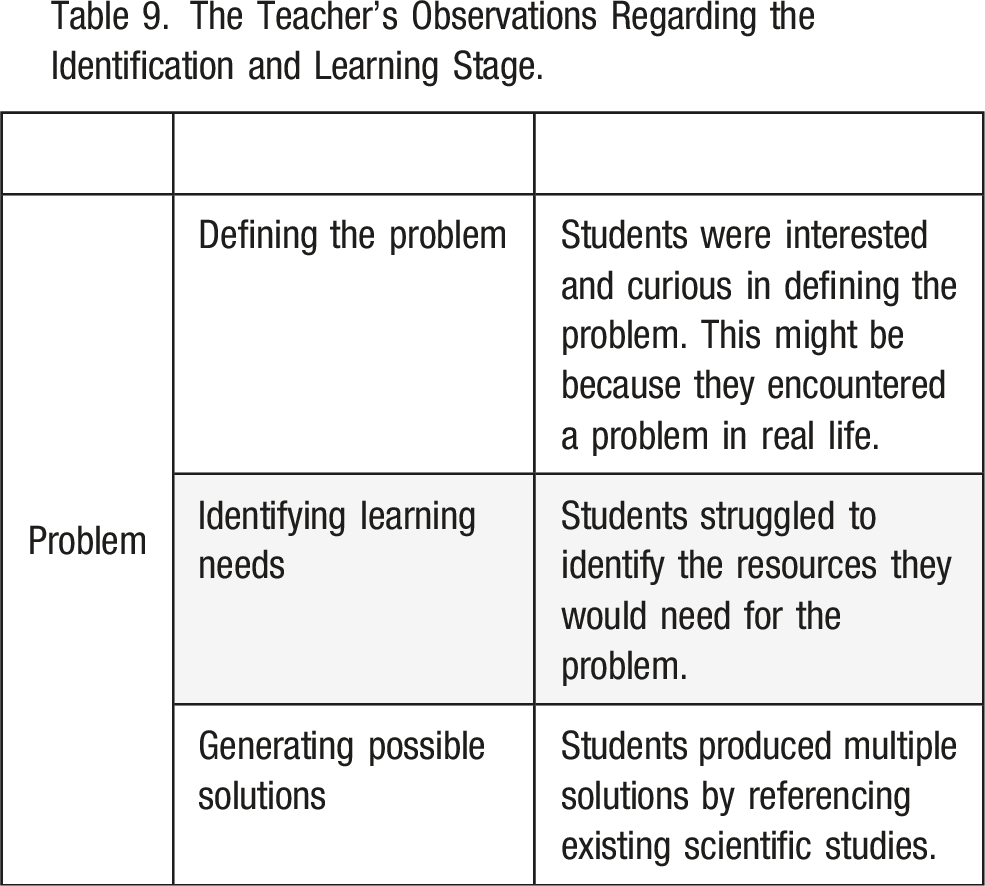
The Teacher’s Observations Regarding the Identification and Learning Stage.
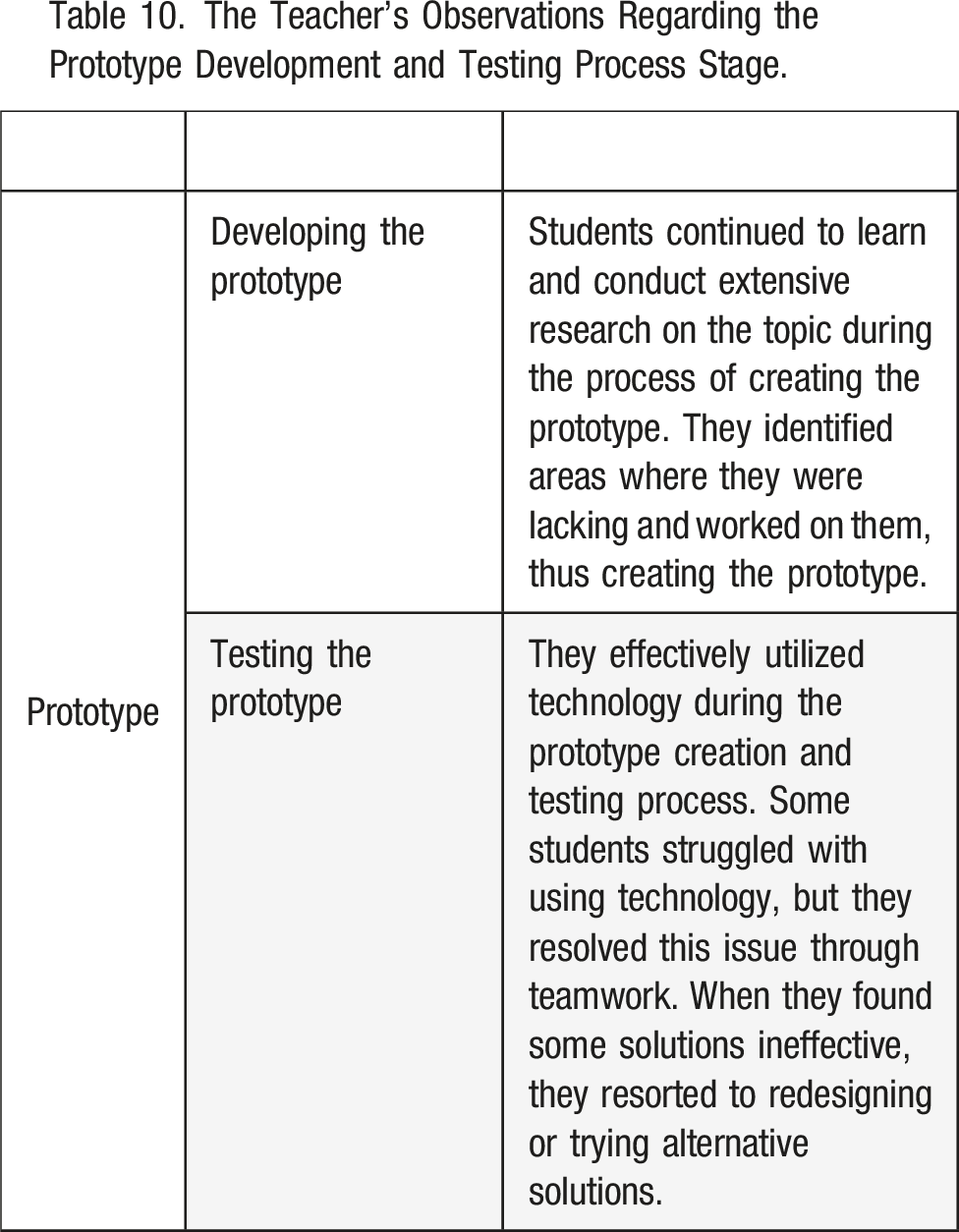
The Teacher’s Observations Regarding the Prototype Development and Testing Process Stage.
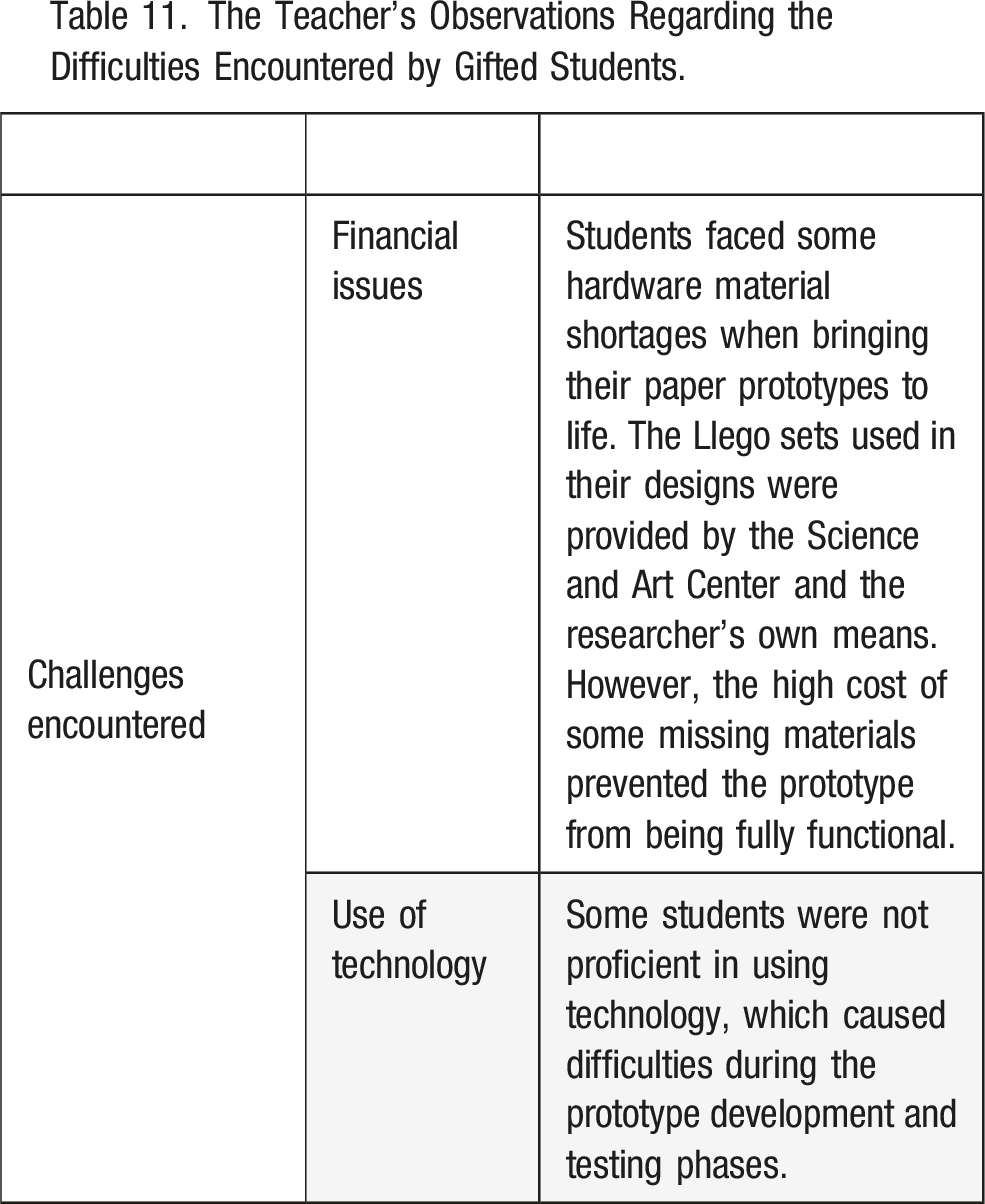
The Teacher’s Observations Regarding the Difficulties Encountered by Gifted Students.
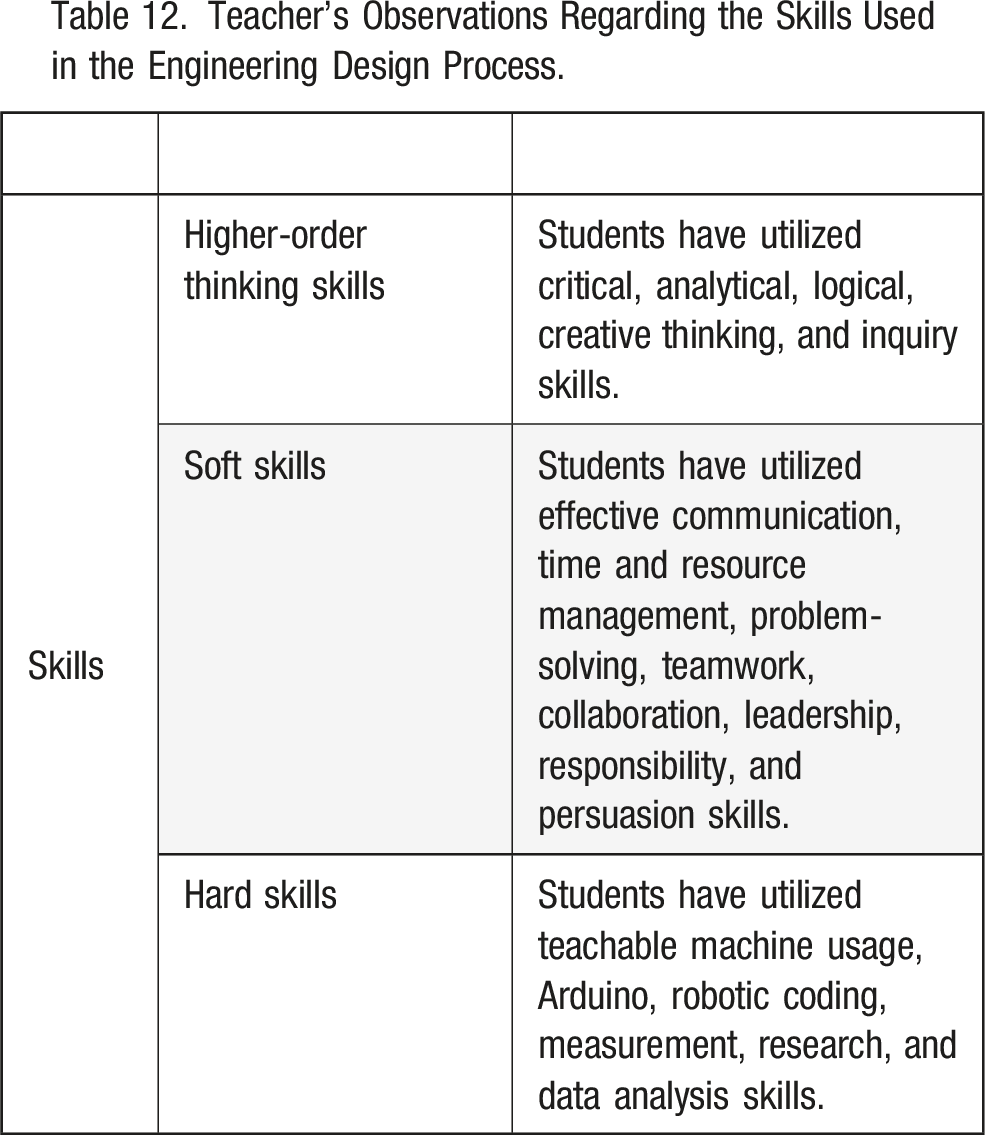
Teacher’s Observations Regarding the Skills Used in the Engineering Design Process.
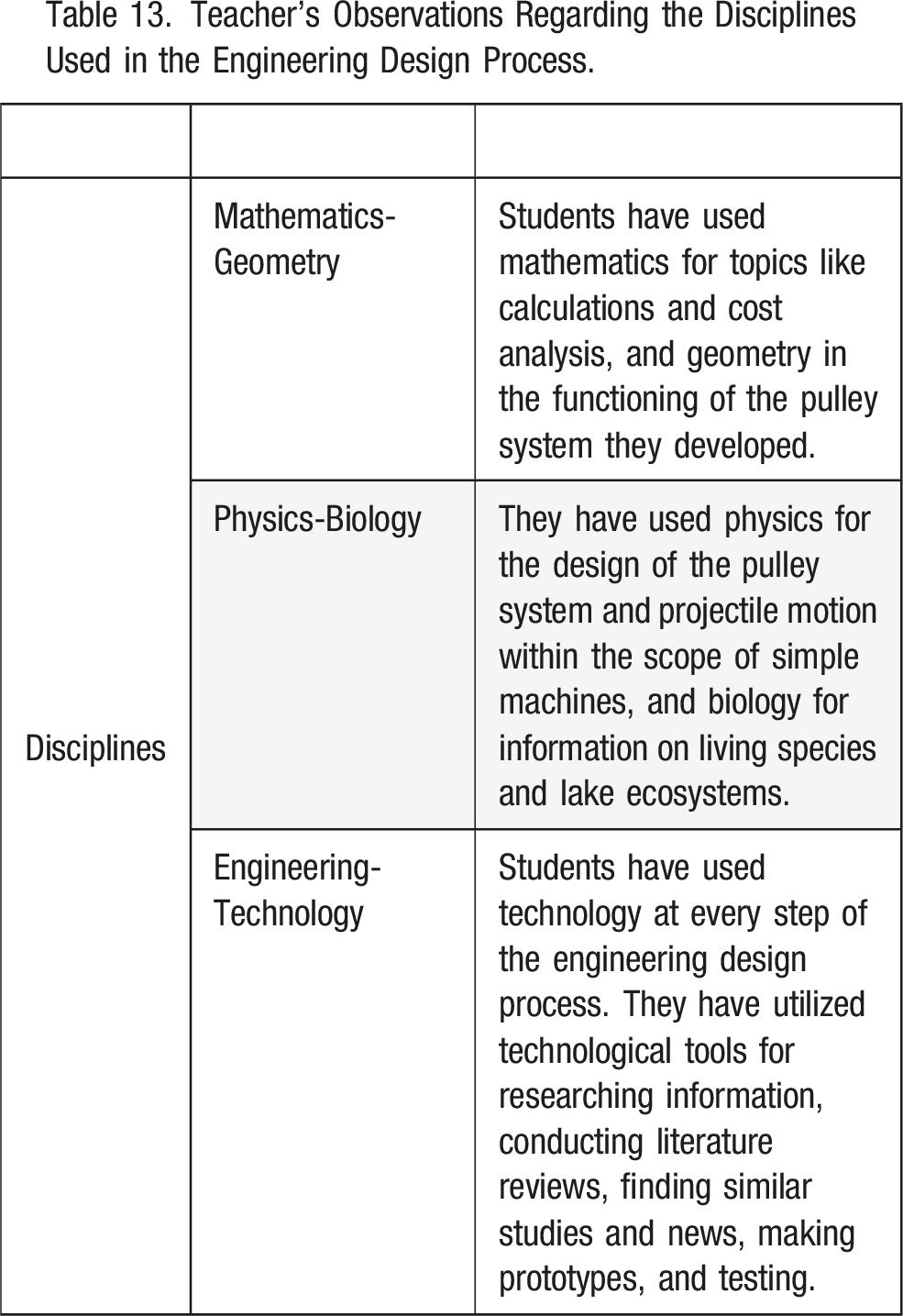
Teacher’s Observations Regarding the Disciplines Used in the Engineering Design Process.
When the table is examined, the teacher stated that the gifted students are interested and curious about defining the problem, but they have difficulty in determining the learning needs related to the problem. However, the teacher stated that gifted students turn to scientific sources for the solution of the problem. The teacher’s observations regarding the prototype development and testing process stage are given in Table 10.
When the table is examined, it is seen that the gifted students continue to learn during the prototype creation and testing phase, use technology effectively, and manage the process collaboratively. The teacher’s observations regarding the difficulties gifted students encounter in the engineering design process are given in Table 11.
When the table is examined, it is seen that the difficulties gifted students encounter in the engineering design process are related to financial issues and the use of technology. The teacher’s observations regarding the skills used by gifted students in the engineering design process are presented in Table 12.
When Table 12 is examined, it can be seen that the skills used by gifted students in the engineering design process are grouped under three categories. These refer to higher-order thinking, soft, and hard skills. The teacher’s observations regarding the disciplines used by gifted students in the engineering design process are presented in Table 13.
When Table 13 is examined, it is seen that the information used by gifted students in the engineering design process belongs to the disciplines of mathematics, geometry, physics, biology, engineering, and technology.
Discussion and Conclusion
The research examined the proficiency levels of intellectually gifted students in the engineering design process. Although there are notable differences among the designs of the groups, all groups have focused on a common goal, aiming to remove the invasive fish from the lake as a solution to the problem. While some groups aimed to exploit the fish they collected economically, others intended to allow the freshwater pikeperch to continue their lives in a new ecosystem. Despite the differences between the designs, the students correctly identified the problem in the lake and developed solution-oriented prototypes with appropriate goals. However, the research revealed that specific groups formed to address the problem demonstrated lower average scores in prototyping and testing, two crucial stages of the engineering design process, compared to other phases. The reason behind this lower performance might be the focus in gifted educational settings on theoretical concepts rather than practical application and design. Karakaya and Yılmaz (2021) found that science high school students demonstrated proficiency in identifying problems, developing solution suggestions, and integrating different disciplines in the engineering design process. Nevertheless, they failed to meet expectations during the design creation phase. Aydın (2019) discovered that students’ inadequate manual abilities in design had a detrimental impact on the engineering design process. Accordingly, it can be said that engineering design process-based activities create a driving force in students’ design; however, some students underperformed in this phase, possibly due to their limited experience. Engineering design implementations facilitate comprehension of design processes among secondary school students (Zhou et al., 2017). Similarly, some studies investigating the impact of STEAM education on gifted students have discovered that it plays a part in cultivating creative personalities in these individuals (Choi & Hong, 2015; Kim et al., 2014; Ko & Hong, 2021).
Three of the four research groups developed a concrete prototype, but one group presented the proposed solution virtually. The group chose to work virtually because they were pursuing a more complex design and could not provide enough time for physical creation. Besides, research findings revealed that some groups scored above average in most categories, while others scored close to the planned level. This performance difference is thought to be related to the level of communication skills within the group and their effectiveness in the planning process of the event. When implementing the engineering design process, producing at least one design is an expected result. In this context, it can be argued that the majority of gifted students successfully complete this stage of the engineering design process at the desired level. Gifted students were able to design by applying the engineering design process correctly (Han & Shim, 2019). Additionally, students were able to create original designs as a result of following the steps of the engineering design process within the scope of STEM activities (Kahraman & Doğan, 2020). Similarly, Tsao and Tsao (2023) found that gifted students are competent in applying the engineering design process. The findings of these studies support our conclusion that the majority of gifted students in our research successfully completed this stage of the engineering design process at the desired level.
The results showed that the step of the engineering design process that gifted students have the most difficulty with is prototyping. Additionally, the research findings indicated that the groups established to address the problem exhibited lower average scores in the engineering design process steps of prototyping and testing, as compared to the other steps. These findings support each other. The level of difficulties that gifted students face in developing creative thinking is high (Al-Abed, 2023). Similarly, studies have indicated that students encounter challenges during the prototype and design phases (Ali & Lande, 2018; Aydın & Karslı-Baydere, 2023; Iino & Nakao, 2019).
The researchers analyzed the perspectives of gifted students on the advantages and disadvantages of the engineering design process. As a result of the research, it was determined that gifted students mostly perceived the benefits of the engineering design process as enhancing collaboration, facilitating in-depth learning, and fostering a greater interest in science. Indeed, it has been established that the majority of gifted students responded that the engineering design process does not have any disadvantages. Nevertheless, sure students have mentioned that the engineering design process is laborious in terms of time. Petrovski (2023) STEM education provides numerous benefits to students, equipping them with essential skills that can contribute to their success in various aspects of life. De Meester et al. (2020) have mentioned that integrated STEM education fosters a proactive, curious, and cooperative mindset in students. These findings align with the results of the present study, which revealed that gifted students perceive the engineering design process as beneficial in terms of enhancing collaboration, supporting deep learning, and increasing interest in science. Pekbay et al. (2020) examined the engineering design process undertaken by students in secondary school. The researchers discovered that students identified the engineering design process as informative and interesting, as well as beneficial for developing their creativity and imagination.
Nevertheless, students indicated that the engineering design process presented drawbacks, including limitations in resources, time restrictions, and the challenges of working in groups. This supports the current conclusion that most gifted children reported no negatives about the process and appreciated its enriching nature. However, consistent with the occasional challenges noted in Pekbay et al.’s (2020) research, some students in this study did mention time-consuming aspects of the process.
In the study, it was observed by the teacher that gifted students continued to learn during the prototyping and testing phase, used technology effectively, and managed the process collaboratively. For example, all groups integrated technology into the design process by programming through Scratch and using machine learning. Since the primary goal of the students was to remove the invasive fish from the lake, they made use of technology to detect and catch the correct fish in the lake. Using technology in the education of gifted students effectively prepares students for real life, develops their skills, and differentiates learning content (Kontostavlou & Drigas, 2019). Students working as engineers and producing solutions to problems contribute to their effective learning of the subject (Purzer et al., 2018). Additionally, the implementing teacher observed that gifted students were interested during the problem definition process. The engineering design process was effective in meaningful learning and knowledge transfer, and it increased students’ interest and motivation toward the course (Meral et al., 2022). Studies in the literature have revealed that STEM education increases students’ motivation toward science learning (Bae et al., 2013; Sadler et al., 2014; Simsek & Soysal, 2022).
The researchers also explored the disciplines that gifted students utilize when implementing the engineering design process. Research findings revealed that gifted students benefit most from biology, mathematics, geometry, engineering, physics, informatics, technology, and design subjects. For example, the students who created physical prototypes utilized LEGO sets in their designs, while those who developed virtual prototypes engaged in digital design. Through these approaches, all students actively applied their design and engineering skills. Additionally, they drew upon interdisciplinary knowledge such as biology to understand the lake ecosystem and invasive species, physics for basic machine design, and mathematics for performing necessary calculations. Fan et al. (2018) asserted in their study that students can employ science (physics, chemistry, and biology), mathematics, and technology effectively throughout the stages of the engineering design process. According to Roehrig et al. (2021), students commonly use the discipline of mathematics when calculating in STEM education. This explains why students tend to use mathematical calculations in the engineering design process. Research indicates that at least two disciplines should be used in the STEM education approach (Aydın-Gunbatar & Tabar, 2019; Gencer et al., 2019; Heil et al., 2013; Sanders, 2009; Thibaut et al., 2018; Vaitekaitis, 2019). This research is consistent with the students’ tendency to use science, mathematics, and engineering fields together in the design process. This shows that the students adopt an interdisciplinary approach.
The research focused on the skills used by gifted students during the engineering design process. As a result of the research, it was observed that the skills used by gifted students in the engineering design process included high-level thinking and soft and hard skills. This observation is similar to other studies. For example, students developed essential skills such as teamwork, collaboration, and communication by working in groups. They also took responsibility for completing the assigned task. Moreover, throughout solving a real-life problem, students actively employed higher-order thinking skills, including critical, analytical, logical, creative thinking, and inquiry skills. STEAM improved the creative thinking skills of gifted students studying at the primary school level (Oh et al., 2016), contributed to the development of creative leadership qualities of gifted students in a STEAM-based camp program (Kim & Cha, 2021), promotes the development of 21st century abilities as perceived by STEM education science teachers (Dare et al., 2021), and has a positive effect on students’ critical thinking skills in general science teaching (Asal Ozkan & Sarikaya, 2023).
Based on a comprehensive evaluation of all research findings, it can be concluded that the implementation of the engineering design process in the educational environment is beneficial as it promotes the development of skills and offers numerous advantages for gifted students. Moreover, gifted students are generally capable of successfully carrying out this process. However, considering the expectation of countries to meet their need for scientists, it is crucial to provide gifted students with design-oriented educational settings. The research findings indicated that gifted students had greater challenges in the design domain than in other cognitive processes. Developing design-based educational settings, such as the engineering design process, and utilizing them in the education of gifted individuals is considered highly significant in this context. To enhance the design experiences of gifted students, it is necessary to provide design-based learning environments.
To ensure a comprehensive understanding of the research context and findings, it is important to recognize the following limitations of the study. The activity implemented in this study was limited to 7 weeks and 14 hours. Therefore, the long-term effects of more extended implementations could not be evaluated. The findings are limited to the Engineering Design-Based Invasive Fish Activity developed and implemented within the scope of the study; therefore, generalization to other similar activities should be made with caution.
Footnotes
Appendix
Acknowledgments
We are pleased to acknowledge that our study, titled “Implementation of Engineering Design Process For Gifted Students: A Case of Science and Art Centers,” has been accepted for oral presentation at the NARST: National Association for Research in Science Teaching Conference, to be held in the USA from March 23–26, 2025.
Author Contributions
In the study, the distribution of research tasks is as follows: the first author has completed 65% of the work, the second author 35%.
Declaration of Conflicting Interests
The authors declared no potential conflicts of interest with respect to the research, authorship, and/or publication of this article.
Funding
The authors disclosed receipt of the following financial support for the research, authorship, and/or publication of this article: This research was financially supported by the Scientific and Technological Research Council of Turkey (TUBITAK) (1649B031904677).
Ethical Considerations
The Gazi University Ethics Committee provided ethical permission for the research. Additionally, the necessary permissions were obtained from the Ministry of National Education, to which the Science and Art Center is affiliated. Since the participants were under 18 years of age, parental consent forms were collected for the students’ participation in the study. The manuscript has not been submitted to more than one journal for simultaneous consideration.
Consent for Publication
All authors have provided full consent for the article’s publication.

Data Availability Statement
The datasets generated during and/or analyzed during the current study are available from the corresponding author on reasonable request.