



Abstract
The risk of Work-related musculoskeletal disorders (WMSDs) in the unorganized sector of tyre cutting units of Jabalpur was found to be very high and requiring immediate intervention. Based on the study, a handheld tool was designed and its impact was measured in helping reduce the risk factors contributing to WMSDs for the workers. Further studies are encouraged with some suggestions to help reduce the impact on the reduction of Work-Related Musculoskeletal Disorders in the informal sector.
Keywords
Introduction
Work-related musculoskeletal disorders (WMSDs), besides impacting an individual’s ability to work, can be severe enough to warrant some time away from work for recovery, adding to individuals monetary burden and adds impact on their caregivers, next of kin, employers and, subsequently, the economy (Bevan, 2015).
While WMSDs are significantly associated with an individual’s age, BMI, working hours, and work experiences in some cases, studies of other informal sectors with manual labor employ tools like Rapid upper limb assessment (RULA) and rapid entire body assessment (REBA) are used to identify the key factors contributing to the risk of developing WMSDs in the workers, and scores obtained therein signal the need of immediate changes required, and interventions are recommended to help reduce the risk of developing these disorders (Dev et al., 2018).
In India, small scale industries (SSIs), comprising about 40% addition in gross industrial value to the country, involve the use of hand tools, especially in the unorganized sector encompassed within them. As WMSDs are extensively found within industries that employ hand tools (about 24% of the reported hand-tool injuries were composed of WMSDs), the workers of the Indian SSIs would be highly benefited with research into potential risk factors that can lead to development of WMSDs in their workplace. Furthermore, the use of ergonomic principles in modifying their workstations and the handheld tools they use is of significant aid in alleviating the onset of these WMSDs (Sain et al., 2018).
The tyre cutting units of Jabalpur are a part of the unorganized sector, and in these units old tyres are cut into smaller parts using locally available hand tools. The work involves piercing, cutting, and separating the rubber tyre parts and requires the use of forceful exertions and skillful movements. These rubber pieces are then sold off, for multiple uses, including the manufacturing of economical conveyor belts and shoe soles (Mukhopadhyay & Jhodkar, 2020). The youth are also employed in the work, and as the risk of harmful wounds being caused while manoeuvering the blade, they are asked to sit and observe the work process for about 6 months before they’re allowed to use the hand tool. The sharpening of tool is done by blacksmiths who live far from the tyre cutters workplace (which usually is adjacent to their homes) making the trip to blacksmiths a financial burden on the workers—this leads to a reduction in the frequency of tool strengthening and sharpening, thus further dampening their work efficiency.
Similar to communities like the welders (Sain et al., 2018) and bicycle repair units (Mukhopadhyay et al., 2015), the workers in tyre cutting units in Jabalpur also face a high risk of WMSDs, and the RSI and RULA scores further substantiate the argument that the task being performed is in a high-risk category, thus requiring immediate ergonomic intervention. Thus, based on existing research of tyre cutting units in Jabalpur and of the similar unorganized sector workers, the aim was to redesign the existing hand tool that reduces the strain on the worker to help reduce the risk of WMSDs for the workers.
Methods
Observation
The method of Drury (1995) was used for direct observation and activity analysis for various tasks involved in the tyre cutting process. Observations were done to understand each of the steps used to cut tyres of varying sizes.
Direct observation was done in combination with photography to obtain the plan and the elevation views of the workers as they performed their work activities. The tools workers used, tool dimensions, the workers’ grip onto the same were also recorded using this method. It also helped analyse the postures they maintained while working and the workspace envelope that they worked in. It also helped in recording the workers’ movements, repetitions, and exhaustion levels, while also giving an insight into the temperatures they work in, the lighting conditions they are in, the amount of direct sunlight they’re exposed to, and other environmental threats that their workspace leaves them vulnerable to.
Interview
Interviews (Miller & Crabtree, 1992) with the workers were useful to help understand their perspectives about their work, their perceived exhaustion and pain levels, hazards and safety incidents that they experience during their work, and the training time it takes them to be able to start to work, their economic conditions, and other factors that play into their decision making (Figure 1).
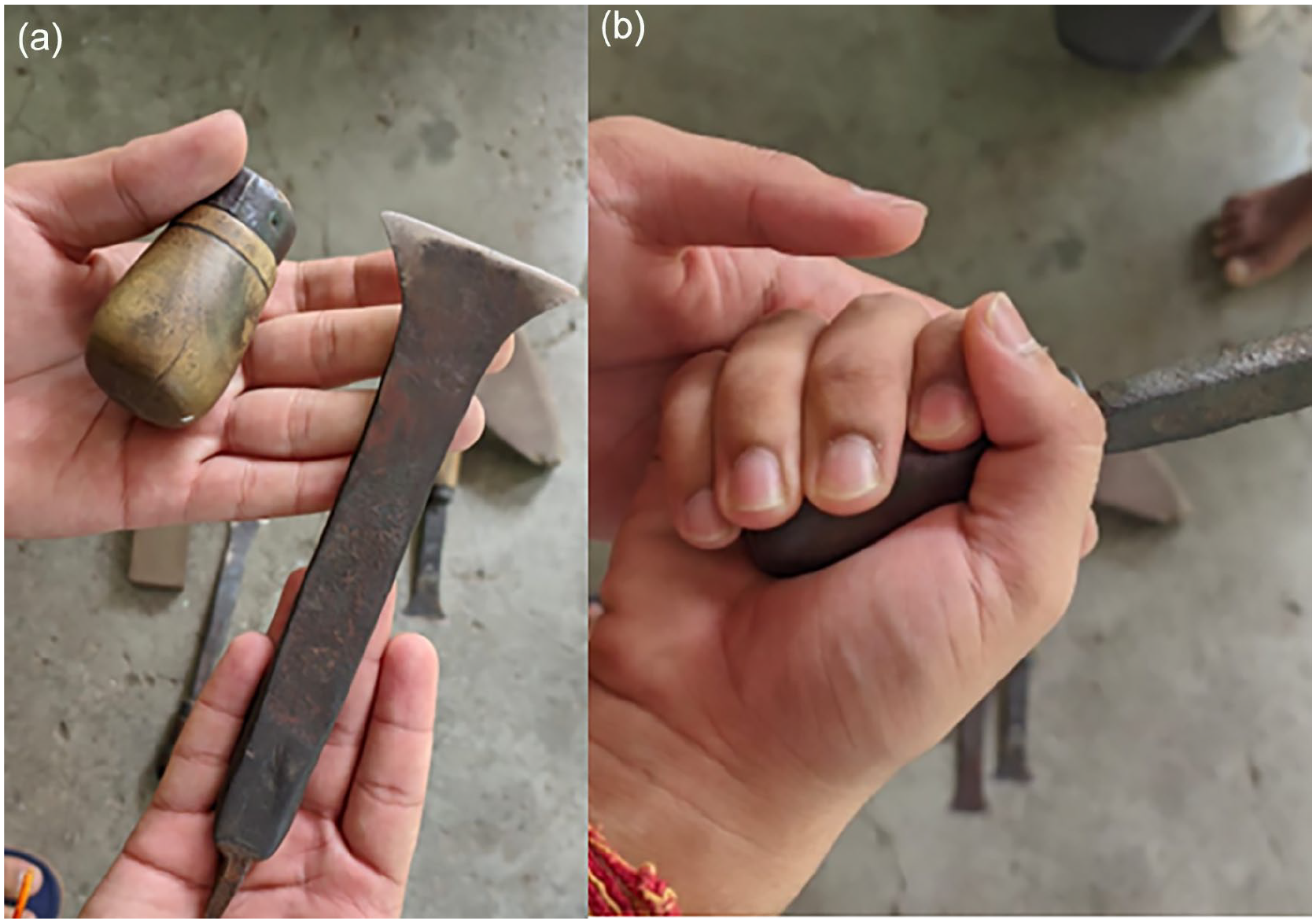
(a) Left: separate handle and chisel, (b) right: grip that forms while holding the tool by the handle.
Photography and Videography
In combination with direct observation, photography and videography was used to mark the worker’s posture angles, wrist angles, body elevations, the tyre, and tool sizes and the workspace areas for an objective evaluation. This further helped in using the non-invasive postural analysis tools RULA (Rapid Upper Limb Assessment; McAtamney & Corlett, 1993) and RSI (Garg et al., 2016), which helped us further establish the strong need for an intervention to correct the work postures of the workers.
Results
Work Process
The work process begins with the workers sharpening their tool, which is a cobbler’s chisel appropriated for their process. They sit on a flat surface, with ample space to include two stacks of tires—a stack of uncut tires is kept on one side, the cut-up pieces are collected on the other side, and a space in the middle is kept to actually work with the tires (shown in Figure 2a). They start off by applying water on a stone slab, picking up their tool, and repeatedly scraping it against the slab to sharpen the blade of the tool (Figure 2b). Afterwards, they pick a tyre for cutting, and depending on the size of the tyre, different methods are applied to make the cut. Small tyres (of diameter 30–38 cm) are cut in the middle, and split into two halves, and bigger tyres (of diameter ~68 cm) are separated into three parts—the two rims and a tread, requiring different work processes and postures for cutting the two.
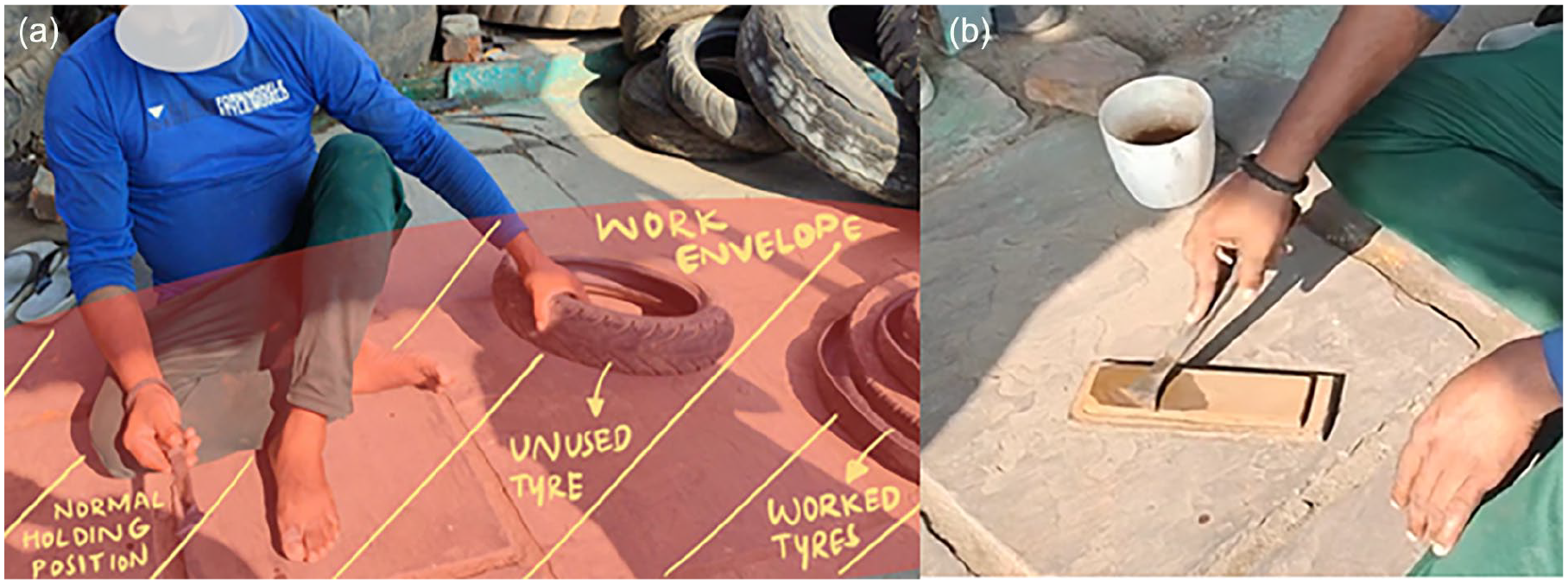
(a) Left: workspace envelope of the worker, (b) right: chisel being sharpened.
When Cutting the Smaller Tyre
The tyre is placed on the floor (in front of the body, with a foot propped up in front to grip the tyre) as shown in the Figure 3. The tyre is then rotated using the left hand, and a cut made with the tool via the right hand. This process of rotation and cutting simultaneously is repeated until the entire tyre is separated into two halves.
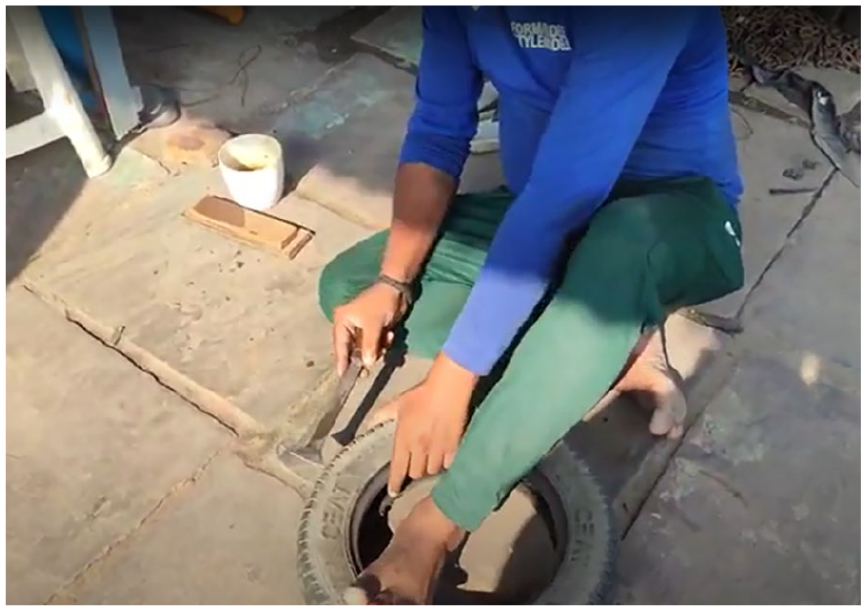
Posture and wrist position while cutting the small tyres.
When Cutting the Big Tyre
The tyre is kept (on the floor with the leg propped up in the middle) as shown in Figure 4a. The cutting process is again performed, with the left hand being used to pull and rotate the tyre and the right hand making the cut. The cut is made right on the edge of the rim and the tread, and the tire is flipped over once to make the cut on the other side. The result is the tyre separated into three parts—two rims and the tread.
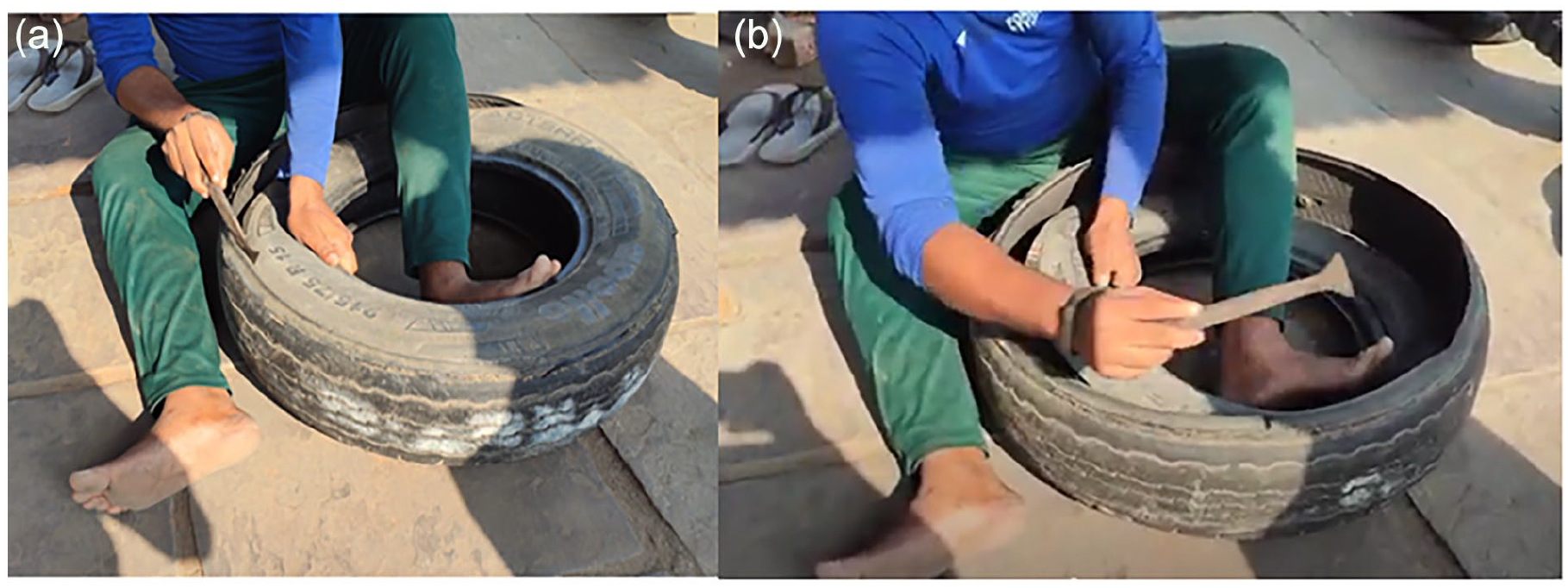
(a) Left: incision being made, (b) right: the hand overshooting at the end of the cut.
There is no presence of a physical worktable—the area for the tyres and the sharpening slab define the work envelope for the workers. The work is performed for 8 hr during the day, and the environment isn’t regulated—the workers sit on any flat surface available, be it in the open or in a walled-off/closed space, and sometimes the roof can be present.
Activity Analysis
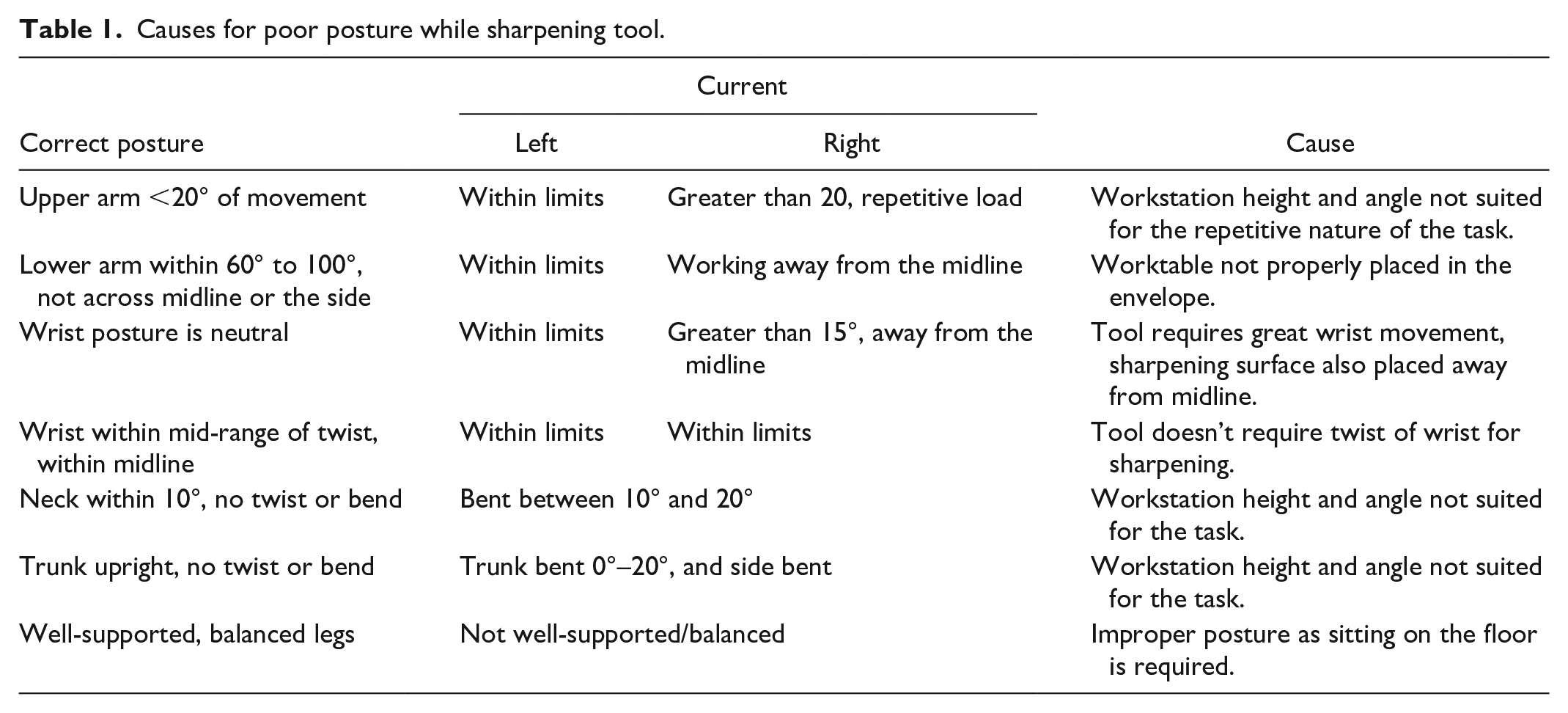
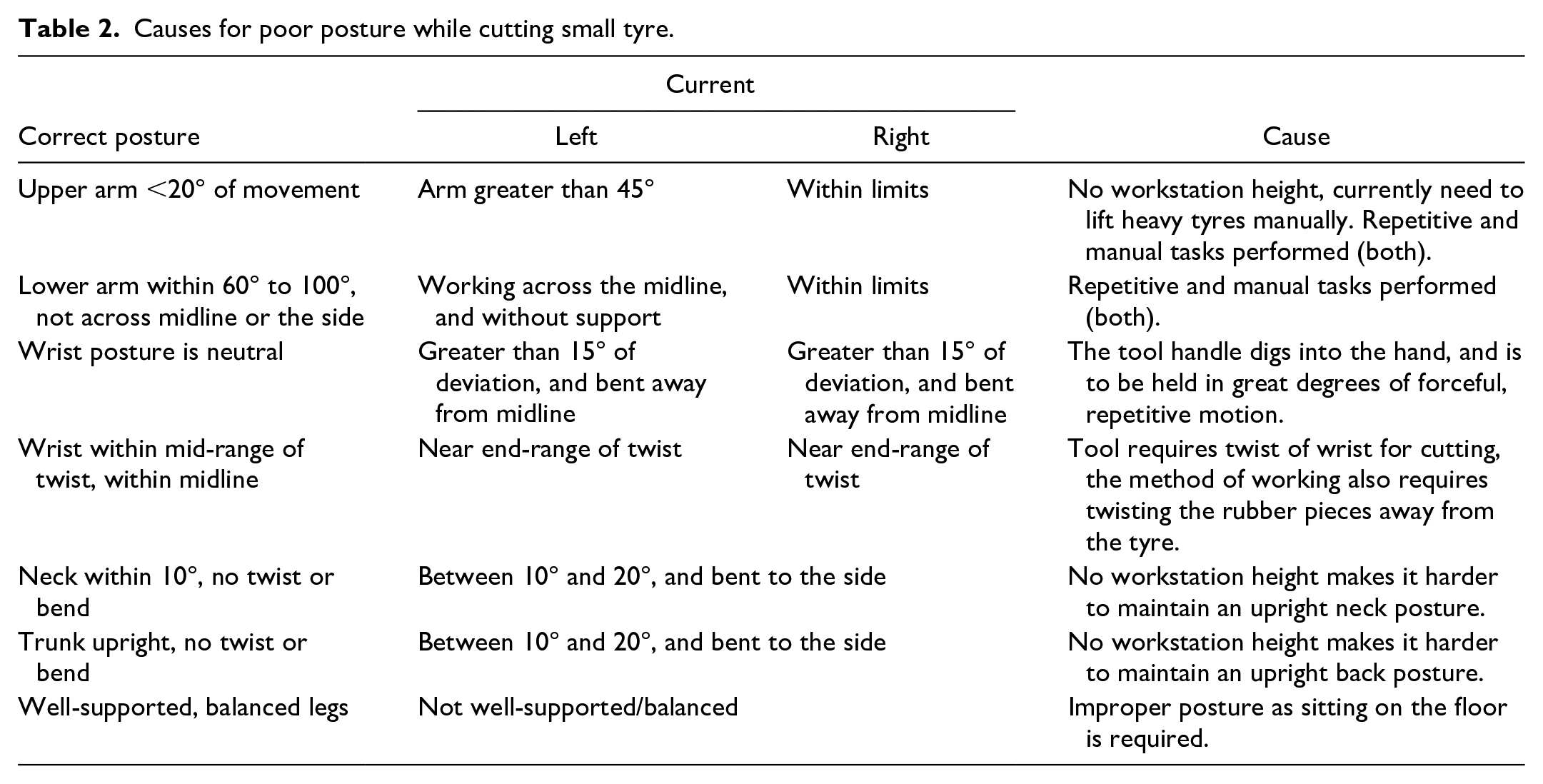
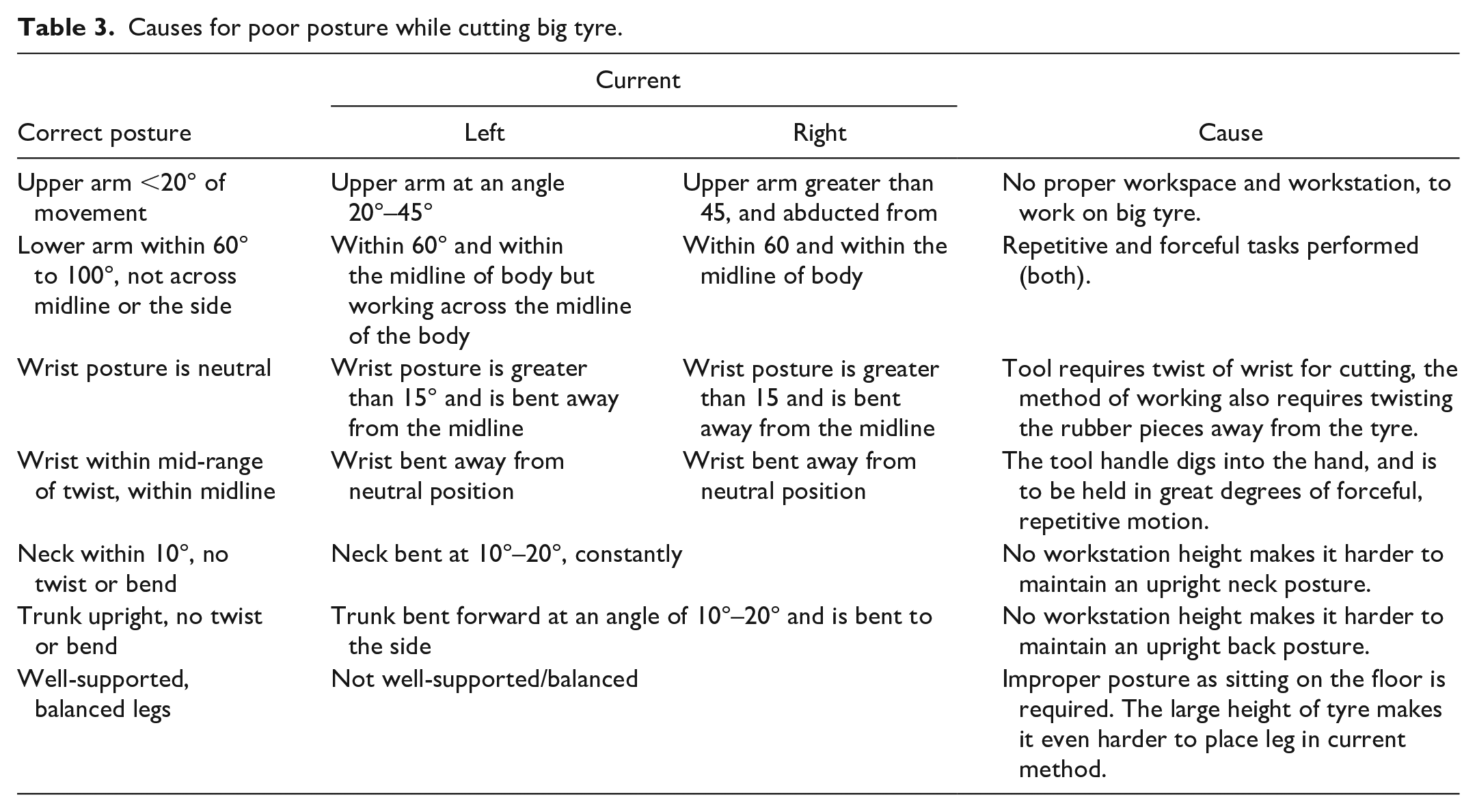
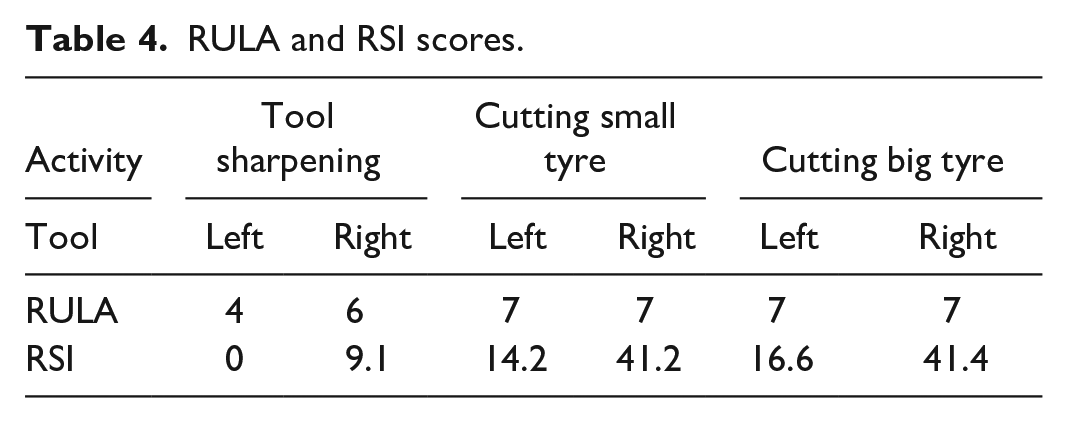
The problems discovered while sharpening the tool, cutting the small tyre and cutting the big tyre are listed in Tables 1 to 3 respectively. The RULA and RSI scores for the left and right sides while performing the three tasks are as given in Table 4. RSI scores for the right hand are much higher than 10, and the RULA scores for the cutting activities are at 7, indicating the hazardous nature of the job and that the changes are required immediately. The workers also recounted the incidents where the primitive design of the tool had led to occurrences of slips which led to severe cuts on their lower arms with the sharp blade.
Causes for poor posture while sharpening tool.
Causes for poor posture while cutting small tyre.
Causes for poor posture while cutting big tyre.
RULA and RSI scores.
Design Process
The design process (Brown, 2009) for the new tool and workstation took around 6 months to complete, wherein the steps of ideation, prototyping, and testing were followed. During this process, several considerations were taken into account, including the issues currently faced by the tyre cutters, their work processes and conventions, the materials being sourced locally, and the ergonomic principles that were to be followed (Johnson, 1993). Frequent feedback was taken while ideating to understand the workers’ work stereotypes and what kind of tools they preferred to adopt. The temporary and portable nature of their workspace and tools was also taken into account while brainstorming ideas.
Brainstorming
The Ideations/Brainstorming involved exploration of various indigenous hand tools and derivation of handheld tool analogies from various fields. It also involved sketching out the ideas, which helped to visualize the concept before prototyping the artifact, and also helped receive quick feedback from the workers about the ideations (Figure 5).
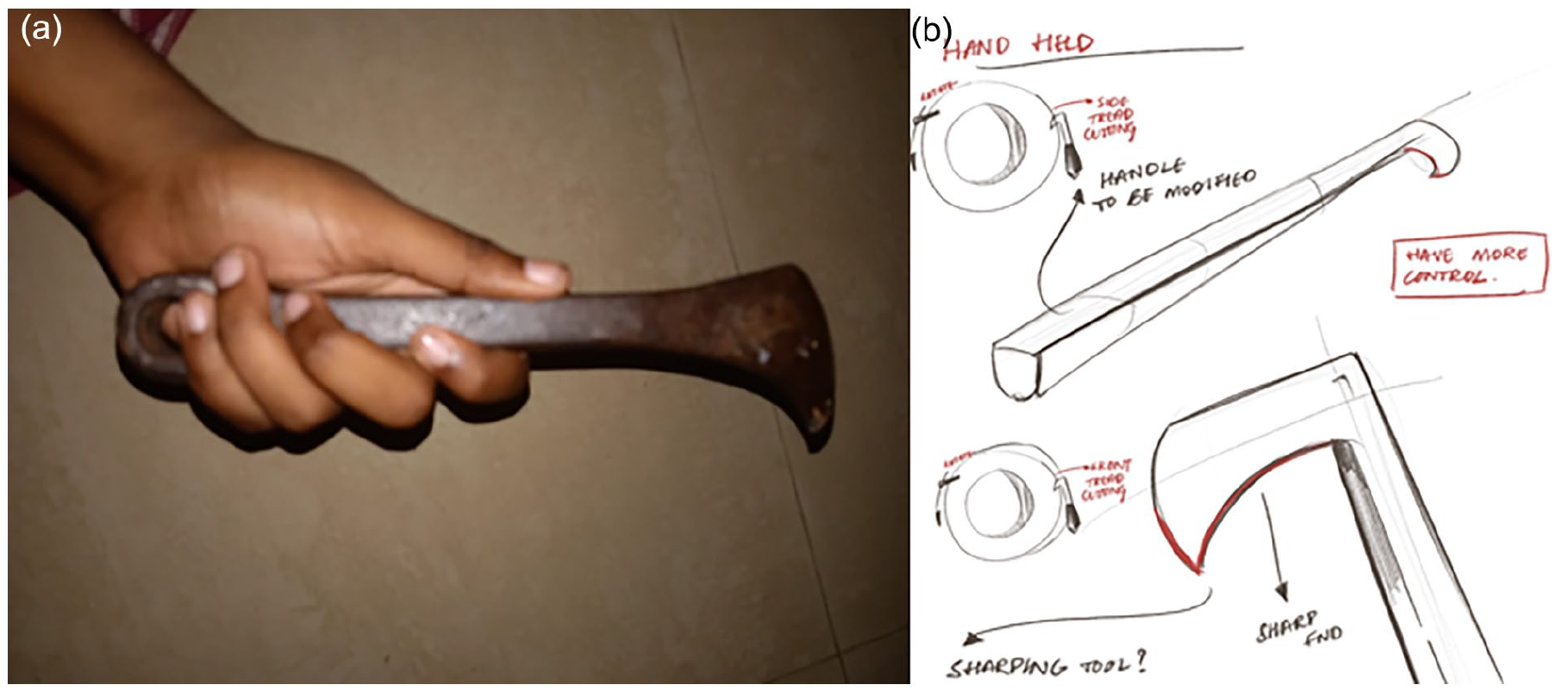
(a) Left: blade profile of a coconut shell remover, (b) right: initial sketches.
Prototyping
Prototyping the hand tool involved a round of digital prototyping with 3D modeling softwares to visualize the hand tool and workstation in a 3D space with the desired dimensions. This was later given physical forms through the use of immediately available materials like rubber sheet, used to imitate the tool grip, cardboard, and clay to imitate the handheld feel and heaviness of the tool, which helped us evaluate the grip and comfort while holding the hand tool (Figure 6).
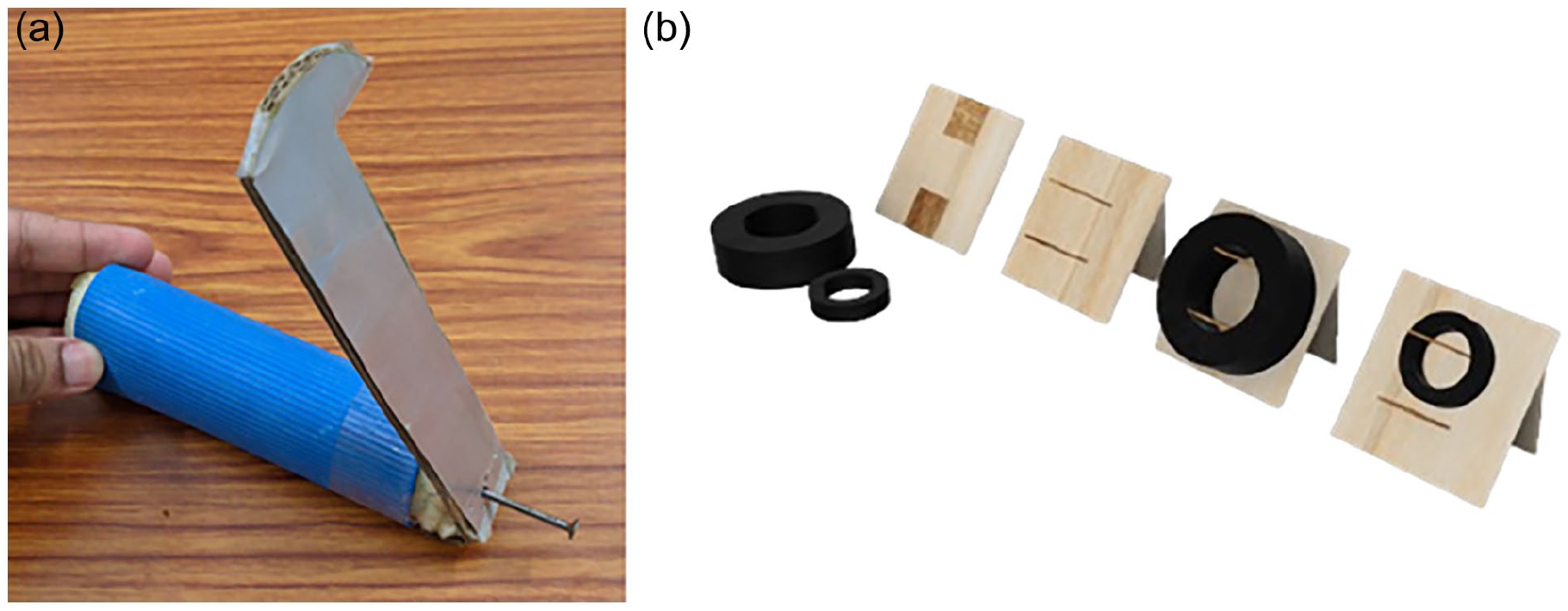
(a) Left: initial prototype of the tool, (b) right: 3D models of the worktable.
Workstation Design
In the case of the workspace, an inclined workstation was made after considering the anthropometric dimensions (Chakrabarti, 1997) of the tyre cutters, and factors including their reachability, upper body posture, and the variety of tyres the worktable must be able to mount. An incline of about 53° was added to help prevent the workers from bending too far ahead, and thus maintaining a better posture. The worktable wasn’t received very well as the weight of the tyres made it impractical to allow tyres to be picked up and mounted onto a platform. Even after reducing the platform height, the workers were unwilling to adopt it as they felt comfortable rolling and not lifting the tyres. Significant friction also arose between the table surface and tire, which was sufficient to hinder the tyre rotation on the inclined workstation, thus impeding an essential part of their work process.
Hand-Tool Design
A modified version of the existing hand tool (Johnson, 1993), shown in Figure 7, was made based on worker feedback, and the tool was received very well by the workers. In the redesigned tool, the blade was shortened to half its original length to bring the point of force application closer to the workers’ hands (Lewis & Narayan, 1993). A T-Shaped handle was also provided to hold the tool to provide a power grip to the workers (McGorry & Lin, 2007). The tool dimensions were made keeping the anthropometric dimensions of the workers in mind. The blade was designed to be able to rotate in amounts of 90° to help accommodate the two orthogonal grips that can form while cutting different types of tyres, and the handle and blade holders were separate parts, much like their older tool for ease of sharpening the blade with direct application of force and to allow independent switching of blades as and when required. This also helped keep the handle available for use across different blade profiles and configurations. The help of local woodworkers and blacksmiths that tyre cutters themselves visited was taken to make the handle, blade holder and the blades themselves so that the tool could be made with the resources already accessible to the tyre cutters. An additional suggestion was the inclusion of rubberized grip for hand comfort and temperature insulation during different seasons. Further testing revealed the newer hand tool by itself led to a decrease in RSI scores from 14.2 to 12.1 (14.78%) for the left hand, and from 41.2 to 28.6 (30.58%) for the right hand.
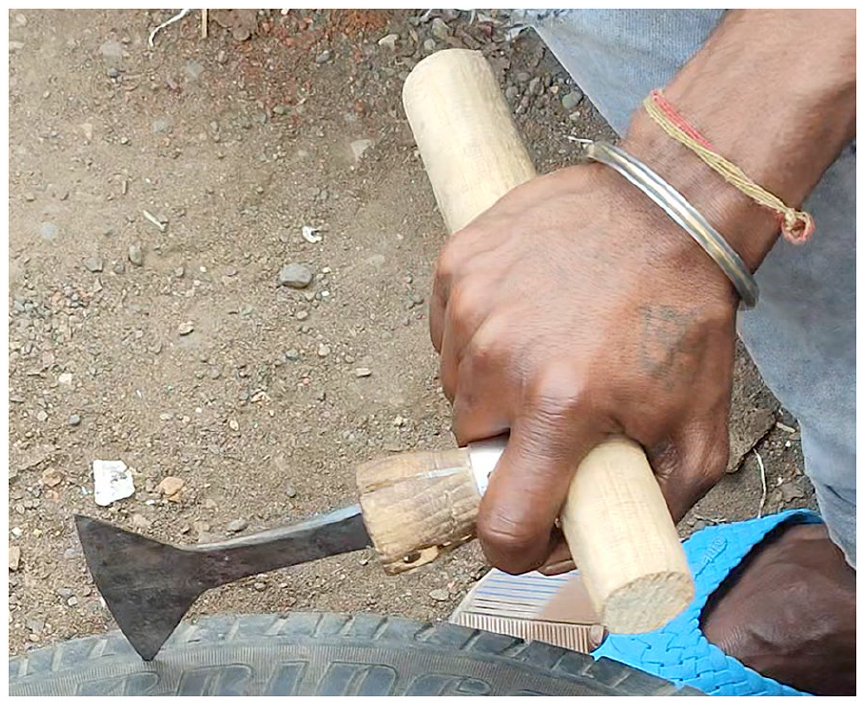
New handheld tool.
Discussion
The tyre cutters were very open to improvements and interventions to help improve their work processes. The hand tool alone, if adopted, as stated could bring significant relief in their work practice. This reiterates the need to foray into the informal sector and the working conditions in a gradual manner as even starting off with smaller tools can lead to big help in decreasing the risk of WMSDs for the workers in this sector.
There is a need for early prototyping and designing tools with materials that are economically viable for the workers to improve the chance of tools remaining accessible to them. Many undocumented work sectors in the informal sector of India fall under a high risk category of severe WMSDs. These cases must be looked into, and design interventions should be made. The design process followed while intervening should not only aim at designing and implementing technology-driven solutions but also account for factors other than technical limitations that contribute to the WSMDs, including the workers’ access to electricity and materials. The research timeline followed herein helps elucidate how design interventions changes can take a long time to implement, and further research is needed to measure the impact of even longer term engagement with the workers of the informal sectors.
Considering the limitations of this study including smaller sample size and a short period of testing the prototype, it is suggested that future studies have bigger sample sizes, and include adopting better work-rest cycles (Dias et al., 2021), testing redesigned workstations and work processes, and educating workers’ to take better care of their bodies and thus measure the impact on the reduction of Work-Related Musculoskeletal Disorders.
Footnotes
Acknowledgements
The authors wish to thank all those who volunteered for this study, and Professor Prabir Mukhopadhyay for his guidance and feedback throughout the project.
Declaration of Conflicting Interests
The author(s) declared no potential conflicts of interest with respect to the research, authorship, and/or publication of this article.
Funding
The author(s) received no financial support for the research, authorship, and/or publication of this article.
