



Abstract
Connected Homes incorporate various digital and communication technologies that allow for control and monitoring through a centralized system, ranging from basic to advanced automation. Nevertheless, users often face issues such as interoperability and complexity which hinder the full potential of these technologies and shows the existing state of Connected Homes falls short of the ideal configurations users envision. This research seeks to narrow this gap by delving into the desires and frustrations of current Connected Home users, thus shaping a roadmap for the future development and refinement of smart home technologies. Through a series of in-depth interviews with six early adopters, we explored specific desires and criteria for an ideal connected home. The findings offer insights into various types of connected homes and how technological innovations and design improvements should be approached, considering users’ living conditions and lifestyles.
Introduction
The evolution of smart home technology has transformed living spaces into inter-connected and intelligent environments that promise convenience, security, and energy efficiency. The concept of Connected Homes involves integrating various digital and communication technologies to create a living space that can be controlled and monitored remotely, often through a central system, featuring varying levels of automation (Al-Kuwari et al., 2018; Yang et al., 2018). These technologies range from simple automated lighting systems to complex interconnected devices programmed to manage tasks, devices, and environments, from temperature control to security.
Users frequently face challenges that prevent them from fully harnessing the potential of smart home technologies. Problems like interoperability, complexity, and unmet needs and expectations often emerge, indicating a disparity between the solutions offered and what users actually want (Chang & Nam, 2021; Dixon et al., 2010).
This study aims to uncover the gaps in smart home users’ experiences and explore how they imagine improvements could be made by incorporating new functions and features. Therefore, through a series of in-depth interviews, data provided an understanding of the current landscape of Connected Home usage and identified the ideal features and functionalities desired by expert users. Our research objectives are outlined as follows:
Exploring the specific desires and requirements for a smarter living space as envisioned by current expert users.
Identifying the existing pain points, limitations, and gaps in the current smart home ecosystem.
Offering insights into how these gaps can be addressed through technological innovations and design improvements.
Method
This study utilizes a qualitative research approach, conducting detailed in-depth interviews. We recruited participants through purposive sampling from advertisements on social media, compensating each with a $75 Amazon gift card. To ensure that the participants were proficient in using smart home technologies, the screening process included questions about their technology use, the number of smart home devices they own, whether they use a central system to link different devices, and how frequently they use these systems. The screener also explored whether participants use these systems to establish routines, customize device functions, and access them remotely through various applications. This selection criteria guaranteed that the participants had extensive experience with different smart home technologies, providing valuable insights into their usage and experience.
Participants
The study involves six individuals from varied backgrounds and living conditions. They are mostly in partnerships, with five cohabiting with a spouse or romantic partner and/or kids, while one resides with non-relatives. Among them, two identified themselves as caregivers. Their ages range from the mid-20s to the late 60s, representing a broad generational spectrum. All participants are White or Caucasian. Four of them live in suburban settings, although two are situated in urban areas. Their homes range from condos and three-bedroom residences to larger houses with at least four bedrooms. Homeownership is common among the participants, with only one renting who lives with non-relatives. Their educational levels span from some college education to post-graduate degrees. The participants’ employment statuses are varied, including full-time employment, retirement, and self-employment, with incomes ranging from below $75,000 to almost $300,000 annually. This group offers a wide-ranging perspective on the adoption and use of smart home technology across different life stages and economic backgrounds.
Procedure
The interviews, conducted via Zoom, lasted 90 min each and were recorded for data analysis. Each session began with icebreaker questions to establish rapport. During this phase, participants were asked to describe the layout of their homes and the smart technologies they own and use. This was followed by a unique method of using shared screen visualizations, involving the display of various home spaces (Figure 1) and categories of smart home technology icons and names on a digital whiteboard named Fabrie, along with some examples to aid recall and stimulate discussion (Figure 2). These visual aids were instrumental in helping participants articulate their setups, preferences, and the specific technologies they use.
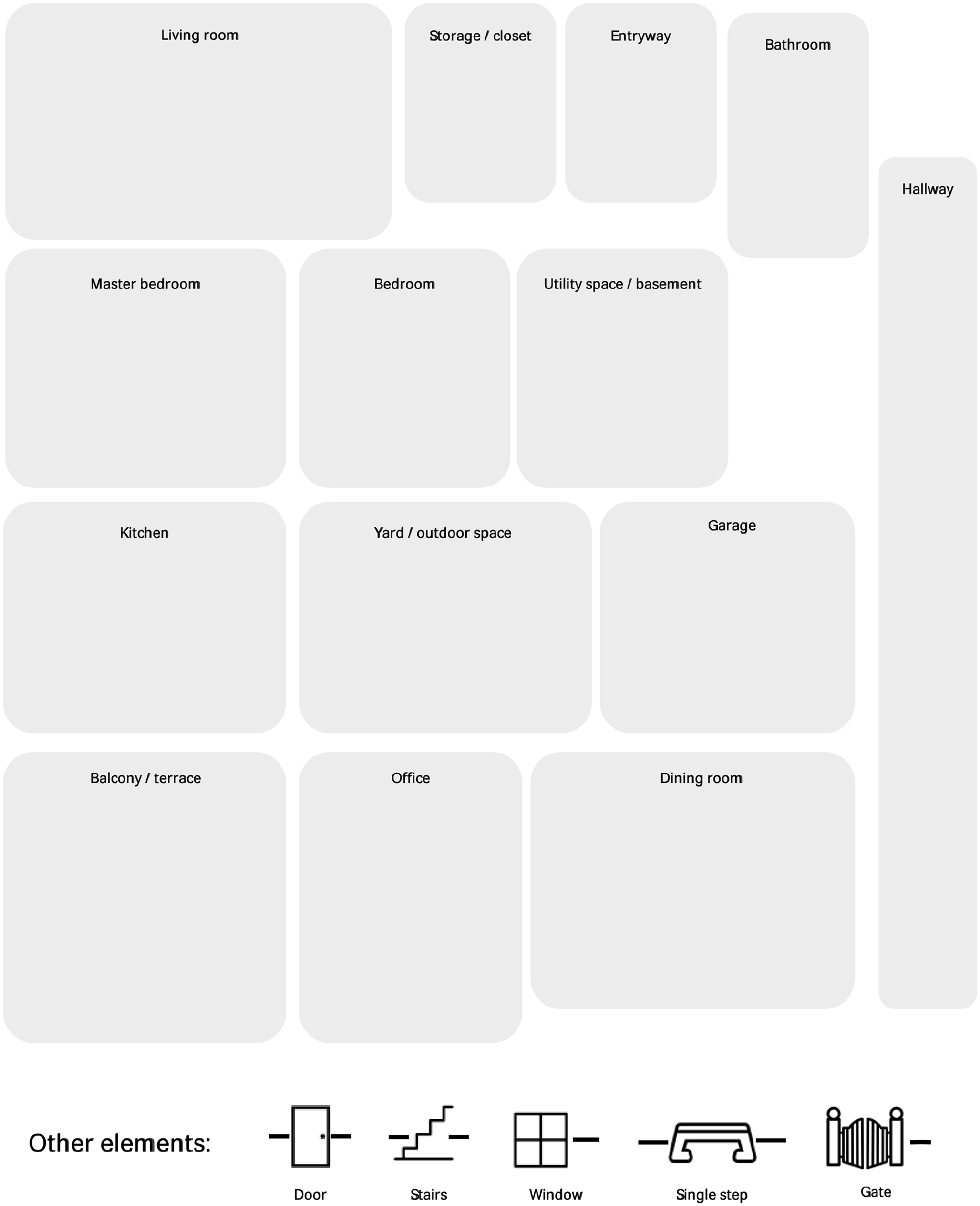
House building blocks that represent various home spaces.
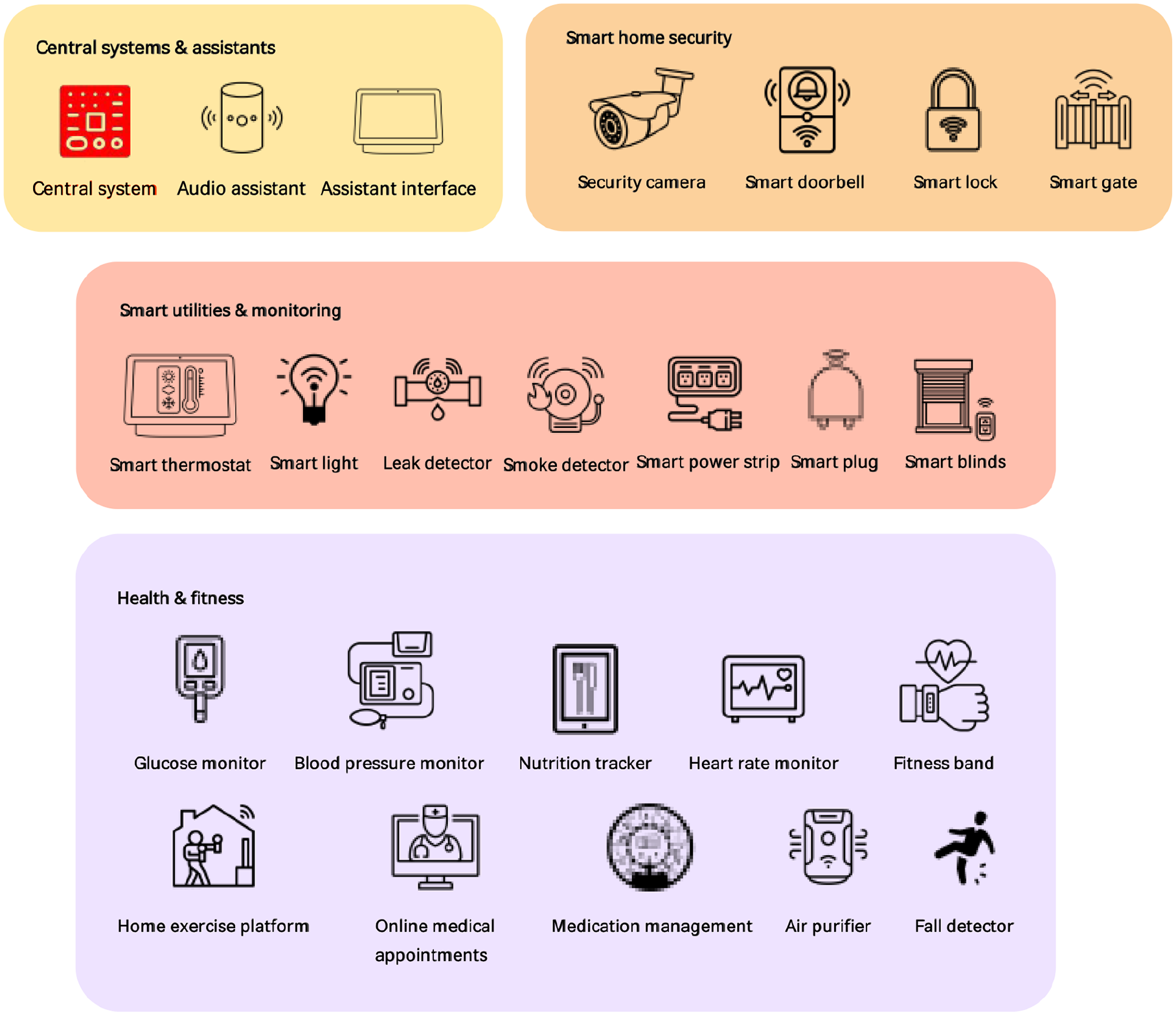
List of home technologies.
Participants were then asked to use the visual layout and icons to design their ideal smart home. They were informed that this ideal smart home need not be restricted only to existing devices; they could imagine any type of features and functionalities. As participants brainstormed, the moderator assistant took notes on Fabrie, visualizing the participants’ thoughts and ideas using icons and words (Figure 3). Participants could start from a specific location in the home or begin their thoughts by selecting a device or system.
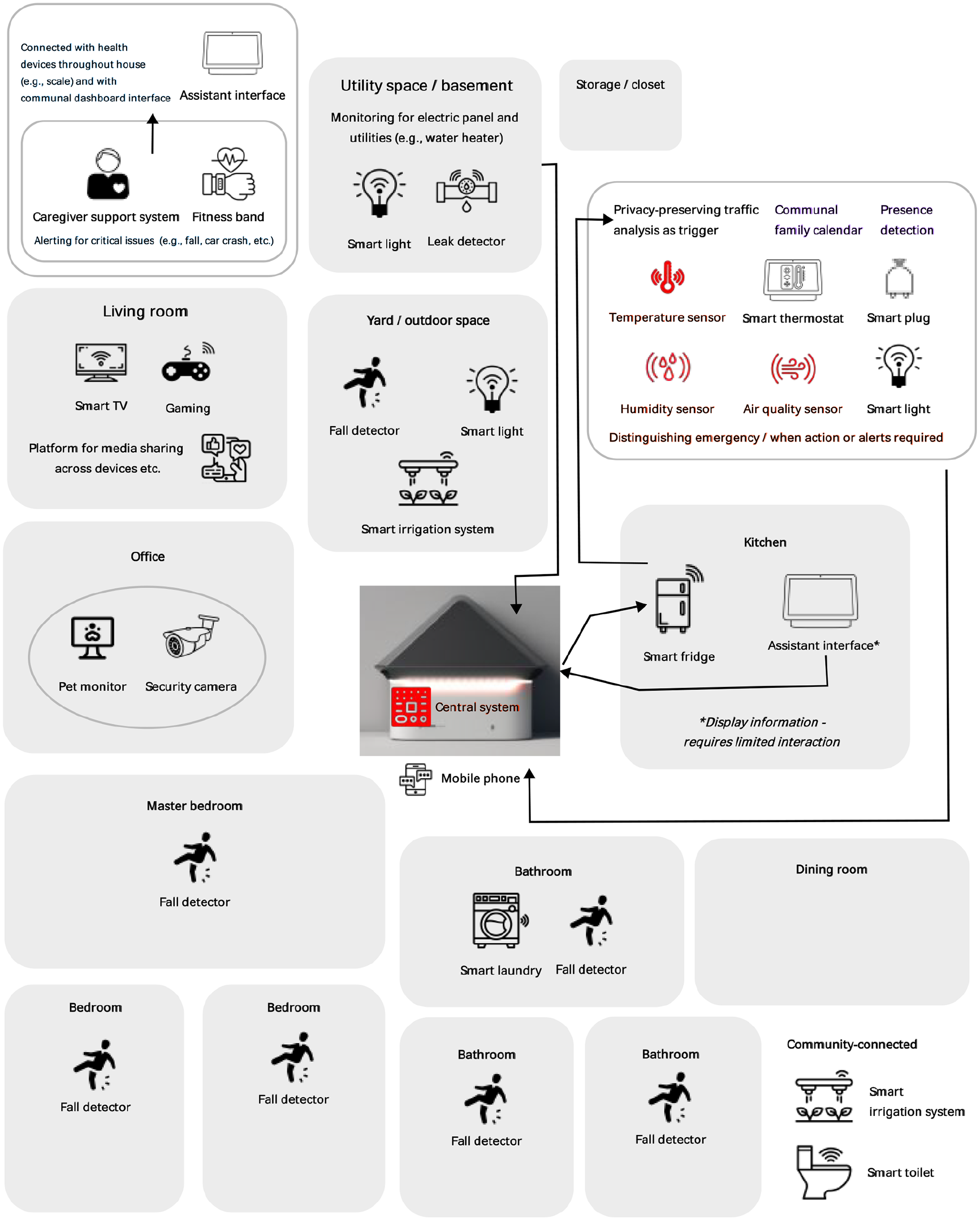
An example of an ideal smart home created by a participant.
As participants outlined and designed their ideal smart home, the moderator delved into the reasons behind their technology choices, any issues they encountered with existing devices, and their interest in alternative brands or versions.
Results
By conducting a qualitative and thematic examination of the transcripts and recordings, several key themes emerged. Initially, we will present each theme, highlighting the recurring patterns observed among the participants. Subsequently, we will describe and detail the concept of the ideal Connected Home for each participant, envisioned as a type of smart home that is developing and which stakeholders can potentially design.
General Themes Identified
1. Design implications. Participants’ experiences have highlighted essential design elements for the next generation of smart home systems.
Participants emphasized the role of pervasive sensors that facilitate continuous environmental monitoring and awareness on a room-by-room basis.
Transparency in how devices make decisions, including the data and logic used, was a recurring theme, advocating for designs that make this clear to users.
Human-in-the-loop automation, where users retain the ability to oversee or intervene in automated processes, was considered vital.
The reliability of systems during offline periods, possibly through cellular backup for the central hub, was also underlined.
The significance of predictive maintenance and early anomaly detection was pointed out, with the potential to connect proactively with professional services to save costs and prevent larger issues.
Further, the participants expressed a preference for their smart home systems to extend their functionality beyond the home, enabling automated maintenance and higher-level security systems via direct communication or integration with third-party services.
Decision support tools that do more than suggest but actually take actions and send notifications were seen as beneficial.
Additionally, the integration of traditional control methods, such as physical switches, with advanced features like voice commands was seen as crucial to cater to a diverse user base.
Smart systems that adapt functions based on the time, context, and user preferences were noted for their potential to lessen cognitive demands on users, enabling them to focus on other tasks.
Customization options that allow for intricate setups, command sequences, and learning from individual preferences were desired.
The benefits of automation were acknowledged for its time-saving and convenience aspects, even if the solutions aren’t perfect.
Uniformity in commands and functions across different brands was mentioned to simplify the user learning process. The design should also account for various living situations, like families or roommates, considering the balance between information sharing and privacy.
Participants recommended that smart systems offer real-time battery status updates and rely less on batteries, suggesting solar power as an alternative to ease battery management issues.
2. Key technology and devices. Participants’ comments on smart home technologies broadly fall under three categories: Central System, Security, and Energy.
There was a desire for the central system to be locally operated, support home-wide voice assistant integration, and be embodied by a physical display centrally located in the home.
Security technologies were desired to connect directly to emergency services and should accommodate different levels of monitoring preferences.
Energy systems were desired to be capable of personalized energy consumption reports and offer room-specific controls.
3. Barriers and challenges. Adoption and use of smart home technologies are hindered by a variety of barriers and challenges, reported by the participants. These include the management of battery life, the absence of uniform standards, sporadic device malfunctions, the regular necessity for system and device upgrades, and compatibility problems. The interconnected nature of these devices introduces more complex maintenance issues, and there’s a risk of automated systems malfunctioning. Additionally, these smart systems often fail to recognize the unique needs of individuals. Moreover, the lack of standardization extends to security, where inconsistent encryption methods among manufacturers create hurdles for users navigating between different devices and platforms. Finally, environmental concerns arise from battery waste, and substantial costs in both purchasing and upgrading devices were mentioned as well.
4. Data privacy concern. A preference for local connections over cloud services emerged as the primary concern, mainly due to security and enhanced reliability by being less dependent on Wi-Fi or power. Participants also underscored the importance of regulatory measures and standardization, citing Matter as an example, and stressed the necessity of acquiring user consent prior to data transmission. Moreover, participants expressed concerns about low-cost hardware that could be prone to hacking due to security weaknesses. Additionally, a general mistrust was reported by some participants concerning the use of their data by companies for deriving revenue. The involvement of third-party companies, unknown in terms of policies, commitments, and market longevity, was also a concern, particularly for crucial home functions. One participant was apprehensive about sensitive data collection via voice systems. Participants discussed their self-protective measures, such as choosing to purchase from specific, trusted brands. Generally, participants were willing to share some data for the marketing efforts of companies or if it substantially improved convenience by adding features and functions. However, they drew a line at sharing data that could reveal personal habits and details of their private life, such as when they are not at home.
Characteristics of the Ideal Connected Homes
In this section, we present the ideal homes envisioned by each expert smart home user to demonstrate how various living arrangements can be tailored with emerging and existing technologies. Each Connected Home created by the participants was named according to the theme and technologies they envisioned, demonstrating how Connected Homes can differ based on individual needs and lifestyles.
1. Proactive Connected Home: Zack, who resides in a multi-story, single-family home with more than four bedrooms in a suburban area, seeks advanced systems capable of providing insights and alerts about activities within his home. He aims to proactively predict and address potential issues. To achieve this, he has designed his ideal home by installing a variety of sensors (such as humidity, sound, light, air quality, and motion sensors) to gain a comprehensive understanding of the home’s environment. He has also integrated a ubiquitous security system that connects with a third-party security service and can operate offline via cellular connectivity. Additionally, Zack implemented an energy system to monitor consumption and offer actionable recommendations based on specific usage patterns and behaviors, independently of cloud-based data.
Zack opted for a central system that allows remote access and control through a mobile app and connects via a mesh network voice assistants that are distributed throughout the house. A key feature of this central system designed by Zack is its ability to not just notify users of issues but also provide actionable insights and recommendations using real-time data and diagnostic fault codes to help diagnose and resolve issues (Figure 4).
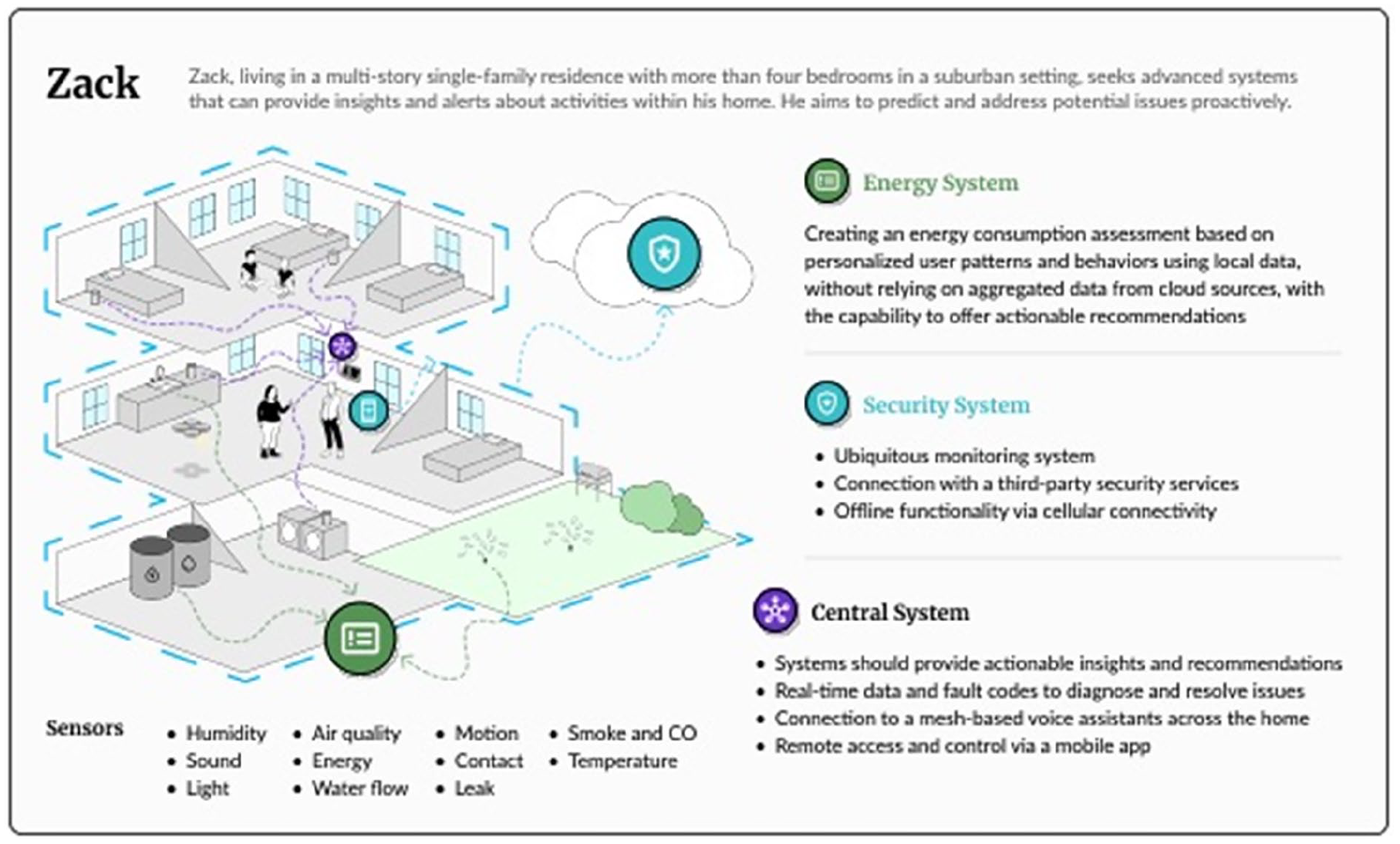
Proactive connected home.
2. Location-Aware Connected Home: Brandon, residing in a multi-level, single-family home in a suburban area with four bedrooms, aims to exclusively integrate smart home technologies that are compatible with Apple HomeKit or Matter to enhance both convenience and security. For his ideal home, Brandon has designed an energy system linked to temperature sensors and smart vents across various rooms. His goal with this system is to monitor power consumption patterns and achieve room-specific temperature control. Additionally, he has incorporated a security system that connects to third-party and external security services, such as the police or fire department, while minimizing indoor cameras.
Brandon also implemented a smart lighting system equipped with smart switches and bulbs throughout the house, which are coordinated with motion sensors, yet still offer traditional switches to accommodate all users. He designed a central hub for his smart home that operates locally without the need for cloud services and connects to mesh-based voice assistants throughout the house. This central system is intended to feature a dashboard or visual interface accessible in different house locations, connected to smart speakers that provide information specific to each part of the house, including logs of events and their timings (Figure 5).
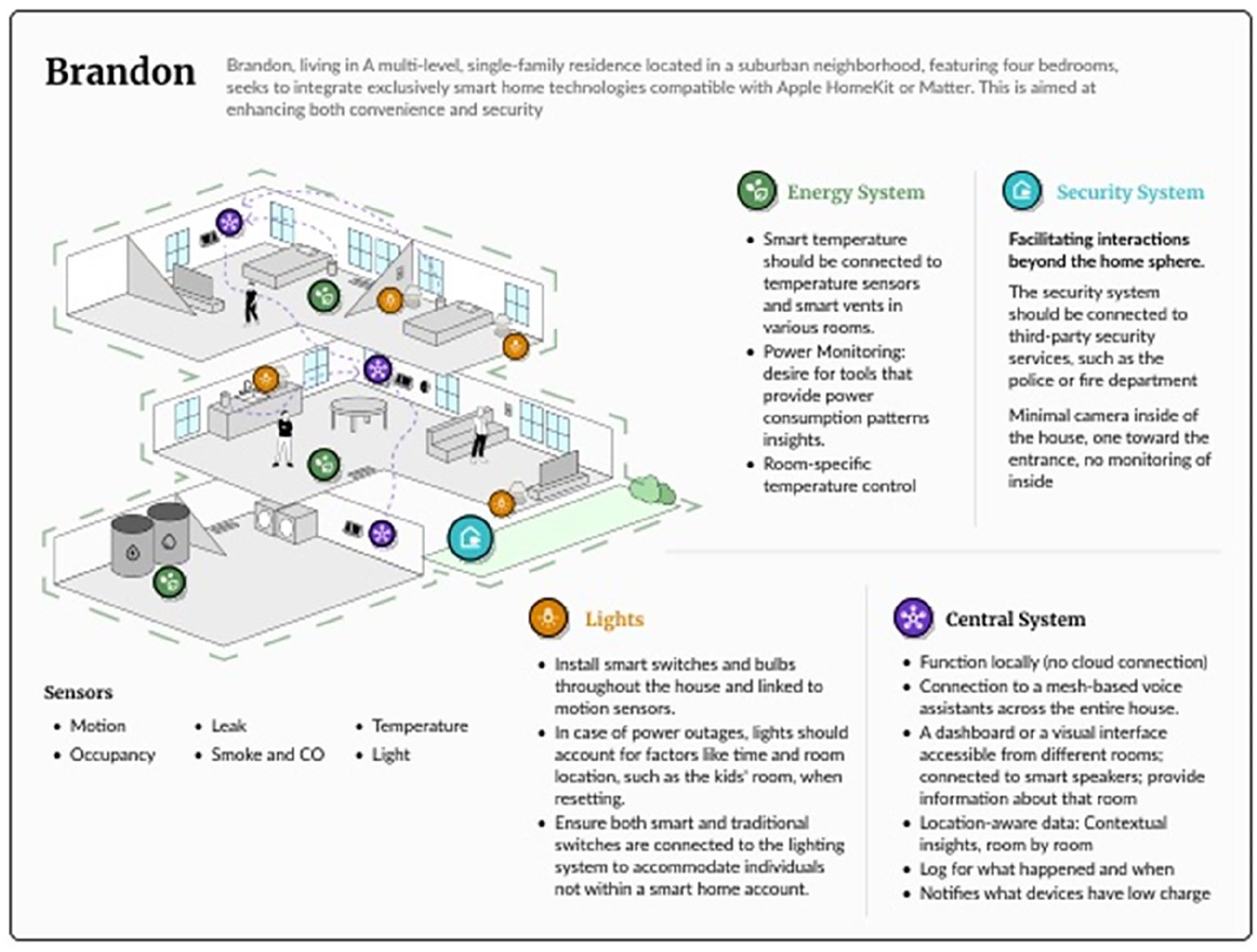
Location-aware connected home.
3. Personalized Connected Home: Scott, who lives in a three-bedroom condo with built-in smart home systems in an urban setting, aims to improve device connectivity and establish more comprehensive routines for task automation. For his ideal home, Scott has designed a central system that supports chainable commands, allowing for easier customization and a broader spectrum of actions. He proposed that this central system should integrate with cellphone wallet features, such as syncing Apple products with the iPhone wallet, and operate independently of the cloud. Additionally, Scott enhanced his setup with an energy system capable of detecting potential issues and alerting users. He also incorporated a security system that leverages iPhone wallet technology, enabling door unlocking via a phone or watch without needing a passcode. This approach aims to streamline access while enhancing security within the smart home environment (Figure 6).
4. Informative Connected Home: Adam, residing in a suburban single-family home with his family, seeks to efficiently manage home energy, customize in-home device functions, and preemptively address issues with failing connected devices. In his envisioned ideal home, a central system features an interface strategically placed in a high-traffic area, such as the kitchen. This interface acts as a display, presenting data, offering forecasts, and explaining fluctuations in utility usage. Additionally, he enhanced the central system with the capability to track user traffic via their phone connections, considering their proximity to tailor actions and customize recommendations effectively. Adam chose a smart energy system equipped with an electrical panel located in the basement. This system monitors utility usage and determines the causes of power consumption by analyzing the circuits, thereby facilitating smarter energy management (Figure 7).
5. Integrated Connected Home: Charlie, who resides in a single-family home with his family in a suburban area, seeks to create an advanced integrated home that consolidates all smart devices into a cohesive system for straightforward control and monitoring. In his ideal home, Charlie has integrated a security system that allows for remote locking and unlocking through a smartphone app, simplifying access management. This system also provides information on door activity, such as when it is unlocked and the specific code used for access. Additionally, he has enhanced smart locks with features to regulate access based on user-specific restrictions, deliberately excluding cameras from private spaces such as bedrooms. Charlie has also implemented a smart lighting system equipped with an electrical panel that tracks the energy consumption of various devices, indicating the energy usage per device and identifying circuits with the highest energy demand. Furthermore, he has included a central system designed primarily for monitoring and control, ensuring easy visibility and management of different aspects of home functionality. This system is intended to focus on control rather than higher-level functionalities like system integrations and data transmission, to prevent a single point of failure (Figure 8).
6. Shared Connected Home: Jimmy, residing in an urban condo with roommates and featuring smart rent capabilities, aims to enhance security by monitoring who enters and exits the home. He is particularly focused on visual confirmation for visitors who might use different entry codes, ensuring controlled access to their residence. To achieve this, he has added additional sensors, including motion sensors, particularly around entry points. Jimmy has designed a central system that consolidates all functionalities of the connected smart home devices, enhancing accessibility and ease of management. He envisions this central system to be placed in a location accessible to everyone, such as in shared spaces or near the entrance. This system should accommodate either a shared profile or multiple profiles to safeguard personal information like calendars or text messages from being accessed by roommates. Additionally, the central interface is designed to adapt seamlessly to changes in devices or services, maintaining functionality and user privacy (Figure 9).
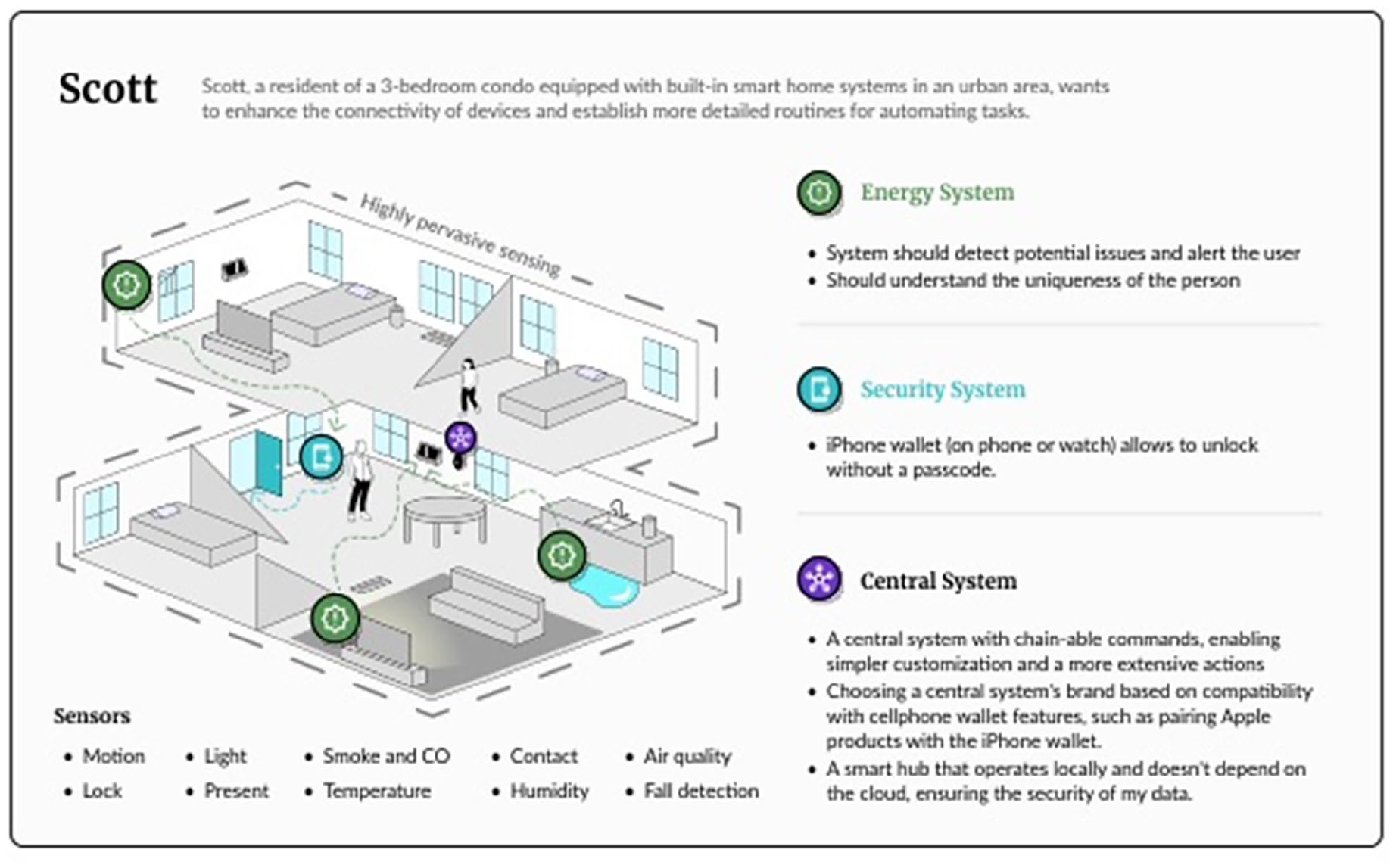
Personalized connected home.
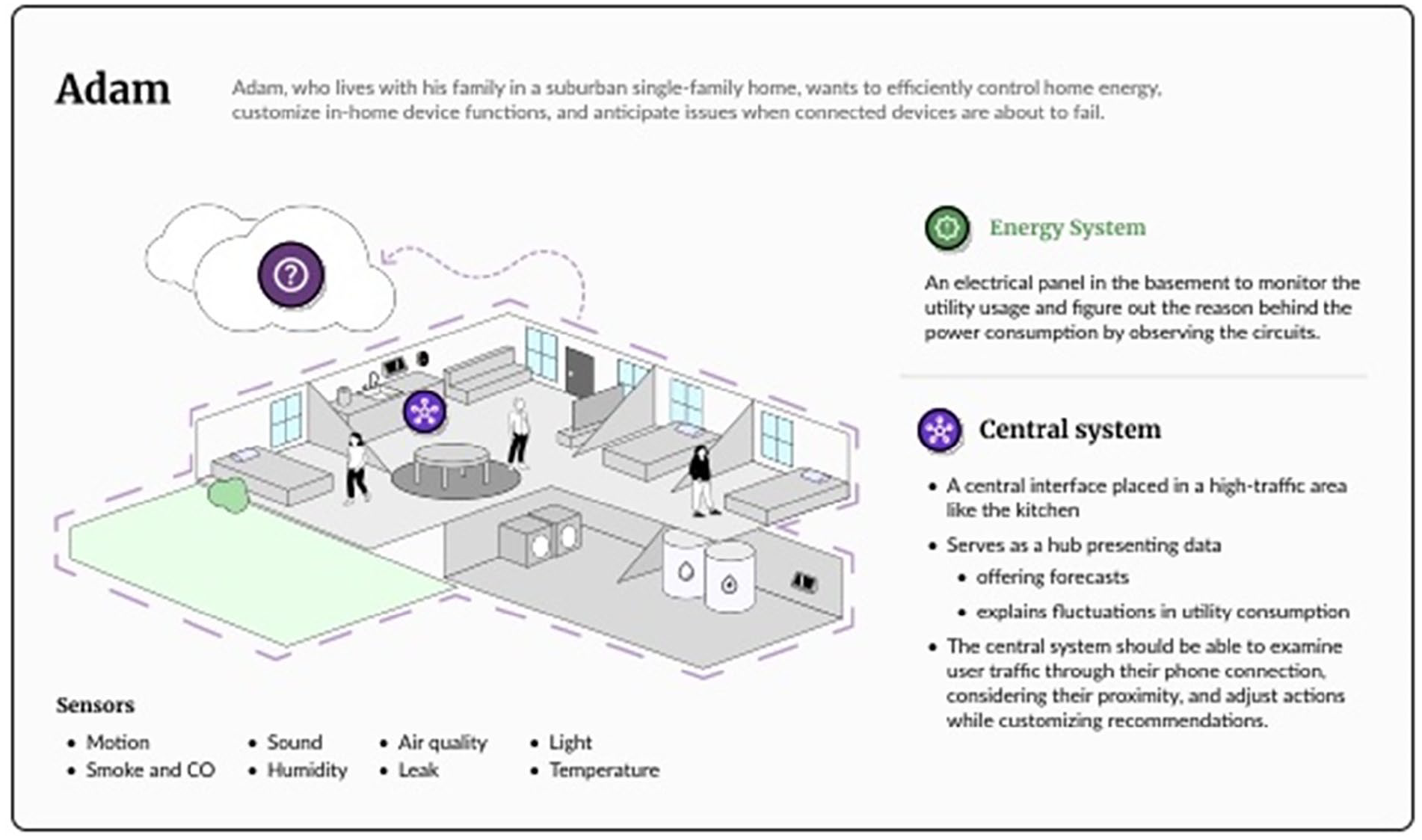
Informative connected home.
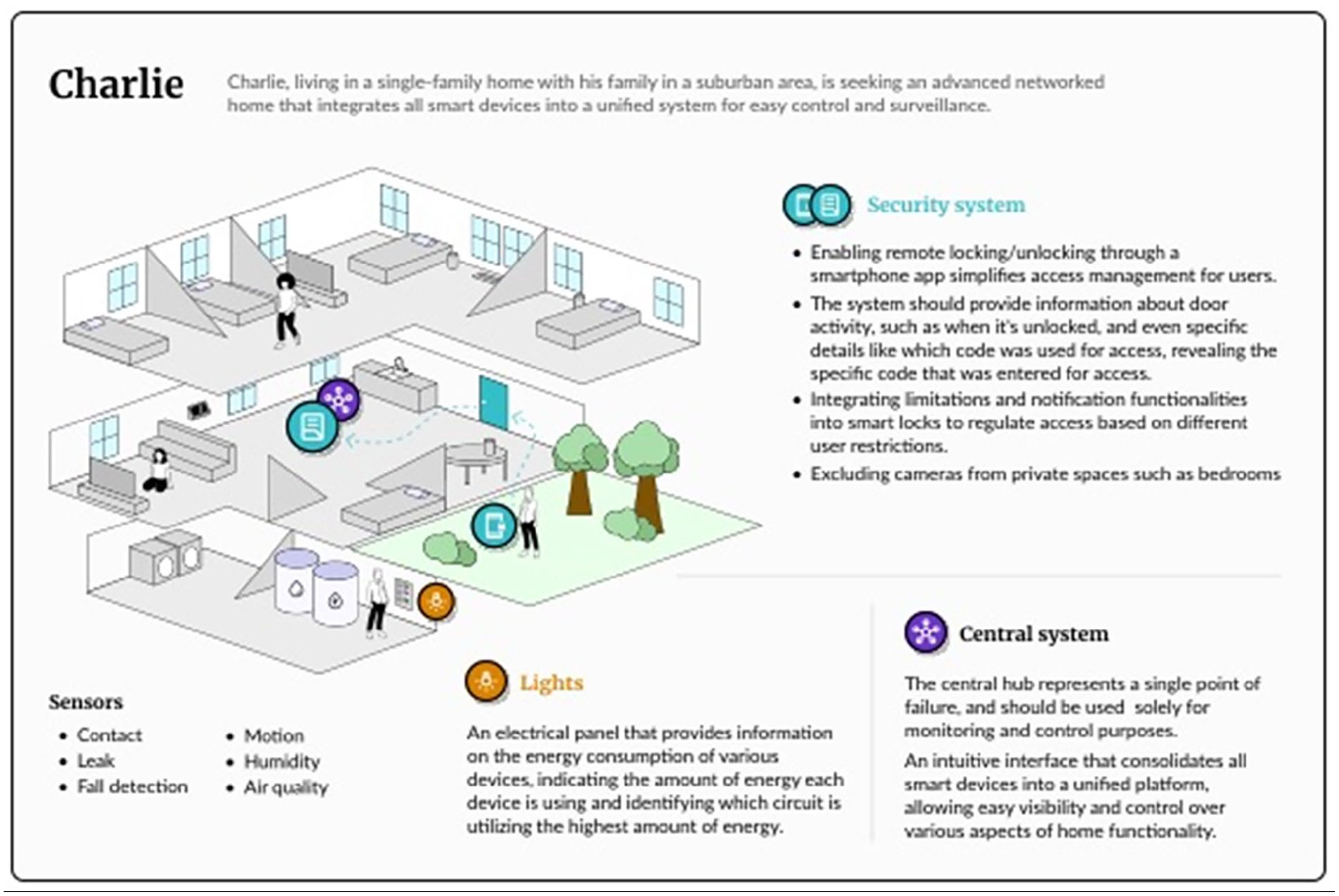
Integrated connected home.
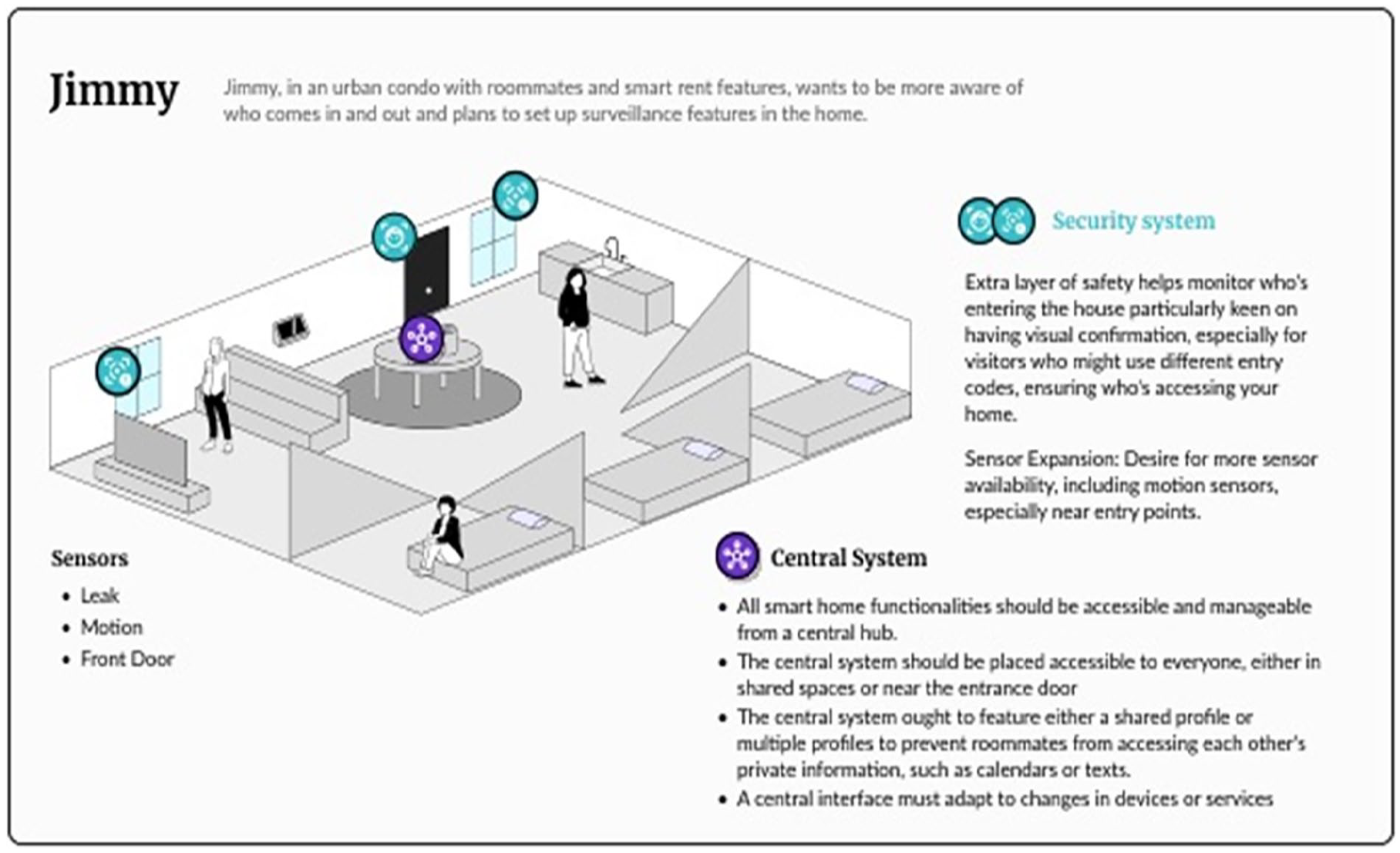
Shared connected home.
Discussion
This study highlights the potential of connected home designs, each uniquely tailored to meet individual preferences and lifestyles. These designs reflect the participants’ unique visions, influenced by their experiences and challenges with the advanced technologies they have already adopted. Features such as proactive systems, location-aware capabilities, brand-centric ecosystems, personalization, and interconnectivity demonstrate how smart homes can significantly improve daily life. These varied designs not only underscore the versatility of smart home technologies but also point out essential areas for future development, including improved user interfaces, integrated security measures, efficient energy management, predictive maintenance, decision support tools, and human-in-the-loop automation.
Footnotes
Declaration of Conflicting Interests
The author(s) declared no potential conflicts of interest with respect to the research, authorship, and/or publication of this article.
Funding
The author(s) received no financial support for the research, authorship, and/or publication of this article.
