



Abstract
Using data from 14 Latin American countries over the period 2000–2019, this study examines the influence of education and financial development on energy poverty reduction. Evidence from different estimation approaches, such as dynamic ordinary least squares (DOLS), fully modified ordinary least squares (FMOLS), and canonical correlation regression (CCR), showed that education substantially decreases energy poverty reduction in Latin America. The results also indicated that the nexus between financial development and energy poverty reduction is positively and significantly associated. Conversely, the linkage between education, financial development, and energy poverty reduction considerably varies among Latin American countries. We suggest that policies stimulating financial development and education will be pivotal in addressing energy poverty reduction in Latin America.
Introduction
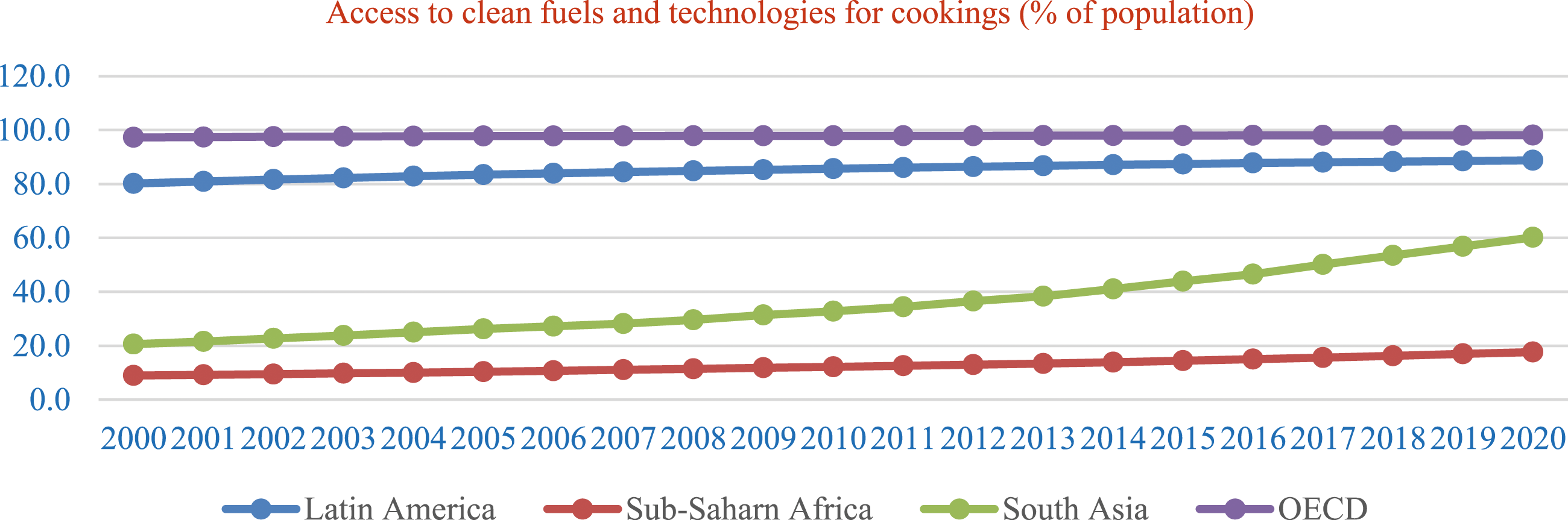
Energy poverty and deprivation continue to dominate policy discussions and scholarly research (Apergis et al., 2022). The socioeconomic consequences of energy poverty have led recent studies to examine the drivers of energy poverty in both developed and developing economies to inform relevant national and international policies aimed at addressing the root cause of energy poverty (Khan et al., 2023; Mohsin et al., 2022; Said & Acheampong, 2023). According to the World Energy Outlook 2020 report, as of 2019, approximately 770 million people (10% of the global population) lacked access to electricity, and about 2.6 billion (34% of the global population) lacked access to clean fuel, most of whom are in developing countries. 1 While Latin America has a higher level of electricity and clean fuels and technologies for cooking access than other developing regions such as South Asia and Africa, there is still a significant gap in access to power, with 22 million people lacking access to electricity and 80 million cooking with firewood and charcoal, using fuel-inefficient out-dated stoves (Mohsin et al., 2022). The use of contaminated cooking fuels indoors has serious health consequences, especially for women and children. In this regard, one of the Sustainable Development Goals (SDG) of the United Nations is to ensure energy access to all people, including the poor, vulnerable, and those with low incomes, so that they can meet their basic needs such as health, nutrition, and education (Mohsin et al., 2022).
Recent theoretical literature emphasizes the importance of educational attainment in reducing energy poverty. An educated population will be more efficient in managing energy use, partly as a result of the likelihood of a future fossil fuel shortage. Consequently, better education accelerates the switch from conventional fuels such as biomass and kerosene to more efficient energy sources such as renewables and natural gas, thereby alleviating energy poverty (Apergis et al., 2022). Furthermore, Khan et al. (2023) point out that energy poverty is associated with higher investments in education. A higher level of investment in education due to a higher income level will result in higher socioeconomic status and living standards for the household. As a result, an increase in living standards can aid families in improving their energy sources to better options, gradually lowering energy poverty (Figures 1 and 2). Trends of access to electricity in different world regions. Source: World Bank (2023). Trends of access to clean fuels and technologies for cooking in different world regions. Source: World Bank (2023).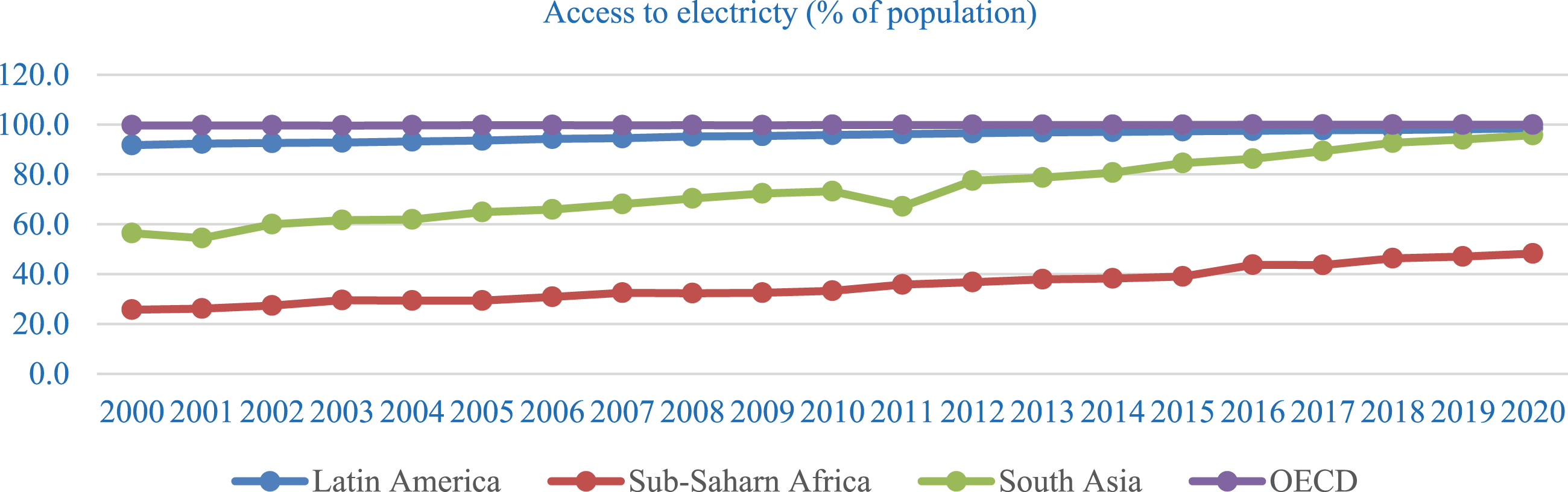
On a theoretical basis, finance also contributes to the reduction of energy poverty in two main aspects (Koomson & Danquah, 2021). Firstly, energy poverty is influenced by household income. The development of financial institutions tends to improve the incomes of low-income households since they provide them with additional funds. With additional funds available, further goods and services could be created, thereby increasing incomes and profits. As a result, increasing household income can minimize energy poverty, mainly in low-income families (Khan et al., 2023). Secondly, the development of the financial sector also contributes to energy poverty reduction by promoting economic growth and energy efficacy. In Koomson and Danquah’s (2021) view, financial development leads to economic growth by accumulating savings and allocating investments to productive industries. A rise in income levels increases the accessibility of clean energy. Consistent with theory, numerous empirical studies indicate that financial development exerts a significant positive influence on energy poverty reduction (see, e.g., Fang et al., 2022; Mohsin et al., 2022; Said & Acheampong, 2023).
Despite several studies testing the nexus between financial development and energy poverty reduction, it is rare to find empirical studies that have examined the relationship between education, financial development, and energy poverty reduction, measured using access to electricity and access to clean fuels and technologies for cooking in Latin America. Developing economies such as Latin American economies are regarded as more likely than industrialized nations to fulfil the SDGs. Our main focus is on Latin American countries because these countries continue to strive to expand economic development, eradicate poverty, and improve quality of life. Therefore, this study is motivated to examine the impact of education and financial development on energy poverty reduction using data from 14 Latin American countries from 2000 to 2019. Thus, several questions arouse our interest: (1) Does education enhance access to electricity and clean fuels and technologies for cooking in Latin America? (2) Does the linkage between education and access to electricity and clean fuels and technologies for cooking differ across Latin American countries? (3) Does financial development enhance access to electricity and clean fuels, and technologies for cooking in Latin America as a panel? (4) Does the linkage between financial development and access to electricity and clean fuels and technologies for cooking differ across Latin American countries?
The novelty and the contribution of this paper to literature are discussed as follows. Firstly, to the best of our knowledge, this is the first empirical study to examine the effect of financial development and education on energy poverty within the context of Latin America. In this direction, our study contributes to the literature by complementing the existing knowledge on energy transition by unravelling the contribution of financial access and human capital investment that could facilitate access to electricity and clean cooking technologies in Latin America. In addition, this study contributes to the understanding of how investment in education and, for that matter, human capital development plays a role in enhancing access to clean and modern energy, which is at the heart of energy transition policies.
Second, this study contributes to the literature by highlighting how the impact of financial development and education on energy poverty reduction differ among countries. This study adopts panel data techniques to estimate the effect of financial development and education on energy poverty reduction in Latin American countries. However, structural and socioeconomic differences exist among Latin American countries, therefore making financial development and education have an expected heterogeneous effect on energy poverty reduction across Latin American countries. Therefore, in addition to the panel data approach, we adopted country-specific analysis to document the effect of financial development and education on energy poverty reduction, thus making this study novel.
Methodologically, this study deploys different econometric techniques such as dynamic ordinary least squares (DOLS), fully modified ordinary least squares (FMOLS) canonical correlation regression (CCR), fixed-effect, and the Driscol–Kraay estimators to empirically estimate the impact of financial development and education on energy poverty reduction. The application of these different estimators ensures the robustness of the findings.
The empirical findings based on the battery of the econometric techniques indicate that education and financial development increase access to clean fuels and cooking technologies and access to electricity, indicating that improving educational attainment and financial development assist in lessening energy poverty in Latin America. The results also suggest that education and financial development have a heterogeneous effect on reducing energy poverty across Latin American countries. For instance, the findings show that education reduces energy poverty significantly in Argentina, Bolivia, Costa Rica, Ecuador, El Salvador, Guatemala, Honduras, Mexico, Nicaragua, Panama, and Paraguay, whereas in Brazil, Colombia, and Peru, education does not contribute to the reduction of energy poverty. In addition, financial development significantly increases energy poverty (reduces energy access) in Brazil, Colombia, Costa Rica, Ecuador, Guatemala, Honduras, Nicaragua, and Peru, while financial development is not related to a reduction in energy poverty in Argentina, Bolivia, El Salvador, Mexico, Panama, and Paraguay. In terms of policy, these outcomes indicate that Latin America should focus on improving and maintaining educational attainment and financial development in order to achieve SDG 7.
Following is the structure of the rest of this study. In Section 2, we review the existing literature. Data descriptions, model specifications, and summary statistics are described in Section 3. Section 4 summarizes and discusses the main findings. In Section 5, we conclude our discussion and discuss policy implications.
Related Literature
Education and Energy Poverty
The relationship between education and energy poverty reduction has received significant scholarly attention in recent years. It has been argued a country’s level of education is important in reducing energy poverty. According to Edziah et al. (2021), countries’ levels of education play a crucial role in converting from inefficient to efficient technologies. He and Huang (2020) argue that a well-trained workforce and educated executives will use energy more efficiently. Oum (2019) contends that there is a connection between education and energy poverty reduction. He reveals that a substantial reduction in energy deprivation can be achieved by improving educational levels. Sharma (2016) points out that the increased expenditures on education have led to a reduction in energy poverty in India, mostly among low-income households. In addition, Crentsil et al. (2019) suggest that as the household’s attainment of education rises, energy poverty decreases in Ghana. Moreover, they argue that households with heads with no formal education are more likely to live in energy poverty than those with postsecondary education. Acharya and Sadath (2019) investigated the influence of education and economic development on energy poverty between 2004 and 2012 using a sample of 25 Indian States. The empirical evidence indicates that education reduces energy poverty more than income does. Koomson and Danquah (2021) indicate a considerable decline in Ghana’s energy poverty, which has been found to be associated with improvements in education levels. More specifically, they indicate that a 10% rise in household education attainment lessens energy poverty by around 1.85%. In addition, Rafi et al. (2021) reveal that an increase in energy poverty is associated with a decline in their enrolment in schools and their performance in examinations. Apergis et al. (2022) examine the impact of education on energy poverty reduction in the case of developing countries from 2001 to 2016. The empirical results reveal that education exerts a significant positive influence on energy poverty reduction. In particular, a 1% rise in educational level leads to a rise in the percentage of electricity access by around 0.429%. By applying the 2SLS method, Oktaviani and Hartono (2022) investigate the association between education and energy poverty reduction in the case of Indonesia. The results show that education and energy poverty reduction are positively and significantly related. Qamruzzaman et al. (2023) used an autoregressive distributed lagged (ARDL) to inspect the impact of education on energy poverty reduction in Morocco and Tunisia from 1991 to 2019. The empirical findings indicate that education has a beneficial impact on energy poverty reduction in these two countries. In particular, they found that a 10% increase in government expenditure on education led to a reduction in the level of energy poverty in Morocco by 1.261% and Tunisia by 0.889%. Khan and Ghardallou (2023) assess the impact of education on energy poverty reduction in a sample of 108 developing economies over the period 2000–2019. Based on the Pedroni co-integration technique, the empirical findings confirm the existence of a positive relationship between education and access to electricity. Shafiullah et al. (2023), using an Engel curve approach, indicate that the level of education is the crucial determinant of various energy poverty measures and energy expenditure shares across Chinese households.
The Effect of Financial Development on Energy Poverty
There has been a growing body of evidence demonstrating a connection between financial development and energy poverty reduction. It is largely acknowledged that the enhancement of financial services has drastically reduced energy poverty. For instance, Dogan et al. (2021) present evidence financial inclusion drastically lessens energy poverty among Turkish households. Koomson and Danquah (2021) investigate the relationship between financial development and energy poverty in Ghana. The results indicate that financial inclusion has a negative impact on energy poverty. Mohsin et al. (2022) look into the link between financial development and energy poverty in Latin America. The empirical findings imply that financial development is important in easing energy poverty. Further, Wang et al. (2023) examine the influence of financial development on energy poverty in the case of China. Results show that financial development alleviates ‘China’s energy poverty. Khan and Majeed (2023) stress that access to financial services plays a basic role in reducing energy poverty in a large sample of developing nations. Zhao et al. (2023) indicate that financial development positively lowers energy poverty in Korea over the period 1990–2021. Based on two-stage least squares regression (2SLS), Cheng et al. (2023) show that financial market participation significantly reduced household energy poverty in China. Said and Acheampong (2023) examined the impact of financial inclusion on energy poverty reduction in sub-Saharan African countries from 2004 through 2019, and the results revealed that financial inclusion contributes to energy poverty reduction in sub-Saharan Africa. Khan and Ghardallou (2023) assess the impact of financial development on energy poverty reduction. Using a large sample of developing economies from 2000 to 2019, the empirical evidence indicates that financial development exerts a significant positive impact on electricity access in these economies.
Although there has been a growth in the number of studies on the association between financial development and energy poverty reduction, an empirical investigation between education, financial development, and energy poverty reduction in Latin American countries is very scarce. In addition, few prior studies have assessed the effect of education on energy poverty reduction in a single country or across a panel of countries. Nevertheless, no study has examined Latin American countries individually. This study, therefore, fills the gap and contributes to the literature by exploring the nexus between education, financial development, and energy poverty reduction using panel data and country-specific analysis across 14 Latin American countries.
Figures 3 below present plots of the four indicators across Latin America: financial development, education, and energy poverty proxies by country and as a panel over time. As can be observed, all indicators exhibit increasing trends as a panel and by individual country in most nations during the period 2000–2019. Trends of the natural logarithm of education, financial development, access to clean fuels and technologies for cooking, and access to electricity across Latin America by country and as a panel over the period 2000–2019. Source: World Bank (2023).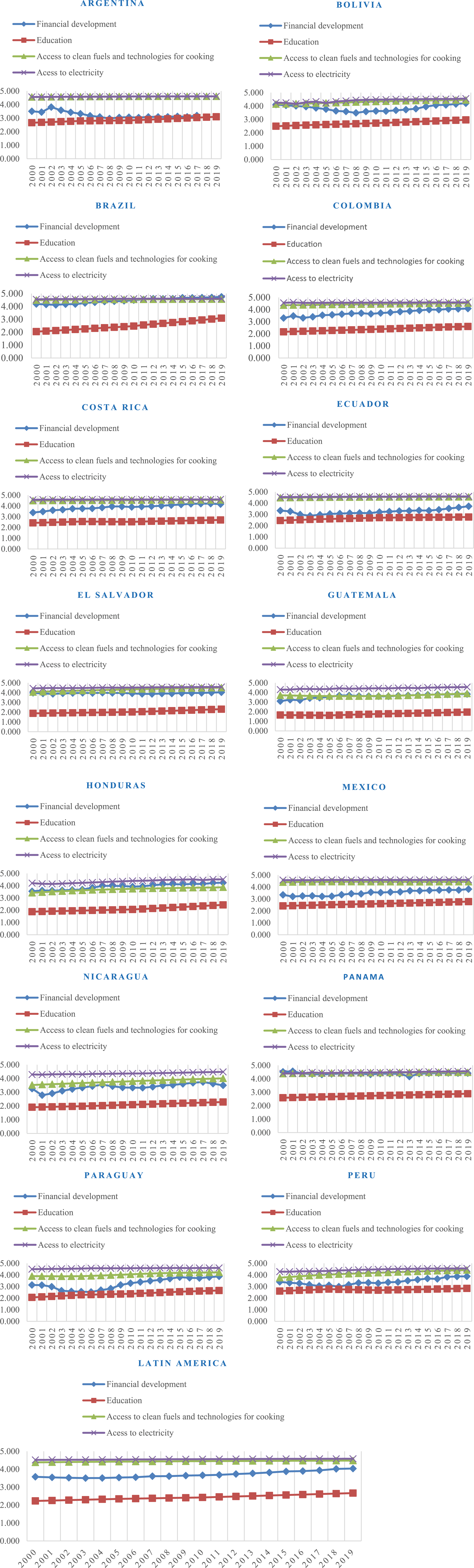
Empirical Methodology
Data Descriptions
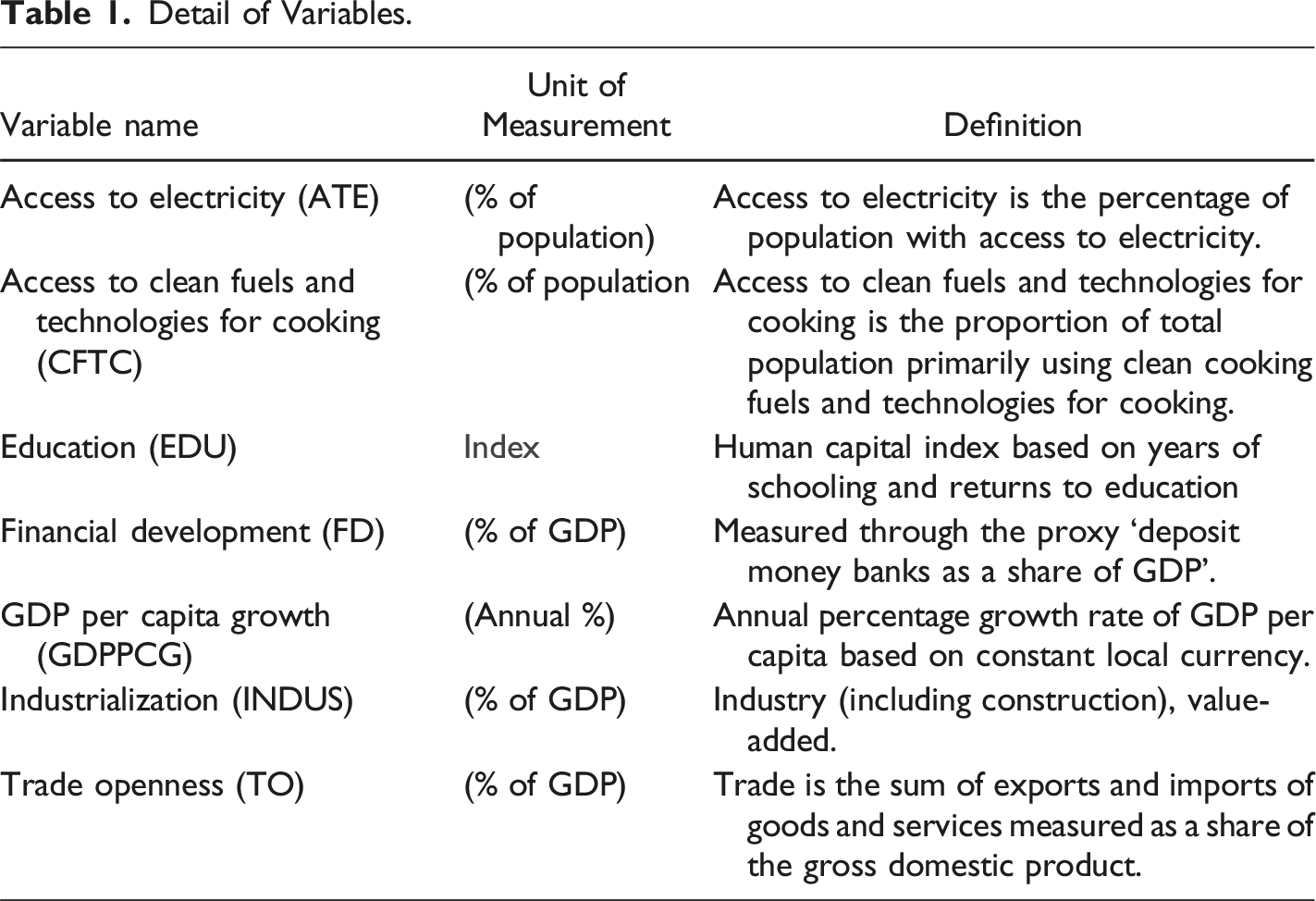
Detail of Variables.
Model Specification
This study follows the empirical work of Mohsin et al. (2022) and Said and Acheampong (2023) to investigate the effects of education and financial development on energy poverty reduction. Therefore, the empirical models to examine the effects of education and financial development on energy poverty reduction are given by



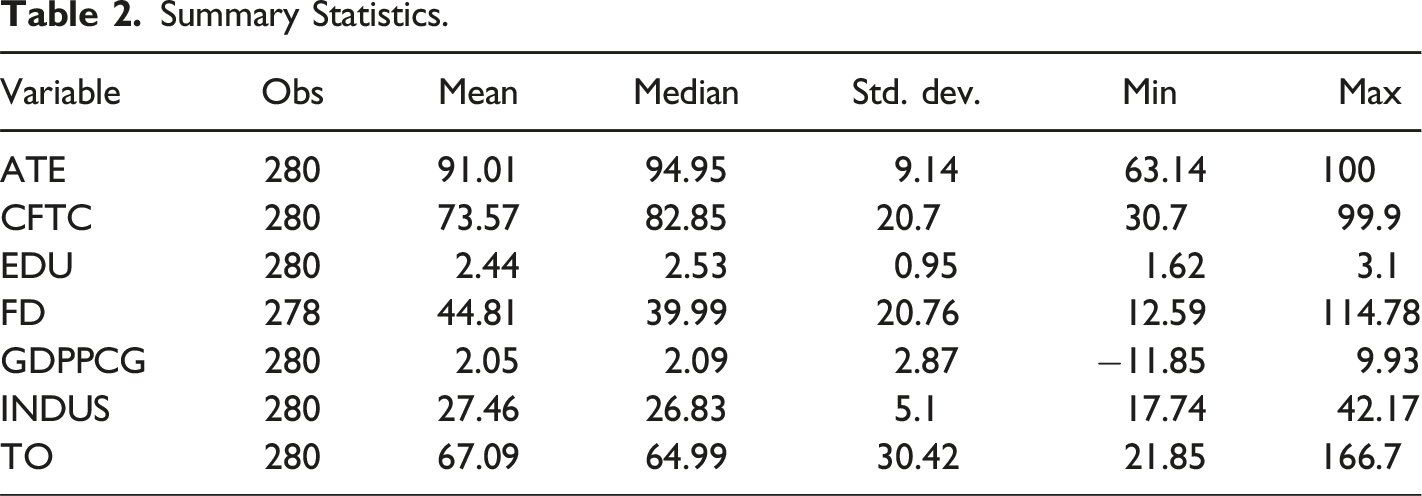
Summary Statistics
Summary Statistics.
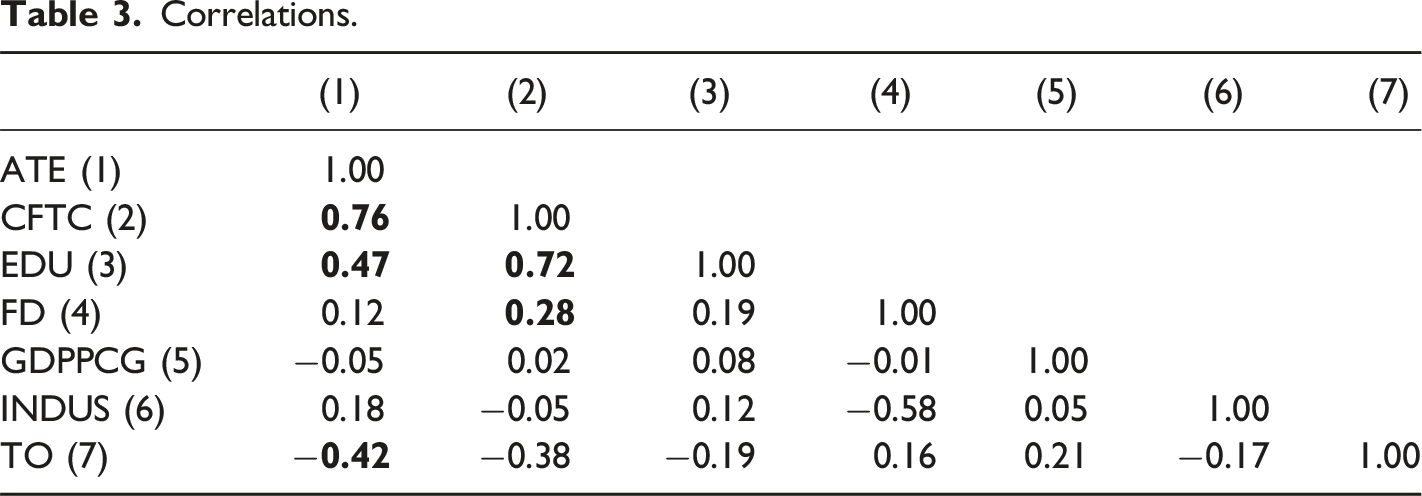
Correlations.
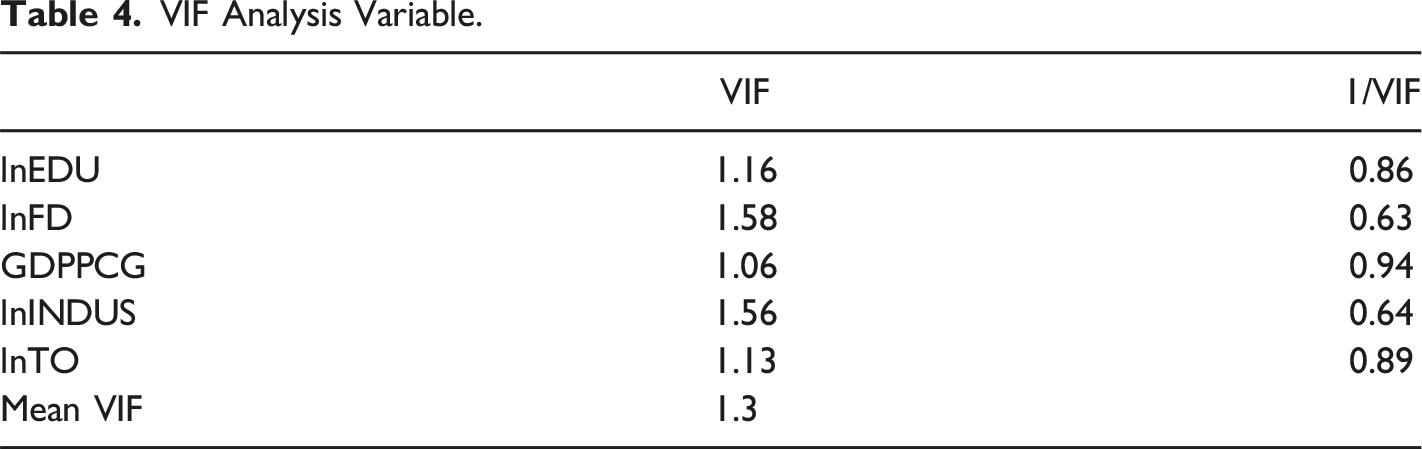
VIF Analysis Variable.
Results and Discussion
Cross-Sectional Dependence
Results of the Cross-Sectional Dependence Tests.

Panel Unit Root Test
Results of Panel Unit Root Test With Trend.
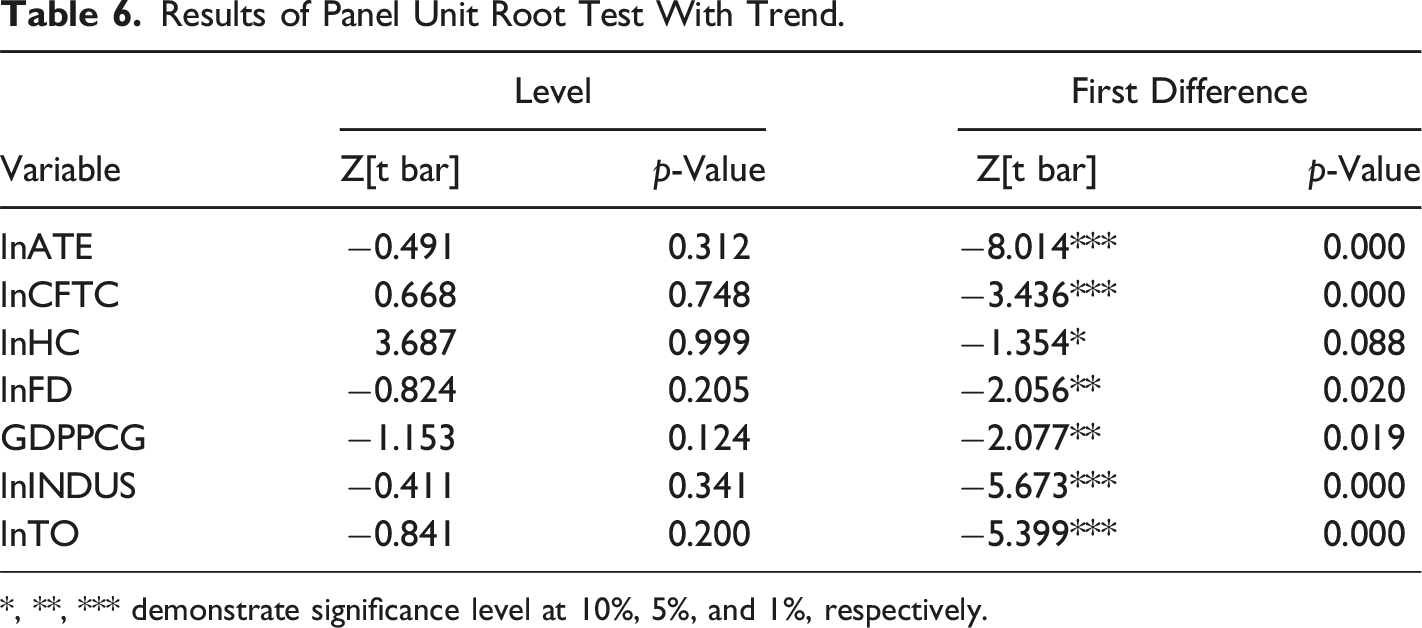
*, **, *** demonstrate significance level at 10%, 5%, and 1%, respectively.
Panel Co-integration Test
Results of Panel Co-integration Tests.
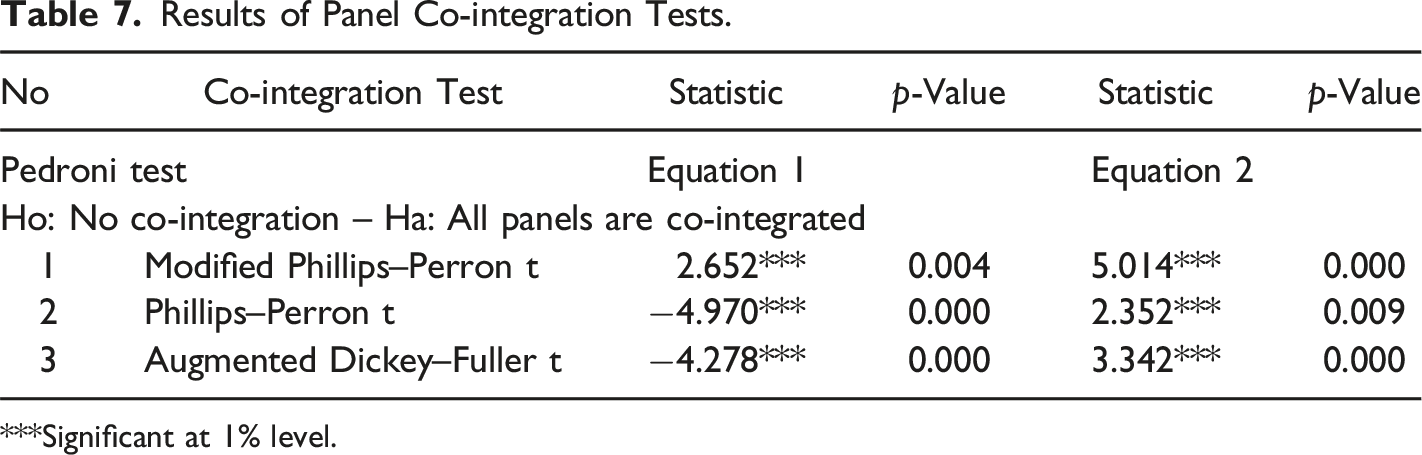
***Significant at 1% level.
Estimation of Long-Run Coefficients
As estimation techniques, we use fully modified ordinary least squares (FMOLS) and dynamic ordinary least squares (DOLS). Fully modified ordinary least square regression technique was developed by Pedroni (2001), which is a residual-based test that provides efficient results when co-integrated variables are involved. In addition, FMOLS is considered reliable when the sample size is small and eliminates endogeneity and serial correlation issues. Additionally, Hamit-Haggar (2012) developed a DOLS approach which provides better results than FMOLS and eliminates correlation among regressors. Furthermore, we use Canonical Co-integrating Regression (CCR) estimation as a robust estimation to validate FMOLS and DOLS results. CCR procedure reveals simple mixture distributions, confirms asymptotic Chi-square validation, and resolves the problem of non-scalar disturbances (Park, 1992).
Results and Discussions
Education, Financial Development, and Energy Poverty Reduction: Aggregated Sample Results
Panel Estimation Results of the Impact of Education and Financial Development on Energy Poverty Reduction.
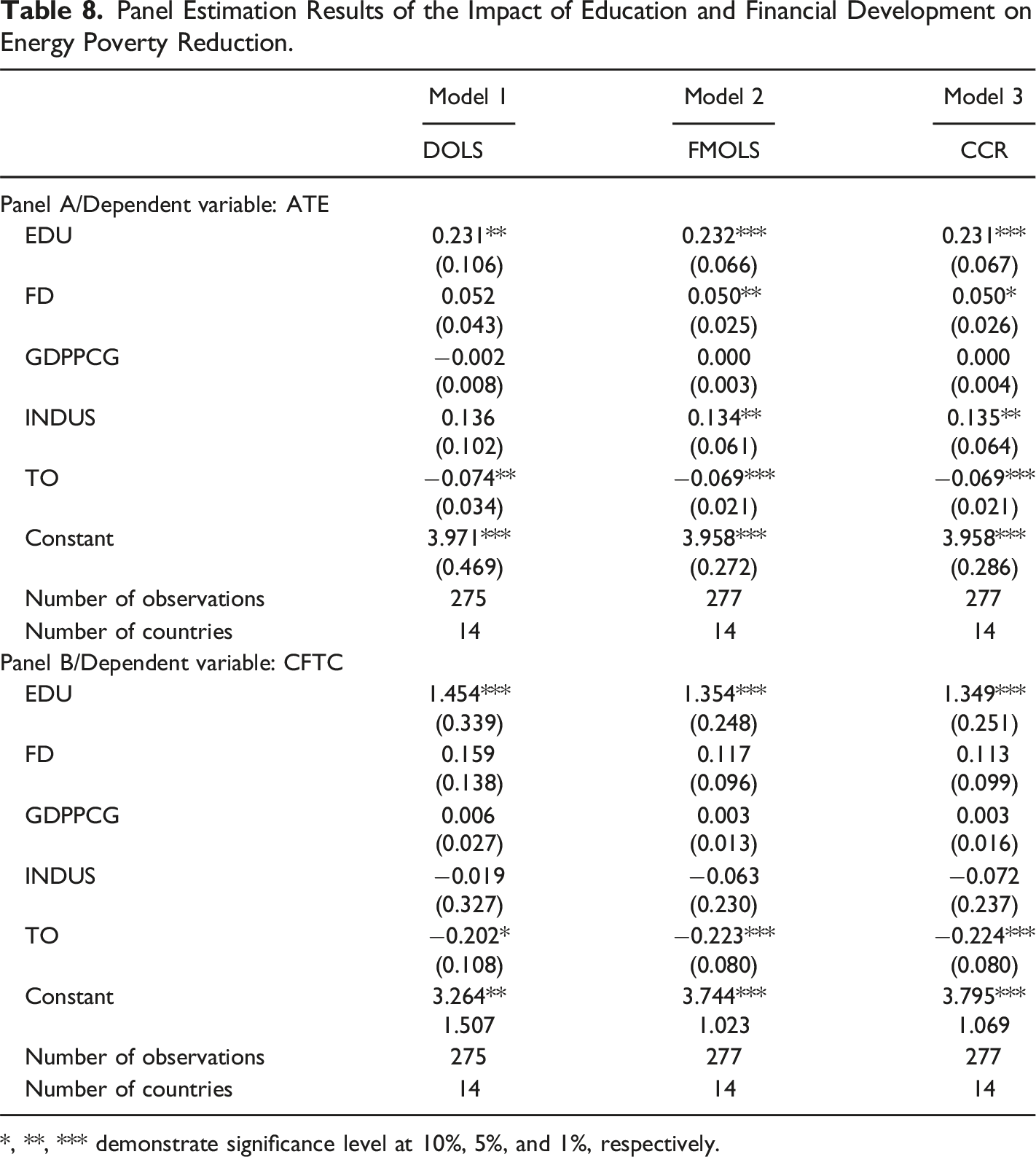
*, **, *** demonstrate significance level at 10%, 5%, and 1%, respectively.
The findings further denote that financial development exerts a positive impact on ATE in specifications 2–3, revealing the favourable influence of finance in lowering energy poverty. A 1 % increase in financial development brings about a 0.05% increase in ATE. Our result contradicts the findings of Zhao et al. (2023), which indicates that financial development exerts an insignificant impact on energy poverty reduction in Korea but confirms the results of Mohsin et al. (2022) and Said and Acheampong (2023) in the cases of Latin America and sub-Saharan Africa, respectively. Financial development positively enhances access to electricity because investment in electricity infrastructure requires funding (Acheampong et al., 2022; Zhang et al., 2019). A developed financial system will channel savings and allocate funds for electricity infrastructure investment. In addition, the results exhibit that the coefficient of industry is positive and significant. A 1 % increase in industry contributes to a 0.134% to 0.135 % increase in ATE. Finally, the findings reveal that trade openness has a significant negative impact influence on ATE. This outcome does agree with Zhao et al. (2022), who reveal that foreign trade increases energy poverty but contradicts the results of Yan et al. (2023), which confirm that trade openness reduces energy poverty in the case of China.
Table 8 (Panel B) presents the outcomes of the influence of education on energy poverty, proxied by access to clean fuels and technologies for cooking (CFTC). The empirical findings show that education is significantly and positively related to CFTC in all specifications, suggesting that improving Latin America’s level of education will efficiently expedite the process of elimination of energy poverty. A 1 % rise in education increases CFTC within a range of 1.349 %–1.454%. This mitigating effect of education on energy poverty illustrates Latin American countries’ progress towards sustainable development; these findings are in line with the results of Apergis et al. (2022) and Sharma (2016).
Education and Financial Development and Access to Electricity: Country-specific Results
Country-specific Estimates on the Relationship Between Education, Financial Development, and Access to Electricity.
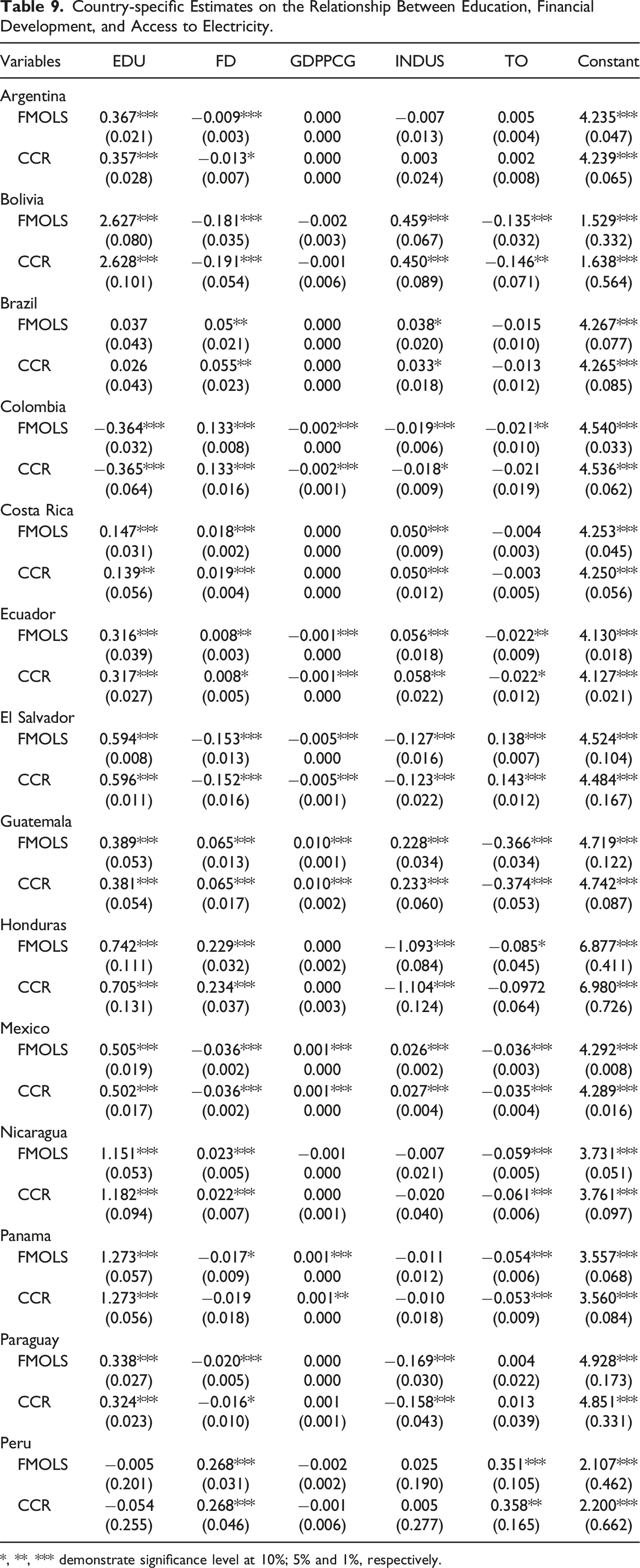
*, **, *** demonstrate significance level at 10%; 5% and 1%, respectively.
Education and Financial Development and Access to Clean Fuels and Technologies for Cooking: Country-specific Results
Country-specific Estimates on the Relationship Between Education, Financial Development, and Access to Clean Fuels and Technologies.
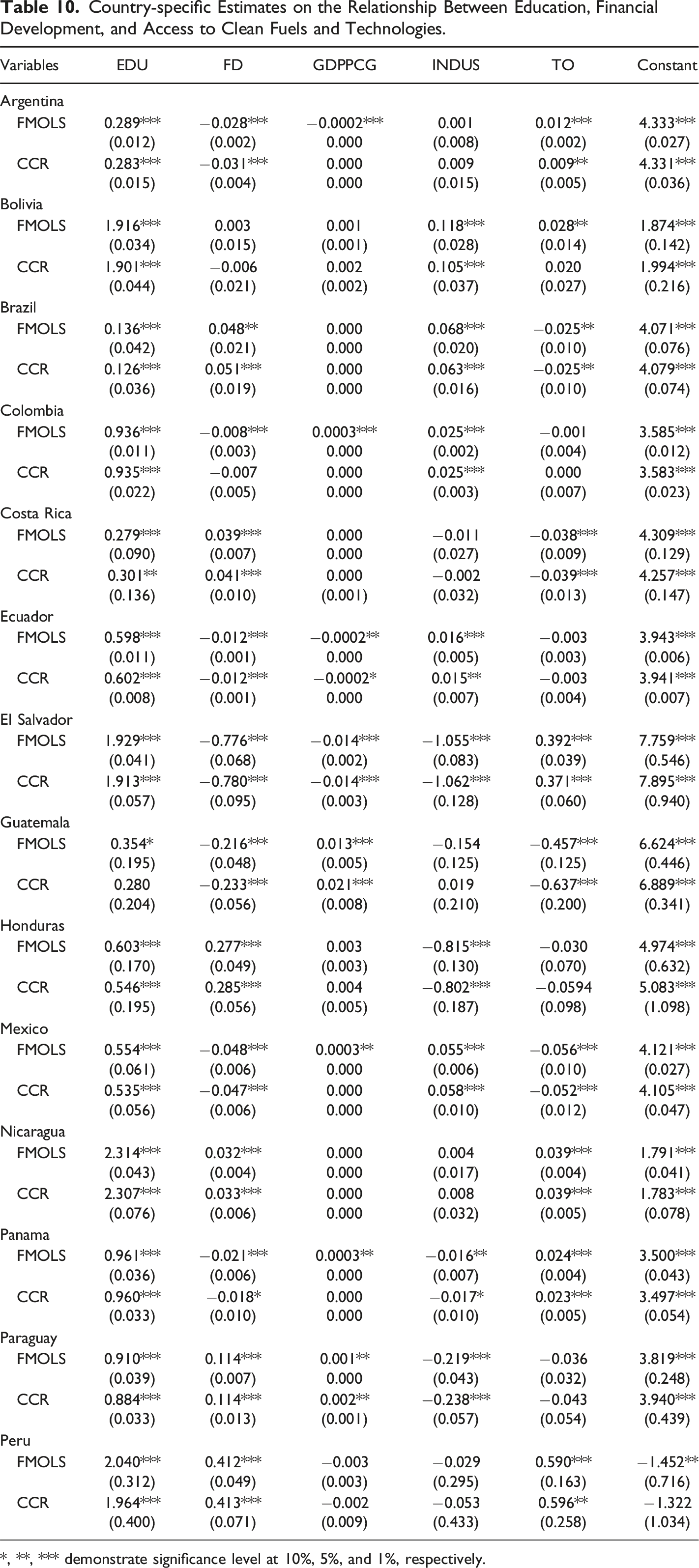
*, **, *** demonstrate significance level at 10%, 5%, and 1%, respectively.
Robustness Checks
Panel Estimation Results of the Impact of Education and Financial Development on Energy Poverty Reduction.
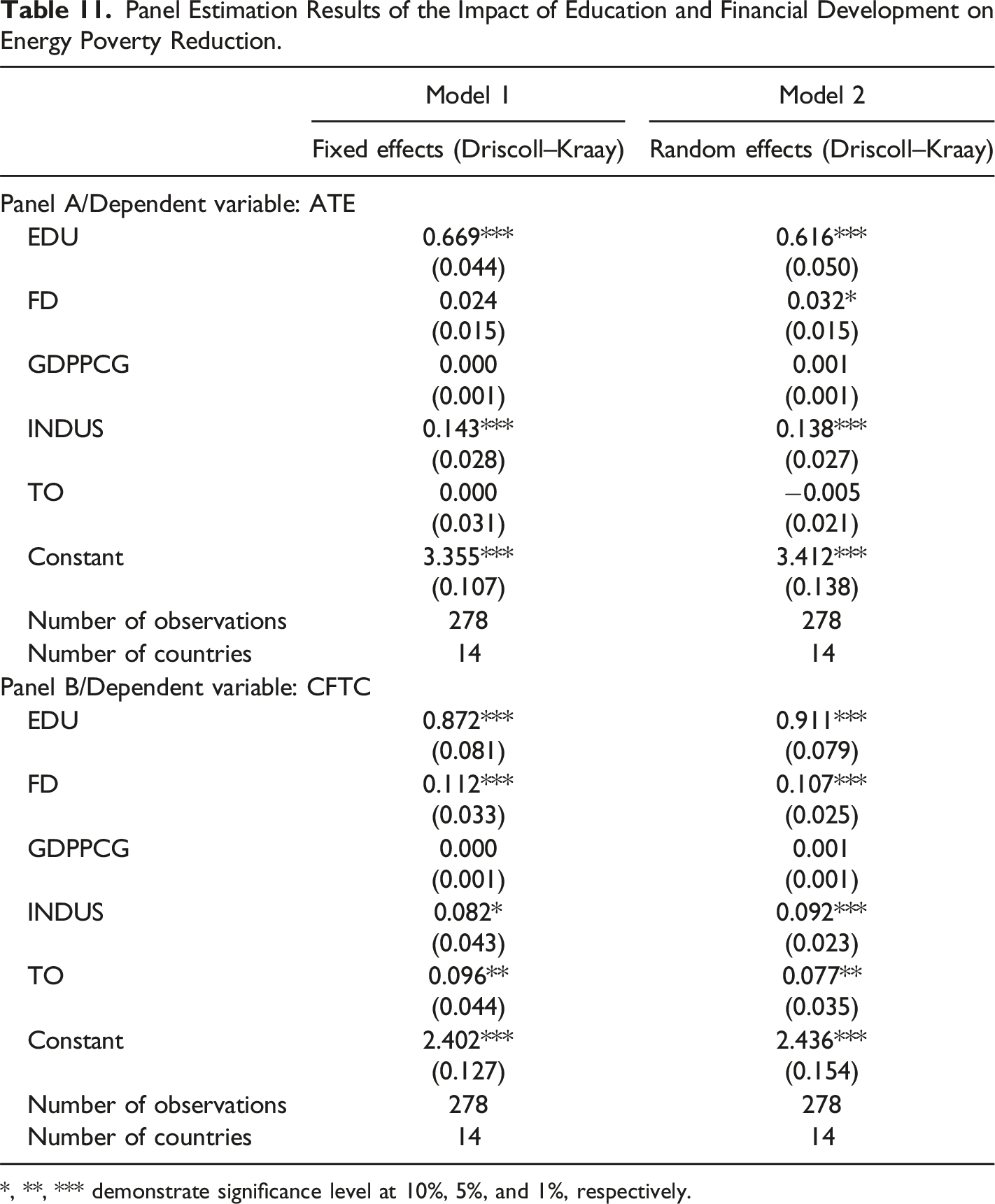
*, **, *** demonstrate significance level at 10%, 5%, and 1%, respectively.
Conclusion and Policy Implications
This study examines the impact of financial development and education on energy poverty reduction using panel data from 14 Latin American countries from 2000 to 2019. This study deploys DOLS, FMOLS, and CCR as the main estimation techniques and further uses fixed effect and Driscol–Kraay estimators to test the robustness of the results. The findings of this study can be summarized as follows.
First, our analysis confirmed the existence of a positive and statistically significant effect of financial development and education on energy poverty reduction in Latin America.
Second, the results showed that education has a heterogeneous effect on reducing energy poverty across Latin American countries. For instance, the results indicate that education significantly increases access to electricity in Argentina, Bolivia, Costa Rica, Ecuador, El Salvador, Guatemala, Honduras, Mexico, Nicaragua, Panama, and Paraguay, while it significantly reduces access to electricity in Colombia. For Brazil and Peru, education does not affect access to electricity. Also, education was found to significantly increase access to clean cooking fuels and technologies across all the countries.
Third, the results showed that financial development has a heterogeneous effect on reducing energy poverty across Latin American countries. Financial development significantly increases access to electricity in Brazil, Colombia, Costa Rica, Ecuador, Guatemala, Honduras, Nicaragua, and Peru but significantly reduces access to electricity in Argentina, Bolivia, El Salvador, Mexico, Panama, and Paraguay. Also, financial development significantly increases access to clean cooking fuels and technologies in Brazil, Costa Rica, Honduras, Nicaragua, Paraguay, and Peru. In contrast, the results point out that financial development has a significant negative impact on clean cooking fuels and technologies in Argentina, Colombia, Ecuador, El Salvador, Guatemala, Mexico, and Panama. In the case of Bolivia, no significant relationship exists between financial development and clean cooking fuels and technologies.
These findings have two main implications for policies for attaining SDG 7 in Latin America. Firstly, the study calls on policymakers in the Latin America region to invest significantly in education since it contributes significantly to access to electricity and, clean cooking fuels, and technologies. Also, for education to act as an enabler of access to clean and modern energy, governments need to implement educational programmes that aim at training households on energy-saving strategies and also raise awareness on the benefits of using clean and modern energy such as LPG, natural gas, and solar energy. Consistent with the recommendation of Acheampong et al. (2022), for education to drive SDG 7, policymakers should prioritize technical education and train individuals to acquire the technical know-how needed to operate and maintain electrification infrastructure and to produce clean cooking technologies.
Secondly, the significant positive effect of financial development on electricity access underscores the need for policymakers to implement financial inclusion strategies to ensure easy financial access in the region. Easy access to finance is key to reducing energy deprivation as it enables poor households to access electricity and clean cooking technologies and fuels (Acheampong, 2023; Koomson & Danquah, 2021; Said & Acheampong, 2023). Also, this study calls on policymakers to implement policies that ensure the stability and efficiency of the financial system. A stable and efficient financial system is important since it enables clean cooking and off-grid technologies producers, distributors, and retailers to have easy access to finance to support their investment in clean energy and off-grid technologies that are instrumental for the attainment of SGD 7. Finally, financial institutions could support efforts to enhance access to clean and modern energy in Latin American countries by providing affordable loans to clean cooking and off-grid technology manufacturers as well as poorer households.
Despite the contribution of this study, there are still some avenues for future research. This study can be extended in many ways. While this study only focused on Latin American countries, future studies could examine the link between education, financial development, and energy poverty reduction in energy-poor regions such as sub-Saharan Africa and South Asia. Also, our study did not consider the role of institutional quality in the effect of financial development and education on energy poverty reduction. Therefore, future studies can benefit and advance knowledge by examining the impact of political institutions on the relationship between education, financial development, and energy poverty. Also, this study adopted a narrow definition of energy poverty, which emphasizes the lack of access to electricity and clean cooking fuels and technologies. To advance knowledge, future studies should adopt multidimensional energy poverty indicators to re-examine this problem considered in this study. Finally, a comparative analysis focussing on the level of the country’s economic development could provide a better understanding of the role of financial access and human capital in accessing clean and modern energy.
Footnotes
Declaration of Conflicting Interests
The author declared no potential conflicts of interest with respect to the research, authorship, and/or publication of this article.
Funding
The author received no financial support for the research, authorship, and/or publication of this article.

Notes
Appendix
List of Sample Countries in the Study.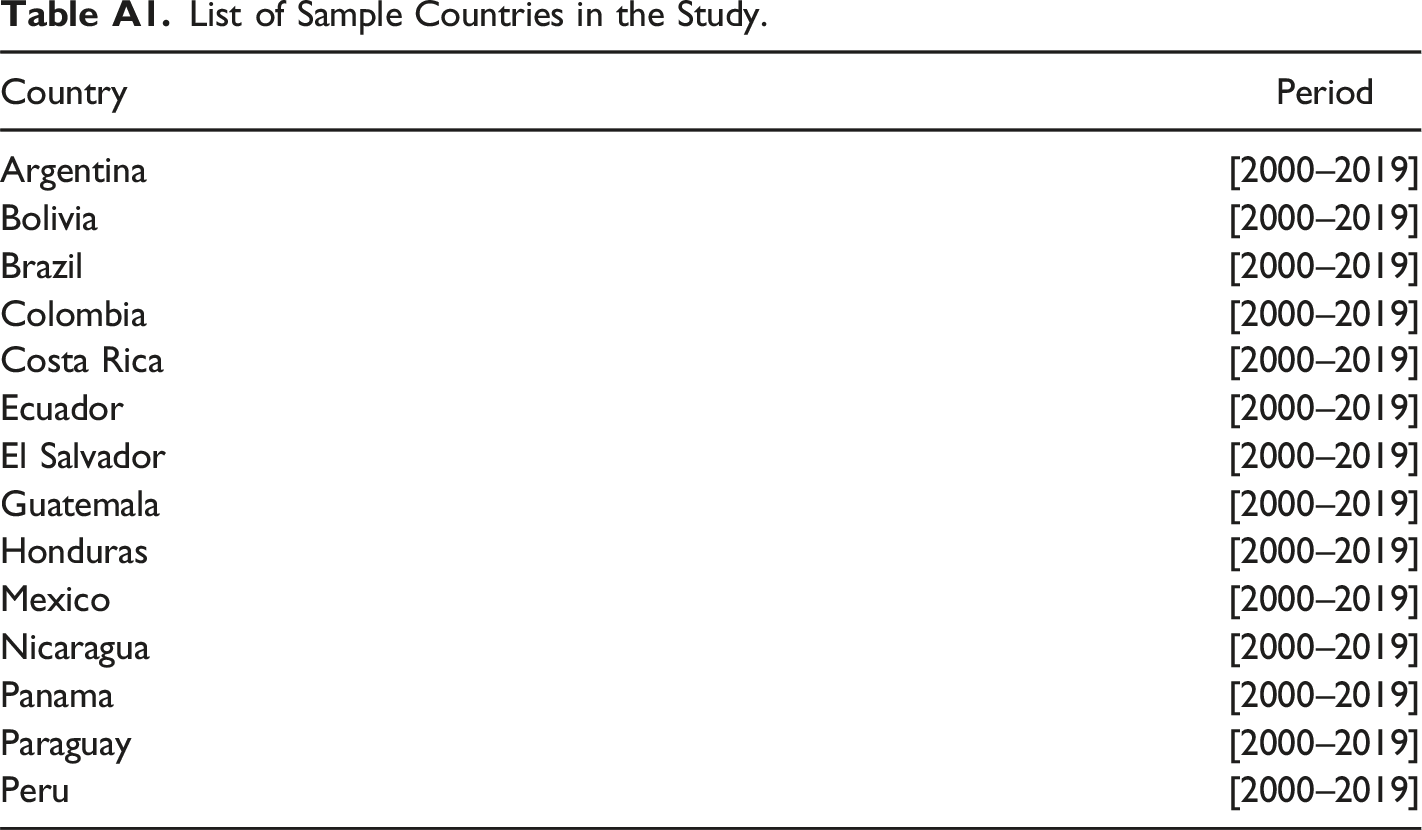
Country
Period
Argentina
[2000–2019]
Bolivia
[2000–2019]
Brazil
[2000–2019]
Colombia
[2000–2019]
Costa Rica
[2000–2019]
Ecuador
[2000–2019]
El Salvador
[2000–2019]
Guatemala
[2000–2019]
Honduras
[2000–2019]
Mexico
[2000–2019]
Nicaragua
[2000–2019]
Panama
[2000–2019]
Paraguay
[2000–2019]
Peru
[2000–2019]