




Abstract
This paper explores the transformative potential of digital twin technology in vertical centrifugal casting (VCC), a cornerstone manufacturing process for high-integrity cylindrical components. By integrating real-time data, physical models, and machine learning algorithms, digital twins unlock a new paradigm of process optimization, predictive maintenance, and quality control. Integration of digital twinning enhances the performance in different domains of work like enhancing the quality of research, production etc. Howbeit, digital twinning is nascent in the domain of manufacturing specially in the casting sub domain. A physical set up of VCC is integrated with Internet of Things (IoT) and data acquisition system to stream the collected data to the cloud-based server. Transformation of Internet of Things (IoT) enabled VCC integrated with different sensors into the digital twin helps in quality prognosis for future applications. The data is further fetched from the cloud and interconnection is established between the digital twin. Real time monitoring, controlling and operating can be done easily with the help of a digital twin to predict the quality and tentative defect locations. Further amplifying these benefits, emerging technologies like Virtual Reality (VR), Augmented Reality (AR), and the Metaverse hold immense promise for revolutionising VCC training, collaboration, and visualisation.
Introduction
In the realm of manufacturing, casting emerges as a fundamental and versatile process, integral to various industries. Metal casting stands as one of the oldest manufacturing processes, marking the initial method employed by humans to craft metallic components through the application of sufficient heat to melt metal/alloy. This historic manufacturing process involves the controlled solidification of molten metal poured into a cavity (mould) fashioned from a replica of the desired metallic part (pattern) [Bhoraniya et al., 2022]. Over the past 100-150 years, the applications of metal casting processes have significantly expanded, contributing to the production of metallic parts across various industrial sectors for the betterment of humanity. The necessity for a diverse range of shapes, sizes, and strengths has spurred the evolution of various metal casting processes, encompassing variations in pattern making, mould making, melting, pouring, and solidification. Centrifugal casting takes a prominent role in this narrative, specialising in crafting cylindrical components like pipes and tubes. The process involves molten metal rotating within a mould, shaped by centrifugal forces to create consistent and refined forms. Beyond this, the broader casting narrative unfolds, encompassing meticulous mould creation, the alchemical dance of pouring molten materials, and the patient waiting as substances solidify. This enduring saga of moulding and shaping, whether in precision metal crafting or adaptable plastic moulding, testifies to casting’s vital role in the grand tapestry of creation. Delving into this narrative reveals the nuanced interplay of materials and moulds, a symphony of craftsmanship shaping our daily artefacts.
Centrifugal casting, particularly in Vertical Centrifugal Casting (VCC), stands out as a captivating technique. Here, the mould’s vertical positioning allows gravity and centrifugal forces to collaborate, shaping molten metal into cylindrical forms. VCC is pivotal in crafting elongated components such as pipes and tubes, ensuring uniform distribution and thickness. The vertical Mold orientation facilitates controlled solidification, enhancing structural integrity [Mazloum and Sata, 2022; Bhoraniya et al., 2018; Seabra et al., 2009]. VCC’s precise orchestration ensures consistency and caters to complex geometries, emphasising quality and efficiency. This exploration adds depth to casting techniques, revealing an intricate dance harmonising form and function to produce cylindrical marvels. VCC’s applications range from metal pipes to industrial components, showcasing versatility across industries [Chirita et al., 2008]. Figure 1 shows the two-dimensional architecture of VCC. Two-dimensional representation of VCC [Bhoraniya et al., 2018].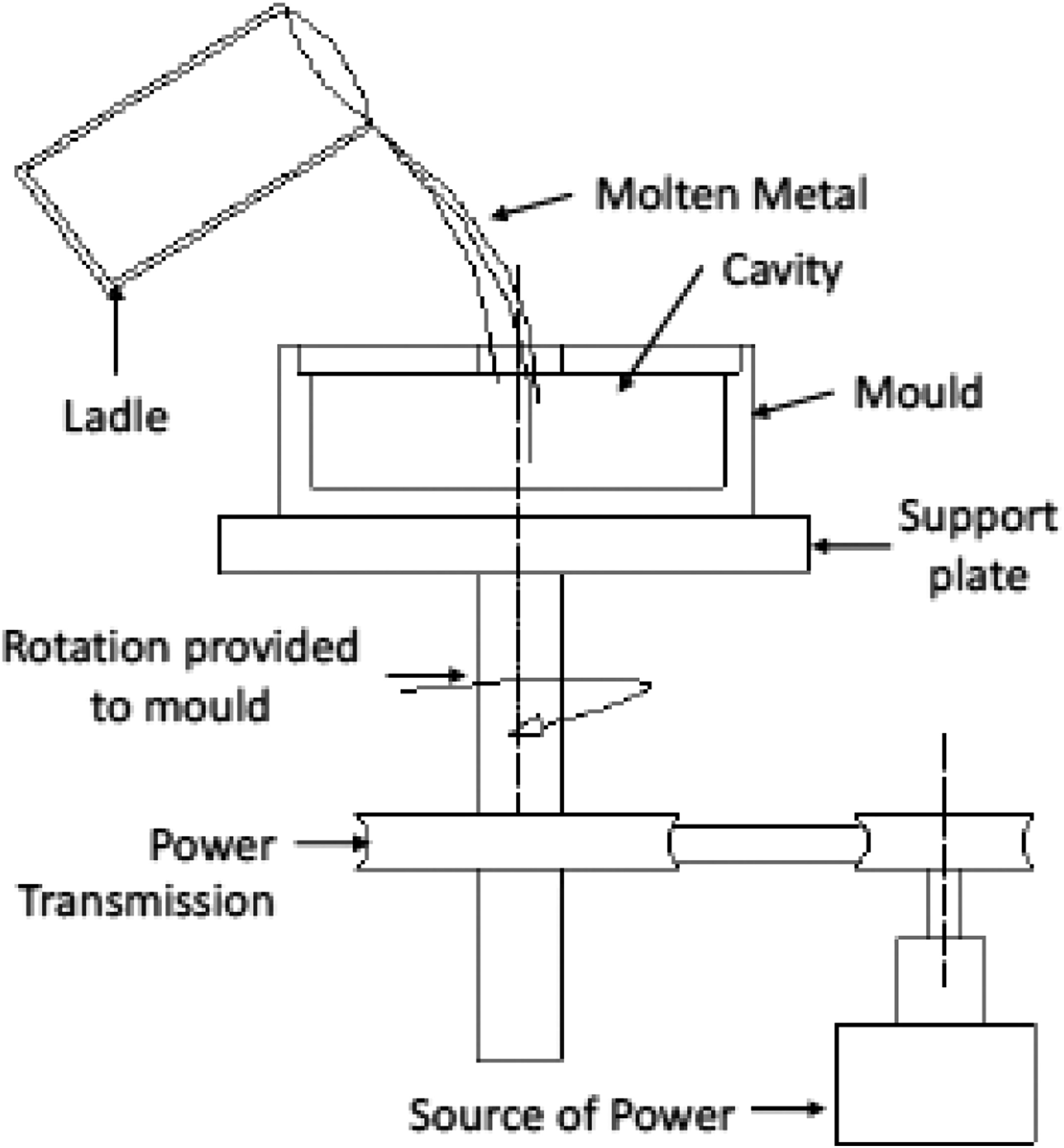
Being among the earliest manufacturing processes, metal casting involves managing numerous critical parameters to ensure effective control over the quality of metallic parts. This necessitates specific skill sets, domain expertise, and ongoing refinement. Aspiring young professionals in the field of metal casting actively seek these specialized skills to become experts in the domain. Moreover, metal casting is often regarded more as an art than engineering, and it somewhat lags in the integration of recent technologies such as Industrial Artificial Intelligence (AI), Internet of Things (IIoT), Digital Twin, Augmented Reality (AR), Virtual Reality (VR), and the Metaverse. In pressing need, establishing a connection between this traditional manufacturing process and modern technologies is crucial to inspire a more diverse group of young professionals to participate in this domain.
Smart manufacturing can be imbibed by automating and digitizing production processes through the integration of industrial machines and sensors, communication technologies and platform for computation. The result of this combination is enhanced production efficiency and management. Cyberspace can be built up by using digital data to represent complex physical information or systems. The degree of intelligence attainable in the field of manufacturing depends on the level of integration between the physical realm and the virtual world [Geng et al., 2022]. Digital tools and physical manufacturing assets such as units, processes, equipment, and products integration can be achieved by combining real-time capture and information fusion technologies. This methodology has the potential to improve overall manufacturing operations by furnishing a more extensive view of the production process. Manufacturers need to identify the process data that needs to be captured, evaluated, and shared to maximize the value of their products.
Current Industry 4.0 and smart manufacturing enterprises are stimulated by the delivery of flexible knowledge streams customized for the application of Cyber - Physical Production Systems (CPPS) and digital twins (DTs). Device connectivity is used to realize the concept of a digital twin of the manufacturing process [Bilberg and Malik, 2019; Xu et al., 2019; Qi and Tao 2018; Kritzler et al., 2019; Umeda et al., 2019]. Furthermore, DT technology enables the creation of exact digital replicas of physical systems. Using several sensors and AI algorithms, this simulation is continuously updated to reflect changes in the physical system. Overall efficiency and effectiveness of the manufacturing sector can be increased by implementing these cutting-edge technologies which is a transformative impact. It can be possible to store digital twin information on the blockchain in a reliable and secure system, preventing fraudulent acts and distortion of the information by Combination of blockchain and DT technology [Far et al., 2022]. The importance of DT in Smart manufacturing and the use of DT for monitoring has been proven by various researchers and industrialists. These researches partially analysed the importance of problem from the perspective of both theoretical and technical and presented relevant solutions. Therefore, based on the application of digital twins the current study presents a framework for DT in the field of Smart manufacturing.
The proposed framework aims to explore different aspects of DT in the context of smart manufacturing of VCC. Overall, digital twins that are adaptable, context-aware, and autonomous can quickly respond to changes and make optimal decisions without the need for human involvement [Albini et al., 2023]. Common quality issues increase overall costs and can lead to appalling losses such as equipment damage, environmental pollution, and even death in severe cases. As quality control research progressed, models and processes improved. However, current methods still lack timeliness and smartness, resulting in constrained predictive capacity, delayed feedback, and deficient decisions regarding quality data. With the growing application of modern manufacturing technology in various arenas, the need for effective online quality control and enhancement is increasing. However, the implementation of DT in smart manufacturing faces many challenges that can be focused on future research viz. Continuous optimization using machine learning algorithms for DT models in smart manufacturing, fully utilize DT for accuracy prediction and error analysis in quality control and design and use DT models for intelligent production (Figure 2) that can be reused [Ebnia et al., 2023; Shao and Helu, 2023]. Examples displaying use of digital twin in manufacturing.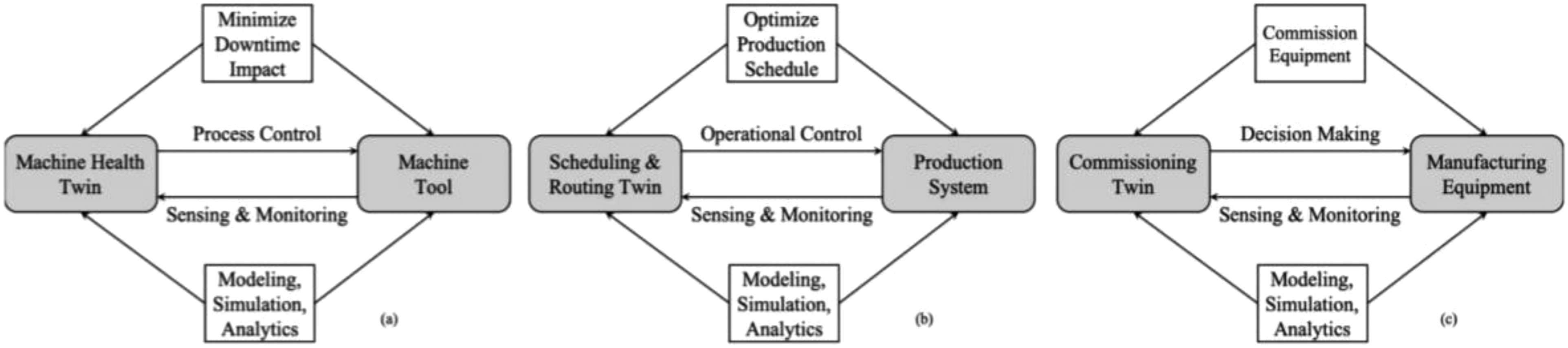
A latest Gartner survey tells that 75 % of organizations applying IoT already use DT or plan to, within a year. By 2022, over 2/3rd of these establishments is expected to have deployed at least one DT in production [Shao and Helu, 2023]. Expanding the VCC setup with Digital Twin (DT) technology enhances its capabilities. The Digital Twin involves creating a virtual representation of a physical system (PS) to enhance design, evolution, and deployment stages. Initially introduced for product life cycle management, DTs find applications in industrial manufacturing. In manufacturing, DTs enhance product performance, flexibility, and competitiveness through simulation, data acquisition, communications, cyber-physical interaction, and advanced analytics. The benefits of Digital Twinning of VCC expand manifold, including virtual factory replication [Grieves, 2014].
This convergence of VCC and DT marks a significant advancement, underscoring the synergy between traditional craftsmanship and cutting-edge technology in shaping the future of manufacturing. Moreover, the DTs are also explored for various processes like CFD (Computational Fluid Dynamics and EFD (Experimental Fluid Dynamics) where a physics based digital twin model is created to measure aerodynamics, propulsion, Avionics, etc. The DTs are also created with advances in the new generation technologies to cater with big data which is becoming the focus of global manufacturing transformation and upgrading. Intelligence comes from data. Integrated analysis for the manufacturing of big data is beneficial to all aspects of manufacturing. Besides, the digital twin paves a way for the cyber-physical integration of manufacturing, which is an important bottleneck to achieve smart manufacturing [Qi and Tao 2018].
Moreover, the DTs are also being used for smart cities for enhanced decision making and management of city infrastructure with the use of big data for integrating a more holistic analytics and visualisation approach into the real-time knowledge discovery process from heterogeneous city data and DTs [Mohammadi and Taylor, 2017], and not just limiting to smart city but also finding its importance in wind farms where the DT and big data are used for monitoring of sensor data in different discrete time intervals [Pargmann et al., 2017].
In conclusion, the exploration of Vertical Centrifugal Casting (VCC) reveals its intricate dance between tradition and cutting-edge technology. By embracing Digital Twins (DTs), VCC stands poised to revolutionise manufacturing. Metaverse integration unlocks immersive collaboration and remote monitoring, while advanced data visualisation and analytics deepen our understanding of the process. The future beckons with closed-loop control systems, self-adapting to optimise performance in real-time. Finally, interconnected Digital Twin ecosystems promise holistic, synchronized operations across the entire casting process. Through this confluence of advancements, VCC emerges not just as a casting technique, but as a testament to the transformative power of digital innovation shaping the future of manufacturing. The subsequent sections illustrate the methodology and execution of incorporating the physical VCC setup with IoT and crafting its digital twin.
Methodology
The genesis of a digital twin proffers myriad prospects across diverse domains, as explicated in the antecedent section. This paradigm shift has, in numerous dimensions, facilitated organizational endeavours encompassing Research and Development (R&D), academic inquiry, instructional modules, prognostication of product life cycles, mitigation of manufacturing costs, and sundry others. The present study undertakes the digital twinning of a metal casting arrangement, primarily directed towards experimental and instructional objectives. The instantiation of a digital twin necessitates, at its core, the instantiation of a physical metal casting setup and its subsequent amalgamation with the Internet of Things (IoT) [Anadkat and Sata, 2022; Nivasan et al., 2022]. The architectural blueprint of the digital twin for the metal casting configuration is delineated in the schematic representation provided in the Figure 3. Framework of digital twin of VCC.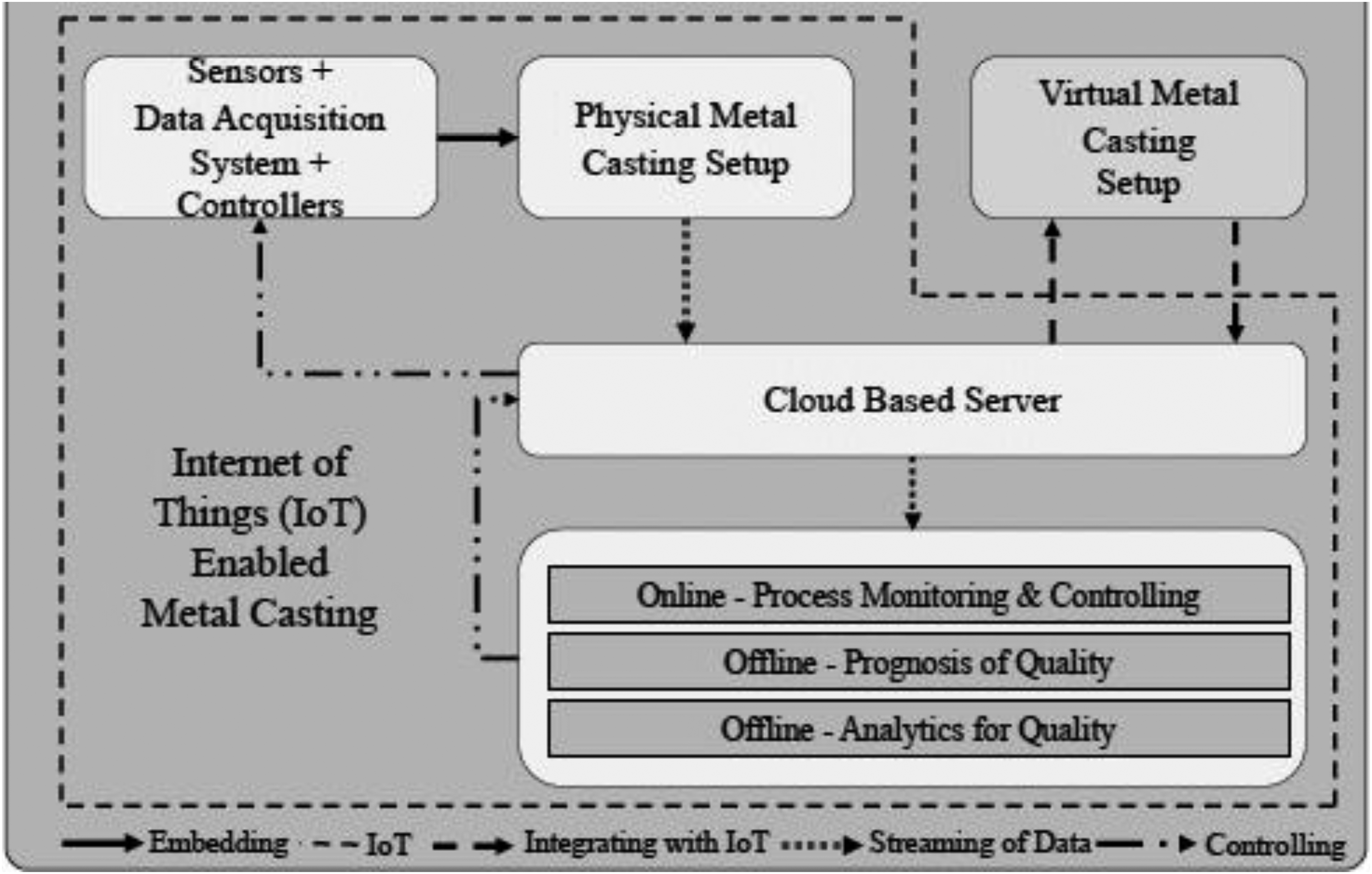
The digital replication of the configuration primarily encompasses the construction of the system, its integration with the Internet of Things (IoT), and the establishment of a data acquisition system. This involves transmitting the acquired data to servers, facilitating remote operation of the system, enabling online monitoring of processes, implementing control measures, and ultimately utilizing the data for Foundry Data Analytics System (FDAS), an online analysis and prediction tool. FDAS uses Bayesian Approach to calculate the range of parameters which should be chosen or avoided to achieve or avoid specific properties related to casting. FDAS uses the data in the excel sheet collected by foundries such as process parameters, chemical composition of an alloy, total number of castings poured, number of rejections due to defects etc. It calculates the minimum and maximum values for each parameter, and the range is divided into four categories based on the parameter’s values. The number of observations falling within these ranges, along with defect occurrences, are then determined. This data will be further analysed for the possibilities of defect occurrence in each parametric values available using Bayesian interference. Parameters having high probabilities for defect occurrence that is >70% (acquired from equations) are considered to be critical and indicates a strong likelihood of defects associated with those parameter ranges. Figure 4(a) shows the UI of FDAS module, whereas Figure 4(b) shows the time taken for injection with different range of values, its magnitude, posterior probability, and severity. Based on this analysis, module will suggest/recommend the action to be taken. Additionally, the physical infrastructure is synchronized with a virtual representation of the metal casting setup, serving as a replica of the tangible system. The virtual configuration is meticulously designed and programmed to establish communication with the physical setup, allowing the data transmitted from the physical system to be leveraged for process monitoring, control, and quality improvement within the virtual environment [Gajera et al., 2021; Sata and Ravi, 2015; Sata, 2019]. A thorough exposition detailing the execution of this system is proffered in the ensuing section, wherein Virtual Centrifugal Casting (VCC) is employed to enhance clarity in the implementation process. Foundry data analytics system (FDAS). (a) User Interface of FDAS. (b) Value Analysis on the basis input data.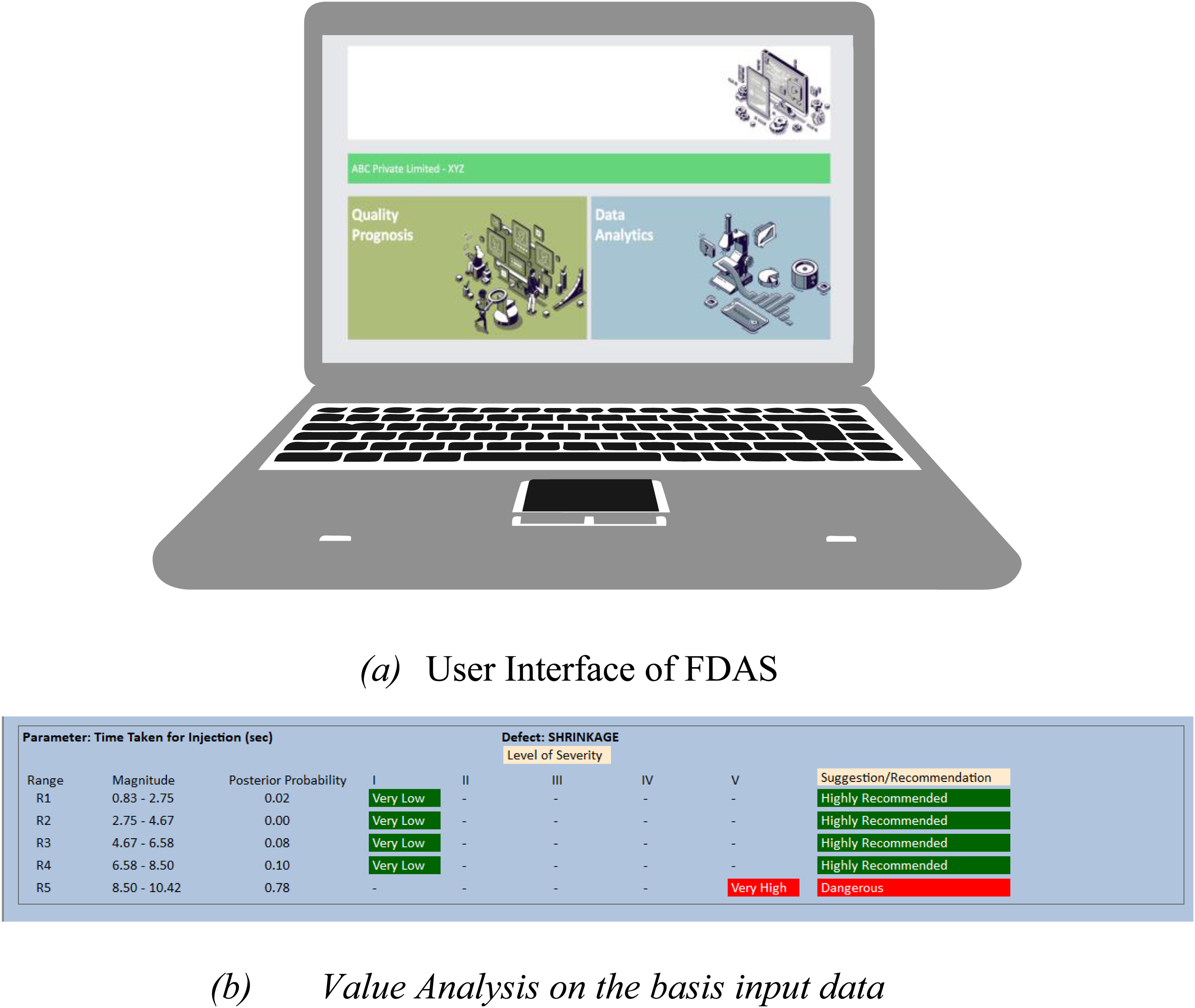
Implementation
Development of a IoT enables setup of metal casting (VCC)
As expounded in antecedent sections, the adoption of Virtual Centrifugal Casting (VCC) is primarily favoured to produce cylindrical components characterized by a specific aspect ratio, denoted as the Diameter to Height ratio [Bhoraniya et al., 2022]. An in-house development of the physical VCC setup, illustrated in Figure 5, has been undertaken, featuring an induction motor with a power capacity of 3 Horsepower, a Variable Frequency Drive (VFD), and an array of moulds. The design of the VCC configuration is meticulously crafted to accommodate moulds of varying sizes, specifically tailored for experimental use with aluminium alloys. These moulds are affixed to a specially devised adapter plate, equipped with specialized clamps to secure the moulds in place. The moulds exhibit a height-to-diameter ratio spanning from one to 3, maintaining a constant height of 65 mm. The attached induction motor serves the purpose of rotating the mold affixed to its shaft at a user-defined RPM, a parameter controllable through the VFD. This mechanism ensures the precise regulation of Mold RPM within the specified range of 25 to 200 revolutions per minute, in accordance with operational requisites. Physical setup of VCC.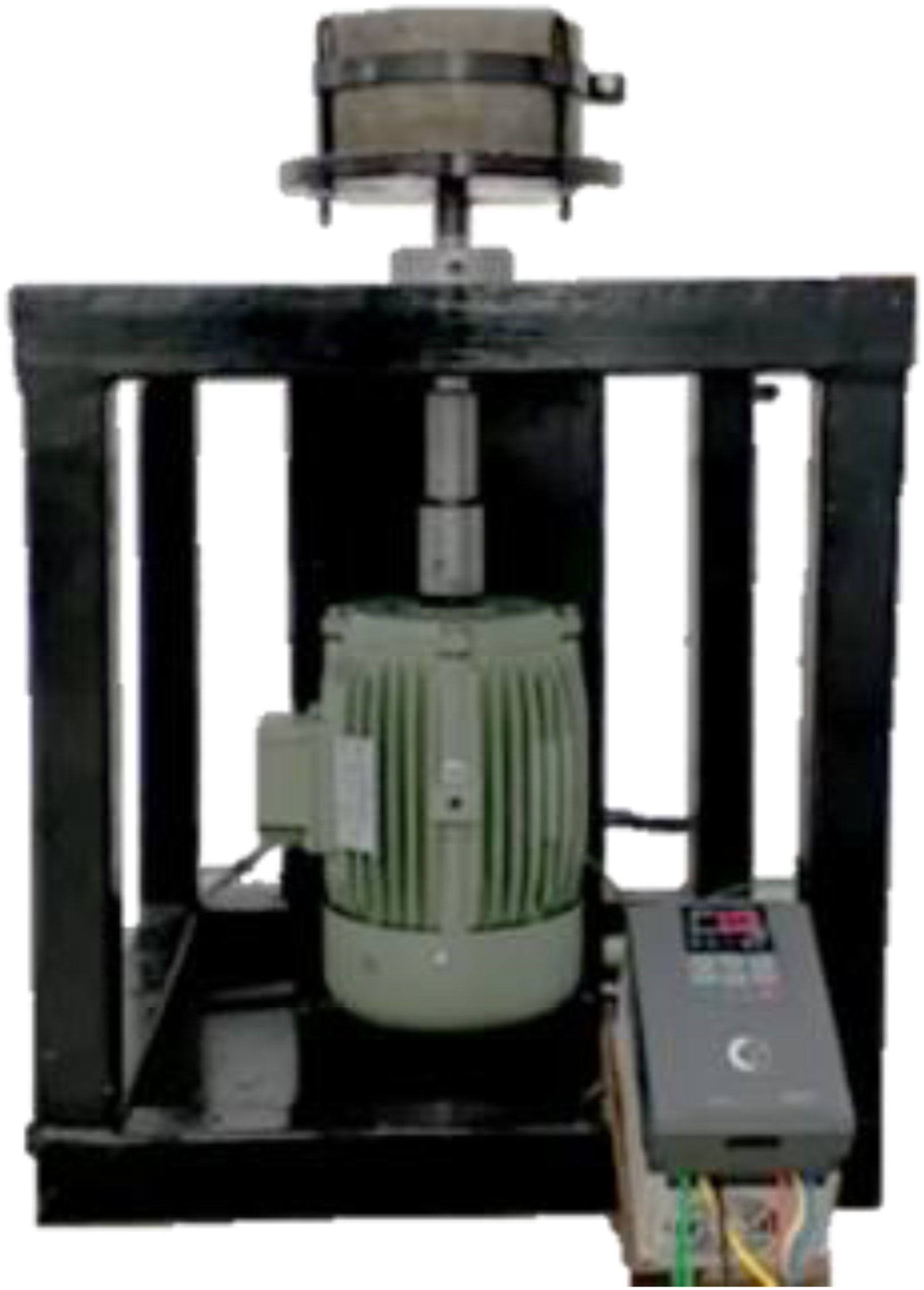
The physical instantiation of the VCC setup is intricately interconnected with an array of sensors pertinent to the casting industry, encompassing temperature, humidity, and gas sensors for carbon dioxide (CO2) and oxygen (O2), as well as the RPM of the Mold. Measuring CO2 and O2 levels in centrifugal casting is critical for maintaining product quality and minimising defects. Oxygen (O₂) can degrade materials and create surface defects. Carbon content in steel and iron alloys must be controlled to retain a direct impact on the cast’s mechanical properties. This involves controlling carbon dioxide (CO₂). If neither gas is regulated, it might lead to gas porosity, which will weaken the cast product. Precise measurement guarantees improved process management, lowers the possibility of flaws like porosity, and improves the casting process’s safety as well as its metallurgical qualities. These sensors operate concurrently with diverse microcontrollers, orchestrating the streaming of operational data to a cloud-based server. Notably, the microcontroller employs the Message Queuing Telemetry Transport (MQTT) protocol to effectuate the seamless transmission of data to the cloud-based server.
Process monitoring and control
The physical configuration of Vertical Centrifugal Casting (VCC), incorporating various sensors and a data acquisition system as detailed above, plays a pivotal role in process monitoring and control through the transmission of data to the server. The data sent to the server is primarily employed for real-time operation, control, and monitoring through a dedicated smart device or web application. The information retrieved from the server is then conveyed to the smart device or web-based application, where it is presented in the form of charts to enhance visualization and comprehension of the ongoing process.
The automated system for a Vertical Centrifugal Casting (VCC) setup relies on several sensors to monitor everything in real-time. Figure 6 shows the user interface of the application developed for operation monitoring and control of the equipment. A Magnetic Hall Sensor keeps track of the Mold’s revolution, while a tilt sensor checks its angle. The furnace is fitted with a K-Type thermocouple for high-temperature readings, a LM35 to measure room temperature, and a DHT11 to monitor humidity. An ESP8266 NodeMCU microcontroller gathers data from these sensors and sends it wirelessly to a cloud server via Wi-Fi or Bluetooth. Controlling and monitoring of VCC and Bottom Pouring Furnace Using SMART Device. (a) Controlling Module, (b) Different modules – SMART device, (c) RPM Controlling using SMART device, (d) Rotation monitoring in the SMART device, (e) Monitoring Melting Furnace using SMART device.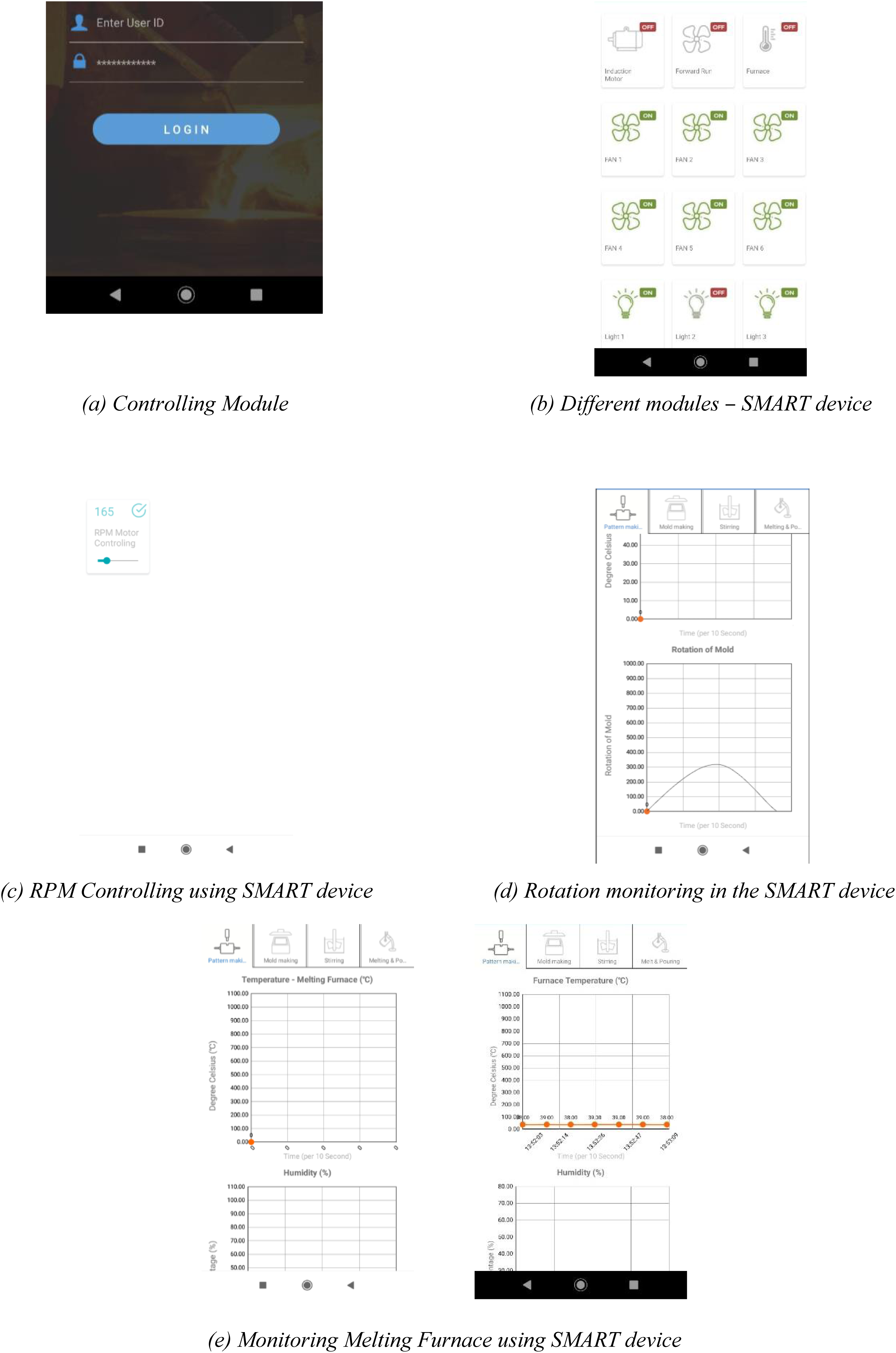
The Smart device application interfaces with different parameters of the VCC, enabling operational functionalities such as on/off toggling, directional setting, and adjustment of the rotating mould’s rotation speed (ranging from 25 to 200 revolutions per minute). The acquired data is seamlessly transmitted to the server and can be harnessed for data analytics and quality prognosis [Sata and Ravi, 2017; Sata and Ravi, 2016; Sata and Ravi, 2019].
Development of digital twin
For the purpose of creating a digital twin for the Vertical Centrifugal Casting (VCC) system, superior 3D modelling skills are combined with critical production knowledge. After creating comprehensive 3D models of the VCC and the bottom pouring furnace with CREO®, Blender® was used to improve their visual appeal and depict them more realistically.
Essentially, this digital twin enhances control and the production process by acting as a virtualised version of the physical system, allowing to interact with setup and track activities in real time. Apart from the meticulous selection of suitable hardware and software, the development process encompasses 3D modelling and rendering techniques. Virtual reality (VR) technologies and game development platforms were also added to ensure accuracy and interaction.
Digital twin development process
• Integration of Virtual and Physical Setup: Involves connecting the virtual and physical aspects of the machine. • Virtual Setup Development: o Hardware and Software Selection: Choosing suitable hardware and software for the digital twin development. o Virtual Environment Development: Creating a virtual environment that replicates the physical setup. o Inclusion of Interactive Features: Adding features that enable interaction and engagement. o Testing, Refinement, and Validation: Iterative processes to ensure the virtual environment accurately represents the physical setup.
Role of 3D modelling
• A significant aspect of digital twin development is the creation of a 3D model. This requires in-depth knowledge of 3D modelling tools for developing the virtual setup.
Skills required
• Software Development: Proficiency in software development is essential for creating the necessary interfaces and connections between the physical and virtual components. • Manufacturing Domain Knowledge: Understanding the manufacturing domain is crucial for accurately modelling and simulating the machine.
Tools used
• 3D Modelling: CREO
®
is used for developing the three-dimensional virtual model. • Rendering: Blender
®
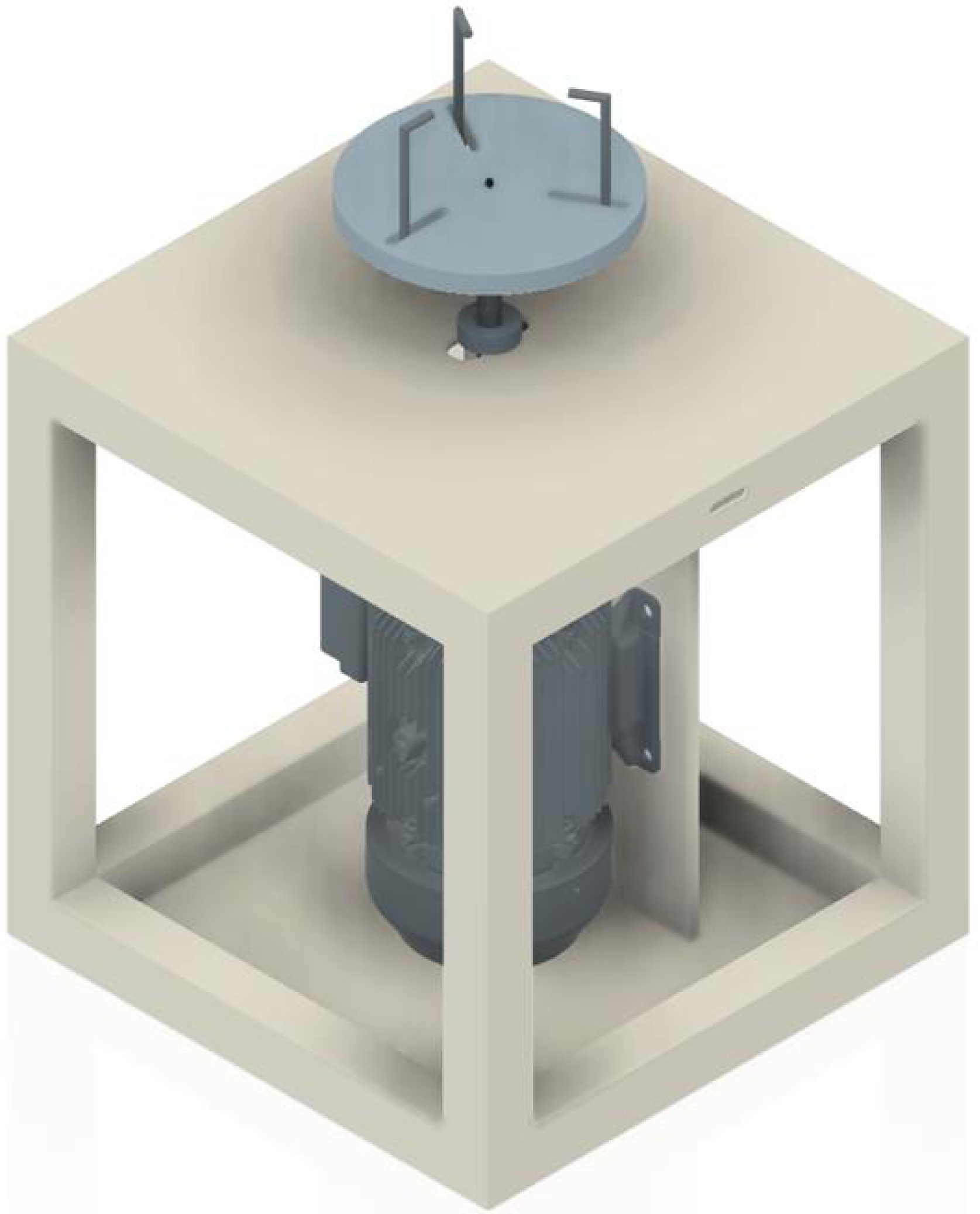
is utilized for rendering, enhancing the aesthetic appearance of the virtual setup (Figure 7). • Game Development Platform: Unity is chosen for importing the rendered setup and adding interactive features. • Virtual Reality (VR) Headset: Oculus Quest 2.0 is used for interaction, visualization, testing, and validation purposes. Rendered View of VCC [Sata and Anadkat, 2023].
Cloud-based integration
• The setup is connected to a cloud-based server, enabling an interface with the physical setup and allowing the machine to be operated using a smart device.
Visualization
• The digital twin of the VCC is visualized using Virtual Reality (VR) (Oculus Quest 2.0) headset, providing an immersive and interactive experience.
Demonstration
The integration of physical and virtual VCC setups is a key focus in this section, where a robust digital twin process is developed and showcased. The exhibited digital twin of the VCC is designed to be maneuverer and managed through any widely used VR headset in the market. By employing the VR headset, users can immerse themselves in the digital twin environment, engaging with the VCC configuration. It is essential that all devices, including the VR headset and the physical VCC setup, are interconnected via the internet to enable seamless operation and control of the digital twin. This is facilitated through a dedicated application crafted using C# scripting within the Unity Hub. A visual representation of the Digital Twin of the VCC is shown in Figure 8. Controlling of VCC and bottom pouring furnace using smart device. (a) User interface – SMART device (b) Different modules in Digital Twin (c) and (d) Interaction with Digital Twin Tuning of setup using and changing the rpm as well direction of rotation.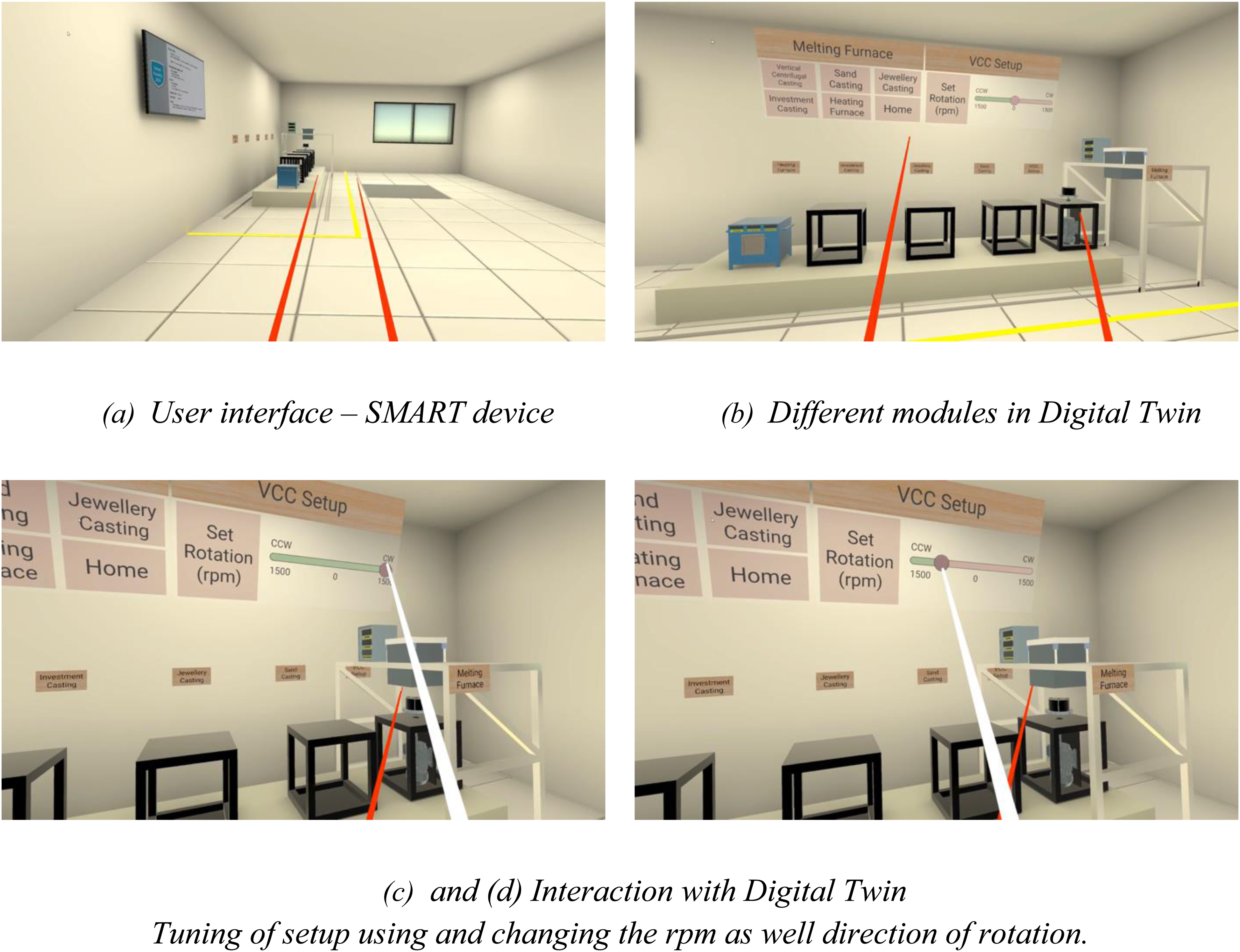
Discussion
This study presents the successful creation of a digital twin for the Vertical Centrifugal Casting process, a method used in metal casting. The overall framework for developing the digital twin is outlined, encompassing the design of the physical setup, its incorporation with IoT and DAQ technologies. The choice of the Vertical Centrifugal Casting process for the physical setup is justified by its relative simplicity in comparison to other casting methods, although the framework’s adaptability to more intricate systems like investment casting is acknowledged. The physical setup incorporates various sensors to measure atmospheric temperature, humidity, and the rotation speed of the mould. Additionally, the setup is linked to a cloud-based server for data transfer and storage, paving the way for future applications in quality prognosis and data analysis. The creation of a 3D model, imported into Unity Hub, culminates in the development of a digital twin achieved through the integration of both the physical and virtual setups.
The digital twinning of Vertical Centrifugal Casting (VCC) proves valuable in training individuals, especially those young and aspiring, by offering a safer and more time-efficient learning environment. This simulation aids in replicating parameters that might otherwise be challenging to manipulate, providing comprehensive insights and potential outcomes without the need for real-time experiments. This approach not only saves considerable time and resources but also enhances the understanding of the process.
In summary, the adoption of digital twin technology contributes to experiments by offering real-time analysis and outputs, facilitating the calculation of future scopes and possibilities for specific technologies. While digital twins exhibit significant utility, particularly in educational and experimental contexts, their application in industries is still in its early stages. This work aims to shed light on these aspects, emphasizing the potential for bridging the gap between theoretical understanding and practical application.
Footnotes
Declaration of conflicting interests
The author(s) declared no potential conflicts of interest with respect to the research, authorship, and/or publication of this article.
Funding
The author(s) disclosed receipt of the following financial support for the research, authorship, and/or publication of this article: This work was supported by the Deanship of Scientific Research, King Khalid University; RGP2/508/45.

Author biographies