



Abstract
This study examines the environment of one of the largest and most recently built shopping mall in Karachi, Pakistan. The aim of this study is to assess how building design, familiarity with the mall, and past experiences of victimization influence visitors’ perceived safety. Using site inspections guided by crime prevention through environmental design (CPTED) principles and an online survey, the study identifies factors affecting visitors’ perceived safety. Findings indicate that enhancing surveillance, territoriality, and access control in well-designed and maintained spaces can impact levels of perceived safety. These findings underscore the importance of surveys, in combination with site inspections, in providing a comprehensive tool for understanding and improving safety in commercial complexes.
Introduction
The design of buildings has long been associated with its potential impact on crime rates and the sense of safety within urban spaces (Cozens, 2008; Newman, 1972). Well-designed structures are believed to reduce criminal activity and the fear of crime (Clarke, 2009; López, 2022), ultimately contributing to an improvement for both residents and visitors (Crowe, 2000). The urban centers are visualized as full of human life and activity where the layout and design of buildings play an important role, not only in shaping the aesthetics of a city but also influencing the safety, security, and well-being of its inhabitants. The idea that well-designed buildings have a major influence on crime rates, the perception of safety, and other factors are widely accepted in the fields of urban studies and criminology. This idea is closely related to the novel approach of crime prevention through environmental design (CPTED), which investigates the association between the criminal behavior and built environment (Jeffery, 1971; Newman, 1972; Shariati, 2022). The goal of CPTED is to create built environments that reduce crimes and promote feelings of safety and well-being by highlighting the influence of the built environment on human behavior (Crowe, 1994; Ekblom, 1995; Vasquez et al., 2020).
Shopping malls are one such environment where CPTED can be implemented effectively (Ceccato et al., 2018). These commercial centers attract a large number of people every day, which inherently makes them susceptible to crime. Using CPTED strategies in shopping malls may help create a safe environment that benefits not just customers but also staff members and the surrounding community (Ceccato et al., 2018; Shariati, 2022; Vasquez et al., 2020). The significance of implementing CPTED gains more attention in urban centers of developing countries. These densely populated areas often deal with unique challenges related to safety and crime prevention. Karachi, Pakistan, serves as a convincing case for investigating the role of building design in fostering a safer urban environment. As one of the largest and most densely populated cities globally, Karachi has experienced rapid population growth, resulting in surging demands for housing and infrastructure. Consequently, innovative approaches are needed to address safety and crime prevention within its urban fabric (Kirmani, 2015).
The current study centers around a few fundamental questions: How do building design elements shape perceived safety and fear of crime of people in a shopping mall in Karachi? How do familiarity with the mall environment and past victimization influence the perceived safety? To comprehensively address this question, this article assesses the current state of building design elements within a prominent urban feature of Karachi—a shopping mall. The choice of a shopping mall is deliberate and strategic. This commercial center is one of the most recently built shopping malls in Karachi and serves as a hub of social and commercial activity in the city. Note that the terms “perceived safety” and “fear of crime” are used interchangeably in this study. These terms capture individuals’ perceptions of how safe they feel in or around a shopping mall and/or their emotional responses to potential risks of victimization (fear of crime) in such environments.
A site inspection led by CPTED principles, a well-established instrument in the field, was carried out to accomplish this goal and served as the framework for the evaluation (Ceccato, 2016; Iqbal & Ceccato, 2016). To assess CPTED principles in different mall environments, a checklist was developed which included access control, surveillance, and territorial reinforcement (Appendix Table A1). These consist of transitional zones, open public areas, entrances/exits, and immediate surroundings in addition to functional spaces. The purpose of this thorough evaluation was to ascertain whether the mall adheres to CPTED guidelines and whether it can improve customers’ perceived safety. Furthermore, customers’ viewpoints and experiences were acquired through an online questionnaire survey. With the help of a user-centric approach, we were able to identify how customers understand perceived safety and fear of crime within the environment of the shopping mall. Notably, there are not many studies that concentrate on the impact of building design on shopping malls, with well-documented work primarily focusing on the Global North (Ceccato & Tcacencu, 2018; Kajalo & Lindblom, 2010; Poyser, 2005). Nevertheless, there are limited studies available from the Global South (see Chikomba, 2014; Hanif et al., 2021 & Lutchminarain, 2015) and Turkey (Akinci, 2015). However, as far as we are aware, there are few studies available regarding the facilities and building design of shopping malls in Karachi, like the study of Memon et al. (2022), which focused on the facilities of a mall and suggested improvements in the physical environment and facilities in the selected shopping mall to improve accessibility for all users, including people with physical disabilities, however, more study is required regarding perceived safety and fear of crime.
Literature Review
Shopping malls are distinctive retail settings that provide individualized consumption experiences within a comprehensive retail ecosystem (Krey et al., 2022). The retail ecosystem includes a variety of retail outlets, restaurants, hotels, and leisure facilities inside a massive, enclosed, designated area (Gilboa et al., 2020). From a distance, these malls may appear to be one massive, uniform retail space that houses merchants in one convenient place for a one-stop shopping experience. In spite of this, “shopping malls are classified as either regional or super regional, with more anchors, specialty retailers, and recreational activities, and attracting customers from a greater geographic area” (Krey et al., 2022).
Shopping malls serve two functions: one as a structure for commodities and the other as a hub for social interaction. As city people embrace and value these emerging public spaces, they have come to play a crucial role in the urban landscape, evolving into hubs for new lifestyles and fostering strong social connections among visitors (Iqbal et al., 2022). Consequently, the population experienced substantial improvements in their health and well-being, enhanced social cohesion and interactions, and increased opportunities for various physical activities. However, as shopping malls have evolved and expanded, a concerning trend has emerged: a rise in criminal activities within these busy hubs (Savard & Kennedy, 2014). Hence, if individuals perceive a shopping mall or retail store as lacking safety, they may opt to avoid shopping there (Lutchminarain, 2015).
The presence of some potentially “illegitimate users” (such as loitering youths or homeless people) along with specific environments or attributes of shopping malls, such as dark areas, poorly lit and hidden places, a lack of maintenance, unseen, or hidden transition areas (walkways, lifts), and a lack of proper and visible entrances, can cause users to fear crime and make shopping malls an unsafe place (Hanif et al., 2021). When a customer perceives a shopping mall (or specific areas within it) as unsafe, they will likely avoid it and look for an alternative facility that fulfills this essential requirement: safety (Ceccato & Tcacencu, 2018). “Shopping malls are generally considered safer than town centers” (Savard & Kennedy, 2014). Malls are marketed as enclosed spaces with tight security and surveillance measures in place to ensure the safety of customers and prevent criminal activities. When crime occurs in these spaces, it can generate a wide range of emotions and opinions about what malls should represent as a secure environment (Thurtell, 2021). Therefore, shopping malls must meet extra standards, including security and monitoring, in addition to providing retailers and leisure options (Akinci, 2015; Ceccato & Tcacencu, 2018). It is important for businesses that a shopping mall is perceived as safe. A variety of factors interplay to affect visitors’ perceptions of a shopping mall's safety, including customer characteristics, safety condition of the facility, quality, and maintenance of the shopping mall and adjacent locations, and the security system in place (Akinci, 2015; Bloch et al., 1994; Ceccato & Tcacencu, 2018). Characteristic factors such as gender, age, frequency of facility use, place of residence, and prior experiences as crime victims are well-documented elements in international literature (Atlas, 2013; Ceccato, 2014; Savard & Kennedy, 2014). Perceived safety is subject to various influences, including factors operating at national or global levels, such as media influences (Pain, 2009). The concept of the local area, often linked with feelings of fear and safety, also plays a significant role (Bromley & Stacey, 2012). Additionally, crimes occurring in immediate surroundings, such as at a bus stop, are frequently cited by victims and witnesses, often due to issues like overcrowding (Ceccato et al., 2015). Hence, to ensure safety, excellent design is crucial. Safety within a mall, measured by crime incidents or fear, remains a significant concern in modern society (Özaşçılar, 2022a). This concern is closely associated with victimization and crime (Jing et al., 2022), making it inherently connected to perceived safety. Safety itself is contingent upon several environmental factors, operating at various scales both within and around the mall, some of which may change over time (Ceccato et al., 2018).
Ceccato (2016) categorizes mall spaces into five groups based on their crime-related impact and relevance to perceived safety. These encompass functional spaces, that serve a certain purpose in a shopping mall, such as shops, banks, restaurants, or restrooms. The second type of criminogenic environment consists of entrances and exits, which might include those for vehicles, pedestrians, and parking lots. Transitional zones in shopping malls include hallways, staircases, and pathways. Most of the time, public areas like food courts and restrooms serve as sites for convergence. Because shopping malls are not isolated from the urban environment, the immediate surroundings of the shopping mall have a significant impact on what happens within the building. Therefore, both the reputation and placement of a shopping mall are important to visitors (Kajalo & Lindblom, 2010), as the context of these facilities might result in a high number of criminal incidences (Ceccato et al., 2018). CPTED theory emphasizes how the physical environment can influence crime, suggesting that altering this environment can reduce risk (Clarke, 2009). Ceccato (2014) asserted that the notion of “eyes upon the street” or natural surveillance, originally explored by Jacobs to advocate for high-density, mixed-use communities, which blend residential and commercial purposes to enhance the monitoring of public spaces and streets, is widely attributed to the inception of CPTED in Western countries (Jacobs, 1961). CPTED principles promote safety and reduce the opportunities for criminal activity in designing and managing the built environment. Together, the concepts of surveillance, territoriality, access control, target hardening, and activity support help to create spaces that are safe, and socially cohesive. According to Hanif et al. (2021) and Saville (2017), practitioners can help to create safer and more livable communities by taking into account these concepts in the design and management of physical environments (Hanif et al., 2021; Saville, 2017). CPTED aims to modify architectural and landscape elements to decrease crime opportunities, enhance social environments, and reduce crime and fear (De Silva et al., 2021). The principles of CPTED include:
Surveillance includes both formal and natural surveillance. Closed-circuit television (CCTV) camera installation has been viewed as a surveillance tool and a potential social control instrument (Moffat, 1983; Reynald, 2015). Territoriality is the concept of how physical design may create a sense of ownership in particular regions (Reynald, 2015). It may be accomplished by ensuring that every location has a clear function (Iqbal & Ceccato, 2016). Access control means restricting access to a property through gates, fences, and entrance points (Iqbal & Ceccato, 2016). Target hardening, which Iqbal and others (2016) discuss, is the process of making it more difficult for someone to steal from or damage private and/or public property. Activity support (which encourages relationships between users and locals, which deters crime) (Saville & Cleveland, 2018). Image of the place (It explains how an environment's aesthetic appeal may strengthen people's perception of its safety and prevent potential criminals by demonstrating that people are in charge of it) (Iqbal & Ceccato, 2016).
Additionally, according to Poyser (2005), architects in the 1960s had limited awareness of how architectural design could impact crime and disorderly behavior within malls. To investigate this Poyser (2005) conducted a comparative study involving two shopping malls in England (the “Tricorn” and “Gunwharf Quays”). According to his research, there are differences in architects’ understanding of the relationship between mall security concerns and the built environment. He also identified that people found comfort in a well-maintained and clean built environment. Poyser's findings pointed to various elements contributing to visitors’ sense of security, the presence of CCTV cameras, including open-plan designs, efficient radio communication, the design and physical layout of transitional spaces (such as walkways and lifts), the configuration of public areas (like squares), entrances (including entrance signage), and the immediate surroundings (including car parks).
In order to demonstrate the applicability of CPTED as an inventory tool Kajalo and Lindblom (2016) undertook research in Helsinki, Finland to examine shoppers’ perceptions of different formal and informal surveillance methods within shopping malls. They identified variations in consumer preferences, including parking availability, interactions with salespeople, target-hardening security measures, and the importance of clean, well-lit environments. Moreover, they observed that different consumer groups exhibited distinct purchasing behaviors, with some prioritizing overall safety over factors like location, store variety, lighting, and cleanliness. Intriguingly, the study also revealed a consensus among all customer groups on the significance of a shopping mall's reputation and location. Vasquez et al. (2020) investigated the effectiveness of CPTED strategies in deterring criminals. The researchers interviewed 12 active robbers from metropolitan areas in Texas and evaluated their perception of the implementation of CPTED techniques as a deterrent to criminal activity. The study found that, when planning robbery, criminals viewed territoriality, activity support, natural surveillance, and access control as effective barriers.
In summary, whether designing a high-security laboratory, a shopping mall, a public space, or a private residence, architects must prioritize the safety requirements of the structure and its occupants. Achieving this equilibrium between these intricate factors is paramount for the building's security. Architects can effectively protect the building, its residents, and its assets by integrating security and safety considerations right from the initial design stages (Allen & Iano, 2019). Furthermore, as noted by Chikomba (2014), shopping mall facilities necessitate a robust security program designed to effectively prevent and reduce criminal activities. This program should incorporate features that deter criminal activity and disrupt the underlying causes of such events, making them less appealing to potential criminals.
Framing the Case Study Area
Karachi, the provincial capital of Sindh, stands as Pakistan's largest and most densely populated megacity. Serving as the nation's principal industrial center, seaport, and financial and commercial hub, Karachi plays a pivotal role in supporting the country's economy (Khan et al., 2018). Situated along the Arabian Sea coast, the Karachi Urban Agglomeration spans an extensive 3527 km2, encompassing the geographical coordinates of 24°450 N to 25°150 N and 66°370 E to 67°370 E (Gapihan & Malkawi, 2021). However, despite its vital significance and economic contributions, Karachi has experienced recurrent waves of violence and crime over the past few years, leading to numerous casualties. Consequently, it is rapidly gaining notoriety as a hub of criminal activities (Nafees, 2012). This surge in crime has led to an increased fear of crime among the city's residents, sparking a growing interest in the study of urban fear of crime in Karachi (Kirmani, 2015). In addition to this broader context, there is a pressing need to investigate perceptions of safety and fear of crime in other bustling public spaces that are experiencing heightened security concerns, such as shopping malls. The perception of safety within a shopping mall is a critical factor for businesses. When shoppers perceive a shopping mall as unsafe, or at least certain parts of it, they are likely to avoid it in favor of alternatives where their basic need for safety is met (Ceccato & Tcacencu, 2018).
This article focuses on a specific shopping mall, notable for being the largest in Pakistan (Figure 1) and the second largest in South Asia known as LuckyOne Mall. It was opened in 2017 and is still expanding and renovating to provide an engaging experience to the people, and it is estimated by the management of the mall that 10,000 people visit the mall per day. However, this number reaches 100,000 on different occasions, like Independence Day or Eid celebrations.
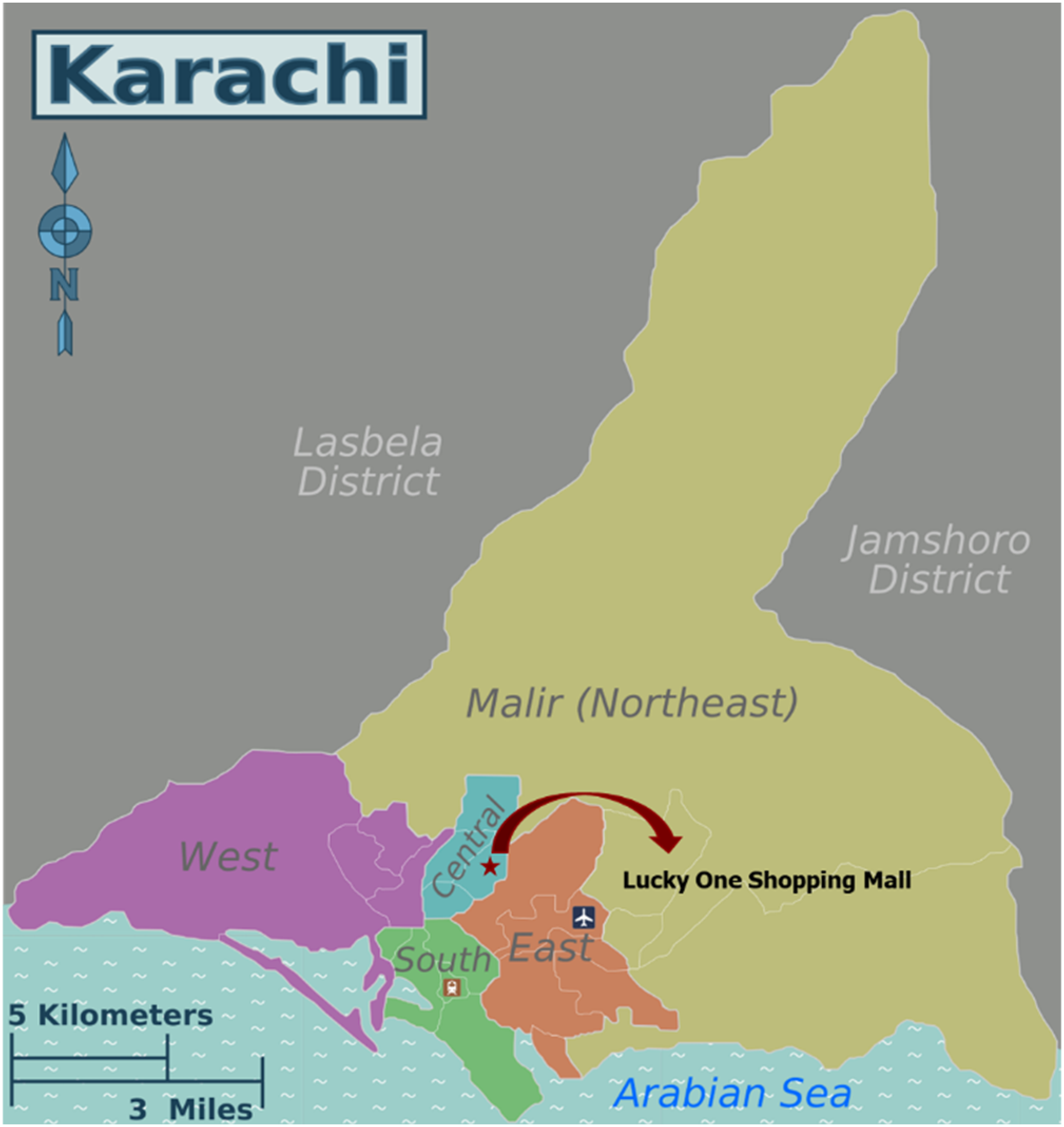
Map of Karachi showing the location of case study shopping mall.
The mall's architectural design centers around an atrium with a skylight, creating an inviting courtyard with open steps for relaxation and gatherings. This shopping center covers 3.4 million square feet, hosting 200 stores and a diverse range of services across two floors. It offers a total of 3,000 parking spaces including indoor parking facilities for approximately 1,500 cars. Along with numerous international and national brand outlets, this mall also offers theaters, food courts, and a gaming zone. It also provides amenities, such as a nursing room, gender-specific prayer facilities, wheelchair accessibility, and a safe environment for all visitors.
Data and Methods
The research methodology is a combination of qualitative and quantitative research methods. Initially, the methodology incorporated qualitative techniques, such as a site inspection and observations. Later, a quantitative questionnaire survey with customers was used. This combined methodology aimed to thoroughly assess the influence of building design, familiarity with the mall environment, and past victimization on visitor's perceived safety and the fear of crime (Figure 2) in Karachi, Pakistan.
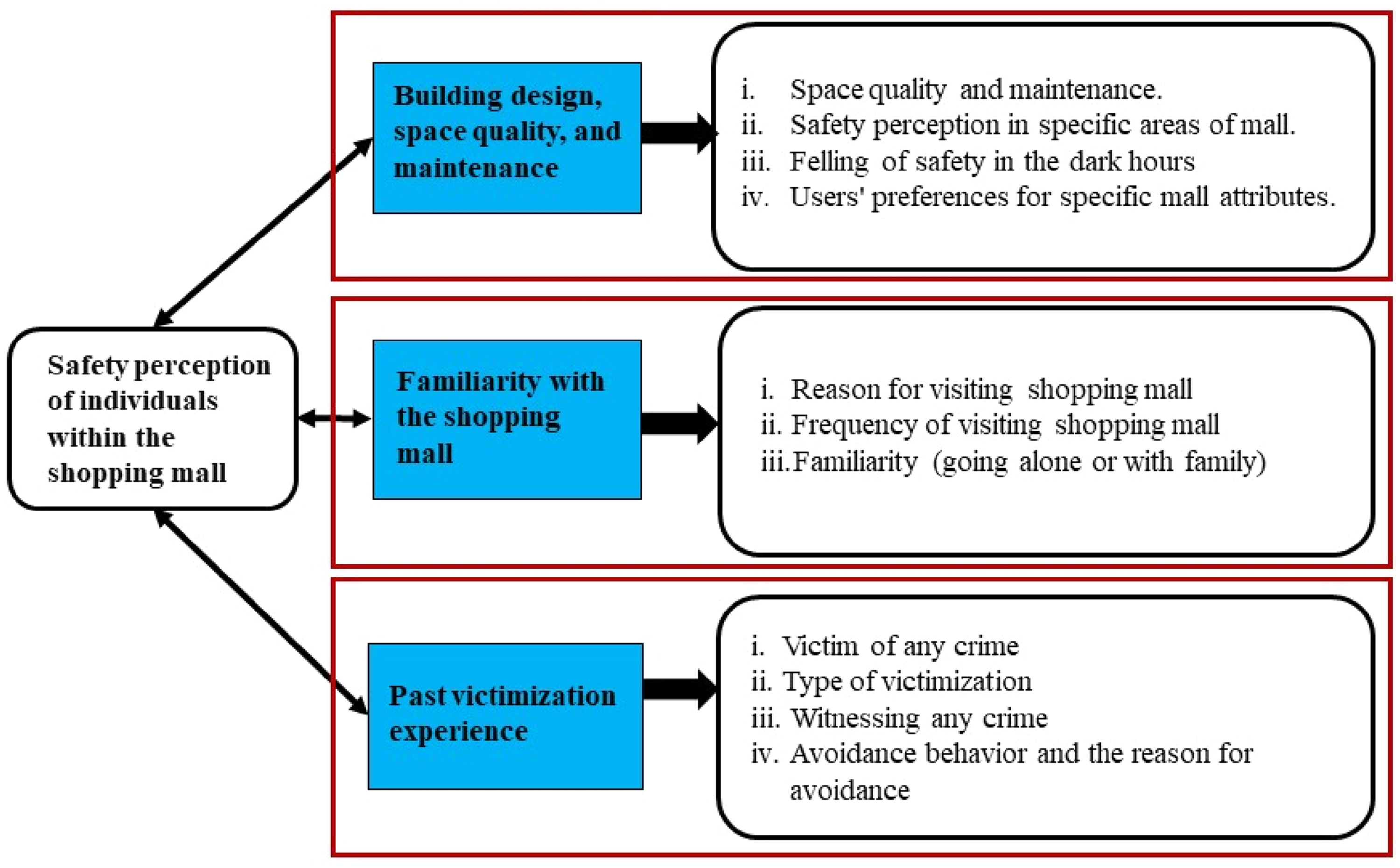
Conceptual model.
Adhering to the principle of triangulation (Walker, 1985), data gathered from diverse methods were cross-referenced with each other and compared against existing research and relevant literature. Thus, an extensive literature review was conducted to acquire an in-depth understanding of the identified issue. As Lutchminarain (2015) emphasized that a comprehensive background knowledge of the phenomenon is important for meaningful research.
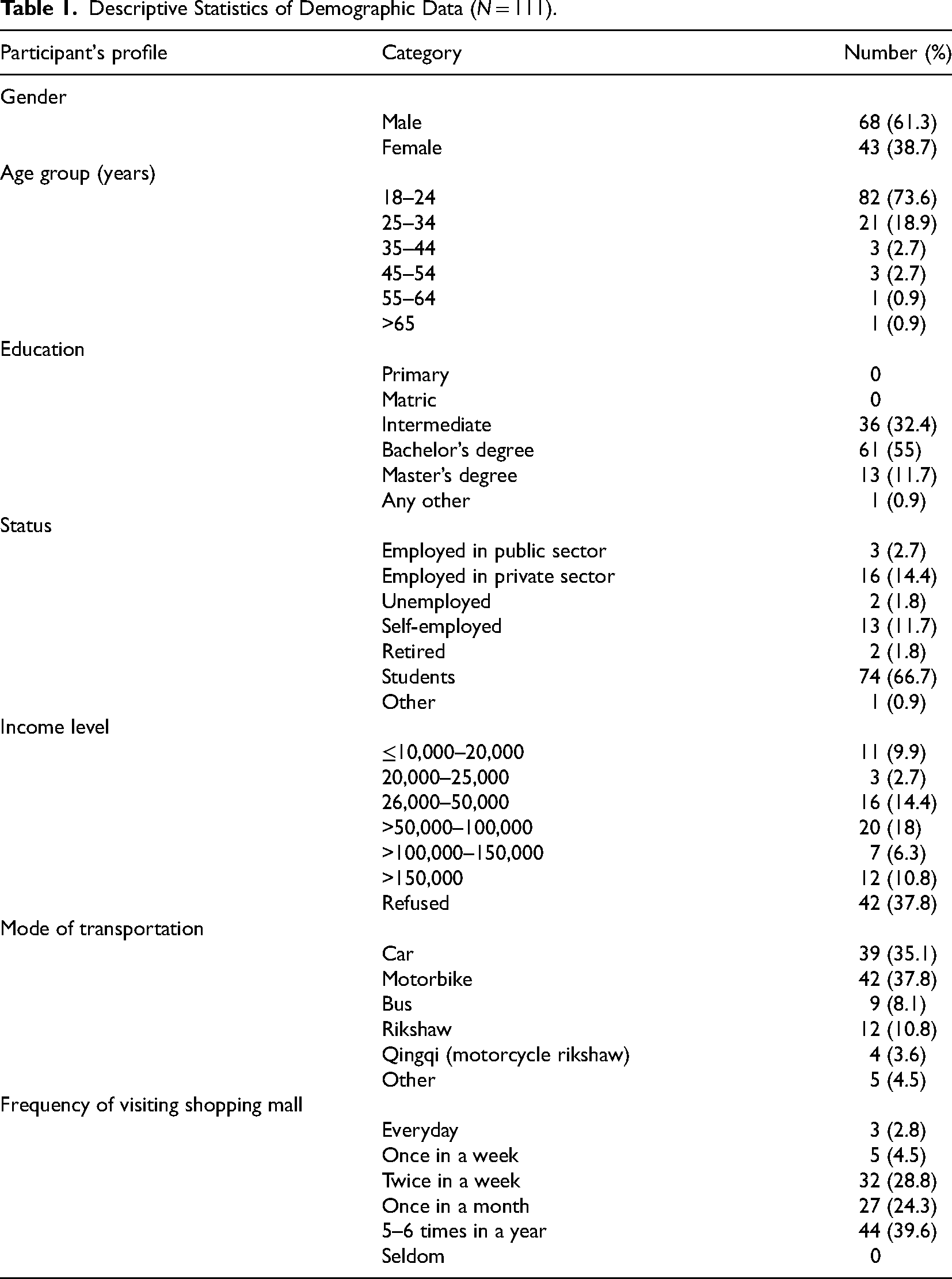
In the initial phase of this study encompassed systematic observations of a selected shopping mall conducted on two weekdays in January 2023, from 1 a.m. to 7 p.m. A checklist based on the principles of CPTED by Ceccato (2019) and Ceccato and Tcacencu (2018), was employed to assess both formal and informal surveillance practices within the mall's environment (Appendix Table A1). Later, following a random sampling technique, an online survey was distributed via a Google Forms link across various social media platforms in Karachi, and it was also conducted simultaneously via QR code within the mall. The questionnaire was developed using a 5-point Likert scale (strongly disagree, disagree, neither agree nor disagree, agree, and strongly agree ). The introductory section of the questionnaire assured participants of their anonymity and voluntary participation in the research. The survey consisted of 24 closed-ended questions categorized into three main sections: demographic information, user behavior within the shopping mall, and perception of safety particularly at the selected case study mall. Data analysis included demographic profiling and the examination of correlations between perceived mall safety and building design (Hanif et al., 2021), familiarity with the shopping mall (Jackson et al., 2017), and prior experiences of victimization (Ceccato, 2014; Savard & Kennedy, 2014). Later, the analysis was carried out using a standard statistical package (SPSS Version 26) through descriptive statistics such as frequencies (Table 1) and cross-tabulation with chi-square. A total of 112 responses were received, with one response being eliminated due to the exclusion criteria of seldom visiting the mall. All Google Forms responses were automatically compiled, and the results were visually represented using bar charts.
Descriptive Statistics of Demographic Data (N = 111).
Taking into consideration the current international literature, the following hypotheses are proposed for this study case:
Shopping malls are expected to affect perceived safety positively. The influence of mall building design on users’ perceived safety could be contingent upon the characteristics and amenities connected to them. For instance, users tend to hold shopping malls in higher regard when they serve multiple functions and offer well-maintained, high-quality spaces. Familiarity with the shopping mall positively influences visitors’ perceived safety. Visitors who are not familiar with the mall show higher levels of fear of crime, particularly in the dark hours, while visiting the shopping mall. Visitors who have been victimized or witnessed crimes within the shopping mall are more likely to report feeling unsafe as compared to those with no such experiences. Furthermore, users who have concerns about crime in the shopping mall often express dissatisfaction with different areas within the mall.
Descriptive Statistics
Table 1 shows the study's descriptive statistics for all study participants (N = 111). Analysis of the gender distribution revealed that 61.3% of the participants were male, while the remaining 38.7% were female. When examining the age groups within the sample, a substantial majority, 73.6%, fell into the 18–24 years category while other age groups had fewer representations. Concerning educational backgrounds, the majority held either a bachelor's degree (55%) or had completed Intermediate education (32.4%). Employment status demonstrated a diverse range, with a significant proportion being students (66.7%) and others either employed in the public or private sector, self-employed, retired, or unemployed. Income levels varied across the sample, with some participants choosing not to disclose their income, making it essential to recognize the sensitivity of this information. In cases where income was disclosed, it spanned various ranges. The mode of transportation shows diversity, with motorbikes and cars beings the most prevalent choices, while buses, rickshaws, Qingqi (motorcycle rickshaws), and other modes of transport were also reported.
Results and Discussion
Analyzing Perceived Safety Through Site Inspection
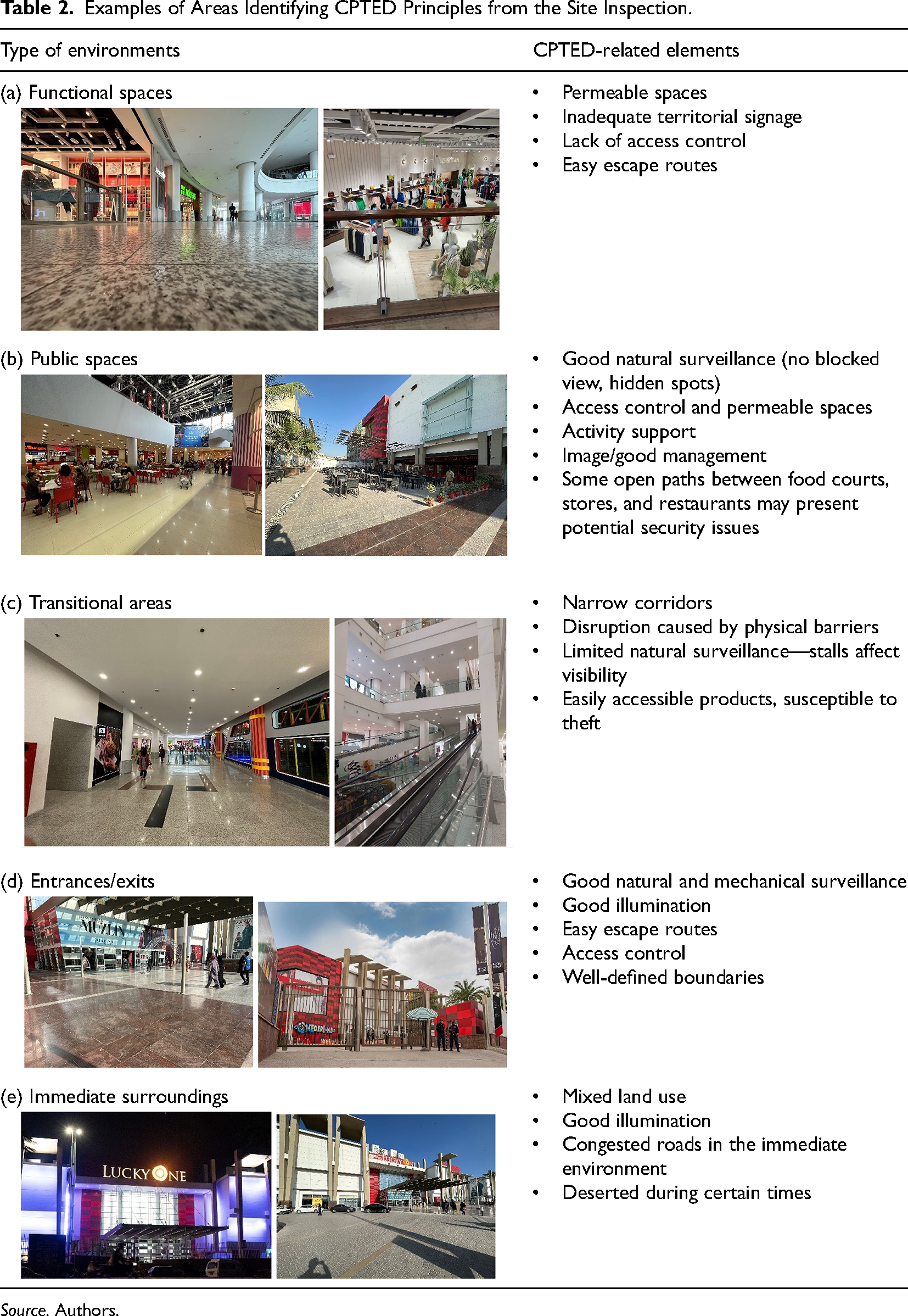
A systematic assessment conducted through the application of a comprehensive CPTED checklist, structured around Ceccato's (2016) five-part division of the shopping mall, revealed several essential aspects in relation to the mall's safety and operational efficiency. When examining functional spaces, it was evident that the mall houses distinct functional areas such as stores and restaurants. Some outlets, however, may be subject to security concerns owing to factors like access control, inadequate territorial signage, inadequate lighting, or easy escape routes due to negligible design (Table 2). These characteristics if designed and maintained well could lower the possibility of criminal incidents by promoting surveillance, encouraging territoriality, and minimizing conflict zones through regulated access control, as suggested by various scholars (Ekblom, 1995; Jeffery, 1971; Newman, 1972; Poyser, 2005).
Examples of Areas Identifying CPTED Principles from the Site Inspection.
Source. Authors.
When evaluating the entrances and exits, it's evident that the mall possesses multiple entrances and exits where some areas exhibit limited visibility or hidden spaces within its layout, necessitating the implementation of access control (Hanif et al., 2021). Proper signages are given with a clear pedestrian and vehicular route that is also defined by the flooring. Safety measures include the provision of eight emergency exits within the building. Access to the parking lot is characterized by clear visibility without any significant obstructions, such as dense vegetation or overgrown plants that might block sightlines. The parking area benefits from regular security patrols, encompassing both walking and vehicle-based personnel, enhancing safety. However, it is worth mentioning that some evidence of graffiti has been observed in the parking area. Entrances and exit doors are equipped with automatic mechanisms constructed using either glass or semi-transparent materials. This helps in promoting natural surveillance (Özaşçılar, 2022b). The site's boundaries are well defined by gates and boundary walls, and informative signage guide visitors in navigating the area. The presence of CCTV cameras at entrances and exits, safety alarms, and signage is carefully integrated into the public spaces as part of mechanical surveillance (Table 2). These features correspond to the target-hardening principle and mechanical surveillance mentioned by various researchers (Akinci, 2015; Ceccato, 2016; Iqbal & Ceccato, 2016). Lastly, these areas are adequately illuminated during nighttime hours, ensuring safe passage and visibility.
In the realm of public spaces, the mall offers a diverse array of amenities, including cafes, a cinema, a kids’ play area, wonderland, and a food court. Hence, they offer activity support by converging people (Özaşçılar, 2022b). In addition, strategies promoting activity support effectively reduce opportunities for criminal activities (Ceccato & Tcacencu, 2018; Gotham, 2021; Özaşçılar, 2022a, 2022b). The food court experiences moderate foot traffic and activity. Cleaning crews were observed to ensure a high standard of cleanliness. Notably, some open paths between food courts, stores, and restaurants may present potential security issues as indicated by Ceccato et al. (2018). It is worth mentioning that certain furniture and decorations within public spaces seem to offer limited visibility to maintain a clear sight line for visitors (Table 2). Public utilities, such as telephones, automated teller machines (ATMs), and restrooms, are easily accessible. The illumination level within a 5-foot radius around the ATM is satisfactory. Additionally, rearview mirrors have been installed in the ATM area. Furthermore, the overall maintenance of the mall's facilities was evaluated as very good, and this increased the image of the place (Chikomba, 2014).
A comprehensive evaluation of transitional areas within the mall reveals the presence of 12 corridors, five staircases, and 16 elevators including an emergency staircase. The corridors are wide enough to ensure a clear and well-defined layout. These transitional spaces are distinctly placed and easily distinguishable from other areas through distinctive flooring tiles (Table 2). Importantly, corridors provide no spaces for illicit activities or hidden corners. Clear signage and cues are strategically located to guide visitors ensuring territoriality (Kajalo & Lindblom, 2010). Furthermore, CCTV cameras are strategically placed within elevators and at the entry/exit points of corridors and staircases ensuring use of surveillance systems in the mall (Akinci, 2015; Ceccato, 2016; Iqbal & Ceccato, 2016).
The evaluation of the immediate vicinity of the mall, reveals that the surrounding area outside this shopping mall consisted of a mixed land use pattern, encompassing both residential and commercial buildings. Additionally, the vicinity hosts various utility buildings, including bank and petrol pump, contributing to the overall accessibility and functionality of the location. These features contribute to supporting various activities in the vicinity (Özaşçılar, 2022a, 2022b). Nevertheless, the convergence of multiple activities in this area also presents an opportunity for individuals with criminogenic intentions to be present in the immediate vicinity of the mall. Furthermore, convenient access to public transportation is easily available within the immediate environs of the mall. Connecting a shopping mall to public transportation is a key for attracting customers (Ojuok, 2016). However, bus and underground stations, while necessary, can inadvertently attract criminal activities and provide convenient escape routes for offenders (Ceccato et al., 2015). On the other hand, it is important to note that, the mall's location falls within an area characterized by a relatively low incidence of crime.
Perceived Safety and Fear of Crime Among Visitors
Only 6% of the survey respondents demonstrated a notable degree of concern regarding crimes within the mall, categorizing their concern as “very worried” (Figure 3). 12% of participants disclosed that they had fallen victim to violent crimes within the mall, with 1% having experienced such victimization on more than one occasion. Further investigation into the specific types of crimes encountered within the mall revealed that half of the survey participants reported being victimized, with 15% having observed hate crimes, 5% instances of pickpocketing, 4% incidents of shoplifting, and 9% cases of sexual harassment (Figure 4). This indicated that the people who have experienced victimization in the context of a crime often show greater fear compared to those who have never been victims. These results are supported by the results of Bromley and Stacey (2012) that people who have experienced crime often feel more fearful than those who have never been victims. It is important to note that 56 out of 111 respondents were not victimized by any crime in this shopping mall (see Figure 4 where N = 55).
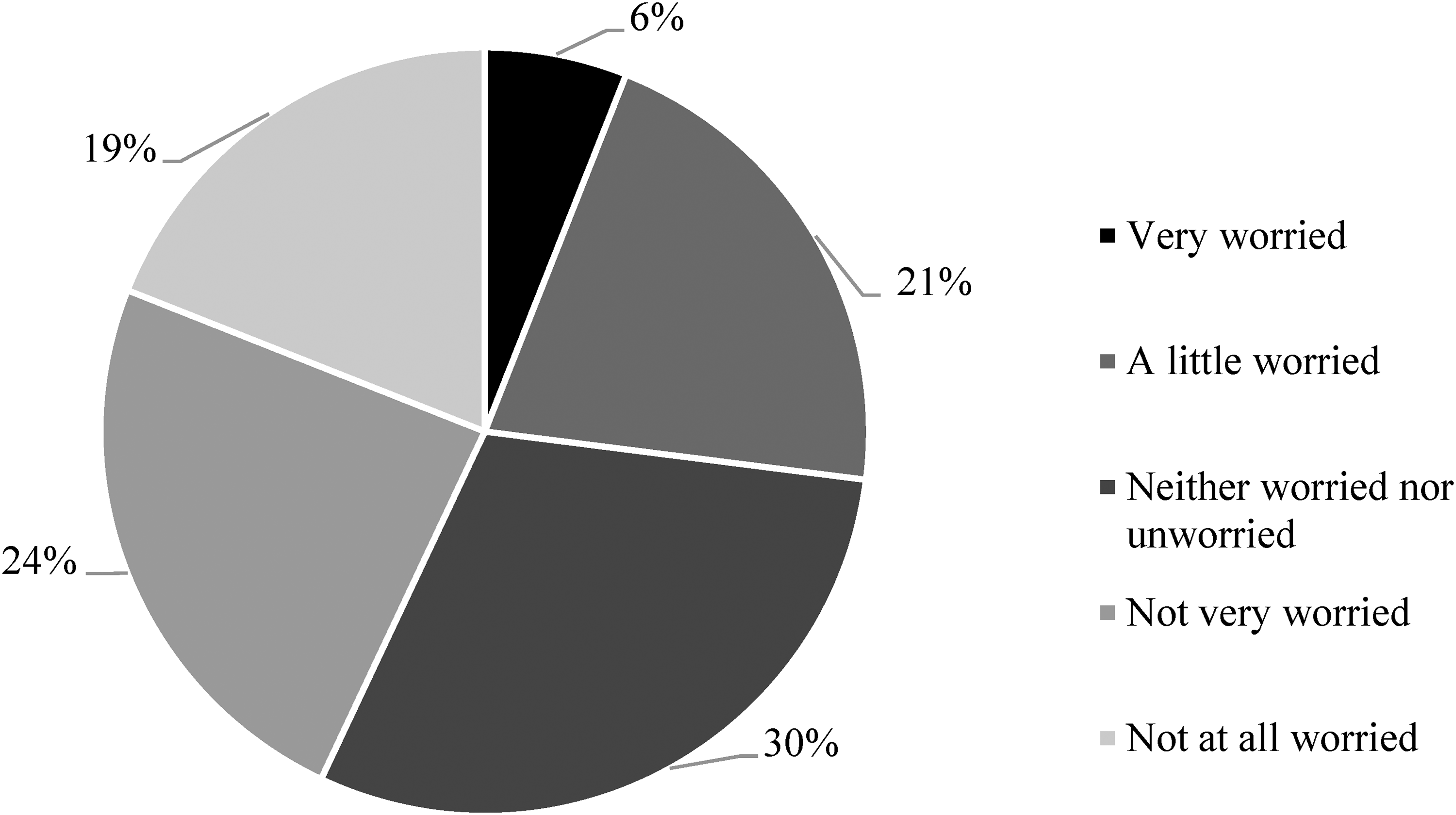
Worried about crime/victimization in the shopping mall (N = 111).
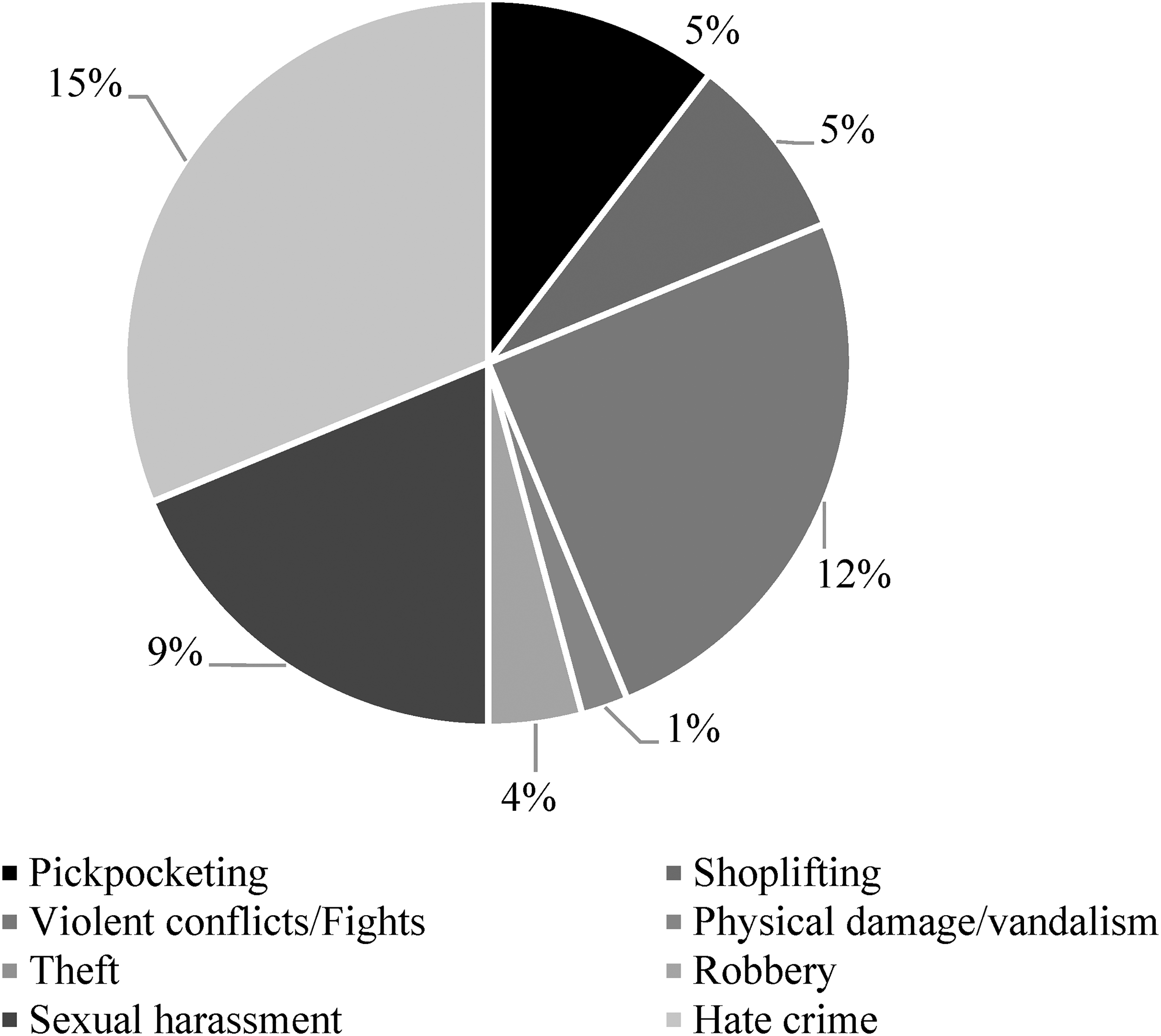
Types of crimes encountered within the mall (N = 55).
The study explained the divergent impact of building aspects on users' perceptions of safety. When asked to pinpoint areas within the mall environment where they felt unsafe, respondents identified several potential safety hotspots., Notably, 22% of participants expressed unease concerning the corridors outside stores, 10% voiced reservations being near to the cinema and food court, respectively. Additionally, 6% highlighted safety concerns in the immediate surroundings outside the mall building. The results indicate that the majority feel unsafe in the corridors as compared to other areas. The reason could be the high volume of visitors and crowds in the corridors, as highlighted by Ceccato et al. (2018). People have expressed concerns about feeling unsafe in crowded corridors, which are perceived as congested and potentially hazardous due to the large number of visitors and the presence of temporary stores, making them susceptible to crimes like pickpocketing.
To understand the influence of time of the day on perceptions of safety, during the survey, it was found that 30% of respondents felt unsafe when visiting the mall during nighttime. This implies that the nighttime is not considered to be safe for shopping in the mall. This result is in line with the result of Ceccato et al. (2018) that the time of highest vulnerability for crime falling between 18:00 and 20:00 h. In contrast, 70% of those who feel safe tend to avoid some areas during this time showing several factors contributing to place avoidance, for instance, overcrowded places (22%), inadequate lighting (24%), and specific social group dynamics (20%). This indicates that the majority of people avoid dark corners and consider them unsafe. Further, the results also indicated that one of the contributing factors to dark corners is insufficient lighting. It is important to mention that among the respondents, 40% believed that no changes in the physical environment of this mall are necessary to enhance safety, while 14% advocated for improved lighting along the front road. A smaller percentage, 3%, believed that the installation of additional CCTV cameras in the dark spots and emergency exists would contribute to a heightened sense of security, while 11% suggested adding more security, especially in parking lot.
Building Design, Space Quality, and Maintenance
The first set of analysis indicates that the quality of space and maintenance does not significantly influence users’ perceived safety. In simpler terms, building design, well-maintained spaces with high-quality mall environment are not linked to increased levels of perceived safety among mall visitors (χ2 = .732, df = 4, p = .947). This suggests that, despite Hypothesis 1, the specific features appreciated in the mall (e.g., atmosphere of the mall, quality of space, and maintenance) do not statistically change the perception of safety among the respondents. These findings differ from those of Ceccato and Tcacencu (2018), who highlighted the importance of maintenance and physical environment quality in shaping people's perceived safety within malls. Furthermore, users’ preferences for specific mall attributes and the variety of activities they prefer to engage in at the mall do not significantly affect their perceived safety (χ2 = 3.333, df = 2, p = .189). Additionally, Perceived safety in specific areas of the mall and feeling of safety in the dark hours both coefficients are not statistically significant (χ2 = 17.516, df = 13, p = .177), which means that the influence is very minimal and not strong enough to be considered reliable or substantial. These findings go against the results presented by Hanif et al. (2021), who observed that when individuals feel safe in certain areas of the mall, they view the entire mall as a safe place. This contradiction shows that customer's perceptions of safety in a mall setting can vary depending on a number of elements and might not be the same across other research contexts.
Familiarity With the Shopping Mall
The frequency of visits to a shopping mall shows no significant impact on people's perceived safety (χ2 = 18.165, df = 20, p = .577). This means it does not directly support the idea that increased familiarity with the mall leads to lower perceived level of safety in the dark hours. These results are different from the expectations outlined in Hypothesis 2 and also challenge the observations made by Bromley and Stacey (2012), who suggested that individuals tend to feel safer in environments they are familiar with. However, perceived safety is complex and influenced by various factors beyond familiarity. While familiarity can enhance one's perception of safety, it may not be the sole determining factor (Hanif et al., 2021). Other factors, such as mall design, maintenance, and security measures, as well as individual experiences and personal factors, can also influence how individuals perceive safety. It may be necessary to conduct further research and analysis of these variables to obtain a thorough understanding of perceived safety in mall settings.
Additionally, the study does not show a significant relationship between the visitors who have a preferred reason to visit the mall and feeling safe in the mall during dark hours (χ2 = 23.081, df = 35, p = .939). This means that visitors who have a valid reason to visit the mall are more likely to report feeling unsafe in the mall during dark hours. Moreover, the customer's perception of safety is not significantly affected by their degree of familiarity with the mall, regardless if they come alone or with family (χ2 = 19.111, df = 20, p = .515). This result also challenges Hypothesis 2, suggesting that familiarity may not be a primary factor influencing perception of safety in this context. This is surprisingly different from the findings published by Jackson et al. (2011), who hypothesized that frequent mall visits lead to a greater familiarity with the surroundings, which in turn, tends to strengthen visitors’ sense of safety. This discrepancy may be explained by the mall's specific features and safety protocols, which may differ from those in Jackson et al.'s study. Perception of safety may also be influenced by other factors, such as the mall's actual design of the mall, the presence of security guards, or the crime rates in the area (El-Adly, 2007).
Past Experience of Victimization
Our results provide no support for the notion that individuals who have experienced specific types of victimization tend to report feeling unsafe in the mall (χ2 = 6.534, df = 7, p = .479). This does not align with Hypothesis 3 that personal experiences of victimization can negatively influence feelings of safety within the mall environment. It also contradicts the study by Hanif et al. (2021) that people who have experienced crime often feel more frightened than those who have not gone through such a traumatic event. Additionally, it suggests that merely witnessing crimes within the mall may not substantially impact perceived safety. This phenomenon could be explained by the fact that personal victimization experiences might make individuals more vigilant and aware of their surroundings (Savard & Kennedy, 2014). As a result, customers might tend to become more careful, which would raise their overall sense of safety. However, seeing crimes, may not have the same effect, since it does not immediately affect a person's safety and well-being. These results are in line with research conducted by Atlas (2013) which backup the hypothesis that individual experiences of victimization can lead to an increased sense of security in particular settings. Understanding the mechanisms through which victimization experiences influence perceptions of safety can shed light on how to improve security measures in shopping malls and create environments that truly enhance visitors’ feelings of safety. Moreover, when people avoid certain places for specific reasons, their perception of safety tends to be higher. This means that when people avoid certain places and have good reasons for doing so, they tend to feel safer (Gotham, 2021).
Limitations and Conclusions
After conducting, a thorough analysis of the shopping mall using the principles of CPTED, it was found that enhanced surveillance, territoriality, and access control in well-designed and maintained functional spaces can improve perceived safety. Visibility and safety are increased by the well-planned and well-lit, and well-equipped security features like CCTV cameras, in the entrance/exits and parking spaces in this shopping mall. Public areas, including food courts and entertainment zones, support active use, acting as a deterrent to criminal activities. Transitional areas within the mall are well-kept and feature clear signage, promoting territoriality and minimizing crime-prone areas. The mall's immediate surroundings benefit from a mix of residential and commercial properties, enhancing accessibility and functionality. However, this mixed use can also attract individuals with criminal intentions.
The findings of the study indicate that visitors’ perceptions of safety in Karachi, Pakistan, are influenced by several factors. Surprisingly, the study challenges the previous assumptions that factors like mall building design, space quality, maintenance, past experience of victimization, and familiarity with the mall tend to enhance perceived safety. However, the correlation between feeling safe in the dark hours hints at a potential relationship worthy of further investigation. Moreover, these findings highlight the complex nature of perceived safety, indicating that various factors beyond mere familiarity influenced them. More research is needed to have a better understanding of how safe people feel in shopping malls and what factors affect their perception of safety. Even though mall facilities and design are valued, we did not find any significant impact on feelings of safety in this shopping mall in Karachi, Pakistan. However, it's possible that there are other factors (unidentified) that have a bigger influence on how people perceive safety in shopping malls.
While these results provide a valuable foundation for understanding and enhancing safety in mall environments in the Global South, it is essential to acknowledge the limitations of this study, as is the case with any research endeavor. We recognize that safety and crime prevention are complex issues influenced by various sociocultural, economic, and contextual factors. Therefore, these findings should be interpreted in light of their context-specific nature. Despite using random sampling, it is important to note that our sample primarily comprises young individuals aged 18–24, potentially introducing bias. There can be many reasons for the overrepresentation of young individuals. For instance, younger individuals may be more accessible for sampling, or the older generation may not be comfortable with digital platforms, making them less likely to respond to online surveys or participate in research conducted through digital channels. It should be highlighted that because certain age groups were underrepresented in this study, our findings might not be generalizable to the entire population of Karachi, Pakistan. It is also worth mentioning that the sample size appears limited to adequately capture the perceptions of safety in shopping malls. Given the complexity and importance of this topic, a larger sample size would provide more reliable results to represent all types of shopping visitors. Moreover, a larger sample would also allow the use of regression analysis and in-depth hypothesis testing. When evaluating these results care should be taken regarding the inclusion criteria, because 40% of respondents said they only went to the mall five to six times a year, which may introduce bias in the data analysis. Those who visit the mall less regularly may have different opinions and beliefs from regular customers. Furthermore, it is important to consider the possibility of errors in the data due to respondents intentionally or unintentionally providing inaccurate information. When interpreting our findings and applying them to the larger context of Karachi, Pakistan, it is important to keep these limitations in mind. Finally, this study investigates the complex relationship between architecture, urban planning, and criminology to assess the impact of building design on perceived safety and fear of crime in Karachi, Pakistan. In doing so we have aligned with the principles and practices of CPTED, to offer insightful information that can guide future design strategies and urban policies, in more secure and safe urban environments for all citizens.
Footnotes
Acknowledgments
We would like to express our sincere appreciation to the students of the Architecture Department at Sir Syed University of Engineering and Technology, Karachi, Pakistan for their invaluable assistance during the survey and fieldwork. In particular, we extend our gratitude to Ali Akbar for his support during the survey. Additionally, we would like to thank the anonymous reviewers for their insightful comments and suggestions.
Declaration of Conflicting Interests
The authors declared no potential conflicts of interest with respect to the research, authorship, and/or publication of this article.
Funding
The authors received no financial support for the research, authorship, and/or publication of this article.

Author Biographies
Appendix
Inspection Checklist Based on CPTED Principles.
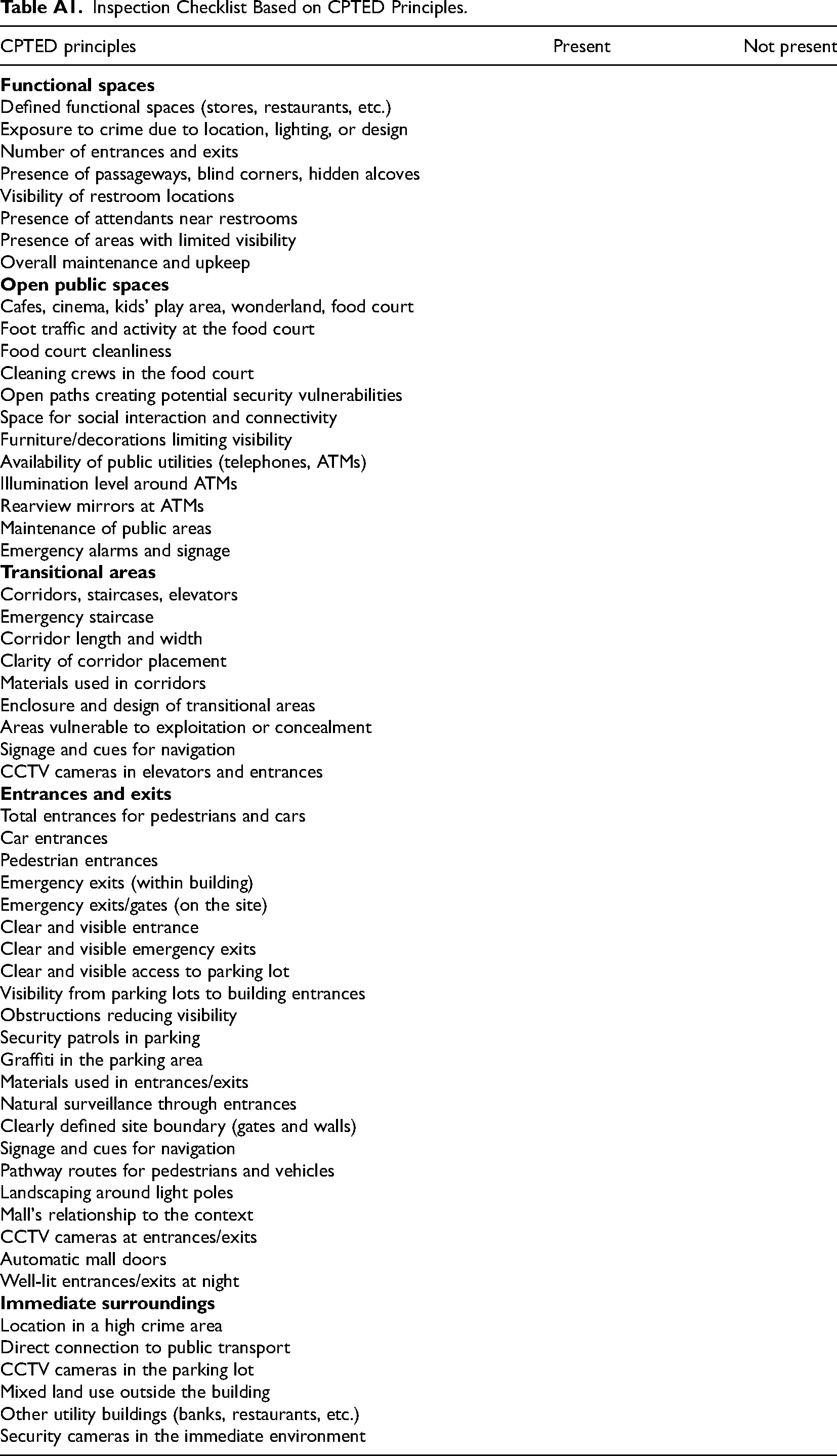
| CPTED principles | Present | Not present |
|---|---|---|
|
|
||
| Defined functional spaces (stores, restaurants, etc.) | ||
| Exposure to crime due to location, lighting, or design | ||
| Number of entrances and exits | ||
| Presence of passageways, blind corners, hidden alcoves | ||
| Visibility of restroom locations | ||
| Presence of attendants near restrooms | ||
| Presence of areas with limited visibility | ||
| Overall maintenance and upkeep | ||
|
|
||
| Cafes, cinema, kids’ play area, wonderland, food court | ||
| Foot traffic and activity at the food court | ||
| Food court cleanliness | ||
| Cleaning crews in the food court | ||
| Open paths creating potential security vulnerabilities | ||
| Space for social interaction and connectivity | ||
| Furniture/decorations limiting visibility | ||
| Availability of public utilities (telephones, ATMs) | ||
| Illumination level around ATMs | ||
| Rearview mirrors at ATMs | ||
| Maintenance of public areas | ||
| Emergency alarms and signage | ||
|
|
||
| Corridors, staircases, elevators | ||
| Emergency staircase | ||
| Corridor length and width | ||
| Clarity of corridor placement | ||
| Materials used in corridors | ||
| Enclosure and design of transitional areas | ||
| Areas vulnerable to exploitation or concealment | ||
| Signage and cues for navigation | ||
| CCTV cameras in elevators and entrances | ||
|
|
||
| Total entrances for pedestrians and cars | ||
| Car entrances | ||
| Pedestrian entrances | ||
| Emergency exits (within building) | ||
| Emergency exits/gates (on the site) | ||
| Clear and visible entrance | ||
| Clear and visible emergency exits | ||
| Clear and visible access to parking lot | ||
| Visibility from parking lots to building entrances | ||
| Obstructions reducing visibility | ||
| Security patrols in parking | ||
| Graffiti in the parking area | ||
| Materials used in entrances/exits | ||
| Natural surveillance through entrances | ||
| Clearly defined site boundary (gates and walls) | ||
| Signage and cues for navigation | ||
| Pathway routes for pedestrians and vehicles | ||
| Landscaping around light poles | ||
| Mall's relationship to the context | ||
| CCTV cameras at entrances/exits | ||
| Automatic mall doors | ||
| Well-lit entrances/exits at night | ||
|
|
||
| Location in a high crime area | ||
| Direct connection to public transport | ||
| CCTV cameras in the parking lot | ||
| Mixed land use outside the building | ||
| Other utility buildings (banks, restaurants, etc.) | ||
| Security cameras in the immediate environment |