




Abstract
Accurately and conveniently acquiring the tensile fracture strength of rocks at different temperatures is vital no matter for the security or economical design of deep underground engineering projects. Extensive testing in the laboratory, assisted with fitting approaches, is the main method to obtain the high-temperature tensile fracture strength in the available literature. However, the high-temperature destruction test is difficult to conduct and requires numerous time and resources. In this work, considering the main physical mechanisms such as phase transition and thermal damage that affect the tensile fracture strength of rocks at high temperatures, theoretical models for predicting their temperature-dependent tensile fracture strength (TDTFS) are established based on the Force-Heat Equivalence Energy Density Principle. The presented models achieve great prediction on the different variation trends of tensile strength below and above the phase transition temperature, as well as the corresponding sudden change of strength. For rocks without phase transition, the presented model only needs some physical parameters tested at room temperature can get a good prediction capacity on the TDTFS. Moreover, a new theoretical characterization model of the equivalent thermal damage parameter was presented and take a comparison with the previous model. Finally, the potential applications and limitations of the TDTFS model are further discussed. The application threshold of the presented TDTFS models is relatively low, and they may therefore be suitable as a method for providing a rapid and preliminary evaluation of strength at a large temperature range for rock engineering.
Keywords
Introduction
With the reduction and depletion of shallow mineral resources in the 21st century (Gautam et al., 2016; Zhang et al., 2015), the development of underground resources and deep space such as geothermal exploration, mining of petroleum and natural gas, and disposal of radioactive nuclear waste becomes the norm (Tharom and Hadi, 2020; Vidana Pathiranagei and Gratchev, 2021; Wong et al., 2020; Xu et al., 2020). However, the subsurface temperature rises by approximately 30∼50°C/km (Xie et al., 2015), making temperature a vital factor in controlling the mechanical behavior of deep rock (Justo et al., 2020; Leroy et al., 2021; Vagnon et al., 2021). In particular, the behavior of rocks under tension, which represents one of the most dangerous states, attracts special attention from researchers (Kucewicz et al., 2021; Vishal et al., 2011). Visible attenuation of the tensile fracture strength of rocks with elevated temperature is observed in numerous experiments (Dwivedi et al., 2008; Sriapai et al., 2012; Török and Török, 2015; Wang, 2003; Zhao, 2016). For instance, a reduction of the tensile strength of Charcoal granite reaching 84% at 800 °C than room temperature was observed (Dwivedi et al., 2008). Therefore, accurately and conveniently acquiring the tensile fracture strength of rocks at different temperatures is very critical for the security and economical design of deep underground engineering projects.
High-temperature destruction test is the common and indispensable method to obtain the tensile fracture strength of rocks at different temperatures. While only relying on the high-temperature destruction test for evaluating rock strength will consume numerous time, labor, and other resources. Generally, only one specimen can be tested at a time in the laboratory. Hence, studying the temperature dependence of tensile strength from a theoretical aspect becomes an important and interesting way for scholars. At present, mainly the fitting approach is used to describe the temperature dependence of tensile fracture strength of rocks in most research (Jha et al., 2017; Lü et al., 2017; Wang and Konietzky, 2019). For example, Wang and Konietzky (Wang and Konietzky, 2019) obtained a normalized trend curve of the TDTFS by fitting the experimental data of many types of granitic rocks:


Sriapai et al. (Sriapai et al., 2012) described the TDTFS of salt rock by the expression:

These researches deepened the understanding of the relationship between tensile fracture strength and the temperature of rocks. But the determining of the fitting models still relies on a large number of high-temperature destructive tests. More importantly, the fitting models failed to reveal the internal physical relationship between the tensile fracture strength and the temperature. In this regard, it is of great importance to develop a TDTFS model of rocks based on physical mechanisms.
Benefiting from the systematic exploring and persistent efforts of scholars, the attenuation mechanism of rock strength at high temperatures is gradually clear (Daoud et al., 2020; Gautam et al., 2021; Jiang et al., 2022; Vagnon et al., 2021; Yin et al., 2022). It is known that quartz is an important component of many common rocks, such as granites, sandstone, etc. Quartz will occur phase transition, changing its chemical structure, when reaches a certain temperature (Zhong-kui et al., 2006). Once phase transition takes place, the strength of the rock will rapidly decay, severely threatening the safety of deep underground engineering. Moreover, rocks are typical mixtures with complex compositions. The thermal mismatch among different compositions, as well as the thermal gradient, will lead to obvious thermal damage in rocks (Jiang et al., 2022; Yin et al., 2022; Zhao et al., 2022), including the forming and propagation of cracks, pores, etc. Phase transition and thermal damage are therefore two important factors in the TDTFS modeling of rocks. In the past years, Li et al. (Li et al., 2010) studied the TDTFS of ceramic material and proposed a method namely the Force-Heat Equivalence Energy Density Principle. Li’s model established by this principle has a great description of the TDTFS of ceramic material. However, the effect of phase transition has not been considered. Besides, thermal damage and its evolution with temperature are only indirectly characterized by temperature-dependent Young’s modulus (TDYM), and hence the model prediction is restricted by the required of the corresponding experimental data. These issues are the core in this study.
In this work, TDTFS models which further consider the effect of phase transition for rocks were established based on the Force-Heat Equivalence Energy Density Principle. On this bases, combing the damage mechanics, the effect of thermal damage on the tensile fracture strength was isolated and directly characterized to further extend the application scope of the presented models. The prediction capacity of the presented models was well verified by all available experimental and simulation results of granites and concretes at a large temperature range. In addition, the potential applications and limitations of the TDTFS models, as well as the comparison between the presented and the previous model that evaluates the equivalent thermal damage parameter were further discussed.
Mathematical modelling
TDTFS model considering phase transition
As is known, both the applied mechanical work and heat energy can disrupt the structure of a material by severing the chemical bonds between atoms, leading to the failure of the material. Based on these facts, Li et al. proposed the Force-Heat Equivalence Energy Density Principle (Fang et al., 2021; Li et al., 2010), which consists of assumptions: 1) existing a maximum storage energy density

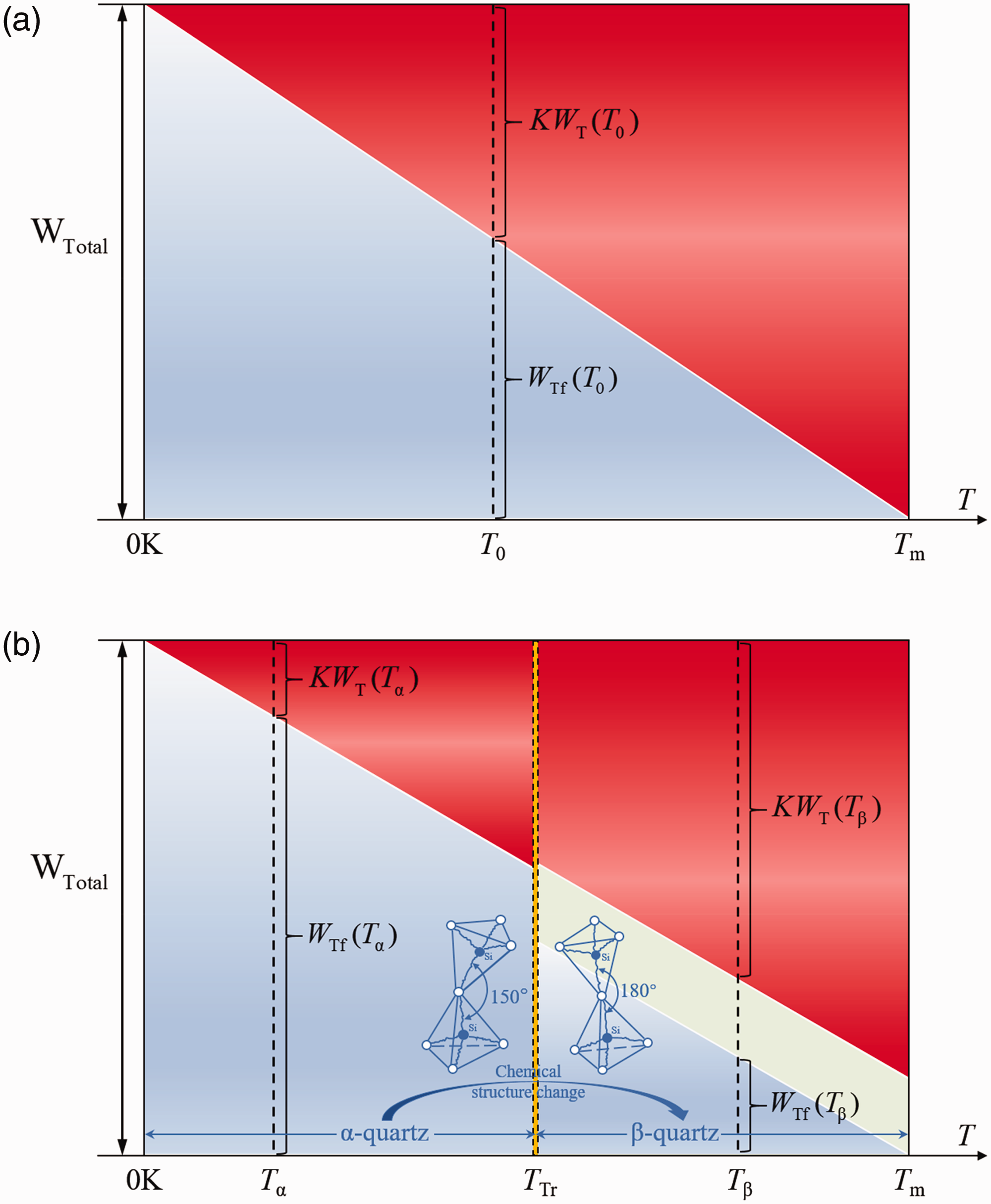
Schematic diagram of Force-Heat Equivalence Energy Density Principle (a) without phase transition and (b) with phase transition (
The heat energy at temperature T is expressed as (Fang et al., 2021; Li et al., 2010):

Since the liquid material cannot withstand any external tensile load, the critical strain energy density

However, the above assumption is insufficient for rocks with phase transitions. Taking granite as a sample, quartz is one of its important components which occupies a lot number of volume ratio of 14%–42% (Dwivedi et al., 2008). When the temperature is above the phase transition temperature of 573 °C of quartz, the angle of the neighbor tetrahedral Si-O will change from 150 °C to 180 °C inside quartz and therefore improving its volume by 8%. This chemical structure change of quartz will significantly affect the microstructure of granite, leading to a great attenuation of the tensile strength of granite. Meanwhile, critical strain energy density


Considering the phase transition energy,

Substituting

Combining equation (9) and equation (10),

Since maximum storage energy density

Substituting

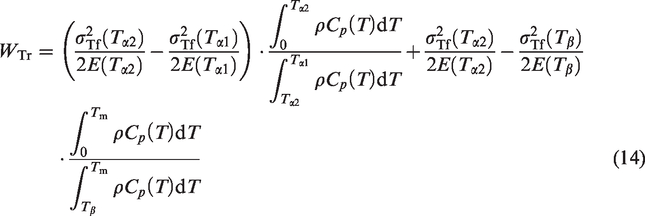
Combing equations (5), (7) to (9), (11), (14), a TDTFS model which further considers the effect of phase transition can be obtained as:
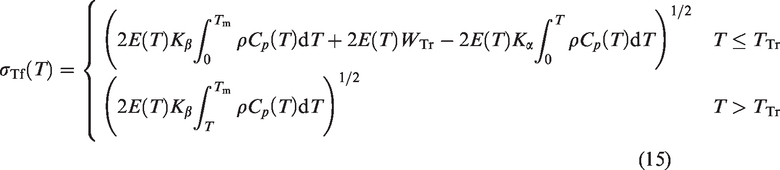
Note that the model will degenerate to Li’s model in the case of no phase transition, that is, when
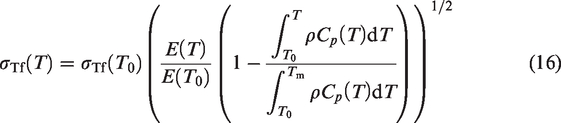
Decoupling the effect of thermal damage and thermal softening on the TDYM
As is known, one of the important factors influencing high-temperature Young’s modulus is the thermal softening caused by the weakening of material bond energy and the increase of molecular spacing (Li et al., 2019). Meanwhile, rocks are complex materials that consist of different components such as minerals, cement, etc. Owing to the different thermal expansion coefficients and thermal conductivity of each component, rock is prone to produce flaws and cracks. Consequently, thermal damage is the other important factor influencing the TDYM of rocks (Zhao et al., 2022). The TDTFS models derived above, as well as Li’s model, strongly rely on the TDYM, while this can greatly restrict the model application because the real-time high-temperature test is hard to conduct. In this section, the effect of these two parts on the TDYM was decoupled first. The decoupling provides a channel for directly characterizing the effect of thermal damage on the tensile fracture strength. Hence, the presented complete model considering phase transition and Li’s model were further modified, extending the application scope of the models.
Based on the strain equivalence principle proposed by Lemaitre (Lemaitre, 1984) (Figure 2), for one-dimensional systems or materials with damage which subject to a uniaxial loading, they show the same strain response than the undamaged one submitted to the effective stress (Rinaldi, 2011):


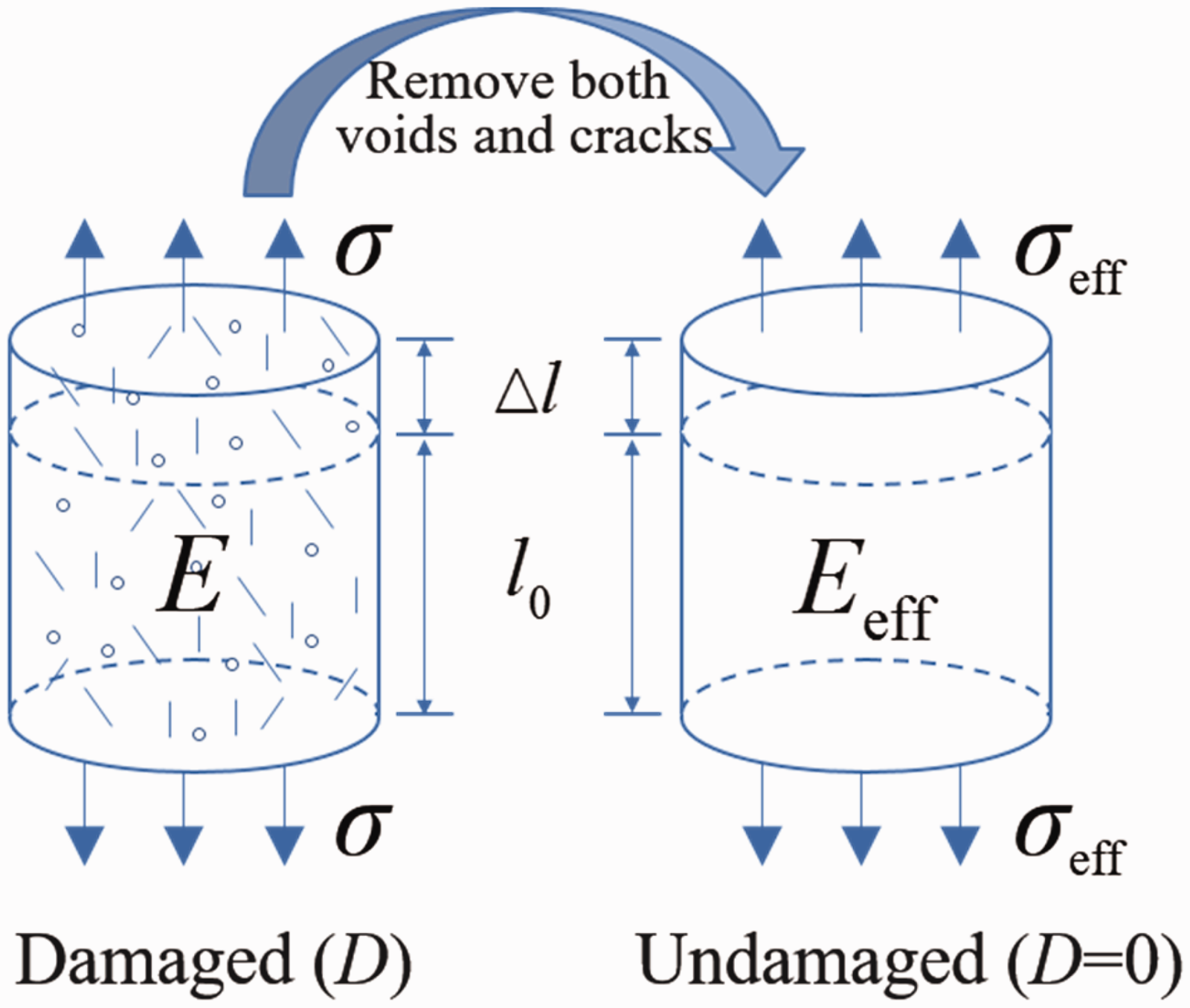
Schematic diagram of the strain equivalence principle (Chaboche, 1981) (
Submitting equation (18) into equation (17), yields:

Extending equation (19) to temperature dependence:


In virtue of this model, the effect of temperature on Young’s modulus is divided into thermal softening and thermal damage. The evolution of effective Young’s modulus with temperature
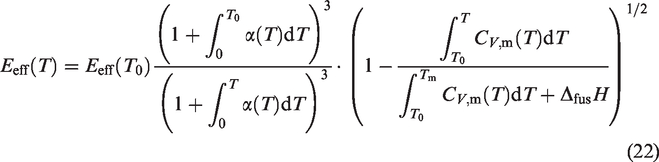
Submitting equation (21) into equation (22), the TDYM model of rocks which decoupled the effect of thermal softening and thermal damage was obtained as:
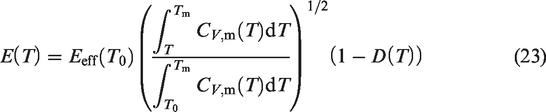
Submitting equation (23) into equation (15), the TDTFS model considering phase transition and the direct effect of thermal damage is established as:
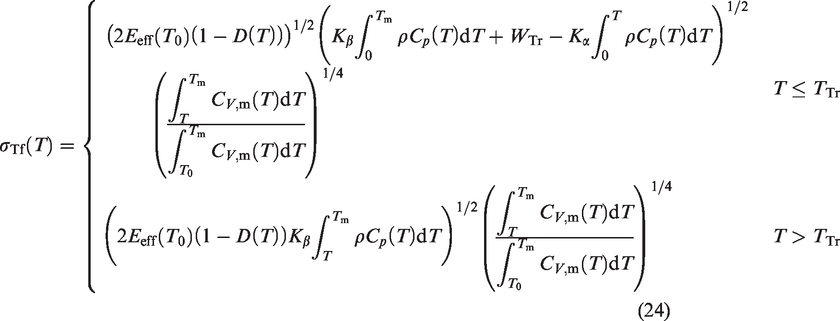
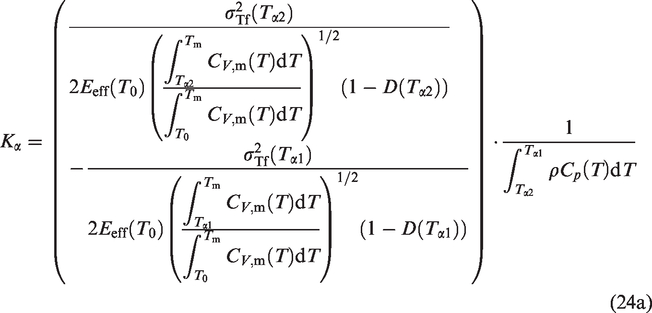

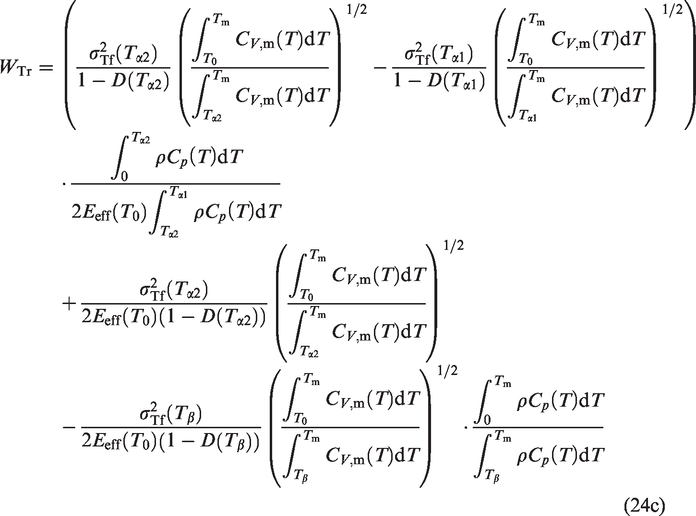
In addition, submitting equation (23) into equation (16), the TDTFS model considering the direct effect of thermal damage for rocks without phase transition is established as:
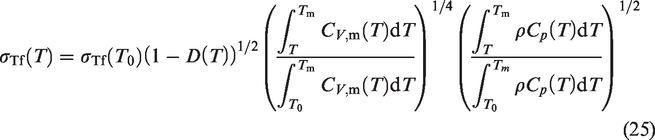
Determining the equivalent thermal damage parameter
The thermal damage parameter



Damage is generally defined as the variation of mesoscopic defects at the structural level in traditional definition (Zhang, 2016). As analyzed above,

Then submitting equation (23) into equation (29), a new theoretical characterization model of thermal damage is established by using TDYM:

In addition, some other types of physical parameters can use to describe thermal damage, such as the microcracking density (Zhao, 2016), and porosity (Vagnon et al., 2021). As is known, for one sample, the test means such as the heating rate, and heating equipment will significantly influence the measurement results of its high-temperature tensile fracture strength. Such influence concentrates on the effect of the appearance and propagation of mesoscopic defects and hence can be evaluated by the thermal damage parameter.
Simplifying model
The experimental data of specific heat capacity for some rocks is lacking sometimes. In these cases, the heat energy can be replaced by the kinetic energy of atomic motion and the potential energy between atoms (Deng et al., 2017; Zhang et al., 2017). The critical maximum stored energy per unit volume

The expression of

Substituting equation (32) into equation (31),

In a similar derivation process to Section ‘TDTFS model considering phase transition’, substituting

Meanwhile, substituting


In addition,
needed in the calculations of TDYM can be simplified as

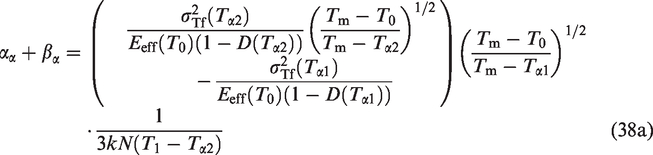
Finally, submitting equations (34) to (37) into equation (31), a simplified TDTFS model considering phase transition and the direct effect of thermal damage is derived as:
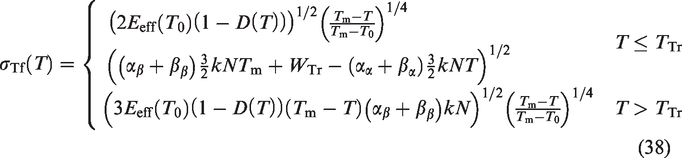

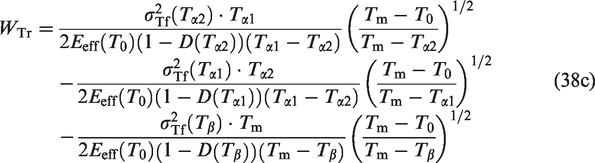
Moreover, taking

Note that for the convenience of distinguishing, the presented models with and without heat capacity are called complete models and simplified models respectively. equations (25) and (39), equations (15) and (38) are applicable for the rocks without and with phase transition, respectively. All experimental parameters used in the presented models are physically meaningful and don’t need to adjust. The detailed calculation process and all required experimental parameters except for the thermal damage parameter D(T) are all shown in Figure 3(a) and (b). D(T) can be calculated from Young’s modulus at different temperatures, or wave velocity after treatment at different temperatures, etc., as characterized in Section ‘Determining the equivalent thermal damage parameter’.
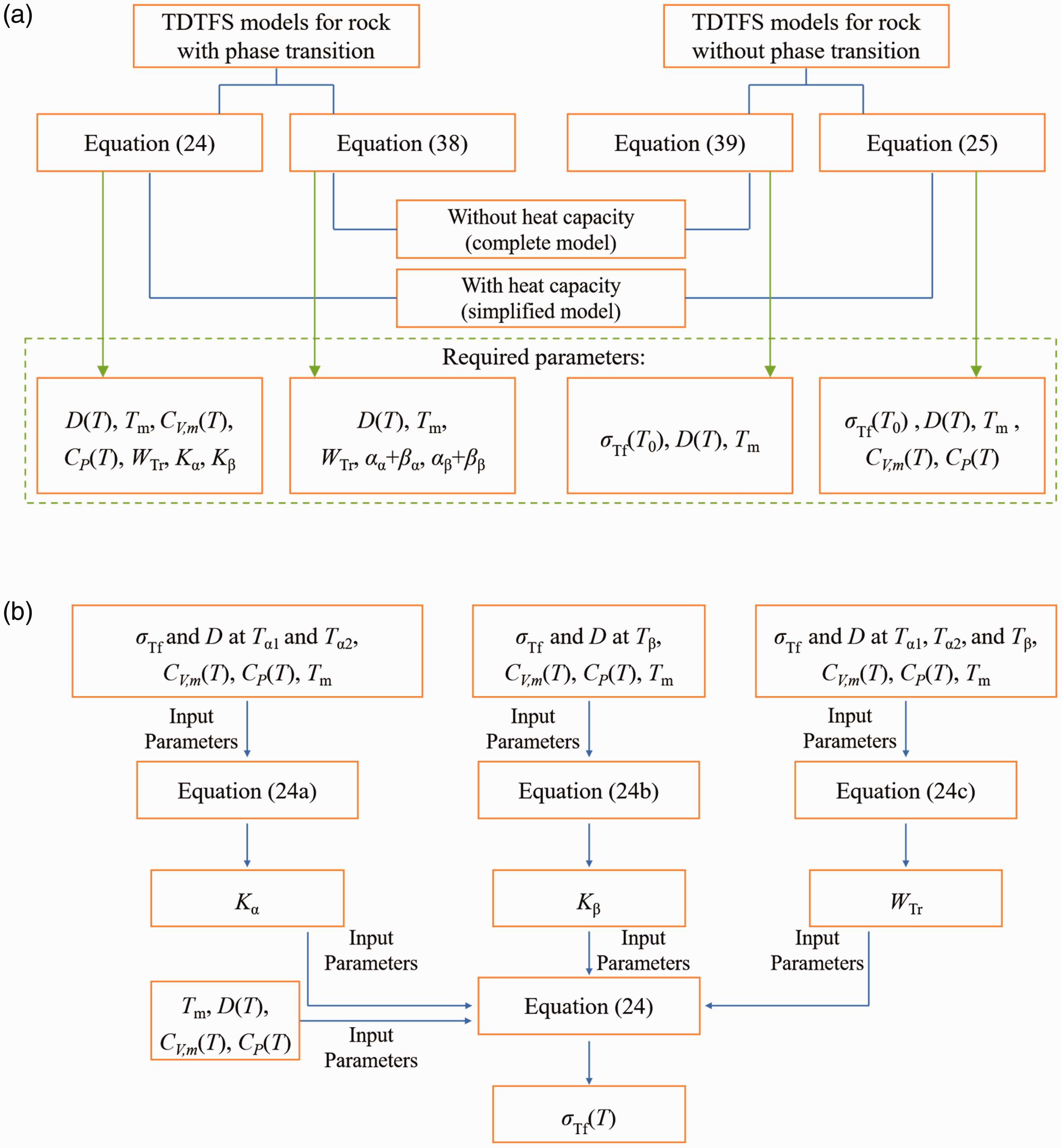
The flowcharts of (a) the presented models and (b) its calculation step by taking equation (24) as an example. (the detailed characterization of D(T) can be found in Section ‘Determining the equivalent thermal damage parameter’).
Model verification
In this section, the TDTFS of rock and concrete materials are predicted by using the presented models and compared with experimental and simulation data and previous models. The first part following verifies the reliability of the presented model considering phase transition, meanwhile, the simplified model. Then the second part verifies the presented models considering the direct effect of thermal damage. The experimental and simulation data of the TDTFS, as well as material parameters required for prediction in the presented models, are reported by literature and handbooks (Deng, 2017; Dwivedi et al., 2008; Inada and Yokota, 1984; Khaliq and Kodur, 2011; Sriapai et al., 2012; Wang, 2003; Zhang et al., 2018; Zhao, 2016; Zheng et al., 2013). Note that concretes have some characteristics the same as rocks which will produce significant thermal damage at high temperatures (Bai et al., 2022). Hence, to get a more adequate validation of the presented models, the prediction of concrete materials is also added.
Verification of the model considering phase transition
Granite is a common rock underground and has been deep and extensively studied by scholars. The tensile strength of granite is suffered from phase transition at high temperatures because its main component, quartz. Several types of granite such as Remiremont granite (RG), Senones granite (SG), Charcoal granite (ChG), Indian granite (IG), and Lac du Bonnet granite (LdBG) were used to verify the presented models considering phase transition, and the results were shown in Figure (4). The experimental data and simulation results of TDTFS were from (Dwivedi et al., 2008; Zhao, 2016). The equivalent thermal damage parameters at different temperatures D(T) were evaluated by TDYM. The experimental data and simulation of TDYM were listed in Table 1. Because of the similar values for different granites, a unified form of specific heat capacity at constant volume was adopted to predict as reported by Wang and Konietzky (2019), the specific form was given as:

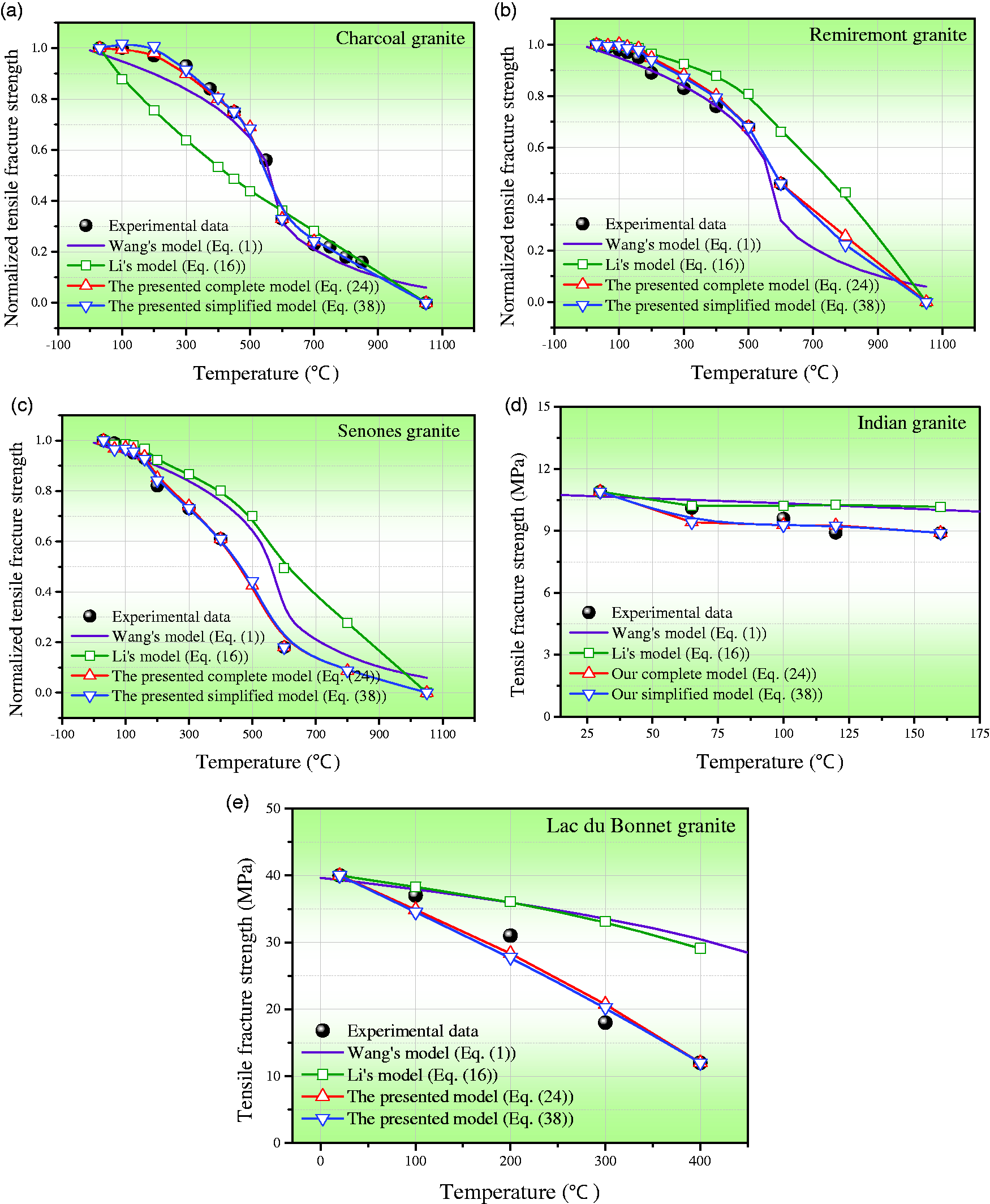
Comparing the model predictions with experimental data of (a) Charcoal granite, (b) Remiremont granite, (c) Senones granite, (d) Indian granite, and simulation data of (e) Lac du Bonnet granite at different temperatures.
TDYM in model calculations.
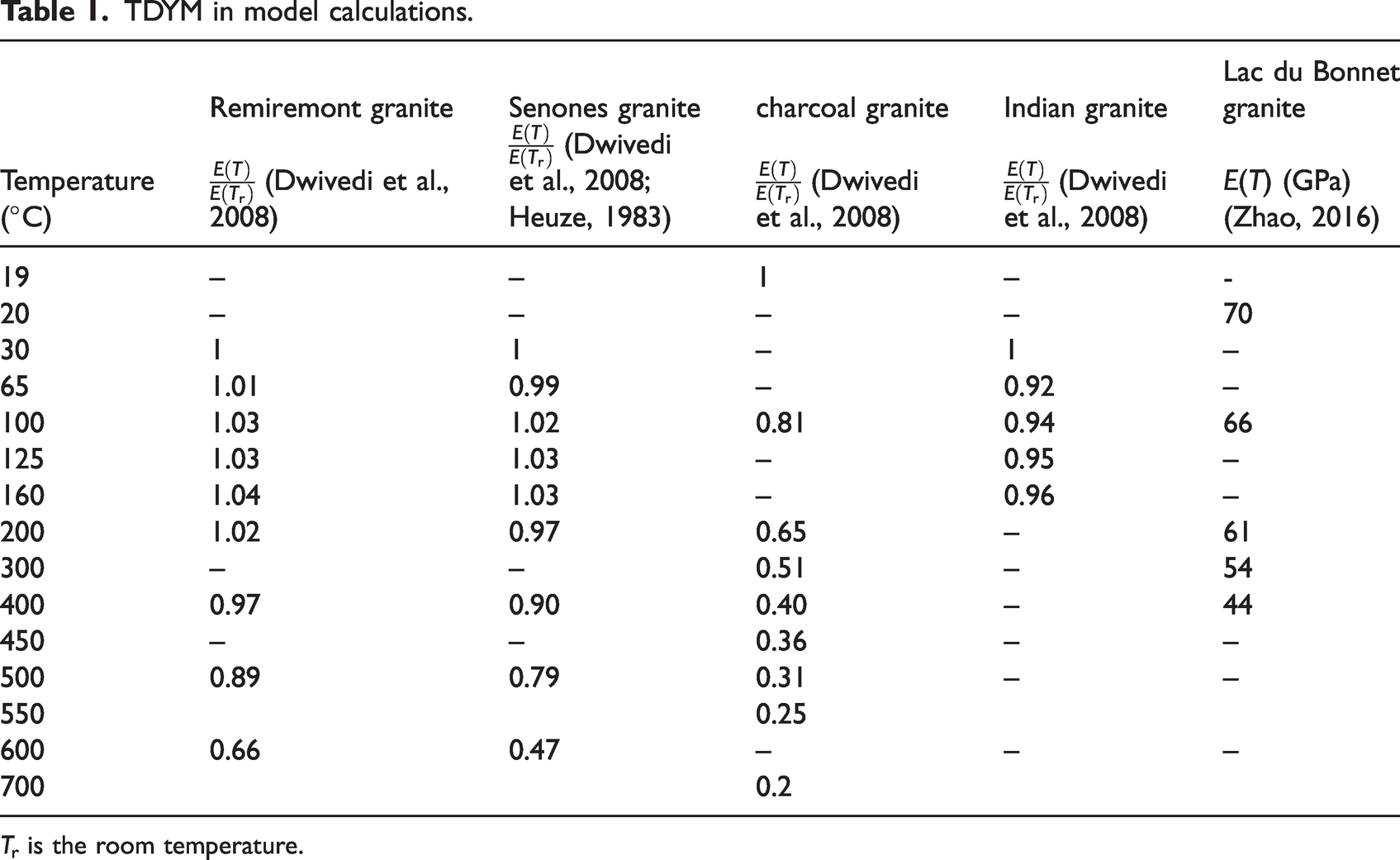
Tr is the room temperature.
Reference temperatures of rock material with phase transition.
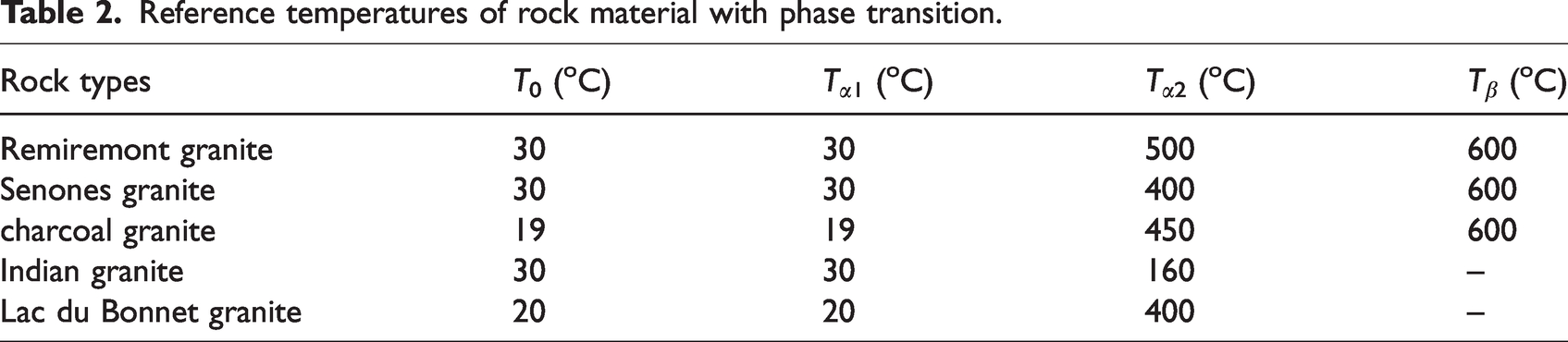
Figure (4) show that the predictions of the presented models (equations (24) and (38) are in excellent agreement with the experimental results until the melting temperature. In particular, the different variation trends of tensile strength below and above phase transition temperature 573 °C, as well as the corresponding sudden change of strength are greatly described by the presented models. Compared with Li’s model (equation (16)), the results further confirmed the necessity to consider the effect of phase transition on the critical maximum stored energy per unit volume
Verification of the models considering the direct effect of thermal damage
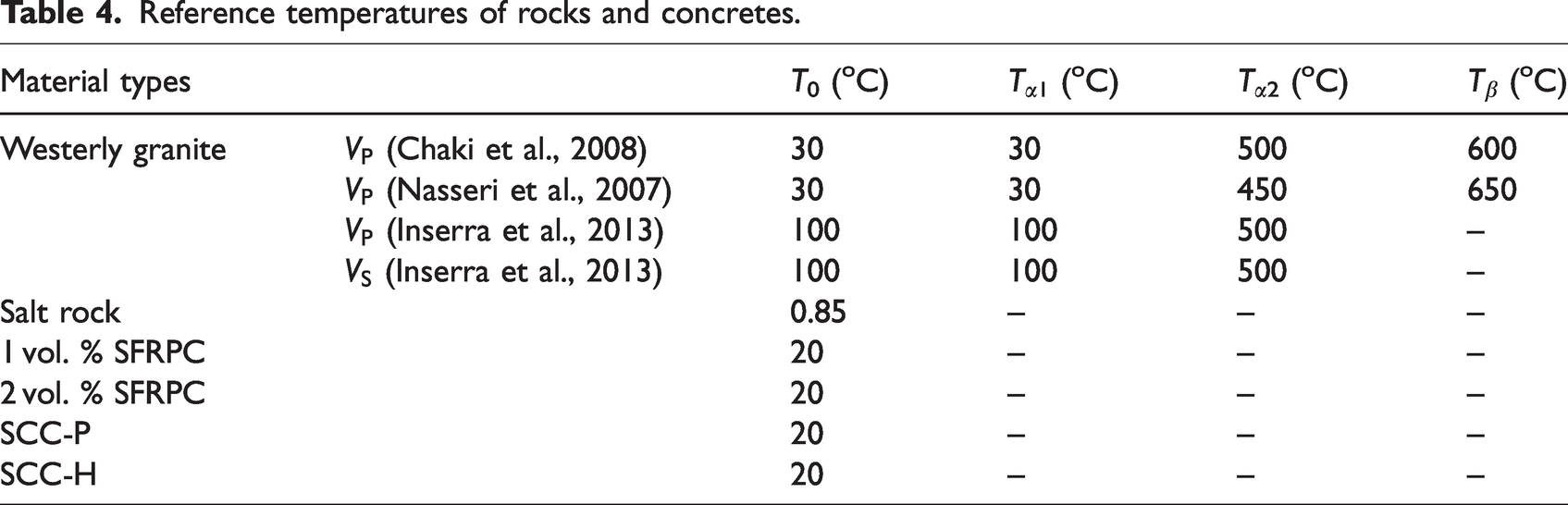
Figure (5) display the comparison between the results predicted by using the simplified models with effective thermal damage coefficient (equations (38) and (39) and the experimental data of Westerly granite (WG) (Dwivedi et al., 2008), salt rock, 1 vol % and 2 vol % steel fiber reinforced reactive powder concrete (SFRPC) (Zheng et al., 2013), polypropylene fiber reinforced self-compacting concrete (SCC-P) (Khaliq and Kodur, 2011), and hybrid fiber self-compacting concrete (SCC-H) (Khaliq and Kodur, 2011). In the calculations, the melting points of Westerly granite, salt rock, and concrete were adopted as 1050 °C (Dwivedi et al., 2008; Zhang, 2016), 810 °C (Yamada et al., 1993), and 1300 °C (Wang and Li, 2018), respectively. The effective thermal damage parameters at different temperatures D(T) of Westerly granite, and SFRPCs were evaluated by wave velocity after heat treatment at different temperatures. Several groups of wave velocity of Westerly granite from different scholars were reviewed in (Zhang et al., 2018), including Chaki et al. (2008), Nasseri et al.(2007), and Inserra et al. (2013). Each group of data was used to make a prediction. D(T) of salt rock, SCC-P, and SCC-H were evaluated by TDYM. The corresponding experimental data of wave velocity and Young’s modulus were listed in Table 3. In addition, the specific reference temperature of Westerly granite and SFRPCs were listed in Table 4.
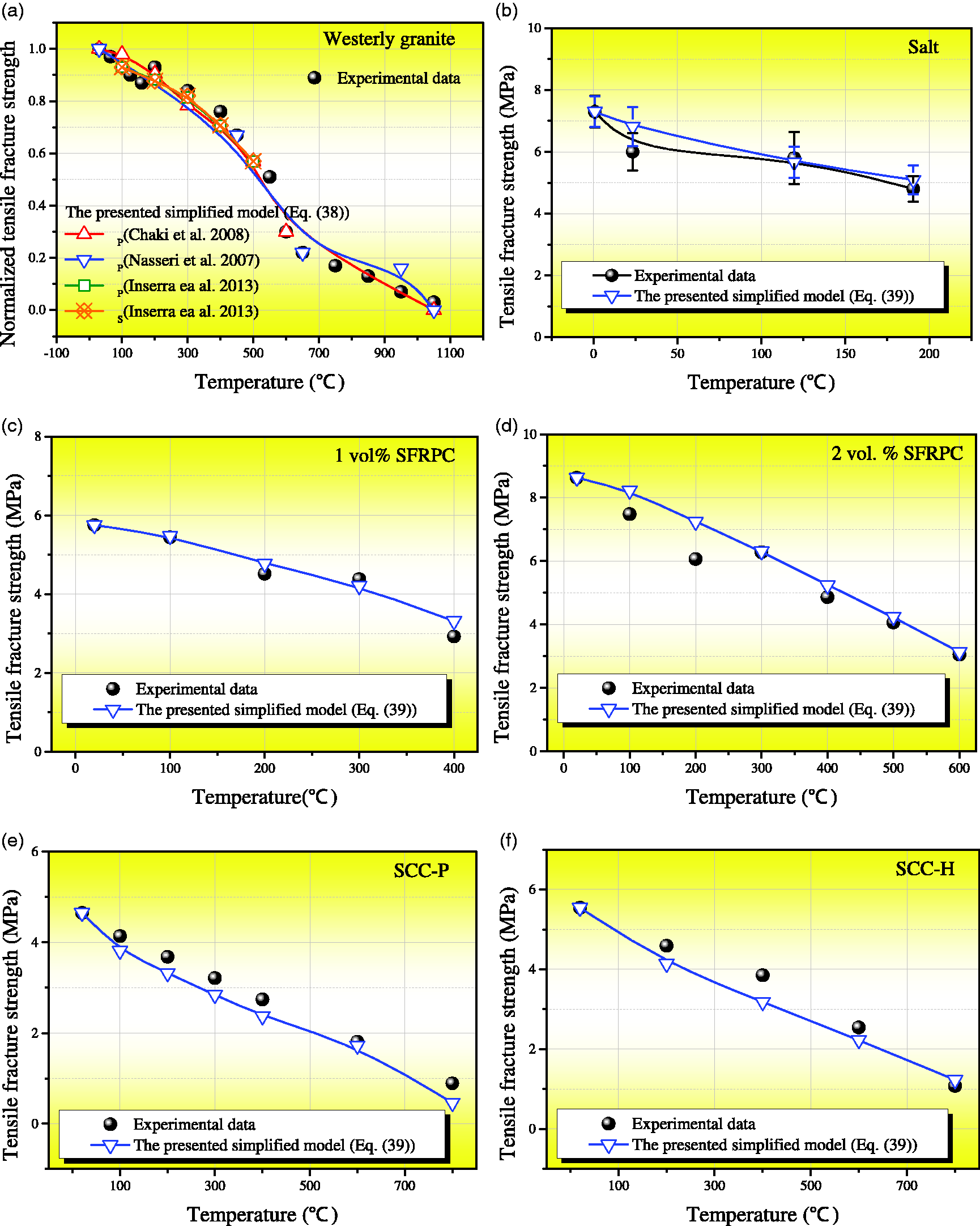
Comparing the model predictions with experimental data of (a) Westerly granite, (b) salt rock, (c) 1 vol. % SFRPC, (d) 2 vol. % SFRPC, (e) SCC-P, and (f) SCC-H at different temperatures.
Wave velocity and Young’s modulus used in model calculations.
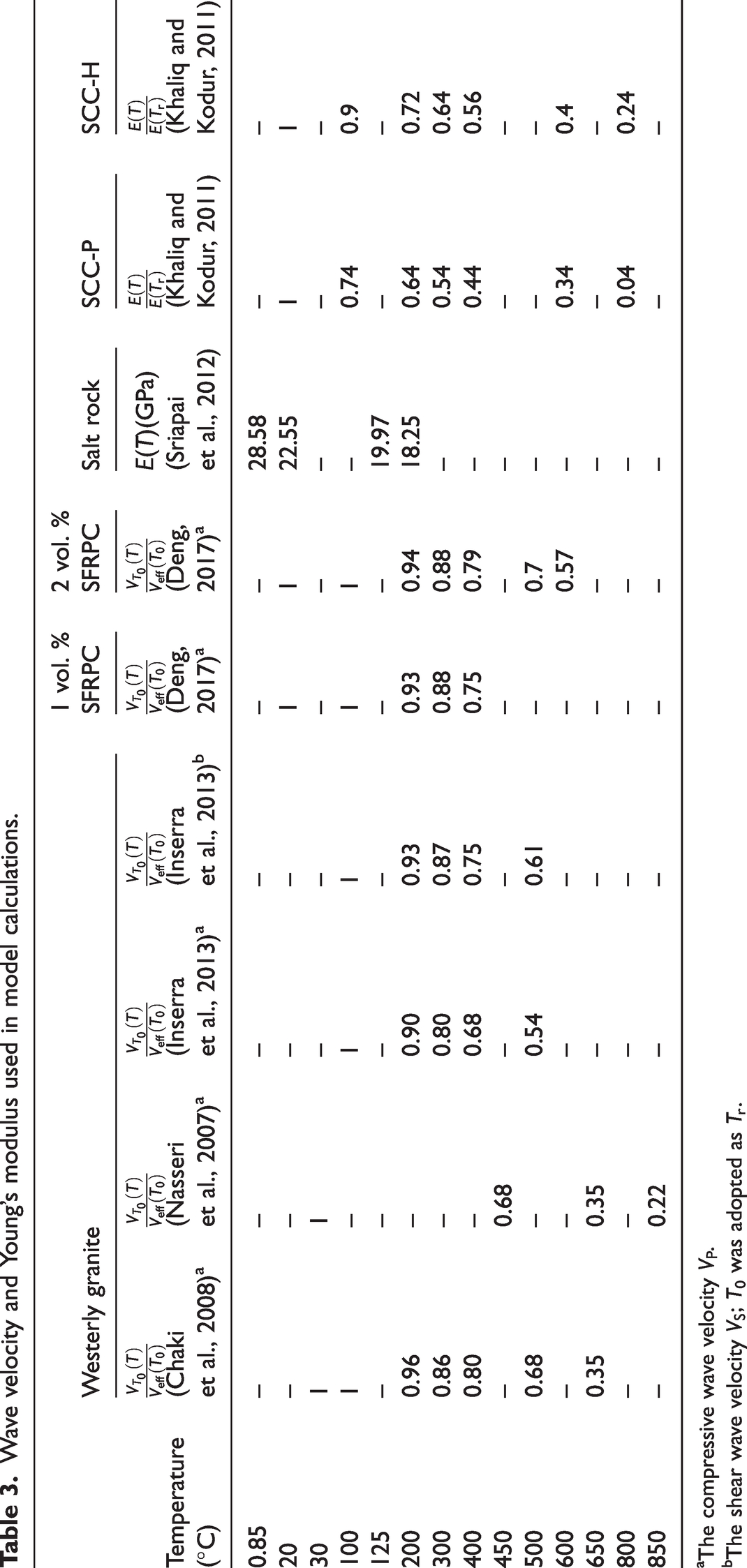
The compressive wave velocity
The shear wave velocity
Reference temperatures of rocks and concretes.
Good agreement between the theoretical predictions by the presented models (equations (38) and (39) and experimental results are obtained as presented in Figure 5. For Westerly granite, different sources of wave velocity have a smaller prediction error. Meanwhile, it indicates that the model considering the direct effect of thermal damage also has a good ability to trace the abrupt change trend of TDTFS due to phase transition. The examples of SFRPCs further show that for materials without phase transition, the presented model can make a good prediction with only some parameters measured at room temperature. Hence, decoupling the effect of thermal softening and thermal damage can get rid of the dependence on Young’s modulus at high temperature and further extends the application scope of the model.
The prediction range of tensile fracture strength of the presented models is decided by the experimental data range of material parameters required at each temperature. Only the average value of material parameters at each temperature such as Young’s modulus, wave velocity, and heat capacity were found in most literature, hence only the average values of temperature-dependent tensile fracture strength were predicted in most verification examples above. But if the experimental data range of material parameters is provided, a range of tensile fracture strength can be predicted, such as Figure 5(b).
Discussion
Charactering the equivalent thermal damage parameters
The presented model (equation (30)) is utilized to characterize the evolution of thermal damage at different temperatures via TDYM, as illustrated in Figure 6. Results show that for Charcoal granite and Lac du Bonnet granite, thermal damage consistently increased with rising temperature. As for Remission granite and Senones granite, thermal damage initially decreased, followed by an increase with increasing temperature. By comparing the evolution trend between TDTFS and equivalent thermal damage parameters with temperature, the results indicate that the primary reason for the strength attenuation of Remission granite and Senones granite below 600 °C is due to the increase in thermal energy within materials, rather than thermal damage. In addition, a comparison with the previous model (equation (28)) was also included in Figure 6. The previous model overestimates the contribution of thermal damage and suggests that thermal damage begins to play a role in the strength attenuation of Remission and Senones granite above 200–300°C. Nonetheless, this result cannot account for the strength attenuation below 200–300°C, further supporting the rationality of the presented models.
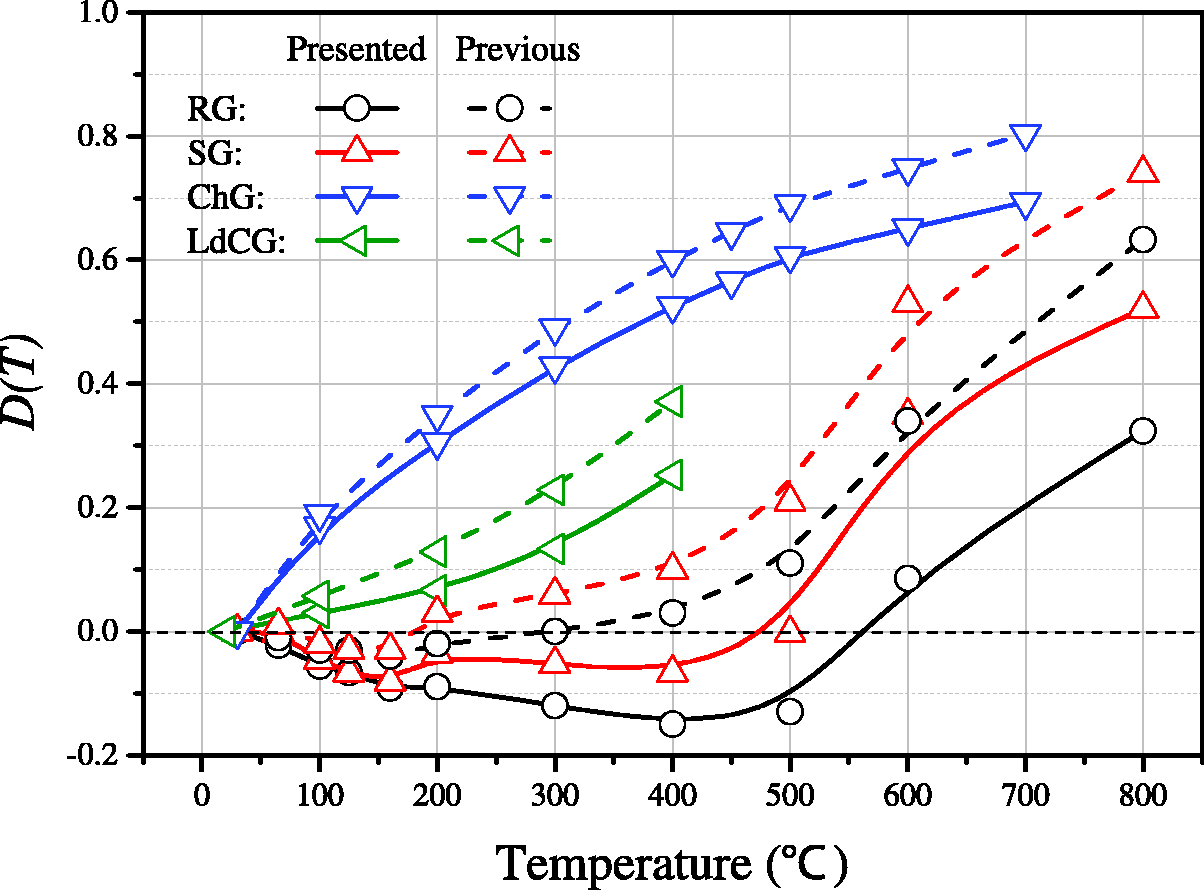
The equivalent thermal damage parameter D(T) characterized by the presented model (equation (30)) and the previous model (equation (28)). (RG: Remiremont granite; SG: Senones granite; ChG: charcoal granite; LdBG: Lac du Bonnet granite).
Significance and potential application value of the model
As is known, high-temperature destruction testing of strength is hard to conduct, time-consuming, and cost-intensive. Li et al. (2010) established the quantitative relationship between the TDTFS and Young’s modulus at different temperatures. Thus the TDTFS of brittle materials can be obtained by using Li’s model through the high-temperature non-destructive test of Young’s modulus rather than the high-temperature destructive test of strength. However, Li’s model did not consider the effect of phase transition on brittle materials. Therefore, as shown in Figures 4(a) to (e), the predicted results are quite different from the experimental results of rock materials with high-temperature phase transformation. To this end, considering the effect of phase transition, TDTFS models of rocks were established in this work based on the Force-Heat Equivalence Energy Density Principle. Figures 4(a) to (e) and Figure 5(a) shows that the presented models can obtain high prediction accuracy on the rock with high-temperature phase transformation. In particular, the different variation trends of tensile strength below and above the phase transition temperature, as well as the corresponding sudden change of strength are greatly described by the presented models. On this basis, combined with damage mechanics, the presented models and Li’s model were further improved by changing the requirement of TDYM to equivalent thermal damage parameters at different temperatures. Since the equivalent thermal damage parameters can be obtained by non-destructive testing at room temperature after heat treatment at different temperatures, the difficulty of obtaining model parameters is greatly reduced, and the application scope of the models is further expanded. Through batch heat treatment experiments and thermal damage parameter measurements, the high-temperature tensile fracture strength of multiple samples can be obtained simultaneously. Significant time and cost savings can be achieved compared to high-temperature damage testing, which tests one sample at a time. Meanwhile, non-destruction testing at room temperature is easier to conduct. More importantly, the presented models provide a possibility to overcome the difficulties in situ testing at high-temperature environments according to thermal damage parameters obtained through field tests of indentation test, wave velocity test, porosity test, etc. The application threshold of these models is relatively low, and the presented models are therefore suitable as a method for providing a rapid and preliminary evaluation of strength at a large temperature range for rock engineering.
The application scope of the models
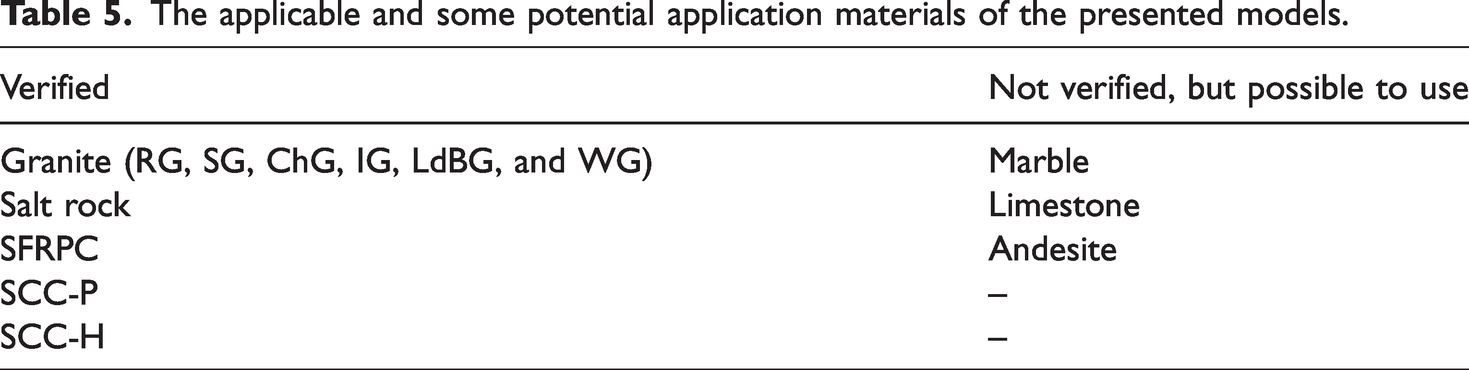
There are some good predictions for TDTFS of some rocks and concretes, but these models still have some limitations, which should be discussed here. High-temperature fracture behavior of rock is extremely complex. Besides temperature itself, scholars have explored that water is also an important factor that can affect the high-temperature tensile fracture strength of rocks. For example, the poor predictions by the presented model compared with experimental data of sandstone are shown in Figure 7. The experimental data of TDTFS and TDYM of sandstone were from (Rao et al., 2007). As reported by Rao et al. (2007), whether the mechanical properties of the rock are improved or degraded depends greatly on which one is more dominant, drying or microcracking. Therefore, the presented models should limit to the low-porosity rock to ignore the influence of the drying of water at high temperatures. The applicable and some potential application materials of the presented models are listed in Table 5.
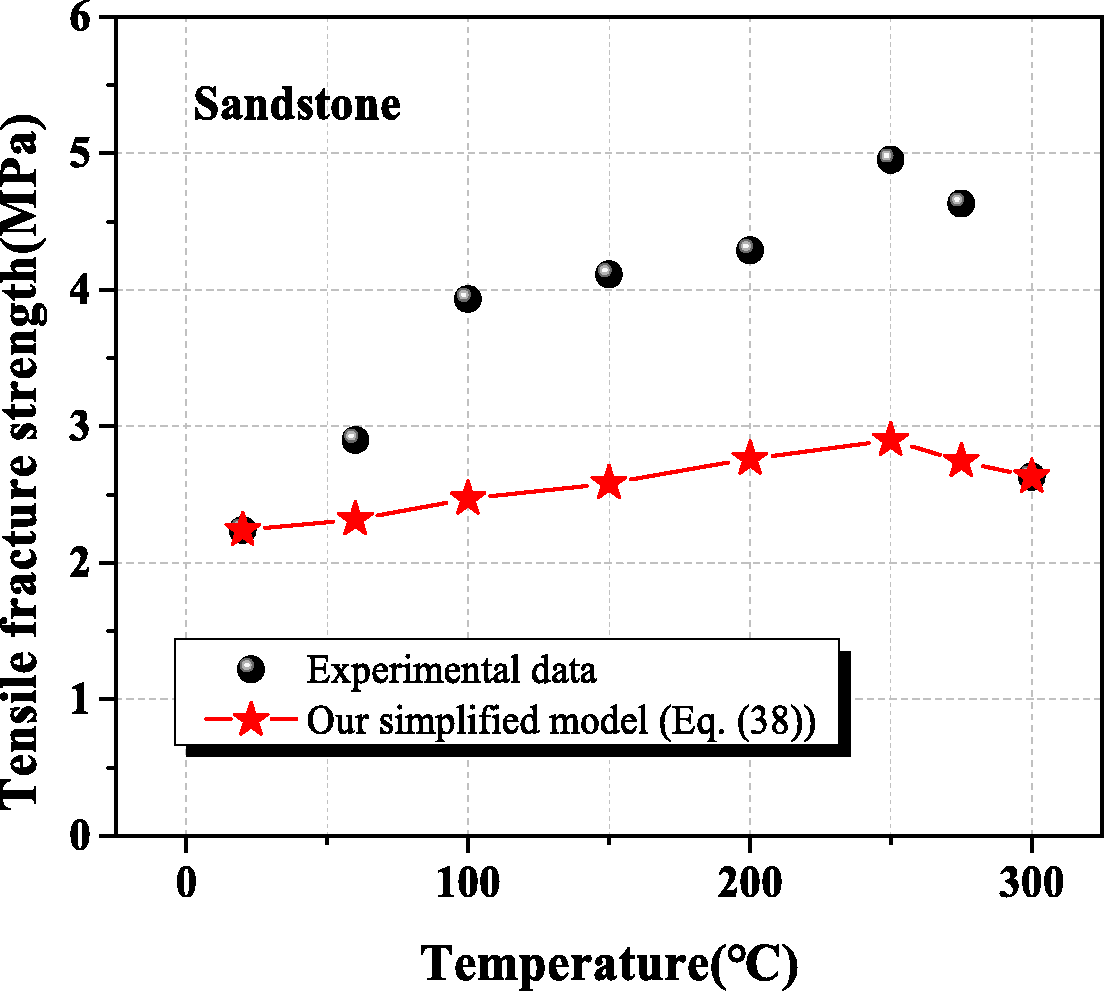
Comparing the model predictions with test data of sandstone at different temperatures.
The applicable and some potential application materials of the presented models.
In addition, the equivalent thermal damage parameter can be flexibly expressed by different physical parameters, such as wave velocity, Young’s modulus, porosity, crack density, and et al., tested at room temperature after heat treatment. However, the predicted accuracy by adopting different physical parameters may exist differences. Because of the lacking of adequate experimental data, which physical parameter is more suitable for describing the equivalent thermal damage parameter in the presented models still needs further extensive experimental exploration. Ongoing in-depth exploration of these problems is an important aim in our future.
Conclusion
In this paper, TDTFS models which further consider the effect of phase transition for rocks were first established based on the Force-Heat Equivalence Energy Density Principle. Compared with Li’s model and Wang’s model, the presented models have better prediction accuracy. In particular, the different variation trends of tensile strength below and above the phase transition temperature, as well as the corresponding sudden change of strength are greatly described by the presented models. On these bases, according to decoupling the effect of thermal softening and thermal damage on the TDYM and further simplifying, the model application scope was further extended. For rocks without phase transition, the presented models only need some physical parameters tested at room temperature can get a good prediction capacity on the TDTFS. Moreover, a new theoretical characterization model of equivalent thermal damage was proposed. The rationality of the presented models was further demonstrated by comparing the equivalent thermal damage results from the presented model (equation (30)) to the previous model (equation (28)). This work may have the potential to be a method for quickly evaluating the tensile fracture strength of rocks over a large temperature range, which provides guides for the monitoring, warning, and control of deep rock engineering.
CRediT authorship contribution statement
Footnotes
Declaration of conflicting interests
The authors declared no potential conflicts of interest with respect to the research, authorship, and/or publication of this article.
Funding
The authors disclosed receipt of the following financial support for the research, authorship, and/or publication of this article: This work was supported by the Autonomous Research Funds for State Key Laboratory of Coal Mine Disaster Dynamics and Control, Chongqing, China (No. 2011DA105287-MS202117 and No. 2011DA105287—ZD201803); the National Natural Science Foundation of China under Grant (No. 12272073); the Natural Science Foundation of Chongqing under Grant (No.CSTB2022NSCQ-MSX0393).
