




Abstract
This study explores the critical role of collaboration in project-based learning (PBL) and its impact on student learning experiences. Through qualitative research methods, including in-depth interviews and focus group discussions with English language teachers in secondary-level schools in Bangladesh, the study delves into teachers’ perceptions of collaboration in PBL. The findings reveal the complexities and challenges teachers face in fostering collaboration, such as time management and student engagement levels. Moreover, the study provides valuable insights into the need for ongoing professional development and support for teachers to implement collaborative strategies effectively. It also emphasizes the significance of a cultural shift in educational practices toward more interactive and collaborative approaches. It underscores the importance of collaboration in PBL and offers recommendations for enhancing collaborative learning environments for both educators and students.
Keywords
Introduction
Project-based learning (PBL) has emerged as a transformative educational approach that emphasizes active learning through real-world projects. In contemporary education, PBL is recognized for its ability to engage students in meaningful tasks that foster critical thinking, creativity, and problem-solving skills (Belda-Medina, 2021). Central to the success of PBL is the role of collaboration, which not only enhances student engagement but also promotes a sense of community within the classroom (Cai et al., 2023). Collaboration among teachers is equally vital, as it allows for the sharing of best practices, resources, and strategies that can enrich the PBL experience for students. Research has shown that collaborative learning environments can lead to improved academic outcomes, increased motivation, and enhanced social skills among students. For instance, studies have indicated that when students work together on projects, they are more likely to develop a deeper understanding of the subject matter and retain information longer. Furthermore, collaboration among teachers can lead to more effective instructional practices, as educators learn from one another and adapt their teaching methods to better meet the needs of their students (Garib, 2023). However, while the benefits of collaboration in PBL are well-documented, there remains a need to explore the specific perspectives of teachers regarding these dynamics.
Research Problem
Despite the growing body of literature on PBL and collaboration, there is a notable gap in understanding how teachers perceive and experience collaboration in PBL settings. Much of the existing research has focused on student outcomes and the effectiveness of collaborative learning strategies, leaving teachers’ perspectives underexplored. This lack of insight into teachers’ views on collaboration may hinder the development of effective professional development programs and support systems that can enhance collaborative practices in PBL. Therefore, it is essential to investigate how teachers perceive their roles in fostering collaboration among peers and students, as well as the challenges they face in implementing collaborative strategies.
Purpose of the Study
The purpose of this study is to explore two distinct levels of collaboration in PBL: collaboration among students and collaboration among teachers. Collaboration among students refers to peer-to-peer interactions that enhance learning and engagement, while collaboration among teachers focuses on professional cooperation within and across schools to facilitate effective PBL implementation. This distinction is crucial to avoid confusion and to provide clearer insights into the study's findings. By conducting interviews with 15 teachers, this research aims to gain a deeper understanding of their experiences, perceptions, and the factors that influence collaboration in PBL. The findings of this study will contribute to the existing literature by providing valuable insights into the role of collaboration in PBL from the teachers’ perspective, ultimately informing practices that can enhance collaborative learning environments for both educators and students.
Research Questions
This study will explore the following research questions.
What are teachers’ perceptions of collaboration in PBL? How do teachers view the dynamics between peer collaboration and student engagement in PBL? What challenges do teachers face in fostering collaboration in PBL?
Literature Review
Introduction to Project-Based Learning
PBL is an instructional approach that immerses students in the learning process through the completion of complex, real-world projects (Garib, 2023). This pedagogical strategy emphasizes active engagement, where students are not merely passive recipients of information but are instead encouraged to investigate, explore, and respond to authentic questions or challenges (Erdogan, 2013). According to Tsai et al. (2015), PBL is characterized by its focus on student-centered learning, allowing learners to take ownership of their educational experiences. This approach not only fosters deeper learning but also encourages the development of critical skills such as collaboration, communication, and problem-solving (Belda-Medina, 2021).
The significance of PBL in contemporary education is underscored by its alignment with the demands of the twenty-first century, where critical thinking, creativity, and collaboration are essential skills. Research indicates that PBL enhances students’ knowledge acquisition while cultivating competencies crucial for success in both academic and professional settings (Halim & Rohmah, 2020). Engaging in PBL often requires students to work collaboratively, promoting teamwork and communication skills (Foster & Shriner, 2023). This collaborative aspect mirrors the nature of many modern workplaces, effectively preparing students for future challenges (Hossain, 2024).
Moreover, PBL has been shown to increase motivation and engagement, as learners are more likely to be invested in projects that are relevant to their lives and interests (Herro & Quigley, 2017). The hands-on nature of PBL allows students to apply their knowledge in practical contexts, reinforcing their learning and making it more meaningful (Habok & Nagy, 2016). This approach also encourages the development of higher-order thinking skills, as students analyze, synthesize, and evaluate information throughout their projects (Trepper et al., 2022). By fostering collaboration, communication, and critical thinking, PBL serves as a vital component of effective teaching practices, preparing students to navigate the complexities of their future endeavors (Maiorca et al., 2023).
The Importance of Collaboration in PBL
Collaboration is a fundamental element of PBL, as it enables students to work together toward shared objectives. This collaborative approach not only enhances student engagement but also significantly boosts motivation, which in turn leads to improved academic performance (Hasan et al., 2020; Sanchez García, 2023). In PBL environments, students are encouraged to share their diverse perspectives, enriching the learning experience and fostering critical thinking skills (Yamada, 2021). The collaborative nature of PBL allows students to engage in meaningful discussions, challenge each other's ideas, and develop a deeper understanding of the subject matter (Ringotama et al., 2022). As they navigate through projects, students often take on various roles, which cultivate a sense of responsibility and accountability within the group, essential skills for their future endeavors.
Moreover, collaboration in PBL promotes the development of essential interpersonal skills, such as communication and teamwork. These skills are increasingly important in today's interconnected world, where the ability to work effectively with others is crucial for success in both academic and professional settings (Karaman & Celik, 2008). By engaging in collaborative projects, students learn to negotiate, compromise, and resolve conflicts, which are vital competencies in any collaborative effort. The process of working together also allows students to reflect on their contributions and the contributions of their peers, fostering a culture of mutual respect and support (Farrow et al., 2024). This collaborative learning environment not only enhances individual learning outcomes but also contributes to the overall success of the group.
In addition to enhancing academic performance and interpersonal skills, collaboration in PBL can lead to increased creativity and innovation. When students collaborate, they are exposed to a variety of ideas and approaches, which can inspire new ways of thinking and problem-solving (Rambe & Suganda, 2023; Al Younus, 2024). This collective brainstorming can result in more innovative solutions to the challenges presented in their projects. Ultimately, the importance of collaboration in PBL cannot be overstated, as it not only enriches the learning experience but also prepares students for the collaborative nature of the modern workforce.
Teacher Collaboration in PBL
Collaboration among teachers is equally vital for the successful implementation of PBL. When educators collaborate, they can share valuable resources, strategies, and insights, leading to more effective instructional practices (Sanchez García, 2023). Research has shown that professional learning communities (PLCs) can significantly enhance teachers’ understanding of PBL and improve their ability to facilitate collaborative learning experiences for their students (Yamada, 2021). By working together, teachers can develop a shared vision for PBL, align their instructional goals, and create a cohesive learning environment that benefits all students (Herro & Quigley, 2017). However, the extent to which teachers engage in collaborative practices can vary widely, influenced by factors such as school culture, administrative support, and individual beliefs about collaboration (Trepper et al., 2022). In some cases, teachers may feel isolated in their classrooms, lacking the necessary support to implement collaborative strategies effectively. This isolation can hinder their professional growth and limit the potential benefits of PBL for their students. Therefore, fostering a culture of collaboration among teachers is essential for maximizing the effectiveness of PBL initiatives (Yong Xu et al., 2017).
Furthermore, teacher collaboration can lead to the development of innovative teaching practices that enhance student learning. When educators share their experiences and insights, they can identify best practices and adapt them to their unique classroom contexts (Soviyah, 2024). This collaborative approach not only enriches the professional development of teachers but also ultimately benefits students by providing them with more engaging and effective learning experiences (Al Younus, 2023; Shafaa & Daulay, 2024). By prioritizing collaboration among educators, schools can create a supportive environment that fosters the successful implementation of PBL and enhances student outcomes (Kamal Hossain & Abdullah Al Younus, 2024; Sartika et al., 2022).
Teachers’ Perspectives on Collaboration in PBL
While existing literature highlights the benefits of collaboration in PBL, there remains a notable gap in understanding teachers’ perspectives on this dynamic. Many educators face challenges in fostering collaboration among students, including issues related to group dynamics, unequal participation, and time constraints (Yamada, 2021). These challenges can create frustration for teachers, impacting their willingness to implement collaborative strategies in their classrooms. Additionally, teachers may have differing views on the value of collaboration, which can further complicate their efforts to create a collaborative learning environment (Hossain, 2020).
Understanding teachers’ perspectives on collaboration is essential for developing effective professional development programs that support educators in enhancing collaboration in PBL (Lam et al., 2009). By gaining insights into the challenges and successes that teachers experience, professional development initiatives can be tailored to address specific needs and concerns (Ringotama et al., 2022). This targeted approach can empower teachers to embrace collaborative practices and foster a more inclusive and engaging learning environment for their students (Erdogan, 2013; Yong Xu et al., 2017).
Moreover, recognizing the importance of teacher collaboration in PBL can lead to the establishment of supportive networks within schools. When teachers feel supported by their colleagues and administration, they are more likely to engage in collaborative practices and share their experiences with others (Latifaj, 2022). This sense of community can enhance teachers’ confidence in implementing PBL and ultimately lead to improved student outcomes. By prioritizing teachers’ perspectives on collaboration, educational institutions can create a more effective and supportive environment for both educators and students (Hossain, 2021).
In conclusion, PBL offers a transformative approach to education, fostering deeper engagement and meaningful learning experiences for students. The collaborative nature of PBL enhances not only student outcomes but also the professional growth of educators. By prioritizing collaboration among both students and teachers, educational institutions can create supportive environments that facilitate effective PBL implementation. Addressing the challenges teachers face and understanding their perspectives on collaboration are crucial for developing targeted professional development programs. Ultimately, embracing PBL can lead to enriched learning experiences that prepare students for success in an increasingly interconnected world.
Methodology
Research Design
The study will follow a qualitative research design to collect data. It will be followed using in-depth interviews to discover and comprehend the PBL experiences of English language teachers in secondary-level schools in Bangladesh. A qualitative study seeks to provide a holistic understanding of phenomena through different methods, such as interviews, focus group discussions, and case studies (Lee, 2024). The phenomenological method was chosen because it aims to capture the lived experiences of individuals (Escobar Valencia, 2020).
Sampling Techniques
The research utilized a purposive sampling technique to select participants for in-depth interviews and focus group discussions. Purposive sampling was chosen to ensure the inclusion of participants with specific expertise and experience in English language teaching at the secondary level. Participants were selected based on criteria such as their years of teaching experience, familiarity with PBL methods, and active involvement in classroom instruction.
The sample size comprised 28 participants for in-depth interviews and 10 for FGDs, sufficient to capture a range of perspectives while achieving data saturation. Participants were recruited through professional networks and school directories, ensuring a balanced representation of teachers across various secondary institutions. This approach allowed the study to gather rich, first-hand experiences and insights, contributing to the understanding of PBL practices in the Bangladeshi context.
Population
The sample population of interest for this study comprises English language teachers teaching secondary-level English courses at different schools, collegiate schools, and madrasahs in Bangladesh. Teachers at this level connect students with language-learning strategies especially PBL for expected outcomes in the target language. There was no male–female variation. Their age range was between 25 and 51. All the participants received their MA, and MPhil degrees from different public universities and specialized colleges under the national university, in Bangladesh.
Data Collection
The study utilized semistructured in-depth interviews and focus group discussions (FGDs) to gather rich insights into teachers’ experiences with PBL. Interviews were conducted using a Google Form with open-ended and descriptive questions, allowing participants to provide detailed and thoughtful responses. FGDs, conducted via Zoom, facilitated dynamic discussions moderated to explore diverse viewpoints. These methods ensured a deep understanding of participants’ perspectives, capturing both individual experiences and collaborative insights.
In-Depth Interview Questionnaire
Data were collected through a semistructured interview. Semistructured interviews invite participants to exchange their views, experiences, perspectives, and deep feelings in their own words (Chih-Pei & Chang, 2017). In a Google form, a questionnaire of 10 questions was sent to 30 participants. And 28 of them participated spontaneously. The 10 questions were divided into two sections. In section one, there were four open-ended questions with Likert (Supplemental Appendix A). The participants could provide descriptive answers independently. A respondent could submit the form only once to confirm data validity and authenticity. In-depth interview questions facilitate detailed responses, allowing participants to express their thoughts freely, which is crucial for capturing nuanced information.
Focus Group Discussion
This study followed an FGD as a data collection tool to explore high school teachers’ perceptions. Teachers were selected because they were directly involved in classroom activities, supervised assignments, assessed the performance of the learners, and provided feedback. FGD facilitates in-depth exploration of participants’ perspectives, beliefs, and experiences. It influences group interactions to elicit diverse viewpoints, fostering a dynamic exchange of ideas. To confirm the variety and richness of data, 10 teachers of the English language were selected randomly to understand their perceptions about the effectiveness of collaboration in PBL. A semistructured discussion session was arranged as it allows flexibility while ensuring key topics are covered. Ten questions were shared with them for light preparation on the study area (Supplemental Appendix B). They were invited to attend Zoom Meetings and the meeting link and passcode were shared via email collected institution's website, and over the phone. There was a moderator who supervised the session and asked questions randomly and the whole session was recorded and preserved for data analysis. The discussion lasted for 60 min long.
Data Analysis
Thematic data analysis is a flexible, interpretative nonlinear, and comprehensive six-phase guide that summarizes the process of conducting TA, from familiarization with data to theme review. The study followed the step-by-step process for data analysis. The steps are:
Familiarizing with data: At first, the data were read and re-read to get familiar with the content. Potential notes were taken then. Generating initial codes: Secondly, the data were broken into smaller meaningful chunks or codes. A code was a label that identified a specific piece of data that was relevant to the research question. Generating themes: After codification, the researcher looked for patterns or common themes in the data. This involved grouping codes into potential themes, considering how these codes relate to the overall data and research questions. Reviewing themes: Next the themes were reviewed against the data. It ensured that the themes were consistent and represented the data accurately. It involved re-coding or combining themes. Defining and naming themes: Then each theme was finalized and assigned a descriptive name. The definition of each theme reflected their essence and how it answered the research questions. Writing the report: Finally, a detailed report on the themes was written explaining how they were developed and what they revealed about the research question. It also included quotes from the data.
Ethical Issues
The research strictly followed ethical guidelines, requiring participants to provide informed consent after understanding the study's objectives, confidentiality measures, and their rights. Participants could withdraw at any time without consequences. Participants were confirmed that their privacy would be protected using pseudonyms or unique identifiers during data analysis and reporting. Sensitive information disclosed during interviews must be de-identified. The study must adhere rigorously to ethical practices throughout its duration. Preserving participant privacy is crucial, especially in the case of sensitive information, to protect individuals from potential harm (Smith, 2024).
Findings
In-Depth Interview Protocol
In response to the in-depth interview questions, the English language teachers shared their knowledge, observations, and experiences about collaboration in PBL in the classroom. They spontaneously expressed their views on the collaboration of PBL in the classroom, and students’ attitudes to it. TR stands for teacher responses in the study. In this manner, TR1 stands for Teacher Response 1, TR2 for Teacher Response 2, TR3 for Teacher Response 3, TR4 for Teacher Response 4, TR5 for Teacher Response 5, TR6 for Teacher Response 6, TR7 for Teacher Response 7, TR8 for Teacher Response 8, TR9 for Teacher Response 9, TR10 for Teacher Response 10, TR11 for Teacher Response 11, TR12 for Teacher Response 12, TR13 for Teacher Response 13, TR14 for Teacher Response 14, TR15 for Teacher Response 15, TR16 for Teacher Response 16, TR17 for Teacher Response 17, TR18 for Teacher Response 18, TR19 for Teacher response 19, TR20 for Teacher Response 20, TR21 for Teacher Response 21, TR22 for Teacher Response 22, TR23 for Teacher Response 23, TR24 for Teacher Response 24, TR25 for Teacher Response 25, TR26 for Teacher Response 25, TR26 for Teacher Response 26, TR27 for Teacher Response 27, and TR28 for Teacher Response 28.
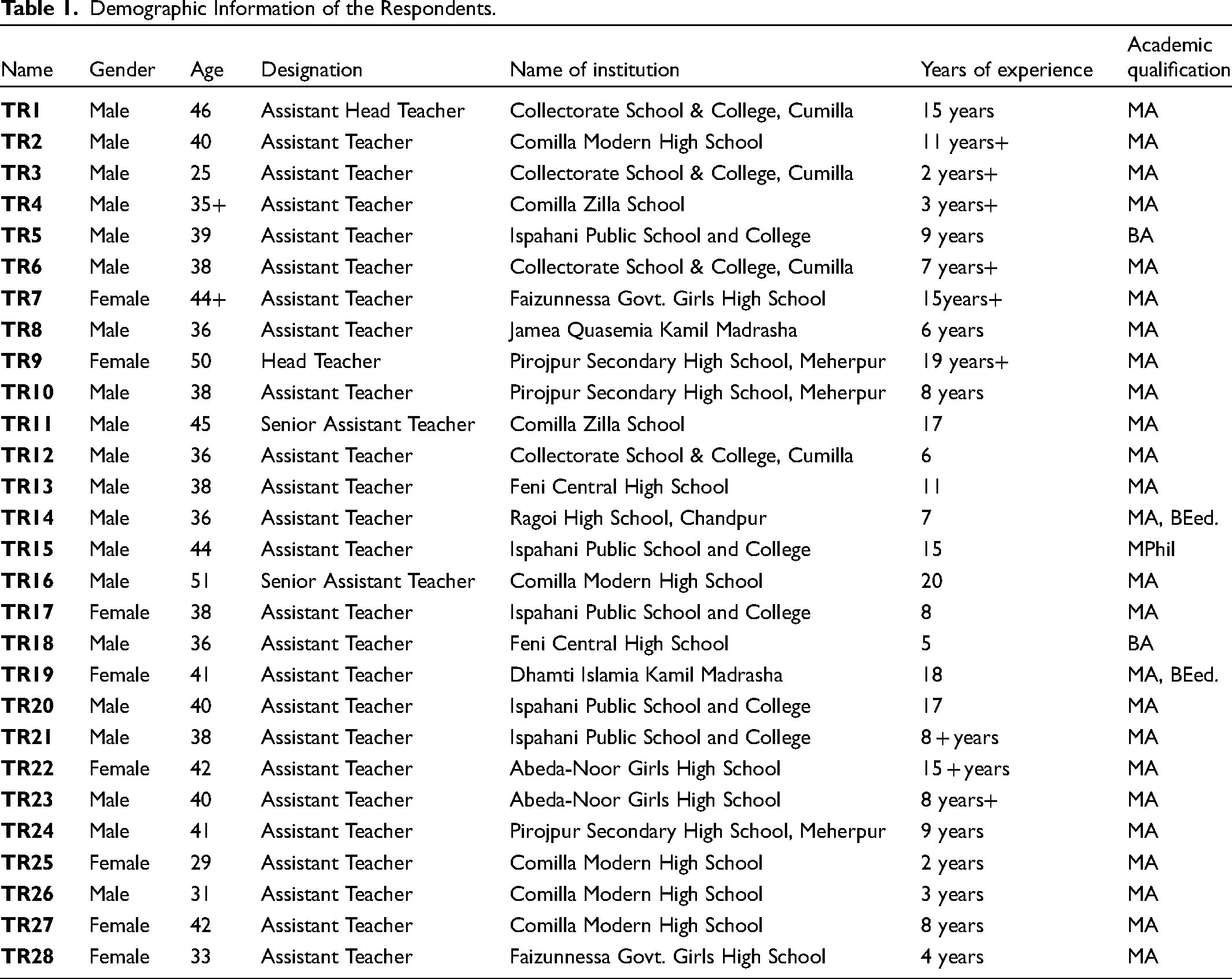
A demographic profile of the participants to the in-depth interview questions is given in Table 1.
Demographic Information of the Respondents.
Findings from the Survey Questionnaire
Experience
Figure 1 presents the teachers’ overall experience with PBL based on 28 responses. The data reveals that a substantial majority of teachers have a positive outlook on PBL, with 46.4% describing their experience as “very positive” and 42.9% as “positive.” However, only 10.7% of respondents reported a neutral stance, while none indicated a negative or very negative experience. This overwhelmingly positive feedback suggests that teachers recognize the value of PBL in enhancing educational practices and fostering student engagement, indicating a strong foundation for collaborative learning in the classroom.
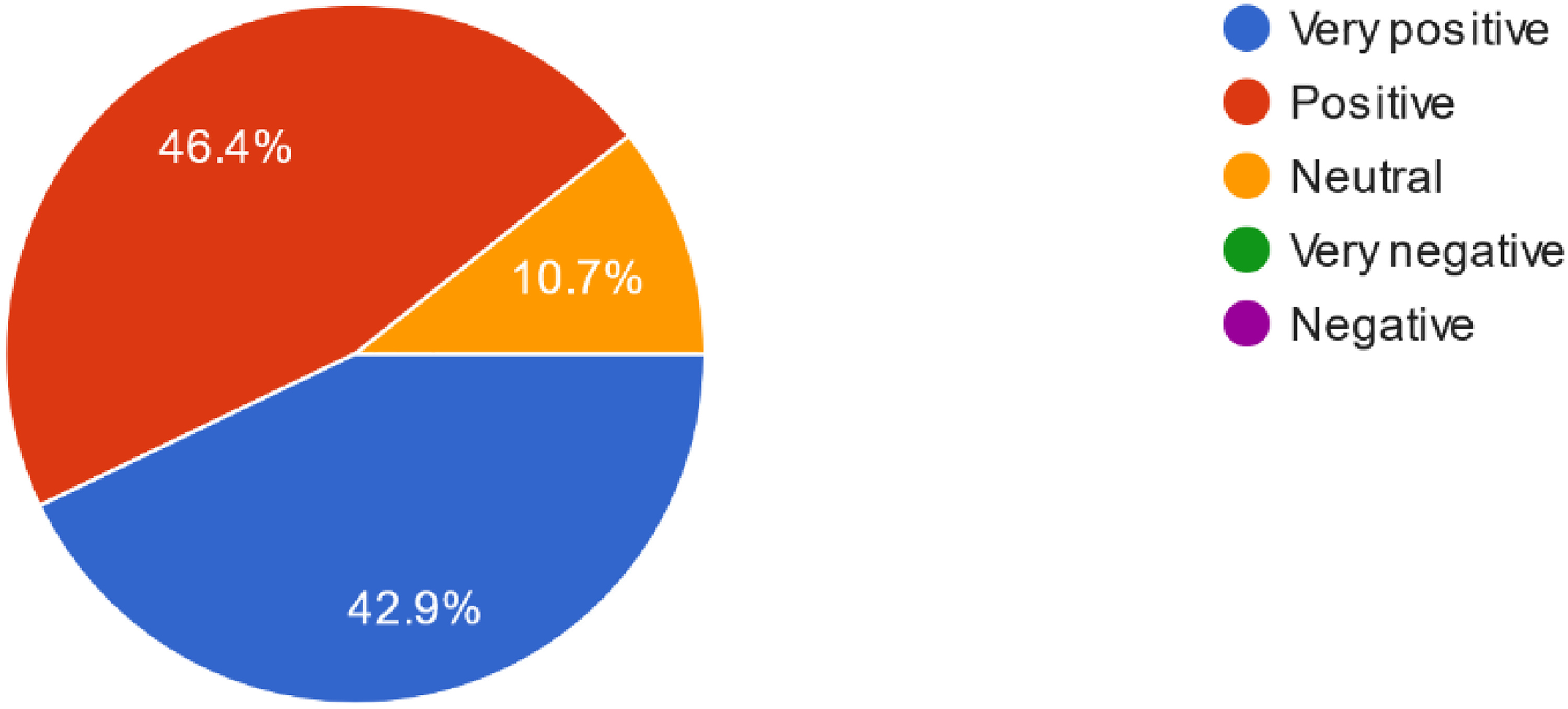
Overall experience with project-based learning (PBL).
Collaboration Frequency
In Figure 2, the frequency of collaboration among teachers when designing or implementing PBL activities is illustrated. Out of 28 responses, 42.9% of teachers reported collaborating “frequently,” while 42.9% indicated they do so “occasionally.” A smaller percentage, 10.7%, collaborate “rarely,” and only 3.6% stated they “never” collaborate. This data highlights a significant trend toward collaborative practices among educators, emphasizing the importance of peer interaction in the successful implementation of PBL. The findings suggest that regular collaboration can enhance the quality of PBL activities and contribute to a more cohesive teaching approach.
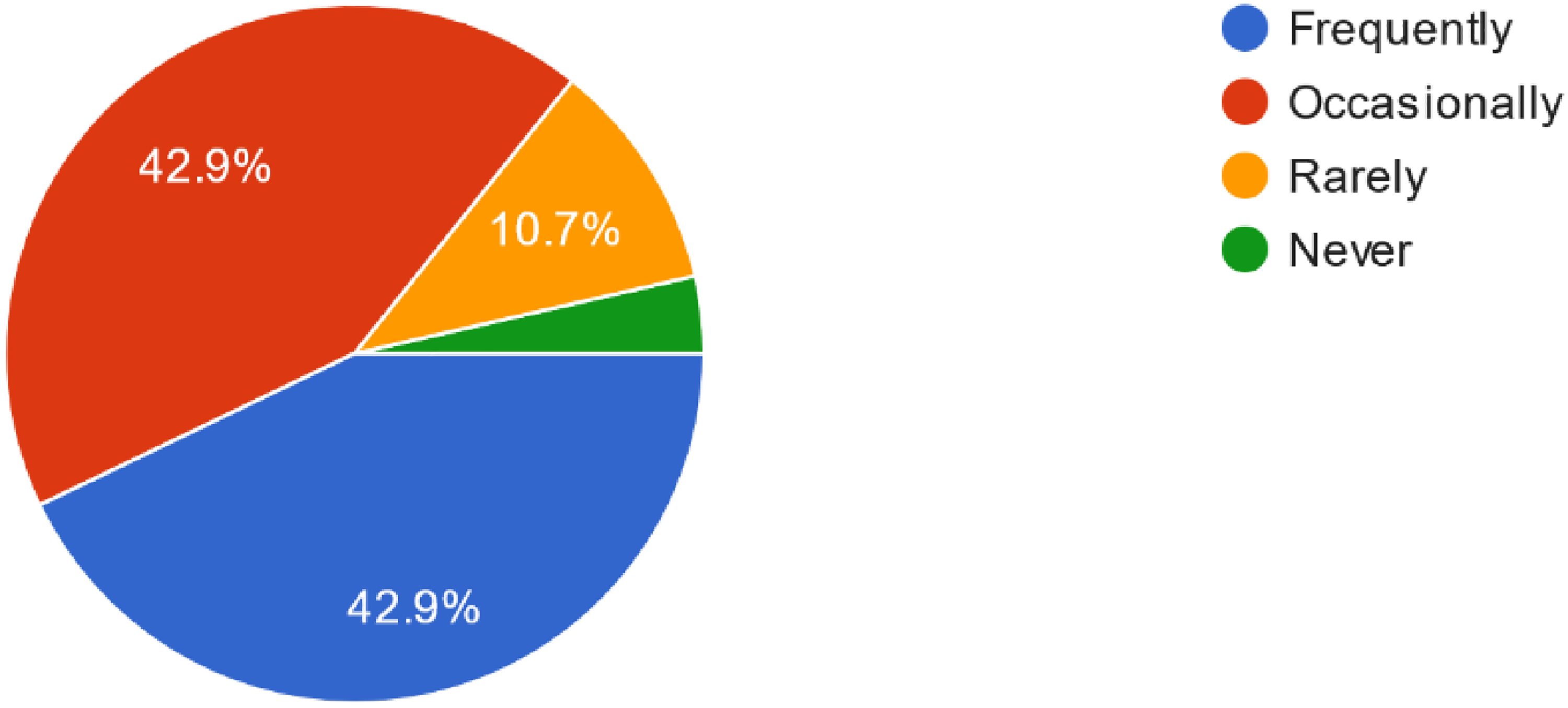
Frequency of collaboration with peers in PBL activities.
Types of Collaborative Activities
Figure 3 outlines the various types of collaborative activities that teachers engage in with their peers. The responses indicate that peer observations are the most common activity, accounting for 32.1% of responses, followed by co-planning at 25% and sharing resources at 21.4%. Reflecting on practices and team teaching were less common, with 10.7% and 3.6%, respectively, while 7.1% of respondents mentioned other collaborative activities. This distribution illustrates the diverse ways in which teachers work together, highlighting the significance of peer observations and co-planning in fostering a collaborative environment that enhances the effectiveness of PBL.
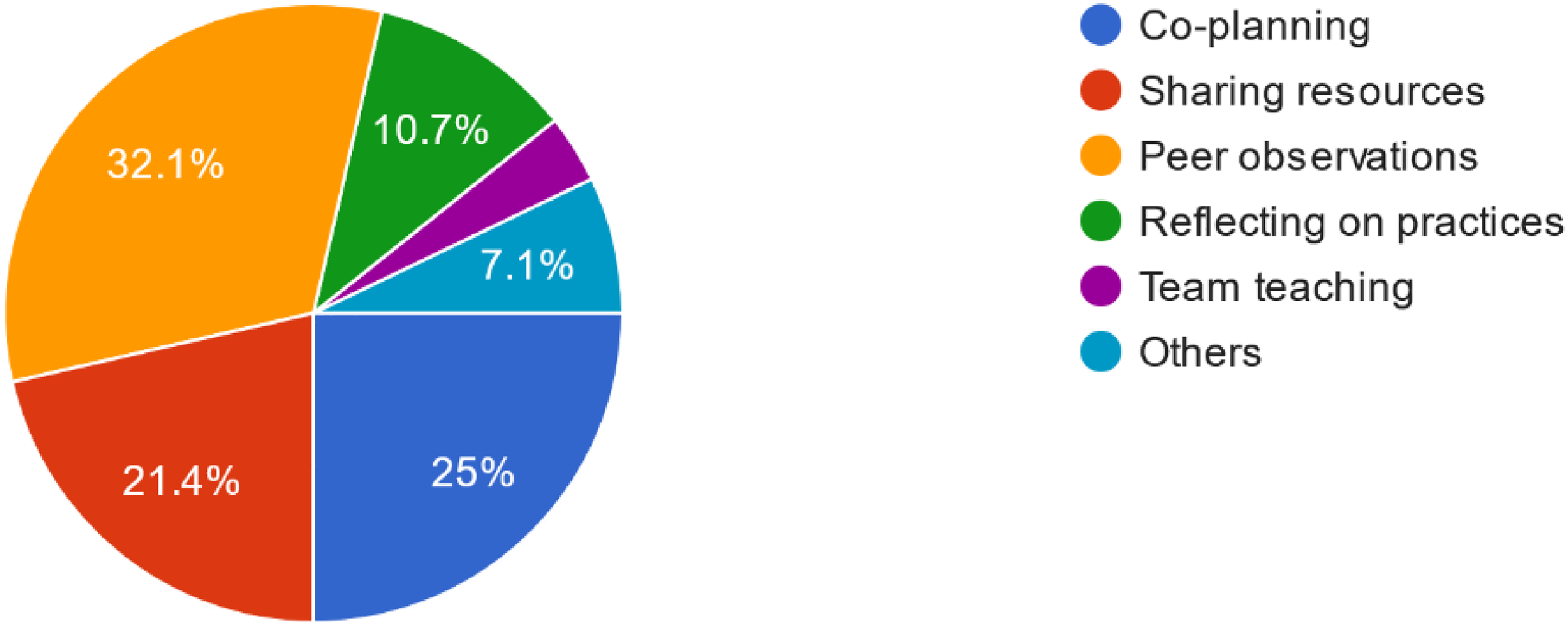
Types of collaborative activities among teachers.
Importance of Collaboration
Figure 4 assesses the perceived importance of collaboration in the success of PBL among teachers. A striking 71.4% of respondents rated collaboration as “very important,” while 17.9% deemed it “important.” Only 10.7% remained neutral, and none considered collaboration to be less important or not important at all. This overwhelming consensus underscores the critical role that collaboration plays in the successful implementation of PBL, reinforcing the idea that effective teamwork among educators is essential for creating meaningful learning experiences for students.
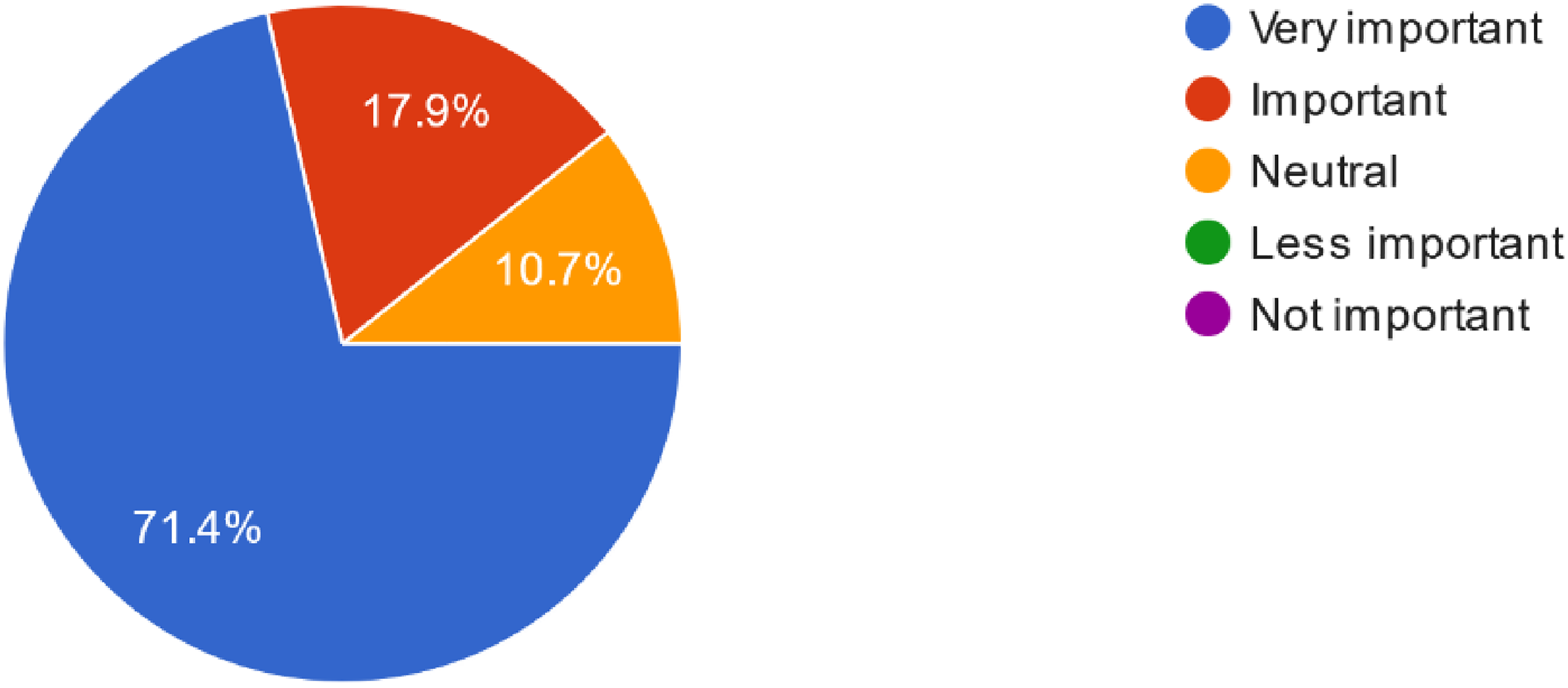
Importance of collaboration for PBL success.
Impact on Learning Outcomes
While the specific graph for the impact on learning outcomes was not provided, the overall findings suggest a positive correlation between collaborative practices in PBL and student achievement. Teachers’ perceptions indicate that when collaboration is prioritized, it not only enhances their teaching strategies but also significantly contributes to improved academic performance among students. This insight emphasizes the importance of fostering a collaborative culture within educational settings to maximize the benefits of PBL.
These findings collectively illustrate the positive perceptions and experiences of teachers regarding collaboration in PBL, highlighting its importance in enhancing both teaching practices and student learning outcomes.
Findings From In-Depth Interview
The survey responses from teachers provided a wealth of insights into their perceptions of collaboration in PBL. A significant number of participants emphasized the critical role of student collaboration in achieving PBL objectives. One teacher articulated, “In my opinion, students’ collaboration plays the essential role in achieving the objectives of PBL,” which underscores the importance of teamwork in fostering both engagement and learning. Many teachers reported employing specific strategies to ensure equal participation among students, such as assigning distinct roles within groups. For instance, another participant stated, “I use group roles and peer assessments to ensure that everyone contributes,” indicating a structured approach to managing group dynamics effectively. This method not only promotes accountability but also encourages students to take ownership of their learning. Overall, the survey results underscored the necessity of collaboration in enhancing students’ academic and interpersonal skills. Many teachers observed notable improvements in communication and critical thinking as a direct result of collaborative activities, suggesting that when students work together, they are more likely to develop essential skills that are crucial for their future endeavors. The findings highlight a collective recognition among educators of the transformative power of collaboration in PBL, reinforcing the need for continued emphasis on collaborative practices in educational settings.
Findings From Focus Group Discussion
The focus group discussions provided deeper insights into the challenges and successes of fostering collaboration in PBL settings. Participants shared specific experiences that illustrated the complexities of group work, revealing both the potential benefits and the hurdles that teachers face. For instance, one teacher recounted, “During a project where students designed a grammar game, I asked them to write down their roles and responsibilities in a shared journal. This minimized conflicts,” demonstrating a proactive approach to conflict resolution and accountability. However, challenges such as time management and varying levels of student engagement were also prevalent. A participant remarked, “Time management is a big issue. Some students procrastinate, which annoys the others,” indicating the need for structured timelines and clear expectations to enhance group productivity. Furthermore, the discussions highlighted the significant impact of collaboration on student engagement. One teacher noted, “Collaboration makes lessons more engaging. Even the less motivated students contributed,” showcasing the transformative potential of collaborative learning environments. This sentiment was echoed by several participants, who emphasized that collaborative projects not only foster a sense of community among students but also enhance their understanding of the subject matter. The focus group discussions thus illuminated the multifaceted nature of collaboration in PBL, revealing both the strategies that can lead to successful outcomes and the challenges that educators must navigate to create effective collaborative learning experiences.
Teacher Collaboration in PBL
Collaboration among teachers can be categorized into two forms: intraschool collaboration, where teachers within the same institution share resources and strategies, and interschool collaboration, where educators from different schools engage in professional learning communities. While intraschool collaboration ensures consistency in pedagogical approaches, interschool collaboration allows for a broader exchange of innovative PBL practices. Collaborative practices among teachers can enhance resource sharing, support mutual professional development, and create a cohesive learning environment that fosters student success.
Student Collaboration in PBL
Effective student collaboration in PBL is essential for achieving shared learning goals and enhancing the overall learning experience. Successful collaboration requires students to develop specific skills, such as effective communication, conflict resolution, self-regulation, time management, and adaptability. These skills are crucial for managing project timelines, navigating group dynamics, and ensuring equal participation. By fostering an environment that encourages cooperative interactions, PBL helps students build teamwork and problem-solving abilities, enriching their learning. Structured guidance on these collaboration skills can significantly improve students’ productivity and their ability to work harmoniously in group settings.
Discussion
In-Depth Interviews
The survey findings provide a compelling insight into teachers’ perceptions of collaboration in PBL. A significant consensus emerged among participants, emphasizing that collaboration is not merely beneficial but essential for achieving the objectives of PBL. Teachers articulated that collaborative activities serve a dual purpose: they engage students in meaningful learning experiences while simultaneously fostering critical skills necessary for both academic success and personal development. This recognition of the multifaceted benefits of collaboration is crucial, as it highlights the role of educators as facilitators of not just knowledge but also of essential life skills.
The emphasis on structured roles and peer assessments within groups reflects a strategic approach to ensuring equitable participation, particularly in diverse classrooms where students may have varying levels of confidence and ability. One teacher's assertion that “it helps students develop effective collaboration skills and become decision-makers” underscores the long-term benefits of such collaborative learning environments. This perspective suggests that teachers are not only aware of the immediate educational outcomes but also the broader implications for students’ future interactions in both academic and professional settings.
However, the survey findings also indicate that while teachers recognize the importance of collaboration, they face challenges in consistently implementing effective strategies. These challenges may stem from a lack of training or resources, as well as the constraints of traditional educational frameworks that prioritize individual achievement over collective learning. Thus, the findings highlight a critical need for professional development opportunities that equip teachers with the tools and strategies necessary to foster collaboration effectively in their classrooms.
Focus Group Discussion
The focus group discussions provided a rich and nuanced context for understanding the dynamics of collaboration in PBL, revealing both the successes and challenges that teachers encounter in fostering collaborative learning environments. The participants present at the FGF meeting shared first-hand experiences that illuminated the complexities of group work, emphasizing the importance of proactive strategies in facilitating effective collaboration. For instance, the use of shared journals for role assignments exemplifies how clear communication and defined responsibilities can significantly minimize conflicts among students. This approach not only fosters accountability but also encourages students to take ownership of their learning, which is essential in a collaborative setting.
However, the discussions also brought to light several challenges that teachers face, particularly regarding time management and varying levels of student engagement. One participant's observation that “students are more accustomed to memorization and struggle with group work” highlights a significant cultural barrier within the educational system. This indicates a pressing need for a cultural shift in educational practices, moving away from traditional rote learning methods towards more interactive and collaborative approaches. Such a shift is crucial for developing the collaborative skills that are increasingly necessary in today's interconnected world.
The insights from the focus group discussions suggest that traditional educational frameworks may inadvertently hinder the development of collaborative skills, as they often prioritize individual performance over group dynamics. Recognizing these challenges is essential for educational institutions, which must provide the necessary support and resources to help teachers cultivate effective collaborative learning environments. This could include professional development programs focused on collaborative teaching strategies, as well as creating a school culture that values and promotes teamwork among both students and educators. By addressing these issues, schools can enhance the collaborative experience for both teachers and students, ultimately leading to more successful PBL outcomes.
The findings from both the survey and focus group discussions highlight the critical role of collaboration in PBL settings. Teachers recognize the importance of collaborative learning in enhancing student engagement and developing essential skills. However, they also face significant challenges, including time management and varying levels of student motivation. The insights gained from this study underscore the need for ongoing professional development and support for teachers to effectively implement collaborative strategies in their classrooms.
Conclusion
In conclusion, this study underscores the critical importance of collaboration in PBL as a transformative approach to education, particularly within secondary English language classrooms. The findings reveal that while teachers recognize the significant benefits of collaborative practices such as enhanced student engagement, improved communication, and the development of essential critical thinking skills, they also encounter substantial challenges, including time constraints and varying levels of student motivation. These insights underscore a pressing need for targeted professional development programs that equip educators with effective strategies for managing group dynamics and conflict resolution. Moreover, fostering a school culture that prioritizes teamwork among both students and educators is essential for maximizing the potential of collaborative learning. By addressing these challenges and implementing the recommended strategies, educational institutions can create more supportive environments that not only enhance collaborative experiences but also lead to improved academic outcomes. Finally, this study contributes to the growing body of literature on PBL, advocating for a systemic shift toward collaborative teaching methodologies that empower both teachers and students in their educational journeys.
Recommendations
Based on the findings of this study, several recommendations can be made to enhance collaboration in PBL settings. First, it is essential to provide targeted professional development for teachers focused on conflict resolution and group dynamics. As one participant suggested, “I think specific training on how to handle group conflicts would be very useful,” indicating a clear need for resources that equip educators with the skills to manage group work effectively.
Second, incorporating technology into collaborative projects can facilitate communication and organization among students. One teacher mentioned, “Materials like group activity templates and videos on collaboration skills have helped me,” highlighting the potential of technology to support collaborative learning. Schools should invest in training teachers to use these tools effectively, ensuring that they can integrate technology into their PBL practices.
Finally, fostering a culture of collaboration within schools is crucial. As one participant noted, “If textbooks included activities or projects that require group work, students would have more opportunities to practice teamwork.” This suggests that curriculum design should prioritize collaborative learning experiences, preparing students for real-world problem-solving. By implementing these recommendations, educators can create more effective collaborative learning environments that benefit both students and teachers.
Supplemental Material
sj-docx-1-ref-10.1177_10567879251331206 - Supplemental material for Fostering Collaboration in PBL: Teachers’ Perceptions of Peer and Student Roles in Secondary Level English Classrooms in Bangladesh
Supplemental material, sj-docx-1-ref-10.1177_10567879251331206 for Fostering Collaboration in PBL: Teachers’ Perceptions of Peer and Student Roles in Secondary Level English Classrooms in Bangladesh by Kamal Hossain and Abdullah Al Younus in International Journal of Educational Reform
Footnotes
Data Availability
The data used to support the findings of this study are included within the article.
Declaration of Conflicting Interests
The authors declared no potential conflicts of interest with respect to the research, authorship, and/or publication of this article.
Funding
The authors received no financial support for the research, authorship, and/or publication of this article.

Supplemental Material
Supplemental material for this article is available online.
Author biographies
References
Supplementary Material
Please find the following supplemental material available below.
For Open Access articles published under a Creative Commons License, all supplemental material carries the same license as the article it is associated with.
For non-Open Access articles published, all supplemental material carries a non-exclusive license, and permission requests for re-use of supplemental material or any part of supplemental material shall be sent directly to the copyright owner as specified in the copyright notice associated with the article.
