



Abstract
Background
The COVID-19 pandemic has resulted in many changes to the lives of children and young people. Our aim is to explore the impact of the pandemic on the mental health of children and young people (ages 5–21).
Methods
The Preferred Reporting Items for Systematic Review and Meta-Analyses (PRISMA) guidelines was used to report the findings of this rapid review.
Results
Children and young people are potentially very vulnerable to the emotional impact of traumatic events that disrupt their daily lives. Key areas of concern include: Death Anxiety and Fear of Infection; lack of social interaction and loss of routine.
Conclusions
Despite some early and responsive studies, the evidence base for pandemic impact on children and young people is very limited. Such evidence is urgently needed if adequate and responsive services, that can mitigate the long-term impact of the pandemic for children and young people can be established.
Background
The World Health Organization (WHO, 2020a) declared the COVID-19 epidemic as an international public health emergency. Most regions across the globe, including the UK, US, Russia, India, Brazil and Europe, have been severely affected in terms of both cases, and an increasing number of deaths (Ge et al., 2020; WHO, 2020a). Since the first reported case of COVID-19, many people have been required to quarantine. In addition, there has been widespread disruption to daily routines and home working. Some of the consequences of these measures are social isolation, extended periods of which are likely to have affected the mental health of the general population. In addition, the unexpected disruption to social norms, structure and daily activities has negatively affected the behaviourial and mental health of much of the population (Courtney et al., 2020; Shah et al., 2020).
Among the most vulnerable to these changes are the many children and young people caught up in the pandemic. A number of studies have already pointed out that it has the potential to threaten their immediate and long-term mental health and wellbeing (Courtney et al., 2020; Fegert et al., 2020; Ghosh et al., 2020; Guessoum et al., 2020; Imran et al., 2020a). In particular, measures to curb the virus have included the cancellation of classes, widespread school closures with education delivery switched at short notice to home-based and on-line learning and efforts to embed social distancing in educational environments (Shah et al., 2020). Moreover, leisure activities have been extremely limited or prohibited entirely in most countries, children have not been permitted to access playgrounds, or social group activities and sports clubs have been closed (Fegert et al., 2020). The mental health of children has been particularly affected, as this disruption has impacted upon the way children learn, grow, play, behave, interact and manage emotions (Shah et al., 2020). Such that Danese and Smith (2020) described it as the ‘perfect storm’ for the mental health of children and young people. Research has suggested that quarantine measures induce isolation, stigma and fear among children, with the most common diagnosis being acute stress disorder, adjustment disorder, grief and post-traumatic stress disorder (PTSD) (Imran et al., 2020a). Indeed, several studies conducted during the Covid-19 pandemic which focused on the mental health of children and young people, reported increased levels of restlessness, anxiety, irritability, separation anxiety, death anxiety and inattention (Idoiaga et al., 2020; Jiao et al., 2020; Orgiles et al., 2020; Pisano & Galimi, 2020). Death anxiety occurred where children feared that a parent would contract the virus and ultimately die from the condition (Idoiaga et al., 2020).
During the COVID-19 pandemic, children, young people and their families have also been exposed to additional factors that can impact on stress and emotional well-being. Parents have been furloughed with reduced or no income, some have faced job losses, while some families have been separated because of a parent who is a front line worker or who has to stay away from the home for prolonged periods of time (Liu et al., 2020; ). This has instilled a degree of fear in children because they are worried about becoming infected or spreading the virus themselves if exposed (Muratori & Ciacchini, 2020). Another area of concern during ‘lockdown’ has been an increase in child abuse, and neglect which may go unreported or undetected due to social isolation and the absence or restrictions placed on protective adults (i.e. teachers and social workers), who may usually notice signs of abuse and distress (Courtney et al., 2020; Fegert et al., 2020).
This is particularly concerning as studies from previous outbreaks such as Ebola in West Africa during 2014–2016, also revealed an increase in child abuse rates during quarantine and isolation (Curtis et al., 2000; Imran et al., 2020b). In addition, children are also likely to be subject to abuse online during the current pandemic due to increased and uncensored activity (Ghosh et al., 2020).
Previous pandemics, such as severe acute respiratory syndrome (SARS), Middle East respiratory syndrome (MERS), and Ebola have revealed that the consequences of such widespread infections include severe emotional distress (Shah et al., 2020). Mak et al.'s (2009) study exploring associated psychiatric morbidity among SARS survivors, revealed that 25% of patients presented with PTSD while 15.6% experienced a deterioration in their depression. These findings correspond with increased suicide rates among SARS survivors among older adults in Hong Kong in 2003 and 2004 (Cheung et al., 2008). The MERS outbreak also had links with increased psychiatric morbidity (Jeong et al., 2016; WHO, 2004). At the time of writing, there have been no conclusive studies of the impact of quarantine and isolation on children and adolescents which measures the impact on the mental health of children and adolescents. However, it is likely that the impact of COVID-19 may be comparable to MERS and SARS. As a consequence, it is possible to synthesize evidence from existing studies on the impact of pandemics on mental health of children and young people, to allow us to draw learning that can help plan the ongoing response to this vulnerable group.
Thus, in this scoping review, our aim is to explore the impact of the COVID-19 pandemic on the mental health of children and young people (ages 5–21) including their experiences of anxiety, depression and death anxiety during viral outbreaks (i.e. Covid-19, MERS-CoV in the Middle East and SARS in China).
Method
A scoping review methodology has been used and the Preferred Reporting Items for Systematic Review and Meta-Analyses (PRISMA) guidelines are used to report our findings (Appendix 1). Compared to a systematic review which seeks to address a specific question we used a scoping review as an approach to synthesise the evidence from included studies. Adopting a scope review enabled us to map the existing literature in a field and topic has not yet been extensively reviewed or is of a complex or heterogeneous nature (Pham et al., 2014).
We also follow the methodological framework proposed by Arksey and O’Malley (2005), as well as the amendments to this framework proposed by Levac et al. (2010), the Peters et al. (2015) and the guidelines for best practices provided by Colquhoun and colleagues. Arksey and O’Malley's (2005) five stage approach to conducting a scoping review involves: identifying the research question; identifying relevant studies; selecting studies; charting the data; collating, summarizing, and reporting the results.
Search Strategy
Databases Medline, PsychINFO, CINAHL, SCOPUS, Web of Science and Google Scholar were searched systematically for relevant articles, that were published between 2000 and September 2020 by two of the authors (xx, xx). This time period was chosen to capture research from the years when outbreaks of H1N1 pmd09 virus, H1N1, MERS-CoV, Ebola and SARS, as well as COVID-19, had taken place. Search terms referring to children young people and adolescents were combined with those associated with viral outbreaks (e.g. general terms such as pandemic, infection or viral outbreak; and specific terms: Coronavirus, COVID-19, Ebola, SARS) and search terms referring to the mental health impact of the pandemic among children and young people (e.g. anxiety, depression, stress, fear, grief, coping, resilience and trauma). We searched for and included papers published in the English language. While it was not possible to obtain librarian support to assist in defining the search terms, we searched for common terms identified in studies relating to pandemics.
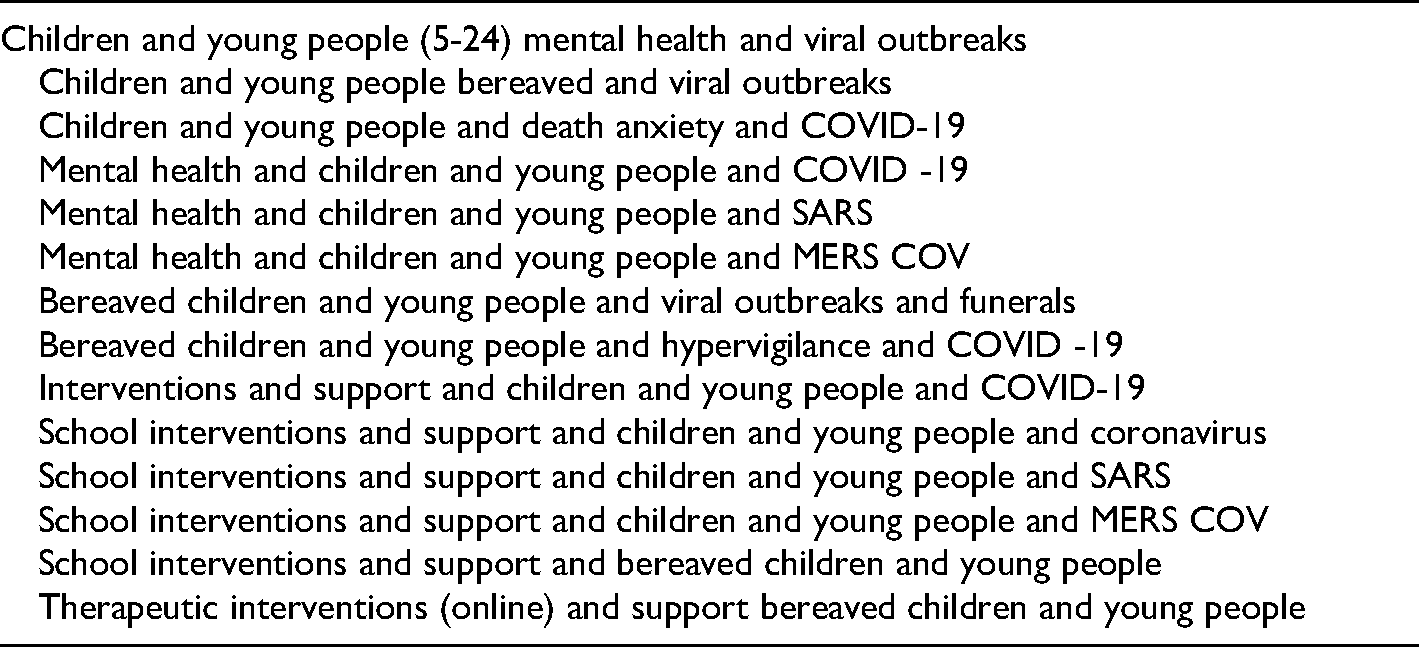
A full citation and reference search have been conducted for any papers included in the final review. An example of the search strategy for the Google scholar database is outlined below. (Table 1)
Example of search strategy (Google Scholar).
Study Selection
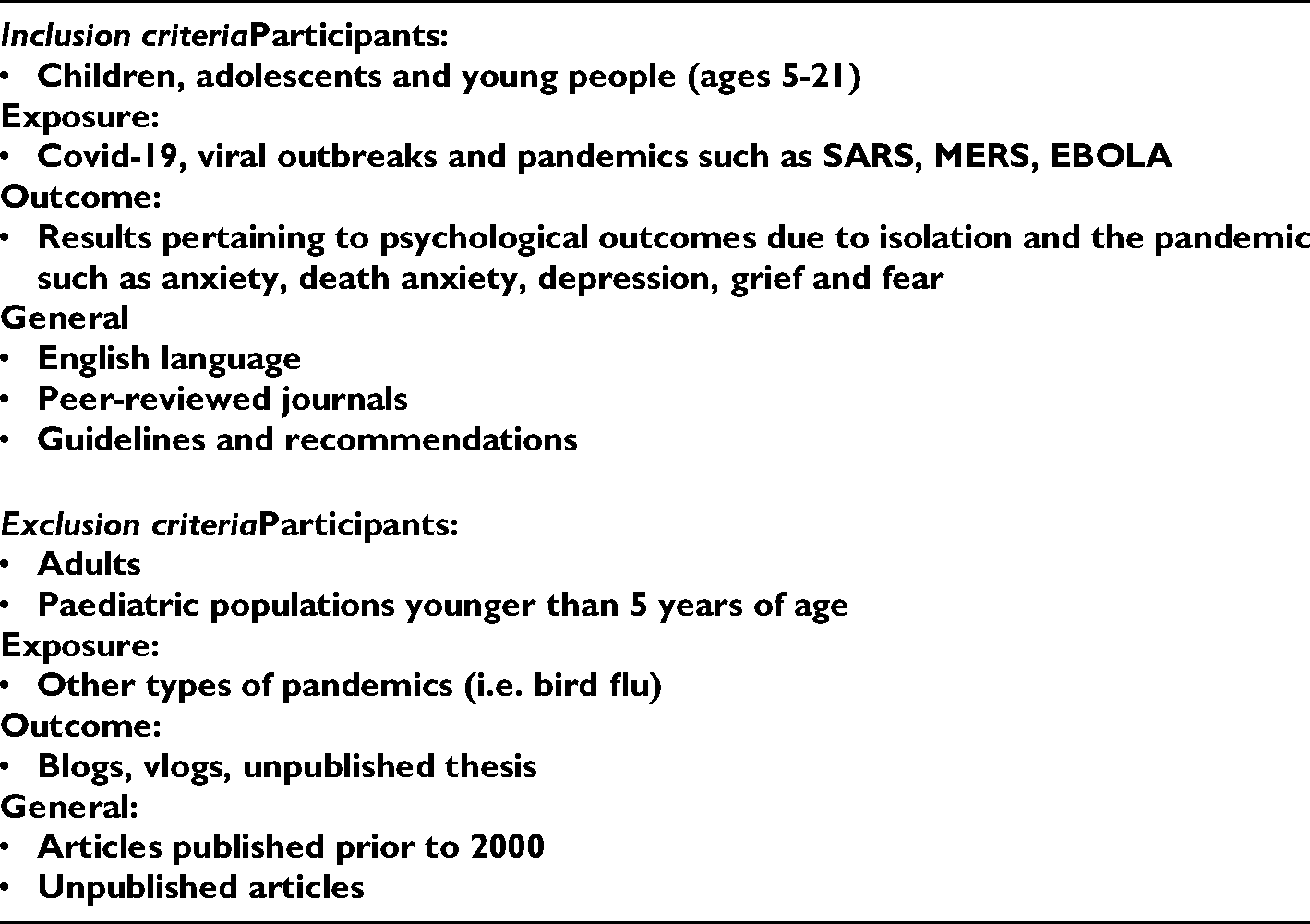
The selection process is outlined in Figure 1. It shows the search was conducted in four phases; identification of papers, screening, eligibility and inclusion. First, all potential studies were identified in five databases by using the search strategy outlined previously. After removing duplicates, titles and abstracts were selected for initial screening. Based on the inclusion and exclusion criteria as outlined in Table 2, two authors (KJ and KS) independently assessed the records. Any disagreements were discussed with the other author (SM). Two authors (KJ and KS) assessed the remaining records and retained titles and abstracts that fit with the inclusion criteria. Remaining articles (n-16) were again reviewed by two authors (KJ and KS), with the full papers being assessed for final inclusion in this review. Finally, the reference lists of these papers were screened for any additional relevant studies.
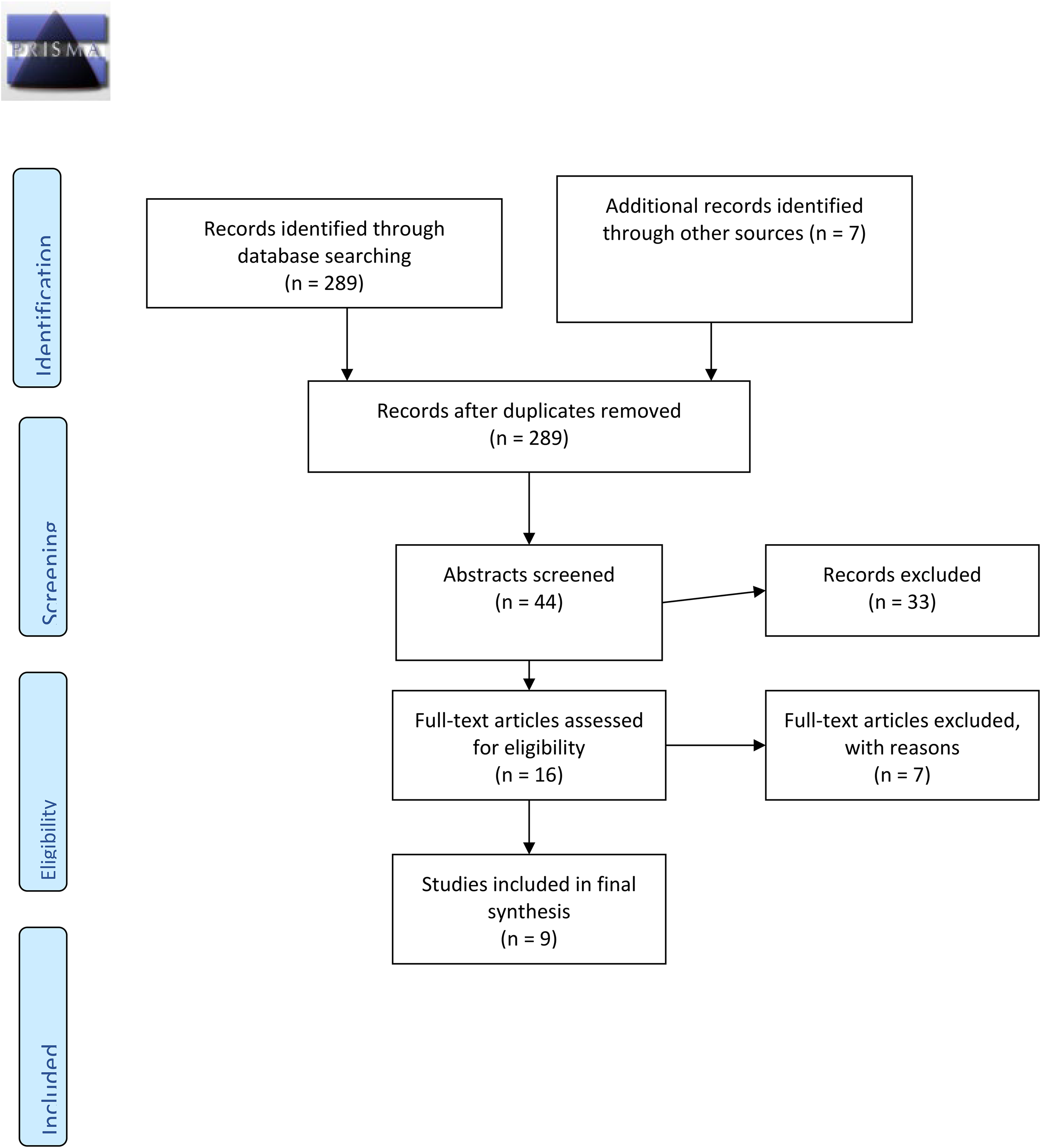
Literature selection process (Prisma flow diagram).
Inclusion and exclusion criteria.
The methodological quality of the included studies was then assessed using the Mixed Methods Appraisal Tool (MMAT) (Hong et al., 2018). This tool enabled an appraisal of the quality of qualitative, quantitative and mixed method studies. Through the critical appraisal of the included studies, it was found that some studies had gaps in methodological quality and reported findings but did contain contextually rich details that contributed to the overall narrative synthesis. For example, while no papers were excluded at this stage several papers scored low being retrospective in design. While the assessment of the quality of the studies was not a part of the selection criteria it was used as a means to obtain further details of the quality of the included studies.
Data Extraction and Analysis
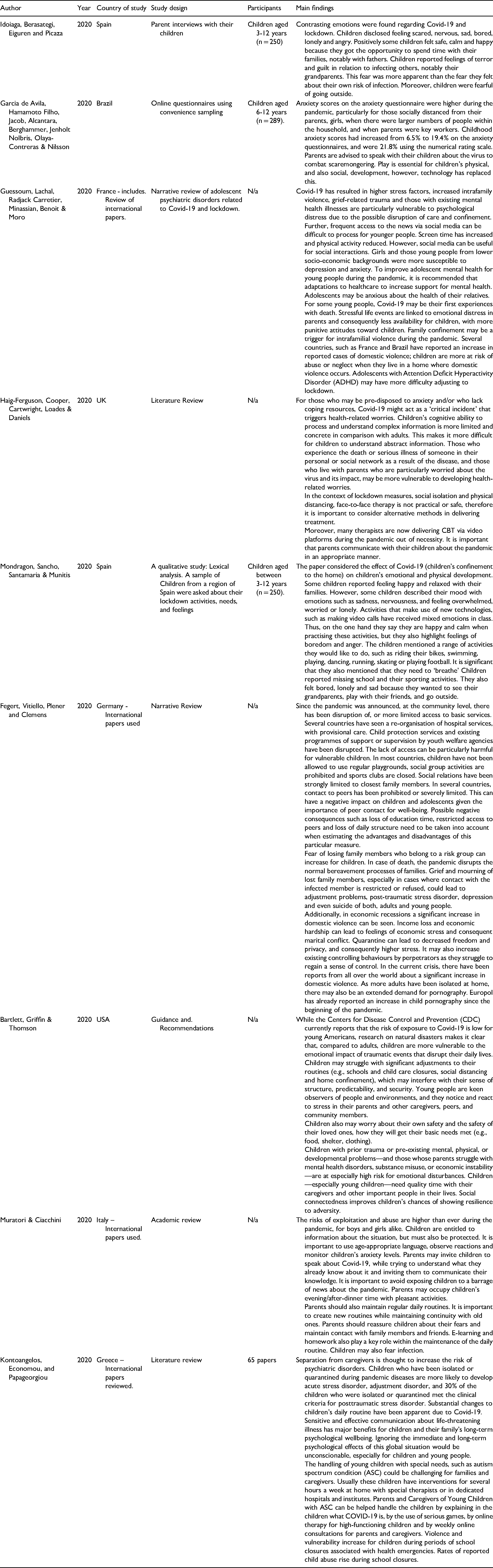
An outline of included studies, including the study aims and key findings as detailed in the included papers are presented in Table 3. Information about psychological outcomes, as well as other factors such as isolation, confinement and impact of social distancing on children and young people during viral outbreaks were extracted using thematic synthesis (Thomas & Harden, 2008). One of the authors (KJ), coded the results section of included studies and grouped the codes into themes. A second author (KS) checked for consistency in categorisation of inductively coded results. In any case of uncertainty or disagreement, the other author (SM) was consulted. The final list of codes and themes were agreed upon by the authors. The results section in this review is structured according to the final themes identified which concern the emotional and psychological responses of children and young people during the COVID-19 pandemic.
Quality assessment grades for included studies.
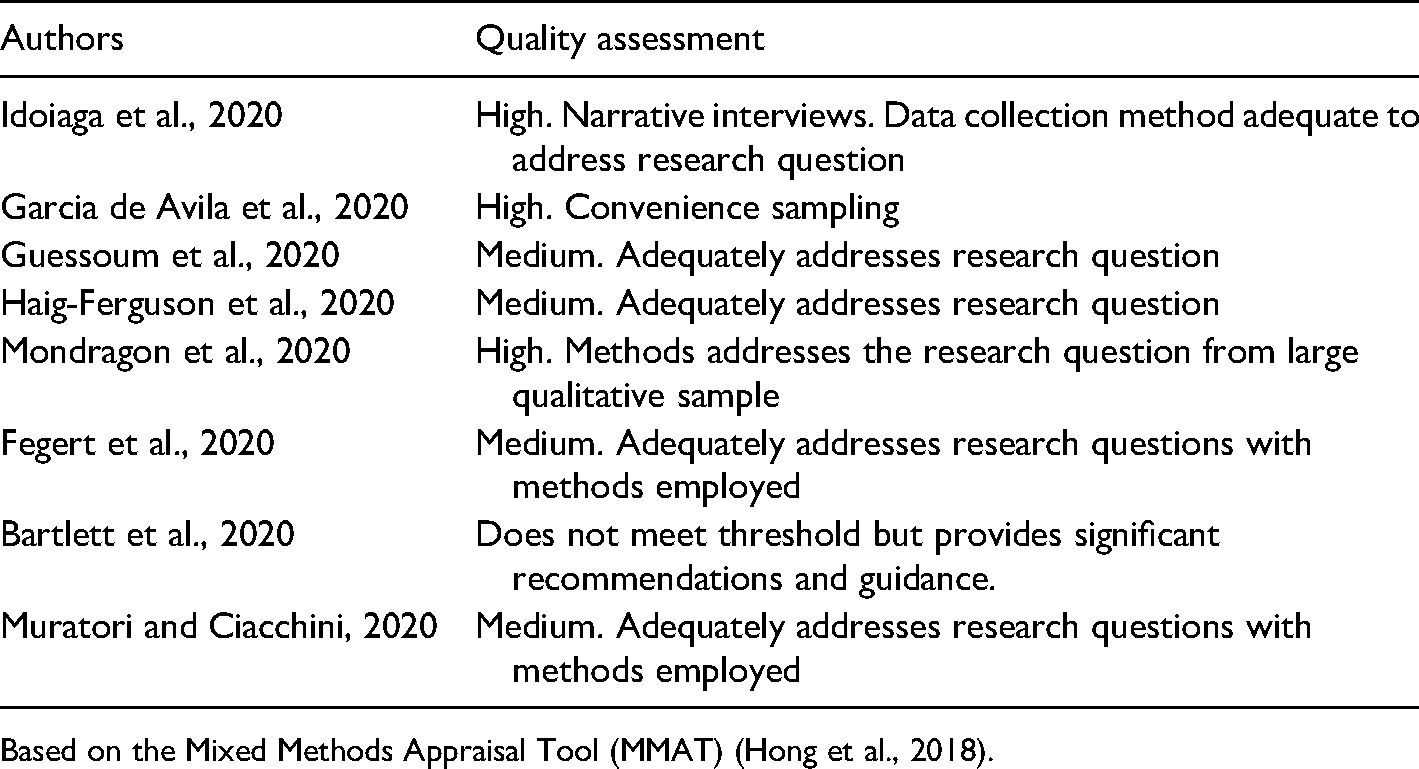
Based on the Mixed Methods Appraisal Tool (MMAT) (Hong et al., 2018).
Thematic Synthesis
The synthesis was undertaken in three stages. The findings from the studies were manually colour coded line by line and organised into related areas to construct descriptive themes and to the development of analytical themes. In stages one and two in the coding of text and developing descriptive themes we extracted and synthesise findings according to our review which aimed to explore the impact of the pandemic on the psychological emotional and death anxiety experiences of the pandemic on children and young people. There were nine relevant studies exploring such experiences. The verbatim findings and quotes were entered onto a document with two reviewers independently coding each line in the text according to its meaning and content. Undertaking the line-by-line coding enabled us to translate the concepts from one study to another (Thomas & Harden, 2008). Each sentence had one code applied and some overlapped (e.g. children experience death anxiety which is exacerbated by separation from family and friends as well as fear of becoming infected and infecting others especially vulnerable older adults). Prior to finalising we further examined the text which had a given code to check for consistency in interpretation and to see if additional levels of coding were required. Reviewers looked for similarities and differences in order to start grouping.
To this point we had generated a synthesis which remained close to the original findings of the studies. The final stage resulted in combining the findings of each study via a listing of themes regarding children's emotional and psychological responses to the pandemic. We did not generate additional concepts beyond those of the findings of the study. We recognise that this stage of the synthesis is dependent upon the judgement and insight of reviewers. Reviewers inferred what was experienced by children and young people based on their perspectives as captured by the descriptive themes, and the implications of these experiences. Each reviewer conducted this independently and then together. Through a discussion with reviewers, analytical themes emerged. For example, two of the descriptive themes concerned death anxiety (guilt and fear of infecting vulnerable older adults). From these, reviewers inferred other causes of death anxiety. Rather than fear of dying themselves, children were concerned about potentially infecting others which caused death anxiety due to the fear of loss of loved ones. We captured this line of argument under the theme of death anxiety and stressors. Altogether this process resulted in the generation of seven themes which were associated with children and young people's experience of the pandemic
Results
Searches were performed between September and November 2020. The literature selection process is outlined in Figure 1. The database search generated 289 records, of which 9 studies were selected for final inclusion and analysis. Screening of the reference lists did not result in identifying or selecting any new records.
Characteristics of Included Studies
Nine studies met the inclusion criteria as outlined in Table 3. These studies were conducted in nine different countries, Germany, Italy, USA, Sweden, Greece, Canada, France, Spain and the UK. The authors stated that due to social distancing restrictions, studies were conducted remotely (i.e. using surveys as opposed to face to face interviews) with data obtained from children and young people (i.e. surveys) (de Avila et al., 2020; Idoiaga et al., 2020). In one study (Idoiaga et al., 2020), questionnaires were sent to all schools in the Basque Country region and schools were asked to forward questionnaires to parents. Another study utilised a Google Forms platform, WhatsApp, Twitter, Facebook and Instagram to distribute their survey.
A variety of study designs were employed including 2 qualitative studies (Idoiaga et al., 2020; Mondragon et al., 2020), two literature reviews (Haig-Ferguson et al., 2020; Kontoangelos et al., 2020) exploring the psychological impact of COVID-19 on children and young people. Two narrative reviews (Fegert et al., 2020; Guessoum et al., 2020) were undertaken while one was a quantitative study (de Avila et al., 2020) which assessed the treatment of health related worries in children and young people in the context of the COVID-19 pandemic. A further two papers provided guidance and recommendations to support children and young people during pandemics (Bartlett et al., 2020; Muratori & Ciacchini, 2020).(Table 4)
Overview of study characteristics ILC KJ.
Themes
This review generated several themes including the psychological and emotional responses to COVID-19 by children and young people. Studies reported on death anxiety and fear of infection the impact of separation from family and social distancing as well as a lack of routine. Despite, the reported negative effects of the pandemic on the mental health of children and young people a further theme identified access to mental health support services can be limited during such times. Other themes identified included the positive and negative impact of spending increasing amount of time at home and concern that children and young people are subject to domestic violence.
Death Anxiety and Stressors
Guessoum et al. (2020) found the ubiquitous nature of death at this time had a significant impact on adolescent insecurity. For some young people, the frequency of deaths linked with COVID-19 are their first experiences with loss. In addition, they recognise that infected individuals dying unaccompanied in their last moments, the lack of opportunity to visit hospitals, and restrictions on funerals will be traumatic for adolescents affected. Further, adolescents with a history of depression may be exposed to prolonged psychological suffering when a sudden loss of a parent is experienced. Fegert et al. (2020) proclaim that the possibility of losing family members and friends are significant stressors affecting young people during COVID-19. Further, the fear of losing family members can increase when they belong to an at-risk group.
The pandemic also disrupts the normal grieving processes for families. Mourning of lost family members, especially in cases where contact with the infected member is restricted or refused, is linked to adjustment problems, depression, post-traumatic stress disorder, and even suicide in adults and young people. Haig-Ferguson et al. (2020) state that those who experience the death or serious illness of someone in their personal or social network as a result of COVID-19, may be more vulnerable to developing health-related anxiety.
Idoiaga et al. (2020) note from their questionnaires that COVID-19 evokes feelings of fear, and even terror in children. This fear is mainly associated with the possibility and guilt of infecting others, notably their grandparents. This fear was more apparent than the fear held regarding catching the virus themselves, as one child states: “It doesn’t hurt children, but we can infect our grandparents and that scares me and that's why we can’t go to their house” (2020:, p. 4).
Social Distancing
Social distancing measures in several countries have caused additional stressors in children and young people's lives. Guessoum et al. (2020) in their narrative review conducted within the UK, note that in normal times, excessive social withdrawal is considered a symptom of mental health illness. However, during the pandemic, social withdrawal has been compulsory, thus adolescents are experiencing a new period of insecurity due to the sudden separation from friends and school peers. Indeed, a literature review conducted by Muratori and Ciacchini (2020) in Italy highlighted that the transitions required due to COVID-19, including school closures, have meant that children are out of their regular routines. Thus, they have little or no contact with their school friends or peers. They also acknowledge the lack of play opportunities for children during these times.
Similarly, Fegert et al. (2020) in their narrative review, proclaim that due to closures of leisure activities, social groups, playgrounds and sports clubs, social relations have been restricted to closest family members only. In several countries, contact with peers has been prohibited or significantly controlled, and this can have a negative impact on children and adolescents given the importance of peer contact for young people's mental health and well-being. They stress that possible negative consequences of restricting access to peers need to be taken into account when estimating the advantages and disadvantages of restrictions. School closures have led to home-schooling and families have also had no access to childcare from extended family, notably grandparents. Thus, family connections and support have been disrupted for many children.
Lack of Routine
Given the restrictions brought about through social distancing measures, children and young people's routines have been interrupted and has proved consequential for their well-being. Bartlett et al. (2020) note that children may struggle with significant adjustments to their routines, including school and childcare closures, home confinement and social distancing, which may interfere with their sense of predictability, structure and security. Fegert et al. (2020) states that this loss of daily routine needs to be taken into account when considering the advantages and disadvantages of lockdown. Muratori and Ciacchini (2020) discuss how children's daily routines are disrupted by COVID-19, and recommend parents should maintain, as far as possible, regular schedules, including time to relax. School closures and the prohibition of play with other children represent a significant change in children's normal routines.
It is therefore important to create new routines while maintaining continuity with old ones. Online learning and homework can play a key role within the maintenance of a daily routine. Idoiaga et al. (2020) highlighted the positive aspects of staying at home for children, including feeling ‘happy’, ‘calm’ and ‘safe’ with their families. Indeed, one child aged 7 states: “The virus can’t get into my house so I am safe here and I don’t want to go out. Besides, I am happy to play with my family a lot” (Idoiaga et al., 2020, pp. 4–5) “I am happy and calm because I like to be with my father and mother and we do many things that I like, and at home we are safe”. (Idoiaga et al., 2020, p. 5).
Indeed, Bartlett et al. (2020) working in the US, produced a guidance and recommendations document, noting that children, especially young children, need quality time with their caregivers and other important people in their lives, and social connectedness improves a child's chances of displaying resilience during periods of adversity.
Separation from Family and Friends
Many of the studies reported separation from family and friends during the COVID-19 pandemic was associated with increased anxiety and insecurity for young people. From their exploratory study on anxiety utilising questionnaires with 289 children (aged between 6–12 years) in Brazil, Garcia de Avila et al. (2020) purport higher anxiety levels in children who have been separated from their caregivers due to social distancing, including parents working as key workers.
Moreover, a study conducted by Mondragon et al. (2020) involving qualitative surveys with 250 children (aged between 3–12 years) in a region in Spain, also identified that children reported feeling ‘lonely’, ‘bored’ and ‘sad’ during the pandemic due to losing social interactions, notably, with extended family, including grandparents who were also care givers. The consequences of enforced separation were noted by Kontoangelos et al. (2020) literature review, of 65 international papers. They found that children's separation from caregivers might even increase the risk of psychiatric disorders. They also note that children forced to isolate, or quarantine, have an increased risk of developing acute stress disorder, adjustment disorder, and some children meet the clinical criteria for posttraumatic stress disorder. However, during the pandemic, children's access to mental health, and other healthcare services are limited. This is discussed in our next theme.
Lack of Access to Support for Mental Health Illness and Disabilities
Bartlett et al. (2020) found that children with pre-existing mental, physical, or developmental issues are at especially high risk for emotional disturbances during the pandemic. In relation to mental health specifically, a review by Haig-Ferguson et al. (2020) conducted in the UK, found that for some children, particularly those who may be pre-disposed to anxiety and/or who lack coping resources, COVID-19 might act as a ‘critical incident’ that triggers health-related anxiety. As opposed to ‘normal’ health anxiety, these children experience distressing and debilitating anxious thoughts. Further, those children who live with parents with mental illness(es) may model anxious behaviour, or may receive reduced parental support to cope with their own anxiety. This review also states that due to lockdown measures, social isolation and physical distancing, face-to-face therapy is not deemed practical or safe, therefore it is important to consider alternative methods in delivering treatment. For example, the delivery of CBT via video platforms. In response to the pandemic, the British Psychological Society (BPS) (Cowie & Myers, 2021) have produced guidance on online modes of intervention and recommends working creatively but consistently with children via video calls - ensuring privacy, being alert and prepared to respond to signs of distress.
Use of Technology/Screen Time
Technology usage has increased in times of COVID-19 (Garcia de Avila et al., 2020; Guessoum et al., 2020; Mondragon et al., 2020), and has reportedly replaced play and other physical activity according to Garcia de Avila et al. (2020). Mondragon et al. (2020) provide examples of popular screen time activities, including watching TV, playing with smartphones and video games, and making video calls. Their paper discusses the positive and negative factors associated with such technologies, some children disclosing that they feel happy and calm using technology. Others expressing feelings of boredom, and even anger. Muratori and Ciacchini (2020) address the positives of e-learning, in that it can play a key role in maintaining a daily routine. However, they also note that many children struggle with distance learning, including the increased screen time, issues with distraction and lower levels of attention.
Domestic Violence and Abuse
The increased time spent at home for children has also been linked to increased incidences of domestic violence and abuse by several papers. Kontoangelos et al. (2020) purport that school closures and health emergencies are linked to a rise in violence, and increased rates of reported child abuse is well evidenced. Increased stress, fear and media hype are also found to challenge the capacity for tolerance and long-term thinking within families, leading to increased cases of abuse and domestic violence. Within their narrative review, Guessoum et al. (2020) discuss issues related to home confinement and stressful life events, linking emotional distress in parents with less availability for their children, punitive behaviours and a trigger for intrafamilial violence. They state that several countries, including France and Brazil report increased cases of domestic violence.
Children who live in a home where domestic violence occurs, are also more at risk of abuse or neglect. Bartlett et al. (2020) also address that some children may worry about their physical needs being met. Fegert et al. (2020) also comment on increased global incidence of domestic violence, relating this specially to increased stress caused by economic hardships, reduced privacy and freedom during quarantine. Quarantine is also linked to an increase in perpetrator's existing domineering behaviours as they struggle to regain a sense of control. Furthermore, victim's exposure to perpetrators is increased, and the possibility of temporary escape is reduced.
Although research in this area is scarce, Guessoum et al. (2020) anticipate that adolescents, particularly adolescent girls, are a population at risk of enduring violence during the COVID-19 pandemic. Lockdown and school closures result in the vigilance of professionals or other adults who may have spotted children's distress being absent. Muratori & Ciacchini; (2020) review also noted the increased risk of exploitation and abuse for children during the pandemic. However, in contrast to Guessoum et al. (2020), they found the risk was increased for both boys and girls alike. Worryingly, Europol has also reported an increase in the use of child pornography since the beginning of Covid-19. With disruption to child protection services, vulnerable children are at risk of harm.
Discussion
The risk of death to COVID-19 is low for young people, however, as this review has shown they are potentially more vulnerable to the emotional impact of traumatic events that disrupt their daily lives (Bartlett et al., 2020). Interaction and communication with friends outside of school, play and peer activities have been severely restricted, these activities are essential for the growth, learning and development of any young mind (UNESCO, 2020a). Various professional groups, including pediatricians, psychologists and educators, have all warned of the consequences of confinement on children and young people's mental health, this is supported by the evidence presented in the review articles included here (Grechyna, 2020; Jiloha, 2020; Leon, 2020).
Of those children most at risk are; those with a pre-existing mental health condition; young children (while their brain is still developing); and adolescents (Haig-Ferguson et al., 2020; Imran et al., 2020a, 2020b; UNESCO, 2020b).
While mental illness can affect a child at any stage of their development, it can significantly impact during adolescence, with depression being one of the major leading causes of mental illness in children and adolescents (WHO, 202°c). This review demonstrated that this age group may also be badly affected by the pandemic. In general, children and young people who are exposed to high levels of stress and isolation, or those who experience death anxiety (their own death or those of a loved one due to the virus) are particularly vulnerable to developing panic attacks, depression and other mental illnesses (de Avila, 2020; Kontoangelos et al., 2020). If left untreated, a child's mental development can be drastically impacted, in turn this can determine the outcome of a child's educational achievement and their ability to lead fulfilling and productive lives (Muratori & Ciacchini, 2020). It therefore important that support services are properly resourced to tackle any immediate support needs. This will prevent a longer-term mental health crisis.
However, as the impact of the pandemic continues a major challenge during the current pandemic has been that the usual support mechanisms in place to help children and young people have been diminished or absent. However, it is clear that many services can be still delivered even during lockdown, for example a number of online resources have been developed for children, young people and their families and which previously would have been provided by a health care provider (Dundas et al., 2020; WHO 2020b). Physical distancing measures have mandated the use of internet-based interventions and a rapid uptake of telepsychiatry, for example through facilitated internet-based group therapy (Courtney et al., 2020). Such groups provide an opportunity of increased social contact among young people who have lost the time to interact with peers (Guessoum et al., 2020).
However, despite the multiple threats to the mental health of children and young people, this review shows that the current pandemic also provides opportunities. In some cases, the evidence presented here showed that children enjoyed the extra time at home with their primary caregivers. Increased time with protective care givers can strengthen a young person's resilience (Herrman et al., 2011). Furthermore, mastering the challenges associated with the pandemic can lead to personal growth and development, which in turn reinforces a sense of competence and acts as a protective factor for coping with stressors in the future (Zoellner & Maercker, 2006). Parents and care givers would also benefit by knowing that responses to the pandemic can vary from child to child based on their understanding of the world and their age. This knowledge can help them to support their child's understanding. Indeed, Bartlett et al. (2020) recommended adopting various approaches to support children and young people including providing age appropriate information, providing reassurance, routine and to help children to engage in exercise, calming activities such as deep breathing and mindfulness.
Conclusion
It is our assessment that the evidence base for pandemic impact on children and young people is very limited. This is not surprising given the alacrity with which it emerged. However, it is important that we remain vigilant to the emerging consequences of the pandemic and the lockdown on this vulnerable group. A major challenge following the pandemic will be to deal with the sequalae including the re-organisation of family life and possibly loss of family members and friends and other losses such as employment. Negative changes in macroeconomies are directly associated with negative parental behaviour (Lee et al., 2013). For children and young people, themselves, the pressure to catch up in school may feel overwhelming together with the possibility of receiving harsh parenting.
It is imperative therefore that in the longer term, we quickly re-establish and re-organise services that have ceased temporarily including access to medical services, child protection services and support to children and families. Providing adequate and responsive services is essential to mitigate the long-term impact of the pandemic for children and young people.
Strengths and Limitations
This study fills the gap in our understanding of the impact of the Covid-19 pandemic on children and young people in terms of their emotional and psychological experiences. Indeed presently, there have been no conclusive studies of the impact of quarantine and isolation on children and adolescents which measures the impact on the mental health of children and adolescents. However, it is likely that the impact of COVID-19 may be comparable to MERS and SARS. As a scoping review, we were able to conduct a broader search of the literature to capture children and young people's experience of the pandemic. However, we recognise that a part of the synthesis was dependent upon the judgement and insight of reviewers with inferences made. Reviewers however, did base these judgements based on children and young people's perspectives. Future studies could be more robust in design and draw deeper links to spiritual and existential wellbeing and how this affects children and young people's sense of meaning and purpose in life.
Footnotes
Declaration of Conflicting Interests
The author(s) declared no potential conflicts of interest with respect to the research, authorship, and/or publication of this article.
Funding
The author(s) received no financial support for the research, authorship and/or publication of this article.
