



Abstract
Keywords
According to the World Bank (2017), “Teachers, trainers, and other education personnel are generally considered the single most influential variable in an education system for achieving learning outcomes” (p. 131). Researchers have suggested, however, that many educators hold inaccurate or incomplete beliefs about poverty. These beliefs can lead to them stereotyping students living in poverty (Gorski, 2008; Haberman, 2010; Ladson-Billings, 2006). As Haberman (2010) explained, biases and stereotyping can influence a teachers’ interactions with and expectations for their students in the classroom; he suggested that a teacher's distorted perspective on poverty creates a “pedagogy of poverty” (p. x). That is a pedagogical approach whereby the teachers distorted beliefs and values of students from poverty aligns with transmissive and passive teaching approaches that inhibits children's active learning.
In contexts like Ontario, Canada, where hundreds of thousands of children live in poverty (Ontario Campaign 2020), teachers who stereotype students living in poverty will likely negatively influence student outcomes. As such, it is crucial that teacher candidates (TCs) are aware of how they perceive poverty and how this perception may influence their teaching and interactions with students and families (Loewus, 2017). Poverty simulations have been proven to be an effective way for to expand one's knowledge about poverty (Browne & Roll, 2016; Ullucci & Howard, 2015), as they provide an experiential learning opportunity to explore a critical social issue that many educators will face in their teaching careers. Even though some scholars have cautioned that simulations can be somewhat ineffective if implemented without critical consideration or measurement of long-term learning (Browne & Roll, 2016), there is evidence that they can help expose inaccurate knowledge or biases about poverty, and reveal changes that educators can implement in their attitudes about and perspectives on poverty (Rice et al., 2017; Vandsburger et al., 2010; Yang et al., 2014). The objective of this study was to investigate whether a poverty simulation was an effective catalyst for transformative learning, a viable method to support our TCs in becoming more cognizant of misconceptions about poverty, to document their understanding of poverty, and to identify areas for further professional growth. The findings indicated that there was a change in understanding and perspectives among the TCs. Although the data indicates that poverty simulations can be an effective experiential learning opportunity as a catalyst for change in perspective, it is important to acknowledge that this does not automatically lead to changes in behaviors or actions. Recommendations for other teacher education programs were offered for implementing similar experiential learning opportunities.
Background
Although Canada is considered a wealthy country, poverty does exist and continues to rise incrementally. According to Canada Without Poverty (2022) , an organization working against poverty in Canada since 1971, nearly five million people in Canada—one out of every seven individuals—currently live in poverty. Their most recent data demonstrates that the rate of child and family poverty continues to be unacceptably high, with 1,356,980 children living in families with after-tax income below the Census Family Low Income Measure, After Tax. This represents 18.6% of children under 18 experiencing poverty, and 19.6% of preschool children under 6. Poverty is a widespread issue across the country, with vulnerable groups such as people living with disabilities, single parents, elderly individuals, youth, and racialized communities 1 being more susceptible. Schools are inevitably affected by the countries rising poverty rate and other economically marginalized populations. Statistically speaking, educators will likely need to support students and families in their schools who are living in economically precarious situations.
Poverty Simulations
As mentioned earlier, poverty simulations can appear to be an effective experiential learning approach. Existing literature has documented significant improvements in (a) attitudes toward those living in poverty, (b) the identification of day-to-day challenges, (c) empathy, and (d) knowledge of community resources available to provide assistance (Clarke et al., 2016; Johnson et al., 2015; Menzel et al., 2014; Turk & Colbert, 2018; Yang et al., 2014). Patterson and Hulton (2012) described their use of a poverty simulation as a “creative alternative to [the] clinical practice” (p. 2) typically required of students enrolled in field experience programs such as teacher education. Specifically, poverty simulations have been proven to affect students’ attitudes about poverty (Nickols & Nielsen, 2011), elicit feelings of empathy (Vandsburger et al., 2010), promote an interest in civic engagement (Todd et al., 2011), and engage students in learning about poverty (Murdoch et al., 2014). As well, they have been used to increase students’ awareness of the barriers and frustrations experienced by those living in poverty. Turk and Colbert (2018) determined that they can be used as a part of teacher education programs to integrate the core value of social justice. The simulations take on a variety of forms, such as online roleplay (Bowman et al., 2003), hunger banquets (Harris et al., 2015), and Monopoly-like games (Coghlan, & Huggins, 2004). In Addition, such simulations are considered pragmatic because they are easily implemented (Gilbert et al., 2014; Reed et al., 2005; Rubin, 2000). Together, these studies suggest that simulations are effective simply because they provide a direct, engaging learning experience.
Despite their benefits—for example, providing an opportunity to broach a difficult social topic in a semicontrolled setting (Nagda et al., 2003)—poverty simulations are not without their criticisms and limitations. Breunig (2005) argued that simulations provide an easy alternative to a complex process, with the primary risk being that participants can still be unaware of the political and systemic complexity of poverty and as such still lack the critical attention necessary to understand the underlying biases, assumptions, and traditions of power that make poverty difficult. Similar-minded scholars (e.g., Estes, 2004; Fox, 2008; Hovelynck, 2003; Seaman, 2008; Zink & Dyson, 2009) have suggested that poverty simulations, if used without a critical framework, might perpetuate the systems of oppression they are designed to address. In this respect, it is important to understand the limitations of a poverty simulation for learning about poverty. For example, existing studies (Browne & Roll, 2016; Dudley-Marling, 2015; Garrett-Wright et al., 2021) have not shown improvement in deficit perspectives on those affected by poverty, which can be seen as a testament to the resiliency of participants’ beliefs. Additional evaluations of student attitudes toward poverty following an interactive simulation are needed to further evaluate its effectiveness (Clarke et al., 2016; Menzel et al., 2014). Consequently, poverty simulations should not be a stand-alone experiential learning opportunity: There should be pre/postsimulation activities as opportunities to target the deeper complexities of poverty.
Poverty and Teachers’ Perspectives
Although an extensive body of research has consistently refuted the existence of a “culture of poverty” (Lewis 1966, p. 16), many individuals, including preservice and experienced teachers, still believe myths—both consciously and unconsciously—that those in poverty share several inferior values, including a lack of motivation, an inability to defer gratification, and a poorly defined work ethic, that contribute to their poverty (Amatea et al., 2012; Aragon et al., 2014; Gorski, 2008). Current research on poverty and schools emphasizes how important, as well as difficult, it is for educators to avoid viewing students from low-income families through a deficit lens (Dudley-Marling, 2015; Milner IV et al., 2017). This is referred to as deficit thinking: educators have hidden biases that filter their reality to help explain the conditions of society. For example, educators may unconsciously assign blame to families when their students are not performing. Operating in a deficit framework does not help children who live in poverty or improve their educational opportunities. Haberman (2010) suggested that teachers need to learn how to identify their teaching practices that perpetuate lower student expectations and adjust them. For example, teachers may focus on controlling student behaviors rather than challenging students to take a more active role in their learning. Over time, this could lead to a self-fulfilling prophecy in which students are only motivated to accomplish the lowest levels of performance expected of them by their teachers (Haberman, 2010).
In addition, Ladson-Billings (2006) argued that many individuals still perceive poverty as an act of individualism, which explains why many teachers continue to direct the lack of student success in school toward the individual students and their families while ignoring the systemic challenges and barriers. This individualistic understanding of poverty can result in teachers having negative and stigmatizing views of students in their classrooms who live in poverty (Ullucci & Howard, 2015). These stigmatized views are further confirmed when schools with higher concentrations of families with low socioeconomic status (SES) often perform academically worse than schools in wealthier areas. Consequently, educators can place blame on families and avoid the responsibility of addressing inequities in their perception, the education system, and wider society (Gorski, 2008; Rich et al., 2016).
Ultimately, the role of the teacher is critical. They must have a deep level of understanding about both individual and systemic causes of poverty to dispel deficit thinking about students living in poverty. Developing teachers’ class consciousness would help them identify and reject various poverty myths that could negatively impact their teaching (Ullucci & Howard, 2015), and help reduce practice shock (Delamarter, 2015, p. 1)—unrealistic expectations around teaching that, if left unchecked, can lead to an identity crisis during the first year of teaching. One of the most important challenges for teacher education programs is to support TCs to deepen their knowledge of poverty and move them from an internal, individual-based view of poverty—which includes assumptions that people with poverty backgrounds are unmotivated and have poor work ethic (Gorski, 2008)—to an institutional or structural view of poverty (Ullucci & Howard, 2015). This shift requires intentional learning, unlearning, and relearning among current education and future teachers. To achieve this objective, candidates must be provided with learning opportunities to increase and deepen their understanding of poverty so as to be more capable of effectively teaching and working with students and families who live in poverty. Noguera (2003) suggested three main areas that teachers and schools must address in their effort to create equitable schools for all students: Schools have teachers who know (a) how to teach the students they serve, (b) how to teach across cultural differences and make material relevant, and (c) how to teach in a variety of ways. Working with these three areas teachers adapt their teaching styles to their students. Teachers demonstrate that they care about and have high expectations of their students. Teachers focus on building relationships with children and parents. As well, equitable schools and teachers help parents understand that parental involvement is a key factor in student success and that teacher–parent conferences are important, and they work to make parents feel comfortable at such meetings. Teachers must also understand the reality of how their students live outside the classroom (Brand, 2008, n.p.).
Conceptual Framework
There is a growing interest in pedagogical tools that involve direct learning experiences (Katula & Threnhauser, 1999)—especially evidence-based learning strategies that encourage active participation and develop important skills (Kuh, 2012)—such as service learning (Butin, 2006) and immersion trips (e.g., Plante, Lackey, & Hwang, 2009). Pedagogies such as these require resources that are limited in more traditional academic settings (Butin, 2006). The use of experiential learning is grounded in adult learning theory: The idea that adults are shaped by their experiences and learning is increased by making sense of one's experiences which provides opportunities for participants to learn by doing and experiencing, instead of memorizing facts and figures. Kolb’s (1984) experiential learning theory includes four stages: (a) experience, (b) reflection, (c) generalization, and (d) experimentation. The experience in this study, is TCs’ experiences in a poverty simulation. Reflection, in general, refers to the learners’ process of describing what happened, both internally and externally, during their experience while generalization is the process of using that reflection to make broad statements about the situation beyond the concrete experience. Experimentation, the final stage, is the act of applying generalized statements to a new concrete experience. This study followed the concept of using an experiential learning design (i.e., a poverty simulation) with TCs to answer the research question: was the simulation an effective catalyst for transformative learning about poverty?
Methods
This study used a mixed-method approach to collect both quantitative data (general perceptions of poverty) and qualitative data (specific perceptions about the simulation) (Shorten & Smith, 2017). The research was conducted at an urban university in one of Canada's most diverse cities. The inquiry approach used a standardized face-to-face interactive poverty simulation developed by the Missouri Community Action Network (Missouri CAN) (n.d.) and known as a Community Action Poverty Simulation (CAPS). Missouri CAN's history with the simulation began in the 1970s (first designed by Reform Organization of Welfare [ROWEL]). At this time, it was known as the “welfare simulation” and was designed to demonstrate the difficulty of living on an extremely narrow welfare-based budget. Missouri CAN purchased the copyright in 2002 and revised the kit to reflect current families. In the last 20 years, the simulation was revised to include a homeless shelter, interfaith services, and a community health center.
The CAPS simulation kit was purchased by my institution, Niagara University. The CAPS enables participants to take on the roles of members of up to 26 families, all facing a variety of challenging but typical circumstances. The kit is designed to be implemented with minimal preparation or training for participants and includes all materials required to organize and implement a poverty simulation. As the facilitator and researcher of this simulation, I completed the training and previously participated in multiple roles in four other CAPS prior this one under study. As well, faculty members, volunteer graduate students, and course instructors who performed service roles were gathered prior to the simulation to review the structure of the simulation and the importance of their roles. To preserve the integrity of the US program components (i.e., welfare and food stamps) students were prepped for the differences in language of the US-based CAPS program. Prior to beginning the simulation, all TCs received a briefing on the structure, some guidelines (e.g., to read the instruction packages, the whistle signifies to return to your house, etc.), and an opportunity to ask questions. Approximately 10 min before the start, they were able to familiarize themselves with their family scenario and the content of the packages, which included such things as fake money, identification cards, food stamp vouchers, ownership cards for items such as a watch, a refrigerator, and transportation passes.
During the simulation, TCs role-played the lives of low-income families; these included single parents trying to care for their children and senior citizens. The CAPS was conducted in a large room: The families and their homes were represented by chairs and tables located in the middle and around the perimeter of the room represented the community resources (i.e., bank, school, pawn shop, etc.). The TCs were randomly assigned and seated in family groups. Instructors and volunteers serviced the community resources.
To start the simulation exercise, TCs were randomly assigned a role within a family living in poverty and each family of TC participants was given a card explaining its unique circumstances. The simulation activity represents a typical month in the life of a family living in poverty: four simulated “weeks,” lasting 15 min each, during which each family's goal was to meet basic needs for one month, which included paying bills, providing for children, and aging relatives, meeting unexpected financial and health challenges, working for their assigned employer, or applying for government support, and taking children to school. The entire simulation experience was 3 h in length which included completing the presurvey, an orientation, the 1.5-h simulation, a post-small-group discussion, and an optional postsurvey. Since this study involved human participants an IRB application was submitted and approved by [institution anonymized for review].
Participants
One hundred and thirty-nine TCs participated in the poverty simulation. All candidates were required to participate in the simulation in some capacity as a course requirement; of the 139 participants, 94 voluntarily provided informed consent and participated in the data collection. All candidates were in the third term of their four-term, 2-year teacher education program in Ontario, Canada. All TCs were from an urban area, mostly White, had middle to upper social economic status, and mostly between the ages of 25 and 30 years. For the simulation TCs were randomly divided into two groups; approximately one-half completed the simulation in the morning and the other half in the afternoon. Although the simulation is intended to evoke emotional responses, there were TCs who felt insecure about being a participant in the simulation due to past related trauma. These TCs were provided with an alternative way to participate, which involved working with their course instructor in a business role during the set-up of the simulation.
Data Collection
I used two data collection methods to conduct this mixed-methods study: A quantitative presimulation survey and qualitative postfocus group survey. On the day of and prior to the simulation, TCs completed an online Undergraduate Perceptions of Poverty Tracking Survey (UPPTS). The UPPTS is a quantitative survey designed to obtain a baseline of a participant's attitude toward the poor and highlight areas that need the most attention—namely, those showing the greatest potential for misunderstanding those who live in poverty. The UPPTS was chosen because of the extensive development and validation of the survey and the exploratory factor analysis augmented by random qualitative validation. The survey provides important improvements over other surveys (i.e., attitude toward poverty, Atherton et al., 1993) by giving a more in-depth understanding of the respondent's attitudes and perceptions regarding the poor and in particular significant information regarding the respondent's beliefs about the underlying causes of poverty, their belief/attitudes about welfare and government interventions, and to some extent, a sense of the level of empathy the respondent has for those living in poverty. (Blair et al., 2014, p. 13)
Welfare attitude,
Poor are different,
Do more,
Equal opportunity,
Fundamental rights, and
Lack of resources.
Overall, the UPPTS measures three objectives: (a) general attitudes toward those living in poverty, including a sense of the students’ underlying explanation for why someone may be poor; (b) understanding of and empathy for those living in poverty; and (c) commitment to addressing poverty via direct action or support for programs/services that aid those in poverty (p. 448). Survey responses used the scale: strongly agree (1); agree (2); neutral/no opinion (3); disagree (4); strongly agree (5). Immediately following the 1.5-h poverty simulation and prior to leaving the simulation setting, TCs convened in small group discussion sessions led by one of the course instructors. The course instructor used guided questions (see Appendix A), and the instructors took notes of the TCs responses. In total, seven separate discussion groups were held over the course of the two simulations (morning and afternoon sessions) with approximately 12–15 TC participants in each group.
Data Analysis
Data analysis involved reviewing the quantitative and qualitative data to answer the research question—whether a poverty simulation effectively increased TCs’ understandings of poverty—and understand its significance. The quantitative UPPTS online survey results were compiled using Google Forms and data visualization graphs were produced using Google Sheets to show the response percentages to the six survey factor areas. These graphs are in the findings section. Because numbers do not speak for themselves (Access Alliance & Ministry of Education, 2013), the survey findings were evaluated for central tendency (i.e., the central or average responses) using descriptive analysis: A process of using statistical techniques to describe or summarize a set of data (Bush, 2020). Based on the analysis, I summarized and interpreted the data, relied on previous research, and presented the numerical data. Each of the six factors areas were reviewed and assigned significance and meaning to overall themes.
The group discussion notes represented qualitative data and were read and reread by the researcher. A theme-based four-step approach was implemented and involved (a) identifying content and main themes; (b) assigning codes to the themes; (c) classifying responses under the main content and themes; and (d) integrating themes and responses into the overall findings (Kumar, 2018). Both the survey and group discussion themes are presented in the findings.
Findings and Discussion
The data confirmed several findings like those in previous research on using poverty simulations (Clarke et al., 2016; Menzel et al., 2014; Yang et al., 2014). The findings are presented with two sections: (a) perceptions about poverty before the simulation and (b) what the candidates learned about poverty because of participating in the simulation. Based on the UPPTS that measured participant attitudes and perceptions about poverty before the simulation, the data revealed that responses were mixed, at times contradictory, and depicted some levels of deficit thinking. However, a high percentage of TCs selected the neutral option for each statement. The postgroup discussions clearly demonstrated the candidates’ learning from the simulation; candidates made informed commitments to address poverty via direct actions or suggestions for the teacher education programs to help candidates better support students and families in their future schools.
Perceptions About Poverty Presimulation
The UPPTS first 12 statements were focused on beliefs about people receiving social assistance (welfare):
There is a lot of fraud among welfare recipients. Welfare makes people lazy. Poor people use food stamps wisely. The government spends too much money on poverty programs. Benefits for poor people consume a major part of the federal budget. Welfare mothers have babies to get more money. Welfare recipients should be able to spend their money as they choose. I would support a program that would result in higher taxes to support programs for poor people. People in welfare should be made to work for their benefits. A person receiving welfare should not have a nicer car than I do. Some poor people live better than I do considering all their benefits. An abled-bodied person using food stamps is ripping off the system.
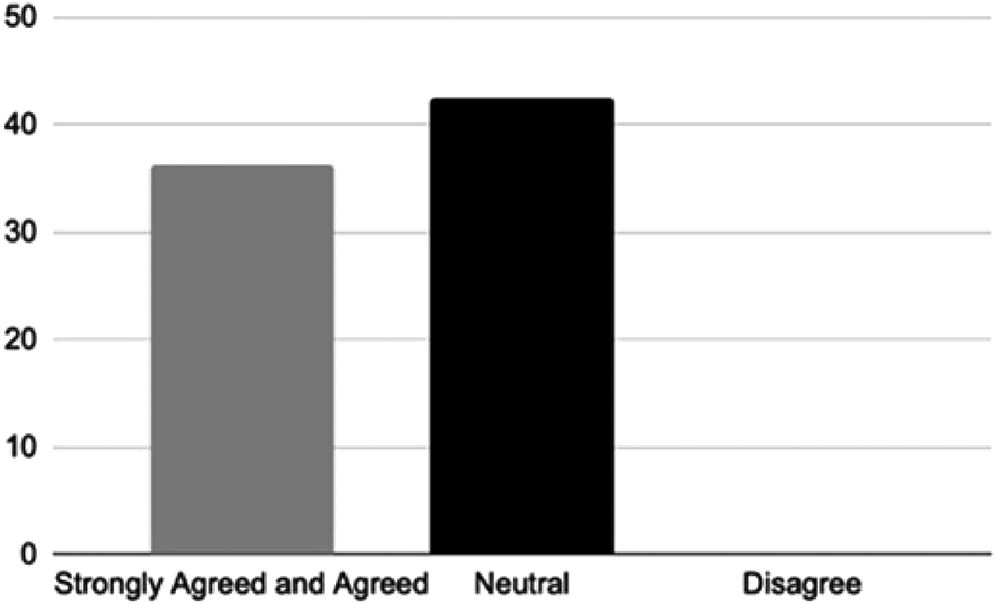
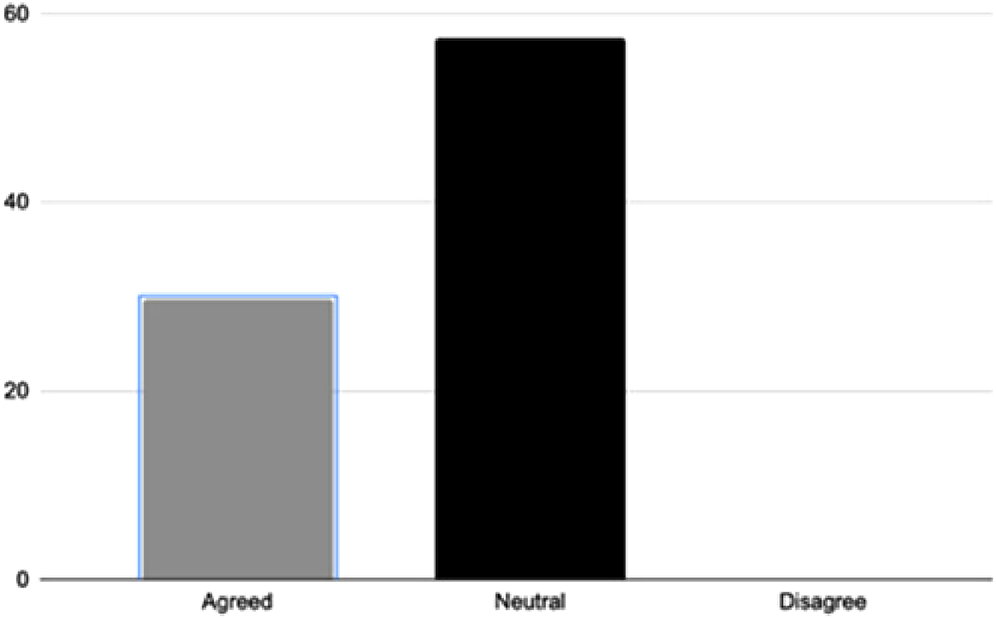
The analysis of TCs’ responses to the 12 statements indicated that they generally held a mostly neutral to deficit attitude toward welfare programs. For example, when presented with a statement about the level of fraud among welfare recipients, 36.2% strongly agreed or agreed and 42.6% indicated neutral; however, when presented with a statement that said poor people use food stamps wisely, TCs indicated a mostly neutral response (57.4%) or agreed (29.8%).
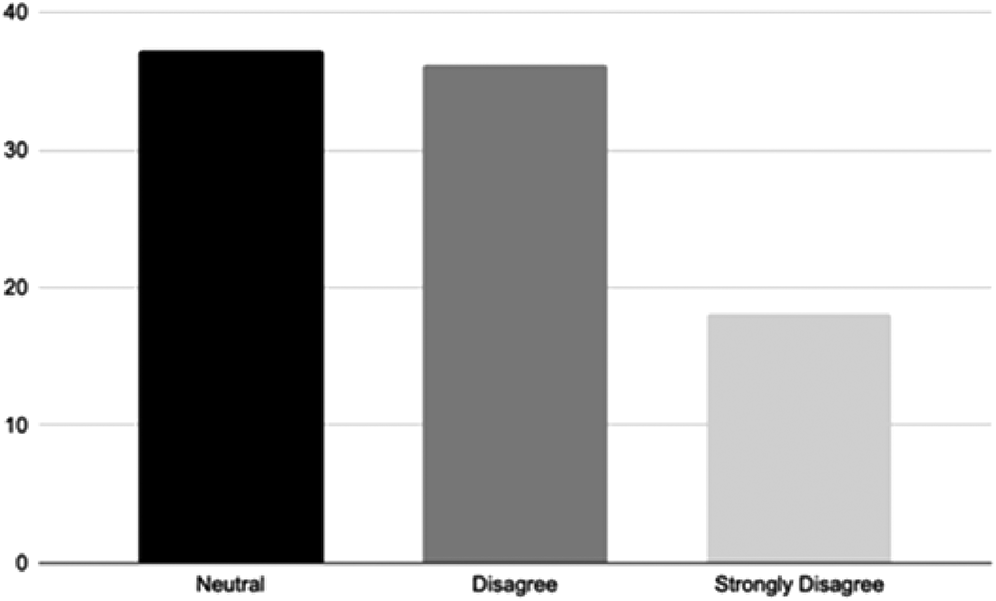
As well, most disagreed (36.2%) and strongly disagreed (18.1%) with the amount of government spending on poverty programs yet would not be willing to have their taxes raised to support more funding and 37.2% were neutral (see graphs below). From these responses, I inferred that TCs were somewhat apprehensive about answering the questions or to exposing their attitude toward people who accept welfare assistance; however, there were also discrepancies. These responses could be explained by the TCs’ lack of understanding about the social assistance system and the effect it has on people experiencing poverty.
Graph 1: The level of fraud among welfare recipients.
Graph 2: Perception of poor people using food stamps wisely.
Graph 3: The amount of government spending on poverty programs.
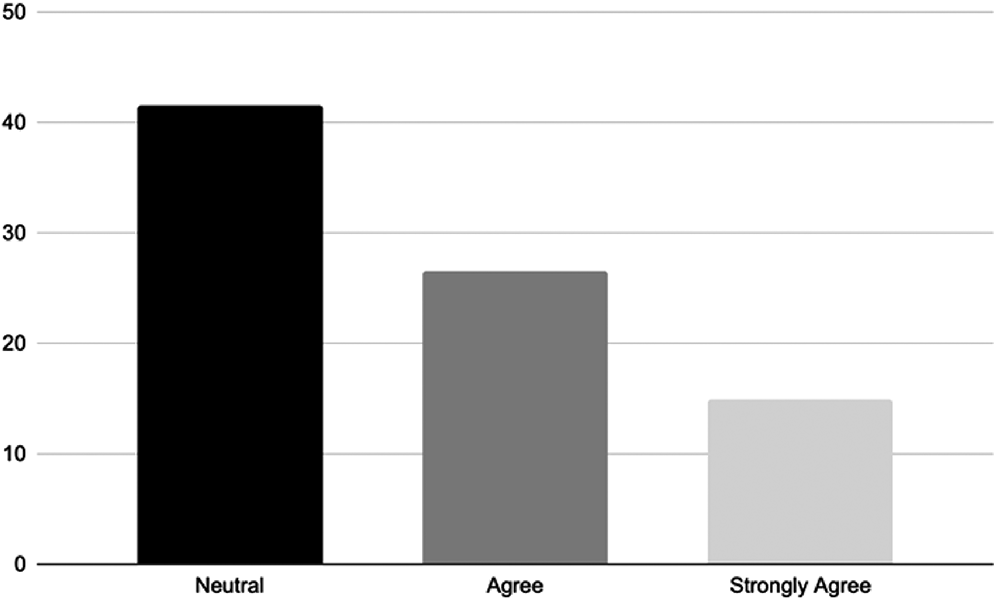
Graph 4: Poor people should not have a nicer car than me.
 .
.
Most notable is that the most selected response overall was neutral. The ambiguity associated with the neutral response could be attributed to TCs admitting their limited exposure to or knowledge about poverty and/or finding themselves somewhere in the middle of the two poles (neither agree nor disagree) (Blair et al., 2014). Regardless, as Chimi and Russell (2009) explained, it represents “a passive default response” (p. 4) that allows TCs to avoid stating their opinion. Consequently, responses to Statement 10—a person receiving welfare should not have a nicer car than I do—were potentially more revealing about TCs’ attitudes toward poor people. Most TCs agreed 41% (14.9% strongly agreed and 26.6% agreed) that poor people should not have a nicer car than them, with 41.5% remaining neutral.
The Factor 2 group contained eight statements designed to determine TCs’ senses of whether the poor are significantly different or “other.” All statements have a negative association with otherness to gauge TCs perceptions:
Poor people act differently. I believe poor people have a different set of values than do other people. Poor people are different from the rest of society. Poor people generally have lower intelligence than non-poor people. Most poor people are dirty. Most people who are poor waste a lot of their time. Being poor is a choice. I believe poor people create their own difficulties.
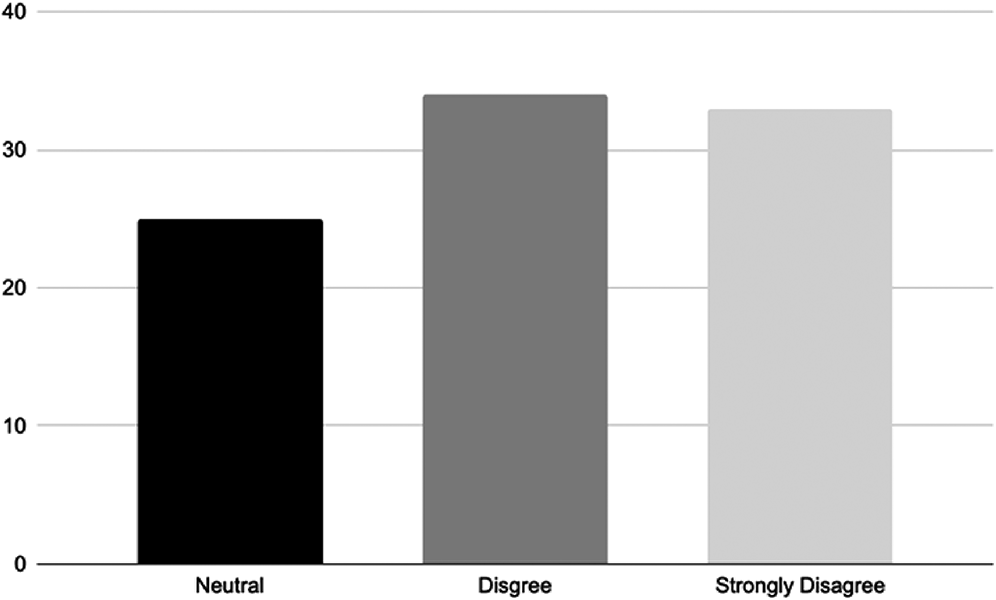
Most TCs disagreed or strongly disagreed with all statements. For example, when presented with a statement saying that poor people acted differently, 17% strongly disagreed and 28.7 disagreed. As well, when responding to the statement that poor people have lower intelligence than non-poor people, 34% disagreed and 33% strongly disagreed. Again, in almost every instance, approximately 25% chose the neutral response.
Graph 5: Poor people have lower intelligence than non-poor people.
 .
.
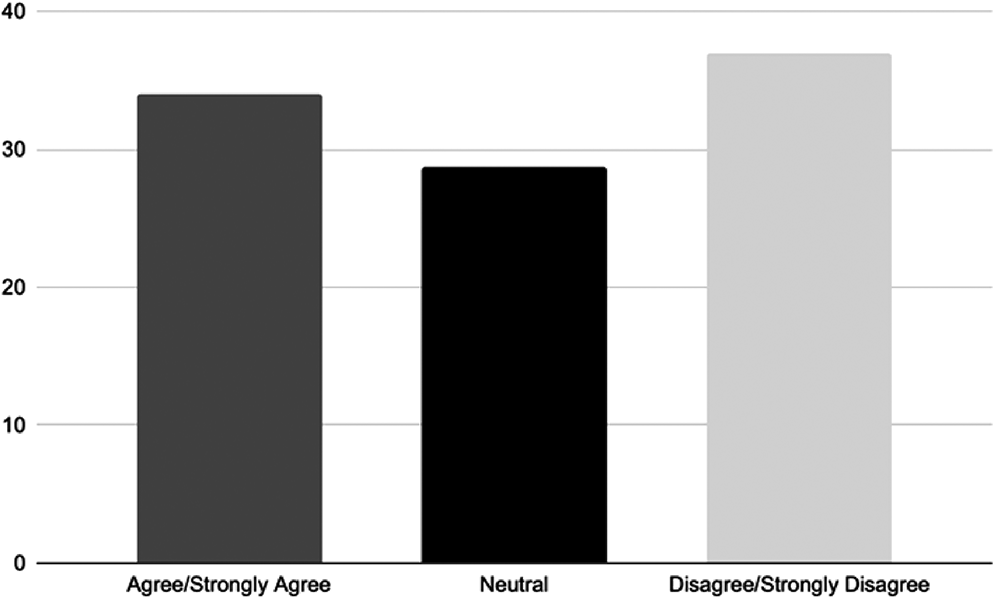
Graph 6: Factor 3 overall responses.
 .
.
Factor 3 had a group of six statements related to the need for institutions and individuals do more to aid with those living in poverty:
The poor have the same opportunities for success as everyone else. If poor people worked harder, they could escape poverty. Any person can get ahead in this country. The poor face challenges that are the same as everyone else. Unemployed poor people could find jobs if they tried harder. Poor people are satisfied receiving welfare.
The most notable finding in the responses to this factor was the increase in neutral responses: The neutral responses are the highest ranging from 35% to 47% except for the first statement (the poor have the same opportunities for success as everyone else), which elicited the most polarized response. Combined, 37% strongly disagreed/disagreed and 34% agreed/strongly agreed with 28.7% being neutral.
Overall, the increased neutral responses could suggest that TCs were conflicted in what they believe a person in poverty could do to improve their situation or the obstacles they would have to overcome. As well, those who felt that the poor were responsible for their outcomes could be inferred that if the poor worked harder (the individual), they could overcome poverty.
Factor 4 had a group of six statements focused on equal opportunities related to the need for institutions and individuals to do more to aid those living in poverty:
Individuals should do more to help the poor. Businesses should do more to help the poor. Society has the responsibility to help poor people. Charities should do more to help the poor. I feel that I could personally make a difference in the lives of the poor. It upsets me to know that people are poor.
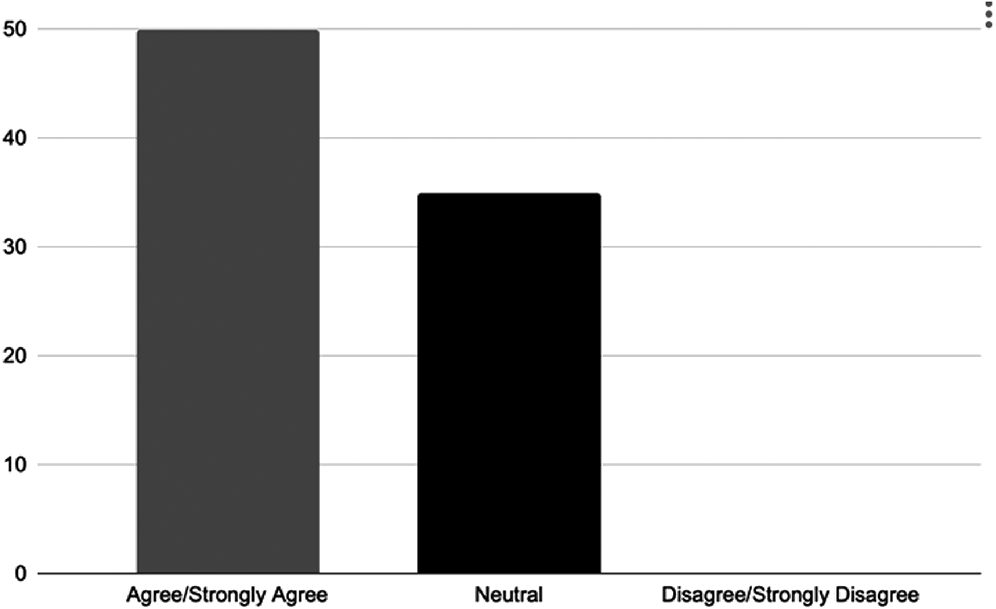
The responses to the first four statements indicated that roughly 50% of the TCs agreed or strongly agreed that individuals, businesses, society, and charities should do more to help the poor, which indicates TCs’ acknowledgment that access to resources and social supports are vital for those living in poverty. However, the neutral response to all statements remained at 35% or higher. The TCs also indicated (49% combined agreed or strongly agreed) that they believe they could personally make a difference in the lives of the poor. This willingness to do more to help the poor and viewing the poor as similar rather than different indicates less cognitive distancing (Lott, 2002) and thus more empathy (Segal, 2007; Weiss, 2006) for those in poverty. However, previous research has indicated a level of caution should be associated with perceptions of willingness. It could demonstrate only what they think they could do but not what they do, which in some ways may mean they could but choose not to (Lott, 2002; Segal, 2007; Weiss, 2006).
Graph 7: Factor 4 overall responses.
 .
.
Factor 5 had three statements focused on a person's fundamental rights:
Everyone regardless of circumstances should have a place to live. Everyone regardless of circumstances should have healthcare. Everyone regardless of circumstances should have enough food to eat.
In the response to the three statements, 80% of the TCs agreed that everyone had fundamental rights to food, shelter, and health care. For example, in the three statements, a combined 80% agreed or strongly agreed. The remaining 25% were neutral.
Factor 6 had four statements focused on whether the poor have the resources or access to the resources needed to change their situation:
Lack of social support is a major challenge for the poor. Lack of childcare is a major challenge for the poor. Lack of education is a major challenge for the poor. Lack of transportation is a major challenge for the poor.
Here again, approximately 37% of TCs responded neutral to all four questions. Many TCs (55%) agreed or strongly agreed that the poor need social support, childcare support, and education support, which indicates acknowledgment that the poor have limited resources and face difficult challenges.
Small Group Postsimulation Discussions
The findings from the small postsimulation group discussions provided insight into what TCs learned from the poverty simulation. The data confirmed that candidates underwent some meaningful changes in their beliefs about poverty. As well, they offered relevant suggestions for next steps for their personal learning and for teacher education programs. The findings were consistent with other studies (Nickols & Nielsen, 2011; Patterson & Hulton, 2012; Yun & Weaver, 2010) that showed participating in a poverty simulation increases participant empathy for people experiencing poverty. Consequently, it raises further questions to determine if increased empathy will lead to appropriate actions from TCs in their future classes among students and families living in poverty? From this simulation study alone, this question is inconclusive, and it highlights further actions and recommendations.
The postgroup discussions supported the quantitative date; it presented that the TCs had a greater awareness of the daily lives associated with families who are managing poverty and demonstrated a deeper sensitivity to the challenges that impact their involvement with the school. For example, TCs were asked to explain what happened to them during the simulation. They reported being robbed, resorting to criminal behavior (i.e., stealing money), being arrested for stealing and spending time in jail, having to leave their children at home alone, being evicted from their house and having nowhere to go, receiving notice that their utilities were disconnected, selling family things for money, never having any time to help anyone, and always having money problems or concerns. The TCs also used the following words to describe how the simulation made them feel: neglected, confused, helpless, depressed, anxious, in survival mode, overwhelmed, stressed, scared, exhausted, angry, frustrated, lonely, taken advantage of, dismissed, out of control, and always busy. According to Kolb’s (1984) adult learning theory these described feelings were shaped by the poverty simulation experience and thus lead to TCs increasing their ability to make sense of their learning by doing.
During the simulation, when TCs had to interact with the provided simulated businesses and services, the volunteers (i.e., faculty members, graduate students, and instructors) running these places followed the provided rules and regulations of operation on what they could and could not do. For example, the bank could not cash paychecks without an account or legal ID, offices closed at specific hours, participants had to present transportation vouchers; otherwise, they would not be served by the business, and so on. The TCs were unaware of these rules beforehand (an intentional process of the simulation), which simulated a lack of social capital necessary to navigate the system, as well as the lack of proper documentation and transportation issues faced by those living in poverty. The TCs again expressed negative emotions around these aspects of the simulation: Feeling that they had no support, they were overwhelmed and distracted with transportation services, that people did not listen or respond to their needs, and that many were rude to them. Many expressed feeling victimized and taken advantage of. As well, they expressed feelings of guilt for having to leave their children home alone to take care of business because they could not afford to pay for the children's transportation as well as their own. They explained that this led them to doing things to survive that they would not normally do (e.g., giving up 30 to 40% their paycheck so that it would be cashed to receive money, stealing or criminal behavior or selling family items). Again, these expressions of feelings demonstrate the effect of the poverty simulation as an experiential learning opportunity for candidates to increase their awareness of the realities of living in poverty. These above responses indicate a bridging effect between misconception and understanding.
The TCs explained that what most surprised them about the simulation was the clear need to always be in survival mode, mostly driven by a lack of money and what they had to do to survive (i.e., steal, leave children home alone, etc.) combined with a need to look out for themselves. Many comments were also focused on how busy they were, the lack of respect they received from authorities/businesses/services, and the diminished trust in people. The TCs were specifically asked if they changed their views about living in poverty and the consensus among all TCs was an increased understanding and empathy about those living in poverty. Other comments described changes in their ideas about why people are living in poverty, reminders to themselves to “check themselves” about their judgments, and heightened understandings of why education is not a priority and why poor people would resort to crime. For most, the biggest take-away was the sense that priorities get distorted while in survival mode (e.g., always concerned about money, which is frustrating) and there always seemed to be a sense of desperation that put them in do-what-it-takes-to-survive mode. Others stated that they should be grateful for their privileged lives that are filled with opportunities and not take them for granted, and that teachers should make more effort to understand what children really need from them and the school.
The TCs’ discussion on what they felt they learned and unlearned about poverty was mostly focused on the connection between personal attributes and systemic conditions. Common examples included new understandings that getting out of poverty and breaking the cycle is difficult, poverty is not always a choice, and external circumstances influence personal choices. The TCs also noted that although it is easy to think of the many services available, having the time to access them is a problem and being in constant survival mode affects a person's ability to pursue change. They also specifically mentioned how those living in poverty are very much “controlled” by institutions such as banks and services, and their family dynamics are different because it includes extended family members which increases responsibilities. All of these above-expressed sentiments confirm that the poverty simulation was an effective experiential learning process as a conscious raising catalyst to prompt further and deeper levels of discussion for preparing TCs for their future teaching context.
The TCs were asked what they thought would be appropriate actions to help people living in poverty suggestions included: increased family planning; better access to services that would help people surpass the systemic barriers created by banks, utilities, and so forth; mental health services; food programs in schools; and creating a mentor or buddy program to help advocate for those who cannot do it for themselves. The overall suggestion was for everyone to learn to be more empathetic. The TCs were also asked what they thought teacher education programs could do better to prepare them for working with students and families in poverty. Their suggestions included:
More emphasis/focus in course work (i.e., an equity course) to increase students’ understanding of, sensitivity to, and empathy for students and their families with low social economic status. This was also coupled with the idea of teaching candidates to be change agents in their future schools—teachers who work to help others understand and remove the barriers faced by those living in poverty and how to give back to the community. Required volunteer time and/or a community placement in agencies such as shelters, after school programs, food banks, and so forth that consistently deal with families with low SES.
Limitations, Implications, and Recommendations
The limitations presented here are not intended to discourage educators from using poverty simulations but rather to highlight some further implications for moving the simulation learning experience beyond a stand-alone opportunity. As stated previously, simulations can produce trivialized reactions and responses; one main limitation of this study was that it relied solely on the poverty simulation to determine changes in perceptions about poverty. More follow-up discussion would have been useful. In retrospect, the study highlighted that more presimulation and postsimulation preparation would have likely been an ideal way to forge more critical conversations about poverty and to unpack the limitations of the simulation itself. Another important limitation is that the simulation alone cannot accurately measure how participation in a poverty simulation will result in future behavioral changes among TCs. In the future, the simulation could be expanded by selecting random participants to examine further changes in behaviors and actions. Despite these limitations, this study's data provide encouraging evidence there was a change in the TCs’ knowledge about living in poverty and I am hopeful that increased awareness of poverty and supporting TCs to develop a stronger sense of empathy will lead to behavioral change. I also believe follow-up work with candidates is necessary, and these efforts might more clearly identify meaningful behavioral changes in the classroom.
As a result of following a specific questioning model, there were no questions that directly asked TCs how the experience prompted them to consider practical ways they could support their students struggling with poverty (Goelman Rice et al., 2017). Future researchers could eliminate this limitation by incorporating discussions based on other studies, such as how to avoid punishing students for things that may be out of their control (e.g., being late to school), how to be more understanding of students’ backgrounds and able to recognize that education may not be the first priority for a child or family struggling with poverty (Rice et al., 2017), and how to develop strategies that can make classrooms more validating for low-income students (Howell, 2014; Irvine et al., 2004).
Recommendations
Although effective, poverty simulations are not meant to be the sole experiential learning opportunity for candidates to increase their awareness about poverty because, like all pedagogical learning activities, simulations have limitations. We recommend caution and due diligence when using simulation as a pedagogical tool. Based on the results from this study, I recommend framing it as a catalyst and one step of many. It is important to note that during the year prior to the study, our College of Education designated one of its strategic goals for faculty and adjuncts to learn more about poverty. To further reduce limitations prior to the simulation, course instructors were asked to have conversations with their candidates about poverty and to continue this same postsimulation.
Although planning and carrying out a poverty simulation in this study was cost efficient—the kit was purchased by the university; space, chairs, and equipment were available for free; and volunteers help set up and organize—simulations in general can be somewhat costly and require preparation beforehand to debunk some of the pre-existing biases that may negatively influence attitudes toward poverty. Without doing so, students may view the simulation as just another course assignment or game where participants may steal or be dishonest (Leslie et al., 2016). Students not taking the simulation seriously would therefore lose the real-world impact and result in a compromised simulation. To broaden the poverty simulation experience, a presimulation discussion or class activities may help differentiate between structural and personal aspects and identify preconceived notions, misconceptions, or stereotypical ideas regarding the personal deficiencies of individuals living in poverty.
These implications and recommendations are a starting point for teacher education programs interested in using poverty simulations. This study has provided empirical support for infusing a greater understanding of poverty into teacher education curricula (Gorski, 2017). However, without consideration of the normative beliefs about experiential learning as a pedagogical tool, simulations might perpetuate the systems of inequality they are designed to address. Therefore, poverty simulations implemented with intention and critical consideration of the experience and continuous ongoing reflection and discussions prior to and after the simulation can engage students in lasting learning about poverty that closes the “attitude-behaviour discrepancy” (Webb and Sheeran, 2006) and positively influence TCs’ attitudes, perceptions, and behaviors (Geng et al., 2017; Howell, 2014; Vermeir and Verbeke, 2006).
Conclusion
Based on the findings, TCs demonstrated evidence of transformative learning from the poverty simulation in a way that was consistent with Kolb’s (1984) experiential learning theory. Overall, the high level of “neutral” responses in this presurvey indicates uncertainty and a lack of knowledge. Therefore, teacher education programs have an opportunity to influence the attitudes and perceptions of candidates by including class activities (i.e., poverty simulations) and exposure to people who are living in poverty to increase knowledge, empathy, and understanding of what it is like to live in poverty, including limitations and barriers associated at the system level for people living in poverty. As Bashaw (2018) explained, education systems in the Western world are increasingly alert to the impact of poverty on students, and therefore it is reasonable for teacher education programs to focus on debunking issues of poverty with future teachers.
As teacher education programs and schools continue to find ways to address the unique challenges that come with serving students and families in poverty, the poverty simulation experience can provide an important, and relatively cost-effective, opportunity for personal and professional learning and growth. Despite the criticism of short, one-time experiential learning activities that are used without critical consideration (Breunig, 2005) and focused on outcome rather than cognitive change (Quay, 2003; Zink & Dyson, 2009), poverty simulations can be a positive learning experience and a catalyst for further learning. The TCs in this study demonstrated an increased awareness of the realities of poverty as well as some understanding of the institutional and structural causes of poverty—all critical for educators to better understand the nature of poverty and the challenges that low-income students face (Jensen, 2009). This study revealed the potential power of poverty simulations.
Footnotes
Declaration of Conflicting Interests
The author(s) declared no potential conflicts of interest with respect to the research, authorship, and/or publication of this article.
Funding
The author(s) received no financial support for the research, authorship, and/or publication of this article.
