



Abstract
We are in the midst of a technological revolution that has the potential to transform management education. The author proposes Virtual Reality (VR) as a pedagogical tool to teach students about workplace harassment. Specifically, this article describes the development and application of two open access VR simulations that are designed to increase students’ awareness of sexism and racism at work. These simulations replicate a complex organizational environment and teach students the skills necessary to intervene when they experience or observe workplace harassment. In addition, they provide students with an opportunity to apply their knowledge in a safe and controlled environment. Data from 25 pilot study participants indicate that the VR simulations are impactful, engaging, immersive, and realistic and are able to evoke students’ emotions during the decision-making process. Finally, this article elaborates on how to use VR in the classroom and discuses its implications for teaching and research.
Keywords
Introduction
Exponential digitalization continues to disrupt and revolutionize all aspects of our lives. For many of us, gone are the days of reading the newspaper on our daily commute to work; now, we use our smart phones to consume media including the news, or we work remotely and skip the commute altogether. Some refer to this embeddedness of technology in modern day society as the Fourth Industrial Revolution (Schwab, 2017) as technology affects most aspects of our lives including how we learn. However, within academia, the adoption and use of new technologies is progressing slowly which negatively affects student engagement, limits their learning, and obstructs the development of important digital literacy skills (Kavanagh et al., 2017). Hence, to help students attain the skills needed to succeed in the future, it is necessary to identify and provide educators with new technological tools that support student learning.
Within the educational domain, management educators have long discussed how multimedia technologies can foster active learning (Alavi et al., 1997; Mikropoulos & Natsis, 2011; Rollag & Billsberry, 2012). Of the different multimedia technologies available, Virtual Reality (VR) has great potential to improve students’ learning experience (Cooper & Thong, 2018; Fällman et al., 1999; Kavanagh et al., 2017; Pantelidis, 1993). VR immerses learners into a rich environment that can either mimic the real world or an artificial space. Within this environment, learners can walk and look around, use virtual features (e.g., pick up a phone, open doors, or write on a whiteboard), and interact with real users or bots (Sherman & Craig, 2003). In doing so, VR creates immersive experiences that connect the body, the brain, and the environment (Alcañiz et al., 2018). Moreover, because VR is able to induce genuine emotions (Bouchard et al., 2008; Diemer et al., 2015; Parsons & Rizzo, 2008; Riva et al., 2007; Robillard et al., 2003), scholars contend that it has ecological validity (Kourtesis et al., 2020, 2021; Parsons et al., 2017) and that the behavioral responses in VR reflect individuals’ real-world actions (Patil et al., 2014). As a result, VR participants pay greater attention to the study material, form stronger emotional connections to it, and are more confident in subsequentially applying what they learned to real life situations (Likens & Mower, 2022). Overall, current research indicates that VR-based teaching can elevate student learning (Alcañiz et al., 2018; Alrehaili & Al Osman, 2022; Fox et al., 2009; Hu-Au & Lee, 2017; Psotka, 2013; Webster, 2016) and, when applied in the right context, can be more effective compared to traditional methods such as text or video-based cases (Allcoat & von Muehlenen, 2018; Steinbauer & To, 2021).
However, most likely due to the lack of knowledge, resources, experience reports, and domain-specific pedagogical research, management educators seem hesitant to utilize the latest VR technologies (Kavanagh et al., 2017). To address this shortfall, this article discusses the development of two open access VR simulations that are designed to teach students about sexism and racism at work and elaborates on how management educators can use them in their classroom. Moreover, using data from 25 pilot participants, it demonstrates that the VR simulations trigger students’ emotions and better engage them compared to text-based cases. Finally, the limitations, future research directions, and implications for teaching and research are discussed.
Workplace Harassment
Discrimination is deeply entrenched in the corporate world. For example, women are paid less than men (Finnie et al., 2019; Pelletier et al., 2019), and Black and Indigenous employees earn less than their White peers (Block & Galbuzi, 2018). Moreover, one third of minorities interviewed by the Boston Consulting Group’s Centre for Canada’s Future reported experiencing workplace discrimination that affected their opportunities for recruitment, retention, and advancement (Boston Consulting Group, 2019). In addition, approximately 50% of female Canadian and American employees reported experiencing sexual harassment at work, with almost 9 out of 10 female employees taking proactive measures to ward off unwanted sexual advances (Gillett, 2017; Kurl & Holliday, 2018). The lack of progress in addressing these concerns fueled the #MeToo and Black Lives Matter movements. While such social justice campaigns have begun to raise society’s awareness of sexism and racism, only 45% of men, compared to 63% of women, even acknowledge the gender pay gap. Among men aged 35 to 54 years, this number decreases to 39% (Randstad, 2022). Moreover, whether due to ignorance or unconscious bias, minorities are often overlooked for leadership roles. For example, women still make up less than 20% of board members at companies listed on the Toronto Stock Exchange (TSX; MacDougall et al., 2019). Women and minorities are also greatly underrepresented on US corporate boards (Women Business Collaborative, 2022). As a result, the NASDAQ’s board diversity rule now recommends that listed companies have at least one female board member, and one who self-identifies as either a member of the LGBTQ+ community or another underrepresented group.
Workplace harassment is a specific form of discrimination whereby a member of a protected class is mistreated and faces a hostile, abusive, or intimidating work environment (U.S. Equal Employment Opportunity Commission [EEOC]). Workplace harassment is a serious issue that affects millions of employees worldwide. Hundreds of research studies and numerous meta-analyses have concluded that workplace harassment not only prevents historically marginalized groups from living up to their full potential but that it also exacts a heavy toll on their physical and mental health and can cause depression, psychological stress, and anxiety (e.g., Dhanani et al., 2018; K. P. Jones et al., 2016, 2017; Pascoe & Smart Richman, 2009; Triana et al., 2015, 2019; Vanhove & Gordon, 2014). As such, the widespread prevalence of workplace harassment indicates that much work remains to be done within, and beyond, organizations.
Educational institutions must be a part of the effort to address workplace harassment. While traditional teaching methods such as textbook readings, case studies, and movies are widely used for class discussion, students may not voice their concerns or state their opinions, but rather simply answer based on what they think society considers appropriate (Devaux & Sassi, 2016; Holtgraves, 2004; Richman et al., 1999). Moreover, these traditional teaching methods often do not account for the complexity of real-life situations and may fail to trigger emotions that affect students’ decision-making process (Collett & Childs, 2011; Parkinson & Manstead, 1993). Consequently, students’ learning may be limited, and they may overestimate their ability to speak up when observing or experiencing workplace harassment (Dunning et al., 2003; Ehrlinger et al., 2008).
Emotions subconsciously drive individuals’ decision making (e.g., George & Dane, 2016; Lazarus, 1991; Lerner et al., 2015; G. F. Loewenstein et al., 2001; G. Loewenstein & Lerner, 2003). In addition, by influencing memory, attention, reasoning, and problem solving (Jung et al., 2014; Um et al., 2012; Vuilleumier, 2005), emotions may significantly influence students’ learning experiences and learning outcomes (Tyng et al., 2017). VR has the potential to immerse students into a complex environment that they believe is real (Botella et al., 1999; Schubert et al., 2001; Slater & Wilbur, 1997) and, as a result, they may experience genuine emotions (Bouchard et al., 2008; Diemer et al., 2015; Parsons & Rizzo, 2008; M. Price & Anderson, 2007; M. Price et al., 2011; Riva et al., 2007; Robillard et al., 2003). Scholars also posit that real world cognitive biases that affect workplace discrimination transfer into the VR environment (Dotsch & Wigboldus, 2008; Eastwick & Gardner, 2009; McCall et al., 2009). Consequently, VR has the potential to reveal students’ unconscious biases and behavioral reactions and educators can use this information to develop targeted learning plans. Thus, to enhance student learning, educators need to develop technology-based pedagogical tools such as VR simulations that replicate complex real-life situations and trigger emotions during decision making.
Understanding the potential of VR for pedagogical purposes, the author connected with scholars from four Canadian universities to discuss creating a VR simulation that allows learners to experience workplace harassment and teach them appropriate intervention strategies. Due to their pervasive nature stressed in past research (e.g., Dhanani et al., 2018; K. P. Jones et al., 2016, 2017; Pascoe & Smart Richman, 2009; Triana et al., 2015, 2019; Vanhove & Gordon, 2014), the VR development focused on two forms of workplace harassment—sexism and racism, which manifest as hostility against women or a particular ethnic or racial group, respectively (Allport et al., 1954). While there are similarities between the two, we decided to develop a distinct VR version for each type.
Foundations of VR Development
Similar to the development of any pedagogical tool, the VR simulation development process needs to first identify applicable learning objectives. Over several virtual meetings, the author and collaborators identified three main objectives. First, the simulations need to increase students’ awareness of sexual harassment and racism at work. Second, they need to teach students the skills necessary to intervene when they experience or observe these forms of workplace harassment. Finally, the simulations need to provide students with the opportunity to apply their knowledge in a safe and controlled environment.
To ensure that the VR simulations effectively address these learning objectives, the team followed the VR Education Model (VEM; Cooper & Thong, 2018). The VEM proposes four dimensions essential for the successful development of a VR teaching module. The first is Experiencing. Learning by experience is one of the most effective ways to increase knowledge retention (Boyd & Fales, 1983). Through VR, students may visit distant locations (e.g., an organization’s headquarter or international production facility) and experience unique phenomena or stressful workplace situations (e.g., organizational cultures, organizational change, group dynamics, or workplace harassment) in a controlled environment (Lee & Wong, 2014). In addition, developing VR simulations that allow students to experience the same situation from different perspectives may cultivate critical thinking, enable situated learning, and ensure improved knowledge transfer (Dede, 2010). Overall, to be effective and foster knowledge retention, educators need to create immersive VR environments where students learn by experiencing situations that trigger physical and emotional responses.
The second VEM dimension is Engagement. Engagement in VR entails learners interacting with others instead of merely observing them, as well as using objects such as telephones, remote controls, and doors (Sherman & Craig, 2003). Engagement with others—even fictional avatars—can increase the feeling of being present and trigger emotional and physical responses that further enhance the experience and learning (Cooper & Thong, 2018; Freina & Ott, 2015; Slater & Sanchez-Vives, 2016). While simple computer simulations without VR can also be engaging, the immersive nature of VR heightens the engagement and motivates students to spend more time learning complex tasks (Winn et al., 2002). Hence, when creating new VR simulations, educators must ensure that students have numerous opportunities to interact with objects and avatars.
The third dimension of the VEM is Equitability. Equitability in this context promotes consistency for students’ educational experience (Cooper & Thong, 2018). Large universities situated in metropolitan areas often have state-of-the-art research facilities and access to various business networks. As a result, they likely attract high-profile educators, offer guest lectures from prominent business leaders, and organize field trips to well-known organizations. VR based labs, fieldtrips, and guest lectures can potentially eliminate or at least lower these economic and geographical barriers that impede students at small or rural universities from accessing high quality education. In addition, VR can allow students to redefine themselves in the virtual world (e.g., by modifying their avatars), which can enhance their mental health (Thoits, 2013) and reduce any biases directed at them by their peers or educators. This is important as research indicates that attractive male and female students who attend in person class receive higher marks than their non-attractive peers (Mehic, 2022). Hence, educators can contribute to equitable education by creating inclusive VR simulations that are freely accessible.
The final dimension is Everywhere. Once a VR simulation is developed, it may be launched at anytime, anywhere, and by anyone who has the necessary equipment. Hence, VR simulations can accommodate the busy schedules of non-traditional students and working professionals, thereby further lowering barriers to education.
The VEM highlights general aspects important for the development of educational VR simulations. In addition, we realized that to be impactful, educational VR simulations need to place students in an environment they can relate to. When putting on a VR headset, students expect a change in environment, but they still need to know who and where they are. Are they themselves (i.e., students) or are they assuming the role of someone else (e.g., CEO or management trainee)? Both options are valid and come with specific advantages and disadvantages. For example, as students (e.g., during a co-op term at an organization) they may experience or observe workplace harassment but can only report it as they lack decision-making authority within their organization. On the other hand, putting students in the CEO’s shoes ensures they have the authority to make important decisions. However, it might be difficult for students to transfer the knowledge gained through the simulation to their personal and professional lives.
Detailed Scenario Development
As noted, we focused our attention on sexism and racism at work and created separate VR simulations for them. While the two simulations are built using the same office space, they use different scenarios. Table 1 lists selected scenarios and conversations for each simulation.
Scenarios and Selected Conversations.
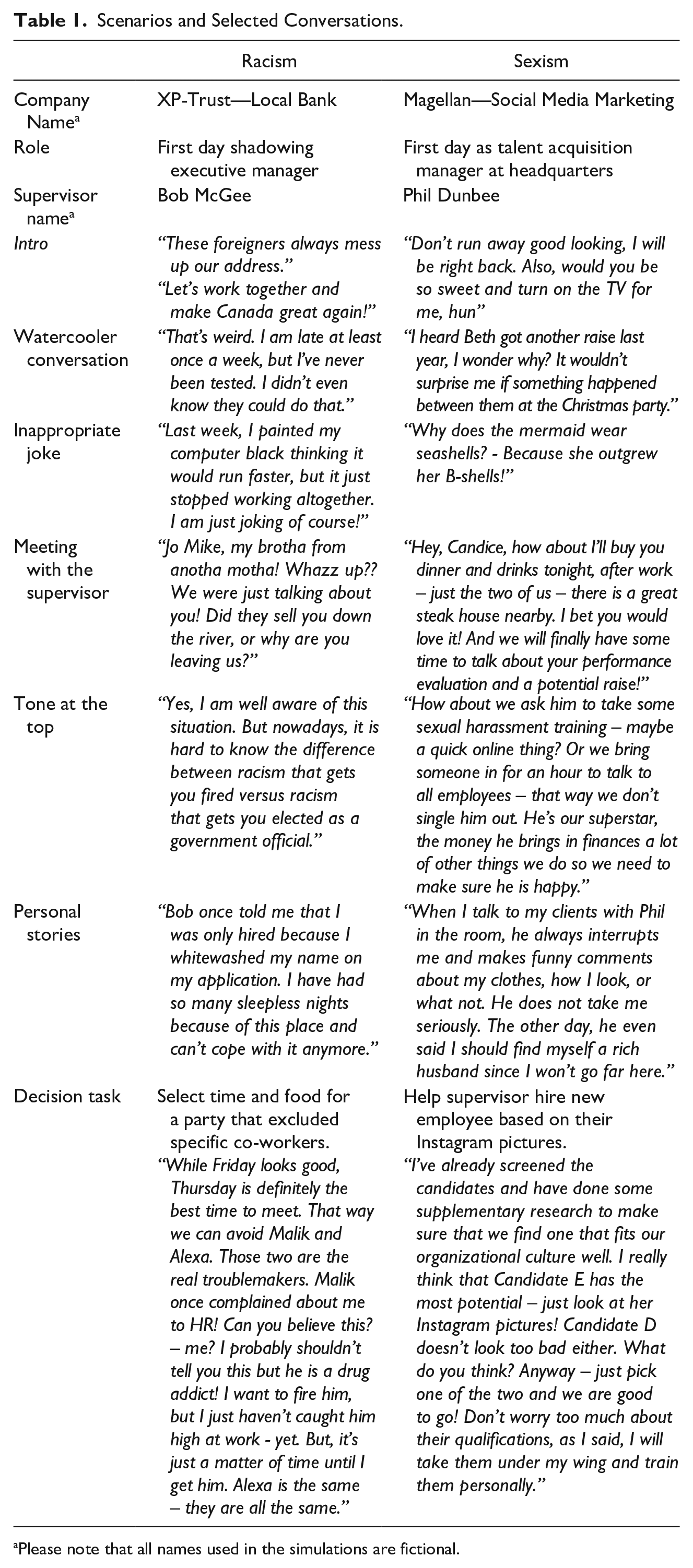
Please note that all names used in the simulations are fictional.
Intro
For the racism simulation, students take on the role of a mentee who joins XP Trust, a local bank, for a job shadowing program. In the sexism simulation, students assume the role of a talent acquisition manager who just transferred from the regional office to the company’s headquarters. To ensure students know who and where they are, both simulations start in the elevator and, upon entering the office, the administrative assistant greets them and clarifies their role. The administrative assistant continues to provide additional details about the organization to ensure that students know why they are here and what to expect. In addition, students are asked to use the remote control to switch on the TV and watch a brief infomercial about the company while the administrative assistant attends to another task (Figures 1 and 2).
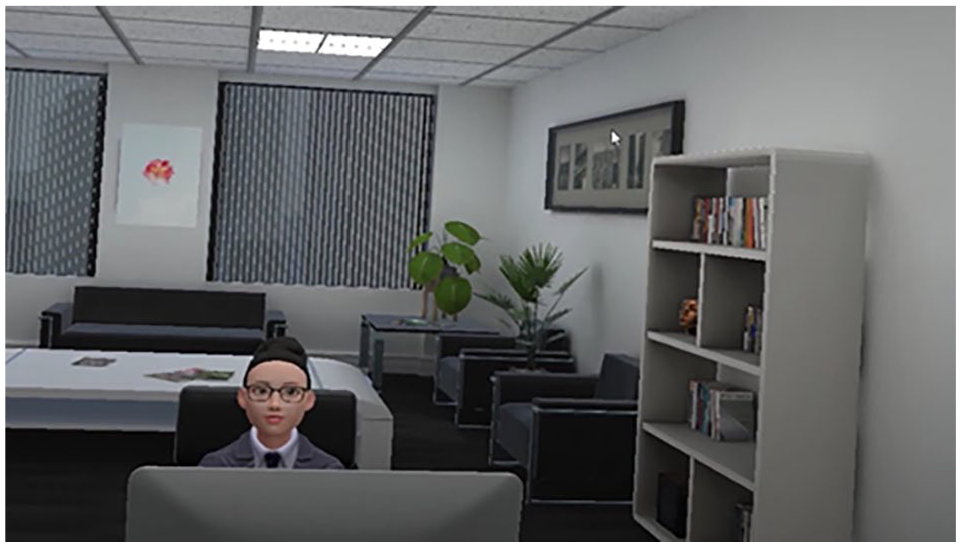
The administrative assistant provides onboarding information.
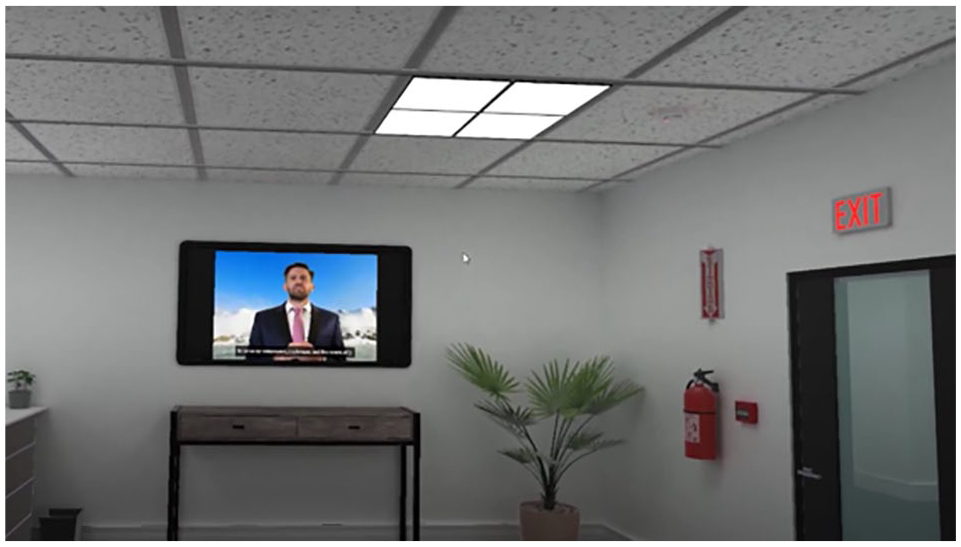
The infomercial provides background information about the organization.
While the purpose of these initial interactions is to introduce the environment to students and to familiarize them with the controls, they also provide meaningful learning opportunities for students. For example, in the racism scenario, when asking whether the students saw DeShawn the delivery guy downstairs, the administrative assistant says in passing: “With that name you know he’s not from around here. These foreigners always mess up our address.” This comment introduces students to micro aggressions (Sue et al., 2007) and demonstrates how unconscious biases may influence what we say and do (Fiarman, 2016). In addition, the TV infomercial in the racism simulation ends with “Let’s work together and make Canada great again.” Before Donald Trump, the former US president, coined the slogan “Make America Great Again” for his 2016 election bid, there was nothing special about this phrase. However, as reported by multiple news outlets, “Make America Great Again” is now widely seen as a potent symbol of racism (Bailey, 2019; Graham et al., 2021). Hence, this infomercial provides educators with an opportunity to discuss how the meaning of words can change over time.
Now that students know who and where they are, the next challenge was to develop meaningful and engaging scenarios.
Watercooler Conversation
Informal “watercooler conversations” are often an avenue for imparting organizational norms. While such informal interactions are positively related to employee commitment and satisfaction (Koch & Denner, 2022; Mills, 2010; Wilson & Hartung, 2015), gossip can also negatively affect employees (e.g., Grosser et al., 2012). In both simulations, students listen to and participate in a watercooler conversation during which two co-workers spread gossip, share problematic jokes, and talk about how their supervisor makes inappropriate comments. This scenario communicates information about organizational culture and educators can use it to stress that office gossip, rumors, and jokes can be forms of workplace harassment (Crothers et al., 2009; Figure 3).
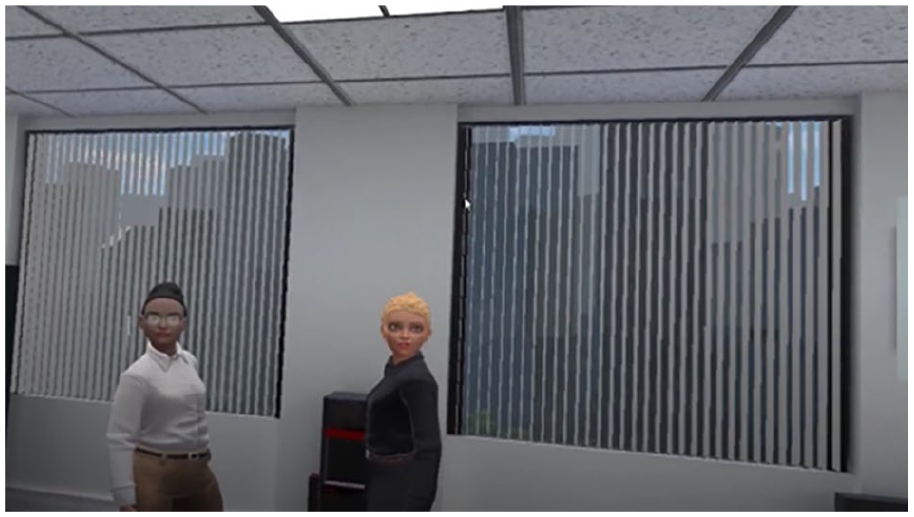
Coworkers having a watercooler conversation.
Meeting With the Supervisor
Leadership affects organizational culture and drives employee conduct (Schein, 2010; Tsui et al., 2006; Warrick, 2017). While transformational leadership is linked to lower perceived workplace harassment (Astrauskaite et al., 2015), toxic leaders can foster a culture that tolerates workplace harassment (Bowling & Beehr, 2006; Schyns & Schilling, 2013). During a meeting with their male supervisor, students experience his leadership style firsthand. In the sexism simulation, students are bystanders to quid pro quo harassment (Mellon, 2013) when the supervisor asks the administrative assistant whether she wants to go to a new steak house after work to discuss a promotion and a potential raise. In the racism simulation, the supervisor makes derogatory comments about a Black co-worker. In both simulations, students have the opportunity to intervene but will experience repercussions if they do. This places students in a difficult position: Do they defend a person they don’t know and suffer negative consequences, or do they remain quiet and simply be a bystander to workplace harassment? Instructors can utilize these decision points to discuss displacement of responsibility (Bandura, 2002), the bystander effect (Darley & Latané, 1968), and how to effectively voice one’s values (Arce & Gentile, 2015; Gentile, 2010; Figure 4).
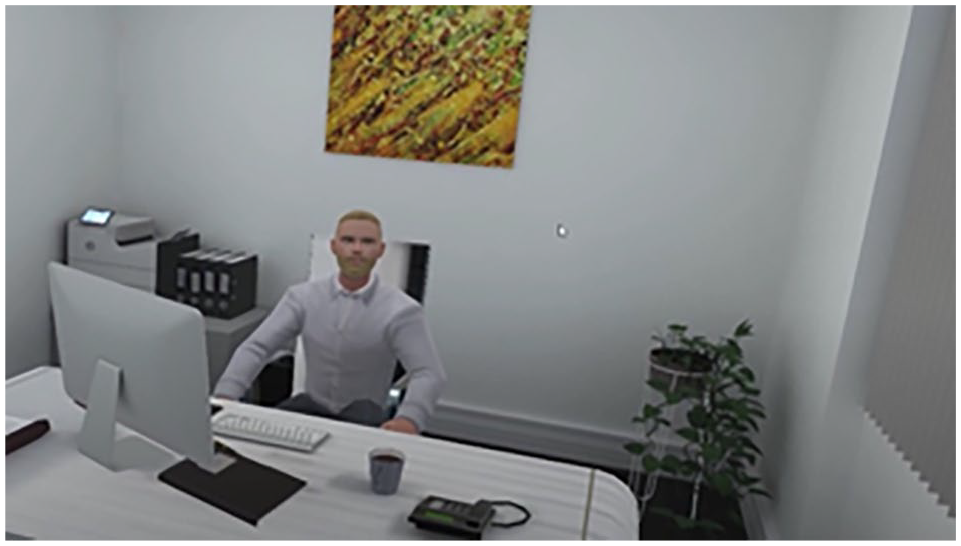
Meeting with the supervisor.
Tone at the Top
The tone at the top represents the organizational values and culture set by the executive leadership that influences employee conduct throughout the organization (Gunz & Thorne, 2015). The literature has clearly established that senior executives have a significant impact on employee conduct (Treviño & Weaver, 2003). As students walk by the CEO’s office, they overhear her talk with other executives about the toxic supervisor from the previous scene. In this conversation, she refers to him as their superstar whose sales are through the roof. Consequently, instead of taking significant actions to correct his behavior, the executive team decides to avoid singling him out by providing all employees with a quick online training session just in case the company gets sued. Educators can use this scene to discuss groupthink phenomenon (e.g., Park, 1990; Rose, 2011) and diffusion of responsibility (Bandura, 2002) as well as highlight recent court decisions where organizations (e.g., Tesla and Google) were fined millions of dollars for allowing a hostile work environment to flourish (Figure 5).
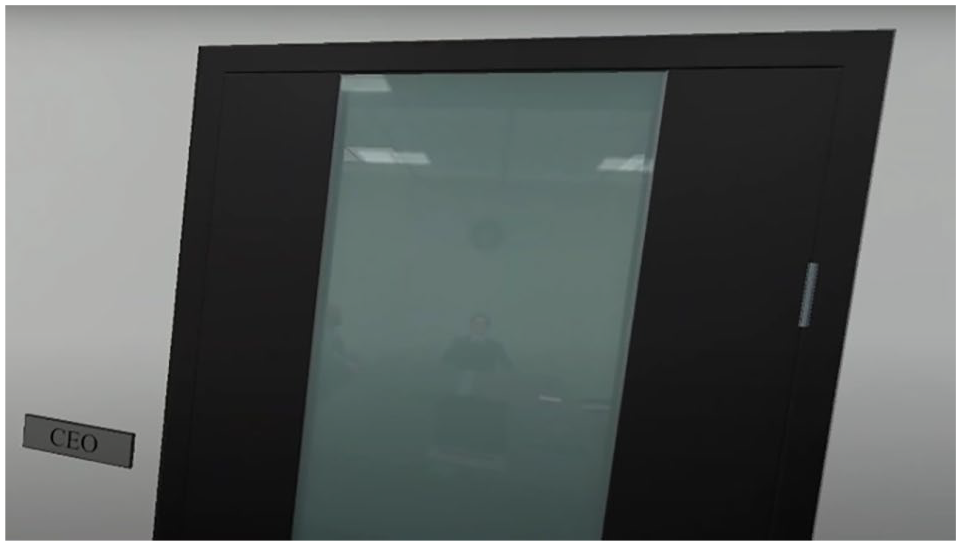
Overhearing the executive team.
Personal Stories
Storytelling is an effective tool for creating visual images that trigger emotions (Morgan & Dennehy, 1997) and can be used to develop a common understanding of an organization’s culture (Denning, 2006). The VR simulations utilize the power of storytelling by having a co-worker share her negative experiences at the company. Specifically, she talks about how her supervisor said she should find herself a rich husband and keeps interrupting her during client meetings (sexism simulation) or how her supervisor said that she only got the job because she “whitewashed” her name by anglicizing it (racism simulation; Brown et al., 2023). She also shares that she now suffers from insomnia due to being mistreated at work. Workplace harassment negatively affects employees’ physical and mental health (e.g., Dhanani et al., 2018; Pascoe & Smart Richman, 2009; Triana et al., 2015; Vanhove & Gordon, 2014). Hearing a co-worker’s account of workplace mistreatment should raise students’ awareness of its negative consequences and provides educators with the opportunity to highlight the importance of mental health in the workplace (Figure 6).
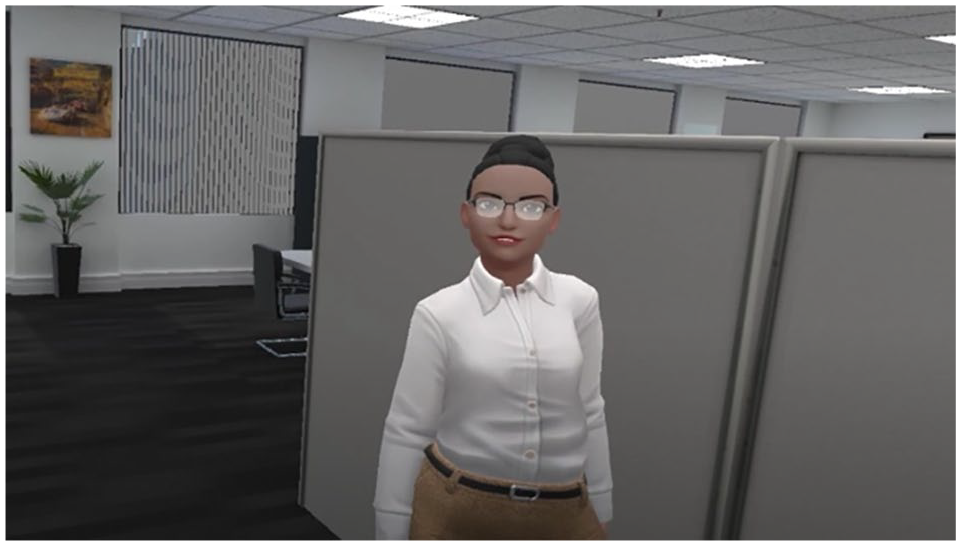
Hearing personal stories from a co-worker.
Decision Task
After being immersed in the organizational environment for approximately 10 minutes, students find themselves in their own office. An email arrives from their supervisor asking them to support his hiring decision based on the applicants’ Instagram account (sexism simulation) or select a date for the office party that excludes certain co-workers (racism simulation). The supervisor then follows up with a phone call to stress the importance of this decision and informs students that they must present their decision to the executive team later in the day. This scene teaches students about obedience to authority (Milgram & Gudehus, 1978) as they experience how difficult it can be to follow one’s values when they conflict with orders from a supervisor (Brief et al., 2000). This decision point can lead to fruitful discussions about ethical decision making (T. M. Jones, 1991; Rest, 1986), moral disengagement (Bandura, 2002), and giving voice to one’s values (Arce & Gentile, 2015; Gentile, 2010; Figure 7).
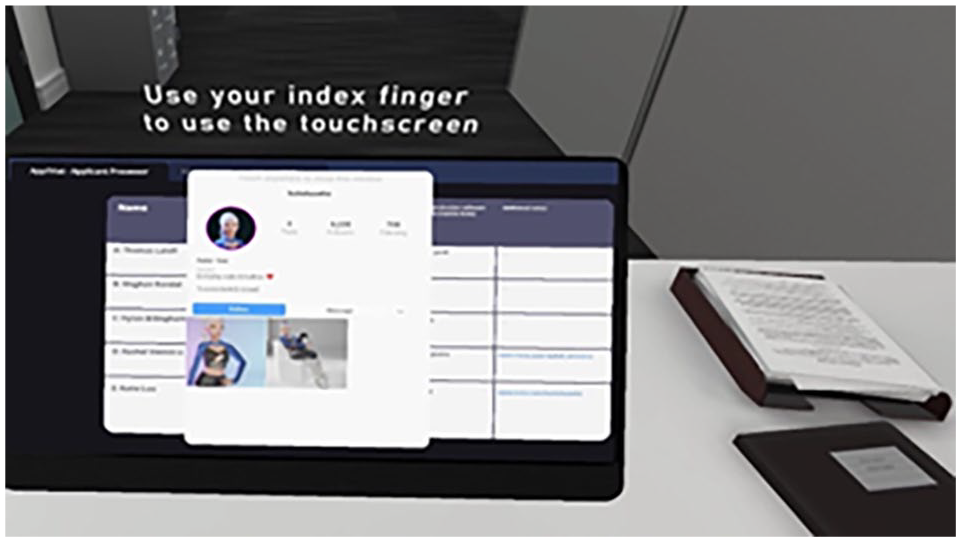
Decision task.
Executive Meeting
At the executive team meeting, students need to decide whether or not to follow their supervisor’s recommendation. Research indicates that organizational climate exerts a strong influence on employees’ ethical decision making (Fritzsche 2000; Treviño et al., 1998; Victor & Cullen, 1987). Hence, an average employee in this situation likely follows their supervisor’s recommendation—especially if they desire to retain their job. Since this is a simulation and students do not depend on this job to pay for their housing, car, or groceries, most are unlikely to abide by their supervisor’s orders. Nonetheless, if students disagree with their supervisor, he will follow up with them and request a verbal explanation. This situation provides further opportunities to discuss organizational climate, ethical decision making, and groupthink. It is also an opportunity for students to practice following their values in a situation where they are expected to do something unethical (Arce & Gentile, 2015; Gentile, 2010; Figure 8).
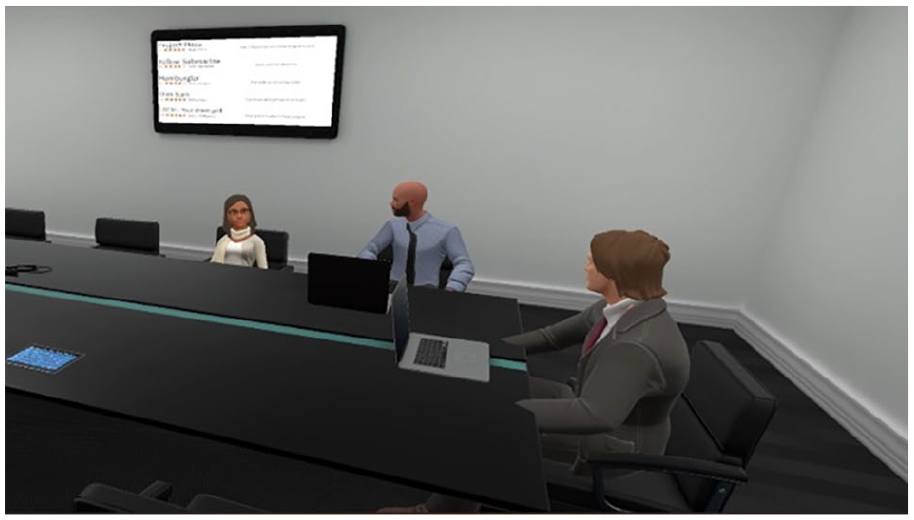
Presentation for the executive team.
HR Call
The final scene takes students back to their office where they receive a call from HR to discuss their experience. Specifically, students are asked to rate each person they encountered and are given the opportunity to file claims against them. Research indicates that employees only report a small fraction of workplace harassment incidents (Johnson et al., 2016). Hence, this scene is an opportunity for educators to emphasize the importance of reporting workplace harassment and discuss effective strategies for doing so (Figure 9).
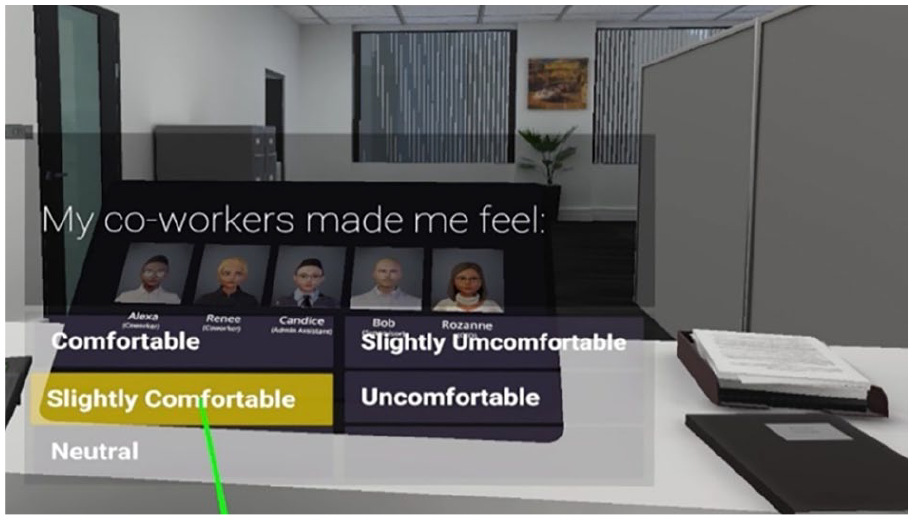
Final call with HR.
Using the VR Simulations in the Classroom
The VR simulations have the potential to excite and engage students. However, to ensure positive learning outcomes, educators must systematically integrate the simulations into their curriculum (Gouveia et al., 2017; Merchant et al., 2014). This includes discussing relevant topics such as implicit and explicit biases, stereotypes, micro-aggressions, quid pro quo, differential treatment, organizational culture, and leadership ahead of time to help students transform their VR experience into meaningful knowledge (von Glasersfeld, 1996). After the simulation, educators should discuss the simulations with their students and reflect on the experience. For example, educators could raise questions about the biases students observed, or question the developers’ biases when creating the simulation. How would the sexism simulation change if the gender roles were switched or if the supervisor was openly gay? Similarly, how would the racism simulation change if the supervisor was African American?
Educators also need to understand and consider possible side effects such as cyber-sickness (e.g., Martirosov & Kopecek, 2017) and allow time for students to become accustomed to the technology. More importantly, experiencing racism and sexism in VR may cause students to feel strong emotional discomfort (Diemer et al., 2015). While research indicates that students appreciate exploring sensitive topics and that even negative emotions can lead to positive experiences (Cebula et al., 2022; Decker at al., 2011; Lowe, 2015), there may be outliers who experience high levels of distress (Cebula et al., 2022). Hence, educators should offer an alternative assignment to those who express concerns and allow those who choose to engage with the VR simulations the option to stop at any time.
Given the sensitive nature of the VR simulations, educators should ideally schedule small groups of students to meet in a VR lab on campus. Doing so will allow them to better prepare, monitor, support, and guide students through the VR experience. If the university does not have a dedicated VR lab, PC, and Mac versions of the simulation are also available. The Appendix provides an overview of the system requirements necessary to run the simulations. While not as impactful (see Winn et al., 2002), the computer simulations still create shared experiences that may be discussed in class. In addition, the computer simulations may be played to the entire class, which is especially useful if time is limited, or if the educator would like to guide students through the scenarios. Regardless of the setting, students may face peer pressure when playing the simulations with others in the room. Hence, they may experience adverse psychological symptoms such as stress, discomfort, or anxiety but feel uncomfortable to stop. Thus, educators must pay careful attention to students’ verbal and non-verbal expressions and intervene if necessary.
To support educators’ needs, the VR simulation offers three modes: a learning mode, a decision mode, and an explore mode.
The Learning Mode
In the learning mode, the simulation stops after each scene to help students reflect on their experience. Specifically, students will see videos that dissect what happened to ensure that they grasp the subtle forms of workplace harassment (e.g., micro aggressions; spreading gossip) and fully comprehend the magnitude of severe forms of workplace harassment (e.g., quid pro quo) by explaining the context and providing valuable background information. The reflections also explain important topics such as stereotypes, biases, systemic racism, differential treatment, organizational climate, moral disengagement, and giving voice to values to students. In the event that students experience discomfort, the simulation provides them with resources from where to seek assistance. This mode is suited as homework for graduate and potentially late-stage undergraduate students. However, educators should still discuss the simulations in class and may require students to write reflection papers to ensure positive learning outcomes.
The Decision Mode
This mode allows students to immerse themselves into the VR environment without interruption and experience how a negative organizational climate can influence their decision making. Since the decision mode is an unguided experience, it is recommended that students only engage with it under the supervision of an educator. As noted earlier, educators should consider meeting with smaller student groups at the campus VR or computer lab. Before starting the simulations, students should be informed about the nature of the simulation and the risks involved. Additionally, to reiterate, completing the simulation should not be mandatory and students should be given the option to stop at any point for any reason. Finally, to garner the most learning, it is best for students to reflect on and discuss their experience afterwards with the educator.
The Explore Mode
The explore mode is very similar to the decision mode but adds a screenshot feature. The screenshots are only locally saved for in-class discussions and are not shared in any form. Once again, since this simulation is unguided, it is recommended that it is used under the supervision of an educator to ensure positive learning outcomes. For example, educators may have students play the simulation in a lab or play the PC/Mac version on their personal computers during class and take screenshots. Afterwards, the students may use their screenshots to discuss their experiences.
Pilot Study
The VEM (Cooper & Thong, 2018) highlights experience, engagement, equitability, and everywhere as important aspects of educational VR simulations. Equitability and everywhere are addressed by offering the VR and computer simulations free of charge to all non-commercial users. In addition, the VR simulations must engage students, trigger emotions, and provide them with a unique learning experience. To test these aspects of the simulations, 25 pilot-study participants from a medium sized University in Canada were recruited through on-campus flyers. Seventeen participants were female, and the average age was 23 years. Twenty-eight percent were South Asian, 28% Caucasian, 20% Middle Eastern, 8% Black, 4% Hispanic, and 12% did not disclose their ethnic background. Only 9 of the 25 participants had prior experience using VR. Prior to attempting the simulation, all participants were informed of the potential risks associated with the use of VR (headaches, eye strain, anxiety, dizziness, and nausea). However, none of the participants reported experiencing any negative effects upon completing of the simulation. To capture the participants’ facial expressions as they walk through the VR simulation, a camera was attached to the front of the VR headset. The videos were synchronized with screen recordings to observe emotional reactions to specific scenarios. Before participants entered the VR simulation, they spent approximately one minute becoming familiar with the equipment.
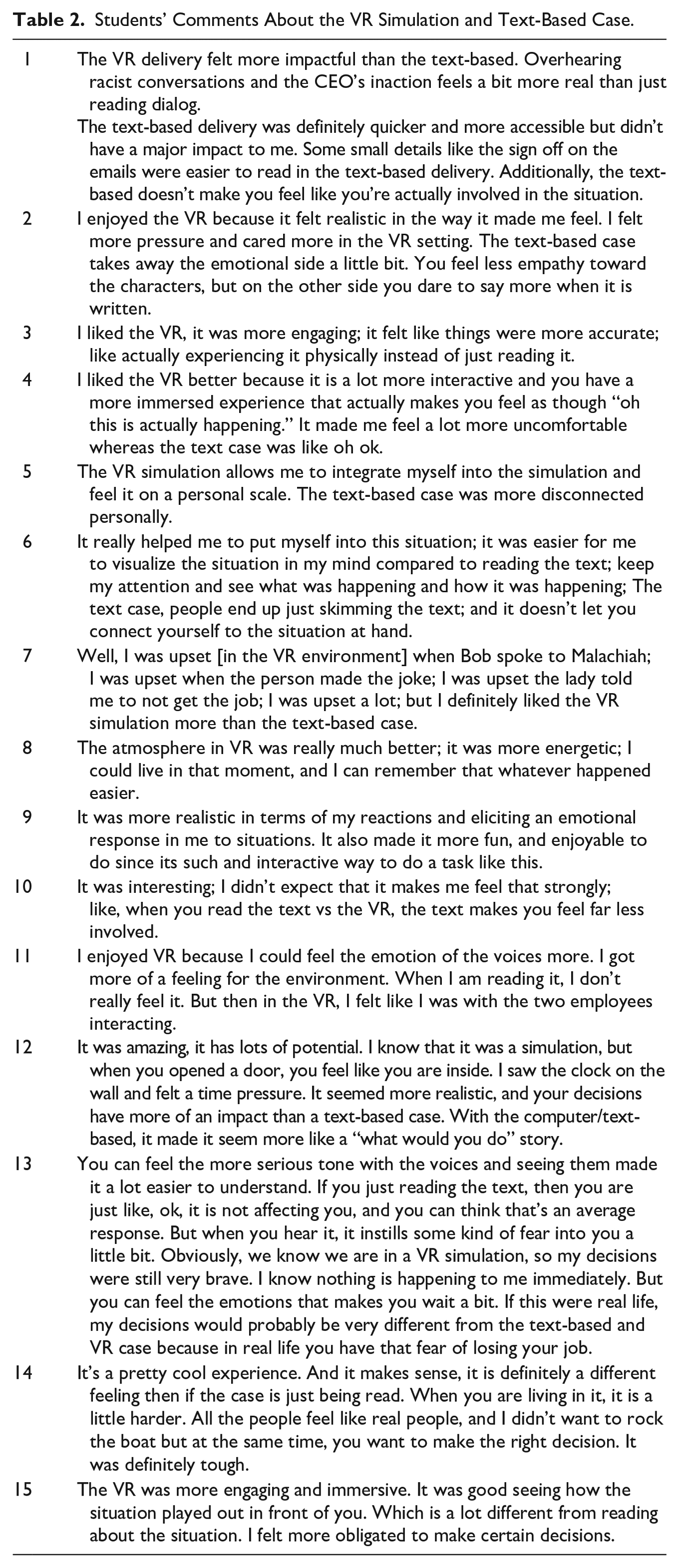
After completing the VR simulation, students also read a shortened text-based version of the simulation script of approximately 2,000 words. In the text-based version, participants were asked to make the same decisions as in the VR simulation (e.g., tell a joke to their supervisor, intervene when their supervisor made inappropriate comments, or follow the supervisor’s recommendation). Their facial expressions were again recorded to analyze their reactions to the text-based case. Once students completed the VR simulation and the text-based case, I asked them which simulation they preferred, what they liked and disliked, and to provide me with additional feedback. In short, all students preferred the VR simulation. As can be seen from Table 2, they used words such as impactful, engaging, immersive, and realistic to describe the VR simulations indicating that the simulations fulfill the VEM requirements.
Students’ Comments About the VR Simulation and Text-Based Case.
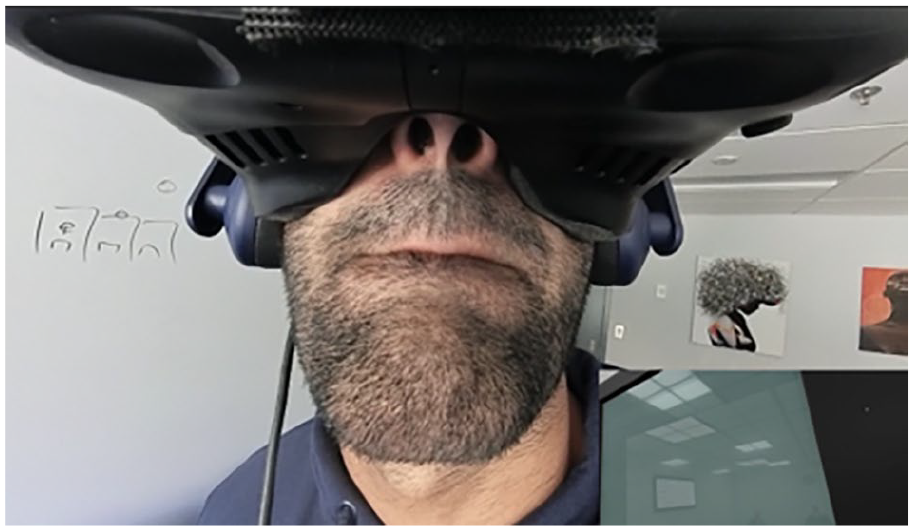
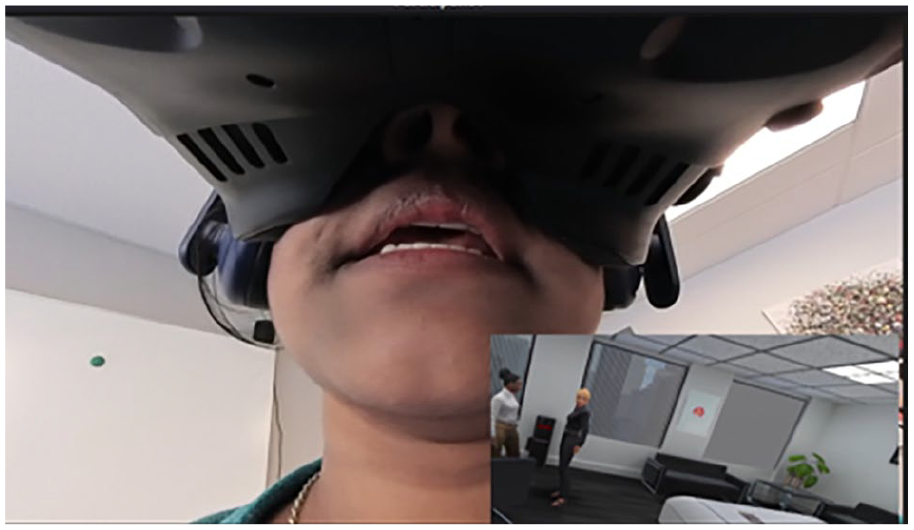
When analyzing the video footage of the VR simulation, six participants did not exhibit visible reaction to the scenarios. Twelve participants revealed facial reactions to the main manipulations (e.g., when co-workers told a racist joke, the CEO decided to not take any serious action, or the supervisor made a racist comment) but were otherwise calm. Finally, seven students displayed facial expressions throughout and even started talking to the characters (e.g., “no you didn’t just say that!”; “Oh my god!”; and “hell no!”). Sample photographs showing students’ facial reactions are attached with their permission. While emotions have the potential to improve students’ learning experience (Tyng et al., 2017), the pilot study did not assess what students learned from the simulations. As noted, it is important to properly integration the VR simulations into the curriculum by covering relevant topics ahead of time (Figures 10–12).
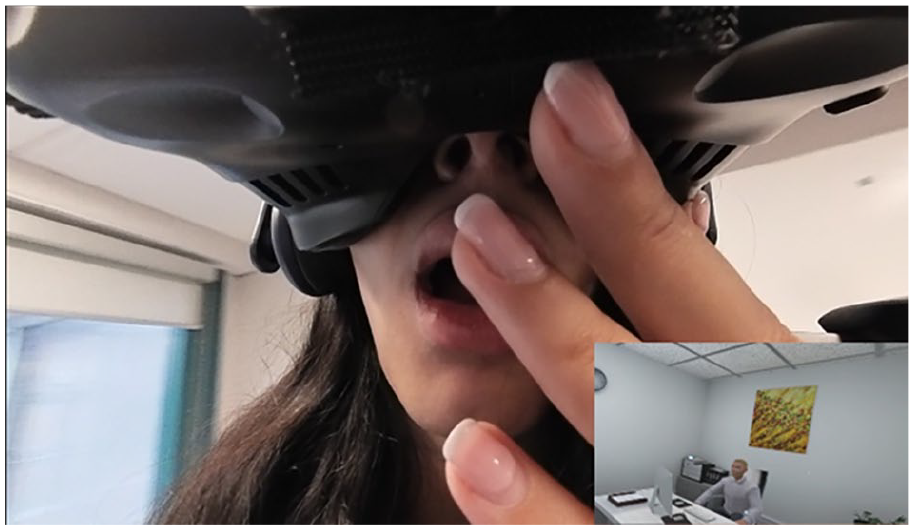
Participant’s reaction when their supervisor made a racist comment.
Participant’s reaction when the CEO called Bob a superstar and decided to not take any actions.
Participant’s reaction when they hear a racist joke from co-workers.
A review of the video footage from the text-based case indicate that this mode did not elicit any facial expressions (Figure 13).
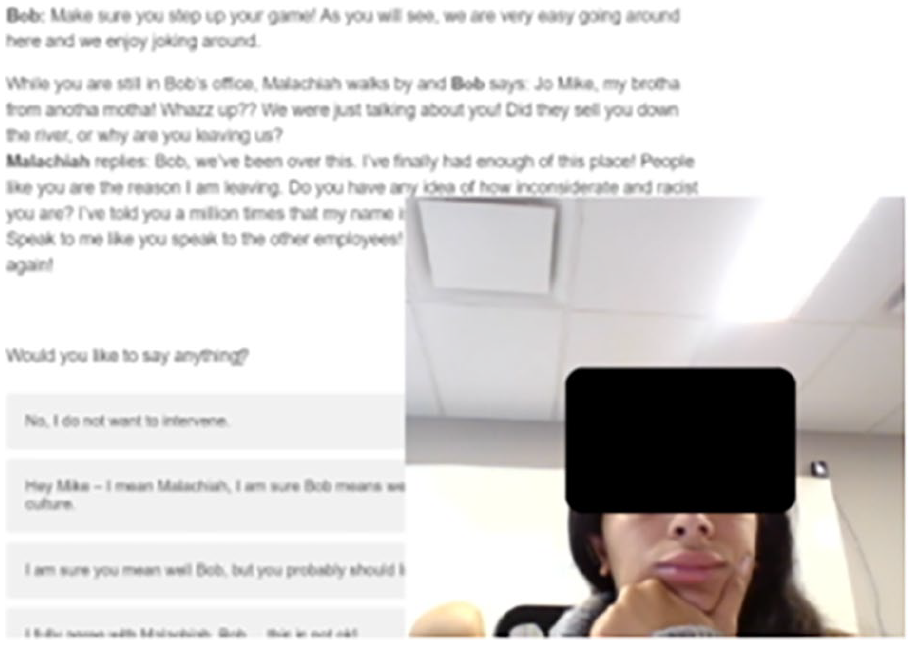
Participants did not show any facial reactions when they read about their supervisor making and racist comment, their CEO not taking any significant actions, or their co-workers making a racist joke.
Observations and Additional Student Feedback
While running the pilot study and refining the simulations, approximately 200 students in Business Ethics classes at a medium sized University in Canada also played the VR and computer-based simulations. Overall, students who used the VR version echo the feedback received from the pilot study participants: they felt present, immersed, and uncomfortable to a certain degree. Students who played the computer-based version reported that they enjoy the simulation and that it represents a business reality. However, they did not feel immersed or as uncomfortable. Nonetheless, the computer version still provides a common ground for constructive in class discussions and fruitful reflections.
Students also reported that the sexism simulation is more subtle while the racism simulation is significantly more provocative and triggers more emotional reactions. Nonetheless, to date, no student has complained about the severity of the scenarios. On the contrary, students who had experienced similar situations in the past, noted in optional reflection papers that discussing the simulation in class helped them to express their feelings and voice their concerns to peers who underestimate the negative consequences of workplace harassment. These students also seemed to be able to better relate to the simulation and understand the consequences of disobeying a supervisor’s orders. Consequently, while most of their peers appeared to overestimate their abilities to withstand pressure and refuse to comply with their supervisor, these students were more likely to follow them.
Limitations and Future Research
Even though the results from the pilot study offer helpful insights into participants’ experiences and provide preliminary support for the VR simulations being an innovative teaching tool that can trigger emotional responses, several limitations must be acknowledged. First and foremost, the results are based on simple observations and not comprehensive qualitative or quantitative methods. Next, the low sample size from one university further limits generalizability of the results. In addition, participants were recruited through on-campus posters which may have resulted in a biased sample. Specifically, it is possible that students who have not previously faced workplace harassment and have lower levels of anxiety and higher levels of extraversion may be over-represented. Thus, it is possible that a selection bias influenced the results. Finally, the participants played the simulation in the author’s presence, and were also aware that they were being filmed and that their decisions in the simulation were recorded. Hence, even though participants expressed emotions, their decisions and comments may have been affected by a social desirability bias. Consequently, educators and researchers are encouraged to use the simulations and replicate the results with diverse samples in order to extrapolate the findings to a broader population.
Future studies can also use this simulation to study individuals’ decision-making processes. For example, researchers can study whether students’ reactions to the scenarios differ based on factors such as gender or ethnicity or even change the gender and ethnicity of the supervisor in the simulation to study nuances of obedience to authority (Milgram & Gudehus, 1978). In addition, while those who played the VR simulation displayed emotional reactions, future research could examine how the intensity of the emotional engagement affects decision making in VR and whether gender or ethnicity moderates this relationship. Moreover, past research found that emotional reactions improve learning outcomes (Tyng et al., 2017). However, since student learning was not assessed, it is unknown whether the emotions observed translated into knowledge. Hence, longitudinal studies are needed that assess whether emotions experienced in the VR simulations translate into long term positive learning outcomes. In the VR simulation, students do not face negative consequences for refusing to follow their supervisor’s directives. However, researchers can deceive participants into thinking that their supervisor will rate them at the end and link participants’ research compensation to this imaginary rating. By varying the compensation, researchers can study whether participants’ decisions change when they believe that there is money at stake (Schwartz, 2016). Finally, scholars can use the explore mode to study factors that affect individuals’ moral awareness (Reynolds & Miller, 2015). Since all aspects of the simulation may be controlled and changed, the opportunities for exploration are unlimited.
Implications for Teaching
Introducing VR into the classroom is exciting but it is also a tedious process that requires time and deliberation. Hence, educators need to be careful and ensure that the process is driven by the course’s learning objectives and not by their enthusiasm for the new technology (Ertmer & Ottenbreit-Leftwich, 2010; Koehler & Mishra, 2009; Loveless & Dore, 2002; Voogt & Roblin, 2012). Even though the VR simulations discussed in this article were developed with a focus on student learning, educators must carefully consider whether they are a good fit for their class. For example, while the decision and the explore modes do not refer to country-specific legislation, at times, the guidance provided in the learning mode draws upon Canadian laws and regulations. While the simulation can be adapted by the developers, it may not be cost effective to do so. As a result, educators may need to create course-specific supplemental materials for their students to ensure successful learning outcomes. In addition, the VR simulations are not stand-alone tools but must be systematically integrated into the curriculum (Gouveia et al., 2017; Merchant et al., 2014) by discussing the necessary material to help students transform the VR experience into knowledge (von Glasersfeld, 1996). Hence, while the VR simulations have the potential to improve the learning experience, educators must ensure that they are a good fit and be prepared for an increased workload.
Educators may also have to take on additional roles and responsibilities to foster student learning (Bursztyn et al., 2017; Kolb, 2017; Kopcha et al., 2020; L. Price & Kirkwood, 2010). For example, VR equipment is unlikely to be available in classrooms and even computer labs will only have a limited number of VR headsets. As a result, educators may need to schedule multiple sessions and coordinate with campus IT to ensure the VR equipment is available and functional. For each session, in addition to the post-completion debrief, educators may need to provide students with technical instructions, familiarize them with the equipment, and guide them through the simulations. Educators must also consider the extent to which the simulations are accessible to students with disabilities and accommodate them where possible. In short, integrating VR simulations into the curriculum requires commitment to student learning and a willingness to change one’s curriculum and teaching strategies. In addition, educators need to become tech-savvy, logistics coordinators, who guide students’ learning.
Educators must also find effective ways to assess whether the simulations help students achieve the course learning objectives (Koehler & Mishra, 2009; Ross et al., 2010). This assessment can be difficult as educators’ excitement might distract them from seeking constructive feedback (Kolb, 2017). In addition, student satisfaction and engagement through innovative technology may be mistaken for student learning. Hence, it is critical to find new ways to objectively evaluate the effectiveness of VR simulations in the classroom.
VR also has the potential to increase awareness of important global issues, attract new students, and strengthen universities’ competitive advantage. For example, educators already started to discuss the potential of VR to increase awareness of climate change (Fauville et al., 2020; Markowitz et al., 2018; Thoma et al., 2023), environmental conservation (Hsu et al., 2018; Nelson et al., 2020), diversity and inclusion (Gallardo-Williams & Dunnagan, 2021; Georgiadou, 2021; Hayes & Johnson, 2019), and poverty and hunger (e.g., Dal Monte, 2022). By embracing the latest teaching technologies to address these global challenges, universities can add value to their degree programs and stay relevant in the 21st century.
VR is also widely used as a corporate training tool (Morris, 2018). Consulting and professional services companies like Accenture, Deloitte, and IBM compete with universities in the executive education market. While the consulting companies can offer specialized VR training simulations, they cannot easily compete with the academic rigor, faculty expertise, and credibility attached to a university. This offers many collaboration opportunities to develop state of the art practitioner-oriented VR training modules that can also be used in executive education.
Implications for Research
Prior research on workplace harassment suffers from the use of psychometrically questionable measures and outdated research methods. For example, in their meta-analysis of health-related outcomes of perceived discrimination, Pascoe and Smart Richman (2009) noted that “Ninety-one percent of articles in the total sample and 91% of the meta-analysis sample articles measured perceived discrimination through a survey self-report of perceptions of discrimination occurring in the past” (Pascoe & Smart Richman, 2009, p. 9). Self-reported data are often subject to a social desirability bias where participants answer questions based on what they think is socially acceptable (Holtgraves, 2004; Richman et al., 1999). While this is especially true for sensitive topics (Schaeffer, 2000) such as hazardous drinking behavior (Devaux & Sassi, 2016) or reporting the number of sex partners (Smith, 1992), participants even over-reported the number of times they voted, whether they gave money to a community bank, or whether they have a library card (Parry & Crossley, 1950). Since research indicates that over 90% of sexual harassment victims do not report the incident or take any action (Feldblum & Lipnic, 2016), it is likely that research findings on workplace harassment are also flawed. In addition, scholars often use short, hypothetical vignettes that may fail to capture the complexity and important nuances of real-life situations or fail to trigger emotions involved in the decision-making process (Collett & Childs, 2011; Parkinson & Manstead, 1993). As past research findings are based on potentially biased self-reported measures that may not fully capture the target construct, even meta-analyses might be tainted by a systematic publication bias (Rothstein et al., 2005). Thus, an incorrect or incomplete understanding of employee discrimination may lead to the development of ineffective mitigation strategies and more unethical employee conduct. Acknowledging the shortcomings of past research, Kish-Gephart et al. (2010) call for behavioral ethics researchers to study the interaction between individuals, groups, and organizations simultaneously. Moreover, Weaver et al. (2014) question the appropriateness of established research methods used by organizational ethics researchers and call for the use of unconventional ways of exploring various phenomena.
Given the above problems, over 25 years ago, Pierce and Aguinis (1997) proposed the use of VR technology for organizational behavior research. This call has been echoed by Aguinis and Bradley (2014), Aguinis et al. (2001), Blascovich et al. (2002), and Hubbard and Aguinis (2023). More specifically, Aguinis and Edwards (2014) noted that “VR can also be used to study sensitive topics such as workplace romance and unethical work behaviours” (p. 161). Hence, VR simulations such as those discussed in this article have the potential to address the shortcomings of past studies by allowing researchers to assess actual emotion driven behavior in a complex and controlled environment, which increases the reproducibility of research findings (Blascovich et al., 2002; Pan & Hamilton, 2018).
Conclusion
Given the apparent ineffectiveness of text-based cases, this article discusses the development and deployment of two VR simulations that allow students to learn by experiencing uncomfortable situations. We are experiencing the Fourth Industrial Revolution and our students are digital natives. To be effective, the way in which we educate them and the pedagogical tools we utilize must reflect their reality. VR is one such tool. It immerses students into a multi-sensory environment, and it is truly limitless in that it allows educators to replicate complex situations that portray the nuances of real-life. Hence, VR has the potential to serve as a highly effective educational tool that lets students learn through experience. Thus, besides explaining the process of developing and effectively implementing VR simulations in the classroom, the author hopes that this article will motivate other educators to create more immersive VR-based educational resources for all aspects of management education. This is an important step to ensure that academia is in synch with the expectations of its technological savvy students.
Footnotes
Appendix
The VR simulations are compatible with all SteamVR supported PC based VR headsets such as the HTC Vive / Vive Pro / Pro 2 / XR Elite, Valve Index, Oculus Rift S, or Meta Quest with PC link. It requires a dedicated graphics card such as the NVIDIA GTX 970 or AMD R9 290, an intel i5-4590 or better, and 8 GB or more RAM. The PC and Mac version of the simulation only require an intel i5-4590 or better, and 8 GB or more RAM.
Acknowledgements
I would like to also express my gratitude to Yasanthi Perera, Susan McCracken, Luke Zhu, Wayne Chang, and Barry White for supporting the development process of the VR environment.
Data Availability
Declaration of Conflicting Interests
The author(s) declared no potential conflicts of interest with respect to the research, authorship, and/or publication of this article.
Funding
The author(s) disclosed receipt of the following financial support for the research, authorship, and/or publication of this article: The development of the VR simulations was made possible with funding by the Government of Ontario and through eCampusOntario’s support of the Virtual Learning Strategy. To learn more about the Virtual Learning Strategy visit:  .
.