




Abstract
Individuals suffering from post-traumatic stress disorder (PTSD) have access to a number of sources detailing the neuropsychological effects and influence of PTSD on their day-to-day lives. While the information on the effects and influence of PTSD may be helpful in understanding the scope of the disorder, there is a lack of knowledge on how to rehabilitate musicians, specifically pianists, who experience these effects. PTSD is especially detrimental to a pianist’s abilities, and consequently, without concentrated rehabilitation strategies designed to combat the effects of PTSD, pianists suffering from PTSD may forfeit professional opportunities resulting in loss of livelihood and income. After the first author’s experience with PTSD, she suffered from the same effects frequently described in the literature. Through personal journalling, informed music teaching, and self-reflection, she aimed to discover whether musical rehabilitation was possible.
In the middle of practising a Beethoven sonata, a flashback suddenly tore through my mind, making me feel as if a thousand knives were puncturing my abdomen. As I hunched over and grabbed the wooden part of the piano for support, I was unable to think or breathe while the flashback ravaged my consciousness. It was vivid and I could still feel the effect long after it had passed, leaving my body drained of all energy. Often the flashbacks were accompanied by shooting pains in my left arm and severe chest pain, as though the involuntary presence of an unpleasant memory was causing my heart to tear itself in two. Plagued by nightmares at night and flashbacks during the day, I could no longer distinguish between what was real and what was an illusion. How do you process something you cannot consciously remember?
In the middle of 2017, in the first year of my undergraduate degree, I started experiencing symptoms of post-traumatic stress disorder (PTSD). These symptoms included flashbacks, nightmares, fainting episodes, nosebleeds, and terrifying chest cramps. Although some symptoms subsided after extensive therapeutic intervention, the majority of the symptoms did not clear up completely. To make matters worse, it felt as if all the obstacles previously present in my playing had multiplied after my PTSD diagnosis. I lost all control over my playing, as the memory lapses, performance anxiety, panic attacks, and hand injuries impaired my ability to play and destroyed the possibility of my leading a successful musical career.
After reading Swart’s (2009) thesis on the influence of trauma on musicians, I started to understand why PTSD had such a big impact on my mental health and musical abilities. Swart’s thesis links a number of musical limitations to PTSD symptoms. The limitations described also directly corresponded to my own experience after a PTSD diagnosis. Dissociation, “a separation between consciousness, memory, identity and the perception environment” (American Psychiatric Association, 2000, p. 826), is frequently evident in individuals with PTSD. Dissociation disconnects an individual from the area of consciousness in which the trauma occurred (Janet, 1901), and in doing so creates a temporary psychological escape from the traumatic events experienced (Kluft, 1985). Although dissociation momentarily aids a traumatised individual to deal with the traumatic experience, the severity of the long-term impact of PTSD (Swart et al., 2010; Lanius, 2015) highlights the importance of PTSD rehabilitation and consequently piano technique rehabilitation after PTSD.
One of the main concerns related to the long-term effects of PTSD is that it causes organic brain damage (Sukiasyan & Tadevosyan, 2021) resulting from the effect of the disorder on relevant structures like the amygdala (AbuHasan et al., 2023), ventromedial prefrontal cortex (Hiser & Koenigs, 2018), and hippocampus (Fogwe et al., 2023) in the brain. The amygdala is a neurological structure in the brain that forms part of the limbic nervous system, important in the experience of various emotions and often associated with neuropsychiatric disorders (AbuHasan et al., 2023). The ventromedial prefrontal cortex is a structure that frequently interacts with the amygdala and is involved with social cognition and processing negative emotion, and it is often disrupted by mental illness (Hiser & Koenigs, 2018). The hippocampus is a structure in the brain responsible for decision-making and memory consolidation (Fogwe et al., 2023). As the amygdala, ventromedial prefrontal cortex, and hippocampus are all affected and therefore disrupted by PTSD (Bremner, 1999, 2006; Kroes & Liivoja, 2019), irregularities in emotional memory and emotion regulation occur.
The emotional experience affects musical expression (Kaleńska-Rodzaj; 2021; Meyer, 1967), and consequently, these irregularities may lead to limitations in expressive music-making. The traumatic experience also forms part of the emotional memory (Krumhansl, 2002) used in music-making, and the inability to process this furthermore has an impact on the success of a musical performance.
Although the effect of PTSD on emotional memory, performance security, stability, and recall is severe, it is the effect on memory and learning (Bradley & Hess, 2022) that could possibly make this study relevant to a wider academic audience. Working memory in the brain is responsible for short-term and long-term memory, as well as concentration and awareness (Baddeley, 2010). It provides temporary storage for information that needs to be processed in order to execute cognitive tasks such as musical learning (Baddeley, 2010). However, any psychological interference, especially interference of a traumatic nature (Blanchette & Caparos, 2016), could delay the working memory’s activation of long-term memory. Consequently, PTSD causes problems during the learning process, specifically with reference to the storing in long-term memory of information relevant to musical pieces learnt (Samuelson, 2011).
Furthermore, regardless of extensive post-PTSD rehabilitation and the possibility of personal post-traumatic growth, a pianist could still suffer from the psychological and cognitive effects of PTSD, undermining their ability to sustain a musical career. Existing approaches that could aid piano technique rehabilitation after PTSD include the Laban/Bartenieff approach (Laban/Bartenieff Institute of Movement Studies, 2022; Talbot, 2006), the Feldenkrais approach (Feldenkrais, 1990; Lee, 2018; Livingston et al., 2020), the use of the Alexander technique (Alexander, 1974; Ying et al., 2015), the Feuchtwanger approach (Phillips, 1990), the Taubman approach (Milanovic, 2014; Tammam & Witten, 2019), and body-mapping studies (Mark et al., 2003).
However, even after studying the existing approaches that could be applied to rehabilitation, I found that there was not a single approach capable of rehabilitating all the aspects in my playing affected by PTSD. Philipps et al. (2019) document the success of a multimodal treatment programme for PTSD in day clinics. Renner et al. (2023) confirm the success of multimodal treatment programmes that incorporate physical, cognitive, and psychological rehabilitation. Landis-Shack et al. (2017) also mention the positive impact of music therapy on the treatment of PTSD, further reinforcing the value of an interdisciplinary method of music-based PTSD rehabilitation.
Findings
Autoethnography places emphasis on personal experiences and utilises stories to critique social or cultural aspects of society (Adams et al., 2014). I followed an autoethnographic structure, influenced by the theme-set style used by Muncey (2005, 2010) and Charles and Johns (2023) and the vignette style evident in Gombay and Andrews (2021).
A Diagnosis of PTSD
I graduated high school with seven distinctions after receiving numerous awards for my piano playing throughout my school career (see Figure 1). At school, a lot of my peers and teachers saw me as a talented and bright girl. However, it was troubling that a few years later, this same girl would have trouble remembering the notes of a musical piece she studied, emphasising the severity of PTSD. A newspaper clipping of some of my musical achievements pre-PTSD.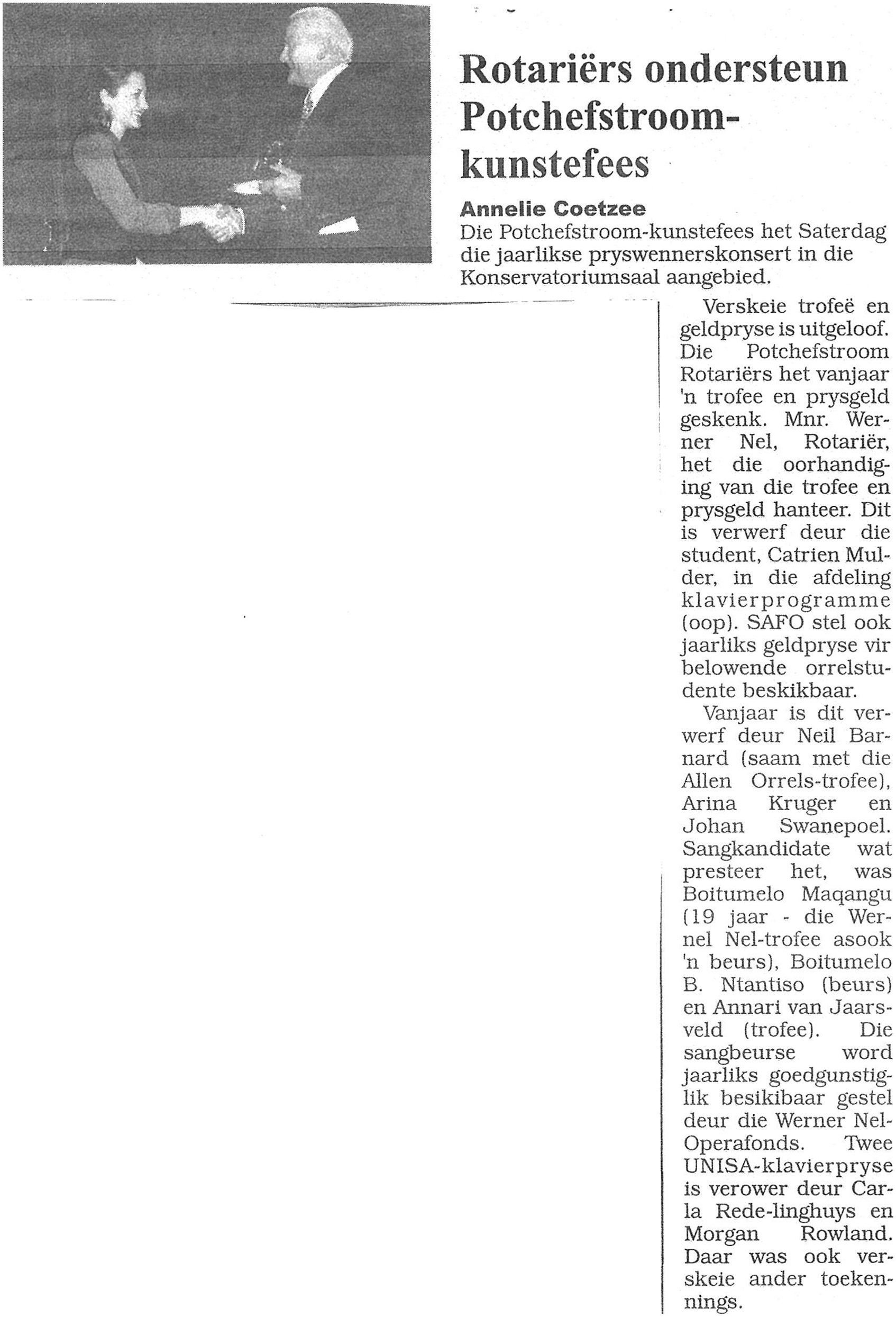
Since I was born with a congenital heart defect, my cardiologists originally thought the PTSD symptoms I experienced were related to an underlying cardiac event. After submitting me to several tests and scans, the doctors could find no cardiological or neurological cause for the symptoms I experienced. There was nothing physically wrong with me, but the trauma I had experienced leading up to 2017 had left me damaged, and consequently, one of the hospital psychiatrists diagnosed me with PTSD. I was advised to undergo psychotherapy to help me process the trauma I had experienced.
I experienced this trauma through both relational and circumstantial incidents from 2012 to 2016. However, for the sake of my own mental health, I have deliberately chosen not to share the exact nature of the trauma I experienced. The aim of this article is to share my journey of recovery in the hope that it will resonate with the reader. I share my insights and hope to provide other pianists with ideas on approaching their own rehabilitation after experiencing a traumatic event.
Understanding the Diagnosis
I remember the moment I received my diagnosis like it was yesterday. I was lying in a hospital bed, looking out over Johannesburg. I was crying like I never had in my life, so much so that I received alarmed looks from my fellow patients in the ward. I was so focused on surviving the trauma that I never stopped to think what it would cost. It was a defining moment in my life, and the reason I would later enrol for a Master’s degree on the topic of piano technique rehabilitation.
PTSD seemed to be a simple diagnosis at first, but I had deeply underestimated the terrifying scope of its impact on my life and unfolding career. Although PTSD affected me psychologically, my stay in the hospital wrecked me physically. Upon returning to the university, I had no mental or physical capacity to keep up with my peers and no hope of catching up the practical and academic work I had missed.
The Stigma Associated With PTSD
People would say to me, “Why can’t you move on? I’m sure it’s not that bad, you have complained about it for long enough now.”
I often felt pressured by comments that my peers, colleagues, and especially elders would make, which reinforced the narrative that PTSD is not a physical disorder and therefore not as serious as a physical disorder or injury (with specific reference to playing a musical instrument). While it was easy for others to suggest that I was imagining my symptoms or overdramatising the effect of the disorder, my experience contradicted this narrative, as I struggled to complete the simplest of daily tasks. For this reason, I also struggled to maintain friendships with people I knew before my PTSD diagnosis. It seemed easier to focus on recovery than to try and constantly convince the people around me of the very real, debilitating effects of PTSD.
Although most specialists during my hospital stay were understanding and supportive, the same unfortunately cannot be said for all of the medical professionals I had to encounter. I frequently came across professionals who diminished the seriousness of my symptoms by advising me to ‘handle my reactions better’. What made matters worse was the fact that the advice did not include actual practical guidance to sustain my health or musical career.
The combination of experiences described in the previous paragraphs made recovery nearly impossible. I felt too ashamed to talk about the trauma that paralysed me and consequently struggled to ask for the extra help I so desperately needed. As a result, most of my recovery journey was spent fighting against the effects of PTSD and not learning how to cope with my new reality, unnecessarily and, I believe, unhealthily lengthening my journey.
The Impact of PTSD
I was in my weekly piano lesson, my favourite part of the week, when the reality of PTSD’s full effect on my life sank in. My lesson was on the same Beethoven sonata I had been practising all year, but something in my playing just didn’t feel right. My fingers were darting across the keyboard as per usual, but I felt oddly distant from the music I was playing. No matter how hard I tried, I couldn’t feel the beat of the music. I also had no idea how to phrase the notes musically, something that usually came so naturally to me. After I finished playing, I looked up at my professor, who was sitting across the room, my shock echoed in his eyes.
As someone training to become a professional musician, the daunting obstacles that emerged in my playing after being diagnosed with PTSD were frightening. Any negative effect on my musical abilities would have a direct impact on my livelihood and income (Amir, 2004). I began spending hours in the university library, trying to understand what PTSD is, what changed in my playing, and what I could do to reverse it.
Procedures and Ethics
I decided to undertake this study, approved by the Basic and Social Sciences Research Ethics Committee at the North-West University with approval number NWU-01004-22-A7, and make use of an art-based, autoethnographic research design (Adams & Jones, 2018; Leavy, 2017) to produce relevant findings. I gathered data by documenting my experience of piano technique rehabilitation in a personal journal. I kept this journal close to me whenever I was practising or having a music lesson. Throughout each practice session and lesson, I made notes of insights, specific obstacles, approaches I tried, and, most importantly, approaches that were helpful in dealing with the problems I faced. I also regularly reflected on my notes by trying to identify patterns and attempting to relate the obstacles I faced to trends investigated in the PTSD literature. In this regard, I found that Chang (2008) had pointed to the importance of creating a multi-layered autoethnographic study. Data therefore included perspectives gathered through informal, unstructured interviews with external participants (Chang, 2008). All data were entered into ATLAS.ti 22 before being analysed and coded according to relevant themes and categories.
The inclusion criterion for participation in the study was involvement in my music tuition during my journey of piano technique rehabilitation. I conducted interviews with the three music teachers who offered guidance during my journey. All three participants were required to give their written consent prior to participating in the study.
My Journey of Piano Technique Rehabilitation
Observation
Before I could rehabilitate my playing, I first had to understand why piano technique rehabilitation was necessary.
Theme 1: Reasons for Rehabilitation
The most obvious obstacle was the physical tension that manifested in my playing, which was exacerbated by fear, anxiety, and psychological stress. Most of the effects of PTSD described in the introduction were conspicuously prevalent in my experience. During a performance, I often experienced intrusive thoughts, flashbacks, memory lapses, and problems with focus and concentration. The knowledge that I had to contend with these psychological obstacles created greater performance anxiety, as I felt there was nothing I could do to remedy the effects of PTSD.
PTSD also caused rhythmic inaccuracies, hesitations, and problems in my musical learning. A diminished sense of pulse contributed to what seemed like rhythmically inaccurate playing in a performance. Additionally, I would often hesitate in the middle of a section I knew very well and repeat a few notes before carrying on, causing further rhythmical disruptions.
Theme 2: Psychological Impact of PTSD
Although PTSD affected many physical aspects of my piano playing, the psychological effects of PTSD also need to be included in the description of my journey. PTSD affected my confidence and sense of identity, leading to a greater insecurity in my sense of my value as a pianist and person. It felt as if my entire life was consumed with the effects of PTSD, and while I was aware of this, the effects were so overwhelming that I was helpless to change it. The fact that I struggled with the most basic of musical skills did not help. The inability to find practical solutions meant that psychotherapy on its own could not completely aid my recovery, increasing the sense of helplessness I felt when dealing with my symptoms. The shame associated with the stigma of PTSD also prevented me from talking about my experience and the depth of impact it had on my life, making it impossible for me to reach out for real help. The only way to cope with my symptoms was, ironically, through writing and playing music. Consequently, I wrote more than 60 contemporary musical ballads in an attempt to describe my experience by singing the words I was too afraid to share.
Theme 3: An Explanation of Healthy Piano Playing
To enable piano technique rehabilitation, I had to understand what constituted a healthy piano technique. I had a tendency to look at technical principles as isolated features, instead of seeing how a single technique works within larger and smaller movements. Through my own experimentation and masterclasses with influential professors, I discovered a few important technical strategies.
Shedding all unnecessary tension in my playing helped me produce a better sound at the piano. Furthermore, although increased contact with the keys is prevalent in both loud (forte) and soft (piano) playing, a forte sound is created by a faster keyboard action than a slower action at the keyboard for a piano sound.
I also started incorporating the concept of release in my playing. I tried to use energy only on the first beat of every bar, allowing the rest of the notes in the bar to be played in the wake of the initial burst of energy. In doing this, I became tired much more slowly than usual and could also play for longer periods of time. The support of the shoulders, elbow, and muscles in the forearm also helped me to sustain a healthy practice session.
Theme 4: The Type of Practice That Aided My Piano Technique Rehabilitation
Understanding the neuropsychological and cognitive effects of PTSD helped me create a better structure and method of practice. I suspected that my working memory function was being disrupted by PTSD, causing disturbances in the process of learning. Even after practising slowly, with a metronome and by applying various rhythmic patterns, I still struggled to remember what I had learnt during my practice sessions. Therefore, to enable successful learning, the practice method had to be improved and more importantly be as effective as possible.
I started reading relevant literature on effective practice and combining two or more different types of memory to sustain musical learning. Utilising auditory memory in music practice entails, for example, memorising the melody or remembering the way the harmony sounds, using sound to guide and improve memory. Visual memory could include, for example, visualising the sheet music one has to perform. Kinaesthetic memory refers to our perception of movement. The inclusion of kinaesthetic aspects in a practice routine could entail, for example, taking note of the way one’s hands have to move to play a passage correctly. Muscle memory may be described as motor learning through physical repetition. Muscle memory therefore regards the repetition of a passage similar to traditional music practice (Kochevitsky, 1967). By including these aspects of auditory, visual, kinaesthetic, or muscle memory, successful musical learning can therefore be ensured, and in doing so, I came closer to achieving success in my rehabilitation journey.
Theme 5: Strategies to Enable a Successful Performance
However, even after successful practice and more than adequate preparation, the impact of the PTSD still affected my performances. I experienced an enormous amount of anxiety before and during each performance, fearing what PTSD symptoms would plague my time on stage. In desperation, I tried every strategy I could think of or read about to manage my symptoms and anxiety. These strategies included singing along while playing an instrumental piece, creating pre-performance rituals, and forcing myself not to think of anything but the correct notes.
To nobody’s surprise, none of these strategies worked. After many lessons and much reading on the neuropsychology of PTSD, I realised that the only way to decrease the impact of the presenting symptoms during a performance was to ignore them as they occurred. In order to do so, I first had to make peace with the fact that PTSD symptoms would continue to disrupt my consciousness and performances. However, even then, the traumatic nature of the symptoms was still often hard to ignore, and consequently, I had to find something to focus on that would distract me from the symptoms I experienced.
Theme 6: Successful Interpretation in a Performance
When I started to feel more competent as a performer, I could finally focus on adding interpretational aspects to my performances. I wanted to present musical interpretations that were both stylistically true and authentic to the emotions I wanted to convey to the audience. To achieve this, I took care to study the original musical score and the specific historical interpretation practices implicit in it.
Insights
By journalling my successes and failures, and engaging in individual reflection, I achieved insights that I utilised to offer an approach to the problem of piano technique rehabilitation for musicians. The insights described are accompanied by quotes from my personal journal. When stumbling through a passage, I have come to know that it’s for two reasons. Either for some reason I don’t know the notes well enough or I’m thinking too much.
The frequent stumbling or hesitations in my playing were caused by a combination of not knowing the notes well enough and overactive thinking during a performance. While I did try thinking less during a performance and just focusing on the music, that did not solve the problem that, after hours of practice, I still did not feel that I knew the notes I had studied. This alerted me to the impact that PTSD had on my process of learning and practising. I realised that a big part of the problem was rooted in my method of practice and not in my method of performance. I just want someone to hug me and tell me that everything would be okay.
Looking back on the psychological challenges I faced, I can only emphasise the importance of love and support throughout this journey. In the light of my amplified fear of rejection after encountering the stigma and society’s perception of PTSD, it is no surprise that the nature of my rehabilitation journey was a very lonely experience. The support of close friends and family was therefore invaluable in giving me hope as I fought against the very possible loss of my musical career. I have started using more than one type of musical memory in practice sessions to help the memory lapses I sometimes experienced.
As playing the piano requires dexterous finger and hand movements, the activity automatically makes use of muscle memory to successfully execute a passage. I therefore followed the advice of utilising more than one type of memory (e.g. visual, kinaesthetic, and auditory) in preparing for a piano performance. For this reason, I would also either try and visualise my finger movement or the musical notation of the passage on the score. Alternatively, I would try and memorise the melody of a certain passage to trigger the notes stored in my memory. It has been really helpful to take time to find the tempo of a piece before I start playing. Thinking only of the melody in my head, I can then play what I feel and not what I think. I need to play what I would sing!
In this way, I limited any external anxieties as much as possible and started playing only when I was at my calmest. During the performance, I also ignored any intrusive thoughts from my traumatic past and chose just to hear the melody while focusing on the pulse of the piece in my head. This distracted me from the intrusive thoughts and other traumatic PTSD symptoms, while also helping me to reverse the impact that PTSD had on my ability to express myself musically. I discovered that by memorising different aspects of a passage, e.g. dynamics, note names, melody, harmony, the likelihood of forgetting the passage I learnt decreased. I wonder if it is because I am memorising a wider variety of information and, if I forget one part, there are other parts that prevent me from not executing the said passage?
I remember the exact day I discovered the value of creating a musical picture and, in doing so, memorised a passage very easily. I also tried to associate different emotions depicted in the music with impactful events from my own life. In this way, the use of a musical picture helped to counteract the negative impact that PTSD had on my musical learning as well as increased my understanding and interpretation of the piece. Repeat not what he wrote but what he meant. Quality, equality, phrasing and colour.
Through trying to understand how to create an evocative interpretation, I read a lot of literature on musical interpretation. While certain musical aspects need to be expressed within an interpretation, I came to the conclusion that I had to understand how the musical score relates to the composer’s musical intention within the relevant historical context.
Application
With the help of ATLAS.ti and stringent data analysis, my journey culminated in the development of the Redelinghuys-Lewis method of piano technique rehabilitation (see Figure 2). The Redelinghuys-Lewis method of piano technique rehabilitation.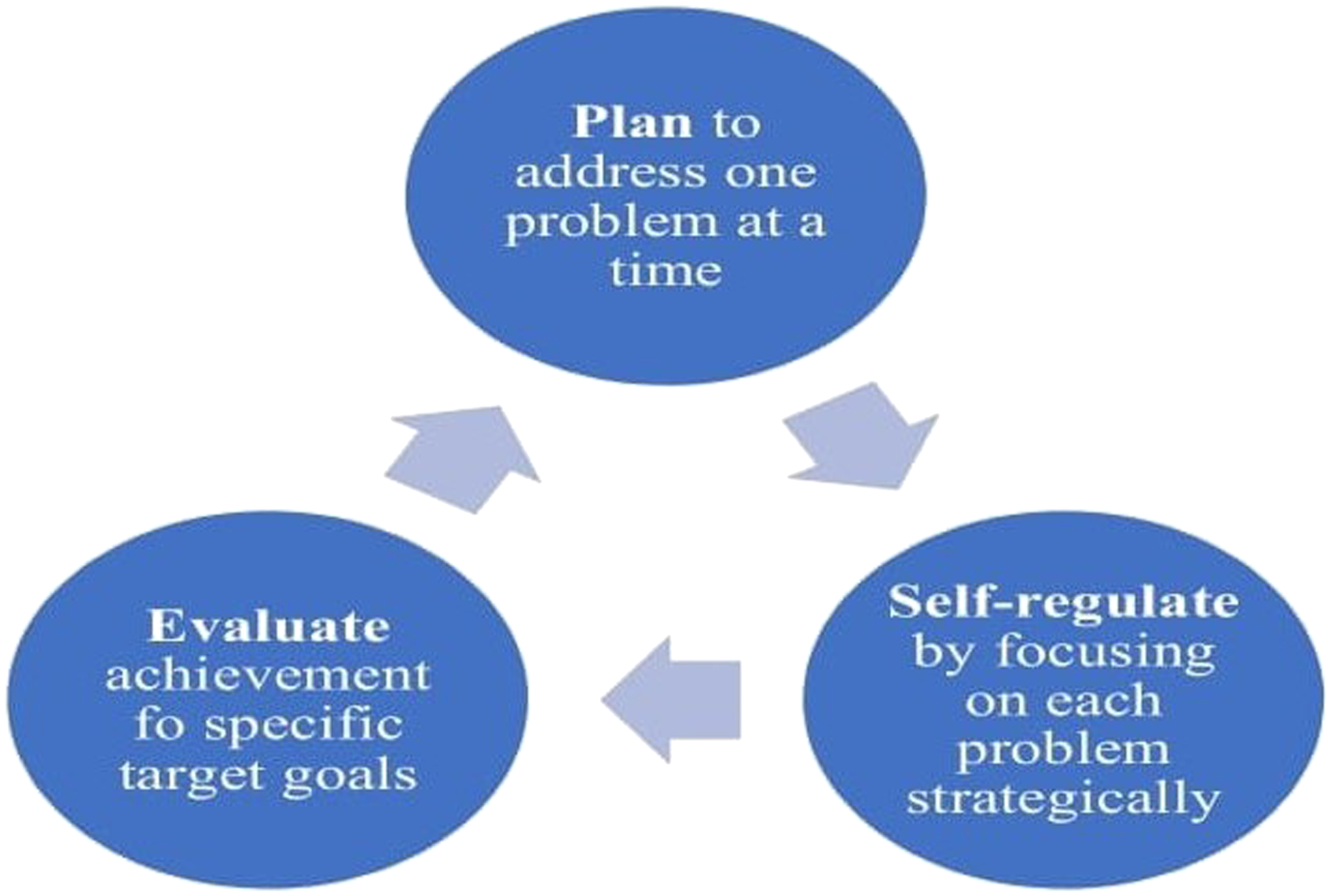
The Redelinghuys-Lewis method consists of three main sections. Section A refers to preparation and planning to address one problem at a time. This section mainly includes aspects of practice or performance that need to be decided on prior to the start of the practice session. Planning and preparation were necessary to focus each practice session on the most obvious problems in the specific piece I was working on. To achieve success in my rehabilitation journey, I needed to address one problem at a time. The problems were faced by focusing on certain specific aspects of music and/or playing, including • comfortable fingering; • key signature and applicable scales relevant to the piece; • time signature and identifying difficult rhythmical passages. One rhythm can be clapped on one part of the body, while a different rhythm can be tapped on a different part of the body. In doing so, difficult rhythmic passages may be better understood. Marzuola (2019) also points to increased confidence in music-making when embodied movement is added to the performance; and • difficult sections in the particular piece, as well as ways in which to navigate these difficulties. If the difficulty was related to a technique I struggled to execute, I created an exercise to practise the execution of that particular passage.
Section B refers to self-regulation by focusing on each problem strategically. As a result of PTSD and the consequent dissociation, I struggled with effective learning. The strategies described in Section B enabled my PTSD-ridden brain to learn music more quickly than ever. It is important to note that Section B can only be applied after Section A has been completed. Strategies aiding my self-regulation and analysis include • playing through the difficult sections identified in Section A, and • deciding on the practice strategy best suited to the problem in each difficult section.
Sometimes an existing strategy was used, but other times a combination of different strategies was needed. The strategy used depended on the specific problem or difficulty in a certain passage. These strategies included the following: • I counted out loud while executing a particularly difficult section of a piece. This helped my understanding of the pulse of the piece (26:8).
1
• To help me shape the musical phrases, I sang the main melody while playing the passage (32:3; 26:8). • I improved my learning by using a different strategy of musical processing. If I struggled to learn a particular passage, I would play one beat and then rest for the next beat. During the rest, I thought of what notes came next (25:6). I also discovered that playing the difficult sections as chordal passages further supported achieving this goal (38:4). • Sometimes I struggled to put two sections together fluently. To increase fluency in my playing, I practised the notes that linked two sections to each other. I also specifically practised sections that overlapped (37:8). • If the piece seemed unbalanced, I would practise the main melody line by isolating it in practice. The main melody can also be sung away from the piano to gain an understanding of which beats should be emphasised (48:6). • The most important aspect of successful practice sessions was practising for short periods of time (47:10). My journey was definitely positively affected by working productively on small sections at a time (48:3; 47:1). • Whenever I felt that a piece had regressed, slow practice helped to bring it back on track (30:5). • I practised healthy hand movement by stroking the keyboard to learn how to move in a more relaxed way (37:1).
Section C was the part of my method in which I evaluated my progress and achievement of specific musical goals. This included • playing through the section I practised, evaluating what still needed work; and • referring back to Section B to improve the sections I decided still needed work.
Memory lapses were also frequent in my playing and performance, another unfortunate consequence of PTSD. Even though the practice strategies described in Section B improved my learning process tremendously, I would sometimes still forget what I had just learnt. I would often come back the next day and not remember the sections I had learnt a day or an hour before. At other times, the section I learnt still needed more technical attention, for example, and I had to revisit the practice strategies described in Section B. For this reason, a considerable part of my practice sessions involved alternating between Sections B and C. In this way, I worked through the entire piece, practising in small sections. After that, I would start to play through the whole of the piece to understand all of the sections I practised in the context of the larger piece.
Conclusion
Because of the experimental and often frightening nature of my own journey of piano technique rehabilitation, I often felt surrounded by chaos and simply desired peace. Even with the overwhelming amount of knowledge available in the music library, there was no single solution to the challenges I faced. Through trial and error, I had to find solutions for overcoming the obstacles that hindered my rehabilitation. As a result of the complexities of the impact of PTSD on my brain, the same solutions also did not work twice. I had to constantly adapt and further develop my approach to sustain my rehabilitation.
Through this study, it became evident that there was a definite need for more research into piano technique rehabilitation. This study served as a narrative example of the impact of PTSD on an occupational pianist, placing emphasis on the possible severity of PTSD on a pianist’s cognitive and physical playing abilities. In this way, the study highlights the need to design a method enabling piano technique rehabilitation after PTSD.
Although there is a large body of literature on musical rehabilitation after physical injuries (e.g. Bragge et al., 2006; Heming, 2004; Lai et al., 2015), I believe that this study has broadened the scope of rehabilitation after injury to include mental injuries such as PTSD. There is no way to prevent an experience of trauma resulting in PTSD or predict when it will occur, and therefore, this study has also aimed to contribute to the existing research literature by presenting a possible method to enable piano technique rehabilitation after PTSD.
Although I do not write this article from the perspective of a medical specialist, I hope that it can provide insights to health professionals working to help individuals, including musicians, to recover from PTSD. To someone without a medical background, the reality of the side effects and symptoms of PTSD were deeply frightening. My doctors’ kindness and patience in helping me better understand the condition played a crucial part in the success of my journey. Because of the impact of PTSD on musical livelihood and income, continued support from health professionals with the aim of sharing of relevant practical strategies to alleviate symptoms of PTSD is therefore crucial for a successful journey to recovery.
Footnotes
Author Contributions
Carla Lewis was responsible for the design of the work, data collection, data analysis and interpretation, and drafting of the article. Prof. Liesl van der Merwe was also involved in the design of the work data analysis and added important intellectual revisions to the draft.
Declaration of Conflicting Interests
The author(s) declared no potential conflicts of interest with respect to the research, authorship, and/or publication of this article.
Funding
The author(s) received no financial support for the research, authorship, and/or publication of this article.
Ethical Statement

Data Availability Statement
Requests to access the data should be directed to