



Abstract
Globally, increasing demand for professionally qualified staff in Early Childhood Education and Care (ECEC) directs attention to strategies to grow and sustain the workforce. One such strategy is offering training pathways in secondary school. Guided by Career Construction Theory, we conducted a thematic analysis of in-depth biographical interviews to explore the career trajectories of eight Australian educators who entered the ECEC workforce through school-based pathways. Our analysis identified the potential of school-based entry to engage individuals, build educational pathways and sustain employment in ECEC, with some advancing through to degree qualifications. However, external challenges, most notably poor remuneration and high work demands, placed challenges on career pathways with some aspiring to move into the school sector or allied careers. The findings provide valuable insights for educational institutions, policymakers, and career counsellors to better support and sustain a professionally trained ECEC workforce.
Keywords
Introduction
The Early Childhood Education and Care (ECEC) workforce is crucial for national education systems and economies, supporting parental workforce participation (OECD, 2021) and positively impacting children's learning and well-being during critical developmental years (Center on the Developing Child, 2021). However, both internationally (OECD, 2019) and in Australia (Thorpe et al., 2023), the ECEC sector faces persistent workforce challenges, with shortages of degree-qualified teachers and diploma and certificate-trained educators. Countries are employing strategies to attract and retain the workforce, including strengthening initial education programs and creating clear career pathways (ACECQA, 2021; OECD, 2019).
In Australia, vocational education and training (VET) programs in secondary schools provide pathways into ECEC through the Certificate III qualification. The Australian Qualifications Framework (AQF) is a national system that categorizes qualifications across education and training sectors, from Certificate I (AQF Level 1) through to Doctoral degrees (AQF Level 10) (Australian Government Department of Home Affairs, 2018). Early childhood education and care (ECEC) qualifications such as the Certificate III (AQF Level 3) and Diploma (AQF Level 5) are considered vocational qualifications, while a Bachelor degree (AQF Level 7), is required to become an early childhood teacher (Australian Government Department of Home Affairs, 2018).The growth of VET over two decades (NCVER, 2021) reflects increasing interest in vocational pathways, but data on completion rates and career progression remain limited. Scant research exists on the career pathways from completion of a school-based VET qualification in ECEC into sustained involvement in the ECEC sector. This study fills a gap by exploring the experiences of individuals who completed a school-based VET qualification in ECEC and transitioned into the sector.
While there is limited career development research specific to the ECEC sector, a substantial body of literature exists concerning teachers’ careers in other education settings from an individual perspective. With continuing teacher workforce shortages internationally, there is a growing body of research adopting a systems perspective (Darling-Hammond, 2017). For example, Coldwell (2016) examines the influence of school “career cultures” (p. 610) on career development and retention. The study findings highlight the need for schools to identify the career orientations of early career teachers and to have an “action-oriented career culture” (p.622) and organizational conditions that support individual professional learning and career aspirations. More recently, Chaaban et al. (2023) explore the systems of influence on school teachers’ career development in Qatar. This study highlights the complex interplay of multiple factors, spanning individual, social and environmental-societal dimensions, as well as the diversity of individual teacher views and experiences of career development. Focusing on teachers in higher education Owusu-Agyeman (2021) explores how individual and institutional factors, such as academic freedom, workload, and collegial relationships, influence early career academics’ subjective career success and adaptation, offering indirect insight into aspects that may shape professional identity and resilience over time. While such work offers valuable conceptual insights, how this relates to the context ECEC is not straightforward. The ECEC workforce differs significantly from school teaching in terms of qualification pathways, professional recognition, working conditions, and regulatory oversight. These distinctions mean that findings from teacher career research may not fully capture the lived realities of ECEC educators. As such, while existing studies provide a useful foundation, there is a clear need to investigate how career development frameworks apply, or fail, to apply in ECEC settings. The limited focus on the context of ECEC highlights a significant gap in the research literature that warrants further exploration.
Guided by Career Construction Theory (CCT), this study uses biographical interviews to explore factors influencing career decisions and retention in ECEC. The study aimed to construct a comprehensive understanding of educators’ work biographies, encompassing their past experiences, current roles, and future aspirations. By examining the intersection of career development and the persistent shortage of educators in the ECEC workforce, this research highlights critical factors influencing educators’ career choices and decision making. The findings provide insights for improving career development initiatives, with the ultimate goal of strengthening the pipeline of engaged ECEC educators (ACECQA, 2021).
Aims of the Research
This research sought to investigate the career development of individuals who completed a school-based Certificate III qualification in ECEC and subsequently entered the ECEC workforce. Drawing on CCT, the study explores how personal characteristics, contextual factors, and experiences shape educators’ career decisions, adaptability, and long-term intentions to remain in the sector. In doing so, it addresses a gap in the literature concerning how early vocational pathways influence career sustainability in ECEC and seeks to inform strategies for career development and workforce retention.
Career Construction Theory
Career Construction Theory (CCT) (Savickas, 2005, 2020) serves as a guiding framework for this study, offering an interpretive framework to understand how individuals navigate and construct their careers over time. CCT underscores the active role individuals play in shaping their career paths through self-awareness, adaptability, and narrative construction. For this reason, CCT provides an important framework when examining the experiences of individuals who embarked on their careers in ECEC by pursuing a Certificate III qualification while still in secondary school.
CCT posits that individuals actively shape their career paths through a dynamic decision-making process influenced by factors such as self-efficacy, personality traits, gender, and human capital. Rather than following predetermined routes, CCT postulates that individuals engage in lifelong career development by constructing personal narratives that integrate past experiences, present realities, and future aspirations (Del Corso & Rehfuss, 2011; Sartori et al., 2024; Savickas, 2005). Central to CCT are three key components: vocational personality, career adaptability, and life themes.
The first component, vocational personality, is defined as the unique blend of traits and preferences, including interests, values, abilities, and self-concept, that influence individuals’ career choices and behaviors (Savickas, 2005). This first component highlights how personal characteristics, such as self-efficacy, gender, personality traits, and human capital, shape career decisions and satisfaction within the workplace. In this study, we define vocational personality as educators’ personal conceptualizations of self, work, and life, focusing on factors that influenced their decision to complete a Certificate III in ECEC in secondary school and enter the ECEC workforce.
The second component, career adaptability, is the ability to effectively cope with career transitions, challenges, and uncertainties to thrive in their vocational pursuits. Savickas (2005, 2019) argues that individuals must develop career adaptability and delineates four dimensions: concern, control, curiosity, and confidence. Concern involves engagement and investment in career development; control pertains to perceived agency and influence over career outcomes; curiosity involves openness to new experiences and learning opportunities; and confidence reflects self-belief in the ability to succeed in chosen career paths. These dimensions influence motivation, perceived agency, openness to new experiences, and self-assurance in career-related actions and decisions. For this study, we define career adaptability as educators’ sense of agency and ability to flexibly adjust their career paths, goals, and strategies in response to evolving circumstances and demands within the ECEC sector. This study examines how personal circumstances, the surrounding environment and experiences, and continuous learning and professional development factors influence career adaptability, considering how these factors can either enable or challenge educators in their professional development.
The third component, life themes, refers to the underlying, recurring patterns or motives that give coherence and meaning to an individual's life story and career development (Savickas, 2005, 2020). These themes reflect deep-seated values, beliefs, and goals that guide a person's decisions and actions throughout their life. Life themes help individuals construct a coherent narrative of their life and career, revealing how past experiences, decisions, and future goals are interconnected. Acting as guiding principles, life themes influence personal decision-making, response to challenges, pursuit of opportunities, and adaptation to changes. Understanding these themes provides a clearer sense of identity and purpose, leading to more fulfilling and authentic career paths. In our research, we define life themes as educators reflecting on their motivations, experiences, and aspirations that offer insight into their journey from student to ECEC educator. The process of narrative construction allows individuals to articulate their career goals, values, and sense of purpose within the sector.
CCT provides a comprehensive framework to understand and analyze the vocational behaviors, motivations, and career narratives of individuals. By examining the components of vocational personality, career adaptability, and life themes, this study considers the interplay between individual agency and societal influences in career construction. The insights gained will contribute to understanding career pathways for progression (OECD, 2019) and will inform strategies to support effective career counseling, development and support to encourage, nurture and sustain a career in ECEC.
Method
Research Design
This study draws on qualitative data from the national Early Years Workforce Study (EYWS), which used a mixed-methods design incorporating both a national survey and longitudinal qualitative research with educators in ECEC services (Figure 1). This article focuses on biographical interview data to explore the career trajectories of educators who completed a Certificate III in ECEC during their attendance at secondary school.
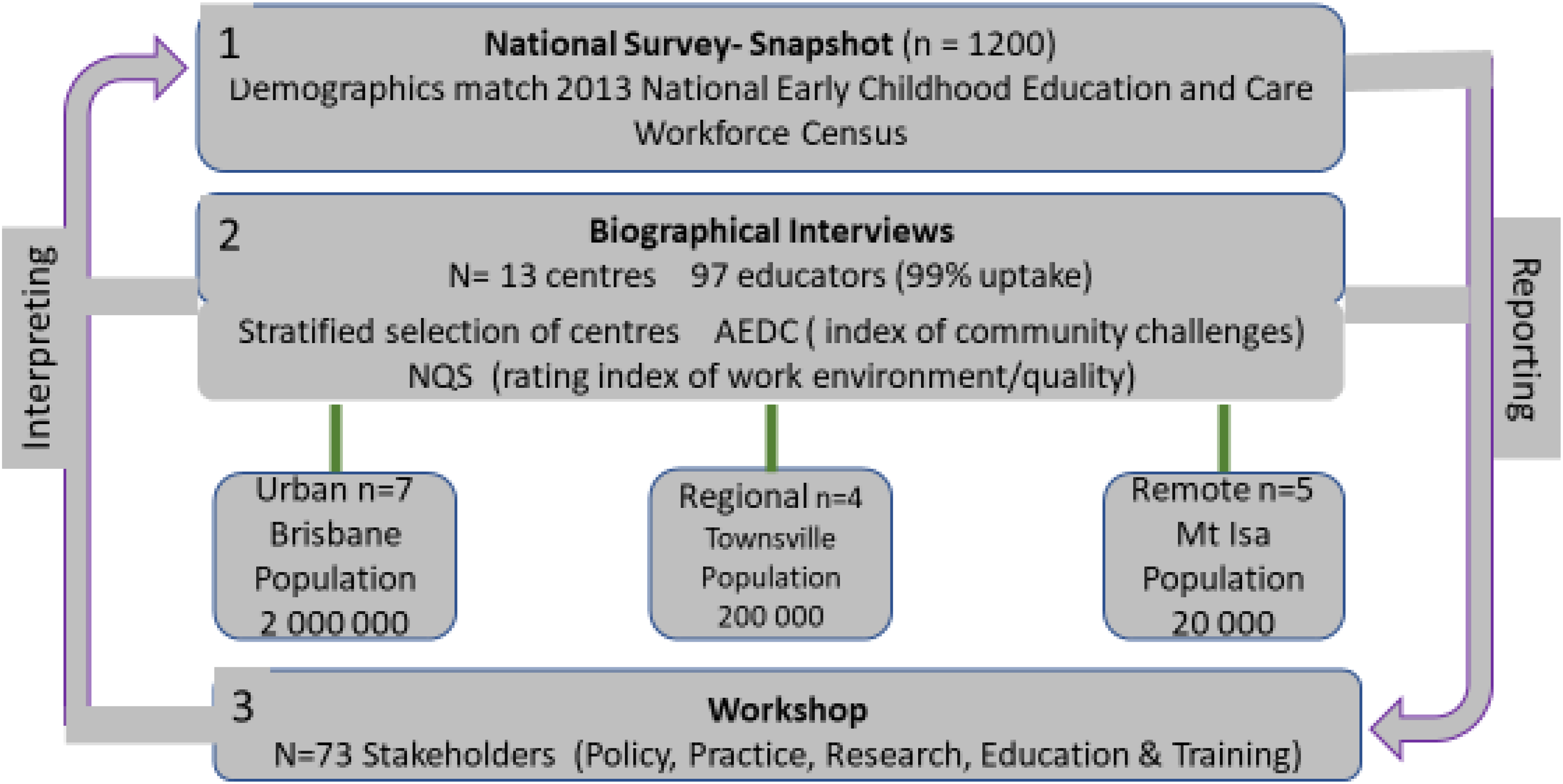
The Early Years Workforce Study (EYWS).
Participants
Participants were drawn from three distinct Australian regions: a remote mining town (population 20,000), a regional tourist town (population 200,000), and a diverse metropolitan area (population 2 million). Across the three locations a stratified random sample of 15 ECEC services was selected. After two services withdrew, 13 centres (9 long day care and 4 kindergartens) participated in the qualitative component. Of the 102 educators involved, 98 (96%) participated in biographical, semi-structured interviews.
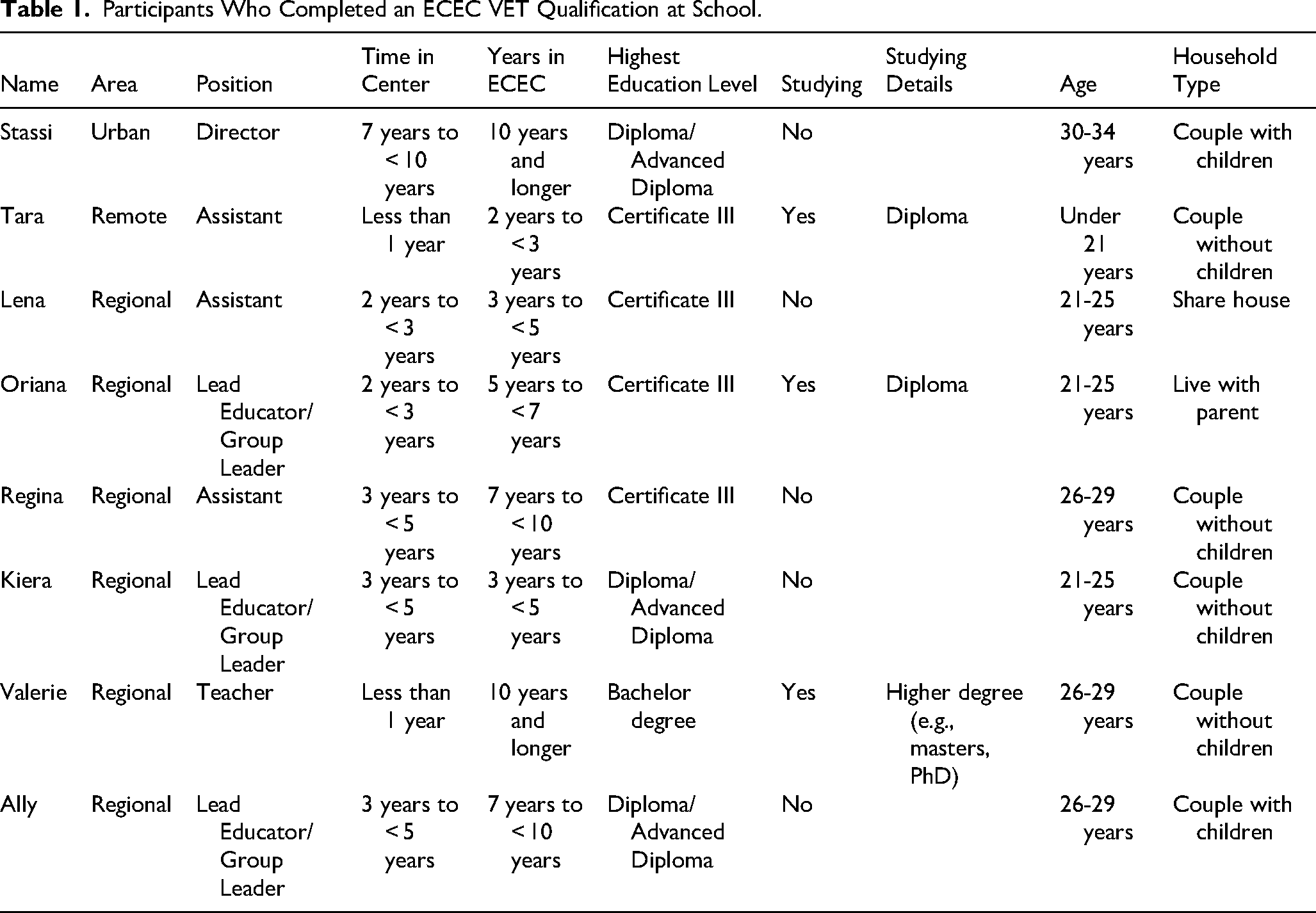
For this study, a purposive subsample of eight educators (approximately 10% of the total sample) was selected based on having completed a Certificate III qualification in ECEC during their secondary schooling. This criterion was central to exploring the personal value and career effectiveness of early vocational entry pathways into the ECEC sector. The eight participants were the only individuals within the larger sample who met this criterion. Table 1 provides demographic information for the selected participants. Pseudonyms are used to protect their identities.
Participants Who Completed an ECEC VET Qualification at School.
Data Collection
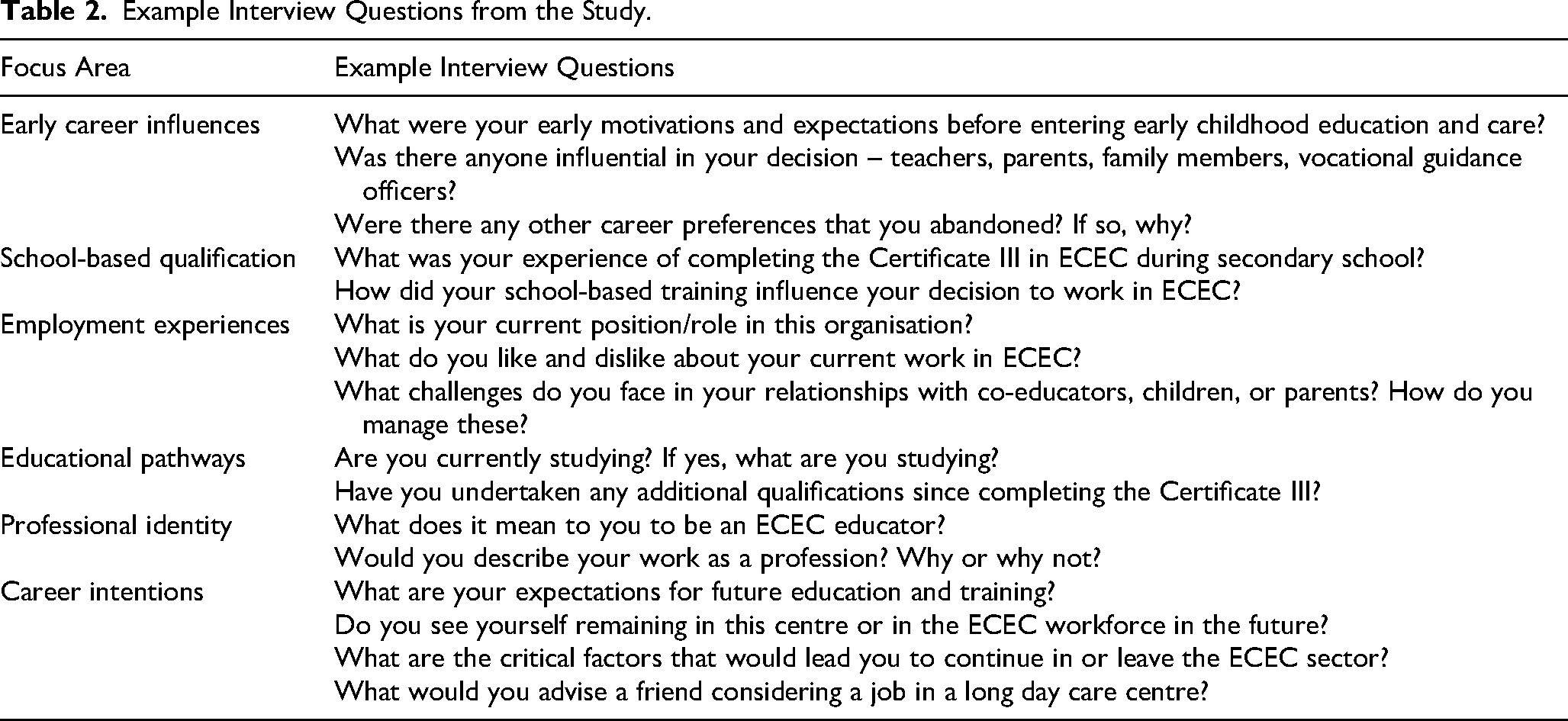
Data for this study were drawn from in-depth biographical interviews conducted as part of the EYWS. The interviews were semi-structured and designed to elicit participants’ reflections on their work history, educational pathways, and career decisions. Participants were asked a consistent set of questions about their early experiences, motivations for entering the sector, current roles, and future aspirations (see Supplementary Material). These questions focused on past and present educational and employment experiences, personal influences, and expectations for career progression. The approach allowed for rich, narrative responses that revealed how school-based VET pathways influenced participants’ entry into and engagement with the ECEC workforce. Table 2 provides examples of interview questions used in this study.
Example Interview Questions from the Study.
Data Analysis
We employed a two-phase data analysis approach, starting with inductive exploration, followed by a deductive examination using CCT. First, the lead author read each transcript to familiarize themselves with the data. Inductive analysis involved open coding to identify emergent themes and patterns without preconceptions (Braun & Clarke, 2022). Initial codes were grouped into broader themes and refined to capture key meanings. Three main codes emerged: career choice factors, current experience factors, and retention influences.
NVivo software (QSR International) was used to undertake the coding and organisation of the qualitative data. The platform supported systematic data management and facilitated the identification and grouping of codes, contributing to transparency and rigour in the analysis process. After preliminary coding, a transcript was shared with the research team for collaborative discussion, allowing refinement of the codes, which were compiled into a codebook. The lead author then recoded each transcript using the codebook, further refining and collapsing codes into broader categories (Creswell & Creswell, 2023). Using CCT (Savickas, 2005), themes were mapped to three CCT components: vocational personality, career adaptability, and life themes. This deductive process examined how the themes aligned with CCT. By combining inductive and deductive methods (Figure 2), we explored participants’ career pathways from completing a school-based ECEC qualification to ongoing sector engagement. Regular team meetings were held to review and finalize the coding process, ensuring consistency and alignment through discussion and consensus (Merriam & Tisdell, 2016).
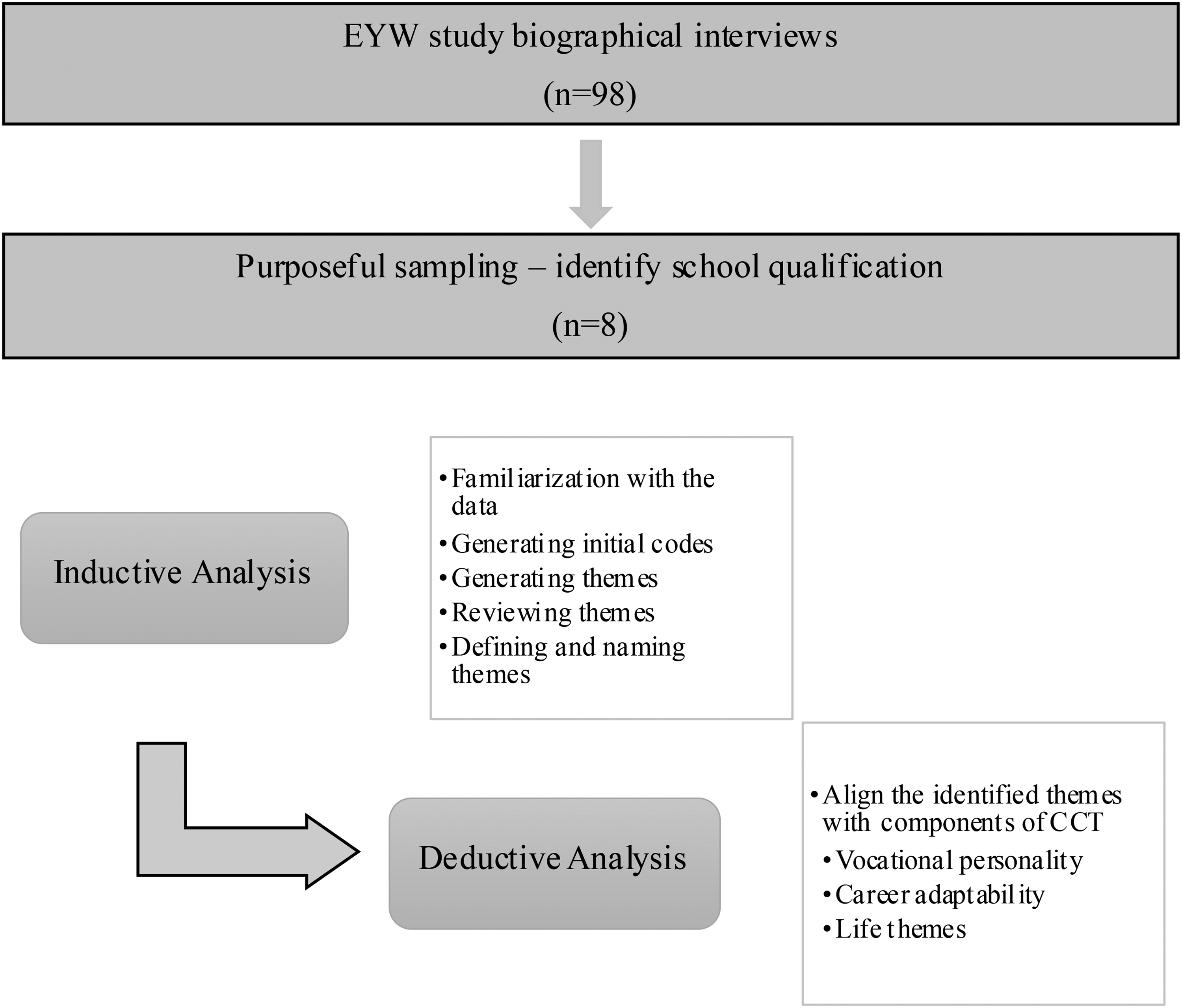
Data Analysis.
Trustworthiness and Credibility
Trustworthiness was established using qualitative criteria of credibility, dependability, confirmability, and transferability (Lincoln & Guba, 1985). Credibility was supported through researcher triangulation, with team members engaging in collaborative analysis at key stages including initial coding, codebook development, and theme refinement. The research team met on a fortnightly basis throughout the analysis phase to discuss interpretations, resolve discrepancies, and ensure consistency. Dependability and confirmability were enhanced by maintaining an audit trail in NVivo, documenting coding decisions and analytical memos. Thick description of participant experiences and settings was provided to support transferability.
Findings
The findings are framed by the three key components of CCT: Vocational Personality, Career Adaptability, and Life Themes.
Vocational Personality
Within the vocational personality component, we explore the interaction between career exploration, values, and identity development. Participants reported that the school-based Certificate III in ECEC fostered their career aspirations and self-identity, serving as a catalyst for pursuing a career in ECEC. Hands-on experiences in the sector helped sustain their excitement and emotional commitment to working with children. Across all participants, reflections highlighted their dedication, passion, and the intrinsic satisfaction they derived from working with children, key aspects of their professional commitment. For example Tara reflected on her journey, stating: I don’t know if I wanted to do childcare. I always wanted to do something that involved helping children, so whether it was a teacher, childcare, yeah. So once I saw the opportunity when I was in high school to do child care, I went straight to that and then I succeeded and I have loved my journey. (Tara)
Participants also noted how the Certificate III influenced their sense of self and work. Their reflections reveal identities, values, and personal growth related to ECEC. While all shared similar sentiments, Valerie's narrative provides a nuanced understanding of personal engagement, emphasizing intrinsic rewards over financial gain: We don't do it for the money. We do it for the love of the job. No matter where you work, there's always going to be that - you are not going to be valued, like, that chance that you are not going to be valued. So your position is not valued in the community; you will be valued by those kids that you are working with and that's the important part. It is those kids. That's what we do it for. (Valerie)
Valerie's statement highlights a strong connection between her self-identity and professional role. She values the intrinsic rewards of her work, such as being appreciated by children, reinforcing her self-concept as a dedicated and passionate educator fulfilled by her impact on their lives. This reflection shows how participants’ sense of self intertwines with their professional identities. Their personal values and intrinsic motivations are evident in their commitment to ECEC careers, despite challenges. The Certificate III in ECEC likely played a key role in shaping their vocational personalities, boosting confidence, and reinforcing their identity as educators dedicated to working with children.
In summary, participants noted that completing the Certificate III in ECEC influenced their vocational aspirations, sense of self, and work. It enhanced their self-concept, fostered commitment to children, and provided hands-on experiences that sparked interest in the ECEC sector. Furthermore, the Certificate III may have deepened their motivation by emphasizing intrinsic rewards, even amidst workforce challenges.
Career Adaptability
Participants’ career transitions and responses to professional uncertainties were shaped by personal circumstances, the environment, and ongoing learning and development. These factors significantly influenced their decision-making, adaptability, resilience, and career trajectories in the ECEC sector.
Personal circumstances played a key role, with participants being drawn to the sector through opportunities such as completing a Certificate III in ECEC during secondary school and securing employment at ECEC centers following work experience placements. School-based VET programs fostered emotional engagement, boosted confidence, and opened diverse career paths. For example, Regina's VET experience provided a break from routine, giving her autonomy and respect as an adult learner. Yeah, I found it was a lot of fun. I was in school so it got me out of school. Every Wednesday you had a choice - you go to a TAFE course or you went to do your exams for uni… So I chose to go to TAFE and, yeah, it was just a refreshing difference, getting out of the school life and be respected as an adult and everything like that. Yeah, I really enjoyed it, yeah. (Regina) When I went to high school, I was kind of – I don’t know. I wasn’t the best student. Never had any aspiration to go to uni or anything. But then I started working and I did the diploma… and then, yeah, it's like Oh, okay, maybe I can go to uni (Valerie).
Our analysis highlights the crucial role of positive relationships in career development within ECEC. Family opinions during secondary school significantly influenced career choices by validating or challenging decisions and impacting confidence. While all participants noted the importance of support and approval, Ally expressed gratitude for the unwavering support of her family and partner: Yes, they [family] were very supportive. Obviously, everyone else works out in the station. So I am the only one that's got an in-town job. They have been really supportive. Even with my studies and stuff, they have encouraged me to go as high as I can go or as best as I can be…He's [partner] really encouraging; and always willing to listen and help me out as best he can. (Ally)
These experiences illustrate the complex interplay of personal and external factors in career decision-making, including the influence of family and community perceptions of ECEC.
Another factor was workplace environments. Participants’ experiences adapting to organizational culture, leadership, and team dynamics influenced their career adaptability. These elements shaped job satisfaction and professional fulfillment, especially for those early in their ECEC careers, and played a role in ongoing career decisions. Tara's experience at her current center illustrates how these dynamics impacted her job satisfaction and growth. They [current center] are more about us helping and looking after the children. My old center was basically paperwork, paperwork, paperwork and just want to do all the paperwork. Here we've got our own cleaner so of an afternoon we don’t have to vacuum, we don’t have to mop and we can actually spend quality time with the children all day long, which makes a huge difference…Yeah, you're not stressed out like I've got to vacuum, … So they're really well planned out what they've done here. (Tara)
Negative workplace experiences offer valuable lessons for future career choices. Valerie identified how poor leadership affected her well-being and job satisfaction, ultimately prompting her to leave her previous center, emphasizing the importance of positive leadership and healthy workplace relationships on career choices. This awareness guides her in seeking future roles and approaching leadership, affecting her career adaptability.
Another recurring theme was the role of professional development, viewed as essential in ECEC career decision-making. This commitment to continuous learning fosters personal growth and skill enhancement, benefiting children and families in ECEC. Participants actively sought opportunities to expand their expertise; for instance, Tara expressed her ambition to become a group leader and emphasized the importance of building confidence through knowledge acquisition. Kiera also plans to pursue a teaching degree and Valerie discusses her educational journey, having completed a diploma and now pursuing a Master of Education in guidance and counselling. I have a diploma, the two-year diploma; and I am studying a Master's in Education; I am doing guidance and counselling, so I have that assessment and special needs background. (Valerie)
Our exploration of career adaptability among early-entry educators in the ECEC sector revealed a complex interplay of personal circumstances, environmental factors, and continuous professional development shaping career decisions. Educational pathways and initial aspirations influenced educators’ career trajectories in ECEC, while family and community perceptions, supportive relationships, and positive workplace environments played significant roles. Additionally, a commitment to professional development emerged as essential for career adaptability, enabling educators to meet evolving demands and enhance care quality for children and families. For those who transition out of ECEC, the experience gained may serve as a valuable springboard for future opportunities.
Life Themes
Across the eight educators, we identified recurring patterns that influenced their career choices. Life themes, including personal experiences, commitment to ECEC, work-life balance, and professional recognition, shaped their career trajectories.
Caring for young children within family networks was a significant theme impacting their aspirations in ECEC. Many educators recalled formative moments from their childhood when they were responsible for younger siblings, cousins, or neighborhood children. These experiences often provided fulfillment and purpose, fostering a desire to pursue a career in ECEC. The joy of teaching young children and witnessing their development was a common theme in their narratives. For instance, Valerie highlighted her teenage years spent nurturing younger cousins as a pivotal experience. In my teenager years I had younger cousins. … I really liked teaching them things and talking to them and saying, “Hey, look at this.” “Oh, yeah, if we do that then” - yeah. Sort of self-satisfaction in showing them - teaching them something and knowing that they have learnt something from what you have said. (Valerie).
Commitment to ECEC emerged as a life theme in the study, reflected in individual motivations, aspirations, and professional journeys. Some, like Ally and Kiera, demonstrated strong commitment to the sector, while others, such as Oriana and Lena, considered alternative paths due to personal circumstances. For example, Ally expressed loyalty to her workplace and envisions a continued career in ECEC: I do yeah. I am pretty much, obviously, loyal to where I am; unless there's circumstances, that we have to go somewhere; my life circumstances change. I do see myself being here. Probably, in the same role; but maybe in a different room, like a different age group, maybe. (Ally) I will be finished my diploma by end of the year. I don't think I will start studying again straight away because I don't know where I am going to end up. My partner has just joined the army, so who knows. But I would like to do my Bachelor…I think I might do Primary, because if I got my Bachelor, I wouldn't work in a childcare center because it is not fair on teachers. Like, they don't get their school holidays; they don't get paid equally; they don't get hours the same, like school holidays. (Oriana).
The balance between work and personal life is crucial for sustaining long-term commitment to ECEC, as identified in the study findings. The demanding nature of ECEC requires educators to effectively balance professional commitments with personal aspirations. Alongside career advancement considerations, they emphasized the importance of work-life balance and well-being in their decisions. This focus on achieving balance and maintaining well-being shapes their career paths. For example, Stassi's reflection on managing further education with family commitments highlights this vital aspect of career decision-making and adaptability:
Spending time with their own children is important throughout participants’ careers. For example, Tara's consideration of transitioning to family day care to spend more time with her children while staying in ECEC highlights the recurring and ongoing theme of balancing personal and professional priorities.
The theme of professional recognition emerged as a key aspect of participants’ experiences and aspirations in ECEC. They expressed a collective desire for greater acknowledgment of their contributions and fair compensation. For example, Valerie highlighted her commitment and intrinsic motivation but also her wish for increased recognition of her professional work: The only thing that would drive me out would be if I really needed to earn more money. But I don't do it for the money; I do it for love (laughs). I think we just need more recognition and acknowledgement from the general public and things like that, just to - for people to realise how much work we all put into it. (Valerie)
Participants expressed frustration over community misconceptions about their role in early learning and development. For instance, Stassi criticized the perception of educators as mere babysitters, advocating for greater professional respect and understanding: I do think it's a little bit unfair that we're not recognised as being professionals and the role and the responsibility we have in little people's lives is so crucial and important and yet I still think it has a bit of that stigma that we're just babysitters. (Stassi)
In conclusion, the educators’ narratives revealed life themes shaping their career choices and decision-making. Key themes included early nurturing experiences that sparked their passion for ECEC, a growing understanding of its significance, and a sense of purpose. Additionally, they discussed the impact of changing life circumstances, the pursuit of work-life balance, and ongoing challenges such as professional recognition and remuneration. These insights reflect shared motives and experiences that influence career choices in ECEC over time.
Discussion
This study is based on a purposive and relatively small sample, so the findings should be seen as indicative rather than conclusive. Nevertheless, the data offer valuable insights into individual experiences of early entry pathways and career sustainability in ECEC. The study explored the career trajectories of educators who entered the field after completing a Certificate III qualification during secondary school. Their varied experiences illustrate the complex interplay of personal and external influences on career decision-making, including the impact of family and community perceptions of ECEC. Interpreted through the lens of Career Construction Theory (CCT), the findings point to three critical areas for further exploration: the role of vocational personality, the capacity to adapt careers to fit life circumstances, and the impact of structural challenges on long-term career sustainability. The study also underscores the significance of individual commitment to professional development and the availability of supportive resources. While based on a small group, these findings offer valuable insights into career development within ECEC and suggest patterns that merit further investigation.
Firstly, the participants in our study represent positive outcomes of early entry strategies into ECEC. These women not only entered the sector but also remained and advanced in their careers, reflecting the influence of vocational personality as emphasized by CCT (Savickas, 2005, 2020). Their passion for working with children, a key component of their vocational identity, was a significant driver that initially drew them to ECEC and sustained their commitment over time. While we cannot determine how many individuals from similar pathways did not continue in the field, our findings highlight the critical role that both personal and structural factors can play in influencing educators’ decisions to persist in their careers. This directly supports our overarching aim of strengthening understanding of school-based pathways and their impact on career retention in the ECEC sector.
While the study findings illustrate the potential of this qualification and career pathway in ECEC, there is a need to ensure that early career experiences do not limit choice. The intersection between gender and ECEC is well documented (Damaske, 2011; McDonald et al., 2011). All of our study participants were female, and told us their interest in child development motivated them to pursue the Certificate III during secondary school. Research has shown that confining individuals to roles traditionally associated with femininity might contribute to ongoing gender segregation within the workforce, undermining efforts to diversify and elevate the status of professions like ECEC (Damaske, 2011; Rohrmann, 2020; Thorpe et al., 2018). If early entry strategies inadvertently channel individuals into a sector that is underpaid and undervalued due to its feminized nature, this could exacerbate retention issues and limit the long-term sustainability of careers in ECEC (Canobi et al., 2024; Cumming & Wong, 2019; Kenny et al., 2024; McMullen et al., 2020). Thus, recognizing and addressing the gendered implications of these programs is vital not only for fostering a more equitable workforce but also for ensuring that the career pathways offered are truly fulfilling and sustainable.
Secondly, despite facing numerous challenges, our participants demonstrated a remarkable ability to adapt their careers to fit their life circumstances. They were aware of alternative career options yet chose to stay in ECEC, reflecting a deliberate commitment to their chosen profession. This adaptability is a key component of CCT, which highlights how individuals construct their careers by integrating professional aspirations with personal life demands (Savickas, 2005, 2020). Our participants’ stories reveal that their decisions to remain in ECEC were not solely driven by external opportunities but by personal choice to build and sustain a career within the sector, even when faced with difficulties such as balancing work and family responsibilities. This finding directly supports our research aim by highlighting the critical role of career adaptability in educators’ professional journeys, demonstrating how personal choice and the integration of career and life demands contribute to their decision to remain in the ECEC sector.
Career adaptability, as conceptualized within CCT, involves the capacity to navigate and adjust one's career trajectory in response to changing circumstances (Savickas, 2005, 2020). This adaptability is essential for ECEC educators, who often face significant challenges related to work-life balance, job security, and professional development opportunities (Cumming & Wong, 2019; Sartori et al., 2024). Our participants demonstrated adaptability by actively seeking out professional development opportunities, leveraging support networks, and finding supportive work environments, as well as managing the emotional and physical demands of their roles. These strategies are necessary for sustaining a long-term commitment to the profession (Logan et al., 2020; Thorpe et al., 2020).
Managing work and personal responsibilities is crucial for sustaining long-term commitment to ECEC (Cumming & Wong, 2019; Sartori et al., 2024). Participants frequently highlighted the importance of balancing work demands with family life, a challenge given the sector's complexities and rising expectations. Research has consistently shown that educators in the ECEC sector face unique challenges in achieving work-life balance, particularly due to the low wages, long hours, and emotionally demanding nature of the work (Kenny et al., 2024; Logan et al., 2020; McKinlay et al., 2018; McMullen et al., 2020; Sartori et al., 2024). Supporting educators, especially those new to the field, in managing these demands is critical for fostering work-life balance, reducing stress and burnout, and encouraging retention. Strategies such as providing flexible working arrangements, promoting a culture of well-being within ECEC settings, and offering targeted support for early-career educators can play a significant role in helping educators manage the dual demands of work and personal life (McDonald et al., 2018; McKinlay et al., 2018; Thorpe et al., 2023).
Finally, our findings, though limited in scope, suggest that career adaptability is not just a personal attribute but also a reflection of the broader structural conditions within the ECEC sector. Addressing systemic issues, such as inadequate pay and lack of professional recognition, is essential to support educators in building sustainable careers (Kenny et al., 2024; McKinlay et al., 2018; Thorpe et al., 2023). This has significant implications for policy, as it underscores the need for reforms that enhance the overall working conditions in ECEC, thereby enabling educators to thrive both personally and professionally.
The most critical issue raised by our study, however, is the structural challenges identified by these educators, particularly concerning pay and working conditions. Even the most dedicated and intrinsically motivated individuals face the risk of leaving the profession if these structural issues are not addressed (Kenny et al., 2024; Sartori et al., 2024; Thorpe et al., 2020; Thorpe et al., 2023). The participants consistently pointed to inadequate remuneration and the lack of professional recognition as significant barriers to long-term career sustainability in ECEC. This finding raises important questions about the broader implications of early entry strategies. While these pathways effectively bring educators into the field, there is a risk that they may also limit greater career possibilities by confining individuals to a sector that does not adequately reward their skills and contributions.
The gendered nature of ECEC, a profession predominantly occupied by women, compounds these challenges (McDonald et al., 2018; Sullivan et al., 2023). Research shows that feminized professions often suffer from lower pay and less professional recognition compared to male-dominated fields, a phenomenon rooted in historical and cultural biases that devalue care work. Our participants’ accounts resonate with broader concerns in the literature about gender, professional recognition, and remuneration in ECEC (e.g., McDonald et al., 2018; Sullivan et al., 2023), suggesting that these systemic issues continue to affect even those who remain committed to the sector. This dynamic was evident in their expressions of frustration over the disparity between the critical importance of their work and the inadequate compensation they received, underscoring the urgent need for systemic change to address these deep-seated inequalities.
In this context, the discussion shifts to the necessity of structural reform within the ECEC sector. For early entry strategies to be truly effective, they must be part of a larger framework that ensures a livable wage and assigns appropriate value to the role of educators. The ongoing growth of the ECEC sector, particularly as a feminized profession, underscores the urgent need to address these structural issues (McKinlay et al., 2024; Thorpe et al., 2023). Without such reforms, the sector may continue to lose talented and motivated individuals, ultimately undermining the very goals that early entry strategies aim to achieve (McKinlay et al., 2024).
In light of these findings, the imperative for policymakers and practitioners to take action that address the structural challenges facing the ECEC workforce is highlighted. Enhancing early entry programs through high-quality work experiences, strengthening workplace support via mentorship and flexible arrangements, and addressing systemic issues such as fair remuneration and professional recognition are critical to sustaining a committed workforce. These findings align with Career Construction Theory (CCT), which emphasizes career adaptability, vocational personality and life themes in shaping professional pathways (Savickas, 2005, 2020). The structural barriers identified in this study, notably low pay, limited recognition and gendered perceptions, can constrain educators’ ability to adapt and thrive in their careers. Without reform, early entry strategies risk narrowing career possibilities rather than expanding them. At the same time, these findings speak to broader developments in career theory, including a growing emphasis on sustainability in career development. Hartung and Di Fabio (2024) argue that sustainable careers must be meaningful, adaptable and socially responsible. These qualities were evident in the values-driven, long-term engagement of educators in this study. Aligning policy and practice with these principles is essential for transforming early entry pathways into genuinely sustainable and fulfilling career trajectories.
Lessons for Policy and Practice
While the scope of this study does not permit broad generalizations, the insights gained are consistent with existing research and highlight several areas for potential policy and practice improvement. The structural challenges identified by participants underscore the need for meaningful systemic change to support sustainable career pathways within the ECEC sector. In this context, the study points to three key areas for attention: enhancing early entry programs, strengthening workplace support, and addressing broader structural conditions affecting workforce sustainability.
Enhancing Early Entry Programs
To build on the success of early entry strategies, it's crucial to ensure that school-based VET programs not only provide access to the profession but also emphasize high-quality work experiences. Positive early exposures, coupled with strong support in the workplace, significantly influence long-term career commitment. Improving the quality of these early experiences can help retain interest in ECEC and foster career satisfaction.
Strengthening Workplace Support
The quality of workplace relationships and support is vital for retention. Policies should focus on strengthening supportive environments where educators feel valued, able to fulfil their professional roles, and continuous professional learning is encouraged. Flexible work arrangements, mentorship opportunities, and clear career pathways can help educators manage work-life balance and adapt to personal and professional challenges. Addressing these needs can enhance job satisfaction and reduce burnout.
Addressing Structural Challenges
To sustain the ECEC workforce, systemic improvements are recommended. This includes fair remuneration, professional recognition, and manageable workloads. The study findings support key directions in the current national ECEC Workforce Strategy (ACECQA, 2021), in particular, elevating the status of the profession through social marketing campaigns, and by ensuring competitive salaries through the provision of wage subsidies (ACECQA, 2024; Australian Government Department of Education, 2023). Increasing opportunities for career progression and leadership will also support long-term retention and help to maintain a committed workforce.
By implementing these recommendations, the sector can better align with the needs and aspirations of educators, ensuring that early career pathways lead to fulfilling and sustainable careers in ECEC.
Limitations and Future Directions
Our study provides insights into individuals who completed VET programs in ECEC during secondary school and remained in the sector. A key limitation is the lack of a counterfactual group—those who did not pursue a career in ECEC after completing the Certificate III—restricting the generalizability of our findings and offering only a partial view of how early-entry strategies influence career pathways. Additionally, our analysis relied on retrospective accounts from a generalized interview about work in ECEC, limiting our ability to further explore the value of the Certificate III. Future research should track individuals longitudinally from their entry into school-based programs to gather more comprehensive data.
Conclusion
This study highlights the role of early exposure to ECEC careers, such as through school-based Certificate III programs, in engaging individuals in the field. Participants’ diverse routes into the sector were shaped by personal experiences, family dynamics, and financial considerations, underscoring the multifaceted nature of career decision-making and the interplay of personal, social, and economic factors, as framed by CCT.
While participants expressed fulfillment from positively impacting children's lives, they also pointed to systemic challenges, including low recognition, pay disparities, and difficult working conditions. This tension between intrinsic satisfaction and extrinsic challenges reflects the complexities of sustaining engagement in the ECEC workforce. Although school-based vocational programs provide effective entry points into the profession, retaining educators requires addressing these external challenges and ensuring workforce strategies are both supportive and sustainable.
The findings emphasize the shared responsibility of various stakeholders in fostering sustainable career pathways. Schools play a key role in promoting the professional nature of the work, building partnerships for quality placements, and informing students and families about qualifications and career opportunities. Providers and leaders must create positive and supportive work environments, while policymakers need to address systemic issues like gendered work structures and pay inequities. Future research should explore these dynamics further, especially through longitudinal studies tracking the long-term impacts of early entry programs and identifying ways to strengthen career pathways in ECEC.
Footnotes

Ethical Considerations
Ethical approval was obtained from the Queensland University of Technology University Human Ethics Research Committee Approval #1900000976. Informed consent was obtained during the EYW study and pseudonyms were used to ensure participant anonymity and confidentiality.
Funding
The author(s) received no financial support for the research, authorship, and/or publication of this article.
Declaration of Conflicting Interests
The author(s) declared no potential conflicts of interest with respect to the research, authorship, and/or publication of this article.
Data Availability Statement
The authors confirm that the data supporting the findings of this study are available within the article and its supplementary materials.
Disclosures
During the preparation of this work the first author used ChatGTP 3.5 in order to enhance writing skills by receiving feedback on structuring and refining the work. After using this tool, the authors reviewed and edited the content as needed and take full responsibility for the content of the publication.
Supplemental Material
Supplemental material for this article is available online.