



Abstract
This study reviews the literature published on job crafting using bibliometric techniques. It utilizes the papers published on the topic from 1990 to 2023, retrieved from the Scopus database. The purpose of the paper is to draw the intellectual, conceptual and social structure of the field of research on job crafting. It uses the bibliometric method to review the literature on “job crafting.” The findings of the study reveal both the micro and macro aspect of the research published so far such as Europe is the epicenter of research on the topic, while experiments and questionnaires a popular choice in methods adopted. This review gives a unique view of the past and outlines a number of future directions for research on the topic and it will be of interest to existing scholars in the field as well as doctoral students who might be interested in the topic.
Keywords
Introduction
Experiences at work have interested behavioral scientists for decades. This area of research has primarily focused on internal factors like employee expectations (Roberson, 1990) or external aspects like job characteristics (Hackman & Oldham, 1980). The idea of redesigning one's Job according to the employee's expectations has multiple positive outcomes (Demerouti, 2014; Tims et al., 2014). Active participation of employees has received a significant focus on the process of Job redesigning. Employees actively involved in redesigning their jobs are called job crafters, and the process is known as job crafting (Wrzesniewski & Dutton, 2001).
In the process of job crafting, employees modify various aspects of their job to achieve the best fit between the job characteristics and their abilities, needs and preferences (Berg et al., 2008). These changes in the job make the employee feel more engaged and find their work meaningful (Demerouti et al., 2015).
A significant amount of work has been published in various reputed journals focusing on the process and aspects of job crafting (Wrzesniewski & Dutton, 2001; Tims et al., 2014). Although several review papers on job crafting have been published (Wang et al., 2016; Zhang & Parker, 2019), a quantitative, bibliometric method-based review is missing in the extant literature. The work on the topic has seen almost a two-decade journey. As a topic or journal progresses, it becomes essential to provide an objective review (Donthu et al., 2020, Kim et al., 2019). Moreover, the literature on job crafting talks of multiple dimensions, antecedents, consequences, and the process of job crafting. A recent paper in the Journal of Organizational Behavior annual review section attempted to integrate and reorient the literature on job crafting (Zhang & Parker, 2019), providing viable future directions. This study aims to further the stream of reviews and identify future directions, using a bibliometric approach to a literature review. The work will be of interest to existing as well as prospective scholars in the field.
This paper presents a bibliometric-based state-of-the-art review of the literature on job crafting. It intends to offer a window to the past and, at the same time, draw the future roadmap for research on the topic. Toward that end, we use a mixed-method approach by combining bibliometric analysis and visual mapping. Hence, we attempt to answer the following questions under three major categories of intellectual, conceptual and social structures.
Intellectual structure: Under this category, we investigate the intellectual contribution made by the authors, such as influential articles, citations received, the affiliated institutions and the countries they belong to. We attempt to answer the following questions:
Conceptual structure: The conceptual structure aims to identify the topics that have been studied in the field of research, and it uses metrics such as occurrences and keywords shifts across decades. Under this category, this paper attempts to find:
Social structure: Social network provides information about the connection between authors, institutes and topics. It uses centrality measures to ascertain the degree of embeddedness. This study attempts to answer these research questions:
Theoretical background
Seminal work on job crafting first appeared in the “Academy of Management Review” journal (Wrzesniewski & Dutton, 2001), highlighting the role of employees in enhancing their experiences at work. Based on the Job Demands-Resources Model (Bakker et al., 2014), job crafting has been defined as the physical and cognitive changes individuals make in their task or relational boundaries of their work (Wrzesniewski & Dutton, 2001). According to them, in the process of job crafting, employees may engage in three types of alterations to their job: task crafting, relational crafting and cognitive crafting. Job crafting has also been conceptualized as seeking resources, seeking challenges and reducing demands (Petrou et al., 2012). Seeking resources (e.g., feedback/information seeking) further mobilizes more significant resources resulting in the fulfillment of demands (Tims & Bakker, 2010). Perceiving high demand and control in a job as a challenge rather than a hindrance promotes mastery, coping with the demands. By engaging in any form of Job crafting, an individual modifies the design and social environment of the job.
The literature highlights both individual and situational predictors of job crafting. Organizational change is considered to be an important situational factor for job crafting. Studies show that job crafting helps an individual to cope with the dynamic work environment by actively engaging in the process, representing an impactful tool to deal with organizational change (Petrou et al., 2018), resulting in work-related well-being (Petrou et al., 2017). Berg et al. (2010) report that higher rank employees adapted their expectations and actions, whereas lower rank employees adopt others’ expectations and actions to create opportunities for job crafting.
Next to situational predictors, individual factors play an important role in job crafting. It is noted that an individual actively engages in the process of Job crafting on days when they feel high on self-efficacy (Tims et al., 2014; Chen et al., 2014), which further predicts performance (Miraglia et al., 2017). Individuals with high work orientation (Wrzesniewski & Dutton, 2001) give priority to their Job and take charge to modify the same, resulting in job crafting. A strong proactive personality (Bakker et al. 2012) makes an individual inclined toward actively modifying the work environment by mobilizing job resources and demands. Several studies have highlighted the impact of regulatory focus (promotion vs. prevention) on job-crafting behavior during change (Petrou & Demerouti, 2015) and other work outcomes like engagement, employability and innovative work performance (Lichtenthaler & Fischbach, 2018). Promotion focus has been associated with crafting resources, and prevention focus on crafting hindering demands.
Job performance is another major outcome of job crafting (Esmaeili et al., 2019). This also includes contextual and creative performance resulting in proactive organizational behavior (Gordon et al., 2015). Studies show that job crafting intentions (Tims et al., 2015) and seeking resources (Demerouti et al., 2015) result in greater performance at work via work engagement and lower job boredom (Harju et al., 2016).
Crafting one's job does not change the job demands, but it does change specific job resources resulting in well-being (Hakanen et al., 2018) and health (Yepes-Baldo et al., 2018). Job crafting also predicts job satisfaction, wherein burnout negatively and perceived organizational support positively intervene in the relationship (Cheng & Yi, 2018). Overall, the relationship between job crafting and well-being manifests in different forms, apart from well-being. A number of studies have investigated the positive impact of job crafting on work–life balance (Sturges, 2012). Based on JD-R theory, the findings suggest that job crafting can become a resource that facilitates work-home enrichment (Akkermans & Tims, 2016), and the positive impact can spill from work to home via enhanced work engagement (Rastogi & Chaudhary, 2018).
Literature also suggests that there might be a dark side to job crafting (Rofcanin et al., 2019). Individual-level job adjustment may require immense adjustment from an interdependent coworker (Demerouti, 2014). The tendency of reducing demands has been found to be associated with reduced altruism, thereby resulting in higher exhaustion and lower engagement (Demerouti et al., 2015). It is important to note that nature job crafting is dynamic and requires attention and effort daily (Bakker & Oerlemans, 2019).
A brief glimpse of the job crafting literature highlights its diverse nature in terms of antecedents, consequences, and the underlying process. The study further uses the bibliometric review technique to present the evolution of the area of research in a scientific manner to identify the research gap for future research.
Methodology
Bibliometric method
The bibliometric analysis employs a quantitative approach for the description, evaluation, and monitoring of published research (Small, 1973). The term “bibliometrics” was coined by Pritchard in 1969. He defined it as “the application of mathematical and statistical methods to books and other media of communication” (Pritchard, 1969). Performance analysis and science mapping are two prime bibliometric techniques. This study utilizes multiple indicators within both techniques. Performance analysis seeks to evaluate the research and publication performance of individuals and institutions. Performance analysis could include among its main metrics, publication-related metrics, criterion-related metrics and citation-and-publication-related metrics Hence, research questions under the heading of Intellectual structure were answered using performance analysis. Whereas, for the research questions under the heading of conceptual and social structure, that is, 5–9, science mapping has been used. It aims to reveal the structure and dynamics of scientific fields (Cobo et al., 2011). Science mapping could include citation analysis, co-citation analysis, bibliographic coupling, co-word analysis and co-authorship analysis The bibliometric analysis applies statistical methods to examine bibliographical data from a quantitative perspective to organize information in a specific area of scholarly interest (Merigo et al., 2016), which allows observing development in knowledge. For a complete overview of indicators available for bibliometric analysis see Donthu et al. (2021). The bibliometric study is formed based on a number of indicators that help in creating a holistic overview (Merigo et al., 2015). Among science mapping techniques, citation and co-citation analysis have received greater attention amongst the bibliometric indicators. While citation analysis understands the field of research, keeping citation as the anchoring point, co-citation analysis is more concerned with two documents being cited together as they share a plethora of similar cited references. Hence, the strength of co-citation depends on the number of identical citing items between two cited papers. Furthermore, bibliometric analysis encompasses techniques based on network analysis, such as network metrics, clustering analysis, and methods of visualizations carried out, for example, via Bibliometrix R package and VOSviewer. Concerning network analysis as enrichment technique for bibliometric analysis, another emerging metric is the social structure of the authors, institutions, journals, as well as topics. It provides the “betweenness centrality” measure. “Betweenness Centrality” shows the embeddedness of an element within a social network, which is the ratio of the number of times the element appears on the shortest path between two other nodes to the total paths (Golbeck, 2013). Using citation alone as a ranking parameter might not be apt, as a paper normally gains citations as it ages, but influence could also be based on the fact that a paper receives higher citations in a small period. This study provides an influence score based on such papers to citations or years to citations ratios. Hence the paper intends to provide a holistic review of the literature published on “job crafting.” Apart from complementing the stream of integrative narrative reviews, novel research gaps would be identified.
Data search strategy
To keep the coverage of the literature search comprehensive, Scopus database was used for accessing and retrieving the papers published on “job crafting.” Scopus has been established as a credible source for data in previous studies employing bibliometrics (Valenzuela et al., 2017). “Job crafting” was used as the keyword for search. Only articles and reviews papers were considered for the study, and the book reviews, editorials and other such publications were excluded. The coverage is for the last two decades, beginning in 2001 when the first seminal work on the topic was published. A year-wise breakage of the number of papers published is available in Figure 1. The search returned a total of 322 entries. A total of 5 entries were found with missing data under multiple headings, and 19 other unrelated papers were removed. The final dataset used for this review had a total of 298 papers.
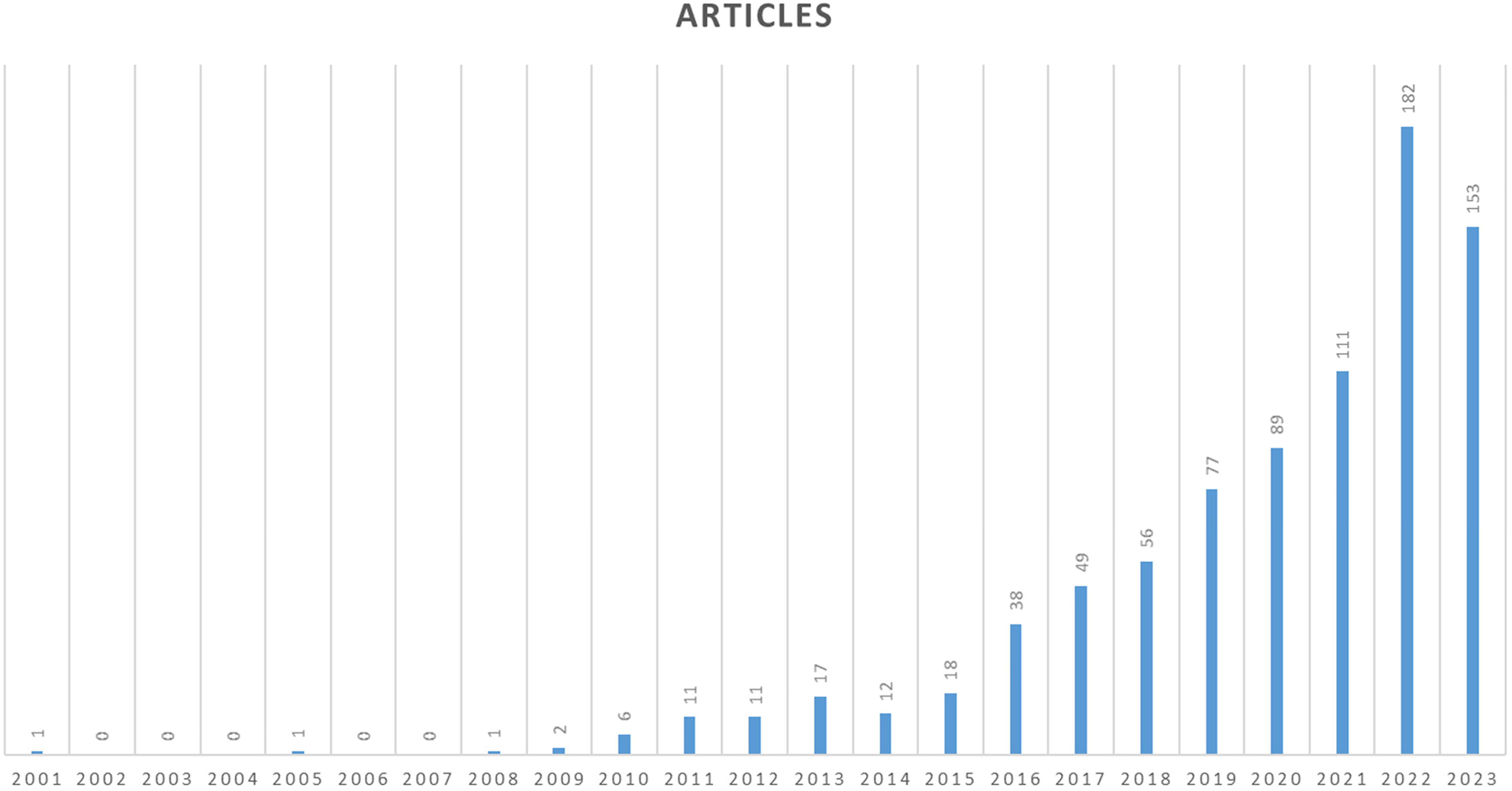
No of articles published each year.
Data analysis
The data were analyzed using three software, namely R version 4.3.1 (R, 2013), VOS™ Viewer (version 1.6.15; Van Eck & Waltman, 2010) and Microsoft Excel. The study uses the “bibliometrix” package (version 4.1.4, Aria & Cuccurullo, 2017) in R for creating the social and conceptual structure, while VOS™ Viewer was used for creating tables and maps for the intellectual structure. The data downloaded in CSV format was later converted into a data frame to be used with the R software. The normalized scores were calculated using Microsoft Excel functions. VOS™ Viewer also provided the data corresponding to maps which were later subjected to manual calculations and cleaning for tables presented in the study.
Performance analysis, and science mapping are presented through an “Intellectual structure” section. Intellectual structure is the aspect of the literature that refers to the authors, documents, or sources which have had a major influence on a field of research (Khare & Jain, 2022). Within intellectual structure this study elaborates on: (a) influential articles published on the topic of job crafting, scrutinized reporting year of publication, total citations and normalized paper score; (b) most influential author/s and their influential score in the field of job crafting identified via total papers, total citations and normalized author score; (c) co-citing and bibliographic-coupling analyses identified via network visualizations; (d) most influential journals publishing research on job crafting identified using total documents and total citations and (e) most influential institutes publishing on the topic of job crafting analyzed via total papers, total citations and influence score. The results on influence within intellectual structures are presented in a ranking format for each of the parameters mentioned in the preceding paragraph. For the influential articles, institutes, and authors, the total citation count has been used for the ranking purpose, while for the influential journals and institutes, total number of papers is used for the ranking. After that, a clustering (enrichment technique) of the conceptual structure of topics in job crafting research is presented in a “Conceptual structure” section. Conceptual structure essentially presents a thematic detailing of a field of research. Lastly, a network analysis is performed to identify the most central topic studied in the field of job crafting, using betweenness centrality as the centrality index, and results are presented in the “Social structure” section. Social structure, as the name suggests is employed to outline the network of multiple elements of the research area. The choice of drawing these three structures is to provide an overall and holistic view of the research on the topic of job crafting. This reviewer hence moves in a funneling approach from authors and institutions to topics and their status within a network.
Results
This section presents the findings in the order of the intellectual, conceptual and social structure of the literature published on the topic. Each subsection deals with the research questions posed, and the corresponding tables and maps are presented. This follows the structure similar to a published paper, where first the intellectual contributors and their details are provided, moving next to the topic and the concepts within the study and finally, the connection between multiple such publications.
Intellectual structure
This section reports results from the analyses conducted for research questions 1 to 4. The analyses employed includes identification of influential papers (Table 1), influential authors (Table 2), journals (Table 3), institutes (Table 4) along with the co-citation (Figure 2) and bibliographic couplings of authors (Figure 3). Identification of influential papers gives a glimpse into the seminal work, and Table 1 provides details of the first 20 articles’ citation counts and their influence score (Normalized Paper Score; NPS). The influence score is based on the years since the paper was published (i.e., longevity) and its citation count. The ranking is based on the citation count (TC), and the influence score is provided in a separate column under the heading NPS. It is observed that the seminal paper published by Wrzeniewski, A. & Dutton, J. E. (2001) titled “Crafting a job: Revisioning employees as active crafters of their work” has the highest citations (1498), given it is possibly the first paper ever published on the topic. It is also the paper that stands first in the chart in influence score (NPS) with a score of 74.90. The paper following it is a scale developed by Tims, Bakker, and Derks in 2012 to measure Job Crafting.
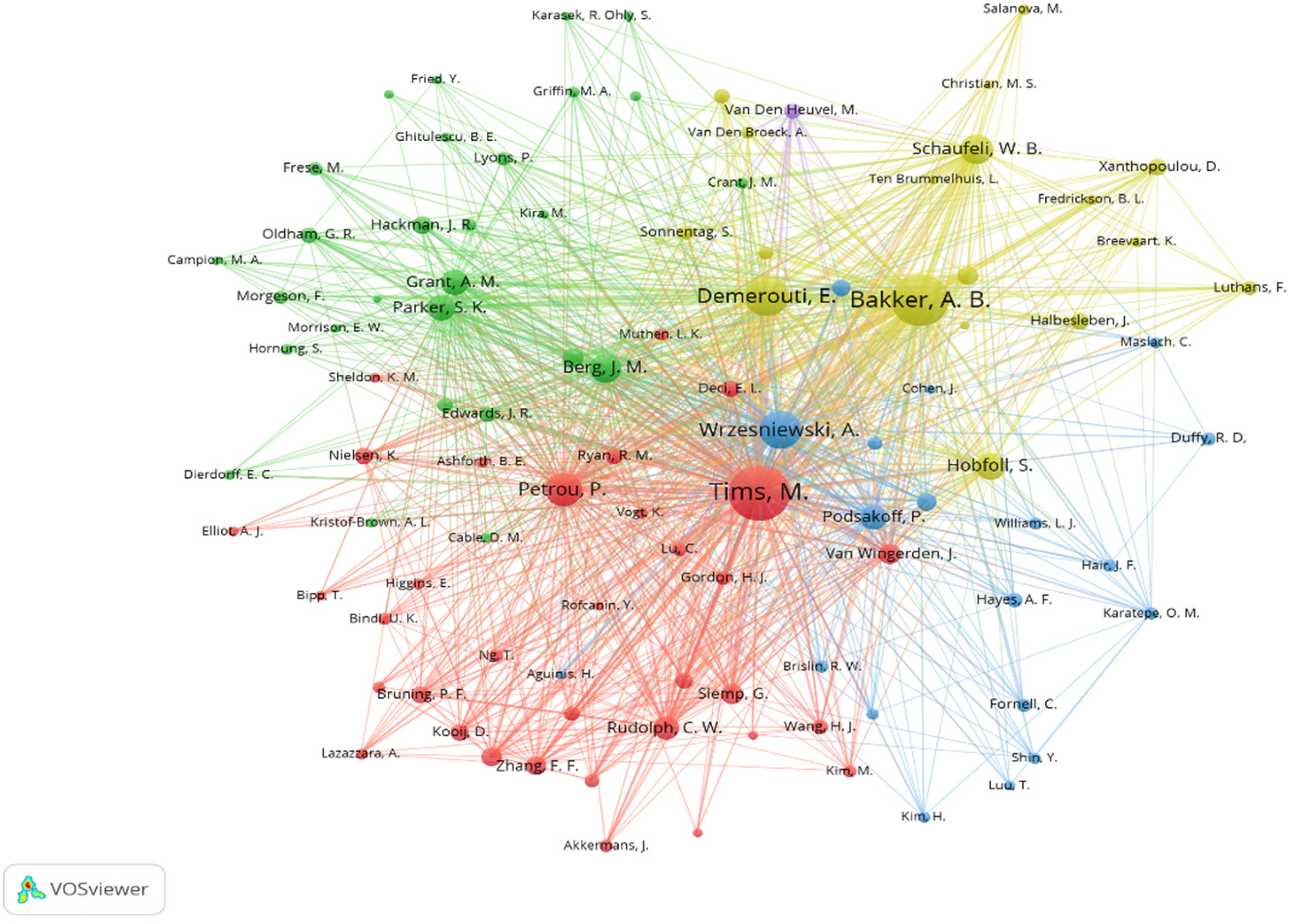
Co-Citation map of authors.
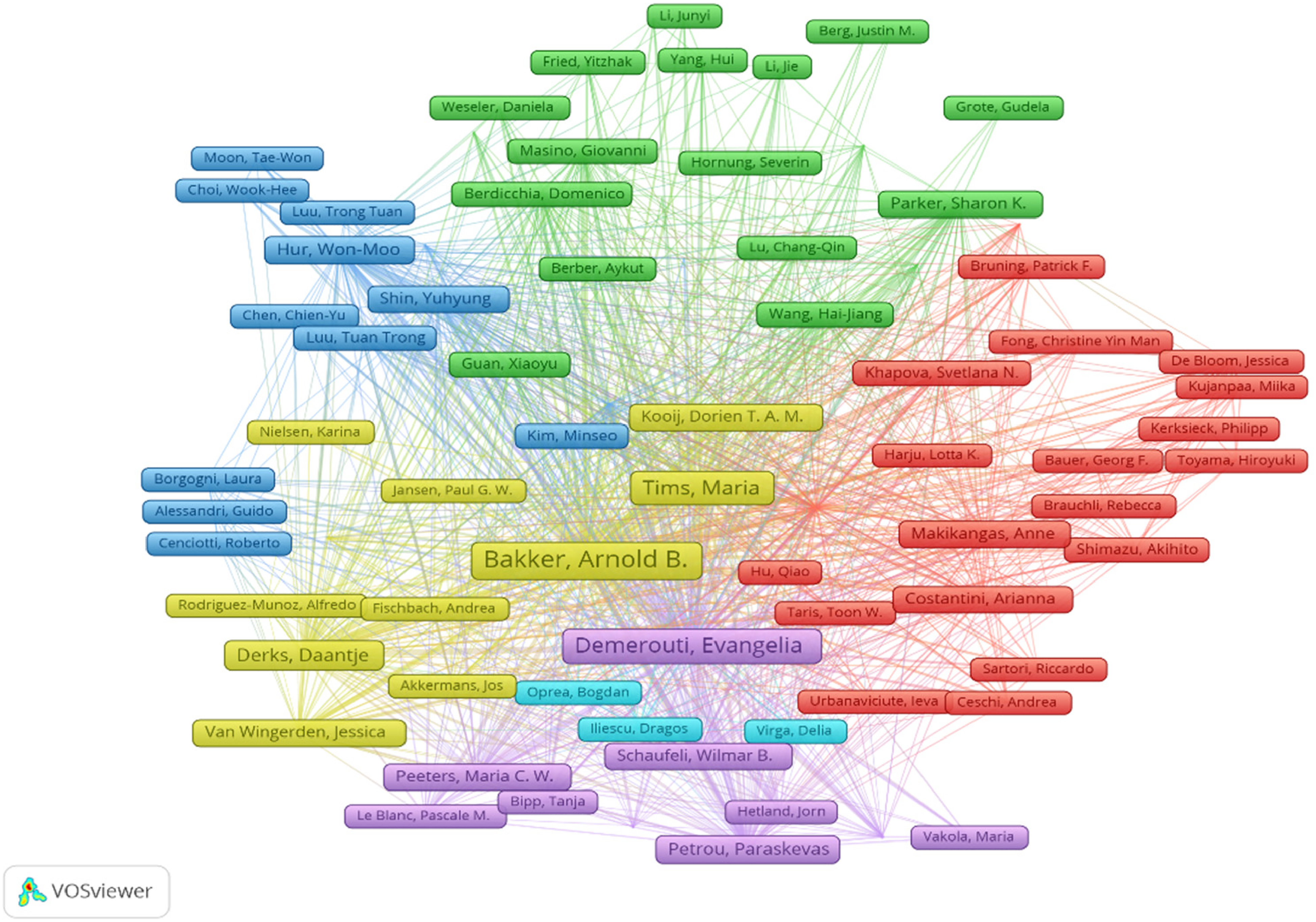
Bibliographic coupling network map of authors.
Influential articles published on the topic of job crafting.
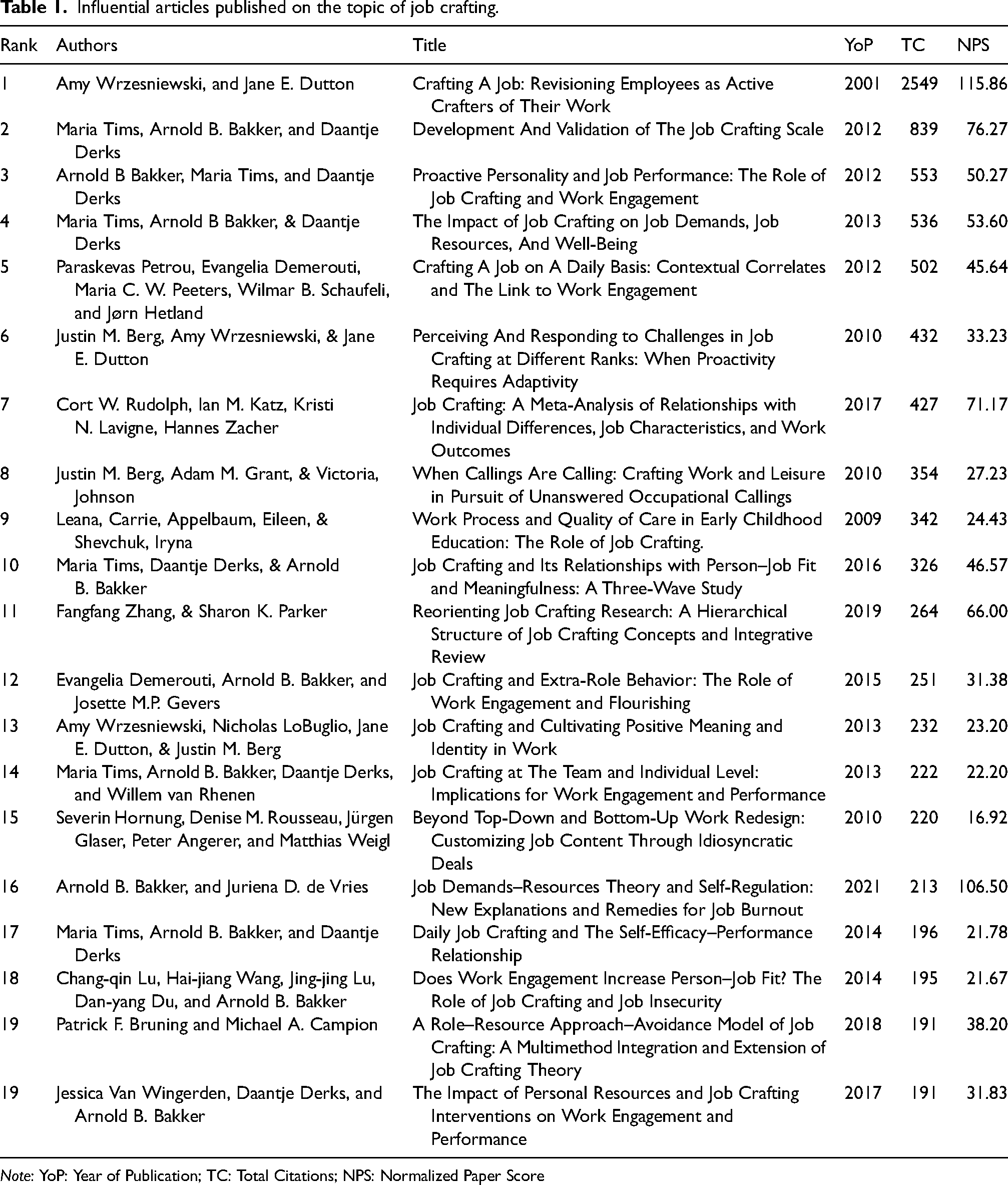
Note: YoP: Year of Publication; TC: Total Citations; NPS: Normalized Paper Score
Influential authors and their influence score.
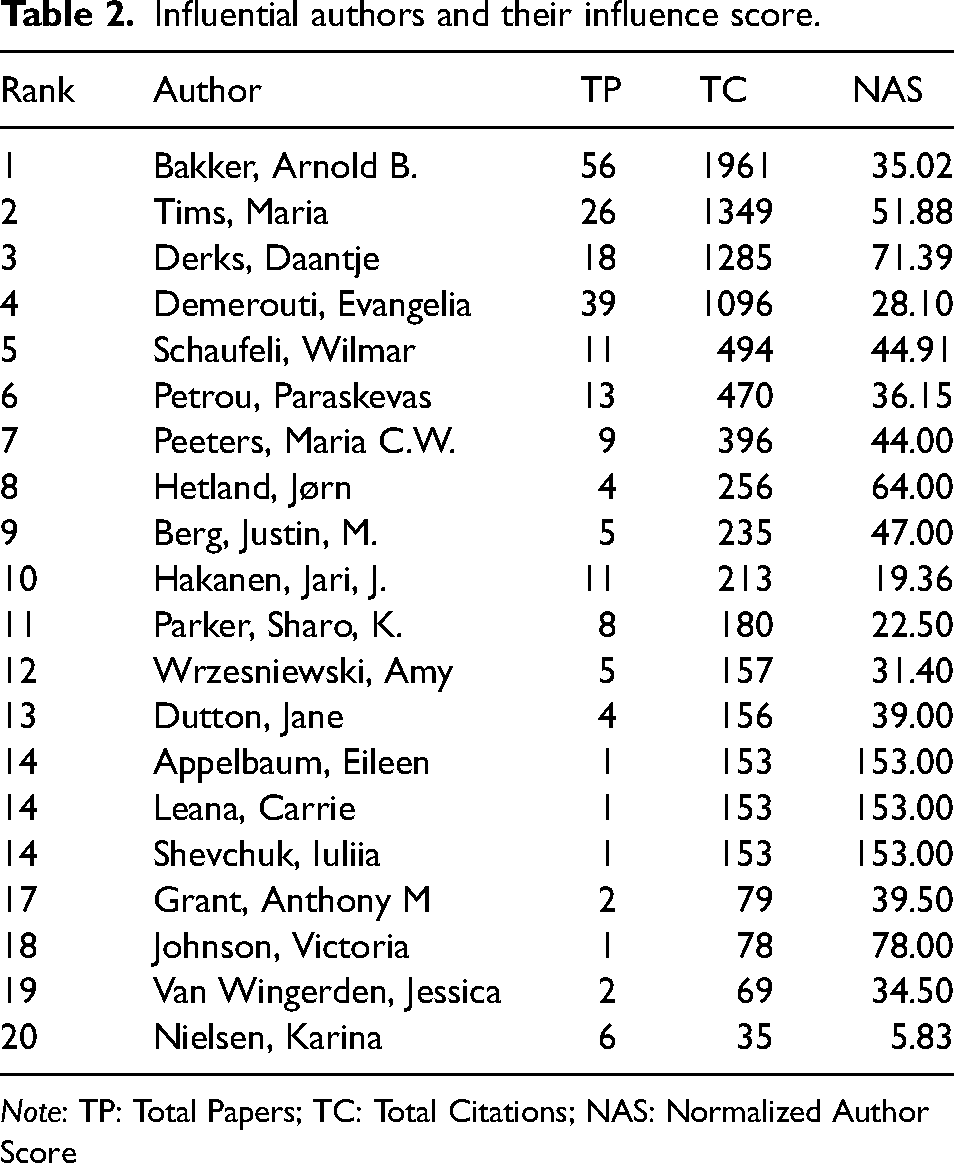
Note: TP: Total Papers; TC: Total Citations; NAS: Normalized Author Score
Influential journals publishing on job crafting.
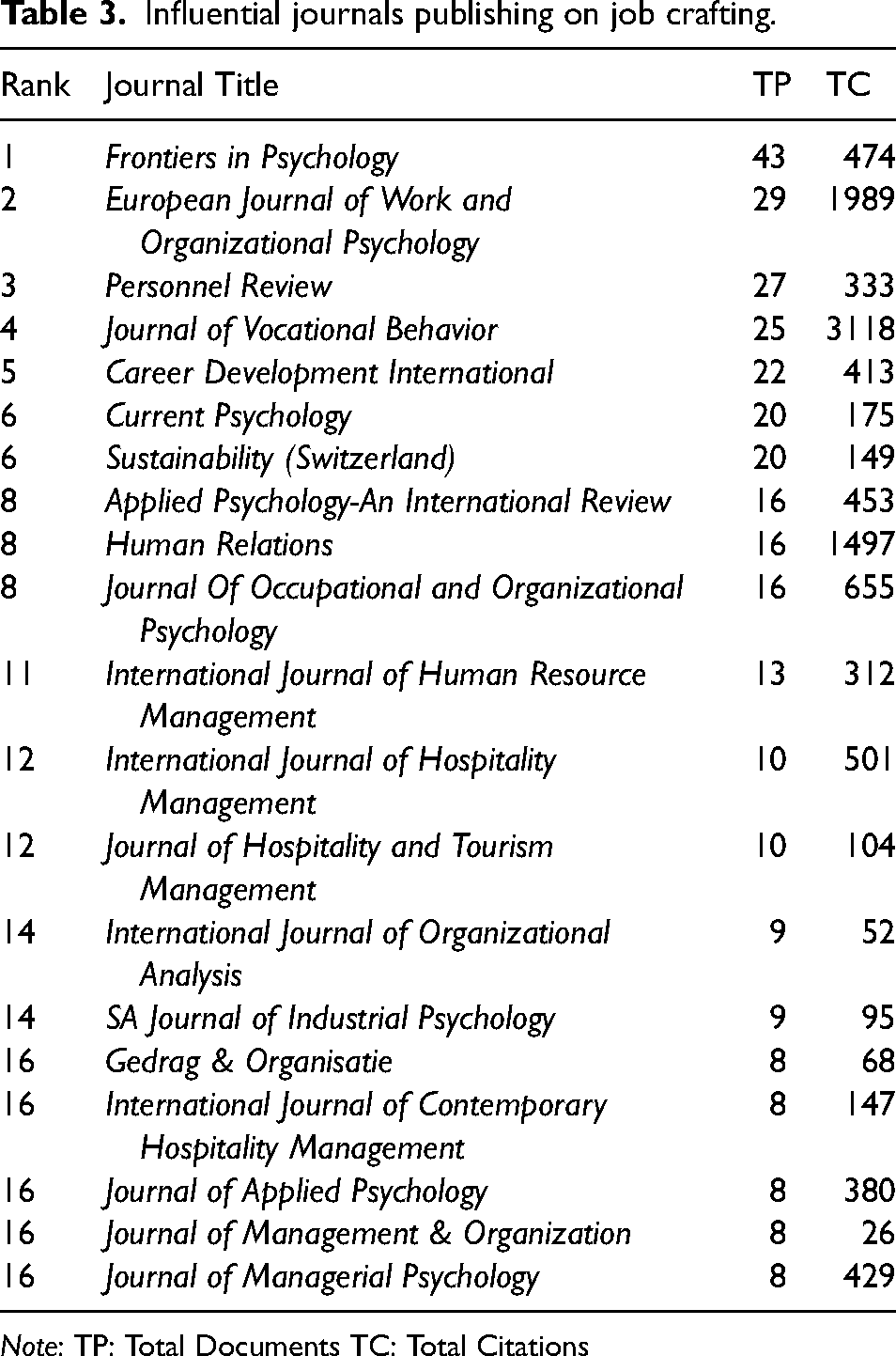
Note: TP: Total Documents TC: Total Citations
Influential institutes publishing on job crafting.
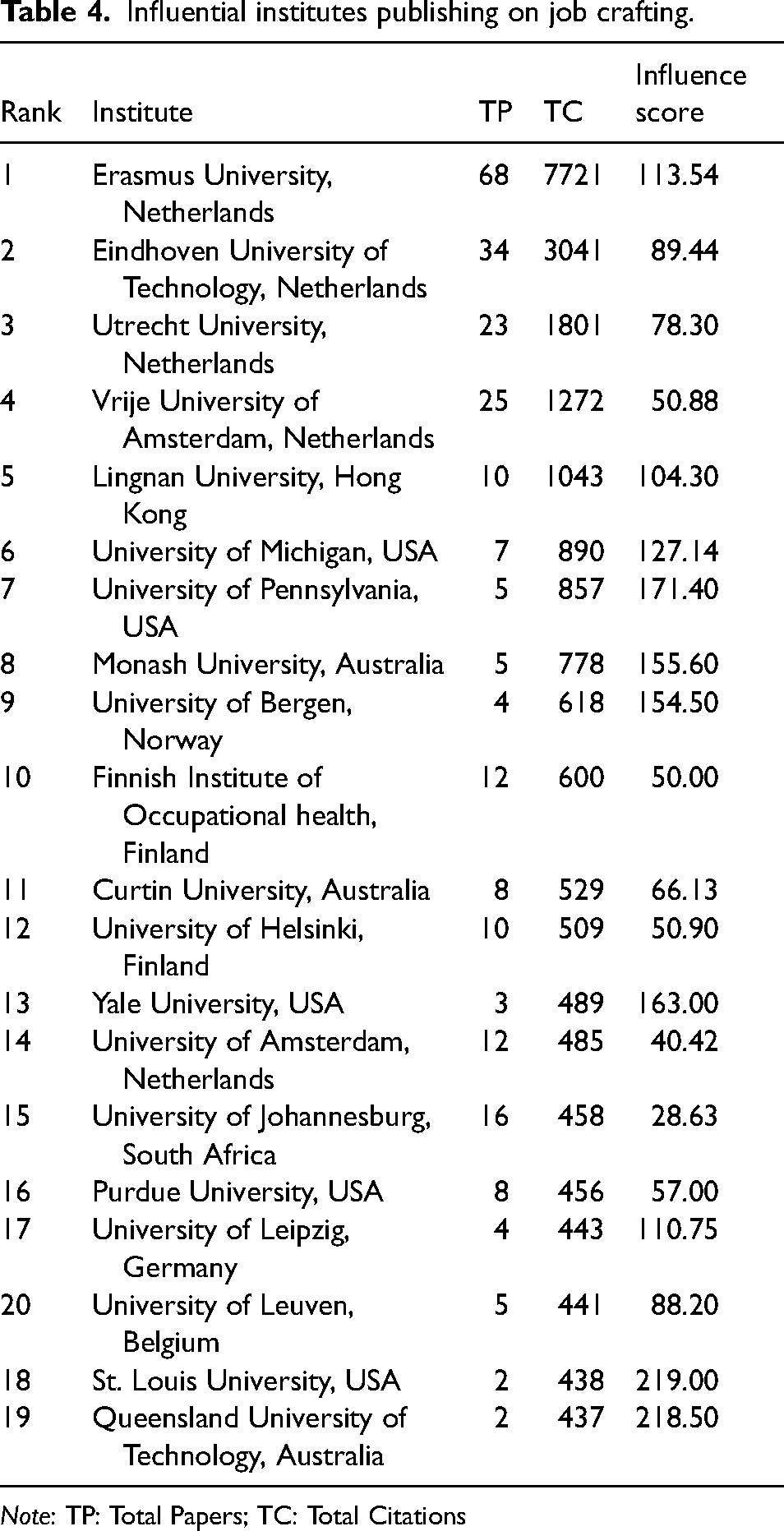
Note: TP: Total Papers; TC: Total Citations
Although awareness of the influential reading articles in a research field is important, it is equally imperative for the scholars in the field to know the authors who have published on the topic in the past and their influence. Table 2 shows the most influential authors who have published on the topic of Job crafting along with their influence termed as normalized author score (NAS). The ranking of the authors is based on their citation count. Prof. Arnold B. Bakker of Erasmus University Rotterdam, Netherlands, is ranked first in the chart with a total citation count of 2380 and an influence score (NAS) of 62.63. He is one of the proponents of the job demand–resource (JD-R) model (Tim et al., 2012). Followed by Prof. J. E. Dutton, and Prof. A. Wrzesniewski with the same citation count of 1807, they proposed the original job crafting theory (Wrzesniewski & Dutton, 2001). They are the most influential authors in the field, with a NAS score of 903.50. It is also important to note, that when there has been a tie in terms of the chosen parameter, that is, citations or papers, among two or more entries, they have been given a similar ranking while skipping those many ranks for the next entry with a different count for citation/papers. Moreover, the influential authors list is based on the citation count output from the software packages used for the analyses. A closer look at the methodology adopted by the software packages used, reveal that the citation count is attributed to all the authors across the publication data within the data corpus.
We also created a network map based on the co-citations and the bibliographic coupling of the authors. The co-citation network is based on how much one author has been cited by others, while bibliographic coupling shows the authors that have cited the same documents more frequently. Bibliographic coupling helps identify clusters of the authors working on similar topics, while the node size depicts the number of documents published. Figure 2 shows the co-citation network map of the authors. In the map, it could be observed that Prof. Arnold Bakker stands at the core of the network. There are four clusters on the map red, green, blue, and yellow, respectively. The red cluster is the biggest, with S. K. Parker at the center of it, followed by the green cluster with Bakker A. B. at the center with the highest number of documents and citations across the network. E. Demerouti dominates the blue cluster, and yellow has A. Wrzesniewski at the core. The network diagram and each cluster represent a differing approach to research on Job crafting, with authors co-citing others from different clusters.
The bibliographic coupling network map is shown in Figure 3. There are six clusters of authors indicated in the network diagram. The red cluster (cluster 1) has the highest number of documents published and is led by Prof. A. Fischbach. While in terms of bibliographic coupling also, Prof. Bakker is at the core with the highest link strength and belongs to the purple-colored cluster (cluster 5). Certain clusters with a very low number of authors could present interesting research avenues.
For a researcher in a particular field, as well as the growing number of researchers, including doctoral candidates, it is important to know the academic outlets such as journals where a particular topic is published more often. Certain topics such as “job crafting” are welcome in a wide range of journals from management, organizational psychology, and such disciplines. Table 3 shows the most influential journals where the work has been published with the corresponding count of papers and corresponding citations received. It shows that the European Journal of Work and Organizational Psychology, a journal set up in 1991, publishing 6 issues a year and has an impact factor of 2.598, is where most of the work is published. While the Journal of Vocational Behavior have received the highest citations on the papers published on job crafting.
Research output by an individual is to a great extent dependent on the support received from the affiliated institutes as well as the countries they are located. Table 4 shows the top institutions. The rank order is based on the total citations received by the institute, while the normalized score is also provided to ascertain the influence of an institution on the field. Overall European nations are dominating the rankings, with Erasmus University at the top based on the highest citations (2436) on its 40 published papers. Based on the normalized score, the University of Pennsylvania is the most influential, with two papers receiving 529 citations creating an influence score of 264.50.
Conceptual structure
The analyses under conceptual structure involved creation of clusters of topics, presented in Table 5, attempting to answer questions on topics researched in this field of work, and identify future research avenues, that is, research questions 5 and 6. The content aspect of the literature is outlined by drawing a conceptual structure using text mining and natural language processing based on the VOS™ Viewer software. Here, we use the keywords supplied by the authors (of the papers) as well as the title and the abstract as the input for the analysis. Keywords, title, and abstract are considered to be reflective of the content of the paper in terms of the idea/concept, method as well as the context of the study. Table 5 shows the occurrence count of the topics along with their respective clusters. The clusters are named based on the topics within, and the occurrence count (high/low) shows popularity on the one hand, while a lack of it on the other. This information serves indicates promising future directions in this research field.
Clusters of topics and their occurrences count.
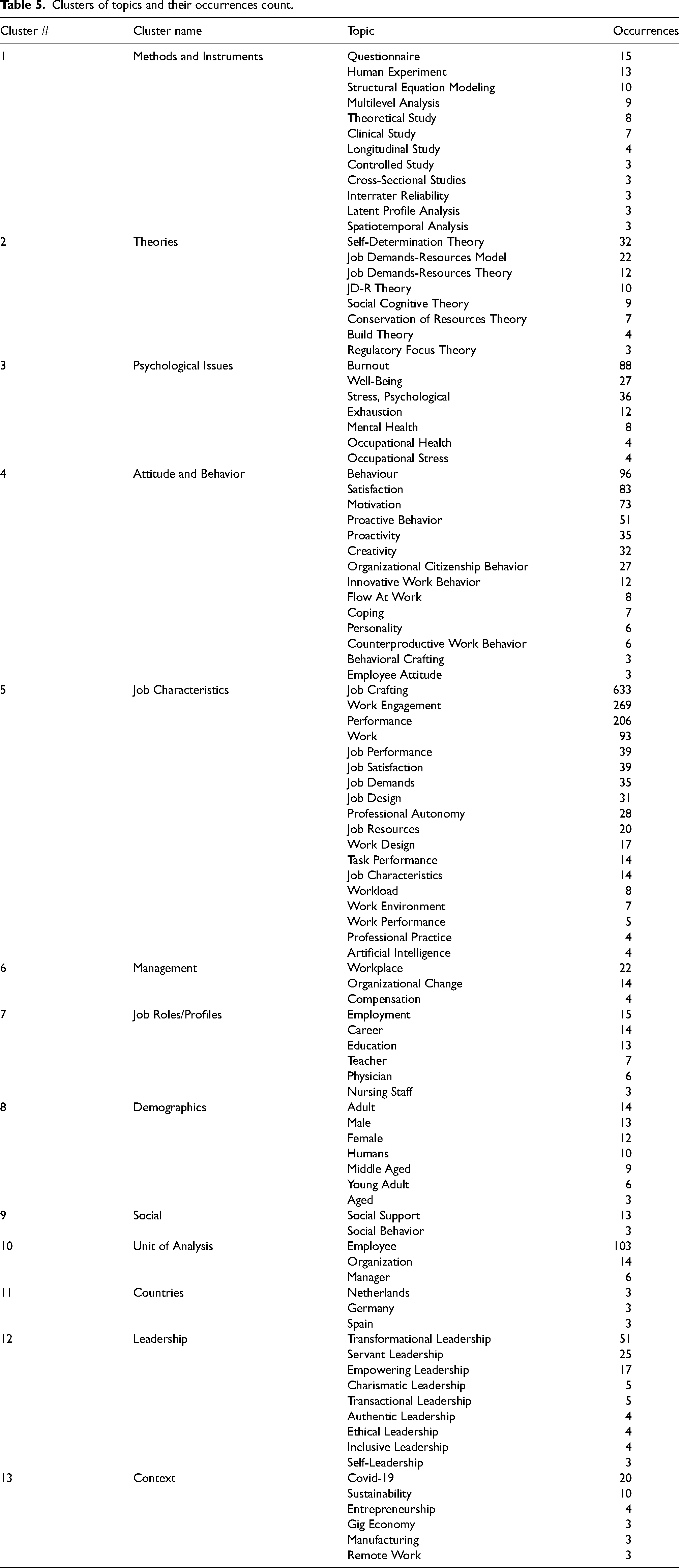
The table presented above shows cluster-wise themes and their occurrence in the literature on job crafting. The themes within each cluster are ordered based on their occurrence count. The lesser the count, higher the possibility of future research on the topic. Specific clusters such as countries show that work has largely concentrated on the European nations, while social aspect along with role theory, that is, cluster 9 and cluster 2, showed fewer themes within thereby future research possibilities exist. The same will be discussed in the subsequent sections.
Social structure
Social structure is analyzed using the “bibliometrix” package version 4.1.4 in R version 3.3.1. The social structure shows the network position of different items, including topics, authors, countries, and institutions. The network analyses are used to answer the research question 9, related to the collaboration network between countries (Figure 4) and the research questions 7 and 8 about the standing of a particular topic within the field of research on job crafting among the network of topics. The social structure aims to outline the twin aspects of what is at the core of the research in the field as well as what is currently at the periphery but holds promise.
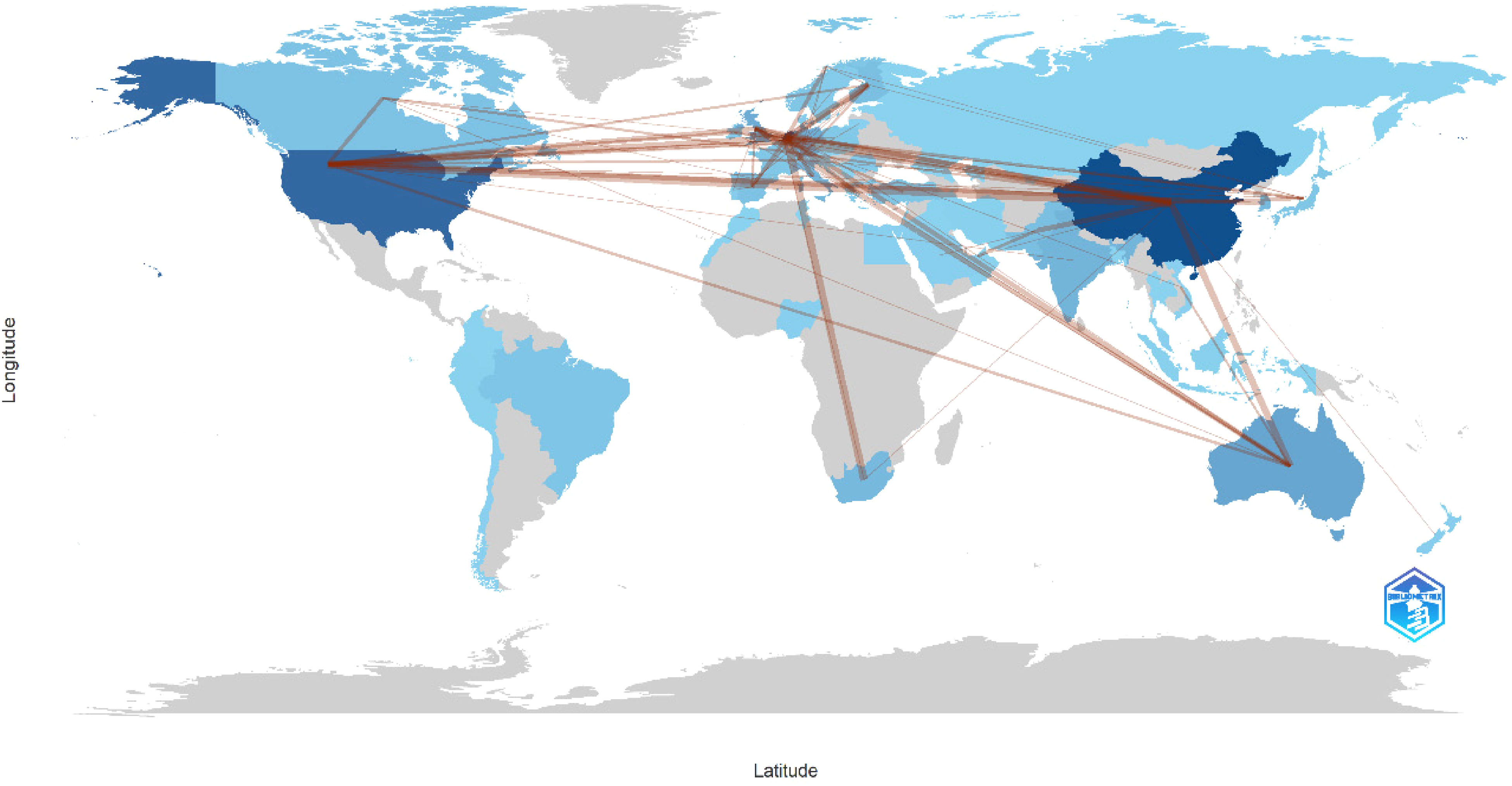
Country collaboration map.
It could be observed from the map in Figure 4 that Europe has been the epicenter of research on the topic of job crafting. The collaboration network is drawn based on the affiliated countries of co-authors and the authors that are cited frequently. Color code defines the number of papers published from a particular country, with a darker color indicating a higher number of papers. Certain other countries, including the USA and Australia, are well connected, while many of the African and Middle East nations are yet to mark their entry to the domain of research on job crafting.
Apart from providing an objective overview using a quantitative technique of reviewing, this study also aims to provide novel future research directions. Toward that aim, the social network analysis is a novel approach. The social network analysis reveals certain centrality values including “betweenness centrality.” A higher value of the “betweenness centrality” indicates that the topic has been studied in association with other topics, while certain topics with a low score suggest possible further explorations by scholars in the field.
In Table 6, there are three clusters, and each cluster has sub-topics arranged in descending order of their “betweenness centrality” values. The first cluster is titled Job-oriented research, under which the topics which relate to job crafting research from a macro job-related point of view have been included. The topics also include theories and human resource management concepts. The second cluster is of methods. The topics within are the methods used across studies. The third cluster in the SNA, is of the individual-level topics of interest to the scholars in the field. Overall, work engagement has been a topic at the core of the network; thus, it has been most studied in conjunction with other topics. The difference between the highest centrality score and the next is large and could be interesting to explore. Certain topics which could be promising for future research will be discussed in the subsequent section. Even it is evident that less has been done on advancing the methods used in job crafting research, and novel ideas from both the positivist and interpretive realm might give new directions to the field.
Social network values of topics studied.
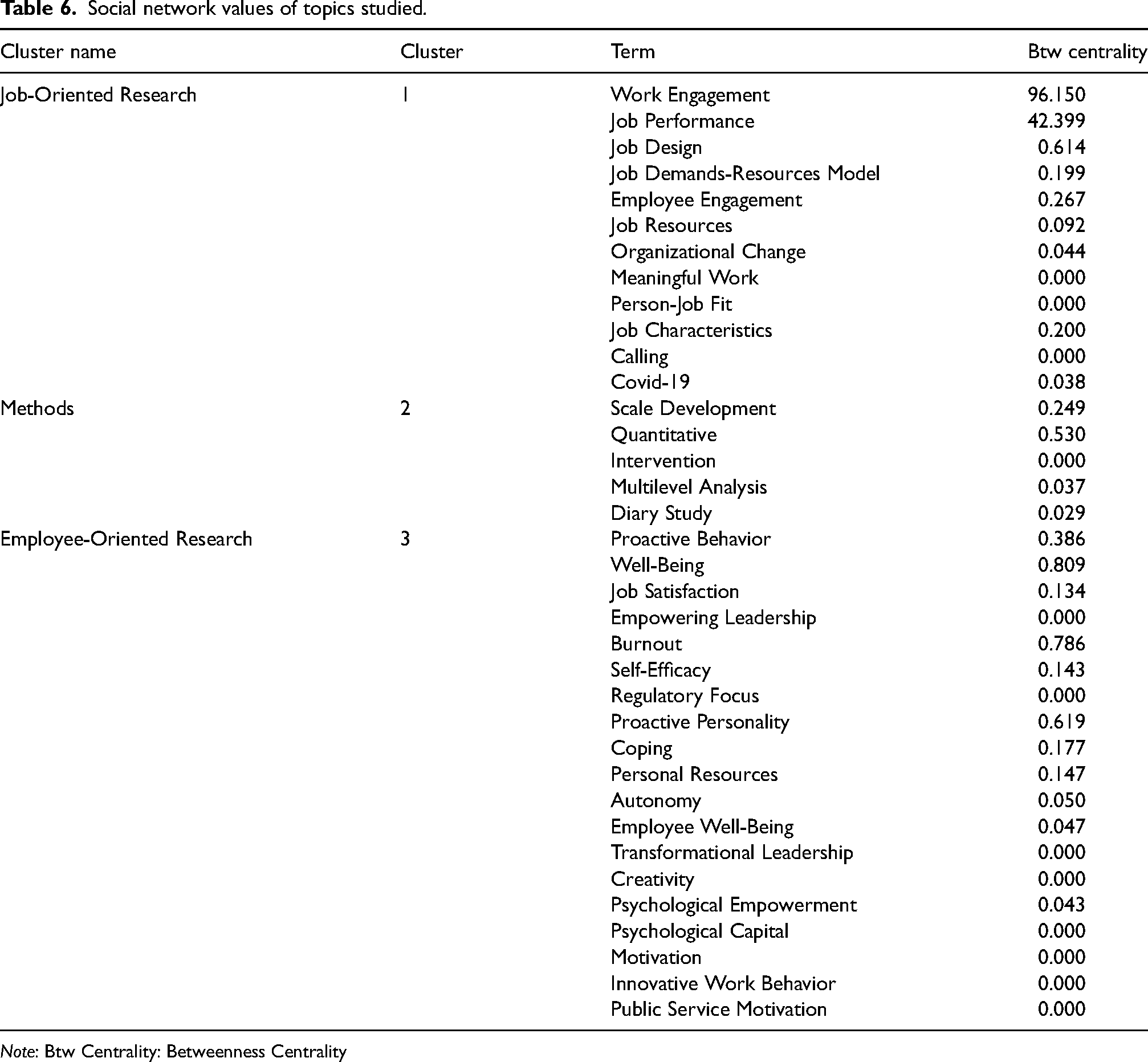
Note: Btw Centrality: Betweenness Centrality
Discussion and future directions
This paper gives a detailed review of the literature published on Job crafting in the last two decades using bibliometric analysis. The analysis at the intellectual, conceptual, and social structure level revealed interesting findings which warrant detailed discussion. The discussion would follow a similar manner as in the result section.
It is evident from the results of analyzing the intellectual question, which address research questions 1 to 4, that the influential papers on the topic as well as the yearly number of papers published, job crafting has recently gained momentum as a topic of interest in the management field. It is observed that job crafting research runs closer to the work engagement concept, and toward that end, a paper by Bakker and Albrecht (2018) titled “Work engagement: current trends” would be a good starting point to understand the future of this combination of concepts. Job crafting has been studied from two separate perspectives, and one is of the job crafting theory itself and the other from the perspective of job demand-resource model proposed by Tim et al. (2012). A recent paper by Zhang and Parker (2019) puts forth a synthesis of the job crafting constructs into a three-level hierarchical structure and is an excellent work that provides a detailed understanding of the research on job crafting as well as possible future directions. The list of influential papers will also serve as a “go-to” list for the budding scholars in the field.
In the network diagrams shown in Figures 2 and 3, the clusters represent two different connections. The co-citation network diagram displays the authors who are cited together, while bibliographic coupling shows the authors who have cited similar documents. It is observed across clusters in the co-citation network that clustering also depicts the different perspectives of job crafting research. The yellow cluster led by Wrzesniewski, and Dutton is of the papers published from the core job crafting theory, while the proponents of the JD-R model are based in blue, and green clusters. The red cluster is led by Prof. Parker from Curtin University, and the work he has published situates at the intersection of the digital world and job crafting. His paper titled “Automation, Algorithms, and Beyond: Why Work Design Matters More Than Ever in a Digital World” (Parker & Grote, 2020) is a recent work that has gained a lot of traction in the field of research on job crafting. In Figure 2, where the bibliographic coupling network is shown, a cluster in blue color is of special interest. This cluster is made of only 3 nodes (authors) who are coauthors of a single paper titled “Job crafting for lean engagement: The interplay of day and job-level characteristics” (Cullinane et al., 2017). This paper has a unique context of lean manufacturing, which is a topic of interest in the operations and manufacturing management domain. Such unique and novel contexts are worth exploring in the field of job crafting and thereby making the concept more accessible to the researchers across domains in management.
In the analysis of conceptual structure, that pertain to research questions 5 and 6, the themes/topics that are emerging as a topic of interest to the scholars in this field of work and thereby hold a promising future avenue are examined. The results show that research using “questionnaires” and “human experiments” has been plenty in the field, while multi-level analysis, and modeling could be used in future studies. Also, the “betweenness centrality” values show that multilevel analysis and diary studies are novel and well-received future methods. Extant literature has shown the use of these techniques of data collection and analysis in both a combination or standalone form (Harju et al., 2018; Tim et al., 2014). The research on the topic started with the job crafting theory and later added the job demand-resource model, which has also recently seen in a paper that uses role theory (Biddle, 1986). Role theory proposes that “persons are members of social positions and hold expectations for their behaviors and those of other persons.” In their study of the dysfunctional effects of job crafting behavior on the performance of employees, Dierdorff and Jensen (2018) invoke role theory to understand the performance effectiveness using managerial and peer ratings. Future research could build upon these papers to bring a different perspective to the understanding of job crafting.
The results of social structure analysis, related to research questions on 7 and 8 reveal topics/themes that stand at the periphery of the overall network of topics within job crafting research. In the three thematic clusters created basis “betweenness centrality,” that namely pertain to job-oriented research, method-based themes and employee-oriented research themes, it is evident that engagement with work (Schaufeli & Bakker, 2022), Scale development (Carpenter, 2018), and proactive behavior, which is a sign of job crafting, has been well studied in conjunction with other topics. While interesting to understand is that certain topics/themes such as over qualification and workload, limited studies have looked at them in conjunction with other topics within the job crafting domain. Future research might benefit from the results of the studies such as Kuijpers et al. (2020), who report a certain negative association between workload and job crafting.
Over qualification is another interesting theme to investigate in future. Although largely overqualification has been looked at negatively, there have been recent calls in literature to explore the positive side of overqualification. In future, research could examine the positive side of overqualification, from a “person” perspective within person-job fit view.
Further, Researchers pursuing this idea shall look at the work by Zhang et al., on overqualification and job crafting (Zhang et al., 2021). In individual-level research on job crafting, certain novel research gaps could be promising. Work on the topic of employee well-being, personality, psychological capital and exhaustion, to name a few, lack a multi-construct approach. The latest development in the field toward the understanding of the dysfunctional aspects of job crafting behavior could be extended with the employee well-being perspective. Paper by Petrou et al. (2018) is a good avenue to understand the role of exhaustion in job crafting behavior and to identify a multi-construct model. Future studies could implement a diary-based study to understand the construct of exhaustion and subsequent job-crafting behavior displayed by the employees. Literature also observes that employees use two different strategies of either reducing the demand or seeking resources to tackle exhaustion. Future research might also benefit from perspectives that have underlined the value of the construct for vulnerable workers (e.g., Di Fabio & Svicher, 2021) for Decent Work (Duffy et al., 2016) and Humanitarian Work Psychology (Carr et al., 2012).
Personality is considered a significant factor in the choice of the coping mechanism under stress and emotionally laden environment (Connor-Smith & Flachsbart, 2007). Future research can explore the role of personality in the approach to the job-crafting behavior choice for employees under stress and exhaustion.
Limitations and conclusion
This study holds certain limitations in terms of the database used and the analysis software. The paper employed the Scopus database, which is fair and comprehensive in its coverage, but the use of other databases could bring varying results. It is also to be understood that the metrics for the authors, papers, journals, institutions, and countries are based on the database used, and a manual search on Google Scholar might show different values for the same. The use of other software apart from R and VOS™ viewer could bring different findings based on the algorithms embedded in them.
In conclusion, this study intends to provide an objective, state of the art, and all-encompassing review of the literature on job crafting using bibliometric techniques coupled with network visualization. Through its analysis of the literature published in the past two decades, the paper builds the intellectual, conceptual, and social structure, which provides a detailed look into the past and draws the map for possible future directions. The findings of the study show the most influential authors, papers, journals, and institutions, while a collaboration map of the countries indicates the hub of research on the topic. The co-citation and bibliographic coupling network diagrams show clusters of authors that work on similar topics in the field of job crafting research. Network analysis and the centrality values facilitated the identification of novel research gaps for future research.
Footnotes
Declaration of conflicting interests
The authors declared no potential conflicts of interest with respect to the research, authorship, and/or publication of this article.
Funding
The author received no financial support for the research, authorship, and/or publication of this article.
