




Abstract
While parental social support is recognized as crucial for children's sport participation, its reciprocal nature and the meaning-making experience for parents themselves remain underexplored. This study moves beyond a unidirectional view by employing an integrated theoretical framework to examine parental support as a bidirectional process through which parents derive fulfillment and construct their identities. Utilizing a Constructivist Grounded Theory approach, the study draws on focused, in-situ interviews with 14 active parents to capture the specific nuances of their involvement. Data were analyzed through iterative coding, analyst triangulation, and peer debriefing. Findings reveal that parental practices—articulated through emotional, informational, and instrumental support—are not merely acts of provision but are deeply motivated by reciprocal emotional rewards, autonomy-supportive intentions, and strategic goals aligned with ideologies of “good parenting.” This research reconceptualizes parental involvement by offering an enriched model where Social Support Theory provides the structural basis, enacted through the strategic intent of Concerted Cultivation, regulated by Self-Determination Theory, and sustained by vicarious reinforcement mechanisms of Social Learning Theory. The result is a novel, relational framework that shifts the analytical lens from what support is provided to the more complex questions of why it is offered and how it is co-constructed in the parent–child dyad.
Introduction
Although the scope and types of social support provided by parents in youth sport have been widely examined, in-depth investigations into the motivations underlying parental support and the reciprocal nature of the support process remain scarce. Existing studies have largely focused on categorizing parental involvement into emotional, informational, tangible, and appraisal support (Cutrona and Russell, 1990; Fredricks and Eccles, 2005), showing their importance for children's motivation, skill development, and sustained participation. Despite this attention, the literature has predominantly focused on categorizing what types of support parents provide, often overlooking why parents adopt particular strategies and how these practices are reciprocally shaped in parent–child interactions. This represents a crucial gap, as motivations underpinning parental involvement—ranging from fostering intrinsic enjoyment to pursuing vicarious ambitions or responding to social pressures—fundamentally influence the meaning and effectiveness of support. Equally, conceptualizing support as a one-way provision risks underestimating children's active role in negotiating, resisting, or reinforcing parental practices. A reciprocal perspective is therefore needed to capture the dynamic feedback loops that characterize the parent–child relationship in sport.
In related fields such as educational psychology, the motivational dynamics of parental involvement have been extensively studied, emphasizing the interplay between parental goals, child responses, and contextual factors (Grolnick and Slowiaczek, 1994). By contrast, youth sport research has tended to privilege typological classifications of support, paying less attention to the relational and motivational dimensions underpinning these processes (Dorsch et al., 2019; Gao et al., 2024). This contrast underscores the need to extend insights from adjacent disciplines into the sport context, where parental investment is both intensive and consequential for children's psychosocial development.
The present study addresses this gap by employing a constructivist grounded theory approach to investigate the motivations and reciprocal dynamics of parental support in youth sport. Grounded theory is particularly suited to uncovering the complex, socially constructed meanings that parents attach to their involvement, offering a more nuanced understanding than survey-based approaches typically allow. By inductively generating theory from the lived experiences of parents, the study seeks to capture the dynamic and context-sensitive processes through which support is negotiated and enacted.
Accordingly, the aim of this study is to provide a theoretically enriched account of parental support in youth sport by examining both the underlying motivations for parental practices and the reciprocal ways in which children shape and experience these forms of support. Guided by this purpose, the central research question is: “What motivates parents to provide social support for their children's sport participation, and how is this support shaped and experienced within a reciprocal parent–child relationship?”
Theoretical framework: an enriched model of parental social support
This study is anchored in Social Support Theory (SST), which provides the foundational vocabulary for understanding parental roles in youth sport. As our title suggests, however, our aim is to offer an alternative perspective that extends the traditional application of SST. To achieve the necessary conceptual depth to analyze not only what support is provided, but also why it is offered and how it is dynamically negotiated, we enrich SST with two complementary theoretical lenses: Self-Determination Theory (SDT) and a reciprocal process perspective. Furthermore, to provide a nuanced interpretation of specific themes emerging from our data, we explicitly incorporate Social Learning Theory (SLT) and the concept of Concerted Cultivation (CC) as thematic interpretive tools within this enriched framework.
The Foundation: SST as a Core Typology: Social support is widely understood not as a fixed framework, but as a dynamic process that occurs within interpersonal relationships and social networks (Cohen and Wills, 1985; Norris and Kaniasty, 1996). Serving as the bedrock of our analysis, SST offers a robust typology for categorizing parental actions into distinct forms such as emotional, informational, instrumental, and appraisal support (Cutrona and Russell, 1990; Cohen, 2004). This classification allows us to systematically identify and label the various support behaviors observed in our study. In the context of sport, SST has primarily been applied to examine how athletes benefit from receiving support. For instance, Holt et al. (2017) conceptualized youth sport as a developmental environment influenced by key social agents, highlighting that parents provide both emotional and structural support, which contributes to positive developmental outcomes. However, a limitation of many applications of SST in youth sport is that they remain descriptive, often overlooking the underlying motivational drivers behind these support types and framing support as a simple unidirectional provision rather than a complex, communicative process, a gap that has prompted calls to better connect theory with the dynamic realities of parent–child communication (Grimm et al., 2017). Our study addresses this gap directly by shifting the analytical lens from the recipients of support to its providers—the parents. Deepening the “Why": Integrating Self-Determination Theory (SDT) to Analyze Motivation: To move beyond description and analyze the why behind parental actions, we integrate principles from Self-Determination Theory (Deci and Ryan, 1985). SDT does not replace SST in our framework; rather, it provides a crucial analytical layer to understand the quality and function of different support types. The importance of supportive parental involvement for children's motivation has been well-documented in other developmental contexts, such as academics (Wentzel, 1998), and SDT provides a mechanism for understanding this dynamic. The theory's distinction between autonomy-supportive and controlling behaviors, a framework that has proven highly insightful for understanding parenting in the youth sport context (Holt et al., 2021), allows us to interpret the motivations underlying a parent's actions. For example, informational support (an SST category) can be delivered in an autonomy-supportive way (empowering the child to make their own choices) or in a controlling way (pressuring the child toward a parent-mandated goal). By synthesizing SST with SDT, our framework can analyze how the same type of support can have vastly different implications for a child's well-being and intrinsic motivation. Capturing the “How": A Reciprocal Perspective on the Support Process: To address the how of support, we extend the traditional view of SST by conceptualizing it as a bidirectional and relational process. The parent–child dyad is viewed as a dynamic system where influence is reciprocal, a perspective with deep roots in both developmental psychology (Loulis and Kuczynski, 1997) and within SST itself (Shumaker and Brownell, 1984). The child is not a passive recipient; their feedback, engagement, and needs actively shape the support they receive. Accordingly, this research views social support as a process that not only benefits children but also involves significant meaning-making and effort on the part of parents. This perspective enables us to analyze how support behaviors are co-constructed and negotiated over time, offering a more dynamic and realistic interpretation of SST within a family context. Thematic Interpretive Tools: The Role of SLT and CC: Finally, to provide a rich interpretation of specific themes that emerged from our grounded theory analysis, we utilize two mid-level theories as pre-declared interpretive tools:
SLT (Bandura and Walters, 1977) will be used to explain mechanisms of modeling and social influence when they appear within SST categories, such as parents using role models as a form of “informational support.”
CC (Lareau, 2018) will be employed to interpret parental support when it functions as a strategic practice aimed at cultivating a child's future social and cultural capital.
In sum, our theoretical framework uses SST as the foundational language, enriches it with SDT to analyze motivations, views it through a reciprocal lens to capture its dynamics, and utilizes SLT and CC as specific tools to interpret emergent themes. This multi-layered approach provides a coherent and robust foundation for our grounded theory interpretation of parental support.
Method
Research design
This study was conducted with Charmaz's Constructivist Grounded Theory approach (Charmaz, 2014) in order to explain the motivations and guiding factors of the parents who provide the support, different from the perspective of individuals affected by social support, which is widely discussed in the literature. This approach was deemed appropriate for generating new and original theoretical explanations by centering the participants’ experiences and interpretations.
Participants and sampling
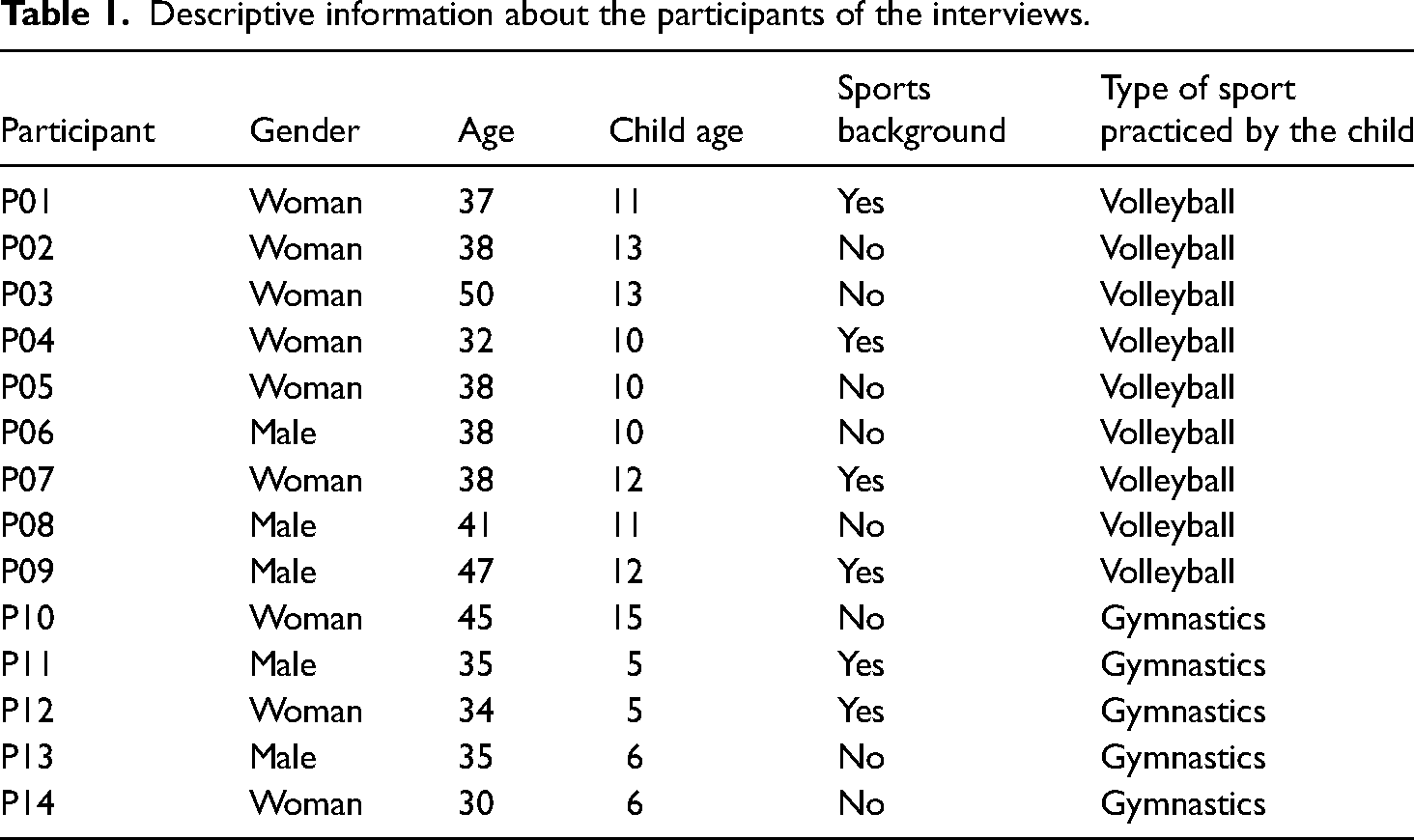
The participants of the study consisted of parents of children who actively participate in gymnastics and volleyball branches in private sports clubs in Erzincan province. The study was conducted in Erzincan, a mid-sized province in Turkey's Eastern Anatolia region. The setting is particularly relevant as it represents a non-metropolitan context where private sports clubs and community-based programs play a central role in youth sports, offering a distinct environment compared to larger urban centers with more diverse and professionalized opportunities. Participants were contacted through club managers and invited to participate voluntarily. In sample selection, the theoretical sampling method, one of the basic components of the Grounded Theory approach, was followed (Glaser & Strauss, 1967). Initially, only volleyball branch parents were included in the research process; however, as the analysis process progressed, it was predicted that parents’ motivations for directing and supporting their children to sports may differ in the context of the nature of the sport (team vs. individual sport) that affects their experiences related to sports, and therefore, gymnastics branch parents were also included in the sample. In this respect, the sample was expanded in parallel with the data analysis in order to reach theoretical saturation. The preference for volleyball and gymnastics branches was also influenced by the researcher's ease of access to these groups and the opportunity to manage the data collection process efficiently. This preference is in line with the literature emphasizing the principles of accessibility, practicality and content diversity in sample selection in qualitative research (Creswell, 2014; Patton, 2014). Thus, the sample structure was created to provide both theoretical depth and practical applicability. Of the 14 parents who participated in the study, nine were female, and five were male, and their ages ranged between 30 and 50 years. Some of the participants had a history of sports participation, while others did not have any sports background (see Table 1). This diversity is important as it shows that parents’ views on directing their children to sports are based on different experiences. In particular, variables such as the child's age and the type of sport (team vs. individual) were considered important contextual factors that may have influenced parental perspectives. The data collection process was terminated after theoretical saturation at the point where the data provided by the new participants did not provide additional contributions to the existing categories. Participants were coded when the data were transferred to the computer. Example: P01= P: Parent, 01: Sequence.
Descriptive information about the participants of the interviews.
Data collection tools and process
The primary data for this study were collected through semi-structured interviews. The interview guide was developed through a rigorous multi-stage process. Initially, an item pool was created based on a comprehensive review of the literature on parental social support (e.g., Fredricks and Eccles, 2005; Knight et al., 2010) and the core tenets of SST. This initial guide was then submitted for expert review to two senior academics with expertise in sociology of sport and qualitative research methodology. Based on their feedback, questions were refined for clarity and relevance.
Subsequently, a pilot interview was conducted with one parent who was not included in the final sample. The pilot study served to evaluate the flow of the interview, the comprehensibility of the questions, and their capacity to elicit detailed narratives. This led to minor rephrasing of two questions to be more open-ended. The final guide consisted of six main open-ended questions designed to act as a flexible framework rather than a rigid script.
All interviews were conducted in person by the first author, who has extensive experience in qualitative research and currently teaches the postgraduate course Foundations of Qualitative Research in Sport Sciences. The second author, a graduate student working under the supervision of the first author, supported the logistical organization of the interviews, including scheduling and managing interview settings. While the interviews had an average duration of 15–20 min, the focused nature of the semi-structured guide, combined with active probing, allowed for the efficient collection of rich, targeted data relevant to the research questions. All interviews were conducted at sports clubs or other locations chosen by the participants to ensure their comfort, audio-recorded with consent, and later transcribed verbatim for analysis in MAXQDA.
The semi-structured interview form contained six key questions designed to explore parental motivations and types of support provided, with each question targeting a key dimension of the research aims (see Table 2).
Semi-structured interview guide.
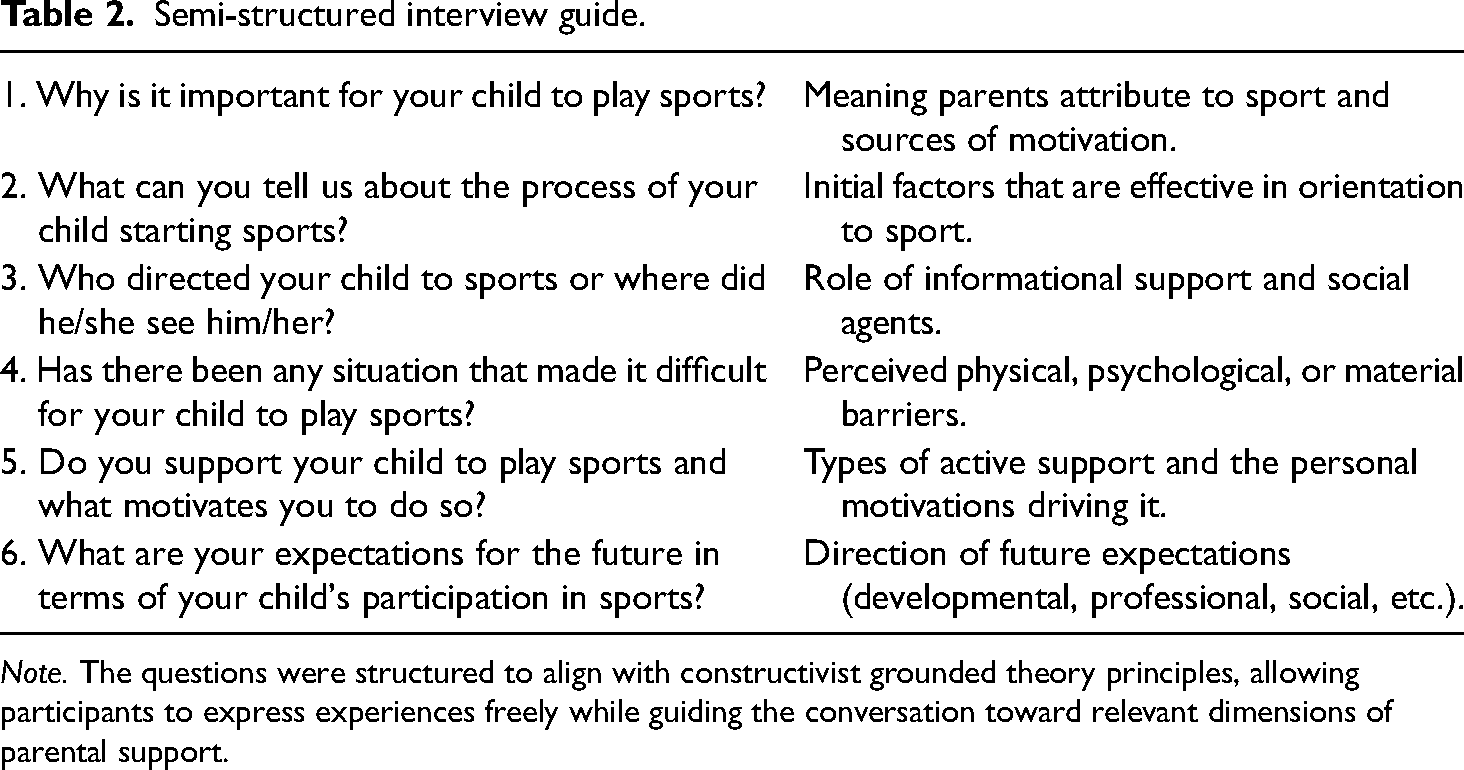
Note. The questions were structured to align with constructivist grounded theory principles, allowing participants to express experiences freely while guiding the conversation toward relevant dimensions of parental support.
Data analysis
The analysis of the interview data was conducted through a systematic and rigorous process, guided by the principles of Constructivist Grounded Theory (CGT; Charmaz, 2014) and structured into distinct phases of coding and quality assurance.
Analytic approach and grounded theory principles
To ensure methodological coherence, we adopted a CGT approach. This iterative process began with an inductive analysis of participants’ narratives and progressively moved towards a theory-informed interpretation. In line with CGT, our analysis ran in parallel with data collection, allowing early findings to inform subsequent interviews. In determining the endpoint of data collection, we critically engaged with the concept of saturation, acknowledging recent debates that characterize it as an often “misunderstood” or distinctively complex construct (Tight, 2023). Consequently, rather than viewing saturation merely as the quantitative exhaustion of new codes (Naeem et al., 2024), we adopted the perspective of “theoretical sufficiency” proposed by Dey (1999). While the interview duration was relatively brief (approximately 15–20 min), our sampling strategy was guided by the principle of “Information Power” (Malterud et al., 2016), which posits that the more specific the participants’ experiences are to the research aim, the smaller the sample size needed to achieve sufficient power. Our participants were active parents interviewed in situ (at the sports clubs), ensuring that their responses were highly focused, contextually grounded, and theoretically dense rather than generalized narratives. Furthermore, the inclusion of both volleyball and gymnastics was a strategic decision to utilize maximum variation sampling. This was intended not to conduct a comparative analysis between sports, but to test the robustness and transferability of our emerging theoretical constructs (e.g., the reciprocal nature of support) across different sporting contexts. Consequently, we achieved a level of conceptual depth that allowed for the full development of category characteristics and dimensions, prioritizing the richness of specific insights over the length of general narratives.
As the analysis progressed, and as established in our theoretical framework, we utilized the core typologies of SST (e.g., emotional, informational, and instrumental support) (Cutrona and Russell, 1990) as a conceptual lens to enhance interpretive depth. This aligns with the CGT concept of theoretical sensitivity, which allows for the integration of existing frameworks during the later stages of analysis to enhance interpretive depth, without predetermining the initial categories. Thus, the final thematic structure reflects a robust synthesis of both data-driven insights and theory-informed interpretation.
The coding process
The analysis was operationalized through three sequential yet overlapping stages. The process began with open coding, which involved a line-by-line, in-depth reading of each transcript to achieve immersion in the data and generate initial codes. Analytical memos were written throughout this stage to document early thoughts and emerging patterns. Subsequently, in the axial coding phase, the focus shifted from identifying discrete codes to establishing relationships between them. Using the constant comparison technique, we systematically grouped related concepts to build a more structured understanding. For example, initial open codes such as “driving to practice” and “paying for club fees” were consolidated into the more robust axial category of “Instrumental Support.” Finally, the selective coding stage involved integrating and refining these categories to identify the core themes of the study, with emotional, informational, and instrumental support emerging as the central organizing concepts.
Ensuring rigor and trustworthiness
To enhance the credibility and trustworthiness of the findings, several key strategies were employed. First, to minimize individual researcher bias, we utilized analyst triangulation. The first and second authors independently coded a subset of the transcripts (4 of 14) and then met to compare their coding, discuss discrepancies, and reach a consensus, which helped to refine the codebook (Creswell and Poth, 2018). Furthermore, we engaged in regular peer debriefing sessions with two senior academics who served as external auditors—one specializing in the sociology of sport and the other in qualitative methodology. Their critical feedback during these sessions helped us to challenge our assumptions, consider alternative explanations, and strengthen our analytical claims.
Ethical considerations
All procedures performed in this study were in accordance with the ethical standards of the 1964 Helsinki Declaration and its later amendments. The study protocol was reviewed and approved by the Erzincan Binali Yıldırım University Human Research Health and Sport Sciences Ethics Committee on March 28, 2025 (Protocol No: 03/09).
Prior to data collection, all participants were provided with a detailed information sheet about the study's objectives and procedures. Written informed consent was obtained from every participant before the interviews commenced. The consent form explicitly guaranteed (a) the voluntary nature of their participation, (b) their right to withdraw from the study at any point without consequence, (c) the confidentiality of their data, and (d) the anonymity of their identity through the use of pseudonyms in all publications and presentations resulting from the research.
Findings preparation process
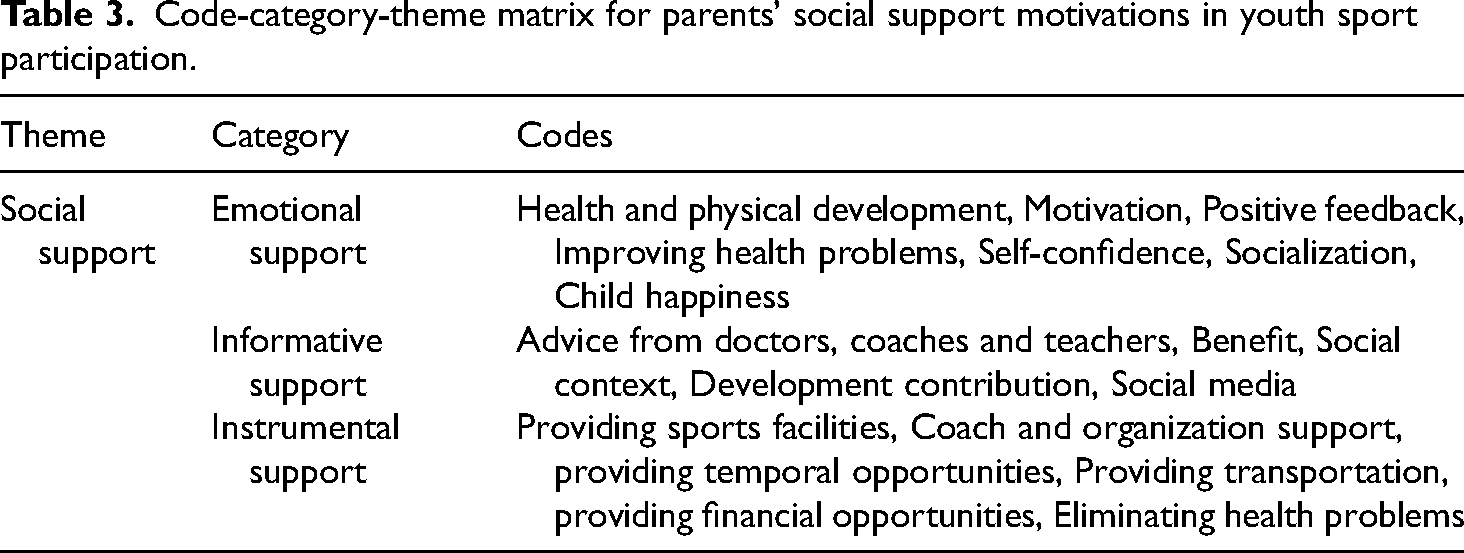
Table 3 shows the relationship of the codes obtained from the data analyzed within the framework of the grounded theory approach with the relevant categories and the main theme. The categories of emotional support, informational support and instrumental support structured under the main theme of “Social Support” represent the roles played by parents in their children's sports participation processes. Under each category, unique codes derived from participant views were included, and this structure reflects the logical association followed in the thematic analysis process. The table constitutes the basic analysis framework for the transition to the findings and interpretation sections of the study.
Code-category-theme matrix for parents’ social support motivations in youth sport participation.
Findings and discussion
The analysis of participants’ narratives revealed a nuanced and multifaceted understanding of the parental role in youth sports. This section presents the key findings constructed through our constructivist grounded theory approach. The findings are organized thematically around the three core categories that emerged as central to the parental support process: (a) Emotional Support, (b) Informational Support, and (c) Instrumental Support. In the following sections, each theme will be explored in detail, using illustrative quotes from the participants to unpack the complex motivations and behaviors that define their supportive roles.
Emotional support: A reciprocal pathway to shared growth and fulfillment
Our analysis of emotional support provides a vivid illustration of our enriched theoretical model, extending SST 's descriptive categories. This theme particularly highlights the reciprocal dynamics of the support process and reveals the autonomy-supportive motivations, as conceptualized by SDT, that underpin parents’ actions. Our analysis revealed that emotional support was the most prominent theme, with parents defining it not merely as one-sided support for their children, but as a complex, reciprocal process that strengthens their own happiness and parental identity. P01: She is currently enjoying the sports process with my support. She says, ‘I hope I can continue playing volleyball, Mom.’ I encourage her. She even wants to pursue a career in sports science. Seeing her happy makes me happy too. I hope she continues this way. Volleyball is like a lifeline for her right now. Before he discovered volleyball, he wanted to be an interior designer; however, he fell in love with the sport and his ideas completely changed. Now his goal is to become an athlete and study sports science. I hope he succeeds. P09: My child feels happy in sports, and seeing him happy is enough motivation for us.
This notion of a shared emotional experience is further complicated by the social dynamics of modern parenting. The satisfaction derived aligns with Coakley's (2006) foundational argument that being a “good parent” in youth sports becomes an identity construction shaped by social norms. Indeed, research consistently shows that parents’ supportive behaviors, while genuine, are often a performance aimed at navigating the complex roles and expectations placed upon them in the youth sport environment (Holt and Knight, 2014). Similarly, Burke et al.'s (2023) study on competitive female golfers found that parents constantly balance internal conflicts and societal pressures. In this light, the emotional reward experienced by P01 and P09 may simultaneously serve to legitimize their significant investment and sacrifices.
Thus, parental support is not only a tool that facilitates the child's sporting success; it is a complex process that strengthens the parent's own satisfaction and social role perception. This is strongly supported by Sutcliffe et al. (2021) extensive meta-study, which identified “parental outcomes”—such as personal satisfaction and improved well-being—as a central dimension of the parental experience in youth sport. Our study, therefore, provides a grounded, empirical illustration of this broader, bidirectional phenomenon. P03: I definitely support it very much. I think it is very necessary for him to be healthy and to engage in physical activities, whether physically or mentally. I think it is very important especially in this transition to adulthood. The fact that he loves this job also motivates me.
Here, the parent's motivation is synchronized with the child's emotional state, transforming support from a one-sided act of care into a relationship shaped by mutual emotional resonance, a dynamic consistent with research emphasizing the inherent complexity of the parent–child relationship (Knight et al., 2016). This reciprocity is a powerful illustration of Self-Determination Theory in action. The parent's motivation to see the child enjoy themselves indicates an autonomy-supportive atmosphere, which strengthens a child's intrinsic motivation by supporting their fundamental psychological needs for autonomy, competence, and relatedness (Deci and Ryan, 2000). As such environments are known to increase young athletes’ commitment and positive experiences (Keegan et al., 2010), this finding demonstrates how the quality of emotional support is directly linked to its underlying motivational function. P05: I support it because we have acquaintances who participate in sports and get very good feedback. The fact that my daughter also enjoys it motivates me because she is always telling me about sports.
The motivation expressed by P05, where her daughter's enjoyment becomes a direct catalyst for her own, exemplifies this powerful mechanism. The statement, “My daughter's enjoyment motivates me because she constantly talks to me about sports,” reveals more than a simple reaction; it points to a sophisticated two-way emotional dynamic, illustrating the reciprocal process at the heart of our study. The parent's support is not a one-sided provision but a response actively shaped by the child's feedback. Ultimately, as P05's experience suggests, this process of emotional sharing is not only sustainable but also deeply fulfilling, reinforcing the parent's own identity as they support their child.
Further illustrating the diverse drivers behind emotional support, some parents framed their motivation less around immediate enjoyment and more around long-term well-being. P08: My expectation for the future is entirely focused on health. Living a healthy life would fulfill my expectations. P13: The fact that he is forming friendships through sports and building better relationships away from harmful influences motivates us.
In summary, the analysis of the emotional support theme demonstrates the strength of our integrative theoretical framework. Rather than depicting parental behaviors as isolated acts of care, the findings reveal a reciprocal and interdependent process in which their children's positive emotional feedback continually reinforces parents’ motivations. This dynamic, situated at the intersection of Self-Determination Theory's autonomy-supportive principles and SLT's mechanism of vicarious reinforcement, offers a novel perspective that extends SST beyond unidirectional conceptualizations. By doing so, our study not only provides empirical evidence of reciprocity in parent–child relationships in sport but also advances theoretical debates by reframing parental support as a relational and co-constructed process.
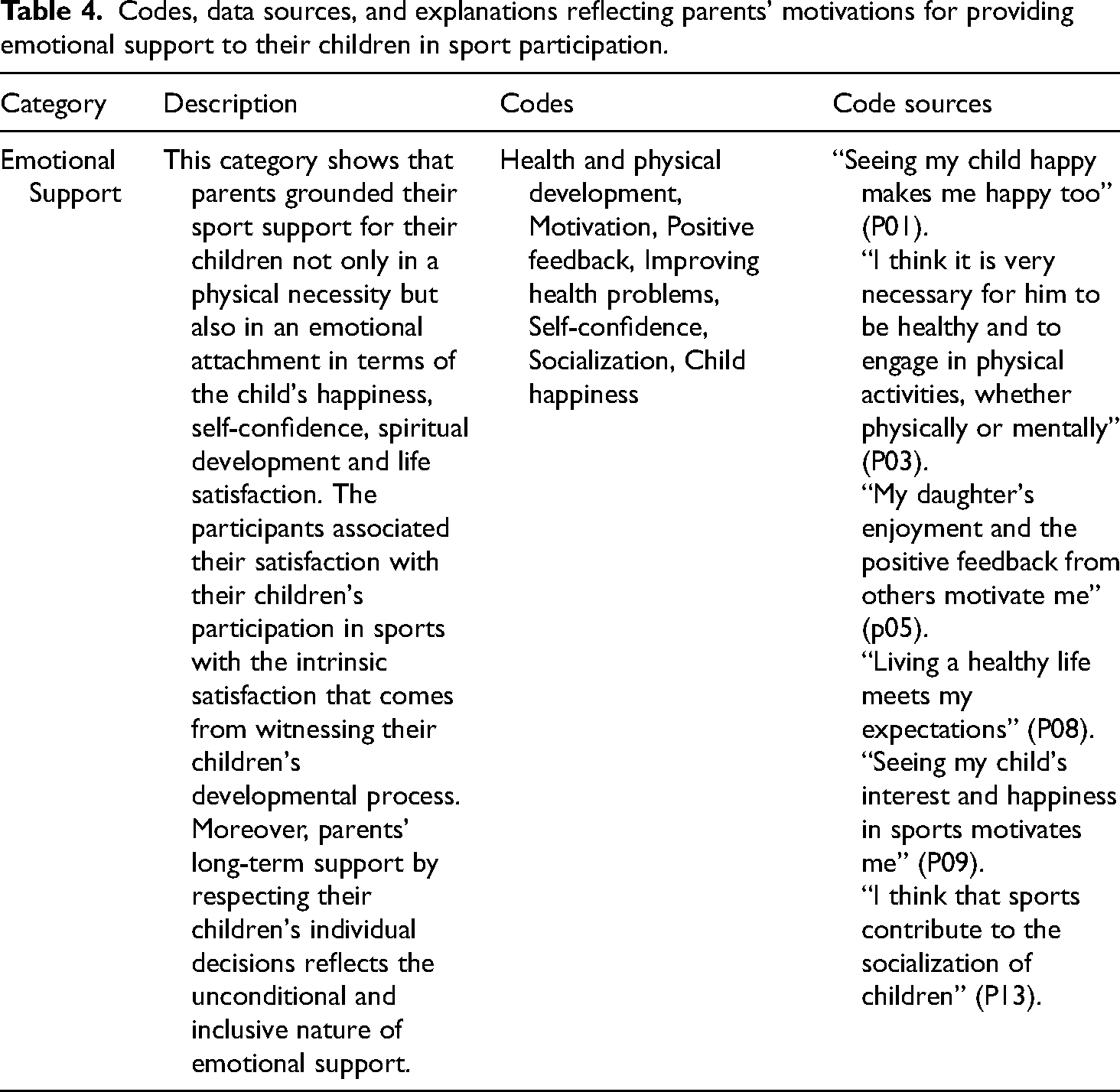
Table 4 provides a detailed matrix of the codes and categories that constitute the theme of Emotional Support, offering a systematic overview of the data underpinning this analysis.
Codes, data sources, and explanations reflecting parents’ motivations for providing emotional support to their children in sport participation.
Informational support: A strategic pathway to lifelong development and informed decision-making
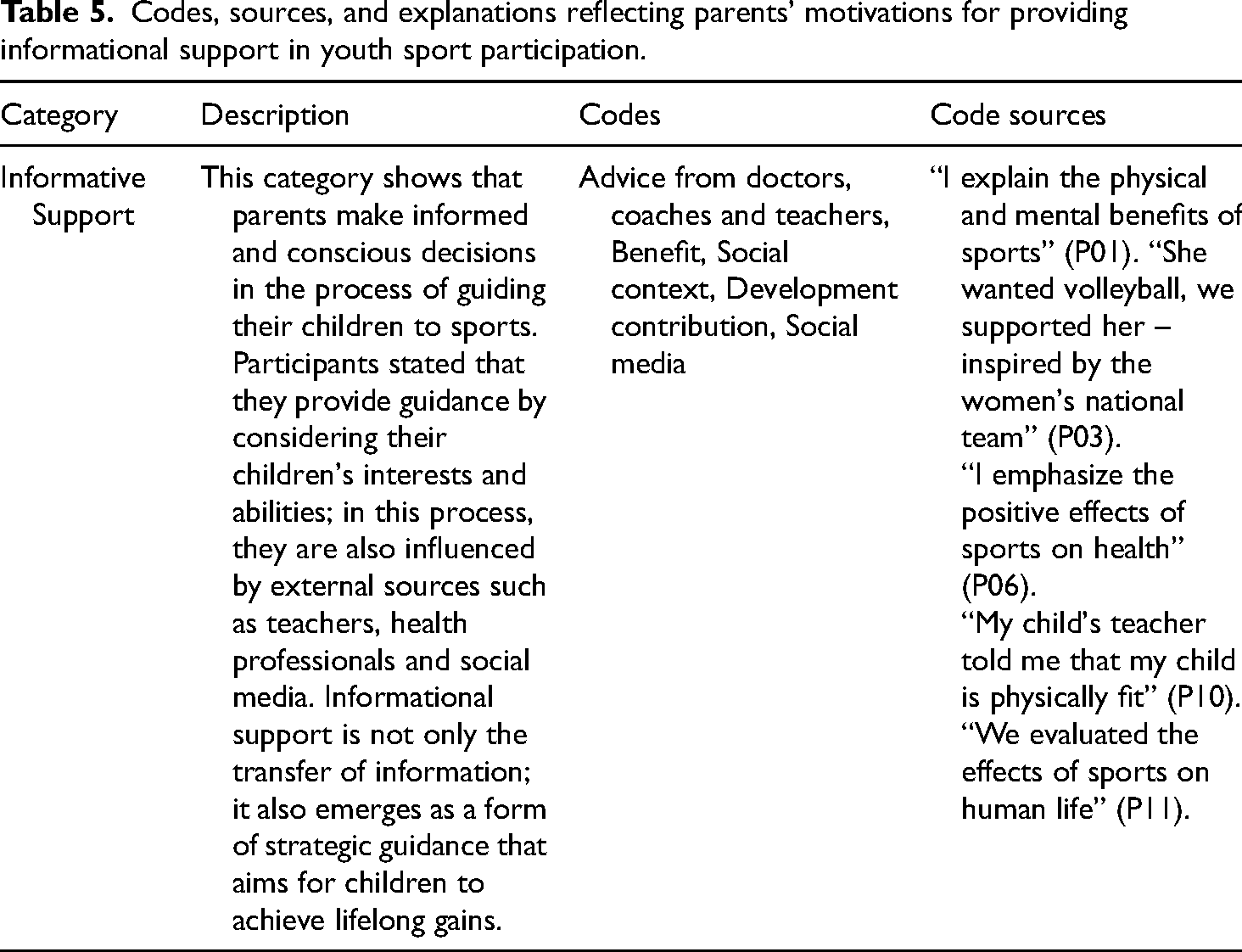
Moving from the affective to the cognitive and strategic dimensions of support, the theme of informational support vividly demonstrates how parents utilize the thematic interpretive tools outlined in our theoretical framework. This category reveals how SST's concept of “informational support” is not a neutral transfer of data, but a deeply motivated practice shaped by principles of SLT and ideologies of CC. The analysis reveals who influenced parents, how they structured this guidance, and how they viewed sports as a planned, long-term gain. P01: As his mother, I guided him. When our coach announced they were forming a group for beginners in volleyball, I immediately contacted the coach to sign him up. During this process, I explained to my son the physical and mental benefits of sports. P03: We talked about the need for her to participate in a sports branch and she stated that she wanted to play volleyball and the success of our women's volleyball team was also effective in this and we supported her.
This use of social modeling is often embedded within a broader strategic parenting approach. The increased social visibility of sports has transformed parental support into a long-term practice aimed at accessing cultural capital (Coakley, 2011). This aligns directly with Lareau's (2018) concept of CC, the second thematic tool in our framework. According to Lareau, middle-class parents direct their children toward activities like sports to maximize their potential and social mobility. This guidance, therefore, is not merely a choice of activity but also reflects the parent's active role in shaping their child's future. The fact that sports become a shared value within the family further reinforces this process, creating a cultural environment that sustains participation (Wheeler, 2012). P06: Today's children are not as fortunate as our generation. In the past, gardens and streets were more suitable for sports. Now, with urbanization, sports activities have moved from the streets to sports facilities, but they have not received the attention they deserve. Ultimately, I can say we started sports for health reasons. Following our doctor's advice, I provided my child with the necessary information, explained the importance of sports for health, and took the first step toward participating in sports. P10: Guided by the teacher. The physical education teacher saw his performance in class and contacted me to say that he was talented at volleyball and needed better training. I contacted clubs, did the necessary research, passed this information on to my son, and our sporting journey began.
In sum, the analysis of informational support advances the traditional understanding of this SST category. Beyond the provision of facts, it emerges as a strategic form of parental guidance shaped by modeling, long-term planning, and the pursuit of cultural capital. By integrating insights from SLT and CC, our findings demonstrate that parents actively curate and translate information to construct developmental pathways for their children. This perspective reframes informational support as an intentional and future-oriented practice, thereby extending SST and offering a more sociologically grounded account of parental involvement in youth sport.
Table 5 presents a systematic overview of the interpretive codes and categories constructed through the analysis of participant narratives, offering a deeper insight into the multifaceted nature of informative support.
Codes, sources, and explanations reflecting parents’ motivations for providing informational support in youth sport participation.
Instrumental support: A practical pathway to persistence and parental resilience in sport
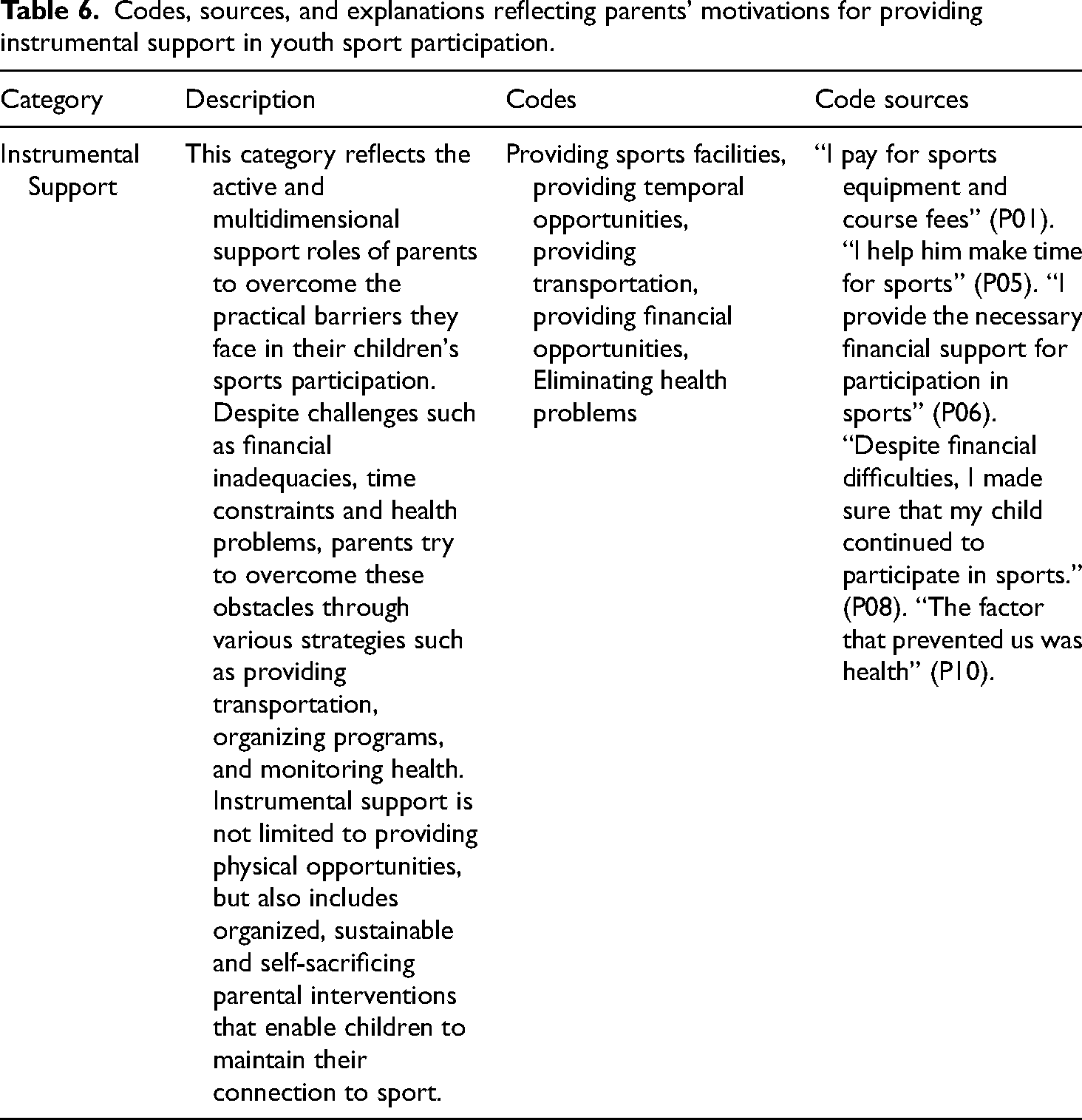
Finally, the theme of instrumental support reveals the tangible enactment of the motivations and strategies discussed in the previous themes. This category of SST, often seen as purely practical, is reframed through our analysis as a deeply value-laden practice. It is the arena where parents’ autonomy-supportive motivations (SDT) and their commitment to a strategic parenting ideology (CC) are translated into concrete actions such as financial sacrifice, time allocation, and proactive health management. P08: Even though we have some financial difficulties, we still try to fulfill the child's request. P09: Time is a big obstacle for us. The mother is working, the father is working, we have difficulty in taking the child to sportive activities. P10: The obstacle for us was health, my daughter has asthma and this makes us hesitate. We are in constant communication with her doctor.
In sum, our analysis demonstrates that instrumental support is not merely a set of practical tasks but the material embodiment of parental motivation, sacrifice, and identity. The allocation of time and money, alongside the strategic management of health and logistical barriers, represents tangible expressions of an underlying commitment to the child's well-being and future. By situating these practices within the combined lenses of Self-Determination Theory and CC, our study reframes instrumental support as an inherently relational and identity-affirming process. In doing so, it extends SST by challenging its traditionally utilitarian treatment of instrumental support and highlighting its affective and strategic dimensions within the parent–child sporting relationship. Table 6 presents a matrix that systematically illustrates the interpretive codes and categories developed through this analysis.
Codes, sources, and explanations reflecting parents’ motivations for providing instrumental support in youth sport participation.
Contextualizing parental support: the influence of child age, sport type, and parent background
Beyond the core thematic structure, our interpretation revealed that certain contextual variables shaped the nature of parental support, highlighting the dynamic and situated nature of our enriched support model. These variations demonstrate that support is not a static script but is actively adapted by parents in response to specific developmental and environmental demands.
For example, parents of younger children (aged 5–6) generally took on more directive and instrumental roles, while parents of adolescents emphasized emotional attunement and mutual decision-making processes. This shift aligns with the principles of SDT, suggesting that parents intuitively adjust their support to be more autonomy-supportive as children mature. Additionally, the type of sport (e.g., team sports, such as volleyball, versus individual sports, such as gymnastics) influenced how parents interpreted their involvement. Team sports were generally associated with emotional and social gains, while individual sports emphasized more structured, health-focused support. Ultimately, it is recognized that parents with prior experience in sports tend to take on a more active role in providing knowledge-based and proactive guidance.
Conclusion and theoretical implications
Our findings go beyond addressing parental behaviors solely on a categorical plane, revealing how multiple theoretical approaches work together to shape parent–child interactions. In this proposed integrated model, SST serves as the conceptual framework, defining parental behaviors (emotional, informative, instrumental). In contrast, the direction and nature of these behaviors are determined by the principles of Self-Determination Theory (SDT) and CC.
In this theoretical synthesis, “Instrumental Support,” as addressed within the scope of SST, is redefined as a strategic parenting practice that aims to increase the child's developmental gains and cultural capital, in line with the ideology of CC, moving beyond mere logistical assistance. The sustainability of this intensive parental investment is based on a reciprocal interaction mechanism grounded in SLT and SDT. Parents’ observation of their children's enjoyment and development in sports (Indirect Reinforcement/SLT) satisfies their relational and competence needs (SDT), creating an internal source of motivation that sustains parental support. In this process, SDT is the fundamental regulatory framework that determines the functional nature of parental support and its psychological impact on the child. SDT explains whether the strategic parenting goals (CC) and the informative support provided (SST) are perceived by the child as a “controlling” intervention or as “autonomy-supportive” guidance. Therefore, our analysis shows that adequate parental support emerges when the strategic intent of CC aligns with the relational sensitivity of Autonomy Support and is enacted through the concrete behaviors outlined in SST. This approach positions the theories under consideration not as independent explanations, but as complementary dimensions that holistically explain the parenting process.
Taken together, the findings from all three support themes—emotional, informational, and instrumental—demonstrate that the seemingly practical dimensions of parental involvement are in fact embedded in broader motivational and ideological frameworks. By reframing parental support as a value-laden, bidirectional process, this study extends SST (SST) beyond its conventional classifications. Our analysis contributes a more relational and dynamic model of parental involvement by illustrating how autonomy-supportive intentions (SDT) and strategic parenting ideologies (CC) are enacted in the everyday lives of sport families.
This enriched model makes several key theoretical contributions. First, by shifting the focus of SST from recipients to providers, our findings highlight parents as active agents whose practices are sustained by intrinsic motivations, such as the reciprocal emotional rewards derived from their child's happiness. Second, our integration of SDT provides a crucial lens for understanding the quality of support, demonstrating how parental actions can be either autonomy-supportive or controlling, with significant implications for a child's intrinsic motivation. Third, by employing SLT and CC as interpretive tools, we show that support practices are not just individual acts but are shaped by social modeling and broader cultural ideologies of parenting. This multi-layered approach moves beyond what support is given, to explain the more complex questions of why and how it is provided.
Practical implications
The findings of this study demonstrate that parents play a multidimensional and active role in children's sports participation, functioning not only as emotional supporters but also as strategic guides and sustainable facilitators. This underscores the need for sport organizations, educators, and policymakers to recognize and systematically integrate parents into youth sport programs.
First, enhancing communication between sports clubs and parents can facilitate more informed and autonomy-supportive involvement, ensuring that parental guidance aligns with both developmental needs and children's intrinsic motivations. Organizing structured information sessions, workshops, or parent education programs can further equip parents with knowledge and strategies for effective support, particularly in relation to emotional, informational, and instrumental dimensions.
Second, policy interventions should consider the material and temporal investments parents make in sustaining their children's participation. For instance, providing flexible scheduling, accessible facilities, and subsidized programs can help mitigate practical barriers and enhance equitable access to sports for families of diverse socioeconomic backgrounds. Recognizing and supporting these parental efforts contributes not only to children's engagement but also to parents’ sense of efficacy and sustained involvement.
Finally, practitioners and researchers should adopt a relational perspective when designing interventions. By acknowledging the bidirectional nature of social support, programs can promote positive interactions that simultaneously enhance children's developmental outcomes and parents’ satisfaction. These insights also highlight opportunities for longitudinal and comparative research to examine how variations in parental support across sport types, child age groups, and family backgrounds influence psychological well-being, commitment, and social development in youth sport contexts.
Limitations and suggestions for future research
Despite its contributions, this study has several limitations that should be acknowledged. First, the research was conducted exclusively within Erzincan province and focused on selected sports branches, which may limit the generalizability of the findings to other geographical or cultural contexts. Second, data were collected solely from parents, which provides a rich perspective on support practices but excludes children's direct viewpoints. Consequently, the interpretations presented reflect parental perceptions and may not fully capture the child's lived experience, highlighting a need for triangulation in future research. Thirdly, although the ‘Information Power’ strategy was adopted during the data collection process, enabling the collection of highly focused and specific data from participants, the relatively short duration of the interviews (average 15–20 minutes) may have limited the in-depth analysis of the broader life contexts and socio-economic backgrounds surrounding the parents’ experiences. Therefore, the current findings represent situational and action-based support mechanisms in the context of sports rather than the participants’ entire life stories.
To address these limitations, future studies could adopt longitudinal and multi-informant designs, exploring how parental support evolves across different developmental stages and sports contexts. Comparative investigations including perspectives from children, coaches, teachers, and peers would provide a more comprehensive understanding of the social support network surrounding youth sport participants.
Additionally, integrating mixed-methods approaches could enhance the measurement of support effects on children's psychological well-being, self-confidence, intrinsic motivation, and sports commitment. Research examining how families from diverse socioeconomic backgrounds structure and deliver various forms of support would further elucidate the contextual contingencies highlighted in this study.
Finally, extending this line of research across different cultural contexts and sporting environments could help refine the theoretical integration of SST, Self-Determination Theory, and CC, thereby advancing a more globally relevant understanding of bidirectional support dynamics in youth sport.
Footnotes
Declaration of conflicting interests
The authors declared no potential conflicts of interest with respect to the research, authorship, and/or publication of this article.
Funding
The authors received no financial support for the research, authorship, and/or publication of this article.
