




Abstract
Background
Pulmonary hypertension (PH) is a disorder of the pulmonary blood vessels that is often accompanied by other clinical conditions, which can lead to complications in cardiovascular and respiratory diseases. The clinical outcome of patients with PH is influenced by factors such as age at diagnosis and response to therapy. Patients diagnosed at a younger age and who show a good initial response to therapy tend to have better outcomes.
Purpose
This study aims to evaluate the sociodemographic factors (gender, age, living status) and medication use of PH patients at the Teaching Hospital in Jakarta.
Materials and Methods
This study was conducted from November to December 2024 at the Teaching Hospital. This is a descriptive analytic study employing a retrospective cohort design. The sampling was done using a convenience sampling technique, with 84 samples meeting the inclusion criteria.
Results
This study showed that female (63.1%) were predominant than male (36.9% ). Among 84 respondents, 98.9% of them was categorized as alive. The largest age group was found among respondents aged 60 years. Furosemide was the most used medication in patients with both primary and secondary PH, with prevalences of 14.8% and 15.2%.
Conclusion
Most respondents in this study were alive, and female with the largest age group being 60 years old. Most respondents were categorized as living. Furosemide was the most used medication among patients with both primary and secondary PH, indicating a high prevalence of its use in managing this condition.
Introduction
Pulmonary hypertension (PH) is a disease that is not well-known in Indonesia. Its prevalence in the world is recorded at only 20–70 million people; in Europe, it reaches 5–10 cases per 1 million people per year. The prevalence of PH in Europe is 15%–60% cases per 1,000,000 adult population, and there are 5–10 cases per 1,000,000 per year. 1 According to several studies, the estimated prevalence of PH is 1%–3% worldwide, and although there is less data on its prevalence in Asia compared to the West. Based on records from 50 hospitals in the West, data show that in 2003, the average age of PH patients was 56 ± 16.1 years, with a female predominance. 2 In Indonesia, almost 80% of adult patients with congenital heart disease (CHD) had experienced pulmonary arterial hypertension (PAH). 3
PH is an abnormality in the pulmonary blood vessels accompanied by other clinical conditions that can cause complications in other cardiovascular and respiratory diseases. 3 PH is a condition where the resistance to blood pressure in the pulmonary artery increases beyond normal limits. PH is a gradual one set that, over time, can reduce the quality of life to cause premature death. In the resting period, the average pressure is more than 25 mmHg, and when performing cardiac catheterization, the average is more than 30 mmHg. 4 Common symptoms include progressive shortness of breath, fatigue, and dizziness. 5 A case report was found in Indonesia in which a pregnant woman with PH died due to cardiogenic shock. 6 There are 11 drugs used for PAH treatment; only two drug classes are commonly used in Indonesia. Prostacyclin analogues (beraprost and iloprost) and oral PDE-5i (sildenafil) are the currently available PAH drug classes in Indonesia.7–9
Recent advances in the diagnosis and management of PAH have resulted in a significant improvement in outcomes for patients with PAH in Indonesia. However, prompt and accurate diagnosis of PAH remains a challenge due to poor knowledge about the etiology and pathophysiology of this rare abnormality. 9 Underutilization of treatment guidelines and a lack of diagnostic and treatment facilities (lung ventilation/perfusion (V/Q) scan, right heart catheterization (RHC), cardiac computed tomography, and cardiac magnetic resonance imaging) result in suboptimal treatment of PAH patients in Indonesia.9, 10
PH is classified into five groups based on its etiology, pathophysiology, and therapeutic approach: (a) PAH, (b) PH due to left-heart disease, (c) PH due to pulmonary disease and/or hypoxia, (d) PH due to chronic pulmonary artery obstruction, and (e) PH with unclear and/or multifactorial mechanisms. The diagnosis of PH requires a comprehensive approach, including physical examination, echocardiography, and RHC for confirmation. 11
The clinical outcomes of patients with PH are influenced by factors such as age at diagnosis and their response to treatment. Patients diagnosed at a younger age who respond well to initial therapy tend to have better outcomes. 6 However, limited research has been conducted on the clinical outcomes of patients with PH in Jakarta City. Therefore, this study is essential for assessing the correlation between sociodemographic factors and the clinical outcomes of patients with PH in healthcare facilities across Indonesia.
Materials and Methods
This research was conducted from November to December 2024 at the Teaching Hospital. This study is a descriptive analytic study aimed at analyzing and interpreting PH disease, the relationship between sociodemographic factors (age, gender) and PH disease, and the relationship between PH types and clinical outcomes (death or alive). This study employs a retrospective cohort design and a non-experimental study approach to examine the relationship between exposure and disease. The study uses secondary data in the form of medical records of PH patients at the Teaching Hospital.
Sampling in this study was conducted using a convenience sampling technique, resulting in 84 samples that met the inclusion and exclusion criteria. The inclusion criteria for this study are PH patients at the Teaching Hospital from 2022 to 2024 and PH patients aged 18 years or older. The exclusion criteria are all patients who are pregnant, have a history of human immunodeficiency virus/acquired immunodeficiency syndrome (HIV/AIDS), autoimmune diseases, or lung cancer from 2022 to 2024, as well as all medical records that are difficult to find or incomplete, hindering data collection. The analysis technique used Excel and descriptive analytics, where the results are presented numerically and then described and interpreted in a narrative form.
This study was conducted after obtaining ethical clearance from Universitas 17 Agustus 1945, Jakarta with No. 120/KEPK-UTA45JKT/EC/EXP/11/2024. The identities of the subjects are kept confidential and will not be published for any purpose.
Results
A total of 84 patients met the inclusion criteria and were enrolled in this study. The age of the respondents ranged from 20 to 83 years, with the largest proportion found in the 60-year-old group, comprising four patients. Most of the respondents were female, accounting for 53 out of the 84 patients. The majority were diagnosed with other forms of secondary PH, totaling 55 patients. Regarding survival status, almost all respondents were alive at the time of data collection, with 83 out of 84 patients falling into this category.
Furosemide emerged as the most frequently administered medication, used in 14.8% of patients with primary PH and 15.2% of those with secondary PH. Survival outcomes were favorable overall, as 98.9% of respondents survived during the study period. Further analysis revealed no significant association between age or gender and clinical outcomes among PH patients at the Teaching Hospital. Likewise, there was no statistically significant relationship between the type of PH and patient outcomes. Laboratory parameters, including prothrombin time (PT), hemoglobin (Hb), and activated partial thromboplastin time (APTT), also showed no significant differences in relation to clinical outcomes.
Most of those patients were above 40 (Figure 1).
Age Characteristic of Pulmonary Hypertension (PH) Patients.

Most of those patients were female, 63.1% (Figure 2).
Gender Characteristic of Pulmonary Hypertension (PH) Patients.

Figure 3 shows another secondary PH predominant over primary PH (65.48%).
Distribution of Pulmonary Hypertension (PH) Patients.

Only one patient died in this study (Figure 4).
Clinical Outcomes of Pulmonary Hypertension (PH) Patients.

Table 1 shows that Furosemide, Revatio, and Spironolactone are the most used medications in this study (more than 10%).
Treatment Characteristic of Pulmonary Hypertension (PH) Patients.

More than 90% of patients were alive (Table 2).
Mortality Characteristic of Pulmonary Hypertension (PH) Patients.

Table 3 shows that no significant relationship was found in this study (p > .05).
Relationship Between Sociodemographic and Clinical Outcome of Pulmonary Hypertension (PH) Patients.

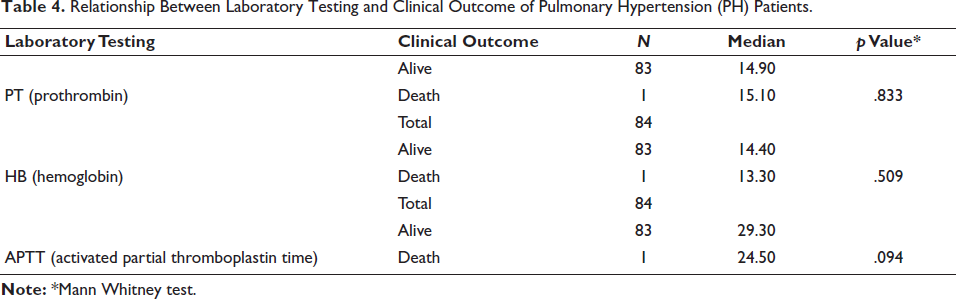
Table 4 shows that no significant relationship was found in this study (p > .05).
Relationship Between Laboratory Testing and Clinical Outcome of Pulmonary Hypertension (PH) Patients.
Discussion
The distribution of PH respondents at Fatmawati Hospital spans from 20 to 83 years, with the highest number of respondents found in the 60-year-old age group, totaling four respondents. This finding is consistent with research conducted by Kletzer et al., which found that the highest number of PH respondents were in the age group above 60. 7 The results of this study also align with research from Levine, which indicates an increased incidence of PH in the adult age group, with the average age at diagnosis falling within the 50–65-year range. 8 This can occur because PH can develop in individuals of various ages, depending on the varying risk factors. Furthermore, PH is not limited to a specific age group and can be found in patients with different clinical conditions, such as chronic obstructive pulmonary disease (COPD) or interstitial lung disease.9, 10
Many research subjects are female, with 53 respondents. This aligns with a study by Jördens et al., which found that most patients with PH were female (56.7%). 12 This phenomenon can be attributed to various factors that influence the prevalence differences between genders, including both biological and social factors. Several studies suggest that PH is indeed more common in women. For instance, some research highlights hormonal differences between females and males that may influence the development of this condition. 13 Biological factors, such as differences in the cardiovascular system and the body’s response to stress, may explain the higher prevalence in women. For example, hormonal differences, especially estrogen, are known to affect blood vessels and increase the risk of lung diseases, including PH. 2 Genetic conditions and individual predisposition to vascular diseases play a more significant role in women.14, 15
The number of patients with a diagnosis of other secondary PH is higher, around 55 patients, compared to patients diagnosed with primary PH, which amounted to around 29 patients. This is in line with a study conducted by Verma et al., who stated that secondary PH due to comorbidities, including congestive heart failure (OR 2.21) and COPD (OR 1.76), was found to be higher than primary PH. 16 Secondary PH is often caused by external factors such as heart or lung disease, leading to an increased case-rate compared to the idiopathic primary form.4, 17 With a higher number of patients, the management of secondary PH requires more attention in terms of early diagnosis and the management of underlying conditions. Meanwhile, despite the relatively fewer cases of primary PH, it is important to prioritize further research into its pathogenesis to understand the factors that could possibly lead to this disease.10, 18 In broader research, the importance of proper classification and diagnosis cannot be overstated.
Most PH patients in this hospital were in the “Living” category, totaling approximately 85 patients. Optimal management of PH can have a significant impact on patient prognosis, including a reduction in mortality.19, 20 Appropriate treatment strategies for PH, including the use of vasodilator drugs and supportive therapy, can significantly improve patients’ survival. Other factors that contribute to patient survival may involve the management of risk factors such as CHD or other pulmonary diseases.21, 22 From a clinical perspective, the success of treatment at Fatmawati Hospital may be influenced by the skills of medical personnel and the available medical facilities, which allow for more effective treatment of patients with PH.23, 24
No significant association was found between age and clinical outcome based on a p value of .950, which is much greater than the conventional significant value (0.05). This indicates that age, in the context of this study, has no direct impact on the likelihood of death or survival of patients with PH. 14 As found in other studies regarding PH, the age factor often shows no significant influence on the clinical prognosis of patients; there is a tendency for older patients to be found more in the population.2, 9 This could be because the clinical outcome of PH patients is influenced by a wide individual variability, including response to treatment, comorbidities, and severity of disease, thus influencing patient sociodemographics.
The drugs used to manage PH differ between primary and secondary types of PH, with some drugs being frequently used in both types. Based on the data collected, Furosemide emerged as the drug used by 16 patients (14.8%) in primary PH and 26 patients (15.2%) in secondary PH. This study aligns with a study conducted by Savonitto et al., which stated that low-dose loop diuretics are the type of drugs most often used. Diuretics are administered to reduce congestion, which is characterized by a high filling pressure of the right side of the heart and a mismatch between the ventricles and arteries. 25 In addition, spironolactone, used by 15 patients (13.9%) with primary PH and 25 patients (14.6%) with secondary PH, functions as an aldosterone blocker that plays a crucial role in regulating sodium and water balance in the body, which is particularly important for patients with PH. Meanwhile, Revatio (Sildenafil) was used by 14 patients (13.0%) in primary PH and by 23 patients (13.5%) in secondary PH. 2 Sildenafil is a vasodilator of the pulmonary artery by increasing cyclic guanosine monophosphate (cGMP) and is an effective treatment for PH in the adult population. 26
The distribution of patients in this study showed that most patients survived, with 83 (98.9%) of the total sample. This represents a very high survival rate in this group. On the other hand, there was only one patient who died, which constituted 1.1% of the total sample. Most patients in this study had a chance of survival close to 100%. This value strongly reflects the significant prevalence of survival, which can be understood as a very high probability of survival. In contrast, the mean value for the group of patients who died was 0.0119, indicating that only 1.1% of the patients experienced death. Although there were some patients who died, this mortality rate was very low, indicating that although the risk of death was present, it occurred in this group at a minimal proportion. Further understanding of these figures may provide greater insight into the effectiveness of medical interventions as well as the risk factors contributing to patient prognosis, which is important in clinical decision-making. 27
Relationship Between PH Type and Clinical Outcome
Based on statistical analysis, the p value was .534 > .05. It can be concluded that there is no statistically significant relationship between the type of PH and the clinical outcome of patients. Specifically, in the group of patients with primary PH, although the majority survived, the mortality rate was very low; only one patient died. Chang et al. in their study stated that there was no difference in mortality in primary or secondary PH diagnosed >6 months or <6 months. 28 This reflects that although primary PH is a serious condition, with proper treatment, the prognosis can be good. 18 On the other hand, in the other secondary PH group, none of the patients died, which suggests that good management of the secondary causative disease can have a positive impact on the clinical outcome of patients. 27 Both types of PH have risks, and differences in management and treatment can affect patients’ survival rates. According to Anderson and Lau, 2 focused and appropriate management of secondary causative disease can play an important role in improving the long-term prognosis of patients with hypertension.
Relationship Between Laboratory Parameters and Clinical Outcome
Based on the results of the Mann–Whitney test, it can be concluded that there is no significant relationship between prothrombin, Hb, and APTT on the clinical outcome of PH patients. The results of this study are from Ford et al.’s research, which explains that PT has no significant relationship with treatment outcomes in patients with PH. 24 These results also suggest that these parameters may not have a direct effect on the clinical outcome of patients with PH, which is in line with broader findings regarding the relevance of coagulation in the treatment of PH.10, 20
This study aligns with the research conducted by Vrigkou et al. In their study, it was concluded that there was no significant relationship between Hb and APTT laboratory parameters and the incidence of PH (p = .39; p = .07). PH is a progressive chronic disease, where endothelial dysfunction plays an important role in its development. Chronic damage to the pulmonary endothelium leads to the activation of platelets and the coagulation cascade, as well as prolonged platelet degranulation and abnormalities in platelet function. The prolongation of the APTT parameter reflects the prolonged activation of the coagulation process.29, 30 The study has some limitations since the study duration is rather short and the fact that the published care data to date originate from a small observational dataset (no more than 200 patients). Future research should focus on treatment and clinical outcomes based on the type of PH.
Conclusion
Most respondents in this study were female, with the largest age group being those aged 60 years. Most of the respondents were in the living category. Furosemide is the most used drug by patients with PH, both primary and secondary, indicating a high prevalence of its use in the management of this condition.
Footnotes
Abbreviations
Acknowledgments
The authors extend their heartfelt thanks to all the staff at the Teaching Hospital in Jakarta for their dedication, compassion, and tireless service.
Declaration of Conflicting Interests
The authors declared no potential conflicts of interest with respect to the research, authorship, and/or publication of this article.
Ethical Approval
Ethical approval was obtained from the relevant ethics committee or Institutional Review Board (IRB).
Funding
The authors received no financial support for the research, authorship, and/or publication of this article.
Informed Consent
The participant has provided informed consent for the submission of the article to the journal.
