




Abstract
The use of the marketing mix is ubiquitous, six decades after it was first proposed. Over time, numerous variations, augmentations and alternatives have been proposed across spheres of the marketing domain in various specializations and sub-categories. At its core, its essence is its useful function as a toolkit for the marketer in attracting the target-consumer. The 7Ps MBA marketing mix proposed by Jonathan Ivy in this regard assumes significance within India’s B-school market, arguably one of the largest in the world. This study examines whether the 7Ps alone are sufficient in the Indian context. Data exploration finds that aspects of graduate performance are grossly deficient both in terms of outturn and placement, with indications suggesting a lack of trust among the consumers. This study, therefore, conceptualizes an enhanced marketing mix of 10Ps, with the inclusion of pass-rate, placements and probity as three new Ps. Crucially, it includes the performance criterion which was missing in the original 7Ps MBA marketing mix while adding a new component that is pertinent to developing/emerging markets. The study would be useful as it potentially opens up further exploration into services marketing aspects of the multi-billion-dollar MBA industry in India, as well as throwing light on key drivers for positioning and building brand equity among B-schools.
Introduction
The modern era of higher education is largely driven by commercial competition concerns (Seymour, 1992), characterized by ‘market orientation’ which has been influenced primarily by quality and price considerations (Williams, 1993). India opened up of its economy in the 1990s and subsequently deregulated the higher education sector. Within the Management education scene, there has been marked growth since 1990s and the boom witnessed in Business schools’ (B-school) growth (Aggarwal Sharma et al., 2013; Khatun & Dar, 2019; Mahajan et al., 2014; Nagrath & Sidhu, 2018). Sahney et al. (2004b) explained the felt need for a market-oriented environment in higher education. The result would mean that students enjoy more discriminative power in selection, choice and the demands they make from the institutes/colleges (Joseph et al., 2005). B-schools would thus have to resort to aggressive marketing to build positioning and image (Umashankar & Dutta, 2007). Indeed, management institutes in India were making their presence felt in the online space by building social media brand communities (Chauhan & Pillai, 2013). These indicated a tussle for admissions, prominence, recognition and branding in a crowded marketplace.
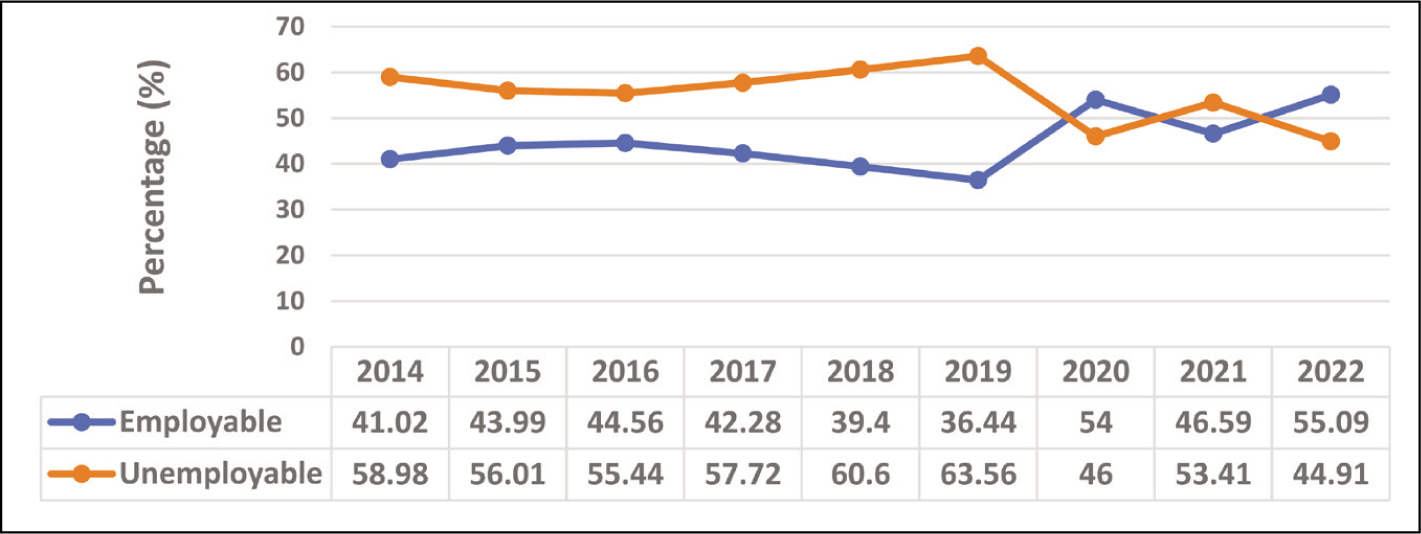
A 2014 estimate valued the Indian B-school market at ₹38 billion (Chitrao, 2014). A similar calculation for 2021–2022 would suggest a market three times bigger at ₹117.753 billion. 1 Competition among Indian B-schools has not gone unnoticed in research (Aggarwal Sharma et al., 2013; Jain et al., 2013; Khatun & Dar, 2019; Mahajan et al., 2014; Mishra & Nargundkar, 2015; Shahaida et al., 2009; Sreekumar & Mahapatra, 2011; Yeravdekar & Behl, 2017). This was because, at a time India had the largest number of B-schools in the world (C.S-W, 2016). Yet, that picture has been one of decline, showing a drastic fall from 3865 institutes in 2012 to 3037 by 2019 (Rana et al., 2022). The B-school market appears to be turbulent, characterized by a struggle to obtain admissions and achieve global recognition. Quality has often been remarked as a major issue in Indian B-schools (Mitra Debnath & Shankar, 2009; Gambhir et al., 2016; Jagadeesh, 2000; Mulla, 2007), which has also found mention in apex government reports (Government of India, 2009). Most recently, Chand (2022) suggested that admissions are a major challenge for most B-schools in India, aside from finding qualified teachers and ensuring placement. Credible reports have also raised concerns on the employability of Indian management graduates (Figure 1).
Contextually, this brings certain issues to the fore, as contemporary Indian Higher Educational Institutions (HEIs) have a service orientation (Sahney et al., 2003), in which education is the ‘product’, and the student is the ‘customer’ would choose to discern among a plethora of choices (Sahney et al., 2004a). In reality, HEIs have a number of stakeholders (Sahney et al., 2004c), Yet, B-schools as a service provider must give importance to students as they are a crucial source of income via fees, necessary to sustain the institute as a going concern. This is especially true for private (self-financed) B-schools where tuition fees are often the sole source of income (Jagadeesh, 2000; Prasad & Bhar, 2010). It therefore becomes important to examine which factors contribute to high success rate in admissions, characterized by the quality of student intake and gross enrolment numbers vis-à-vis intake (available seats) in a crowded B-school market like India. Ivy and Naudé (2004) suggested an MBA marketing mix for B-schools due to the inherent simplicity of the traditional marketing mix comprising the 4Ps. Ivy (2008) thereafter defined the 7Ps MBA marketing mix for B-schools through an empirical study. However, the study was concentrated within a specific geography involving institutes supported by public funds. It inherently raised doubts about generalizability.
This study was therefore necessitated by the current prevailing circumstances in Indian B-schools, requiring the need to revisit core concepts. Should the MBA marketing mix paradigm be revisited or not? The objective of the study is to first understand the merits and demerits of prevailing marketing mix paradigm, followed by addressing the following research questions. (a) Is a marketing mix modification for MBA needed to address the shortfalls and challenges of Indian B-schools? (b) How will the differentiated marketing mix serve or act as a driver for more competitiveness of B-schools in India.
This article is hereafter organized as follows. The second section discusses the review of the literature, followed by a description of the methodology in the third section and a detailed analysis in the fourth section. The article then presents the results in the fifth section, followed by a discussion in the sixth section with key conclusions in the seventh section and implications in the eighth section. The work ends with a highlight of the limitations of the study while exploring the scope for future research projects in the last section.
Review of Literature
The Problems of Considering Students as Customers
There are nuanced perceptions about how the student is seen as a customer. Sallis (1993) argued that education is a service where the student as the learner is the primary external customer/client. Madu et al. (1994) described the student and parent as input customers as they are the primary input for institutes. Downey et al. (1994) also claimed that the student is the primary internal customer. Spanbauer (1995) however had classified the student as an external customer. Yet, Kanji et al. (1999) viewed the student as a secondary internal customer giving primacy to the faculty while concurrently categorizing the student also as the primary external customer.
However, the identification of students as a customer has not been universally accepted in academia. Rhodes (1992) attributed the student-centred nature of HEIs as being responsible for some of the most pressing problems in higher education. Kay Michael et al. (1997) discussed the inherent problems of referring to students as customers, as this would open up a dilemma of whether to compromise between what the student wants (academic grade performance), and what in fact in the best interest of the student (learning, knowledge and growth). This view was also supported by Molesworth et al. (2009) who implied the student as a customer would aim for the degree more than the learning. Numerous authors have also argued how learning would be affected as a result (Gillespie Finney & Zachary Finney, 2010; Naidoo & Jamieson, 2005; Williams, 2010, 2013; Woodall et al., 2014). Furendi (2009) argued that the customer approach to students would lower academic standards.
The Signalling Effect of MBA and Its Imperatives
An MBA degree signals value attributable to the attainer (Hussey, 2012; Tan & Ko, 2019). For the program/institute however, presence in rankings, accreditation and indicators of quality signal value to the outside world (Iglesias et al., 2021). These have an impact on tuition fees charged, which are typically high for top-ranked institutions. Kethüda (2022) classifies signals generated in this context as internal/external based on the source of origin. Internal signals include institute’s marketing/brand communication, fame, ad spend and tuition fees where control is directly exerted. External signals are those generated in ranking reports where the institute has less control over outcomes. The institute’s internal signals are critical in a scenario of information asymmetry for influencing the choice of a parent or aspirant in deciding which B-school is best for admission. A part of this reason is because MBA is the terminal degree for most students following which they enter the job market (Baruch et al., 2019). The prospective student and parent would therefore choose the institute offering the degree very carefully.
B-schools aim to create a unique and distinct image that has appeal to students (cf. Chapleo, 2015). In a competitive scenario, differentiating by strong brands is needed to enhance brand positioning among stakeholders (Aggarwal Sharma et al., 2013). Studies have shown that HEI branding that has favourable aspects strongly influences institute choice among prospective applicants (Alves & Raposo, 2010; Chandra et al., 2019; Teeroovengadum et al., 2019). HEIs with strong brands attract opportunities for R&D (Ivy, 2001), increase alumni engagement (Schlesinger et al., 2021) and accrue financial gains via donations and grants (Syed Alwi & Kitchen, 2014). The messages that originate from such B-schools must therefore stimulate positive responses from prospective students and their parents (Gordon-Isasi et al., 2021). Logically, such messages will highlight the best features, characteristics and attributes of the institute in question (Guilbault, 2016). As marketing communications are at the very core of this effort, the choice of attributes must be differentiable, yet attractive to prospective students. Consequently, the tools that are used by the B-school to attract potential aspirants become critical.
The Marketing Mix: Evolution Until the Present Time
The traditional marketing mix comprising the 4Ps has been popular for the better part of six decades due to its ubiquitous applicability in almost every sector and market. However, over the years, numerous iterations, alternatives and augmentations have appeared in the literature. These are elaborated in Table 1. The information presented here is not exhaustive. Rather, only those works which have mnemonic and heuristic characteristics, exemplified by alliterative parameters are cited. Substantial literature exists in both developments as well as criticisms of the marketing mix over the decades, with numerous iterations.
Evolution of the Marketing Mix until the Present Time.
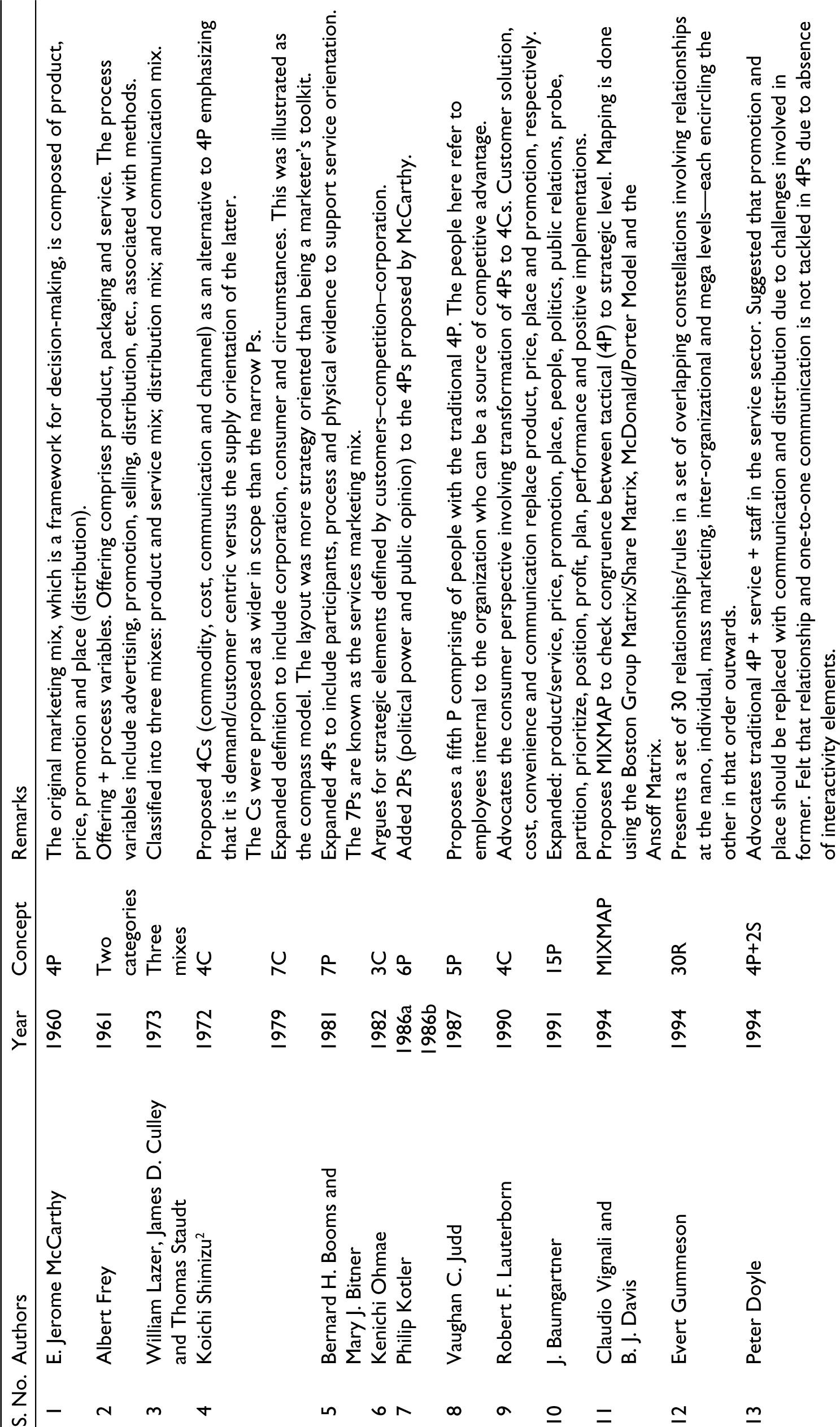
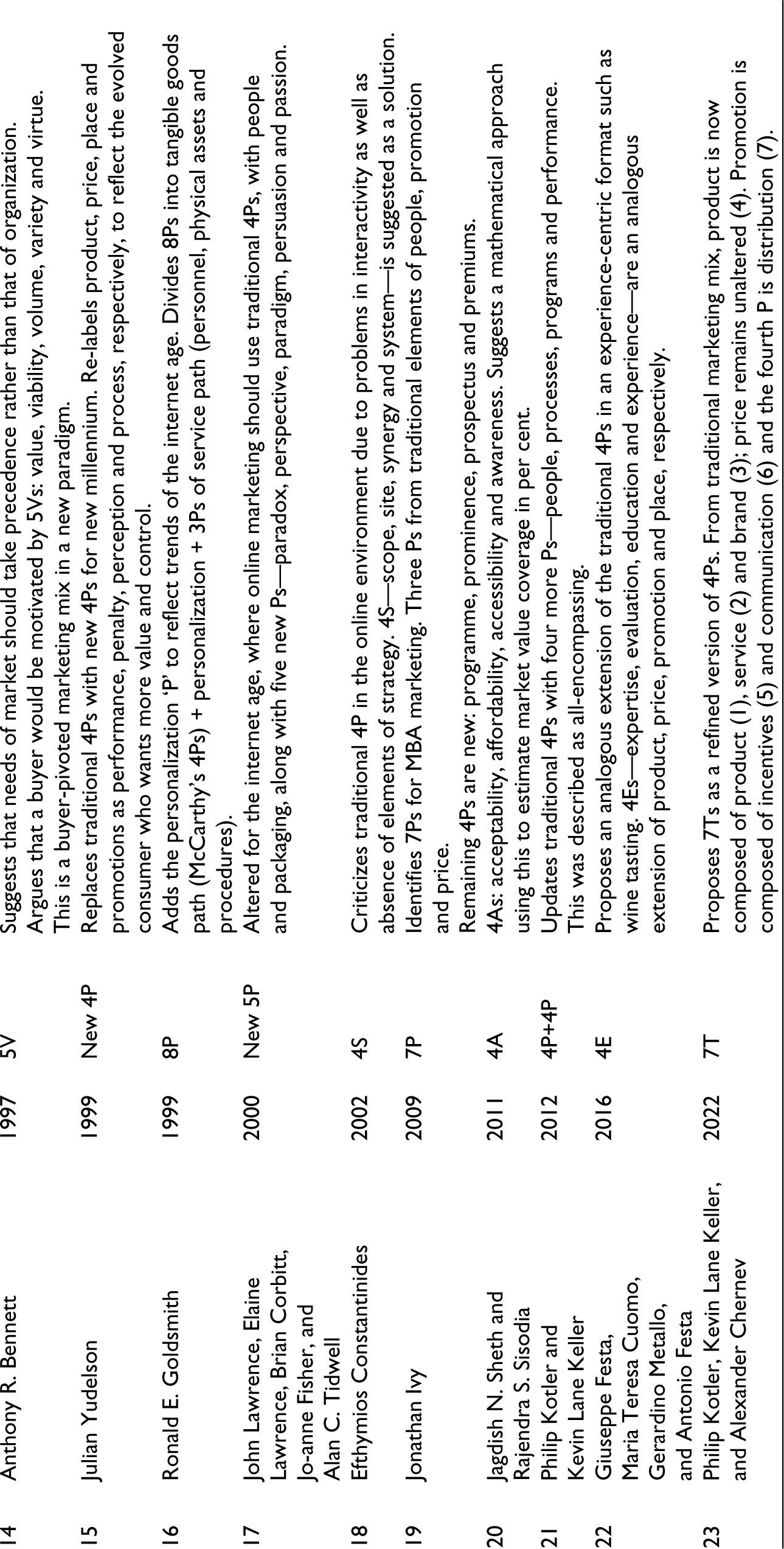
In almost every decade since 1980, there are periodic syntheses of new works within this topic published in reputed journals. Variations and augmentations of the marketing mix have been crafted across multiple areas such as services marketing, relationship marketing, consumer marketing, industrial marketing, e-marketing and retail marketing. The horizons continue to expand. In recent years, newer taxonomies have also been proposed by industry leaders and management gurus. It would be too cumbersome to cite and discuss them all. For detailed reading, one may refer to (Constantinides, 2006; Goi, 2009). These works too while extensive are not comprehensive or complete. They have not been updated to the present time.
Should the MBA Marketing Mix Be Revisited?
A direct comparison of the 4P+4P Marketing Mix (Kotler & Keller, 2012) with the 7Ps MBA marketing mix Ivy (2008) shows that the ‘performance’ element of the former has not been included in the latter. The synthesis is performed using cross-links between the two sets of marketing mix elements, elucidating the logic of connections as the direct correspondence relationships between the 4P+4P marketing mix which are composed of homogenous and unblended elements, and the 7P MBA marketing mix which is composite in nature. The MBA marketing mix elements are often compounds/amalgamation of two or more elements of the traditional marketing mix. The links in Figure 2 dissect the constituent components of the 7P MBA marketing mix in terms of their composition vis-à-vis the 4P+4P marketing mix.
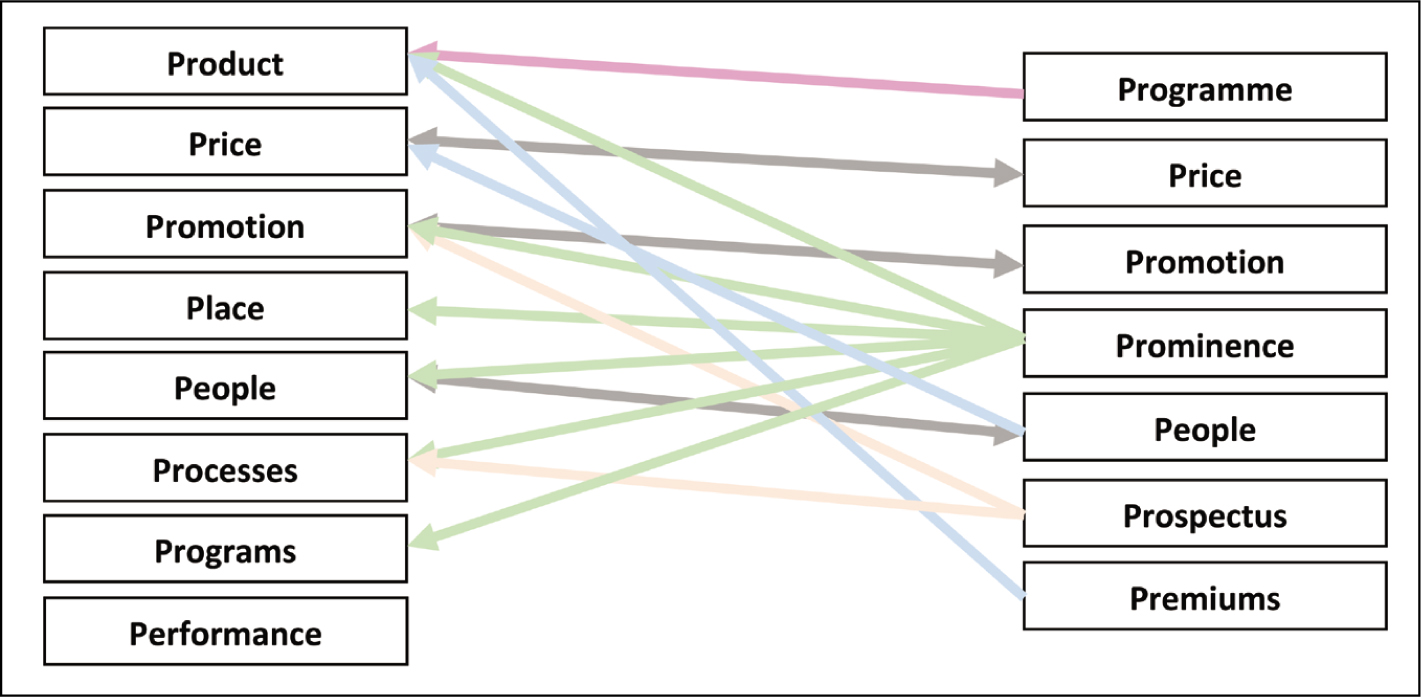
Three elements (price, promotion and people) have direct correspondence in both marketing mixes, while the other four elements of the MBA marketing mix are comprised of combinations of one or more elements of the 4P+4P mix. For example, programme ‘P’ (electives and majors/specializations) is related to product. Prominence ‘P’ (faculty reputation, ranking, online presence) is a multiple combination of product, promotion, place, people, processes and programs), prospectus ‘P’ (brochure) is a combination of promotion and processes, while premiums ‘P’ (accommodation, facilities, hostels, class size, exchange programmes) are again a combination of product and place.
Questions therefore arise: Should performance be included in the MBA market- ing mix? What constitutes performance in an MBA programme? Is the performance element important in the Indian context? What could be the components of performance for Indian MBAs? These questions are further investigated.
Indicators of B-School Performance
The performance outputs of a B-school are numerous (ranking/league tables, multiple/international accreditation, research output, faculty publications, consultancy projects with large businesses, reputation among recruiters/public, grants and financial aid received, well-known alumni, etc.). In the context of the student who is the focal customer of this study, successfully graduating and receiving campus placement are very important. This has also been claimed in academic research (Kumar, 2019; Mitra Debnath & Shankar, 2009). This study therefore, primarily focuses on these aspects of performance for a B-school, in order to market to potential aspirants.
The issue of outturn among B-schools has not received much attention in academic literature, especially in the western context, as institutions there have strict admission norms and qualifying examinations, offering cues about the quality of student intake. In India however, considering that it has the world’s second largest number of B-schools (Khatun & Dar, 2019), there is a glut of institutions competing for admissions (Singh et al., 2017), simultaneously witnessed by a steady reduction of institute count in recent years (Report of the AICTE Review Committee, 2015; Rana et al., 2022). India was second only to China in absolute count of B-school graduates (2.34 million), accounting for 15.6% of all MBAs globally by 2021 (Gohain, 2021). Here stringency in admissions is lesser (Bhatnagar, 2020), raising questions about quality of student intake (Nagrath & Sidhu, 2018; Prasad & Bhar, 2010; Tarei & Kumar, 2022). Ergo, successful graduation characterized by completion of exams and awarding of degree becomes a variable of interest. This has not been examined much in academic literature. Outturn and pass-rate (characterized by percentage of students in a B-school successfully graduating on time) are therefore considered to be important indicators of performance in the university-affiliated system of higher education predominant in India, in the context of this study.
Studies that have mentioned placement (A student receiving job offer(s) from campus—prior to or at completion of his/her MBA) —as an outcome of consequence are quite voluminous in the Indian context (Aggarwal Sharma et al., 2013; Dutta & Punnose, 2010; Gupta & Kaushik, 2018; Kumar, 2019; Narang, 2012; Nyaribo et al., 2012; Rao, 2016; Rastogi et al., 2019; Sreekumar & Mahapatra, 2011; Umashankar & Dutta, 2007; Verma & Prasad, 2017) Therefore, it is included in this study as an aspect of performance outcome for the student
Methodology
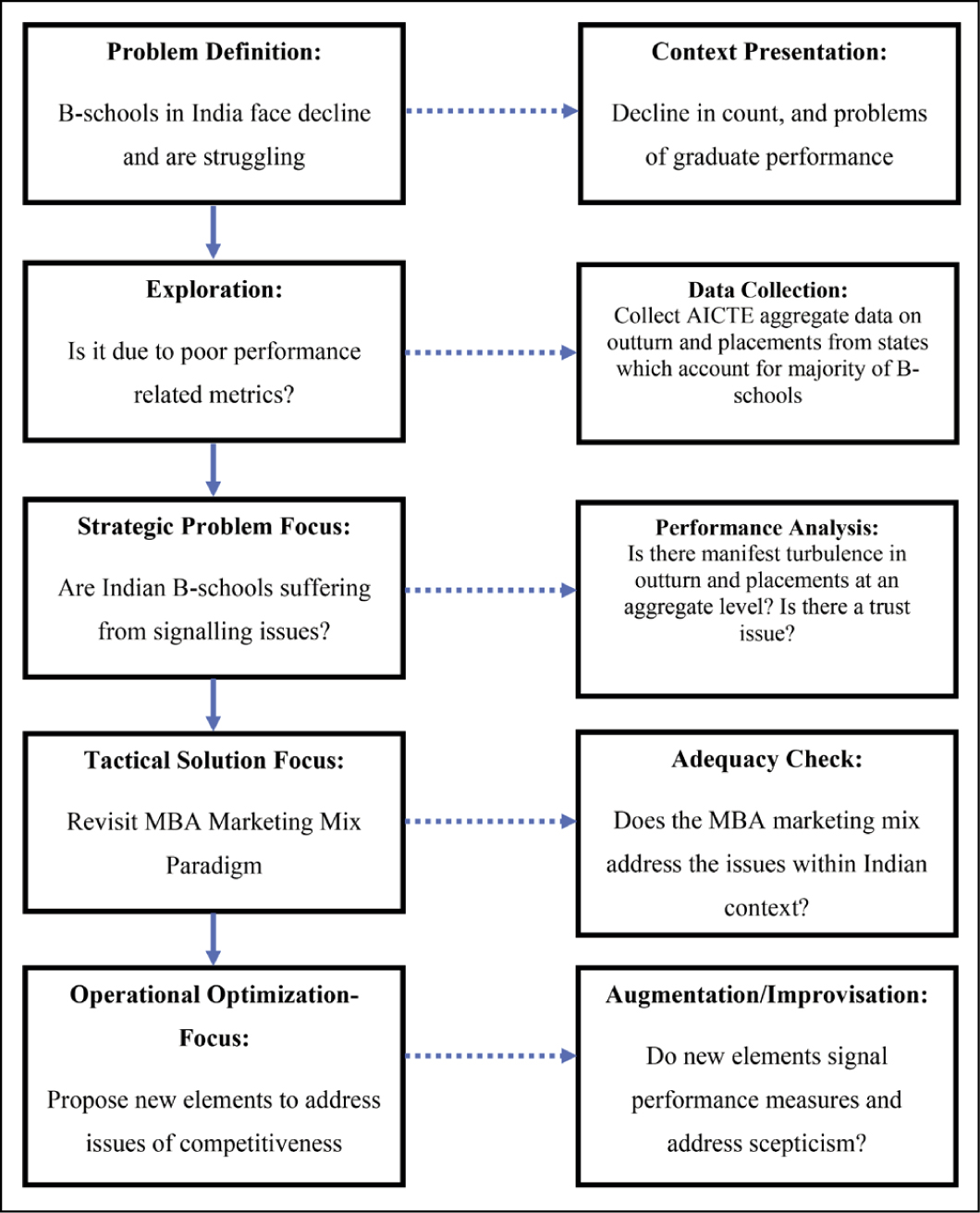
This study is predominantly conceptual—employing an integration of literature, opinions and experiences (Gilson & Goldberg, 2015) while presenting empirical data to make an argumentative assertion. The framework developed and suggested in this article is expected to serve as a toolkit for marketers for Indian B-schools, in order to drive admissions. This is congruent with the suggestions of MacInnis (2011). The approach is a mild derivative of suggestions by Jaakkola (2020) and Hulland (2020) for conceptual works in the marketing domain. An examination and synthesis of incongruence between marketing mixes is reconciled using opinions, supporting data and personal experiences of the authors. The researchers have exercised autonomy in both design as well as inclusion of concepts within this work as previously justified by Rana et al. (2022). Figure 3 represents the broad research framework.
Framework for the Research Process.
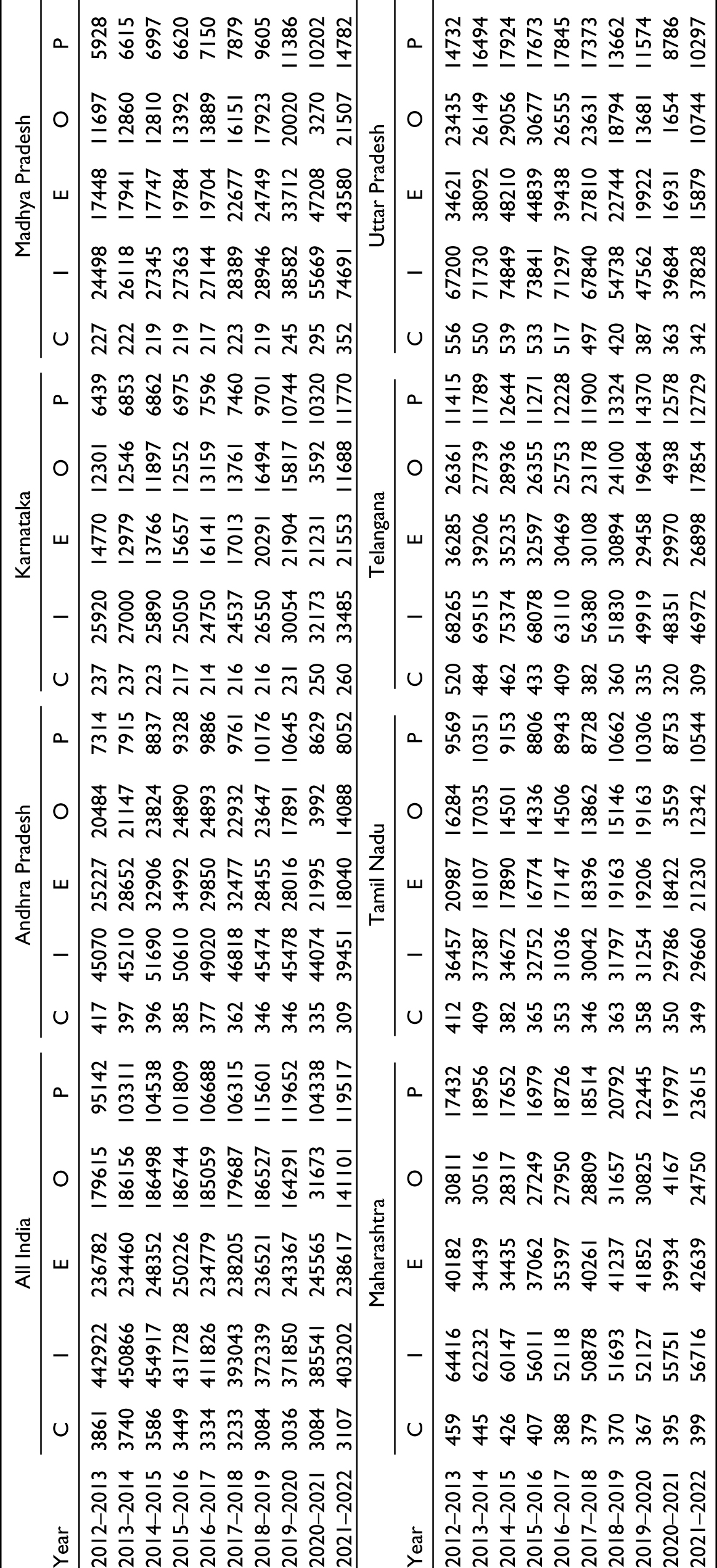
The data are derived from the statistics portal of All India Council for Technical Education (AICTE), the statutory body and regulator for approved management programs (MBA/PGDM) in India. The data are reliable as it is provided by the sole body that can make and enforce laws, and it accountable to the general public. The data are updated annually during granting of approvals for B-schools prior to commencement of the academic year, based on information volunteered by each institute digitally, and appropriately attested via an affidavit. The data available on the statistics angular dashboard of the AICTE portal are unique and exclusive and is not available from any other credible source. The user-defined angular dashboard is used to generate aggregate data for intake (total number of seats on offer), outrun (count of students graduating on time) and placement at the all-India level and from seven Indian states which have the largest number of B-schools. These seven states collectively account for over 73% of all B-schools in India in 2012 (2828 out of 3861) and 74% in 2021 (2320 out of 3107). The same can be deduced from Table 2 (column under ‘C’). Roughly, 3 out of 4 business schools in India are from these seven states alone. As the majority of B-schools are located here, observations based on these states will be overarching and extendable to other AICTE-approved B-schools across the country. Furthermore, in terms of metrics obtainable from Table 2, like gross enrolments, pass-outs, placements, the chosen states account for the following:
Total seats on offer (intake): 74.9% in 2012–2013 (331,826 out of 442,922) and 79% in 2021–2022 (318,803 out of 403,202) Total admitted students (enrolment): 80% in 2012–2013 (189,520 out of 236,782) and 79% in 2021–2022 (189,819 out of 238,617) Total student out-turn (outturn): 78.7% in 2012–2013 (141,373 out of 179,615) and 80% in 2021–2022 (112,973 out of 141,101) Total student placements (placements): 76.5% in 2012–2013 (72,829 out of 95,142) and 76.7% in 2021–2022 (91,789 out of 119,517)
Furthermore, opinion pieces, articles and reports in popular media are also employed to build arguments, especially due to the lack of credible academic research within the area.
Analysis
Examination of Raw Data
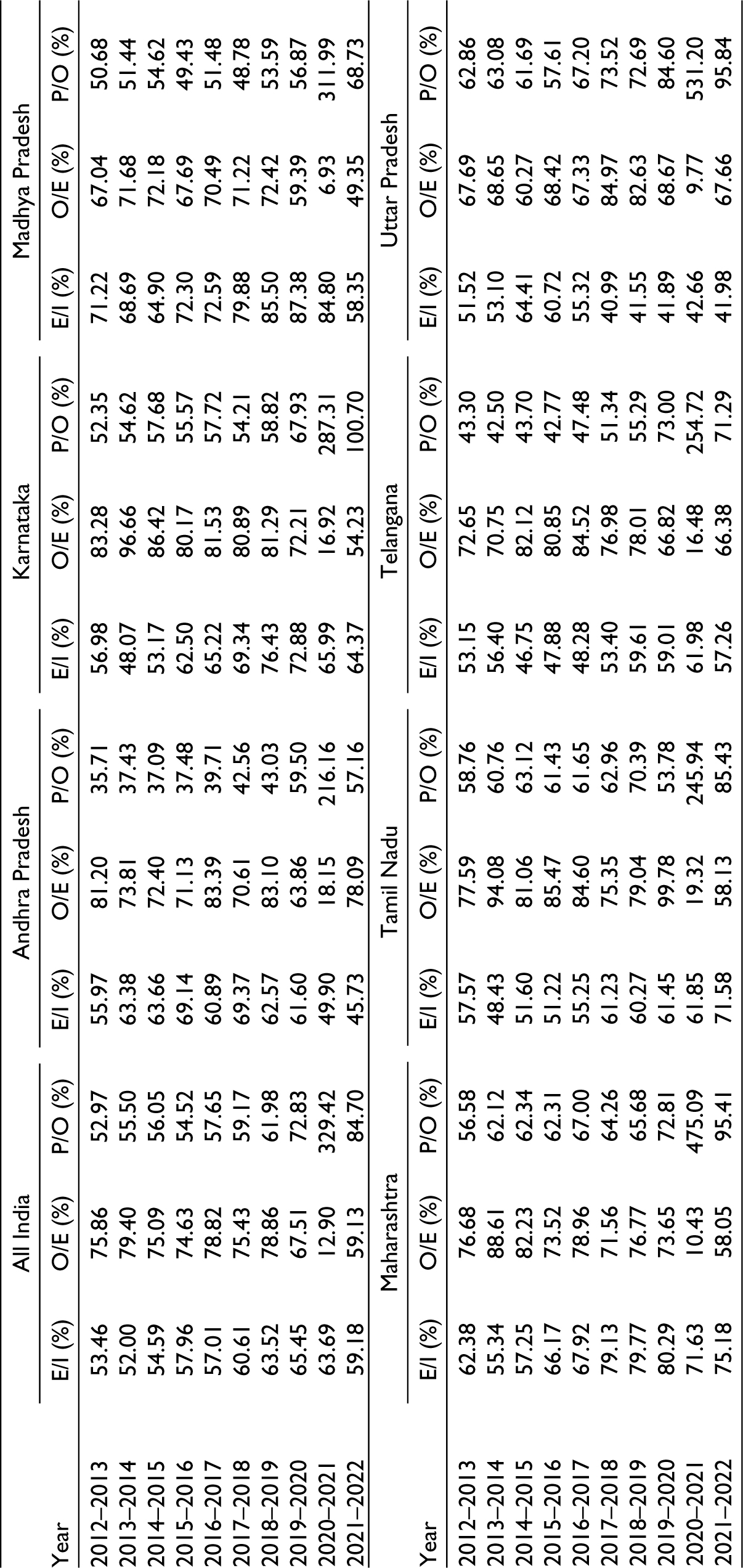
The compiled data at the all-India level and seven states with the highest B-school count show a similar picture (Tables 2 and 3), as these clearly relate to trends in admission with respect to intake, outturn, pass-rate and placements. Table 2 is an aggregation of gross data from the chosen data sets providing the gross count of B-schools (C), intake (I), enrolment (E), outturn (O) and placements (P) across a 9-year period. Ratios of enrolment to intake (E/I), outturn to enrolment (O/E), placement to outturn (P/O) are calculated. The manifested turbulence inevitably signals distress in the market. Furthermore, investigation into the fields of Table 2 shows that enrolment is much lesser than actual number of seats on offer—suggesting disinterest, a lack of demand or the possibility of trust concerns. From Table 3, data of Outturn as a percentage of enrolment show that a significant proportion of students fail to graduate on time. Furthermore, assessing placements as a percentage of outturn shows that recruitment from campus is a major problem, with a substantial number of graduates failing to secure jobs on campus. It becomes obvious that B-schools are struggling to maintain healthy pass-rates and placements, suggesting performative deficiencies which will signal quality concerns to aspirants. Anomalous information is only evidenced in the year 2020–2021 possibly due to issues caused during the height of the Coronavirus (COVID-19) Pandemic. These are not explored further or reconciled. The data for all other years suggest that a very large number of students are not graduating, and also not securing jobs. This has implications for B-schools that admit these students, and also seek applications from aspirants. The existing marketing mix would not be able to offer any information on the performative aspect of B-schools.
Count of Institutes, Intake, Enrolment, Outturn and Placement for Management Institutes in India, and Seven States With Highest Count.
Ratios of Enrolment vis-à-vis Intake, Outturn vis-à-vis Enrolment and Placement vis-à-vis Outturn in India and Seven States with Highest Count.
The Problem of Probity and Trust
The issue of trust among the Indian public, aspirants and parents in B-schools is a major question that has not been examined in research. The extent of poor outcomes evidenced from the data would invariably give rise to word-of-mouth on how institutes are faring in their promises to students. Yet surprisingly, studies that have tried to evaluate this are rare. A few media articles have remarked on the trend of exaggeration in placements among Indian B-schools, where statistics and data are subjected to puffery to lure aspirants (Gupta, 2015, 2018). The reluctance of institutions to allow their placement data to be audited is also reported (Express News Service, 2012), characterized by the endemic failure to voluntarily participate in a standardized and transparent reporting format (Umarji & Pathak, 2013). Reports that do highlight these problems are not from mainstream popular and trusted media sources (Bureau, 2019; Team Careers360, 2019). Simultaneously, there are media reports of students being cheated, defrauded and scammed by the promise of MBA (Apoorva, 2014; Press Trust of India, 2015; Saraswathy, 2015). The paramountcy of trust also arises due to the perceived complicity and corruption of India’s regulatory bodies within the Higher Education Sector (Chopra, 2013; Mukherjee, 2022; Srivastava, 2009; Varma, 2013) creating doubts over accountability.
Results
The study suggests that in the Indian context, the 7Ps of the MBA marketing mix proposed by Jonathan Ivy may not be sufficient. Unlike developed western economies, India’s management education landscape is highly heterogenous, characterized by quality concerns (Aggarwal Sharma et al., 2013; Shahaida et al., 2009). Furthermore, only a very small number of higher educational institutions are accredited (NAAC, 2022; NBA, 2021). A manifest outcome of this ‘quality problem’ are out-turn (pass-rate in aggregation) and placements, both of which are poor across the country. Coupled with the inherent trust deficit that this would have caused, compounded by years of poor performance, unsatisfied students, disappointed graduates and a wary public, the issue of trust becomes critical. Probity in disclosures therefore becomes important, supplanting traditional marketing communication in making claims that are truthful, honest and verifiable through authentic sources. This is especially important for developing/under-developed economies where consumer protection is weak, and where aggrieved parties may not be able to collude in filing class-action suits as is more common in the west. Large compensation awarded by courts to the injured parties are also unheard of in India, especially in higher education context. Therefore, weighing in on the inherent challenge of seeking redressal in the event of a dissatisfactory outcome, it may be surmised that aspirants and parents would most likely prefer institutions and brands which they can trust. Probity is thus an element of interest, alongside pass-rate and placements.
Discussion
Management education is a service (Mahajan et al., 2014), ranking highly on credence and experience attributes (Aggarwal Sharma et al., 2013). Authors have emphasized the need to strategize B-schools from a service marketing perspective to create the right experiences for success (Dass et al., 2021). Yet the experience centricity of management education makes assessments of quality difficult, especially prior to consumption (Aggarwal Sharma et al., 2013; Shahaida et al., 2009). Till date, no studies have been identified which has examined service failure in an MBA education context. Yet, the data from Tables 2 and 3 suggest that this is happening on a large scale in India. Consumers would therefore be motivated to seek information prior to a decision, especially in a marketplace that is competitive and cluttered, and an offering that has assumed commodity characteristics (Aggarwal Sharma et al., 2013).
Brand building is therefore inevitably required for B-schools to sustain themselves and thrive. A strong brand would make decision-making easier for aspirants/parents, simplifying choice in a cluttered space of competing offerings, and also establishing points-of-difference. The importance of branding for Indian B-schools in selection of institute, willingness to pay higher fees and perceiving value-for-money or return-on-investment has been remarked (Aggarwal Sharma et al., 2013). As admissions determine the quality of a B-school, and its practices impact quality assessments (Ahuja & Purankar, 2018), B-schools would ideally try to admit the best students to ensure a good quality output. The student-as-a-customer approach in the Indian higher education context, has been advocated in academic literature (Jain et al., 2013). Ideally therefore, the marketing effort should concentrate on the overlap between student expectations and the institute’s offering. This study suggests that pass-rate and placements are potentially important for aspirants and parents. Probity of institute’s claims is equally important as well. This necessitates the need for a proper marketer’s toolkit for positioning and branding the offering.
The primacy of the marketing mix in changing a firm’s competitive position cannot be understated (Grönroos, 1994), especially in services such as education which are dominated by experience and credence attributes (Mourad et al., 2011). Inevitably, the large number of B-schools in India would bring forth commercial intent (cf. Drummond, 2004). The marketing mix assumes primacy here as the voice of the B-school, as this is the tool for establishing dialogue with aspirants. The present study attempts to reconcile B-school aspirant behaviour from a marketing perspective rather than a behavioural approach. Rapidly changing consumer expectations would require a redefinition of paradigm concepts to survive in a crowded market for competitive advantage. An augmented paradigm is needed to capture the essence of prevailing student aspirations. Here, the augmented mix elements would encapsulate a higher-order feeling proposed by the authors.
The 7Ps’ MBA marketing mix does not offer a performance component, which may be an important ingredient in the Indian context. While rankings and other public indices make B-school offerings blatant, they are signals not originating from or controlled by the institute. Offering trustworthy claims of graduate performances in terms of pass-rate and placement would help reduce perceived risk, as well as alleviate concerns over costs/expenses incurred for study, as it indicates assurances of a meaningful outcome in the service encounter which is difficult to evaluate beforehand.
The research leaves the possibility open for student scepticism about B-schools falsifying claims of placement, or the programme meeting their expectations. Scepticism is a real problem that can impact satisfaction and provoke cognitive dissonance in a market characterized by stiff competition and macro-economic issues. This scepticism exists in many forms, such as competence (Mohr et al., 1998), outright deception or information contamination (Parker, 2015) and accurate assessments of economic value (Smith, 1991). A specific mix element would be needed to address this scepticism where its effect is high.
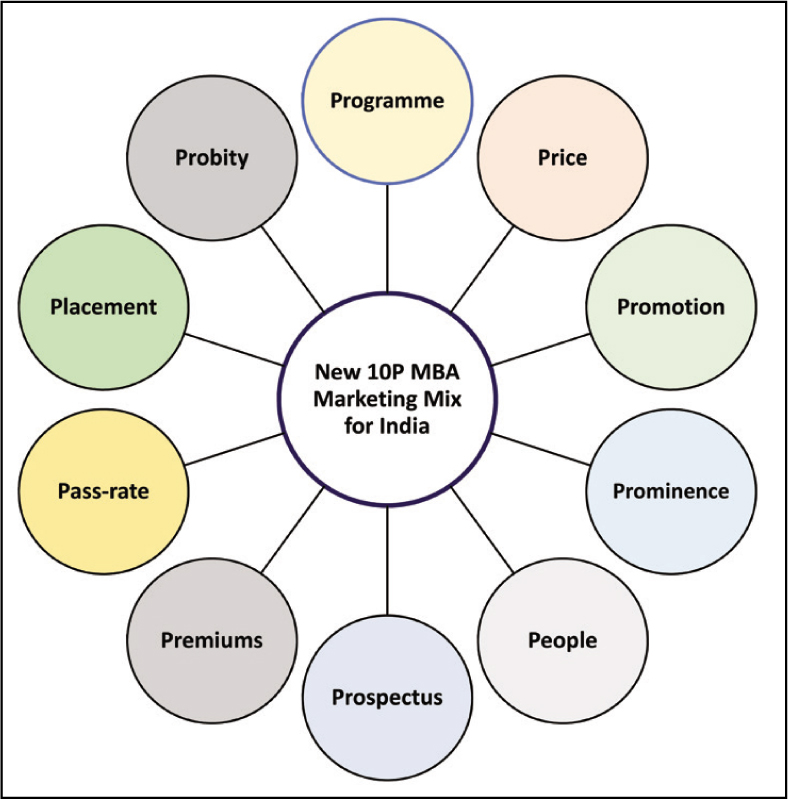
This study proposes three new Ps (pass-rate, placement, and probity) in addition to existing MBA 7Ps’ mix to enable marketers to better attract prospective students (Figure 4). The former two Ps are related to the performance ‘P’, while the probity aspect is a novel unique addition specifically intended for emerging markets. While issues of fudging data, fraud and other forms of manipulation have been reported in the western world (Fowler, 2022; Jaschik, 2022; McGreal, 2022), the problem is more acute in India- metastasized by poor, inefficient and corrupt regulatory controls.
Conclusion
This study offers some practical inputs for policy-making in India. Taking into account the absence of a standardized format prescribed by the regulatory body in reporting placement data (numbers placed, median salary, etc.), considering that voluntary attempts have previously failed, the implementation of a regulatory placement audit report mandatorily disclosed by each institution in its website is warranted. This assumes significance in India, where the highest number of consumer complaints in advertising is in the education sector, overshadowing all other sectors by a huge margin (ASCI, 2021, 2022a, 2022b). Institutions should also be asked to display aggregate student performances in graphs and charts for the public as well as regulators to make accurate assessments of performance and teaching quality. Currently, only absolute numbers of outturn are reported, with no other supplementary data to enable visualization. The implementation of both of these aspects would naturally address the issue of probity, which this study claims is largely suspect in India’s burgeoning B-school landscape, driven by economic motives.
Implications of Study
From a practitioner’s viewpoint of positioning B-schools and signalling quality, the student being a principal stakeholder would seek signals which suggest good opportunities. The revised marketing mix signals performance-based capabilities and competencies of the B-schools, simplifying decision making. B-schools that implement this would get an upper hand in marketing activities by focusing on these additional Ps. The additional Ps are closely linked to B-school competencies. These are the criteria that students might be looking for when choosing an institute. It will help B-schools in their marketing, and attract good prospects.
From a theoretical standpoint, this article contributes to the marketing mix evolution. Despite the plethora of variants proposed over the last 60 years, the uniqueness of this contribution is specific to B-schools, augmenting the literature on the original work by Jonathan Ivy. It crucially adds performance and trust aspects to the 7P MBA marketing mix, offering a more nuanced toolkit for targeting discerning end-consumers. The prevailing marketing mix is inadequate to offer quality decision-making support with regards to B-school selection, and for employers to choose B-schools for recruitments.
From a social standpoint, B-schools are the backbone of society for human capital development, providing a skilled and qualified workforce for the industry. Proficiency in managing B-schools would help in making quality decisions which will have a social impact. Students would be able to find berth in a quality B-school that better meets their needs, with clearer decision making. Exposure offered by the proposed three new Ps would better enable students in choosing the best B-school, whereby they could excel in their social life.
Limitations and Future Scope
The study has not empirically validated which among the three Ps are most important for the Indian student. Future studies could examine the importance assigned to each of the 10Ps through survey research. The analysis has only used descriptive data in aggregation, rather than inferential statistics to propose the augmentation. Specific analysis could be undertaken to study how intake, enrolment, outturn and placements are connected in the Indian MBA context. An identified problem of ‘student as customer’ approach is that it puts the onus of responsibility on the faculty for learning and placement (Shahaida et al., 2009). Therefore, other stakeholder views should be studied. Studies should specifically investigate if the proposed 3Ps have any impact on brand building activities, or whether they influence positioning. Weighing and estimation of the proposed 10Ps should be used to identify key brand-building activities for Indian B-schools, and identifying sources of brand equity. Lastly, service failure in Indian MBA education is a real and potent problem which has until now not been investigated. There is ample scope to study how failures manifest themselves in Indian B-schools, considering its sheer size and how to craft strategies for service recovery.
Footnotes
Acknowledgements
The authors wish to record their sincere thanks and gratitude to Prof. Dr. Anil D. Sahasrabudhe, former Chairperson of the AICTE.
Declaration of Conflicting Interests
The authors declared no potential conflicts of interest with respect to the research, authorship and/or publication of this article. All authors are current faculty/former faculty of Indian B-schools.
Funding
The authors have received no financial support for the research, authorship and/or publication of this article.