




Abstract
Introduction:
Neck pain commonly occurs in many occupations, such as IT professionals, dentists and bankers. This occupation involves static prolonged posture with cervical flexion, which is less explored in the occupational hazard industry. Neck pain in such occupations is due to abnormal posture and working for a prolonged period of time. However, tailoring involves sitting for prolonged hours, upper limb activity and functional limitation of shoulder and scapular movements. Due to constant keep neck flexion, repetitive strain and weak muscles more neck pain among the tailor population. Despite covering a larger population in the community, tailors have negligible importance in ergonomic care. The need of the study is to find the prevalence of neck pain among tailors.
Methods:
An observational study was conducted on 100 subjects aged 25–55 years. The data was collected with the help of the Copenhagen Neck Functional Disability Scale (CNFDS).
Results:
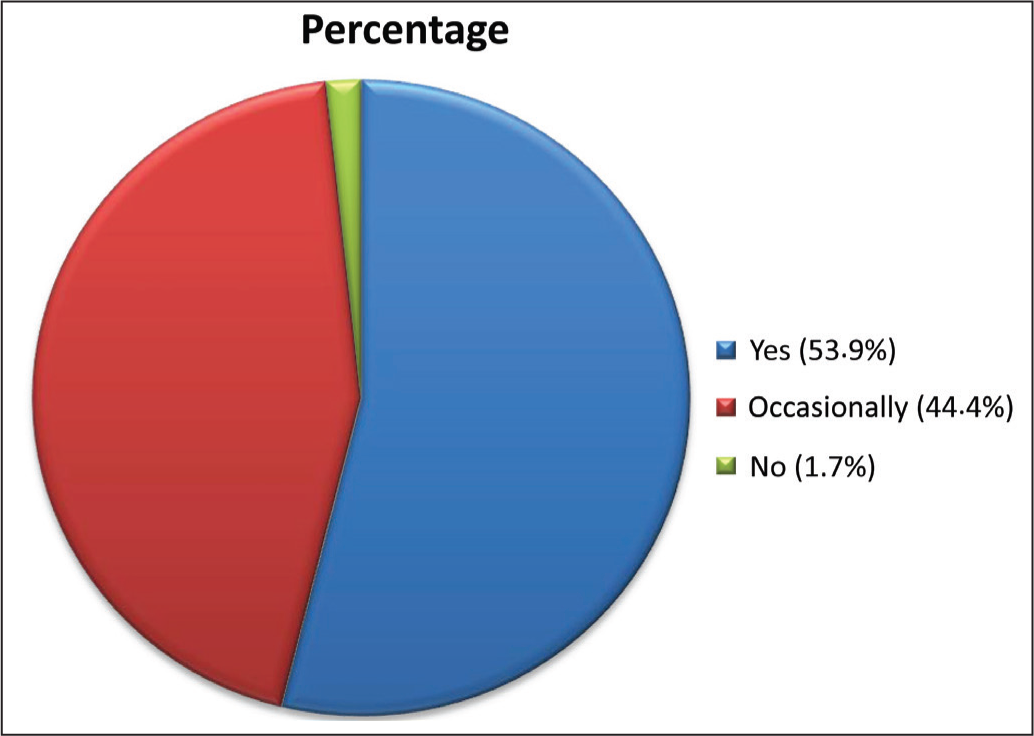
CNFDS score showed that a total of 100 subjects 53.9% subject answered yes, 44.4% subject answered occasionally had neck pain and 1.7% subject answered no to the neck pain questionnaire.
Conclusion:
The study shows that a greater number of tailors have no disability. Findings also concluded that significant number of tailors were suffered from mild disability and very few tailors among the participants suffered from moderate disability.
Introduction
Neck pain is a multifactorial disorder in most occupations. It is a highly prevalent condition which leads to pain, disability, reduced work productivity and economic trouble for the person. 1 Globally, in the past five years, neck pain affected 95% of the population overall in the globe. Neck pain affects the population aged between 25 and 55 years, which includes multiple factors such as physiological, lifestyle and psychological factors. This leads to the development of occupational hazards among tailors. After COVID-19, neck pain is increasing because of the increasing trend of working from home. 2 Neck pain is a multifactorial disorder affected by physical and psychological factors. Neck pain is also associated with neuromusculoskeletal disorders and autoimmune diseases. 3 Work-related neck pain is also common in many occupations, such as dentists, IT workers, bankers and tailors. Sustained flexion, extension and rotation. Side flexion of the neck builds a constant compressive force interarticular on the cervical spine. 4 This sustained compressive force on the cervical spine, forward neck posture for a prolonged period of time, can affect muscles such as the trapezius, sternocleidomastoid and scapula muscles. 5 Eventually, these create a biomechanical stress which causes pain among sewing machine operators, decreases functional ability and work productivity. India has a large population of tailors working in small sectors or doing home-based work. Tailors’ population is different from other job sectors because of no scheduled breaks, no fixed working hours or no employee insurance, as well as a lack of ergonomic furniture designed. A study showed that 70–80% of the tailor population in India suffers from neck pain. 6 Tailors doing work sitting on a sewing machine for a prolonged duration, with forward neck posture, elbows flexed, constant, rapid movement of feet, fingers. Common risk factors includes prolonged static work, manual material handling, rapid, precise movement of the hand and vibration. 7 Continuous work without a break, working more than eight hours per day, sitting for more than two hours constantly in an abnormal posture, can lead to neck pain.8–10 Despite a large population, biomechanical stress, musculoskeletal disorders, awareness of ergonomics and its solution among the tailor population is less in India. Tailoring is an informal occupational sector, employing a large number of males and females left untouched. Seeing the burden of work in abnormal postures, constant strain on neck muscles and other structures, tailors had more effects on physical and mental hazards.
Therefore, the present study aims to investigate the prevalence of neck pain among tailors in Ahmedabad. It also provides the occupational importance in the tailor population and its clinical significance for future research.
Materials and Methods
Study Design and Population
The study received approval from the Institute’s Ethical Committee. Based on the inclusion criteria, 100 subjects, including males and females with a working duration of at least three years and four hours per day, participated in the study. Sample size was calculated from past literature, in which p value .05. Exclusion criteria were patients’ history of cervical fracture, brachalgia, cervical spondylosis, scoliosis, torticollis or cervical radiculopathy and those who underwent physiotherapy intervention for neck pain.
An incident sample of 100 tailors from Ahmedabad took part in this study. Participants were selected by convenience sampling. The age group between 25 and 55 years were taking part in this study. These age categories are found to be consistent in work hours and have more postural and physical challenges as compared to other age ranges. Tailors were included on the basis of inclusion and exclusion criteria in the prevalence study. For evaluation, the Copenhagen Neck Functional Disability Scale (CNFDS) was used for neck pain in tailors. The details and purpose of the study were explained to all subjects and written consent was taken. This scale can be used to evaluate the disability experience of patients with neck pain. In CNFDS, a total of 15 components and scoring were calculated into two possible directions of responses. As seen in the table below, the 1–5 questions are phrased in a ‘positive’ (yes indicates good function) direction, while the 6–15 questions are phrased in a ‘negative’ (yes indicates poor function) direction. In this scale, the minimum score is 0 and the maximum score is 30. The higher the score, the greater the disability.
Statistical Analysis
After gathering data from all the participants, statistical analysis was done by using Microsoft Word 2007 and the Statistical Package for the Social Sciences version 28. As per the CNFDS scoring method (yes, occasionally, no), analysis was done with 15 questionnaires by using the percentage method.
Results
The purpose of this study is to check the prevalence of neck pain in tailors. There were a total of 100 subjects with ages of 25–55 years.
Age Group Distribution
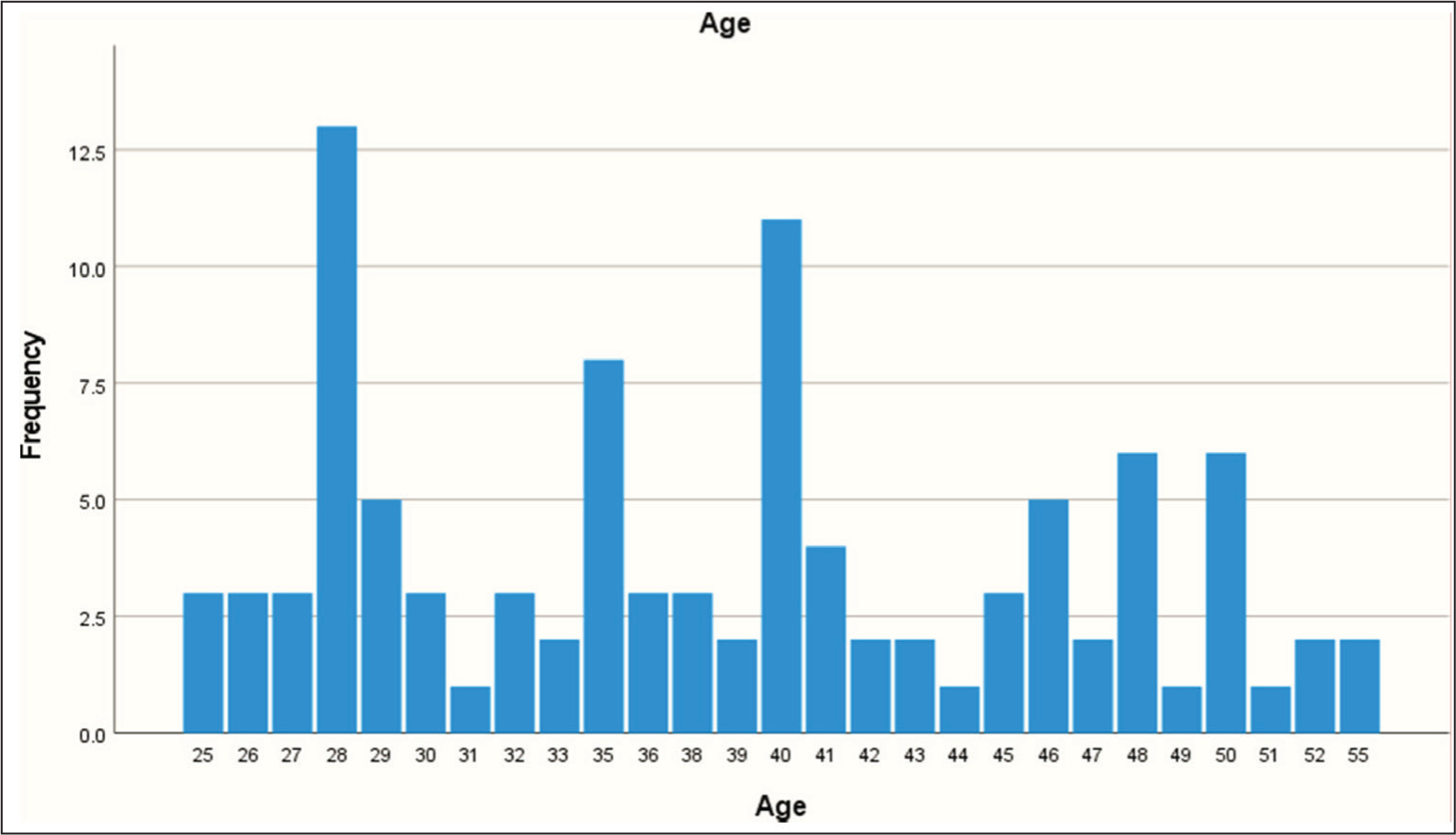
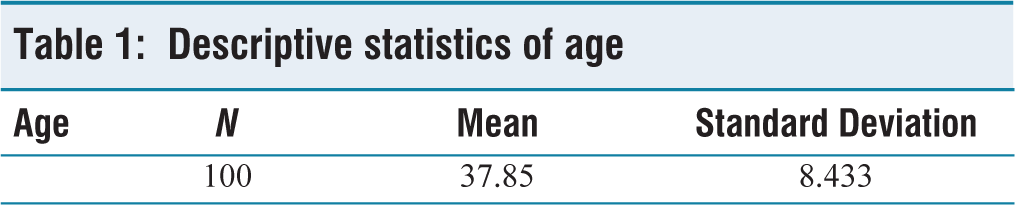
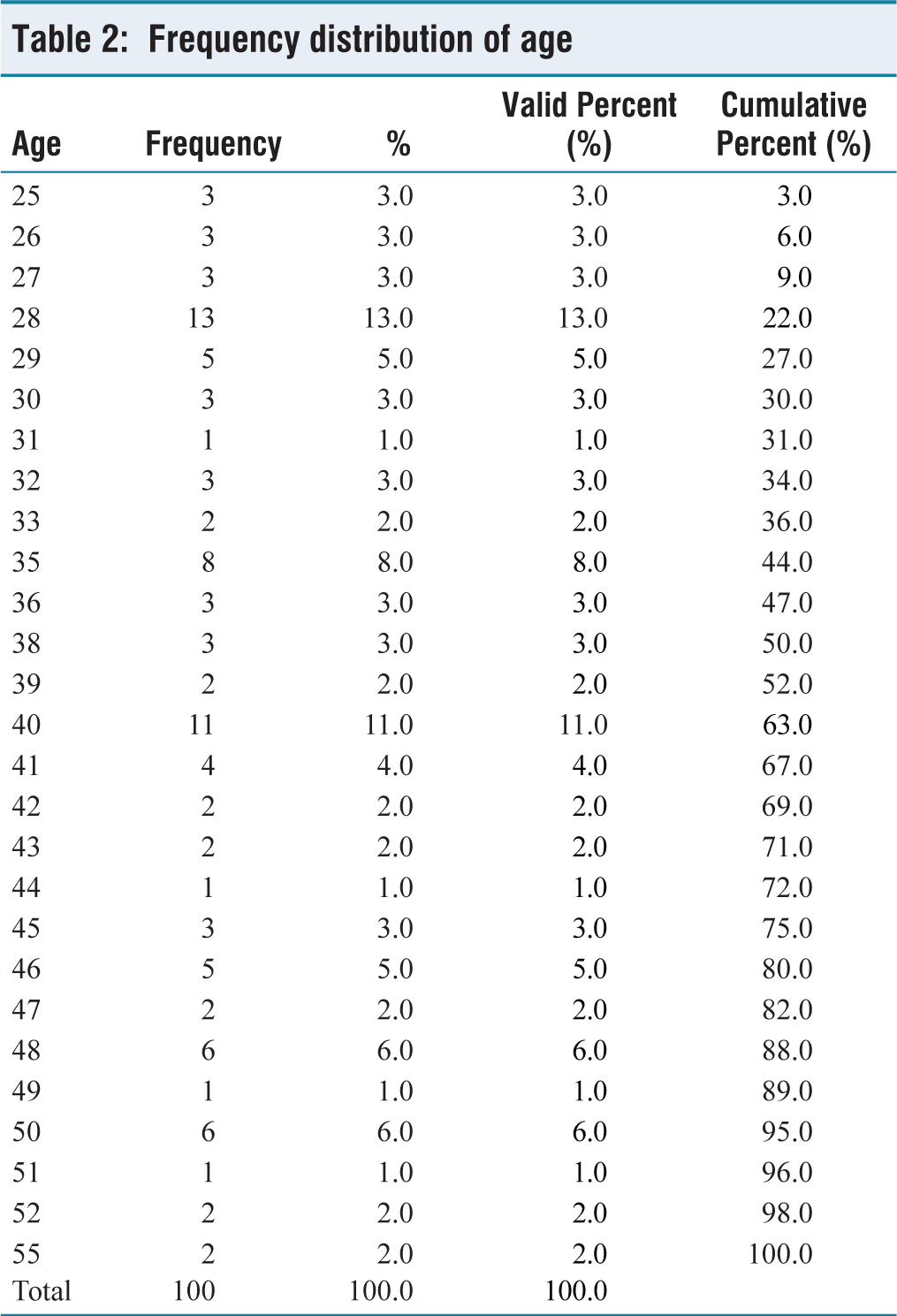
A total of 100 subjects were included, with a mean age of 37.85 ± 8.433. All subjects were classified into different age group categories in Figure 1.
Frequency distribution of age
Gender Group Distribution
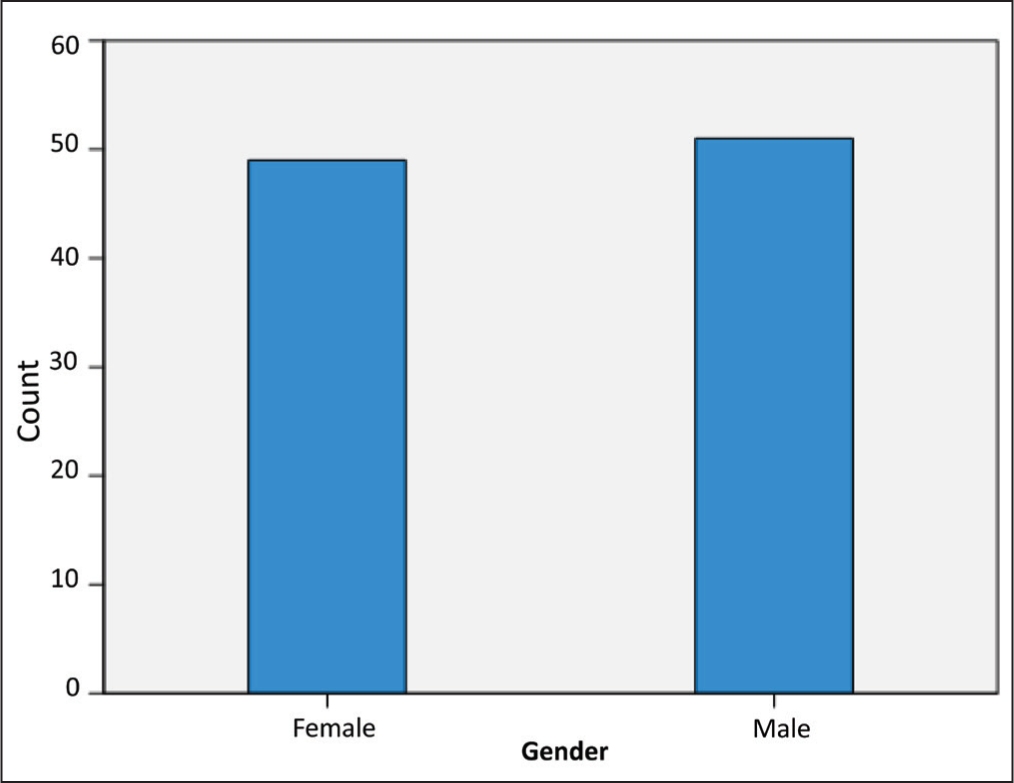
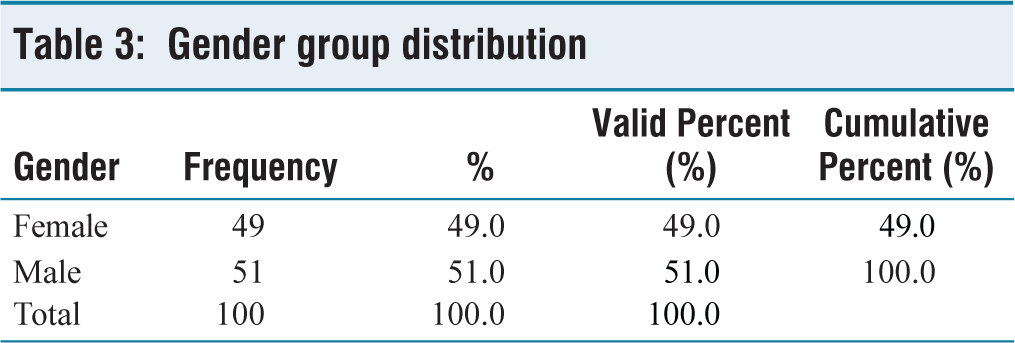
A total of 100 subjects were included, of gender with 49.0% female participants (n = 49) and 51.0% male participants (n = 51), as shown in Figure 2.
Frequency distribution of gender
Working Hours Group Distribution
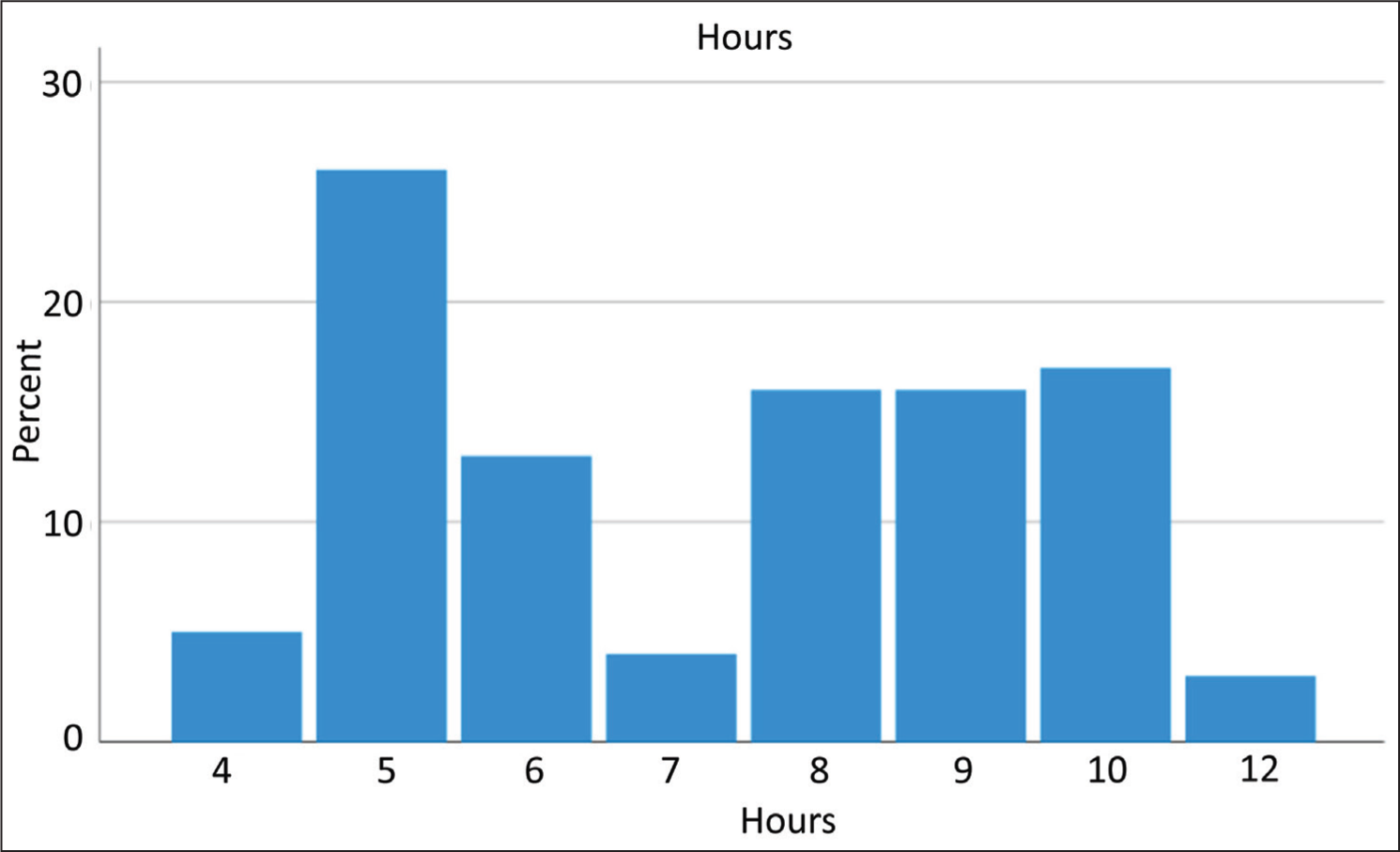
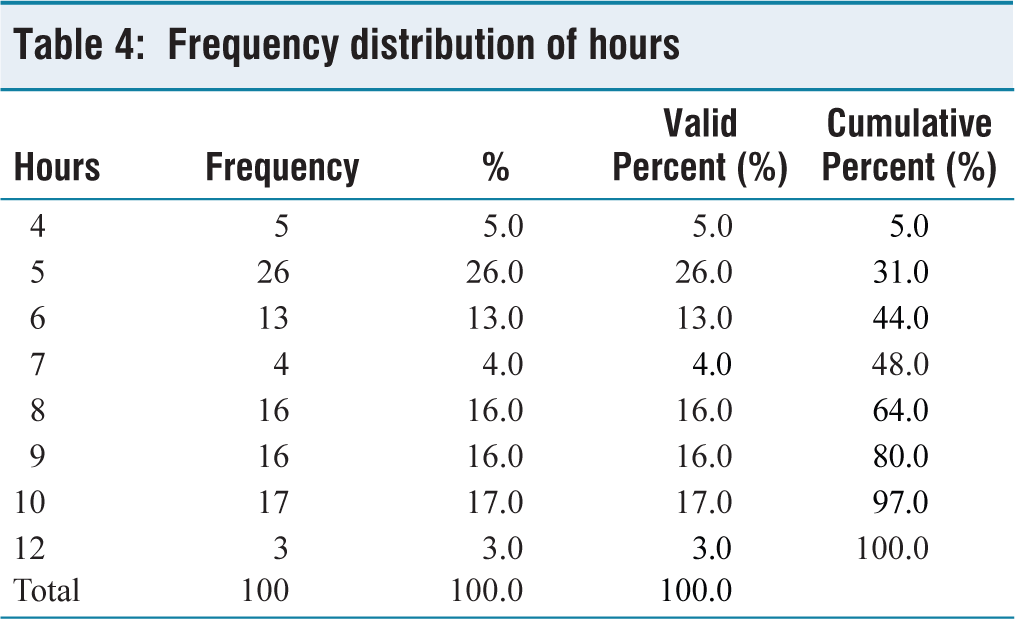
A total of 100 subjects were included, with a total working time of 4–12 hours, as shown in Figure 3.
Frequency distribution of hours
Scoring of CNFDS
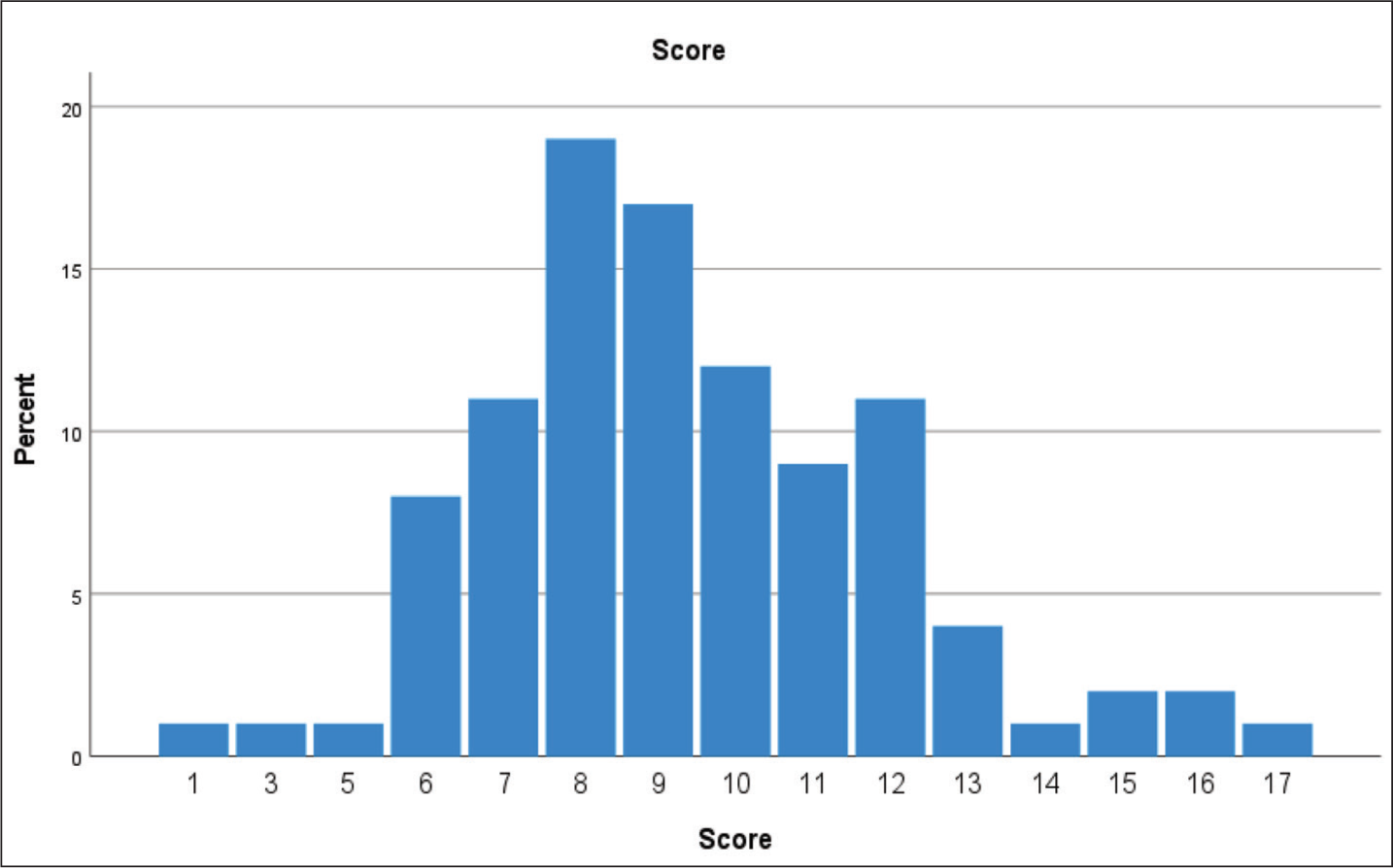
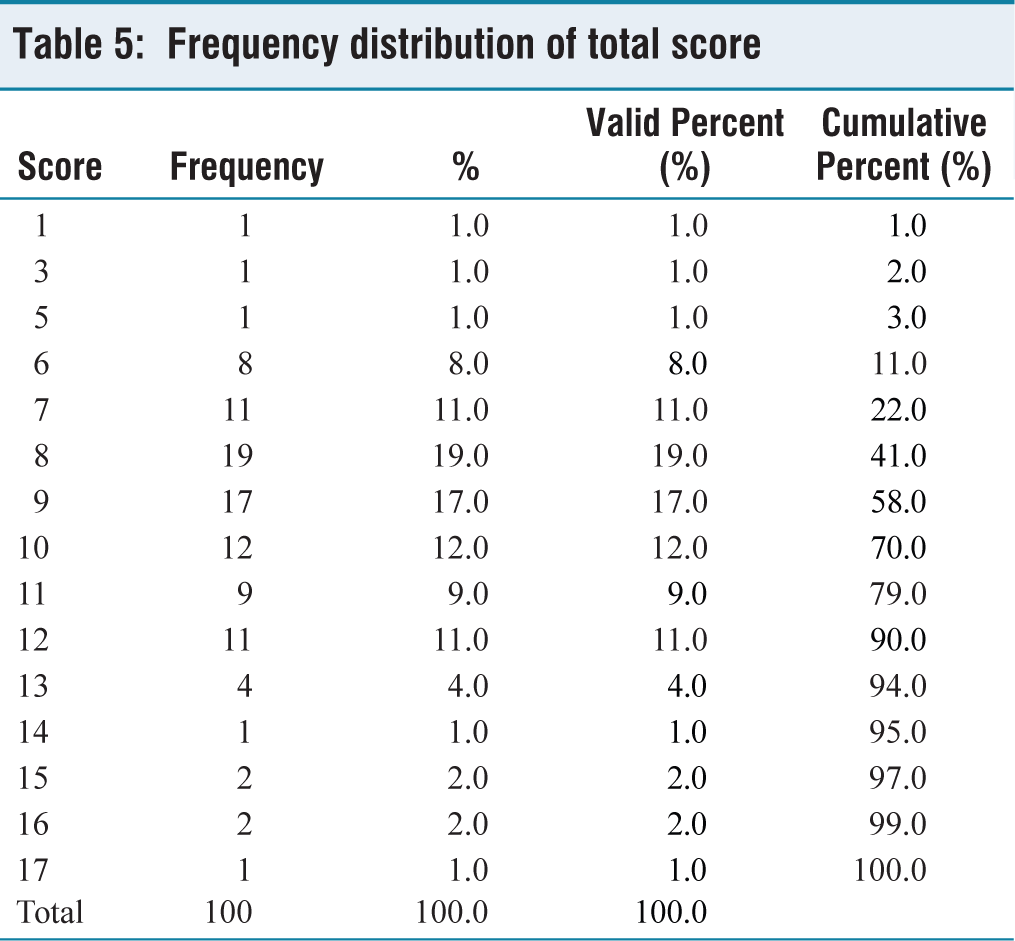
Figure 4 shows the total score of 9.35 ± 2.676.
Frequency distribution of total score
Percentage of Neck Pain
Figure 5 (pie chart) illustrates that for CNFDS, the subjects answered yes is 53.9 is 44.4% occasionally and answered ‘no’ is 1.7% for pain. According to their scale, a greater number of tailors suffer from neck pain, a significant number of tailors occasionally suffer from neck pain and very few tailors do not suffer from neck pain.
Distribution of percentage
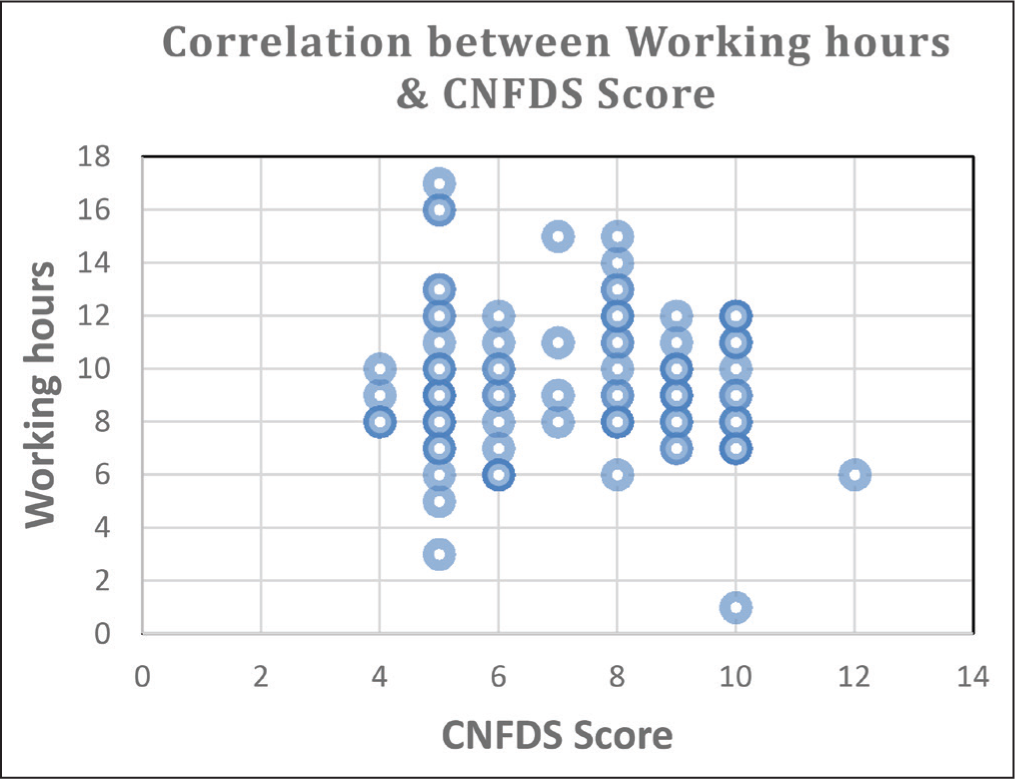
Correlation between working hours of the population and CNFDS score was −0.036. This value interprets the negative and non-significant correlation between the working hours of the tailors and the score of CNFDS of the participants. The scatter plot graph is shown in Figure 6.
Scatter plot graph of working hours and CNFDS score
Discussion
The present study was conducted on the prevalence of neck pain among tailors in Ahmedabad. A total of 100 subjects with a mean age of 37.85 ± 8.433 years were selected, based on inclusion and exclusion criteria. To evaluate neck pain, the CNFDS scale was used as an outcome measure. The CNFDS is used to evaluate the disability experience by tailors with neck pain. Among 100 subjects, 53.9% answered yes, 44.4% answered occasionally and 1.7% answered no for the neck pain questionnaire. Raza et al. conducted a cross-sectional study on sewing machine operators aged 20–60 years. 11 Scale they had used, the Modified Nordic Musculoskeletal Pain Questionnaire, showed that neck pain was 56% in sewing machine and the association between neck pain and gender and working hours was also examined. In contrast, the present study considered only the prevalence of neck pain, without classification by gender or working hours. Neck pain has been mainly caused by using electronic gadgets among the paediatric population aged 15–18 years, as shown in the study by Alzaid et al. 12 They had 2,435 subjects who were selected to check the prevalence of the relationship between neck pain and extended use of electronic gadgets. However, this factor was not considered in the present study. Extended use of electronic devices is common nowadays, even among the young generation. This is a limitation in that hours of phone usage are not included, which could be a major reason for neck pain.
Quality of life is often impaired with neck pain due to stress, psychological demand and reduced job satisfaction, as explained in the study by Aishwarya and Deepti. 13 They mentioned the relationship of neck pain with function and quality of life among tailors, with a positive correlation valued 0.165. 13 Correlation coefficient is 0.274, negative correlation between Numeric Pain Rating Scale (NPRS) and Domain 2 scores, the psychological component of the World Health Organization Quality of Life (WHOQOL) Brief Version (BRIEF) scale, suggests a relationship where higher neck pain intensity affects the psychological health. In contrast, the present study did not find such correlations.
Strengths of the Study
The present study highlights tailors’ occupation, which is overlooked and least considered for musculoskeletal disorders due to occupational hazards.
Descriptive statistics of age shown in Table 1.
Descriptive statistics of age
Age distribution of participants presented in Table 2.
Frequency distribution of age
Gender distribution is shown in Table 3.
Gender group distribution
Working hours are shown in Table 4.
Frequency distribution of hours
CNFDS total score is shown in Table 5.
Frequency distribution of total score
Data from the study were specifically collected from the Ahmedabad region, which shows that the baseline was maintained.
Inclusion and exclusion criteria were clearly stated to eliminate other types of neck pain.
Limitations of the Study
The present study has a limited sample size, which could not provide the generalizability of the target population.
In the current study, convenience sampling was used, which could cause bias and restrict the representativeness of the target population.
Other cofoundings, such as stress, ergonomically designed chair, architecture and rest between work, were not considered in the current study.
The outcome which was used in the study was CNFDS, a subjective outcome. This could create bias and incorrect interpretation of the data.
Conclusion
There is a high prevalence of neck pain among tailors in Ahmedabad, mainly due to prolonged sitting in awkward postures and repetitive occupational tasks. The majority of participants reported mild, 44.4% answered yes to mild disability. These findings suggest further research to explore the correlation between neck pain and factors such as physical, social and psychological components.
Footnotes
Declaration of conflicting interests
The authors declared the following potential conflicts of interest with respect to the research, authorship, and/or publication ofthis article: Author Rajesh Botchu is a member of the Editorial Board of Apollo Medicine. The author did not take part in thepeer review or decision-making process for this submission and has no further conflicts to declare.
Funding
The authors received no financial support for the research, authorship and/or publication of this article.
Institutional ethical committee approval number
Institutional Ethical Committee approval was obtained.
Credit author statement
Conceptualization: Gaurav patel, Mansi Bais Methodology: Rutu Parikh data Collection: Ana Patel, Durga Yadav, Maddie Bache Data Analysis: Gaurav Patel, Mansi Bais, writing review & supervision: Rajesh Botchu.
Consent to participate
Not applicable.
Consent to publish
Yes.
Dat availability
Data is available to share on request.
Use of artificial intelligence
No AI was used.