




Abstract
One of the oldest cities in the world, Varanasi is home to more than one religion. It is an acclaimed centre of spirituality for Hindus and Buddhists while being equally sacred for Jains and Sikhs. The city is located along the river Ganga, which many believe is a celestial incarnation to grant salvation. Varanasi is a million-plus-population city; an increasingly important provincial metropolitan centre enshrined with the values of commerce, religion, ritual and tradition; and caught between the confluence and contestations of traditions and modernity. Since 2016, Varanasi has been incorporated under India’s Smart Cities Mission (SCM) to develop the city into a smart city with a strong focus on heritage and tourism. The present article is an attempt to trace the journey of the city that has developed as a palimpsest over centuries; it deliberates the contemporary urban landscape and maps out recent urban and infrastructure developments of the city and its concerns. This article also argues that Varanasi has focused on locally specific everyday urbanisms with heritage and culture and pivoted to making itself a Smart Heritage City.
Introduction
Smartness and heritage conceptually lie at the two ends of a temporal spectrum. The smart city zeal that circulates in contemporary times keeps itself abreast with the technological swiftness and technocratic fix to urban solutions. Heritage, on the other hand, is a spatial and metaphorical marker of identity. It implicates a historical existence and its contemporary preservation through practices and localization. In times when the smart city as a trope is subject to enquiry and criticism, its definition has expanded through simultaneous fragmentation and consolidation. That gives sufficient scope for a city to prosper through enlivening its age-old heritage while subscribing to utilitarian smartness—becoming a Smart Heritage City.
Asia has been urbanizing rapidly in recent decades. India, China and Indonesia have been taking the lead in the urbanization process. By 2050, India will add nearly 404 million people to its existing urban population as per the UN projection (Krishnamurthy et al., 2016). Uttar Pradesh, the northern state of India, is the highest populated state in the country, with more than 207 million population (RGI, 2011). With 66 major cities, the state of Uttar Pradesh has been urbanizing owing to massive migration from surrounding rural areas to urban centres. Varanasi, situated along the banks of the Ganges, is the fifth largest city in the state, with a population of nearly 1.5 million in 2011 (RGI, 2011). Geographically located in the eastern region of Uttar Pradesh, Varanasi, also known as Banaras or Kashi, is one of the oldest cities in the world, with thousands of years of civilization and history. According to prevailing myths and legends, the city received its name Varanasi from the rivers Varuna and Assi, tributaries of the Ganges.
With its religious, economic and educational importance, Varanasi has become a magnet for people from the surrounding region to migrate in search of better opportunities. However, owing to its limited physical infrastructure, the city has already shown the strain of overcapacity—a typical characteristic visible in many other major Indian cities in recent times (Das, 2015). Because of the challenges of a rising population, the city governments have been implementing measures through city development plans (CDP) since 2006 and have introduced better infrastructure. In 2015, the city authorities revised the CDP with a plan for the city’s capacity building, keeping in mind the next 25 years (Government of India, 2015). The revised CDP envisaged the development of both physical and social infrastructure of the city, which includes industrial corridors’ development, mass-transit system, housing development, water and basic sanitation development, urban environment and heritage management, and tourism development, among others (Government of India, 2015). The revised CDP estimated an investment of nearly $1.3 billion by 2041 to provide adequate physical and social infrastructure.
In addition, Varanasi was included in 2016 as part of the 100 smart cities development plan across India and aspired to invest nearly $15 million for five years to develop efficient and smart infrastructure. The smart cities document of Varanasi envisions developing the city as ‘a great place to live and visit by conserving and showcasing its enriched heritage, culture, spirituality, and traditions through innovative social and financial inclusions’. 1 While this complements both the national level and state level policies to improve Varanasi’s urban condition, it is nevertheless important to understand: (a) the important issues or challenges that the urban administration is facing in relation to developing the city‘s fundamental urban infrastructure and (b) the measures and critical areas of focus for the urban administration to improve the overall condition of Varanasi. This article delves deeper into the efforts undertaken by the city administrator to develop Varanasi as an urban engine of eastern Uttar Pradesh and a smart city, focusing on its locally specific rich culture and heritage. While doing so, various policy initiatives are highlighted to assess the challenges regarding providing essential urban amenities and management of development programmes.
The next section discusses Varanasi’s background and urban history in relation to its location, social, economic and administrative context. The section that follows delves deeper into the city’s economic importance and focuses on sectors such as agriculture and handicrafts, which are very important in providing employment to a significant number of the city’s residents. This is followed by a section on the conceptual framework that briefly discusses the existing body of work surrounding urban metabolism, smart urbanism and Varanasi. Subsequently, Varanasi's trajectory as a smart city is critically engaged with, followed by a section that underscores the city's transition from smart to smart heritage city. The paper concludes by flagging the concerns Varanasi must resolve to become a quintessential heritage-induced smart city.
Background
Varanasi is situated in the Middle Ganga Valley, a fertile agricultural region between 25°0′ N and 25°16′ N latitudes and 82°5′ E and 83°1′ E longitudes. The city is located at the latitude 25°18′ N and longitude 18°1′ E on the left bank of the Ganges (Figure 1). It spans the confluence of two tributaries of the Ganges, namely the rivers Varuna and Assi. Thousands of years of alluvial deposits of the Ganges have created natural levees, which are the foundation of Varanasi. The city has shifted upstream of the river and continues to do so with successive levee formations, a natural process for the meandering river. However, the typical location of the city on the left bank of the Ganges on a meandering course has created many myths and stories, guiding devotees to believe in the supra-celestial existence of the city.
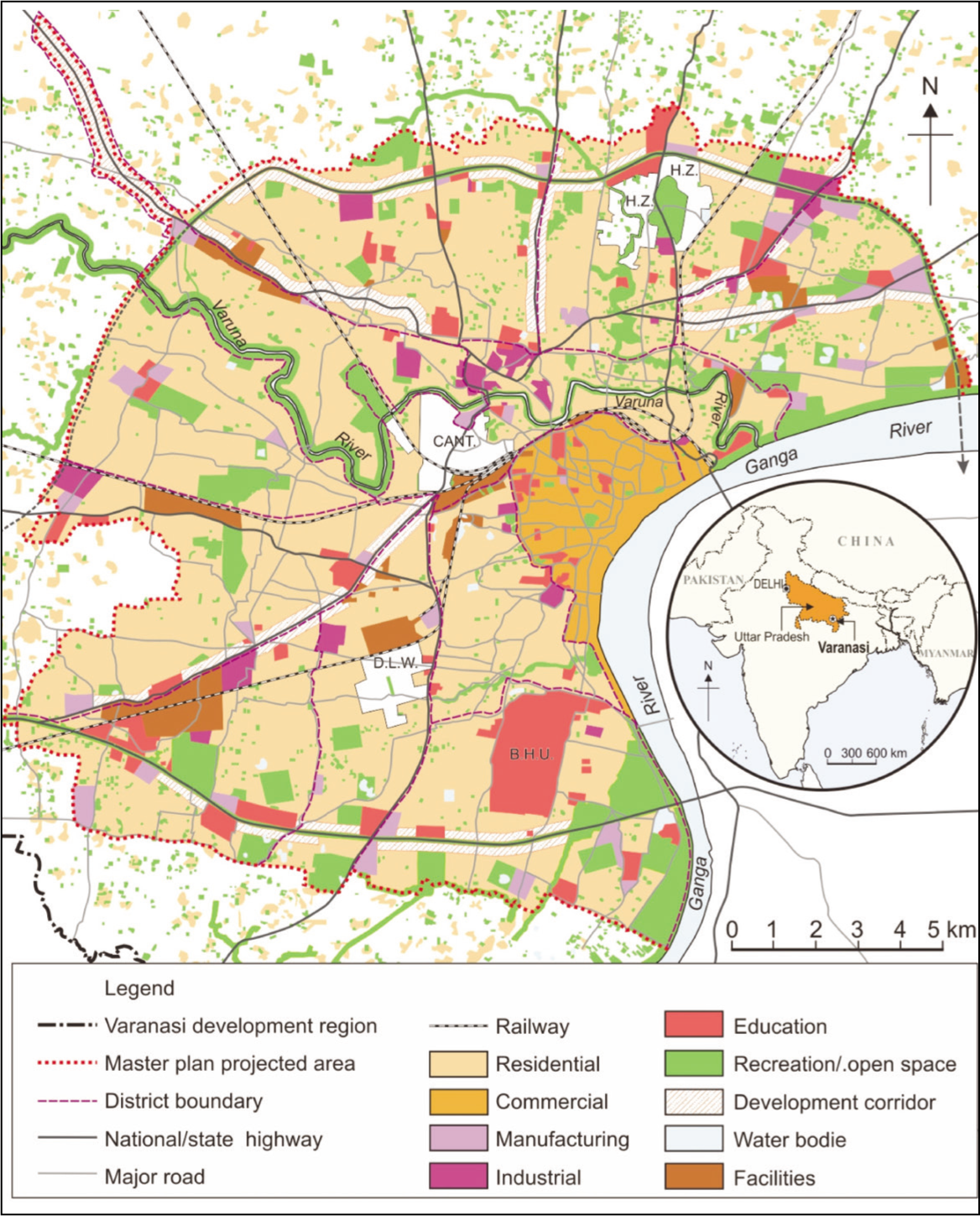
Varanasi has become a million-plus-population city as per the census of 2001, with a population of 1.09 million. During the 2011 census, the total population of the larger Varanasi urban agglomeration (UA) was nearly 1.5 million. The city has a sex ratio of 879 females for every 1,000 males, indicating selective male migration in search of employment. The rate of literacy in the city is around 77%. The total population in the slum area is about 138,000. As per the 2011 census, the city has a predominant Hindu population constituting about 70%, followed by Muslims, constituting about 29% of the population. Christians, Sikhs, Jains and Buddhists are other religious communities here. Other sects and cults, including Ravidasiyas and Kabirpanthis, also contribute to the heterogeneous social composition of the city.
According to the latest CDP (Government of India, 2015), the total area of Varanasi Municipal Corporation is 82.1 sq. km, while the total area encompassed by the Varanasi Urban Agglomeration is 112.26 sq. km. The CDP empirically observes that the city is expanding in the north and north-east directions, with the Master Plan 2031 demarcating 246 sq. km as the planning area (Government of India, 2015).
Varanasi: History, Culture and Economy
Varanasi is one of the oldest thriving cities in the world, whose history unfolds in a myriad way, having a strong bearing on India’s culture. The Indian geographer Rana P. B. Singh (2009) calls the city ‘the microcosm of India’. It represents the holiest of cities for Hindus (Gutschow, 1994). According to Hinduism, it is the city of Lord Shiva as exerted by the existing traditions and scriptures. Sarnath, now part of the city, was where Lord Buddha first preached his dhamma in the sixth century BC. According to the Vamana Purana, the Varuna and Assi rivers originated here at the beginning of time itself, making the place the most holy among all the pilgrimage sites.
Varanasi has been a scholarly hub for ages and still accommodates the finest educational institutions in India: the Banaras Hindu University, Mahatma Gandhi Kashi Vidyapeeth and Sampurnanand Sanskrit University. It has been a centre for ancient studies on Vedic literature and astrology. The city claims continuity in Vedic education through oral tradition since the scholar Shankaracharya’s eighth-century visit when he advocated Shiva worship among his teachings.
Varanasi was ‘one of the rapidly rising cities throughout the late 18th century and became an important commercial hub of north India’ (Singh, 2009). In the nineteenth century, the city was a big market for shawls from northern India, jewels from the south, muslins from the east, swords from Lucknow and European luxury goods (Singh, 2009). After India’s independence, public-sector industrial investments made the city a major industrial powerhouse. The Indian Railways founded Diesel Locomotive Works (DLW) in 1961 to build locomotives. However, the tertiary sector, with 56% of formal employment, dominates the city’s economy. Tertiary workers earn daily wages in significant numbers. Small and medium manufacturing, previously prominent due to the metal industry and handlooms, has diminished in prominence as an employment sector. Trade and commerce now account for 36% of tertiary sector formal employment. The city’s tourism sector is growing, with government agencies working to improve infrastructure and make the city a heritage attraction in India. Due to its religious tourism and heritage focus, Varanasi attracted over 100 million visitors in 2022. The densely populated hinterlands of eastern Uttar Pradesh, Bihar and Jharkhand benefit from the city’s educational and medical amenities. Varanasi’s cultural economy’s development depends on its religious and cultural identity (Saha & Sen, 2016). The Banarasi silk sari, a Varanasi speciality, is still a favourite at north Indian weddings.
Conceptual Framework
Smart City
Smart city as a token term was first conceived in the 1990s by big technology enterprises such as IBM, Cisco and Siemens (Albino et al., 2015; Praharaj & Han, 2019). As the century rolled on, the idea started being associated with more instrumental views of cities—digital cities and intelligent cities (Albino et al., 2015). The role of knowledge and creativity also became associated with smartness (Florida, 2003). While skimming through a host of published works on smart cities, Albino et al. (2015) found several common characteristics in smart cities. These refer to a comprehensive network infrastructure located in urban regions that supports efficient governance and socio-cultural progress. Further, the study (Albino et al., 2015) emphasizes the significance of development driven by economic interests and the expansion of metropolitan areas focused on fostering innovation. The focal point on social inclusion and the usage of social capital for the sake of collective improvement are recurring themes as well. Moreover, the notion of nature as a cooperative ally in improving overall well-being becomes a prominent element in the discussion around smart cities.
Urban metabolism has time and again pinpointed the consumerist culture prevalent in a city—a place that consumes but seldom produces (Albino et al., 2015). As a consequence, a city’s prospects or decline is determined more significantly by external forces. However, assigning a city to an automated and self-regulatory guise is the prerogative of the ‘non-dialectical models of urban metabolism’, which needs a more open and contested ‘relational or hybridised’ metonym for the cities of the present (Gandy, 2004). If we keep hinged on the biological metaphor of metabolism, the cities need to work on the externalities that exclusively determine their existence. Smart cities are assigned as possible solutions to the metabolism fix, mostly in their technocratic and ICT-induced avatars (Albino et al., 2015).
India’s tryst with smart cities in their most particularistic sense is very recent. The Smart Cities Mission (SCM) in India was initiated in 2015 by the Ministry of Urban Development (MoUD), which subsequently produced a mission statement and guidelines for implementing this initiative (Smith et al., 2019). The guidelines outline many strategies, such as retrofitting, redevelopment, greenfield development and pan-city projects. Indian towns have the potential to employ various tactics to attain the designation of a smart city (Smith et al., 2019). However, the country’s experiment with the SCM centres around technology and technological innovations (Praharaj & Han, 2019; Smith et al., 2019). Negating the repercussion this may have for the already marginalized (Das, 2020), the SCM is ostensibly trying to create ‘smart citizens’ (Datta, 2018), thereby also aggravating the existing digital divide in India. Besides, looking at smart cities through the lens of power in the Indian case facilitates a wider view of urban transformation as it intertwines with the citizenry (Datta & Odendaal, 2019).
Provincializing Smart Cities
Returning to Gandy’s claim for a hybrid or relational urban metabolism necessitates, among other things, a consideration for ‘particularities of local context’. A more open definition of urban metabolism also requires an updated form of urban smartness. Distancing from the technocratic rationality of smart cities, authors have looked at either how these cities exist in actuality (Shelton et al., 2015) or how, looking at smartness as a process (Fromhold-Eisebith & Eisebith, 2019), the benefits of such cities can be reaped for the majority. Data-driven rationality does not always hold a negative connotation. Rather, looking at how it manifests itself across each city should help to channelize our conclusions. What matters here is a deep engagement with the places that have provincialized the idea of a smart city in congruence with their social, cultural, economic and political contingencies. On the other hand, an empirical investigation of five smart cities in south India (Puducherry, Thanjavur, Tiruchirappalli, Vellore and Tirupati) has brought to the fore the potency of looking at the processual role of smart cities (Fromhold-Eisebith & Eisebith, 2019). It is found that the journey towards being smart (which the authors think is far from achievable) sets in motion certain procedures that bring positive externalities.
The place-based retrofitting of smartness and reinforcing the processes that work in that direction enable a more expansive, positive and result-oriented outcome. Heritage is one of the many ways cities can be smart and sustainable simultaneously. Varanasi (Kashi or Banaras) is one of the holiest cities that is listed in the World Heritage Sites list and is a continuously occupied ancient city (Singh, 1997). It is agreed that there are very few cities that are as significant to Hindu culture as Varanasi (Varma, 2010). This has motivated the identification of the city as the benchmark of Indian culture and tradition, leading to it being declared one of the most significant heritage cities of India (Singh, 2011, 2015). Rather than following smart parameters followed elsewhere and aligning to prescribed worlding practices (Roy, 2011), Varanasi attempted a focus on particular situated urbanisms (Roy, 2011) based on heritage-centric urban regeneration with the adoption of smart technologies and tools, thereby contextualizing the needs of the city and its citizens.
The next section delves deeper into Varanasi’s recent focus on deploying smart tools and technologies under the SCM programme and on how the city administrators pivoted towards including heritage and culture as central themes in making Varanasi a smart heritage city.
Varanasi: The Smart City Trajectory
As the first instance of a concerted effort for urban renewal, Varanasi was selected under the Jawaharlal Nehru Urban Renewal Mission (JNNURM), another flagship project of the Government of India for improvement in the sewage and intra-city transport systems. The CDP of Varanasi was prepared to initiate steps to improve the existing service levels in a financially sustainable manner. The CDP acknowledged varying densities within the city and outlined that abnormally high density within the inner city has led to unhygienic living conditions and is a potential health hazard. The low densities in the remaining part of the town have led to urban sprawl, thus increasing the distribution network of urban services.
JNNURM identified Varanasi as an economically vibrant and culturally rich city and pledged basic services for all (CDP, 2006). The financial requirement for these basic services for the urban poor was estimated at around US$73 million. In March 2015, CRISIL prepared a new City Development Plan 2041 for the city in collaboration with the federal Ministry of Urban Development (MoUD) and the World Bank. While outlining continuity with the first-generation CDP under JNNURM, the aim of the plan was highlighted as ‘to revive the glory of Varanasi by conserving and promoting its heritage and protecting its cultural and traditional environs to boost tourism and employment, provide quality urban services, accountable governance to enhance the quality of life of residents’ (Government of India, 2015). The stated goal of CDP 2015 is to address the issues which were outlined in the earlier version of CDP in 2006, which had two important components: (a) infrastructure and (b) quality of life through good governance.
In 2015, the government launched the SCM to create 100 smart cities and rejuvenate them through retrofitting, redevelopment and digital governance. The MoUD encouraged major cities in India to submit project proposals under SCM to get funding. Varanasi, while submitting the proposal, identified poor sanitation, the absence of septic management and inadequate and ill-kept public toilets as major weaknesses. The strengths, weaknesses, opportunities and threats (SWOT) analysis by the municipal body identified that about 31% of the city is outside the institutional water supply network (Ministry of Urban Development, Government of India, 2016). It also recognized the poor intra-city public transport system and envisioned improvement under SCM funding. The proposal was accepted, and Varanasi became one of the selected 100 smart cities for development under SCM.
The following SCM initiatives have been taken in the city:
Kanha Upwan Gaushala
This initiative showcases Varanasi’s commitment to animal welfare within urban planning. Accommodating 450 cattle in a sprawling 9.06 acre area, it is not just a shelter but a holistic centre. It contains administrative and medical facilities, along with renewable energy sources such as a biogas plant and solar panels, and sets a new standard for sustainable animal care within an urban landscape.
Smart Placemaking Under Flyovers
The transformation of urban voids beneath flyovers into creative spaces demonstrates an innovative approach by integrating vending zones, parking areas and cultural venues. These projects inject life into previously neglected spaces, fostering community engagement and preserving Varanasi’s cultural heritage.
Beautification of Overhead Tanks, Parks and Kund
These projects focus on enhancing public spaces. Landscaping of parks, rejuvenation of Mandakini Kund and beautification of overhead tanks not only provide aesthetic improvements but also emphasize sustainable features such as rainwater harvesting and water preservation technologies. They aim to create accessible and eco-friendly leisure spots for residents and tourists alike.
Kashi Integrated Command & Control Centre (KICCC)
This centrepiece of technological integration connects various departments for streamlined governance. Its features, from traffic management to air pollution monitoring and citizen services through a mobile application, showcase Varanasi’s embrace of cutting-edge technology to ensure efficient city management and responsiveness to citizen needs.
Rudraksh International Convention and Cooperation Centre
A symbol of international collaboration, this centre serves as a hub for cultural exchange and modern gatherings. Its infrastructure, designed in the shape of a shivalinga with embedded rudraksha, not only signifies India–Japan friendship but also incorporates sustainable elements like solar energy, making it a model for eco-friendly convention centres.
Multi-level Two-wheeler Parking and Educational Facilities
Projects such as multi-level parking, smart schools and skill development centres highlight Varanasi’s commitment to addressing urban challenges comprehensively. Efficient land use, educational empowerment and inclusivity through barrier-free campuses demonstrate the city’s focus on modern amenities and accessibility for all residents.
Heritage Signage, Ghat Revitalization and Cultural Upliftment
Preservation of heritage sites like the Ganga ghats with heritage signage, facade restoration and ghat revitalization epitomizes Varanasi’s efforts to conserve its rich cultural identity. These initiatives combine historical preservation with modern amenities, ensuring a richer experience for tourists and residents alike.
Surveillance Infrastructure and Transport Solutions
The installation of advanced surveillance cameras and electric bus charging stations portrays Varanasi’s commitment to safety, security and sustainable transport. These projects aim to enhance public safety and reduce environmental impact, aligning with global smart city standards.
Varanasi’s completed smart city projects exemplify a harmonious blend of tradition and innovation. They showcase a holistic approach to urban development, preserving cultural heritage while embracing modern technology and sustainable practices to create a better quality of life for its residents.
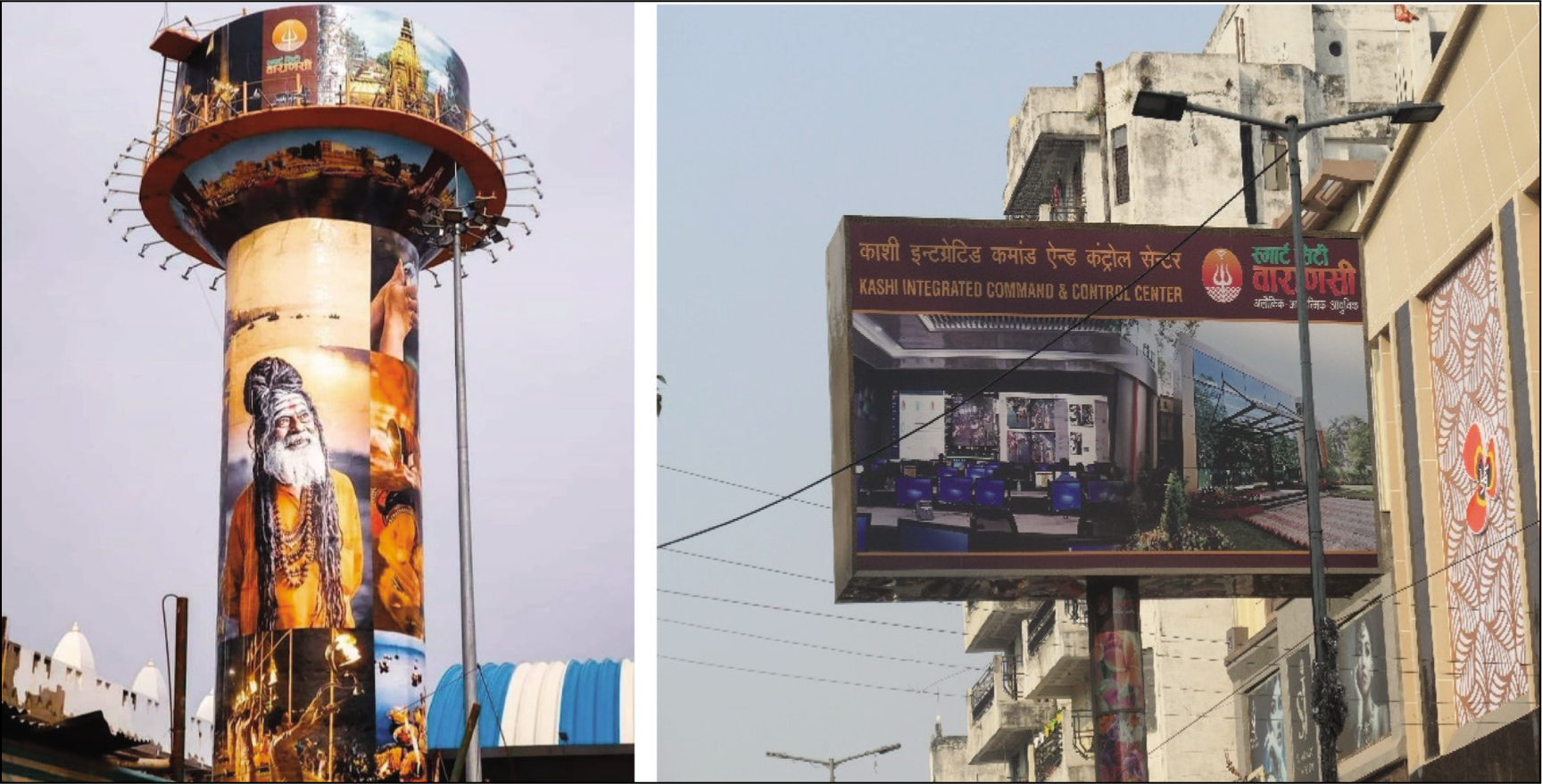
However, the ongoing debate on smart cities in academic literature raises serious concerns about the general well-being of citizens (Bunnell, 2015; Grossi & Pianezzi, 2017; Kitchin, 2015; Kummitha & Crutzen, 2017). The debate regarding the smart city concept is far from settled. While the proponents argue that citizen participation and technology-based solutions are the biggest gains, the critics bring forward the increasingly privatized and polarized services and entrepreneurial tendencies of the urban governance structure (see Grossi & Pianezzi, 2017; Harvey, 1989; Kitchin, 2015). Apart from the increasing role of technology in managing the city, the question of adopting technology to protect self-interest or the interests of the larger community remains to be investigated in the specific context of different cities (Bunnell, 2015). The Indian context is far more complex, as here the contextual meaning of ‘smart’ varies from one state to the other due to the extensive diversity of languages, geographies, socio-cultural diversity and economic varieties. Varanasi’s smart city proposal uses ‘smart’ as ‘Simple, Moral, Accountable, Responsive and Transparent’ (Ministry of Urban Development, Government of India, 2016). The Indian context of a smart city has one important divergence from global smart city initiatives—the adoption of area-based development, where only a part of the city is selected for smart installations and infrastructural development instead of developing the entire city as a smart city. This area-based initiative has been criticized given the possibility of hijacking the initiatives only to develop the elite pockets of the city as smart and leading to an increasing gap between the haves and have-nots (Das, 2020). As Kummitha and Crutzen (2017) observed, the city’s citizens are reduced to mere spectators who, in turn, will lose their identity and existence in the process. While Varanasi has been undergoing some makeovers under the smart city initiatives such as new LED street lights, traffic cameras and surveillance technologies, heritage-designed hoardings and banners in the majority of shops along the heritage trail of the city, work on sanitation, cleaning of rivers, ghats and sewer management, and road and traffic management are in urgent need of a solution to make the city a clean heritage smart city (Figure 2). Further, Choudhary and Arya (2019) observed that the city has been losing green cover in recent times due to unplanned construction of housing and built-up area.
Smart Heritage City Varanasi Showcased on City Hoardings, Overhead Tanks and Billboards.
From Smart to Smart Heritage Varanasi
Varanasi’s cultural legacy functions as a hinge for the Indian psyche and cultural identity. The appropriate identification and channelizing of the city’s heritage value warrants urban sustenance and productivity. The inherited cultural value works as an overarching tool for urban governance to usher in moments of ‘city regeneration’ and ‘smart innovation’. It functions as a medium that transposes ‘sense of time’ to ‘sense of place’. The smartness here transmutes itself beyond information and communication technology (ICT) and digitalization to integration of human inheritance and its immortal values, something that reinforces Varanasi’s place-based identity.
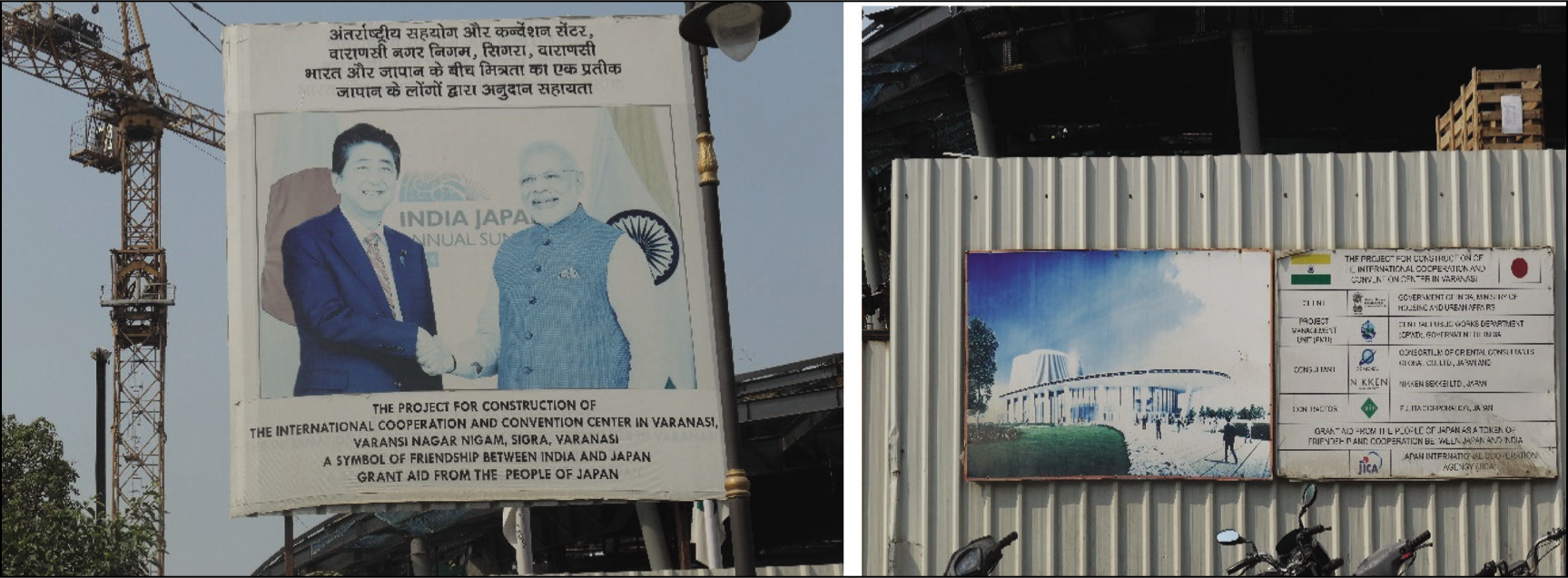
In that league, the city was projected as an aspiring cultural habitat comparable to Kyoto, Japan, and envisioned to develop as a smart heritage city under India’s SCM of 2016. The transformation of Varanasi into a smart heritage city has been a multifaceted endeavour, primarily focused on harnessing technological advancements to enhance the city’s infrastructure, services and governance. According to Singh et al. (2020), Varanasi’s development as a heritage city commenced under the Government of India’s HRIDAY (Heritage City Development and Augmentation Yojana) and PRASAD (Pilgrimage Rejuvenation and Spiritual Augmentation Drive) missions in 2014. The inception of the idea of Smart City Varanasi can be traced back to the signing of an MoU between India (Varanasi) and Japan (Kyoto) in August 2014, commonly known as the Kashi–Kyoto agreement, aimed at preserving the city’s rich heritage (Clarisse, 2014). As corroborated by Mohan (2017), the establishment of the international convention centre, Rudraksha (Figure 3), was a concrete manifestation of this agreement. However, the message that has proved to be the most contentious rests on the fact that the implementation of smart city projects under the ‘six key pillars’ has been fragmented with an inconclusive approach to development (Aijaz, 2021; Kaur & Bhandari, 2022) and is likely to ignore the future aspirations of its residents. Talking about the peculiar context of Varanasi as both a smart city and a heritage relic, Shinde and Singh (2023) state that ‘recent field studies and participatory observations find weak institutional (governmental, community-based and NGOs) coordination, lacking capacity and power to enforce regulation and policies, often also linked to various degrees of corruption; altogether they serve as major obstacles to heritage preservation.’
Kashi–Kyoto Agreement on Construction of Convention Centre Rudraksh in Varanasi.
Adhering to the philosophical approach of constructionism, this study in Varanasi was characterized as an inductive study based on the ontological principles of realism. The aim was to comprehend how the SCM encourages cities to become digitally ‘governed’ and financially ‘innovative’. The Kashi Vishwanath Corridor, the government’s most ambitious urban development project spread over an area of 50,000 sq. m, is a milestone project in the transformation of heritage discourses in the post-colonial period. The precincts of the corridor seek to utilize digital and analogue technologies, thereby highlighting resistance to dominant conceptualizations of ‘smart’.
Though the Kashi Corridor project is not a prototype of the SCM, yet it entails all the smart services that seek to modernize the historical realm of the city through the beautification of the temple complex. During our interviews with the residents of the city, one respondent added to his comment:
I would say that we are in a smart city, and so I think this is the culture of a smart city, this smart city plan—if this plan had come after 10–15 years and then we use these 15 years to facilitate this essential infrastructure and if we were helping them to reach the people then we would probably sit and talk about how our smart city project should be, how to preserve our provinciality, how to preserve our local culture and even while doing this, how can we become comfortable, accessible in everything such that we can start calling ourselves as smart. (VAR_002 interviewed on 13 July 2020)
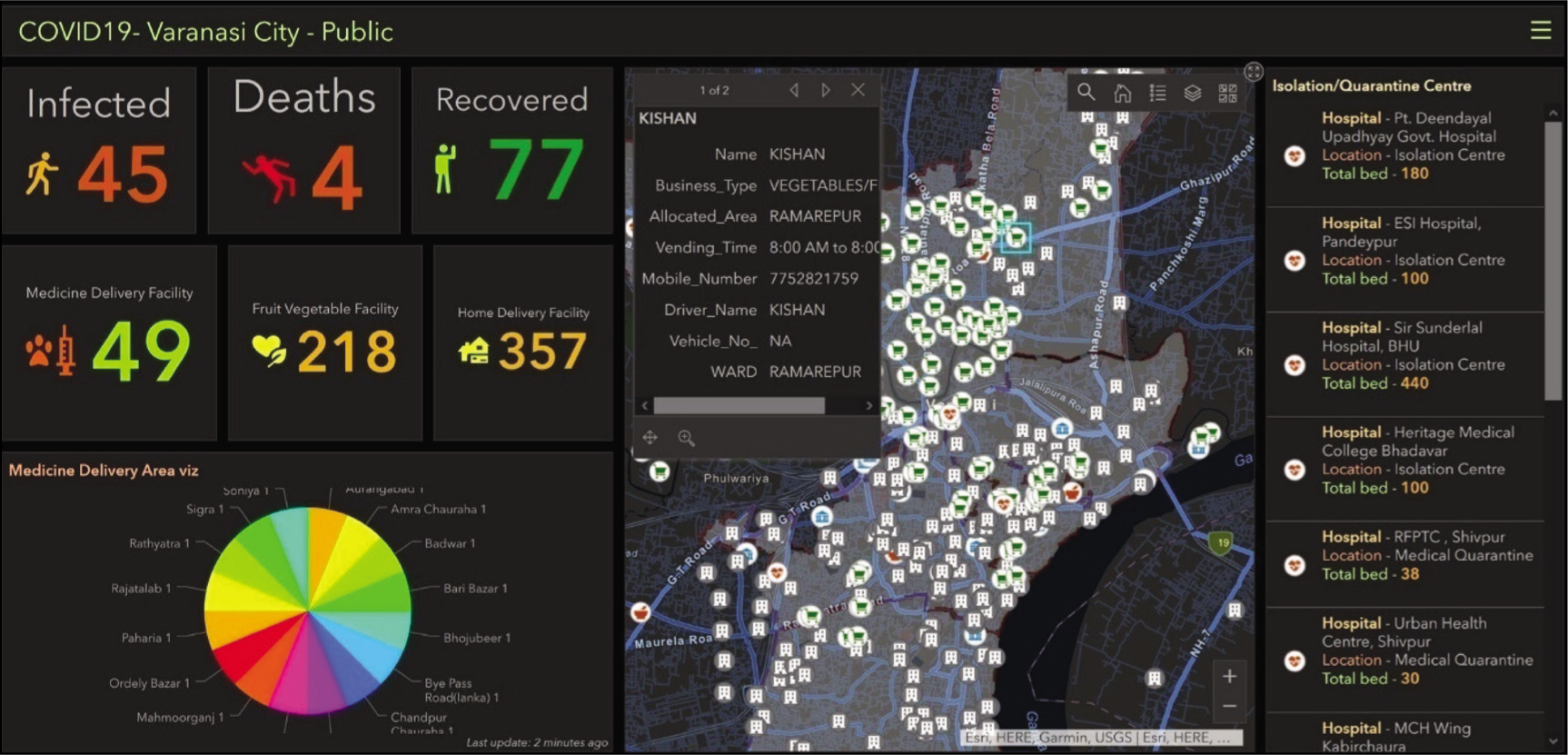
Owing to the construction of the Kashi Integrated Control and Command Centre (KICCC) in February 2019, the temple town was successfully able to improve its smart city rankings through close monitoring of all activities, public services and facilities, including the city’s traffic, street sweeping, collection and transportation of solid waste. The digital continuum of the SCM was supported by the rising pandemic situation in the city, wherein the Varanasi Smart City converted its KICCC to a COVID-19 War Room in April 2020. The smart war room effectively deployed measures of software tracking of vehicles, video call facilities, video analytic software systems, information security and surveillance systems. As per the National Institute of Urban Affairs (NIUA) (2019) report, the war room controlled surveillance cameras (40 junctions/100 locations), public address systems (55 locations), sanitization through ‘GARUDA’ drones and variable messaging systems (LED signboards at 10 locations) to address the challenges posed by the pandemic.
Within the intelligent war room, a comprehensive dashboard displayed a COVID cases heat map and vital statistics such as the number of cases and deceased individuals in the city (Figures 4 and 5). The effective utilization of geographic information system (GIS) resources enabled the precise mapping of various COVID-19-related elements. EFKON India, a leading private corporation that provides smart technology solutions, assumed the crucial role of the master system integrator (MSI) responsible for developing, implementing and overseeing numerous smart projects in Varanasi. Notably, during the challenging times of the COVID-19 pandemic, the MSI seamlessly integrated GIS technology into the dashboards at the Integrated Command & Control Centre, ensuring efficient data management and visualization.
Screenshots of a Webinar Presentation on the Varanasi COVID-19 War Room Dashboard.
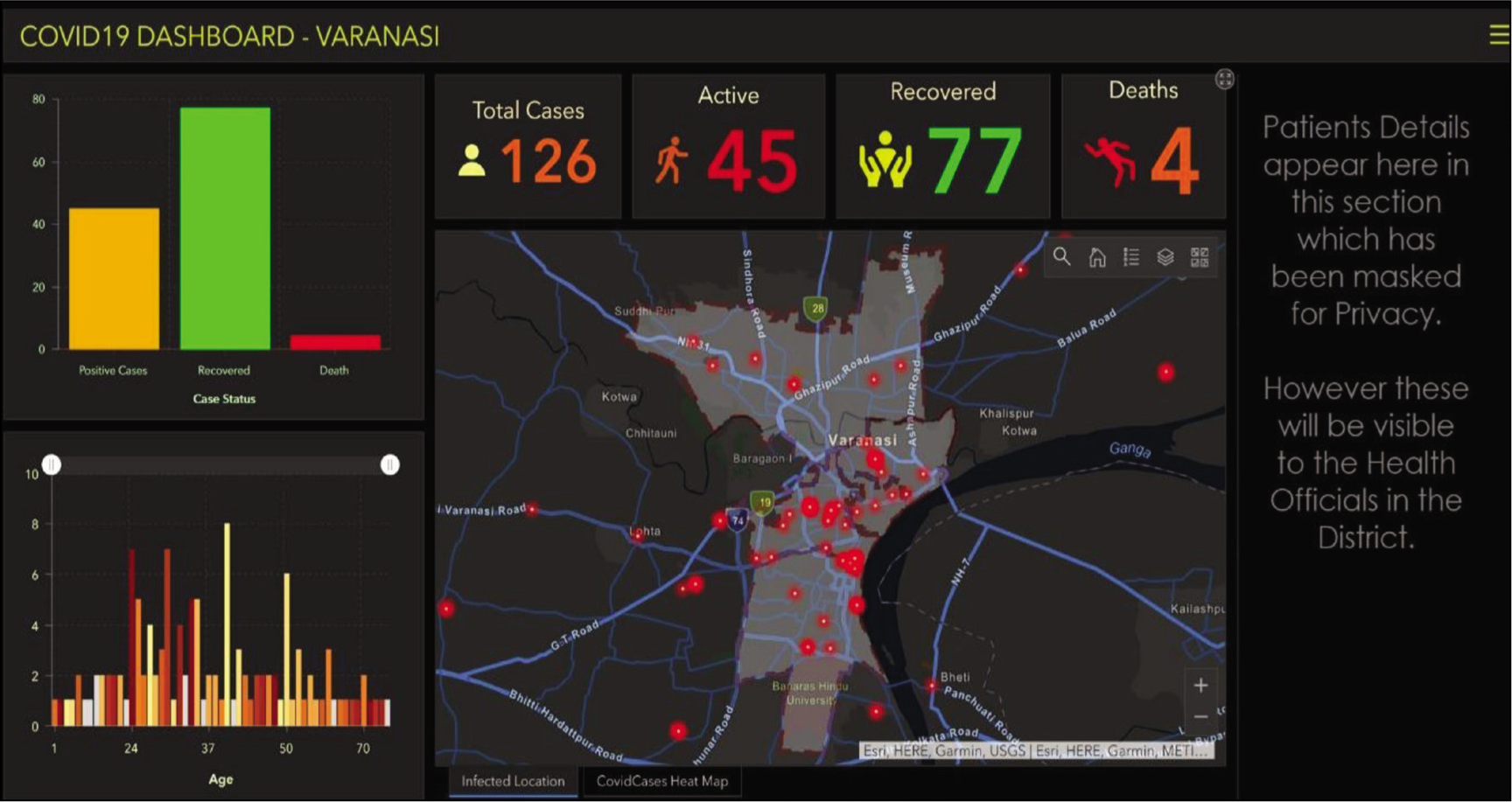
Screenshots of a Webinar Presentation on COVID-19-related Statistics for Better Decision-making by the Authorities in Varanasi.
The smart city paradigm in Varanasi witnessed the strategic implementation of advanced technologies, ranging from drones to mobile-based smart applications, reflecting a top-down and technology-centric approach in the day-to-day state–citizen–market interactions. Varanasi garnered well-deserved accolades in the realm of smart city endeavours (Pandey, 2020). The city’s success story owes much to the orchestrated efforts of the special purpose vehicle (SPV) and the project management consultants (PMC). While SPV resources take precedence in certain smart cities, Varanasi’s approach distinguishes itself as the Varanasi Municipal Corporation assumes a more pronounced and proactive role in driving the SCM’s implementation.
The city’s tech-driven initiatives were acknowledged with prestigious accolades. Varanasi also received the Smart City Leadership Award, commending its effective governance and successful project implementation. Moreover, the city garnered the City Award in the second phase of the selection process and the Water Category Award for its commendable efforts in water conservation as part of the India Smart City Award Ceremony in 2022 (Elets News Network, 2022). The Kashi Vishwanath Corridor project exemplifies this trend, where digital technologies such as museums, sky-beam light systems, viewing galleries, LED screens, information kiosks and smart signage have seamlessly integrated into the material fabric of the temple complex area, adding to its grandeur and contemporaneity.
As the smart city vision unfolds in Varanasi, it is imperative to critically examine the impact of these technological interventions on the lived experiences of the city’s inhabitants. While the accolades and recognition demonstrate the city’s achievements in the pursuit of a technologically driven future, it is essential to explore how such developments may inadvertently neglect or reshape the cultural and social fabric of the city, particularly concerning historically marginalized communities and heritage preservation. To comprehensively understand the implications of the smart city paradigm in Varanasi, further research is warranted, delving into the nuanced interplay of power dynamics, technological integration and urban heritage in the context of post-colonial urbanism.
Conclusion
The city of Varanasi is one of the oldest cities in the world with a rich culture and heritage. Throughout time, the city has witnessed multiple forms of confluences and interrelations, which in turn have structured and restructured its current urban form as a regional metropolitan centre. The city carries multiple layers of unique identities based on religious traditions, cultural symbols, artifacts and economic importance. The city is an aspiration for the people of the regional rural hinterland, who keep trying to be part of it as it provides better economic and educational opportunities. Owing to its tourist attraction and international narrative, the city provides people with economic and cultural opportunities. The turning of Varanasi from a religious-cultural symbol to an increasing economic and aspirational opportunity has come with added stress on the old and burdened urban infrastructure. While the efforts by the government have been discussed here to provide better urban amenities and rejuvenate infrastructure through programmes such as JNNURM and SCM, these are still far from satisfactory and effective. The city needs more sincere efforts, rapid infrastructure development and a clear policy direction rather than mere rhetorical and symbolic smart improvements.
Effective environmental measures to ensure sufficient green space (Choudhary & Arya, 2019), availability of drinking water facilities, treated effluence discharge to the natural water bodies, restoration of natural streams and ponds and sustainable maintenance of heritage buildings are essential to ensure a liveable condition for this oldest living settlement in India. The urban metabolism is conspicuous in its bio-physical materiality as the heritage city lives through the everyday generation of biodegradable and plastic waste, mostly by the floating population that throngs the religious and spiritual corners of the largely fragmented city. Smartness here must occupy itself with facilitating less generation and more sustainable processing of waste. The COVID war room is one of the instances where technology ensures less morbidity through surveillance. But urban metabolism also necessitates that the local and its everyday intermingling with material/immaterial contingencies of the city is also taken into consideration. Smartness as a template cannot be expected to fit the rationalities that circulate in Varanasi, a city that lives across variegated time and space. It is this gap between de facto and de jure that the city provides fertile ground to provincialize the ‘smart city’. Also, the city ought not to be designated smart as a mere end; instead, the process of becoming smart should circulate as the main discourse across administrative corridors, as it would ensure a continuous cycle of creation, learning, re-learning and revision in making smartness truly sustainable.
Footnotes
Acknowledgements
We want to thank the two reviewers and the editorial team for their suggestions and support for improving the article. Also, first author would like to thank the Asia Research Institute, NUS and the Department of Geography and Environment, London School of Economics (LSE), for providing me the resources and opportunity to work on this article.
Declaration of Conflicting Interests
The authors declared no potential conflicts of interest with respect to the research, authorship and/or publication of this article.
Funding
This work was supported by the Swiss National Science Foundation under Grant 10001AM_173332.