




Abstract
This study aims to provide insights into what staff perceive as required to effectively embed sustainability and climate action in Higher Education Institutions (HEI), focusing on top-down, middle-out and bottom-up strategies. Using a participatory approach through a convergent parallel mixed methods design, focus group interviews (FGI) and a survey questionnaire were undertaken at an HEI in the UK. Almost 90% of the study participants agreed that they would like to learn more about climate change mitigation and adaptation at university. Most respondents agreed that universities should organise extra-curricular activities to build capacity in sustainability and climate change mitigation, and adaptation. The study contributes to the understanding of staff views and needs around embedding sustainability in curricular and extra-curricular content, as well as training and development. The findings informed the design of the institutional staff development toolkits on Education for Sustainability (EfS) and climate literacy pedagogy.
Introduction
Education for Sustainability (EfS) and climate change pedagogies emerged as priority themes in the Higher Education (HE) sector regarding learning, teaching, and research in the last decade or so. While sustainability has been part of Higher Education Institutions (HEIs)’ strategic plans, the focus has been mainly on the operational and infrastructural aspects. With the transition to a low-carbon industry, economy and society to mitigate and adapt to climate change impacts, governments worldwide expect the HE sector to respond to the challenges through advanced education, innovative research and impactful knowledge exchange.
This three-folded role of HEIs, education, research and knowledge exchange, demands that these institutions equip all students with climate literacy and the green skills needed to cope with and contribute to the transition to Net Zero Carbon (NZC). From a civic perspective, it is important to recognize the shared responsibility of universities to educate students as citizens, decision-makers, and policymakers who ultimately can implement creative and practical solutions to the challenges we face as humanity. The Students Organising for Sustainability (SOS) UK annual survey shows that 81% (7,285 students) agree that educational institutions should be obliged to develop students’ social and environmental skills; 82% (7,378) agree that sustainability and 67% (5,968) agree that sustainable development should be actively incorporated and promoted in all programmes of study and the learning and teaching (SOS, 2022).
In addition, to enable climate change mitigation and adaptation, HEIs are also expected to effectively contribute to building the resilience of their local communities, businesses and governments. This requires conducting research and knowledge exchange that provides sustainable and innovative solutions, and supporting businesses and industries to change/adapt their practices and support their employees in the transition to NZC.
The literature indicates that many HEIs have started to embed sustainability and sustainable development into the university curricula (Lim et al., 2022; Lozano et al., 2015), although in an inconsistent manner. Different approaches adopted within HEIs to achieve this vary from extra-curricular courses available to all, to not integrated into core curricula, newly dedicated, discipline-specific curricula, and designed into existing disciplinary core curricula (Mburayi & Wall, 2018; Mokski et al., 2023; Tijsma et al., 2023; Weiss & Barth, 2019; Weiss et al., 2021).
However, a holistic approach that includes academics and professional services is less prevalent in the literature. This article brings both perspectives to facilitate collective stakeholder engagement, cross-departmental collaboration, and developing, implementing, and enacting policies and strategies.
EfS, Learning for Sustainability, and Education for Sustainable Development
It is important to note that EfS, Learning for Sustainability and Education for Sustainable Development are often used interchangeably within this emergent area.
EfS can be defined as one that
develops the knowledge, skills, values and world-views necessary for people to act in ways that contribute to more sustainable patterns of living. (…) Sustainability education is futures-oriented, focusing on protecting environments and creating a more ecologically and socially just world through informed action. (ACARA, 2015)
While Learning for Sustainability can be understood as
an approach to life and learning which enables learners, educators, schools and their wider communities to build a socially-just, sustainable and equitable society. (Education for Scotland, 2018)
Within these two perspectives, the key principles are: (a) Transformation and change, (b) Education for all and lifelong learning, (c) Systems thinking, (d) Envisioning a better future, (e) Critical thinking and reflection, (f) Participation, social justice and equity and (g) Interdisciplinarity and partnerships for change (e.g., Cherry, 2005; Cohen, 2007; Jones et al., 2010; Strachan, 2009).
The United Nations Decade for Education for Sustainable Development (DESD) incentivised educators to integrate sustainability into all aspects of education and training through updated curricula, research and sustainability-related activities (Thürer et al., 2018). According to UNESCO (2014)
Education for Sustainable Development (ESD) (…) empowers learners of all ages across disciplines by using active pedagogies to address complex problems, identify solutions and make informed decisions for environmental integrity, social justice and economic prosperity (…). (np)
UNESCO defined vital competencies to be developed to enable student-citizens to enact solutions and contribute to the achievement of the UN Sustainable Development Goals (SDGs). The UK AdvanceHE (2021) adopted this framework whilst mapping against transformative learning approaches: (a) Ways of thinking, which includes systems thinking, anticipatory thinking, and critical thinking, (b) Ways of practicing, which include strategic competency, collaboration, and Integrated problem-solving and (c) Ways of being, which included, self-awareness and normative competency.
In the literature on ESD in HE, it is clear that a holistic approach to the UN SDGs is needed. SDGs should be articulated to enable students to understand the complexity and interconnections between them (e.g., Shriberg & MacDonald, 2013) and between the social, economic and environmental aspects of sustainability—avoiding academic siloed approaches that lead to a misconstruction of the problems and knowledge required to achieve each of those goals and leading to action and systemic change. For example, Loste et al. (2020) emphasise that advancement in university sustainability science requires interdisciplinary research, novel schemes, and techniques, supporting Azeiteiro et al. (2015) previous work that suggests that inter- and transdisciplinarity is a vital step in embedding sustainability in HE.
Considering the overlaps in definitions and competencies of the above terms, the study focuses on and discusses both concepts, EfS and Learning for Sustainability, including climate literacy.
Embedding EfS and Climate Action in Higher Education
In this context, the primary role of the HE sector is to develop and build capacity for climate action (UNESCO, 2003). EfS can, therefore, be seen as a series of learning actions taken towards decision-making on the long-term future of the three pillars of sustainability (Environment, Social and Economic). One of the core principles underpinning EfS is the development of ‘critical thinking skills, analytical skills, empathetic capacity and the ability to be an effective person who can take action to achieve desired development introducing education for sustainable development outcomes’ (Tormey, 2003, p. 2). EfS adopts deep learning approaches based on pedagogies that combine knowledge acquisition with critical thinking and problem-solving techniques to ensure creative and relevant solutions are developed in response to real-life scenarios. EfS requires educators to adopt and champion a change in attitude from perceiving sustainability education as an ‘add-on’ to a unique educational concept that challenges conventional modes of education and requires new methods of integrative learning (Barth & Michelsen, 2013, p. 106).
In HE, training and research activities considerably impact the implementation of sustainability-related knowledge and innovations into practice (Bettencourt & Kaur, 2011; Friman et al., 2018). However, in some cases, the curricula employ superficial learning approaches that focus only on knowledge acquisition (i.e., transmissive learning) without necessarily developing critical and reflective understanding. In other cases, authors have identified that the need for integrated education and innovative teaching methods leads to educational failings and knowledge gaps surrounding sustainability (Tzonis, 2014) in developed and developing countries. Thus, a shift towards ‘Education for Sustainability’ (EfS) that encourages a greater understanding and ability to critically appraise and apply sustainability concepts in various contexts (e.g., Iyer-Raniga & Andamon, 2016) is required.
Furthermore, Pujol and Tomás (2020) and Weinberg et al. (2020) identified a gap between sustainability concerns and actions observed in broader society and university courses learning outcomes. Shephard et al. (2019) discuss the challenges of embedding ESD in the curriculum, noting that it involves subjective and structural changes, which are easier for disciplines already addressing environmental content (e.g., geography, engineering).
Building Capacity for EfS and Climate Action
Given the central role of universities in teaching students and preparing them as change-makers and decision-makers in various life roles, it is crucial to understand how educational and training programmes should address EfS and climate action. Training programs are believed to be one of the most effective ways to educate and motivate staff and students towards adopting sustainable actions. Apart from providing knowledge about topics related to sustainability, training programs could also direct students and staff towards resources available within universities to support them in their journey towards sustainability. Therefore, it is vital for training programs to be effective and engaging to ensure high uptake rates. Studies in the past have shown that there is a strong willingness to introduce sustainability into curricula amongst teaching staff, but the lack of training may not allow them to do so (Aznar Minguet et al., 2011). Hence, investing in the capacity building of staff may help achieve long-term change, building momentum of enhanced sustainability into the future education (Sammalisto et al., 2015). Moreover, from an operational side, a study by Swedish researchers confirmed that training and communication related to environmental management systems implementation had a positive impact in raising the awareness of environmental issues of teaching and administrative staff, while also helping them to realise their personal role in environmental work (Sammalisto & Brorson, 2008).
Moyer and Sinclair (2020) conducted an analysis of 26 studies, interrogating the link between learning, action, and societal transformation towards sustainability. The study outlines learning for sustainability outcomes in the light of the transformative learning approaches. It identifies abundant instrumental learning outcomes (learning about how the world works and how to accomplish desired ends), substantial communicative learning outcomes (interpreting, understanding, and conveying meaning in social interactions, including negotiating norms and desired ends), while less personal action outcomes, including changed behaviour.
There is limited research on what academics and professional services staff believe is the best direction for building capacity in students and staff to drive climate action and sustainable futures. This article does not aim to explore existing curricula but rather to understand what staff think HEIs should facilitate from top-down, middle-out, and bottom-up perspectives.
This study seeks to understand how professional services and academics perceive EfS and climate action within the university and their roles. It recognizes the multiple factors contributing to inconsistencies or lack of engagement, ranging from individual choices (e.g., academic freedom and beliefs) to structural issues (e.g., HEI funding models, staff workload) and ever-changing HEI agendas. The article aims to provide insights into what staff believe is needed to effectively embed sustainability in the curriculum and teaching practices in HE. It explores how HEIs can build staff and students’ capacity in sustainability and climate literacy, identifying essential knowledge, skills, and attributes in different disciplinary areas. The study contributes to understanding staff views and needs around embedding sustainability in course content and staff training, and development.
Understanding the perceptions of those who design and inform training and educational programmes is crucial. Academics and professional staff are key agents in leading these changes, from transforming policies to enacting them. As Freire states,
if I am not in the world simply to adapt to it, but rather transform it, and if it is not possible to change the world without a certain dream or vision for it, I must make use of every possibility there is not only to speak about my utopia, but also to engage in practices consistent with it. (Freire, 2004, p. 7)
Methodology
This study used a participatory approach, involving focus group interviews (FGI) and questionnaires, to design institutional professional development resources and training opportunities tailored to the needs of university staff and the student body. The participatory approach was chosen as it was considered the most effective way to inform the design of educational resources and professional development for staff across the university in these subjects. This research-to-action approach emphasized direct engagement with staff priorities and perspectives (Cornwall & Jewkes, 1995) to shape how the university could develop staff support. The survey research design, using a mixed methods approach, aimed to answer three main questions:
How do staff perceive the role of the university in building capacity for sustainability and climate action? What are the views and needs of staff regarding embedding sustainability in the curriculum and teaching practices? How can the university effectively support staff in developing sustainability and climate literacy?
Research Design
This study used a convergent parallel mixed methods within a participatory approach, using qualitative and quantitative data collected, analysed simultaneously, and combined at the interpretation stage (Leech & Onwuegbuzie, 2009). The qualitative data, collected through FGI, provided data on what members of staff who are relatively supportive of the sustainability agenda regard as key sustainability-related aspects/topics that staff and students ought to learn/know about and pedagogic approaches that may best be adopted to deliver those to staff and students. The FGI questions also allowed for collecting open and complete perspectives on learning and teaching experiences concerning sustainability while enabling a focused analysis. In contrast, the quantitative data collected via the online questionnaire enabled the research team to compare and relate to the qualitative data obtained via the FGI, providing an integrated understanding of staff perceptions on what sustainability and climate action literacy-related content, skills and knowledge are considered essential from different disciplinary areas.
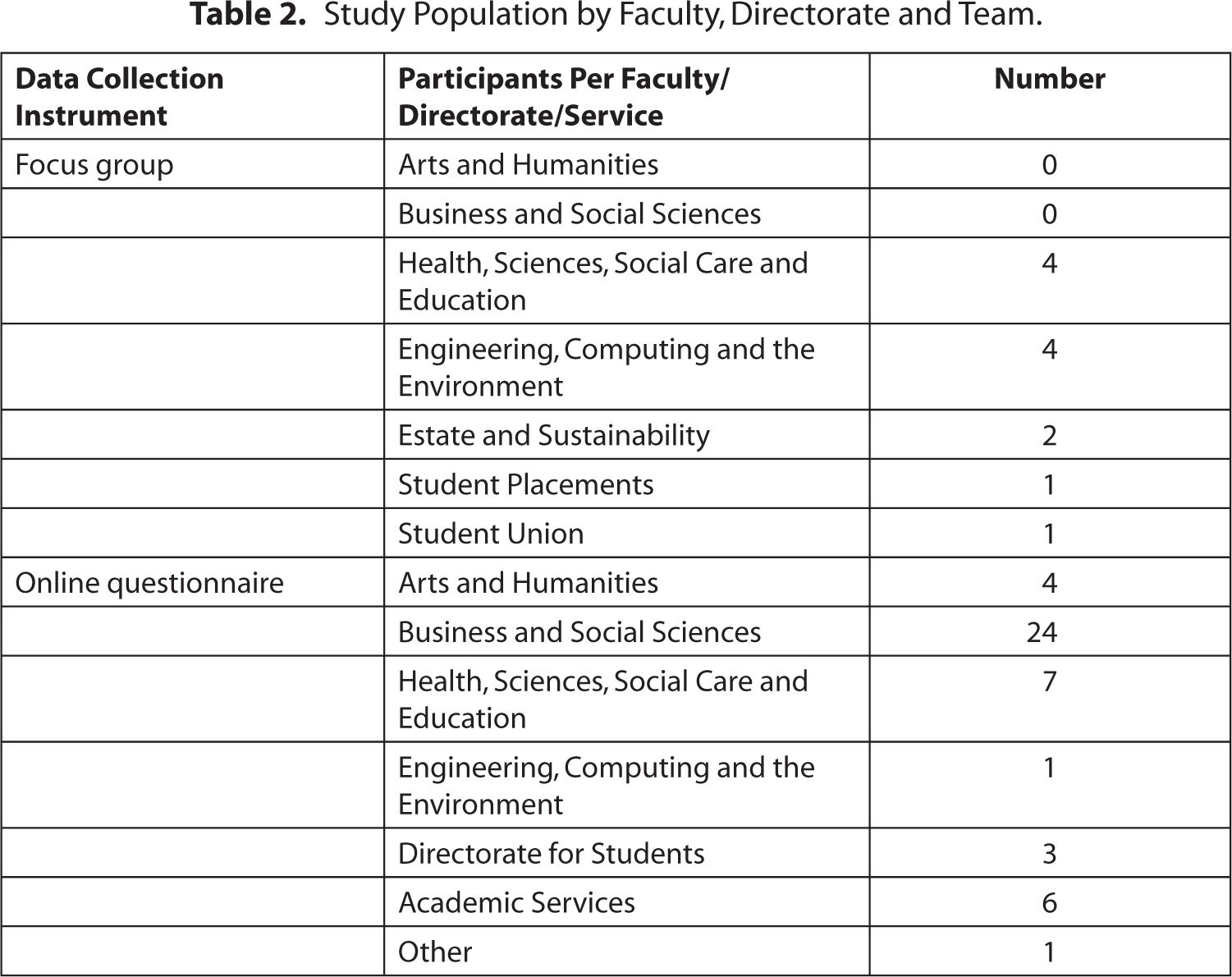
Table 1 presents the distribution of participants across academic and professional services roles for both the focus groups and the online questionnaire, and Table 2 presents the study population, showing that participants represented a diverse range of faculties and directorates, including both academic and professional services staff.
Participants.

Study Population by Faculty, Directorate and Team.
Sampling Process
The case study institution is composed of non-academic and academic members of staff, 959 and 939, respectively. As the study did not aim at generalisation, but rather a participatory approach to understand staff’s perceptions on the university approach to building capacity, the perceived essential knowledge, skills, and attributes and approaches to engage staff, the FGIs were conducted with 13 members of staff and 46 for the questionnaire, based on two sampling processes:
FGI: A non-probability convenience sampling process (Johnson & Christensen, 2024) was adopted from within the researchers’ network at the university through an open call, making it more accessible within the timeframe of the study. Online questionnaire: An open call was made to all institutional staff, both academics and professional services. This call was shared on the internal portal and with Heads of Departments, who cascaded it to their teams. The online questionnaire allowed more voices to be heard across the four university campuses, overcoming staff availability restrictions, reducing FGI sampling biases, and increasing external validation (Dewaele, 2018). A participant information sheet was provided to each participant, and all participants gave their informed consent to take part in the study before attending the FGI and before submitting responses to the online questionnaire.
Data Analysis
Both FGIs and the online questionnaire gauged staff perceptions of the university’s role in building capacity for sustainability and climate action, as well as their views on the university’s overall approach to these issues.
The FGIs were conducted and transcribed through MS Teams, enabling participation from various campuses. One research team member asked open-ended questions while another took notes. Balanced participation was encouraged to prevent dominance/reticence. The online questionnaire explored how staff teach these issues, seek information, and prepare to act on climate change mitigation and adaptation.
A thematic analysis was conducted on the FGI interview data using NVivo-2021 software, while a descriptive and inferential statistical analysis was conducted on the closed-ended questions of the online questionnaire using MS Excel.
Concerning the thematic analysis for the FGIs, the research team adopted a deductive analysis followed by an inductive analysis of the FGIs’ data. This process involved the three research team members, ensuring diverse perspectives, reducing individual biases, and expanding on a range of concepts through reviewing themes and codes by ensuring they were sufficiently defined. Following Braun and Clarke (2006), this process involved the following steps by the research team:
Familiarizing with the data before the formal coding took place, Identifying themes from the data informed by three main categories from the literature on the subject: Strategy Approach, Graduate Attributes, and Facilitating Engagement. An open and initial coding, that is, allowing the themes to emerge from the data and the pattern codes, Reviewing codes and themes to ensure cohesion and coherence, to ensure reliability and validity. Once refined, the research team identified for each category the themes and sub-themes and interpreted the findings to support answers to the research questions.
The descriptive and inferential statistical analysis explored potential correlations between participants’ demographic data (e.g., gender, ethnicity, years working in HE, faculty) and their views on universities’ role in climate change adaptation and mitigation expressed through the questionnaire. A Spearman correlation test was performed as a non-parametric test for correlation analysis, using the Spearman correlation coefficient between -1 and 1 to identify possible statistically significant correlations.
The results of this study were then used to design the institutional EfS and the Climate Change Pedagogy toolkits.
Results
Focus Group Interviews
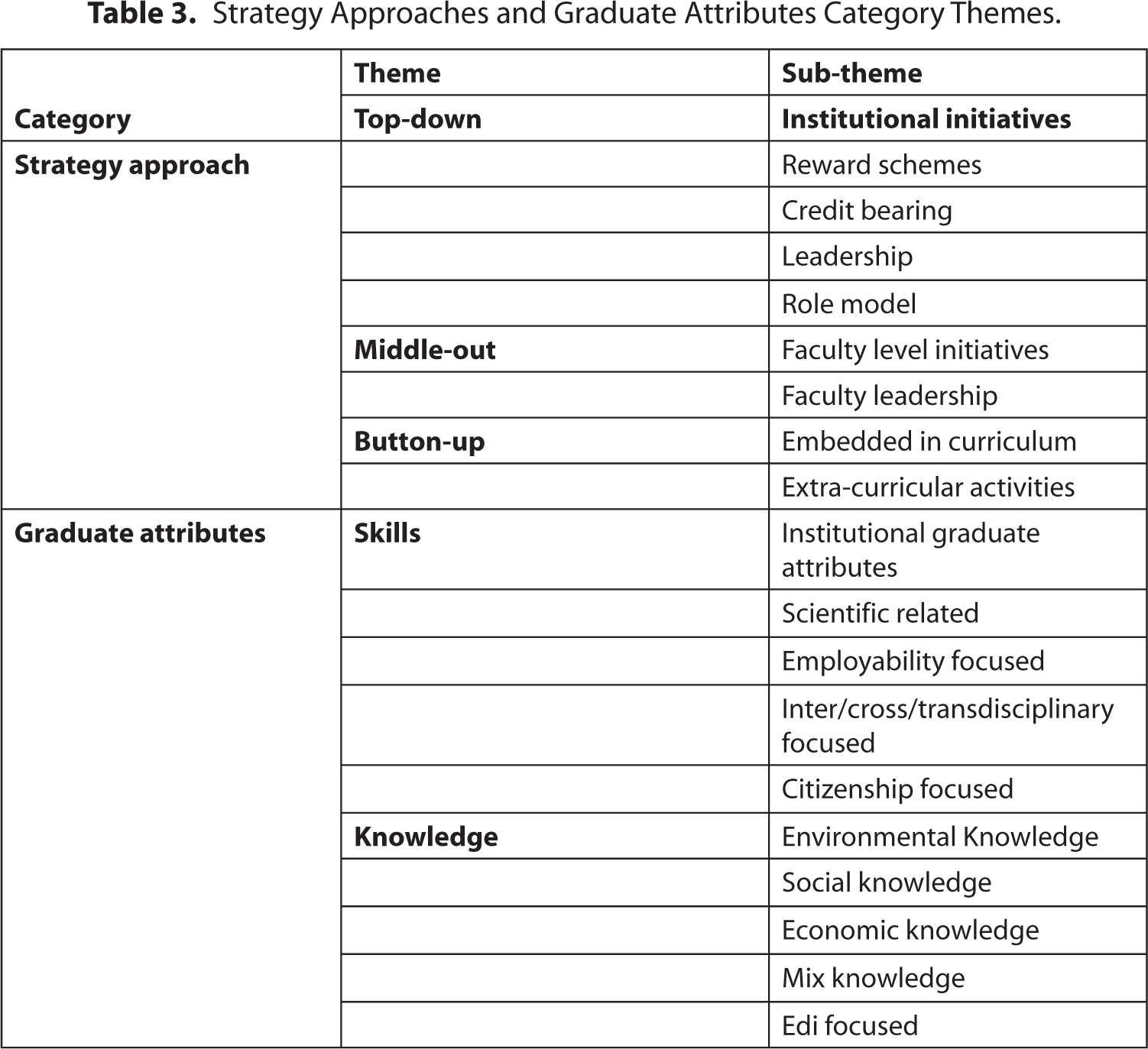
The data collected from the FGI, aimed to explore staff perceptions about the key relevant topics from their disciplines/roles concerning sustainability and climate action that they believe the entire university community should be aware of and how to motivate staff and students to take up actions, positive change in lifestyle, attitudes and behaviours to support NZC targets, at institutional, national and global levels. The themes and sub-themes of each category (Strategy Approach, Graduate Attributes, and Facilitating Engagement) are as follows in Tables 3 and 4.
Strategy Approaches and Graduate Attributes Category Themes.
Facilitating Engagement Category Themes.
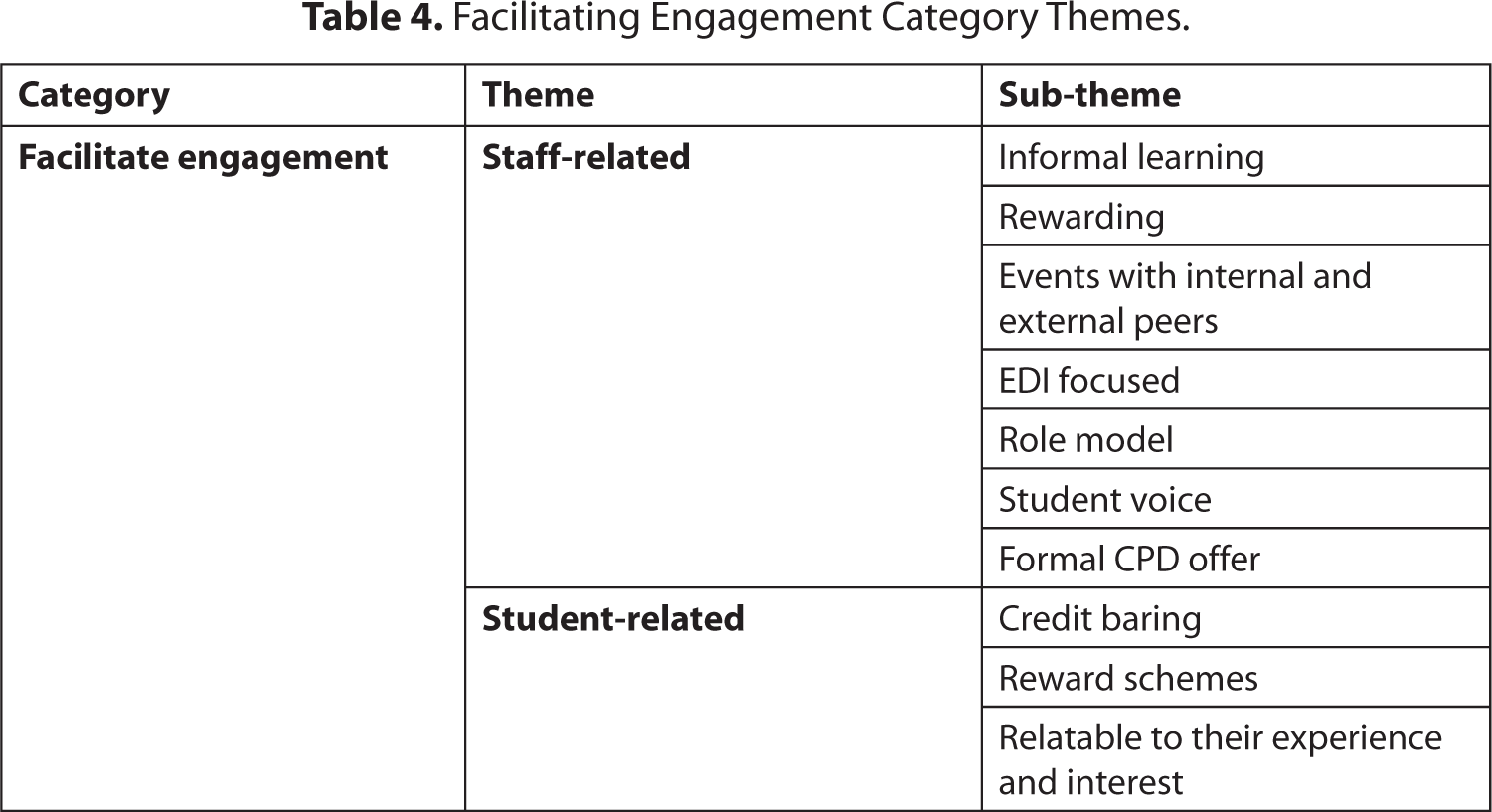
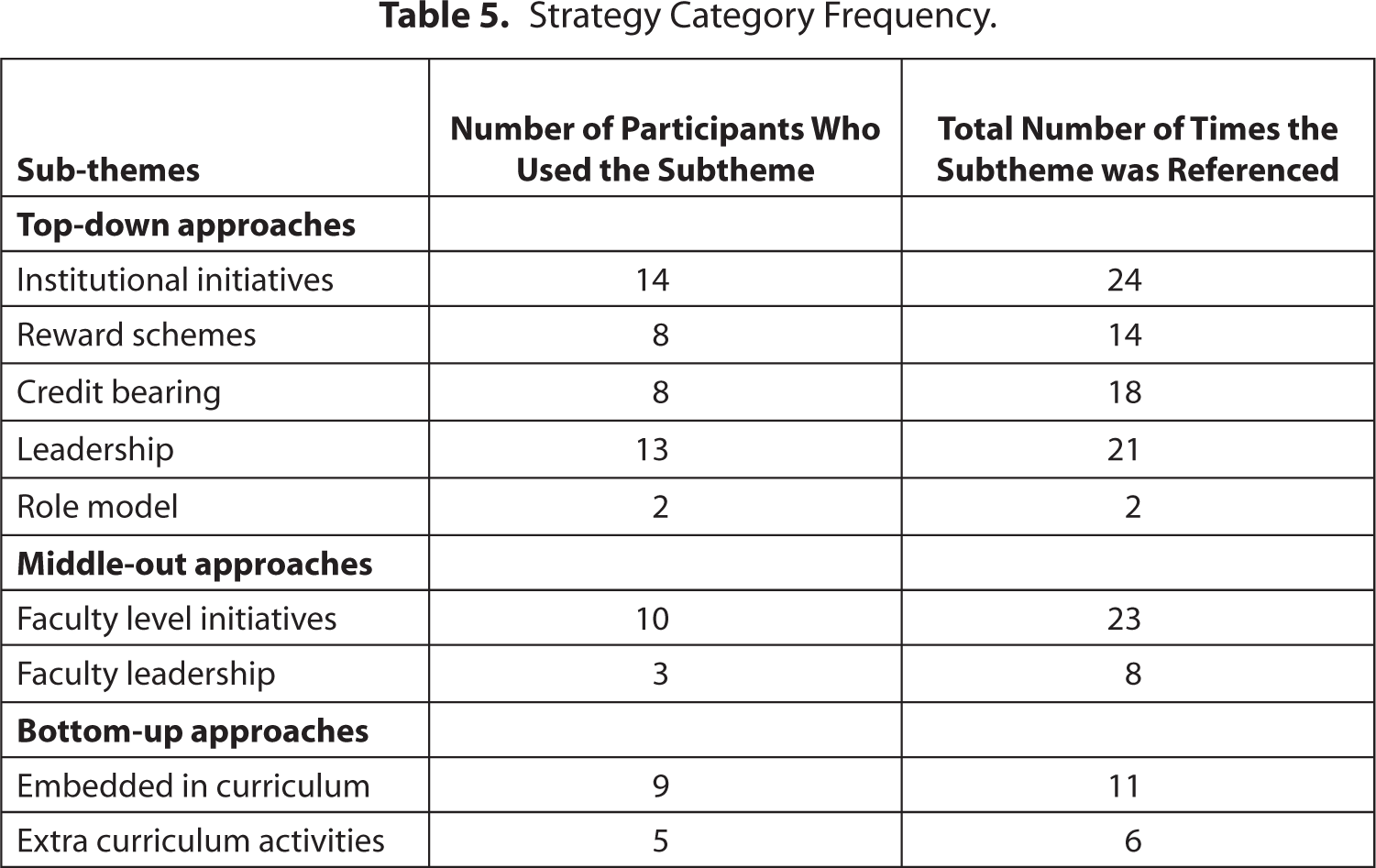
Table 5 details the frequency with which each strategy sub-theme was referenced by participants, highlighting the emphasis on institutional initiatives and leadership.
The subtheme of ‘Institutional initiatives’ was referred to by 14 participants, while the subtheme ‘Leadership’ was referred to by 13 participants, making them the first and second highest subthemes to be discussed by participants. Some other subthemes used by more than 10 participants were ‘faculty-level initiatives’, ‘a mix of knowledge’ and ‘citizenship focus’.
Strategy Category Frequency.
When discussing top-down approaches, the most referenced subtheme was ‘institutional initiatives’. Institutional initiatives were also the most referenced subtheme by participants among all the subthemes developed for this research. An example of a quote by participant FG007 falling under this subtheme is:
One thought may be that we (university) could have weekly themes so people could (…) be able to say this week in university students and staff have saved X amount of water(..)
The second most referenced subtheme in top-down approaches was ‘leadership’, as seen above, and an example quote by participant FG005 is:
I went to find what our university strategy was and to see if there was a framework.
The least referenced subtheme in top-down approaches was the ‘role model’, with an example quote by participant FG0012 is:
And then we try to bridge this type of gap that we totally agree with the zero carbon and all those sustainability goals, and we totally work hard with students by working as role models.
For middle-out approaches, the highest reference subtheme was ‘faculty-level initiatives’. This subtheme was also the second-highest-referenced subtheme. An example of a quote by participant FG002 falling under this subtheme is:
There’s only so much that can happen centrally from a university. It’s down to departments and teams to implement things.
The number of references to subthemes categorized under bottom-up approaches was comparatively less than top-down and middle-out approaches. One of the two subthemes in this category, that is, extracurricular activities, only received six references. An example of a quote by participant FG006 falling under this subtheme is:
We’ve got a lot of environmental groups. So, making sure that students are aware of the opportunities available in that kind of social context so that they can have a bit more ownership of sustainability on campus.
These findings demonstrate the importance of top-down approaches to participants, both from the institutional and faculty leadership, suggesting a high level of responsibility by the decision-makers leading HEIs and less on the students’ and staff voices or perspectives.
In terms of skills focused, Figure 1 summarizes the frequencies obtained.
Graduate Attributes—Skills Focused Frequency.
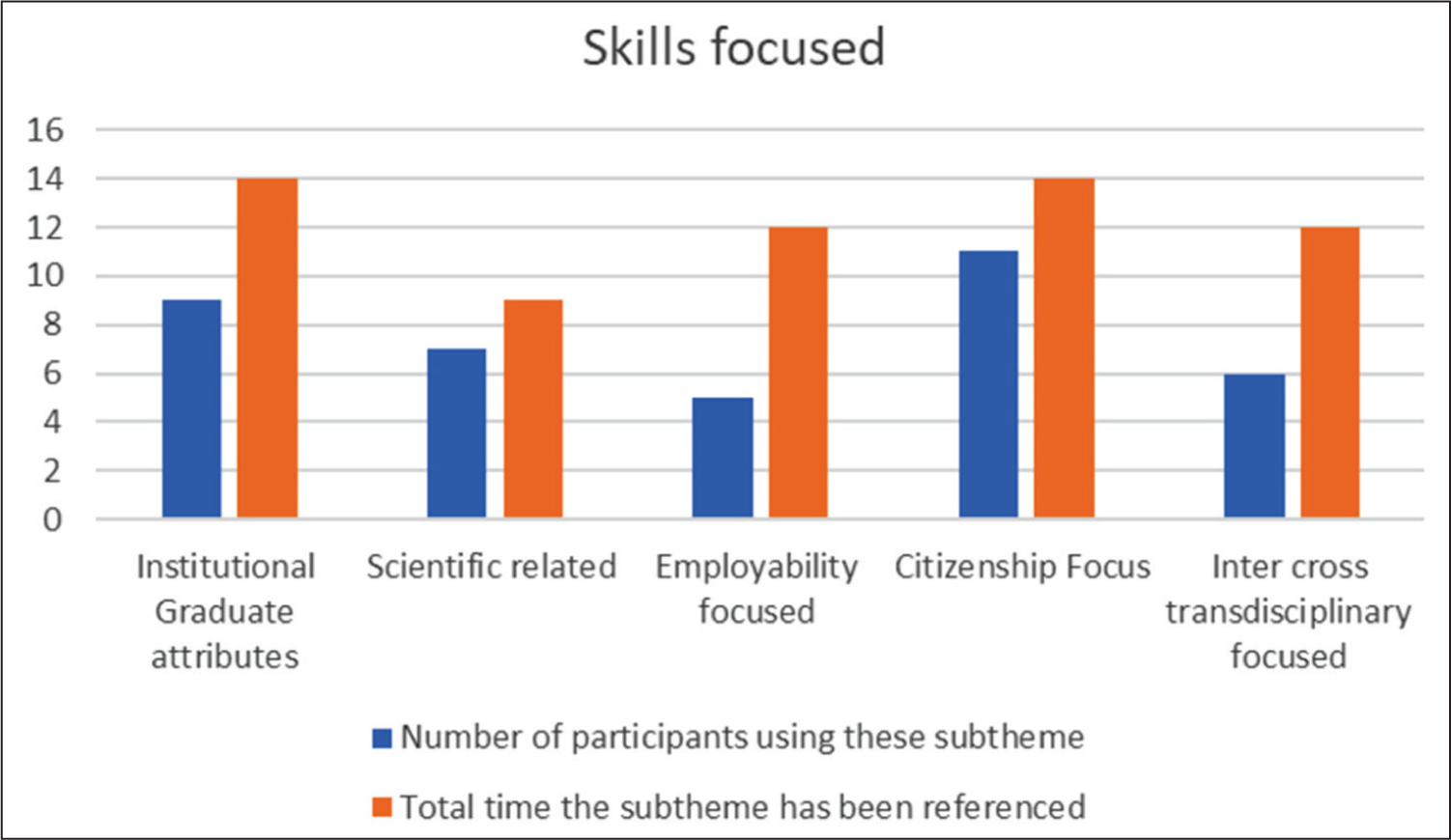
Institutional Graduate Attributes and Citizenship Focus were the highest referenced subthemes amongst those categorised under the skills-focused theme, with 14 references each. An example of a quote by participant FG003 falling under the Graduate Attributes subtheme is:
I think often we have to remember that sustainability isn’t what we tell people it is but what values people have in themselves that you kind of want to explore.
An example of a quote by participant FG0011 quote falling under the Citizenship Focus subtheme is:
it’s about things that you can do every day in your work environment, but also some of the activities that you can do from home.
These findings demonstrate the importance given by participants to the role of HE to equip graduates with attributes such as having a questioning mindset, adaptability, empathy, collaboration, resilience, self-awareness, and citizenship skills to tackle the societal challenges that climate change and sustainability-related issues require, rather than only science-related knowledge about sustainability.
In terms of knowledge-based, Figure 2 shows the results obtained. Figure 2 illustrates the frequency with which different types of knowledge—environmental, social, economic, and mixed—were referenced by participants, emphasizing the prominence of mixed knowledge as central to effective sustainability education.
Graduate Attributes—Knowledge-based Frequency.
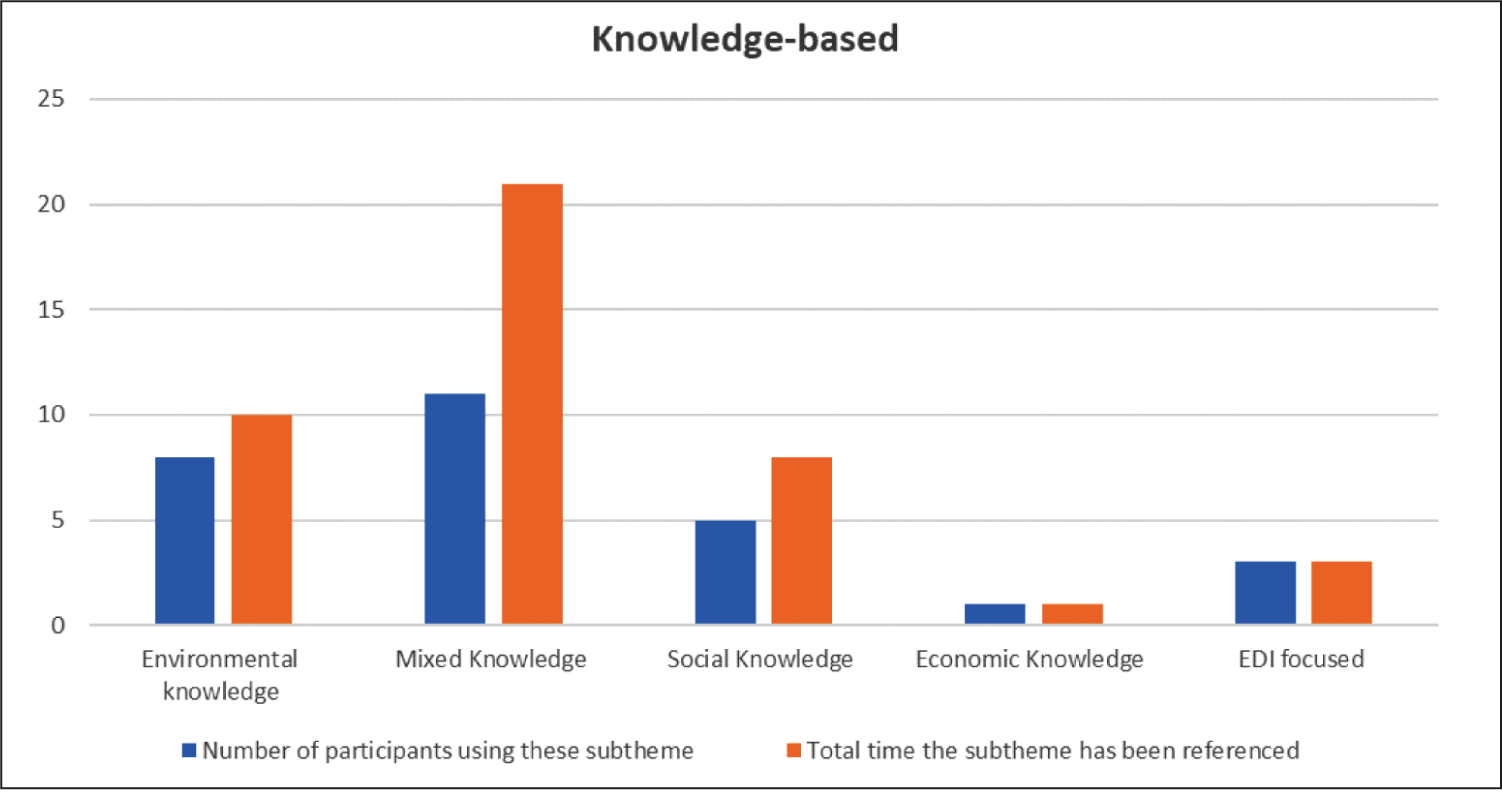
The ‘Mixed knowledge’ was the highest-referenced subtheme. In contrast, Economic knowledge and Equality, Diversity and Inclusivity (EDI) focused were the least referenced subthemes. An example of a quote by participant FG009 falling under the ‘Mixed knowledge’ subtheme is:
About the Sustainable Development Goals is important because otherwise people think sustainability is just about the environment (…) and it’s so much, the goals are so much wider than that. They’re really applicable to everybody.
Lastly, the only quote by participant FG004 subtheme, as Economic knowledge, was:
How do we have a more equitable and just society that, you know, raises everybody up?
An interesting point raised by one of the participants was that staff and students may have varying ethical and moral standpoints on sustainability, and therefore, incorporating faith and diverse cultural perspectives into sustainability education might be a helpful approach. The above analysis indicates the importance of mixed knowledge in contrast with the traditional scientific knowledge approach to sustainability, commonly reported in the literature.
The frequency, by participant numbers, of the themes and subthemes that emerged when exploring how we can best facilitate engaging and interactive training to ensure effective staff and student engagement and uptake is as follows, split into staff-related and student-related. Figure 3 displays the frequency of staff-related engagement strategies, with peer events and informal learning being most frequently cited. Figure 4 presents the student-related engagement strategies, indicating a preference for relatable and credit-bearing activities.
Facilitate Engagement Category Frequency—Staff-related.
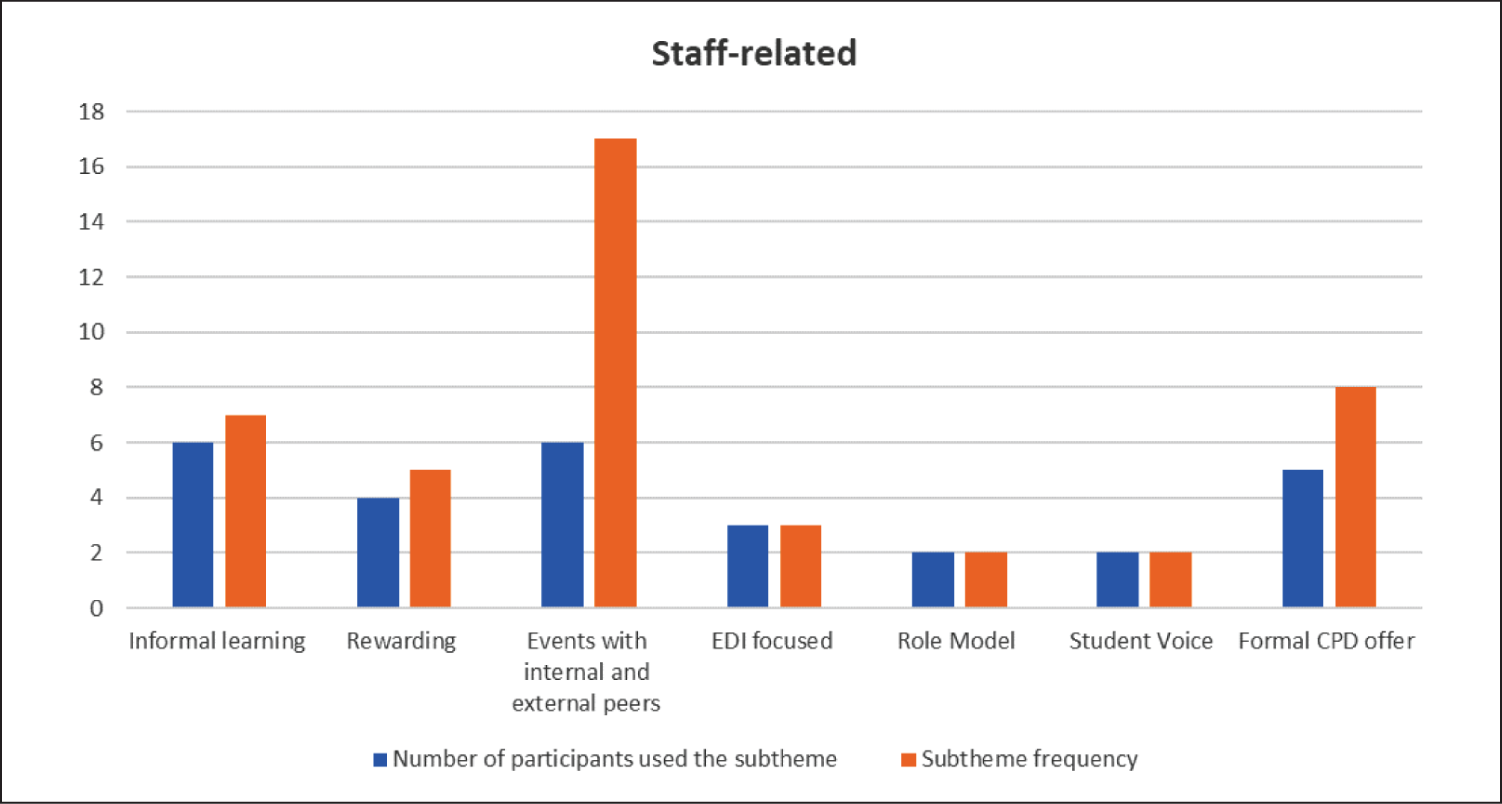
To ensure engagement of members of staff, participants referred the most to the subtheme. Events with internal and external peers and an example of a quote by participant FG005 in this subtheme is as follows:
So it does need to be something that they choose to engage in and if they’re forced to engage in it, then it needs to be something they enjoy because they are having good conversations and discussions.
The least referenced were the Role Model and Student Voice subthemes. A quote example for the subtheme Student Voice by participant FG002 is:
(…) that is interesting conversation to be had with our students because they can teach us and they can suggest things to us as well as we are telling them something. Maybe they can reciprocate and who knows we can learn much more.
The findings show the importance of collaboration and openness beyond the university walls to ensure that academics and professional services staff feel confident and motivated to engage with learning for climate action and sustainability. In addition, it supports the Strategy category findings, where participants tend not to recognize or value the students’ role in the process.
In terms of student-related, Figure 4 shows the results:
Facilitate Engagement Category Frequency—Student-related.
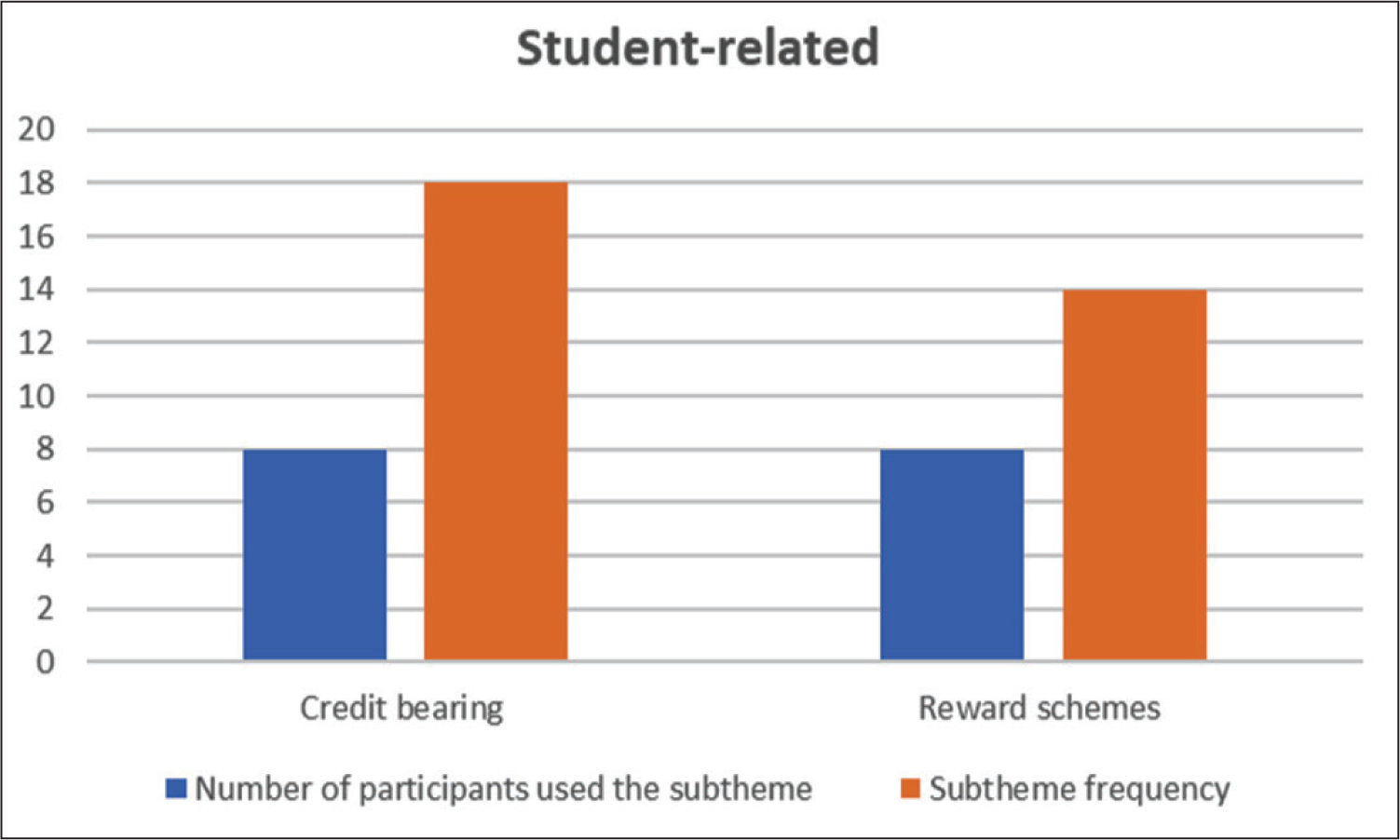
These results are aligned with the findings concerning the Strategy category, which highlighted the top-down approaches.
Questionnaire
The online staff survey was administered to university academic and professional services staff between May and October 2023, where 46 responses were received. In terms of demographics, the responses can be summarized as such:
52% of responses were from the Faculty of Business and Social Sciences (FBSS), whereas 15% were from the Faculty of Health, Science, Social Care and Education, 13% from Academic Service departments and 9% from the School of Art. 67% of the respondents identified as female, 28% as male, 2% as non-binary, and 2% prefer not to say. 28% of respondents worked between 1 and 5 years in Higher Education, while approximately 20% worked for 6–10 years and 20% worked for more than 20 years.
Another section of the questionnaire focused on how people are informed, prepared and ready to act on climate change adaptation. Most respondents (93%) agreed and strongly agreed that climate change can endanger their lives. In contrast, all respondents agreed and strongly agreed that climate change could threaten the lives of other species.
Almost 94% of the respondents agreed and strongly agreed that climate change could affect their lifestyle if they do not prepare. However, 85% disagreed and strongly disagreed that they have the necessary information to help them prepare for climate change adaptation. This is stark evidence that a lot could be done to inform people about ways they can prepare and adapt to the impact of climate change.
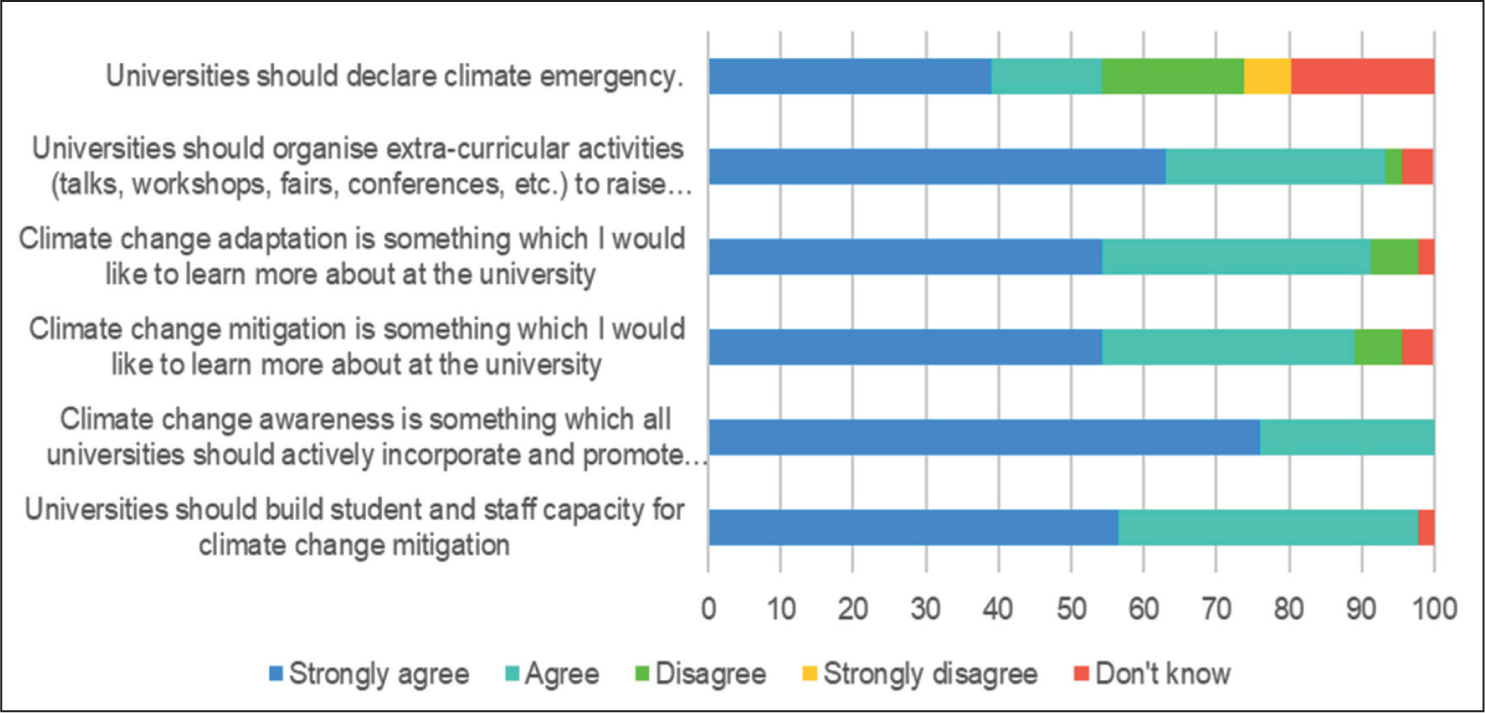
Concerning what respondents thought about the role of universities in building student and staff capacity for climate change, almost all respondents (98%) agreed/strongly agreed, whilst all respondents agreed/strongly agreed that climate change awareness is something which all universities should actively incorporate and promote across campuses. Almost 90% of respondents agreed/strongly agreed that they would like to learn more about climate change mitigation and adaptation at university. Most respondents agreed/strongly agreed with extra-curricular activities (talks, workshops, fairs, conferences, etc.) to raise awareness of climate change. However, less than half the respondents (45%) agreed/strongly agreed that universities should declare a climate emergency. One respondent had a very strong opinion on this:
The university should be way ahead, it is educating the business leaders of the future and those for whom climate change will have the biggest effect on. There should be networks and groups for staff and students who can help make the university more sustainable. The university should make a serious commitment to reducing cars, single-use plastics, energy consumption, etc.
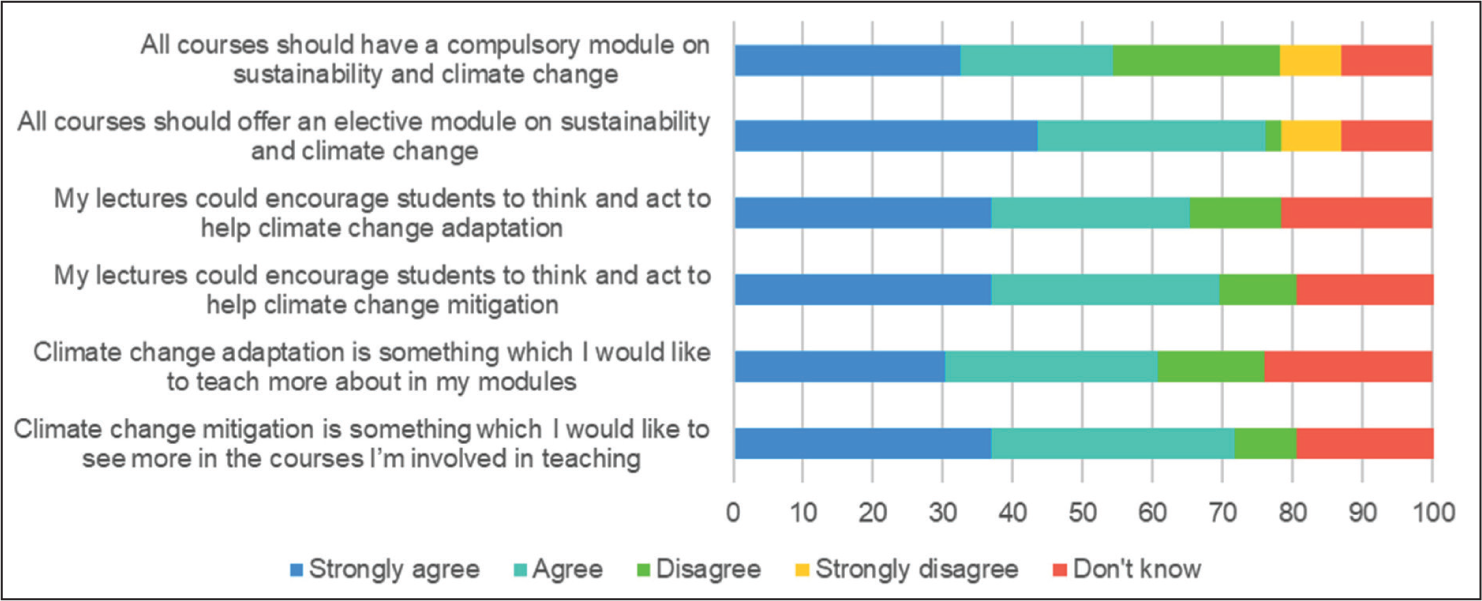
One of the questionnaire’s aims was to gauge how academic staff perceive and reflect on their teaching of climate change and the university’s overall approach. Interestingly, 72% agreed and strongly agreed that climate change mitigation is something which they would like to see more in the courses they are involved in teaching, while 61% agreed and strongly agreed that climate change adaptation is something which they would like to teach more about in their modules.
In terms of the university’s role of educating and teaching, 70% of respondents agreed and strongly agreed that academics could encourage students to think and act to help climate change mitigation, while 65% agreed and strongly agreed that their lectures could encourage students to think and act to support climate change adaptation. However, some comments have been raised on the suitability of all disciplines:
My answers reflect that there is little room in nursing or MH nursing for assessment and sustainability issues related to climate issues.
Figure 5 captures staff perceptions of the university’s role in climate change education and capacity building.
Staff Opinions Concerning the Role of University.
Concerning whether all courses should offer an elective module on sustainability and climate change, 76% agreed and strongly agreed. In comparison, 10% disagreed and strongly disagreed. Notably, 54% agreed and strongly agreed that all courses should have a compulsory sustainability and climate change module, whereas 42% disagreed and strongly disagreed. Figure 6 reflects staff attitudes toward integrating sustainability and climate change topics into the curriculum.
Staff Opinions Concerning Education for Sustainability and Climate Change.
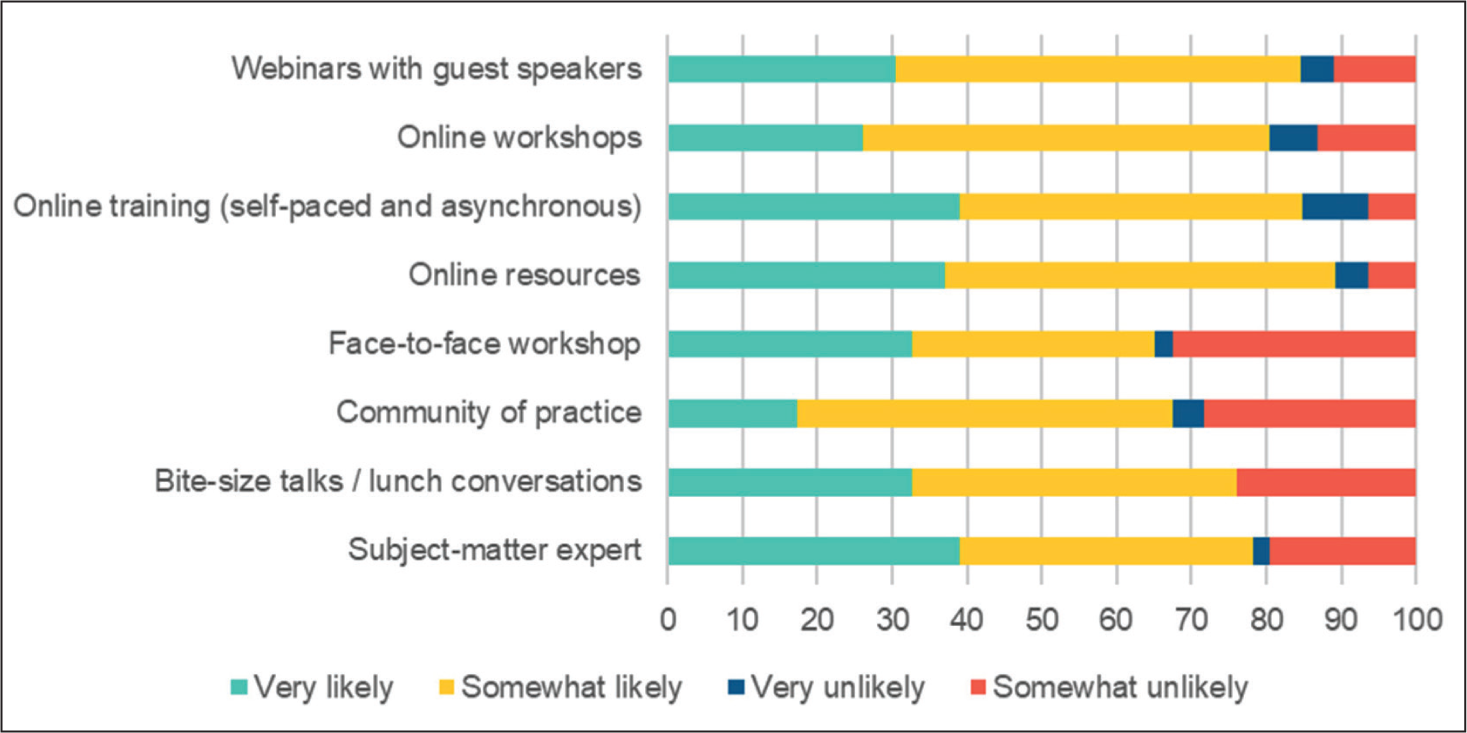
When asked whether staff learned about sustainability and climate change topics during their undergraduate courses, only 28% agreed, 52% disagreed, and 20% were unsure. When asked about ways that can help them expand their knowledge related to sustainability, from Figure 7, it is worth noting that online resources scored top preference, followed by webinars with guest speakers.
Staff Preferences to Ways of Expanding Knowledge Related to Sustainability.
However, 78% of respondents thought the lack of time may be the major barrier discouraging them from attending sustainability/climate literacy training, while 35% thought the length of the training may be a barrier, and 26% thought being unsure of its usefulness may stop them from attending. When asked about which climate change/sustainability-related fields they would be interested in gaining more knowledge on, the following topics were mentioned: Ecology, clean water and water preservation, renewable energy, reuse of materials, circular economy and regeneration models, reducing carbon footprint, goals and strategy to get to NZC targets and up to date knowledge on progress, more understanding of the groups involved in sustainability, political action groups, the impact of capitalism on the environment, start-up opportunities in the field, mycology and lichens, sustainable living, travelling and life choices, behaviour change, sustainability within healthcare, and the impact of climate change on vulnerable people and those with ill health. Many topics suggested directly relate to respondents’ disciplines and/or personal interests.
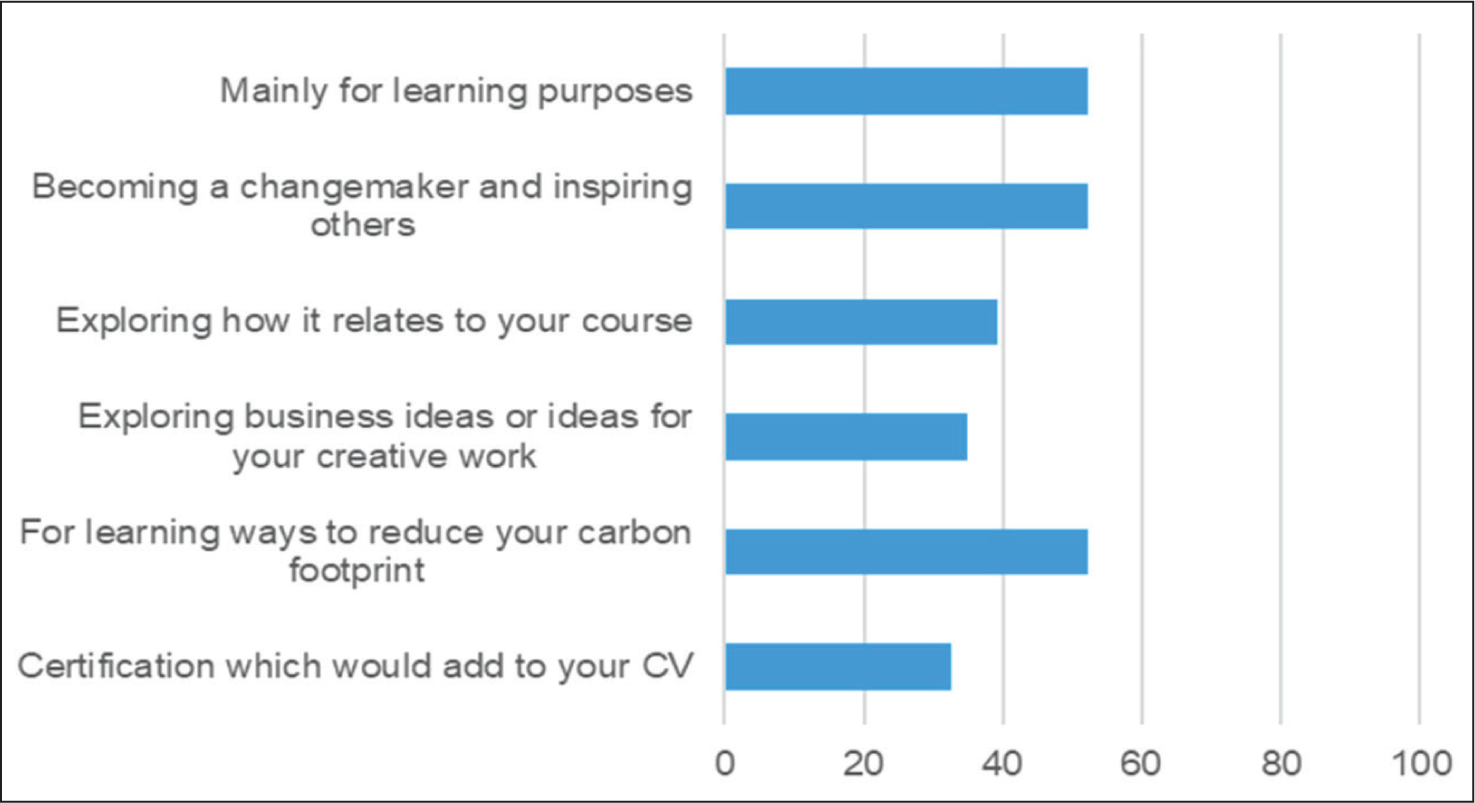
As for the question related to incentives that may encourage staff to take up training on sustainability and climate literacy, about half the respondents thought they would be motivated if they learned ways to reduce their carbon footprint by enabling them to become change-makers and inspire others, as well as for learning purposes. Around one-third would be motivated to explore how training would relate to the courses they teach, and if there may be a certification that would contribute to their CV. As illustrated in Figure 8, staff are most motivated by personal impact and the potential to inspire others when considering sustainability training.
Incentives May Encourage Staff to Take Up a Training Course Related to Sustainability and Climate Change.
A few interesting responses to the question related to what staff thought the university could do to build capacity for climate change mitigation and adaptation emerged. One response recommended that the university become a role model in the community for sustainability and NZC, while another recommended that the university make its sustainability and NZC plan more explicit. One respondent suggested the university ought to invest in renewable energy technologies. They also suggested students should grow their own vegetables in student halls for long-term sustainable outcomes. One respondent suggested that all teaching be hybrid so students can participate in person and online to reduce travel. Other suggestions included departmental activities to encourage this outcome, having induction programmes on sustainability for all new staff, including hourly paid lecturers, and a suggestion for senior management to put sustainability at the forefront of their agenda. One respondent suggested having sustainability groups and activists support what sustainability teams at universities are doing.
Finally, Spearman’s rank correlation was calculated to assess the relationship between gender, ethnicity, faculty or years working in higher education and participants’ perceptions on the role of universities in climate change adaptation and mitigation, and ways of engaging with training in the areas of climate literacy and sustainability. However, no statistically significant correlation was found.
Conclusions
The study aimed to gauge staff knowledge, awareness and perceptions toward EfS and climate literacy at one of the post-92 HEIs in the UK, as part of the university’s ambition and plan to achieve NZC targets. The research adopted a convergent parallel mixed methods design within a participatory approach in response to 3 key research questions: How do staff perceive the role of the university in building capacity for sustainability and climate action? What are the views and needs of staff regarding embedding sustainability in the curriculum and teaching practices? How can the university effectively support staff in developing sustainability and climate literacy? The ultimate aim is to enable the researchers to develop a comprehensive sustainability and climate literacy education and training strategy for staff and students. FGIs and a survey questionnaire were identified as the most appropriate tools to facilitate participatory research methods and enable meaningful data collection and analysis. FGI were facilitated to draw out key strands and themes that were followed through in the questionnaire.
When examining the data from FGI and the online questionnaire, some notable aspects regarding the research questions emerge. Concerning the research question of ‘How do staff perceive the role of the university in building capacity for sustainability and climate action?’, most respondents agreed that a higher level of responsibility and top-down initiatives are required within HEIs to build capacity for EfS. The results also suggest that institutional leadership must prioritise the sustainability agenda and responsibilities towards climate action. However, the questionnaire respondents were more adamant in recognising their individual responsibility, with the majority willing to accept cuts in their standard of living if it helped protect the environment, as well as considering paying higher prices and higher taxes for goods and services if it helped protect the environment. The FGI results suggest that some participants do not feel that either they or the students can play a pivotal role in demanding and supporting change if not supported by university leadership. This underlies the need to ensure that support is in place for staff members and student groups to engage with and contribute to the climate action agenda in a concerted manner. These findings reflect Moyer and Sinclair’s (2020) findings on action outcomes, focused on both individual action and collective action and how they may be perceived as bipolar if not coordinated.
Concerning the research question of ‘What are the views and needs of staff regarding embedding sustainability in the curriculum and teaching practices?’, the FGI data suggest focusing on citizenship skills and institutional graduate attributes (e.g., having a questioning mindset, adaptability, empathy, collaboration, resilience, self-awareness, etc.), scientifically focused, employability focused and inter/cross/multidisciplinary focused. Citizenship skills and institutional graduate attributes are the most significant, which are, to some extent, aligned with the EfS principles stated earlier in this article. Regarding staff views on knowledge required, mixed knowledge is followed by environmental and social knowledge, while economic and EDI-focused knowledge comes last. These participants perceived mixed knowledge central to what students need to learn while in higher education, indicating the importance of more flexible approaches to learning and teaching. Although the inter, cross, and multidisciplinary aspects of learning were not predominant in their answers, which enabled less siloed approaches, these participants understood the complexity involved in climate change and sustainability responses. Still, they need more time to expand beyond their discipline or deal with the institutional challenges of doing such work. Moreover, the economic knowledge and EDI-focused results might relate to the persistent siloed approach to learning and the prevalence of sustainability and climate change, often expressed from the environmental perspective and less about the social and economic aspects. Thus, breaking the siloed approach would significantly contribute to an effective way to foster the advancement of EfS and ESD key competencies discussed in the literature (AdvanceHE, 2022; Loste et al., 2020)
Finally, concerning the research question ‘How can the university effectively support staff in developing sustainability and climate literacy?’, the results indicate the need for access to learning opportunities. From the FGI, events with internal and external peers, formal Continuous Professional Development (CPD) offers, and informal learning opportunities are the most relevant ways to do so, which also align with the questionnaire’s responses: Access to experts in the subject matter, bite-size talks/ lunch get together /conversations, creating a community of practice, and face-to-face workshops may help. The findings imply that HEIs must consider their role in sponsoring and supporting the climate action agenda and fostering a sense of agency concerning climate action and Efs; offering various opportunities for staff to engage in meaningful training and providing ample time for academics to participate in CPD events and informal learning and training opportunities.
These CPD workshops help staff deepen their understanding of sustainability (social, environmental, economic) in relation to their subject. They can also support staff in confidently mapping the SDGs within the curriculum, integrating subject content with climate change challenges, and connecting these topics with other agendas such as inclusion and employability. This approach ensures that sustainability is seen as integral, not an add-on.
Furthermore, it is essential that CPDs on curriculum design support staff in redesigning their programmes to meet the expectations of students and industry, particularly regarding the green skills necessary for a just transition to net-zero carbon.
Given that staff may feel overwhelmed concerning workload, it is crucial to provide resources online and asynchronously (e.g., toolkits with case studies), allowing engagement at their own pace. Institutions should also create safe spaces for staff to share best practices, either through mentoring schemes, communities of practice or institutional seminars and conferences. Furthermore, the absence of statistical correlations between ethnicity, years working in HE and discipline and how universities can engage students and staff in educational training and development in this area may reflect high levels of awareness of the need to have these initiatives across the sector and society in place. However, research suggests a higher level of awareness and concern among People of Colour who may have less access to resources and are most affected by climate change impacts (e.g., Chen et al., 2017; Dietz & Whitley, 2018).
However, our results show that gender plays a role in the attitudes towards the role of universities in climate change adaptation and mitigation. The results found that women tend to be more positive about the university being more proactive in leading climate change activities, building staff and students’ capacity for climate change mitigation, incorporating across the campus extra-curricular activities (talks, workshops, fairs, conferences, etc.) to raise climate change awareness, and to declare Climate Emergency. These results support the notion that women tend to be more aware of the risks of environmental issues and more concerned about climate change (e.g., Briscoe et al., 2019).
Finally, regarding academic courses, the study findings suggest that course curriculum design should enable a holistic approach to climate action and EFS, where mixed knowledge is central to addressing the social, economic and environmental complexity of climate change and sustainability. By supporting graduates in developing the critical skills necessary to mitigate climate change as part of their course curriculum, HEIs empower students to act as change-makers in their individual lives and communities and influence the industry and economy to transition to low-carbon emissions. The results highlight that facilitating education and training for climate action as extra-curricular activities should be a normal practice, which aligns with Vogel et al. (2023) findings in their systematic analysis. While embedding sustainability and climate literacy in the curriculum was referred to by 9 of the 13 interviewees, more than 60% of the questionnaire participants agree that climate change mitigation and adaptation is something which they would like to teach more about in their modules and that their lectures could encourage students to think and act to support climate change mitigation and adaptation. Extra-curricular activities were advocated by five FGIs.
Limitations of the Study
Although the study does not aim to generalise the findings, the research team recognizes that the number of participants on the FGI was relatively low, and not all disciplinary areas were represented. The same is true for the low number of questionnaire responses, with participation from all faculties and directorates. Levels of participation could be related to the timing of the study, means of disseminating the questionnaire and potential survey fatigue.
Concerning the FGI, there was an imbalanced number of members of staff from different faculties and professional services, which shaped and informed a possible tone on the science/environment aspect of sustainability. Moreover, as with any thematic analysis, there is a level of bias in the coding process that the researchers tried to minimise by taking a staged and multi-coder approach. In addition, it was clear that participants did not have a common definition of sustainability, that is, each had their own, which will have been informed by their discipline, their disciplinary epistemology, their personal beliefs and values. In addition, in some cases, more dominant voices may have influenced others, which may have steered the discussions into specific directions.
Footnotes
Acknowledgements
The research was supported by the British Council Going Global Partnerships funding for the project titled: Towards Net Zero Carbon University Campuses for Climate Change Mitigation and Resilience (Ref: 29). The authors would like to thank members of staff who have been generous with their time and participated in the FGI and/or responded to the questionnaire.
Declaration of Conflicting Interests
The authors declared no potential conflicts of interest with respect to the research, authorship and/or publication of this article.
Funding
The authors received no financial support for the research, authorship and/or publication of this article.