




Abstract
Pediatric autoimmune neuropsychiatric disorders associated with streptococcal infections (PANDAS) are a clinical syndrome characterized by the abrupt onset of major personality, movement, and behavioral changes in a patient with a history of streptococcal infection. We aimed to do a bibliometric analysis of the published research on PANDAS. All the published articles available on the PubMed database from the time of inception till August 2022 were included in the study. All the PubMed IDs (PMID) of the articles were entered in Harvard Catalyst, a free online software, for bibliometric analysis, and data were extracted and verified. A total of 289 relevant published articles were identified. The average number of authors per article was 4.89 and the average number of times an article was cited was 11.19 (excluding self-citation). The H-index of the published articles was 31. The Journal of Child and Adolescent Psychopharmacology published the maximum number of articles (n = 36). The highest number of average citations (39.50 citations/articles) was for the articles published in the American Journal of Psychiatry. The most common type of articles were journal articles (n = 259) and of which 27 were original research articles. Most of the original research discusses the effectiveness of various interventions (penicillin and other antibiotic prophylaxis, role of immunoglobulin), neuropsychiatric symptoms, and outcomes in the longitudinal course. Though PANDAS is a well-researched entity, more clinical trials, and large-scale studies will help provide better insight on this subject.
Keywords
Introduction
Pediatric autoimmune neuropsychiatric disorders associated with streptococcal infections (PANDAS) are a clinical syndrome characterized by the abrupt onset of major personality, movement, and behavioral changes in a patient with a history of streptococcal infection.1,2 In 1998, Swedo et al. first described PANDAS in a study done on a group of children with β-hemolytic streptococcal infection who developed sudden onset obsessive-compulsive features, tics, and behavioral changes. 2 Recurrent Group A β-hemolytic streptococcal infection, history of rheumatic fever, or any other familial autoimmune disorder in the family might play an important role in determining the rapid onset of neuropsychiatric disturbances. PANDAS are regarded as an autoimmune disease since streptococcal infection exhibits post-infectious autoimmunity by molecular mimicry. β-hemolytic streptococci infection results in the production of IgG-type autoantibodies that cross-react with host proteins. 3 Such autoantibodies cross the blood-brain barrier and bind to the host antigens, that is, neuronal proteins of the basal ganglia (in the case of PANDAS) due to structural similarity with streptococcal antigens. This is the basis of the neuropsychiatric symptoms.4,5 Genetic susceptibility, gut microbiome, altered chemical neurotransmitters, and so on have been proposed in the pathogenesis of PANDAS, but an autoimmune basis is the most acceptable one because of the response of the condition to immunomodulatory drugs.
Symptoms usually start four to six weeks following a streptococcal infection. They are of both psychological and physical nature such as obsessive-compulsive disorder (OCD), frequent mood changes, panic attacks, irritability, tics, uncommon movement, worsening of motor abilities, hyperactivity, and sleep disturbances. 6 The symptoms reach a debilitating severity within a short duration of 2-3 days. 6 Chorea is typically absent in PANDAS. The syndrome is associated with a history of Streptococcal oropharyngeal infection, positive throat swab culture, and an increase in the antistreptococcal (ASO) antibody levels (non-specific finding). PANDAS has not been seen in association with streptococcal infections at other sites, for example, skin.
PANDAS syndrome is a clinical diagnosis; a thorough history and physical evaluation are needed for the correct diagnosis. A diagnostic criterion has been proposed which includes: (1) the presence of OCD or a tic disorder or both, (2) pediatric onset, (3) episodic course of symptom severity with abrupt onset or dramatic symptom exacerbations, (4) temporal association with Group A β-hemolytic streptococcal infection, and (5) association with neurological abnormalities during symptom exacerbations.2,7 Children presenting with OCDs should also be tested for a pharyngeal swab and anti-streptococcal antibodies as they are an indicator of exposure to streptococcal infection.6,8,9
Differential diagnoses to be kept in mind are OCD, Sydenham’s chorea, Tourette’s syndrome, and autoimmune encephalitis.4,10
Treatment mainly comprises cognitive behavioral therapy to alleviate OCD and other psychiatric symptoms. The antibiotic also improves psychiatric symptoms. 11 PANS Research Consortium guidelines, 2017, recommend immunomodulating therapies such as corticosteroids, intravenous immunoglobin, plasmapheresis, mycophenolate, or rituximab. 12
Recovery is complete in children but few may show persistent neuropsychiatric symptoms or worsening symptoms after subsequent infection. PANDAS left undiagnosed or untreated may increase the possibility of tics and OCD symptoms in adulthood. Moreover, coexisting tics further cause a decline in scholastic performance, impaired motor skills, disturbed sleep, and below-par quality of life. 13
PANDAS has been recognized as a syndrome of significant morbidity among children and studies over the last two decades have successfully revealed the various clinic-social aspects of this syndrome and a better understanding of patient management.
Published literature should be analyzed to point out the gaps and consolidate areas of research in this regard. Bibliometric analysis of PANDAS can provide insight into the volume and quality of research undertaken on the issue. It will also provide information on the important players and trends in the area.
Bibliometric analysis has not been done till now on the research published related to this topic. We aim to conduct a bibliometric analysis of all published research on PANDAS in the PubMed database to the date (21st August 2022), providing an understanding of the research trend on PANDAS worldwide.
Material and Methods
This study has done a bibliometric analysis of all articles available in the PubMed database, till 21st August 2022, using the Harvard Catalyst Field software. 14 We did a thorough search of the PubMed database by using the search terms: PANDAS [tiab] OR “pediatric autoimmune neuropsychiatric disorders associated with streptococcal infections” [tiab]. A total of 937 articles were found and screening of the articles was done by one investigator and a total of 289 relevant publications were identified. Articles that did not discuss “PANDAS” and discussed the animal panda or red panda, were excluded. The unique PubMed ID (PMID) of all the articles were extracted and the analysis was conducted by an investigator using the Harvard Catalyst software. In this study, the term “Journal articles” refers to all forms of articles published in scientific journals. There were 259 journal articles and 30 non-journal articles (news, reports, consensus reports and guidelines, other research reports, etc). Ethical permission was not taken as the data was available freely in the public domain and the software is freely available online for use.
Results
We detected 289 relevant publications in the PubMed database which discuss PANDAS. The earliest publication was in 1996. The average number of authors per publication was 4.89. The average number of citations per article (including self-citations) was 12.63. The average number of citations excluding self-citations was 11.19. The H-index (Hirsch – index) of the publications (using total citations with the inclusion of self-citations) was 31; whereas the M-index (H-index divided by the number of years from the time of first publication) was 1.938.
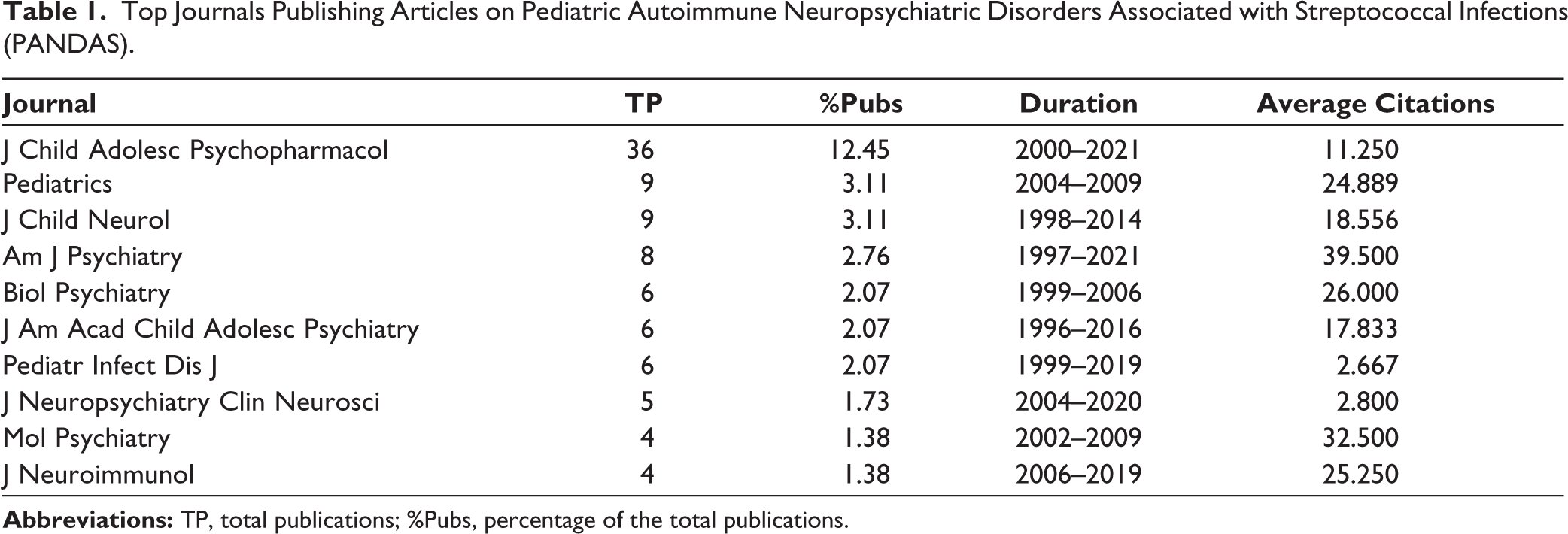
Most publications on PANDAS were published in the Journal of Child and Adolescent Psychopharmacology (n = 36), which is 12.457% of all publications on PANDAS. Articles published in the American Journal of Psychiatry have the highest average number of citations per article (39.50 citations/article) (Table 1).
Top Journals Publishing Articles on Pediatric Autoimmune Neuropsychiatric Disorders Associated with Streptococcal Infections (PANDAS).
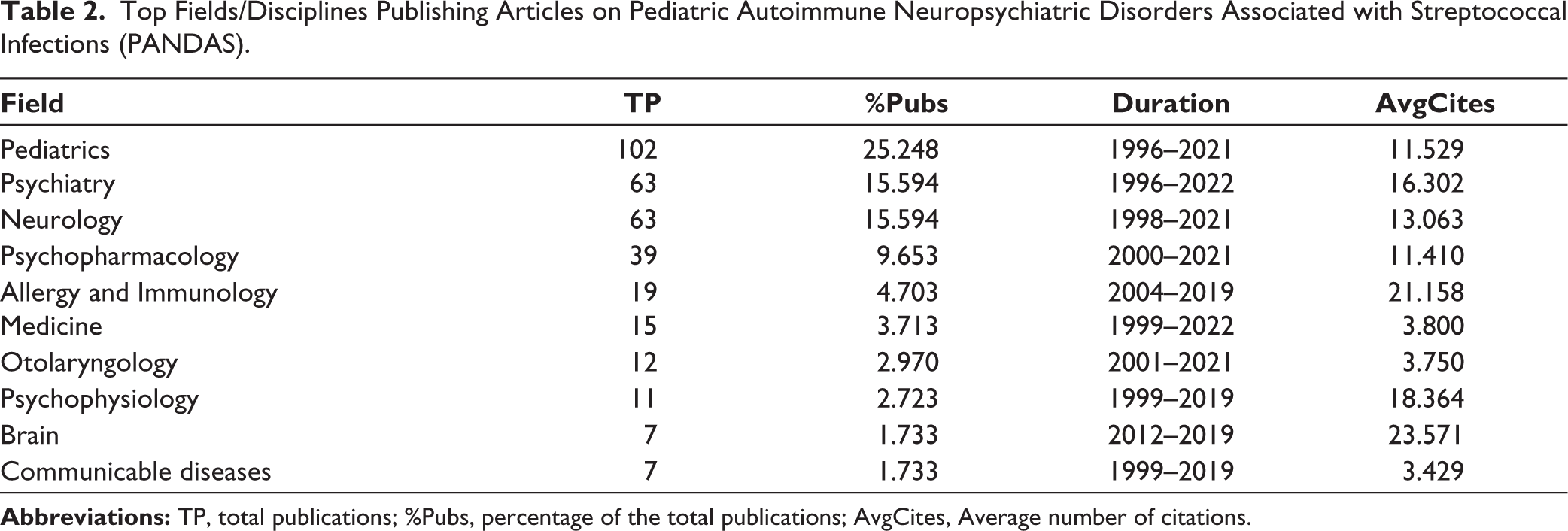
The top broad discipline under which the articles are published is pediatrics (n = 102), followed by psychiatry (n = 63) and neurology (n = 63). More than half of all the publications are published under the above three broad disciplines. Articles published under the broad discipline “brain” have the highest number of average citations per article (23.57 citations/ article) (Table 2).
Top Fields/Disciplines Publishing Articles on Pediatric Autoimmune Neuropsychiatric Disorders Associated with Streptococcal Infections (PANDAS).
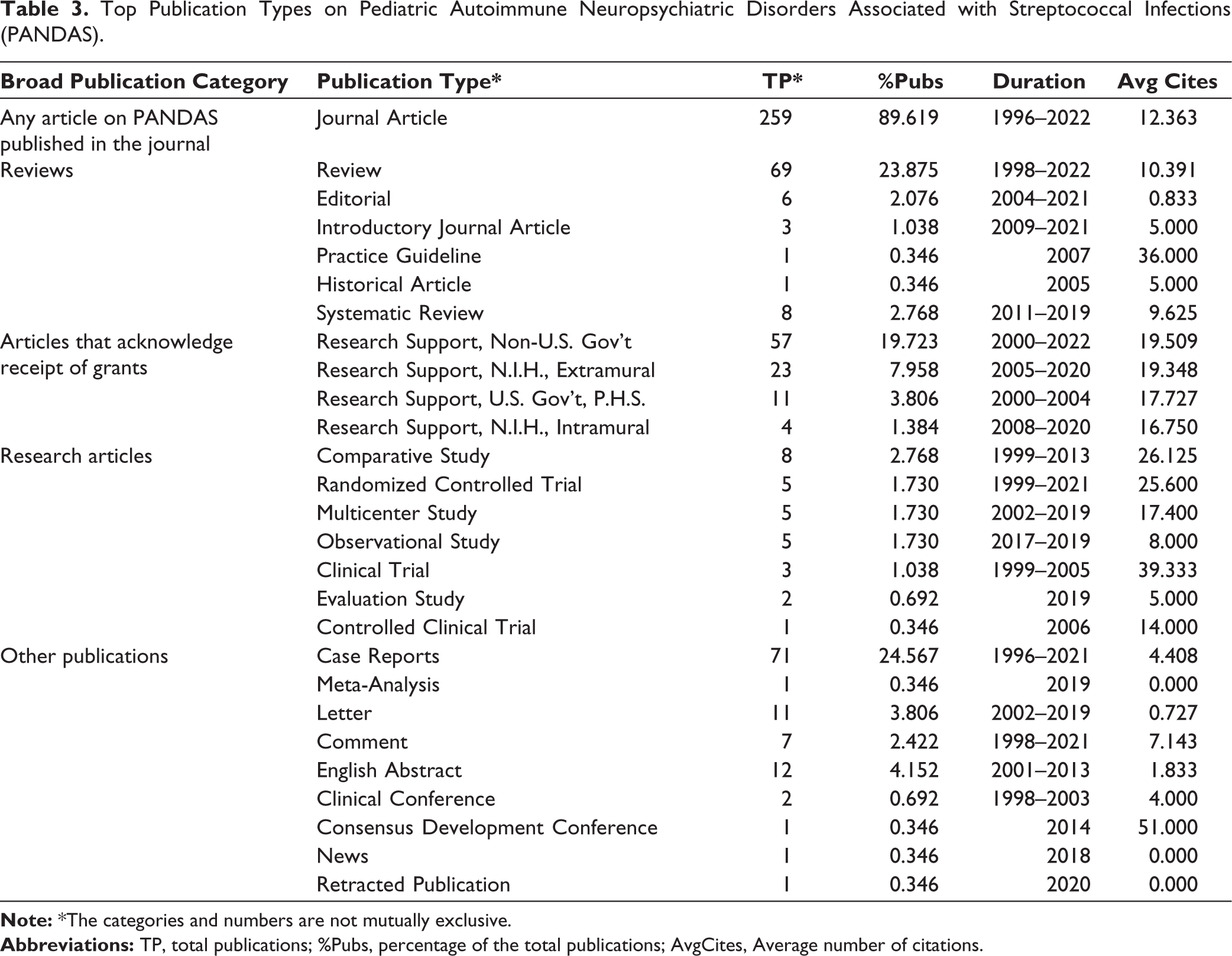
The most common type of published articles included journal articles which contributed to more than 89% (n = 259) of publications on the topic. Case reports and reviews contributed to nearly 24% each (71 and 69, respectively). The most cited articles on the topic were Consensus Development Conference documents (51 citations/article) followed by Clinical Trial (39.3 citations/ article) and Practice Guidelines (36 citations/article) (Table 3).
Top Publication Types on Pediatric Autoimmune Neuropsychiatric Disorders Associated with Streptococcal Infections (PANDAS).
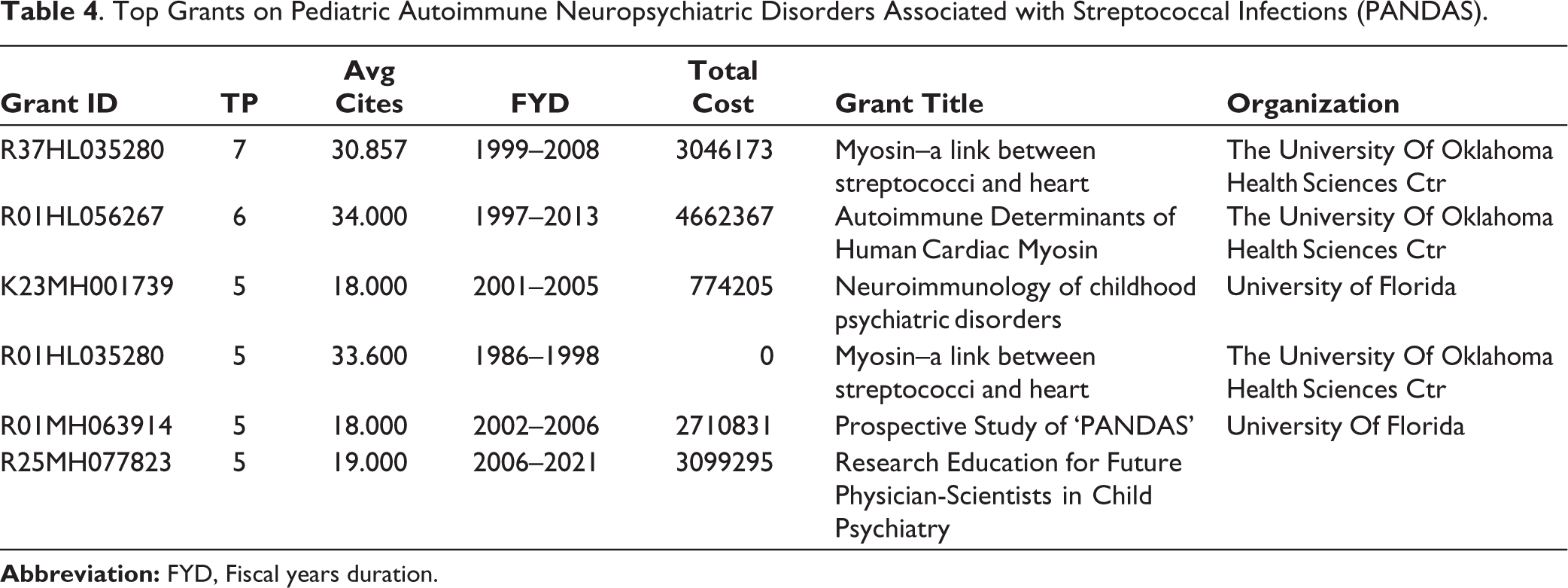
University of Oklahoma Health Sciences Centre has approved most of the grants for research publication on PANDAS. Most of the research was performed on myosin being a link between streptococci and the heart. However, research on an autoimmune basis for PANDAS related to human cardiac myosin was the most expensive (Table 4).
Top Grants on Pediatric Autoimmune Neuropsychiatric Disorders Associated with Streptococcal Infections (PANDAS).
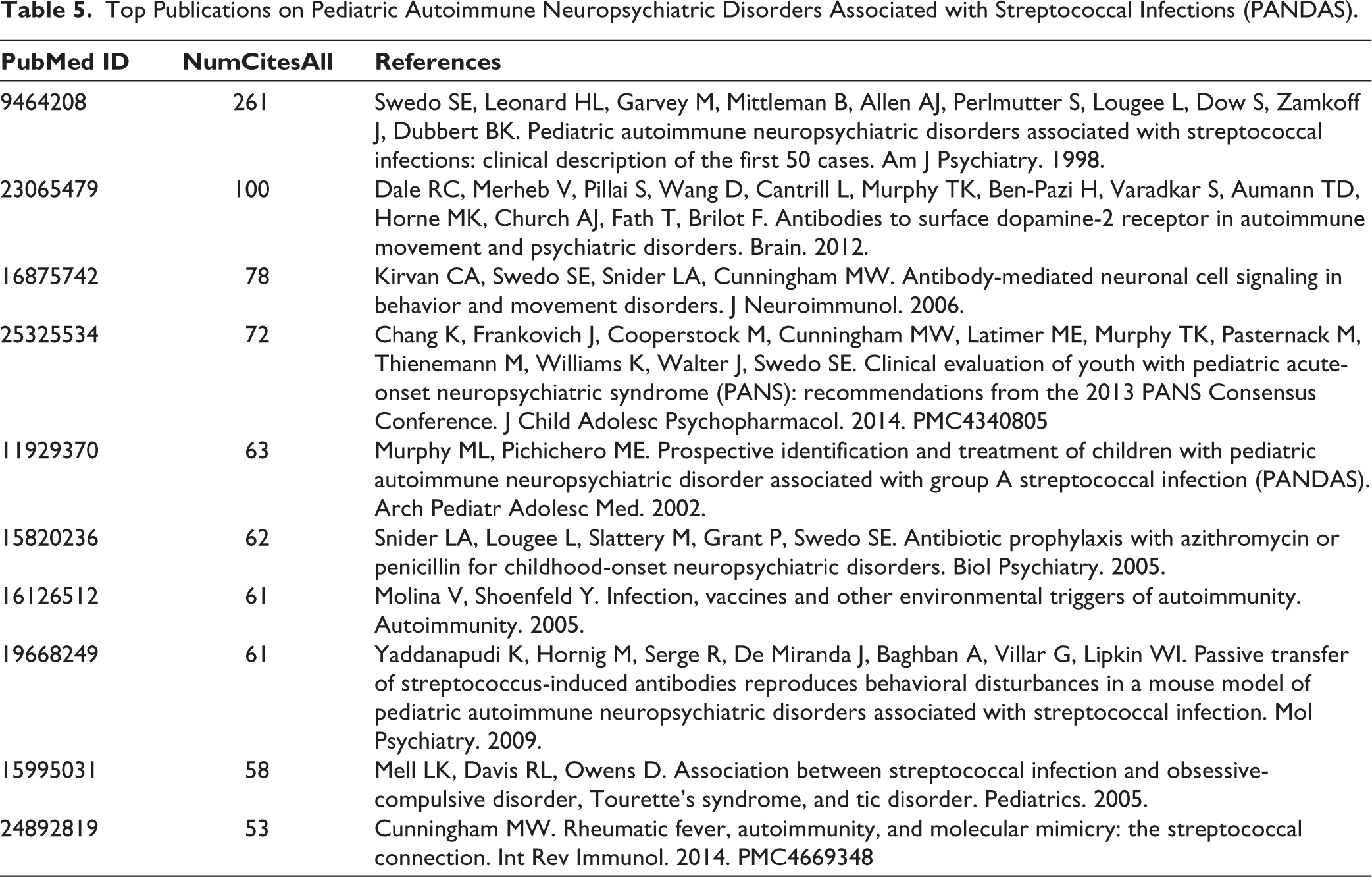
The top most cited publication for PANDAS was Pediatric autoimmune neuropsychiatric disorders associated with streptococcal infections: clinical description of the first 50 cases which was published in the American Journal of Psychiatry in 1998, by Swedo et al. It has been cited 261 times and was followed by Dale et al.’s Antibodies to surface dopamine-2 receptor in autoimmune movement and psychiatric disorders published in Brain in 2012, having 100 citations (Table 5).
Top Publications on Pediatric Autoimmune Neuropsychiatric Disorders Associated with Streptococcal Infections (PANDAS).
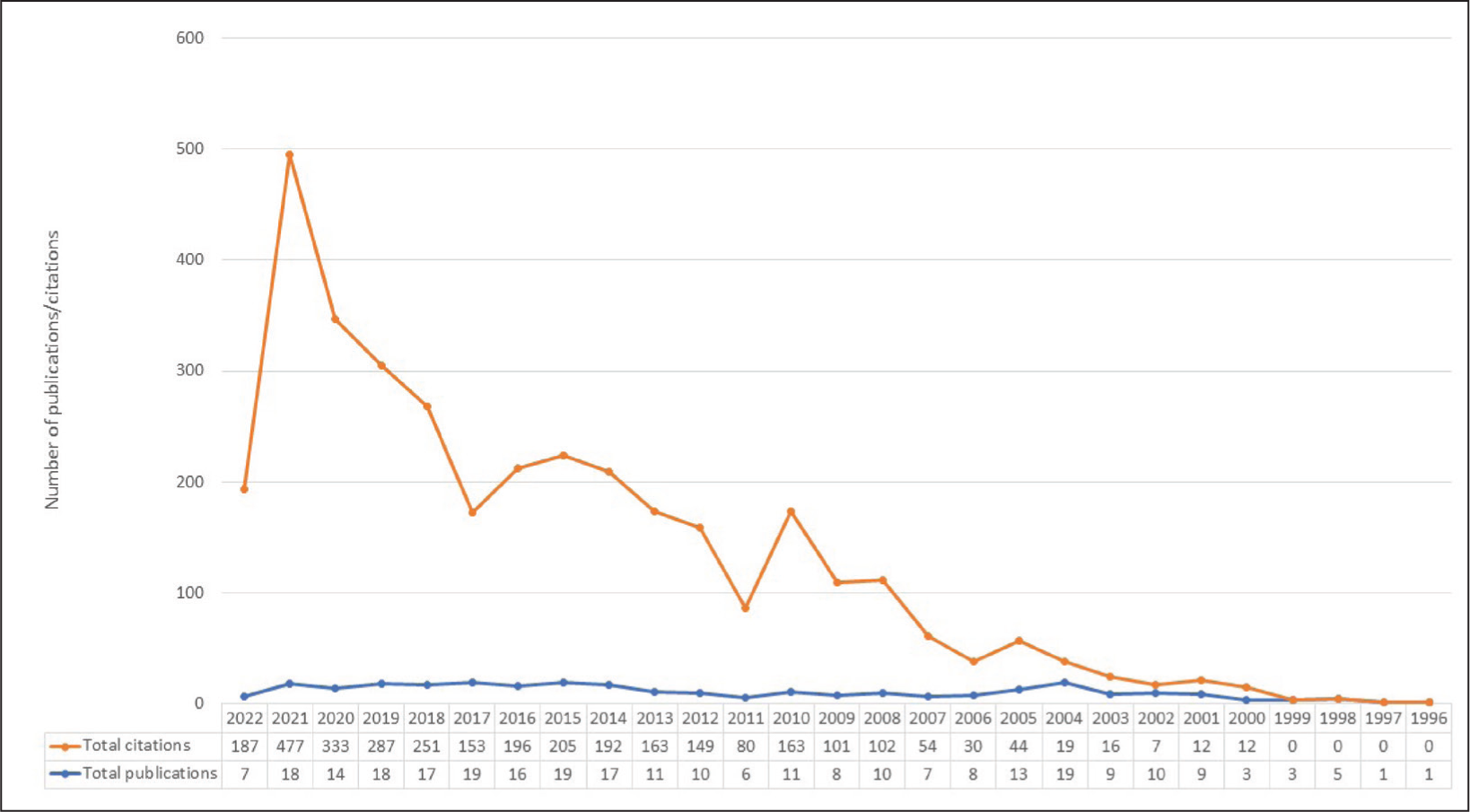
As depicted in Figure 1, the maximum number of publications per year on PANDAS was seen in 2004, 2015, and 2017 which was 19 each. Maximum citations were seen in 2021 (n = 477) followed by 2020 (n = 333).
Publication Trend of Research on PANDAS.
Discussion
This bibliometric analysis evaluated all the relevant research on PANDAS, available in the PubMed database since its time of inception. Due to the unique features (involvement of pediatric population, psychiatric manifestations, brain involvement, infectious etiology, immunopathogenesis) of PANDAS, publications mostly fit broad disciplines of pediatrics, neurology, psychiatry, immunology, and infectious diseases. There are limited clinical trials and observational studies related to PANDAS. A single meta-analysis exists in the PubMed database, that discusses three studies including 82 cases of PANDAS and 127 controls. 15 It indicates that there is a need for more primary and secondary research to understand the progress in knowledge in PANDAS. Most of the existing research is cross-sectional studies or short-term follow-up studies with some intervention. There is a need for more naturalistic and long-term follow-up studies to evaluate the outcome of PANDAS.
Since the first publication of PANDAS, the number of publications show an increasing trend. Accumulating research evidence resulted in several secondary research (8 systematic reviews and one meta-analysis), in addition to several reviews, opinions, commentaries, and correspondence. It indicates that PANDAS is a well-established entity. Streptococcal infection is common among the pediatric population due to poor hygienic measures. Maybe adequate hygienic measures and prompt treatment of streptococcal infection minimize the risk of the development of PANDAS. There is a need for more intense research regarding long-term outcomes, treatment responses, and various other aspects concerning PANDAS.
The most cited article on PANDAS is titled Pediatric autoimmune neuropsychiatric disorders associated with streptococcal infections: clinical description of the first 50 cases authored by Swedo et al. (1998). 2 The first publication on PANDAS was by Swedo et al. (1996), titled PANDAS: Pediatric autoimmune neuropsychiatric disorders associated with strep — is this a new species of childhood-onset obsessive-compulsive disorder and Tourette’s syndrome? 16 As these are the initial articles discussing the concept and neurobiological understanding of PANDAS, they are mostly referred to in subsequent publications.
Our bibliometric analysis is limited by the search of PubMed database publications. Including articles published under multiple other databases may give more insight into the pattern of research evidence accumulated over the past three decades on PANDAS. There are some strengths of the study. To the best of our knowledge, it is the first bibliometric analysis on PANDAS, that gives insight into the trend and gaps in research on PANDAS, so that future research can focus more on the research gaps.
There are still gaps in our understanding of PANDAS, despite the existence of some evidence to the contrary. As an illustration, there is a lack of consensus over the diagnostic criteria, which might result in inconsistent diagnoses and make it challenging to contrast research findings. The diagnostic criteria provided by the National Institute of Mental Health (NIMH) have not been extensively adopted or put into practice. Additionally, little is still known about the pathophysiology of PANDAS. Despite some data pointing to an autoimmune reaction to streptococcal infections, it is still unknown exactly how neuropsychiatric symptoms are caused. Additionally, there is an urgent need for biomarkers to assist in the diagnosis of PANDAS and separate it from other neuropsychiatric illnesses with symptoms that are comparable. So far, there aren’t any PANDAS biomarkers that are universally accepted. Due to the lack of sufficient evidence, it is also uncertain if PANDAS treatment methods are beneficial. Antibiotics and immunomodulatory medications have been suggested as possible treatments, but there aren’t enough comprehensive, carefully planned clinical trials to back them up. Furthermore, there is a lack of information regarding the long-term prognoses for children with PANDAS. Because of this, it is difficult to predict whether PANDAS symptoms will disappear after therapy or continue into adulthood.
Conclusion
PANDAS is a well-researched entity in the medical literature. However, most studies are limited by their small samples. There are a limited number of clinical trials and observational studies related to PANDAS. Identifying the research gaps about PANDAS and extensive research in those areas may give better insight into PANDAS. Overall, further study is required to explain the pathophysiology of PANDAS, create uniform diagnostic standards, find biomarkers, and evaluate the efficacy of treatment approaches.
Footnotes
Declaration of Conflicting Interests
The authors declared no potential conflicts of interest with respect to the research, authorship, and/or publication of this article.
Funding
The authors received no financial support for the research, authorship and/or publication of this article.
Statement of Informed Consent and Ethical Approval
Ethical permission was not taken as the data was available freely in the public domain and the software is freely available online for use. Informed Consent was not required as no participants were involved.