




Abstract
Background
Chicken meat is vulnerable to contamination during processing and storage, leading to spoilage and economic losses. To find natural alternatives to synthetic preservatives, researchers are exploring plant-based options.
Objectives
This study was aimed at investigating the potential of Moringa oleifera leaf extracts to inhibit microbial growth in chicken breasts.
Materials and Methods
M. oleifera leaf extracts were added to chicken breasts at various concentrations (1%, 0.7%, 0.5%, and 0.25%). The samples were then stored at 4°C and 25°C for 4 days. The growth of aerobic plate count, Escherichia coli, Listeria monocytogenes, and Salmonella spp. was monitored and observed on 0, 2, and 4 days.
Results
Results showed that M. oleifera leaf extracts effectively suppressed and delayed bacterial growth. While there was no Salmonella growth in any sample, some treated samples experienced a slight increase in bacterial growth toward the end of the storage period. However, concentrations of 0.5% and 0.25% significantly reduced bacterial growth, even at higher storage temperatures of 25°C.
Conclusion
Overall, the study demonstrates the potential of M. oleifera leaf extracts as natural preservatives. They can help ensure the safety, quality, and shelf life of chicken meat by inhibiting microbial growth.
Introduction
Within the agriculture trade, the chicken industry is one of the most dynamic. Poultry is the livestock industry with the quickest rate of growth, particularly in developing nations, according to studies on the production of meat worldwide (Kleyn & Ciacciariello, 2021). In the agricultural sector of South Africa, the poultry business continues to be the major contributor. The South African Poultry Association (SAPA) reports that 65.1% (up from 65.5% in 2019) of locally manufactured contributing goods are derived from the poultry industry (SAPA, 2023). Consumers prefer chicken over red meats because it is affordable, has desirable nutrient qualities, and has a relatively high concentration of polyunsaturated fatty acids (Patsias et al., 2008; Shahbandeh, 2022). However, the variety of nutrients it contains provides the perfect conditions for the development and spread of common foodborne viruses and bacteria that cause meat to deteriorate (Aymerich et al., 2008). Poultry meat contamination by foodborne pathogens is an important public health issue because it can lead to illnesses if poorly handled during cooking and post-cooking product storage (Tahir et al., 2023). Every year, 33% of the developing countries’ population, including the immunocompromised groups, is affected by foodborne sicknesses, leading to high levels of fatalities (Isara et al., 2010; WHO, 2014). In countries like South Africa, disease outbreaks like avian flu result in high mortalities and result in restriction of imports and exports, which, in turn, affect the economy (Abdelwhab et al., 2014; Kalonda et al., 2020; Roy Chowdhury et al., 2019). In 2018, between January and July, South Africa also registered the most cases of listeriosis, wherein 937 cases were identified, affecting different fractions of the population, including HIV patients and pregnant women (Thomas et al., 2020). Salmonella spp. is also among the disease-causing agents in poultry and avian species, which has also been cited as a contributor to economic losses (Ngwenya, 2019). According to Grace et al. (2020), many foodborne illnesses are linked to milk and meat and affect between 10% and 30% of the global population each year. Bacterial contamination is a major contributor to severe economic losses, increasing the number of meat spoilage cases worldwide (Nahed et al., 2022; Salem et al., 2022). Reports by the Food and Agriculture Organization reveal that wasted food has a large carbon footprint for meat products, costing an estimated $680 billion in developed nations and $310 billion in developing nations (Joardder et al., 2019). The contamination of meat can occur at various stages of meat processing, including slaughtering, handling, and transportation (Asiegbu et al., 2020; Goubraim & Chakor, 2015; Kim & Yim, 2017). Meat quality can be compromised by bacterial contamination, leading to changes in its color, flavor, odor, texture, and nutritional properties (Karanth et al., 2023). Bacterial strains that have been implicated in the spoilage of meat include, but are not limited to, Campylobacter spp., Salmonella spp., Escherichia coli, Pseudomonas spp., and Aeromonas spp. (Bouarab Chibane et al., 2019), just to name a few. Furthermore, throughout these degenerative changes, the bacteria release a wide range of reactive and poisonous substances that might negatively impact human health. In order to preserve meat’s quality, guarantee its safety, and increase its shelf life, meat preservation is therefore a crucial component of the food industry (Shahbandeh, 2022). To prevent meat spoilage, various methods have been employed including the storage of meat at low temperatures (Ahn et al., 2017; Baltic et al., 2019), and the application of acids, nitriles, and antibiotics (Pisoschi et al., 2018). To increase the shelf life of meat, artificial antioxidants including sodium metabisulfite, butylated hydroxyanisole (BHA), butylated hydroxytoluene (BHT), tertiary butylhydroquinone (TBHQ), and sodium benzoate are also utilized (D’Amore et al., 2019; Hoang & Vu, 2016). These methods have effectively inhibited the growth of microorganisms, delayed enzymatic reactions, and prevented spoilage. However, there are health concerns associated with the use of synthetic preservatives and antibiotics due to their harmful effects (Aziz et al., 2017), associated with the risk of cancer, degenerative and inflammatory diseases (Choi et al., 2019), and the development of multidrug resistance (MDR) in bacterial strains (Van Boeckel et al., 2015). In this context, recent studies on the use of plant extracts as natural preservatives have gathered steam because of their safety, biodegradability, and a variety of therapeutic qualities, including antiseptic and antibacterial activity, anti-inflammatory, antioxidant, and photoprotective qualities (Cefali et al., 2016; Mouffouk et al., 2020; Sahu et al., 2019). Fruits, vegetables, spices, herbs, medicinal plants, cereals, grains, and seeds are the major sources of plant-derived antioxidants (Pateiro et al., 2018, 2021) and have been documented to stop or inhibit microbial growth and the development of off-flavors resulting from oxidation of the food (Libera et al., 2020). Previous studies have found that green tea extract can be used to reduce browning and extend the shelf life of shrimp stored in ice (Nirmal & Benjakul, 2011). Natural extracts, such as green tea extract (Awad et al., 2022), olive leaf extract (Ullah et al., 2022), pomegranate peel extract (Punica granatum), brown alga (Colpomeni sinousa), fermented rooibos (Aspalathus linearis), lemon (Citrus limon), Artemisia afra, Bidens pilosa, black pepper (Piper nigrum), turmeric (Curcumalonga), thyme (Thymus vulgaris), oregano (Origanum vulgare), cinnamon (Cinnamomum verum), clove (Syzygium aromaticum), lemon grass (Cymbopogon citratus), and rosemary extracts (Rosmarinus officinalis) have recently been adopted as natural, safe preservatives (Al-hijazeen & Al-rawashdeh, 2017; Andrade et al., 2023; Boskovic et al., 2019; Chen et al., 2020; Cullere et al., 2013; Dashtgol et al., 2021; de Carvalho et al., 2020; Falowo et al., 2019; Hussain et al., 2020; Ozogul et al., 2017; Siewe et al., 2015). Certain natural extracts have been incorporated into the packaging to promote positive interactions between the packaging and the food, enhancing its preservation (Barbosa et al., 2021, 2022). Active substances can be released from the packaging into the food, leading to beneficial interactions (Andrade et al., 2021; Ribeiro-Santos et al., 2018). Among them is Moringa oleifera, a plant associated with various functional properties and utilized as a natural antioxidant in meat and meat products (Aziz & Karboune, 2018; Hodas et al., 2021; Tayengwa et al., 2020). M. oleifera is a legume rich in polyphenolic compounds, proteins, antioxidants, fats and antioxidants, ascorbic acid, flavonoids, phenols, and carotenoids (Forster et al., 2015; Tejas et al., 2012). M. oleifera contains antioxidants that can fight oxidative damage by capturing free radicals, thereby protecting against the degradation of fats and proteins (Murillo & Fernandez, 2017). In addition to their antioxidant properties, the phytochemicals in M. oleifera can help prevent food spoilage by inhibiting the growth of microorganisms (Mosilhey & Eldeeb, 2021). Therefore, due to these properties, M. oleifera can be effectively used to extend the shelf life of meat and as a food ingredient (Olvera-Aguirre et al., 2023). Many studies have demonstrated the use of M. oleifera in preventing deterioration that causes quality loss in meat. These reports include deterioration caused by enzymes (Karim et al., 2018; Soni et al., 2021), oxidation (Chakraborty et al., 2017), and microbial (Mosilhey & Eldeeb, 2021; Falowo et al., 2017; Greeshma et al., 2019; Gullon et al., 2020; Jadhav & Anal, 2018). A study by Mashau, Ramatsetse et al., in 2021 investigated how M. oleifera leaf extract (MOLE) affected the nutritional value, lipid oxidation, microbial content, and physical properties of mutton patties when stored in the refrigerator. Their findings revealed that the inclusion of M. oleifera extract was effective in inhibiting microbial growth in the mutton patties and inhibiting lipid oxidation in the mutton patties during storage. These are both crucial factors in extending the shelf life of meat products, leading to off-flavors and deterioration of product quality. Another study found that adding 0.5 and 1 mg/ml of M. oleifera leaf and root extract to cooked pork during storage at 4°C meat resulted in extended shelf life by reducing lipid oxidation (Lungu et al., 2021). Previous studies have also investigated and reported on the efficacy of MOLEs against Listeria monocytogenes, Salmonella enteritidis, and E. coli has been tested so far on fish, cooked rohu fillets, pork patties, cooked ground buffalo meat, goat meat burgers, and sausages (Adeyemi et al., 2013; Ganguly et al., 2017; Hazra et al., 2012; Jayawardana et al., 2015; Muthukumar et al., 2014). While there have been studies using MOLE in chicken meat products, fewer have focused on chicken meat itself. Having the above views in mind, this study was designed to explore the impact of different levels of MOLE on the microbiological shelf life of chicken meat during various storage conditions.
Materials and Methods
Plant Collection and Preparation
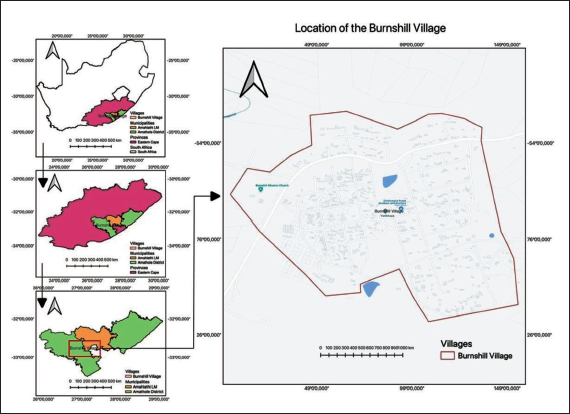
Leaves of M. oleifera were collected from Burnshill village, in the Amahlathi local municipality, under the Amathole District, in the Eastern Cape region of South Africa (Figure 1). The plant specimen was labeled, pressed, and identified. The plant specimen was assigned a voucher number (UFH/7653/Dubeni/SA) and was deposited at the Giffen Herbarium, University of Fort Hare. Fresh M. oleifera leaves were rinsed with clean tap water to remove dirt and impurities. The washed leaves were dried under shade for 48 hours. The leaves were milled using a Polymix PX-MFC 90D Dry Mill. To obtain the methanolic extract, 100 g of the milled powder was weighed, and 500 ml of methanol was added to cover the plant material completely. Using the Amin et al. (2013) method with some modifications, the suspension was left to swirl on an orbital shaker (IKE HS 501 digital orbital shaker with timer, speed range: 0–300 rpm) for 48 hours at 116 rpm. The extract was filtered using a Buchner funnel and Whatman No. 1 filter paper discs. The methanolic extract was concentrated under reduced pressure at 67°C using a rotary evaporator (model) to obtain the M. oleifera crude methanolic extract. The extracts were stored in a refrigerator at 4°C until used for analysis. Four concentrations of 10, 7.5, 5, and 2.5 mg/ml (which can also be expressed as 1%, 0.75%, 50%, and 0.25%, respectively) of the M. oleifera methanolic leaf extracts were prepared for this study. The resultant extracts were kept in a sterile glass container and stored at 4°C until use.
Study Area, Burnshill Village.
Meat Sample Collection
Twenty boneless chicken pieces were obtained from a commercial slaughterhouse (ANCA, Stutterheim, South Africa) using a non-disruptive method, an hour post-slaughter (ISO, 2009). The chicken pieces were sampled into marked sterile Stomacher bags (Stomacher® 400 Circulator BA6141), and elastic bands were used to neatly secure and tie the bags. The outside of the Stomacher bags was first wiped using 70% alcohol. The time, date, sampling site, temperature, and the product being sampled were recorded. Samples were then stored under refrigerated conditions, in a cooler box with ice packs in-between.
Sample Preparation
After sanitizing the outer surface with 70% ethanol, Stomacher bags were opened, and the pieces of meat were aseptically coated/applied to the meat with different concentrations of MOLE using aseptic techniques using the method of Mashau, Munandi et al. (2021). In sterile impermeable plastic pouches, the mixed samples were divided into six batches/treatments, where T1 = 1%, T2 = 0.75%, T3 = 0.50%, T4 = 0.25%, T5 = 0% negative control, and T = 15% brine positive control. All batches were mixed thoroughly for 5 minutes to have a homogenous mixture. The mixed samples were wrapped with polyethylene plastic for 6 days and stored at 4 ± 1°C and 25°C. The prepared samples were taken on days 0, 2, and 4 for microbial analyses.
Microbiological Study (Enumeration and Detection)
At 2-day intervals for 6 days, 25 g of the treated chicken piece was weighed and sampled into Stomacher bags and 45 ml of sterile fluid for dilution was added. Subsequently, the samples were homogenized for 3 minutes at 9 rpm Stomacher apparatus (BagMixer® 400 Interscience, 78860). Following homogenization, 1 ml of the homogenate was subject to serial dilution. A five-fold, two-fold, and one-fold serial dilution for aerobic plate count (APC), E. coli, and L. monocytogenes, respectively. No dilutions were made for Salmonella. A pour plate method was used for APC and E. coli whereas a spread plate method was used for L. monocytogenes.
Aerobic Plate Count
Enumeration of the APC was done according to international standards (ISO 4833, 2003) using a pour plate method. Aliquots of 1 ml of each homogenate, from all treatments, were diluted five times (10-1–10-5). Each of the dilutions was aseptically transferred onto empty Petri dishes. Following this, 18–20 ml of differential cooled agar was poured and swirled to allow it to solidify on a cool horizontal surface. All plates were incubated at 30°C in an inverted position for 72 hours. Colonies were then counted making use of the colony counter (Medica Instrument Mfg. Co.).
E. coli Enumeration
The enumeration of β-glucuronidase-positive E. coli from treated meat samples was done following the ISO (7251: 2005) method. Treated meat samples were weighed and recorded. The weight of the samples was multiplied by 9 to calculate the volume of the buffer to be added to the sample to give a 10-1 dilution. Each test sample was then emptied into a sterile Stomacher bag (Bag mixer® DOA 20550). The calculated amount of buffer from the above step was poured into the Stomacher containing the test sample and was then placed into a Stomacher. The sample was homogenized for 3 minutes in the Stomacher at 9 rpm. The sample was then emptied into a 250 ml flat-bottom flask marked concerning the sample. Using a sterile micropipette, 1 ml of the test sample was transferred to a sterile Petri dish making 10-1 and 10-2 dilution with two plates per dilution. To this 1 ml, 15 ml of the previously water-bath cooled (44–47°C) tryptone bile X-glucuronide (TBX) medium was poured into the Petri dish. The inoculum was carefully mixed with the medium and was allowed to solidify, with the Petri dish standing on a cool horizontal surface. The inoculated dishes were then placed and stored in an incubator in an inverted position for ±18–24 hours at 44°C. The presence of and amount of β-glucuronidase E. coli in the test samples was attained by using the formula: Σ푐 푁 = 푉·푛·푑, where Σ푐 = is the sum of the blue colony forming units (CFU) counted on the two dishes, of which at least one contains a minimum of 15 typical CFU. V = is the volume of the inoculum, milliliters, applied to each dish. n = is the number of dished retained (n = 2 in this case). d = is the dilution factor corresponding to the dilution retained.
L. monocytogenes Detection
Detection and enumeration of L. monocytogenes were done following the international standards (ISO 21528-2, 2004). One milliliter homogenate from all treated samples was thoroughly mixed, then transferred using sterile pipettes to 9 ml of half-Fraser broth and incubated at 30°C for 24 hours. Following this, 0.1 ml of the above prepared and incubated solution was aseptically transferred to a 10 ml Fraser broth and incubated for 48 hours at 37°C. After 26 ± 2 hours of incubation, the broth was examined for the potential presence of L. monocytogenes by visual examination, checking for darkening of the broth. Selective isolation of L. monocytogenes was done by plating 1 ml of the previously incubated solution onto agar plates with PALCAM Listeria Agar. The 1 ml solution was streaked 25–40% of the surface of the agar plate using a loop. The plates were incubated for 18–24 hours at 35–37°C. Visual evidence of darkening, after 48 ± 2 hours of total incubation was observed. If any degree of darkening was evident, a colony of the culture was streaked onto the plate containing sheep blood agar. The plates were then incubated according to the procedures described above. If no colonies were observed, the sample was considered negative for L. monocytogenes.
Salmonella Enumeration
The presence of Salmonella in the meat samples was detected using the ISO international procedure (ISO 6579, 2002). The procedure is a three-step method.
Pre-enrichment in a Non-selective Liquid Medium
The meat sample of about 25 g was weighed, and with a sterile spatula, put into a Stomacher bag, where 225 ml buffered peptone water was poured in to obtain a 1-part sample + 9-part buffer. The two were homogenized for 3 minutes at 9 rpm. The homogenate was then incubated at 37°C overnight (16–20 hours).
Prepare Selective Enrichment (I) and (II)
One milliliter of the pre-enriched homogenate was transferred with a pipette to 10 ml tetrathionate broth (Müller Kauffmann). II. For the second one, 0.1 ml of the pre-enrichment was transferred with a pipette to 10 ml Rappaport-Vassiliadis soy peptone (RVS) broth. The two solutions were incubated; in tube I at 37.0°C ± 0.5°C, whereas tube II was incubated at 41.5°C ± 0.5°C overnight (18–24 hours). Following this, 10 µl from the inoculated and incubated tetrathionate broth (I) and RVS broth (II) was spread on the xylose lysine deoxycholate (XLD) and brilliant green agar (BGA) agar plates and incubated at 37°C overnight (18–24 hours). The XLD plates were observed visually for any growth of Salmonella by making use of the presence of colonies and their color. A typical Salmonella colony had a slightly transparent zone of a reddish color and a black center, a pink-red zone may be seen in the media surrounding the colonies. Salmonella growth on XLD was marked with a + in the record sheets.
The BGA plates were also observed visually for the growth of Salmonella. Plates with Salmonella were indicated by a red/pink (phenol red is the indicator) of the medium. With grey reddish/pink and slightly convex colonies. Salmonella growth on BGA was marked with a + in the record sheets.
Statistical Analyses
All measurements were carried out in triplicate, and all microbial counts were converted to base-10 logarithms of CFUs per g of chicken meat samples (log10 CFU/g). The difference between the means of counts of the different microbial categories between various treatments was assessed by one-way analysis of variance (differences were considered significant at the p < 0.05 level). The statistical analysis was performed using the Statistical Package for the Social Sciences (SPSS) version 21. Values were also expressed as mean ± standard deviation.
Results
Antimicrobial Effect of MOLE
Effect of MOLE on APC
The changes in microbial population (APC) of untreated and treated raw chicken, with different concentrations of methanolic M. oleifera extract during storage at 4°C and 25°C, are presented in Table 1 in the supplemental material, respectively. In the present study, chicken meat samples incorporated with 1%, 0.75%, 0.50%, and 0.25% showed antibacterial activity in preventing and slowing down the growth of bacteria in the treated sample during the 4-day storage period. For M. oleifera extracts treatment, APC counts increased in the control sample from 3.494 log CFU/g at zero time to 4.13 log CFU/g at the end of storage periods, with mean ± SD (4.39 ± 0.05). However, APC count reached zero in samples containing 0.50% and 0.25% after 2 days of storage. Moreover, after 4 days of storage, APC count reached a colony count below 1 CFU/g (0.54, 0.74, 0.24, 0.3, and 1.57) for 1%, 0.75%, 0.50%, and 0.25%, respectively, except the controls. Furthermore, the difference in APC counts between the control group and all the treated samples with M. oleifera extract was significant (Table 1 in the supplemental material). Similar results for the treatments stored under 25°C, APC counts reached zero after 2 days of storage in chicken samples treated with the M. oleifera extracts at 1%, 0.50%, and 0.25% (means ± SDs were 2.01 ± 2.2 and 1.98 ± 2.18 log CFU/g, respectively). Moreover, at the end of the storage period (4 days), the APC count reached zero only in the 0.25% sample treated with M. oleifera extract except for the control sample, in which the count was 4.493 log CFU/g. Other treatment groups treated with M. oleifera extract were 0.82, 0.67, and 1.73 CFU/g for treatments, 1%, 0.75, and 0.50 CFU/g, respectively. The difference in APC count between the control group and all the treated samples with M. oleifera extracts was significant.
Effect of MOLE on E. coli Counts
The results of changes in the E. coli counts, of treated and untreated samples stored under the 4°C and 25°C storage conditions, on day 0 are presented in Table 2 in the supplemental material. In general, differences were observed in microbial counts during storage. The initial E. coli count (day 0) Brine (positive control, treatments 1%, 0.75%, 0.50%, 0.25%, and negative control (without treatment) treated and untreated, under the 4°C were around 3.48 log CFU/g, except for the group of samples stored under 20°C that showed the E. coli counts of 3.71 log CFU/g. After 2 days of storage, E. coli counts decreased significantly in all treated samples stored under 4°C (15 Brine, 1%, 0.75%, 0.50%, and 0.25%), reaching 2.83, 2.93, 2.86, 2.91, and 3.04 log CFU/g, respectively. However, E. coli counts on the negative control were observed to have increased to 4.13 log CFU/g. Similar observations were made on treated and untreated samples stored under the 25°C storage conditions, in that M. oleifera methanolic extracts were effective in reducing E. coli counts, with 0.25% concentration showing the highest reduction in log CFU/g. These results indicate the good potential of the leaf extract to suppress the growth of gram-negative, facultative bacteria in raw chicken stored under 25°C. However, the E. coli counts increased gradually on the last day of storage.
Effect of MOLE on L. monocytogenes
In this study, the initial counts of microbial L. monocytogenes on day 0 of the experiment were log 0 CFU/g, meaning no L. monocytogenes was found in all samples, treated and untreated. On day 2 of the investigation, of all the four tested M. oleifera methanolic leaf extracts in this study, 0.25% exhibited the strongest anti-listeria activity, proving more effective than all other treatments resulting in a complete elimination under the low-temperature storage conditions. The L. monocytogenes data (Table 3 in the supplemental material) showed that the extract mentioned above concentration has a more substantial anti-listerial effect than the 15% brine that served as a positive control. Using M. oleifera plant extracts on raw chicken meat effectively inhibited L. monocytogenes. However, it was more effective at 25°C than at 4°C as all treatments stored under 25°C exhibited anti-listerial activity.
Effect of M. oleifera on Salmonella spp
Salmonella enterica is among the most tracked human pathogens, with serovar Enteritidis being mainly associated with poultry meat and disease outbreaks (Jackson et al., 2013). In this study, Salmonella was not found in any of the chicken samples, treated and untreated, under all storage conditions. Surprisingly, this bacterium was found in the positive control (15% Brine) sample.
Discussion
The antibacterial properties of M. oleifera against foodborne pathogens were evaluated in this study, along with the impact of incorporating four concentrations (1%, 0.75%, 0.50%, and 0.25%) of M. oleifera extract on the microbiological shelf life of chicken meat during storage under different conditions. According to the literature, up to now, there are no studies on the effect of M. oleifera addition, at this concentration on the microbiological, of chicken meat. The results of the antibacterial analysis on chicken meat inoculated with MOLEs clearly showed a substantial decrease in the total aerobic count (log CFU/g) of the treated samples in the 4 days of storage when compared with the control. Interestingly, the obtained results showed that the best extract concentration that showed excellent antimicrobial action, decreasing the microbial count in meat, is the 0.25% extract compared to 1% of the M. oleifera methanolic leaf extract treatment with higher bacterial count. At the end of the storage period, APC counts of samples with 1%, 0.75%, and 0.50% MOLE regrew, while the 0.25 % treatment remained 0 CFU/g. All treatments, however, remained below 7 log10 CFU/g (Table 1 in the supplemental material), which is the maximal permissible limit (MPL) for APC in chicken meat according to ICMSF (1974; EOS, 2005). These results are like those obtained from other studies which demonstrated that meat samples treated with crude extract of M. oleifera leaves significantly decrease the microbial load in terms of total plate count (TPC) (Al-Juhaimi et al., 2016; Falowo et al., 2017; Ganguly et al., 2017; Jayawardana et al., 2015; Muthukumar et al., 2014; Najeeb et al., 2015; Shah et al., 2015). These results are also in agreement with results obtained by Hazra et al. (2012) and Elhadi et al. (2017) who evaluated the effects of adding aqueous Moringa leaf extracts, with concentrations of 1%, 1.5%, and 2% in meat burgers of buffalo on microbial quality, physicochemical properties, sensory, and stability during cooking. Their results found that the addition of extract to the hamburger preparation mixture decreased the aerobic total plate count of all hamburgers versus control samples, thus demonstrating the antimicrobial capacity of the extracts. According to Soldatou et al. (2009), the maximum limit of APC for the acceptability of a product is 5.0 CFU/g. Therefore, these values are indicative of acceptable quality meat because they remained much less than the maximum limit. The significant decrease and low APC total plate count in extract-containing chicken pieces might be attributed to metabolites found in M. oleifera leaves (Giacoppo et al., 2017). According to Dias et al. (2012), glucomoringin, isothiocyanates, and various metabolites from M. oleifera are documented for their strong anti-inflammatory, antioxidant, antibacterial, antifungal, and antiviral potential employing various methods, such as preventing bacterial quorum sensing and maintaining membrane integrity.
Effect of MOLE on the E. coli Count
The effect of treating chicken meat with different concentrations of MOLE on the growth of E. coli is shown in Table 2 in the supplemental material. Our present study results indicate that the growth of E. coli increased over time in the control groups, of 4°C and 25 °C storage conditions, from 3.48 and 3.71 CFU/g, respectively, reaching 4 CFU/g on the last day (day 4) (Table 2 in the supplemental material). Meat quality standards set the acceptable E. coli limit at less than three colonies, with 3–100 colonies considered borderline (Nethathe et al., 2023). The antimicrobial properties of bioactive compounds like flavonoids, saponins, tannins, and phenolic acids in M. oleifera may explain these findings. These compounds can help reduce microbial activity in meat and meat products, increasing their shelf life (Papuc et al., 2017; Zhang et al., 2016). Our results align with those of Alqurashi and Aldossary (2021), who found that chicken burgers treated with MOPE and WMOP at concentrations of 0.5%, 1%, and 2% had significantly lower TPCs after 6 days of storage compared to the control. Mashau, Munandi et al. (2021) reported similar findings when exploring the influence of MOLE on mutton patties’ nutritional properties and shelf life during refrigerated storage. It is, however, noteworthy that contrary findings were reported by Jayawardana et al. (2015), who mentioned that E. coli was absent in all treatments when investigating the anti-oxidative capacity and antimicrobial activity of different M. oleifera extracts incorporated in chicken sausages. These results could be attributed to the contamination that may have occurred during the various stages of slaughter, storage handling, and transportation of meat samples.
Listeria monocytogenes Change During Storage
The reduction by different plant extracts of M. oleifera reduced the population of L. monocytogenes in the treated chicken samples as shown in Table 3 in the supplemental material. On day 0, L. monocytogens count was 0 CFU/g, while on day 2, treatments under 4°C showed growth in all treatments, except the 0.25%, which showed no growth. Surprisingly, the listeria count did not increase in samples treated with M. oleifera and kept at 25°C. On the final day, the control group had a higher L. monocytogenes count in meat. The maximum allowable level of L. monocytogenes in food products is 100 CFU/g or less, as recommended by the International Commission on Microbiological (ICMSF) (Matle et al., 2020). The significant reduction of L. monocytogens counts may be due to the presence of antibacterial metabolites in M. oleifera such as carboxylic acid, cell-wall-degrading enzymes, and chitinases (Wen et al., 2022; Zhao et al., 2020). According to de Barros et al. (2022), plants, naturally, produce antibacterial compounds as protection against biological attacks. The presence and activity of a short polypeptide named 4-a-L-rhamnosyloxy benzyl-isothiocyanate (Lin et al., 2019) and the rare combination of zeatin, quercetin, and kaempferol among many other important phytochemical compounds found in M. oleifera that are responsible for its antimicrobial effect of M. oleifera (Onsare & Arora, 2015; Royani et al., 2023; van den Berg & Kuipers, 2022). These compounds are also known to have antioxidant properties and may play crucial roles in preserving commented meat and meat products (Ahmad et al., 2015). The M. oleifera plant has a wide spectrum of antimicrobial actions that work against most bacteria (gram-positive and gram-negative). In gram-positive bacteria such as L. monocytogenes, the antimicrobial action of M. oleifera may be successful due to the thick nature of the peptidoglycan layer of gram-positive bacteria. The thick peptidoglycan layer of gram-positive bacteria makes them more susceptible to the antimicrobial effects of M. oleifera. Unlike the dense membranes of gram-negative bacteria, this layer is less resistant to small antimicrobial molecules. These plant compounds can penetrate the phospholipid bilayer, disrupting the cell membrane structure and impairing its function (Hyldgaard et al., 2012; Wang et al., 2019). Inhibition of L. monocytogens by M. oleifera has been previously reported by Tolba et al. (2014) and showed similar results to those found in our work. The authors found that MOLEs suppressed the growth of L. monocytogenes in fresh fish fillets. While some studies have shown that MOLE can inhibit microbial growth, Muthukumar et al. (2014) and Shah et al. (2015) found that L. monocytogenes were able to grow in meat products treated with small doses of the extract. This lack of microbial reduction could be due to various reasons.
Effect of M. oleifera on Salmonella spp.
In this study, Salmonella was not found in any of the chicken samples, treated and untreated under all storage conditions. Many factors affect the antimicrobial properties of plant extracts (Settanni & Moschetti, 2014). The effectiveness of plant extracts as natural antimicrobial additives in food is determined by the synergistic and/or antagonistic effects of their various components. Research in this area often involves studying the entire plant extract or isolating specific compounds (Bouarab Chibane et al., 2019). One of the major limits for plant extract applications is due to the interference with the natural taste, color, and flavor of foods when they are added in, especially in high concentrations. Findings by Ali et al. (2017) revealed that treatment of three types of crustaceans (local-peeled shrimp, imported-unpeeled shrimp, and local breed crab) with 2% and 5% (w/v) M. oleifera extract altered the color and odor rendering the treated samples unacceptable with no improvement in shelf life. Another study by Mushau, Munandi et al. (2021) showed that, while the inclusion of M. oleifera extracts (1, 2, 3 and 5 %) increases the protein content of mutton patties, it also significantly decreased the lightness (L*), redness (a*), yellowness (b*), and chroma (C*) values of treated samples. The authors attribute the decrease in lightness to the green pigment (chlorophyll) of M. oleifera that affected the color of the patties by diluting meat pigment, hemoglobin. The use of plant extracts in meat packaging has gained attention among researchers as it enables the incorporation of active compounds like antioxidants and antimicrobials while minimizing undesirable sensory changes for consumers (Galindo et al., 2020). Greeshma et al. (2019) found that the treatment of Pangasianodon hypophthalmus fillets using 5% and 10% MOLE, stored under vacuum-packed conditions during chilled storage at 2 ± 1°C, did not have any adverse effects on the sensory acceptance of the fillets resulting to fillets being acceptable in terms of sensory attributes, contributing to their extended shelf life. Other authors (Abd El-Rahman et al., 2019; Chauhan et al., 2016; Das et al., 2012; Falowo et al., 2017) have also reported on the application of M. oleifera extracts on meat and meat products.
Conclusion
Medicinal plants and spices can be used in various forms, such as extracts, oils, powders, and parts of the plant, to obtain bioactive compounds. These compounds can be used at different concentrations ranging from 0.025% to 10%. This study focused on the antimicrobial activity of MOLEs at four concentrations: 0.25%, 0.50%, 0.75%, and 1%. The food system used was chicken and the microbial groups tested were aerobic count, E. coli, L. monocytogenes, and Salmonella spp. All the microbial group populations were reduced after the application of the M. oleifera plant extracts in each concentration. Generally, M. oleifera extracts of 0.25% and 0. 50% were the most effective treatment for controlling the growth of foodborne pathogens in treated meat samples followed by 0.50% and 1% extracts of M. oleifera leaves. Salmonella spp. was not detected throughout. Given these results, M. oleifera plant extracts could be used as a natural substitute for synthetic antioxidants in the preservation of meat and meat products. More research about the antimicrobial effect of MOLE against other spoilage bacteria for longer periods and studies on sensory evaluation and acceptability of raw meat added with M. oleifera extracts are required. Further investigation on the antimicrobial activity of combinations between M. oleifera and other plant extracts should be carried out to determine their possible sensorial attributes on the meat, to understand the synergism, which will eventually permit the application of M. oleifera in lower concentrations, with smaller sensory alterations. Lastly, at the core of developing new antimicrobials in foods, specific information is required. This includes (a) the mode of action of the antimicrobial compound (inhibitory spectrum, structure–function relationships, effects on microorganisms, interactions with other chemicals in foods). (b) Sustainable and economical methods to recover active compounds or food extracts. (c) Acceptance by consumers. Therefore, future research needs to be directed at investigating mechanism of action of M. oleifera extracts, alone or in combination and different concentrations investigated in the current work, and their interaction with the food matrix in order to address the above points.
Footnotes
Acknowledgments
The authors acknowledge with thanks the technical support provided by the Department of Agriculture and Agrarian Reform.
Availability of Data and Material
Not applicable.
Consent for Publication
Not applicable.
CRediT Authorship Contribution Statement
Zimasa Busisiwe B. Dubeni: Conceptualization, data curation, writing of the original draft. Lisa. V. Buwa-Komoreng: Review & editing. Siza Mthi: Review & editing.
Declaration of Conflicting Interests
The authors declared no potential conflicts of interest with respect to the research, authorship and/or publication of this article.
Ethical Approval and Informed Consent
This manuscript is in accordance with the journal’s guidelines for authors available on the journal’s website. Furthermore, this work has been approved by all authors and host authorities and has not been published. Previously.
Funding
The authors disclosed receipt of the following financial support for the research, authorship, and/or publication of this article: This work was supported by the University of Fort Hare, Govan Mbeki Research Centre, and the National Research Foundation.
Supplemental Material

References
Supplementary Material
Please find the following supplemental material available below.
For Open Access articles published under a Creative Commons License, all supplemental material carries the same license as the article it is associated with.
For non-Open Access articles published, all supplemental material carries a non-exclusive license, and permission requests for re-use of supplemental material or any part of supplemental material shall be sent directly to the copyright owner as specified in the copyright notice associated with the article.
