




Abstract
Background
Diabetes mellitus (DM) induces hyperglycemia and oxidative stress in the kidneys and may cause kidney dysfunction. Diabetic nephropathy (DN) is a prolonged problem of DM with limited treatment.
Purpose
In this work, we planned to investigate the beneficial effects of eriocitrin, a natural flavanol found in citrus fruits, against DM-induced DN in rats.
Materials and Methods
For the induction of DN, animals were fed a high-fat diet and were administered with streptozotocin (35 mg/kg). After induction, eriocitrin (50 or 100 mg/kg) was administered to the DM rats, and their changes in feed intake, body weight, blood glucose levels, and blood samples were monitored on a daily basis. The oxidative stress markers were estimated by using standard protocols. The renal function markers such as the activity of lactate dehydrogenase (LDH), creatinine, and blood urea nitrogen levels were investigated by using kits. The kidney injury molecule (KIM-1) and pro-inflammatory markers were determined by using commercial kits. The kidney tissues were studied histopathologically.
Results
Eriocitrin considerably reduced the body weight and food consumption in DM-induced rats. Furthermore, eriocitrin restored the values of biochemical parameters such as glucose, glycated hemoglobin, urea, creatinine, LDH, serum cholesterol, and triglycerides to near-normal levels. Moreover, the antioxidant properties of eriocitrin markedly suppressed the oxidative and inflammatory markers by continuing the antioxidant/reactive oxygen species balance. Furthermore, the biochemical parameters are well correlated with histopathological examination.
Conclusion
Our results provide valuable scientific information, that supports the therapeutic role of eriocitrin and its protective effects in DM and its complications (DN).
Introduction
Diabetes mellitus (DM) is a widespread metabolic disease developed by inherited (type-1 DM) or acquired (type-2 DM) inefficacy of pancreatic insulin production. It is characterized by chronic hyperglycemia that results in pathological states such as microvascular complications (Nasri, 2013). Among the various microvascular complications associated with DM, diabetic nephropathy (DN) is the principal factor of both mortality and morbidity incidences in DM patients. DN is characterized by hyperfiltration, micro-albuminuria, membrane thickening, and permeability of glomeruli (incipient nephropathy) and the consequent effects of glomerulosclerosis until progressive loss of renal function (Tavafi, 2013). DM is associated with hyperglycemia and dyslipidemia. However, inflammation and oxidative stress are also responsible for DN development (Alberici et al., 2011; Xie & Du, 2011).
Research has identified that prolonged hyperglycemia is the causal initiator of DN; however, the therapies available can delay the development of complications associated with DM and sometimes can cause toxicity (Mima, 2013). Recent studies have reported that glycemic control via the downregulation of pro-inflammatory markers can result in the suppression of oxidative stress, which helps to combat long-term complications of DM, specifically DN (Donath, 2013; Sedeek et al., 2012). Therefore, a new clinical drug that is valuable and anticipated inclusion in the therapeutic strategies for firm regulation over glycemic condition is urgently needed. A new and novel therapeutic agent, both chemical and natural, could potentially be considered a new therapeutic target to control the progression of renal damage in DM (Mahmoodnia et al., 2017).
Herbal plants have many advantages such as efficiency, safety, and cost-effectiveness. The bioactive components of natural products are effective and do not cause any side effects. In recent years, the demand for herbal drugs to treat various ailments has greatly increased due to the more medical costs, adverse effects, and insufficient recovery of patients with DM treated with current drug agents. So far, research on natural phenolic compounds has also increased as they demonstrate increased antioxidant activity. However, it was an effort to explore herbal therapy still a measurable source to research its regulatory perspective toward the factors influencing the therapeutic mechanism. Therefore, in this study, we aimed to study eriocitrin against DM-induced DN in rats.
Eriocitrin belongs to the family of natural flavanols that are naturally found in different types of citrus fruits such as lemons (Yoshiaki et al., 2000). For decades, fruits rich in eriocitrin have been indicated as beneficial against obesity and its associated complications (Hajimahmoodi et al., 2012). Growing evidence from various clinical studies has shown that eriocitrin suppresses inflammation and oxidative stress in streptozotocin (STZ)-induced DM in rats via antioxidant activity (Hajimahmoodi et al., 2014). However, there is no literature with regard to the beneficial effect of eriocitrin in DN. Hence, in this work, we aimed to explore the ameliorative properties of eriocitrin treatment on STZ-induced renal injury in rats under hyperglycemic conditions.
Materials and Methods
Chemicals
Following drugs and reagents were procured from Sigma-Aldrich, St. Louis, Missouri, USA: eriocitrin (was used by dissolving in dimethyl sulfoxide); STZ (was prepared in 0.01 M sodium citrate); assay kits, and analytical reagent grade ethanol.
Experimental Rats
Male Wistar rats (seven to nine weeks, 160–180 g) were housed in laboratory conditions and were given access to food and water. All protocols involving rat use were approved by the institutional animal ethics committee. The rats were acclimatized to laboratory environments for up to seven days before the initiation of the experimentation. All experiments were performed three weeks after the administration of STZ.
Protocol Design Establishment
DM was initiated in rats by an intraperitoneal administration of STZ (35 mg/kg) and subsequently, the animals were fed on a high-fat diet (HFD) continuously for five weeks. The HFD consisted of 42% fat (in the form of lard and coconut and olive oil). Animals with diabetic features (serum glucose concentrations >350 mg and polyuria) were grouped under the diabetic group (Bao et al., 2018). Control rats were injected with an equal amount of citrate buffer. Different dosages of eriocitrin (50 and 100 mg/kg) were chosen based on their practical utility. The rats were grouped into four groups with six in each. Group I was control or vehicle; Group II was DN-induced disease control; Group III was DN-induced rats administered with 50 mg/kg of eriocitrin; and Group IV was DN-induced rats administered with 100 mg/kg of eriocitrin.
Eriocitrin was prepared in 0.1% NaCl as the vehicle and administered daily via gastric gavage until week 16 after the induction of diabetes. Data regarding the level of blood glucose and body weight was collected throughout the study. On the final day, animals were fasted overnight and exsanguinated. Finally, all the animals were anesthetized using ketamine/xylazine and sacrificed via cervical dislocation. The blood was gathered from each animal, and the serum was prepared via centrifugation. The kidneys were harvested and cleaned with ice-cold PBS. The collected tissues were homogenized in buffer (pH 0.1 M, 7.4) and centrifuged at 4°C for 5 min. The supernatant was obtained for further biochemical analyses.
Analysis of Physical and Biochemical Markers
The changes in food consumption, body weight, blood glucose levels, and blood samples were monitored after daily administration of eriocitrin until week 16. The average food consumption was determined by subtracting the residual feed from the total feed delivered to the animals. The body weight was noted on a weekly basis (Kaikini et al., 2020). Blood sample was gathered in clean tubes from the tail tip. The blood glucose concentrations were obtained using a commercial glucometer and glucose strips (Accu-Check, Indianapolis, Indiana, USA). Glycated hemoglobin (HbA1c) was examined using a VARIANT II Hemoglobin test system (Bio-Rad, USA).
Analysis of Intracellular Reactive Oxygen Species (ROS) in Tissue Homogenate
The generation of ROS was assessed using the DCFH-DA assay reported by (Manna et al., 2009). The supernatant of the renal tissue homogenate was added with DCFH-DA stain on and incubated for 30 min. Then the absorbance was recorded on a fluorescence spectrometer (Bruker, Massachusetts, USA) equipped with a fluorescein isothiocyanate filter between the wavelengths of 488 (excitation) to 510 nm (emission) for 10 min. The production of ROS was analyzed by the relative increase in the fluorescent intensity.
Measurement of Oxidative-antioxidative Status in Tissue Homogenates
The supernatant obtained from the tissue homogenate was utilized to assess the malondialdehyde (MDA). The sample was heated at a low pH (4.7) with thiobarbituric acid and absorbance was taken at 535 nm. An extinction coefficient of 1.56 × 10⁵/m/cm was utilized to obtain the value of TBARS. The outcomes are depicted as MDA µM/mg protein. Antioxidants were assayed by kits (Santacruz Biotech, USA). The superoxide dismutase (SOD) was determined at 560 nm. Glutathione (GSH) reductase (GR) activities were assessed by following the previously described technique (Flohe & Gunzler, 1984) with minor modifications, and the outcomes are revealed as unit/min/mg protein (mg/dL) of the tissue. The level of reduced GSH was estimated at 412 nm from a normalized GSH graph and demonstrated as nmol/g.
Measurement of Dyslipidemic Parameters in Serum
The parameters of dyslipidemia were investigated in serum samples by using commercial kits (Santacruz Biotech, USA). Low-density lipoprotein (LDL), high-density lipoprotein (HDL), free fatty acids (FFAs), total cholesterol (TC), and triglycerides (TGs) were measured by precipitation with sodium phosphotungstate magnesium chloride and sodium dodecyl sulfate reagents according to the literature (Mishra et al., 2019; Wenbin et al., 2019).
Measurement of Serum Lactate Dehydrogenase (LDH) and Blood Urea Nitrogen (BUN)
The renal function was assessed by measuring the LDH, BUN, and creatinine levels in the serum of DM-induced rats (Dubey et al., 2020). The aforementioned parameters were estimated by using commercial kits (Santacruz Biotech, USA).
Measurement of Kidney Injury Molecule-1 (KIM-1) in Serum
The activity of KIM-1, an index of nephropathy, was assessed by using a kit (Santacruz Biotech, USA). The blood serum sample (100 µL) was incubated for 1 h. Then, the detection reagent A was mixed and incubated after adding the detection reagent B. Substrate solution was mixed prior to the stop solution. The absorbance was noted at 450 nm using a spectrophotometer (Rouse et al., 2013).
Measurement of Inflammatory Parameters in Tissue Homogenates
The NF-κB, TNF-α, IL-1β, IL-6, and TGF-β levels in the serum of experimental animals were measured using commercially available ELISA kits (Santacruz biotech, USA). The protein levels were assayed by the Bradford technique (Bradford, 1976) using BSA as the standard.
Histopathological Analysis of Renal Injury
The kidneys were washed with PBS and immediately bisected longitudinally and transversally. The paraffinized kidney was sliced into 5 µm using a microtome and stained with H&E. The stained slides were investigated using an optical microscope (Bruder-Nascimento et al., 2016).
Statistical Analysis
All values are given as mean ± SEM of triplicate analysis and determined using SPSS 17.0 software. Assays of experimental groups were done with the Student–Newman–Keuls multiple comparison tests. A p < 0.05 was fixed as significant.
Results
Effect of Eriocitrin on Physiological and Biochemical Markers
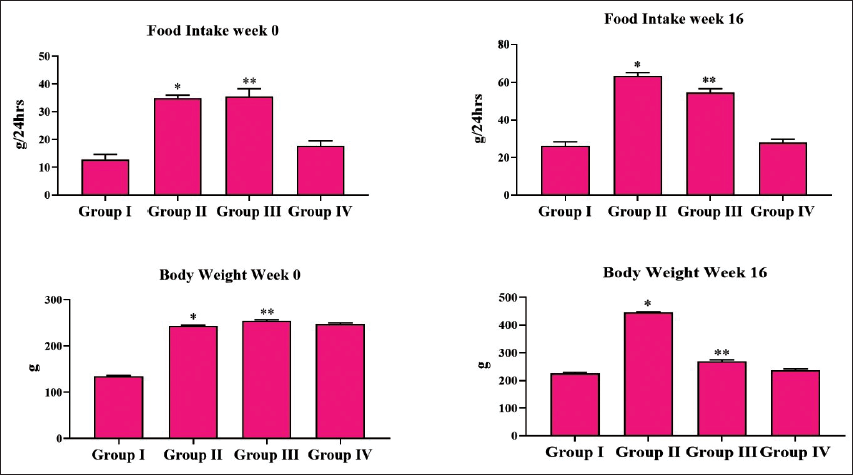
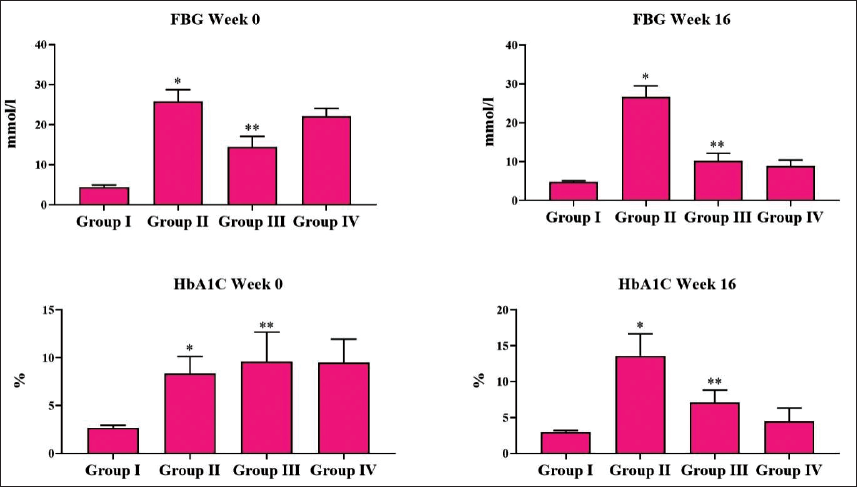
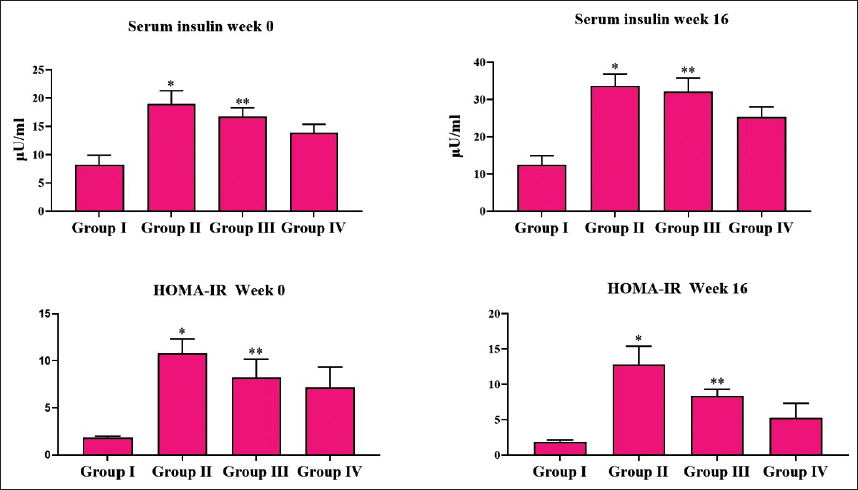
The induction of DM in rats was characterized by changes in body weight (445.87 g) and hyperglycemia (fasting blood glucose [FBG]—26.63 mmol/L). Figures 1–3 show the effects of eriocitrin on physiological and metabolic parameters. The body weight gain of DM rats was remarkably low when compared with the non-DM group (p < 0.001). However, the diminution in weight gain was more noticeable in animals in the DM group treated with eriocitrin. The same trend was observed in food intake (23.49 g/24 h), in which case, the food intake significantly lowered in the DM-group treated with eriocitrin than in the untreated DM group. As for the metabolic data, the FBG was within the normal range in the non-diabetic group (p < 0.001). In the DM rats, the levels of FBG were higher throughout the experimental period than that of nondiabetic animals (p < 0.05). Upon induction of DM in rats, the level of FBG progressively increased but continued to decrease with eriocitrin treatment in the DM-treated group. Serum HbA1c and insulin levels were slightly elevated than normal in the non-diabetic rats. In the DM-induced rats, the administration of eriocitrin led to a diminution of both HbA1c and insulin when compared to the untreated DM group. HOMA-IR, insulin resistance index showed high resistance in the untreated DM group. Following eriocitrin treatment, the index values were reduced in the DM-induced rats than the untreated DM rats. All the values obtained from the treatment were not adequate to attain the level perceived in the non-DM group. This data is a preliminary indication of the gradual and moderate anti-hyperglycemic effect of eriocitrin.
Effect of Eriocitrin on Intracellular ROS Level
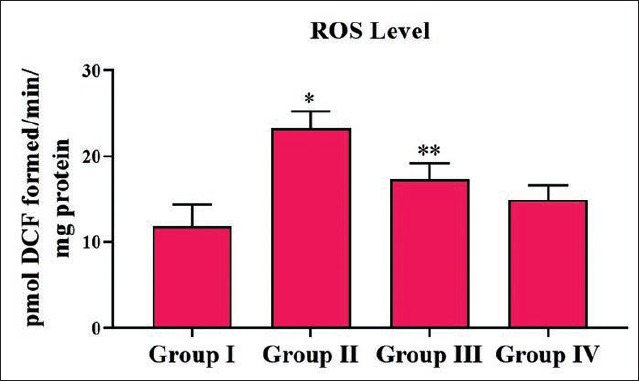
Excessive production of endogenous ROS triggers DM progression and its associated problems (Fakhruddin et al., 2017; Volpe et al., 2018). Figure 4 reveals the activity of eriocitrin on the production of endogenous ROS. The accumulation of ROS in the kidneys of animals in the untreated DM group (23.30/min/mg protein) was elevated than the control (p < 0.001). Treatment of DM with eriocitrin reduced the levels of ROS (14.90/min/mg protein) and most importantly, at 100 mg/kg of eriocitrin, the production of ROS decreased in the kidneys by 50% (Figure 4). Eriocitrin reduced oxidative damage to the kidneys in DM rats.
Effect of Eriocitrin on the Oxidative Stress Levels
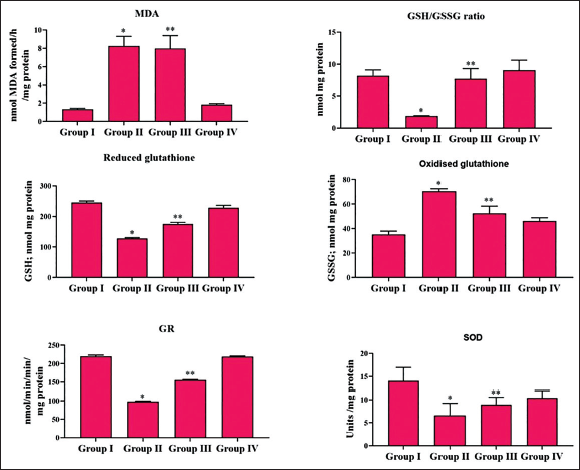
DM is linked to oxidative stress exceeding the antioxidative defense mechanisms, which is responsible for DN development (Kashihara et al., 2010). Figure 5 demonstrates the activities of eriocitrin on lipid peroxidation and antioxidative enzyme levels. The levels of MDA in the untreated DM group were higher (8.24/h/mg protein) than that of the nondiabetic rats (1.33/h/mg protein) group (p < 0.001). Meanwhile, in the DM rats treated with eriocitrin (50 or 100 mg/kg), the levels of MDA decreased to 7.96 and 1.71/h/mg protein, respectively. This result shows the nephroprotective activity of eriocitrin by suppressing the oxidative stress marker associated with the antioxidant enzyme effect. Therefore, we evaluated the possible mechanism of action of eriocitrin against DM-induced oxidative stress. According to our results, GSH/GSSH (1.86 mg), GR (97.95 mg), SOD (6.60 mg), reduced GSH (127.66 mg), and oxidized GSH (70.44 mg) levels were remarkably (p < 0.001) reduced in untreated DM group than the non-DM group. Remarkably, treatment with eriocitrin for six weeks boosted the GSH/GSSH (9.03 mg), GR (219.17 mg), SOD (10.38 mg), reduced GSH (228.53 mg), and oxidized GSH (46.18 mg) levels, which shows the protective activity of eriocitrin against renal damage via suppression of DM-induced oxidative stress.
Effect of Eriocitrin on Lipid Profile
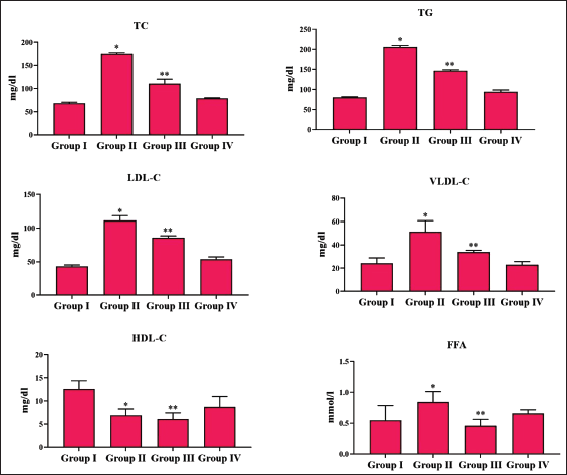
Hyperglycemia-induced DM is closely interlinked with hyperlipidemia. The linkage is reported to result in renal problems in patients with DM. Figure 6 shows the effects of eriocitrin on blood lipid profile. The animals in untreated DM group showed a heightened blood lipid profile (increased TC [175.18 mg/dL], TG [206.14 mg/dL], LDL [111.4 mg/dL], VLDL [51.27 mg/dL], and FFAs [0.84 mmol/L] levels) and marginally reduced levels of HDL (6.89 mg/dL) in comparison to non-DM rats (p < 0.001). After the administration of eriocitrin, there was a remarkable change in all the lipid markers. Eriocitrin reduced the TC (79.1 mg/dL), TG (94.13 mg/dL), LDL (53.91 mg/dL), VLDL (22.89 mg/dL), and FFA (0.65 mmol/L) levels and improved the HDL (8.74 mg/dL) levels. These findings show that eriocitrin improves DM condition via suppression of hyperlipidemia.
Effect of Eriocitrin on Renal Parameters
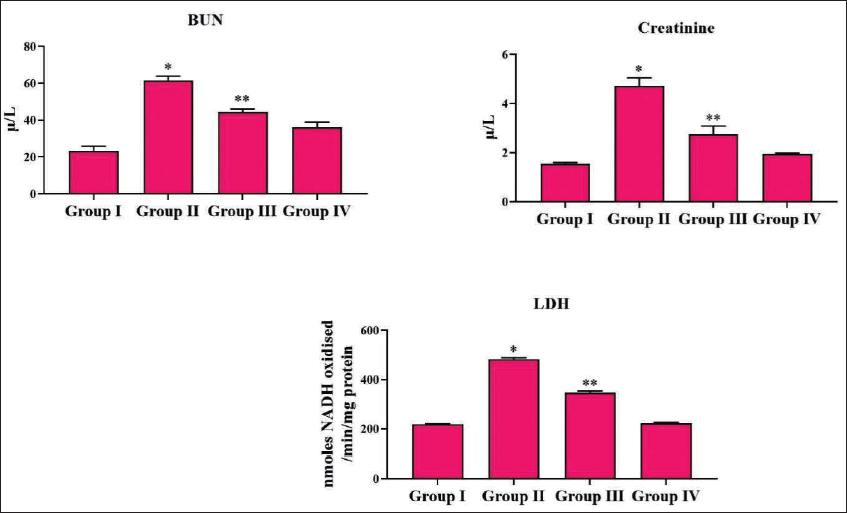
DN is a complication of the kidney as it is extremely vulnerable to excessive levels of blood glucose. Figure 7 shows the effects of eriocitrin on renal parameters. Serum levels of BUN (61.5 µg/L), creatinine (4.70 µg/L), and LDH (483.33 mg protein) in the untreated DM rats were remarkably (p < 0.001) increased than the non-DM rats. The levels of BUN (36.11 µg/L), creatinine (1.94 µg/L), and LDH were reversed in the DM group treated with eriocitrin. These results show that eriocitrin enhances renal function in DM conditions and improves renal activity.
Effect of Eriocitrin on Kidney Injury Indices
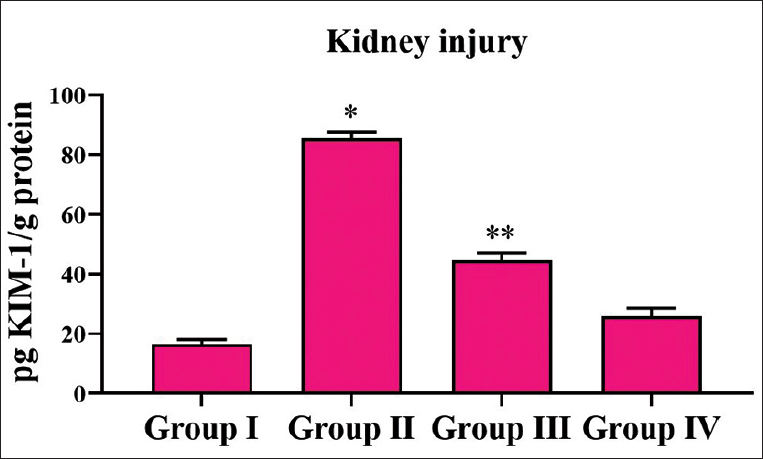
DM condition affects all the vital organs including the kidneys as DN is one of its significant complications. Figure 8 shows the effect of eriocitrin on renal function. With respect to KIM-1, the untreated animals in the DM group had a significant increase (85.46 g protein) when compared to the non-DM group (18.83 g protein). Concurrently, eriocitrin significantly (p < 0.001) decreased the KIM-1 levels (25.93 g protein) respective to the dose. These data indicate that eriocitrin exhibits a nephroprotective effect against DM-induced renal injury.
Effect of Eriocitrin on the Histopathology of the Kidneys
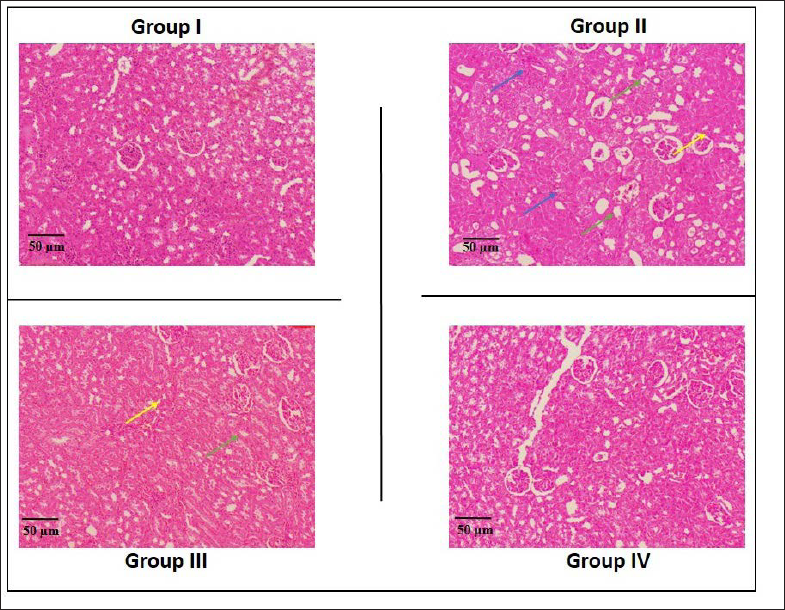
DN shows several pathological features. Figure 9 shows the histological features of the tissue sections after H&E staining. Images of renal tissues in the non-DM group have normal histology exhibiting obvious glomerulus and undamaged tubular architecture. In the untreated DM group, the renal sections showed lesions in the glomerular described as glomerular hypertrophy and dilated or necrotic tubules. These alterations in kidney tissues were ameliorated by eriocitrin. In summary, the overall analysis showed that eriocitrin treatment distinctly augmented the renal injury in DM rats.
Effect of Eriocitrin on Inflammatory Factors
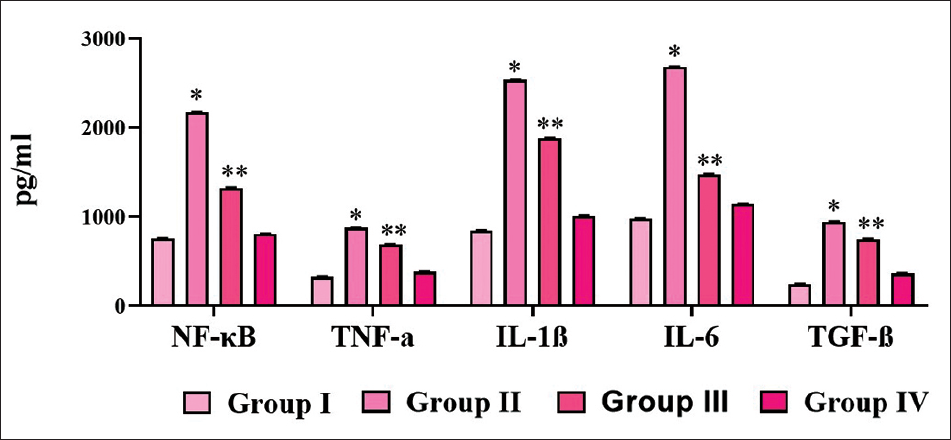
Prolonged and uncontrolled inflammation is a process involved in both acute and chronic pathological conditions such as DM-induced DN. Figure 10 shows the effect of eriocitrin on pro-inflammatory markers. The inflammatory reaction in the kidney was evidenced by increased levels of inflammatory cytokines, that is, NF-κB (2,174.48 pg/mL), TNF-α (872.5 pg/mL), IL-6 (2,683.85 pg/mL), IL-1β (2,534.52 pg/mL), and TGF-β (944.6 pg/mL) in untreated DM rats than the non-DM rats (p < 0.001). Administration of eriocitrin resulted in the suppression of all the markers, that is, NF-κB (805.54 pg/mL), TNF-α (378.10 pg/mL), IL-6 (1,138.84 pg/mL), IL-1β (1,007.54 pg/mL), and TGF-β (361.70 pg/mL) in the respective doses of DM group treated with eriocitrin. The findings highlighted that eriocitrin treatment ameliorated the incidence of inflammatory infiltrate injuries in the kidneys of diabetic groups.
Discussion
DN is a prevalent problem of DM. DN is pathologically characterized by hyperglycemia (increased blood glucose) and dyslipidemia. Recent literatures have highlighted that uncontrolled oxidative stress and inflammatory cytokines in serum and kidney are contributing factors to DN pathogenesis and associated complications which directly damage the tubular and glomerular structures of the kidney (Farmer et al., 2012; Sforcin & Bankova, 2011). Therefore, an unremitting reduction of hyperglycemia and dyslipidemia will decrease the risk of the development of DN and doubtlessly reduce the other associated risk of complications (Biessels et al., 2014). In this work, we evaluated the potential activity of eriocitrin in HFD/STZ-induced DM animals. However, the 100 mg/kg of eriocitrin has possessed the potent ameliorative effects than the 50 mg/kg of eriocitrin treatment.
STZ is an antibiotic harvested from Streptomyces achromogenes. Similar to alloxan, STZ induces hyperglycemia by promoting oxidative stress in the pancreatic beta cells. The β-cell damage induced by STZ results in insulin secretion and an increased level of blood glucose. STZ is, therefore, commonly used for the experimental induction of diabetes in animal models (Wei et al., 2011). In this study, we administered a single dose of STZ for the induction of diabetes. The most noticeable symptoms observed in patients with diabetes include polyphagia and fatigue. In this study, increased body weight in DM animals may be due to the suppression of insulin secretion, which increases the catabolism of fats and ultimately leads to weight gain in DM animals. The reduction in the body weight in DM animals with 100 mg/kg of eriocitrin is associated with the regulation of hyperglycemia condition (Gurudeeban & Ramanathan, 2010).
Some of the features of patients with DM are prolonged hyperglycemia with compromised glucose tolerance, increased glycated hemoglobin (HbA1c), decreased glycolysis, and increased synthesis of glucose (gluconeogenesis) (Ou et al., 2018; Runtuwene et al., 2016) which resulted from damage to the pancreas. Consistent with a previous study, persistent hyperglycemia, impaired glucose tolerance, increased HbA1c, insulin levels, and HOMA-IR were witnessed in DM animals. Herein, eriocitrin treatment in DM animals significantly decreased the blood sugar level, with a moderate increase in the levels of insulin levels. The level of glucose tolerance, HbA1c, and HOMA-IR were also significantly improved which validated the involvement of eriocitrin in the storage of glycogen from glucose restored in muscle tissue (Jayanthy & Subramanian, 2014). This improvement in metabolic regulation showed eriocitrin effectiveness in dealing with DM complications via its antidiabetic activity.
Hyperglycemia induces nephrotoxicity from increased levels of glucose oxidation which results in ROS accumulation. In a hyperglycemic environment, the generation of ROS obstructs kidney cells and depletes the antioxidant contents leading to oxidative stress. Oxidative stress is caused because of an imbalance in the antioxidant defense mechanism and ROS production (Jiang et al., 2012). Notably, eriocitrin displayed remarkable antioxidant ability in the kidney tissues of DM animals by regulating the GSH/GSSH ratio, GSH peroxidase, GR, SOD, and catalase (antioxidant enzymes) activity to a higher concentration than in untreated non-DM animals. This might be attributed to the activity of eriocitrin in suppressing the renal levels of MDA in animals. Therefore, it can be assumed that eriocitrin can ameliorate DN in rats and decrease glucose levels by suppressing the generation of ROS.
Lipid plays an imperative part in the pathology of DM-associated complications. Herein, the upsurge in the level of TC, TG, LDL-C, VLDL, and FFAs is caused by the disorder in lipid metabolism and increased incidence of defective renal function in DM animals. This derangement is the malfunctioning of lipoprotein production, which is commonly known as dyslipidemia (Patel & Goyal, 2011). Interestingly, eriocitrin decreases the TG, TC, LDL, VLDL, and FFA and restores the level of HDL compared to the untreated DM group, which is the contributing factor that halts the condition of dyslipidemia in DM animals. Eriocitrin at 100 mg/kg demonstrated more potent antioxidant activity than at 50 mg/kg. All of the data support the antilipidemic activity of eriocitrin in renal protection in HFD/STZ-induced DM animals.
BUN, creatinine, and LDH may function as an indicator the renal function. In the case of DM-induced renal injury, the damage to the muscle cells leaks these enzymes into the bloodstream (Giribabu et al., 2017). In this work, untreated DM animals remarkably increased the level of BUN, creatinine, and LDH as compared to non-DM animals. However, these changes were reduced in eriocitrin-treated DM animals in dose-dependently, and the levels were restored back to standard levels as in non-DM animals. Lowering the levels of BUN, creatinine, and LDH with 100 mg/kg of eriocitrin may aid in preventing the development of DN and ameliorating DM. This effect may be due to the antioxidant activity of eriocitrin (Hozayen & Abou seif, 2011).
The primary manifestation of DM is tubular dysfunction in the pancreas which leads to damage in renal glomeruli; hence, measurement of sensitive biomarkers of renal injury may aid in understanding the antidiabetic mechanism of eriocitrin against HFD/STZ-induced renal injury in DM animals (Fiseha, 2015). KIM-1 is a urinary biomarker directed against kidney pathology in chronic DM (Kim et al., 2017; Parikh et al., 2007). The present data indicate the overproduction of KIM-1 which highlights the tubular impairment in untreated DM animals. Remarkably, a significant reduction of KIM-1 plasma level in DM animals treated with eriocitrin was achieved. Taken together, this result shows that 100 mg/kg of eriocitrin has an attenuating effect in protecting the kidney even at the chronic stage of DM.
Inflammation plays an imperative role in DM progression resulting in insulitis, which is characterized by decreased insulin response by the target tissues. The imbalance observed in the antioxidant content, suggests their role in the kidney reaction to the inflammatory response. The detected upsurge in inflammatory cells (Moresco et al., 2013) infiltration and alterations in cytokines levels approve the inflammatory pathology of diabetes. However, treatment of DM rats with 100 mg/kg of eriocitrin caused changes in the inflammatory markers via inhibiting the NF-κB pathway. These findings were in accordance with an earlier study (Park et al., 2017). In summary, eriocitrin normalizes the release of inflammatory cytokines-induced nephritis in STZ-induced DM animals.
Finally, the effects of eriocitrin on biochemical indices of the pathological changes in the kidney were investigated via histopathological observations. The histomorphologic inspection of the kidneys with DN in HFD/STZ-induced DM animals showed damage to the tubular structure and glomerular hypertrophy which the most common pathological characteristics are causing kidney dysfunction. As observed, the pathological features of the kidneys were improved by the 16th week of eriocitrin administration. Hence, the histopathologic observations are well correlated with the findings of the biochemical observation. Collectively, this study demonstrates that eriocitrin exerts protective properties against the kidneys of DM animals, probably by preventing oxidization product accumulation.
Conclusion
Overall, our findings reveal the therapeutic potential of eriocitrin against the HFD/STZ-induced DN in rats. The eriocitrin-supplemented diabetic rats revealed a marked reduction in the level of blood glucose, body weight, and food intake. Eriocitrin decreased oxidative stress and improved the status of antioxidant levels. The cholesterol, inflammatory cytokines, and kidney injury marker levels were decreased in the eriocitrin-treated rats. The histopathological analysis also proved the preventive role of eriocitrin against DN. These findings proved that eriocitrin could be useful in averting DM-associated DN in the future. However, additional works are needed in order to clarify the therapeutic role of eriocitrin against DN.
Summary
Eriocitrin has a mechanistic property of naturally reducing blood glucose, and serum insulin with resistance and inflammatory cytokines. Eriocitrin successfully normalizes the release of inflammatory cytokines-induced nephritis in HFD/STZ-induced DM animals.
Abbreviations
DM: Diabetes mellitus;
DN: Diabetic nephropathy;
HFD: High-fat diet;
STZ: Streptozotocin.
Footnotes
Declaration of Conflicting Interests
The authors declared no potential conflicts of interest concerning the research, authorship, and/or publication of this article.
Funding
This project was supported by Researchers Supporting Project number (RSP2024R230) King Saud University, Riyadh, Saudi Arabia.
Statement of Informed Consent and Ethical Approval
This animal study procedure was approved by Ethics Committee of West China School of Public Health and West China Fourth Hospital, Sichuan University, Chengdu, Sichuan, 610041, China.