




Abstract
The COVID-19 pandemic presents the greatest test the world has faced. On 24 March 2020, the Government of India announced a 21-days national lockdown that had been extended to 3 May 2020. In this pandemic, the consumer faced unforeseen challenges to deal with the abrupt change in shopping practices. A safety measure is one of the key elements in consumer shopping behaviour across the world and today consumers are more conscious towards healthiness. The current work aspires to identify the factors of safety measures by consumers and shopkeepers. Twenty-eight variables were identified from the extensive literature review and a total of 751 questionnaires were administered from consumers regarding safety measures from 1 April to 31 May 2020 in India. Exploratory factors analysis and multiple regression analysis are conducted to identify the factors which are prominent for shopping safety practices. The results obtained can be useful to consumers and shopkeepers in the decision-making process during pandemic.
Introduction
The unprecedented threat from the novel coronavirus disease (COVID-19) pandemic caused by the SARS-CoV-2 virus is referred to as COVID-19 virus (Harapan et al., 2020). In December 2019, the coronavirus outbreak was first reported in Wuhan, Hubei province, China. World Health Organization (WHO) declared COVID-19 outbreak as a pandemic on 11 March 2020 (The Hindu, 2020). WHO made a call to the countries worldwide to take immediate action regarding the treatment against the COVID-19 and protect the people’s life. WHO advised to stay at home, use face covers or mask, social distancing and maintaining personal hygiene standards as means of containing transmission of the virus (World Health organization, 2020). COVID-19 has created a public health emergency and affected peoples’ day-to-day life around the world (New York Times, 2020). Due to COVID-19 pandemic, the nationwide lockdown was announced by the Government of India, which obliged the people to step outside only to buy essentials items. This lead to a new challenge, the way consumers shop from supermarkets, grocery stores, Mom and Pop stores or local kirana stores. Consumers ensure a safe shopping experience during pandemic, shopkeepers maintain social distancing, personal hygiene and sanitization facilities, minimize the commonly touched surface at the time of shopping. COVID-19 pandemic transformed consumers shopping practices around the world. The reasons for such changes are stay at home, social distancing and personal hygiene. Habits of shopping practices will change in the future, after the COVID crisis lifts (Capgemini Research Institute, 2020).
Shopping is when consumers come into contact with the large number of buyers. The main risk involved in shopping of food products is human-to-human virus transmission due to close contact with infected shopkeepers or individuals. In a supermarket or retail store, touch points are commonly encountered by all the consumers includes billing counters, baskets, trolleys, shelves and swap machines. By using these, possibility of spreading virus particles increases.
Food is an essential commodity for human survival during any medical emergency or natural disaster (Ainehvand et al., 2019). Food Safety and Standards Authority of India (FSSAI) has advised food businesses to take all necessary preventive measures during this pandemic. FSSAI issued detailed guidelines on food safety and hygiene during the COVID-19 pandemic (FSSAI, 2020). There has been a long debate in India and other countries worldwide regarding shopping safety practices (SSPs) for consumers in their buying decisions during this pandemic. The purpose of this study is to analyse the awareness and safety practices of consumers while shopping of food products during COVID-19 pandemic.
Literature Review
India is the seventh-largest country area wise and the second most populous in the world suffering severely from COVID-19. The first case was reported on 30 January 2020 in the state of Kerala Thrissur district (Patrikar et al., 2020).
Pandemic changed the shopping practices of consumers, shopping which were centred on enjoyment, fun and entertainment before pandemic would shift to cleanliness and safe spaces (Roggeveen & Sethuraman, 2020). Consumers are more concerned in terms of nutritious diet, health and food safety (Ruth & Yeung, 2001). Pandemic brings a behavioural change in consumer food buying habits (Jribi et al., 2020). Consumers during pandemic are more conscious towards nutritious and healthy food consumption (Crofton et al., 2013). In present time first priority of consumers is ‘Healthiness’ in food consumption (Bech-Larsen & Grunert, 2003). Good nutrition is crucial for individual health according to WHO. Today’s consumers buying habits are opting and searching those food products that offer dietary fibre, vitamins, protein, minerals and other health benefits (Hudson, 2012). Prior researches have been conducted on consumer behaviour related to the purchase intention, knowledge and attitude towards healthy and nutritious buying habits of food products (Chung et al., 2012). Clean, hygiene, packets free from wear and tear and nutritional labelling (Peters-Texeira & Badrie, 2005) come out as a major characteristic in consumer food-buying behaviour (Drichoutis et al., 2006). Studies showed in the past that nutrition facts label influence consumer purchase intention (Kozup et al., 2003).
During COVID-19 pandemic, consumer habits are influenced by regulations and guidelines related to social distancing, wearing face cover or mask, cleanliness and hygiene. Consumer shopping practices of food products have transformed around the world. Consumers buying behaviour is influenced by the choice of decision they make (Livarinen, 2017). The phenomenon of decision making plays a vital role in determining the shopping habits of the consumer for safety during pandemic (Mehra & Singh, 2016). The shopping habits changed the consumer buying behaviour which is the matter of concern today. Therefore, it is important for the Indian market to understand the consumer new buying behaviour and the factors which influence shopping habits for food products.
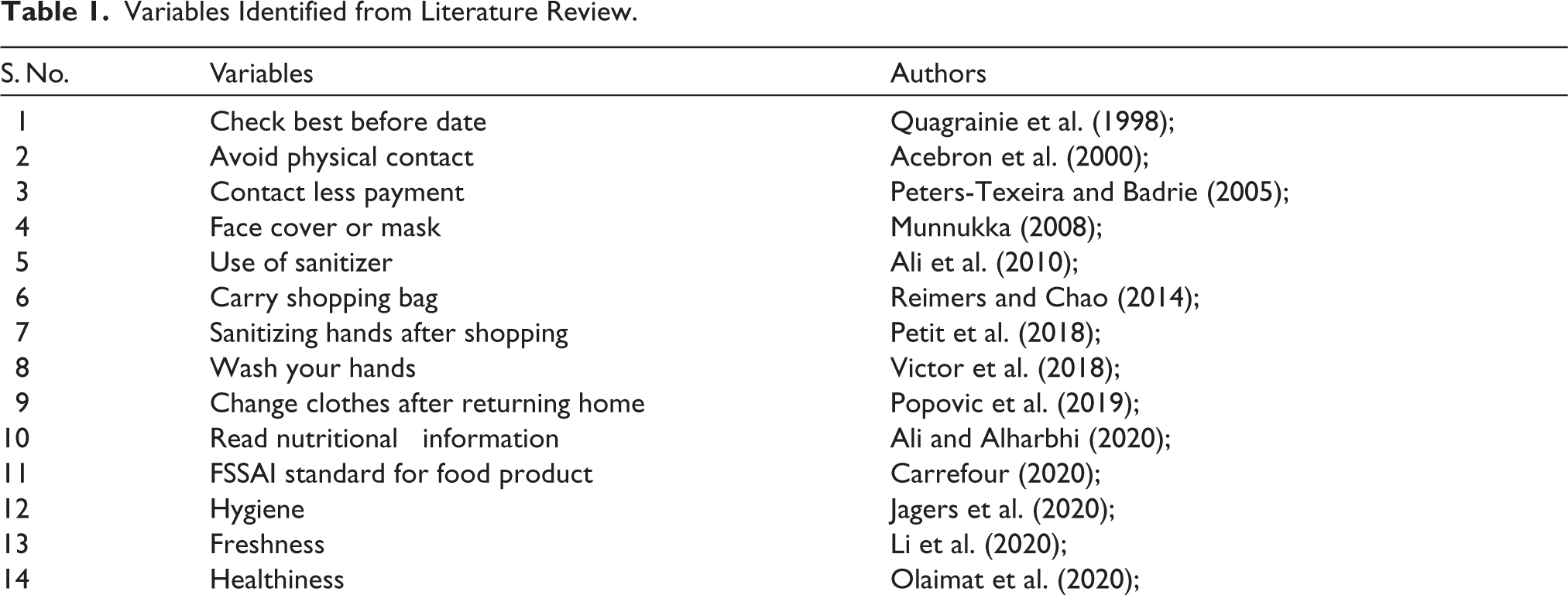
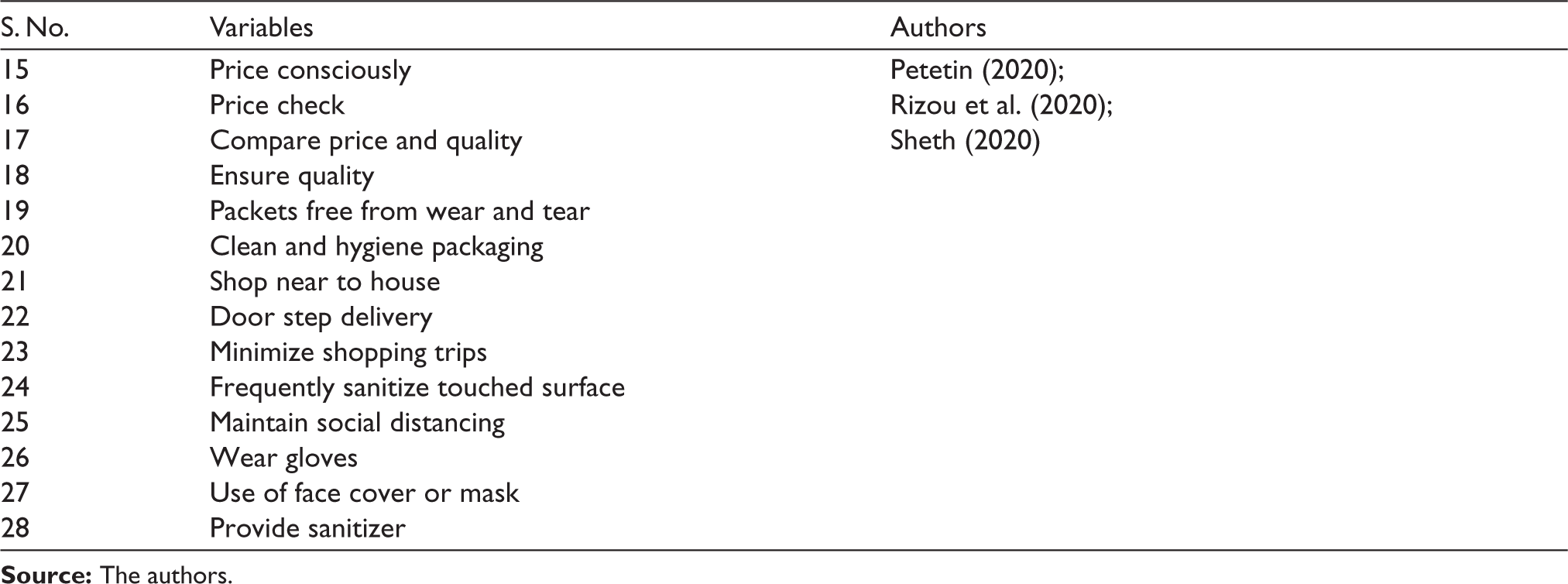
For the current research work, an extensive literature review was conducted to explore the factors for analysing the safety practices of consumers while shopping for food products during COVID-19 pandemic. By SSPs, we mean the measures which influence the consumers shopping decision. This study focuses on safety measures by consumers and shopkeepers during pandemic. The vast analysis of literature for SSPs considered by consumers during COVID-19 pandemic identified 28 independent variables. The names of variables along with the supporting author are given in Table 1.
Variables Identified from Literature Review
KMO and Bartlett’s Test

Rationale of the Study
This study intends to identify the SSPs during COVID-19 lockdown. It is being observed that prior researches were majorly based on consumer shopping behaviour. In the period of lockdown government authorities imposed various restrictions regarding the movement and out of home activities. Consumers have to follow the safety guidelines while pursuing shopping, which is new to consumers which they have never experienced before. Follow social distancing, wear face cover and regular sanitization are the new consumers’ priorities during shopping. In the second quarter of April–June 2020, fast-moving consumer goods (FMCG) has the highest consumption growth of 4.3% in volume and 8.5% in value term in the last 2 years, out of that food products increased by 5.7% which is highly demanded during the quarter (The Economic Times, 2020). This shows that consumers were engaged in the shopping of food items during pandemic also. So, this lockdown has necessitated a change in the way consumers shop. In this regard, the current research work focuses on the new lightening concept of safe shopping practices for the shopping of food products during COVID-19 pandemic.
Research Methodology
The broad literature review gives data about the diverse dimensions of SSPs during COVID-19 pandemic. On the basis of insightful review of literature, there are two major objectives of current research work: (a) to identify the factors for SSPs considered by the consumers during COVID-19 pandemic, (b) to explore the prominent factors for SSPs considered by the consumers during COVID-19 pandemic amongst the identified factors. The study analyses different variables which affect the shopping habits of food products.
The purpose of study is to extract the variables by using factor analysis which is considered prominent by the consumers for SSPs during COVID-19 pandemic and then propose research hypotheses according to the results of factor analysis and finally to test the hypotheses by using stepwise multiple regression analysis (MRA).
Questionnaire was the major tool of data collection. It was distributed online to respondents for estimating the influence of the SSPs by consumers during COVID-19 pandemic. In questionnaire, there were total 28 indepen dent variables on which the questions were asked from respondents. The respondents were required to rate the variables considered by the consumers for SSPs during COVID-19 pandemic using five-point Likert Scale.
Respondents were basically the consumers who were more exposed to market during pandemic. Before the conduction of questionnaire survey, pilot study was conducted. A pilot test was conducted on 35 respondents including both consumers and shopkeepers before distributing the questionnaire to the respondents. To test the effectiveness of the questionnaire, feedback and comments of the respondents were considered for final survey.
Non-probability convenience random sampling method was used for the data collection. The data were collected using online survey questionnaire and period of the study was conducted from 1 April to 31 May 2020 across India.
Results and Discussion
The total respondents of the study were 772 out of which 751 responses were considered valid and remaining were considered invalid due to inappropriate responses. The target respondents for questionnaire survey were the people within the age group of 18–55 years. On the basis of gender, 517 respondents were male and 234 were female which constitutes 68.8% and 31.2%, respectively.
Factor Analysis
Factor analysis is conducted for analysing the data collected from questionnaire. It is the technique of reducing the data from the large set of data and then grouping the variables having the same qualities.
Factor analysis has been conducted in the study to identify the variables considered by the consumers for SSPs during COVID-19 pandemic.
In order to examine the appropriateness of factor analysis, we have applied Bartlett’s test of sphericity which helps to measure that the factors are highly correlated and Kaiser–Meyer–Olkin (KMO) to test whether the sample is adequate. The KMO measures the sampling adequacy which should be greater than 0.70, it is inadequate if the value is less than 0.50 (Hair et al., 2015). The Bartlett’s test of sphericity and the KMO measure of sampling adequacy are tests that can be used to determine the factorability of the matrix. The results of Bartlett’s test of sphericity are significant (p < 0.001, p = 0.000) (Hair et al., 2015). In addition, the KMO measure is 0.845 which is greater than 0.5. It is suggested that if the Bartlett’s test of sphericity is significant, and if the KMO measure is greater than 0.5, then factorability is assumed.
The chi-square statistic is 4.768E3 with 1,830 degrees of freedom, which is significant at 0.000 level. Therefore, it can be concluded that the sample is adequate and fit for factor analysis.
Factor loadings indicate how well the factor is explained by variables. Squared factor loading indicates the percentage of the variables explained by a factor (Hair et al., 2015).
According to Hair et al. (2015) on the basis of sample size, for a sample of more than 350, the significant value of factor loading is 0.30 (Hair et al., 2015). Therefore, a cut-off of factor loading of 0.30 or above is considered to be of practical significance.
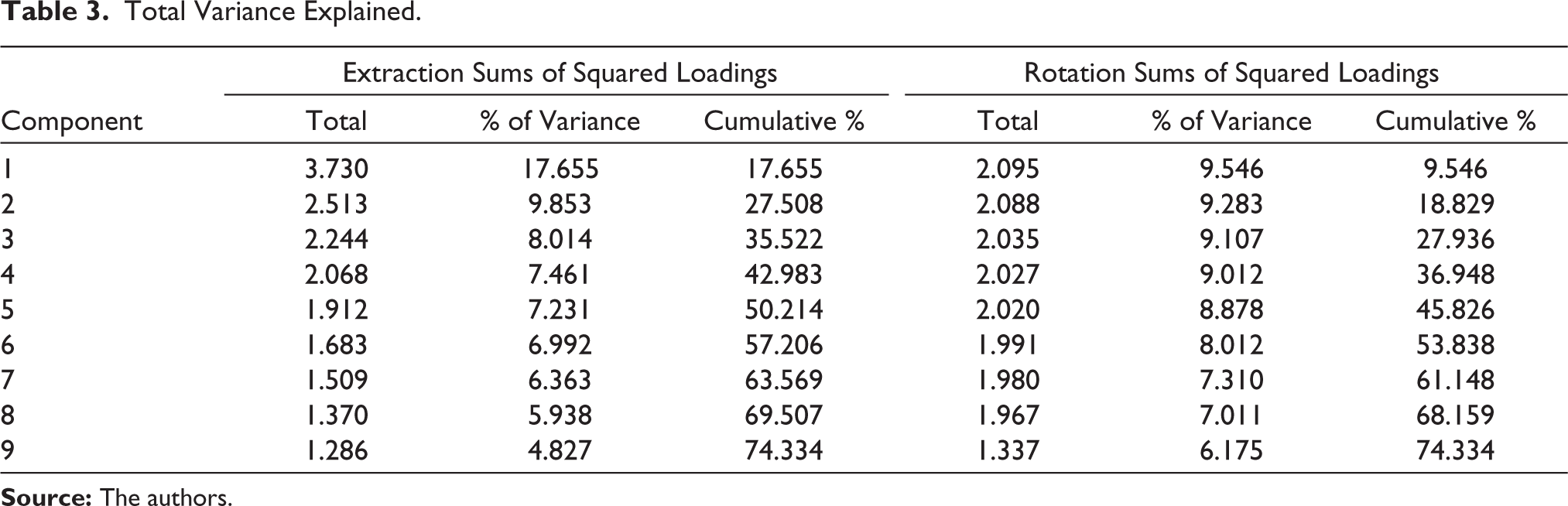
Varimax Rotation method of data reduction is used for factor analysis. The factors having Eigen value of equal to 1 or more than 1.0 are considered for further study. The results of factor analysis fetched 23 variables. Further, it was essential to assign a collective label to the group of all individual factors having sound correlation coefficient. So, all 23 variables were grouped under 9 major factors. The extracted nine factors explain 74.33% of total variance which means that the contribution of these nine factors influencing SSPs of consumers during COVID-19 pandemic in India about 74%.
Table 3 represents the percent variance and cumulative of total variance explained by each factor for SSPs of consumers during COVID-19 pandemic in India.
Total Variance Explained
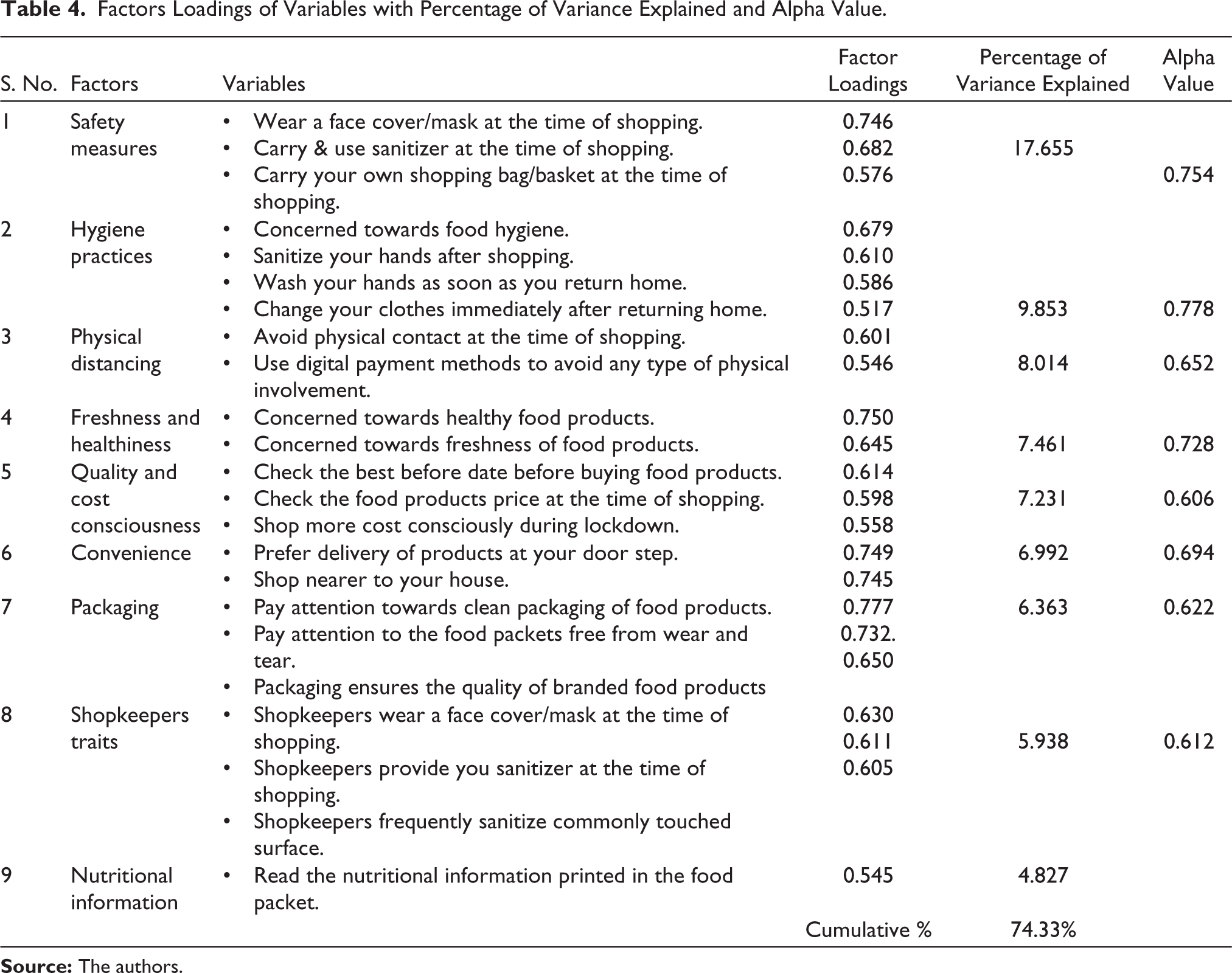
The outcome of factor analysis with the factor loading of variables and alpha value of each factor is represented in Table 4. It can be observed in the table that nine factors have been grouped together which has emerged as prominent SSPs of consumers during COVID-19 pandemic in India. These factors have been grouped on the basis of percent variance and Eigen values. The new clubbed factors were grouped properly according to the set of individual components it contained. The grouping of principal nine factors is presented in Table 4.
Factors Loadings of Variables with Percentage of Variance Explained and Alpha Value
Cronbach’s Alpha Test
Construct validity was carried out to know the convergent validity of each item used for the different variables. Cronbach’s alpha test was conducted for this purpose. This test is conducted to evaluate the consistency and reliability of questionnaire. According to Hair et al. (2015), the lower limit for Cronbach‘s alpha is 0.60 in case of exploratory research. Hence for accurate and reliable results, the factors having more than 0.60 values are considered for the study. Since, here the Cronbach’s alpha value of all factors is more than 0.60, hence all the factors are considered for MRA, except one factor that is nutritional information which is having only one variable in it. Therefore, 22 variables clubbed under 8 factors are considered for MRA.
Multiple Regression Analysis
MRA using stepwise estimation was conducted on the data collected from the respondents. The purpose was to analyse the factors which consumers considered prominent amongst all the identified factors during COVID-19 pandemic.
Further, from the results of MRA, regression equation will be formed and a validated model will be constructed to highlight the important factors considered by the consumers SSPs during COVID-19 pandemic.
MRA was conducted for SSPs during COVID-19 pandemic. The stepwise estimation method was used for the same.
As already discussed earlier, there is a total of 22 variables categorized under eight major independent factors considered in the study. The purpose is to find the impact of independent variables on dependent variables (SSPs).
The details of dependent factor and independent factors are presented in Table 5.
Summary of Dependent and Independent Variable
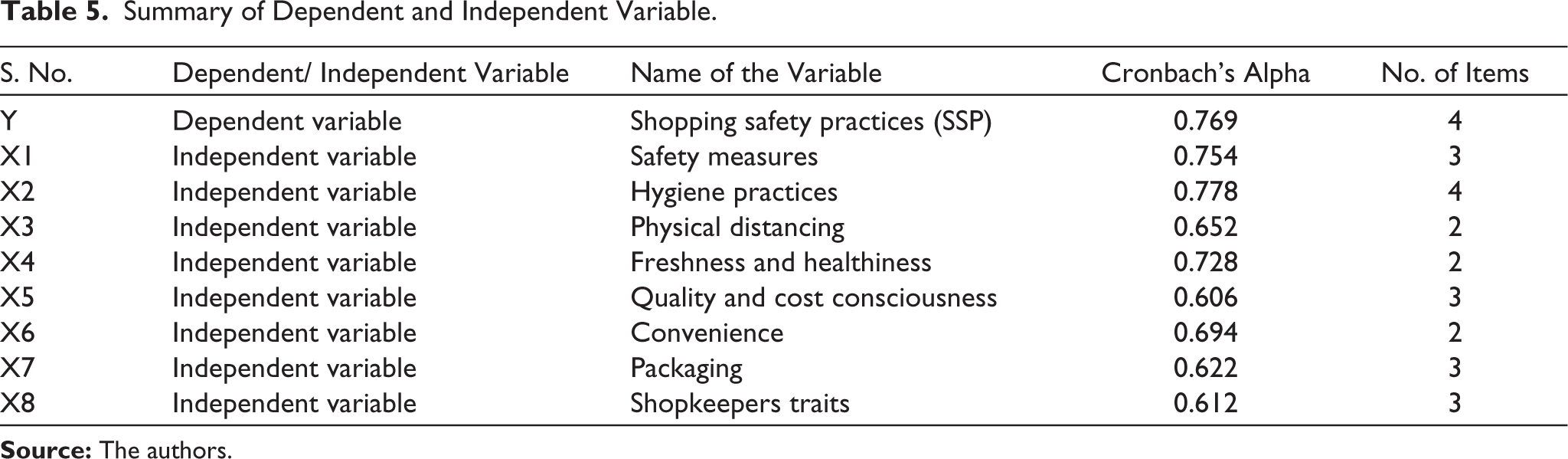
The code of all eight factors and their variables has been formed. The purpose of coding is to develop the regression equation for the results obtained through MRA. The factors and variables are presented in Table 6 along with their codes.
Factors Coding Considered by Consumers for Safety Shopping Practices During COVID-19 Pandemic
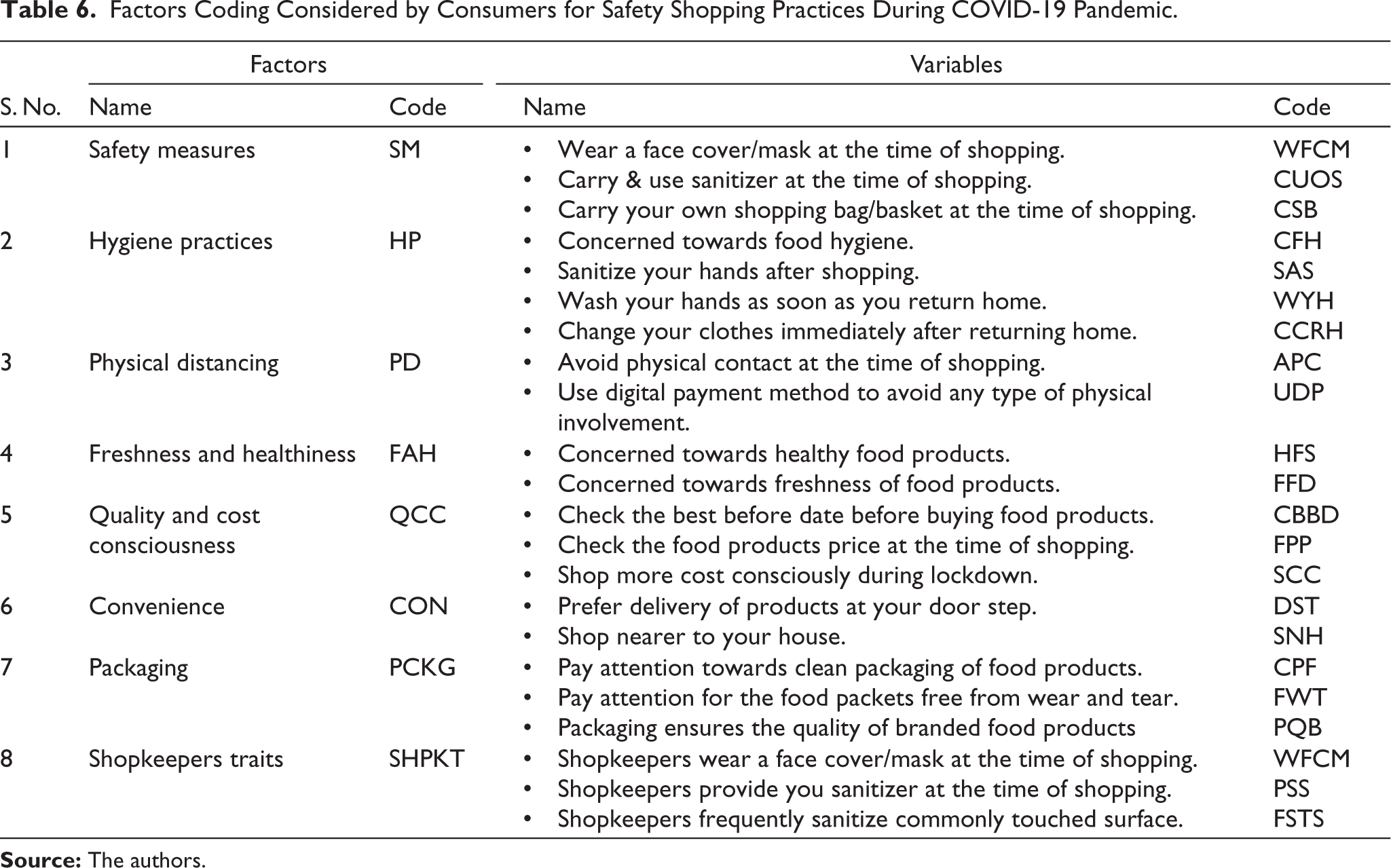
A brief description of various independent variables and hypotheses which are used in the current research work are given as follows.
Safety measures: During pandemic, consumers are more conscious towards food safety practices (Li et al., 2020). COVID-19 impacts the consumers’ daily life, the effect of lockdown and physical distancing changed the shopping and buying habits of consumers. Consumers are learning new habits of shopping practices. Consumers are more concerned with the safety aspect while shopping during COVID-19 pandemic.
Hygiene practices: According to Jagers et al. (2020) consumer shopping perception towards food products has changed during COVID-19. Pandemic increased the demand for healthy and nutritious food. Consumers more emphasized in their food product choices like freshness, hygiene, quality (Acebron et al., 2000; Quagrainie et al., 1998;) and nutritional information (Peters-Texeira & Badrie, 2005) in the food packet.
Physical distancing: Shopping practices will be modified as per the given guidelines and regulations like wearing face cover or mask and keep six feet physical distancing (Sheth, 2020). As a prerequisite of pandemic, consumers are relying more on e-payments mode of transactions. Contactless payments have replaced conventional mode of cash transactions.
Freshness and healthiness: During pandemic consumers are looking towards freshness and healthiness of products (Acebron et al., 2000; Quagrainie et al., 1998). Pandemic generates a new habit of reading nutritional information printed on the packet (Peters-Texeira & Badrie, 2005).
Quality and cost consciousness: Quality and cost of the product are also considered as one of the factor by consumers at the time of shopping (Ali et al., 2010; Munnukka, 2008). The shopping pattern of consumers has become more conscious towards the quality and cost of the products (Petetin, 2020) as well as comparing with the available alternatives (Victor et al., 2018).
Convenience: Convenience to consumers for safe shopping practices is another important factor considered during pandemic. Consumer prefers nearby shop or store to meet their essential requirements for being in the safety zone during pandemic (Li et al., 2020). Consumer shopping practices are assessed on the basis of preferred market place, frequency of shopping trips and delivery of products (Reimers & Chao, 2014).
Packaging: Product packaging is one of the vital aspects at the time of buying food products (Ali et al., 2010; Petit et al., 2018; Popovic et al., 2019). Packaging preserves and protects the food items and also provides hygiene to them (Rizou et al., 2020). Consumers pay more attention towards clean and hygiene packaging when they buy food products during COVID-19 pandemic (Olaimat et al., 2020).
Shopkeeper traits: The safety measures taken by shopkeepers are also considered by consumers at the time of shopping during COVID-19 pandemic. The basic measures like sanitizing the products, place, shop and wearing of masks and gloves influence the purchasing decision of the consumers. Supermarket, Retail outlet and Mom and Pop store are taking all necessary measures like social distancing, hygiene and cleanliness for better and safe shopping performance (Carrefour, 2020). Shopkeepers are advised to follow the preventive measures and proper cleaning of the touch points by the disinfectants to control the virus particles (Ali & Alharbi, 2020).
Result Discussion and Hypothesis Testing
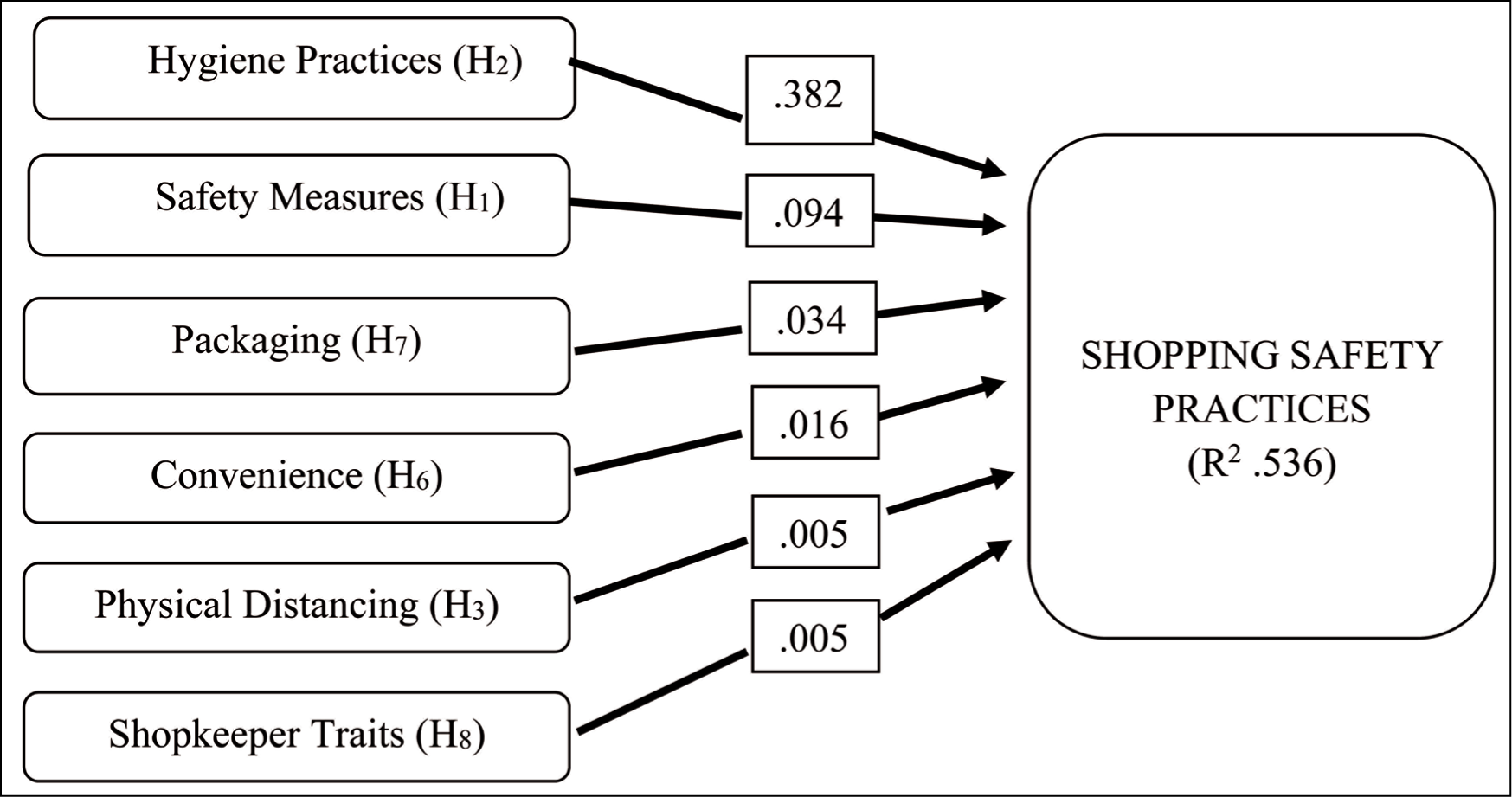
Table 7 represents the variable entered into the regression model for SSPs during COVID-19 pandemic. Out of eight independent variables, six independent variables are supported through results. These variables are X2 (Hygiene Practices), X1 (Safety Measures), X7 (Packaging), X6 (Convenience), X3 (Physical distancing) and X8 (Shopkeeper Traits). Thus, six hypotheses (H1, H2, H3, H6, H7 and H8) are supported in the study.
Variable Entered into the Regression Model for Shopping Safety Practices
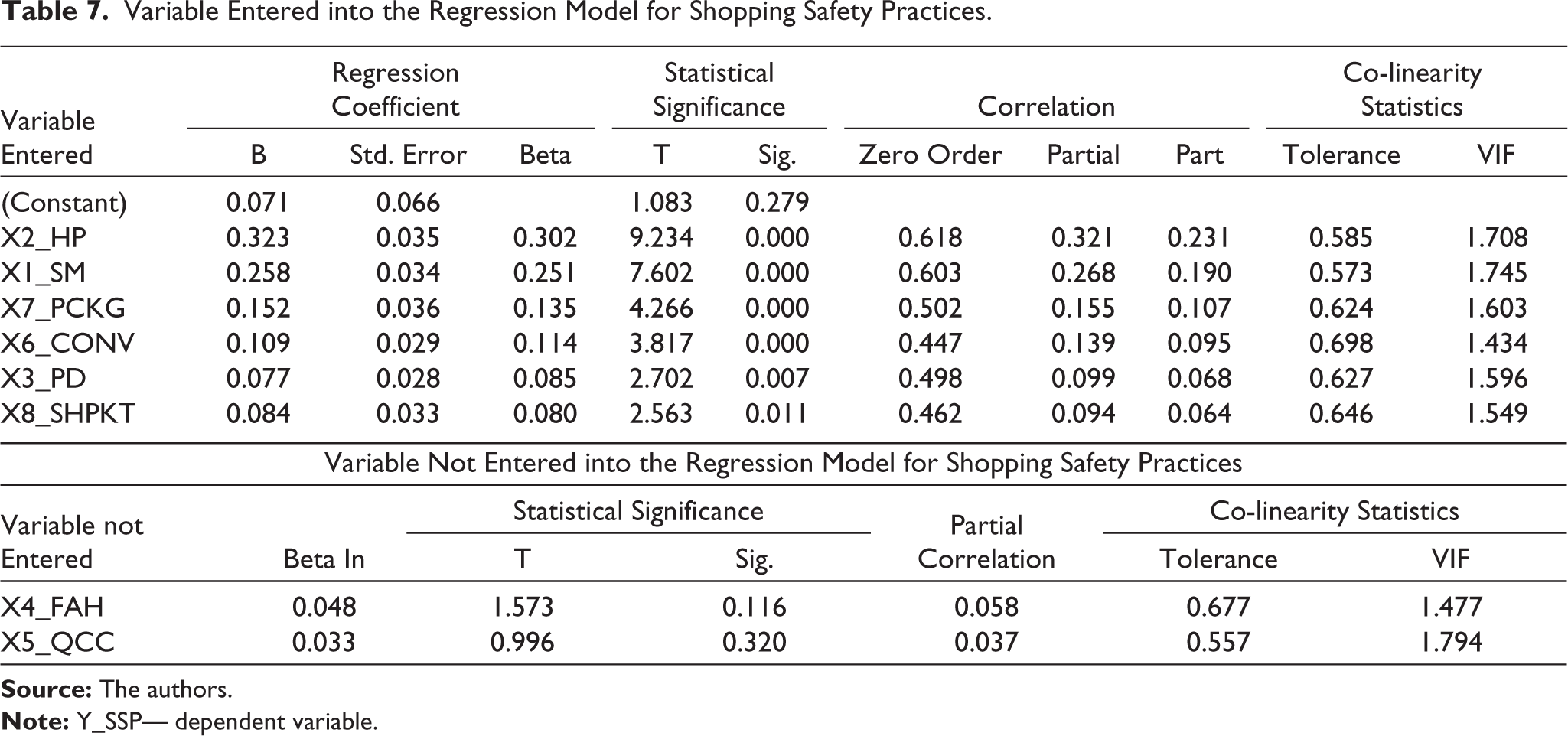
There are two independent variables which are not supported through results and hence not considered in the study. These variables are X4_Freshness and Healthiness and X5_Quality and Cost Consciousness. These two variables are not considered in the study because their value of level of significance is greater than 0.05. As per the statistical acceptance, the value of level of significance should be below 0.05 (Hair et al., 2015). The level of significance for freshness and healthiness and quality and cost-consciousness is 0.116 and 0.320, respectively, which is greater than 0.05. Thus it can be said that these two variables are not the predictor of SSPs during COVID-19 pandemic. Thus, two hypotheses are not supported. The value of level of significance for all other four factors (X1, X2, X3, X6, X7 and X8) is below 0.05.
Table 8 shows a model summary of the all steps considered to develop a regression model for SSPs during COVID-19 pandemic.
Model Summary for Shopping Safety Practices
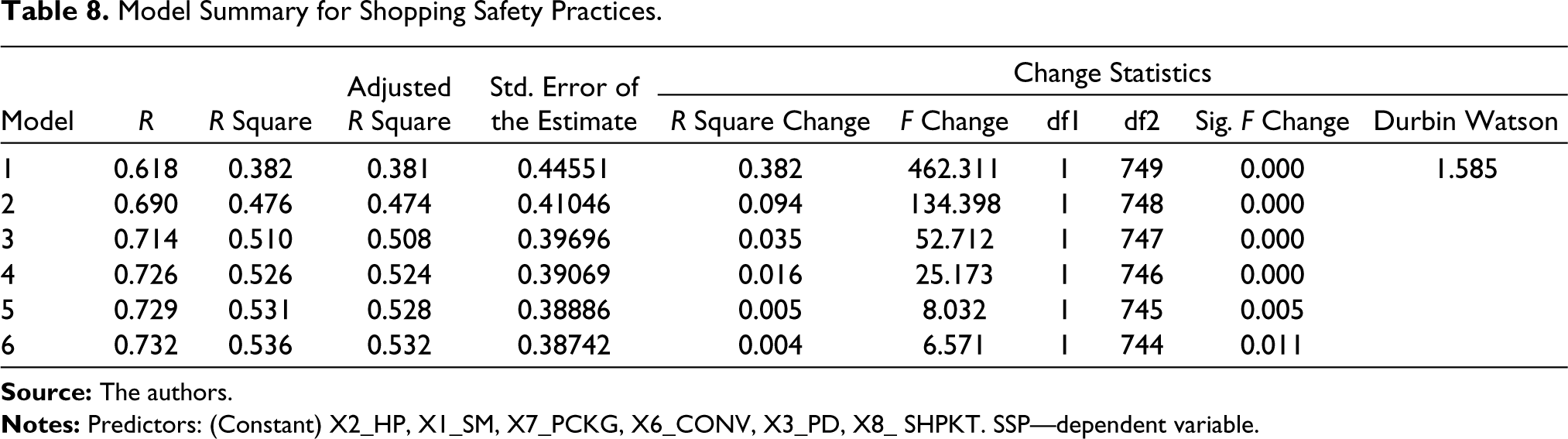
Coefficient of determination (R2) is calculated from the results of MRA. Higher value of R2 indicates the higher explanatory power of regression equation and, therefore, represents better prediction of dependent variables. The value of R2 should be between 0 and 1.
Model sixth has the highest value of R2 (0.536) with the contribution of five independent variables. The coefficient of determination R2 (0.536) signifies that the research model has 53.6% explanatory power towards SSPs during COVID-19 pandemic. This can also be explained as six independent variables taken in the final stepwise regression analysis have a total of approximately 54% of explanatory power towards SSPs during COVID-19 pandemic.
The regression equation (Hair et al., 2015) can be as follows:
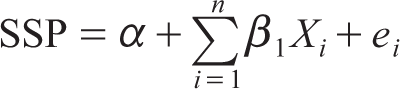
where Xi is independent variables that include safety measures, nutritive value, convenience, packaging, product price and shopkeeper traits, β is unknown parameters, α is the intercept and ei is error term.
The regression equation consists of seventeen variables categorized under six major factors which are supported by the result of MRA. The equation can be written as follows:
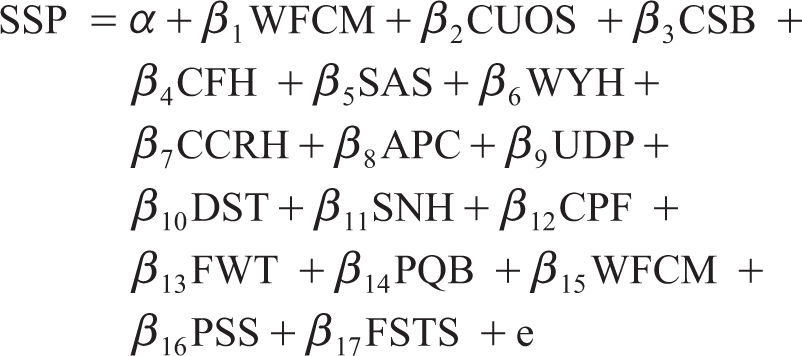
Considering the values from Table 7 variable entered in the regression model, the equation can be formed as:
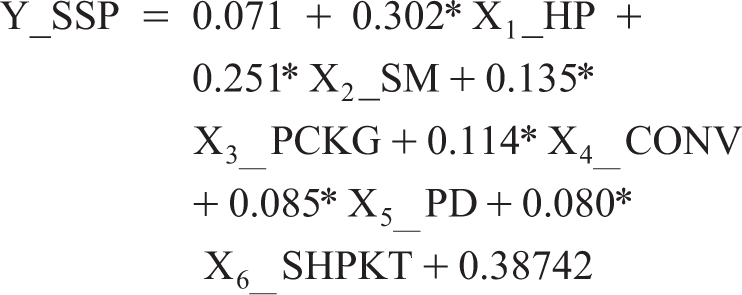
The regression equation shows that there are six independent factors which influence the dependent factor. It means that the six factors which are safety measures, hygiene practices, packaging, convenience, physical distancing and shopkeeper traits (independent factors) influences the SSPs (dependent factor) during pandemic. The results show that consumers consider these factors as an important safety measure while shopping and their shopping decision are influenced by the above factors. In short, the consumer considers safety measures, hygiene practices, packaging, convenience, physical distancing and shopkeeper traits as an SSP during COVID-19 pandemic.
The Durbin Watson test examines the autocorrelation among variables. The value of Durbin Watson test comes out to be 1.585, which indicates that the variables are non-auto-correlated (Hair et al., 2015).
The summarized result of hypothesis testing is presented in Table 9.
Summary of Hypothesis Acceptance
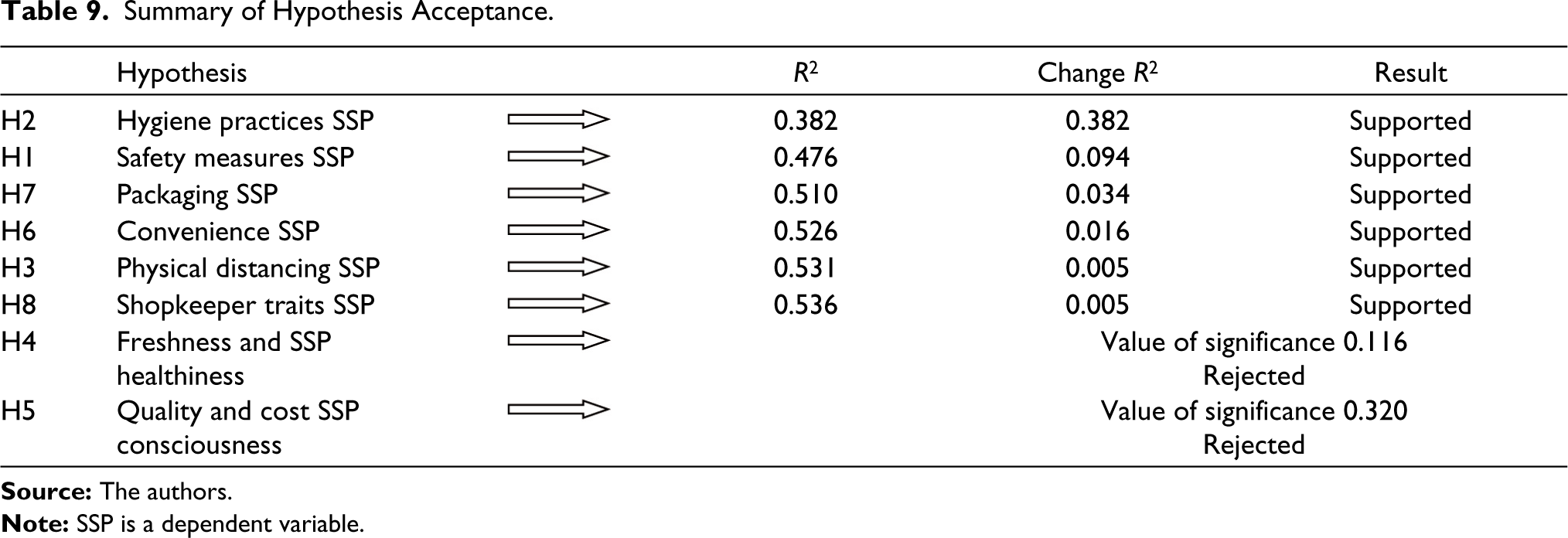
Figure 1 represents the validated model for consumers SSPs which influences the shopping decision of consumers during COVID-19 pandemic. The validated model has been derived from the results of MRA. Consequently, a model depicts the distinct contribution of each factor in percentages and overall model fit using R2. MRA will yield the exact contribution of each factor as an SSPs to be followed by consumers during COVID-19 pandemic.
Conclusion
A safety measure is one of the key elements in consumer shopping behaviour across the world and today consumers are more conscious towards healthiness. Retail outlets or shopkeepers redesign store layout to ensure safer in-store experience in post-pandemic era. This study helps in identifying the behavioural changes for both consumers and shopkeepers.
Safety measures will increase the awareness among the consumers to keep them safe and secure from the threat of COVID-19 pandemic.
Factor analysis was conducted to identify the factors considered by the consumers for SSPs during COVID-19 pandemic.
Further, MRA identifies the separate contribution of each factor. It provides an opportunity to furnish separate contribution of each factor and on the basis of the value of R2 a model for SSPs considered by the consumers during shopping is developed.
The outcome of MRA aided in finding the prominent factors of SSPs during COVID-19 pandemic. These factors are significant and should be considered by the consumers while shopping during pandemic. The knowledge to consumers about the factors for SSPs will prevent the consumers from the exposure to COVID-19 pandemic.
The main contribution of the authors is to provide outcome which can be useful to consumers, shopkeepers and retail outlets for ensuring safety measure during COVID-19 pandemic. The practitioners and researchers intending to work on consumer behaviour during pandemic and future market trends will have the better understanding of the safety measures by consumers to assess and identify the factors influencing the consumers shopping behaviour and decision. Further, having knowledge of individual significance of each factor, the researchers can prioritize them as per their requirement.
The findings of the research will aid consumers in decision-making process for SSPs to be followed and implemented during COVID-19 pandemic.
A validated model of all the factors for SSPs is developed. The model can be used as an instrument for depth analysis of consumer behaviour during pandemic.
Further, for future research work, advanced statistical methods like structural equation modelling can be used for statistical efficiency and model testing for development.
Limitations of Study
There are some limitations of the research. During the first one month of data, collection responses could not be achieved more as people were still in the process of experiencing the shopping during lockdown period. Second, most of the respondents are male in this study, as females are less involved in shopping due to safety purposes and the availability of male members at home during lockdown.
In spite of these limitations, the present research work provides an adequate information and knowledge to the consumers, shopkeepers and retailers about the SSPs to be followed during COVID-19 pandemic.
Footnotes
Acknowledgements
The authors would like to thank all the respondents who spared their precious time for providing data essential for this study. We express our appreciation to the experts of pilot study for sharing their pearls of wisdom that improved the work significantly.
We are also immensely grateful to the editors for their critical and valuable comments to improve the manuscript. We would also like to express their sincere appreciation to the anonymous referees for their valuable comments which enhanced the quality of the article.
Declaration of Conflicting Interests
The authors declared no potential conflicts of interest with respect to the research, authorship and/or publication of this article.
Funding
The authors received no financial support for the research, authorship and/or publication of this article.