




Abstract
This article provides a perspective to implement circular supply chain management (CSCM) in the plastic industry in emerging economies, especially in India. CSCM integrates the philosophy of circular economy (CE) into supply chain management and offers a new view towards sustainability. However, the implementation of CSCM is an arduous task due to the presence of several barriers. Therefore, this study aims to investigate and prioritize barriers to implementing CSCM practices in Indian plastic industries. It employs a two-phase methodology to identify and prioritize the barriers to implementing CSCM. A total of 24 barriers were identified under five major categories through an extensive literature review and experts’ opinions. A fuzzy analytical hierarchy process (AHP) methodology is employed to rank the barriers. The fuzzy framework is considered to handle the uncertainty and vagueness. An empirical case of the Indian plastic industry is taken to illustrate the proposed model. A sensitivity analysis was performed to check the robustness of the model. The results indicate that the lack of tax relaxation policies and poor enforcement of rules and regulations to protect the environment are the most prominent barriers. The finding of this study can act as a stepping stone for managers and policymakers to effective implementation of CSCM.
Introduction
The current patterns of production, consumption and trade of the supply chain model affect the environment and society negatively. Most of the current business practices still tend to work on the principle of ‘extract-transform-dispose of’ (Patwa et al., 2020). Organizations extract many natural resources, process them into finished products and sell them in the market for consumption, and they are finally discarded by the consumer after the end of their use, resulting in waste (Gong et al., 2020; Jakhar et al., 2019). This linear approach of business organization does not significantly consider the society and environment. Therefore, circular economy (CE) emerged as a new approach to respond to resource scarcity and minimize waste generation, while also helping to achieve a sustainable society and economy (Batista et al., 2019; Khan et al., 2020). The CE approach aims to keep products or materials usable through the extension of their life cycle in a circular design of supply chain to utilize the highest value and minimize waste generation while optimizing natural resources (Batista et al., 2019; Govindan & Hasanagic, 2018; Mangla et al., 2018). This economic model is based on restoration and regeneration (WEF & Ellen Macarthur Foundation, 2017). In CE principles, the waste of one organization would be a resource for another (Patwa et al., 2020).
The adoption of CE is the need for the hour for organizations to minimize and manage waste effectively and remain sustainable in the current scenario of resource depletion and environment protection. Globally, various industries, such as automobile (Agyemang et al., 2019), packaging (Batista et al., 2019), textile and apparel (Jia et al., 2020), manufacturing (Kumar et al., 2019), electronics (Sharma et al., 2019), construction (Ghisellini et al., 2016), food (Sharma et al., 2019) and leather (Moktadir et al., 2019), are giving priority to implementing a CE system in their supply chain. However, implementing circular practices in developing countries like India is challenging as compared to developed countries, due to the difference in specific laws, infrastructure and social and cultural conditions. A few studies (Agyemang et al., 2019; Batista et al., 2019; Bhandari et al., 2019; Moktadir et al., 2019; Sharma et al., 2019) have tried to identify barriers to implementing circular practices in the supply chain of a developing nation’s context, but none of them provides a holistic view of implementing circular supply chain management (CSCM) in the Indian plastic industry.
To contribute to the CE literature, the objective of this study is to identify the barriers that impede the adoption of CE, primarily focusing on the Indian plastic industry. Plastic has emerged as a high-priority sector to implement CE, due to its high versatility and durability in various applications like packaging, automotive, electronics, food, etc. (Khandelwal & Barua, 2020; MoEFCC, 2018; WEF & Ellen Macarthur Foundation, 2017). However, the extensive use of plastic products has caused an increase in pollution and waste generation, affecting the environment and social well-being (Aryan et al., 2019; Gong et al., 2020; Satapathy, 2017). In India, it is estimated that 15,342 tons of plastic waste is generated per day; only 60 per cent of the total waste is recycled, and the remaining is left untreated or discarded (CPCB, 2015; 2017; Khandelwal & Barua, 2020). This improperly disposed or untreated waste is illegally dumped into landfills or burnt. The rising quantity of waste and its management are significant threats for the government and policymakers to tackle (Aryan et al., 2019; Satapathy, 2017). They can be addressed through the adoption of CE practices in the plastic supply chain. Therefore, the present study aims to provide managers and policymakers of plastic sectors a holistic insight into the obstacles of CSCM implementation in India. A fuzzy analytical hierarchy process (AHP) methodology has been utilized to evaluate the weights of identified barriers selected for this study and prioritize them. The preference ranking can help all stakeholders, including plastic producers, manufacturers, recyclers, suppliers, consumers, governments and monitoring institutions, to focus on the most prominent barriers.
This article is composed of eight sections, which are structured in the following manner: the second section discusses a review of barriers to implementing CSCM in emerging economies; the third section highlights the problem definition; the fourth section describes the two-phase methodology proposed in this research; the fifth section illustrates an application of the proposed methodology; the result and discussion are presented in the sixth section; the seventh section summarizes the conclusion and managerial implications of the study; and the last section presents the limitations.
Review of Literature
Barriers of CSCM Implementation in Emerging Countries
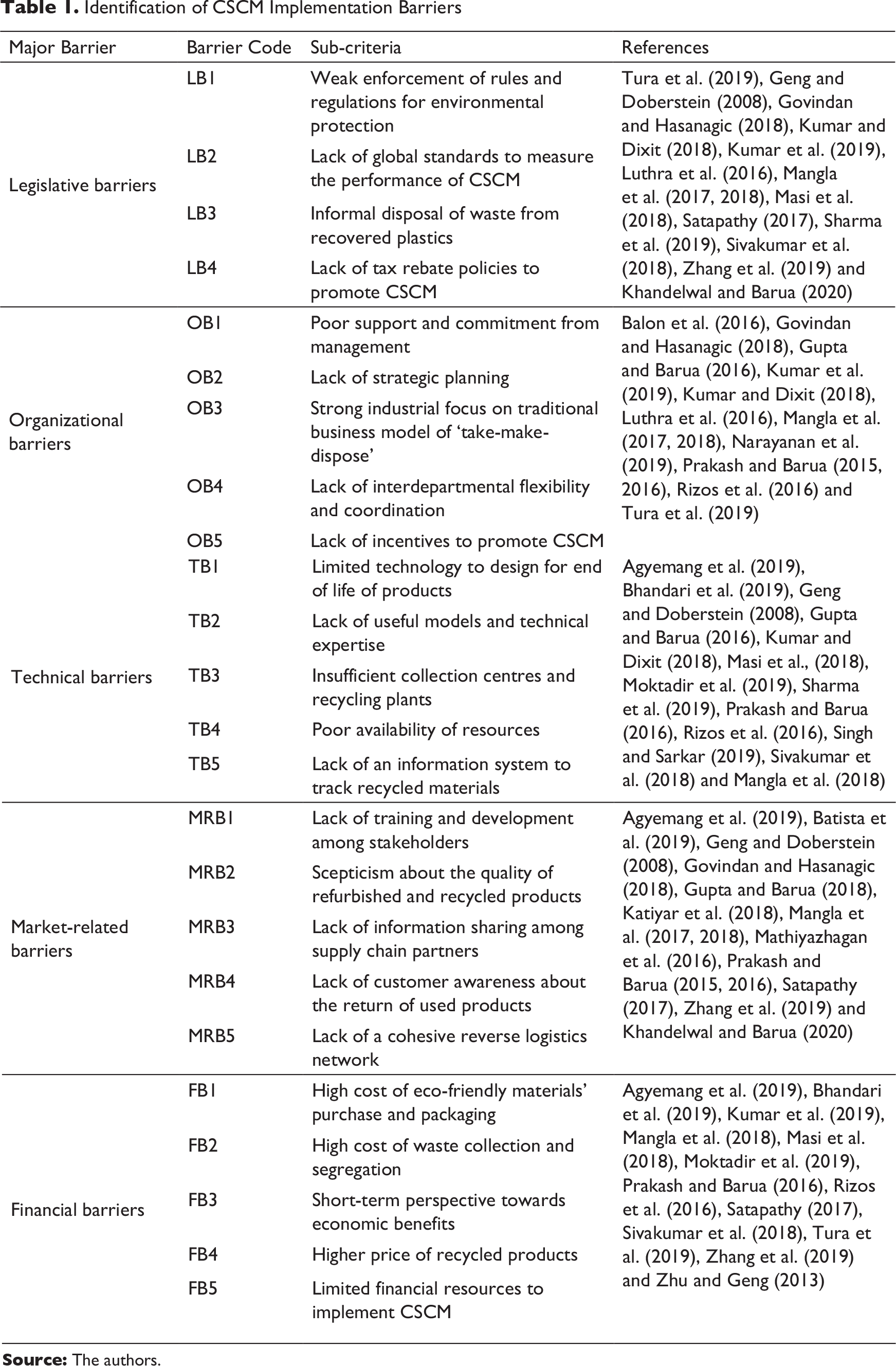
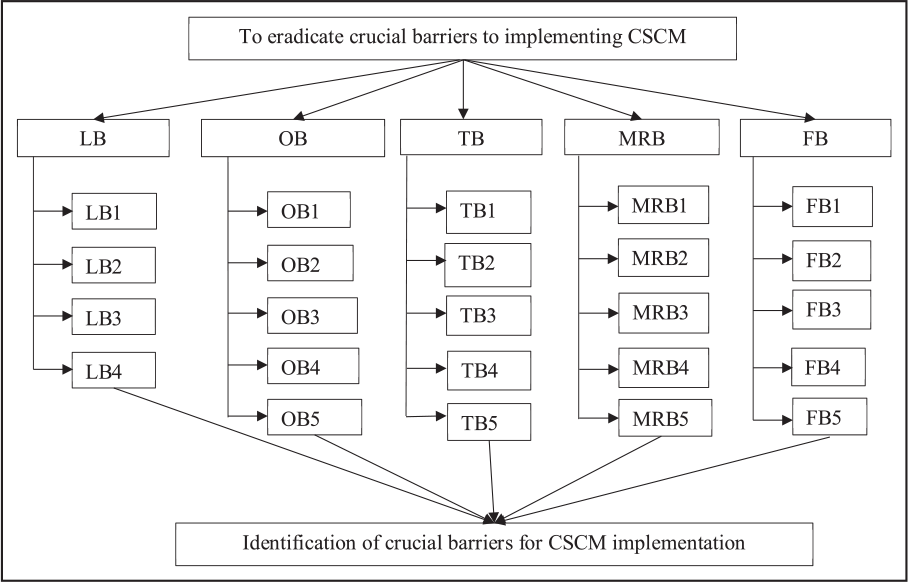
Over the past few years, researchers and academicians have started paying attention to implementing CE initiatives in the supply chain (Batista et al., 2019; De Angelis et al., 2018; Farooque et al., 2019; Masi et al., 2018; Paletta et al., 2019; Rizos et al., 2016). However, the implementation of CSCM is still at a nascent stage in developing countries due to the presence of several barriers (Patwa et al., 2020). The literature has tried to address several barriers that hinder the implementation of CSCM in developing countries (Agyemang et al., 2019; Govindan & Hasanagic, 2018; Mangla et al., 2018; Moktadir et al., 2019; Sharma et al., 2019). In this article, we categorize the barriers into five major categories, along with their sub-criteria from the Indian producer’s perspective based on the literature review and various rounds of deliberations with experts. The finalized identified barriers are depicted in Table 1.
Legislative Barriers
Most developing nations are characterized by a lack of robust legal and regulatory mechanisms promoting the implementation of CSCM. Due to the lack of proper legislative policies, plastic waste is illegally imported to India and processed by informal sectors (Liu et al., 2018). It demotivates the organizations that plan to shift towards CSCM implementation. Also, the lack of a standardization process to measure the performance of operating processes poses an additional challenge for organizations to shift towards CSCM (Govindan & Hasanagic, 2018; Zhang et al., 2019). The adoption of circular practices requires high investments. Therefore, tax relaxation policies from the government can be a motivating factor for plastic industries to implement CSCM (Luthra et al., 2016; Mangla et al., 2018; Sivakumar et al., 2018). The major barriers under this category include weak enforcement of government rules and regulations to protect the environment (Kabra & Ramesh, 2015; Katiyar et al., 2018; Kumar & Dixit, 2018; Mathiyazhagan et al., 2016; Singh & Sarkar, 2019), lack of global standards to measure the performance of CSCM (Mangla et al., 2018; Moktadir et al., 2019; Prakash & Barua, 2016), informal waste disposal practices (Zhang et al., 2019) and lack of tax rebate policies to promote CSCM (Geng & Doberstein, 2008; Kumar et al., 2019; Sivakumar et al., 2018).
Organizational Barriers
Lack of strong commitment and support from the senior management is a significant impediment to implementing CSCM in organizations (Gupta & Barua, 2016). Leaders need to form common strategies and understanding to develop a framework of CE implementation (Mangla et al., 2018). Organizations often tend to work in their traditional way and are scared to shift towards circular practices, wanting to avoid risks. Lack of communication between departments delays the monitoring of activities in the supply chain (Yadav et al., 2020). Zhang et al. (2019) suggested that various incentive schemes to engage with CSCM projects can be a motivating factor for stakeholders to adopt CSCM. The major barriers coming under this category are poor support and commitment from the management (Gupta & Barua, 2016; Luthra et al., 2016; Zhu & Geng, 2013), lack of strategic planning (Balon et al., 2016; Prakash & Barua, 2015), strong industrial focus on the traditional business model of ‘take-make-dispose’ (Masi et al., 2018; Paletta et al., 2019; Tura et al., 2019), lack of interdepartmental flexibility and coordination (Balon et al., 2016, Katiyar et al., 2018; Prakash & Barua, 2015) and lack of incentives to promote CSCM (Mangla et al., 2017; Satapathy, 2017).
Technical Barriers
CE practices are relatively new in many organizations. Adoption of modern technology and innovation is essential to change the existing business culture and facilitate the shift towards a circular model (De Angelis et al., 2018; Gupta & Barua 2016). Organizational performance directly depends on the available technology and resources. Many organizations do not have technical expertise or knowledge of how to transform traditional operations into circular practices (Rizos et al., 2016; Sharma et al., 2019). Also, organizations are often found to be resource-constrained. The unavailability of smart technologies poses one of the major constraints to tracking information on material flow in the supply chain for organizations (Mangla et al., 2018; Zhang et al., 2019). The major barriers in this category include limited technology to design for the end of life of products (Geng & Doberstein, 2008; Prakash & Barua, 2015, 2016; Singh & Sarkar, 2019), lack of useful models and technical expertise (Agyemang et al., 2019; Bhandari et al., 2019; Zhu & Geng, 2013), insufficient collection centres and recycling plants (Prakash & Barua, 2015, 2016), poor availability of resources (Agyemang et al., 2019) and lack of an information system to track recycled materials (Govindan & Hasanagic, 2018; Sharma et al., 2019).
Market-related Barriers
A lack of market for reused or refurbished products is a severe concern in India, where the majority of people do not care about environmental protection (Sivakumar et al., 2018; Zhang et al., 2019). The market for recycled products depends on consumer demands, and thus people’s perspective is essential for the implementation of circular practices in organizations (Gupta & Barua, 2018; Moktadir et al., 2019). Most often, consumers prefer virgin plastic products over recycled products and harbour scepticism towards the quality of recycled plastic materials (Agyemang et al., 2019; Kumar et al., 2019; Mathiyazhagan et al., 2016). Also, the pricing of these products is a sensitive issue in India due to the highly competitive market. The various barriers under this category involve lack of training and development among stakeholders (Khandelwal & Barua, 2020; Mangla et al., 2018), scepticism about the quality of refurbished and recycled products (Mathiyazhagan et al., 2016; Paletta et al., 2019; Prakash & Barua, 2016; Sivakumar et al., 2018), lack of information sharing among supply chain partners (Agyemang et al., 2019; Mangla et al., 2017, 2018; Sivakumar et al., 2018; Tura et al., 2019), lack of customer awareness about the return of used products (Katiyar et al., 2018; Satapathy, 2017; Zhang et al., 2019) and lack of a cohesive reverse logistics network (Balon et al., 2016; Prakash & Barua, 2015, 2016).
Financial Barriers
Identification of CSCM Implementation Barriers
Objective of the Study
The present study addresses the issues and challenges faced by the Indian plastic industry in the implementation of CSCM. This article aims to achieve two objectives: (a) the primary objective of this research is to identify barriers that influence the adoption of CSCM in the Indian plastic industry; (b) the secondary objective of this research is to prioritize the identified barriers using fuzzy AHP.
Methodology
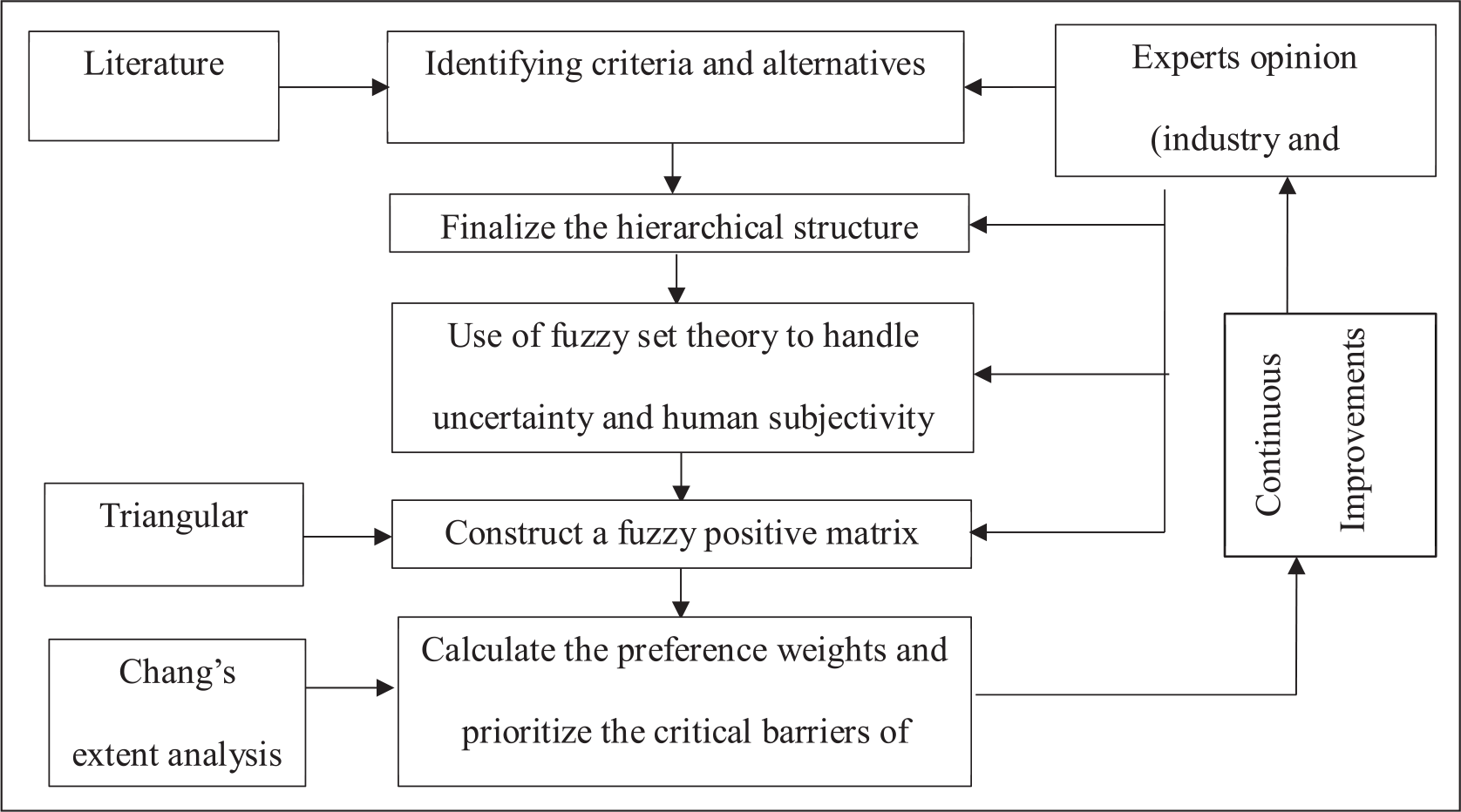
This study adopts a two-phase hybrid approach for identifying and ranking the barriers. The initial phase involves identifying the barriers to CSCM adoption in the Indian plastic industry through a literature review and experts’ opinions. The second phase involves evaluating and ranking the barriers and sub-barriers using the fuzzy AHP approach. The proposed research design is represented in Figure 1.
Fuzzy AHP
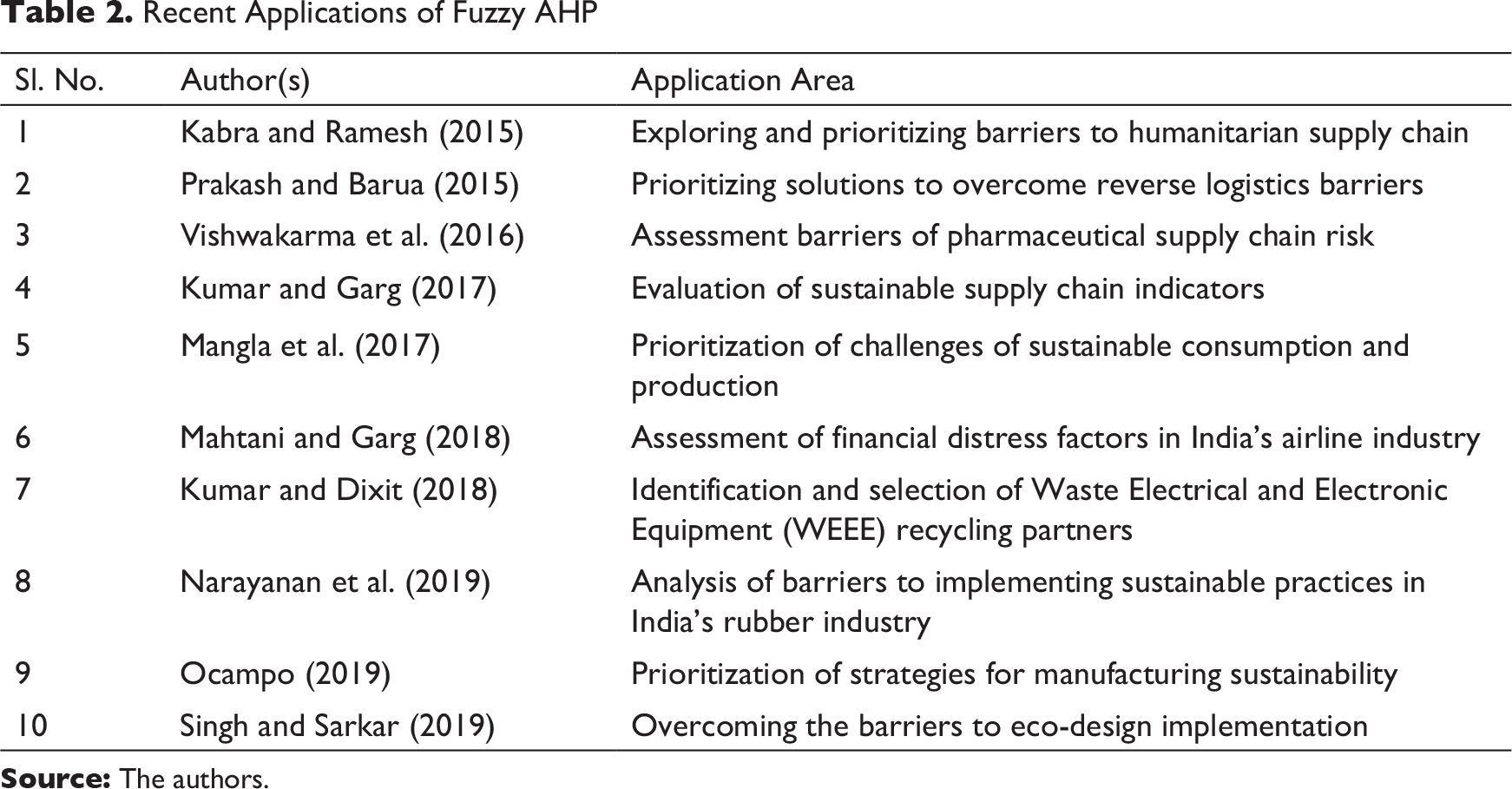
Recent Applications of Fuzzy AHP
As per the extent analysis method developed by Chang (1996), extent analysis is performed on each criterion gi.

The
The steps given by Chang’s analysis are as follows:

TFN Scale of Linguistic Variables
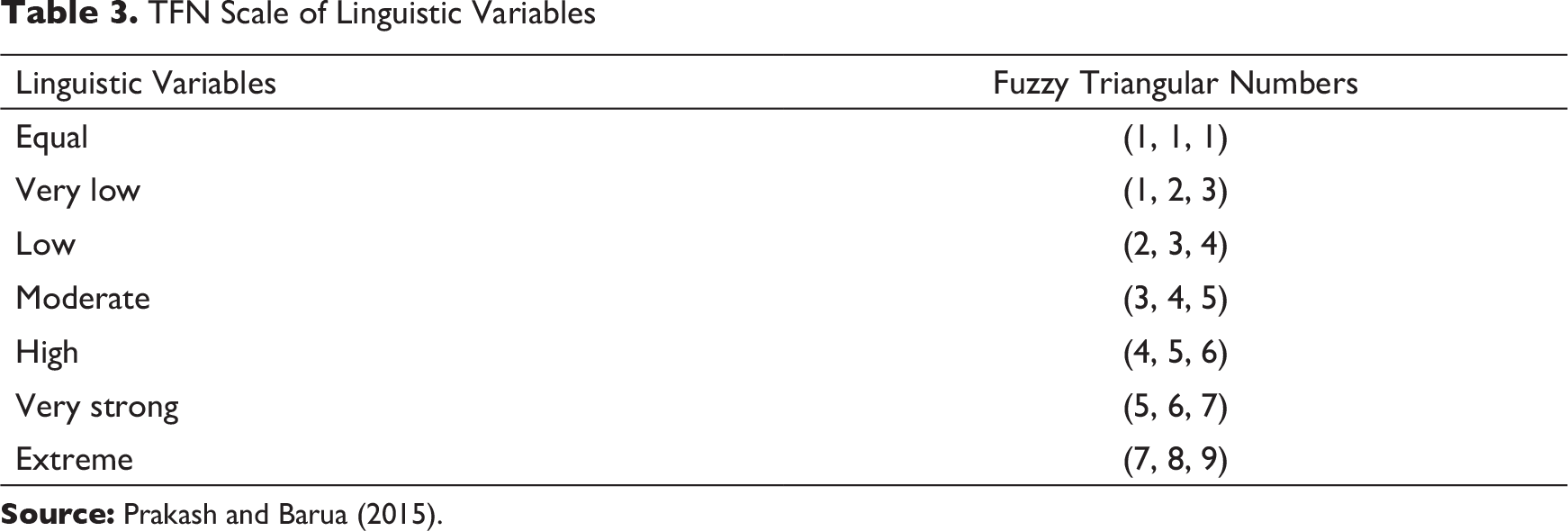
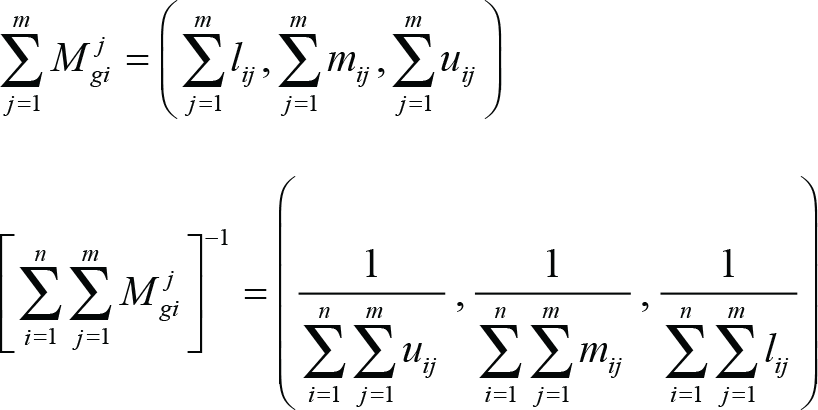
where l is the lowest value, m is the most promising value, and u is the highest value.

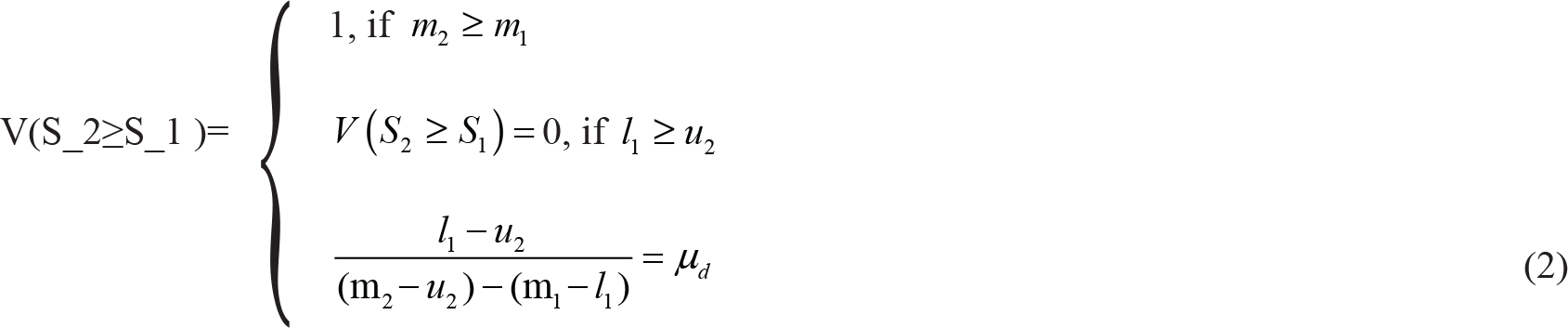
where µd is the highest junction between fuzzy number
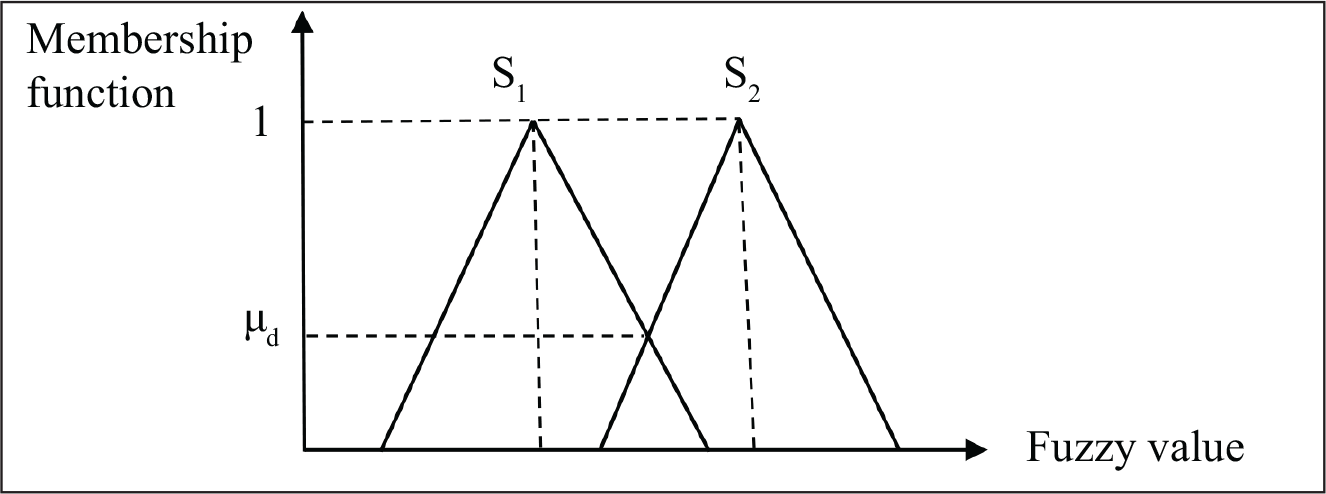

For 

An Application of the Proposed Model
The application of the proposed model considers a case of plastic products–manufacturing company located in the northern part of India. The company chosen for this case study started its operations in 1942 and is a leading plastic manufacturer in India. The company was selected due to its vast experience in the manufacturing and recycling of plastic products.
Data Collection
A questionnaire was framed based on the literature review and circulated among experts/decision-makers. The experts’ opinions were sought to identify common barriers that obstruct CSCM implementation in the Indian plastic industry. The decision-makers selected for this study were from both industry and academia, to avoid any bias by industrial experts towards their organization. Eight experts were chosen to finalize the barriers and frame the pairwise decision matrix. All experts are specialized in plastic manufacturing and recycling and have more than 10 years of experience. A total of 24 barriers were finalized under five major categories based upon the literature review and experts’ opinions, as illustrated in Table 1. The graphical representation of the fuzzy AHP framework is provided in Figure 3.
Calculation of the Value of Fuzzy Synthetic Extent
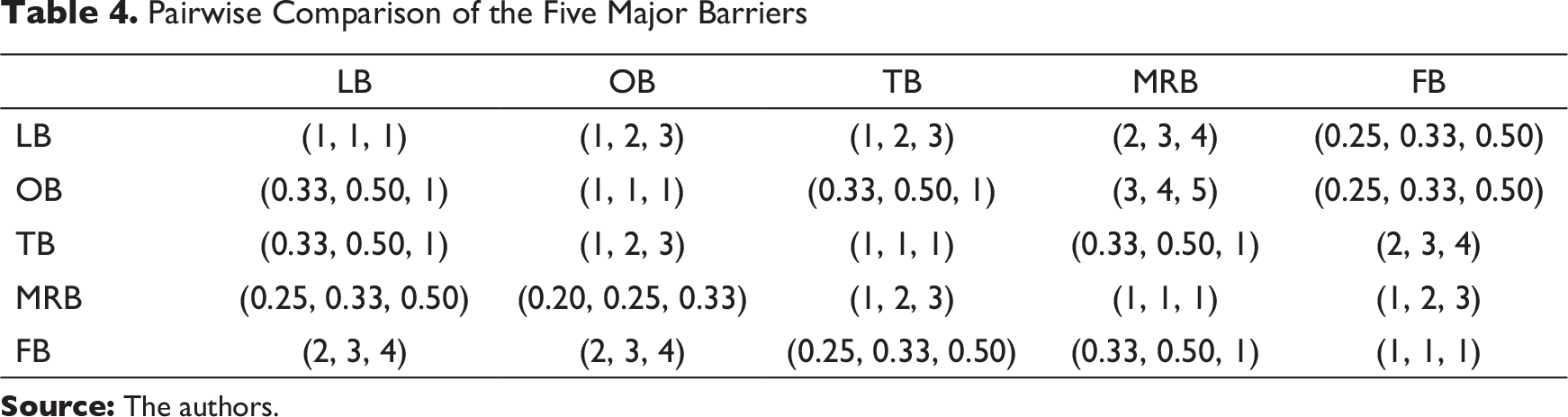
Pairwise Comparison of the Five Major Barriers
Priority Weight of Significant Barriers
Calculation of fuzzy synthetic weights of five primary barriers are determined using Equation (1), as given below:
S(LB) = (5.25, 8.33, 11.5) × [23.85, 35.07, 48.33]−1 = (0.109, 0.238, 0.482)
S(OB) = (4.91, 6.33, 8.5) × [23.85, 35.07, 48.33] −1 = (0.102, 0.18, 0.356)
S(TB) = (4.66, 7, 10) × [23.85, 35.07, 48.33] −1 = (0.096, 0.2, 0.419)
S(MRB) = (3.45, 5.58, 7.83) × [23.85, 35.07, 48.33] −1 = (0.071, 0.159, 0.328)
S(FB) = (5.58, 7.83, 10.5) × [23.85, 35.07, 48.33] −1 = (0.115, 0.223, 0.440)
The minimum possible degree is obtained by the use of Equations (2) and (3):
m(LB) = min V(S1 ≥ Sk) = min (1, 1, 1, 1) = 1
The other values are m(OB) = 0.813, m(TB) = 0.891, m(MRB) = 0.737, and m(FB) = 0.958.
The weight vector is determined by:
Wv = (1, 0.813, 0.891, 0.737, 0.958)T
The final weight values are calculated after normalization as:
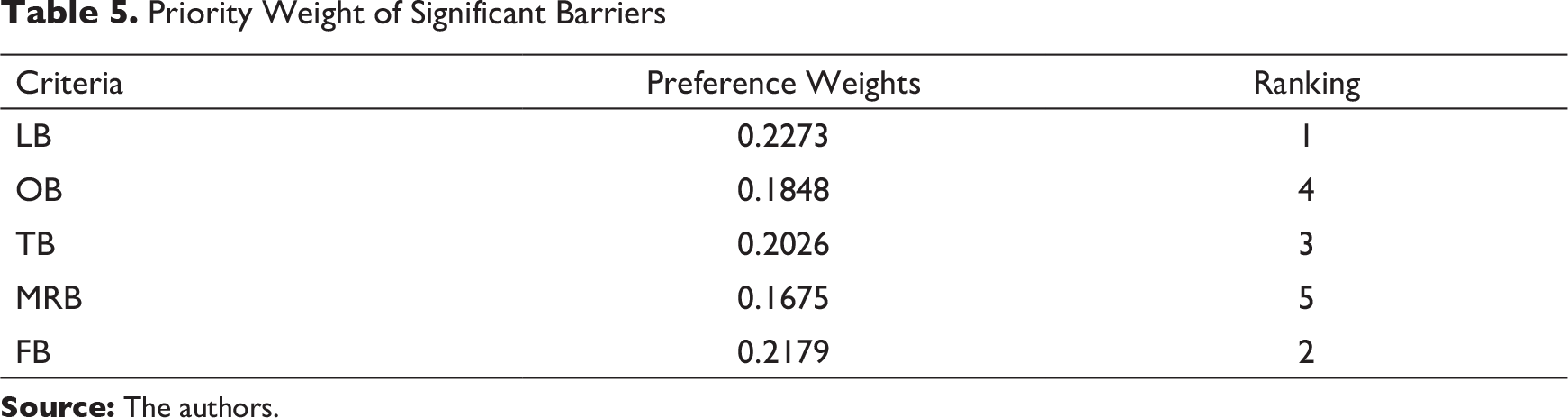
W = (0.2273, 0.1848, 0.2026, 0.1675, 0.2179)
The final weights of the main barriers and their ranking are shown in Table 5.
According to Table 5, the ranking of the main barriers is LB > FB > TB > OB > MRB.
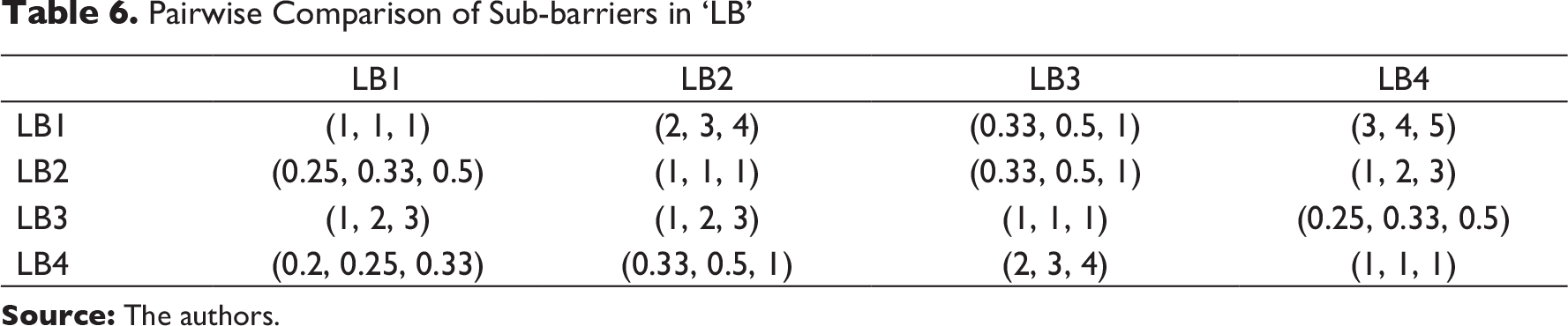
Pairwise Comparison of Sub-barriers in ‘LB’
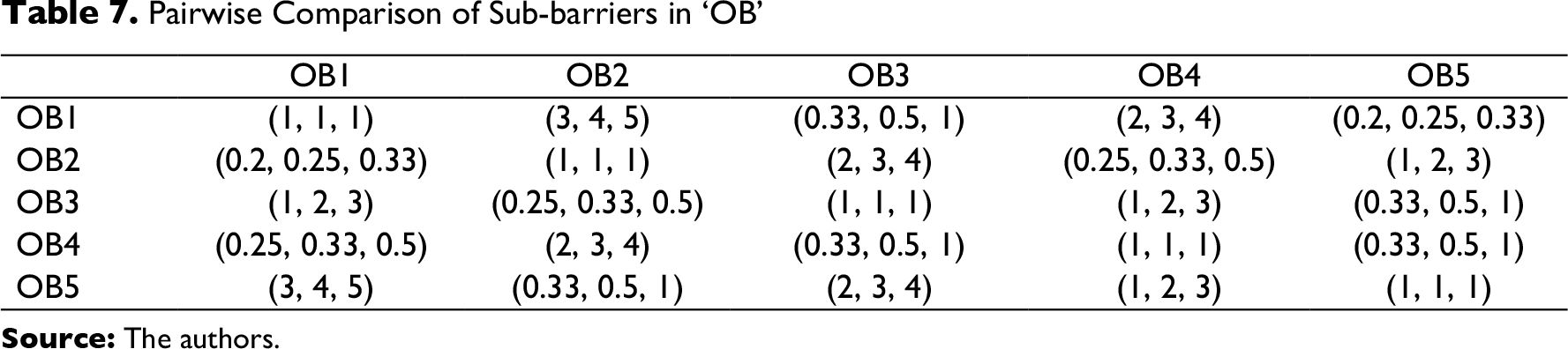
Pairwise Comparison of Sub-barriers in ‘OB’
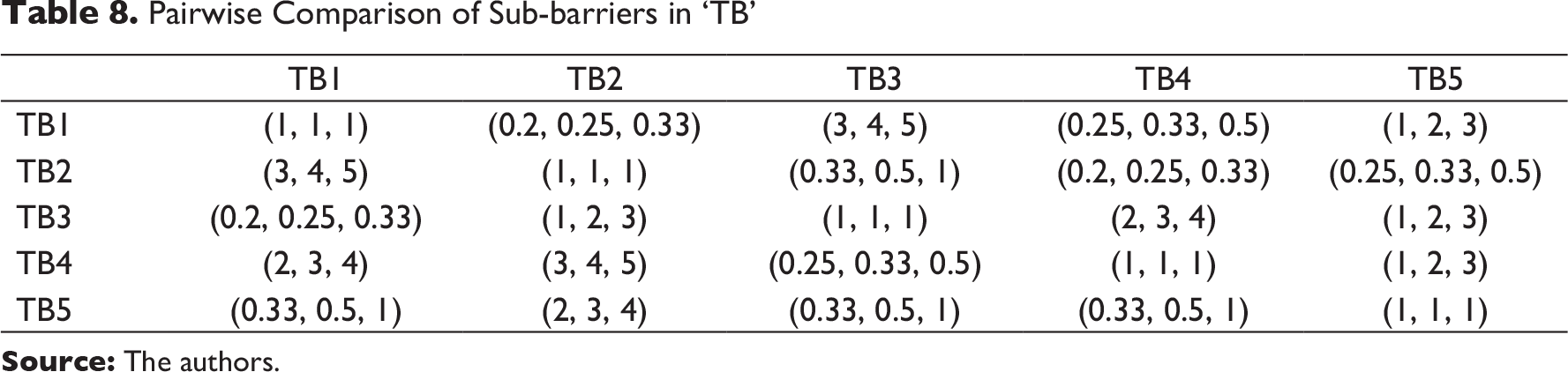
Pairwise Comparison of Sub-barriers in ‘TB’
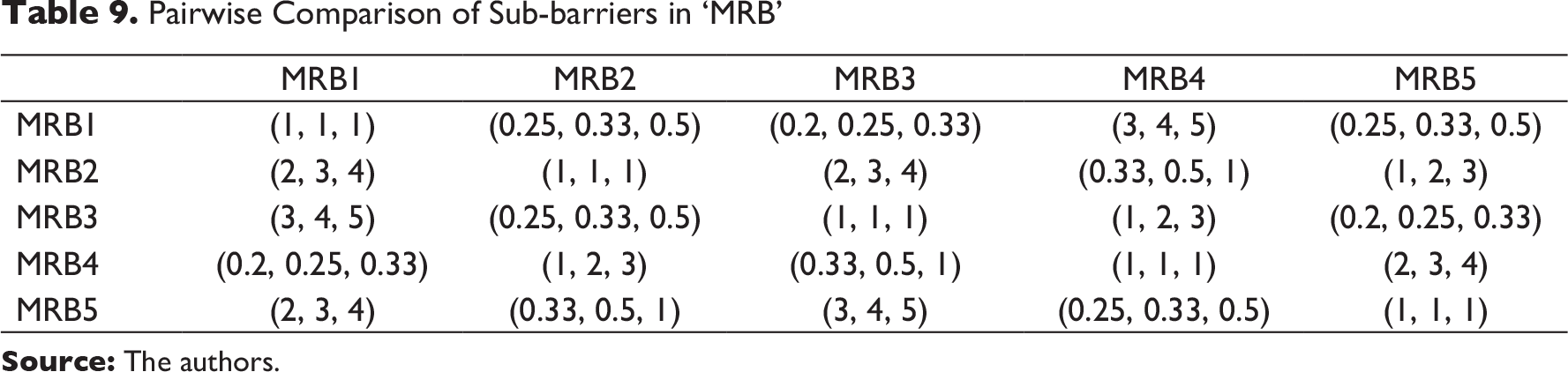
Pairwise Comparison of Sub-barriers in ‘MRB’
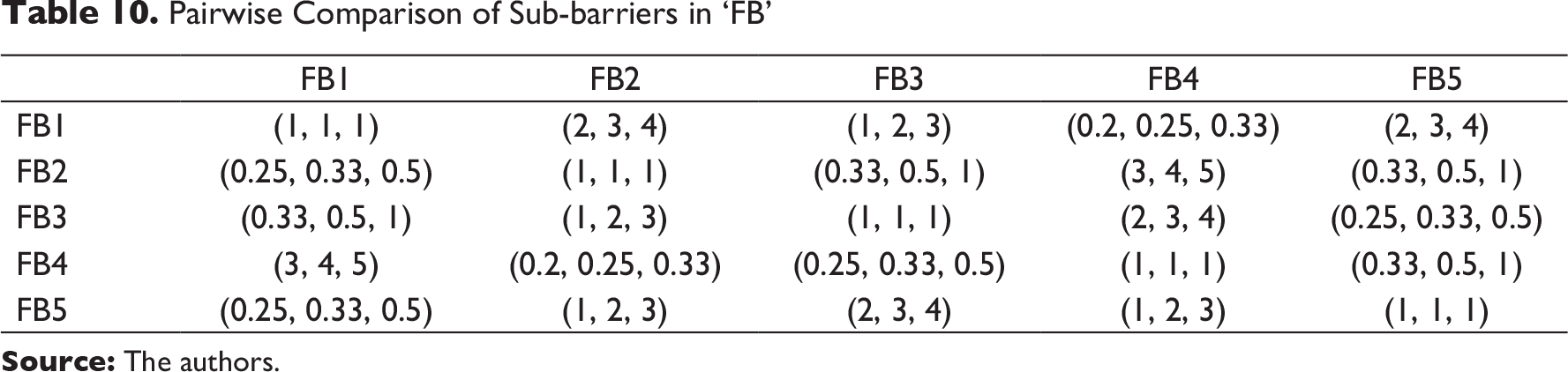
Pairwise Comparison of Sub-barriers in ‘FB’
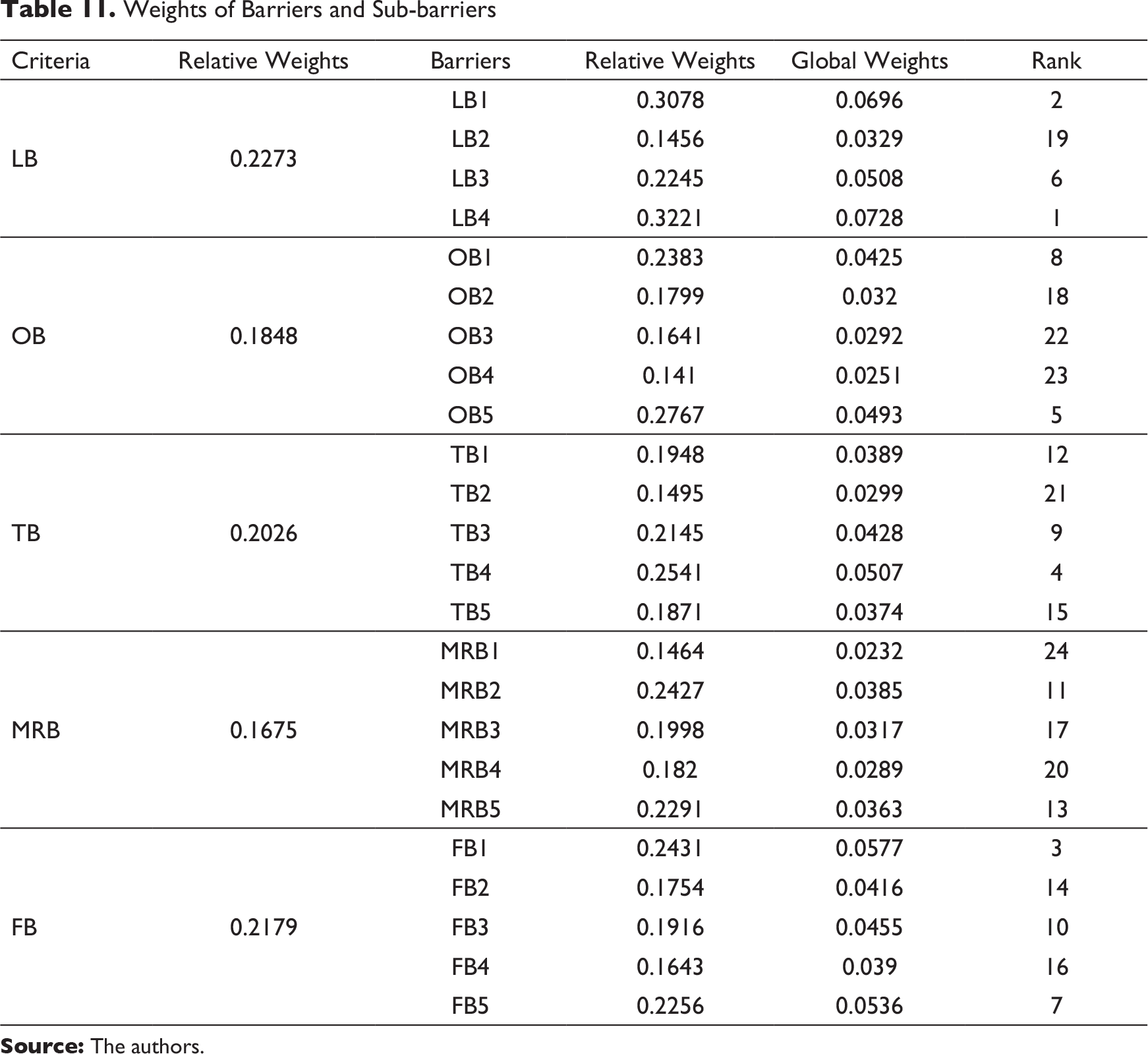
Finally, the global weights of each sub-barrier were obtained through multiplying the relative weights of the main barriers with the relative weights of the sub-barriers. Using the global weights of each barrier, the global ranking of CSCM implementation barriers was established, as presented in Table 11.
Results and Discussions
Weights of Barriers and Sub-barriers
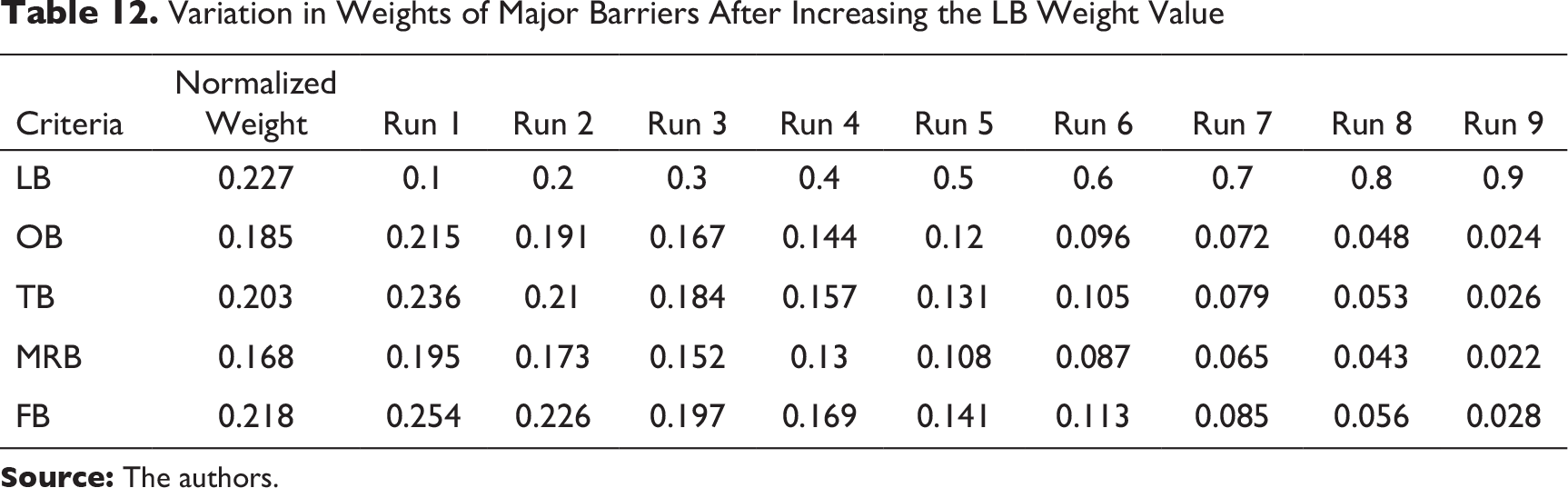
Sensitivity Analysis
Variation in Weights of Major Barriers After Increasing the LB Weight Value
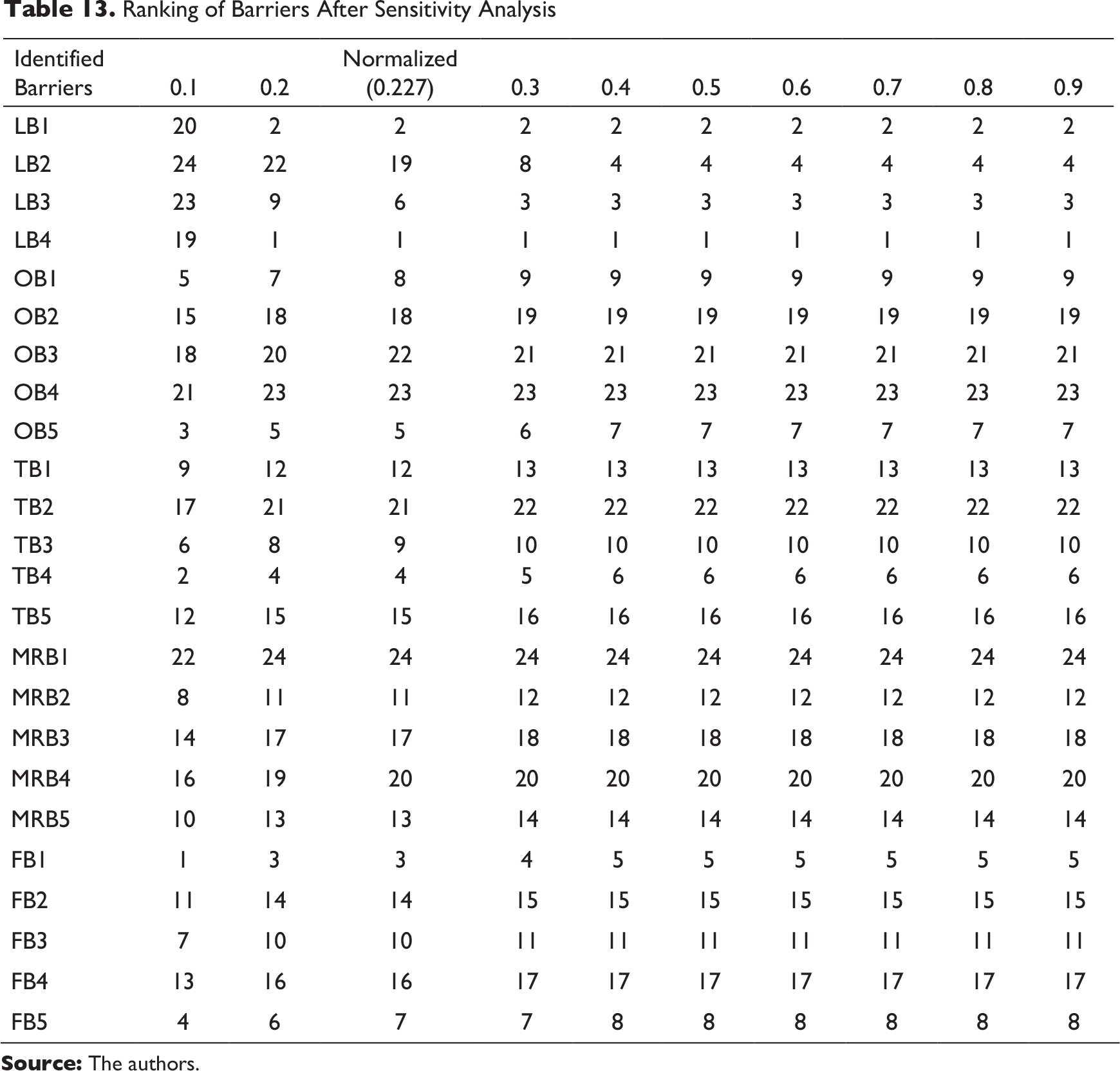
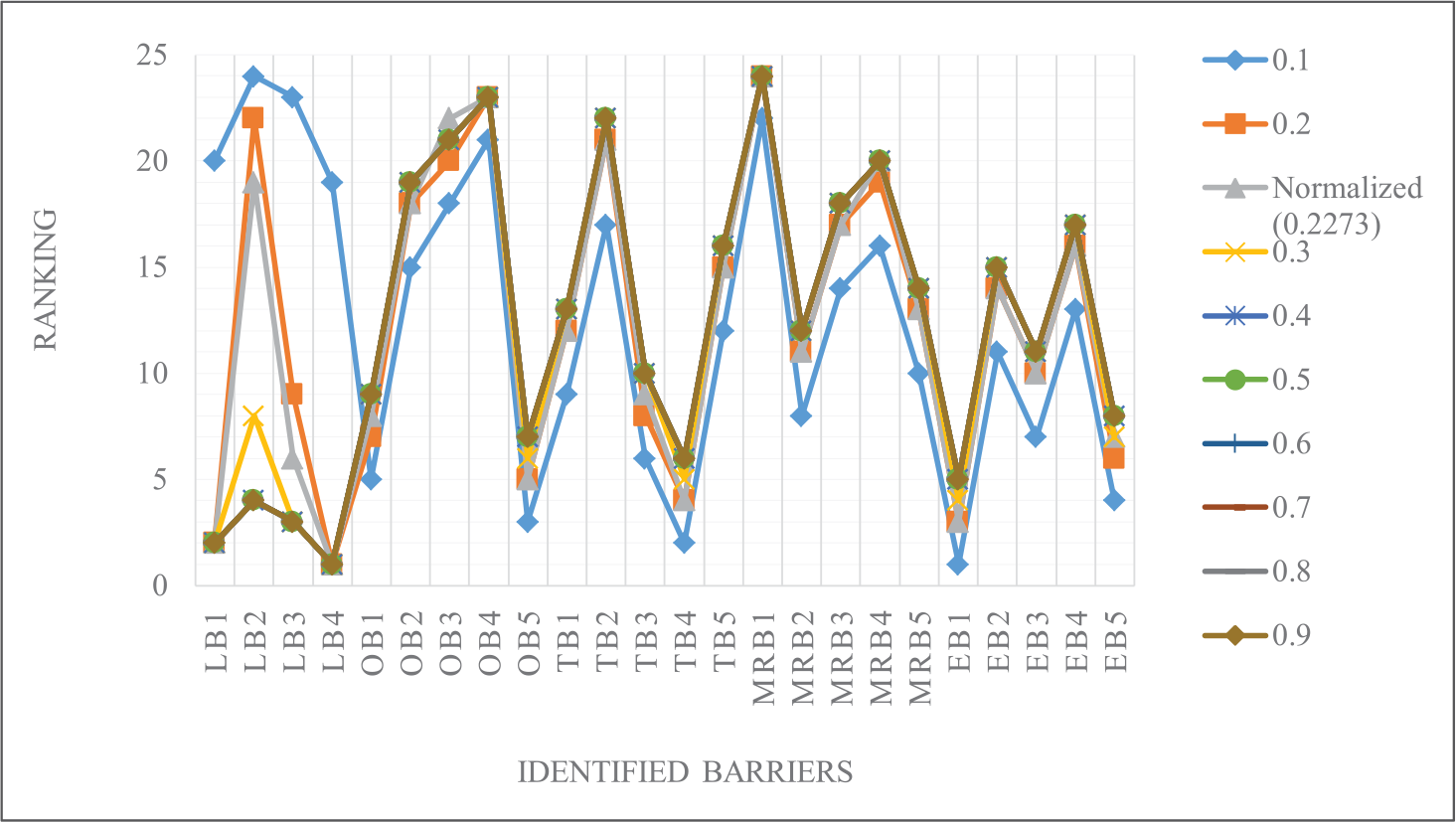
Ranking of Barriers After Sensitivity Analysis
Conclusion
Organizations have initiated the implementation of circular practices in their supply chains due to the growing risk of resource scarcity and pressure to shift towards sustainable business. However, in developing nations like India, the presence of several challenges makes it tough for efficient implementation of CSCM in the plastic industry. Considering real-world application, decision-makers are unable to make sound decisions due to the presence of a multitude of barriers that makes it hard to overcome all of them simultaneously. This study identifies and prioritizes the barriers based on a robust MCDM method for CSCM implementation in the Indian plastic industry. It includes 24 barriers under five major categories found through a literature review and consultation with experts. The fuzzy AHP methodology was applied to obtain the ranking of influence of each barrier. A plastics company’s empirical case supports the projected approach. The results of this study exhibit that unsupportive government taxation policies, weak enforcement of rules and regulations, high cost of eco-friendly materials’ purchase and packaging and informal waste collection mechanisms are the most prominent barriers to CSCM implementation. The findings of this study would help decision-makers and government bodies form a set of comprehensive and concrete regulations that motivate organizations to implement CSCM. Finally, a sensitivity analysis was performed to measure the variability in the ranking of barriers while varying the criteria’s weights.
Managerial Implications
This study has several implications for business managers, decision-makers and policymakers regarding implementing CSCM in India. It offers support to extend the understanding of the significant barriers to implementing circular practices in the supply chain. The empirical study of the Indian plastic industry provides an exhaustive list of barriers to adopting CSCM that may help managers understand and formulate strategies accordingly to eradicate them most effectively. The findings of this study put forward the priority ranking of barriers, which depicts that legislative barriers in the way of effective adoption of CSCM in the Indian plastic industry hold the highest priority. Presently, plastics are not actively managed after end of life due to a stringent policy framework and high involvement of informal sectors. Therefore, the government may develop policies favouring organizations’ adoption of circular practices. The findings of this article also highlight that the government must come up with economic incentives and tax benefits for organizations to build technology and innovation. These initiatives may help boost organizations’ interest to shift towards CSCM. Also, managers are advised to conduct training and awareness programmes to enhance the knowledge and skills of stakeholders for recyclability. The findings of this study not only assist the case company to eradicate significant barriers but also enable it in moving towards sustainable development, thus enhancing the nation’s economy.
Limitations
This study is limited to identifying and prioritizing barriers in the Indian plastic industry to implementing CSCM. Future studies can investigate some other barriers to implementing CSCM in different sectors. Here, the ranking of barriers is evaluated, which can be further analysed to measure the causal relationship among barriers through the fuzzy DEMATEL approach. Further, the proposed theoretical model can also be validated using structural equation modelling. The results of this study can also be compared using different MCDM techniques like TOPSIS and VIKOR under a fuzzy environment.
Footnotes
Acknowledgement
The authors are grateful to the anonymous referees of the journal for their extremely useful suggestions to improve the quality of the article. Usual disclaimers apply.
Declaration of Conflicting Interests
The authors declared no potential conflicts of interest with respect to the research, authorship and/or publication of this article.
Funding
The authors received no financial support for the research, authorship and/or publication of this article.
