




Abstract
Before the imposition of the strict lockdowns and the spread of COVID-19, the disruptions in China caused a ripple effect on the global supply chains. Emphasis has been laid on minimisation of costs and timely delivery of essential products.
In India, as the situation worsens due to the outbreak, we have seen disruptions in the logistics supply chain. There are several reasons attributed to the increase in demand and slowing of the supply. There are several workable solutions available to look into this situation. We should work towards promoting Indian markets and amend policies to help the local workforce lessen the interdependencies of imports on other countries. This will help in strengthening the logistics supply chain in India. This will create employment opportunities and increase the GDP growth.
Introduction
Logistics is the backbone of an economy, as it ensures free flow of goods and services required for the functioning of industries and the economy. India’s logistics sector is rapidly evolving despite facing enormous challenges (PYMNTS, 2020). Inadequate logistics infrastructure has created several bottlenecks in the growth of the economy. The biggest challenge faced by the Indian industry today is the lack of integration of transport, distribution of warehouses, different regulations imposed at the national, state and district levels and trained and efficient workforces. This makes the sector unorganised. Today, we are facing an unprecedented crisis which has made us look into the vulnerabilities of our logistics supply chain (Mahnken, 2020).
India’s export and import system is governed by the Foreign Trade (Development & Regulation) Act of 1992 and India’s Export Import (Exim) Policy. The Export Import Policy is updated every year on the 31st of March, and the modifications, improvements and new schemes become effective from 1 April of every year (Government of India, 2020).
Export brings money into the country and increases the GDP of the exporting nation. Import of goods means buying from foreign producers, and hence decreases the GDP of the importing nation. Net exports can be either positive or negative. When exports are greater than imports, net exports are positive. When exports are lower than imports, net exports are negative. If net exports are positive then the balance of trade is positive for a country, and if they are negative then the balance of trade is negative. Every nation in the world wants its economy to be bigger rather than smaller. Therefore, there are various policies made by various countries to protect their market, one such example of a policy being higher tariffs on imported goods. This is how import and export affect the GDP (Government of India, 2020).
Globalisation created economic interdependency and thus aided in the development of many countries, including India. Globalisation has had a very good impact on the Indian economy and has taken care of many issues like employment, class mobility and education. Globalisation reduces unemployment and gives opportunities to people from all social backgrounds to earn, thus reducing poverty and helping in the growth of the economy. This not only gives them extra income to choose from a wide range of goods and products but also helps them in utilising their funds for individual business. The adoption and implementation of economic liberalisation policies in 1990 opened paths for foreign trade and investment, thus resulting in and explaining the rapid growth of the economy (LinkedIn, 2020).
The Chinese economy is the manufacturing powerhouse and is also known as the world’s factory. One can see its products everywhere, with the label ‘Made in China’ (Thepharmaletter.com, 2020). Therefore, China being the epicentre of COVID-19, it went under a lockdown and extensive measures were put into action quite early, causing supply from the manufacturing facilities being reduced, affecting the exports from China and imports to the other countries (Thepharmaletter.com, 2020). Before this pandemic, China used to produce half the world’s masks. However, as the infection rate in China increased, the systems of manufacturing came to a halt. Now that the infection rate has slowed in China, it has started exporting products to all over the world. The problem that remains is of the substandard products being shipped to countries worldwide (Roy, 2020).
As the COVID-19 pandemic continues to spread, it has exposed vulnerabilities of supply chains and logistics. It has disrupted health supply chains, affecting active pharmaceutical ingredients, shipping, procurements, finished healthcare products and more (European Pharmaceutical Review, 2020).
Logistics supply chain means much more than the movement of pharmaceuticals and other products between countries. It definitely deals with problems at the grassroots level, including the migration of labourers working in industrial units, ban on transportation activities, especially trucks, lack of cooperation between different administrations and transporters and couriers not functioning timely. All these factors cause delays and hamper the supply chain, causing issues in supplies of vaccines, hand sanitisers, testing kits, protective healthcare equipment (PPE), medicines, medical equipment, raw material and much more (The Economic Times, 2020a).
While things are still better in metro cities, the situation remains grim in the districts. Trucks carrying coal are not allowed to pass through borders, and the suspension of flight services has led to goods being stuck in different corners of the country. This has primarily affected chemists and eco-retailers in distributing products to the community (The Economic Times, 2020a).
Moreover, the World Health Organization reported that serious and escalating damage to the global supply of PPE, N95, sanitisers and testing kits is triggered by rising competition, panic purchasing, hoarding and abuse, which is placing lives at risk from the latest coronavirus and other infectious diseases. An approximate 89 million medical masks are required per month for combating COVID-19, based on WHO modelling. The number goes up to 76 million for examination gloves, while overseas demand for goggles is 1.6 million a month (WHO, 2020).
Many companies across the globe are working to make their supply chain leaner. Their emphasis on minimisation of costs and timely deliveries has left no room for adequate buffers and has led to a reduction in the inventory buffers. These situations have worsened the impact on the supply chains, exposing the fragility of logistics management (PYMNTS, 2020).
Current Scenario
Though the pharmaceutical industry is slowly recovering in China, India continues to face a lockdown. This lockdown has further reduced the capacity due to manpower and increased logistic constraints. The slowdown of markets worldwide has a negative impact on companies. However, the actual impact and the severity of this crisis will depend upon the duration of the outbreak (D&B India, 2020).
In early March, the Directorate General of Foreign Trade imposed restrictions on the export of 13 active pharmaceutical ingredients (APIs) and 13 formulations which are made from these APIs. The fact is, China supplies 70 per cent of the APIs to India (D&B India, 2020).
To begin with, there is a shortage of a vital component—N95 masks—that prevents the healthcare staff from catching infections as India faces its worst crisis. There has been an exceptional rise in demand for N95 masks, and suppliers are not able to meet this.
Another critical component of infection control strategy is the use of PPE. According to the WHO definition of PPE, ‘The Protective equipment consists of garments placed to protect the healthcare workers or any other persons to get infected’ (WHO, 2020). They consist of the standard precautions of gloves, mask and gown. If the severity of an infection is more, as in blood or airborne infections, the PPE will include face protection, goggles and mask or face shield, gloves, gown, head cover and rubber boots (WHO, 2020).These crucial elements of healthcare are currently in short supply due to the shortage of a critical machine which is needed to stitch them up. These machine supplies were being imported from China, but as China is itself recovering from COVID-19, it has asked India to wait for another 12 weeks. Given the current resources, India would have to double the daily production of PPE suits to 30,000 from 23 April 2020 from the current capacity of 12,000 units of production. This has made the government ask private companies to reach out to their suppliers in China and scout for machine manufacturers in China and Hong Kong.
As COVID-19 is known to affect the respiratory system, like pneumonia, patients are put on the ventilator, which is a medical device used to assist in breathing. India has around 48,000 functional ventilators, mostly concentrated in the tertiary units of urban areas, whereas the country would need hundredfold more, because there is an alarming rise in cases (The Print, 2020). Therefore, ventilator shortages have threatened to paralyse the healthcare system. India is in a very similar situation as countries like Italy and Spain, where healthcare workers experienced high rates of infections and rise in morbidity and mortality due to inadequate access to PPE. High mortality in COVID-19 patients was attributed to the lower number of ventilators than cases. There are not enough ventilators for patients with COVID-19 (NEJM, 2020a).
Another major problem is the availability of COVID-19 testing kits. Both swab testing and reverse transcription polymerase chain reaction (RT-PCR) kits are in short supply. As mass testing is increasingly important to detect COVID-19-positive patients, India has placed orders for importing rapid antibody testing kits from 30 countries. The Indian Council of Medical Research (ICMR) has also given a nod to Indian manufacturers to increase the manufacturing of testing kits. There are a few companies that have started making testing kits in India. Some global pharma companies have also started supplying kits to India (Figure 1) (India Today, 2020a).
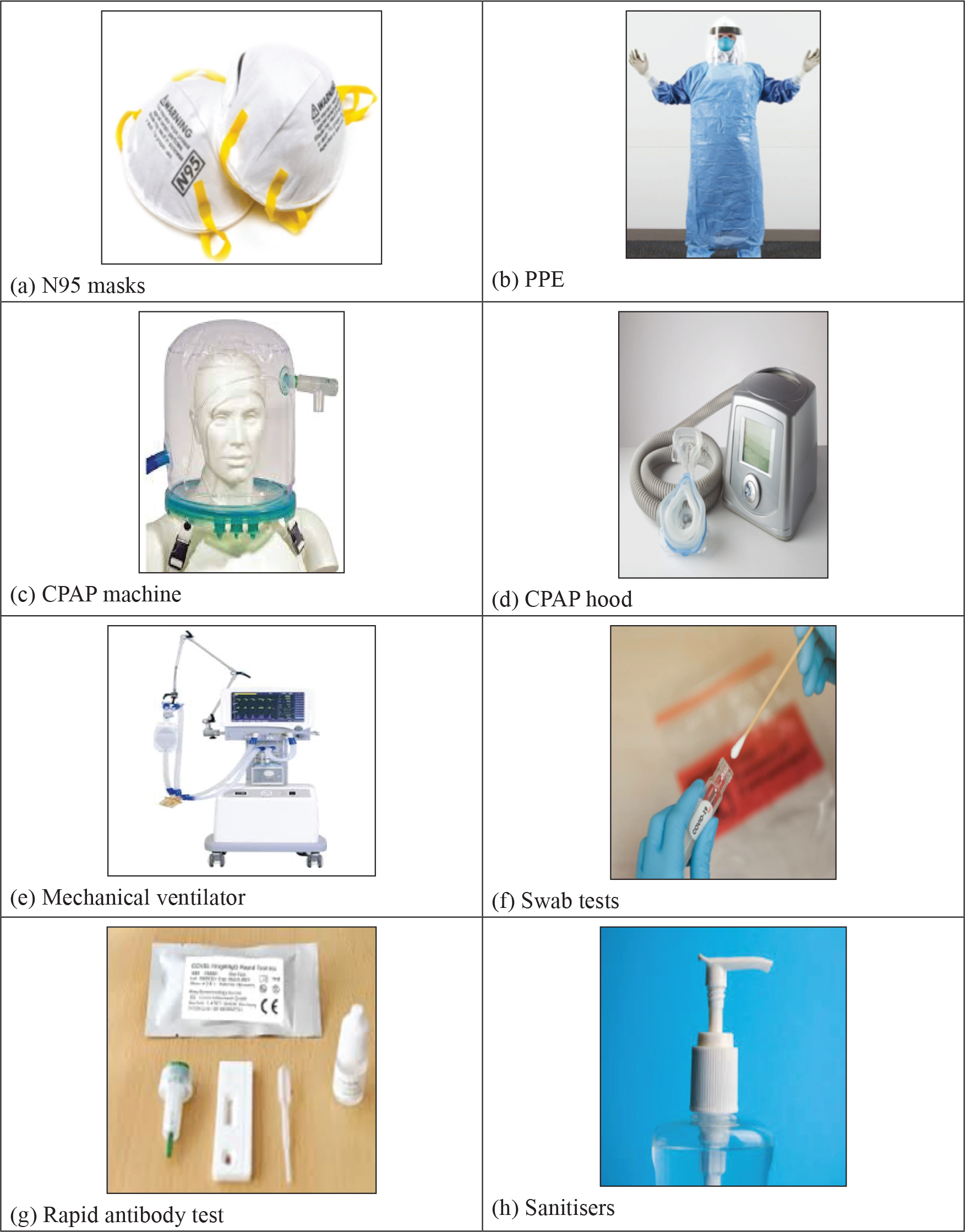
An N95 mask is a respiratory protective device. When subjected to careful tests and analysis, the device can block 95 per cent of very small articles (0.3 μm). However, this does not ensure completely eliminating the particles. All masks cleared by the Food and Drug Administration (FDA) are of single use and disposable (FDA, 2020; WHO, 2020).
PPE is used when there is a risk of exposure to infections and infectious materials. It is used in dealing with diseases like Ebola and HIV, and now it is widely being used in treating COVID-19. It is designed to protect the skin and mucous membranes. Standard operating protocol is followed while using PPE. The suit consists of gloves, boot coverings, gowns, respirators, hoods, aprons and face shields. No skin should be exposed while wearing a PPE suit, because it increases chances of contamination and infection (NEJM, 2020b).
Ventilators are highly used in COVID-19, because the virus causes damage to the lungs by causing inflammation of the mucosal lining, which leads to swelling in the lungs due to inflammation which leads pneumonia. This infects smaller sacs of alveoli. Thus, reducing the oxygen-carrying capacity of blood to the whole body. Hence, this leads to severe respiratory distress syndrome, which makes it harder for a person to breathe (WebMD, 2020).
To alleviate this, a ventilator is used in such patients. Intensive care units put patients on ventilation to ensure oxygen levels in the body stay normal. There are different types of ventilators (BBC News, 2020). One such type widely used in COVID-19 patients to reduce the risk of disease transmission is continuous positive airway pressure (CPAP) ventilation. This is a non-invasive procedure and, hence, is known as ‘non-invasive ventilation’ (BBC News, 2020; Godman, 2019). In cases of seriously ill patients, sometimes, mechanical ventilators are also used (Pngimg.com, 2020).
Testing kits are diagnostic tests widely used to detect the presence of virus. In swab testing, the swab samples are collected from the back of the throat. Rapid diagnostic tests are based on the host antibody detection (Healthline, 2020).
Scrubbing hands using a hand sanitiser helps in reducing infections from pathogens.
Challenges
India spends roughly about 1 per cent of its GDP on healthcare, which evidently makes an epidemic a public health crisis in the country. Thus, the simple demand-and-supply policy in such situations is crippled. Therefore, the prices of products increase. This happens at all levels, from wholesalers to retailers to customers (The Economic Times, 2020b).
India’s pharmaceutical industry is the third largest in the world in terms of volume and value chain.
‘The Indian pharmaceutical market is to increase from nearly US$34.3 billion in 2020 to more than US$45 billion by 2025 million’. However, two-thirds of the APIs and intermediaries come from China. This has exposed India’s dependence on China. China has strategically supported its industry, whereas India is struggling in controlling pollution and being economically competitive. This crisis has led to the slowdown of the industry and the creation of dependence on China in terms of APIs. The government of India showed slow progress in investing in research and development and also in promoting the local industry (Downtoearth.org.in, 2020).India also imports raw materials from the USA and Italy. Its overdependence has exposed its vulnerability and pricing volatility (Thepharmaletter.com, 2020).
India requires 100,000 PPE suits every day as the infection rises (Business Insider, 2020). There is a short supply of machines needed to stitch them up, with China putting India on hold for weeks due to the slow recovery of Chinese goods and services. China also faces immense pressure from other countries to export drugs, PPE, ventilators and APIs. Germany is another country that supplies these parts, but due to restricted movements, it has become difficult to procure these items (The Economic Times, 2020b).
Another rising concern with the supply of PPE is the substandard quality. There are many companies selling poor-quality suits made out of blazer covers and carry bags. These are being sold at cheaper prices, which makes local hospitals fall from them. Apart from this, India has several challenges ahead. Some of them are disposing PPE safely after one-time usage, using non-woven materials for making masks, finding textile solutions for affordability, accessibility, reusability and scalability (India Today, 2020b).
In a recent report, Johns Hopkins University predicted that India may require up to 1 million ventilators in the coming weeks and months to cope with the COVID-19 scenario. Only 15 per cent of COVID-19 patients need critical care. Only 15 per cent of COVID-19 patients need critical care, which is a significant number. Ventilation requires a highly trained workforce of doctors, nurses and paramedics to ensure high critical care of COVID-19 patients. A bare minimum, one ventilator unit, needs at least four nurses and one duty medical doctor round the clock. India already has a shortage of medical doctors and nurses (Shankar, 2020). There is one doctor for every 1,445 Indian patients. Assuming 80 per cent availability, 927,000 doctors are estimated to be available, which marks the allopathic doctor ratio of 1:1445 (Deo, 2013). This marks the doctor-to-patient ratio as being behind the prescribed WHO standards (Business Standard, 2019). Apart from this, ventilation also require 24×7 power supply, oxygen and continuous maintenance. The pressing need for ventilators also shows the disparity in their availability. As tertiary health units are more equipped with such facilities, their concentration is in the urban areas. India needs one hundred times more ventilators as cases are rapidly increasing and their procurement becomes difficult (The Print, 2020).A meeting chaired by an official of NITI Aayog reported that around 20,000 ventilators were dysfunctional due to lack of service and maintenance issues. Ventilators in India are made by small manufacturers, but due to issues related to travel restrictions, raw material unavailability and migrant worker crises, companies are not able to manufacture them. Different parts are made in different countries, which makes things worse for these small manufacturers (The Financial Express, 2020).
India has ordered millions of testing kits from China, South Korea, Italy and the USA. But the problem is with faulty testing kits imported from China (India Today, 2020c).The European Union (EU) medicine agency guidelines and Centers for Disease Control and Prevention (CDC) require that tests be 80 per cent accurate, on average, but the kits showed only 6 per cent accuracy. Inaccuracy in testing kits results in false positive cases and also leads to loss of monetary constraints when resources are limited. This further leads to a delay in the flattening of the curve (India Today, 2020c).
Solutions
The present outbreak provides valuable lessons for companies in general and Indian companies in particular. Lean supply chain strategies, while increasing short-term profits, contribute to supply chain vulnerability (Deloitte, 2020). COVID-19 has taught corporate decision-makers that in formulating future supply chain designs, apart from cost, quality and delivery, they would also need to stress-test the chains on new performance measures, including resilience, responsiveness and reconfigurability. The government should encourage more private testing laboratories to file tenders for manufacturing COVID-19 testing kits (Deloitte, 2020).
Companies should also seek to diversify supply chains from a geographic perspective to reduce supply-side risk from one country. Multiple sources of key commodities or strategic components should be identified, and protocols should be in place to activate alternative sources of supply on short notice.
It is likely that corporate strategy would also look to build a robust inventory as a buffer against supply chain disruptions. The only silver lining amidst the present crisis has been that because of the anticipated Chinese New Year holidays, companies had stocked up their inventory. In the absence of this, the situation would likely have been worse.
Many companies would want to move at least a part of their supply chains locally. This would lead to increased investment in India’s local industries and act as a shot in the arm for an economy in crisis (European Pharmaceutical Review, 2020; World Economic Forum, 2020). Domestic firms must develop their own local sourcing units and adopt alternative strategies for reducing dependency on China and other countries (Downtoearth.org.in, 2020).
With respect to pharmaceuticals, the government of India has decided to promote domestic manufacturing of critical key starting materials (KSMs)/intermediates and APIs in the country. The approved scheme will promote Bulk Drug Parks, with financial investments of ₹30 billion in the next 5 years (Express Pharma, 2020).
This is an urgent wake-up call for the Indian industry to realise the need to develop its own local sourcing units and adopt alternative strategies for reducing the dependency on China. Some solutions for companies that operate or have business relationships in China and other impacted countries include:
Educate employees on COVID-19 symptoms and prevention. Reinforce screening protocols. Prepare for increased absenteeism. Restrict non-essential travel and promote flexible working arrangements. Align information technology (IT) systems and support with evolving work requirements. Prepare succession plans for key executive positions. Focus on cash flow.
For companies that produce, distribute or source from suppliers in China and other impacted countries, steps may include:
Enhance focus on workforce/labour planning. Focus on Tier 1 supplier risk. Illuminate the extended supply network. Understand and activate alternate sources of supply. Update inventory policy and planning parameters. Enhance inbound materials’ visibility. Prepare for plant closures. Focus on production-scheduling agility. Evaluate alternative outbound logistics options and secure capacity. Conduct global scenario planning.
For companies that sell products or commodities to China and other impacted countries, steps may include:
Understand the demand impact specific to your business. Confirm short-term demand–supply synchronisation strategy. Prepare for potential channel shifts. Evaluate alternative inbound logistics options. Open channels of communication with key customers. Prepare for the rebound. Conduct global scenario planning.
A new supply chain model is the need of the hour. Fortunately, new supply chain technologies are emerging that dramatically improve visibility across the end-to-end supply chain and support companies’ ability to resist shocks. The traditional linear supply chain model is transforming into digital supply networks (DSNs), where functional silos are broken down and organisations become connected to their complete supply network to enable end-to-end visibility, collaboration, agility and optimisation (Deloitte, 2020; Roy, 2020; Supplychaindigital.com, 2020a).
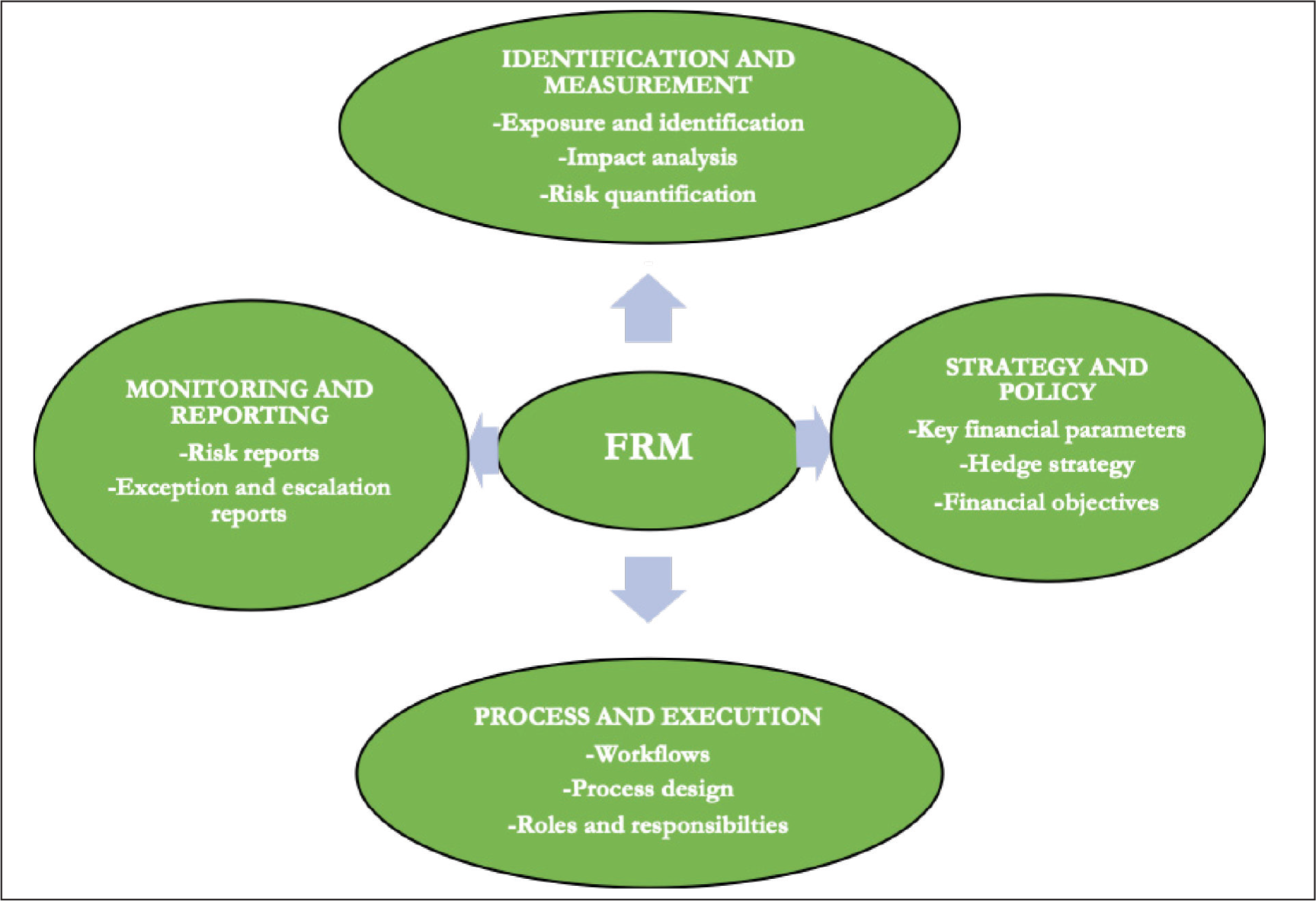
Designing a financial risk management framework would be an important step which will help in building a resilient network for logistics supply chain (GEP, 2020; Zanders Treasury & Finance Solutions, 2020).
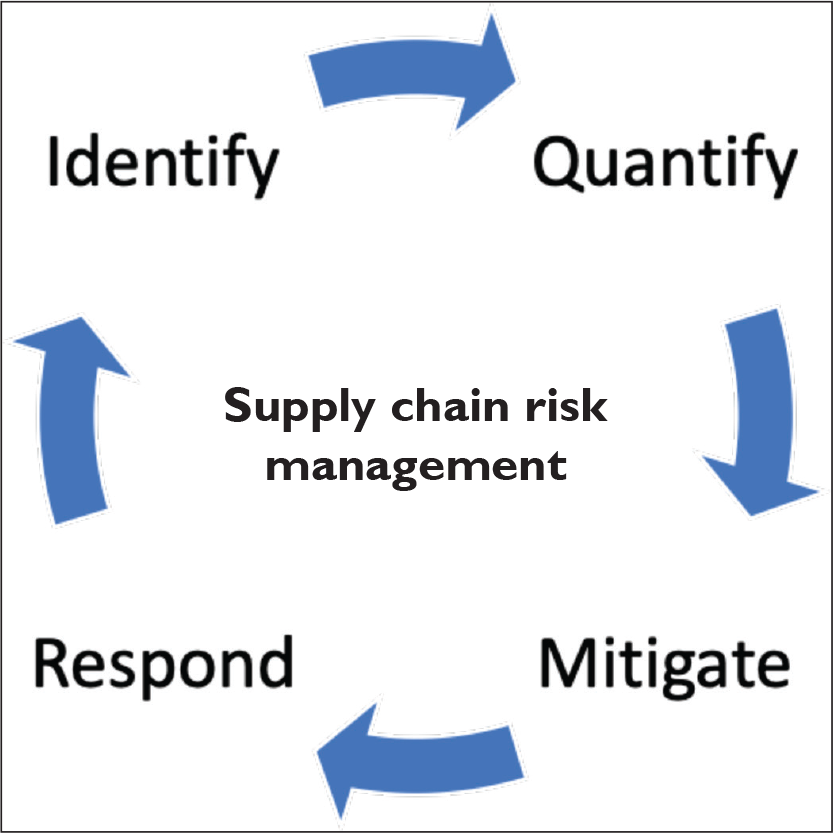
To strengthen the supply chain, a supply chain risk management framework should be incorporated into companies, with guidelines. Supply chain risk management is a continuous effort. The basic steps in a risk management cycle are: define, assess and prioritise, respond and monitor. Risk is the product of the threat, the impact, the likelihood and the vulnerabilities. By quantifying risks, we can prioritise resources to protect our supply chain where it matters most (Figure 2) (EnterpriseAI, 2012).
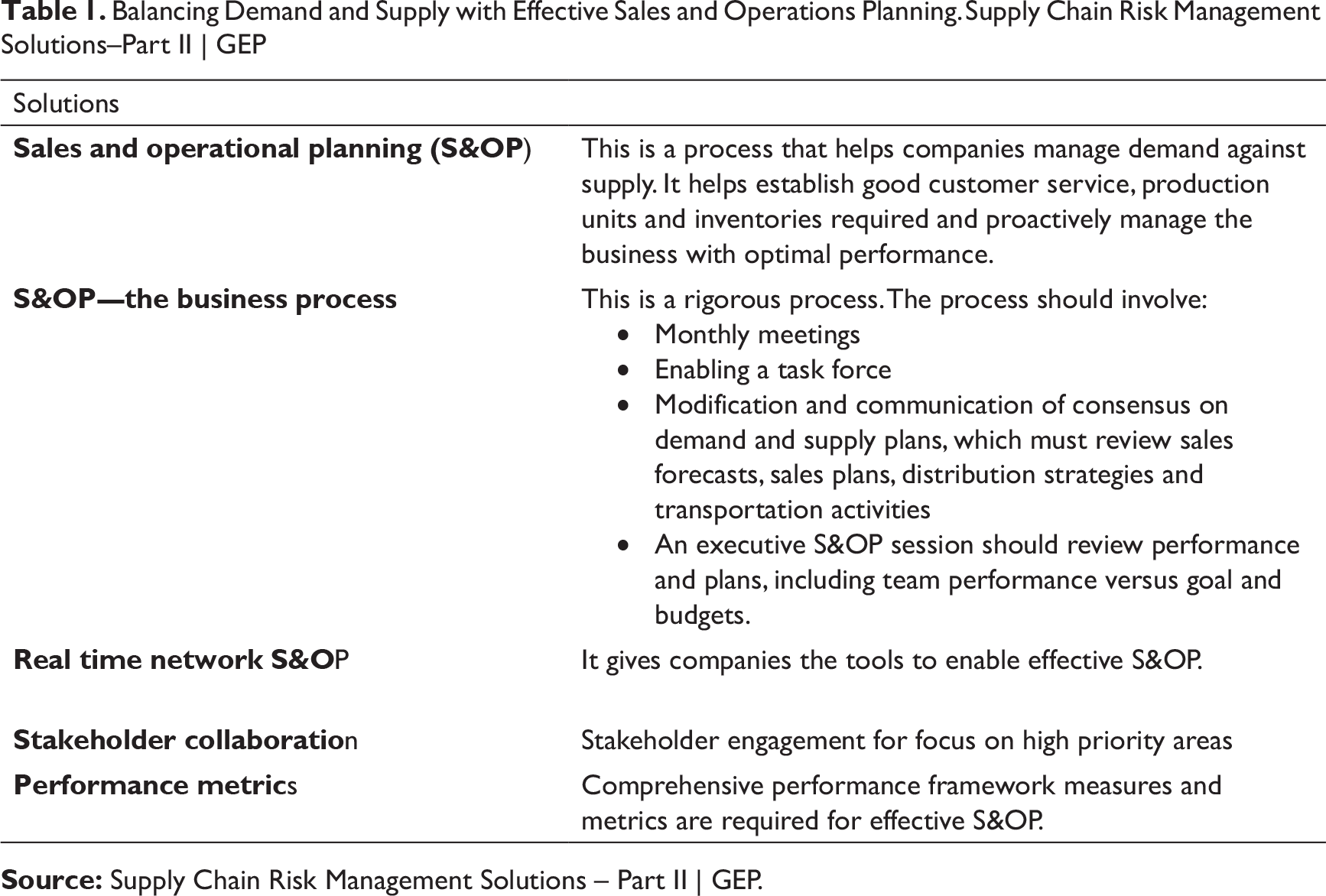
Demand management should also be focused upon. This can be done at macro levels of economies and at micro levels in individual organisations. It involves forecasting, planning and management (Figure 4).
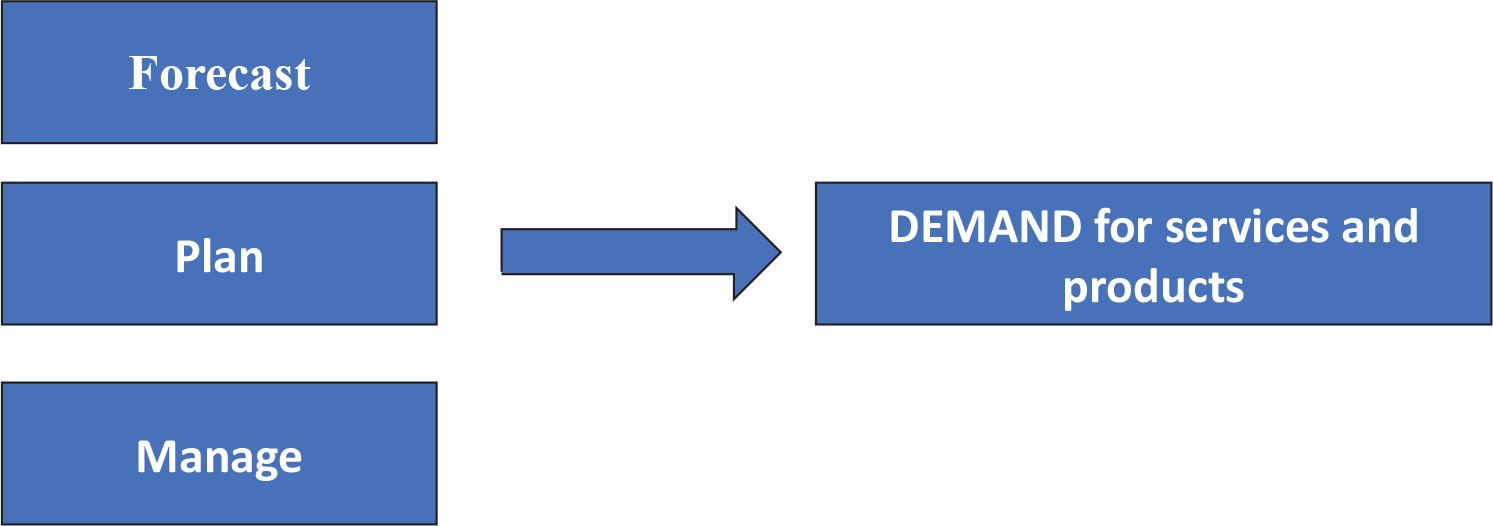
Forecasts are predictions based on analysis of data, which results in calculative projections in the near future. These demand forecasts analysis is done by considering past trends like previous epidemics, pandemics, disasters, gathering data on factors like which customer satisfaction. Forecasts help in managing capital acquisition, labor, feasibility of new products and inventories (Sambit, 2017).
Balancing Demand and Supply with Effective Sales and Operations Planning. Supply Chain Risk Management Solutions–Part II | GEP
Recommendations
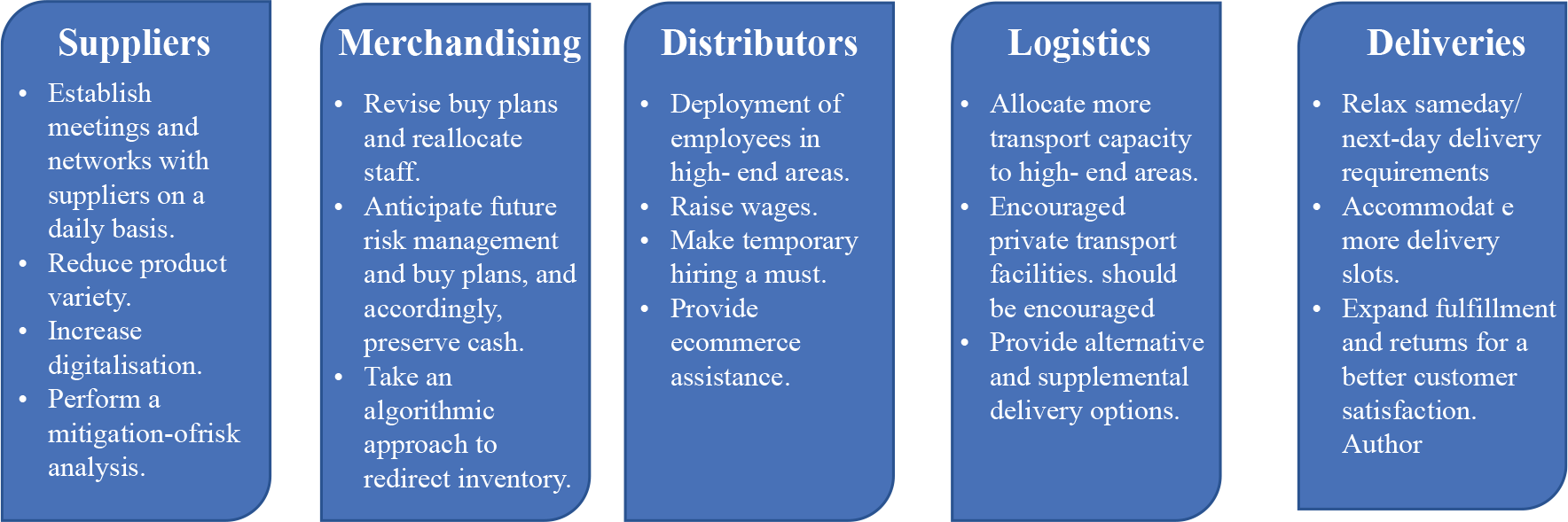
Some of the following immediate actions can help retailers meet the rising demand (Supplychaindigital.com, 2020b).
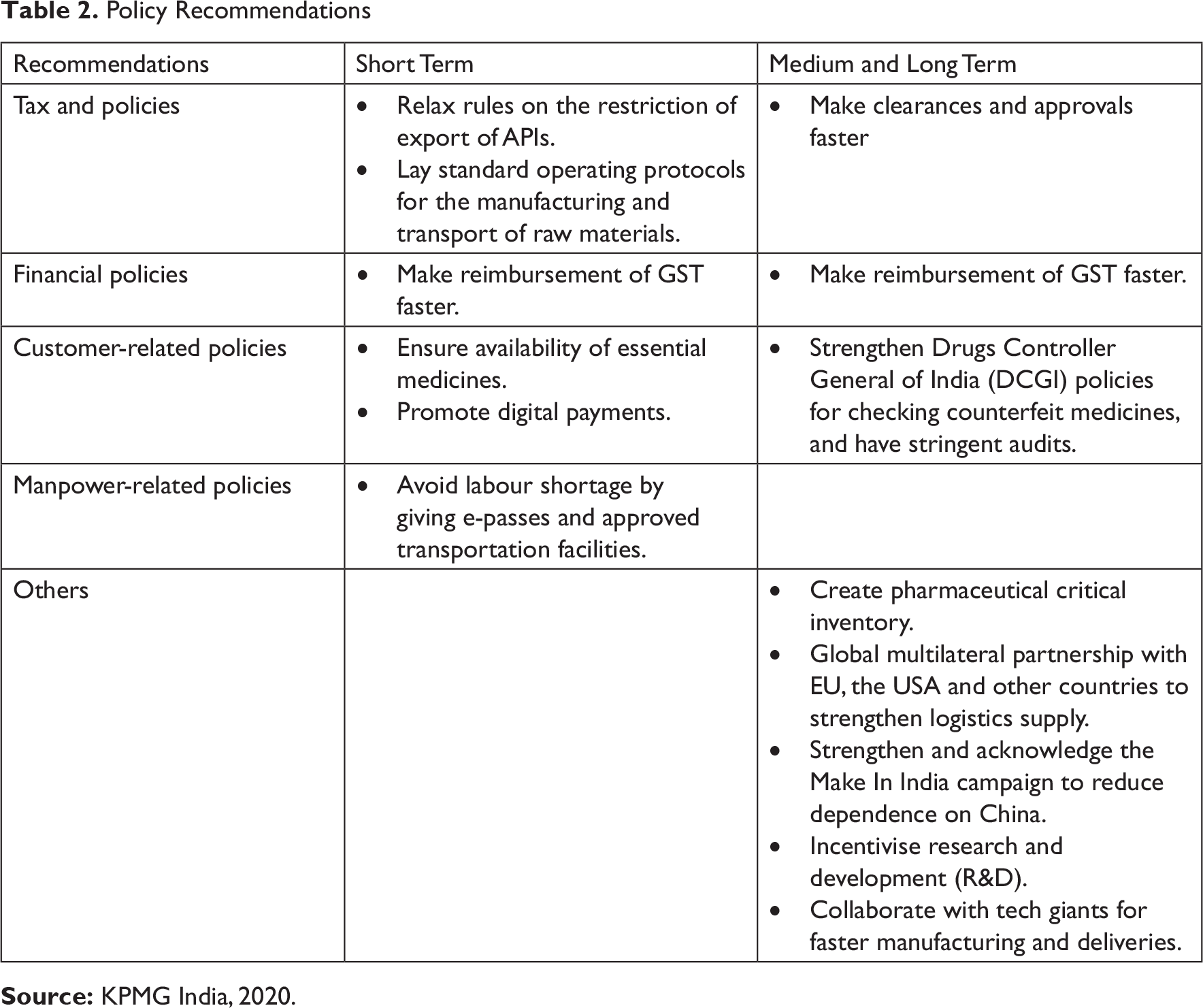
These are key policy recommendations to strengthen the weaknesses and improve logistics supply management (Kaplan & Mikes, 2012; KPMG, 2020).
Policy Recommendations
Conclusion
A significant economic fallout of the novel virus is the resulting inefficiencies across the country’s already overburdened logistics landscape, which, according to India Brand Equity Foundation (IBEF), employs more than 40 million people and contributes US$200 billion plus to the economy. The vast segment, considered to be the lifeline of the country, holds critical importance as it connects various markets, suppliers and customers dotted across the country.
Citing operational constraints, the country’s largest ecommerce marketplaces Flipkart and Amazon have suspended their logistics services for sellers on their platform. Also, according to the Retailers Association of India (RAI), the supply chain of about 25,000–30,000 supermarkets have so far been impacted due to the lockdown announced (The Economic Times, 2020a).
For long, the Indian logistics sector has had its own set of peculiar problems, which have been further amplified, due to COVID-19. This situation is shedding light on these ‘peculiar’ problems, logistics is largely an unorganised sector. Thus, the sector is severely affected, as most of the industry players do not have any backup plan, recovery plan or intermittent operation plan. Logistics in India is majorly driven by a traditional approach of trucking, loading and unloading and material handling. This sector still lacks technological development. Thus, lack of modernised tools and equipment to disinfect goods and supplies before their delivery adds more problems. The 21-day lockdown will thus see logistics players’ supply chain costs going up, and their global supply chain will be severely impacted, since sourcing of inputs will become more challenging.
Across the country, the lockdown has resulted in labour shortages, which in turn has added to the limited availability of transportation facilities. Delayed deliveries are likely to disrupt the businesses that operate on ‘just in time or limited inventory’ basis. The complete lockdown of other businesses and supporting services has also aggravated the situation. Due to the complete shutdown of public transport facilities, workers required for the handling and transportation of essential commodities and supplies now need to commute to their workplace on foot. For those living in the margins in the informal sector, the same is very exhausting, leading to lower productivity.
Our research article gives insights on the challenges, solutions and recommendations, which when followed can strengthen the logistics supply chain management in developing countries like India.
Footnotes
Declaration of Conflicting Interests
The authors declared no potential conflicts of interest with respect to the research, authorship and/or publication of this article.
Funding
The authors received no financial support for the research, authorship and/or publication of this article.