




Abstract
This article addresses the measurable outcomes of a university-based entrepreneurial ecosystem in an emerging economy beyond entrepreneurial intention, patents or academic spin-offs. A logit model with fixed effects by decades was applied to data from over 17,000 alumni who graduated between 1943 and 2017 to identify the existence of a structural change in the rates of entrepreneurship before graduation and up to five years after graduation. This structural change was related to each stage in the evolution of the university entrepreneurial ecosystem. Findings show that as the ecosystem elements were introduced, the probability of founding a business before graduation increased with each decade. Additionally, results suggest that the strategies to redefine and expand academic functions, adapt organisational structures and diversify the university’s curriculum supported a significant increase in the entrepreneurship rate of alumni. This evidence contributes to our understanding of the impact of strategic decisions to drive entrepreneurship from intention to action.
Keywords
Introduction
Global university venturing activity is experiencing significant growth, with a 25% increase in university-affiliated start-ups since 2021 (Startup Genome, 2023). Data show that since 1990, over 20,000 alumni worldwide have founded a business (Jack, 2023). Moreover, most graduates started their most recent venture in the past 10 years (Jack, 2023). A key driver of this phenomenon has been universities with robust entrepreneurial ecosystems that foster supportive environments for aspiring entrepreneurs, encompassing resources, networks and support services that facilitate the creation and growth of new ventures (Guerrero et al., 2020; Hayter et al., 2018). These ecosystems, known as university-based entrepreneurial ecosystems (hereafter U-BEEs), contribute to human capital formation by developing entrepreneurial competence, entrepreneurial mindsets and behaviours for venture generation (Boruck & Cesar, 2020; Etzkowitz, 2013; Fayolle & Redford, 2014; Liu & Stuart, 2014).
While the United States currently dominates the global university venturing landscape, followed by China and Europe, emerging regions like Latin America are experiencing rapid growth (PwC & Startup Genome, 2023). This reflects a broader trend in the region: In 2021, there were 27 Latin American unicorns (OECD, 2022). Also, according to the Global Entrepreneurship Monitor (2023), the region showed the highest levels of adults starting a new business in 2022, particularly in Colombia, Guatemala, Panama, Chile and Uruguay. Still, most of the research is focused on developed countries, leaving a gap in understanding the dynamics of U-BEEs in emerging economies and other culturally diverse contexts (Campos et al., 2021).
While the impact of U-BEEs on student entrepreneurship has received significant attention (Kobylińska & Lavios, 2020; Stam & van de Ven, 2021), their influence on alumni venturing remains under-researched, limiting our understanding of the full impact of U-BEEs and hindering the development of effective strategies for supporting alumni-led ventures (Campos et al., 2021; Fischer et al., 2019; Guerrero et al., 2020; Hayter et al., 2018; Stam et al., 2014). Thus, this study aims to investigate the specific impact of U-BEEs on the new venture foundation rates before graduation and up to five years after graduation in an emerging economy. This research is based on a Latin American university, listed as one of the top 10 universities offering undergraduate entrepreneurship education (The Princeton Review, 2022). The choice of the university for this study was based on its strong entrepreneurial drive and internal adaptation, and the availability of comprehensive alumni survey data. In addition, its headquarters are in a city characterised by a high pro-entrepreneurial consensus among regional stakeholders, endowed with other knowledge-based institutions and major universities. This entrepreneurial university incrementally built its entrepreneurial ecosystem by leveraging its entrepreneurial ethos to become a multi-campus university system.
Specifically, this article seeks to answer the following overarching research question:
Can a structural change in student entrepreneurship rates be identified as an outcome of the U-BEE, both before and after graduation?
To this end, an alumni survey was used with information from more than 17,000 individuals who graduated between the late 1940s and 2017. The inherent nature of the data allows for delving into the intricacies of the transformation stages within this university’s entrepreneurial ecosystem and the likelihood of alumni starting a venture, controlled by individual, school and campus characteristics. Surveys conducted among university graduates serve as valuable datasets for conducting research in the realm of entrepreneurship, particularly in modelling potential determinants influencing the likelihood of graduates establishing a company during their careers. These surveys offer the distinct advantage of interviewing alumni with comparable educational backgrounds. Additionally, the versatility of these surveys allows for the exploration of variations based on graduation cohorts, enabling researchers to conduct longitudinal analyses even when dealing with a primarily cross-sectional database. This longitudinal characteristic proves invaluable as it facilitates the acquisition of data on actual enterprises established, as opposed to relying solely on intentions, which is the customary variable collected in student surveys (Yi & Duval-Couetil, 2022). Lastly, respondents typically exhibit higher confidence in the university orchestrating the survey, thereby enabling the collection of more detailed information. This confidence factor contributes to the robustness of the dataset, and the acquired insights can be further enriched through the supplementation of administrative information sourced directly from the university. Hence, the database used in this study has been leveraged to scrutinise diverse hypotheses concerning entrepreneurship. A seminal contribution to this exploration is evident in Lazear’s (2004) paper, which delved into the hypothesis that the acquisition of well-rounded or less specialised skills heightens the likelihood of engaging in entrepreneurship. Lazear utilised the Stanford graduate survey to rigorously investigate this premise.
This research seeks to contribute to the growing body of literature on U-BEEs by extending the exploration of their impacts beyond the realm of entrepreneurship education and entrepreneurial intention and enhancing the foundation of evidence related to entrepreneurship among graduates. In addition, it incorporates time as a pivotal dimension, delving into the lifecycle process of U-BEEs (Alvedalen & Boschma, 2017; Cantner et al., 2021; Nicotra et al., 2018). This approach provides a nuanced perspective that goes beyond the immediate effects, allowing for a comprehensive understanding of the dynamic evolution and long-term implications of these ecosystems. As this research demonstrates, the empirical contrast allows finding a significant increase in the entrepreneurship rates of the graduates of this university from the 1990s onwards, which cannot be explained by changes in the characteristics of the students, the mix of careers or the university campuses and instead coincides with the introduction of the main strategies in the creation of the entrepreneurship ecosystem of this university.
This article is organised as follows. First, the literature review is presented. Second, we briefly describe the evolution of the U-BEE considered in this study. Third, the methodology is detailed as well as the analysis. Fourth, the quantitative results of the study are presented. Finally, the article concludes with a discussion of the findings, and a conclusion addressing the limitations and future research directions.
Literature Review
The existing body of research examining the influence of U-BEEs predominantly concentrates on indicators such as the number of patents, licensing revenue, industry contracts and the emergence of spin-offs resulting from academic research (Guerrero et al., 2015; Soetanto & van Geenhuizen, 2019; Wright et al., 2017). From the micro-level perspective, the assessment of impact has primarily been focused on gauging entrepreneurial intention and orientation between both students and faculty members (Bae et al., 2014; Figueiredo & Roisin, 2021; Guerrero & Urbano, 2014; Schmutzler et al., 2019). Particularly within the realm of graduate entrepreneurship, a majority of studies centre around the determinants influencing the decision-making process of graduates opting to embark on entrepreneurial ventures. However, most address this from a static perspective, mostly for developed nations and with case studies (Cao & Shi, 2021; Rice et al., 2014).
Nabi et al. (2009) explored the career-making processes of graduates in the United Kingdom from student status to self-employment/start-up, examining personal characteristics, employment experiences, lifestyle and support. The authors applied a qualitative approach to their study, collecting data from 15 graduates who had started their businesses either during their degree or within 5 years of graduation. Their results suggest that the decision to start a business is often influenced by informal advice from tutors or entrepreneurship-related modules. Another study by Gerry et al. (2009) focuses on understanding the complexities and factors involved in the pathway from being a student to starting a business in Portuguese universities. They surveyed 640 students and found that the entrepreneurial propensity for undergraduates is reasonably high and that university training positively influences students’ propensity for entrepreneurship.
Investigating the impact of university entrepreneurial ecosystems on students and alumni entrepreneurial activity, Guerrero et al. (2020) found that universities with strong entrepreneurial ecosystems, as measured by factors such as the presence of entrepreneurship education programmes and business incubators, have higher rates of alumni start-up creation. Similarly, a UK study by Prokop (2021) examines the relationship between the composition of U-BEEs and the new venture formation rate, including the rate of alumni start-ups. It identifies four distinct U-BEE profiles based on their composition and finds that universities with research-intensive and balanced U-BEEs, characterised by strong university–industry linkages and access to funding, have higher rates of alumni start-up creation. Another study in China by Yuan et al. (2020) approaches graduate entrepreneurship in a Chinese university by specifically investigating the role of entrepreneurship education. The authors applied a survey and conducted in-depth interviews with 250 alumni from different majors who had graduated less than 5 years ago, between 5 and 10 years ago and more than 10 years ago. Among their findings were that entrepreneurship education and entrepreneurial spirit play a role in empowering individuals with the skills needed for operating a business and increasing the likelihood of successful business ventures.
Colombo and Piva (2020) also investigate the impact of university education on the entrepreneurial entry of recent Science, Technology, Engineering and Mathematics (STEM) graduates from Politecnico di Milano between 2005 and 2009. Graduates who received training in economics and management alongside their technical education were more likely to launch their ventures. The scientific quality of the university, as measured by its research output in the graduate’s field of study, was also positively associated with entrepreneurial entry. Their results suggest that universities with a strong research culture can foster an environment that encourages and supports entrepreneurial aspirations among their students.
This synthesis of findings underscores the importance of fostering robust entrepreneurial ecosystems within universities, not only for the immediate benefit of students but also for the long-term impact on alumni engagement in entrepreneurial ventures. However, the insights we obtained from reviewing the extant literature is that there are scarce studies conducted on U-BEEs and alumni entrepreneurship rates. An example is the study by Hsu et al. (2007), which explores entrepreneurship patterns of MIT alumni who graduated between 1930 and 2003. Their results show that new venture foundations grew dramatically over the decades, and that female graduates’ entrepreneurship rates lagged behind their male counterparts. Also using the direct extrapolation technique, Roberts and Eesley (2009) explored the entrepreneurial impact of MIT’s entrepreneurial ecosystem and found that new venture foundation had accelerated as of 2009, and that about 30% of foreign alumni formed companies with high relevance to their local economies. Other researchers have also applied surveys at universities such as Stanford, Harvard and Chalmers and found that the link between rates of alumni entrepreneurship and the role of the university’s environment is not to be dismissed (Åstebro et al., 2012). Therefore, as Klofsten et al. (2019) indicate, university leadership faces the challenge of measuring the indirect impact on graduate entrepreneurship, thus becoming an aspect that should get more scholarly attention (Beyhan & Findik, 2018).
A University Entrepreneurial Ecosystem in the Making
Entrepreneurial universities can become powerful magnets of critical mass and investments to shape the attractiveness of a region and enhance productivity (Goldstein & Glaser, 2012), and this in turn could lead to the development of indigenous absorptive capacity. However, this often calls for universities to undertake simultaneous core organisational changes in their strategy and structure (Wischnevsky, 2004). In this sense, the transformation of the university under study into an effective U-BEE can be understood as the following four processes identified by Etzkowitz et al. (2000).
Internal Transformation
This process involves a significant redefinition and expansion of traditional academic roles (Etzkowitz et al., 2000). Commencing in the 1960s, with a growing number of alumni assuming key leadership roles, the university administration formally established an enterprise programme aimed at fostering an entrepreneurial mindset and skill set. By the 1990s, the institutional mission and vision were unequivocally committed to nurturing an entrepreneurial spirit through explicit connections with industry and various institutions. This commitment catalysed the establishment of the bachelor programme in enterprise creation, the inception of the first business incubator, the development of a network of business accelerators and a fundamental reshaping of career tracks for full-time faculty to encompass entrepreneurship. These initiatives collectively blended theoretical knowledge with practical application, fostering a dynamic synergy between academia and real-world entrepreneurial experiences.
Trans-institutional impact: This process, characterised by interactions and collaborations among organisations and institutions such as government, industry and academia, involves better-understood rules of engagement (Etzkowitz et al., 2000). By actively participating in the regional ecosystem, the university promoted ‘triple-helix’ interactions and facilitated the creation of alliances with both the public and private sectors. Responding to the evolving demands of the labour market, it established a university offering tailored educational experiences in close collaboration with private firms. Further cementing its public collaborations, the university’s business incubator network not only joined the National System of Business Incubators but also transferred its successful model to other organisations and higher education institutions throughout the country (González-González & López- Preciado, 2012). Additionally, the university participated in a state initiative to support the implementation of intelligent manufacturing in local industries.
Interface Process
This process underscores the importance of developing strong linkage capabilities with other institutional spheres, as emphasised by Etzkowitz et al. (2000). As a pioneer in Latin America, the university established one of the region’s first technology transfer offices, paving the way for knowledge exchange with the industry. It further strengthened its engagement with government and industry by actively participating in various clusters. Importantly, the university encouraged its departments, faculty members, research centres and both academic and non-academic units to actively interact with potential external partners. This emphasis on collaboration fostered the development of valuable knowledge-exchange partnerships with industry.
Recursive Effects
This process highlights the university´s capabilities to orchestrate new organisational entities (Etzkowitz et al., 2000). The university began developing capabilities to assist the creation of new ventures: the establishment of an office for financing enterprises, providing crucial seed capital for many start-ups, an alumni network to build relational capital for incubated firms and a venture capital programme collaboration in partnership with the Ministry of Economy and other public institutions (Guillén et al., 2010). To further optimise the entrepreneurial ecosystem and facilitate cross-organisational collaborations, the university established a dedicated office. This centralised unit acted as a coordinator, connecting various stakeholders within the university and streamlining the support provided to aspiring entrepreneurs.
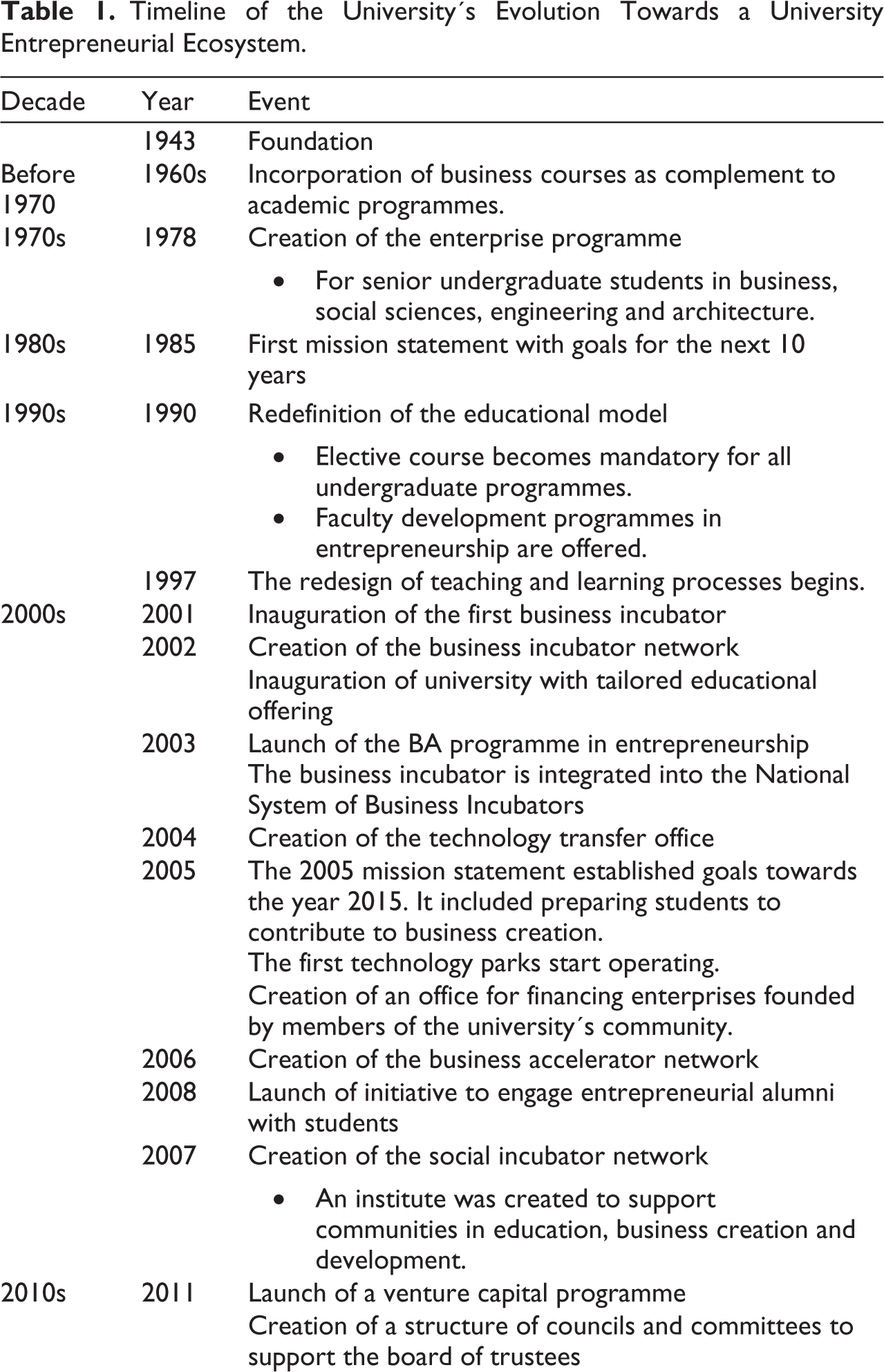
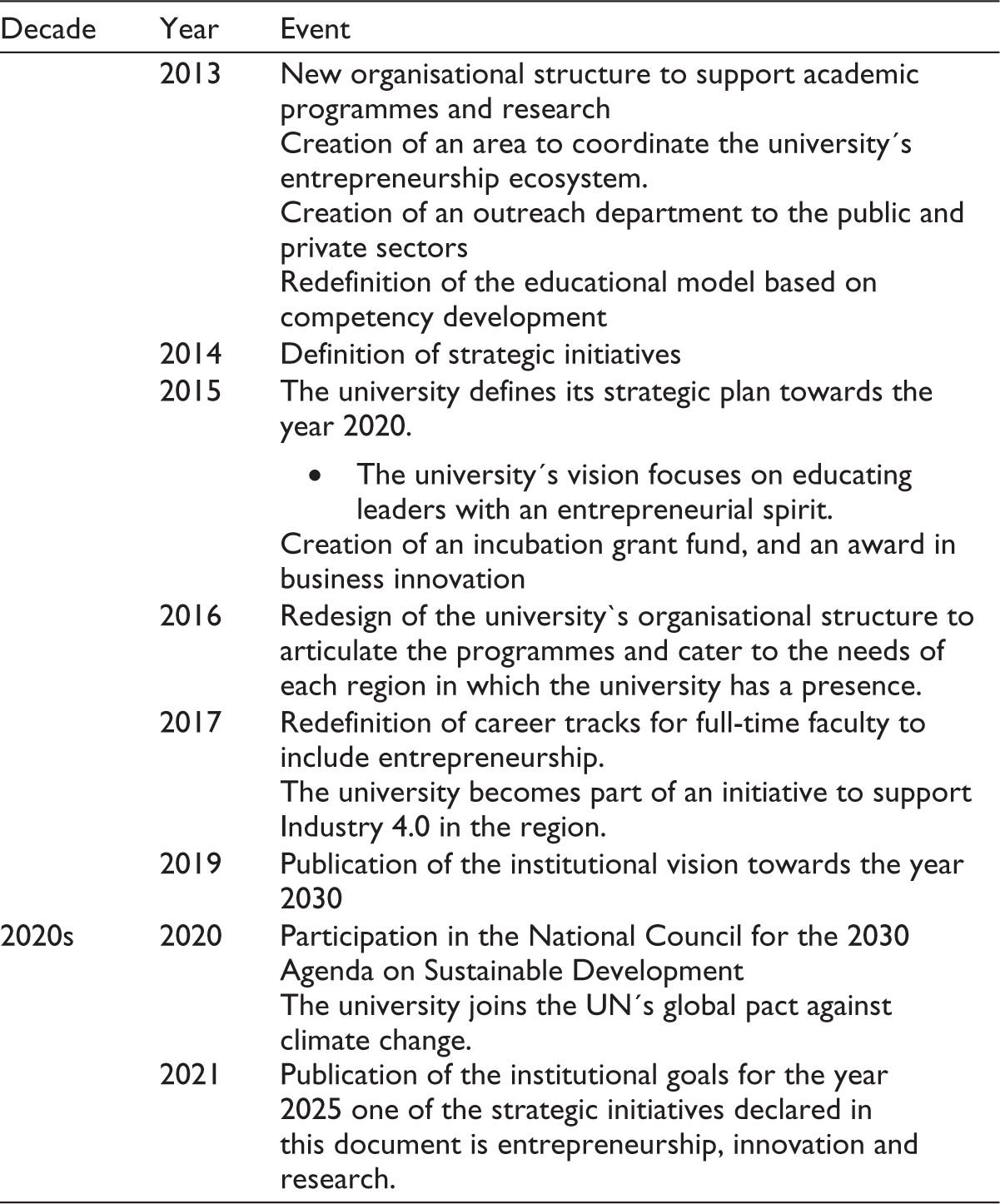
Throughout its trajectory (see Table 1), this university has experienced a process of hybridisation to accommodate and reconcile the emerging organisational tensions around the following factors: organisational culture, supporting organisational structures, strategy and external cooperation (Gjerding et al., 2006). It has strategically made decisions and implemented changes to its organisational structures to adapt its leadership, curriculum and supporting activities to effectively respond to national and international environmental developments that have impacted the demands from both industry and government on its performance and outcomes.
Timeline of the University´s Evolution Towards a University Entrepreneurial Ecosystem.
Methods
Data were collected during the first quarter of 2018 via the university´s institutional survey that gathers information on alumni career paths, business foundation, family background, the foundation of non-profit organisations, intellectual and artistic creations and indicators of well-being and happiness. This survey is modelled after the MIT and Stanford University’s alumni surveys designed by Roberts et al., (2015) and Eesley and Miller (2018), respectively. Several papers have used MIT’s graduate survey to explore the determinants of entrepreneurship, the conditions under which talent is more important than experience in entrepreneurs, and also the effects of a venture’s strategy on team composition and venture performance (Eesley & Roberts, 2012; Eesley et al., 2014; Hsu et al., 2007). More recently, Hsieh et al. (2017) employed surveys of graduates from different universities in the Netherlands to explore the connection between risk aversion, balanced human capital and the likelihood of entrepreneurship.
The survey was sent electronically to each of the alumni with updated contact information, using the Qualtrics software. Regarding entrepreneurship, the survey asked whether the respondents had been a founder or founding partner of a company, and if so, it requested information on the year of start-up, whether it was still operating or not, the year of exit (if it does not exist anymore), the sector of activity, the number of employees and the sales of the last year of operation. The information collected on entrepreneurship in the alumni survey was designed to precisely estimate entrepreneurship rates, place alumni’s first venture in time, obtain indicators of venture quality and paint the picture of alumni business demographics. Of these objectives, in the present research, the focus is on entrepreneurship rates and the timing in which they occur, taking as the reference point their year of graduation.
Among the 269,482 alumni who graduated from the university since 1943, a total of 17,896 surveys were collected, representing a response rate of 7%. Alumni who graduated between 1950 and 2017 were split into cohorts based on decade of graduation. The smaller number of graduates from the 1950s to the 1960s were grouped into the category ‘Before 1970’. Given that it is a university system (hereafter referred to as Uni System), and 5,020 respondents correspond to the headquarters campus (HQ Campus herein), we report the statistical exercises for each separately (see Table 2).
Proportions of Alumni by Characteristics and Decade of Graduation.
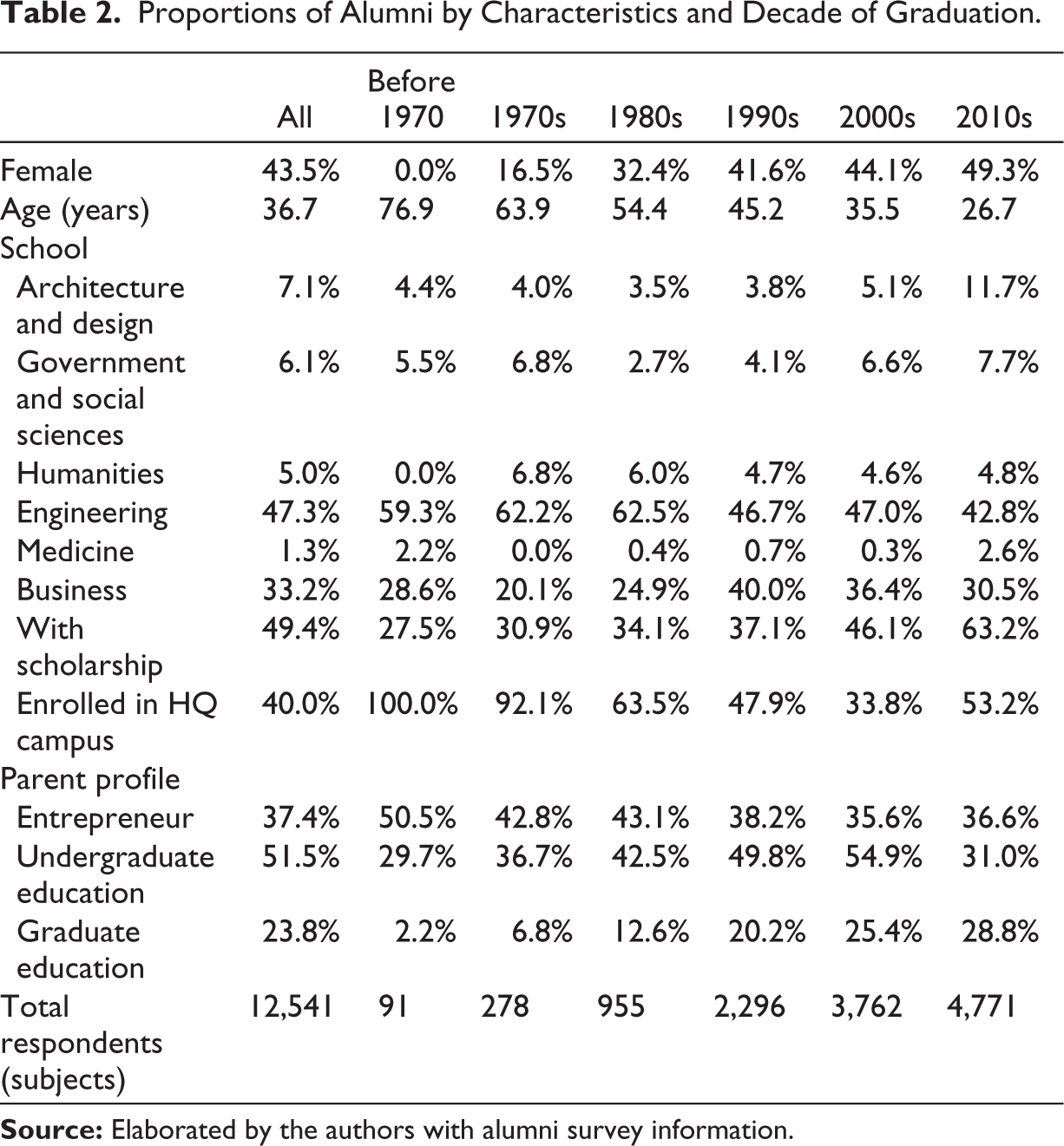
Inspection of the descriptive tables shows clear trends in the composition of the student population. The proportion of women among graduates grew considerably over time, reaching a practical parity in the last decade. Engineering and business majors represent about 70% of graduates, but their weight decreased with the appearance of new bachelor programmes. The weight of non-national graduates and that of graduates from campuses other than the HQ Campus also grew. Finally, alumni who come from entrepreneurial families remain around 40% of the total student population.
Procedures
The question guiding the present research is simple but ambitious—it deals with the overall effect of U-BEEs efforts on graduate entrepreneurship: Is it possible to empirically perceive an increase in the likelihood that graduates have started a business? One possibility to answer this is to analyse the impact of one ecosystem action at a time and to use an experimental or quasi-experimental design. An example along these lines is the Díaz-García et al. (2015) quasi-experimental study for a programme at the University of Castilla-La Mancha estimating the impact of adopting entrepreneurship courses in the university. Usually, in these studies, it is possible to count with a counterfactual group that might be randomly assigned or not.
Another possibility is to survey students who have been exposed to the specific actions of the ecosystem. In the specific case of entrepreneurship training, a common practice is testing whether students who take these courses are more prone to become entrepreneurs than those who do not. A recent example is the study by Adelowo and Henrico (2023) with data from surveys of students at six universities in Nigeria and Hou et al. (2023) with evidence for China.
However, both methodologies are not without drawbacks. In the case of experimental designs, studies are required for each specific action of the ecosystem, which makes it impossible to implement them at a reasonable cost. In addition, individual studies would not capture the interaction produced by the whole set of actions, nor the cumulative effect over time of all the programme’s actions. On the other hand, studies with student surveys generally measure effects on intentions but not on concrete business creation actions, which greatly limits their scope. Admittedly, the desired outcomes of entrepreneurship education and U-BEEs are diverse and difficult to measure, Shukla et al. (2022) in their evaluation of practices in India and Asia in general point to competencies such as opportunity recognition and risk-taking, as well as broader ones such as promoting a culture of entrepreneurship. However, in practice, assessments of attitudes, motivation and knowledge dominate the literature, such that Yi and Duval-Couetil (2022) found only 4 studies in their review of 61 impact studies of U-BEEs where the system’s outcome measures were objective in relation to venture creation. In this sense, this research contributes to what Tiberius and Weyland (2023) denominate in the new venture creation cluster of the entrepreneurship education literature.
In the case of this research, the aim is to exploit the heterogeneity in the graduation cohorts of the graduates to detect whether a structural change occurred in the creation of companies between the decade in which the main actions of the university’s entrepreneurial ecosystem were implemented, which is identified as the 1990s according to the deployment of the different actions of the system, and the present. To do so, the changes that have occurred in other determinants of entrepreneurship must be controlled for. For this reason, it is necessary to specify a model that allows removing the influence of other variables, the net effect that is captured should reflect to a large extent the effectiveness of the ecosystem that was deployed more than 20 years ago. Thus, the methodology can capture a combined effect of all the actions developed in the ecosystem at a very reasonable cost, compared to experimental designs; while measuring the effect on enterprise creation rather than intentions to do so.
One step in this direction is to analyse the entrepreneurship rates of this university’s alumni, defined as the proportion of graduates from each cohort who started at least one business in a certain period. A consideration is whether the graduate became an entrepreneur before graduation, up to one year after graduation, and two, three, four and up to five years after graduation. The five-year cut-off responds to the criteria that accreditation agencies generally consider as the limit of time in which university experiences influence career outcomes (Wolniak & Engberg, 2019). After that, personal achievement might be the product of professional experience and networks developed as a practitioner.
Table 3 reports the estimated entrepreneurship rates for both the HQ Campus and the Uni System by decade cohort. Only complete cycles were considered in the estimation; for example, those who graduated in 2017 are included in the before-graduation cohort because no information is observed after the first quarter of 2018, the year the survey was applied. Those who graduated in 2016 can become entrepreneurs before graduation and up to a year after graduation, but not later, and so on.
Entrepreneurship Rates of the HQ Campus and Uni System Alumni by Foundation Year and Decade of Graduation.
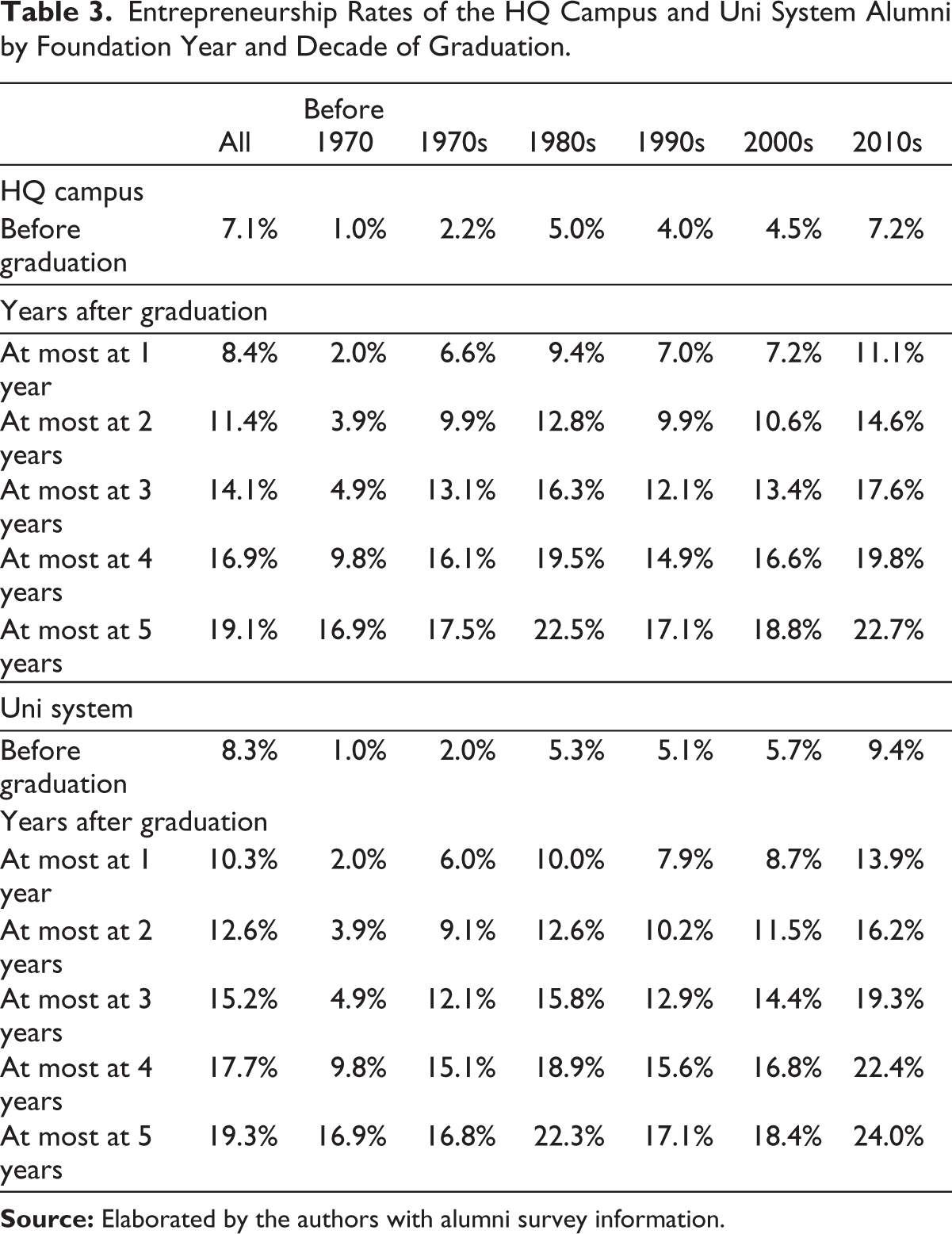
In general, entrepreneurship rates were relatively small before and during the 1970s, but they increased in the 1980s. Then, the propensity to launch a business decreased in the 1990s, but from then on it grew. Between the 1990s and the first decade of this century, it grew marginally, but afterward, the increase became important. For example, the ‘Before graduation’ entrepreneurship rate went from almost 5% to about 6% between the 1990s and 2000s, and then to 9.4% in the 2010s. All the entrepreneurship moments considered, from ‘before graduation’ to ‘five years after graduation’, shared this trend.
However, direct comparison can be misleading since it is unknown if the difference is significantly different from zero or not. Moreover, as variables other than the entrepreneurial programme intervention are changing between decades, contrasting the descriptive entrepreneurship rates might under or overestimate the real impact of the programme. Thus, a probabilistic model is used to predict the probability that a graduate will start a venture depending on family background, school, campus and decade of graduation. The model is as follows:

where the subscript i denotes individuals, k refers to the moment of entrepreneurship (from before graduation to five years after graduation), and t refers to the decade of graduation. On the other hand, y takes the value of 1 if the subject launched a business and zero otherwise; x is a vector of the characteristics of the graduate (e.g., gender, nationality and others), di is a vector of decade dummy variables, the element dit takes the value 1 if the subject graduated in decade t and zero otherwise, β, the vector of coefficients of the variables x and γ, is the vector of the coefficients of the decades variables. As all vectors are defined as columns, the apostrophe is used to obtain the transpose. Thus, G (…) is a cumulative probability function, and its argument is the linear combination of all the variables involved. Note that the vectors of coefficients β and γ have a subscript k, which means that they are coefficients of different models, one for each moment in which the first business was created, no restrictions are imposed.
Within the regressors in vector x, the dichotomous variable takes the value 1 for females and 0 for males; dichotomous variables for the area of study (medicine, business, humanities, social science, engineering and architecture); age and age squared are included to capture some non-linear effect; and dichotomous variables if the parent was an entrepreneur and if he/she had a bachelor’s degree and/or postgraduate studies. In the case of the Uni System, dichotomous variables were included for the largest campuses in the country as a fixed effect control.
The variable v contains the values for the dichotomous variables for the 1970s, 1980s, 1990s, 2000s and 2010s decades. For example, if an individual graduated in the 1990s then the vector is (0, 0, 1, 0, 0). As the decades grouped in ‘Before 1970’ are omitted, then each coefficient γi gives an estimate of the effect on the probability of being an entrepreneur in the decade t in comparison to the omitted one, that is, that of ‘Before 1970’. Thus, to compare the effect between two different decades, for example, 2010s versus 1990s, the differential effect between them is captured by

The different equations of the system are estimated to demonstrate that a structural change occurred over time. An assumption is that the cumulative probability function is a logistic distribution. Based on these estimates, the null hypothesis on the likelihood of entrepreneurship before and after the entrepreneurial programme is the same once controlled for all the observable features of the alumni is tested by comparing the 1990 and 2010 decade coefficients, that is,

Because the models include most of the variables that can affect entrepreneurship but are not the product of the entrepreneurial programme, the difference between the coefficients of these decades provides an impact less contaminated by other factors than simply taking the differences from Table 3. In addition, the estimation provides the standard errors of the coefficients to build an adequate test of significance.
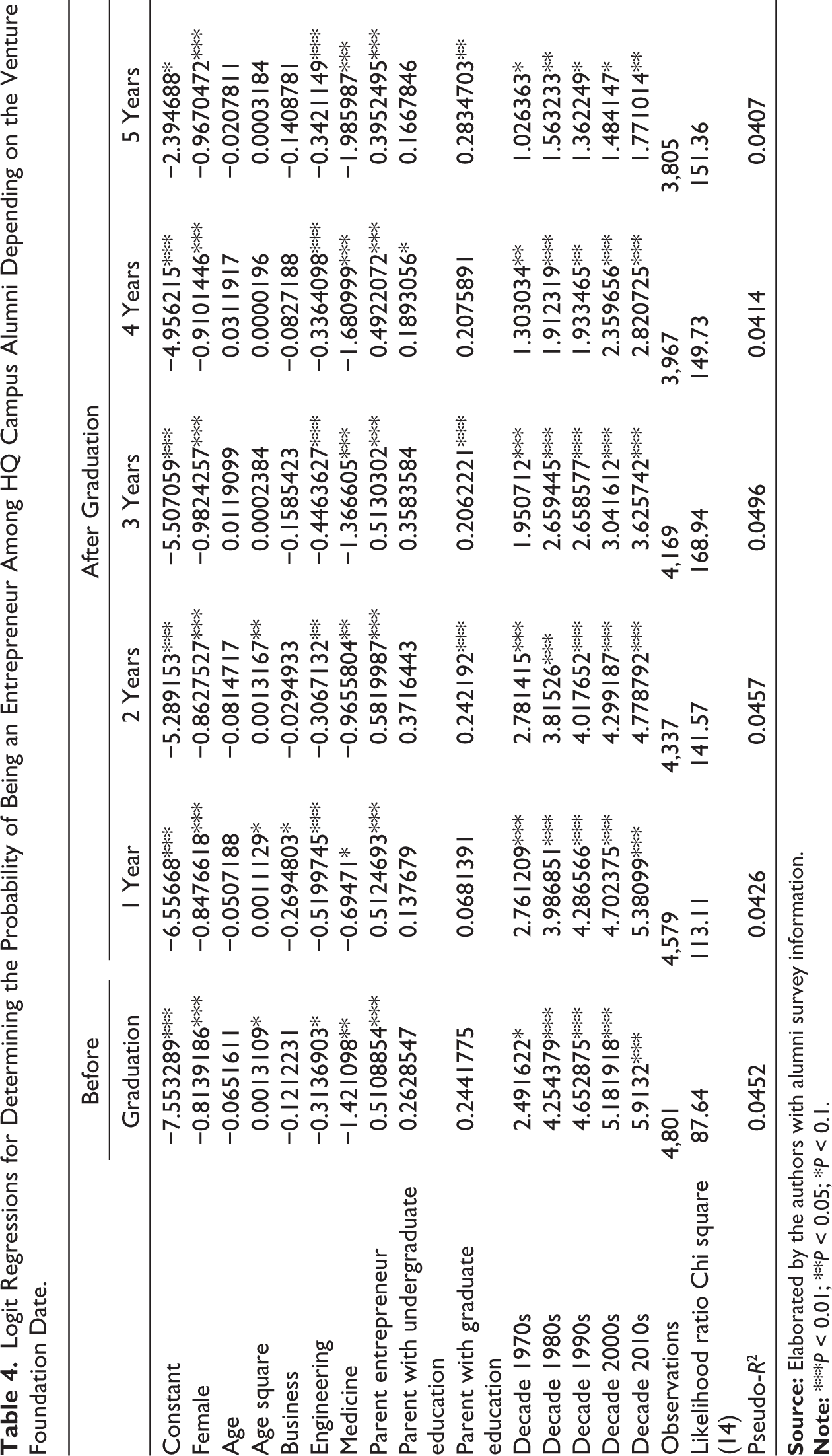
The estimates are presented in Table 4 for the HQ Campus and in Table 5 for the Uni System. Because of the large quantity of estimates, the standard errors were omitted, but the level of significance is denoted using asterisks. In the case of the Uni System, the fixed effects by campus are also omitted to make the table more compact but are available to the interested reader. It is preferred not to rule out variables that were not significant in some model to make it comparable for all.
Logit Regressions for Determining the Probability of Being an Entrepreneur Among HQ Campus Alumni Depending on the Venture Foundation Date.
Logit Regressions for Determining the Probability of Being an Entrepreneur Among Uni System Alumni Depending on the Foundation Date.
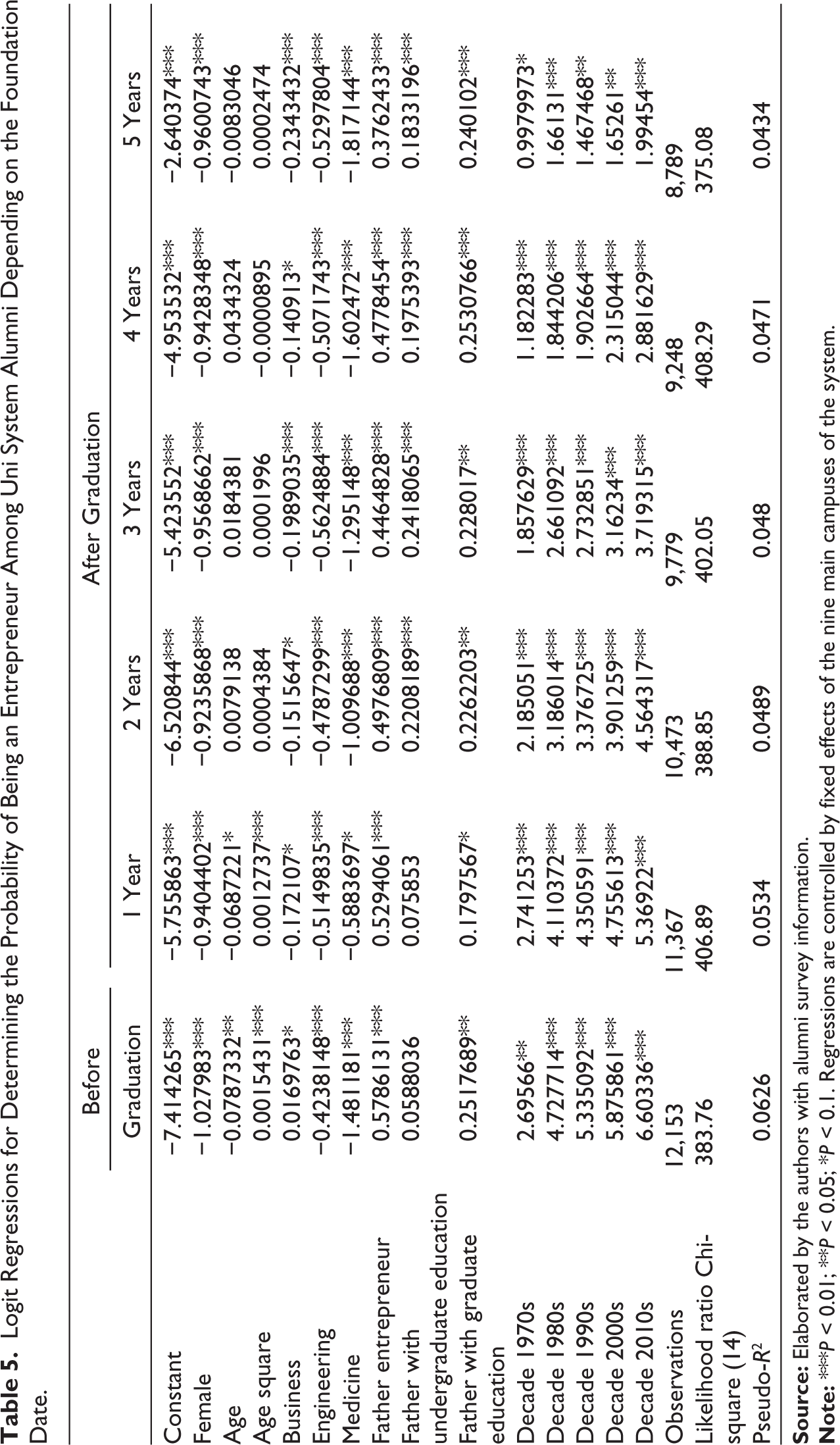
The coefficients of the logit models do not represent the marginal response of the variables on the probability of starting the first business, but the signs provide information on the direction of the relationship. For example, for the HQ Campus or the Uni System, female alumni are less likely to undertake a business in this period of their lives than men. Likewise, being part of an entrepreneurial family seems to influence the probability of creating a company.
Results
The coefficients of interest are those for the decades. In all cases, they are positive and significantly greater than 0, in most specifications at 1%. This indicates that by controlling everything else, there is a positive effect on the probability of founding a business in any decade compared to the base. However, we proceed with a series of Wald tests to prove that controlling for the rest of the variables there is an effect between the decade of the 1990s and the late 2010s.
The null hypothesis is tested:
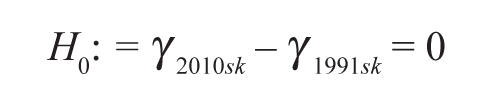
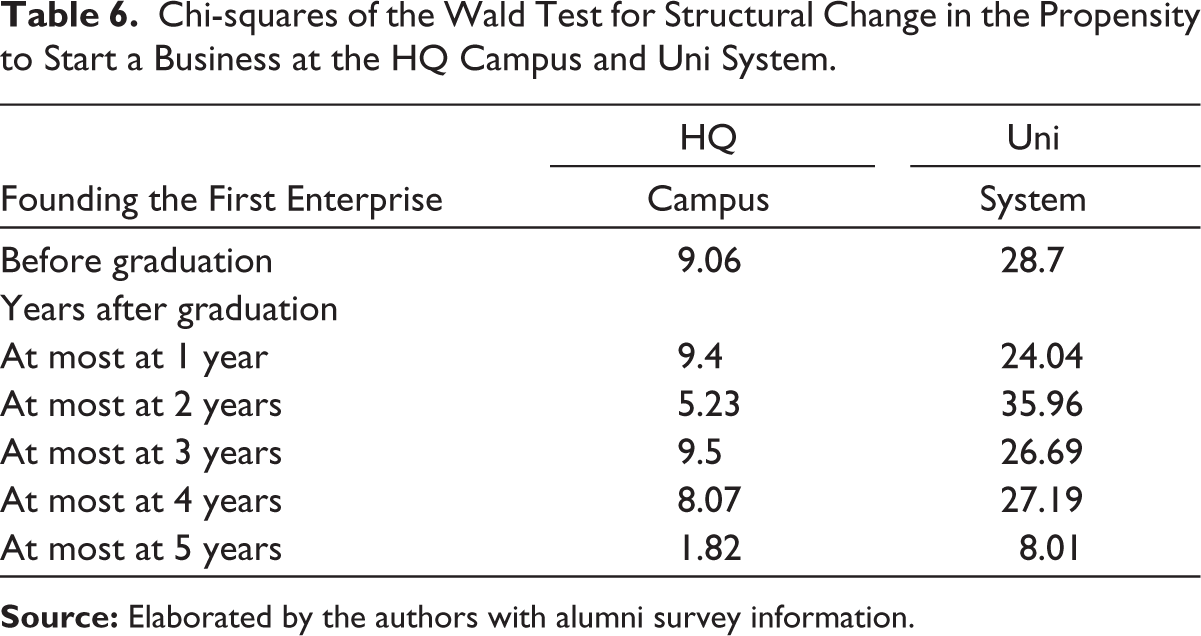
for all times when the first ventures could have started. Table 6 summarises the χ2 statistics of the test, in all the cases the null is rejected at P < 0.01 both for the HQ Campus and for the Uni System, except for all the five-year periods at the HQ Campus.
Chi-squares of the Wald Test for Structural Change in the Propensity to Start a Business at the HQ Campus and Uni System.
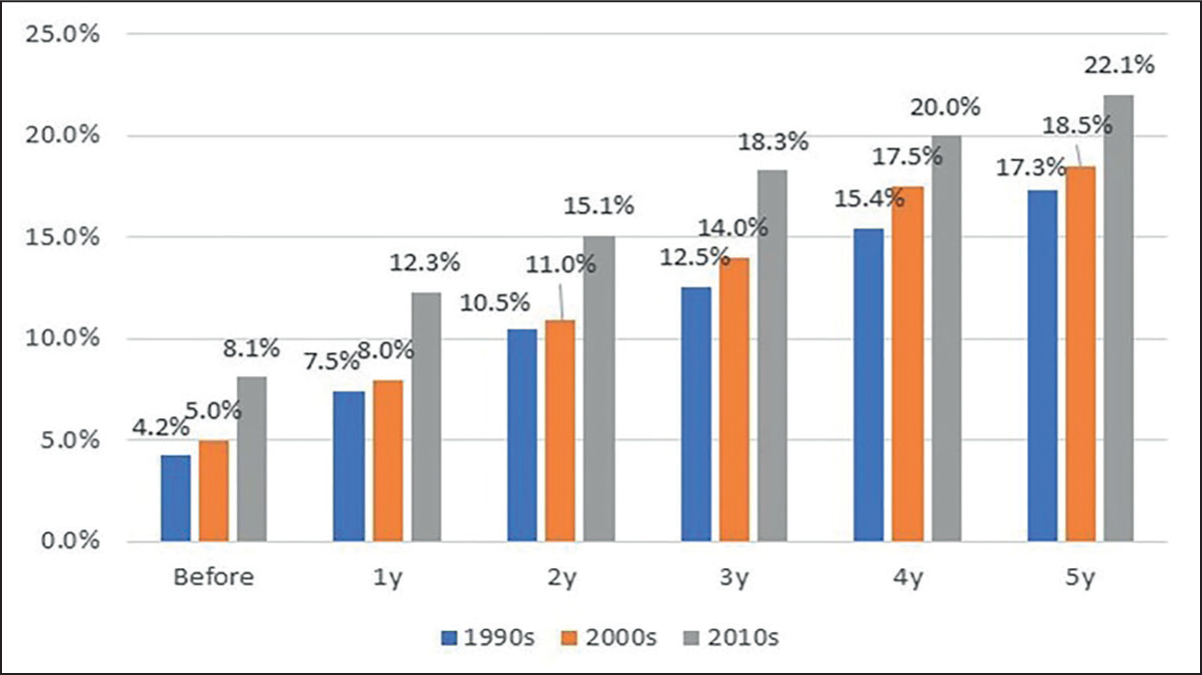
Additionally, the mean of the predicted probabilities that someone who graduated in either the 1990s or 2010s founded a first business (see Figures 1 and 2) is presented. Unlike the entrepreneurship rates in Table 3, these probabilities control for differences in the characteristics of the subjects, family background, school and campus of origin. In other words, it is as if a comparison was made between two identical individuals in all these aspects included in the models, but who graduated at different moments.
Estimated Mean Probability of Starting a Business in HQ Campus.
Estimated Mean Probability of Starting a Business for the Uni System.
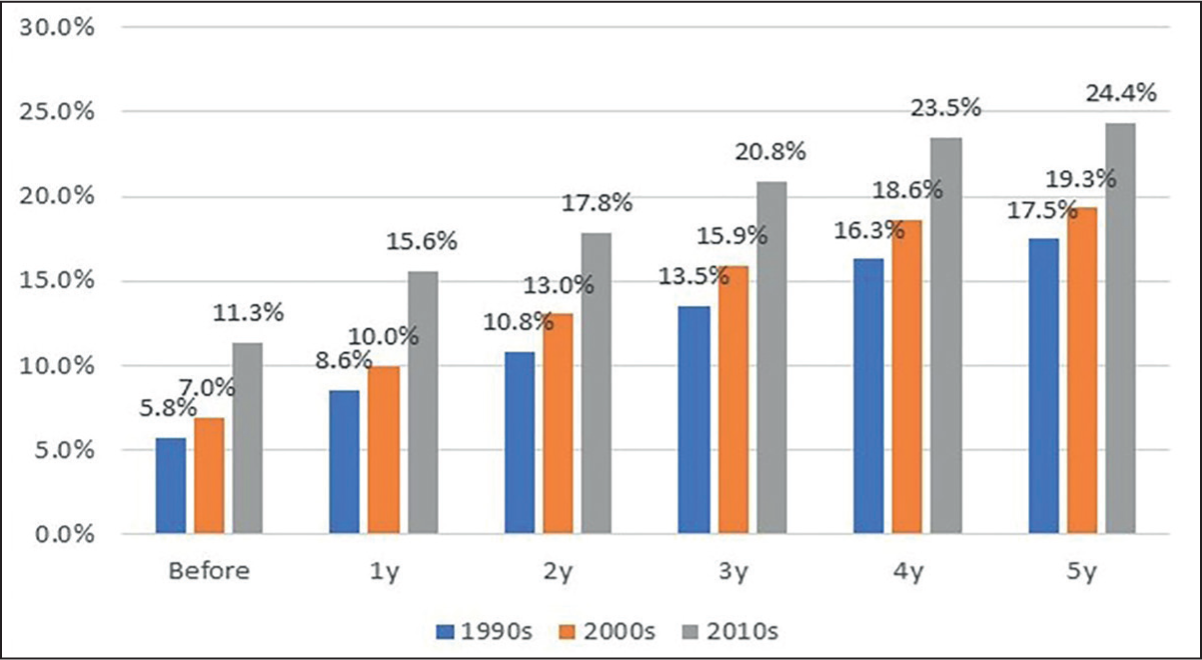
As can be seen, the mean of predicted probabilities or the predicted entrepreneurship rates in the 2010s are in all cases higher than in the 1990s. In the case of the HQ Campus, the differences are between 4 and 5 percentage points, while at the Uni System level between 5 and 7 percentage points.
Discussion
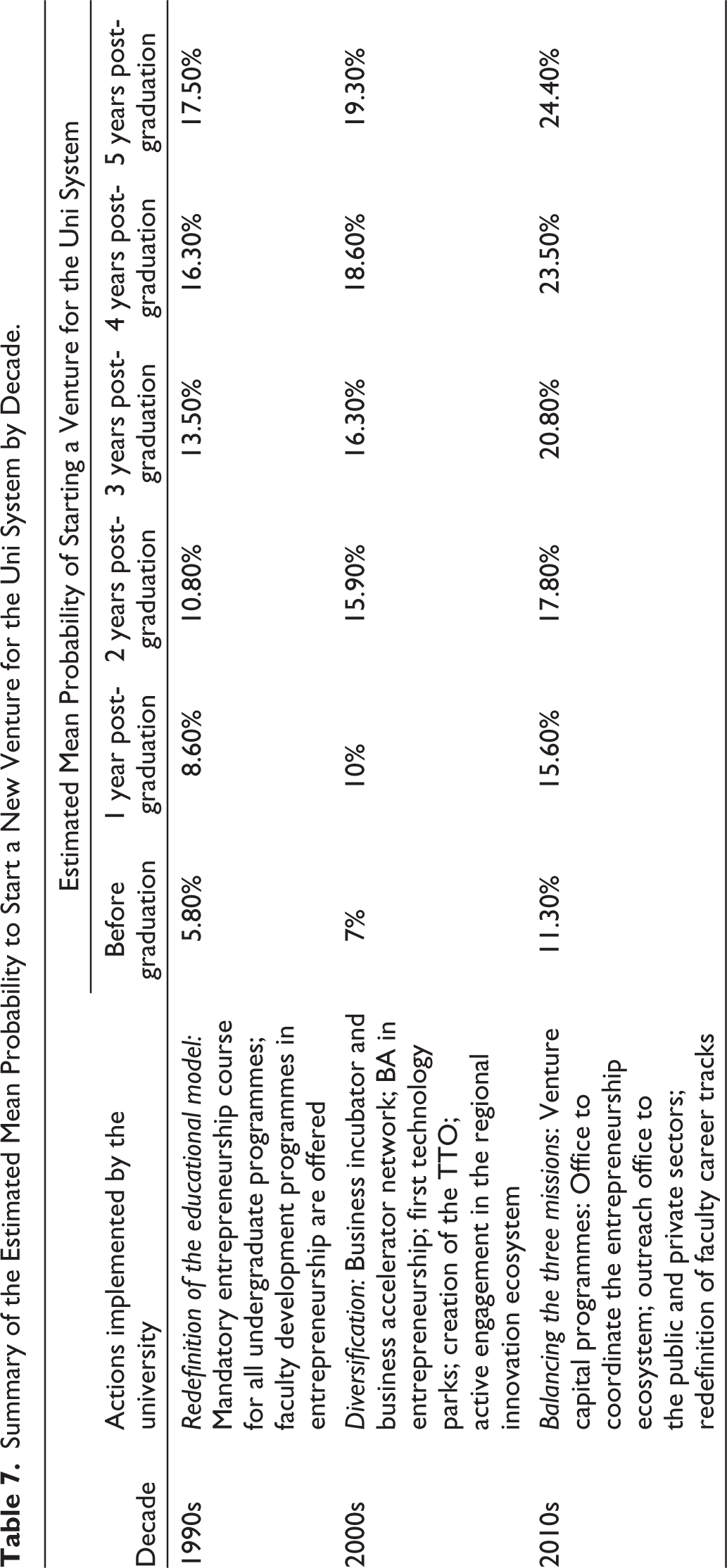
The present study allows for causal inferences, generating insights into the outcomes of an environment conducive to entrepreneurial behaviour. The results strongly indicate significant differences in the rate of graduate entrepreneurship during the different stages of development of the U-BEE. The 1990s is considered as the turning point in the formation of the roots of the entrepreneurial ecosystem (Table 7). The mandatory entrepreneurship programme at the core of the early-stage U-BEE, in addition to other pedagogical methods to build entrepreneurial competency, provided a more systematic approach to entrepreneurial learning. As the university implemented actions to organisationally adopt and adapt to becoming entrepreneurial, new venture creation significantly increased among students with each decade from that point forward. The same can be observed for venture creation after graduation.
Summary of the Estimated Mean Probability to Start a New Venture for the Uni System by Decade.
Several papers have examined the potential effects of university entrepreneurial ecosystems through the utilisation of alumni surveys. The Hsu et al. (2007) study, which investigated the primary drivers of venture creation using the MIT alumni survey, is perhaps the closest reference to our model. In their study, they observed a decreasing average age at which alumni establish their first business and suggested that this trend could be a result of MIT’s approach to training students in entrepreneurship, although they did not explicitly establish this connection. In this study, there is a comprehensive understanding of the key actions and strategies within the ecosystem, along with a clear timeline detailing the implementation of various programmes. This knowledge instils confidence in the assertion that the structural changes identified post the 1990s are indeed outcomes of the ecosystem, rather than resulting from other contextual variations.
It is important to note that the structural change detected in entrepreneurship rates of students before and up to five years of graduation after the deployment of the U-BEE is distinctive to this particular institution, given that the figures shown by entrepreneurship surveys such as the Global Entrepreneurship Monitor for the host country of this university do not show any upward trend in the last decade.
Overall, the results support findings from several studies addressing ecosystem elements and innovation in the organisational transformations that may trigger the postgraduation intention-to-behaviour transition. From the results, an increase in the entrepreneurship rate in the 1980s was observed, which may have responded to the recurring economic crises that occurred in those years and may have led alumni to undertake defensive entrepreneurial activity in the face of a shortage of promising corporate careers. In the 1990s, initiatives such as the bachelor programme in entrepreneurship (González & López, 2012; Guillén et al., 2010); full-immersion activities such as boot camps, hackathons, simulations and seminars (Rehak et al., 2020), allowed for the co-creation of the later stages of the ecosystem by actively engaging faculty and students. Studies suggest that such elements of entrepreneurship education are effective in nudging students to entrepreneurship as a career path (Beyhan & Findik, 2018; Fenton & Barry, 2011; Joensuu-Salo et al., 2015; Pérez-López et al., 2019; Rauch & Hulsink, 2015), if they emphasise the development of entrepreneurial behaviour (Man, 2006).
During the 2000s, hybrid organisational formats allowed the university to further invest resources in its boundary-spanning activities by enhancing its applied research and technology transfer functions and engaging in strategic partnerships with the government and industry. Business incubators and accelerators connected entrepreneurs with specialised advisers, investors, experienced entrepreneurs and businesspeople (Guillén et al., 2010). The continuum of supporting infrastructure and activities, which are conducive to an entrepreneurial culture (Ahmed et al., 2020; Beyhan & Findik, 2018; Buttar, 2015; Hernández-Sánchez et al., 2019; Kolvereid & Isaksen, 2006; Onjewu et al., 2021; Wang et al., 2021), has proved to reinforce its alumni nascent entrepreneurship rates.
For university leadership, being able to effectively manage change under the university’s particular context is key. University administrators must commit to developing a supportive entrepreneurial culture, an effective financial system, entrepreneurial capacity and formal institutional arrangements to provide the desired U-BEE outcomes (Vedula & Kim, 2019). For regional governments, universities can represent valuable allies to reduce gaps in entrepreneurial ecosystem performance among regions. For the private sector, advantages can be derived from innovation and knowledge spillovers by the increase in the number of new ventures founded by educated individuals in their localities.
Conclusion
This article presents evidence consistent with the fact that the implementation of an entrepreneurial ecosystem in a private multi-campus university in an emerging country produced a significant increase in the probability that a graduate of this university would undertake an entrepreneurial venture while a student and up to five years after graduation. The magnitude of the structural change detected in the likelihood of becoming an entrepreneur is high, especially in ventures created before graduation or in the first years of graduation. This makes us infer that the U-BEE produced a critical change in the aspirations and mindset of students towards an entrepreneurship lifestyle.
Several limitations to our study must be acknowledged, external validity among them. This longitudinal study is circumscribed to alumni from one entrepreneurial university; therefore, the generalisation of this study´s findings is limited. Another limitation is that this study does not explicitly analyse the strategic management decisions undertaken to transform specific elements of the U-BEE per decade. In addition, the measure of impact is the marginal effect of recent decades compared with the turning point of the entrepreneurship intervention in the 1990s.
Further research could address the repetitive incidence of entrepreneurial action, for example, serial entrepreneurship or the quality of entrepreneurship measured by economic returns, job creation and survival rates. Overall, the value of this study lies in its longitudinal nature, thus contributing to the understanding of the impacts of university entrepreneurial ecosystems in practice.
Footnotes
Declaration of Conflicting Interests
The authors declared no potential conflicts of interest with respect to the research, authorship and/or publication of this article.
Funding
The authors received no financial support for the research, authorship and/or publication of this article.