




Abstract
Additive manufacturing (AM) is a transformative production method with significant sustainability benefits. However, its adoption in heavy industry faces challenges due to non-flexible manufacturing processes. This study identifies and prioritizes 11 critical factors influencing AM success, analysing their causal relationships using the Grey–Decision Making Trial and Evaluation Laboratory technique with expert insights. The findings highlight technological factors (CF1) and raw material availability (CF9) as the key drivers of AM adoption. Intellectual property protection (CF3) ranked lowest among causative factors but remains crucial. Among the effect group factors, economic considerations (CF11) have the highest impact. By understanding these interdependencies, AM practitioners can strategically focus on high-impact causal factors to enhance operational sustainability. This study provides a systematic framework to guide effective AM implementation in the heavy industry, ensuring long-term success and sustainability.
Introduction
Additive manufacturing (AM) supports sustainable practices by reducing waste and enhancing production efficiency (Agrawal, 2022; Ghobadian et al., 2020; Gupta et al., 2023; Kumar et al., 2021). As a vital technology in digital transformation, AM improves manufacturing sustainability through system-level approaches (Graziosi et al., 2024). Technologies like 3D printing digitize production and supply chain operations (Priyadarshini et al., 2022; Verboeket & Krikke, 2019). AM offers substantial sustainability benefits, eliminating traditional tools and improving product development efficiency (ASTM International, 2012; Shukla et al., 2018). Consequently, AM is increasingly recognized as the future of manufacturing, indulging in offering a substantial competitive advantage to large-scale innovative firms in the heavy industries segment. AM offers numerous benefits, including the ability to create complex shapes often unachievable with traditional techniques (Cohen et al., 2014). Utilizing diverse materials such as metals, ceramics, biochemical and thermoplastics, AM encompasses various processes such as layered manufacturing and 3D printing (Eyers & Potter, 2017). This digital method enhances manufacturing efficiency, minimizes waste and reduces production time and costs. Despite its potential, AM faces constraints in mass customization (Shukla et al., 2018). Its flexibility, personalization and sustainability advantages drive its adoption (Agrawal & Vinodh, 2019). Berman (2012) identified numerous benefits and barriers of AM in industrial settings. Benefits include reduced production costs, minimized material use and enhanced consumer satisfaction through on-demand manufacturing. However, challenges such as high initial costs, the need for specialized expertise and the development of compatible materials remain significant. Ensuring the quality and reliability of AM-produced parts is crucial, especially in safety-critical industries. Environmentally, AM is beneficial as it conserves energy and resources, but its sustainability aspects are still somewhat limited.
AM technologies seem promising in terms of strategic flexibility and catering to entrepreneurial opportunities through bringing product innovation, experimenting with new product development or offering customized solutions to customers. Simultaneously, boosting manufacturing performance to attain success, AM technologies encounter inherent non-flexible manufacturing challenges (Ruiz-Benítez et al., 2018). Despite increasing adoption of AM technologies in industrial areas, especially in motor vehicles, medical and aerospace, the systematic understanding of the cause of important success factors remains limited (de Mattos Nascimento et al., 2022; S. Kamble et al., 2023; Yeh & Chen, 2018). The studies mainly focus on the identification and ranking of individual enablers or obstacles by using approaches such as integrated structural modelling (ISM), analytical hierarchy process (AHP) or fuzzy-ISM. However, some studies provide an integrated model that captures the direction and strength of the effect between factors, especially in the context of heavy industry, where the implementation is quite high due to the complexity scale, safety and lack of investment. However, previous studies extensively explored AM in different contexts, but the exploration of critical factors of adopting AM in heavy industry still remains unexplored. In this regard, the legacy of empirical knowledge on the cause-and-effect relationships among various critical factors of AM could result in enhanced sustainable practices in firms. The study focuses on 11 important structures: technical preparedness, environmental responsibility, IP protection, strategic alignment, operational efficiency, health and safety, human–machine cooperation, supply chain integration, availability of raw materials, product quality and financial feasibility. These factors were chosen on the basis of their continuous discussion in AM literature and discussion with industry experts, their relevance to make industrial decisions during stability and digitization pressure. For example, technical preparedness and IP security are necessary for digital file safety and accurate production. The availability of the supply chain and materials affects direct scalability; While the implementation of economic and quality factors is crucial in viability. This concentrated sample supports a comprehensive analysis of AM success in complex industrial surroundings. Hence, the present study aims to address the research gap with the following objectives: (a) explore the associated critical factors of adopting AM and its adoption success, (b) prioritize them and (c) identify their causal interactions, particularly about the heavy industries prone to take up new challenges and attempt to achieve the excellence in the manufacturing domain. The objectives of the study would ultimately be to respond to the following set of interrelated research questions:
RQ1: What are the potential critical factors to be encountered in adopting AM in heavy industry? RQ2: How important is the role of the identified critical factors in order of their priorities? RQ3: In the process of AM adoption, how do the various critical factors have causal relationships with each other?
The article is organized into six successive sections to approach the answers to these questions. The second section presents the theoretical contents from relevant literature to logically explore the critical factors crucial for achieving the success of AM adoption. The third section explains the methodological approaches to ascertain the prioritization and their inter-relationships. The fourth section explores the case implementation and results. After that, the fifth section explores the discussion of the findings. The sixth section elaborates on the management and policy implications and suggests areas for future investigation.
This study makes a significant contribution to identify and prioritize the critical factors influencing the success of adopting AM in the heavy industry by addressing the difference in understanding how important interacting factors affect the successful adoption of AM production in the heavy industry. While advanced examinations have identified individual ingredients or obstacles, the cause of these factors has received limited attention. By implementing the Grey–Decision Making Trial and Evaluation Laboratory (DEMATEL) function, this research provides a nice, system-level view that supports management decisions in resource allocation, strategic prioritization and operational preparedness. It directly supports the leadership goal to improve performance and flexibility.
Literature Review
Theoretical Underpinning
The study of AM adoption is largely focused on identifying disconnected technical and operating promoters, often without assessing their systemic interrelatedness. The technology– organization–environment (TOE) framework (Awa et al., 2017; Prakash, 2025) and resource-based views (RBV; Ristyawan et al., 2023; Shibin et al., 2020) provide a useful theoretical approach to explain how AM-related abilities appear and interact. The TOE framework suggests that organizational innovation is successful with technical preparedness, organizational structures and environmental references (Chittipaka et al., 2022; Jewapatarakul & Ueasangkomsate, 2024). When it comes to AM, factors such as IP security, the availability of raw materials and integration of the supply chain can be mapped on these dimensions. Meanwhile, RBV emphasizes the role of internal abilities, for example, technical infrastructure and efficient human resources, and ongoing competitive advantage. Within this lens, the success of AM is not only a result of external ingredients but also how the companies orchestrate internal and external resources (Chahal et al., 2020). This research integrates these approaches by identifying 11 important success factors. By positioning success factors in this theoretical structure, the study helps to understand how technical, organizational and environmental elements dynamically interact in a complex industrial environment, to determine a basis for evaluating causes and priorities.
Factors Alignment with the Sustainability Theory
In addition to the TOE and RBV frameworks, this study also draws upon sustainability theory, particularly the triple bottom line framework, which conceptualizes sustainability across three core dimensions: economic, environmental and social (Chang et al., 2017; Joseph et al., 2023). The critical success factors identified in this study align with these dimensions. For instance, economic factors (CF11), raw material availability (CF9) and product quality (CF10) correspond to the economic pillar; environmental factors (CF2) and health and safety (CF6) align with environmental and social sustainability, while human–machine collaboration (CF7) and IP protection (CF3) reflect social and innovation-related governance concerns. By mapping the causal relationships among these sustainability-aligned factors, the study contributes to operationalizing sustainability in the context of AM.
Critical Factors of AM Success: A Review
The rising interest of researchers and manufacturers in AM can be attributed to the adaptability of reduced machine prices and design freedom for complex geometries. AM has the capacity to significantly change the way production is done, especially when compared to other advanced manufacturing technologies (Ford & Despeisse, 2016; Holmström & Gutowski, 2017). For diverse purposes, AM technology has been widely adopted in the healthcare, automotive, aerospace, medicinal and consumer products industries (Mandolla et al., 2019). Sustainable AM provides enterprises with enhanced production opportunities and more sustainable business models. This is achieved through reduced energy usage, lower CO2 emissions, decreased production costs, improved waste management and enhanced safety measures (Gu et al., 2020; Iqbal et al., 2020; Khatibi et al., 2021; Peng et al., 2018). A number of researchers (Cappucci et al., 2020; Le Bourhis et al., 2013; Suárez & Domínguez, 2020) have initiated the evaluation of the environmental impacts of AM in contrast to subtractive manufacturing, owing to the increasing concern for environmental sustainability. Examining the implications of AM to improve industrial sustainability provides a holistic perspective on sustainable AM. The existing research explores how AM can offer several advantages regarding sustainability in operations. These include decreased material toxicity, lower carbon footprints, reduced material consumption, heightened awareness of material recycling and minimized production waste (de Mattos Nascimento et al., 2022; Kellens et al., 2017). Gebler et al. (2014) conducted an extensive analysis of AM from a worldwide sustainability standpoint. Faludi et al. (2015) performed a life cycle assessment (LCA) to evaluate the environmental impacts of AM on two AM systems. The environmental benefits of AM have been investigated by Kohtala (2015) and Kellens et al. (2017). Burkhart and Aurich (2015) introduced a methodology that manufacturers can use to decrease the environmental consequences of AM, specifically in relation to enhancing automotive components. Peng et al. (2018) developed the concept of AM sustainability with a specific emphasis on the energy and environmental consequences. Kellens et al. (2017) compared the environmental aspects of traditional manufacturing and AM. They emphasized the environmental issues in several study fields. Kohtala (2015) conducted a comprehensive assessment of the environmental sustainability of distributed manufacturing, with a focus on highlighting potential future prospects and existing risks. Researchers such as Yang et al. (2019) and Bours et al. (2017) have conducted studies on the LCA of AM to improve its environmental performance. They have also provided recommendations for appropriate frameworks. Creating an LCA is crucial for accurately determining the environmental consequences of products created by AM (Mohd Ali et al., 2019). From an economic standpoint, AM is viable, particularly for producing small- and medium-sized batches (Khorram Niaki et al., 2019; Short et al., 2015). The technology delivers accelerated time to market, eliminates the requirement for tooling, enables manufacturing on demand and allows for design flexibility, resulting in cost savings. The social sustainability advantages of AM encompass enhanced labour conditions, heightened customer happiness, increased accessibility and the ability to customize on a large scale (Beltagui et al., 2020; Huang et al., 2013; Matos & Jacinto, 2019; Murmura & Bravi, 2018; Naghshineh et al., 2021). Chen et al. (2015) examined the economic, social and environmental aspects of digital manufacturing, drawing comparisons to traditional manufacturing models. Ford and Despeisse (2016) observed the advantages of AM, including enhanced resource efficiency, prolonged product lifespan and restructured value chains. An active approach is required to integrate and prioritize the key aspects determining AM’s long-term viability. This article thoroughly analyses the literature to identify critical factors for the success of AM. It then uses multi-criteria decision-making (MCDM) tools to rank the essential factors. The review comprises material sourced from reputable research journals. Table 1 provides a concise summary of the present state of the literature on the exhaustive factors contributing to the success of AM prepared based on the relevant literature review.
Summary of Important Literature on the Success of AM Adoption/Implementation.
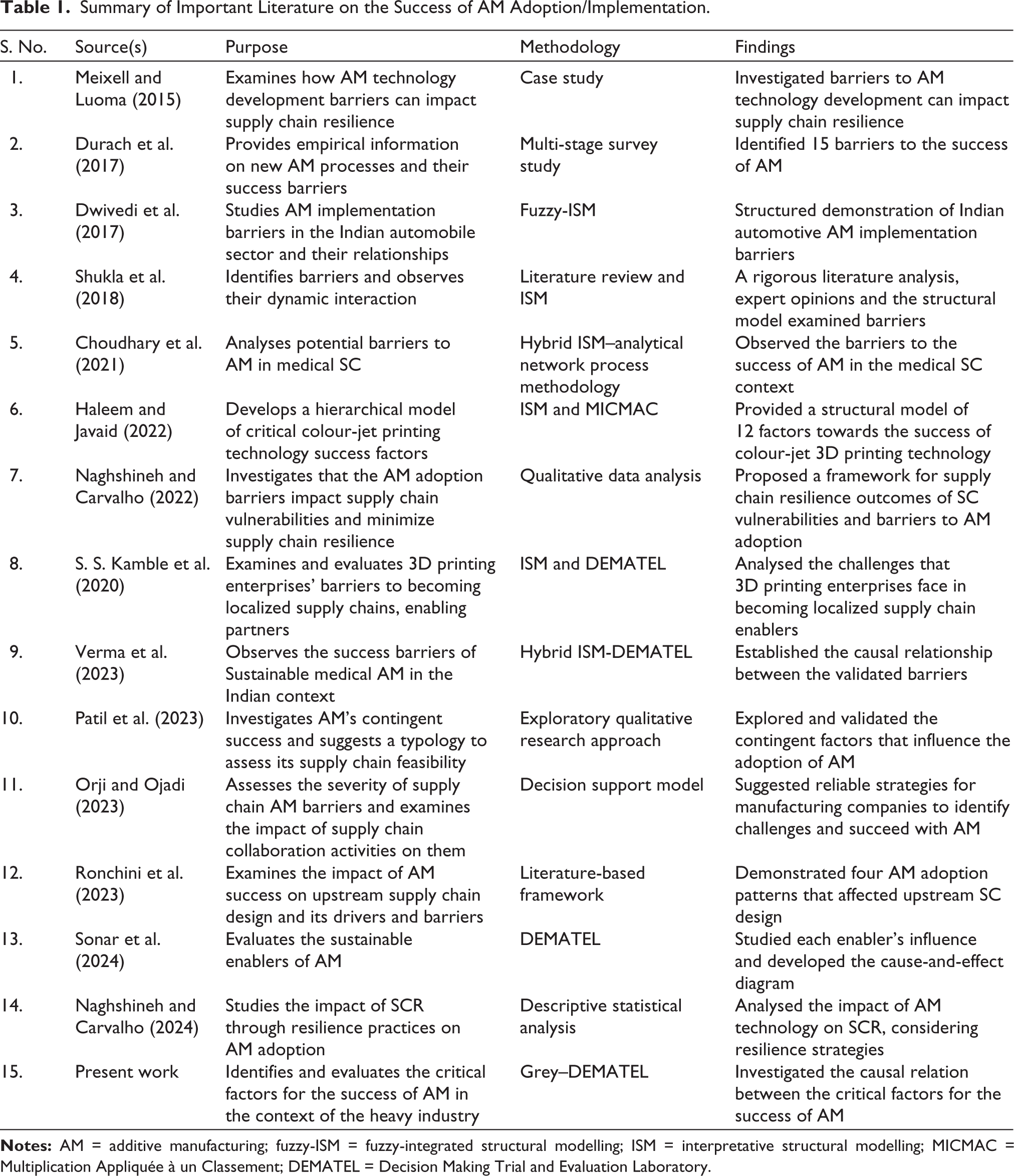
Summarization of Critical Success Factors for AM Adoption
In summary, various researchers consider the factors that influence the adoption of AM in their particular context. Ronchini et al. (2023) studied the supply chain barriers, technology barriers, strategic barriers, organizational barriers and operational barriers for the AM adoption. Non-availability of a variety of materials as barriers to the adoption of AM is highlighted in the previous literature (Choudhary et al., 2021; Naghshineh & Carvalho, 2022). Agrawal (2022) and Javaid et al. (2021) studied environmental factors for the adoption of AM. In efficiently integrating an advanced manufacturing technology such as AM into an organization, operational factors play a critical role in the successful implementation of the technology (Patil et al., 2023; Ronchini et al., 2023; Singh et al., 2024; Verma et al., 2023). The technological aspect is the most significant factor in the widespread adoption of 3D printing (Chan et al., 2018). Patil et al. (2023) reveal strategic factors influencing AM adoption. Practitioners should focus on organizational factors for creating awareness, skill development and cross-functional knowledge that influence AM adoption at a very early stage (Patil et al., 2023). The study outcomes indicate the structural barriers that exhibit the highest rank in terms of severity (Orji & Ojadi, 2023). IPR issues help create the workforce, market support and readiness to analyse unknown environmental, health and safety issues in AM implementation (Dwivedi et al., 2017). In Table 2, all the major AM success factors are listed.
Summary of Important Critical Factors for the Success of Additive Manufacturing.
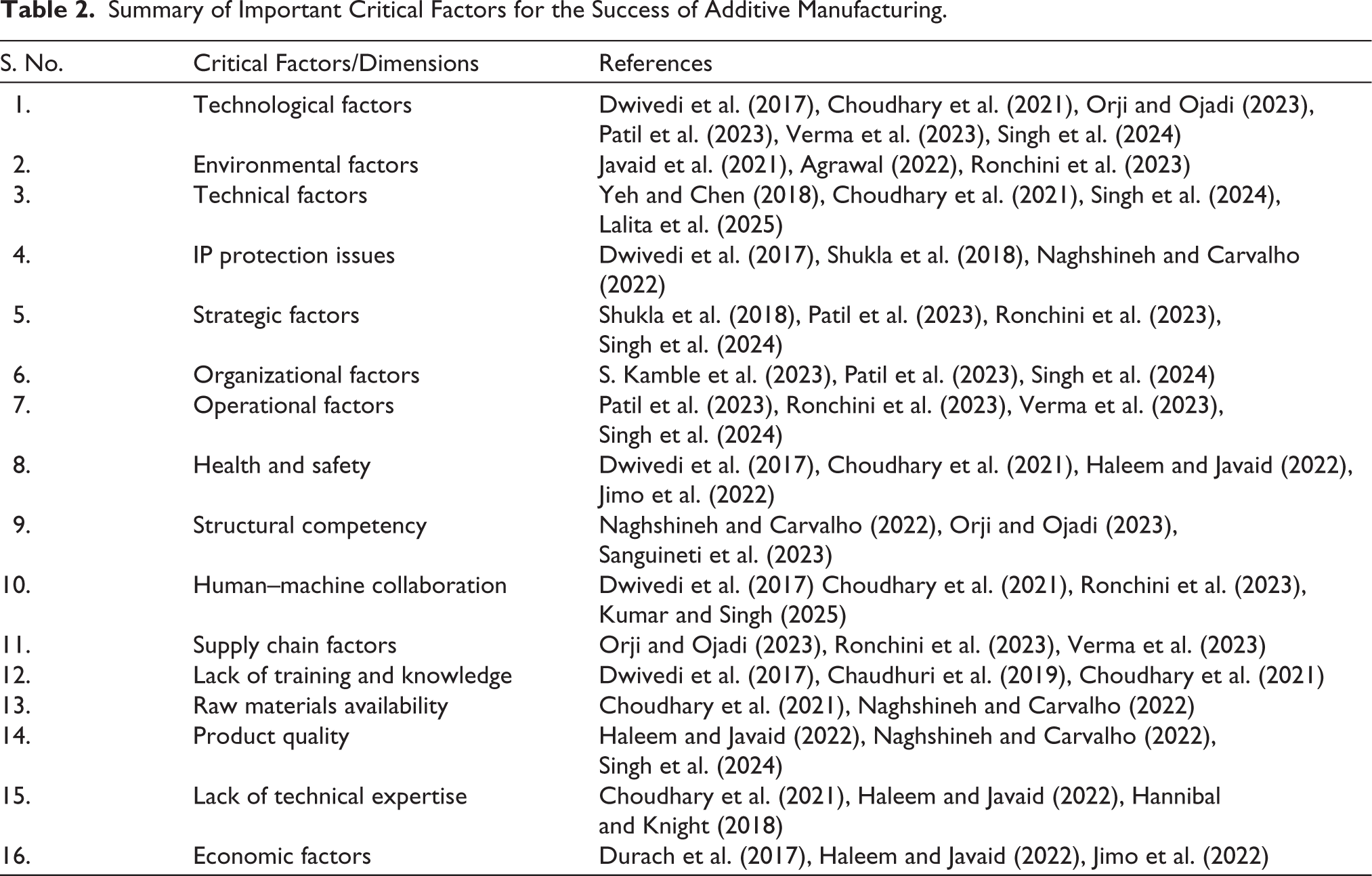
This study used a comprehensive literature survey of peer-reviewed articles on AM adoption, uptake and implementation. A list of 16 important factors has been identified. After reviewing citations and insights from 3 experts, 11 critical factors that were strongly correlated with the success of AM in the heavy industry were carefully chosen for further study. To determine the importance of critical factors for AM success, three experts were interviewed individually in an open-ended format. These specialists have extensive experience in the field of AM, as indicated in Table 3.
Details of the Experts for the Critical Factors Exploration.
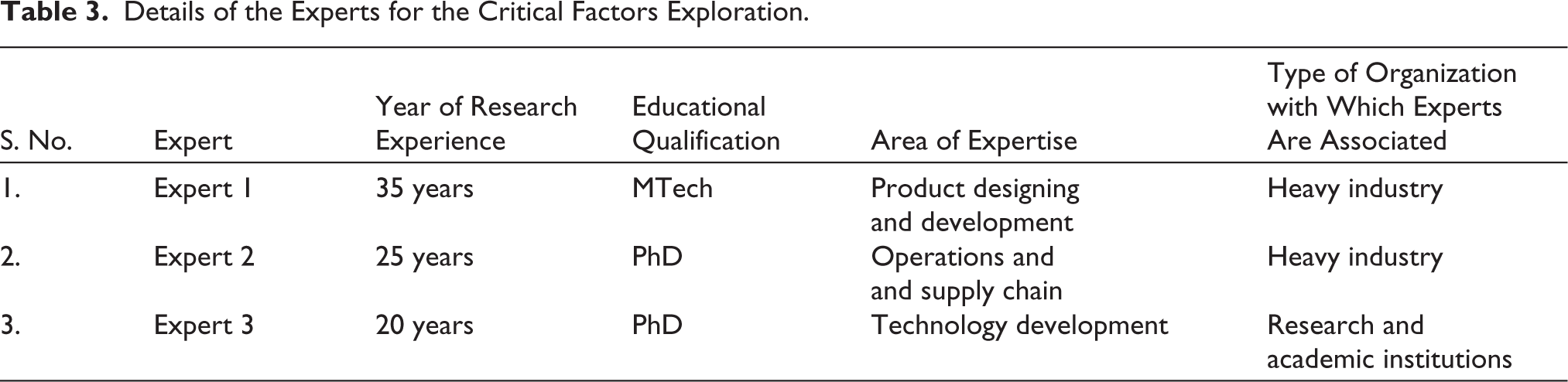
In a brief overview, they explained the study’s purpose and the key aspects contributing to AM’s success. The experts received a detailed list of 16 critical factors, including their definitions, suitability and references. The experts’ final suggestions were recorded individually. To finalize the important parameters for AM success, a second meeting was organized with all three specialists. According to experts, some crucial elements are not important for the AM adoption by the heavy industry. This study examined expert-confirmed critical factors. In conclusion, 11 critical factors were commonly and collectively approved for further investigation. Descriptions of the 11 critical factors are provided in the following subsections.
Technological Factors(CF1)
The success of AM depends on technological factors, including robust IT infrastructure, reliable performance and safety, and achieving repeatability through precise control over calibration, conditions and material quality (Choudhary et al., 2021; Orji & Ojadi, 2023; Patil et al., 2023; Singh et al., 2024; Verma et al., 2023).
Environmental Factors (CF2)
Environmental factors for AM success include minimizing waste, reducing energy use, utilizing sustainable materials, enhancing eco-friendliness and compliance with environmental regulations (Agrawal, 2022; Javaid et al., 2021; Ronchini et al., 2023).
IP protection Issues (CF3)
IP protection issues in AM involve securing trademarks, patents and copyrights to prevent unauthorized use and maintain competitive advantage, ensuring the protection of intellectual property (IP; Dwivedi et al., 2017; Shukla et al., 2018).
Strategic Factors (CF4)
Strategic factors for AM success include aligning technology with business goals, investing in innovation and adapting to market opportunities and industry trends for long-term growth (Patil et al., 2023; Ronchini et al., 2023; Shukla et al., 2018; Singh et al., 2024).
Operational Factors (CF5)
Operational factors for AM success include effective machine maintenance, efficient workflow management and optimized process parameters to ensure smooth production and high-quality output (Patil et al., 2023; Ronchini et al., 2023; Singh et al., 2024; Verma et al., 2023).
Health and Safety (CF6)
Health and safety are crucial for AM success, involving safe equipment operation, minimizing exposure to hazards and adhering to regulations to protect workers (Haleem & Javaid, 2022; Singh et al., 2024).
Human–Machine Collaboration (CF7)
Human–machine collaboration in AM relies on skilled operators with expertise and competency to manage processes, enhancing productivity, quality and innovation in manufacturing (Choudhary et al., 2021; Dwivedi et al., 2017; Ronchini et al., 2023).
Supply Chain Factors (CF8)
Supply chain factors for AM success include efficient integration, reliable material sourcing and effective logistics, which reduce costs, improve delivery times and support scalable production (Orji & Ojadi, 2023; Ronchini et al., 2023; Verboeket & Krikke, 2019; Verma et al., 2023).
Raw Materials Availability (CF9)
Raw material availability is crucial for AM success, impacting part quality, performance, costs and scalability by ensuring a steady supply of diverse, high-quality materials (Choudhary et al., 2021; Naghshineh & Carvalho, 2022).
Product Quality (CF10)
Product quality in AM involves precision, durability and reliability, ensuring parts meet industry standards and customer expectations, which drives adoption and market acceptance (Naghshineh & Carvalho, 2022; Singh et al., 2024).
Economic Factors (CF11)
Economic factors for AM success include cost-efficiency, investment availability, supply chain integration, customization benefits and regulatory/tax incentives (Durach et al., 2017; Haleem & Javaid, 2022).
Although many critical factors have been extensively identified in the literature, few efforts combine them into a cause-and-effect framework that captures the actual complexity managers will face in implementing AM. Current methodologies tend to be unoriented towards management and thus do not facilitate actionable prioritization or investment choices. This research addresses that gap by synthesizing not just the main factors but also simulating their interdependencies, thus providing a greater practical insight into which factors need proactive managerial attention. The prioritization matrix designed here closes the gap between theoretical impediments and practical decision-making, allowing for better alignment of strategic objectives and AM readiness within the industrial environment.
DEMATEL Integrated with Grey System Theory
The application of grey theory methodologies has been extensively utilized in literature to represent intricate decision-making difficulties. The Grey–DEMATEL technique has been employed across multiple sectors to identify the interdependencies among distinct elements. Rajesh and Ravi (2017) made an effort to identify the causal relationships among the risk factors in the electronic supply chain. A further study employed a Grey–DEMATEL methodology to ascertain the causal connection between the obstacles, hindering the adoption of sustainable supply chain management in the leather sector (Moktadir et al., 2018). G. Singh et al. (2023) examine and assess the obstacles to growth in the fresh produce supply chain. Further, C. Singh et al. (2023) analyse the causal links between the factors that influence the acceptance of conversational digital assistants. This research study aims to investigate the key aspects contributing to the success of AM using the Grey–DEMATEL process.
Methodology
This study aims to identify and prioritize the critical factors influencing the success of adopting AM in the heavy industry. Additionally, it aims to explore the causal relationships among these factors. Given the complexity of the subject, input from industry experts and the application of causal modelling techniques are essential to achieve the research objectives. In recent years, various MCDM methods such as AHP, Technique for Order of Preference by Similarity to Ideal Solution (TOPSIS) and analytical network process (ANP) have been widely employed to prioritize the factors they often ignore the interdependencies among them. However, the DEMATEL method focuses not only on prioritizing but also on identifying their causal relationship. The DEMATEL approach can manage and organize intricate causal interactions among the crucial components by combining graphs and matrices (Hsu et al., 2013; Sahu et al., 2025). The DEMATEL method is used for structural modelling to construct interrelationships among variables using a causal diagram, even with a small sample size. It can also measure the strength of influence among variables (Devi et al., 2025; Kumar et al., 2024). Similarly, ISM identifies interdependence among the factors but does not consider the strength of the association (Kumar et al., 2022). This study used the DEMATEL method that integrates DEMATEL with Grey theory to address uncertainty issues and limited data concerns. Grey–DEMATEL further enables the modelling of linguistic and data uncertainty through grey numbers (Bai & Sarkis, 2013; Kabir et al., 2025). Grey system theory can address the ambiguity that arises from imprecise human assessments (Li et al., 2007). Integrating grey system theory with any MCDM methodologies can effectively enhance the accuracy of judgement (Tseng, 2009). The modified CFCS (converting fuzzy values into crisp scores) technique can transform grey values into sharp ones (G. Singh et al., 2023). Compared to the fuzzy logic-based approach, the Grey–DEMATEL approach was found to be a more suitable approach for exploratory studies. This study has utilized the DEMATEL technique based on grey theory to examine the interconnection between the critical factors contributing to AM’s success. The Grey–DEMATEL procedure consists of the following fundamental steps.
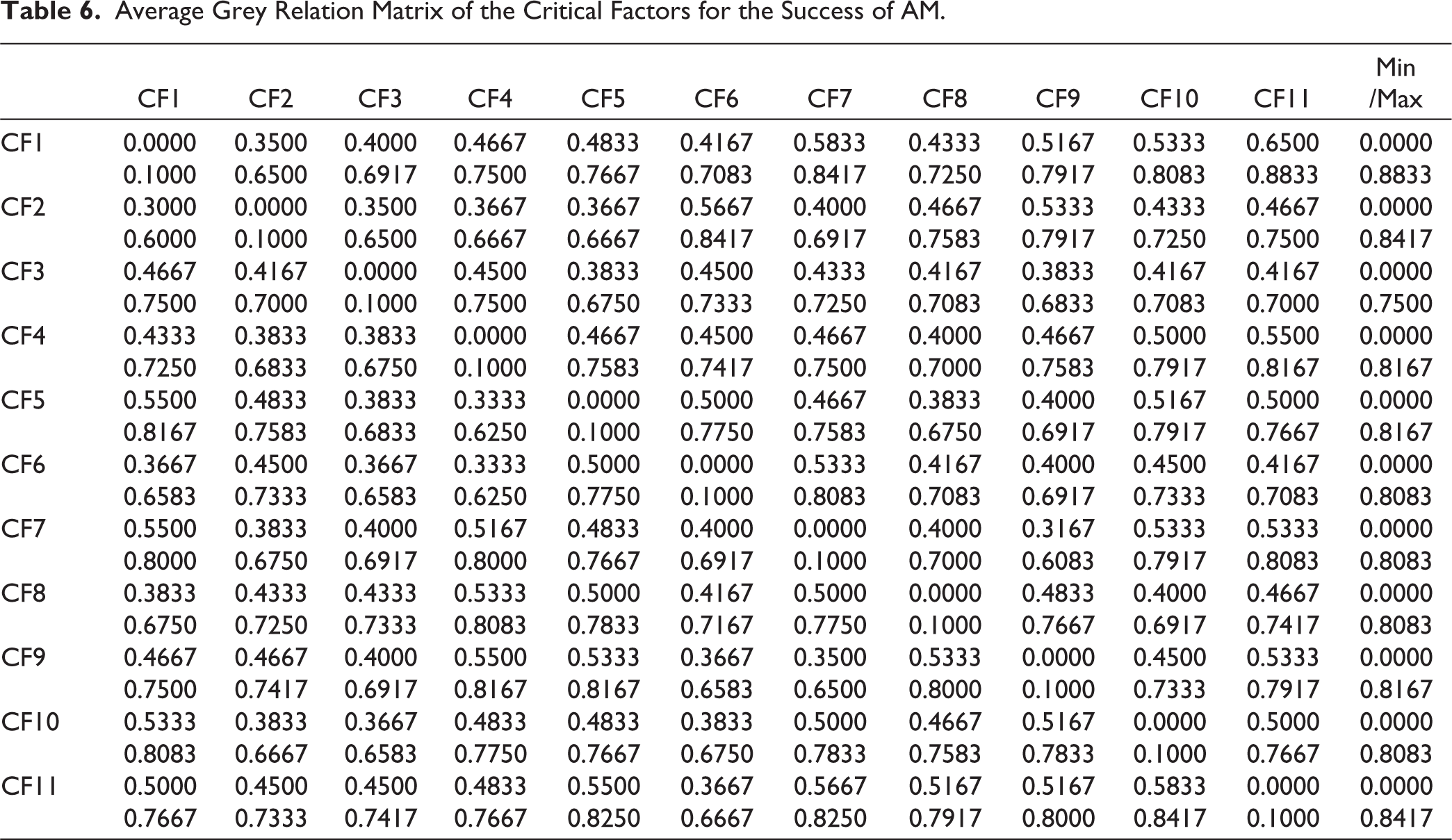
Assume there are l participants and m critical factors. Using the linguistic assessment codes provided in Table 4, each expert k has assessed the strength of the critical factor i concerning the j critical factors.
Linguistic Terms and Corresponding Grey Values.
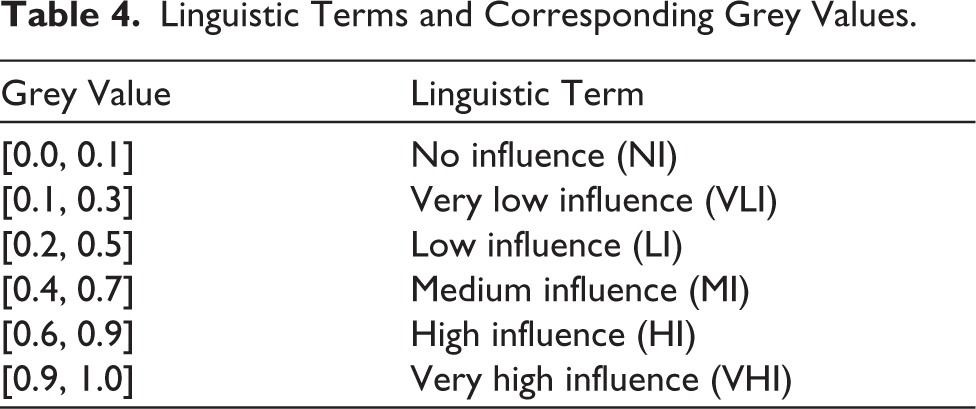
Transform the integer values into the corresponding greyscale values, using specified upper and lower limits for the values (Deng, 1989), that is,
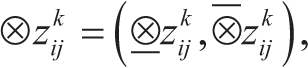
Where 1 ≤ k ≤ l; 1 ≤ i ≤ m; 1 ≤ j ≤ m, and 
Evaluate the average grey-relation matrix 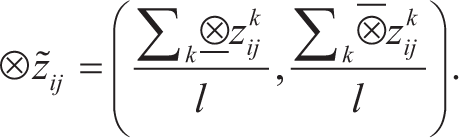
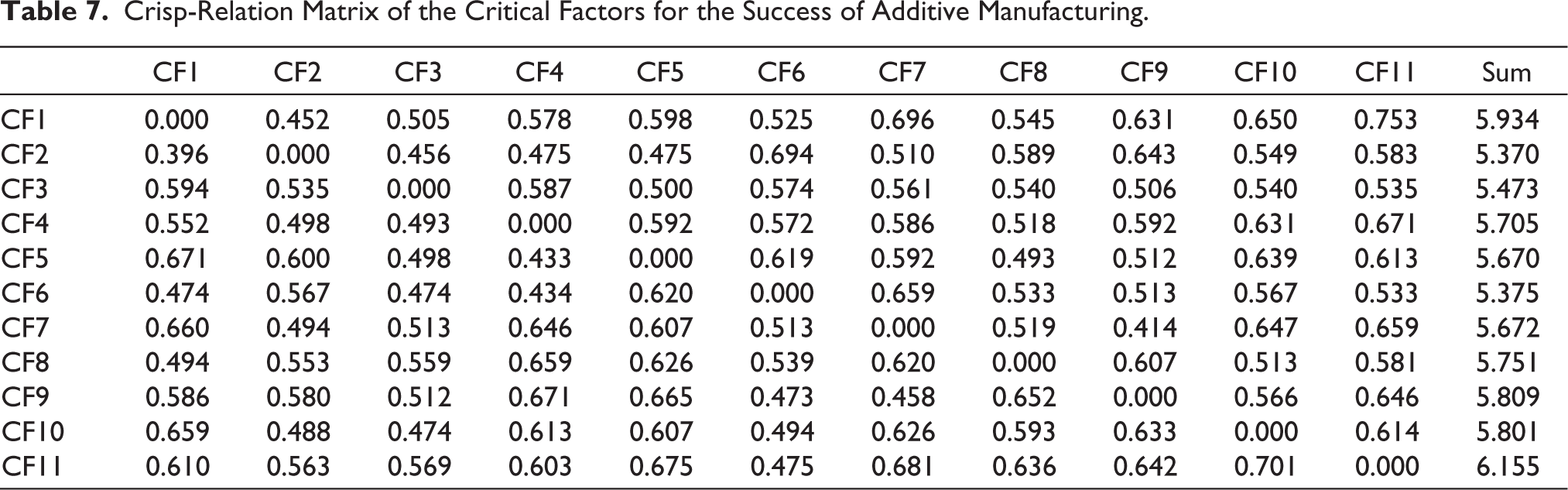
The CFCS-modified approach is used to derive precise values from the grey value. The process of acquiring these values involves three distinct steps: calculate the normalized grey value as

where 
where 
(i) Obtain the total normalized crisp value as follows:
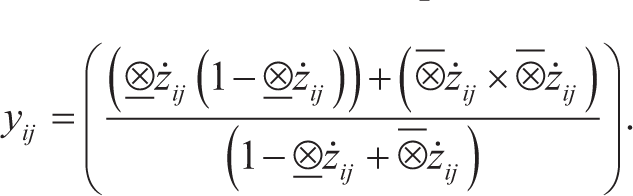
Evaluates the final crisp value as

and
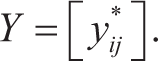
The normalized direct crisp-relation matrix (refer to Table A1) is obtained by multiplying the crisp-relation matrix Y with the normalization factor L:
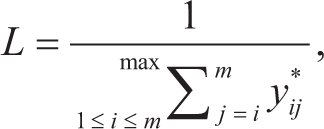
and

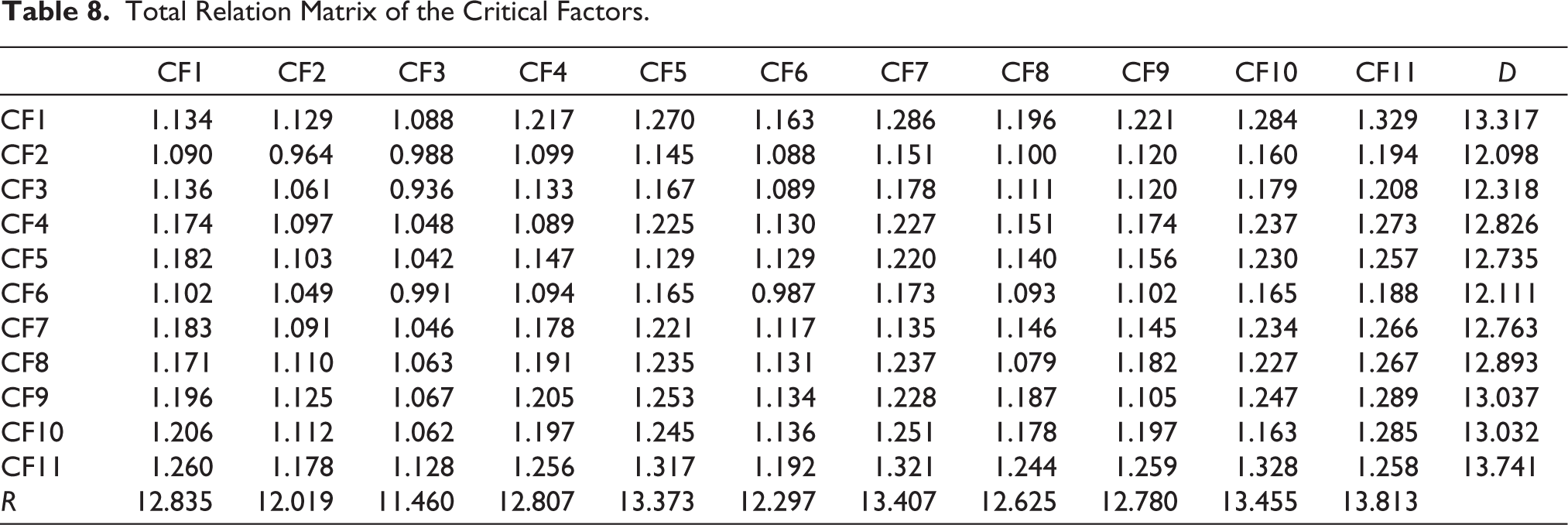
The total relation matrix (T) can be calculated using Equation (11) as follows:

where I represent the identity matrix.
Compute the sum of all elements in row (Di) and column (Rj). The sum is computed for each row (i) and each column (j) from the total relation matrix (T) as follows:
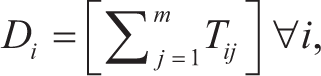
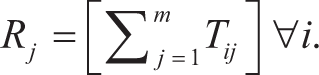
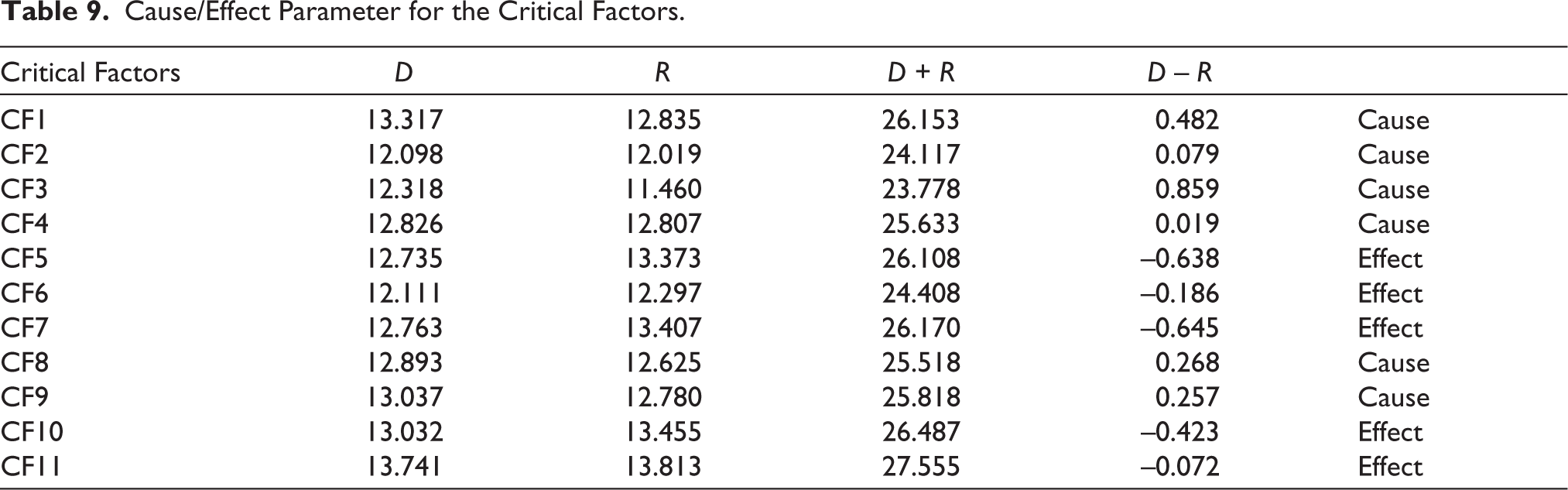
The total (Di + Rj) shows how much a barrier i affects the others. It shows the relative importance of the critical factor i to the other barriers in the system, while (Di – Rj) shows its net effect. The critical factor i causes the other barriers if (Di – Rj) is positive. When (Di – Rj) is a negative, the critical factor i is the net effect of the other critical factors.
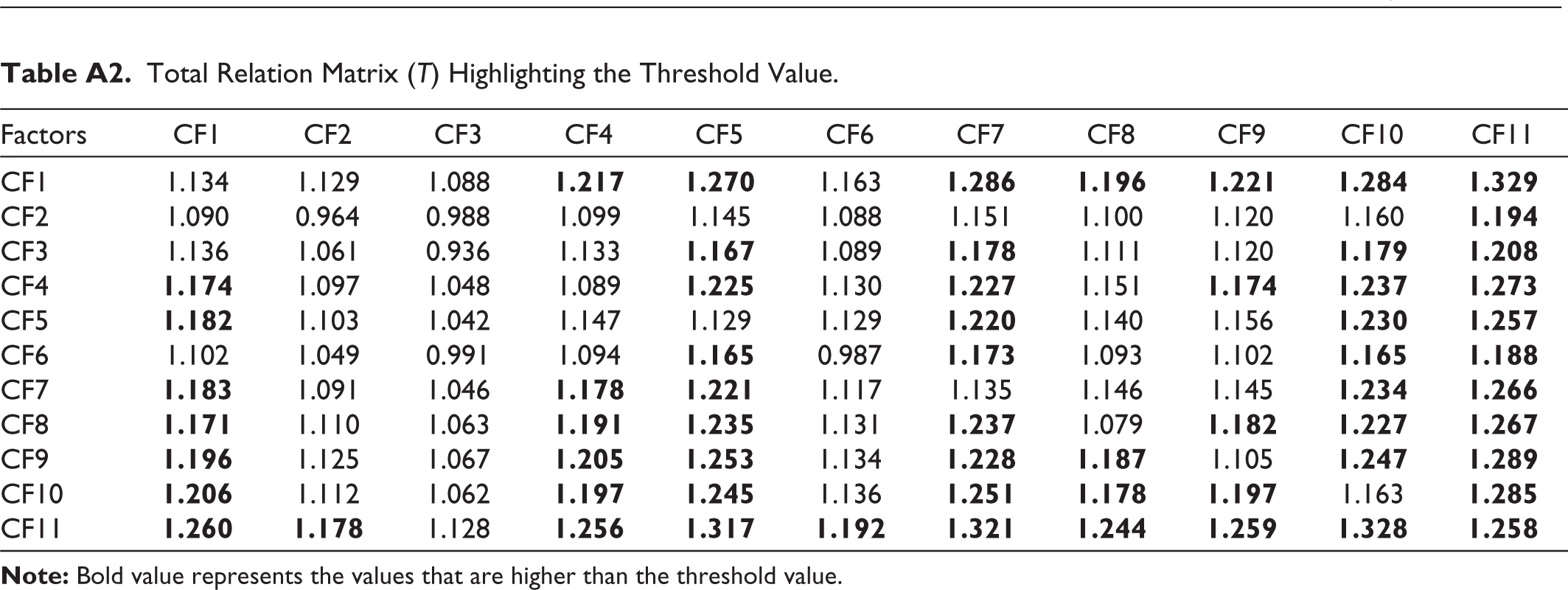
The total relation matrix (T) elucidates how one critical factor can influence the other critical factors. In order to mitigate the relatively insignificant impacts, it is imperative for researchers, experts or observers to determine a threshold value. Establishing the threshold value indicates the occurrence of effects that surpass the threshold value on the digraph. Usually, the threshold value is calculated by averaging the total relation matrix (T). The digraph is subsequently graphed using the given values: (Di + Rj), (Di – Rj) Ɐ i=j.
Case Implementation and Results
Initially, 16 critical factors for the success of AM have been found after the extant literature review. The critical factors are then validated through expert opinion. Subsequently, the 11 finalized critical factors for the success of AM in the context of the heavy industry, based on the experts’ opinions, were investigated for cause-and-effect interrelationships among them. Eleven finalized critical factors and their code are given in the Factors Alignment with the Sustainability Theory section. The first survey was conducted to refine and finalize AM’s success factors through expert opinion. The Grey–DEMATEL technique was used to examine completed essential criteria for AM success for cause-and-effect relationships in the second survey.
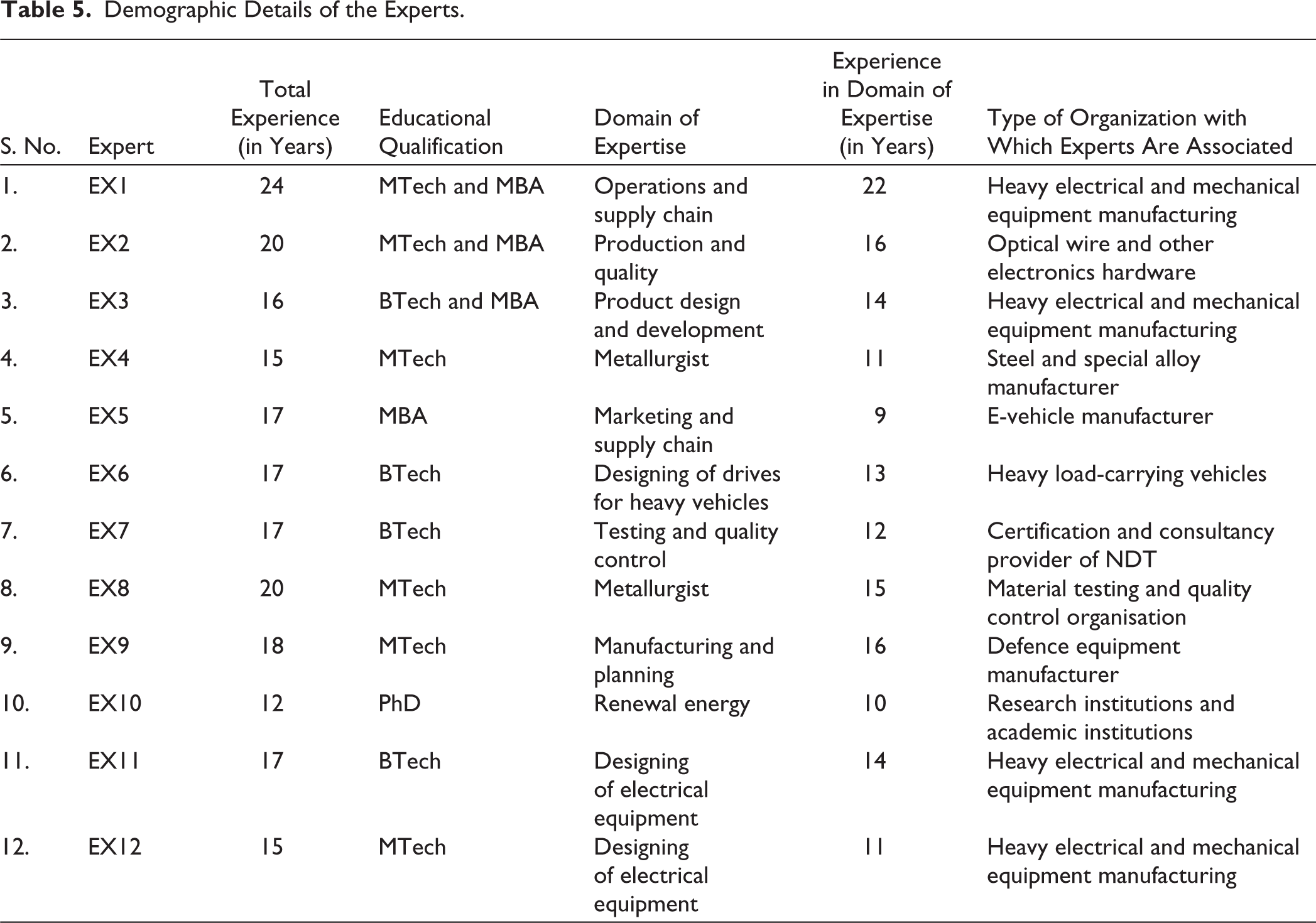
Twelve heavy industries and academic researchers were contacted for expert opinions through a survey questionnaire. The expert group consisted of managers and practitioners to guarantee a thorough and unbiased perspective. Twelve experts with more than five years of relevant experience were selected for the analysis. All the chosen experts underwent preliminary screening, which would prove their knowledge about and familiarity with aspects of AM. In addition to this, we also provided all experts with the background information and necessary context about the study. Demographic details of the 12 experts are presented in Table 5. The steps involved in using the Grey–DEMATEL technique are as follows.
Demographic Details of the Experts.
Average Grey Relation Matrix of the Critical Factors for the Success of AM.
Crisp-Relation Matrix of the Critical Factors for the Success of Additive Manufacturing.
Total Relation Matrix of the Critical Factors.
Cause/Effect Parameter for the Critical Factors.
Sensitivity Analysis for the Validation of Results
Sensitivity analysis can be performed by adjusting the weights assigned to various factors or assigning different weights to different experts (Kumar & Singh, 2024). This analysis involves the allocation of different weights to various experts and the subsequent examination of the resulting conclusions. The composition of the group tasked with verifying the results varied from that of the previous study. The group consists of academicians and working professionals in the industry with more than 10 years of experience in AM. The experts involved in the validation process agreed with the results and said that the study is beneficial in establishing the causal links among the critical factors for the success of AM. However, the results may be affected by biases that arise from differences in the knowledge and skill levels of the professionals. A sensitivity analysis is performed to evaluate the reliability of the results. The base case estimate assigned equal weights to all the experts. The study generated two distinct cases by providing different weights to the various experts, as depicted in Table 10.
The Assigned Weight to Experts for the Sensitivity Analysis.

Table 11 presents the prominence and net effect of critical factors on the success of AM as determined through sensitivity analysis.
Cause/Effect Parameters for Different Cases of Sensitivity Analysis.
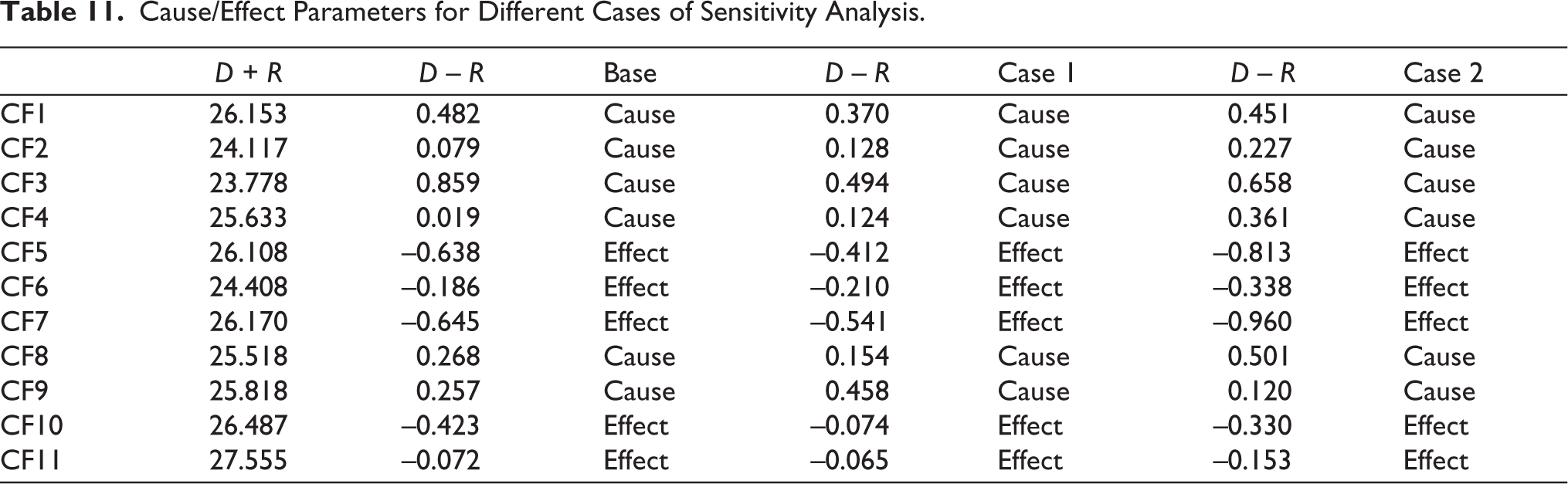
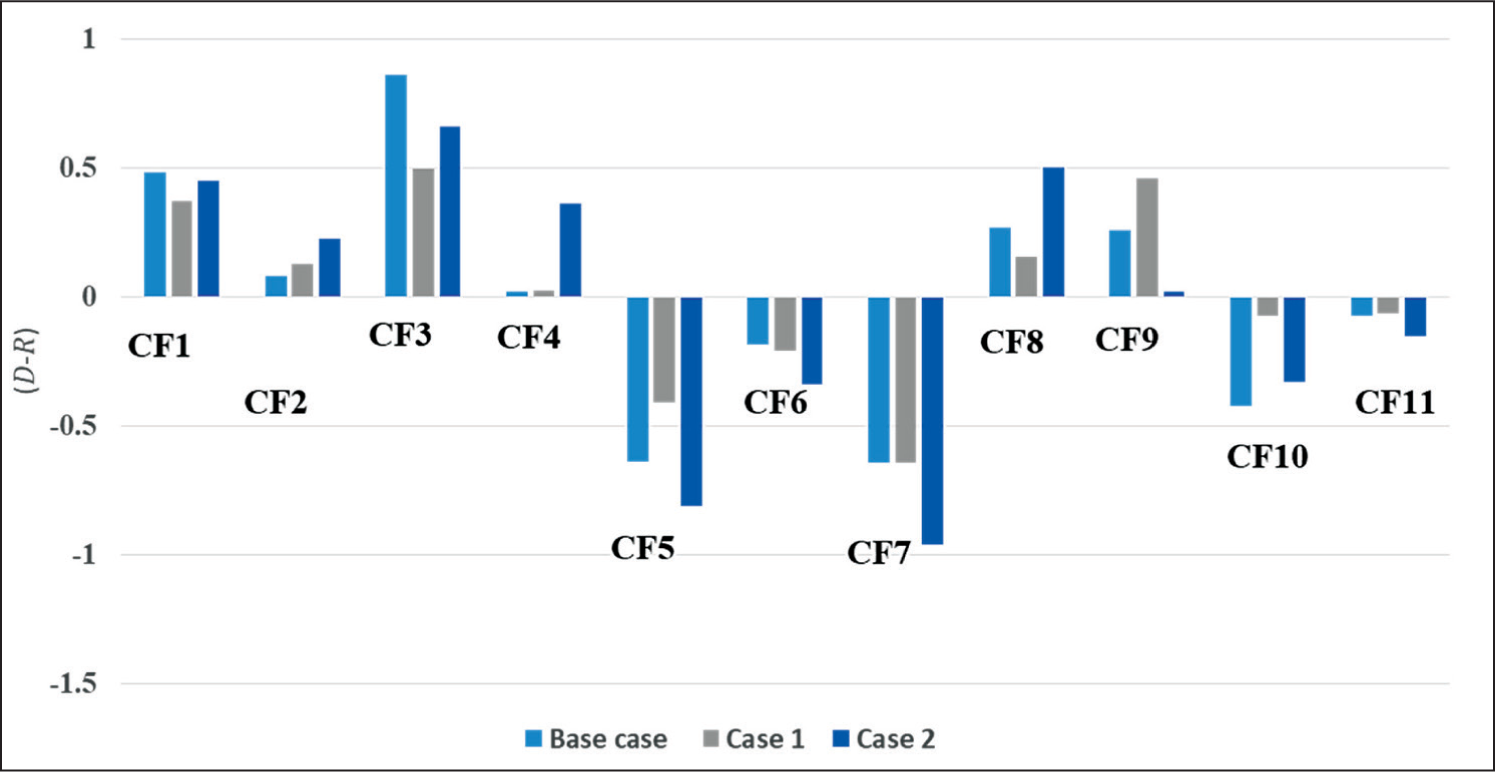
Figure 1 highlights that the cause-and-effect critical factors consistently maintain a similar ranking pattern in all cases, with minor deviations. Therefore, there is no significant bias in the evaluations provided by the experts. Therefore, the results can be considered to be reliable.
Sensitivity Analysis.
Findings and Discussion
This research study utilized the integration of grey system theory and DEMATEL methodologies to find the cause-and-effect relationship among the critical factors that contribute to the success of AM in heavy industry contexts. A causal diagram was created, and the outcomes are then discussed. The critical factors are prioritized based on their relative significance, determined by the (Di + Rj) values, as outlined as follows: CF11 > CF10 > CF7 > CF1 > CF5 > CF9 > CF4 > CF8 > CF9 > CF3 > CF2 (refer to Table 7). The top five most significant critical factors for the success of AM based on (Di + Rj) scores are Economic factors (CF11), Product quality (CF10), Human–machine collaboration (CF7), Technological factors (CF1) and Operational factors (CF5). These critical factors need more attention from the managers and stakeholders.
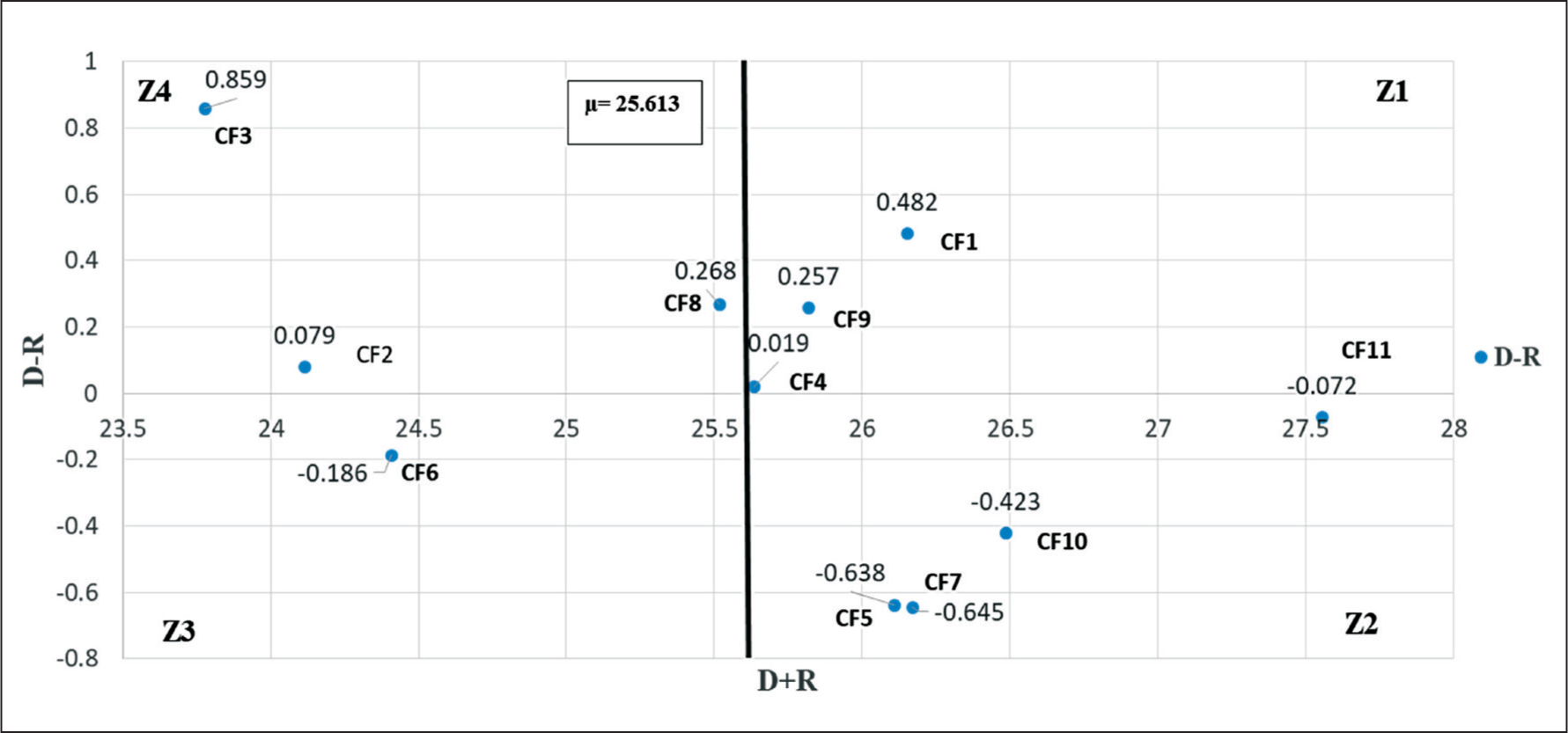
The influencing (driver) critical factors for the success of AM are ranked based on their (Di – Rj) values as CF3 > CF1 > CF8 > CF9 > CF2 > CF4 > CF7 > CF11. IP protection (CF3) was found to be the crucial driving factor for the success of AM, as it influences many effect factors, followed by Technological factors (CF1), Supply chain factors (CF8) and Raw materials availability (CF9). It is evident from Figure 2 that IP protection (CF3) initiates the effects of Health and Safety (CF6), Product quality (CF10), Operational factors (CF5) and Human–machine collaboration (CF7). The results clearly show a need to tackle IP protection and technological factors to enhance productivity and efficiency. These findings align partially with prior studies such as Verma et al. (2023) and Dwivedi et al. (2017), who also emphasized the significance of technological readiness and supply chain integration in AM adoption.
Digraph Showing the Causal Relations Among Critical Factors.
The resulting (driven) factors whose effects are started by other factors can be prioritized as CF5 > CF7 > CF10 > CF9 > CF6 > CF11. The result shows that operational factors (CF5) are the factors that affect various causal factors, followed by human-machine collaboration (CF7) and product quality (CF10). These critical factors in the effect group need greater attention from managers as causal critical factors can significantly influence them. The Economic factor (CF11) results in Operational factors (CF5), Human-machine collaboration (CF7), and Product Quality (CF10). Many critical factors can be overcome by economic factors (CF11) and product quality (CF10) because these are critical factors that result in the success of AM. Similarly, economic factors (CF11) were found to be more of an outcome than a causal input, in contrast to Moktadir et al. (2018), who considered cost-efficiency as a primary driver. These distinctions underscore the value of causal modelling in uncovering hidden systemic leverage points. This study contributes to the existing literature on the successful adoption of AM in the heavy industry by exploring the complex interrelationship of the critical factors.
Upon conducting a more in-depth study of the results, it becomes evident that the critical factors positioned above the x-axis (Di + Rj) have the most influence on the success of AM, primarily falling within the causal group. The critical factors below the x-axis (Di + Rj) belong to the effect group. For a more comprehensive analysis of their impact, the network of essential elements can be categorized into four zones, as depicted in Figure 2. Zone 1 (Z1) represents the critical factors that have the most significant influence on the success of AM. The majority of the critical factors in this zone are part of the causal group. The critical factors in Zone 1 (Z1) have a significant correlation with the critical factors in Zone 2 (Z2), as shown from the digraph plot presented in Figure 2. The stakeholders, managers and policymakers should address critical factors such as Technological factors (CF1), Raw materials availability (CF9), Strategic factors (CF4) and Economic factors (CF11) in Zone 1 of the AM. This is necessary to enhance the productivity and efficiency of the supply chain and minimize waste. Chan et al. (2018) also reveal that technological aspect is the most significant factor in the widespread adoption of 3D printing. Zone 2 critical factors have a significant role in the success of AM; yet they are categorized as part of the effect group. Operational factors (CF5), Human–machine collaboration (CF7) and Product quality (CF10) are identified as the primary critical factors in the success of AM in this zone, as determined by other causal critical factors. Patil et al. (2023) and Ronchini et al. (2023) highlight operational factors play a critical role in the successful implementation of the technology for efficiently integrating an advanced manufacturing technology such as AM into an organization. Zone 3 represents the critical factors that have minimal relationships or appear to be autonomous, and their impact on the success of AM is quite low. This zone encompasses the factor of Health and safety (CF6). This research study includes several critical factors, namely IP protection issues (CF3), Supply chain factors (CF8) and Environmental factors (CF2), which are in Zone 4. However, unlike MCDM rankings in the previous research, our Grey–DEMATEL analysis reveals that IP protection (CF3), though often underestimated, is a core driver influencing multiple dependent variables. Dwivedi et al. (2017) highlight that IPR issues support the workforce, market support and readiness to analyse unknown environmental, health and safety issues in AM implementation.
This reconceptualization challenges the conventional view of IP as merely a regulatory concern and elevates it as a strategic enabler, particularly for collaborative AM ecosystems.
Conclusion
This study was inspired by the need to understand the success of the AM in the context of the heavy industry, which is an atmosphere of scope, security sensitivity and capital intensity. Directed by the following research objectives: (a) to identify important success factors (RQ1), (b) give them priority (RQ2) and (c) mapped their reasons (RQ3), this research used an integrated Grey–DEMATEL approach, which attracts expert decisions from the industry and academia. This insight helps doctors prioritize functions that can provide systemic improvement in quality, operational efficiency and economic viability. This contribution directly supports management compulsory for transition to a durable and digitally capable production ecosystem. This combines the grey theory (Deng, 1989) and the DEMATEL technique to examine the critical factors contributing to AM’s success in the heavy industry. Grey–DEMATEL can be employed to investigate the causal relationship among the factors through digraphs. This information can aid policymakers, researchers and managers in understanding the causal connection between critical factors contributing to AM’s success. In addition, a sensitivity analysis has been performed to confirm the reliability of the findings. This study examined and assessed the critical factors of AM’s performance. The findings of this research can assist decision-makers in formulating strategic decisions to handle these essential issues effectively. The findings indicated that six elements were identified as crucial causal factors, whereas five components were identified as important impact factors. The study’s findings indicate that Technological factors (CF1) are the primary cause in the group, with Raw materials availability (CF9) following closely. Additionally, the study reveals that technological facilities contribute to increased supply chain resilience and efficiency. Within the AM, the causal group identified IP protection (CF3) as the lowest ranked factor, indicating that it is a significant factor. However, it remains a critical foundational factor, indicating that it exerts a strong influence on other downstream variables. This suggests that although it may not be prominent in the overall system, its strategic role in enabling secure, collaborative and innovation-driven AM environments cannot be overlooked. Conversely, the Economic factor (CF11) ranked first in the effect group. Several causative critical factors may influence it. By overcoming technological factors, it is feasible to enhance the deployment of AM, reducing waste and augmenting efficiency and productivity. Two more significant factors to the success of AM are Product quality (CF10) and Human–machine collaboration (CF7). The results are advantageous for the heavy industry as they aid in reducing losses and improving the efficiency of AM. Furthermore, a sensitivity analysis has been performed to evaluate the dependability of the results.
Theoretical Implications
This study identifies and analyses the critical factors that contribute to the success of AM in the heavy industry, demonstrating that these factors are interrelated and mutually influence one another. Additionally, this study contributes to the existing literature on the successful adoption of AM in the heavy industry. For researchers, this study offers new insights into the intensity factors that should be addressed to enable scalable AM adoption.
Practical Implications
Managers should prioritize the identification and analysis of causal factors that directly impact the effectiveness of AM to maximize the effectiveness of their strategies. This analysis enables managers to properly prioritize by emphasizing the most critical aspects and those of lesser importance. Furthermore, the study proposes the incorporation of social, economic and environmental sustainability into AM activities, which can potentially improve productivity and efficiency. For industrial leaders, the results give priority for investment and risk reduction. The supply chain actors can benefit from the understanding of causal factors that directly impact the effectiveness of AM that in order to increase traceability, collaboration and production.
Social Implications
Furthermore, it provides policy implications that involve enhancing supply chain management, minimizing waste and addressing risks and concerns related to IP. This strategy could support policymakers and industrial managers in improving AM techniques, enhancing production capacities and utilizing digital infrastructure to address technological factors.
Limitations and Future Research Scope
For further research, researchers may integrate supplementary critical factors into the study to evaluate the efficacy of AM. In order to improve the accuracy of the results, it is recommended that additional expert perspectives be sought for the research. Other approaches, such as TISM or fuzzy/Grey ISM, can be used to analyse further and compare data. Future research should consider using statistical analysis to investigate the proposed Grey–DEMATEL model further. While the study identifies 11 critical factors, further studies can consider additional relevant dimensions, such as regulatory policies, workforce readiness and environmental impact, which could further enrich the analysis. The findings, being based on expert input and context-specific factors, may have limited generalizability to other industries or regions.
Footnotes
Declaration of Conflicting Interests
The authors declared no potential conflicts of interest with respect to the research, authorship and/or publication of this article.
Funding
The authors received no financial support for the research, authorship and/or publication of this article.
Appendix A: Tables of Intermediaries Results
Total Relation Matrix (T) Highlighting the Threshold Value.
| Factors | CF1 | CF2 | CF3 | CF4 | CF5 | CF6 | CF7 | CF8 | CF9 | CF10 | CF11 |
| CF1 | 1.134 | 1.129 | 1.088 |
|
|
1.163 |
|
|
|
|
|
| CF2 | 1.090 | 0.964 | 0.988 | 1.099 | 1.145 | 1.088 | 1.151 | 1.100 | 1.120 | 1.160 |
|
| CF3 | 1.136 | 1.061 | 0.936 | 1.133 |
|
1.089 |
|
1.111 | 1.120 |
|
|
| CF4 |
|
1.097 | 1.048 | 1.089 |
|
1.130 |
|
1.151 |
|
|
|
| CF5 |
|
1.103 | 1.042 | 1.147 | 1.129 | 1.129 |
|
1.140 | 1.156 |
|
|
| CF6 | 1.102 | 1.049 | 0.991 | 1.094 |
|
0.987 |
|
1.093 | 1.102 |
|
|
| CF7 |
|
1.091 | 1.046 |
|
|
1.117 | 1.135 | 1.146 | 1.145 |
|
|
| CF8 |
|
1.110 | 1.063 |
|
|
1.131 |
|
1.079 |
|
|
|
| CF9 |
|
1.125 | 1.067 |
|
|
1.134 |
|
|
1.105 |
|
|
| CF10 |
|
1.112 | 1.062 |
|
|
1.136 |
|
|
|
1.163 |
|
| CF11 |
|
|
1.128 |
|
|
|
|
|
|
|
|