




Abstract
Micro, small and medium-sized enterprises (MSMEs) make a significant contribution to India’s economic growth, yet they struggle to adopt sustainable practices in their manufacturing operations. This study aims to investigate the key barriers that prevent MSMEs in the eastern states of India from adopting sustainable practices. Previous studies have overlooked the barriers in economically disadvantaged regions of India and have examined these barriers in isolation without establishing their interconnectedness. Using the Interpretive Structural Modelling method, this article organises 12 barriers hierarchically, identified through extensive interviews with 18 MSME entrepreneurs based in the selected five eastern states. Key findings reveal significant concerns, including the risk of failing to achieve financial targets, skill deficiencies during transitions, uncertainty about related benefits, a lack of knowledge and training on sustainability and a lack of stakeholder partnership. Deeper challenges, including a lack of organisational resources, underpin these barriers. This study offers policymakers and MSME stakeholders practical insights, enabling them to strategically target intervention methods that facilitate the adoption of sustainable manufacturing practices.
Keywords
Introduction
Sustainable manufacturing has emerged as a cornerstone in the global efforts to achieve environmental, social and economic harmony. It aligns with the United Nations’ Sustainable Development Goals (SDGs), particularly Goals 9 and 12, emphasising industrial innovation, resilient infrastructure and responsible consumption and production. In the Indian context, micro, small and medium enterprises (MSMEs) play a pivotal role in economic development, contributing 30% of the GDP and 40% of exports. They comprise over 6.3 crore enterprises, employing approximately 110 million nationwide. These enterprises make significant contributions to regional development, enhancing the country’s industrial output and exports (Livemint, 2022).
Unfortunately, most MSMEs in India operate in resource-compromised environments, which makes adopting sustainable manufacturing practices challenging. Sustainable manufacturing practices are crucial for ecological conservation and ensuring the long-term business competitiveness of these MSMEs. The Pradhan Mantri Mudra Yojana and the Raising and Accelerating MSME Performance (RAMP) Programme are two government initiatives that support MSMEs. These programmes aim to improve productivity, quality of the produce and market access. With their growth potential, MSMEs are well-positioned to overcome challenges in utilising sustainable manufacturing techniques. However, the integration of sustainable practices remains imbalanced, particularly in eastern India, due to systemic barriers such as inadequate infrastructure, high credit costs and limited awareness of the benefits of sustainable manufacturing processes.
Although there are evident economic and environmental benefits to embracing sustainable manufacturing, MSMEs in India face significant challenges in adopting it. The barriers include financial risk, uncertainty about the tangible benefits of sustainable practices, skill deficiencies and inadequate regulatory support. Addressing these barriers is crucial to empowering MSMEs to make significant contributions to India’s sustainable development objectives. While extensive research has been conducted on the barriers to sustainability in large enterprises, it is crucial to remember that MSMEs vary from large enterprises (Jenkins, 2006; Welsh & White, 1981). There is limited focus on the unique challenges faced by MSMEs. International studies have examined MSMEs’ challenges to innovation barriers (Avlonitis & Salavou, 2007; Xie et al., 2010), performance (Terziovski, 2010), environmentally sustainable manufacturing practices (Ghazilla et al., 2015) and enablers for sustainable production processes, products and services (Sudarsan, 2010). The studies on barriers and enablers for sustainable manufacturing in MSMEs are dispersed, and only a few studies categorise the factors (Henriques, 2016; Hillary, 2004; Oliveira et al., 2017; Shi et al., 2008). Indian studies on the barriers to sustainable manufacturing practices have highlighted the top four barriers, namely economic barriers (Balon et al., 2016; Govindan et al., 2014), inadequate training and lack of leadership (Hariyani et al., 2022), ineffective legislation (Mittal et al., 2013; Virmani et al., 2021) and lack of technological upgradation and R&D barriers (Khanzode, 2021). These existing studies overlook regional factors influencing MSME operations, particularly in eastern India. There is a lack of a barrier ranking model; most of these studies are limited to a particular industry, and the broader applicability of the barriers has not been tested. Due to the limited analysis of the interrelationships among the barriers, further validation is required in diverse sectors. The current study attempts to fill this gap by employing the Interpretive Structural Modelling (ISM) methodology to provide a structured framework for understanding and addressing these barriers.
According to the United Nations Population Fund’s (UNFPA) 2025 estimate, India’s population was 1.4639 billion in April 2025. Together, the five states of West Bengal, Bihar, Odisha, Jharkhand and Chhattisgarh hold nearly 25% of India’s population: West Bengal (~100 million) makes up about 7.1%; Bihar (~129 million) is second only to Uttar Pradesh, at ~9.2%; Odisha accounts for roughly 3.3%, Jharkhand contributes ~2.9%; and Chhattisgarh, around 2.2% (Statisticstimes, 2025a). However, among the 36 Indian states and union territories, Bihar, Jharkhand, West Bengal, Chhattisgarh and Odisha are economically disadvantaged since these states report the lowest GDP per capita. Notably, Bihar and Jharkhand figure among the top five poorest states (Statisticstimes, 2025b).
According to the Ministry of MSME (2025), West Bengal accounts for 5.72%, Odisha ~1.78%, Bihar ~1.22%, Jharkhand ~0.73% and Chhattisgarh ~0.48% of the national MSME fixed assets. These states are far from the other states of the country. It was also reported that far fewer MSMEs in these states avail themselves of subsidies for machinery upgrades or modernisation, hence experiencing limited capital, a lack of innovation and poor productivity, which hinders their full potential as MSMEs. Bera and Laha (2020) also found that these states recorded the lowest gross output in comparison to other states in India.
MSMEs contribute significantly to regional employment and industrialisation but encounter region-specific challenges. For instance, MSMEs in West Bengal and Odisha contribute between 40% and 45% of the state’s industrial output (MSME Odisha, 2024). MSMEs in these eastern Indian states face persistent issues, including infrastructure deficiencies, limited access to credit and a lack of awareness about sustainable manufacturing practices. It is necessary to explore these barriers, which require tailored strategies that reflect the socio-economic and cultural realities of the region. Small and micro enterprises face significant constraints across the world’s economies (Agrawal, 2018), and they should adopt sustainable business practices for long-term survival and growth (Agrawal, 2022). Within the given context, the current study endeavours to address the following research questions (RQs):
What are the primary barriers to adopting sustainable manufacturing among small and micro enterprises in the eastern states of India? What conceptual relationships are among the identified vital barriers? What is the hierarchical framework of the critical barriers to adopting sustainable manufacturing among small and micro enterprises in the eastern states of India?
This study aims to identify and analyse the critical barriers hindering the adoption of sustainable manufacturing practices among MSMEs in eastern India. The ISM approach seeks to develop a hierarchical framework that elucidates these interrelationships. This research aims to provide policymakers, practitioners and MSME stakeholders with actionable insights and recommendations by systematically addressing the identified barriers. This study aspires to facilitate the transition of MSMEs towards sustainable manufacturing practices, thereby contributing to India’s broader sustainability goals.
Literature Review
Murillo-Luna et al. (2011) found that the company’s endemic limitations are the barriers stopping firms from progressing towards proactive ecological behaviour. Mittal and Sangwan (2013) identified 12 impediments, classified into internal, policy and economic categories, regarding environmentally conscious production. They noted that internal barriers often precipitate policy and economic obstacles, which must be addressed earlier. Moreover, Govindan et al. (2014) highlighted five categories of obstacles to green supply chain management, with technological barriers being the most significant, followed by outsourcing, financial issues and knowledge barriers, while involvement and support barriers ranked lowest. Similarly, Bhanot et al. (2015) highlighted that inadequate awareness and elevated initial costs associated with deploying sustainable technology are significant obstacles to sustainable manufacturing. Notably, organisations, regardless of size, are increasingly facing external environmental instability and complexity due to ongoing changes; consequently, firms encounter significant challenges in effectively executing strategic decisions amid such uncertainty (Narkhede, 2017). Moreover, Bhanot et al. (2017) employed an integrated approach to investigate the factors hindering sustainable manufacturing, emphasising the fundamental distinctions to close the implementation gap. According to Jaramillo et al. (2019), the primary challenges identified were the need for additional expertise, substantial resources and the substantial upfront investment required to adopt sustainability practices.
Various authors examine the issues of sustainable manufacturing from diverse perspectives. For example, Majumdar and Sinha (2019) examined the obstacles in managing Southeast Asia’s green textile supply chain and interpreted the interrelated contextual factors. They concluded that, among all the barriers, the shortage of green suppliers is the most significant obstacle influencing the others. Subramanian et al. (2021) examined the issues impeding the adoption of cloud technology for Industry 4.0 in the Indian manufacturing sector, specifically among MSMEs. They identified three crucial aspects—competitive pressure, project management and system integration—that drive all other elements considered throughout the implementation phase. Kumar et al. (2021) employed ISM to determine the linkages between the possible impediments to Industry 4.0 deployment in manufacturing organisations. The moderating role of green organisational culture on the relationship between green manufacturing practices (GMPs) and green innovation (GI) and the mediating influence of GI between GMP and corporate sustainable performance (CSP) were examined by Al-Hakimi et al. (2022). Their study examines the relationship between GMP and CSP, its conditional effect and its potential mechanism. Moreover, Alayón et al. (2022) investigated the barriers and enablers for adopting sustainable production in SMEs, recognising them in seven classes: organisational, managerial and attitudinal; informational; governmental; monetary; education and capability improvement; marketplace and commercial context; and technological. Furthermore, Hariyani et al. (2022) examined the obstacles to implementing an ‘integrated sustainable-green-lean-six sigma-agile manufacturing system’. They identified key impediments, including supplier commitment, financial advantages, elevated costs, complexities in system performance and design assessment, and uncertain future regulations. Safdar et al. (2024) highlighted that using green procurement procedures helps to offset the negative impact on the natural environment posed by the expansion of business activities worldwide.
A review of previously published studies on the sustainable manufacturing constraints of MSMEs was conducted. Barriers were identified, categorised and assessed to determine the extent to which important barriers affect the potential for policy reform.
Methodology
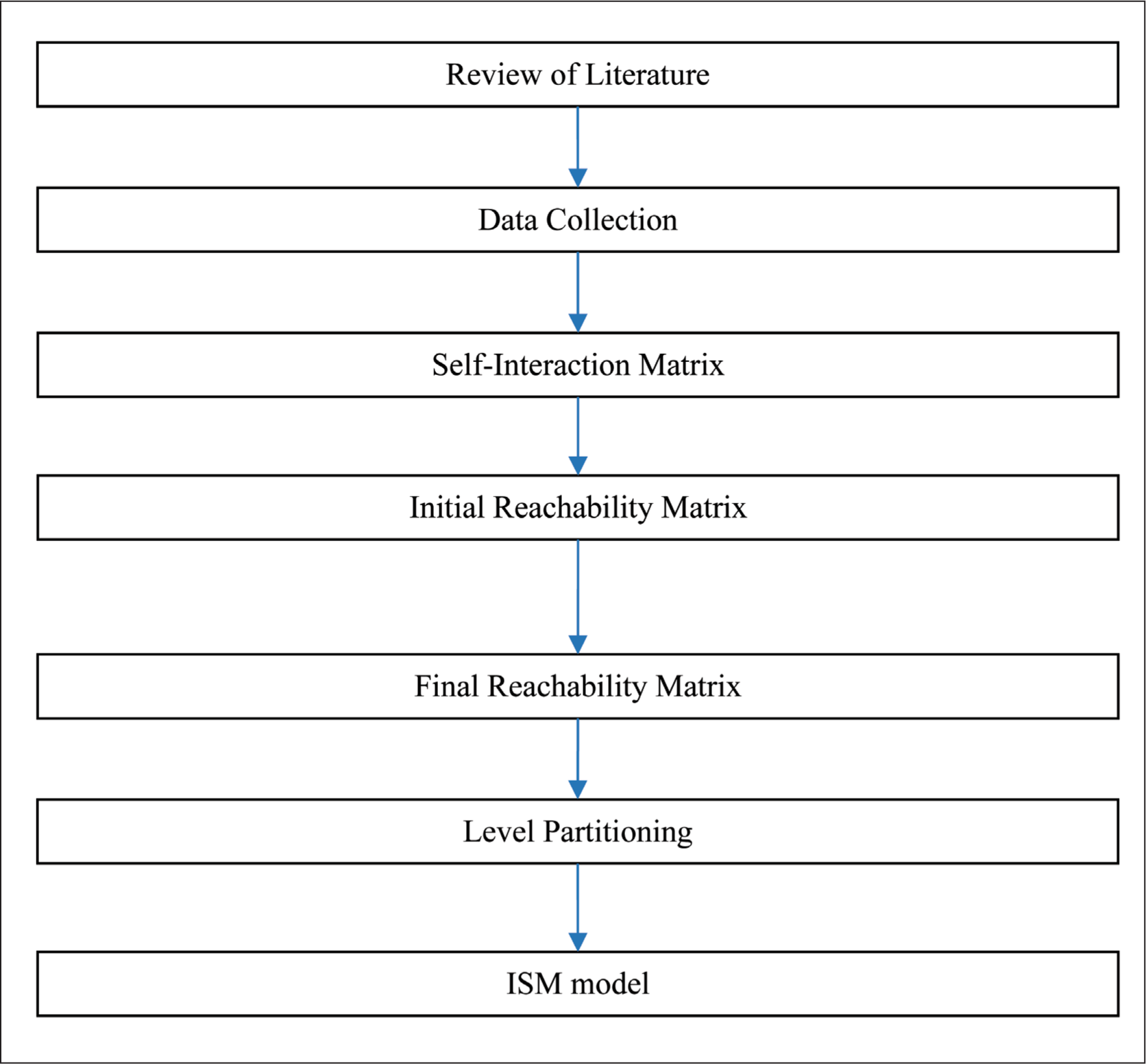
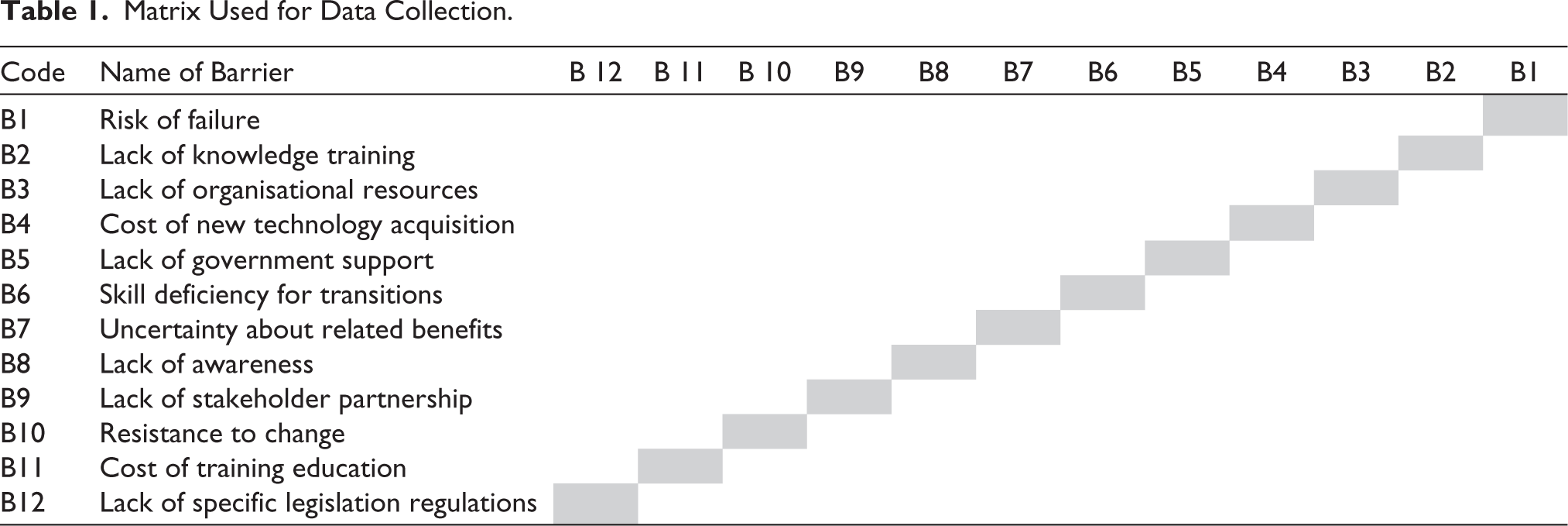
The ISM method evaluates the connections between selected factors by utilising the practical knowledge and expertise of the respondents. It then constructs a hierarchical structure that illustrates the fundamental relationships between these factors (Bakshi et al., 2023; Dwivedi et al., 2017; Janssen et al., 2019; Rana et al., 2019). Prior research on ISM has elucidated the interconnectedness between obstacles and facilitators in several sectors. The ISM model has been employed in earlier research conducted in the Indian context. Khan and Khan (2023) proposed using hybrid multi-criteria decision-making (MCDM) methodologies to investigate sustainable supply chain enablers in the Indian construction industry, drawing on ISM research. Panackal and Venkataramani (2021) employed total ISM to establish a framework that highlighted the interrelationships between enablers that enhance social capital among faculty members in the education sector. Singh et al. (2019) used the ISM approach to establish factors influencing the quality of management education in India. The ISM approach was employed in this study in light of the given background and relevance of the methodology. The steps involved are illustrated in Figure 1. The eight steps comprise: (a) A review of existing literature was done to identify the factors, (b) 12 critical aspects obstructing the adoption of sustainable manufacturing among small and micro enterprises were found (Table 1), (c) a series of deliberations were conducted with respondents to capture their viewpoints on the critical barriers to adopting sustainable manufacturing among small and micro enterprises in India, (d) self-structural interaction matrix (SSIM) (Table 2) was built, (e) Initial Reachability Matrix (IRM) (Table 3) was built using SSIM, (f) Final Reachability Matrix (FRM) (Table 4) was built based on the transitivity, (g) levels were assigned to each barrier and (h) finally, an ISM model was built. A hierarchy of barriers was unveiled (Tables 5 and 6).
ISM Process.
Barrier Identification
This study commenced with a comprehensive review of the literature available through databases indexed in Scopus and Web of Science journals. The initial screening was conducted based on the title and abstract. Only research articles published in journals were considered. The keywords used in the search were ‘sustainable manufacturing’, ‘green manufacturing in India’, ‘green manufacturing in MSME’, ‘sustainable manufacturing in SME’, ‘barriers to adopting sustainable manufacturing’ and ‘hurdles to adopting sustainable manufacturing in MSME’. The authors identified 67 articles that aligned with the objective of the current research. The full research articles were read critically to identify the barriers to adopting sustainable manufacturing in MSMEs. Twelve significant barriers were successfully found. These chosen barriers were administered to the respondents of this study. A focused group comprising subject matter experts and five individuals from small and medium-sized enterprises concluded that all 12 barriers were relevant to the ongoing research. A matrix was constructed in which the responses could be recorded. The matrix is displayed in Table 1.
Matrix Used for Data Collection.
Sample Selection
MSMEs are meaningful job creators (Heyman et al., 2018). According to the World Bank (2019), in emerging economies, MSMEs created 7 out of 10 jobs over the past decades. MGI research found that India had a ‘missing middle’ of mid-size companies (McKinsey, 2020). MSMEs have faced structural barriers, including high compliance and financial costs, which have tended to constrain their growth. To drive economic growth, India needs to stimulate MSMEs to become more innovative and efficient, ultimately leading to increased productivity (McKinsey, 2024). PwC (2024) highlights the potential for MSMEs to play an even larger role in India’s economic future, particularly in achieving a $5t economy. The highlighted context signifies the authors’ endeavours to study micro and small entrepreneurs engaged in manufacturing in the five eastern states of India, comprising Bihar, West Bengal, Jharkhand, Odisha and Chhattisgarh.
According to Lee et al. (2013) and Dytczak and Ginda (2016), the MCDM methods do not require data from a large number of respondents, as the outlook can be mapped if data are collected from 10–11 people. According to Rana et al. (2019) and Kumar et al. (2016), the ideal sample size for the ISM technique is 10–18 experts. At the same time, authors such as Gan et al. (2018) and Shen et al. (2016) stated that the number of interviewees, ranging from 4 to 8, was found to be sufficient in ISM studies. Thus, a total of 45 small and micro-entrepreneurs were contacted. However, out of these, 27 respondents displayed their unwillingness to participate in the process, so 18 respondents were ultimately interviewed to collect data and understand the interlinkages among the selected factors. These 18 respondents were from Bihar (6), West Bengal (4), Jharkhand (2), Odisha (4) and Chhattisgarh (2). These respondents were primarily third-generation entrepreneurs aged 45–55 years. These respondents manufactured machine parts, electrical products, cycle parts, furniture, ice cream, plywood and plastic goods. Their work experience ranged between 20 and 30 years. These respondents were asked questions to understand their perception of the prevailing challenges.
Data Collection
A meeting was held with respondents to gather their perspectives on the problem. The respondents were given the barrier pairwise; they were supposed to discuss amongst themselves the influence that the barrier created on one another, and then, once they agreed, the final data were recorded. The process was repeated for all the pairs of barriers. There were differences in opinion in some cases, but in those instances, the respondents engaged in extended discussions until they reached a common understanding. The matrix used for feeding data is given in Table 1.
Results And Discussion
Self-structural Interaction Matrix
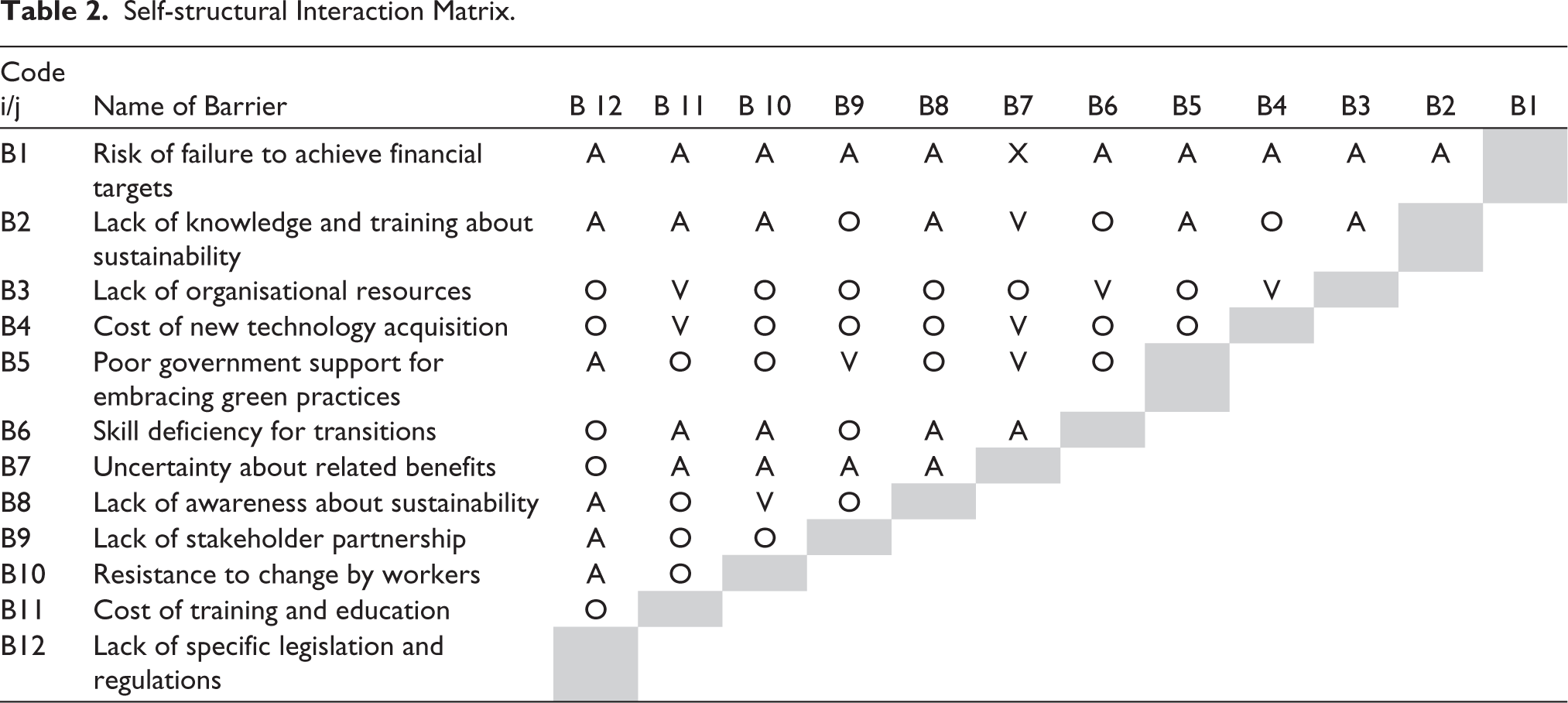
After finalising the barriers to adopting sustainable manufacturing among small and micro-entrepreneurs in eastern India, SSIM (Table 2) was used to understand the relationship among the barriers (Kumar et al., 2016; Rana et al., 2019). For the creation of Table 2, four codes were used:
Self-structural Interaction Matrix.
If A controlled B, the code given was V.
If B controlled A, the code given was A.
If A and B controlled each other, then the code given was X.
If A and B did not control each other, then the code given was O.
Through a detailed analysis of the respondents’ answers and the application of the above four symbolisations, an SSIM for the barriers to adopting sustainable manufacturing among small and micro-entrepreneurs was constructed, which is presented in Table 2.
Initial Reachability Matrix
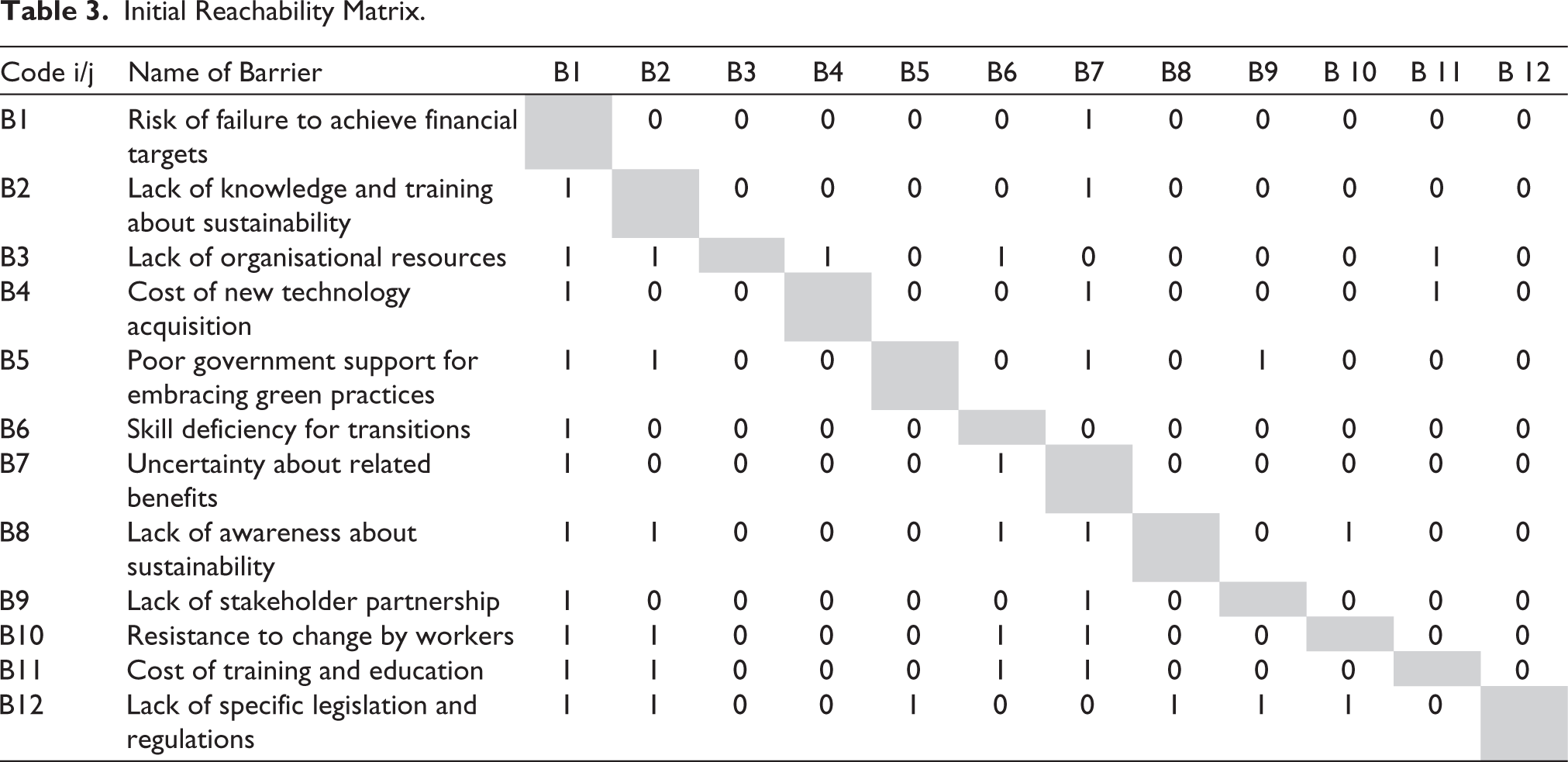
Creating an IRM is the next stage in the ISM process. The SSIM, represented in Table 2, was transformed into the IRM. The authors used ones and zeros to create the IRM (Table 3). To create the IRM (Table 3), the authors used binary digits (1 and 0), which replace the various symbols (V, A, X, O) in the SSIM (Table 2). The replacement was done in the following manner: the instance denoted by ‘V’ in SSIM was transformed as ‘0’ in the (j, i) entry and ‘1’ in the (i, j) entry; the instance denoted by ‘A’ in SSIM was transformed as ‘1’ in the (j, i) entry and ‘0’ in the (i, j) entry; the instance denoted by ‘X’ in SSIM was transformed as ‘1’ in both (j, i) and (i, j) entries; the instance denoted by ‘O’ in SSIM was transformed as ‘0’ in both (j, i) and (i, j) entries.
Initial Reachability Matrix.
Final Reachability Matrix
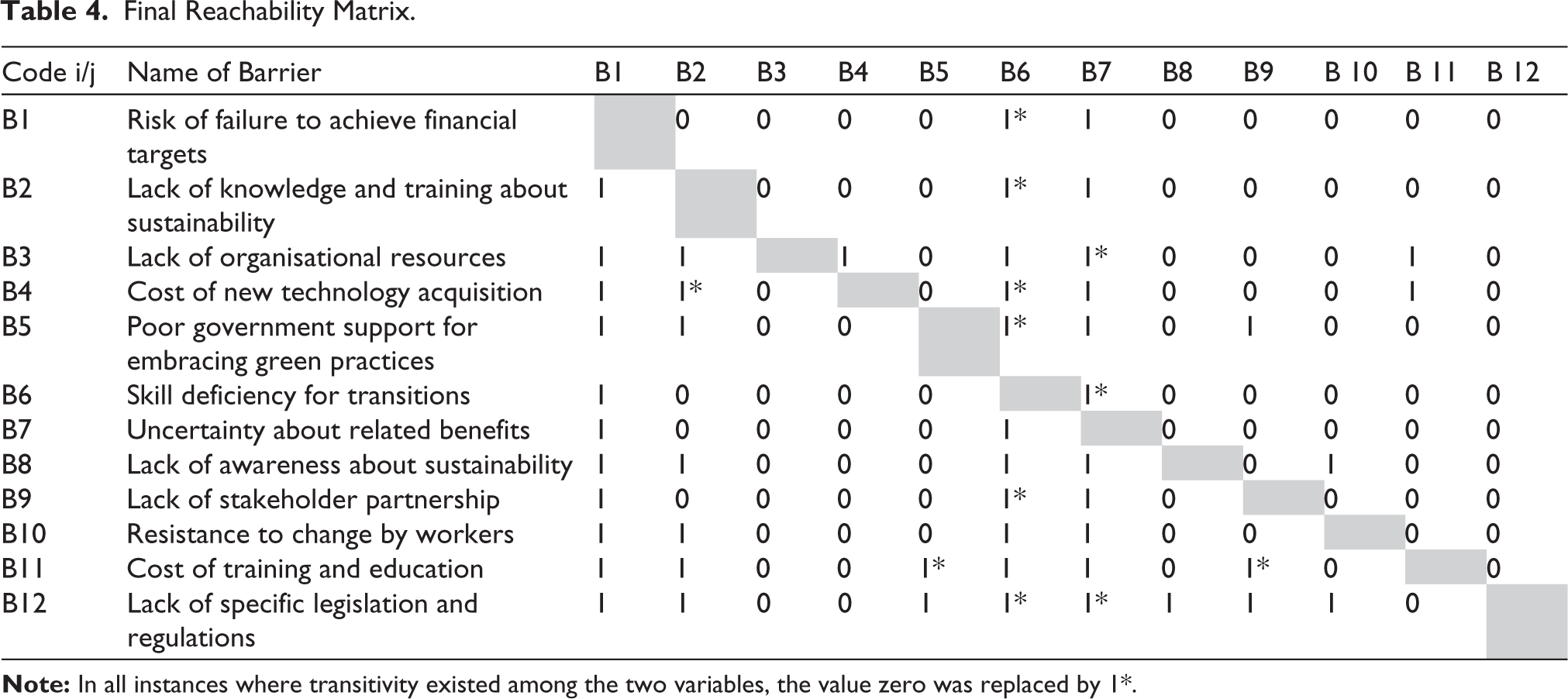
After building IRM, the transitivity among the selected barriers to adopting sustainable manufacturing among small and micro-entrepreneurs in eastern Indian states was identified, and the FRM is tabulated in Table 4. In all instances where transitivity existed among the two variables, the value zero was replaced by 1*. The authors identified 11 incidents where the two variables existed in a transitive relationship.
Final Reachability Matrix.
Levels
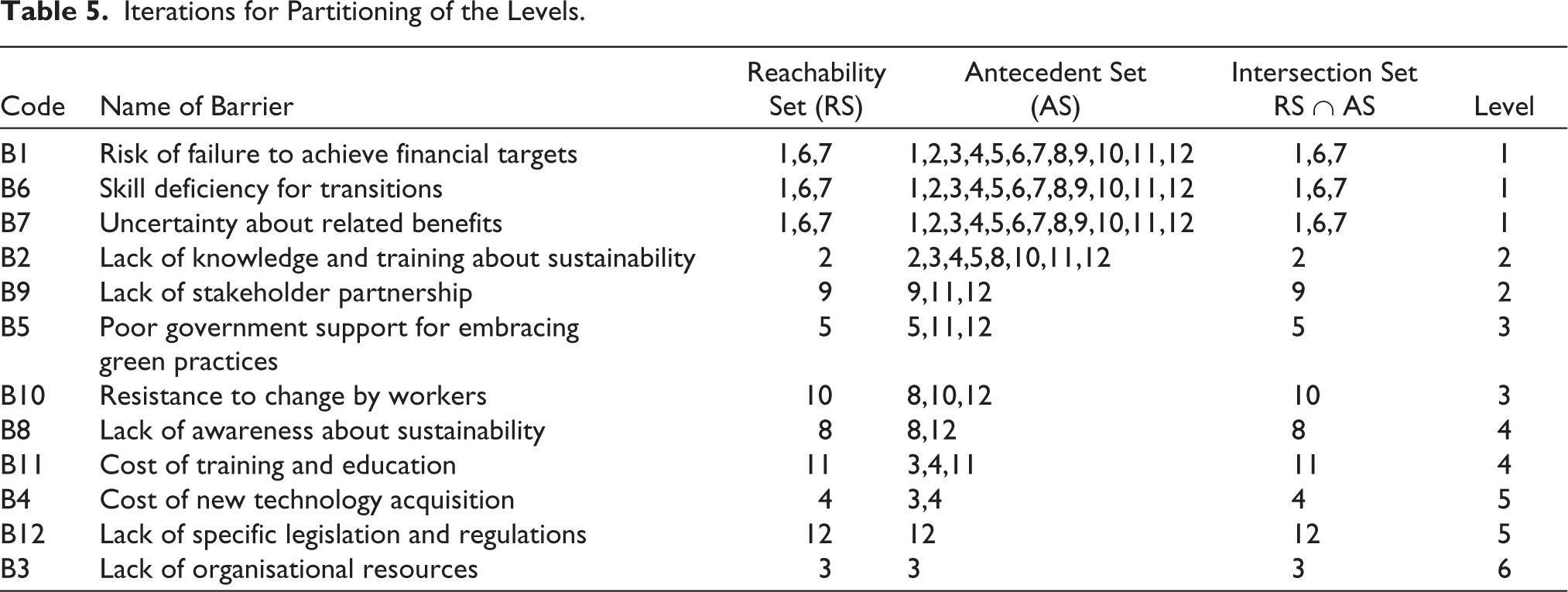
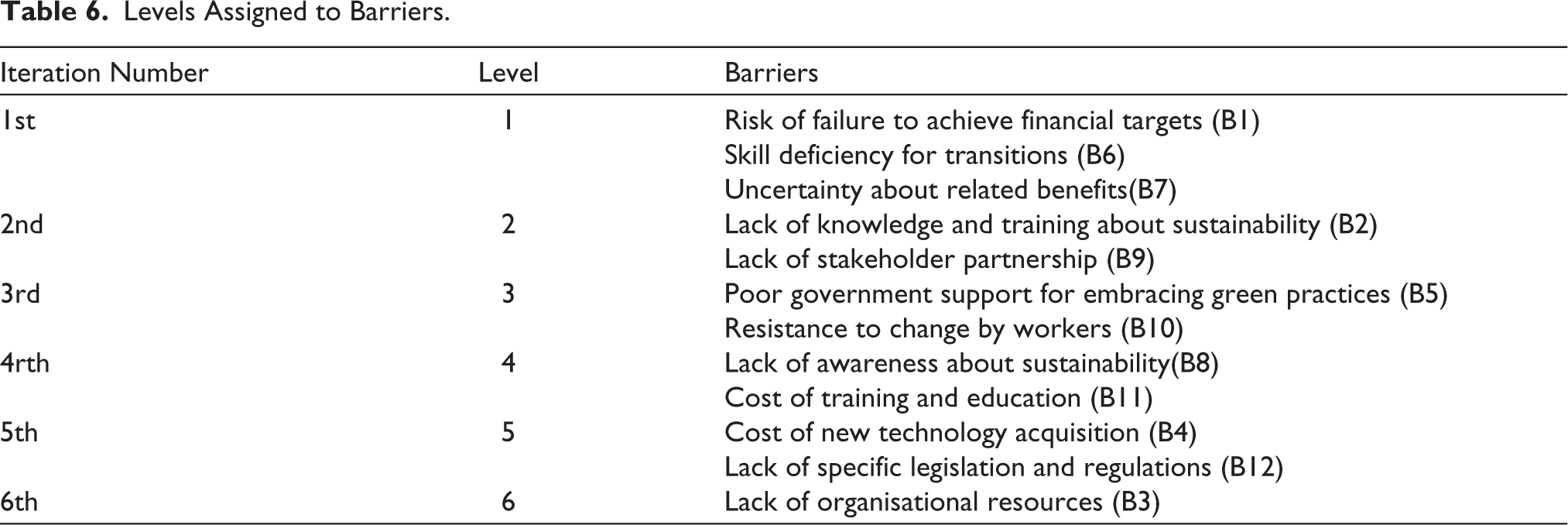
Overall, six iterations were performed to segregate the levels. The FRM helped create the ordered configuration of barriers to adopting sustainable manufacturing among small and micro-entrepreneurs in eastern India. The antecedent, reachability and intersection sets were created. Based on intersection sets, the levels were allocated. For example, the ‘risk of failure to achieve financial targets’, ‘skill deficiency for transitions’ and ‘uncertainty about related benefits’ were allotted Level 1, ‘lack of knowledge and training about sustainability’ and ‘lack of stakeholder partnership’ were assigned Level 2, ‘poor government support for embracing green practices’ and ‘resistance to change by workers’ were allotted Level 3, ‘lack of awareness about sustainability’ and ‘cost of training and education’ were allotted Level 4, ‘cost of new technology acquisition’ and ‘lack of specific legislation and regulations’ were allocated Level 5 and ‘lack of organisational resources’ was allocated Level 6. The results of the six iterations done for partitioning the levels are presented in Table 5. The iterations are presented in the Appendix.
Iterations for Partitioning of the Levels.
Discussion
The authors used Table 6 to develop the ISM-based model illustrated in Figure 2.
Levels Assigned to Barriers.
The Interpretative Structural Model for Adoptions in Sustainable Manufacturing in MSMEs in Eastern Indian States.
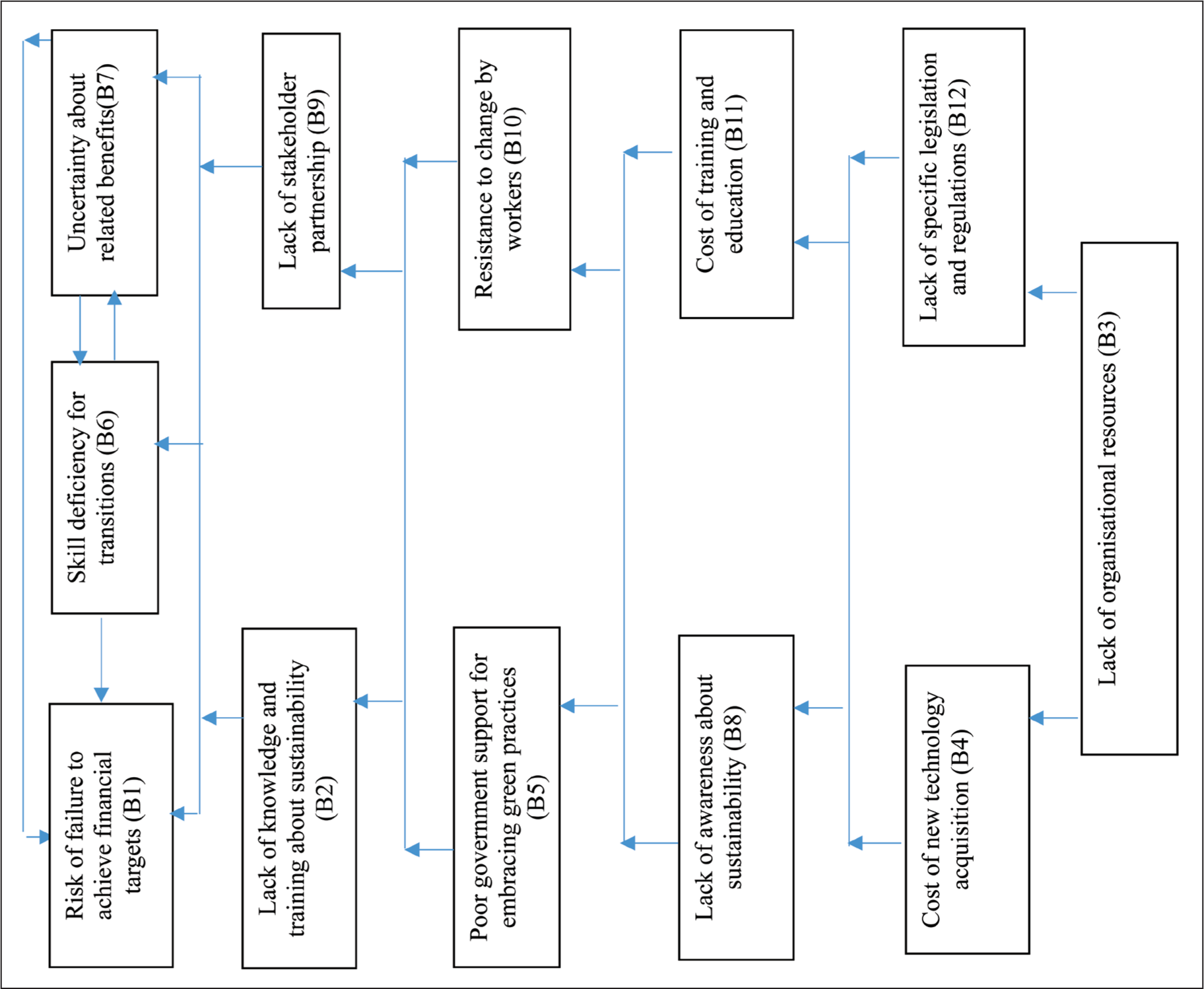
Tables 5 and 6 and Figure 2 clearly show that the ‘risk of failure to achieve financial targets’, ‘skill deficiency for transitions’ and ‘uncertainty about related benefits’ were assigned Level 1, which portrays Level 1 variable as the most important obstructions in the barriers in the adoption of sustainable manufacturing among small and micro-entrepreneurs in eastern states of India. At Level 2 were ‘lack of knowledge and training about sustainability’ and ‘lack of stakeholder partnership’. Level 3 was assigned to ‘poor government support for embracing green practices’ and ‘resistance to change by workers’. Level 4 highlighted the need for increased awareness about sustainability and the associated costs of training and education. At Level 5 were ‘cost of new technology acquisition’ and ‘lack of specific legislation and regulations’; at the base of the ISM model was ‘lack of organisational resources’, which was assigned Level 6.
According to the current research, one of the most impacted barriers to small and medium-sized firms (SMEs) implementing sustainable manufacturing methods is the ‘possibility of failing to meet financial objectives’. SME owners and entrepreneurs typically have limited financial resources and devote a significant portion of their wealth to the company (Alfaro-Tanco et al., 2021). This obstacle hinders the capacity and confidence of SMEs to undertake an uncertain and often significant investment in the economic feasibility of an innovative, unproven and expensive procedure (Cherrafi et al., 2016).
The second obstacle at Level 1 concerns ‘inadequacies in skills associated with transitions’. This discovery is consistent with prior research conducted by Govindan et al. (2014), Panizzolo et al. (2012) and Soti et al. (2010). An SME’s leadership is usually trained solely in the processes required for its specific business process and often lacks expertise, prospects or interest in training and education in sustainable methods.
Studies have shown that implementing sustainable business practices offers numerous advantages, including improved brand recognition, access to a growing niche market, attracting better talent and a loyal and motivated customer base, among other benefits. Our study provides further evidence in support of previous research that has identified a notable obstacle in the form of ‘limited knowledge and uncertainty surrounding the potential advantages’ associated with the implementation of sustainable business practices (Kumar et al., 2013, 2014; Mudgal et al., 2010; Zhu et al., 2007).
In a growing economy like India, the primary drivers of decision-making are centred on achieving ‘cost efficiency and maximising profitability’. Sustainability and its many strategies are crucial to an individual’s lifestyle. An additional obstacle that hinders progress is the ‘absence of collaboration and support from relevant parties’. The capacity of a firm to effect substantial changes in its operations is heavily reliant on the support it receives from capital sources, government entities, local authorities, suppliers and consumers. Implementing a successful and sustainable process is heavily influenced by several factors, including support in the form of tax incentives, reduced bureaucratic procedures and access to high-quality raw materials. This assertion is supported by research from Al-Khidir and Zailani (2009) and Scupola (2003).
Furthermore, our study identifies hurdles such as ‘deficiency in governmental assistance for adoption’ and ‘reluctance among workers to embrace change’. The endorsement and comprehension of workers across all hierarchical levels within the business are crucial for implementing any alterations to the organisational process. Potential opposition from workers may be attributed to their limited understanding of sustainability and sustainable practices (Level 4) (Govindan et al., 2014; Jabbour & Jabbour, 2016).
Additionally, enhanced communication and collaboration across one or more departments contributed to this outcome, as demonstrated by previous studies by Revell and Rutherford (2003) and Shore and Venkatachalam (2003). Alternatively, the organisation’s suboptimal calibre of human resources may also be a contributing factor (Govindan et al., 2013; Hillary, 2000; Jabbour & Jabbour, 2016).
Despite a favourable governmental, employee and stakeholder environment, the substantial associated costs impede the adoption of training and education (Level 4) and advanced sustainable equipment (Level 5). Identifying, acquiring, training or recruiting skilled personnel for a sophisticated technology incurs substantial expenses. Organisations operating at this level have significant challenges implementing resource-intensive changes, especially when a more cost-effective option is available. The problem is further exacerbated by the acknowledgement of some members of the top management that they do not fully endorse sustainable procedures (Emiliani, 2010; Hillary, 2000; Kannan et al., 2008; Ravi & Shankar, 2005; Thompson, 2002; Zhu et al., 2007).
India’s administration and legislative bodies have prioritised economic growth and advancement above the precise techniques employed to achieve these goals within the framework of India’s status as a developing nation. Regulators and authorities have often shown a tendency to be reactive rather than proactive, which has led to a perception of insufficient vigilance. Additionally, the judicial system is currently overwhelmed by a heavy caseload, which poses considerable challenges in ensuring its effectiveness in respecting and safeguarding the rights of all parties concerned. When there is a need for more specific rules and laws (Level 6), proprietors prefer to use a strategy involving significant expenses (Al-Khidir & Zailani, 2009; Scupola, 2003).
The government and policymakers must recognise the nation’s needs for sustainable development and growth. They should provide corporations with ample support, encouragement and incentives to adopt sustainable practices. Implementing measures such as providing affordable loans, offering tax benefits and reducing bureaucratic procedures will significantly alleviate the financial barriers that small and medium-sized enterprises encounter. Policymakers can utilise their foreign relations to arrange training courses and seminars conducted by international specialists for firms at no cost or a nominal fee. Additionally, it may be beneficial to reassess import rules to better accommodate the requirements of small and medium-sized enterprises.
Conclusion
This study sheds light on the imperative issues of fostering sustainable manufacturing practices among India’s small and microenterprises. The overarching objective was to identify the formidable barriers that impede the adoption of sustainable manufacturing. One of the pivotal barriers identified in the study is the fear of financial setbacks associated with embracing sustainable practices. Small businesses often operate in fiercely competitive markets with extremely narrow profit margins. Failure to meet financial targets poses a substantial obstacle to adopting sustainable initiatives. Government incentives, subsidies and financing schemes tailored to support the initial shift to sustainable practices could help small-scale enterprises make this smooth transition. The need for more essential skills and knowledge is another challenge faced by small and microenterprises in India. The transition to sustainable manufacturing practices demands a workforce proficient in cutting-edge technologies and sustainable methodologies. This deficiency can be addressed through training programmes, capacity-building initiatives and partnerships with educational institutions and industry associations.
Furthermore, our research revealed that small enterprises often require greater certainty about the benefits of adopting sustainable manufacturing practices. Awareness campaigns, case studies showcasing success stories and platforms for knowledge exchange should be used to remove the barriers. Demonstrating the tangible advantages of sustainability, such as reduced resource consumption, enhanced market competitiveness and improved reputation, can help dispel scepticism and motivate these enterprises to accept green manufacturing processes.
In addition to the primary barriers, this study also highlights the secondary and tertiary impediments that hinder the adoption of sustainable manufacturing practices among small and microenterprises. These principles need more collaboration among stakeholders due to limited awareness of sustainability. Collaboration is pivotal in driving sustainable manufacturing, as it often involves multiple agencies, including government, non-governmental organisations and consumers. However, without a shared understanding of suitable principles, forgoing meaningful partnerships becomes a daunting task. Some possible recommendations for policymakers to address the various barriers to sustainable manufacturing could be offering financial incentives, grants or low-interest loans to MSMEs for sustainable investments; infrastructure and practices; establishing subsidies and tax breaks to offset the initial costs of adopting sustainable technologies; and facilitating technology sharing programmes, where larger enterprises can lease or share equipment with MSMEs. The government should offer financial guarantees or insurance programmes to mitigate risks associated with sustainable investments. By implementing these recommendations, policymakers can play a pivotal role in fostering a supportive ecosystem that encourages and enables MSMEs to integrate green practices into their manufacturing processes.
Limitations and Implications
This study is geographically limited to the eastern states of India. While it offers valuable insights into the barriers faced by small and micro-entrepreneurs in adopting sustainable manufacturing practices within this context, its applicability to other Indian states and other developing countries may vary. Therefore, future research endeavours should consider replicating a similar study in diverse international settings to ascertain the generalisability of findings across different socio-economic and cultural contexts.
Furthermore, this study utilises the ISM technique to discern relationships among the identified barriers hindering the adoption of sustainable practices by SME entrepreneurs in India. It is crucial to acknowledge that while ISM offers a comprehensive framework for understanding the interconnection between these barriers, this study needs to test the model empirically. Consequently, the strengths and significance of the relationships within the ISM model remain theoretical and warrant further exhaustive empirical investigation.
Given this limitation, future researchers are encouraged to conduct studies that collect extensive primary data from diverse sectors engaged in manufacturing processes in small-scale businesses. By empirically testing the ISM model, researchers can validate the identified relationships among barriers, offering a deeper understanding of the dynamics at play. Additionally, such empirical studies reveal further factors that should have been addressed within the scope of this research, thereby contributing to a more comprehensive understanding of the challenges and opportunities surrounding the topic under study.
Footnotes
Acknowledgements
We thank all subject matter experts who contributed to the development of the barrier framework and the respondents who participated in the survey, providing us with data for investigation and validation.
Declaration of Conflicting Interests
The authors declared no potential conflicts of interest with respect to the research, authorship and/or publication of this article.
Funding
The authors received no financial support for the research, authorship and/or publication of this article.
Appendix
Iteration 6.

| Code | Barriers | RS | AS | RS Ç AS | Level |
| B3 | Lack of organisational resources | 3,4 | 3 | 3 | VI |